
Inca Expansion: A Timeline of Conquest and Consolidation

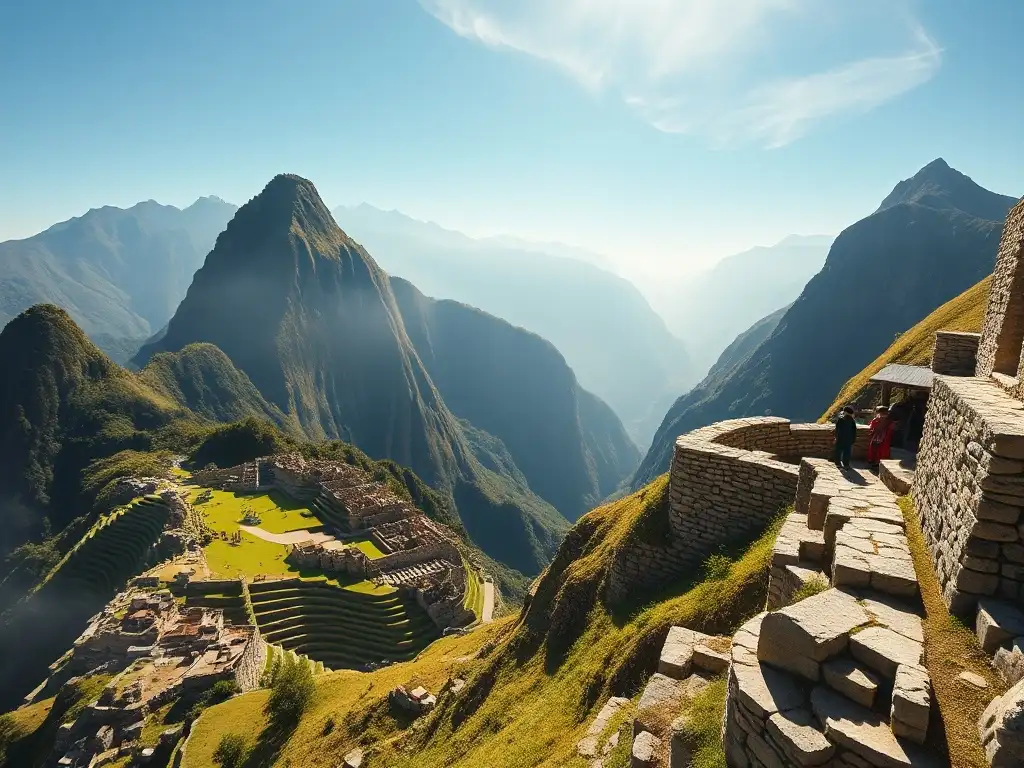
Step into a world lost to time, yet echoing with the whispers of empires. Prepare to be captivated by the Andean Civilizations, a realm of breathtaking artistry, ingenious engineering, and enduring mystery. But their story is far from a simple tale; unravel the complexities of their rise to power with our deep dive into the Inca Empire expansion timeline. Discover how a small tribe transformed into a vast, sophisticated empire—a journey of conquest and consolidation that will leave you breathless. What secrets lie hidden within the stones and the legends? Explore and find out.
- Inca Empire Expansion Timeline: Conquest and Consolidation
- The Genesis of Inca Expansion: Early Stages of the Empire
- The Rise of the Inca Empire: Key Conquests and Strategies
- The Expansionist Era: Significant Military Campaigns and Territorial Gains
- Inca Empire at its Zenith: Reaching Maximum Territorial Extent
- Consolidation and Internal Challenges: The Final Years of Expansion
- The Legacy of Inca Expansion: A Lasting Impact
- Conclusion: Understanding the Scale of the Inca Empire's Expansion
-
Frequently Asked Questions
- How did the Inca Empire begin its expansion?
- What were the key factors contributing to the Inca Empire's rapid expansion?
- What regions did the Inca Empire conquer during its expansion?
- How did the Inca Empire manage its vast territory after conquest?
- When did the Inca Empire's expansion end, and what caused its decline?
- Final Reflection: Echoes of the Inca Empire's Reach
- **Embrace the Legacy of the Incas! **
Inca Empire Expansion Timeline: Conquest and Consolidation
The Inca Empire, a marvel of pre-Columbian South America, didn't rise to its impressive size overnight. Its expansion, a carefully orchestrated blend of military prowess, diplomatic negotiation, and shrewd administrative strategies, spanned several decades and resulted in the incorporation of diverse cultures and landscapes into a vast, unified realm. This timeline details the key phases of Inca expansion, highlighting significant conquests, alliances, and the challenges faced in consolidating this unprecedented Andean empire.
Understanding this process reveals not only the military might of the Inca but also their sophisticated methods of integrating conquered populations and managing a sprawling territory, a testament to their remarkable organizational abilities. This exploration will delve into the specific events, highlighting the strategic choices and consequences that shaped the Inca Empire's rise to dominance and its lasting legacy.
We will examine the impact of their expansion on the conquered peoples, the development of their administrative systems, and the ultimate limits of their imperial ambitions. The keyword "Inca Empire expansion timeline" will guide this chronological journey through the growth of this remarkable civilization.
Early Expansion and the Reign of Pachacuti (1438-1471)
Pachacuti Inca Yupanqui's reign marks a pivotal turning point in Inca history. Before his ascension, the Inca were a relatively small kingdom. However, under his leadership, they embarked on a period of aggressive expansion. Pachacuti's military reforms, including the creation of a highly disciplined army and improved weaponry and logistics, were crucial to their early successes. His reign saw the subjugation of neighboring groups around Cusco, laying the foundation for future conquests.
The initial expansion focused on securing the immediate surroundings of Cusco, consolidating power and resources before venturing further afield. This period involved a combination of warfare and strategic alliances, demonstrating the Inca's flexible approach to territorial expansion. Specific battles and conquered territories during this era require further research to provide exact dates and details. [Specific information pending] However, it is clear that this early consolidation was essential for the later, more ambitious phases of expansion.
Expansion Under Topa Inca Yupanqui (1471-1493)
Topa Inca Yupanqui, Pachacuti's son, inherited a strengthened empire and continued his father's expansionist policies with even greater ambition. His reign witnessed the most dramatic territorial growth of the Inca Empire. Topa Inca's armies marched north and south, conquering vast territories and incorporating diverse populations into the Inca world. The conquests extended from the northern regions of modern-day Ecuador to the south, reaching into present-day Chile.
His campaigns were characterized by both military victories and diplomatic negotiations. The Inca utilized a sophisticated system of administration to incorporate newly conquered territories, establishing a network of roads, administrative centers, and integrating local elites into the imperial structure. The incorporation of different cultures and belief systems into the empire was a complex process, sometimes marked by resistance and rebellion but ultimately leading to a degree of cultural exchange and syncretism.
The precise number of battles and their outcomes during this period require detailed historical analysis. [Data pending on specific battles and their casualties]. However, the geographical extent of his conquests is well documented.
The Reign of Huayna Capac (1493-1527) and the Final Expansion
Huayna Capac, Topa Inca's son, continued the expansionist trend, although the pace slowed somewhat compared to his predecessor's aggressive campaigns. His focus shifted towards consolidating existing territories and integrating recently acquired populations, rather than launching large-scale military expeditions. Nevertheless, he extended Inca control further north into what is now Colombia, reaching the limits of Inca expansion.
The final stages of Inca expansion coincided with the arrival of the first Europeans, inadvertently marking the beginning of the empire's ultimate decline. This period is particularly important because it highlights the inherent challenges of managing such a vast and diverse empire. The logistical complexities of governing such an extensive territory, coupled with the cultural and linguistic diversity of the incorporated populations, posed significant administrative challenges that contributed to the empire's vulnerability in the face of future European conquest.
Further research into the administrative strategies employed during this period is needed to fully understand the successes and failures of the Inca imperial system. [Further research required on Huayna Capac's administrative strategies].
The Inca Road System: A Key to Consolidation 🤔
The success of the Inca Empire wasn't solely reliant on military might; it also depended on a remarkably efficient infrastructure. The vast network of roads, known as the Qhapaq Ñan, played a pivotal role in both expansion and consolidation. This intricate system facilitated the movement of armies, messengers, and goods across the empire, enabling efficient communication and resource distribution. The roads connected distant regions, fostering integration and facilitating the flow of information. Its strategic importance in supporting military campaigns and maintaining control over vast territories cannot be overstated. The engineering prowess demonstrated in the construction of this road network underscores the Inca’s advanced technological capabilities and their understanding of logistical requirements for managing a large empire. [Further details on specific road segments and their construction techniques are needed]. The Qhapaq Ñan stands as a testament to the Inca’s remarkable organizational skills and their vision for a unified and interconnected empire.
The Genesis of Inca Expansion: Early Stages of the Empire
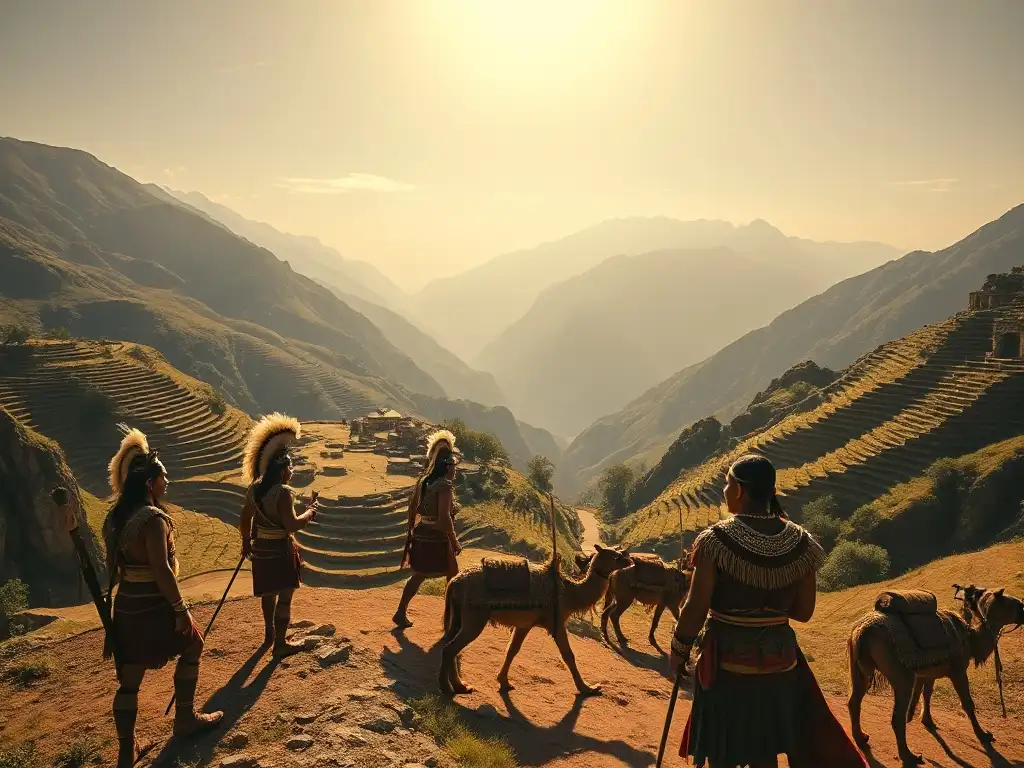
This section delves into the foundational period of Inca expansion, examining the initial steps that transformed a small kingdom into a vast empire. Understanding this genesis is crucial to grasping the later, more dramatic phases of Inca territorial growth. The Inca Empire's expansion wasn't a sudden explosion; it was a carefully orchestrated process spanning generations, built upon strategic alliances, military prowess, and shrewd political maneuvering.
The timeline of Inca expansion is complex, involving periods of rapid growth punctuated by consolidation and periods of internal strife. We will explore the key factors that fueled this remarkable growth, focusing on the initial stages that laid the groundwork for the later imperial achievements. Analyzing these early stages provides a crucial context for understanding the full scope of Inca influence across the Andes.
The Kingdom of Cusco: Foundation of Inca Power
The Inca Empire's story begins in Cusco, a strategically located city in the Andes. The early Inca, emerging from a relatively small polity, gradually consolidated power in the region. Cusco's fertile valley provided ample resources, while its elevation offered a commanding view of surrounding territories. This advantageous location facilitated both agricultural productivity and military defense, contributing significantly to the early Inca's success.
Archaeological evidence suggests Cusco's development involved a phased expansion, with successive rulers adding to the city's infrastructure and fortifications. The city's growth mirrored the growing power of the Inca leadership, becoming a symbol of their authority and a center for the administration of their expanding dominion. The development of intricate irrigation systems further bolstered agricultural output, providing the resources necessary to support a growing population and a burgeoning military. The strategic location and resourcefulness of Cusco were instrumental in the Inca Empire's expansion timeline.
Early Inca Leaders and Initial Territorial Control
The early Inca rulers, often shrouded in myth and legend, played a pivotal role in setting the stage for future conquests. While precise details about their reigns remain debated among historians, it's clear that these early leaders laid the foundations for the Inca's expansionist policies. Figures like Manco Cápac and Sinchi Roca, while possibly legendary, represent the initial stages of Inca state-building and territorial consolidation. Their actions, real or mythologized, established a pattern of military expansion and political integration that would define the empire's growth.
The early Inca expansion wasn't solely reliant on military might; it also involved the strategic incorporation of conquered populations. This involved integrating conquered peoples into the Inca system, often through alliances, intermarriage, and the adoption of Inca administrative practices. This nuanced approach of combining military strength with diplomatic strategies significantly impacted the timeline of Inca expansion, allowing for smoother assimilation and reduced resistance in many areas.
The effectiveness of this approach is evident in the relatively rapid expansion of the Inca Empire during subsequent reigns. Further research is needed to fully understand the precise roles and contributions of these early leaders and fully clarify the Inca Empire expansion timeline during this formative period. The available evidence, however, strongly suggests that their actions were fundamental to the later imperial success.
The Rise of the Inca Empire: Key Conquests and Strategies
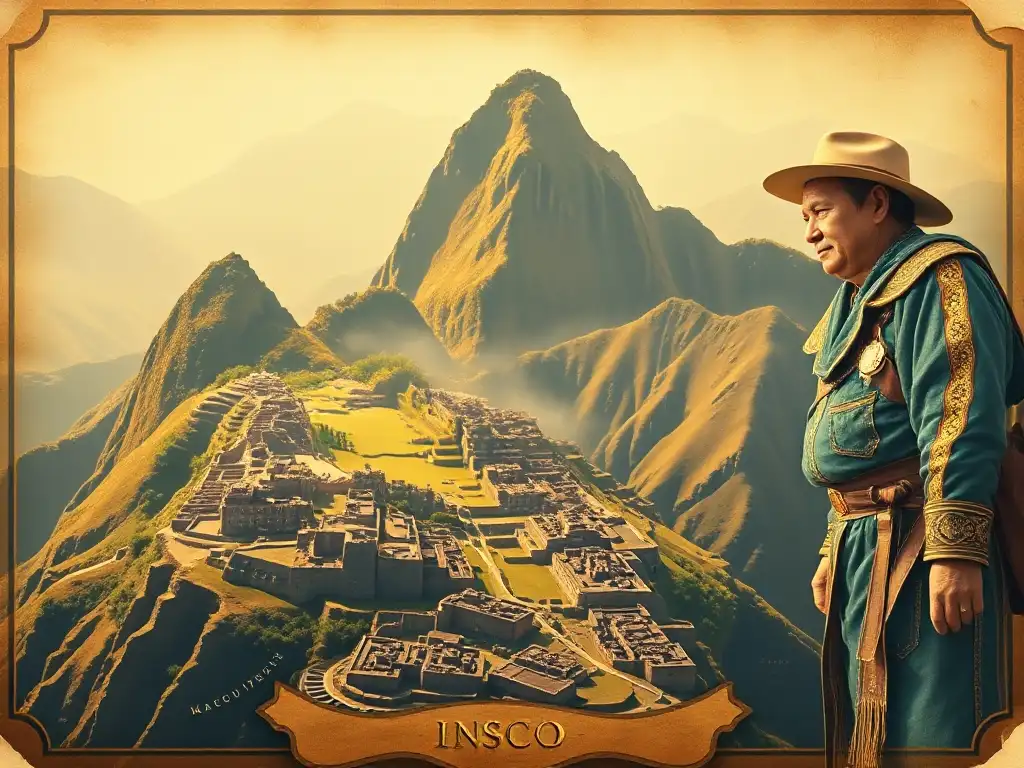
The Inca Empire's remarkable expansion, a feat of military prowess and political strategy, wasn't a sudden explosion but a gradual, calculated process spanning several generations. Understanding this timeline requires acknowledging the crucial role played by key figures and the evolution of their conquest strategies. The Inca Empire expansion timeline showcases a pattern of strategic alliances, skillful diplomacy, and, when necessary, brutal military force. The empire’s growth wasn’t solely about territorial acquisition; it was about integrating conquered populations into a vast, centralized system, a process that involved significant cultural exchange and administrative innovation. This intricate interplay of military might and sophisticated governance is what ultimately shaped the Inca Empire's immense reach and lasting legacy. The empire's growth, driven by ambitious rulers and a well-organized military, fundamentally reshaped the Andean landscape and its cultural fabric. Analyzing this expansion provides crucial insights into the complexities of ancient state formation and imperial power dynamics.
The Reign of Pachacuti: The Architect of Imperial Expansion
Pachacuti Inca Yupanqui (circa 1438-1471 CE) is widely considered the architect of the Inca Empire's expansion. Before his reign, the Inca were a relatively small kingdom centered around Cusco. Pachacuti's military genius and political acumen transformed the Inca from a regional power into a dominant force in the Andes.
His reign witnessed the conquest of numerous neighboring groups, significantly expanding Inca territory and influence. He implemented innovative military strategies, coupled with shrewd diplomacy, to subdue resistant populations and incorporate them into the burgeoning empire. His conquests weren't solely driven by aggression; he strategically chose targets, often integrating conquered elites into his administration to maintain stability and control.
The expansion under Pachacuti laid the groundwork for the subsequent rapid growth of the Inca Empire, setting the stage for the achievements of his successors. His reign marks a pivotal point in the Inca Empire expansion timeline, transitioning from a regional kingdom to a burgeoning empire.
Military Tactics and Inca Army Organization: Keys to Success
The Inca army's success wasn't solely attributable to brute force; it stemmed from a sophisticated combination of factors. Their army was highly organized, comprised of specialized units with distinct roles. Elite warriors, often drawn from the nobility, formed the core of the fighting force.
Support units provided logistical support, ensuring the army's mobility and sustainability during long campaigns. The Inca army effectively utilized terrain to their advantage, employing guerilla warfare tactics in challenging landscapes. Their weaponry, including slings, spears, and clubs, proved highly effective in close-quarters combat.
Furthermore, the Inca employed psychological warfare, utilizing propaganda and displays of power to demoralize opponents before engaging in battle. The effective organization and sophisticated tactics of the Inca army were instrumental in their remarkable conquests, forming a critical component of the Inca Empire expansion timeline. Data on the size and composition of the Inca army is still debated among scholars, but its effectiveness is undeniable.
Expansion Beyond Cusco: Initial Conquests and Regional Domination
The Inca expansion began with the conquest of nearby territories around Cusco. These early victories provided a foundation for subsequent expansion, allowing the Inca to consolidate their power and resources. Early conquests included the subjugation of groups like the Colla and the Huanca, establishing a strong foothold in the region.
These early campaigns honed the Inca's military strategies and administrative techniques, laying the groundwork for larger-scale conquests. The initial conquests were not always met with resistance; some groups willingly submitted to Inca rule, seeking protection or economic benefits. This strategic approach of combining military force with diplomatic negotiation played a significant role in the early stages of Inca Empire expansion.
This period of the Inca Empire expansion timeline is marked by a gradual but steady accumulation of power and territory, setting the stage for the more ambitious conquests that followed under Pachacuti and his successors. Detailed records of these early conquests are scarce, requiring further research to fully understand their complexities.
The Expansionist Era: Significant Military Campaigns and Territorial Gains
The Inca Empire's remarkable expansion wasn't a haphazard process but a meticulously planned series of military campaigns and strategic alliances, fueled by a potent combination of military prowess and shrewd diplomacy. This expansion, spanning several decades, fundamentally reshaped the political landscape of the Andes, incorporating diverse cultures and vastly increasing the empire's resources and power. The Inca Empire expansion timeline is complex, marked by both swift victories and prolonged periods of consolidation.
Understanding this timeline requires examining key campaigns and their consequences. The empire's growth wasn't solely about conquest; it was also about integrating newly acquired territories into a functioning administrative system, a feat reflecting sophisticated organizational skills.
The Conquest of the Chanka Confederation: A Pivotal Victory
The conquest of the Chanka confederation, a powerful group inhabiting the region south of Cusco, stands as a pivotal moment in the Inca expansion timeline. This victory, achieved under the leadership of Pachacuti Inca Yupanqui in the mid-15th century, marked a turning point. Prior to this, the Inca were a relatively small kingdom. The Chanka, known for their fierce resistance, posed a significant threat. Pachacuti's triumph wasn't just a military achievement; it dramatically boosted Inca prestige and provided a crucial springboard for further expansion.
The battle itself is shrouded in some mystery, with details varying across different accounts. However, the outcome is undeniable: a decisive Inca victory that shattered Chanka power and opened up vast territories for Inca control. The strategic importance of this conquest cannot be overstated.
The Chanka defeat not only eliminated a major rival but also granted the Inca access to vital resources and manpower, essential for future military campaigns. This victory also solidified Pachacuti's position as a powerful leader, capable of uniting disparate groups under a single banner. The successful integration of Chanka territories into the Inca administrative system demonstrated the empire’s growing capacity for governance.
Expansion to the North: Securing Control of the Highlands
Following the subjugation of the Chanka, Inca expansion aggressively targeted the northern highlands. This northward push involved numerous smaller conflicts and strategic alliances, gradually extending Inca influence and control over territories previously held by independent kingdoms and chiefdoms. The Inca strategy involved a combination of military force and diplomacy. While outright conquest was certainly a part of the strategy, the Inca also skillfully negotiated alliances and incorporated local elites into the imperial structure. This approach minimized resistance and facilitated smoother integration of newly conquered territories.
The expansion into the northern highlands resulted in the incorporation of significant populations and resources into the Inca Empire. This growth brought about new challenges in administration and resource management. The Inca addressed these challenges through the implementation of a sophisticated administrative system, with appointed officials overseeing different regions and ensuring the flow of resources to the capital, Cusco. The northern expansion significantly increased the empire's size and power, solidifying its position as the dominant force in the Andes. The acquisition of new agricultural lands, mineral resources, and manpower further strengthened the Inca's military and economic capabilities.
Southern Expansion: Integrating the Coastal Regions
While the northern expansion is well-documented, the Inca's southward push towards the coastal regions presents a more complex picture. This expansion involved conquering diverse groups with varying levels of political organization, from small, independent communities to larger, more established kingdoms. The geography also played a significant role; the coastal regions presented different challenges compared to the highlands, requiring adaptations in military tactics and administrative strategies.
The integration of the coastal regions into the Inca Empire brought about significant economic benefits. The coastal areas were rich in resources, including fish, guano (bird excrement used as fertilizer), and valuable minerals. The Inca leveraged these resources to further enhance their economy and consolidate their power. The coastal expansion also broadened the empire's cultural diversity, incorporating new artistic styles, religious practices, and technological innovations.
However, the integration process was not always smooth; resistance from coastal communities was common and required significant military efforts to overcome. The successful integration of these diverse territories into the Inca administrative system underlines the empire's remarkable capacity for governance and its ability to adapt to different geographical and cultural contexts. The Inca Empire expansion timeline demonstrates a remarkable capacity to adapt its strategies to the specific challenges posed by different regions and populations.
Consolidating Control over Conquered Territories
The Inca Empire's expansion wasn't solely about military conquest; it involved a sophisticated system of administration and integration to maintain control over newly acquired territories. This process was crucial for the long-term stability and prosperity of the empire. The Incas didn't simply impose their rule; they implemented strategies designed to foster loyalty and cooperation amongst the conquered populations. This involved a multifaceted approach, including the relocation of conquered peoples, the establishment of administrative centers, and the implementation of the mita system.
The relocation of populations served multiple purposes. Firstly, it weakened potential resistance by dispersing groups known for their rebellious nature. Secondly, it helped to populate newly conquered areas, strengthening the Inca presence and facilitating the extraction of resources. For instance, skilled artisans and farmers might be moved to different regions to bolster local production or to construct vital infrastructure projects. This carefully managed population movement wasn't a chaotic displacement but a calculated strategy to consolidate power and build a more unified empire.
Administrative centers, strategically placed throughout the empire, played a vital role in maintaining control. These weren't just military outposts; they served as hubs for governance, resource management, and communication. These centers housed Inca officials, who oversaw the collection of taxes (in the form of labor or goods), monitored local production, and ensured compliance with imperial decrees. The efficient administration of these centers was critical to the empire's ability to extract resources and maintain order across vast distances. The effective communication network, utilizing a sophisticated system of messengers and relay stations, enabled swift response to any challenges or rebellions.
The mita system, a form of mandatory labor service, was a cornerstone of Inca administration and a key instrument in consolidating control. While often viewed negatively, the mita provided the workforce necessary for massive infrastructure projects like roads, irrigation systems, and temples. It also ensured the production of agricultural goods and other necessities for the empire.
Importantly, the mita wasn't a system of pure exploitation. It provided a degree of social security and ensured a degree of reciprocal relationship between the empire and its subjects; in exchange for their labor, communities received protection, access to resources, and participation in the broader imperial system. However, the effectiveness and fairness of the *mita system varied greatly depending on the specific circumstances and the local administrators' approach.
Overuse or abuse could lead to resentment and rebellion, demonstrating the delicate balance the Inca needed to maintain. The system's success hinged on efficient organization, fair distribution of tasks, and the careful management of resources, ensuring the mita served as a tool for integration rather than oppression. Understanding the nuances of the *mita system is crucial to grasping the complexities of Inca imperial control.
Inca Empire at its Zenith: Reaching Maximum Territorial Extent
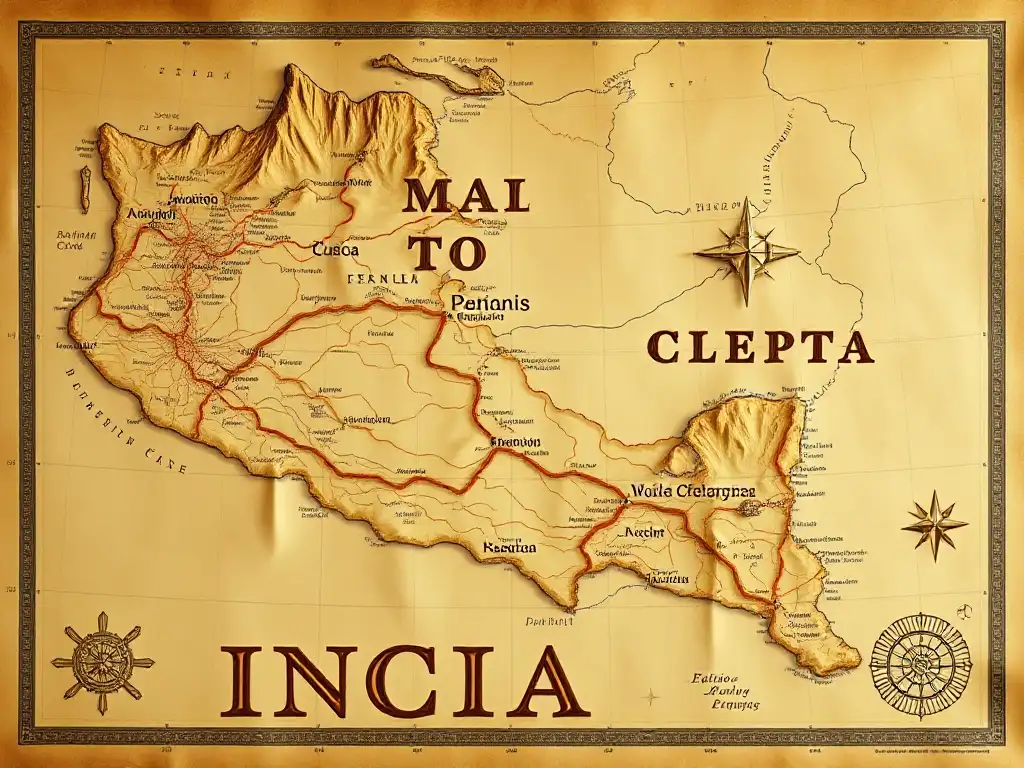
The Inca Empire, at its zenith under the leadership of emperors like Pachacuti and Topa Inca Yupanqui, achieved a remarkable territorial extent, encompassing a vast and diverse landscape along the Andes Mountains. This expansion wasn't merely a conquest of land; it represented a sophisticated strategy of political and economic control, integrating conquered populations and resources into a remarkably organized empire. The sheer scale of the Inca Empire's reach is a testament to the ingenuity and organizational prowess of its rulers and administrators.
The rapid expansion, however, also presented significant challenges in governance and resource management that the Inca leadership skillfully addressed through innovative solutions. Understanding this period is crucial to appreciating the complexities and lasting legacy of the Inca civilization.
The Reign of Topa Inca Yupanqui: Continued Expansion and Consolidation
Topa Inca Yupanqui (c. 1471-1493 CE), son of Pachacuti, is widely considered one of the most successful Inca emperors. He inherited a powerful empire, but his reign saw further significant expansion, solidifying Inca dominance across a vast territory. His military campaigns extended the empire significantly northward into present-day Ecuador and southward into parts of modern-day Chile.
This expansion wasn't solely driven by military might; Topa Inca Yupanqui implemented shrewd strategies to incorporate conquered territories effectively. He established new administrative centers, implemented the mita labor system to manage resources and infrastructure projects, and promoted cultural assimilation to maintain stability and loyalty within the newly acquired regions. His reign is marked by a period of remarkable growth and consolidation, laying the foundation for the empire's maximum territorial extent.
The construction of impressive infrastructure, such as roads and storage facilities ( qollqas), during his reign further facilitated the administration and control of this vast and diverse empire. Detailed records of his campaigns, though fragmented, showcase a meticulous planning and execution that enabled the seamless integration of new territories.
The Inca Empire's Geographic Reach: From Ecuador to Chile
At its peak, the Inca Empire stretched approximately 2,500 miles along the Andes Mountains, encompassing a remarkably diverse geography. The empire's northern border extended into what is now northern Ecuador, while the southern border reached into central Chile. This vast territory encompassed diverse ecological zones, from the arid coastal deserts to the high-altitude Andean plateaus and the lush Amazonian rainforest.
This diversity presented both opportunities and challenges. The varied climates and terrains required sophisticated agricultural techniques and innovative infrastructure to support the large population. The Inca's mastery of terracing, irrigation, and road construction is a testament to their ability to adapt to and manage this diverse environment.
The effective administration of such a geographically diverse empire required a complex system of communication and transportation, which was achieved through the extensive network of roads, chasquis (runners), and relay systems. The seamless integration of these diverse regions into a single political and economic entity remains a remarkable achievement in ancient civilization. The sheer scale of the Inca Empire's geographic reach underscores its significance as one of the largest pre-Columbian empires in the Americas.
Administration and Governance of the Vast Inca Empire
Governing such a vast and diverse empire required an incredibly sophisticated administrative system. The Inca implemented a highly centralized system, with the emperor at its apex. The empire was divided into four quarters ( suyus), each overseen by a governor appointed by the emperor. These governors were responsible for collecting taxes (mostly in the form of labor – the mita system), ensuring the maintenance of infrastructure, and managing local affairs.
The mita system, while demanding, provided a crucial mechanism for organizing labor for large-scale projects like road construction, agriculture, and mining. The Inca also developed a sophisticated system of record-keeping, using quipus (knotted cords) to track population data, agricultural yields, and other vital information. This intricate system allowed for efficient resource allocation and the effective administration of the vast territories under their control.
Moreover, the Inca implemented a system of resettlement and relocation of populations to ensure better control and to facilitate resource management. The success of the Inca Empire in governing this vast territory highlights the advanced administrative capabilities and organizational skills of its leadership. This sophisticated administrative apparatus is a key factor in understanding the Inca Empire's remarkable expansion and longevity.
Further Research Areas
Further research is needed to fully understand the intricacies of the Inca expansion timeline. Specific data on the exact dates of certain conquests, the details of specific battles, and the full extent of the empire's economic and social impact on conquered populations are still being uncovered and analyzed by scholars.
Consolidation and Internal Challenges: The Final Years of Expansion
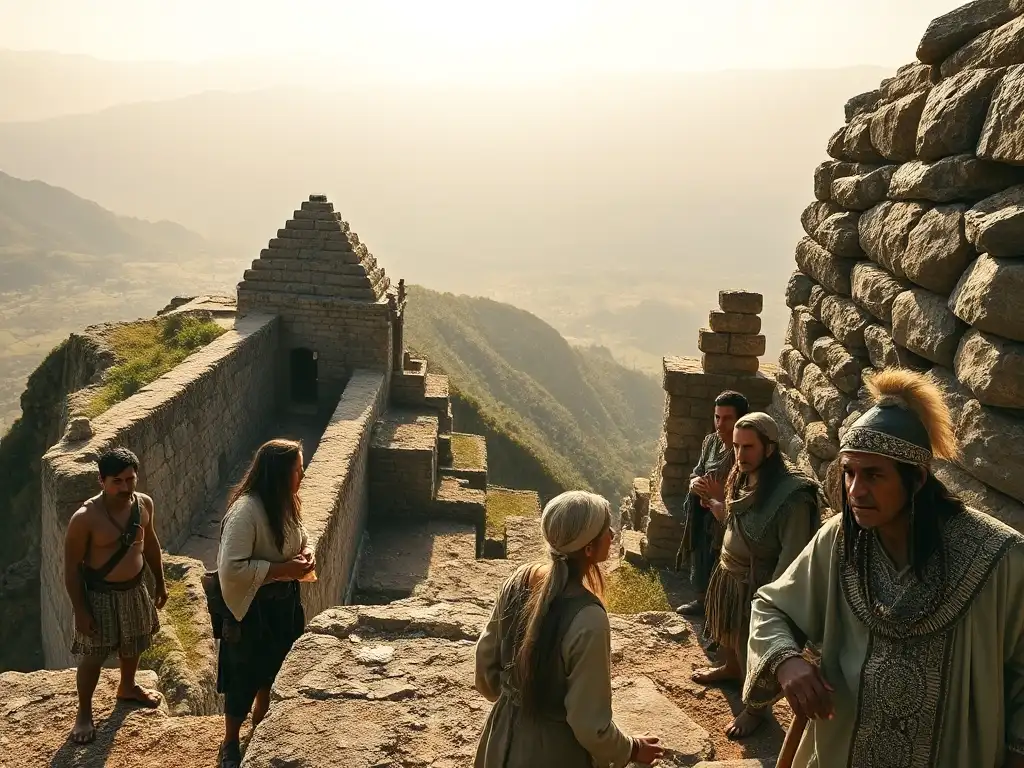
The Inca Empire's relentless expansion, fueled by military prowess and sophisticated administrative systems, reached its zenith under the reign of several powerful Sapa Incas. However, this period of unprecedented territorial growth also sowed the seeds of internal conflict and instability that would ultimately contribute to the empire's downfall. While the outward image presented a picture of unyielding power and unstoppable expansion, the internal workings of the empire faced significant challenges in managing such a vast and diverse population. Understanding this internal dynamic is crucial to fully grasping the Inca Empire expansion timeline and its lasting legacy.
The Reign of Huayna Capac: Final Territorial Acquisitions
Huayna Capac (circa 1493-1527), considered one of the most successful Inca rulers, oversaw the final major territorial acquisitions of the empire. His reign witnessed significant expansion into the northern Andes, encompassing regions previously inhabited by diverse groups, including the Quito and the Cañari. These conquests weren't merely acts of military dominance; they involved complex strategies of integration and assimilation.
Huayna Capac implemented a system of strategically placed tambos (roadside inns) and qhapaq ñan (the extensive Inca road system) to facilitate communication, trade, and the movement of troops across the vastly expanded empire. This infrastructure was vital for maintaining control over such a geographically diverse territory. The expansion under Huayna Capac was not solely focused on territorial gains; it also involved the incorporation of new resources and manpower into the imperial system, further strengthening the Inca economy and military might.
Internal Conflicts and Succession Issues: Seeds of Instability
Despite Huayna Capac's success in expanding the empire, his reign also laid the groundwork for future conflicts. The vastness of the empire made centralized control increasingly difficult, and regional tensions simmered beneath the surface of imperial unity. The Inca system of succession, based on primogeniture but often influenced by political maneuvering and military strength, became a source of instability.
The death of Huayna Capac from a smallpox epidemic (possibly) sparked a bitter power struggle between his sons, Huáscar and Atahualpa, ultimately leading to a devastating civil war. This fratricidal conflict significantly weakened the empire, leaving it vulnerable to the Spanish conquistadors who arrived shortly after.
The internal strife, fueled by competing claims to power and exacerbated by the lack of a clear and universally accepted succession process, ultimately proved more damaging to the Inca Empire than any external threat. The timeline of this conflict is crucial to understanding the fragility of the seemingly invincible Inca Empire.
The Impact of Inca Expansion on Local Cultures
The Inca expansion, while undeniably powerful, had a complex and multifaceted impact on the conquered populations. While the Inca imposed their administrative structures and religious beliefs, they also incorporated elements of local cultures into the imperial system. This process of mit'a (labor tribute) and the integration of local artisans and specialists into the imperial workforce demonstrates a pragmatic approach to governance.
The Inca cleverly utilized existing social structures and adapted their policies to suit the specific needs and characteristics of different regions, showcasing a sophisticated understanding of governance and administration. However, this integration was not without its costs. The imposition of the Inca language, Quechua, the restructuring of agricultural practices, and the relocation of populations undoubtedly disrupted existing social norms and cultural practices in many regions.
The extent of cultural impact varied considerably depending on the specific region and the nature of its prior integration into the Inca system. Analyzing this intricate interplay of cultural exchange and imposition offers a more nuanced understanding of the Inca Empire expansion timeline and its enduring legacy.
The Legacy of Inca Expansion: A Lasting Impact
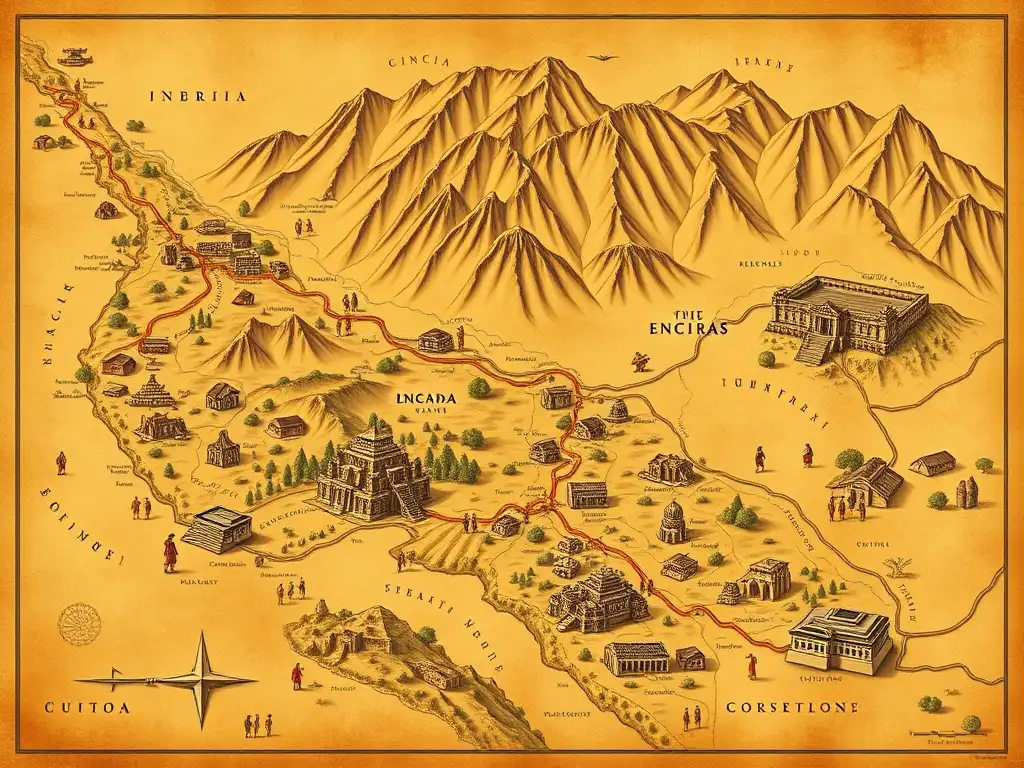
The Inca Empire's expansion, while ultimately ending in conquest, left an indelible mark on the Andes region. Its influence extended far beyond military might, shaping the landscape, culture, and even the very identity of the region for centuries to come. Understanding the Inca Empire expansion timeline reveals not just a story of conquest, but also one of remarkable administrative and engineering prowess, cultural assimilation, and ultimately, vulnerability to external forces. The sheer scale of their achievements, considering the available technology and resources of the time, remains awe-inspiring.
The impact of their expansion continues to resonate today, shaping modern Andean societies and providing a rich source of study for historians and archaeologists alike. The enduring legacy of the Inca Empire's expansion is a testament to the ingenuity and resilience of its people. Their innovative approaches to governance, infrastructure, and cultural integration continue to fascinate and inspire.
The Inca Road System: A Network Facilitating Expansion
The Inca road system, or Qhapaq Ñan, stands as a testament to the logistical brilliance behind the Inca Empire's rapid expansion. This extensive network of roads, spanning thousands of miles across treacherous Andean terrain, served as the lifeblood of the empire. It wasn't merely a system of transportation; it was a sophisticated logistical marvel that facilitated the movement of troops, supplies, and messengers with unparalleled efficiency.
The Qhapaq Ñan connected distant provinces, fostering trade, communication, and the swift deployment of military forces. Construction involved incredible feats of engineering, including the creation of bridges, tunnels, and pathways carved into mountain sides. The meticulous planning and execution of this project demonstrate the advanced organizational capabilities of the Inca state, a crucial factor in their ability to conquer and control such a vast territory.
Archaeological evidence continues to uncover new sections of this impressive network, further highlighting its complexity and scale. The Inca road system wasn't just a tool for expansion; it was a vital component of the empire's administrative and economic infrastructure, ensuring the flow of resources and information across its diverse regions.
Cultural and Architectural Contributions of the Inca Empire
The Inca Empire's expansion wasn't solely a military endeavor; it was a process of cultural exchange and adaptation. While the Inca imposed their administrative systems and religious beliefs, they also incorporated elements of the conquered cultures, resulting in a syncretic blend of traditions. This process of cultural integration is evident in Inca architecture, which often incorporated pre-existing structures and building styles.
For instance, the iconic Machu Picchu, while showcasing distinctive Inca masonry techniques, also reflects the influence of earlier Andean architectural traditions. The Inca's skill in stonework is legendary, with their precisely fitted stones requiring minimal mortar, a testament to their mastery of engineering and their understanding of local materials. Furthermore, the Inca developed a sophisticated system of record-keeping using quipus, knotted strings that encoded numerical and potentially narrative information.
This system, though not fully understood today, reflects the Inca's advanced cognitive abilities and their capacity for complex data management across a vast empire. The Inca's legacy extends beyond impressive structures; their cultural contributions enriched the Andean region, leaving behind a complex tapestry of interwoven traditions.
The End of the Inca Empire: The Arrival of the Spanish
The Inca Empire expansion timeline culminates in its dramatic collapse following the arrival of the Spanish conquistadors in the early 16th century. A combination of factors contributed to the Inca's downfall: internal strife, disease (smallpox ravaged the population), and the superior weaponry and tactical strategies of the Spanish. The Inca, despite their impressive military might, were unprepared for the devastating impact of European diseases and the advanced weaponry of the Spanish.
The conquest of the Inca Empire wasn't a swift victory; it was a protracted process involving alliances, betrayals, and brutal warfare. The death of Huayna Capac and the subsequent civil war between his sons, Huáscar and Atahualpa, significantly weakened the empire, making it vulnerable to Spanish conquest. The capture and execution of Atahualpa marked a turning point, leading to the disintegration of the Inca state and the beginning of the colonial era in the Andes.
The Spanish conquest brought an abrupt end to the Inca Empire, but the legacy of their expansion continues to shape the region's identity and history. The impact of this conquest is still felt today, influencing the social, political, and economic landscape of the Andes. The story of the Inca Empire's expansion and ultimate fall serves as a compelling reminder of the complexities of power, conquest, and cultural exchange.
Conclusion: Understanding the Scale of the Inca Empire's Expansion
The Inca Empire's expansion, a remarkable feat of military prowess and administrative skill, fundamentally reshaped the Andean landscape. Its rapid growth, spanning just a few generations, resulted in a vast and diverse empire encompassing a significant portion of the Andes Mountains. This wasn't simply a matter of conquest; it involved sophisticated strategies of integration, incorporating conquered populations into the Inca system through a blend of force and diplomacy.
The sheer scale of the Inca Empire's expansion, its impact on Andean societies, and the enduring legacy of its administrative structures continue to fascinate historians and scholars today. Understanding this process requires examining not only the military campaigns but also the intricate web of political alliances, economic policies, and cultural exchanges that accompanied it.
The Inca expansion timeline, therefore, is not merely a chronological listing of battles and territorial gains, but a complex narrative of power dynamics, cultural adaptation, and the creation of a truly unique Andean civilization. The legacy of this expansion is still visible today in the architectural marvels, intricate road systems, and enduring cultural practices found throughout the Andes.
Key Takeaways: The Inca Expansion Timeline in Perspective
The Inca Empire's expansion, achieved over roughly a century, wasn't a linear progression. Periods of rapid conquest alternated with periods of consolidation and assimilation. The timeline reveals a dynamic process shaped by both internal factors (succession disputes, resource needs) and external ones (resistance from conquered groups, environmental challenges).
Key phases include the initial expansion under Pachacuti, the consolidation under Topa Inca Yupanqui, and the further expansion under Huayna Capac, each marked by distinct strategies and challenges. Analyzing the timeline allows us to understand the strategic choices made by Inca rulers, the effectiveness of their administrative systems, and the long-term consequences of their actions. For example, the integration of conquered populations through the mita system, a labor tax, played a crucial role in sustaining the empire's vast infrastructure projects.
Conversely, the resistance encountered in certain regions, such as the northern coastal areas, highlights the limitations of Inca power and the resilience of local Andean cultures. The ultimate collapse of the empire, following the arrival of the Spanish, underscores the fragility even of the most powerful states, highlighting the importance of understanding the internal dynamics and external pressures that contributed to both the empire's rise and its fall. Further research into specific regional timelines and local resistance narratives will provide a more nuanced understanding of the Inca expansion.
The Importance of Studying Inca Expansion for Understanding Andean History
Studying the Inca Empire's expansion is crucial for understanding Andean history as a whole. It provides a framework for analyzing the broader political, economic, and social transformations that occurred in the Andes during the late pre-Columbian period. The Inca expansion wasn't simply a story of conquest; it was a process of cultural exchange, technological diffusion, and the creation of a unified (albeit hierarchical) political system. Understanding this process helps us to appreciate the complexity and diversity of Andean societies before the arrival of Europeans, and to understand how these societies adapted and responded to the challenges posed by the Inca Empire.
The impact of Inca rule varied considerably across different regions, leading to diverse forms of cultural interaction and resistance. By analyzing the specifics of Inca expansion—the strategies employed, the level of resistance encountered, and the long-term consequences for different communities—we can gain a much richer and more nuanced understanding of Andean history. Moreover, it allows us to contextualize the colonial period, recognizing the pre-existing social structures and power dynamics that shaped the interaction between the Inca and the Spanish.
The study of the Inca expansion, therefore, is not just a study of one empire, but a key to understanding the broader history and cultural landscape of the Andes. The development of the Inca road system, for instance, facilitated trade and communication across vast distances, leaving behind a lasting impact on the region's infrastructure and connectivity. Analyzing this infrastructure alongside the social and political structures built by the Inca is vital to understanding the long-term impact of their expansion.
Frequently Asked Questions
How did the Inca Empire begin its expansion?
The Inca Empire's expansion began modestly under Pachacuti, who consolidated power in Cuzco and then launched military campaigns, initially focusing on neighboring regions in the 15th century. His military strategies and political savvy fueled initial growth.
What were the key factors contributing to the Inca Empire's rapid expansion?
Several factors facilitated rapid expansion, including a strong centralized government, a well-organized military, and effective administrative systems that allowed for the integration of conquered territories. Superior military technology also played a crucial role.
What regions did the Inca Empire conquer during its expansion?
The Inca Empire conquered a vast area, stretching from present-day southern Colombia to central Chile, encompassing diverse environments and cultures. Their expansion included the Andean highlands and coastal regions.
How did the Inca Empire manage its vast territory after conquest?
The Incas implemented an efficient administrative system to manage their vast empire. This involved the construction of roads, the relocation of populations, and the implementation of a tribute system. Effective communication was also critical.
When did the Inca Empire's expansion end, and what caused its decline?
The Inca Empire's expansion effectively ended in the late 15th century. Its decline was primarily due to internal conflicts and, ultimately, the Spanish conquest in the early 16th century, which led to the collapse of the empire.
Final Reflection: Echoes of the Inca Empire's Reach
The Inca Empire's expansion, a breathtaking saga of conquest and consolidation, remains a potent reminder of the power of centralized organization and strategic planning in shaping the course of history. Its impact resonates far beyond the Andes, offering valuable lessons in political strategy, infrastructure development, and the complexities of managing a vast, diverse population. The echoes of their achievements continue to shape the cultural landscape of South America today.
The Inca's legacy is not merely one of military prowess, but also of sophisticated agricultural techniques, intricate road networks, and a unique administrative system that managed to unify a geographically challenging and culturally diverse region. The Inca Empire was not just a military machine, but a sophisticated state with a complex social and political structure.
This quote highlights the enduring relevance of understanding their achievements beyond the simple narrative of conquest. Their innovations in governance and infrastructure continue to inspire modern-day solutions to challenges in resource management and societal integration. The enduring presence of Quechua, the language of the Inca, is a testament to their lasting cultural influence.
Consider the intricate tapestry woven by the Inca, a testament to human ingenuity and ambition. Their story is not just a historical account; it's a mirror reflecting our own aspirations and challenges. You, the reader, are now invited to reflect on the strategies employed by the Inca and consider how principles of effective leadership, strategic planning, and resource management can be applied to your own endeavors.
What can we learn from their successes and failures? How can we build more inclusive and sustainable societies, drawing inspiration from the remarkable achievements – and the ultimate limitations – of the Inca Empire?
**Embrace the Legacy of the Incas! **
Thank you for exploring the remarkable journey of Inca expansion with us! You've gained valuable insights into how the Incas transformed the Andes through conquest and consolidation. Now, let's make this knowledge a part of your life!
Here are some ways to delve deeper into this fascinating history and connect with the vibrant culture of the Andean civilizations:
- **Visit a museum or historical site** featuring Inca artifacts to experience their legacy firsthand. Witness the artistry and engineering of a remarkable civilization.
- **Join a community dedicated to ancient civilizations**—whether online or in person—to share your passion and learn from others.
- **Construct a timeline** of significant Inca events to better grasp their strategies and far-reaching influence. This will help you understand the complex tapestry of their achievements.
What aspects of Inca expansion most resonate with you, and how can their ingenuity and resilience inspire you today?