
Royal Tombs and Temples: Unearthing the Ritual Sites of Sipán

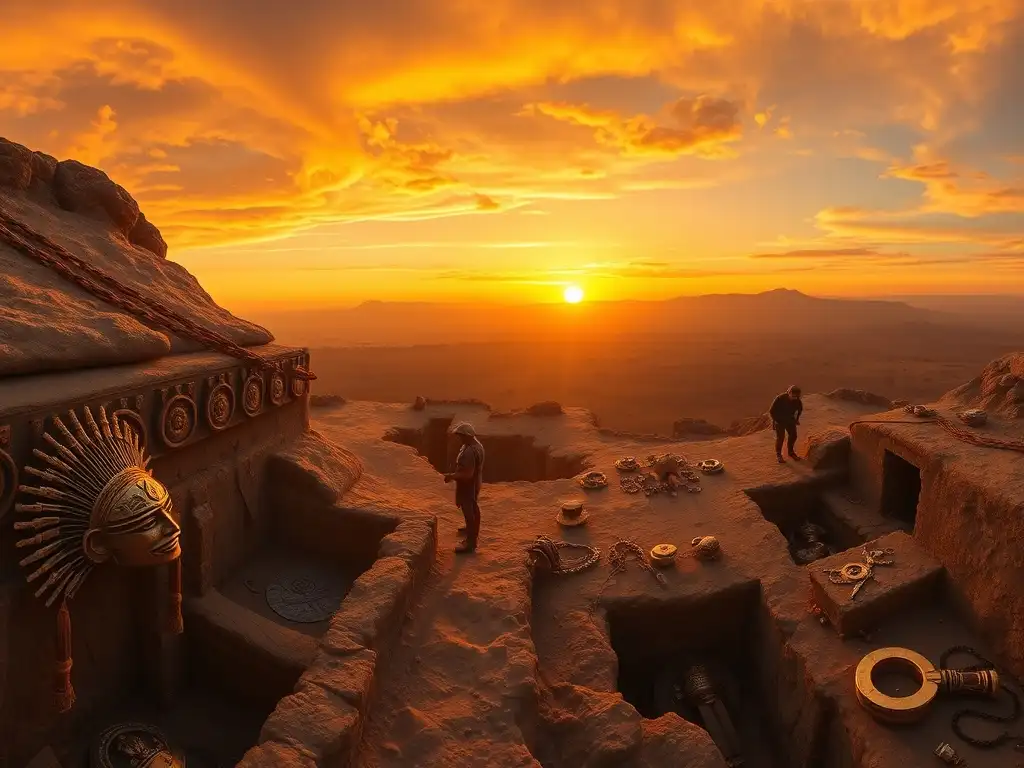
Uncover the secrets whispered by the sands of time. Journey with us into the heart of the Andes, where empires rose and fell, leaving behind a legacy of breathtaking artistry and intricate rituals. Prepare to be captivated by the astonishing Sipán royal tombs archaeological discoveries, a window into a world of power, sacrifice, and unimaginable wealth. What treasures await within these ancient burial chambers? Explore the mysteries of the Andean civilizations and discover the answers.
The northern coast of Peru holds a treasure trove of archaeological wonders, none more captivating than the ancient city of Sipán. This article delves into the remarkable Sipán royal tombs and temples, exploring the groundbreaking archaeological discoveries that have reshaped our understanding of the Moche civilization (circa 100-800 CE).
We will examine the significance of these findings, highlighting the unique insights they provide into the complex social structures, religious beliefs, and sophisticated craftsmanship of this fascinating pre-Columbian culture. The meticulous excavation and analysis of these sites have not only revealed opulent burial chambers filled with exquisite artifacts but also shed light on the power dynamics and ritual practices of the Moche elite.
Prepare to journey back in time and uncover the secrets held within these sacred grounds, enriching your knowledge of the "Sipán royal tombs archaeological discoveries" and the broader context of Andean civilizations. This exploration will focus on the monumental impact of these finds on our comprehension of Moche society and the challenges that remain in fully understanding their complex world.
Unveiling the Mystery: The Significance of Sipán Archaeological Discoveries
The discovery of the Sipán royal tombs in the 1980s revolutionized our understanding of the Moche civilization. Prior to these excavations, knowledge of Moche culture was largely based on scattered artifacts and limited contextual information. The Sipán finds provided unprecedented insights into Moche mortuary practices, social hierarchy, and artistic achievements. The tombs, intricately designed and filled with an astonishing array of gold, silver, and copper artifacts, revealed a level of sophistication and wealth previously unknown.
These discoveries included elaborate headdresses, ornate jewelry, finely crafted textiles, and weaponry, offering a glimpse into the lives of the Moche elite. The sheer quantity and quality of the artifacts unearthed highlight the power and prestige associated with the individuals interred within these royal tombs. The careful placement of objects within the burial chambers suggests a deliberate and ritualistic process, reflecting the importance of the afterlife in Moche cosmology.
The analysis of these artifacts continues to reveal new information about Moche metallurgy, textile production, and artistic expression, constantly refining our understanding of their advanced civilization. The meticulous preservation and ongoing study of these artifacts have ensured that the legacy of Sipán continues to inspire and educate future generations. The meticulous nature of the excavations themselves also contributed significantly to our understanding, providing invaluable data about the construction techniques and layout of the tombs.
The Problem: Limited Understanding of Moche Royal Life
Despite the remarkable discoveries at Sipán, significant gaps remain in our understanding of Moche royal life. While the tombs provide a wealth of information about funerary practices and material culture, interpreting the social and political dynamics of the Moche elite remains a complex undertaking. The precise roles and responsibilities of the individuals buried in the royal tombs are still debated among archaeologists. The relationships between different members of the Moche elite, and the mechanisms of succession and power transfer, are not fully understood.
Furthermore, the connection between the elaborate funerary rituals and the broader social and political landscape of Moche society requires further investigation. While the artifacts offer clues, deciphering their symbolic meaning and their place within the Moche worldview remains a challenge. Further research, including comparative studies with other Moche sites and the application of new technologies, is crucial to address these unresolved questions.
The ongoing study of the Sipán royal tombs continues to push the boundaries of our knowledge, revealing new layers of complexity within this fascinating ancient civilization. The limited textual records from the period also hinder a complete understanding, demanding a more nuanced approach to interpreting the archaeological evidence. The ongoing research promises to further illuminate the mysteries surrounding the lives and power of the Moche rulers.
Causes of the Limited Understanding:
Prior Looting and Destruction of Moche Sites
Before the groundbreaking discoveries at Sipán, understanding the Moche civilization, particularly their elite, was significantly hampered by widespread looting and destruction of their archaeological sites. Grave robbers, seeking valuable artifacts for the black market, systematically plundered countless Moche tombs and settlements across the northern Peruvian coast. This rampant looting not only resulted in the loss of irreplaceable artifacts but also severely compromised the integrity of the archaeological contexts.
The careful excavation and meticulous recording of finds, crucial for understanding the cultural practices and social structures of the Moche, became nearly impossible in already disturbed sites. The scale of this destruction meant that many potential insights into Moche society were lost forever, leaving archaeologists with a fragmented and incomplete picture.
This context of widespread destruction significantly impacted the initial interpretations of Moche culture and fueled much speculation due to the absence of intact sites. The lack of undisturbed sites made it challenging to piece together the bigger picture of Moche social organization, religious beliefs, and political power structures.
Lack of Well-Preserved Royal Burial Sites Before Sipán
Prior to the Sipán excavations, the dearth of well-preserved royal Moche burial sites presented a major obstacle to comprehending the complexities of their societal hierarchy and funerary rituals. While evidence of Moche settlements and everyday life existed, the absence of intact elite burials meant that researchers lacked crucial information about the lives, beliefs, and power structures of the Moche ruling class. The limited understanding of their burial practices and the associated grave goods hindered the interpretation of the social and political organization of the Moche. Without the context provided by intact royal tombs, it was difficult to assess the extent of their wealth, the nature of their religious beliefs, and the symbols of royal power. This lack of preserved sites made it challenging to construct a comprehensive narrative of Moche history and culture, leaving significant gaps in our understanding of this remarkable civilization. The discovery of Sipán changed this dramatically.
Difficulty Interpreting Moche Iconography Without Context
The intricate and often enigmatic iconography found in Moche art posed another significant challenge to scholars. Without the context provided by intact burial sites, the meaning and significance of many Moche symbols and motifs remained obscure. The lack of a clear understanding of the Moche worldview and cosmology hampered the interpretation of their artistic representations. Many artifacts, such as ceramics, textiles, and metalwork, were discovered in isolated contexts, making it difficult to assign meaning to specific images and symbols.
The absence of well-preserved royal tombs meant that researchers lacked the crucial contextual information needed to decipher the complex iconographic system of the Moche. This lack of context often led to speculative interpretations, and the rich symbolism embedded in Moche art remained largely uninterpreted for a long time. The Sipán discoveries provided crucial context for understanding Moche iconography.
The Solution: The Impact of the Sipán Discoveries
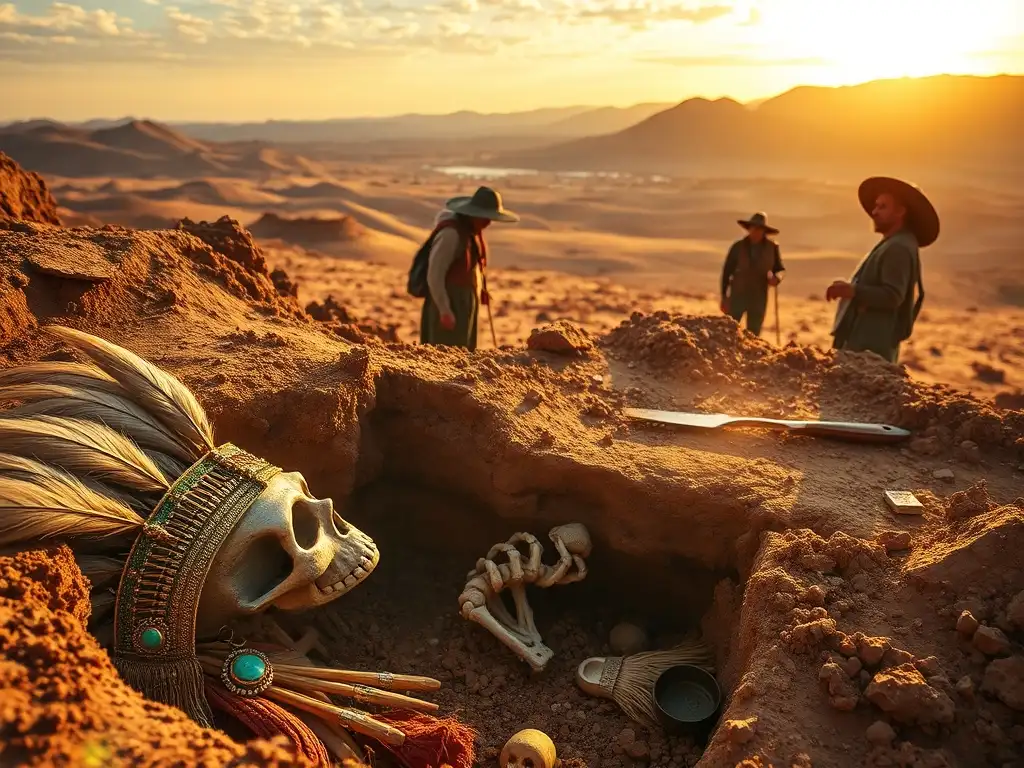
Sipán: A Window into Moche Power and Rituals
The discovery of the Sipán royal tombs provided an unprecedented window into the power structures, religious beliefs, and funerary rituals of the Moche civilization. The remarkably well-preserved tombs, containing an astonishing array of grave goods and human remains, offered a wealth of information previously unavailable to researchers. The careful excavation and meticulous documentation of these sites allowed archaeologists to reconstruct aspects of Moche society with unprecedented detail.
The scale of the burials, the elaborate offerings, and the hierarchical arrangement of the tombs provided insights into the social stratification and political organization of the Moche state. The discovery of Sipán transformed our understanding of Moche society, shifting the paradigm from fragmented interpretations to a more nuanced and holistic perspective. Sipán’s discoveries provided irreplaceable context for understanding the Moche's worldview.
The Lord of Sipán: Unparalleled Wealth and Authority
The most significant discovery at Sipán was undoubtedly the tomb of the "Lord of Sipán," a high-ranking Moche individual whose burial showcased the unparalleled wealth and authority of the Moche elite. The tomb contained an impressive collection of gold and silver artifacts, elaborate textiles, and finely crafted ceramics, reflecting the immense power and prestige of the Lord of Sipán.
The presence of human sacrifices and the elaborate rituals associated with the burial highlighted the importance of religious beliefs and the ritual practices of the Moche. The discovery of the Lord of Sipán's tomb not only provided insights into the material culture of the Moche elite but also illuminated the complex relationship between religious beliefs, political power, and social hierarchy.
The Lord of Sipán's burial served as a powerful symbol of Moche power and sophistication. The sheer scale of the grave goods and the meticulous burial process demonstrated the importance placed upon the deceased's status and the rituals surrounding death.
The Tombs: Preserved Evidence of Moche Beliefs
The remarkably well-preserved state of the Sipán tombs provided invaluable evidence of Moche religious beliefs and funerary practices. The careful arrangement of grave goods, the presence of human sacrifices, and the elaborate rituals associated with the burials offered insights into the Moche worldview and their understanding of the afterlife. The artifacts found in the tombs, including depictions of deities, mythological creatures, and ritual objects, provided crucial clues about the Moche pantheon and their religious cosmology.
The analysis of these artifacts, in conjunction with the archaeological context of the tombs, allowed researchers to reconstruct aspects of Moche religious practices and beliefs with unprecedented accuracy. The discovery of Sipán provided a unique opportunity to study the Moche's beliefs about death, the afterlife, and the role of religion in their society. The tombs themselves served as powerful statements about Moche beliefs and values.
Exploring the Sipán Royal Tombs: A Detailed Look
The Sipán royal tombs represent an unparalleled archaeological discovery, offering an unprecedented glimpse into the Moche civilization's complex social hierarchy, religious beliefs, and sophisticated craftsmanship. These tombs, located at the Huaca Rajada archaeological site in northern Peru, are not simply burial chambers; they are elaborate mausoleums reflecting the power and prestige of the Moche elite. The meticulous preservation of the tombs and their contents, including incredibly detailed artifacts, has provided invaluable insights into the daily lives, rituals, and beliefs of the Moche people.
The sheer scale of the undertaking—the construction of these elaborate structures and the inclusion of such a vast amount of grave goods—highlights the immense resources and power held by the individuals interred within. The discovery itself revolutionized our understanding of the Moche, challenging previous assumptions and sparking renewed interest in this fascinating pre-Columbian culture. The meticulous excavation and analysis of the site continue to yield new information and deepen our appreciation for the sophistication of Moche society.
The ongoing research emphasizes the importance of preserving these fragile sites and ensuring that future generations can benefit from the knowledge they hold. The study of these tombs continues to provide valuable data for understanding the dynamics of power, social stratification, and religious practices within the Moche civilization.
The Lord of Sipán's Burial Chamber: Gold, Jewels, and Power
The tomb of the Lord of Sipán, arguably the most significant discovery at Huaca Rajada, is a testament to the immense wealth and power of the Moche elite. His burial chamber contained an astonishing array of gold and silver artifacts, including elaborate headdresses, necklaces, and ceremonial objects. These treasures weren't merely decorative; they were symbols of his status and authority, reflecting his role as a powerful ruler.
The intricacy of the craftsmanship is breathtaking, showcasing the advanced metalworking techniques of the Moche. Beyond the gold, the tomb also revealed intricate textiles, pottery, and human sacrifices, all contributing to a richer understanding of the Moche funerary rituals and beliefs surrounding death and the afterlife. The discovery of the Lord of Sipán's tomb fundamentally altered our understanding of the Moche civilization, demonstrating a level of sophistication and complexity previously unknown.
The sheer quantity and quality of the grave goods found within the tomb are unmatched in the archaeological record of the region. The careful arrangement of the objects suggests a deliberate and highly ritualistic burial process.
The Priest's Tomb: Ritual Objects and Religious Significance
Unlike the Lord of Sipán's tomb, which emphasized worldly power, the Priest's tomb highlights the religious importance within Moche society. While it contained fewer gold artifacts, it was rich in ritual objects, including elaborate ceramics depicting deities and scenes from Moche mythology. These objects shed light on the complex religious beliefs of the Moche, their pantheon of gods, and their understanding of the cosmos.
The presence of these objects suggests a high-ranking individual deeply involved in religious practices and ceremonies. The artifacts found within the Priest's tomb are crucial for understanding the intricacies of Moche religious life and its importance in the social structure.
The careful preservation and study of these objects are essential for continuing to unravel the mysteries of Moche spirituality. The discovery of the Priest's tomb enriched our understanding of the role of religion in Moche society, showing its deep integration into daily life and political power structures.
The Warrior's Tomb: Military Might and Status
The Warrior's tomb, another significant discovery at Huaca Rajada, highlights the importance of military might in Moche society. The tomb contained weaponry, including spears, knives, and other implements of war, along with elaborate ceremonial attire indicative of high military rank. The presence of these artifacts suggests that military prowess played a significant role in achieving high social status within the Moche civilization. The discovery of the Warrior's tomb provided crucial evidence for understanding the military organization and the role of warfare in the Moche state.
The careful study of the weapons and attire provides insights into the Moche's military technology and strategies. The elaborate nature of the burial suggests the warrior held a position of significant power and prestige within the society. The Warrior's tomb is a testament to the importance of military strength in shaping the Moche social and political landscape.
Other Notable Tombs: Unveiling the Social Structure
Beyond the three most famous tombs, numerous other burial sites at Huaca Rajada reveal a complex social hierarchy within the Moche civilization. These tombs, while less lavish than those of the elite, still contain valuable artifacts that offer insights into the lives and social standing of different groups within Moche society. The variation in grave goods across these tombs allows archaeologists to reconstruct the social structure and understand the relationships between different social classes.
The careful analysis of these tombs provides a more complete picture of Moche society, going beyond the elite and encompassing the broader population. The ongoing research continues to uncover new information about the social dynamics and economic organization of the Moche.
The study of these less prominent tombs is essential for creating a holistic understanding of Moche life. The diversity of artifacts found in these tombs strengthens the evidence for a hierarchical society with distinct social classes.
How to Experience the Sipán Archaeological Site: Travel and Tours
Visiting the Huaca Rajada archaeological site offers a unique opportunity to connect with the rich history and cultural heritage of the Moche civilization. Careful planning ensures a rewarding and enriching experience. The site's preservation and accessibility are crucial considerations for any visitor. Respect for the cultural significance of the site and responsible tourism practices are paramount.
Planning Your Trip to Huaca Rajada
Planning a trip to Huaca Rajada requires considering several logistical aspects. The site's location in northern Peru necessitates arranging transportation, accommodation, and potentially a guided tour. The best time to visit is during the dry season, generally from May to November, for optimal weather conditions. Prioritizing responsible travel practices, such as supporting local businesses and minimizing environmental impact, is crucial.
Researching transportation options, including flights to nearby cities and ground transportation to the site, is essential for a smooth journey. Booking accommodations in advance, especially during peak season, is recommended to ensure availability. Considering the potential for altitude sickness, especially for those traveling from lower elevations, is also important.
Essential Tips for Visiting Sipán
When visiting Huaca Rajada, several tips can enhance the overall experience. Wearing comfortable shoes and clothing suitable for the climate is crucial. Bringing sunscreen, a hat, and water is essential for protection from the sun. Hiring a local guide provides valuable insights into the site's history and significance.
Respecting the fragility of the archaeological remains and adhering to site rules is paramount. Engaging with local communities and supporting local businesses contributes to sustainable tourism. Photography is often allowed, but it's important to check specific regulations at the site. Remembering that the site is a place of significant cultural heritage and treating it with respect is vital.
Understanding the Local Context
Understanding the local context is vital for appreciating the significance of the Sipán royal tombs. The Moche civilization thrived in this region for centuries, leaving behind a rich legacy of art, architecture, and technology. Learning about the current community's relationship with the site and its historical significance enhances the visitor experience. Respecting the local culture and customs demonstrates sensitivity and appreciation for the site's importance.
Supporting local initiatives that promote the preservation and interpretation of the site contributes to its long-term sustainability. Learning about the ongoing research and conservation efforts at the site provides further context and appreciation. Engaging with local guides and communities provides valuable insights into the site's significance within the broader historical and cultural landscape.
Maximizing Your Sipán Experience: Products and Services
Planning a trip to explore the remarkable Sipán royal tombs requires careful consideration of various factors to ensure a rewarding and enriching experience. Beyond the awe-inspiring archaeological discoveries themselves, several products and services can enhance your journey and deepen your understanding of Moche culture. These range from informative guidebooks and expertly led tours to comfortable lodging options and essential travel gear. A well-planned trip ensures you fully appreciate the significance of this unique archaeological site and its contribution to our understanding of Sipán royal tombs archaeological discoveries.
Recommended Guide Books on Moche Culture
Several excellent books offer detailed insights into Moche culture, providing crucial context for your visit to Sipán. These resources go beyond the basic facts, exploring the intricacies of Moche society, religion, and art. Look for guides that include high-quality images of artifacts unearthed at Sipán and other Moche sites.
Pay attention to the author's credentials and the book's publication date to ensure accuracy and up-to-date information. A well-researched guidebook will transform your visit, allowing you to appreciate the nuances of the discoveries at Huaca Rajada and the broader Moche civilization. Some titles focus specifically on the Sipán royal tombs archaeological discoveries, offering detailed accounts of the excavation process and the significance of the finds.
Booking Guided Tours of Sipán
Engaging a knowledgeable guide significantly enhances the Sipán experience. A local guide can provide invaluable context, explaining the historical significance of the site, the intricacies of the Moche culture, and the stories behind the artifacts. They can also navigate the site efficiently, pointing out subtle details that might otherwise be missed.
When booking, inquire about the guide's expertise in Moche archaeology and their experience leading tours at Huaca Rajada. Consider tours that offer a balance of historical information and engaging storytelling, bringing the past to life. Choose a tour that complements your interests, whether it's a focus on the Sipán royal tombs archaeological discoveries or a broader look at Moche society.
Accommodation Options Near the Site
Accommodation choices near Sipán vary, ranging from budget-friendly options to more luxurious hotels. Proximity to the archaeological site is a crucial factor, allowing for convenient access and minimizing travel time. Research options carefully, considering factors such as comfort, amenities, and proximity to restaurants and other services. Read reviews from previous guests to gauge the quality of service and the overall experience. Choosing accommodation that aligns with your budget and preferences is vital for a comfortable and enjoyable visit, allowing you to fully focus on exploring the richness of the Sipán royal tombs archaeological discoveries.
Essential Travel Gear for Exploring Archaeological Sites
Packing appropriately for a visit to Sipán is crucial for a comfortable and safe experience. The climate can be variable, so layers of clothing are recommended. Comfortable walking shoes are essential, as you'll likely be doing a fair amount of walking on uneven terrain. A hat, sunscreen, and insect repellent are also recommended.
Consider bringing binoculars for a closer look at details within the museum displays. A camera with sufficient memory and battery life is essential for capturing the remarkable artifacts and the overall atmosphere of the site. Preparing for varying weather conditions and ensuring you have the appropriate gear will allow you to fully immerse yourself in the exploration of the Sipán royal tombs archaeological discoveries.
The Legacy of Sipán: Continued Research and Discoveries
The discovery of the Sipán royal tombs represents not an end, but a beginning in our understanding of Moche culture. The ongoing research and analysis of artifacts continue to reveal new insights into this remarkable civilization, constantly reshaping our interpretations of their society, beliefs, and practices. The legacy of Sipán extends beyond the initial discoveries, impacting future archaeological investigations and our understanding of Andean history.
The site’s continued importance is underscored by the ongoing efforts to preserve and protect it for future generations. The wealth of information gleaned from the Sipán royal tombs archaeological discoveries continues to fuel research and enrich our knowledge of ancient Andean societies.
Ongoing Archaeological Work at Huaca Rajada
Excavations and research at Huaca Rajada continue to yield new discoveries, expanding our knowledge of Moche funerary practices and social structures. Archaeologists employ advanced techniques to analyze artifacts and the site itself, uncovering subtle details that shed light on Moche life. Ongoing projects often focus on specific aspects, such as the analysis of organic materials or the use of advanced imaging techniques to study the tombs without causing further damage.
These ongoing efforts demonstrate the enduring significance of the site and its contribution to the understanding of the Sipán royal tombs archaeological discoveries. New findings regularly emerge, providing a deeper understanding of this complex and fascinating culture.
New Interpretations of Moche Culture Based on Sipán
The extraordinary finds at Sipán have profoundly impacted our understanding of Moche culture. The richness of the grave goods and the complexity of the burial rituals challenge previous assumptions and offer new perspectives on Moche social hierarchies, religious beliefs, and artistic achievements. Scholars continually reassess and refine their interpretations of Moche society based on the ongoing analysis of artifacts from the royal tombs. The initial excitement surrounding the Sipán royal tombs archaeological discoveries continues to inspire new research and reinterpretations of the Moche worldview.
The Importance of Preservation: Protecting Sipán for Future Generations
The preservation of Sipán is paramount to safeguarding this invaluable piece of Andean history. Efforts focus on protecting the site from environmental damage and looting, ensuring its longevity for future generations. This involves meticulous conservation of artifacts, the implementation of sustainable tourism practices, and ongoing monitoring of the site's condition.
Protecting this unique archaeological treasure is crucial for continued research and for ensuring that future generations can appreciate the significance of the Sipán royal tombs archaeological discoveries. The site’s preservation is not merely a matter of protecting physical remains but also of safeguarding a crucial piece of our shared human heritage.
Sipán Royal Tombs Archaeological Discoveries: A Summary of Key Findings
The Sipán archaeological site, located in northern Peru, has yielded some of the most significant discoveries related to the Moche civilization (c. 100-800 CE). These discoveries dramatically altered our understanding of Moche society, revealing a complex hierarchical structure with powerful rulers and elaborate funerary rituals. The most famous finds are undoubtedly the remarkably well-preserved royal tombs, containing the remains of high-ranking individuals, often accompanied by an astonishing array of grave goods.
These goods, including ornate gold and silver jewelry, finely crafted textiles, intricate ceramics, and weapons, provide invaluable insights into Moche artistry, craftsmanship, and beliefs. The sheer quantity and quality of the artifacts unearthed at Sipán are unparalleled in the region, making it a cornerstone of Moche studies. Further excavations continue to uncover new evidence, adding layers of complexity to our understanding of this fascinating civilization.
The meticulous preservation of organic materials in the tombs, including human remains, textiles, and even food offerings, is a testament to the exceptional conditions of the burial site and the skill of the archaeologists involved in the excavation. These discoveries offer a unique window into the life, death, and beliefs of the Moche elite.
The Significance of the Lord of Sipán's Tomb for Moche Studies
The discovery of the tomb of the "Lord of Sipán" in 1987 stands as a pivotal moment in Andean archaeology. This tomb, unlike anything previously found in the region, contained the remains of a high-ranking Moche individual adorned with magnificent gold and copper ornaments. The sheer richness of the grave goods—including intricate headdresses, ceremonial knives, and a stunning collection of textiles—provided unprecedented evidence of Moche metalworking techniques, textile production, and social hierarchy.
The Lord of Sipán's tomb also revealed details about Moche burial practices, demonstrating the elaborate rituals and resources invested in the interment of their elite. The exceptional preservation of the tomb's contents allowed researchers to gain a detailed understanding of the social status and power of the Lord of Sipán, shedding light on the Moche political system and the role of its leaders.
The discovery challenged previously held assumptions about Moche society and spurred further research into their social organization and religious beliefs. The Lord of Sipán's tomb remains a landmark discovery, profoundly impacting our comprehension of the Moche civilization.
The Impact of Sipán on Understanding Moche Ritual Practices
The discoveries at Sipán have significantly advanced our understanding of Moche ritual practices. The elaborate nature of the royal tombs, with their rich offerings and carefully staged burials, reveals a complex funerary system reflecting Moche religious beliefs and worldview. The presence of human sacrifices, often accompanied by significant grave goods, suggests a deep-seated belief in the afterlife and the importance of providing the deceased with necessities for their journey.
The artifacts found within the tombs, such as ceremonial objects and depictions of deities, provide valuable clues about Moche religious iconography and cosmology. The analysis of the organic materials found in the tombs, including food and drink offerings, further illuminates the rituals surrounding death and the significance of these ceremonies in Moche society. The intricate designs and symbolism found on the pottery and textiles also offer insights into their religious beliefs and practices.
The discoveries at Sipán illustrate the Moche's investment in elaborate and meaningful rituals, reflecting the importance of religion in their daily lives. The comprehensive nature of these findings continues to inform and refine our understanding of Moche religious life.
Sipán: A Must-Visit Site for Andean History Enthusiasts
Sipán offers an unparalleled opportunity for visitors to witness firsthand the incredible achievements of the Moche civilization. The Huaca Rajada museum, located near the excavation site, houses a significant collection of artifacts unearthed at Sipán, providing a captivating glimpse into the artistry and sophistication of the Moche culture. The museum’s exhibits showcase the remarkable goldwork, intricate ceramics, and stunning textiles recovered from the royal tombs, offering a compelling narrative of the Moche people and their rich history.
For those interested in archaeology and Andean history, a visit to Sipán is an enriching and unforgettable experience. The site itself allows visitors to connect with the past, imagining the lives and rituals of the Moche people who once inhabited this area. Beyond the museum, the surrounding landscape offers a chance to appreciate the environmental context of the Moche civilization and their connection to the land.
Sipán is a truly exceptional site, offering a unique and immersive journey into the heart of ancient Peru 🇵🇪. It's a must-see destination for anyone interested in exploring the wonders of Andean civilizations and the fascinating world of "Sipán royal tombs archaeological discoveries".
- Unveiling the Mystery: The Significance of Sipán Archaeological Discoveries
- The Problem: Limited Understanding of Moche Royal Life
- Causes of the Limited Understanding:
- The Solution: The Impact of the Sipán Discoveries
- Exploring the Sipán Royal Tombs: A Detailed Look
- How to Experience the Sipán Archaeological Site: Travel and Tours
- Maximizing Your Sipán Experience: Products and Services
- The Legacy of Sipán: Continued Research and Discoveries
- Sipán Royal Tombs Archaeological Discoveries: A Summary of Key Findings
- What makes the Sipán royal tombs so significant?
- What kind of artifacts were found in the Sipán tombs?
- Who were the Moche people, and what is their relationship to the Sipán discoveries?
- How did the discovery of the Sipán royal tombs impact our understanding of Andean civilizations?
- Where can I learn more about the Sipán archaeological discoveries?
Frequently Asked Questions
What makes the Sipán royal tombs so significant?
The Sipán tombs are incredibly significant due to the exceptional preservation of elaborate grave goods and royal remains, offering unparalleled insight into Moche society and burial rituals. These discoveries revolutionized our understanding of the Moche civilization.
What kind of artifacts were found in the Sipán tombs?
The Sipán tombs yielded a treasure trove of artifacts, including gold and silver ornaments, ceremonial objects, textiles, and elaborate weaponry, providing valuable information about Moche craftsmanship and social hierarchy. Human sacrifices were also discovered.
Who were the Moche people, and what is their relationship to the Sipán discoveries?
The Moche were a pre-Columbian civilization flourishing on the northern coast of Peru. The Sipán archaeological discoveries are considered to be royal Moche burials; the tombs provide crucial evidence about their complex social structures, religious beliefs, and artistic achievements.
How did the discovery of the Sipán royal tombs impact our understanding of Andean civilizations?
The Sipán discoveries dramatically changed our understanding of Moche power structures and ritual practices. The richness and complexity of the grave goods challenged previous assumptions about Andean societies and significantly advanced archaeological knowledge of the region.
Where can I learn more about the Sipán archaeological discoveries?
You can explore more information at museums showcasing Sipán artifacts, such as the Brüning National Museum in Lambayeque, Peru, and through various academic publications and documentaries focusing on the Moche civilization and its significant royal tombs.
Final Reflection: The Enduring Legacy of Sipán
The breathtaking discoveries at Sipán continue to reshape our understanding of pre-Columbian Andean civilization, challenging preconceived notions and revealing a sophisticated society far beyond previous estimations. The meticulous craftsmanship, the opulent burial goods, and the sheer scale of the royal tombs unearthed at Sipán stand as a testament to the power and artistry of the Moche culture, a legacy that resonates powerfully even today. This isn't just history; it's a living connection to a vibrant past.
The impact of Sipán's archaeological discoveries extends far beyond the academic realm. It has profoundly influenced Peruvian national identity, fostering a renewed sense of pride in the country's rich heritage. The meticulous preservation and presentation of these artifacts serve as a powerful tool for education and cultural tourism, ensuring that the story of Sipán continues to inspire future generations. The past is never dead. It's not even past.
– William Faulkner. This quote perfectly encapsulates the enduring relevance of Sipán, reminding us that the echoes of these ancient rituals and beliefs continue to reverberate in the present.
Consider the intricate details of the Sipán finds – the gold ornaments, the elaborate textiles, the carefully arranged offerings. These weren't merely objects; they were expressions of faith, power, and social structure. You, the reader, are now part of this ongoing conversation. Take a moment to reflect on the enduring power of human creativity and the importance of preserving our shared cultural heritage. Let the legacy of Sipán inspire you to explore your own history, to appreciate the richness of human experience across time, and to actively participate in the preservation of our collective past for future generations.
Unveil the Mysteries of Sipán Today!
Thank you for exploring the fascinating world of the Royal Tombs and Temples of Sipán. You've discovered the rich cultural heritage and profound rituals that shaped the lives of the ancient Moche civilization. Now, continue your journey of discovery!
Here's how you can deepen your understanding of this incredible history:
- Visit local museums to explore artifacts and exhibits related to ancient Peruvian cultures. Each visit offers new insights.
- Share your knowledge and inspire others by posting about the cultural significance of Sipán on social media using the hashtag #SipánSecrets.
- Join online communities dedicated to Andean history to discuss your thoughts and learn from fellow enthusiasts.
What aspect of the Moche civilization intrigues you most, and how will you share your newfound knowledge?