
Unearthing the Royal Tombs of Machu Picchu: Clues to Inca Burial Rites

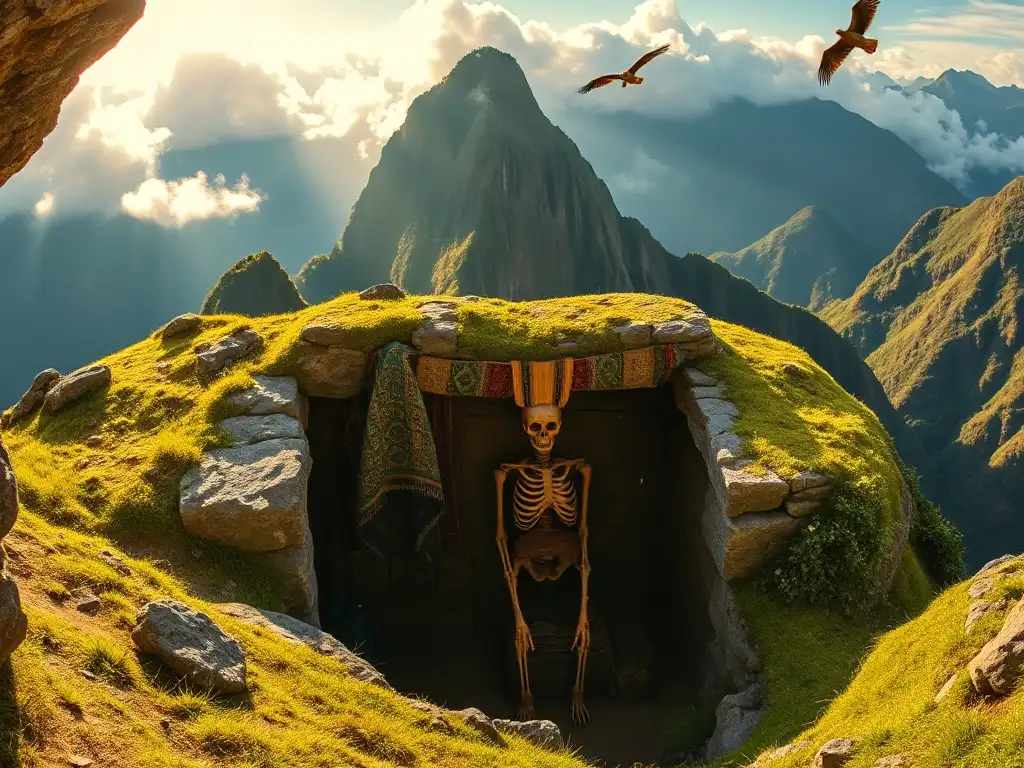
Uncover the secrets whispered through the ages... Journey with us into the heart of the Andes, where the echoes of forgotten empires still resonate. For centuries, the Inca royal tombs of Machu Picchu have remained shrouded in mystery, guarding their precious secrets within the mountain's embrace. Prepare to delve into the fascinating world of Inca burial rites – a journey that will leave you breathless and yearning to discover more. Are you ready to unearth the truth behind these legendary resting places?
The majestic citadel of Machu Picchu, nestled high in the Andes Mountains, continues to captivate archaeologists and historians alike. While renowned for its breathtaking architecture and intricate agricultural terraces, the secrets buried beneath its stones remain a subject of intense fascination. This article delves into the ongoing quest to uncover the royal tombs of Machu Picchu, exploring what these elusive burial sites might reveal about Inca funeral practices, social structures, and beliefs about the afterlife.
Understanding Inca burial rites offers a crucial lens through which to interpret the lives, power dynamics, and spiritual world of this remarkable civilization. The search for Inca royal tombs within Machu Picchu is not merely an archaeological endeavor; it's a journey into the heart of Inca identity and a testament to their enduring legacy.
We will explore the challenges faced by researchers, the discoveries made so far, and the potential for future breakthroughs in unraveling the mysteries surrounding these sacred sites. The keyword, "Inca royal tombs Machu Picchu," aptly encapsulates the core focus of our investigation.
Introduction to Inca Funeral Practices and Machu Picchu
Inca funeral practices were far from uniform, varying based on social status and geographical location. However, several common threads emerge. The Inca believed in a complex afterlife, with elaborate ceremonies designed to ensure a smooth transition for the deceased.
This involved mummification, often accompanied by the inclusion of grave goods reflecting the individual's status and possessions. High-ranking individuals, including royalty, received particularly elaborate burials, sometimes within carefully constructed mausoleums or hidden within sacred sites. Machu Picchu, with its strategic location and symbolic significance, may have served as a final resting place for important Inca figures.
The location itself, perched high amidst the mountains, might have been viewed as a bridge between the earthly realm and the spiritual one. Evidence suggests that some individuals were interred within the city's structures, while others may have been buried in less conspicuous locations, making the search for Inca royal tombs a complex and challenging endeavor. The varied types of burial practices, ranging from simple interments to elaborate tombs, reflect the hierarchical structure of Inca society.
The Search for Inca Royal Tombs within Machu Picchu
The search for Inca royal tombs within Machu Picchu has been ongoing for decades, hampered by the challenges of the terrain, the delicate nature of the archaeological site, and the limited access granted to researchers. Despite these hurdles, significant progress has been made. Archaeological surveys using non-invasive techniques like ground-penetrating radar (GPR) have identified potential anomalies beneath the surface, suggesting the existence of subterranean structures. These potential burial sites are often associated with specific architectural features, such as intricately carved stonework or unusual earthworks.
However, the excavation of these sites requires extreme caution to avoid damaging the existing structures. The limited number of confirmed royal tombs discovered so far highlights the complexity of the task. Further research, employing advanced technologies and interdisciplinary collaboration, is crucial to advance our understanding of Inca burial practices within Machu Picchu.
The meticulous process of excavation and analysis, combined with the interpretation of historical accounts and ethnohistorical studies, are all essential in piecing together the puzzle of Inca royal burial within this iconic site. The discovery of even a single royal tomb could provide invaluable insights into Inca beliefs, social structure, and the history of Machu Picchu itself. The ongoing research promises to shed further light on the mysteries that still shroud this remarkable city.
Challenges in Locating Royal Burial Sites at Machu Picchu
Locating Inca royal tombs at Machu Picchu presents significant challenges. The city's complex topography, with its steep slopes, intricate terraces, and dense vegetation, makes systematic excavation incredibly difficult and time-consuming. Furthermore, the Incas themselves were masters of concealment. Their burial practices often involved meticulous camouflaging of tombs, integrating them seamlessly into the landscape to avoid looting and desecration.
This deliberate obfuscation adds another layer of complexity to the archaeological search. Many potential burial sites may remain undiscovered, hidden beneath layers of soil, rubble, or even within seemingly unremarkable structures. The passage of time and the impact of natural disasters, such as earthquakes and landslides, have also contributed to the disruption and destruction of potential burial sites, making identification even more problematic.
Finally, ethical considerations play a crucial role. Respect for the ancestors and the sacred nature of burial sites necessitates careful planning and meticulous excavation techniques, which further slows the process of discovery. The delicate balance between archaeological investigation and preservation of the site's integrity remains a constant challenge.
Evidence of Inca Burial Rituals at the Citadel
While the precise location of royal tombs at Machu Picchu remains elusive, evidence of Inca burial rituals within the citadel is undeniable. Scattered human remains, discovered during various excavations, reveal aspects of their funerary practices. These scattered remains, often found in association with grave goods, suggest that not all burials were elaborate royal interments.
Some may represent secondary burials, where remains were moved after initial interment elsewhere, or they may represent individuals of lower social standing buried within or near the city. The discovery of small, relatively simple burials within the city walls provides valuable insights into the broader spectrum of Inca burial practices, highlighting the differences between elite and commoner interments.
Furthermore, the presence of specific architectural features, such as niches and small chambers within certain structures, suggests that these spaces may have served as repositories for offerings or even as less elaborate burial places. The careful study of these features, in conjunction with the analysis of associated artifacts, helps to paint a more complete picture of Inca funerary rites at Machu Picchu, even in the absence of clearly defined royal tombs.
Analysis of Found Artifacts and Their Significance
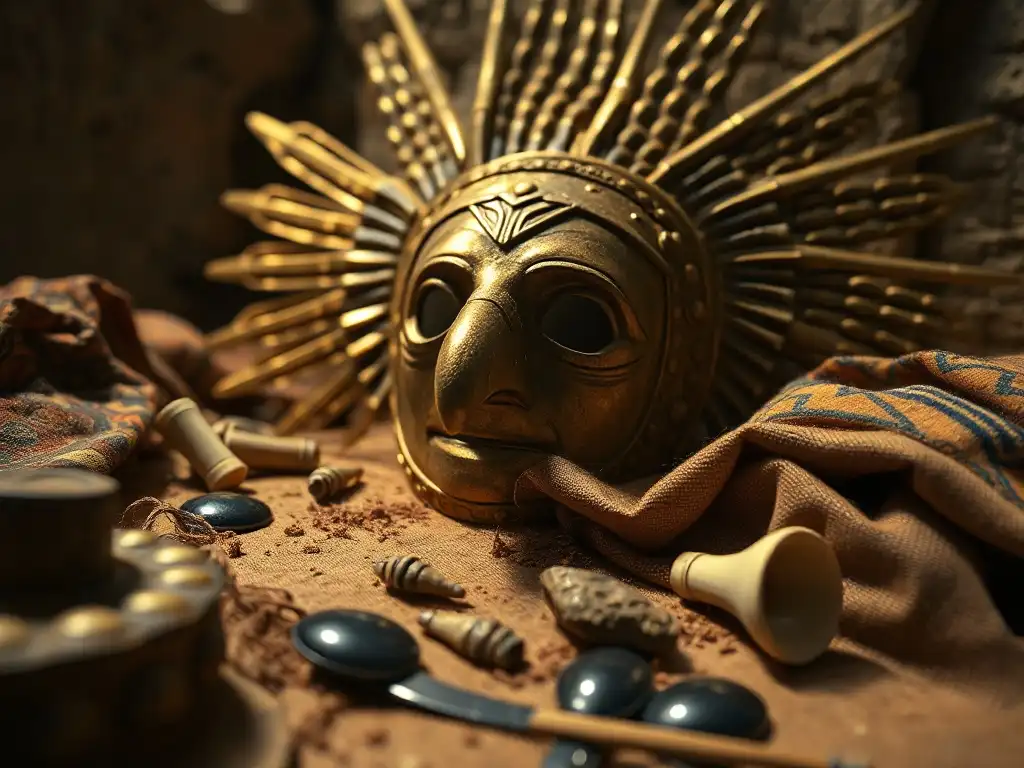
The analysis of artifacts found in association with human remains at Machu Picchu offers critical insights into Inca burial rituals and social hierarchies. The types and quality of grave goods provide strong clues about the status and social standing of the deceased. The careful study of these objects helps archaeologists reconstruct aspects of Inca life, beliefs, and social structures. The artifacts recovered provide invaluable data on Inca craftsmanship, artistic expression, and the resources available to different social groups.
The presence or absence of certain types of artifacts can indicate the relative importance of the individual buried. The diversity of materials and techniques used in the creation of these objects reflects the sophistication of Inca technology and artistic skills. The careful cataloging and analysis of these artifacts are essential steps in understanding the complexities of Inca society and their beliefs surrounding death and the afterlife.
Pottery and Ceramics in Inca Burials
Pottery and ceramics constitute a significant category of artifacts found in association with Inca burials at Machu Picchu. The styles, forms, and decorations of the pottery vessels provide valuable chronological and stylistic information. Elaborately decorated vessels, often featuring intricate designs and high-quality craftsmanship, are generally associated with higher-status individuals. Simpler, undecorated pottery is typically found in less elaborate burials.
The types of vessels found—such as jars, bowls, and cups—may also indicate the nature of the funerary offerings and the beliefs surrounding the afterlife. Analysis of the clay composition and firing techniques provides further insights into the technological capabilities of Inca potters and the trade networks that supplied raw materials. The study of pottery fragments, even those seemingly insignificant, provides crucial data for understanding the broader context of Inca funerary practices and the social structures of the time.
Textiles and Clothing Associated with Inca Rites
Textiles and clothing fragments represent another important category of artifacts recovered from Inca burials. The quality of the textiles, the types of fibers used (e.g., alpaca, llama, cotton), and the complexity of the weaving techniques reflect the social status of the deceased. Finely woven textiles, often adorned with intricate designs and vibrant colors, are typically associated with elite individuals. The analysis of textile fragments reveals information about Inca weaving techniques, dyeing processes, and the use of symbolic motifs.
The presence of specific textile patterns and colors may have had religious or ritual significance. These textiles offer invaluable insights into Inca artistic expression and their understanding of the symbolic language of clothing and adornment in funerary contexts. The careful conservation and study of these delicate artifacts are essential for preserving this crucial aspect of Inca material culture.
Precious Metals and Ornaments in Royal Tombs
While the discovery of intact royal tombs at Machu Picchu remains a goal for future archaeological research, the presence of precious metals and ornaments in other contexts within the citadel suggests the potential richness of royal burials. Gold, silver, and copper objects, including ornaments, jewelry, and ritual implements, have been found in smaller-scale burials and scattered throughout the site.
The presence of these materials, particularly gold and silver, strongly indicates that royal tombs, if discovered, would likely contain significant quantities of precious metalwork. The intricate craftsmanship and symbolic meaning of these objects would provide invaluable insights into Inca religious beliefs, social structures, and artistic abilities.
The analysis of the metallurgy and the stylistic elements of these artifacts would further enhance our understanding of Inca technology and artistic practices. The potential for uncovering even more elaborate examples of precious metalwork in future discoveries highlights the ongoing importance of archaeological research at Machu Picchu.
Understanding Inca Concepts of Afterlife Through Burials
Inca burial practices offer a fascinating window into their complex beliefs about the afterlife. Unlike many cultures that emphasize a singular journey to an otherworldly realm, Inca cosmology suggests a more nuanced perspective, intertwining the living and the dead in a continuous cycle. Their elaborate burial rituals, far from simply disposing of the deceased, served as a powerful reaffirmation of social order, lineage, and the enduring power of ancestors.
The careful placement of grave goods, the meticulous preparation of the deceased, and the construction of elaborate tombs all speak to the profound significance attached to death and the continuing influence of the departed. The Inca worldview saw death not as an end, but as a transformation, a passage into a realm where ancestors continued to exert influence on the affairs of the living.
This belief profoundly shaped their funerary practices, making the study of Inca burials crucial to understanding their society and worldview. The meticulous nature of these rituals highlights the importance placed on maintaining connections with the ancestral realm, ensuring the continuity of their culture and the prosperity of their descendants.
The Inca Belief in Rebirth and Ancestral Veneration
Central to Inca beliefs was the concept of pachacuti, a cyclical worldview encompassing a continuous process of creation and destruction, death and rebirth. Death, therefore, was not a finality but a transition. The deceased, particularly those of high social standing, were believed to transition to a powerful ancestral realm, retaining their influence and power.
This belief fueled the practice of ancestor veneration, where the living sought guidance and protection from their deceased relatives. Elaborate ceremonies and offerings were made to appease and honor these ancestral spirits, ensuring their continued benevolence.
The mummification process itself was not merely a method of preservation; it was a ritualistic transformation designed to ensure the successful transition of the deceased into the ancestral world, maintaining their connection to the living and their continued participation in the community. The reverence for ancestors extended beyond immediate family, encompassing the entire Inca lineage and bolstering the power and legitimacy of the ruling elite.
The Role of Mummies and Ancestor Worship in Inca Culture
Mummies held a central place in Inca society, serving as tangible links between the living and the dead. They weren't merely preserved bodies; they were active participants in the community, consulted for guidance and involved in important decisions. The mummies of Inca royalty were treated with the utmost respect, often adorned with elaborate clothing, jewelry, and other grave goods, reflecting their continued status and power.
These mummies were frequently brought out for festivals and ceremonies, participating in communal events and reinforcing the bond between the living and the ancestral realm. The elaborate rituals surrounding the mummies underscore the importance of ancestor worship in Inca culture, emphasizing the enduring influence of the deceased on the fortunes of their descendants.
This veneration created a powerful social structure that reinforced the authority of the ruling class and strengthened the bonds of kinship throughout the empire. The careful preservation and ongoing care of mummies demonstrates the profound respect and importance attached to the ancestors.
Theories on Who Might Be Buried in Machu Picchu
The identity of those interred at Machu Picchu remains a topic of ongoing debate and research. While Machu Picchu's primary function as a royal estate is widely accepted, pinpointing the specific individuals buried there presents significant challenges. The limited archaeological evidence, coupled with the complexities of Inca burial customs, necessitates careful consideration of various hypotheses. The absence of clear inscriptions or readily identifiable royal insignia on discovered remains adds to the mystery.
However, the location’s significance as a retreat for the Inca elite strongly suggests that the burials are not those of commoners. The grandeur of the site and the sophistication of the structures point towards individuals of considerable importance within Inca society. Therefore, identifying the precise identities of the interred remains a significant challenge for archaeologists, demanding further investigation and analysis.
Possible Identities of Inca Royalty Interred at Machu Picchu
Several theories propose potential identities for those buried at Machu Picchu. Some scholars suggest the possibility of Pachacuti or his immediate successors, given the site’s significance and association with royal retreats. Other hypotheses propose the burial of other members of the Inca royal family, perhaps wives, children, or other close relatives.
The lack of definitive evidence, however, makes it impossible to definitively identify any specific individual. The ongoing research and analysis of skeletal remains, grave goods, and the site's architectural features continue to shed light on this mystery, slowly revealing clues to the identities of those interred within the sacred grounds of Machu Picchu. More detailed analysis of the artifacts and the context of their discovery is needed to provide more concrete answers.
Distinguishing Royal Burials from Common Interments
Identifying royal burials within the complex of Machu Picchu requires careful consideration of several factors. Royal burials were typically characterized by the presence of elaborate grave goods, including gold and silver artifacts, fine textiles, and other luxury items. The construction of the burial chamber itself also played a significant role. Royal burials were often located in more prominent or secluded areas, reflecting their elevated status within Inca society.
Furthermore, the mummification process itself was more elaborate for royalty, reflecting the importance placed on preserving their bodies for the afterlife. Differentiating between royal and commoner burials requires a detailed analysis of all these factors, comparing the artifacts, the construction of the burial sites, and the evidence of mummification techniques. This meticulous approach is critical to unraveling the mysteries surrounding the identities of those interred at Machu Picchu.
Conservation and Preservation of Machu Picchu's Burial Sites
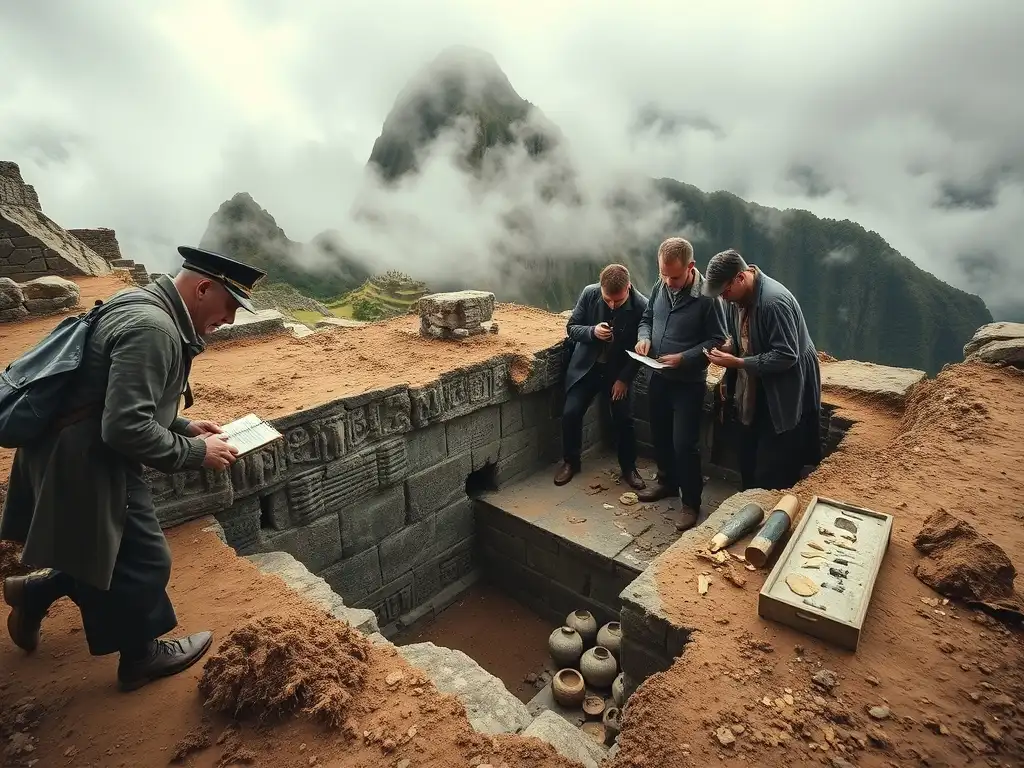
The delicate nature of Machu Picchu's archaeological remains, particularly the royal tombs, necessitates stringent conservation and preservation efforts. Exposure to the elements, including fluctuating temperatures, humidity, and intense sunlight, can cause significant deterioration of the structures and artifacts within. The porous nature of the stone itself makes it susceptible to erosion and damage from water infiltration. Furthermore, the growth of vegetation, both on the surface and within the tombs themselves, can destabilize the structures and cause further damage through root intrusion.
These challenges are being addressed through a multi-pronged approach. This includes meticulous monitoring of environmental conditions within and around the tombs, employing specialized techniques to stabilize the stonework, and implementing controlled microclimates within particularly vulnerable areas. Regular cleaning and the removal of encroaching vegetation are crucial, while careful documentation of the condition of each tomb and artifact allows researchers to track changes over time and adapt conservation strategies accordingly. The use of sustainable materials and methods is prioritized to minimize the impact of conservation work itself.
Protecting Fragile Archaeological Remains
Protecting the fragile archaeological remains within the Inca royal tombs presents unique challenges. Many artifacts are incredibly delicate, having suffered centuries of degradation due to environmental factors and, in some cases, looting. The intricate textiles, ceramics, and gold objects found in these burials are particularly vulnerable to damage. Conservation efforts focus on careful stabilization and restoration, often involving painstakingly slow processes of cleaning, repairing, and consolidating damaged materials.
The use of advanced imaging techniques, such as X-ray and multispectral imaging, allows researchers to study these artifacts non-invasively, minimizing the risk of further damage. Specialized storage facilities, maintaining precise temperature and humidity levels, are vital for long-term preservation. These facilities are designed to protect the artifacts from light, pests, and other environmental threats.
Ethical Considerations in Studying Inca Royal Burials
The study of Inca royal burials at Machu Picchu raises significant ethical considerations. Respect for the deceased and their ancestors is paramount. Archaeological investigations must be conducted with sensitivity and respect for the cultural heritage of the Inca people. This includes engaging with local communities and indigenous groups in the research process, ensuring their voices are heard and their perspectives are considered.
The repatriation of human remains and artifacts, where appropriate, is an important aspect of ethical archaeological practice. Transparency in research methodology and the dissemination of findings are also crucial to maintain public trust and ensure the responsible stewardship of this invaluable cultural heritage. Balancing the pursuit of knowledge with the ethical obligations to respect the past is a continuous process that requires careful consideration and collaboration.
Future Research and Unanswered Questions
Despite decades of research, many questions remain unanswered regarding the Inca royal tombs of Machu Picchu. The precise identities of the individuals interred in these tombs remain largely unknown, although ongoing research utilizing advanced DNA analysis and isotopic studies hopes to clarify this. The full extent of the burial rituals and their significance within Inca society still requires further investigation.
The relationship between the tombs and other structures within Machu Picchu, such as the palaces and temples, is also an area requiring further study. The discovery of new burial sites within the complex remains a possibility, given the ongoing nature of archaeological investigations.
Ongoing Archaeological Investigations at Machu Picchu
Ongoing archaeological investigations at Machu Picchu continue to yield new insights into Inca burial practices and the lives of the elite. Systematic excavation and survey work within and around the existing tombs is ongoing, revealing new information about the construction techniques, the contents of the burials, and the broader context of these sites. The use of non-invasive geophysical techniques, such as ground-penetrating radar, allows archaeologists to identify potential burial sites without disturbing the ground surface.
This is particularly important in sensitive areas where the risk of damage to existing structures is high. The continuous monitoring of the sites is also crucial to detect any signs of deterioration or potential threats. This comprehensive approach ensures the long-term preservation of Machu Picchu while simultaneously advancing our understanding of Inca culture.
New Technologies and Their Impact on Research
The application of new technologies is revolutionizing the study of Inca royal tombs at Machu Picchu. Advanced imaging techniques, such as 3D laser scanning and photogrammetry, are providing high-resolution models of the tombs and their contents, allowing researchers to study them in detail without physically handling the fragile remains. DNA analysis and isotopic studies are shedding light on the identities and origins of the individuals interred, as well as their diets and lifestyles.
Sophisticated geochemical analysis of artifacts is providing insights into the sources of materials used in their creation, furthering our understanding of Inca trade networks and technological capabilities. The integration of these new technologies promises to significantly enhance our understanding of Inca burial rites and the broader context of Inca society. The use of these technologies, coupled with careful ethical considerations, will ensure that research continues in a responsible and respectful manner.
Conclusion: The Legacy of Inca Burial Practices at Machu Picchu
The discovery and study of Inca royal tombs at Machu Picchu, though still incomplete, offer invaluable insights into the complex burial rites and beliefs of this remarkable civilization. The careful placement of bodies, the inclusion of elaborate grave goods reflecting the deceased's status and the intricate architecture of the tombs themselves, all speak to a deeply spiritual worldview. The meticulous nature of the burials suggests a profound respect for the ancestors and a belief in an afterlife connected to the earthly realm. The ongoing research at Machu Picchu continues to unveil new details, challenging previous assumptions and enriching our understanding of Inca society.
The careful preservation of these sites is crucial, not only for their historical significance but also for their potential to illuminate further aspects of Inca culture and beliefs in the years to come. Further research may reveal even more about the social hierarchy reflected in burial practices, potentially shedding light on the political and economic structures of the Inca Empire. The legacy of these burial practices extends beyond the physical remains; they continue to resonate with us today, offering a tangible connection to a lost civilization and reminding us of the enduring power of cultural traditions. The careful excavation and analysis of these tombs serves as a testament to the enduring fascination with the Inca and their sophisticated understanding of life, death, and the cosmos.
The ongoing work at Machu Picchu underscores the importance of responsible archaeology and the preservation of these invaluable cultural heritage sites for future generations. Understanding these practices allows us to appreciate the complexity and sophistication of Inca society, moving beyond simplistic narratives and embracing a more nuanced and complete picture of their world. 👑
- Introduction to Inca Funeral Practices and Machu Picchu
- The Search for Inca Royal Tombs within Machu Picchu
- Challenges in Locating Royal Burial Sites at Machu Picchu
- Evidence of Inca Burial Rituals at the Citadel
- Analysis of Found Artifacts and Their Significance
- Understanding Inca Concepts of Afterlife Through Burials
- Theories on Who Might Be Buried in Machu Picchu
- Conservation and Preservation of Machu Picchu's Burial Sites
- Future Research and Unanswered Questions
- Conclusion: The Legacy of Inca Burial Practices at Machu Picchu
Frequently Asked Questions
What is the significance of Inca royal tombs?
Inca royal tombs held immense significance, reflecting the beliefs and social structures of the Inca Empire. They were not merely burial places, but powerful symbols of royal power and continuity. The contents often included precious artifacts and offerings for the afterlife.
Were any Inca royal tombs found at Machu Picchu?
While Machu Picchu is famous for its impressive architecture and urban planning, no confirmed royal tombs have been discovered within its main structures. The site's function as a royal estate or sacred site is still debated, with ongoing research.
What burial rites did the Inca practice?
Inca burial practices varied depending on social status. Elaborate rituals were observed for the elite, involving mummification, offerings, and the construction of elaborate tombs. Simple burials were common for the common people.
How did the location of Inca tombs relate to their beliefs?
The location of Inca tombs was carefully chosen, often reflecting the spiritual importance of the site. Many tombs were located in mountainous areas or sacred sites, reflecting their beliefs about the afterlife and the connection between the living and the dead.
What can we learn from studying Inca royal tombs at Machu Picchu (and other sites)?
Studying Inca tombs provides invaluable insights into their religious beliefs, social hierarchy, artistic skills, and economic systems. The artifacts found within offer clues to their daily lives and worldview, helping us understand this fascinating civilization.
Final Reflection: Echoes of Empire in the Mountain's Embrace
The meticulous excavation of Inca royal tombs at Machu Picchu continues to rewrite our understanding of Inca funerary practices and their deeply held beliefs about the afterlife. The intricate artifacts unearthed, from meticulously crafted gold ornaments to the carefully placed offerings, offer a tangible link to a civilization that vanished centuries ago, yet whose legacy continues to resonate powerfully today. These discoveries are not merely historical curiosities; they are windows into a complex society, challenging preconceived notions and enriching our appreciation of Inca culture.
The enduring mystery surrounding these tombs, and the ongoing debate surrounding their interpretation, underscores the power of archaeology to both illuminate and inspire. The very act of uncovering these carefully concealed resting places feels like a profound act of respect, a bridging of the vast chasm of time. The past is never dead. It's not even past.
– William Faulkner. This quote perfectly encapsulates the enduring relevance of these findings, reminding us that the Inca legacy is not confined to dusty museum displays, but lives on in the questions we ask and the stories we tell.
Consider, for a moment, the meticulous craftsmanship evident in the artifacts recovered from these tombs. Imagine the lives of the artisans, the beliefs of the royalty interred within, and the profound significance of these burial rites within the broader Inca worldview. You, the reader, are now part of this ongoing conversation. By engaging with the discoveries at Machu Picchu, you contribute to a deeper understanding of this remarkable civilization and its enduring impact on our world. Let the echoes of empire inspire you to explore further, to question, and to appreciate the rich tapestry of human history.
Unveil the Secrets of the Inca: Take Action Today!
Thank you for exploring the fascinating world of Inca burial rites with us! We hope you've gained a deeper understanding of the mysteries surrounding Machu Picchu's royal tombs and the significance of these ancient practices. Now, let's build on that knowledge!
Here are some ways you can continue your journey of discovery:
- Delve deeper into the Inca civilization by exploring related articles on our website. We recommend several pieces that expand on burial customs and archaeological findings.
- Join our community and share your thoughts and discoveries on social media using the hashtag #AndeanInsights. Connect with fellow history enthusiasts and spark engaging conversations!
- Consider planning a trip to Machu Picchu or other relevant archaeological sites to experience this rich history firsthand. Witness the incredible heritage that inspired this article!
We'd love to hear your thoughts: What aspect of Inca burial practices most captivates you, and how will you further explore this intriguing topic?