
Unearthing the Secrets: How Andean Cosmology Still Guides Indigenous Beliefs

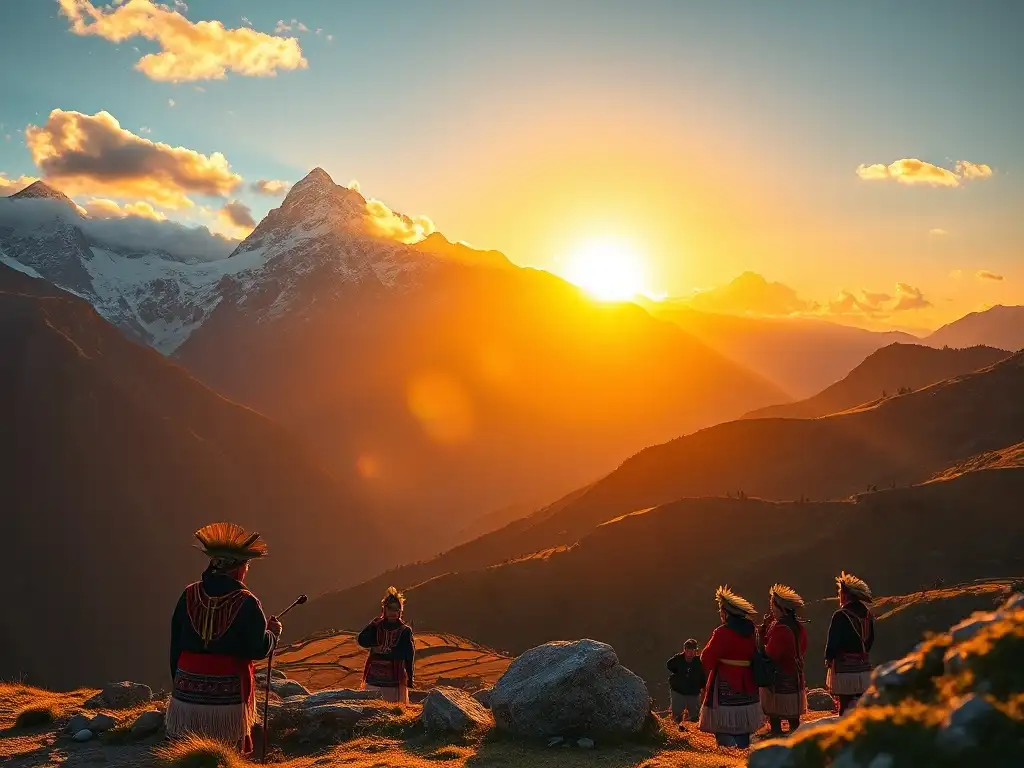
Step into a world lost to time, yet echoing in the present. Journey with us through the breathtaking landscapes and enigmatic legacies of the Andean civilizations. Uncover the profound mysteries of Andean cosmology and discover how its intricate web of beliefs continues to shape indigenous life today.
Prepare to be amazed as we delve into the secrets of a culture that seamlessly blended the spiritual and the physical, a legacy still felt deeply in the heart of the Andes. Learn more about this captivating connection in our exploration of " Unearthing the Secrets: How Andean Cosmology Still Guides Indigenous Beliefs".
The Andes Mountains, a majestic spine running down the western coast of South America, are more than just a geographical feature; they are the very foundation of a rich and complex cosmology that continues to shape the beliefs and practices of Indigenous communities today. For millennia, Andean civilizations—from the Incas to the pre-Inca cultures like the Moche, Nazca, and Tiahuanaco—developed intricate systems of understanding the world, deeply intertwined with their environment and celestial observations.
This article delves into the enduring legacy of Andean cosmology, exploring how its principles of reciprocity, balance, and interconnectedness remain central to Indigenous spirituality and worldview in the modern era. We will uncover how ancient beliefs in the Pachamama (Mother Earth), the Apus (mountain spirits), and the celestial bodies continue to influence daily life, rituals, and social structures within Andean communities.
Understanding this enduring connection offers a crucial perspective on the resilience of Indigenous cultures and their profound relationship with the natural world. This exploration will illuminate how Andean cosmology, far from being a relic of the past, is a vibrant and living force shaping contemporary Andean life.
The Foundation of Andean Cosmology: A World in Balance
Andean cosmology is characterized by a profound understanding of interconnectedness. The universe is not seen as a separate entity from humanity, but rather as a complex web of relationships. This worldview, often described as a "verticality," emphasizes the interconnectedness between the celestial realm (the Hanan Pacha), the earthly realm (the Kay Pacha), and the underworld (the Ukhu Pacha).
Each realm interacts with the others, and maintaining harmony between them is essential for the well-being of both individuals and communities. This concept of balance is central to numerous Andean practices, including agriculture, ritual, and social organization. The careful observation of celestial cycles, particularly the solstices and equinoxes, guided agricultural practices and informed the timing of important ceremonies.
The precise alignment of ancient structures like Machu Picchu with celestial events further underscores the importance of astronomy in Andean cosmology. Understanding this intricate system of relationships is key to grasping the enduring influence of Andean cosmology on modern beliefs.
Pachamama and the Sacredness of Nature: A Living Connection
The concept of Pachamama, or Mother Earth, is arguably the most prominent feature of Andean cosmology. Pachamama is not merely a passive element of the environment but a sentient being, a source of life and fertility, deserving of respect and reverence. This deep-seated respect for nature extends to all living things, from plants and animals to mountains and rivers.
Indigenous communities continue to perform rituals to honor Pachamama, offering gifts and prayers to ensure her continued benevolence. These rituals are often tied to agricultural cycles, reflecting the deep connection between the people and the land. The concept of reciprocity—giving back to Pachamama what she provides—is crucial, ensuring a sustainable relationship between humans and the natural world.
The ongoing struggles for land rights and environmental protection in the Andes are directly linked to the continued importance of Pachamama in Indigenous worldviews. The fight is not just for land; it is a fight to protect the very essence of their cosmology and their relationship with the sacred earth.
The Apus: Mountain Spirits and Guardians of the Land
Beyond Pachamama, the Apus, or mountain spirits, play a significant role in Andean cosmology. These powerful deities are seen as guardians of the land and protectors of the communities living in their shadow. The Apus are integral to the landscape, their presence felt in the towering peaks and the fertile valleys. Indigenous communities maintain a close relationship with the Apus, offering prayers and sacrifices to ensure their favor and protection.
Many rituals and ceremonies are performed on mountaintops, signifying the importance of these sacred spaces. The reverence for the Apus is deeply ingrained in Andean culture, shaping not only religious practices but also social structures and land use patterns. The continued importance of the Apus highlights the enduring power of Andean spirituality in shaping contemporary Indigenous life. Their protection is sought not just for material well-being, but also for spiritual guidance and community harmony.
Modern Expressions of Andean Cosmology: Resilience and Adaptation
Despite centuries of colonization and cultural suppression, Andean cosmology continues to thrive, adapting and evolving while maintaining its core principles. Indigenous communities have creatively integrated their traditional beliefs with new challenges and realities. For example, the incorporation of Christian elements into Andean rituals demonstrates a remarkable ability to synthesize different belief systems while retaining the essence of their ancestral spirituality.
This syncretism is not a sign of weakness but rather a testament to the resilience and adaptability of Andean culture. The ongoing efforts to revitalize traditional practices and languages are further evidence of the enduring importance of Andean cosmology in shaping Indigenous identities and fostering community cohesion.
The preservation of ancient knowledge and the transmission of traditional beliefs to younger generations ensure that Andean cosmology will continue to guide Indigenous communities for many years to come. The vibrancy of these traditions, despite immense pressures, is a powerful testament to their enduring relevance and cultural significance.
- The Foundation of Andean Cosmology: A World in Balance
- Pachamama and the Sacredness of Nature: A Living Connection
- The Apus: Mountain Spirits and Guardians of the Land
- Modern Expressions of Andean Cosmology: Resilience and Adaptation
The Enduring Influence of Andean Cosmology on Indigenous Cultures

Andean cosmology, a complex system of beliefs and practices centered around the interconnectedness of the natural world and the spiritual realm, continues to profoundly shape the lives and beliefs of indigenous communities in the Andes Mountains. This enduring influence is not merely a historical curiosity; it's a vibrant, living tradition that permeates daily life, from agricultural practices to social structures and spiritual rituals.
Understanding this influence requires delving into the core tenets of Andean worldview and examining how these principles manifest in contemporary indigenous spirituality. The impact of Andean cosmology on indigenous beliefs is not uniform across all communities; variations exist due to geographical location, specific ethnic groups, and the dynamic interplay between tradition and modernity.
However, certain fundamental elements remain remarkably consistent, demonstrating the enduring power of this ancient system. The study of Andean cosmology provides valuable insights into the intricate relationship between humans and their environment, offering a unique perspective on sustainable living and spiritual well-being.
Understanding the Foundations of Andean Worldview
The Andean worldview is fundamentally animistic, viewing the natural world as imbued with spirit and energy. Mountains (Apus), rivers, lakes, and even rocks are considered sacred entities, possessing agency and the capacity to influence human affairs. This interconnectedness is not merely metaphorical; it's a deeply felt reality that guides indigenous communities' interactions with their environment.
Respect for the natural world is paramount, with rituals and practices designed to maintain harmony and balance within this intricate web of life. Unlike Western dualistic thinking that separates the spiritual and material realms, Andean cosmology embraces a holistic perspective, where the sacred permeates every aspect of existence. This holistic approach is reflected in the careful management of natural resources, a practice honed over millennia and essential for survival in the challenging Andean environment.
For example, the careful selection of planting times, based on observations of celestial cycles and the behavior of nature, demonstrates a deep understanding and respect for the rhythms of the earth. This intricate understanding of the environment is not simply knowledge passed down through generations; it is a deeply ingrained part of their identity and cultural heritage. The worldview emphasizes reciprocity – a constant exchange of energy and respect between humans and the natural world.
The Role of Pachamama and Apus in Indigenous Spirituality
Pachamama, the Earth Mother, is a central figure in Andean cosmology, representing the fertile earth and the source of all life. She is revered as a powerful deity, demanding respect and offerings in return for her bounty. Indigenous communities perform regular ceremonies and rituals to honor Pachamama, seeking her blessings for successful harvests and overall well-being. These ceremonies often involve offerings of coca leaves, food, and other gifts, demonstrating the ongoing relationship of reciprocity.
The Apus, the mountain spirits, are equally important, regarded as protectors and guardians of the communities nestled in their shadow. They are seen as powerful intermediaries between the human and spiritual worlds, capable of bestowing blessings or inflicting misfortune depending on the actions of the people. Many indigenous communities have specific rituals dedicated to appeasing the Apus, seeking their protection from natural disasters and ensuring the prosperity of their communities. These rituals often involve climbing to the mountain peaks, making offerings, and performing symbolic gestures of respect.
The relationship between the indigenous communities and the Apus is a complex one, built on a foundation of mutual respect and understanding. The reverence for Pachamama and the Apus is not simply a matter of religious observance; it’s integral to their social structure, economic practices, and understanding of the world. The maintenance of this delicate balance between humanity and the natural world, as embodied by Pachamama and the Apus, is considered crucial for the continued well-being of both.
Key Concepts in Andean Cosmology and Their Modern Interpretations
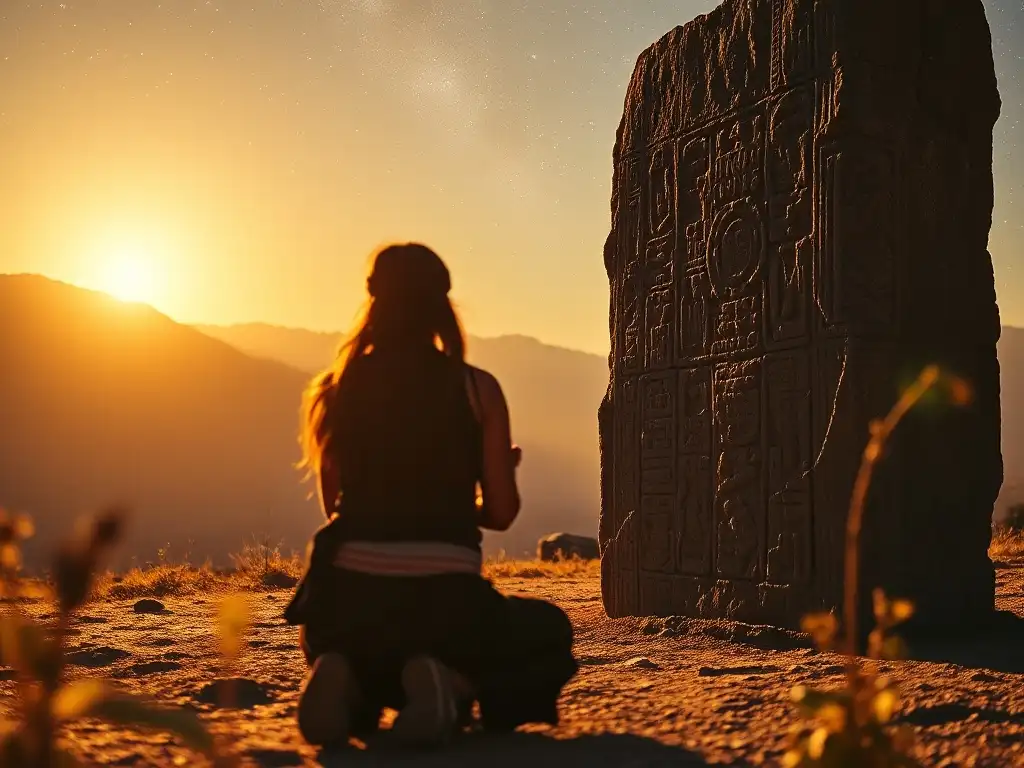
This section delves into the core tenets of Andean cosmology and how these ancient beliefs continue to shape the spiritual and practical lives of indigenous communities today. Understanding Andean cosmology is crucial to grasping the enduring influence of pre-Columbian traditions on contemporary Andean culture. The intricate relationship between humans and the natural world, as envisioned by ancient Andean civilizations, remains a powerful force, influencing everything from agricultural practices to social structures. We will explore several key concepts, demonstrating their relevance in modern Andean life.
The Three Worlds: Hanan Pacha, Kay Pacha, and Uku Pacha
Andean cosmology is structured around the concept of three interconnected worlds: Hanan Pacha, Kay Pacha, and Uku Pacha. These are not simply physical locations but represent different planes of existence, all interwoven and interacting.
- Hanan Pacha (Upper World): This is the celestial realm, the home of the gods, the sun, moon, and stars. It's a place of immense power and spiritual energy. In modern Andean practices, Hanan Pacha is still revered through ceremonies honoring celestial bodies and ancestral spirits. Farmers, for example, often consult the stars and the moon cycles to determine the optimal times for planting and harvesting, directly linking ancient knowledge to contemporary agricultural practices.
- Kay Pacha (Middle World): This is the earthly realm, where humans reside. It's the world of daily life, human interaction, and the physical environment. Modern Andean communities understand Kay Pacha as a sacred space requiring respect and balance. Sustainable agricultural techniques, such as terracing and crop rotation, developed centuries ago, are still employed today, reflecting a deep understanding of the delicate ecosystem within Kay Pacha. The concept of ayni, reciprocal exchange, also finds its roots here, emphasizing community cooperation and mutual responsibility.
- Uku Pacha (Lower World): This is the underworld, the realm of the ancestors and the spirits of the earth. It is believed to be a source of fertility and life-giving energy. Many indigenous rituals involve offerings and prayers directed towards Uku Pacha, seeking blessings for harvests, health, and well-being. The continued use of pachamama (Mother Earth) ceremonies, involving offerings to the earth, powerfully demonstrates the lasting significance of Uku Pacha in modern Andean beliefs. These ceremonies are not just symbolic; they are practical expressions of a deep-seated connection to the land and its life-giving properties.
The Significance of the Sun, Moon, and Stars in Andean Belief Systems
The sun, moon, and stars held immense significance in Andean cosmology, representing powerful deities and celestial guides. Their movements dictated the agricultural calendar, influenced social structures, and played a vital role in religious ceremonies.
The sun, often personified as Inti, was considered the most important deity, the source of life and energy. Many festivals and ceremonies are still dedicated to Inti, emphasizing the continuing importance of solar cycles in the lives of Andean communities. The Inca's sophisticated astronomical knowledge, evident in their impressive stone structures aligned with celestial events, continues to fascinate and inspire.
The moon, too, played a critical role, influencing agricultural practices and female fertility. Its cycles were carefully observed and incorporated into the calendar. Even today, many Andean communities continue to follow traditional lunar calendars for farming and other activities.
The stars, constellations, and the Milky Way were also integral to Andean cosmology, providing guidance and shaping narratives about creation and the cosmos. The study of Andean constellations reveals a rich system of knowledge that continues to influence indigenous worldviews. These celestial patterns are not merely decorative elements; they represent a complex system of knowledge related to navigation, timekeeping, and spiritual understanding. The continued use of this knowledge in contemporary Andean societies reinforces the enduring legacy of their ancestral wisdom.
Animism and the Sacredness of Nature in Andean Indigenous Practices
Andean cosmology embraces a strong animistic worldview, where spirits inhabit all aspects of the natural world – mountains, rivers, plants, and animals. This belief system fosters a deep respect for nature and a sense of interconnectedness with the environment. This principle is central to the practice of Pachamama, which translates to "Mother Earth," a concept that profoundly influences modern Andean indigenous beliefs.
Modern Andean communities continue to demonstrate their reverence for nature through various practices. The sustainable agricultural techniques mentioned earlier are not merely practical; they stem from a deep-seated understanding of the interconnectedness of all living things. The offering of coca leaves to Pachamama, a common practice, reflects the belief that the earth is a living entity deserving respect and reciprocity.
This animistic worldview permeates all aspects of life, from daily routines to significant ceremonies, creating a society deeply connected to its environment. The conservation efforts led by indigenous communities, often based on traditional ecological knowledge, are a testament to the enduring relevance of this animistic worldview in modern Andean society. The survival of these practices underscores the vitality of Andean cosmology and its enduring influence.
Manifestations of Andean Cosmology in Contemporary Indigenous Life
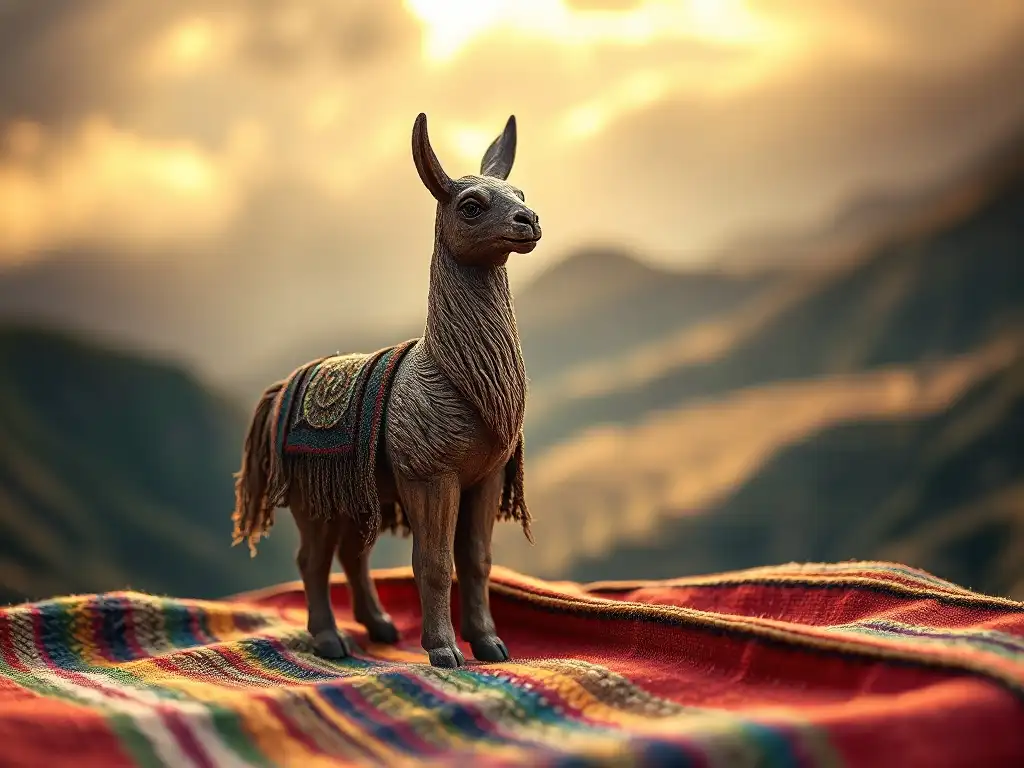
This section explores the enduring influence of Andean cosmology on the daily lives and spiritual practices of contemporary indigenous communities. We will examine how ancient beliefs, deeply rooted in the understanding of the cosmos and the interconnectedness of all living things, continue to shape rituals, medicine, art, and other aspects of Andean culture. Understanding these manifestations provides a crucial insight into the resilience and dynamism of Andean indigenous beliefs in the modern era. The persistence of Andean cosmology in the face of centuries of colonial influence underscores its profound significance and its integral role in maintaining cultural identity.
Rituals and Ceremonies Reflecting Ancient Andean Beliefs
Many Andean indigenous communities continue to practice rituals and ceremonies that directly reflect ancient cosmological beliefs. These practices are not merely historical reenactments; they are living traditions, integral to the social and spiritual fabric of their communities. For example, the Pachamama (Mother Earth) ceremonies, widely practiced across the Andes, demonstrate a deep reverence for the Earth as a living entity, a core tenet of Andean cosmology.
These ceremonies often involve offerings of coca leaves, food, and drink, aimed at appeasing and honoring Pachamama and ensuring a bountiful harvest. The timing of these rituals is often aligned with the agricultural cycle and celestial events, further highlighting the cosmological underpinnings.
Another significant example is the celebration of Inti Raymi, the Inca festival honoring the sun god, Inti. While the scale and specifics may vary across different communities, the underlying reverence for the sun as a vital source of life and a central figure in the Andean cosmos persists. These celebrations often involve elaborate processions, music, dance, and offerings, reinforcing the enduring power of Andean cosmology in shaping community life and social cohesion.
The vibrant colors, intricate costumes, and symbolic movements all contribute to a powerful communal experience rooted in ancient beliefs. Detailed ethnographic studies reveal a remarkable consistency in the core elements of these ceremonies across diverse Andean groups, despite regional variations in expression.
Andean Cosmovision in Traditional Medicine and Healing Practices
Andean cosmology significantly informs traditional medicine and healing practices. The concept of balance and harmony between the human body and the cosmos is central to this approach. Yachaqs, traditional healers, play a crucial role in maintaining this balance. Their knowledge, often passed down through generations, incorporates a deep understanding of medicinal plants, herbal remedies, and spiritual practices. The selection and preparation of these remedies are often guided by cosmological principles, considering the properties of plants in relation to celestial bodies and the energy flows within the landscape.
For instance, the use of specific plants for specific ailments is not simply based on empirical observation; it's often interwoven with the plants' symbolic meaning within the Andean worldview. The yachaq may invoke spiritual forces or conduct rituals to enhance the efficacy of the treatment, further emphasizing the intertwining of cosmology and healing.
The holistic approach to healing, encompassing physical, mental, and spiritual well-being, reflects the interconnectedness of all things, a central theme in Andean cosmology. Unfortunately, detailed quantitative data on the effectiveness of these traditional methods compared to modern medicine is often lacking, requiring further research to fully understand their efficacy and potential.
The Impact of Andean Cosmology on Indigenous Art and Textiles
Andean cosmology profoundly influences indigenous art and textiles. The intricate designs woven into textiles often depict cosmological symbols, narratives, and beliefs. These symbols, such as the chakana (Andean cross), represent the cosmos, the four directions, and the interconnectedness of the different realms. The vibrant colors, meticulous craftsmanship, and symbolic imagery communicate a rich tapestry of Andean beliefs and worldview. The creation of these textiles is not merely a craft; it is a ritualistic act, imbued with spiritual significance.
Moreover, the choice of materials, colors, and patterns is often guided by cosmological principles. Specific colors may be associated with particular deities or elements, while certain patterns may represent celestial events or mythological narratives. The textiles themselves serve as tangible embodiments of Andean cosmology, transmitting knowledge and beliefs across generations.
The detailed analysis of these textile designs reveals a complex and nuanced understanding of the Andean cosmos, highlighting the enduring influence of cosmology on artistic expression. The preservation and study of these artistic traditions are vital for safeguarding this rich cultural heritage and for understanding the continuing relevance of Andean cosmology in contemporary indigenous life.
Challenges and Preservation of Andean Cosmology in Modern Times
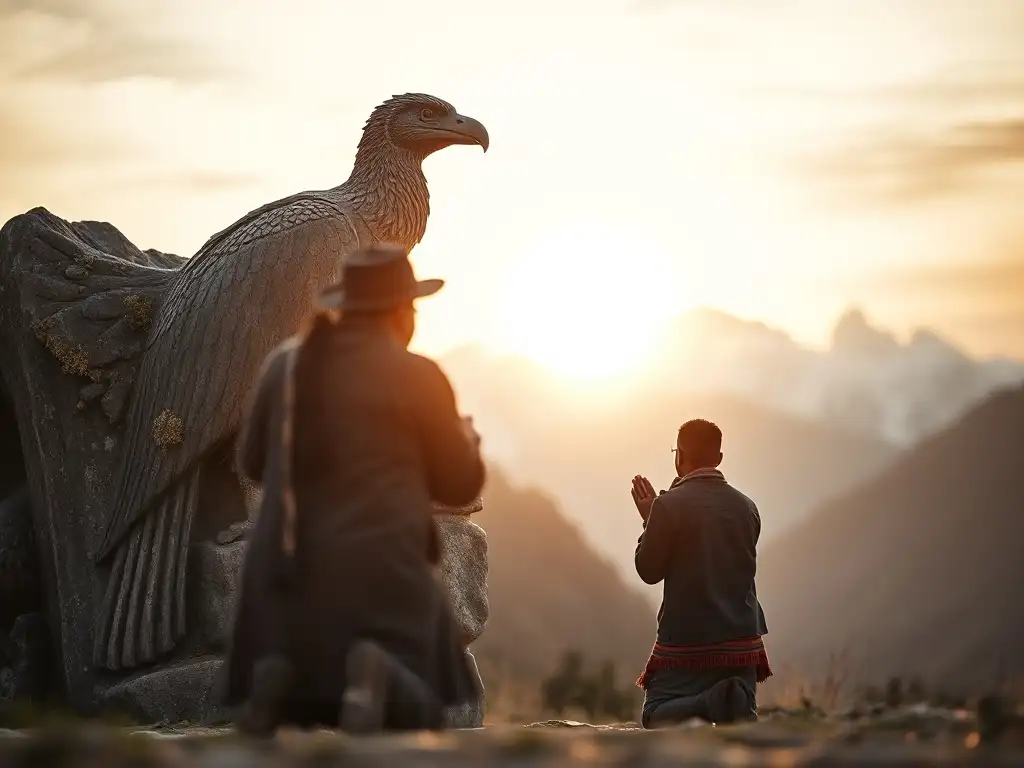
Andean cosmology, a complex system of beliefs deeply intertwined with the natural world and the spiritual realm, faces significant challenges in the modern era. The intricate relationship between humans, the cosmos, and the apus (mountain spirits) is constantly tested by the pressures of globalization and societal shifts. Understanding these challenges is crucial to appreciating the ongoing efforts to preserve this vital aspect of Andean indigenous heritage.
The delicate balance between tradition and modernity necessitates a nuanced approach to ensuring the survival of Andean cosmology for future generations. The keyword "Andean cosmology indigenous beliefs" is central to understanding this complex interplay.
The Impact of Globalization on Traditional Andean Beliefs
Globalization's influence on Andean cosmology is multifaceted and often presents a conflict between traditional practices and modern lifestyles. The rapid spread of Western ideologies, consumerism, and technological advancements have significantly impacted the transmission of indigenous knowledge. For example, the younger generations, increasingly exposed to global media and urban environments, are less connected to the traditional practices and narratives that sustain Andean cosmology.
This cultural shift poses a direct threat to the continuity of ancestral beliefs and practices. The erosion of traditional languages further exacerbates the problem, hindering the effective transmission of complex cosmological concepts from elders to youth. Data suggests a correlation between urbanization and a decline in the active practice of traditional Andean rituals and ceremonies, reflecting a broader trend of cultural assimilation.
The loss of this knowledge represents not only a cultural loss but also a potential loss of valuable ecological understanding embedded within these belief systems. Furthermore, the introduction of new religious systems can also lead to the abandonment or syncretization of traditional Andean beliefs, creating a hybrid system that dilutes the original cosmological framework.
Efforts to Revitalize and Preserve Andean Indigenous Knowledge
Despite the challenges, numerous initiatives are underway to revitalize and preserve Andean indigenous knowledge, including Andean cosmology. These efforts range from community-based projects aimed at teaching traditional languages and practices to academic research focused on documenting and analyzing Andean belief systems. Many indigenous communities are actively working to reclaim their cultural heritage and revitalize traditional ceremonies and rituals.
These initiatives often involve establishing community-run museums, cultural centers, and educational programs that focus on transmitting traditional knowledge to younger generations. Furthermore, there's a growing movement to integrate Andean cosmology into formal education systems, ensuring that future generations are aware of and appreciate their ancestral heritage. These efforts are crucial for the long-term survival of Andean cosmology and for maintaining a connection to the rich cultural legacy of the Andes.
The success of these initiatives hinges on collaboration between indigenous communities, researchers, and government agencies. A significant amount of funding is needed to support these projects adequately.
The Future of Andean Cosmology and its Relevance Today
The future of Andean cosmology is inextricably linked to the future of Andean communities themselves. The ongoing struggle to balance tradition with modernity remains a central theme. However, there is a growing recognition of the importance of Andean cosmology not only for its cultural value but also for its potential contribution to contemporary ecological awareness.
The deep respect for nature and the interconnectedness of all living things inherent in Andean cosmology offers valuable insights into sustainable living and environmental stewardship. The principles of reciprocity and harmony with nature, central tenets of Andean cosmology, provide a powerful framework for addressing contemporary environmental challenges. The wisdom embedded within Andean cosmology could offer valuable lessons for a world grappling with climate change and ecological degradation.
Therefore, preserving and promoting Andean cosmology is not merely a matter of cultural preservation; it is also a matter of ensuring a sustainable future for all. The enduring relevance of Andean cosmology in the 21st century lies in its ability to offer a holistic and environmentally conscious worldview. Continued research and community-based initiatives are vital in ensuring the continued influence of Andean cosmology on indigenous beliefs and the broader global community.
Andean Cosmology's Contribution to Global Spiritual Understanding
Andean cosmology, a complex system of beliefs and practices developed over millennia by Andean civilizations, offers a unique perspective on the interconnectedness of humanity and nature. Its influence extends far beyond the Andes Mountains, enriching global spiritual understanding and offering valuable insights for contemporary challenges. Unlike many Western belief systems that often separate the human from the natural world, Andean cosmology emphasizes a profound and reciprocal relationship between the two.
This holistic worldview, deeply rooted in observation of the natural world and spiritual experiences, provides a framework for understanding the universe and our place within it. The intricate interplay of the pachamama (Mother Earth), the celestial bodies, and the human spirit forms the foundation of this sophisticated system. The enduring legacy of Andean cosmology is evident in the continued reverence for ancestral knowledge and the integration of ancient practices into modern Andean life.
This deep-seated connection to the past allows for a unique perspective on sustainability, community, and spiritual well-being, offering valuable lessons for the modern world. The principles of reciprocity, respect for nature, and community-based living embedded within Andean cosmology present a powerful counterpoint to the often-individualistic and exploitative tendencies of modern societies. Understanding Andean cosmology allows us to appreciate the diversity of spiritual thought and to explore alternative pathways towards a more harmonious relationship with ourselves and the planet.
Lessons from Andean Wisdom for a More Sustainable World
The principles of ayni (reciprocity) and yanantin (duality) are central tenets of Andean cosmology, offering potent lessons for achieving environmental sustainability. Ayni emphasizes the importance of balance and exchange; what we take from the earth must be given back. This concept extends beyond a simple transactional view, encompassing a spiritual obligation to care for the environment and ensure its continued health. Modern ecological challenges, like climate change and resource depletion, highlight the urgent need for such a reciprocal relationship.
Yanantin acknowledges the interconnectedness of opposites – light and dark, male and female, life and death – emphasizing the necessity of finding harmony within these seemingly conflicting forces. Applying this principle to environmental issues translates to recognizing the interconnectedness of different ecosystems and the need for holistic solutions that address the multifaceted nature of environmental problems. For example, the Andean practice of minka, communal labor for the benefit of the community, serves as a model for collaborative environmental action. By working together, communities can tackle large-scale environmental projects, promoting both ecological and social sustainability.
The emphasis on community and shared responsibility within Andean cosmology contrasts sharply with the often individualistic approaches to environmental problems in the modern world. Embracing the principles of ayni and yanantin could lead to more effective and sustainable solutions to the environmental challenges facing our planet. The wisdom inherent in Andean cosmology offers a powerful framework for navigating the complexities of ecological sustainability.
The Interconnectedness of All Beings: A Core Andean Principle
Andean cosmology deeply emphasizes the interconnectedness of all living beings. This isn't a metaphorical concept; it's a fundamental belief system that shapes everyday life. The pachamama, or Mother Earth, is not merely a passive resource but a sentient being deserving of respect and reverence. Every element of the natural world – mountains, rivers, plants, animals – is considered to possess a spirit and to be part of a larger, interconnected web of life. This worldview contrasts sharply with anthropocentric perspectives that prioritize human needs above all else.
The concept of camac, the life force or energy that animates all living things, further reinforces this interconnectedness. The belief that all beings share this same life force fosters a sense of responsibility and respect for the entire ecosystem. Traditional Andean agricultural practices beautifully illustrate this interconnectedness. Farmers carefully manage their land, avoiding practices that could harm the soil or deplete its resources.
They understand that their well-being is intrinsically linked to the health of the pachamama, a relationship sustained through ritual, prayer, and careful stewardship. This holistic approach to agriculture contrasts with many modern, intensive farming practices that often prioritize short-term profits over long-term ecological sustainability. Understanding the Andean concept of interconnectedness is crucial for developing a more ecologically responsible and sustainable relationship with the natural world. The profound respect for all living beings, inherent in Andean cosmology, offers a powerful model for a more harmonious coexistence between humanity and nature.
Andean Cosmology and the Quest for Meaning and Purpose
Andean cosmology provides a framework for understanding human existence within a larger cosmic context. It offers a path to finding meaning and purpose by emphasizing our connection to the past, present, and future. The cyclical nature of time, reflected in the Andean calendar and agricultural practices, reinforces the idea that life is a continuous process of renewal and transformation. This cyclical view contrasts with linear Western conceptions of time, offering a more holistic perspective on human life and its place within the universe.
The reverence for ancestors is another key aspect of Andean cosmology that contributes to a sense of meaning and purpose. Ancestors are not simply figures from the past; they are considered active participants in the present, offering guidance and support. This connection to the past strengthens community bonds and reinforces a sense of belonging. Furthermore, the emphasis on community and reciprocity in Andean cosmology fosters a sense of shared purpose and collective responsibility.
Working together for the common good, whether through minka or other forms of communal labor, provides a sense of meaning and fulfillment that transcends individual aspirations. The Andean worldview offers a compelling alternative to the often-individualistic and materialistic pursuits that characterize many modern societies. By embracing the principles of community, reciprocity, and respect for nature, individuals can find a deeper sense of meaning and purpose within the larger context of Andean cosmology. The enduring relevance of Andean cosmology lies in its ability to provide a framework for understanding our place in the universe and finding lasting meaning in our lives.
Frequently Asked Questions
What is Andean cosmology?
Andean cosmology is a complex system of beliefs about the universe, encompassing the relationship between humans, nature, and the supernatural world. It's deeply intertwined with their understanding of the cosmos and their place within it.
How did Andean cosmology influence daily life?
Andean cosmology significantly shaped daily life, influencing everything from agriculture and social structures to religious practices and artistic expression. It provided a framework for understanding the world and their place within it.
What are some key elements of Andean cosmology?
Key elements include the sacred mountains (Apu), the concept of Pachamama (Mother Earth), and the belief in various deities and spirits inhabiting the natural world. These elements are central to their worldview.
How is Andean cosmology reflected in indigenous beliefs today?
Many indigenous communities continue to practice traditions rooted in Andean cosmology. These include ceremonies honoring Pachamama, maintaining sacred sites, and incorporating cosmological principles into their daily lives.
How has Andean cosmology impacted modern understanding of indigenous cultures?
Studying Andean cosmology provides crucial insights into the rich diversity and complexity of indigenous knowledge systems. It challenges Western perspectives and offers alternative ways of understanding the world and our relationship with nature.
Final Reflection: Echoes of the Andes: A Legacy of Cosmic Connection
The intricate tapestry of Andean cosmology continues to weave its vibrant threads into the lives of Indigenous communities today, a testament to the enduring power of ancestral wisdom. Its influence extends far beyond historical accounts, shaping contemporary spiritual practices, social structures, and environmental stewardship in profound ways. Understanding this enduring legacy is crucial not only for appreciating the richness of Indigenous cultures but also for recognizing the vital role traditional knowledge plays in navigating the challenges of our modern world.
The resilience of Andean cosmology in the face of centuries of colonization is a powerful reminder of the strength and adaptability of human belief systems. It speaks to the deep-seated connection between people and their environment, a connection often lost in our increasingly urbanized and technologically driven societies. The mountains are not just mountains, they are living beings, ancestors, and sources of life.
This sentiment, echoed across generations, highlights the profound spiritual and ecological significance of the Andean worldview, a perspective that offers valuable insights into sustainable living and harmonious coexistence with nature.
Consider the profound wisdom embedded within Andean cosmology. How can we, in our own lives, cultivate a deeper connection with the natural world and the spiritual dimensions of our existence? Embrace the opportunity to learn from these ancient traditions, to listen to the whispers of the mountains and the songs of the rivers. Let the echoes of the Andes resonate within you, inspiring a more mindful, respectful, and interconnected way of being in the world.
Unveil the Rich Tapestry of Andean Wisdom!
Thank you for exploring the profound insights of Andean cosmology with us! Your interest in these enduring indigenous beliefs highlights the importance of understanding and preserving cultural heritage. Let's delve deeper into this rich tradition.
- Expand Your Knowledge: Research specific Andean practices and their significance. Explore your local library, online archives, and reputable academic sources to discover stories and perspectives that resonate with you.
- Share Your Discoveries: Discuss what you've learned with friends and family, sparking their interest in Andean culture.
- Connect with the Community: Engage with online forums or local cultural groups focused on indigenous histories. Learning directly from practitioners and scholars will significantly enrich your understanding.
What aspect of Andean cosmology most resonates with your personal beliefs or experiences? Share your thoughts below and let's begin a meaningful conversation!