
The Ceramics and Artifacts of Machu Picchu: Unveiling Inca Craftsmanship

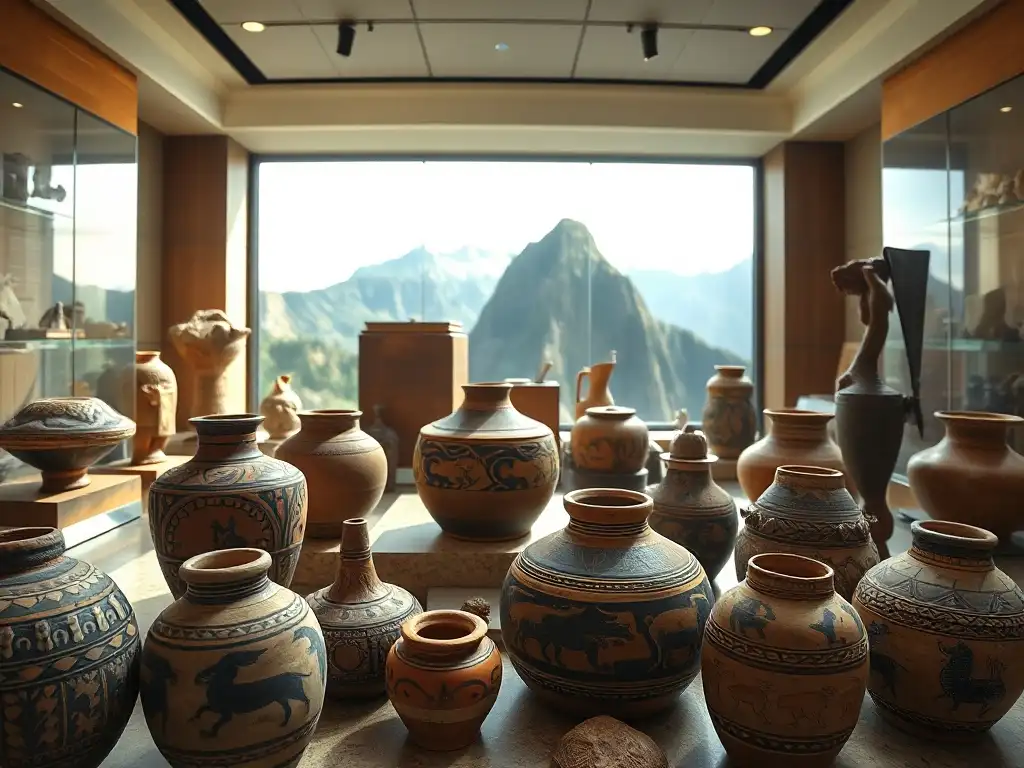
Uncover the secrets whispered by the wind through the Andes! Journey with us into a world of breathtaking artistry and unparalleled ingenuity as we delve into the enigmatic legacy of the Inca Empire. Prepare to be captivated by the exquisite detail of Inca pottery artifacts discovered at the majestic Machu Picchu—a testament to a civilization that continues to fascinate and inspire. Discover how these breathtaking ceramics reveal a story far richer than stone can tell... dare to explore?
- Inca Pottery Artifacts Machu Picchu: Unveiling Inca Craftsmanship
- The Ceramic Legacy of Machu Picchu: An Introduction
- Types of Ceramics Found at Machu Picchu
- Inca Ceramic Techniques and Materials
- Dating and Interpreting Machu Picchu Pottery
- Understanding the Function of Inca Pottery Through Archaeological Analysis
- The Preservation of Machu Picchu Inca Artifacts
- Inca Pottery Artifacts: A Window into the Past
- Frequently Asked Questions
- Final Reflection: Echoes of the Inca in Modern Hands
- Uncover Your Inca Inspiration Today!
Inca Pottery Artifacts Machu Picchu: Unveiling Inca Craftsmanship
Machu Picchu, the iconic "Lost City of the Incas," stands as a testament to the ingenuity and artistry of this remarkable civilization. Beyond its breathtaking architecture and intricate agricultural terraces, Machu Picchu holds a treasure trove of artifacts, offering invaluable insights into Inca daily life, religious beliefs, and sophisticated craftsmanship. This article delves into the fascinating world of Inca pottery and other artifacts unearthed at Machu Picchu, exploring their unique characteristics, symbolic meanings, and the techniques employed by Inca artisans.
We will examine how these ceramic pieces and other objects contribute to our understanding of this enigmatic civilization and its enduring legacy, focusing specifically on the unique connection between the artifacts discovered and the site itself. Understanding the pottery and artifacts found within Machu Picchu provides a tangible link to the past, allowing us to connect with the lives and beliefs of the Inca people who once inhabited this extraordinary site.
The analysis of these objects provides crucial evidence for understanding Inca social structures, technological advancements, and artistic expressions. Prepare to be captivated by the intricate details and profound stories whispered from these ancient relics.
The Significance of Pottery in Inca Culture
Inca pottery wasn't merely functional; it was an integral part of their social fabric, religious practices, and daily routines. From simple utilitarian vessels used for storage and cooking to intricately decorated ceremonial pieces, pottery reflected the diverse aspects of Inca life. The clay itself, sourced from local deposits, was carefully prepared and shaped using techniques passed down through generations.
The designs, often featuring geometric patterns, stylized animals, and human figures, were not random; they held deep symbolic meaning, reflecting the Inca worldview and cosmology. Furthermore, the style and decoration of the pottery varied regionally, suggesting a complex network of trade and cultural exchange across the Inca Empire.
Analyzing these variations allows researchers to trace the movement of goods and ideas, shedding light on the economic and social dynamics of the time. Specific examples of this regional variation, including [specific examples of pottery styles from different regions pending], would further illustrate this point.
Identifying Authentic Inca Pottery from Machu Picchu
Distinguishing authentic Inca pottery from later imitations or artifacts from other Andean cultures requires careful examination. Several key characteristics help identify genuine Inca pieces. These include:
- Clay Type and Color: Inca pottery typically utilizes a specific type of local clay, resulting in characteristic color variations. [Specific clay types and color ranges pending].
- Form and Shape: Certain shapes and forms are distinctive to Inca pottery, such as [specific examples of Inca pottery shapes pending].
- Decorative Techniques: Inca artisans employed a range of decorative techniques, including painting, incision, and stamping. [Specific examples of Inca decorative techniques and their significance pending].
- Iconography: The symbolic imagery found on Inca pottery provides important clues to its authenticity. Common motifs include [specific examples of common Inca iconography pending].
Understanding these criteria is crucial for archaeologists and researchers who work to preserve and interpret the artifacts from Machu Picchu. The rigorous process of authentication ensures that our understanding of Inca culture remains accurate and reliable. The misidentification of artifacts can lead to significant distortions in our understanding of the past.
Beyond Pottery: Other Significant Artifacts from Machu Picchu
While pottery forms a significant portion of the artifacts found at Machu Picchu, other objects offer equally valuable insights into Inca life. These include:
- Textiles: Intricately woven textiles, often adorned with vibrant colors and intricate designs, reveal the advanced textile techniques of the Inca. These textiles served various purposes, from clothing and blankets to ceremonial items.
- Metalwork: Gold, silver, and copper were skillfully worked to create ornaments, tools, and ceremonial objects. The sophistication of Inca metalwork demonstrates their advanced metallurgical knowledge.
- Stone Carvings: The meticulous stonework of Machu Picchu is mirrored in smaller, portable stone carvings found within the site. These often depict religious figures or symbolic motifs.
- Bone and Shell Artifacts: These items, while less prevalent, offer insights into Inca use of readily available resources. [Specific examples of bone and shell artifacts and their uses pending].
The diversity of these artifacts paints a vivid picture of a complex and sophisticated society, capable of remarkable feats of engineering, artistic expression, and resource management. The careful study of these objects, alongside the pottery, provides a comprehensive understanding of Inca culture and daily life.
Preserving the Legacy: Conservation Efforts at Machu Picchu
The preservation of these fragile artifacts is of paramount importance. Ongoing conservation efforts at Machu Picchu involve meticulous cleaning, stabilization, and storage techniques to protect these invaluable pieces for future generations. These efforts ensure that the legacy of Inca craftsmanship continues to inspire and educate.
[Specific examples of conservation techniques used at Machu Picchu pending]. The preservation of these artifacts is not just about maintaining physical integrity; it's about safeguarding cultural heritage and ensuring that the stories they tell continue to resonate. The work being done today allows future generations to connect with the past and appreciate the remarkable achievements of the Inca civilization.
The Ceramic Legacy of Machu Picchu: An Introduction
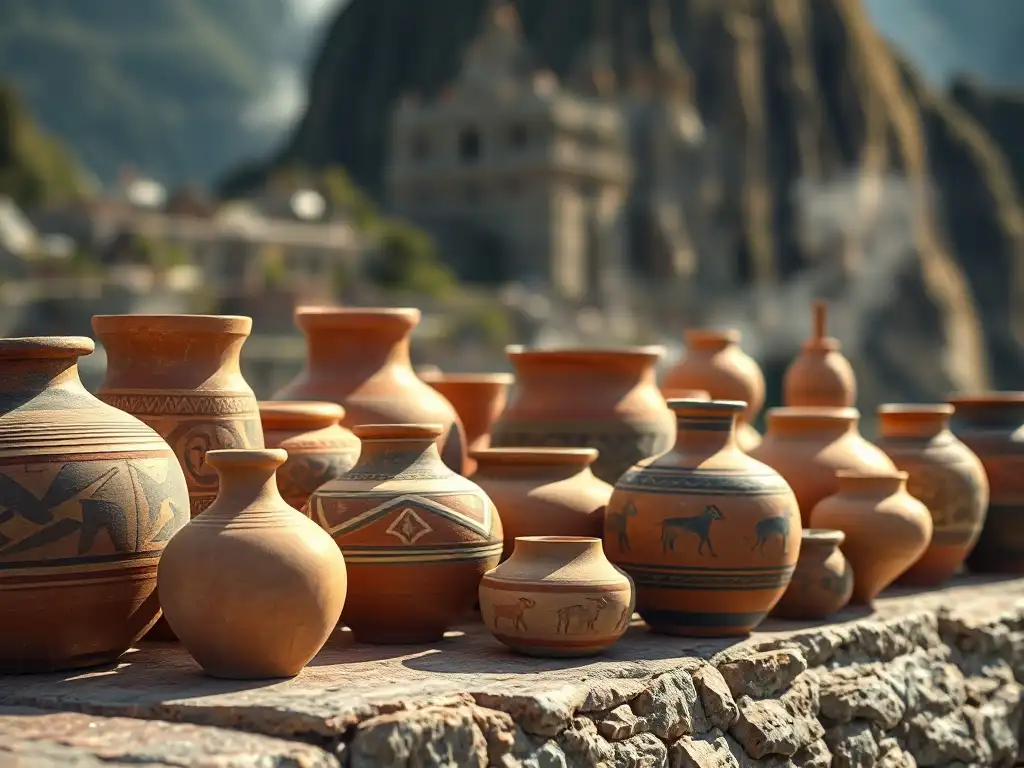
Machu Picchu, the iconic "Lost City of the Incas," stands as a testament to the ingenuity and artistry of the Inca civilization. While the breathtaking mountaintop citadel itself captivates visitors, a closer examination reveals a wealth of artifacts that further illuminate the Inca way of life. Among these treasures, Inca pottery artifacts from Machu Picchu stand out as particularly significant, offering invaluable insights into Inca craftsmanship, social structures, and religious beliefs.
This section delves into the fascinating world of Inca ceramics discovered at Machu Picchu, exploring their diverse forms, decorative styles, and the stories they tell. The sheer volume and variety of Inca pottery artifacts unearthed at Machu Picchu highlight the crucial role ceramics played in daily life and ceremonial practices within this remarkable city. Analyzing these artifacts allows us to reconstruct a more complete picture of Inca society and its sophisticated understanding of both practical and artistic applications.
The study of Inca pottery from Machu Picchu provides a uniquely detailed window into the past, enriching our understanding of this remarkable civilization. We will explore the distinctive characteristics of Inca pottery, including their techniques and the symbolism encoded within their designs. The abundance of Inca pottery artifacts found at Machu Picchu underscores the importance of this medium within Inca culture, and its enduring legacy continues to fascinate and inspire researchers and enthusiasts alike.
Discovering Inca Pottery at the Lost City
The discovery and subsequent study of Inca pottery artifacts at Machu Picchu have significantly enriched our understanding of Inca material culture. Archaeological excavations at the site have yielded a remarkable collection of ceramic pieces, ranging from simple utilitarian vessels to intricately decorated ceremonial objects. These artifacts were found in various locations throughout Machu Picchu, including residential areas, temples, and storage facilities.
The context of their discovery provides crucial clues about their function and significance within Inca society. For instance, the presence of finely crafted pottery in elite residences suggests a connection between social status and access to high-quality goods. Conversely, the discovery of simpler pottery in commoner dwellings reflects the everyday use of ceramics in daily life.
The meticulous recording of the location of each artifact during excavation provides essential information for interpreting their role within the broader context of the city's layout and social organization. Analysis of the clay composition, firing techniques, and decorative motifs further enhances our understanding of Inca ceramic production and technological capabilities. The meticulous documentation and ongoing research on these Inca pottery artifacts are crucial to preserving and interpreting this invaluable legacy.
The types of pottery found vary greatly, reflecting the diverse needs and aesthetic preferences of Inca society. Some examples include:
- Arupos: Large, storage jars typically used for storing grains and other food supplies.
- Cantaros: Water jugs, often characterized by their graceful shapes and sometimes adorned with intricate designs.
- Kero: Ceremonial cups, often made from fine materials and richly decorated, used in ritual contexts.
- Plates and bowls: Used for everyday dining and communal meals.
The Significance of Ceramics in Inca Culture
Inca pottery was far more than just functional; it held deep cultural and religious significance. The designs and motifs adorning these pieces often served as powerful symbols, reflecting Inca cosmology, mythology, and social hierarchy. The use of specific colors, shapes, and iconography conveyed meaning and status, allowing researchers to decipher the messages encoded within these seemingly simple objects.
For example, the presence of specific animal motifs might indicate a connection to shamanistic practices or agricultural cycles. Similarly, geometric patterns could represent celestial bodies or abstract concepts central to Inca worldview. The careful study of these visual elements reveals a complex system of symbolic representation that reflects the sophisticated intellectual and spiritual life of the Inca civilization.
Furthermore, the choice of materials used in the creation of Inca pottery artifacts also reveals significant insights into the social and economic organization of Inca society. The use of high-quality clay and intricate decorative techniques often indicates elite patronage or connection to religious institutions.
The detailed analysis of Inca pottery artifacts from Machu Picchu continues to provide valuable insights into the Inca worldview. The intricate designs, the symbolic meaning encoded within them, and the context of their discovery all contribute to a richer and more nuanced understanding of Inca culture and beliefs. Further research and technological advancements promise to unlock even more secrets held within these remarkable artifacts, deepening our appreciation for the ingenuity and sophistication of this remarkable ancient civilization. 🌎
Types of Ceramics Found at Machu Picchu
Machu Picchu's archaeological record reveals a fascinating array of Inca ceramics, reflecting the sophistication of their potting techniques and the diverse roles pottery played in their society. The artifacts unearthed, meticulously studied by archaeologists, offer invaluable insights into Inca daily life, religious practices, and artistic sensibilities. Analyzing the styles, materials, and decorative motifs allows us to reconstruct a vibrant picture of Inca culture at its zenith.
The sheer variety of Inca pottery artifacts found at Machu Picchu underscores the significance of ceramics in their civilization. From simple, functional vessels to elaborately decorated pieces, the pottery tells a compelling story of a people deeply connected to their environment and their beliefs. The keyword phrase "Inca pottery artifacts Machu Picchu" accurately encapsulates the focus of this section.
Utilitarian Pottery: Everyday Inca Vessels
The majority of Inca pottery found at Machu Picchu falls under the category of utilitarian ware. These were the everyday vessels used for cooking, storing food and water, and serving meals. Common forms include aryballos (small, globular vessels with narrow necks, often used for storing liquids), kero (large, ceremonial cups), and various types of bowls and jars.
The materials used were primarily local clays, often mixed with tempering agents like sand or crushed rock to improve durability and prevent cracking during firing. The colors are generally muted, ranging from browns, greys, and blacks, reflecting the natural tones of the clay. While not elaborately decorated, these vessels often exhibit subtle variations in form and surface treatment, reflecting regional styles and perhaps even individual potter's preferences.
Analysis of residue found within these vessels has provided additional information about the Inca diet and culinary practices. For example, traces of quinoa, maize, and other Andean crops have been identified, confirming their importance in the Inca diet. The simplicity of these utilitarian pieces shouldn't be mistaken for lack of skill; the functionality and durability of these vessels are testaments to the Inca potters' mastery of their craft.
Ritual Ceramics: Exploring Sacred Inca Artifacts
Beyond utilitarian pottery, Machu Picchu has yielded a significant number of ritual ceramics. These pieces, often more elaborately decorated and crafted from finer clays, played a crucial role in Inca religious ceremonies and practices. Many examples show intricate designs, often featuring zoomorphic and anthropomorphic motifs, symbolic representations of deities, or scenes from Inca mythology.
The use of vibrant colors, achieved through the application of pigments derived from natural sources, is a characteristic feature of these ritual ceramics. Common shapes include kero cups, which were frequently used in ritual libations, and vessels with spout-like features, possibly used for pouring offerings. The presence of these ritual artifacts at Machu Picchu highlights the religious significance of the site and the importance of ceremonial practices in Inca society.
Further research on the iconography and symbolism depicted on these ceramics is crucial to understanding the complexities of Inca religious beliefs and cosmology. The meticulous craftsmanship evident in these pieces underscores their sacred purpose and the high status of the individuals or groups associated with them.
Decorative Pottery: Artistic Expressions of Inca Craftsmanship
While many Inca ceramics serve utilitarian or ritual purposes, a subset showcases the remarkable artistic skills of Inca potters. These decorative pieces, though less numerous than utilitarian vessels, demonstrate a sophisticated understanding of form, color, and design. They often feature intricate painted designs, including geometric patterns, stylized animal figures, and representations of plants. The use of multiple colors and techniques, such as negative painting and the application of slip (a liquid clay mixture), creates visually stunning effects.
Many of these pieces are highly polished, giving them a lustrous sheen. The style and decoration of these vessels may indicate social status or regional variations within the Inca Empire. The detailed analysis of these decorative pottery pieces provides valuable insights into Inca aesthetics and artistic expression.
The enduring beauty of these artifacts is a testament to the creativity and skill of the Inca potters, who transformed humble clay into enduring works of art. Further study is needed to fully understand the specific meanings and contexts of the decorative motifs found on these exquisite pieces of Inca pottery. The discovery of new examples at Machu Picchu continues to enrich our understanding of Inca artistic achievement.
Inca Ceramic Techniques and Materials
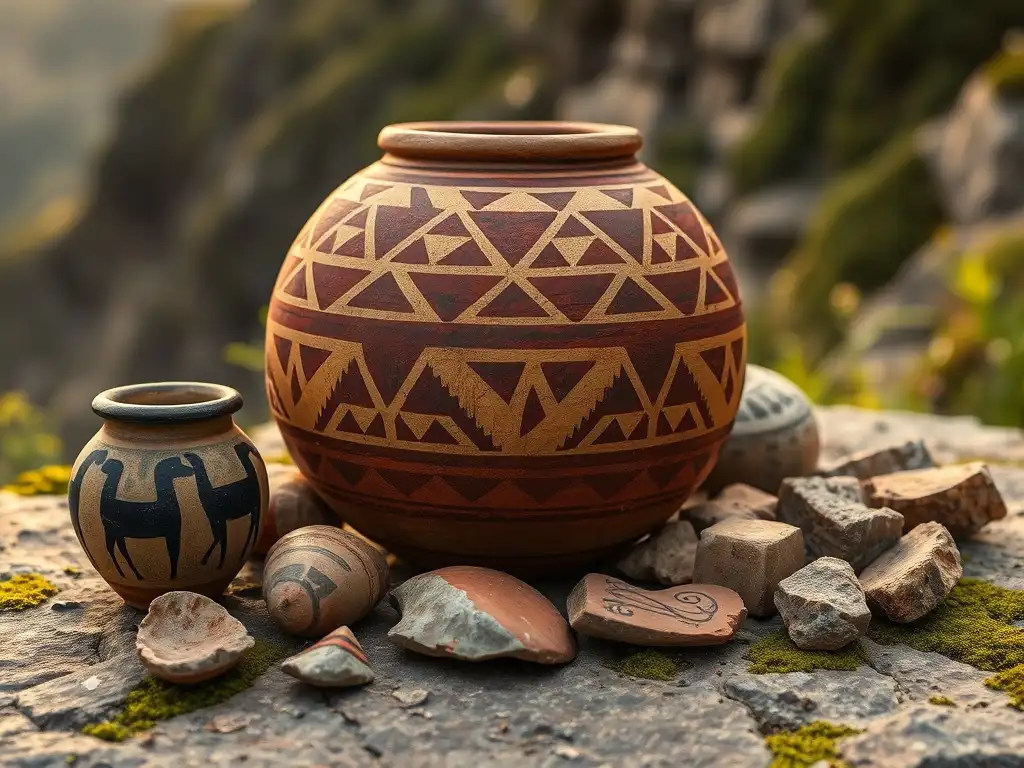
The remarkable Inca pottery artifacts unearthed at Machu Picchu offer invaluable insights into the sophisticated ceramic techniques employed by this advanced civilization. Understanding the materials and processes involved allows us to appreciate the artistry and ingenuity behind these enduring pieces. The Inca's mastery of pottery production is evident not only in the aesthetic quality of their work but also in the functional aspects, demonstrating their adaptability to diverse needs and environments.
The sheer volume of pottery found at Machu Picchu, ranging from utilitarian vessels to finely crafted ceremonial pieces, underscores the integral role ceramics played in Inca daily life and religious practices. This section delves into the specific techniques and materials that characterized Inca pottery production, illuminating the remarkable craftsmanship of these ancient artisans.
The Inca Pottery Making Process: From Clay to Finished Product
The creation of Inca pottery was a multi-stage process, demanding skill and precision at each step. Archaeological evidence suggests a meticulous approach, starting with the careful selection and preparation of clay. The clay, often sourced locally, was meticulously cleaned and refined to remove impurities and achieve the desired consistency.
This process likely involved repeated washing and sieving to eliminate stones, gravel, and other unwanted elements. After achieving the right consistency, the clay was often mixed with temper – a non-plastic material like crushed rock or shell – to improve its workability and reduce shrinkage during firing. This tempering technique was crucial in preventing cracking and ensuring the durability of the final product.
Following clay preparation, the shaping of the vessels began. Inca potters employed a variety of techniques, including coil building and paddle-and-anvil methods. Coil building involved rolling out long, thin coils of clay and carefully joining them to create the desired form. The paddle-and-anvil technique involved pressing and shaping the clay against a paddle using a flat anvil, resulting in sturdy and evenly-shaped vessels. After shaping, the vessels were often smoothed and polished to achieve a refined surface. This meticulous preparation was essential for achieving the desired aesthetic qualities and ensuring the even application of pigments.
The final stage involved firing the pottery in kilns. While the precise construction of Inca kilns remains a subject of ongoing research, evidence suggests the use of open-air or simple pit kilns. Controlling the temperature and duration of the firing process was crucial for achieving the desired color and hardness of the finished product. Variations in firing techniques likely contributed to the diversity of colors and textures observed in Inca pottery. The entire process, from clay selection to final firing, showcases the Inca's deep understanding of materials science and their commitment to producing high-quality ceramics.
Identifying Inca Clay Sources and Pigments
Pinpointing the exact sources of clay and pigments used in Inca pottery production at Machu Picchu requires further investigation. However, analysis of existing artifacts reveals clues about the materials used. The clays likely came from nearby sources, reflecting the Inca's practical approach to resource management.
The diverse range of colors in Inca pottery—from earthy reds and browns to vibrant yellows and blacks—indicates the use of a variety of mineral pigments. Iron oxides were likely responsible for the reds and browns, while manganese oxides and carbon-based materials may have been employed to create blacks and grays. The precise identification of these pigments requires advanced techniques like X-ray fluorescence (XRF) spectroscopy, which can provide a detailed elemental analysis of the ceramic materials.
The skillful blending of these pigments allowed Inca potters to achieve a remarkable range of hues and create intricate designs. Further research is needed to fully understand the specific sources of these pigments and the techniques employed in their preparation and application. This knowledge is essential for a complete understanding of Inca ceramic technology and its connection to the environment.
The analysis of pigment composition can also provide valuable information about trade routes and the exchange of materials within the Inca Empire. Understanding the sourcing of materials is key to comprehending the economic and social aspects of Inca pottery production.
Analyzing Inca Pottery Decoration Techniques
Inca pottery decoration showcases a remarkable range of techniques and artistic styles, reflecting the cultural and social context of their creation. The most common techniques include painting, incision, and stamping. Painting involved applying pigments directly onto the surface of the pottery, often using fine brushes made from natural materials. Incision involved carving designs into the clay before firing, creating a textured effect. Stamping involved pressing carved stamps onto the clay, producing repeated patterns.
The decorative motifs frequently found on Inca pottery are rich in symbolism. Geometric patterns, such as triangles, zigzags, and stepped designs, were commonly used, potentially representing cosmological concepts or social structures. Representational motifs, depicting animals, plants, and human figures, also appear, though less frequently. These images often carry significant cultural or religious meaning, offering glimpses into Inca beliefs and worldview. The stylistic variations in decoration across different regions and time periods reflect the dynamic nature of Inca culture and the regional diversity within the empire.
The careful application of these techniques, combined with the selection of vibrant pigments, resulted in stunningly beautiful and intricately decorated vessels. The level of skill and artistry displayed in Inca pottery decoration underscores the importance of ceramics as a medium for artistic expression and cultural communication. Further study is needed to fully decipher the symbolic meaning of the decorative motifs and to understand the evolution of decorative styles over time.
The analysis of Inca pottery decoration, therefore, offers valuable insights into the cultural practices and beliefs of this fascinating civilization. The study of Inca pottery artifacts at Machu Picchu continues to reveal new information about the technological prowess and artistic talent of the Inca people, enhancing our understanding of their rich cultural heritage.
Dating and Interpreting Machu Picchu Pottery
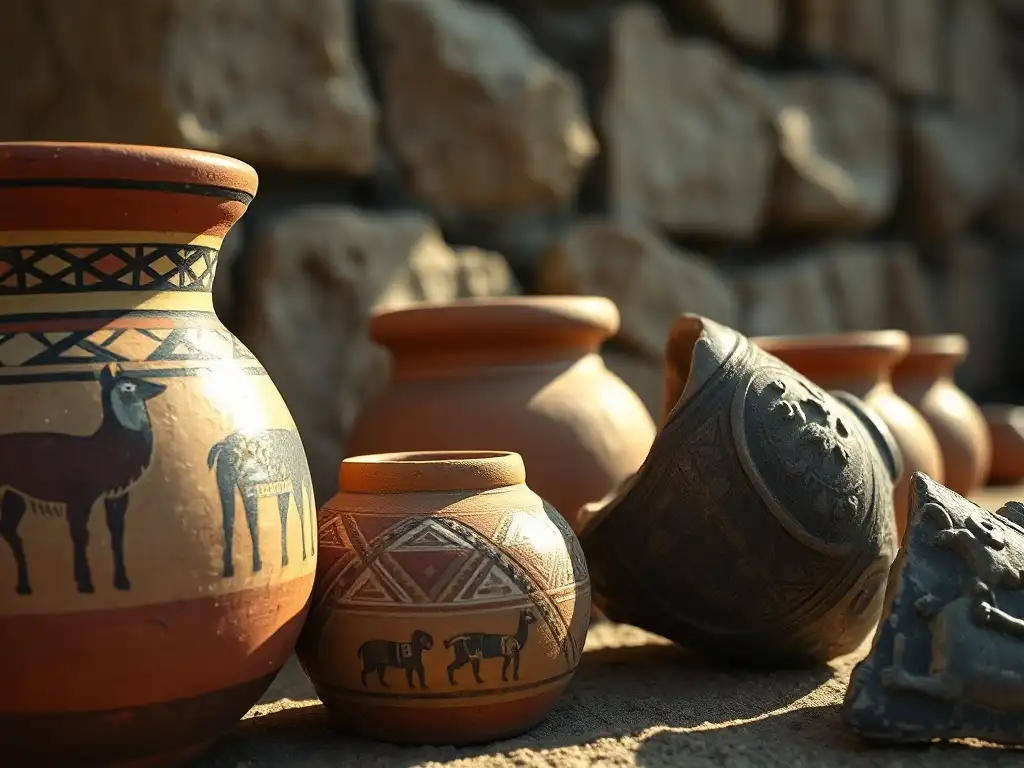
The precise dating of Inca pottery artifacts unearthed at Machu Picchu is a complex undertaking, relying on a combination of stylistic analysis, stratigraphic context, and occasionally, radiocarbon dating of associated organic materials. While absolute dates are sometimes elusive, relative chronology provides a robust framework. Stylistic changes in Inca pottery, such as variations in vessel shapes, decorative motifs, and painting techniques, allow archaeologists to establish a relative sequence.
For example, the presence of specific types of kero (ceremonial cups) with particular designs can help pinpoint a time frame within the Inca period. This is further refined by considering the stratigraphic layers in which the pottery is found; artifacts discovered in lower levels are generally older than those in upper levels. This careful layering analysis is crucial for understanding the evolution of ceramic styles and technologies at Machu Picchu over time.
Chronological Context of Inca Ceramics at Machu Picchu
The Inca occupation of Machu Picchu spanned several decades, likely beginning in the 15th century and continuing until the Spanish conquest in the early 16th century. Ceramic styles reflect this timeframe. Early Inca pottery at Machu Picchu often shows a continuity with regional styles preceding the Inca expansion, exhibiting features that blend local traditions with emerging Inca imperial aesthetics.
Later Inca pottery, however, displays a greater standardization and uniformity, reflecting the empire's centralized control over production and distribution. This standardization is evident in the widespread use of specific vessel forms and decorative patterns across the empire. The transition from regionally diverse styles to more standardized imperial forms provides a valuable chronological marker within the archaeological record of Machu Picchu.
Analyzing these changes allows researchers to better understand the pace and nature of Inca imperial influence on local ceramic production. Further research, including more extensive radiocarbon dating and detailed stylistic comparisons with pottery from other Inca sites, is needed for a more precise chronological framework.
Understanding the Function of Inca Pottery Through Archaeological Analysis
Inca pottery at Machu Picchu wasn't merely decorative; it served a multitude of functions within the society. Archaeological analysis reveals a diversity of vessel types, each designed for specific purposes. For instance, large storage jars were used to store food and liquids, while smaller bowls and plates were used for eating and serving. The presence of kero, intricately decorated ceremonial cups, points to the importance of ritual and feasting in Inca society.
The discovery of miniature vessels suggests potential uses in offerings or as children's toys. Furthermore, the materials used in the pottery—from the type of clay to the specific pigments used in decoration—reveal insights into the availability of resources and the level of craftsmanship involved. The analysis of residue found inside vessels using techniques like gas chromatography-mass spectrometry (GC-MS) can help identify the contents, further illuminating the function of the pottery.
Insights into Inca Society from Ceramic Analysis
The analysis of Inca pottery from Machu Picchu provides invaluable insights into various aspects of Inca society. The stylistic variations in pottery, including the types of decoration and the quality of craftsmanship, suggest a degree of social stratification. Elaborately decorated vessels, particularly kero, were likely associated with the elite, while simpler vessels were used by the broader population.
This is further supported by the location of the pottery within the site; elite residences often yielded finer and more intricately decorated ceramics. The motifs depicted on the pottery—including geometric patterns, depictions of animals, and even human figures—offer clues about Inca mythology, beliefs, and social practices. The presence of specific symbols or imagery on certain vessels might indicate their use in specific rituals or ceremonies.
The study of Inca pottery, therefore, offers a rich and multifaceted lens through which to understand the social, religious, and economic aspects of Inca life at Machu Picchu. More detailed analysis of the chemical composition of the pigments and clays used in the pottery could further illuminate trade networks and resource management strategies. For example, the presence of pigments sourced from distant locations would indicate the existence of well-established trade routes.
The Preservation of Machu Picchu Inca Artifacts
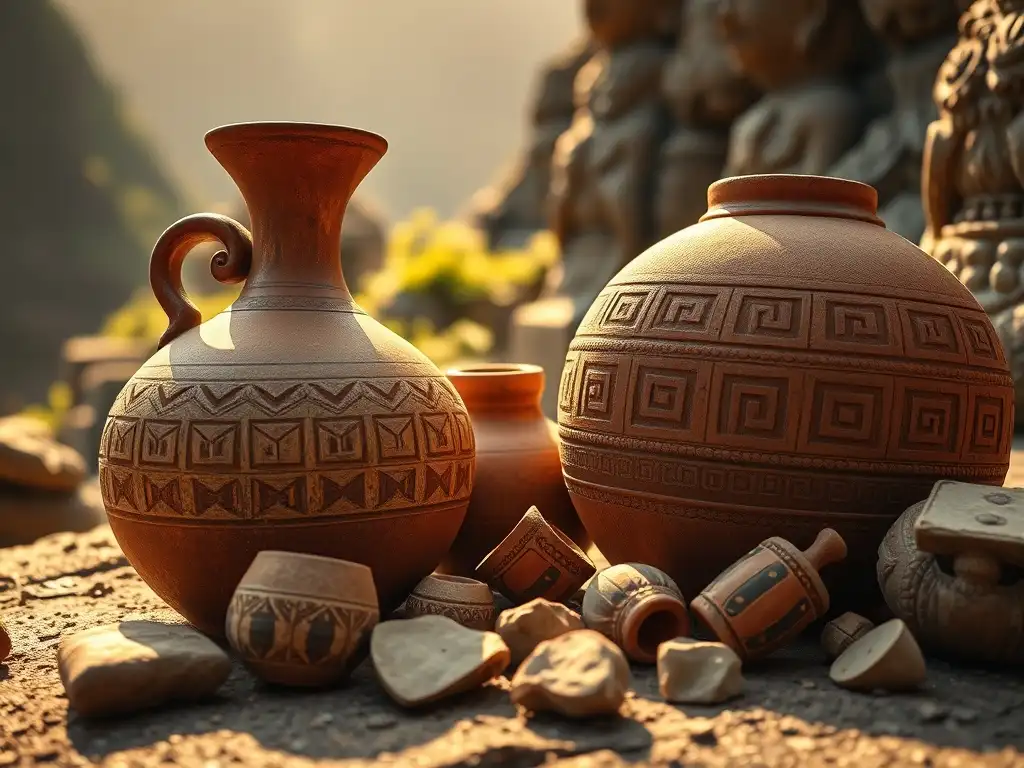
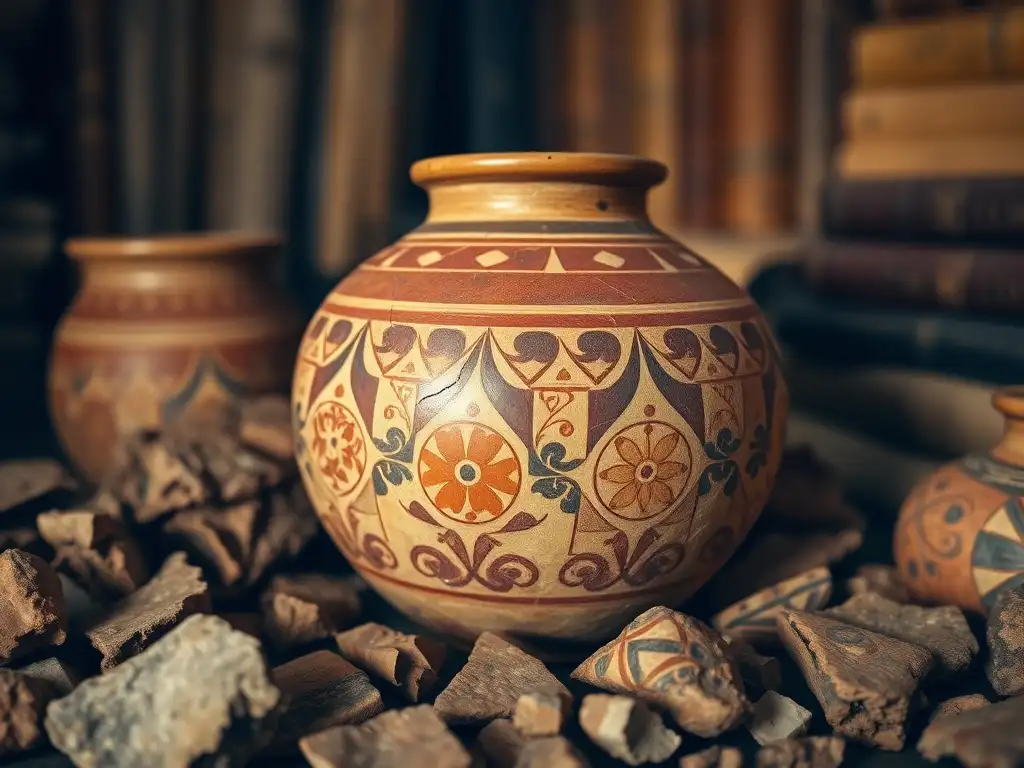
The remarkable Inca pottery artifacts unearthed at Machu Picchu represent a significant portion of our understanding of Inca artistry and daily life. However, the very elements that contributed to their survival for centuries – the Andean climate and the site's unique geography – now pose significant challenges to their long-term preservation. Understanding these challenges and implementing effective conservation strategies is crucial to safeguarding this irreplaceable cultural heritage for future generations.
The delicate nature of these artifacts, often made from fragile materials and subjected to the harsh realities of time and environmental exposure, necessitates a multi-faceted approach to their care. This includes not only careful excavation and handling techniques but also sophisticated environmental controls within museums and storage facilities.
Challenges in Conserving Inca Pottery
The primary challenges in conserving Inca pottery from Machu Picchu stem from several interconnected factors. Firstly, the high altitude and fluctuating temperatures at Machu Picchu contribute to significant thermal stress on the ceramics. These temperature variations, coupled with high humidity levels during certain periods of the year, can cause expansion and contraction within the clay bodies, leading to cracking and eventual disintegration.
Secondly, the site's exposure to the elements, including intense sunlight and rainfall, has resulted in significant weathering and erosion of many artifacts before they were even discovered. This is particularly problematic for pieces that were not buried or otherwise protected. Thirdly, biological factors, such as the growth of microorganisms and the infestation of insects, can further compromise the structural integrity of the pottery.
These organisms can secrete acids that slowly degrade the clay, accelerating the deterioration process. Finally, the inherent fragility of some Inca pottery techniques, using relatively thin walls and delicate surface decorations, makes them particularly susceptible to damage during handling, transportation, and display. Careful handling protocols, including the use of specialized gloves and supports, are absolutely essential.
Ongoing Research and Studies on Inca Ceramics
Ongoing research at Machu Picchu and other Inca sites focuses on developing advanced conservation techniques to address these challenges. Scientists are employing cutting-edge technologies such as X-ray diffraction and scanning electron microscopy to analyze the chemical composition of the pottery and understand the processes of degradation. This detailed analysis informs the development of tailored conservation strategies, including the use of specific consolidants and cleaning agents to stabilize the artifacts and prevent further deterioration.
Moreover, studies are investigating the effectiveness of different environmental control methods, such as humidity and temperature regulation, to create optimal storage conditions for long-term preservation. Researchers are also exploring the use of non-invasive imaging techniques to create detailed 3D models of the pottery, allowing for virtual study and replication without handling the original artifacts.
This approach minimizes the risk of further damage while still allowing for thorough research and analysis. The goal is to develop a comprehensive understanding of the materials and techniques used in Inca pottery production, alongside the most effective strategies for long-term preservation of these fragile yet invaluable pieces.
The Importance of Protecting Inca Cultural Heritage
The preservation of Inca pottery artifacts from Machu Picchu is not simply a matter of maintaining historical objects; it's about safeguarding a crucial aspect of human cultural heritage. These artifacts provide invaluable insights into the daily lives, artistic skills, and beliefs of the Inca people. Their intricate designs, often depicting scenes of daily life, religious ceremonies, or mythological figures, tell compelling stories that enrich our understanding of this remarkable civilization.
The loss of these artifacts would represent an irreplaceable loss of knowledge and cultural identity, impacting not only our understanding of the past, but also the cultural heritage of present-day Peru and its people. Therefore, continued investment in research, conservation, and education surrounding Inca pottery is essential to ensure that these treasures remain available for future generations to appreciate and learn from.
Protecting this cultural heritage contributes to a broader understanding of Andean civilizations and the legacy they left behind. The meticulous preservation efforts underway represent a commitment to ensuring the stories embedded within these fragile pieces continue to resonate for centuries to come.
Inca Pottery Artifacts: A Window into the Past
The discovery and analysis of Inca pottery artifacts at Machu Picchu offer invaluable insights into the daily life, religious beliefs, and artistic achievements of this remarkable civilization. These ceramic pieces, meticulously crafted and often vibrantly decorated, serve as tangible links to a sophisticated culture that thrived in the Andes Mountains. The sheer variety of shapes, sizes, and decorative styles found at Machu Picchu underscores the Inca's mastery of ceramic techniques and their deep connection to the materials and artistry of their environment.
Examining these artifacts allows us to reconstruct aspects of Inca society that would otherwise remain unknown, enriching our understanding of their complex social structures and spiritual practices. The abundance of Inca pottery artifacts at Machu Picchu, coupled with the careful archaeological excavation and analysis of these pieces, provides compelling evidence of the Inca's advanced technological skills and their artistic sensibilities. The study of these artifacts continues to reveal new information, constantly refining our comprehension of this fascinating civilization.
The unique characteristics of Inca pottery, such as its distinctive styles and the use of specific materials, set it apart from the ceramics of other Andean cultures, contributing significantly to our ability to identify and date these invaluable historical objects. The keyword "Inca pottery artifacts Machu Picchu" accurately reflects the core subject matter of this detailed analysis.
Analysis of the Aryballos: A Common Inca Storage Jar
The aryballos, a type of globular storage jar, is frequently found among the Inca pottery artifacts unearthed at Machu Picchu. These jars, typically characterized by their narrow necks and wide bodies, were used for storing a variety of goods, from grains and liquids to precious powders and pigments. Analysis of the clay composition reveals the Inca's sophisticated understanding of local materials, often incorporating specific additives to enhance the strength and durability of the finished product. Many aryballoi 1 are decorated with intricate geometric patterns, painted in earthy tones such as red, brown, and black, though some examples display more elaborate designs, including stylized animal figures or representations of deities. The size and decoration of the aryballos often indicate its intended function and social context. Smaller, more delicately decorated aryballoi may have been used for storing personal items or precious substances, while larger, more utilitarian versions likely served for storing food or other household supplies. The prevalence of aryballoi at Machu Picchu suggests their importance in daily Inca life, reflecting the efficient storage and organization techniques employed by the civilization.
1 The plural of aryballos.
The Significance of the Inca Plate: Symbolism and Function
Inca plates, another significant category of pottery artifacts from Machu Picchu, demonstrate a remarkable range of styles and decorative motifs. These plates, varying in size and shape, served both practical and symbolic purposes. Some plates were undoubtedly used for eating, while others likely held ritual significance. Detailed analysis of the iconography reveals a complex interplay of symbolism.
For instance, the depiction of specific animals, such as the condor or puma, might represent power, strength, or a connection to the spiritual realm. Geometric designs, often intricately woven into the overall pattern, may have encoded specific meanings related to Inca cosmology or social organization. The use of different colors also holds symbolic weight; vibrant reds, for example, might represent blood or sacrifice, while yellows could symbolize the sun or royalty. The craftsmanship of these plates is exceptional, showcasing the high level of skill and artistic talent within Inca society.
Many plates exhibit a remarkable degree of precision and attention to detail, highlighting the cultural value placed upon craftsmanship and artistry. The careful study of these plates allows researchers to delve deeper into the beliefs and values of the Inca people. Analyzing the patterns and symbols present on these plates provides crucial clues into the rich tapestry of Inca culture and worldview.
The Enduring Legacy of Inca Ceramic Artistry
The Inca pottery artifacts unearthed at Machu Picchu represent a significant contribution to our understanding of Andean civilization. Their enduring legacy extends beyond their historical and archaeological value. The sophisticated techniques employed in their creation, the symbolic richness of their decoration, and the sheer artistry involved in their production continue to inspire and captivate audiences today.
The study of Inca pottery provides a unique window into the past, allowing us to connect with the skills, beliefs, and artistry of a remarkable civilization. The detailed analysis of these artifacts not only sheds light on the daily life and religious practices of the Inca but also highlights the sophistication of their technological achievements and artistic expressions. The legacy of Inca ceramic artistry continues to resonate in contemporary Andean art and culture, serving as a testament to the enduring influence of this fascinating civilization.
The meticulous craftsmanship and artistic vision evident in these pieces underscore the remarkable ingenuity and cultural depth of the Inca people, solidifying their place as one of the most significant civilizations of South America. The continued study and appreciation of these artifacts ensures that the rich tapestry of Inca culture will remain vibrant and accessible for generations to come. The keyword phrase "Inca pottery artifacts Machu Picchu" provides a concise and accurate representation of the subject matter explored in this section.
Frequently Asked Questions
What makes Inca pottery unique?
Inca pottery is distinguished by its high-quality craftsmanship, functional designs, and use of readily available materials. They often incorporated geometric patterns and depictions of daily life.
Where can I find Inca pottery artifacts?
Many Inca pottery artifacts are housed in museums worldwide, including Peruvian museums near archaeological sites like Machu Picchu. You can also find some smaller pieces in private collections.
What materials did the Inca use for their pottery?
The Inca primarily used clay sourced locally, often mixing it with temper like sand or shell to improve its durability. They also used natural pigments for decoration.
How does Inca pottery relate to Machu Picchu?
Pottery found at Machu Picchu provides crucial insights into the daily life, culture, and trade of the Inca civilization who inhabited the site. It offers evidence of their artistic skills and social structures.
What are some common motifs found in Inca pottery from Machu Picchu?
Common motifs include geometric designs, zoomorphic figures (animals), and anthropomorphic figures (humans). These often reflect religious beliefs and daily activities.
Final Reflection: Echoes of the Inca in Modern Hands
The intricate ceramics and artifacts unearthed from Machu Picchu continue to resonate today, not merely as relics of a lost civilization, but as powerful testaments to human ingenuity and cultural resilience. Their exquisite craftsmanship, reflecting a deep understanding of both artistry and practicality, offers a window into a sophisticated society that thrived centuries ago. The enduring appeal of these pieces speaks volumes about our ongoing fascination with the past and the enduring power of human creativity.
The legacy of Inca pottery extends far beyond the museum walls; it continues to inspire contemporary artists, designers, and archaeologists alike. The vibrant colors, intricate designs, and functional elegance of these pieces serve as a constant reminder of the interconnectedness of cultures across time. The past is never dead. It's not even past.
– William Faulkner. This quote perfectly encapsulates the enduring influence of Inca craftsmanship, which continues to shape our understanding of history and artistic expression. The meticulous detail in each piece, the stories they silently tell, and the sheer skill involved in their creation leave an indelible mark on the observer.
Consider, for a moment, the hands that shaped these ancient vessels, the minds that conceived their designs. Now, consider your own hands, your own creative potential. What stories do you want to tell through your actions, your art, your life? Let the legacy of Inca craftsmanship inspire you to create, to innovate, to leave your own mark on the world, a mark as enduring and beautiful as the pottery of Machu Picchu. Let the echoes of the Inca inspire your own unique voice.
Uncover Your Inca Inspiration Today!
Thank you for exploring the fascinating world of Inca craftsmanship with us! We hope you gained valuable insights into the ceramics and artifacts of Machu Picchu, deepening your appreciation for these remarkable ancient artisans. Let's build on this newfound knowledge and connect with the allure of the Andes.
- Take a pottery class or workshop to create your own piece inspired by Incan designs. Feel the connection to history as you work with the clay.
- Visit a museum or exhibit featuring Andean artifacts to see these masterpieces firsthand. Immerse yourself in the rich culture and artistry of the ancient Americas.
- Share your discoveries on social media using #AndeanCivilizations to inspire others and spark conversations about Inca heritage.
As you reflect on the beauty and intricacy of Inca art, consider this: Which piece of Incan craftsmanship resonates most with you, and how can you integrate its essence into your life?