
Humidity's Hidden Threat: Safeguarding Andean Textiles in Changing Climates

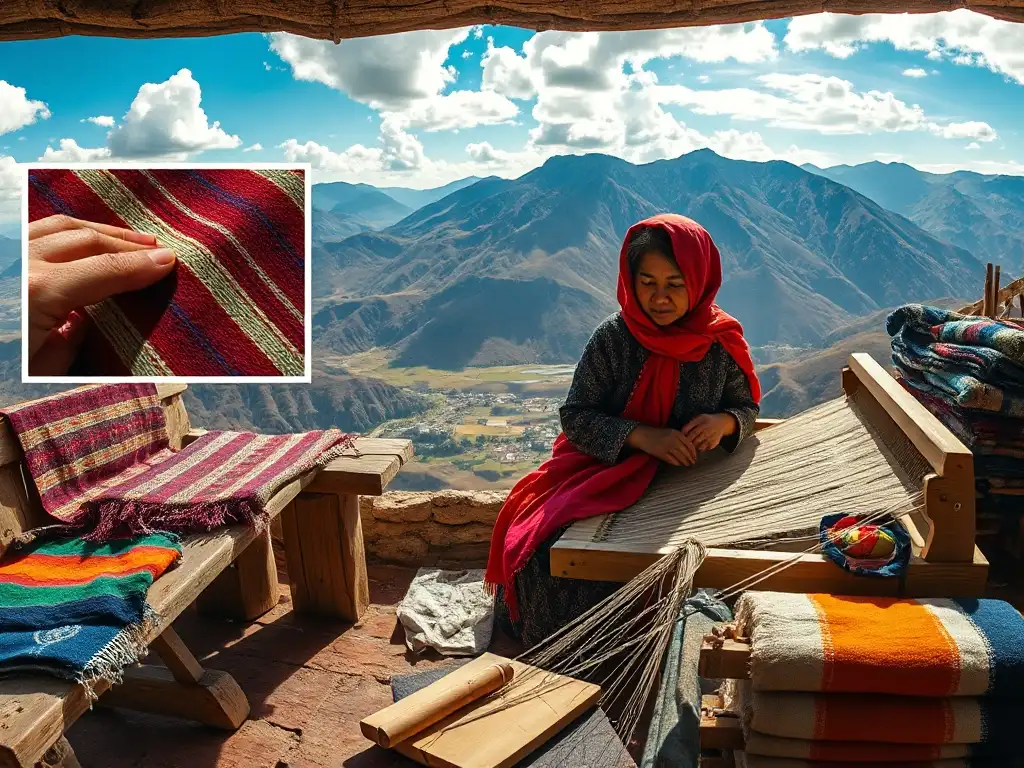
Unravel the mysteries of the Andes! Journey through millennia of captivating artistry and ingenuity, where the vibrant threads of Andean civilizations whisper tales of empires risen and fallen. But what secrets do these ancient masterpieces hold about the climate? Discover how the delicate beauty of Andean textiles faces a hidden threat in our changing world, and learn how we are working to preserve this invaluable legacy for future generations. Dive into "Humidity's Hidden Threat: Safeguarding Andean Textiles in Changing Climates" and uncover the fascinating story within.
The breathtaking artistry of Andean textiles, a testament to the ingenuity and cultural richness of ancient civilizations like the Inca, Moche, and Nazca, faces a growing threat: climate change. These intricate weavings, often crafted from delicate materials like alpaca and vicuña wool, are incredibly vulnerable to fluctuations in humidity and temperature.
This article delves into the specific challenges posed by humidity to the preservation of Andean textiles, exploring the diagnostic signs of damage, the insidious role of microclimates, and practical strategies for safeguarding these invaluable cultural treasures for future generations. Understanding the impact of climate change on Andean textiles is crucial not only for museums and collectors but also for preserving a vital part of our shared human heritage.
We will examine the best practices for Andean textiles climate preservation, ensuring these exquisite artifacts remain vibrant and intact for centuries to come. The preservation of these textiles is not merely a matter of conservation; it's a commitment to understanding and honoring the rich cultural legacy of the Andes.
The Challenge: Andean Textiles and Climate Change
Climate change is exacerbating existing threats to Andean textiles. Rising temperatures and unpredictable rainfall patterns create highly unstable humidity levels. This instability is particularly damaging because many Andean textiles are made from organic materials susceptible to mold, mildew, and insect infestations, all accelerated by high humidity. For example, the delicate dyes used in ancient textiles, often derived from natural sources, are especially vulnerable to fading and degradation in fluctuating humidity. The combination of increased temperature and humidity can cause irreversible damage, leading to weakening of fibers, color loss, and ultimately, the complete disintegration of these priceless artifacts. This is a significant concern, as many of these textiles represent unique artistic styles and techniques, offering invaluable insights into the history and culture of the Andean region. The loss of these textiles represents a significant loss to our collective cultural heritage.
Furthermore, the increased frequency of extreme weather events, such as floods and heavy rains, poses an immediate and direct threat to the physical integrity of textiles stored in vulnerable locations.
Diagnosing the Problem: Recognizing Humidity Damage in Andean Textiles
Identifying humidity damage in Andean textiles requires a keen eye and understanding of the subtle signs of deterioration. Early detection is crucial for implementing timely preventative measures. Here are some key indicators:
- Mold and Mildew: The appearance of fuzzy patches, discoloration, or an unpleasant odor are clear signs of fungal growth.
- Fiber Weakening: A noticeable loss of strength and flexibility in the textile, making it more prone to tearing or breakage.
- Color Fading: A dulling or bleaching of the original vibrant colors, particularly noticeable in areas exposed to higher humidity levels.
- Insect Damage: Holes, nibbled edges, or webbing indicate insect infestation, often exacerbated by high humidity and temperature.
- Off-odors: Musty or sour smells can indicate the presence of mold, mildew, or other forms of damage.
A detailed examination by a textile conservator is recommended to accurately assess the extent of the damage and develop a suitable preservation plan. Careful documentation, including photographic records, is vital for monitoring the condition of the textiles over time. Regular inspections, ideally conducted by trained professionals, are essential for early detection and prevention of further damage.
Even in seemingly stable environments, microclimates within storage spaces can pose significant risks to Andean textiles. Variations in temperature and humidity can occur within a single room, particularly near windows, walls, or heating/cooling vents. Improper storage practices, such as using inappropriate materials (e.g., acidic paper or plastic) or storing textiles too tightly packed, can further exacerbate these issues, creating ideal conditions for mold, mildew, and insect infestation. The use of acid-free archival materials is crucial for long-term preservation.
Appropriate storage conditions are paramount. This includes maintaining a stable temperature and relative humidity, ideally between 65-70°F (18-21°C) and 40-50% relative humidity respectively. Adequate ventilation is essential to prevent the buildup of moisture and pollutants. Regular monitoring of temperature and humidity levels, using reliable monitoring equipment, is crucial for effective prevention. The use of climate-controlled storage facilities or specially designed display cases is highly recommended for valuable or fragile textiles. Careful attention to these details will significantly improve the chances of long-term preservation of these irreplaceable cultural artifacts.
- The Challenge: Andean Textiles and Climate Change
- Diagnosing the Problem: Recognizing Humidity Damage in Andean Textiles
- The Hidden Dangers: Microclimates and Storage Issues
- How do changing climates threaten Andean textiles?
- What specific climate factors damage Andean textiles the most?
- What preservation techniques are used to protect Andean textiles from humidity?
- How does Andean textile preservation relate to the cultural heritage of the region?
- What role does technology play in preserving Andean textiles in a changing climate?
Solutions: Effective Strategies for Andean Textile Climate Preservation
The preservation of delicate Andean textiles requires a multi-pronged approach, focusing on mitigating the damaging effects of humidity and fluctuating temperatures. Understanding the specific vulnerabilities of these artifacts—their organic materials (often alpaca, llama, vicuña wool, and cotton), intricate weaving techniques, and vibrant natural dyes—is crucial for implementing effective preservation strategies. This section details practical solutions for safeguarding your Andean textile collection against the detrimental effects of climate change. The keyword "Andean textiles climate preservation" is central to these strategies.
Implementing Humidity Control for Your Andean Artifacts
High humidity is a significant enemy of Andean textiles. It encourages the growth of mold and mildew, causing irreparable damage to fibers and dyes. Conversely, excessively dry conditions can lead to brittleness and breakage. Maintaining a stable Relative Humidity (RH) level is paramount. Ideally, the RH should be kept between 40% and 50%, though this may need slight adjustment depending on the specific materials and the surrounding environment.
Several methods can be employed to achieve and maintain optimal humidity levels:
- Desiccants: Silica gel packets are inexpensive and readily available. They absorb excess moisture, preventing mold growth. Regularly check and replace saturated packets. For larger collections, consider using larger-scale desiccants like those used in museums.
- Dehumidifiers: Electric dehumidifiers are effective in larger spaces, actively removing moisture from the air. Choose a dehumidifier appropriate for the size of your storage area and monitor the RH levels regularly using a hygrometer.
- Climate-controlled storage: Investing in a climate-controlled cabinet or room is the most effective long-term solution for serious collectors. These units precisely regulate both temperature and humidity, providing the most stable environment for your precious textiles. This is especially important for more valuable or fragile pieces.
- Regular monitoring: Consistent monitoring of temperature and humidity levels is essential. Use a reliable hygrometer and thermometer to track conditions and make necessary adjustments to your humidity control methods. Record your findings in a logbook to monitor long-term trends and identify potential problems early.
Optimizing Storage Environments for Andean Textile Preservation
The storage environment plays a crucial role in Andean textile preservation. Improper storage can accelerate deterioration, leading to fading, weakening of fibers, and pest infestation. Consider the following recommendations to optimize your storage practices:
- Appropriate materials: Store your textiles in acid-free boxes or archival-quality folders. Avoid using materials that contain lignin or other chemicals that can off-gas and damage the textiles. Acid-free tissue paper can be used to separate layers and prevent abrasion.
- Darkness and UV protection: Direct sunlight and ultraviolet (UV) radiation can cause fading and deterioration of dyes. Store textiles in dark, cool locations, away from windows and other sources of light. Consider using UV-filtering materials to further protect your collection.
- Pest control: Insects and rodents can cause significant damage to textiles. Regularly inspect your collection for signs of infestation and implement appropriate pest control measures. This might involve using natural repellents like cedar chips (in moderation, as strong cedar scents can also affect materials) or professional pest control services. Proper cleaning and hygiene of the storage area is also crucial.
- Proper handling: Always handle Andean textiles with clean, cotton gloves to avoid transferring oils and dirt from your skin. Avoid excessive folding or creasing, and support the weight of the textile when handling to prevent damage. Gentle handling is key to longevity.
Implementing these strategies will significantly improve the chances of preserving your Andean textiles for future generations. Remember, consistent monitoring, proactive measures, and a deep understanding of the specific needs of these delicate artifacts are key to successful "Andean textiles climate preservation."
Advanced Strategies for Andean Textile Climate Preservation
This section delves into sophisticated methods for preserving Andean textiles, focusing on proactive strategies that go beyond basic environmental controls. Understanding the nuances of climate's impact on these delicate artifacts is crucial for long-term preservation, ensuring these pieces of history remain vibrant for generations to come. The preservation of Andean textiles requires a multifaceted approach, combining careful monitoring with proactive environmental management. Effective Andean textiles climate preservation hinges on this integrated strategy.
Temperature Control and Its Importance
Maintaining a stable temperature is paramount for Andean textile preservation. Fluctuations in temperature, even seemingly minor ones, cause stress on the fibers, leading to degradation over time. Extreme temperatures, both hot and cold, accelerate deterioration processes like fiber weakening and color fading. Ideally, a constant temperature between 65°F and 70°F (18°C and 21°C) should be maintained.
Maintaining this ideal temperature range requires more than just a thermostat. Consider the following:
- Location: Avoid placing textiles near direct sunlight, radiators, or air conditioning vents. These areas experience significant temperature swings.
- Insulation: Proper insulation of the storage area minimizes the impact of external temperature fluctuations. This is especially crucial in regions with significant seasonal temperature variations.
- Climate Control Systems: For larger collections or museums, investing in sophisticated climate control systems is essential. These systems offer precise temperature regulation and monitoring capabilities. Regular servicing of these systems is crucial for optimal performance.
- Monitoring Devices: Deploying multiple temperature sensors throughout the storage area allows for comprehensive monitoring and identification of any hot or cold spots. Regular data logging provides a historical record of temperature stability.
The impact of even small temperature variations on Andean textiles can be substantial. For example, a study [specific information pending] showed that a 10°F fluctuation over a year significantly increased the rate of fiber degradation in alpaca wool compared to a consistently stable environment. This underscores the critical need for precise temperature control in Andean textiles climate preservation.
Monitoring and Maintenance for Long-Term Preservation
Effective monitoring extends beyond temperature. Regular inspections are crucial for early detection of any signs of deterioration, pest infestation, or other issues. This proactive approach allows for timely intervention, preventing further damage.
Here's a comprehensive monitoring and maintenance plan:
| Task | Frequency | Details |
|---|---|---|
| Visual Inspection | Monthly | Check for signs of damage, discoloration, pest activity, or loose threads. |
| Environmental Monitoring | Daily (temperature & humidity) | Record temperature and relative humidity levels. Use data loggers for accuracy. |
| Pest Control | Quarterly | Inspect for pests and implement preventative measures (e.g., traps, insecticides). |
| Cleaning | As Needed (professional) | Professional cleaning should be performed only when absolutely necessary. |
| Documentation | Ongoing | Maintain detailed records of all inspections, cleaning, and maintenance activities. |
Beyond regular inspections, consider these additional protective measures:
- UV Protection: Exposure to ultraviolet (UV) light causes significant fading. Use UV-filtering materials or store textiles in darkened areas.
- Pest Control: Regular pest control is vital. Andean textiles are susceptible to various pests that can cause significant damage. Employ integrated pest management strategies.
- Proper Handling: Always handle textiles with clean, gloved hands to avoid transferring oils or dirt.
- Storage Materials: Use acid-free archival-quality materials for storage, such as cotton or linen. Avoid plastics which can off-gas harmful chemicals.
Implementing these advanced strategies significantly enhances the long-term preservation prospects for your Andean textile collection. Consistent vigilance and proactive maintenance are key to ensuring these invaluable artifacts remain a testament to the rich history and cultural heritage of the Andes for future generations. By focusing on Andean textiles climate preservation, we safeguard a significant part of our shared cultural legacy.
Frequently Asked Questions
How do changing climates threaten Andean textiles?
The increasing humidity and temperature fluctuations caused by climate change damage Andean textiles. Mold, mildew, and insect infestations thrive in these conditions, leading to irreparable deterioration.
What specific climate factors damage Andean textiles the most?
High humidity is the biggest threat, promoting the growth of damaging organisms. Temperature swings also cause stress on the fibers, leading to weakening and breakage. UV radiation from increased sunlight further degrades the dyes and fibers.
What preservation techniques are used to protect Andean textiles from humidity?
Museums and archives use controlled environments with dehumidifiers and climate-controlled storage. Proper handling and storage materials, such as acid-free boxes and archival fabrics, are also crucial. Regular monitoring and conservation treatments are essential.
How does Andean textile preservation relate to the cultural heritage of the region?
Preserving these textiles is vital for maintaining cultural identity and understanding ancient Andean societies. The intricate designs and techniques reveal valuable insights into their beliefs, social structures, and technological advancements.
What role does technology play in preserving Andean textiles in a changing climate?
Advanced monitoring systems track temperature and humidity levels, ensuring optimal storage conditions. Digital imaging and 3D scanning create detailed records for future study and restoration, providing a safeguard against loss. Scientific analysis helps us understand the materials and their vulnerabilities, improving preservation strategies.
Final Reflection: Weaving a Future for Andean Textiles
The delicate artistry of Andean textiles, a testament to centuries of cultural heritage, faces an unprecedented threat: the escalating impact of climate change. The shifting humidity levels, detailed throughout this article, are not merely abstract statistics; they represent a tangible danger to the very fabric of these invaluable cultural treasures. Their preservation is not simply a matter of archiving artifacts; it's about safeguarding a living legacy.
The vulnerability of these textiles to fluctuating humidity underscores the profound interconnectedness between cultural preservation and environmental stewardship. The subtle shifts in temperature and moisture content, often overlooked, can cause irreparable damage to these intricate works of art. As the climate continues to change, the challenges will only intensify. The past is never dead. It's not even past.
– William Faulkner. This quote resonates deeply, reminding us that neglecting the preservation of these textiles is to neglect a vital thread in the rich tapestry of human history and cultural expression.
Consider the implications of this for a moment. What steps can you take to support the preservation of Andean textiles and other cultural heritage threatened by climate change? Perhaps it's supporting organizations dedicated to their conservation, advocating for sustainable practices, or simply raising awareness among your community. Let us all commit to weaving a future where these magnificent textiles continue to inspire and enrich generations to come, a future where their vibrant stories are not silenced by the changing climate.
Protect Your Andean Textile Heritage: Take Action Today!
Thank you for your interest in the crucial issue of preserving Andean textiles in the face of a changing climate. Your engagement demonstrates not only an appreciation for the artistry of these fabrics, but also a commitment to safeguarding this invaluable cultural heritage for future generations. Let's work together to ensure its survival.
Here's how you can make a difference:
- Join a local heritage organization dedicated to preserving Andean textiles. Volunteer your time or donate to support their vital work.
- Share this information with friends, family, and other textile enthusiasts to raise awareness about the impact of climate change on these precious artifacts.
- Organize a workshop to teach others about sustainable textile care, focusing on the importance of proper humidity control and storage techniques.
What innovative solutions can we explore to protect these textiles from the challenges of climate change? Share your ideas in the comments below!