
Exploring the Andean Calendar: Aligning with Cosmic Cycles

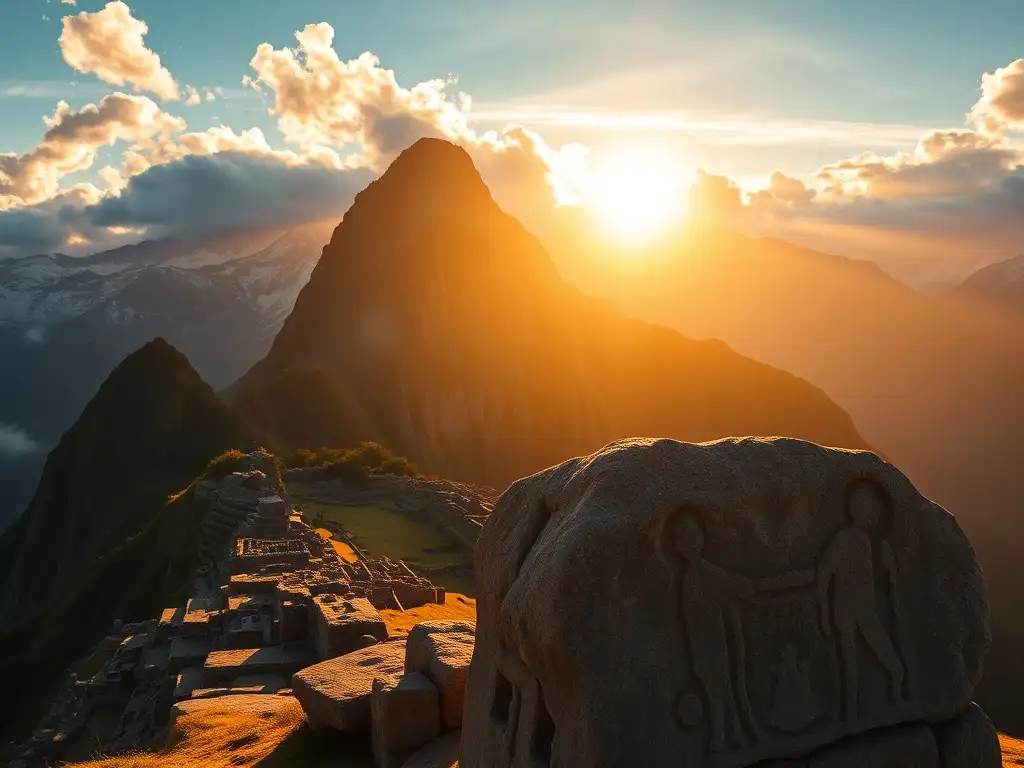
Unravel the mysteries of a world lost to time, yet echoing in the majestic Andes. Journey with us into the heart of the ancient Andean civilizations, where intricate artistry, breathtaking architecture, and a profound connection to the cosmos shaped their existence. But what secrets lie hidden within their sophisticated understanding of time? Discover the fascinating history of the Andean calendar system, a celestial roadmap that reveals their deep spiritual beliefs and remarkable astronomical knowledge – a journey that will leave you questioning everything you thought you knew about these awe-inspiring cultures.
The Andean calendar system, far from being a simple method of tracking days and years, was a complex and sophisticated tool deeply interwoven with the Andean worldview. It wasn't just about marking agricultural cycles; it represented a profound understanding of the cosmos and the cyclical nature of life, death, and rebirth. This system, used by various Andean civilizations including the Inca, Moche, Nazca, and Tiahuanaco, reveals a remarkable level of astronomical observation and mathematical precision, reflecting a deep spiritual connection between the human world and the celestial realm.
Understanding the Andean calendar system history provides crucial insights into the beliefs, practices, and societal structures of these fascinating ancient cultures, highlighting their advanced knowledge and intricate relationship with the natural world. This exploration delves into the intricacies of this system, examining its structure, its relationship to agriculture and religious practices, and its enduring legacy.
The Structure of the Andean Calendar: A Multi-layered System
The Andean calendar wasn't a single, monolithic system. Instead, it encompassed multiple, interconnected cycles that worked together to create a holistic view of time. Evidence suggests the existence of at least three main cycles: a solar year, a lunar cycle, and a possibly longer, less understood cycle potentially linked to Venus or other celestial bodies.
The solar year, crucial for agriculture, was likely divided into twelve lunar months, each with its own associated festivities and agricultural tasks. Archaeological findings, such as meticulously carved stones and knotted strings (quipus), provide clues to the complexities of these interwoven cycles. The precise length of these cycles and their precise correlation to astronomical phenomena are still subject to ongoing research and debate among scholars, but the overall framework of a multi-layered system is well-established.
The intricate nature of these cycles points to a sophisticated understanding of astronomy and its practical applications in daily life. Further research is needed to fully elucidate the intricacies of these longer cycles.
Agricultural Cycles and the Andean Calendar: Sowing, Harvesting, and Rituals
The Andean calendar system was intrinsically linked to the agricultural cycle. The timing of planting, harvesting, and other agricultural activities was meticulously determined by observing celestial events. The movements of the sun, moon, and stars provided crucial cues for when to sow seeds, irrigate crops, and prepare for the harvest. This close relationship between the calendar and agriculture ensured the survival and prosperity of Andean communities.
The calendar wasn't just a practical tool; it was a sacred guide, dictating not only the timing of agricultural tasks but also the performance of specific rituals designed to ensure a bountiful harvest. These rituals, often involving offerings and ceremonies, were integral to the Andean worldview, reflecting a deep respect for the land and its resources. Specific rituals varied across different Andean cultures, reflecting regional differences in climate and agricultural practices.
Religious Significance and Celestial Deities: The Cosmos as a Living Entity
The Andean calendar wasn't solely a practical tool for scheduling agricultural activities; it was deeply embedded in the Andean religious and cosmological system. The cosmos was viewed as a living, dynamic entity, and the calendar served as a framework for understanding and interacting with this celestial realm. Many Andean deities were associated with specific celestial bodies or astronomical events, reflecting the importance of the calendar in the religious sphere.
For example, the sun god Inti played a central role in Inca religion, and his movements were carefully tracked through the calendar. The calendar also dictated the timing of religious festivals and ceremonies, many of which were designed to honor the deities and ensure the continued prosperity of the community.
The precise nature of these deities and their connections to the calendar are still being investigated. More research is needed to fully understand the complex interplay between religion, cosmology, and the Andean calendar.
The Legacy of the Andean Calendar: Enduring Influence on Modern Practices
Despite the collapse of the great Andean empires, the legacy of the Andean calendar system persists in various forms. Many Andean communities continue to maintain traditional agricultural practices and rituals that are rooted in the ancient calendar system. While the precise details of the ancient system may have been lost or modified over time, the fundamental principles of aligning with cosmic cycles and respecting the natural world remain deeply ingrained in Andean culture.
The enduring influence of the Andean calendar highlights its resilience and its continued relevance in contemporary Andean societies. Studying this legacy provides a valuable link between the past and the present, offering insights into the continuity of cultural practices and beliefs. Further research into contemporary Andean communities can help shed light on the ongoing evolution of these traditions.
- The Structure of the Andean Calendar: A Multi-layered System
- Agricultural Cycles and the Andean Calendar: Sowing, Harvesting, and Rituals
- Religious Significance and Celestial Deities: The Cosmos as a Living Entity
- The Legacy of the Andean Calendar: Enduring Influence on Modern Practices
Understanding the Andean Timekeeping System

This section delves into the intricacies of the Andean timekeeping system, a sophisticated method of tracking time deeply intertwined with their cosmology and religious beliefs. Understanding their calendar isn't simply about dates and months; it's about comprehending their profound connection to the cosmos and the cyclical nature of life, death, and rebirth. The Andean calendar system history reveals a complex and nuanced approach to time, far removed from the linear perspective common in many other cultures. We will explore its significance, origins, and key elements to better appreciate its importance within Andean cosmovision.
The Significance of Time in Andean Cosmovision
For Andean civilizations, time wasn't a linear progression but a cyclical process reflecting the movements of celestial bodies and the rhythms of nature. The sun, moon, and stars were not mere astronomical objects but powerful deities influencing earthly events. Their calendar wasn't just a tool for scheduling agricultural activities; it was a sacred instrument for aligning human actions with the cosmic order. This alignment was crucial for maintaining balance and harmony in the world, ensuring prosperity and avoiding the wrath of the gods.
The cyclical nature of their calendar mirrored their understanding of life, death, and regeneration, reflecting the continuous cycle of planting, harvesting, and renewal observed in the Andean environment. This deep-seated connection to the cosmos permeated all aspects of Andean life, from religious rituals and agricultural practices to social organization and political structures. Understanding this fundamental principle is key to deciphering the complexities of their timekeeping system.
Origins of the Andean Calendar System
Pinpointing the precise origins of the Andean calendar system is challenging due to the limited written records left by these pre-Columbian societies. However, archaeological evidence, including astronomical observatories and intricate iconography depicting celestial events, suggests a long and complex evolution. Early forms of timekeeping likely relied on observing the cycles of the sun and moon, with subsequent developments incorporating the positions of stars and constellations.
The meticulous observation of solstices and equinoxes, pivotal moments in the agricultural cycle, played a central role in the development of their calendar. The Inca, while building upon existing systems, further refined and standardized the calendar, creating a sophisticated system capable of managing a vast empire and its intricate agricultural practices.
Different Andean cultures, such as the Nazca and Moche, possessed their own unique calendar systems, reflecting regional variations and specific astronomical observations. Further research, especially detailed analysis of existing archaeological findings, is needed to fully understand the nuanced evolution of Andean calendar systems across different regions and time periods.
Key Elements of the Andean Calendar
The Andean calendar wasn't a single, monolithic system. Instead, it was a complex interplay of different cycles and observations, often overlapping and interacting. One crucial element was the solar year, divided into twelve lunar months, each associated with specific agricultural activities and religious festivals.
The lunar cycle, with its phases of waxing and waning, was also essential, influencing agricultural practices and ritualistic timings. Furthermore, the observation of constellations and specific stars played a significant role in predicting seasonal changes and guiding agricultural practices. The solstices and equinoxes, marking the longest and shortest days of the year, were celebrated with elaborate ceremonies, signifying the cyclical renewal of life and the cosmic balance.
Finally, the concept of pachakuti, a cyclical period of transformation and renewal, permeated their understanding of time, reflecting the continuous cycle of creation and destruction inherent in their cosmovision. This complex interplay of solar, lunar, and stellar observations created a calendar system remarkably accurate and deeply intertwined with their understanding of the universe. The precision and sophistication of their observations underscore the advanced astronomical knowledge of Andean civilizations.
The Andean calendar system history is a rich and complex tapestry woven from astronomical observations, religious beliefs, and agricultural practices. Further research is needed to fully unravel the mysteries of this fascinating system.
The Andean Calendar's Structure and Cycles
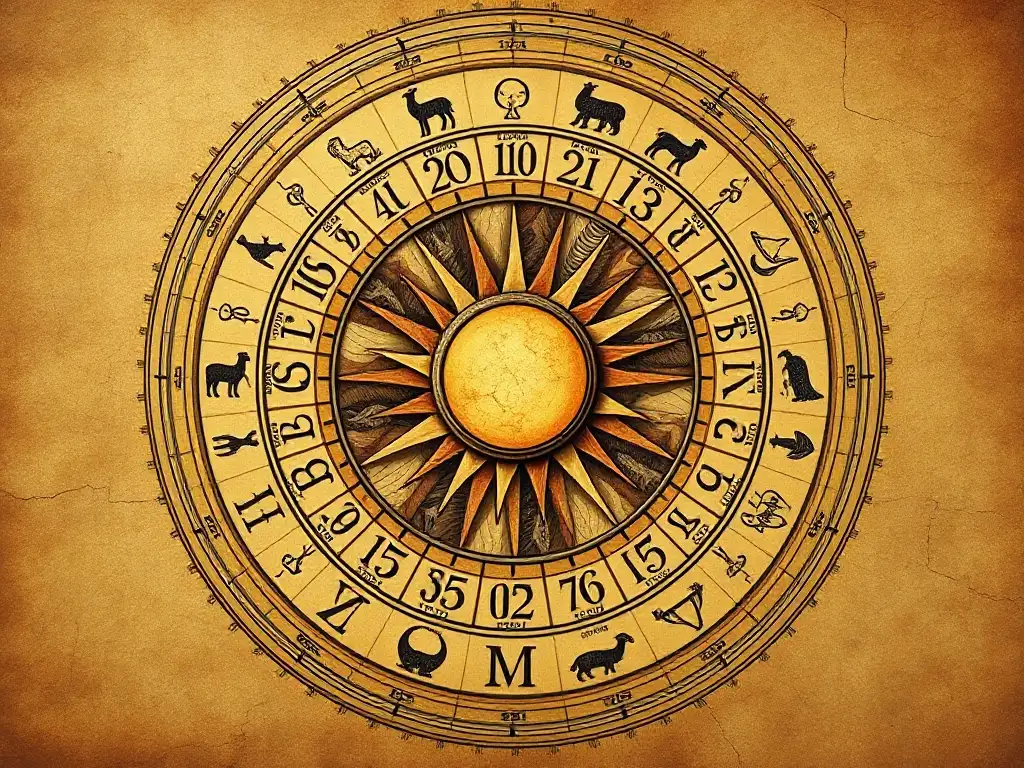
The Andean calendar system history is complex, defying easy categorization into a single, uniform system. Instead, various Andean cultures developed their own unique methods of tracking time, influenced by their specific environments and cosmologies. While a standardized, written calendar like the Gregorian calendar didn't exist, their understanding of celestial cycles was sophisticated and deeply ingrained in their daily lives, religious practices, and agricultural activities.
The Andean calendar wasn't merely a tool for scheduling; it was a living reflection of their relationship with the cosmos, a way to understand and interact with the divine forces they believed governed their world. This section will explore the key components of these systems, focusing on the interplay between solar, lunar, and stellar cycles.
The Solar Cycle in the Andean Calendar: Inti and the Sun
The sun, represented by the deity Inti, held paramount importance in the Andean worldview. The solar year, approximately 365 days, formed the backbone of their agricultural calendar. Evidence suggests that the Incas, and likely other Andean cultures before them, used a sophisticated system of observation to track the sun's movements. This involved meticulous monitoring of solstices and equinoxes, marking crucial points in the agricultural cycle.
For example, the winter solstice (June 21st) signified the beginning of the dry season, a period of rest and preparation for the upcoming planting season. Conversely, the summer solstice (December 21st) heralded the start of the rainy season and the planting of key crops. The precise methods used varied across different Andean cultures, but the significance of the sun's annual journey remained constant, influencing everything from agricultural practices to religious ceremonies.
The Inca's precise knowledge of the solar cycle is evident in their architectural marvels like Machu Picchu, where specific structures are aligned with the solstices, demonstrating a profound understanding of solar geometry. This alignment wasn't accidental; it was a deliberate act of cosmic integration, reflecting the deep connection between the human and divine realms. The Inti Raymi, the Inca festival celebrating the sun, further underscores the centrality of the solar cycle in Andean life and religious practices.
The Lunar Cycle and its Influence on Andean Time Reckoning
Alongside the solar cycle, the lunar cycle played a vital role in Andean timekeeping. The approximately 29.5-day lunar cycle influenced shorter-term agricultural planning and ritual activities. While not as prominently featured as the solar cycle in monumental architecture, the moon's phases were undoubtedly observed and incorporated into their calendar systems.
The lunar cycle's influence is evident in the organization of certain agricultural tasks, such as planting and harvesting, which were often timed to coincide with specific lunar phases believed to be auspicious for successful yields. Furthermore, many Andean religious festivals and ceremonies were linked to the lunar calendar, suggesting a close relationship between lunar cycles and spiritual practices. Unfortunately, detailed records of the specific methods used to track the lunar cycle are scarce, leaving some aspects of this system shrouded in mystery.
However, the archaeological evidence, combined with ethnographic studies of later Andean communities, strongly suggests that a lunar calendar existed, complementing and interacting with the solar calendar to create a more comprehensive system of time reckoning. Further research is needed to fully elucidate the precise details of this lunar component of the Andean calendar system history.
The Importance of the Pleiades and Other Constellations
Beyond the sun and moon, the stars, particularly the Pleiades constellation (known as Colca or similar names in various Andean languages), played a crucial role in the Andean calendar. The heliacal rising of the Pleiades, their first appearance in the morning sky after a period of invisibility, signaled the beginning of the agricultural season for many Andean communities. This event, carefully observed over generations, provided a reliable indicator for planting and other agricultural activities.
The Pleiades' prominence in Andean cosmology is evident in various myths and legends, further highlighting their importance in their calendar system. Other constellations also held significance, serving as celestial markers for different times of the year and influencing various aspects of Andean life. However, the specific roles and interpretations of these constellations varied across different Andean cultures and regions.
The study of Andean constellations and their relationship to the calendar presents a fertile ground for continued research and exploration, offering valuable insights into the worldview and astronomical knowledge of these ancient civilizations. The intricate web of celestial observations and their integration into Andean life showcases the profound connection between the cosmos and the earthly existence of these ancient peoples. The Andean calendar system history reveals a deep understanding of the night sky and its cyclical patterns.
The Agricultural Cycle and its Connection to the Andean Calendar
The Andean calendar system wasn't merely a method of tracking time; it was intricately woven into the fabric of Andean life, particularly agriculture. The survival of these civilizations hinged on their ability to predict and manage the agricultural cycle, a task facilitated by their sophisticated understanding of celestial movements and their impact on planting, harvesting, and overall crop yields. The calendar served as a vital agricultural guide, dictating optimal planting and harvesting times based on seasonal changes and the positions of the sun, moon, and stars.
Farmers meticulously observed these celestial events, correlating them with specific agricultural activities. For example, the appearance of certain constellations might signal the beginning of the rainy season, prompting the planting of specific crops. Conversely, the setting of other constellations could indicate the ideal time for harvesting.
The precision of this agricultural calendar is remarkable. Evidence suggests that Andean farmers developed a deep understanding of microclimates and variations in altitude, adapting their planting schedules accordingly. They didn't rely on a uniform calendar across the entire Andes region; instead, local variations were incorporated, reflecting the diverse ecological conditions and agricultural practices in different areas.
This localized approach highlights the practical and adaptive nature of the Andean calendar system, demonstrating its effectiveness in supporting sustainable agricultural practices within a complex and varied environment. The success of Andean agriculture, often lauded for its productivity in challenging terrains, was directly linked to the accuracy and sophistication of their calendar system. This intricate connection between celestial observation and agricultural practice is a testament to the profound understanding of nature possessed by these ancient civilizations.
The Andean calendar wasn't just a tool for measuring time; it was a living, breathing guide to survival and prosperity, deeply embedded in the cultural and agricultural practices of the Andean people. The system's effectiveness is further supported by archaeological evidence showing consistent agricultural surpluses and the development of complex irrigation systems that maximized crop yields based on the calendar’s predictions.
The integration of religious beliefs further strengthened the calendar's role in agriculture. Certain rituals and ceremonies were performed at specific times dictated by the calendar, aiming to ensure bountiful harvests and appease the deities associated with agriculture and fertility. These rituals represent a profound connection between the spiritual and the practical aspects of Andean life, underscoring the holistic nature of their worldview and the integral role of the calendar in maintaining this balance.
It wasn't simply a matter of practical scheduling; it was a sacred practice that ensured the continuity of their way of life. Therefore, understanding the Andean calendar requires appreciating its profound influence on every aspect of Andean society, from its agricultural practices to its religious beliefs and social structures. The calendar's role in shaping the agricultural landscape is a vital key to understanding the overall achievements and resilience of these remarkable Andean civilizations.
Andean Calendar System History and Evolution
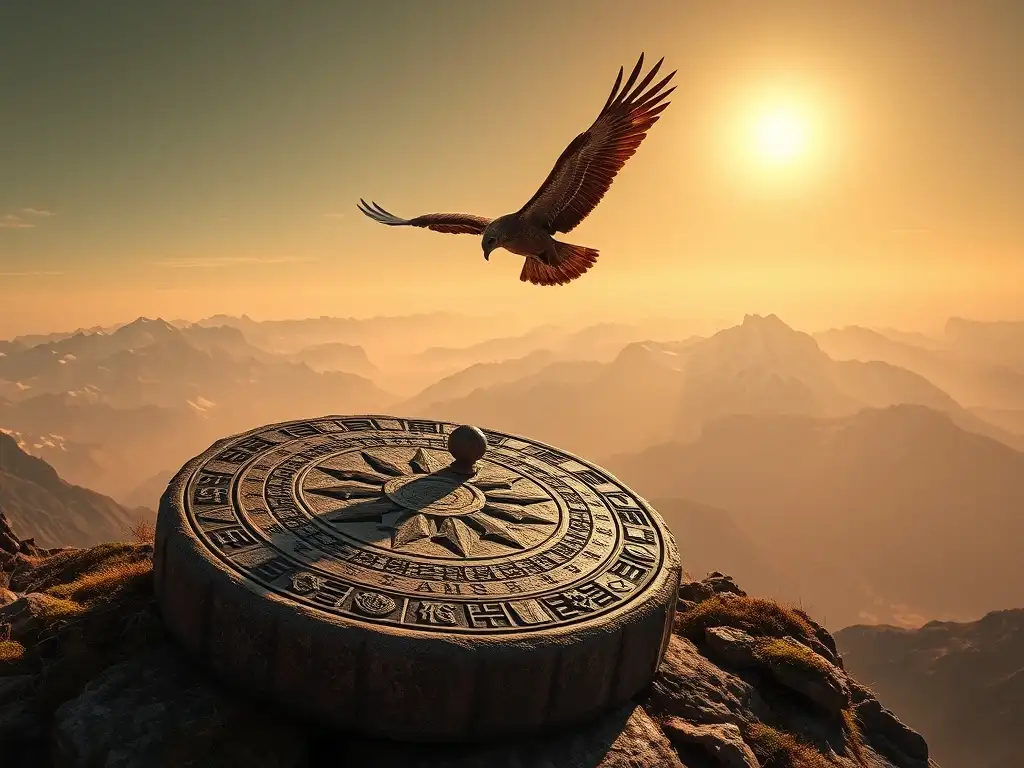
The Andean calendar system history is a complex tapestry woven from diverse regional traditions, evolving over millennia before encountering and adapting to the influence of the Inca Empire and, later, Spanish colonialism. Understanding its development requires acknowledging the rich heterogeneity of pre-Inca practices and the subsequent transformations imposed by both indigenous and foreign powers.
This intricate history underscores the calendar's significance not just as a timekeeping device, but as a fundamental element of Andean cosmology, deeply interwoven with their spiritual beliefs and agricultural practices. The Andean calendar wasn't a single, monolithic system; rather, a collection of interwoven systems reflecting the diverse ecological zones and cultures of the Andes.
Pre-Inca Calendrical Practices: Diverse Regional Systems
Before the Inca expansion, various Andean cultures possessed sophisticated calendrical systems, albeit differing in their specific details and astronomical observations. Evidence suggests a reliance on both solar and lunar cycles, with regional variations reflecting unique environmental conditions and agricultural needs. For instance, the Nazca, known for their enigmatic geoglyphs, likely employed a complex system based on meticulous astronomical observations, potentially linked to their elaborate irrigation systems and agricultural cycles.
Their precise understanding of celestial movements is evidenced by their ability to predict solstices and equinoxes with remarkable accuracy. Similarly, the Moche civilization, famed for its intricate pottery and metalwork, demonstrated sophisticated knowledge of astronomy, potentially reflected in their ceremonial structures and artistic representations of celestial phenomena. The Tiahuanaco culture, with its monumental architecture and extensive influence, also possessed a well-developed calendar system, possibly integrated into their complex social and religious organization.
Unfortunately, the exact details of many of these pre-Inca systems remain partially understood, as much of our knowledge is gleaned from archaeological evidence and interpretations of iconography, leaving some aspects of their calendrical practices open to scholarly debate. Further research and analysis of archaeological findings are crucial to a more complete understanding of this diverse pre-Inca Andean calendar system history.
The Inca Adaptation and Standardization of the Calendar
The Inca Empire, with its vast territory encompassing diverse ecological zones and pre-existing cultural practices, faced the challenge of integrating these disparate calendrical systems. The Incas, known for their administrative prowess, implemented a standardized calendar system, although it certainly built upon and incorporated elements from existing traditions. This standardized system, while imposing a degree of uniformity, didn't entirely erase regional variations.
The Inca calendar was primarily solar, based on a 365-day year divided into twelve lunar months, each associated with specific agricultural activities and religious festivals. The Inca calendar system history also shows that they incorporated a supplementary system, a 360-day year, potentially related to agricultural cycles and the measurement of time more closely aligned with the solar year. This dual system allowed for a degree of flexibility and precision in agricultural planning and religious observances.
The Inca's ability to efficiently manage their vast empire relied heavily on precise agricultural practices, and the calendar played a vital role in coordinating these activities across diverse ecological zones. The Inca calendar was not only a tool for scheduling planting and harvesting but also a critical component of their religious rituals and socio-political organization.
The Impact of Colonialism on the Andean Calendar System
The Spanish conquest significantly impacted the Andean calendar system history. The imposition of the Gregorian calendar, a direct consequence of colonialism, led to a gradual decline in the use of the indigenous system. The suppression of indigenous religious practices and the destruction of traditional knowledge further exacerbated this decline. However, the Andean calendar wasn't simply erased.
Many aspects of the indigenous calendrical traditions persisted, often subtly interwoven with the imposed Gregorian calendar. Indigenous communities continued to observe traditional festivals and agricultural practices, albeit often adapting them to fit within the framework of the colonial system. This syncretism, the blending of indigenous and colonial elements, is evident in the continued observance of many traditional celebrations, which often incorporate elements of both the Andean and Gregorian calendars.
The persistence of these traditions speaks to the resilience of Andean culture and the enduring significance of their calendrical system, despite the efforts to suppress it. Further study is needed to fully understand the long-term consequences of this cultural blending and the extent to which indigenous calendrical knowledge survived and adapted within the colonial and post-colonial context. The story of the Andean calendar system history is thus a narrative of both continuity and change, highlighting the resilience of indigenous traditions in the face of colonial pressures.
Practical Applications of the Andean Calendar
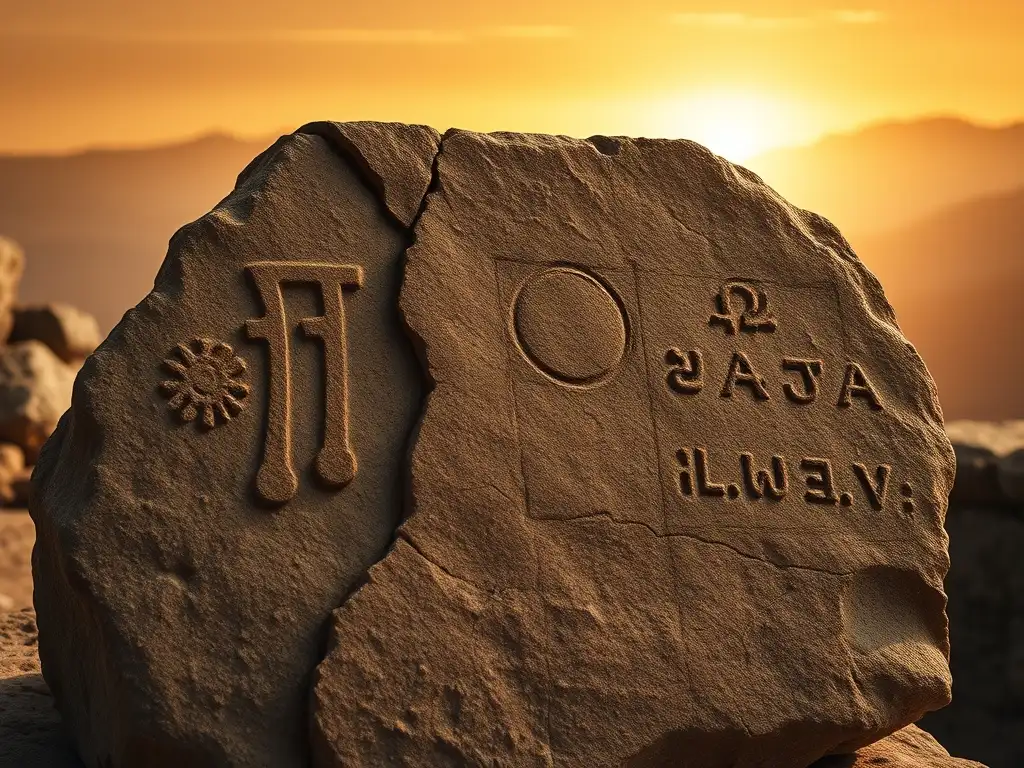
The Andean calendar system, far from being a mere abstract record of time, deeply permeated the daily lives of Andean societies. Its intricate understanding of celestial movements provided a framework for crucial aspects of their existence, shaping agricultural practices, religious rituals, and even social structures. Understanding the practical applications of this sophisticated system reveals the profound connection between these ancient civilizations and their environment. This section explores how the Andean calendar system history impacted their daily lives.
Agricultural Planning Based on Andean Timekeeping
Precise agricultural planning was paramount for the survival of Andean communities. The Andean calendar system, with its detailed observation of solstices, equinoxes, and the movements of constellations, provided the necessary timing for planting, harvesting, and other crucial agricultural activities. Farmers meticulously tracked the positions of the sun and stars, using this knowledge to predict the optimal times for planting specific crops.
For example, the appearance of certain constellations often signaled the beginning of the rainy season, prompting the planting of maize, potatoes, and other staples. Conversely, the setting of other constellations indicated the approach of the dry season, prompting the harvesting of crops. This intricate knowledge was passed down through generations, ensuring the continued success of Andean agriculture.
The precision of their methods is evidenced by the impressive agricultural yields achieved by these communities, even in challenging environmental conditions. Detailed records of these techniques, unfortunately, are scarce, with much knowledge lost to time, requiring further research to fully understand the nuances of their agricultural calendar.
We know that they utilized a combination of astronomical observation, practical experience, and perhaps even rudimentary forms of written records, possibly through knotted strings (quipus), although deciphering these remains a challenge. Further study into this is crucial for understanding the Andean calendar system history and its impact on agricultural practices.
Rituals and Ceremonies Aligned with the Calendar
The Andean calendar system was inextricably linked to the religious and spiritual life of Andean societies. Numerous rituals and ceremonies were meticulously timed to coincide with specific celestial events. These events were not merely arbitrary dates; they held profound symbolic meaning, reflecting the Andean worldview and their relationship with the cosmos. The solstices and equinoxes, for instance, were particularly significant, marking the transitions between seasons and representing a cyclical renewal of life.
Festivals celebrating the harvest, honoring deities, and seeking blessings for the coming year were often scheduled around these key astronomical markers. These celebrations involved elaborate processions, offerings, and sacrifices, often involving music, dance, and symbolic representations of the cosmos. The precise timing of these events demonstrates a deep understanding of the calendar's significance and its role in maintaining the cosmic balance.
Unfortunately, many details of these rituals remain shrouded in mystery, lost to the passage of time and the destruction of historical records. Further investigation is needed to illuminate the full extent of the calendar's influence on Andean religious practices. The surviving accounts often focus on Inca practices, obscuring the rich diversity of ritual practices across various Andean cultures.
Contemporary Use of the Andean Calendar in Communities
While much of the traditional knowledge surrounding the Andean calendar system was suppressed during the colonial period, aspects of it persist in various Andean communities today. In some regions, farmers still utilize traditional methods of timekeeping, incorporating celestial observations into their agricultural practices. Moreover, many rituals and ceremonies, though often adapted over time, retain elements that reflect the ancient calendrical system. These practices serve as a testament to the enduring legacy of the Andean calendar and its continued relevance in contemporary Andean life.
The continuation of these traditions highlights the resilience of Andean culture and its ability to adapt while preserving its rich heritage. However, the extent of the contemporary use varies greatly across different communities and regions. Further research is necessary to fully document and understand the diverse ways in which the Andean calendar continues to shape the lives of Andean people today. Documenting these practices is crucial not only for preserving cultural heritage but also for understanding the ongoing evolution of Andean traditions. Understanding the contemporary uses of the Andean calendar system history is key to appreciating its lasting impact.
The Andean Calendar and its Connection to Deities and Supernatural Beings
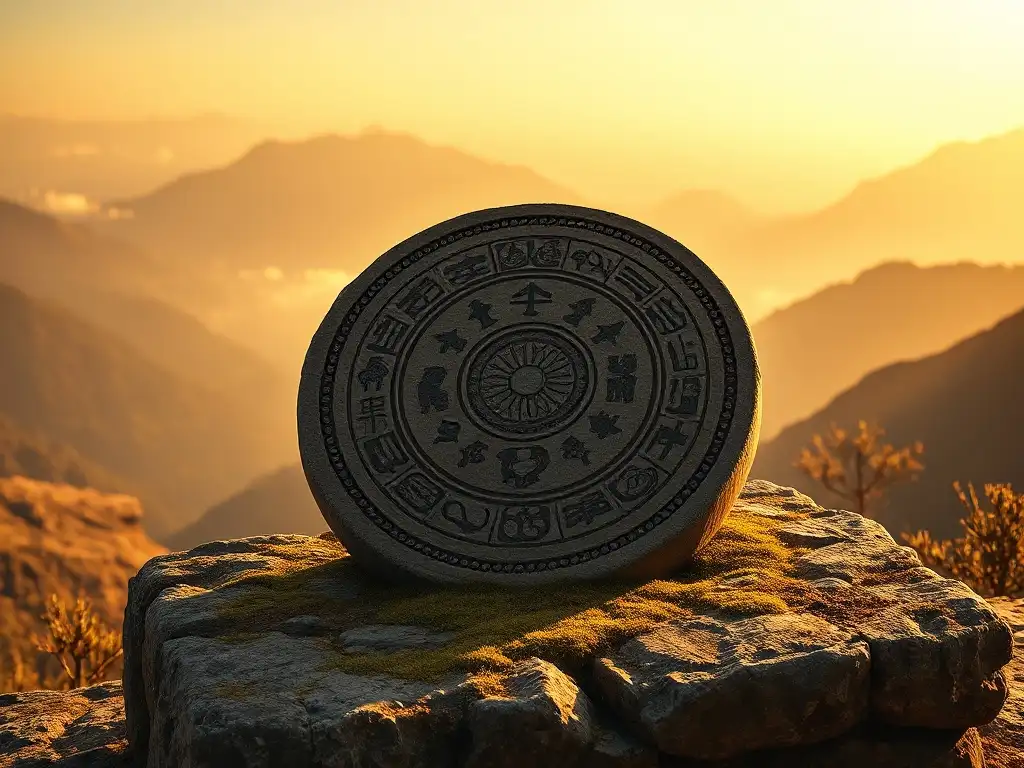
The Andean calendar system history is deeply intertwined with the region's complex religious beliefs and cosmology. Understanding the Andean calendar isn't just about tracking days and seasons; it's about deciphering a sophisticated system reflecting the Andean worldview, a system heavily influenced by the interactions between humanity and the supernatural world. This intricate relationship between timekeeping and spirituality is evident in the prominent roles played by key deities within the cyclical framework of the calendar.
The cyclical nature of the calendar itself mirrors the cyclical nature of life, death, and rebirth so central to Andean beliefs, reinforcing the interconnectedness of the cosmos and human existence. The precise mechanisms and interpretations of the calendar varied across different Andean cultures, but the underlying principle of aligning human activities with cosmic rhythms remained consistent. This section will explore this fascinating interplay between the calendar and the Andean pantheon.
The Role of Inti, Pachamama, and Viracocha in Time Cycles
The Andean calendar wasn't merely a pragmatic tool; it was a sacred instrument reflecting the influence of powerful deities. Inti, the sun god, held paramount importance, his daily journey across the sky dictating the rhythm of life. The solstices and equinoxes, marking crucial points in Inti's annual cycle, were celebrated with elaborate ceremonies and festivals. These events were not simply astronomical occurrences; they were moments of profound spiritual significance, reflecting Inti's power and influence over agricultural cycles and human destiny. The calendar's structure likely incorporated observations of Inti's movements to predict these pivotal moments.
Pachamama, the Earth Mother, also played a vital role. Her fertility and abundance were intrinsically linked to the agricultural cycles reflected in the calendar. The calendar's agricultural markers – predicting planting and harvesting seasons – were essential for ensuring the well-being of communities and demonstrating respect for Pachamama's generative power. Failure to align with Pachamama's rhythms through the calendar could be interpreted as disrespect, potentially leading to crop failures and other misfortunes.
Viracocha, the creator god, represented the ultimate cosmic order. While not directly involved in the daily workings of the calendar in the same way as Inti and Pachamama, Viracocha's presence was implicit. The entire system, with its precise observations and cycles, was seen as a manifestation of Viracocha's cosmic design, a testament to the underlying order of the universe.
Understanding the calendar, therefore, was a way to understand Viracocha's plan and one's place within it. The Andean calendar system history, therefore, is a testament to the reverence for these deities and the importance of aligning human actions with the divine will.
How the Calendar Reflects the Andean Worldview
The Andean calendar system wasn't simply a method of tracking time; it was a microcosm of the Andean worldview. The cyclical nature of the calendar—with its emphasis on recurring patterns and seasons—mirrored the Andean belief in the cyclical nature of life, death, and rebirth. This cyclical perspective permeated all aspects of Andean life, from agriculture and social structures to religious practices and artistic expression. The calendar served as a constant reminder of this cyclical reality, encouraging a harmonious relationship between humanity and the natural world.
The calendar's integration of astronomical observations with agricultural practices highlighted the importance of living in balance with nature. Precise knowledge of the celestial movements allowed for accurate prediction of planting and harvesting times, demonstrating a deep understanding of the interconnectedness between the cosmos and the earthly realm. This holistic approach, reflected in the calendar's design, underscored the Andean belief in the interconnectedness of all things.
Moreover, the calendar's structure likely incorporated specific days or periods dedicated to specific deities or rituals, further integrating the sacred into the mundane. This integration highlights the seamless blending of the spiritual and the practical in Andean society. The calendar wasn't just a tool; it was a living testament to the Andean worldview, a constant reminder of the sacred order that governed their lives.
The Andean Calendar as a Tool for Understanding the Universe
The Andean calendar system history reveals a sophisticated understanding of astronomy and cosmology. The meticulous observation of celestial bodies—the sun, moon, and stars—allowed for the creation of a highly accurate calendar that went beyond simple agricultural needs. The calendar's precision suggests a deep understanding of astronomical cycles, exceeding the capabilities of many contemporaneous societies.
The calendar's intricate structure, incorporating both solar and lunar cycles, demonstrates an advanced level of astronomical knowledge. This sophisticated system allowed for the prediction of not only seasonal changes but also significant celestial events, which were likely incorporated into religious practices and ceremonies. The precise methods employed in creating and maintaining the calendar remain partly a mystery, but the results speak volumes about the Andean people's astronomical prowess.
Furthermore, the calendar's integration with the Andean worldview provided a framework for understanding the universe and humanity's place within it. By aligning human activities with cosmic rhythms, the calendar fostered a sense of order and harmony, reinforcing the belief in a divinely ordained cosmic order, governed by deities like Inti, Pachamama, and Viracocha.
The Andean calendar was more than a timekeeping device; it was a powerful tool for understanding the universe and one's place within its intricate web of relationships. The study of the Andean calendar system continues to reveal new insights into the remarkable achievements of these ancient civilizations.
Modern Interpretations and Research on the Andean Calendar
The Andean calendar system history is a complex and fascinating subject, far from fully understood. While much of the knowledge was passed down orally and therefore subject to variation and loss over centuries, modern researchers are piecing together a clearer picture of its intricacies and significance. Modern interpretations move beyond simplistic readings of solely agricultural cycles and incorporate a deeper understanding of the Andean worldview, which intricately linked celestial events with social organization, agricultural practices, and religious beliefs. This holistic approach emphasizes the calendar's role not just as a timekeeping device, but as a fundamental aspect of Andean cosmology.
Archaeological Evidence Supporting Andean Calendrical Knowledge
Archaeological findings provide crucial evidence supporting the sophistication of the Andean calendar system. For example, the precise alignment of numerous structures, such as the Machu Picchu complex and various Chullpas (tower-like burial structures), with solstices and equinoxes demonstrates a profound understanding of astronomical cycles. The meticulous construction of these sites, often incorporating intricate astronomical features, suggests a deep-seated connection between celestial events and the lives of Andean people.
Furthermore, the discovery of artifacts like knotted strings (quipus) hints at a more complex system of record-keeping, potentially including calendrical information. Analysis of these quipus, while still ongoing and challenging, reveals potential numerical sequences that may correlate with celestial cycles or agricultural seasons. The intricacy of the designs and the precision of their placement strongly suggest a highly developed understanding of astronomy and its practical applications within their society.
The sheer volume of evidence, from monumental architecture to smaller artifacts, points to a robust and well-established Andean calendar system, far more advanced than previously imagined. Further research into less-explored sites holds the potential to uncover even more compelling evidence.
Ongoing Studies and Cultural Preservation Efforts
Modern scholarship continues to refine our understanding of the Andean calendar system. Ethnoastronomical studies, combining archaeological data with the knowledge of contemporary Andean communities, are particularly valuable in bridging the gap between ancient practices and modern interpretations. These studies often involve working with indigenous communities to preserve traditional knowledge and incorporate their perspectives into academic research.
This collaborative approach is crucial for ensuring that the interpretation of the Andean calendar remains respectful of its cultural significance and avoids imposing external frameworks. Furthermore, ongoing efforts are focused on the preservation of archaeological sites associated with calendrical practices, ensuring that these invaluable resources remain available for future research and education.
The preservation of these sites is not only vital for understanding the Andean calendar system history but also for safeguarding the cultural heritage of Andean communities. Digital technologies are increasingly utilized to create detailed three-dimensional models and virtual tours of these sites, making them accessible to a wider audience and aiding in preservation efforts.
The Andean Calendar as an Alternative Timekeeping Model
The Andean calendar system offers a compelling alternative to Western models of timekeeping. Unlike the linear progression of the Gregorian calendar, the Andean calendar was likely more cyclical and integrated with the natural world. Its focus on celestial events and agricultural rhythms reflects a different understanding of time, one that emphasizes harmony with nature and the cyclical renewal of life.
Understanding this alternative model challenges our Western-centric views of time and offers valuable insights into different ways of perceiving and interacting with the world. Furthermore, the Andean calendar's emphasis on observation and practical application of astronomical knowledge stands in contrast to more abstract mathematical models of time. This practical approach is reflected in its integration into daily life, influencing agricultural practices, religious rituals, and social organization.
Studying this system provides valuable insights into the potential of alternative timekeeping models that are more closely aligned with natural cycles and less susceptible to the arbitrary divisions of the Western calendar. The Andean calendar system history, therefore, offers a unique lens through which to examine the diverse ways in which human societies have organized and understood time throughout history.
Frequently Asked Questions
What is the Andean calendar system?
The Andean calendar system wasn't a single, unified system like the Gregorian calendar. Instead, it comprised various regional and local calendars, reflecting the diverse cultures of the Andes. These systems often incorporated observations of celestial bodies and agricultural cycles.
How did the Andean people use their calendar?
Andean calendars were crucial for agricultural planning, organizing religious ceremonies, and managing societal activities. They tracked seasonal changes, predicting optimal times for planting and harvesting.
Were there written records of the Andean calendar?
While some Andean cultures used quipus (knotted strings) to record data, including possibly calendar information, there's no single, extensive written record of a comprehensive Andean calendar like we have for other civilizations. Archaeological evidence and ethnographic studies provide our understanding.
What celestial bodies were important to the Andean calendar?
The Sun, Moon, and stars played significant roles, with many Andean cultures observing solstices and equinoxes. Certain constellations and planets were also likely incorporated into their understanding of time and the cosmos.
How accurate was the Andean calendar system?
The accuracy varied regionally. While not as precise as modern calendars, Andean systems were remarkably effective for predicting agricultural seasons and coordinating communal activities, demonstrating a deep understanding of astronomical cycles.
Final Reflection: Reclaiming the Rhythms of the Andes
Understanding the Andean calendar system is not merely an academic exercise; it's a vital key to unlocking a deeper connection with the Earth and ourselves. The intricate knowledge embedded within this ancient system offers a powerful counterpoint to our modern, often disconnected, relationship with time and nature. Its enduring legacy challenges us to reconsider our own rhythms and find harmony within the larger cosmic dance.
The Andean calendar's influence extends far beyond the historical record; its principles of cyclical time and respect for natural processes resonate deeply with contemporary ecological concerns. The wisdom encoded within its intricate system of observation and celebration offers a powerful alternative to linear, extractive models of progress. The Earth is what we all have in common.
This simple truth, often overlooked in our fast-paced world, is central to the Andean worldview and its profound understanding of interconnectedness. The system's continued relevance in modern indigenous communities underscores its enduring power and its capacity to inspire sustainable living.
Consider, for a moment, the rhythms of your own life. How do you align yourself with the natural cycles around you? This article has hopefully sparked a curiosity within you, a desire to explore the wisdom of the past and apply it to the challenges of the present. Embrace the cyclical nature of time, find your place within the grand cosmic dance, and discover the profound harmony that awaits you when you reconnect with the Earth's ancient wisdom. Let the Andean calendar be a guide, not just to understanding history, but to building a more sustainable and fulfilling future.
**Align with the Cosmos: Take Action Today! **
Thank you for exploring the fascinating world of the Andean Calendar! Your interest in these ancient cosmic cycles demonstrates a desire for deeper understanding and connection with the natural world. Now, let's put that knowledge into practice!
- Begin your journey by creating a personal lunar calendar based on the Andean cycles. Track the moon's phases and observe their influence on your daily life.
- Connect with a community of like-minded individuals! Share your experiences and insights on social media or at local gatherings to enhance your learning and understanding.
- Explore the sacred sites associated with Andean civilizations, either virtually or in person. These locations often hold deep significance within the calendar's natural rhythms.
How will you incorporate the wisdom of the Andean Calendar into your daily life? Share your thoughts and experiences below!