
Framing the Past: Displaying Andean Textiles Without Causing Harm

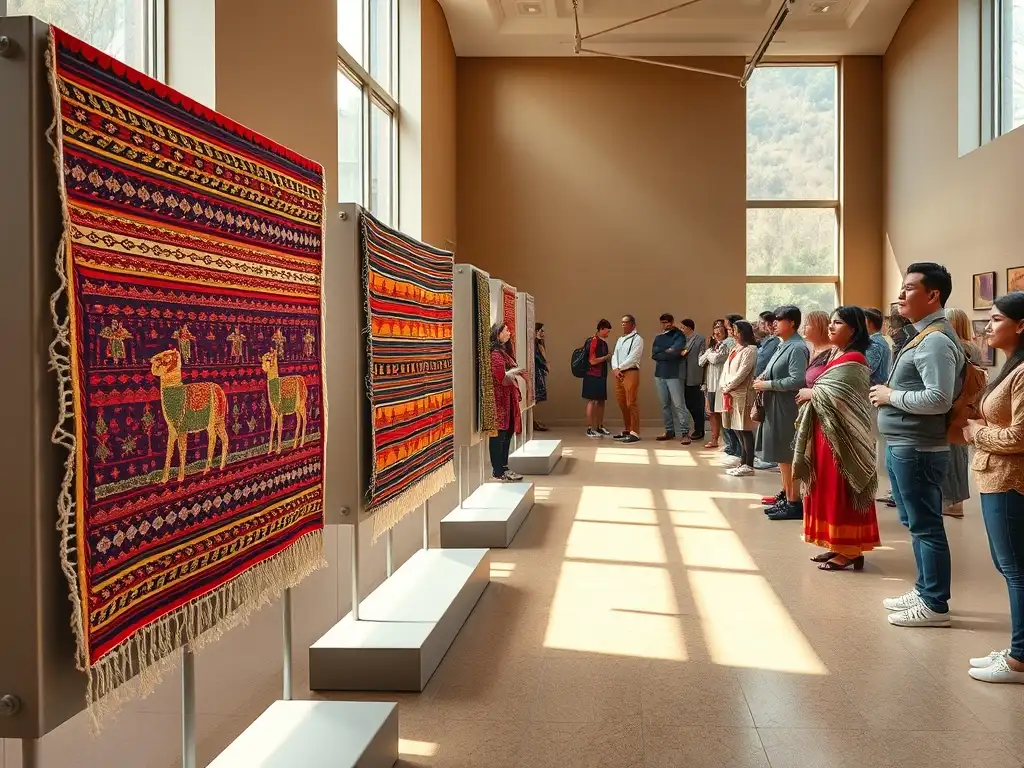
Unravel the mysteries of the Andes! Journey through millennia of breathtaking artistry and innovation, from the intricate weavings of the Nazca to the majestic architecture of the Incas. But have we truly understood the legacy of these powerful civilizations? Our exploration of Andean textiles and their ethical display raises crucial questions about preserving the past without causing further harm. Discover the fascinating story behind "Framing the Past: Displaying Andean Textiles Without Causing Harm" and delve into the complex world of Andean artifacts.
The vibrant colors, intricate designs, and rich symbolism woven into Andean textiles represent not only artistic masterpieces but also invaluable historical records. These textiles, often centuries old, offer a tangible connection to the sophisticated cultures that created them – the Incas, Moche, Nazca, and Tiahuanaco, among others. However, their very fragility demands careful consideration when displayed.
This article explores the crucial aspects of ethical display for Andean textiles, focusing on the preservation of these irreplaceable artifacts for future generations. We will delve into the factors that contribute to deterioration and offer practical strategies to ensure that these stunning pieces of history are shown responsibly and sustainably, promoting both appreciation and longevity.
The ethical display of Andean textiles is not merely a matter of aesthetics; it's a moral imperative to protect a vital part of our shared cultural heritage. This guide will equip you with the knowledge to curate exhibitions that are both visually stunning and respectful of the delicate nature of these ancient treasures.
Introduction: Why Ethical Display of Andean Textiles Matters
The ethical display of Andean textiles is paramount for several reasons. These artifacts are not simply decorative objects; they represent a profound connection to the past, embodying complex social structures, religious beliefs, and artistic traditions. Improper handling and display can lead to irreversible damage, resulting in the loss of invaluable historical and cultural information. Furthermore, the ethical considerations extend beyond the preservation of the textiles themselves; it encompasses respecting the cultural heritage of the Andean peoples and acknowledging the significance of these objects within their ancestral traditions.
Failure to display these textiles ethically undermines the efforts to understand and appreciate the rich tapestry of Andean civilization. Ignoring the delicate nature of these artifacts is tantamount to erasing a significant part of history. Therefore, responsible display practices are not just best practices; they are essential for the ongoing protection of our shared cultural legacy.
Understanding the Enemies: Factors That Damage Andean Textiles
Andean textiles, due to their age and the materials used in their creation (often natural dyes and fibers like alpaca and llama wool), are particularly vulnerable to a range of environmental factors and handling practices. Understanding these threats is the first step in implementing effective preservation strategies. The key factors contributing to their deterioration can be broadly categorized into light exposure, environmental fluctuations (humidity and temperature), and the risks posed by pests and improper handling.
Light Exposure: The Silent Fader
Light, particularly ultraviolet (UV) radiation, is a major culprit in the fading of Andean textiles' vibrant colors. Prolonged exposure to even moderate light levels can cause significant color degradation over time, leading to a loss of visual information and the overall aesthetic appeal of the textile. This fading is often irreversible, underscoring the importance of minimizing light exposure during display. Museums and galleries often employ specialized UV-filtering glass and controlled lighting systems to mitigate this damage. Careful consideration should be given to the intensity and duration of light exposure, ideally limiting it to a minimum and using low-intensity, cool-white lighting whenever possible. The use of 1 appropriate lighting is crucial for the preservation of these delicate artifacts.
1 [Specific information pending: Detailed specifications for appropriate lighting levels and types for Andean textiles]
Humidity and Temperature Fluctuations: The Invisible Threats
Fluctuations in humidity and temperature can also significantly impact the structural integrity of Andean textiles. High humidity can encourage the growth of mold and mildew, while low humidity can cause the fibers to become brittle and prone to breakage. Similarly, extreme temperature variations can lead to expansion and contraction of the fibers, weakening the fabric over time.
Maintaining a stable environment with controlled humidity and temperature levels is crucial for minimizing these risks. Ideally, a consistent environment mimicking the textile's original storage conditions should be maintained whenever possible. Precise ranges for ideal temperature and humidity are crucial for long-term preservation.
Pests and Handling: Protecting from External Damage
Pests such as insects and rodents can cause significant damage to Andean textiles by consuming the fibers or leaving behind damaging excrement. Improper handling, including rough handling or inappropriate storage methods, can also lead to physical damage, such as tears, fraying, and discoloration. Regular pest control measures are necessary to prevent infestation, and textiles should always be handled with care, using appropriate gloves and support materials to prevent accidental damage.
Furthermore, proper storage in climate-controlled environments, away from direct sunlight and potential sources of pest infestation, is essential. The meticulous handling and storage of these artifacts are crucial for ensuring their long-term preservation.
- Introduction: Why Ethical Display of Andean Textiles Matters
- Understanding the Enemies: Factors That Damage Andean Textiles
- What ethical concerns are raised when displaying Andean textiles?
- How can museums ensure the ethical display of Andean textiles?
- What role does provenance play in ethical display?
- How can visitors engage ethically with displayed Andean textiles?
- What is the importance of community engagement in the ethical display of Andean textiles?
Preparing Your Andean Textile for Display: A Step-by-Step Guide
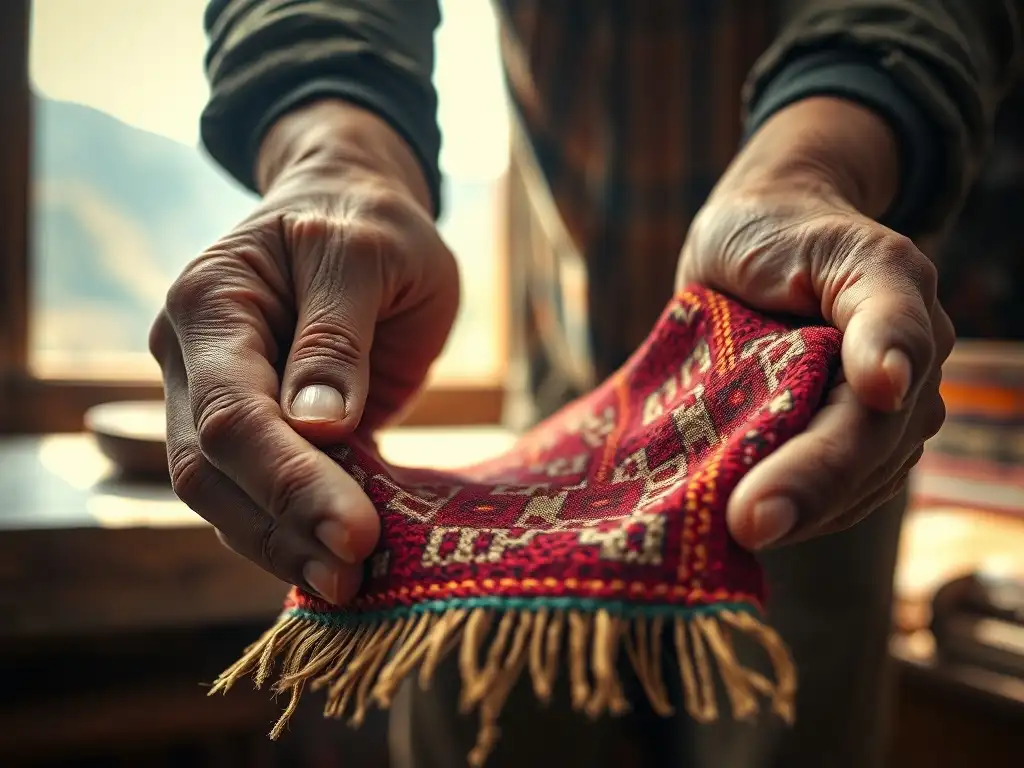
This section details the crucial preparatory steps for safely and ethically displaying your Andean textiles. Proper handling and preparation are paramount to preserving these delicate artifacts for future generations. Remember, the goal is to minimize risk and ensure the longevity of these invaluable pieces of Andean heritage. The ethical display of Andean textiles necessitates a careful and considered approach, prioritizing preservation above all else.
Gentle Cleaning and Assessment: The First Step
Before even considering mounting, a thorough cleaning and assessment are essential. This initial step involves a gentle cleaning process to remove loose dirt and debris, followed by a careful examination of the textile's condition. Never attempt aggressive cleaning methods; the delicate nature of Andean textiles demands a gentle touch.
Begin by carefully inspecting the textile in a well-lit area. Note any areas of damage, such as tears, holes, weak threads, or discoloration. Document these findings meticulously, perhaps with sketches or detailed written notes. This detailed record will be invaluable for future conservation efforts and understanding the textile's history and condition. Consider using a magnifying glass to identify subtle damage that might be missed with the naked eye.
For cleaning, use a soft, natural-bristled brush to gently remove loose surface dirt. Work slowly and carefully, following the direction of the weave. Avoid harsh brushing or rubbing, which can damage the fibers. For stubborn stains, consult a textile conservation professional. Remember, prevention is key; proper storage conditions (low humidity, stable temperature, and protection from light) are crucial for minimizing the need for extensive cleaning. The ethical display of Andean textiles starts with responsible stewardship.
Backing and Support: Ensuring Structural Integrity
Many Andean textiles, especially older ones, are fragile and require support to prevent further damage during display. Proper backing provides crucial structural integrity, safeguarding the textile from stretching, tearing, and other forms of deterioration. The choice of backing material is critical; it must be pH-neutral, acid-free, and inert to prevent chemical reactions with the textile fibers. Museums often utilize archival-quality materials like Japanese tissue or muslin.
The backing process itself should be undertaken by a trained conservator or someone with extensive experience in textile handling. Improper backing can cause irreversible damage. The backing material should be carefully applied, ensuring there is no tension on the textile. Adhesives, if used, must be reversible and archival quality. The aim is to support the textile without restricting its movement or causing further stress on weakened areas. Consider using conservation-grade materials exclusively. The ethical display of Andean textiles involves prioritizing the longevity of the artifact.
Mounting Techniques: Safe and Secure Display Options
Once the textile is backed and assessed, you can consider mounting techniques. The method chosen should minimize stress on the textile and allow for easy access for future inspections or conservation. Avoid methods that could damage the fibers or cause undue strain.
Several options exist, each with its advantages and disadvantages. A simple method involves using acid-free pins or needles to attach the backed textile to a display board. This method is suitable for smaller textiles. For larger pieces, a more complex system might be needed, potentially involving a custom-made frame or support structure. In either case, the textile should never be stretched or pulled taut.
The mounting should allow the textile to hang naturally, minimizing stress points. The ethical display of Andean textiles means ensuring that the artifact is displayed in a manner that respects its fragility and cultural significance. Always prioritize preservation over aesthetics. Consider consulting with a professional conservator to determine the best mounting method for your specific textile.
Displaying Your Andean Textile: Best Practices for Long-Term Preservation
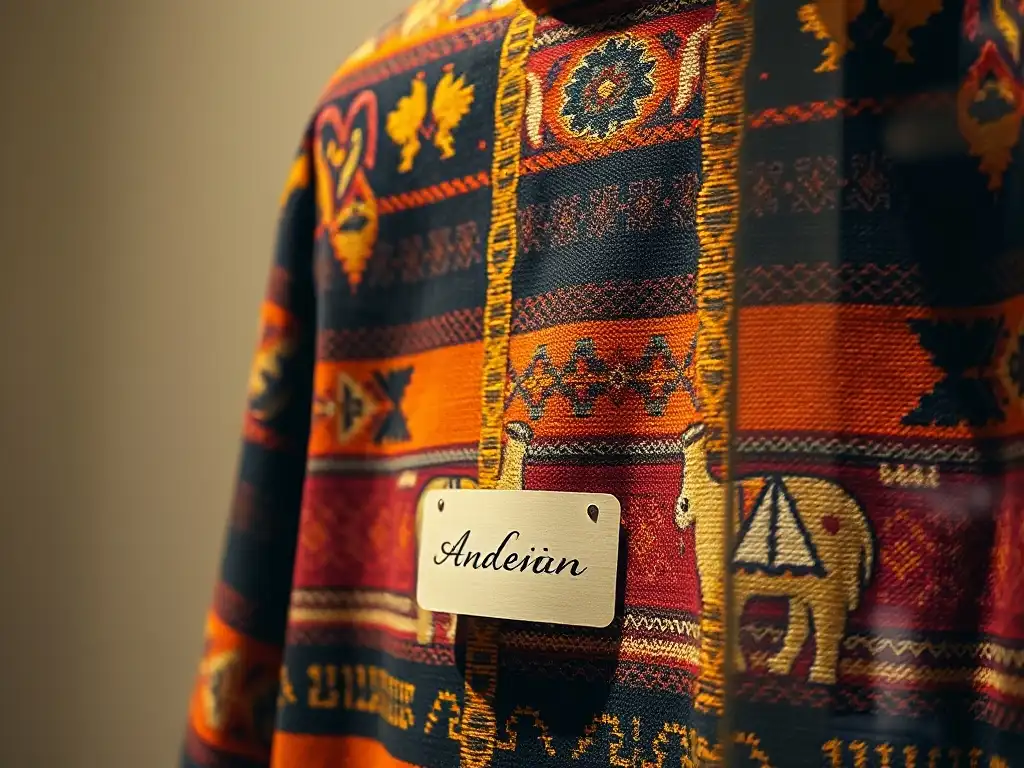
This section focuses on the practical aspects of exhibiting Andean textiles, ensuring their longevity and minimizing damage. Proper handling and display are crucial for preserving these delicate artifacts, representing a significant investment in cultural heritage. Understanding the specific vulnerabilities of Andean textiles—their susceptibility to light, humidity, and physical stress—is paramount for responsible display. This guide offers actionable strategies for ethical and effective exhibition.
Choosing the Right Frame and Glass: Protection and Aesthetics
The frame and glazing are the first line of defense against environmental damage. Selecting the appropriate materials is critical for safeguarding the integrity of your Andean textile. Avoid frames constructed from acidic woods or metals that can corrode and transfer harmful substances to the fabric. Instead, opt for archival-quality materials such as:
- Neutral pH wood: Such as maple or oak, properly treated to prevent acidity.
- Acid-free mat board: Provides a buffer between the textile and the frame, preventing direct contact and abrasion. Ensure the mat board is lignin-free and buffered to maintain a neutral pH.
- UV-protective glazing: This is absolutely essential. Ultraviolet (UV) radiation is a major culprit in fabric degradation, causing fading and weakening of fibers. Museum-grade acrylic glazing with a UV filtration rating of 99% or higher is the best choice. Avoid standard glass, as it offers minimal UV protection and is significantly heavier, increasing the risk of damage.
The aesthetic aspect of the frame should complement the textile without overshadowing it. A simple, understated frame allows the intricate artistry of the Andean textile to take center stage. The color of the mat board should be chosen carefully; a neutral tone, such as off-white or a light beige, is generally recommended to avoid competing with the textile's colors. Consider the textile's age, style, and color palette when selecting the frame and mat board. The goal is harmonious presentation, enhancing the textile's beauty while ensuring its protection. Remember, the preservation of these exquisite pieces of history is paramount.
Placement and Environment: Creating the Ideal Display Setting
The location where you display your Andean textile significantly impacts its long-term preservation. Careful consideration of environmental factors is vital to minimize deterioration. These factors include:
- Light Exposure: Minimize direct sunlight and artificial light exposure. Prolonged exposure to light, even artificial light, can cause significant fading and weakening of the fibers. Ideally, the display area should have minimal ambient light, or use low-intensity, filtered lighting specifically designed for textile display. Consider rotating the textile periodically to distribute light exposure evenly. This strategy, while requiring some effort, significantly extends the lifespan of the artifact.
- Temperature and Humidity: Maintain a stable temperature and humidity level. Extreme fluctuations in temperature and humidity can cause stress on the textile fibers, leading to shrinkage, warping, and embrittlement. Aim for a temperature between 65-72°F (18-22°C) and a relative humidity between 40-50%. Regular monitoring of these conditions using a hygrometer and thermometer is recommended, especially in environments prone to significant fluctuations.
- Air Quality: Ensure good air circulation to prevent the build-up of pollutants and dust. Airborne pollutants, such as dust and gases, can accumulate on the textile, causing discoloration and damage. Regular cleaning of the display area is recommended, but always handle the textile with extreme care, using appropriate conservation techniques.
Careful attention to these factors is crucial for the long-term preservation of your Andean textile. The ethical display of Andean textiles involves not only aesthetic considerations but also a deep commitment to preserving cultural heritage for future generations. The small effort in creating an ideal display setting pays off significantly in the longevity and continued enjoyment of these invaluable artifacts. Think of it as a form of cultural stewardship – protecting these delicate treasures for years to come.
Maintaining Your Display: Long-Term Care of Andean Textiles
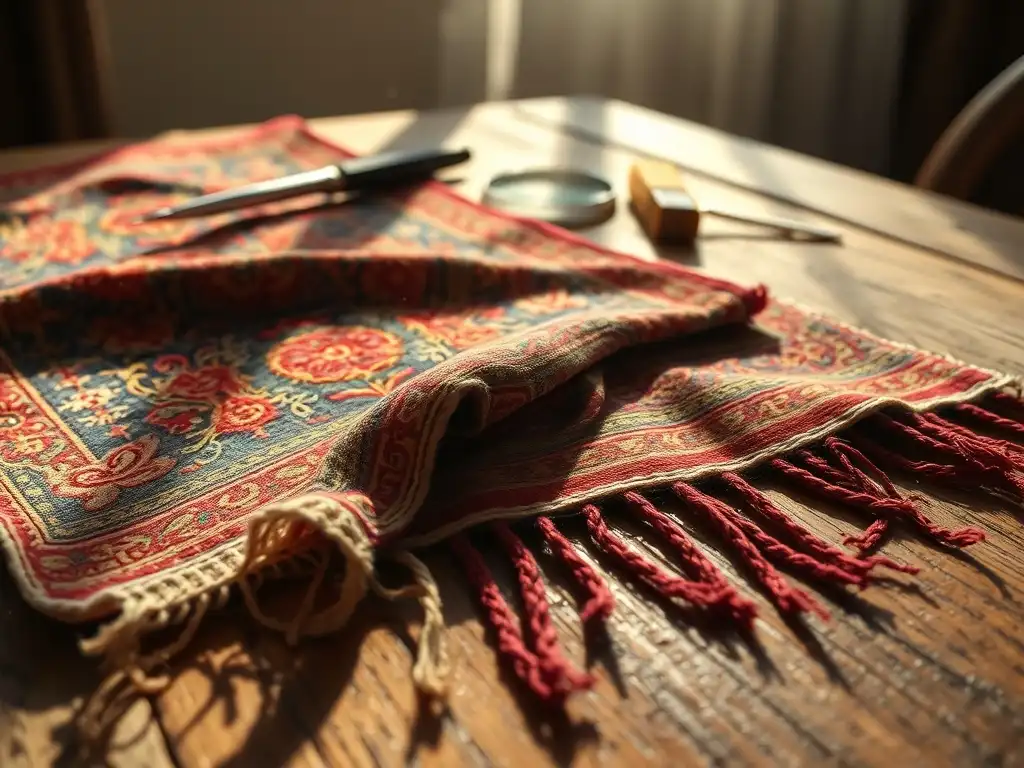
This section focuses on the long-term preservation strategies crucial for maintaining the integrity of your Andean textile collection while on display. Proper care ensures these fragile artifacts remain vibrant and accessible for generations to come. Understanding the specific needs of Andean textiles is paramount for ethical display and responsible stewardship. Ignoring these needs can lead to irreversible damage, undermining the value of these irreplaceable cultural treasures.
Regular Inspection and Monitoring: Vigilance is Key
Regular, meticulous inspections are the cornerstone of successful long-term preservation. Think of it as a proactive healthcare plan for your textiles. Ideally, inspections should occur at least monthly, noting any changes in the textile's condition. This includes checking for:
- Fiber degradation: Look for signs of weakening, fraying, or discoloration in the yarns. Note any areas showing increased brittleness. This is often exacerbated by fluctuations in humidity and temperature.
- Pest infestation: A vigilant eye is essential to detect early signs of insect or rodent activity. Tiny holes, webbing, or droppings are clear indicators that require immediate action. Regular vacuuming with a HEPA filter vacuum cleaner can help prevent infestations.
- Light damage: Prolonged exposure to UV light is a major culprit in textile degradation. Monitor the intensity and duration of light exposure. Consider using UV-filtering glass or rotating displays to minimize light damage.
- Environmental conditions: Maintain consistent temperature and relative humidity (RH) levels within the ideal range for textile preservation. [Specific ideal temperature and RH ranges pending]. Excessive dryness or humidity can cause significant damage. Use reliable monitoring devices to track these conditions.
- Mounting and Support: Examine the mounting materials and support structures. Are they still providing adequate support without causing undue stress on the textile? Loose threads, sagging, or wrinkles may indicate a need for adjustments.
A detailed logbook documenting each inspection is invaluable. Include dates, observations, and any actions taken. This record provides a historical account of the textile's condition and aids in future preservation efforts. Photographs are also highly recommended, offering a visual record of the textile's state over time. Remember, even subtle changes can signal larger problems. Early detection allows for prompt intervention, preventing more extensive damage. The goal is proactive preservation, not reactive repair.
When to Seek Professional Help: Knowing Your Limits
While diligent monitoring is crucial, acknowledging the limits of one's expertise is equally important. Some preservation challenges require the specialized skills and knowledge of trained professionals. Don't hesitate to seek professional help when:
- Significant damage is detected: Extensive fiber degradation, large holes, or severe pest infestation warrants the attention of a textile conservator. Attempting DIY repairs can often worsen the damage.
- You lack the necessary equipment or expertise: Certain preservation techniques require specialized tools and knowledge. Attempting these without proper training can be detrimental.
- You are unsure about the best course of action: When in doubt, consult a professional. A textile conservator can assess the textile's condition, recommend appropriate treatment, and guide you on responsible long-term care.
Engaging a professional textile conservator is an investment in the long-term preservation of your Andean textiles. It ensures that these irreplaceable artifacts are handled with the utmost care and expertise, maintaining their cultural significance for future generations. The cost of professional conservation is far outweighed by the potential loss or irreversible damage caused by improper handling. Remember, responsible stewardship of Andean textiles involves understanding when to seek expert assistance. This proactive approach ensures the ethical display and preservation of these precious cultural artifacts.
Frequently Asked Questions
What ethical concerns are raised when displaying Andean textiles?
Answer: Displaying ancient Andean textiles raises concerns about preservation and cultural sensitivity. Improper handling and lighting can damage these fragile artifacts, while insensitive display can minimize their cultural significance.
How can museums ensure the ethical display of Andean textiles?
Answer: Museums can prioritize conservation through climate-controlled environments and careful handling. They should also engage in collaboration with descendant communities to ensure respectful representation and potentially repatriation of artifacts.
What role does provenance play in ethical display?
Answer: Knowing the provenance (origin and history) of a textile is crucial for ethical display. This helps verify authenticity and understand the object's context, which informs how it's presented and interpreted. A clear and transparent provenance is vital.
How can visitors engage ethically with displayed Andean textiles?
Answer: Visitors should respect the fragile nature of the textiles by adhering to museum guidelines. Learning about the cultural context before visiting can enhance appreciation and foster a more ethical engagement with the artifacts.
What is the importance of community engagement in the ethical display of Andean textiles?
Answer: Community engagement is paramount. Involving descendant communities ensures that the textiles are displayed respectfully, acknowledging their ongoing cultural significance and avoiding misrepresentation or appropriation of their heritage.
Final Reflection: Weaving a Future of Ethical Display
The ethical display of Andean textiles is not merely a curatorial concern; it is a vital act of cultural preservation and respect. The vibrant threads and intricate designs woven into these artifacts represent centuries of history, knowledge, and spiritual significance, and their presentation must reflect this profound heritage. Ignoring the ethical implications risks perpetuating harmful stereotypes and undermining the very communities whose artistry we seek to celebrate.
The ongoing struggle to balance the desire to share the beauty of Andean textiles with the need to protect their cultural integrity is a powerful reminder of the complexities inherent in cultural exchange. The weight of history, the potential for misrepresentation, and the enduring connection between these textiles and their creators demand careful consideration. The past is never dead. It's not even past.
– William Faulkner. This quote resonates deeply, highlighting the enduring presence of the past in how we choose to present these invaluable artifacts. The choices we make today directly impact how future generations will understand and appreciate Andean culture.
Consider the stories woven into each thread, the hands that crafted them, the traditions they represent. You, the reader, hold the power to influence the future of ethical display.
By demanding transparency from museums and galleries, by supporting initiatives that prioritize community engagement and repatriation, and by actively seeking out information about the origin and significance of these textiles, you become a vital part of a movement that ensures these breathtaking works of art are treated with the respect and reverence they deserve. Let us weave a future where the beauty of Andean textiles shines brightly, illuminating not only their artistry but also the rich cultural heritage they embody.
Embrace and Elevate Andean Textiles Today!
Thank you for exploring the rich world of Andean textiles with us! Understanding the importance of responsible display is a crucial first step in preserving this remarkable heritage. Now, let's put that knowledge into action.
- Start a conversation: Share your newfound appreciation for Andean textiles with friends and family, discussing the vital role ethical practices play in protecting this cultural treasure.
- Explore local exhibitions: Visit museums and galleries showcasing Andean textiles, and encourage them to adopt and promote responsible display practices.
- Support the artisans: Purchase textiles directly from the artisans themselves or from organizations committed to sustainability and ethical production.
What steps will you take to help ensure the beauty and integrity of Andean textiles are cherished for generations to come?