
The Hidden Networks of Resistance: Underground Movements and Secret Societies

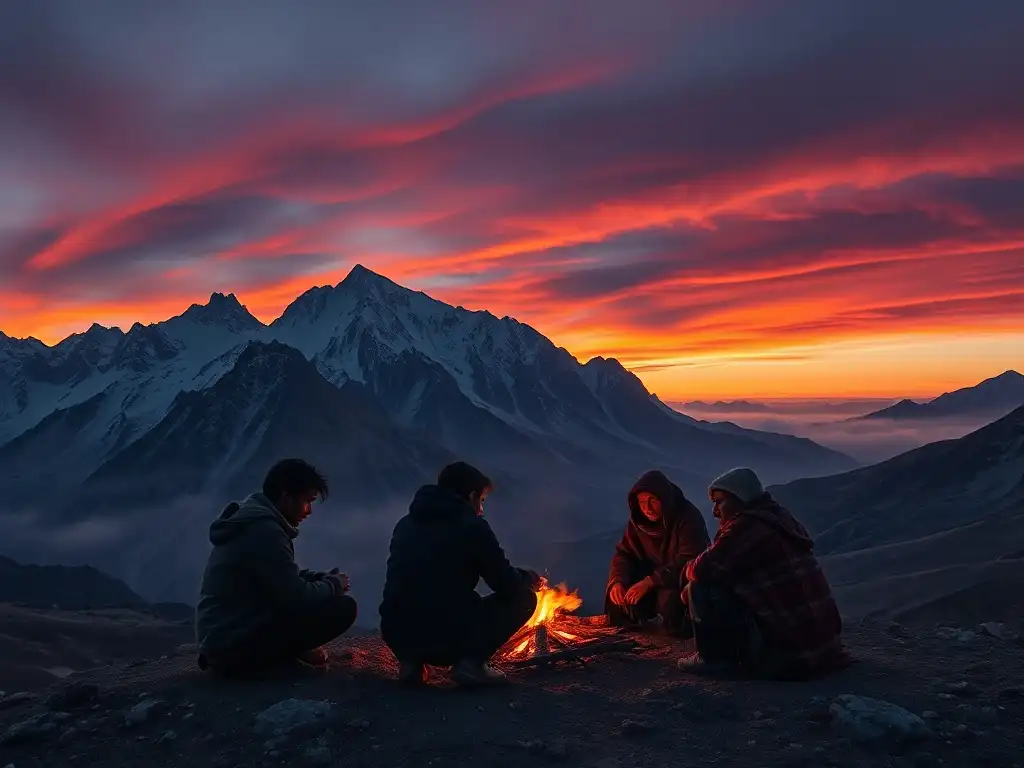
Uncover the secrets whispered through the Andes... For centuries, the grandeur of the Inca, Moche, and Nazca civilizations captivated the world. But beneath the surface of their breathtaking achievements lay a complex web of resistance. This is the story of the Andean resistance networks, the hidden societies and underground movements that fought tirelessly against the Spanish Conquest. Dare to delve into a history far more intricate and fascinating than you ever imagined. Discover the untold stories of defiance and resilience – your journey begins now.
- The Hidden Networks of Resistance: Underground Movements and Secret Societies in the Andes
- The Genesis of Andean Resistance Networks Under Spanish Rule
- Key Characteristics of Andean Underground Movements
- Prominent Andean Resistance Networks and Secret Societies
- Strategies and Tactics Employed by Andean Resistance Movements
- The Impact and Legacy of Andean Resistance Networks
- Lessons Learned from Andean Underground Resistance
- Frequently Asked Questions
- Final Reflection: Echoes of Rebellion in the Andes
- Unveil the Power of Collective Action!
The Spanish conquest of the Andes, while seemingly a brutal and overwhelming success, did not extinguish the spirit of resistance among the indigenous populations. Far from passively accepting subjugation, Andean communities developed intricate and often clandestine networks to oppose Spanish rule. This article delves into the fascinating, and often shadowy, world of these hidden resistance networks, exploring the strategies, organizations, and lasting impact of these underground movements and secret societies.
We will examine how these groups, operating beneath the surface of colonial society, challenged the Spanish crown and preserved elements of their cultural heritage, offering a crucial counter-narrative to the often-triumphalist accounts of the conquest. Understanding these Andean resistance networks provides a more nuanced and complete picture of the complex dynamics that shaped the region during this pivotal period.
The resilience and ingenuity displayed by these communities are a testament to the enduring strength of Andean cultures in the face of immense adversity. This exploration will focus on several key aspects of Andean resistance, including the use of guerrilla warfare, the role of religious syncretism, and the importance of maintaining social structures and traditions.
Guerrilla Warfare and Ambush Tactics in the Andes
The mountainous terrain of the Andes provided a natural advantage for indigenous resistance fighters. Unlike the open battles favored by the Spanish conquistadors, Andean resistance often relied on guerrilla warfare tactics. Small, highly mobile groups would launch surprise attacks, ambushes, and hit-and-run raids against Spanish patrols and settlements.
These tactics, often employing intimate knowledge of the local geography, allowed smaller forces to inflict significant casualties and disrupt Spanish control. The effectiveness of this strategy is evident in the prolonged resistance experienced in various regions of the Andes, demonstrating the ability of these decentralized networks to effectively counter a technologically superior force.
Specific examples of successful guerrilla campaigns, though often undocumented by colonial authorities, are slowly being uncovered through archeological findings and the re-evaluation of indigenous oral histories. This type of warfare required a high degree of coordination and trust amongst the participants, highlighting the strength of the social bonds within the resistant communities.
The Role of Religious Syncretism in Andean Resistance
The Spanish attempt to impose Catholicism often backfired, becoming a tool for resistance itself. Indigenous populations cleverly integrated Catholic rituals and symbolism with their pre-existing religious beliefs and practices, creating a form of syncretism that served as a cover for clandestine activities and the preservation of traditional Andean spirituality. This syncretic religion allowed for the covert transmission of messages, the organization of secret meetings, and the maintenance of a shared cultural identity under the guise of religious observance.
The Virgin Mary, for example, was sometimes secretly associated with Andean goddesses, allowing for a continuation of indigenous veneration while appearing to comply with Spanish religious demands. This subtle resistance, embedded within the outwardly compliant religious practices, was a powerful form of cultural preservation and a subtle challenge to Spanish authority.
Even under the oppressive weight of colonial rule, Andean communities fought to preserve their social structures and traditional practices. This preservation, often carried out secretly, represented a form of resistance as fundamental as armed conflict. Maintaining traditional agricultural techniques, kinship systems, and social hierarchies served as a constant reminder of the pre-colonial order and a refusal to fully assimilate into the Spanish system.
These efforts were vital in maintaining cultural identity and providing a sense of continuity and hope in the face of adversity. The resilience of these communities in the face of forced assimilation speaks volumes about the strength of their communal bonds and their commitment to their cultural heritage. Further research is needed to fully understand the strategies employed to protect and transmit these crucial aspects of Andean culture.
The Legacy of Andean Resistance Networks
The hidden networks of resistance in the Andes, though often operating in secrecy, left a lasting impact on the region's history and culture. Their legacy continues to inspire and inform contemporary understandings of indigenous resilience and the ongoing struggle for self-determination. The strategies and tactics employed by these groups serve as a powerful reminder of the diverse and multifaceted nature of resistance movements.
Understanding this hidden history is crucial for a complete understanding of the complex interplay of power, culture, and identity in the Andes during and after the Spanish conquest. The ongoing discovery and interpretation of new evidence continues to shed light on the remarkable achievements and enduring legacy of these often-overlooked resistance networks. The story of Andean resistance is a testament to the enduring spirit of a people who, despite immense hardship and oppression, fought tirelessly to preserve their heritage and maintain their cultural identity.
The Genesis of Andean Resistance Networks Under Spanish Rule
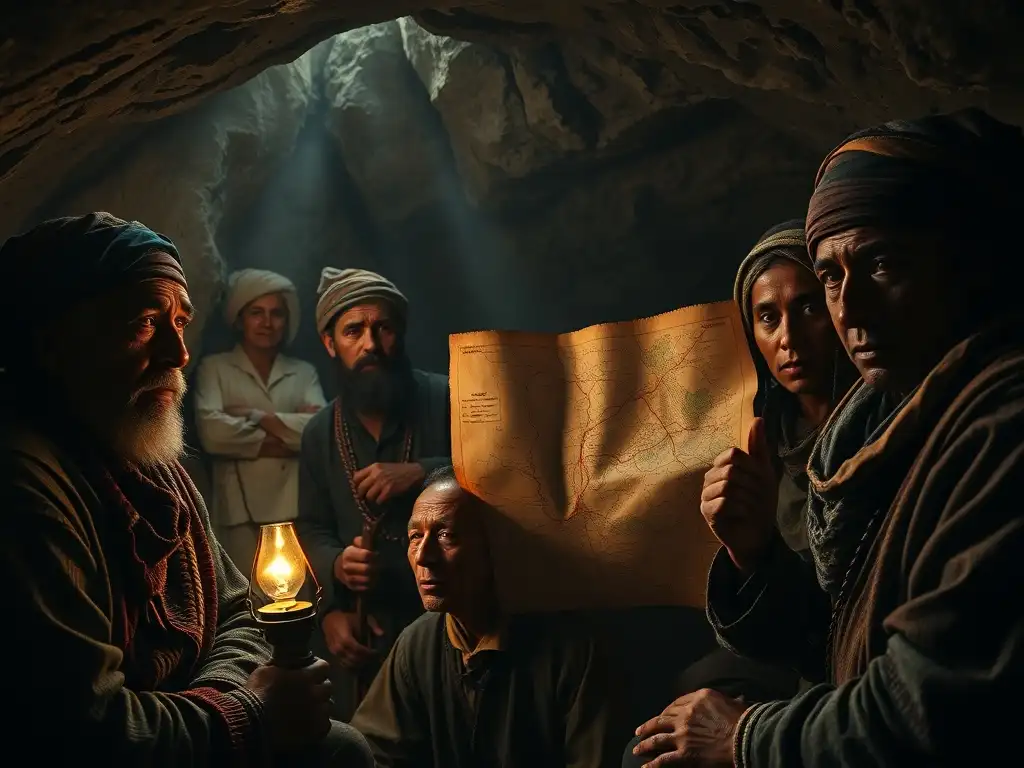
This section explores the initial stages of Andean resistance networks, focusing on how indigenous populations responded to the imposition of Spanish colonial rule. We will examine the early forms of opposition, the factors fueling rebellion, and the crucial role played by traditional Andean leaders in organizing resistance movements. Understanding these foundational elements is key to appreciating the complexity and resilience of Andean resistance against the Spanish.
Early Forms of Indigenous Opposition to Colonial Power
The Spanish conquest was not a simple, linear process of subjugation. From the outset, indigenous communities employed various methods of resistance, often subtly interwoven into daily life. These early forms of opposition were rarely overt armed rebellion, but rather, a series of strategic withdrawals and quiet acts of defiance. For instance, the mita, the forced labor system implemented by the Spanish, was frequently met with passive resistance.
Individuals would feign illness, deliberately slow their work pace, or subtly sabotage tools and materials. This quiet rebellion, while seemingly insignificant individually, cumulatively weakened the Spanish grip on labor and resource extraction. Reports from Spanish colonial administrators frequently mention unexplained delays and diminished productivity, hinting at this widespread, yet undocumented, resistance.
Furthermore, the continued practice of traditional Andean religious rituals, despite the efforts of the Spanish to suppress them, represented a powerful form of cultural resistance, a refusal to abandon their ancestral beliefs and practices. These seemingly minor acts of defiance laid the groundwork for more organized and overt resistance movements in later years. The persistence of indigenous languages and knowledge systems also played a significant role in maintaining cultural identity and fostering a sense of community crucial for future organized resistance.
Seeds of Rebellion: Discontent and the Formation of Secret Groups
The initial passive resistance gradually evolved into more organized forms of opposition. Growing discontent fueled by economic exploitation, religious persecution, and the erosion of traditional power structures spurred the formation of clandestine groups and secret societies. These groups, often operating under the guise of religious brotherhoods or social clubs, provided a safe space for planning and coordinating resistance activities.
The secrecy surrounding these groups made them difficult for the Spanish authorities to detect and suppress. The precise nature and organization of these early secret societies remain largely undocumented, with much of the historical record filtered through a colonial lens. However, archaeological evidence, including the discovery of hidden caches of weapons and coded messages, suggests a level of sophistication and organization far exceeding what official Spanish accounts would indicate.
The use of symbolic language and clandestine communication methods, such as coded messages woven into textiles or hidden within ceremonial objects, allowed these groups to maintain their cohesion and plan their actions without detection. This ingenuity highlights the adaptive strategies employed by the Andean populations in their fight for survival and autonomy. The increasing effectiveness of these covert networks would eventually lead to more widespread and organized rebellions in the following decades.
The Role of Kurakas in Organizing Resistance
The kurakas, traditional Andean leaders, played a pivotal role in the organization and coordination of resistance networks. While some kurakas collaborated with the Spanish to maintain their positions and privileges, many others secretly channeled their authority to foster rebellion. Their intimate knowledge of the local terrain, the social structures, and the intricacies of Andean society proved invaluable in planning and executing resistance strategies. They often used their official positions to gather intelligence, distribute resources, and communicate with different communities.
The Spanish, initially relying on the kurakas for administrative purposes, were often blindsided by their dual role. This strategic use of power within the colonial system allowed for a sustained, though often hidden, resistance. However, the kurakas' involvement was not without risk. Betrayal and collaboration were common occurrences, leading to internal divisions within resistance movements.
The delicate balance between collaboration and opposition required constant negotiation and strategic maneuvering by the kurakas, adding a layer of complexity to the Andean resistance narrative. Further research is needed to fully understand the nuanced roles played by individual kurakas and their contribution to the overall success or failure of various resistance efforts. The complex interplay between collaboration and opposition among the kurakas highlights the multifaceted nature of Andean resistance against Spanish rule.
Key Characteristics of Andean Underground Movements
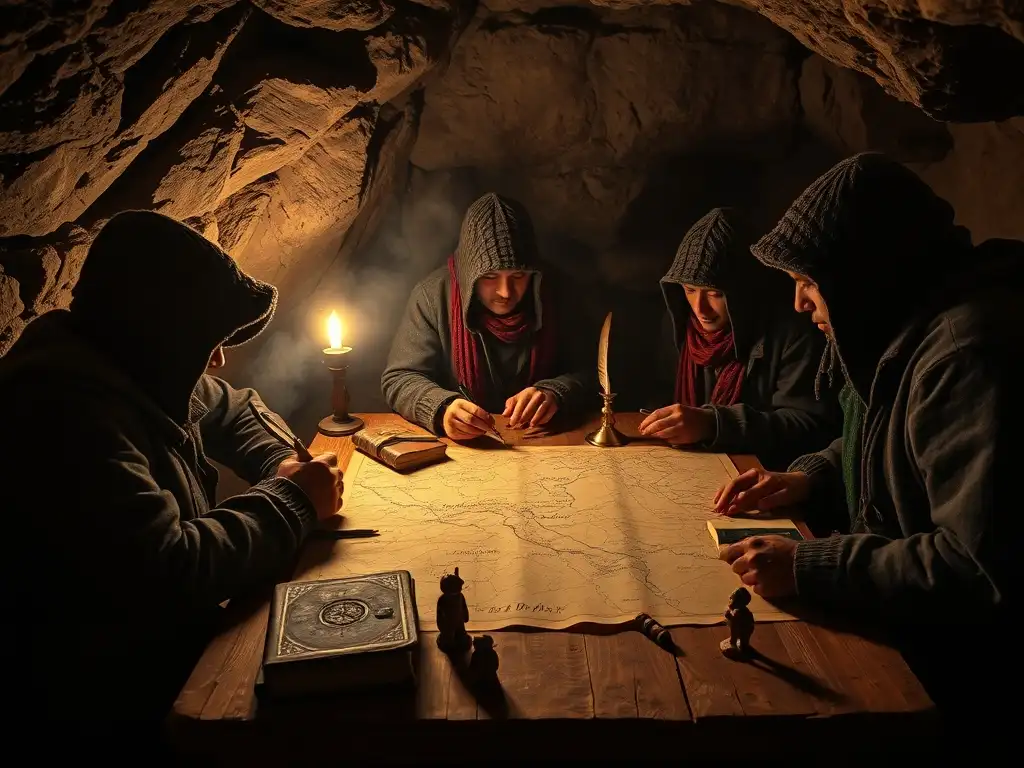
The Spanish conquest of the Andes wasn't a monolithic event of immediate subjugation. Instead, it sparked a complex tapestry of resistance, often manifesting in clandestine networks and secret societies. Understanding these Andean resistance networks requires examining their key characteristics, which differed significantly from the more openly confrontational rebellions.
These movements relied heavily on secrecy, intricate communication systems, and the strategic deployment of Andean cosmology and symbolism to maintain cohesion and evade Spanish authorities. The effective use of these characteristics, woven together, created a powerful, albeit hidden, force against colonial rule. Analyzing these aspects reveals the ingenuity and resilience of Andean communities facing overwhelming odds.
Secrecy and Disguise: Tactics of the Andean Resistance
Secrecy was paramount for the survival of Andean resistance networks. Open rebellion against the heavily armed Spanish was often suicidal. Instead, these groups employed various tactics of disguise and concealment.
This included using intricate systems of coded messages, hidden meeting places in remote locations – perhaps deep within mountain caves or under the guise of seemingly innocuous religious ceremonies – and the adoption of inconspicuous identities within Spanish society. For example, some individuals might pose as merchants or laborers, using their travels as cover for relaying information or coordinating rebel activities. The use of shamans and religious leaders provided an additional layer of secrecy, allowing for covert communication and mobilization under the cover of traditional practices.
The effectiveness of these methods is evidenced by the fact that many of these underground operations went undetected for extended periods, allowing resistance to persist even in the face of brutal colonial repression. The Spanish often underestimated the sophistication of these clandestine networks, leading to their continued success in undermining colonial power.
Communication and Coordination within Resistance Groups
Effective communication was crucial for the coordination of dispersed resistance groups across the vast Andean landscape. Given the limitations of conventional methods, Andean resistance networks relied on a sophisticated system of messengers, often utilizing established trade routes or pilgrimage paths to transmit information discreetly.
These messengers might use memorized messages, coded symbols carved into wood or woven into textiles, or even rely on intricate oral traditions to convey crucial intelligence. The use of quipus, the knotted-string recording system, though primarily known for its administrative uses within the Inca Empire, may have also played a role in secret communications within some resistance networks, although evidence for this remains limited and requires further research.
The development and maintenance of these communication channels demonstrate a high level of organizational skill and commitment among the participants. The challenges posed by the geography of the Andes – vast distances, treacherous terrain, and dispersed populations – made these communication networks all the more remarkable.
The Use of Andean Cosmovision and Symbols in Underground Operations
Andean resistance movements didn't operate in a vacuum; they were deeply rooted in the pre-existing Andean worldview. The cosmovision, with its emphasis on interconnectedness, reciprocity, and the sacredness of the natural world, provided a powerful framework for resistance. Underground movements often utilized Andean symbols and rituals to foster unity, maintain morale, and inspire defiance.
For example, the imagery of Andean deities, like the sun god Inti or the mountain spirits Apus, may have been used as rallying points or coded messages. Religious ceremonies, adapted to the clandestine context, may have served as both covert meetings and opportunities for reinforcing shared identity and purpose. This integration of Andean cosmology into resistance strategies illustrates the deep cultural resilience of the Andean peoples and their ability to adapt their traditions to the challenges posed by colonial rule.
Further research into specific case studies would illuminate the precise ways in which specific Andean symbols and rituals were employed in these clandestine operations. The blending of the spiritual and the political within these movements made them particularly potent and enduring.
Prominent Andean Resistance Networks and Secret Societies
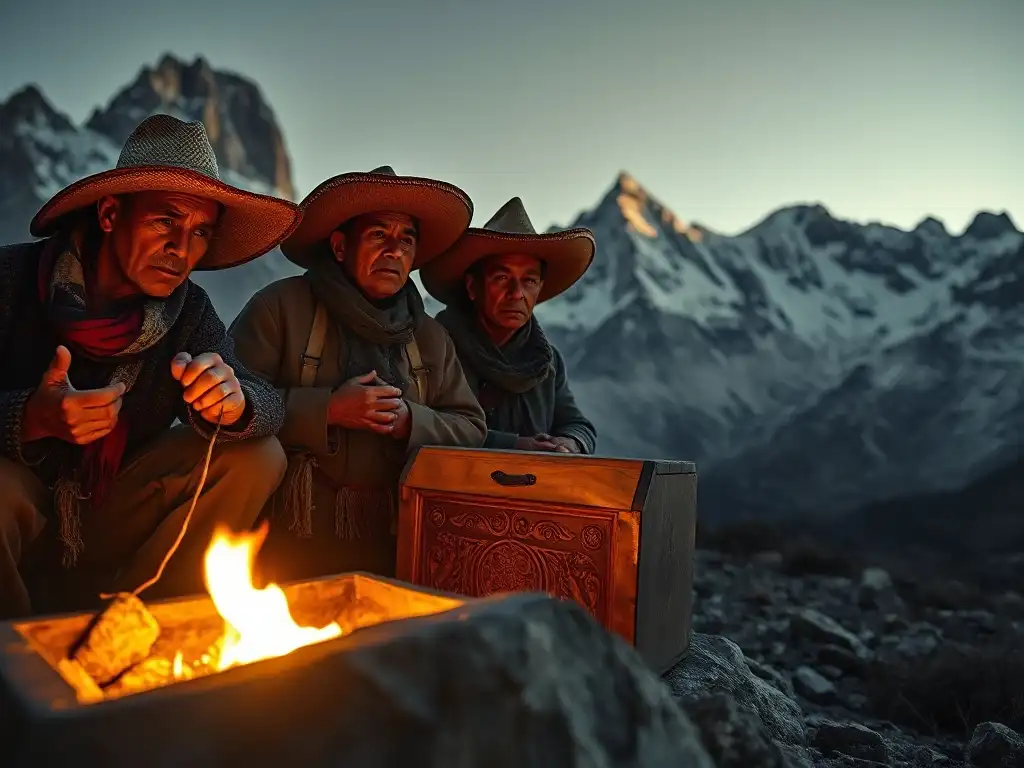
The Spanish conquest of the Andes wasn't a swift, singular event, but rather a prolonged process met with fierce and multifaceted resistance. While large-scale rebellions are well documented, a complex web of smaller, more clandestine resistance networks and secret societies played a crucial role in undermining Spanish power and preserving indigenous traditions. These Andean resistance networks, operating often in the shadows, employed diverse strategies, ranging from subtle acts of defiance to coordinated uprisings.
Understanding these hidden movements is key to a complete picture of the Andean response to colonial rule. The effectiveness of these networks stemmed from their decentralized nature, allowing them to adapt quickly to changing circumstances and evade Spanish repression. Their legacy continues to resonate in Andean cultures today, reminding us of the enduring spirit of resistance against oppression.
The study of these networks offers valuable insights into the resilience and ingenuity of Andean peoples in the face of overwhelming odds. We will examine some of the most prominent examples of these hidden strategies of resistance.
The Taki Onqoy Movement: A Spiritual Uprising Against Colonialism
The Taki Onqoy ("dancing sickness") movement, flourishing in the 16th century, presented a unique form of Andean resistance. Unlike armed rebellions, it leveraged spiritual beliefs and practices to challenge Spanish dominance. This wasn't simply a religious revival; it was a calculated strategy using pre-Columbian religious traditions to undermine the legitimacy of the Spanish colonial order. The movement's leaders, often shamans or paqos (Andean priests), prophesied the return of indigenous deities and the imminent downfall of the Spanish. They claimed that the Inca gods were displeased with the Spanish imposition of Christianity and the destruction of traditional ways of life.
The Taki Onqoy movement wasn't centrally organized; instead, it spread through a network of local leaders and communities. Its strength lay in its ability to tap into widespread resentment towards colonial rule. The movement's rituals, featuring ecstatic dances and prophecies, served as a powerful form of collective resistance, fostering a sense of shared identity and purpose among indigenous populations.
While the movement ultimately failed to overthrow Spanish rule, its impact was significant. It demonstrated the enduring power of indigenous spiritual beliefs and their capacity to inspire resistance against colonial oppression. The Taki Onqoy movement provides a compelling example of how Andean resistance networks could utilize spiritual and cultural means to challenge colonial power structures.
The Amaru Network: A Case Study of Regional Resistance
The Amaru network exemplifies a different type of Andean resistance network, one characterized by regional alliances and coordinated actions against Spanish authorities. While less mystical than the Taki Onqoy, the Amaru network relied on a sophisticated system of communication and mutual support among various indigenous communities. This network, active primarily in the southern Andes, employed a range of tactics, including ambushes, sabotage, and the disruption of Spanish supply lines. The network's name, derived from the sacred serpent symbol, likely served as a unifying emblem, signifying shared identity and purpose.
The Amaru network's structure remains somewhat obscure, but evidence suggests that it involved a complex web of relationships between different indigenous groups. Local leaders, often curacas (indigenous chiefs) who had retained some authority under Spanish rule, played a crucial role in coordinating resistance efforts. Their knowledge of the local terrain and their influence within their communities proved invaluable.
The network's decentralized nature made it difficult for Spanish authorities to suppress, allowing it to persist for several decades. The Amaru network serves as a testament to the capacity of Andean communities to forge alliances and resist colonial rule through coordinated action. Further research is needed to fully understand the intricate workings of this significant resistance network.
Tupac Amaru II's Secret Network of Allies
Tupac Amaru II's rebellion (1780-1781) is one of the most well-known examples of Andean resistance against Spanish rule. However, what often gets overlooked is the extensive secret network of allies that underpinned his uprising. Tupac Amaru II didn't act alone; he relied on a vast network of supporters across various ethnic groups and social strata. This network extended beyond his immediate family and encompassed indigenous leaders, mestizos (people of mixed indigenous and European ancestry), and even some disaffected Spaniards.
The success of Tupac Amaru II's initial campaign was largely due to the strength of his alliances. His charismatic leadership and his skillful use of propaganda helped to mobilize support from diverse groups who shared a common grievance against Spanish oppression. The network operated through a combination of open and covert communication channels.
While public pronouncements and proclamations were used to rally support, secret meetings and clandestine communications were essential for coordinating actions and avoiding detection by Spanish authorities. The network's structure was fluid and adaptable, allowing it to respond effectively to changing circumstances. The eventual failure of the rebellion was not due to a lack of support, but rather to the overwhelming military might of the Spanish crown and the internal divisions within the rebellion itself.
Despite its ultimate defeat, Tupac Amaru II's rebellion, and its underlying network of allies, remains a powerful symbol of Andean resistance. The detailed study of the network's composition and functioning would offer significant insights into the social dynamics of the rebellion and the complexities of Andean resistance during the colonial period.
Strategies and Tactics Employed by Andean Resistance Movements
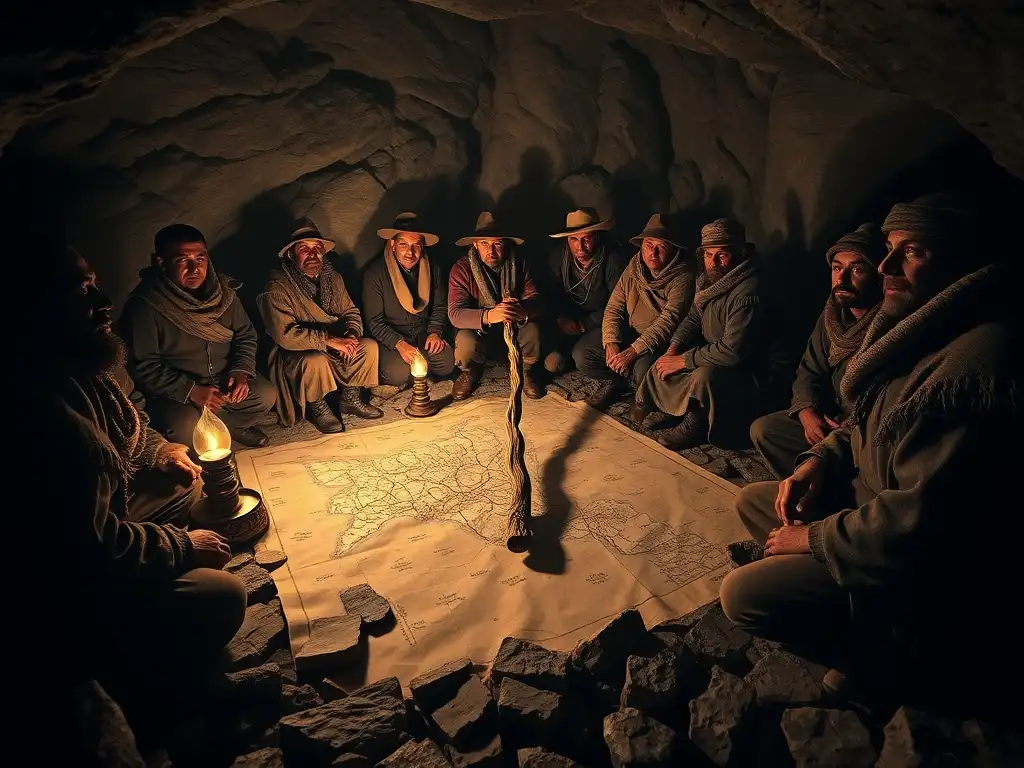
The Spanish conquest of the Andes was not a swift, decisive victory. Instead, it was met with fierce and prolonged resistance, often utilizing innovative strategies and tactics that leveraged the Andean landscape and cultural understanding. These weren't simply open battles; the Andean resistance involved intricate networks, employing a variety of methods to undermine Spanish power and maintain cultural identity. Understanding these strategies is key to comprehending the resilience of Andean civilizations in the face of overwhelming force. The effectiveness of these "Andean resistance networks" rested on their adaptability and the deep-rooted community bonds that fueled their efforts.
Covert Operations: Sabotage and Guerrilla Warfare
Andean resistance wasn't solely about large-scale battles. Covert operations, including sabotage and guerrilla warfare, played a crucial role in disrupting Spanish control. Small, highly mobile groups would target supply lines, ambush isolated patrols, and destroy infrastructure vital to Spanish operations.
The mountainous terrain of the Andes provided a natural advantage, allowing rebel groups to utilize the landscape for ambushes and escapes. For example, reports from Spanish chroniclers detail the frequent destruction of bridges and roads, severely hampering the movement of troops and supplies. These acts of sabotage, while seemingly small, cumulatively weakened Spanish authority and demoralized their forces.
The utilization of guerilla warfare tactics, characterized by hit-and-run attacks and avoiding direct confrontation with larger Spanish armies, allowed smaller Andean forces to inflict significant damage disproportionate to their numbers. This approach demonstrates a sophisticated understanding of asymmetric warfare, maximizing their limited resources. The effectiveness of this strategy underscores the ingenuity and resourcefulness of the Andean resistance.
Espionage and Information Gathering on Spanish Forces
Alongside direct action, the Andean resistance networks relied heavily on intelligence gathering. Espionage played a vital role in anticipating Spanish movements, identifying weaknesses, and coordinating attacks. Local networks, embedded within Andean communities, provided crucial information about troop deployments, supply routes, and Spanish plans. The fluidity of information within the indigenous communities, often communicated through a complex system of messengers and coded messages, allowed for rapid responses and effective countermeasures.
While specific details about their espionage techniques remain scarce in historical records, the consistent success of ambushes and the ability of resistance groups to evade capture strongly suggest an effective intelligence network. This clandestine aspect of the Andean resistance highlights the importance of information warfare in their fight for survival and autonomy. The ability to effectively gather and utilize intelligence was a critical component of their overall resistance strategy.
Maintaining Quechua and Aymara Languages as a Form of Resistance
Beyond military tactics, the preservation and transmission of Quechua and Aymara languages served as a powerful form of cultural resistance. The Spanish attempted to suppress indigenous languages, imposing Spanish as the official language of administration and education. However, the continued use of Quechua and Aymara in everyday life, religious ceremonies, and secret communications became a potent symbol of defiance.
The languages themselves carried with them a rich history, traditions, and worldview that the Spanish sought to eradicate. Maintaining linguistic diversity was a way of preserving cultural identity and reinforcing community bonds, critical aspects of sustaining resistance. The oral traditions, songs, and stories passed down through generations in these languages served as a constant reminder of their heritage and a powerful force against assimilation.
This linguistic preservation represented a quiet but enduring form of resistance, a testament to the enduring strength of Andean cultural identity. The continued use of Quechua and Aymara, despite immense pressure, highlights the determination of Andean people to preserve their cultural heritage even amidst conquest.
Economic Strategies: Undermining Colonial Trade and Tribute Systems
Andean resistance movements didn't just fight with weapons; they waged economic warfare against the Spanish colonial system. Subverting the intricate web of trade and tribute was a crucial aspect of their struggle for survival and autonomy. This involved a multifaceted approach, targeting the very foundations of Spanish power.
One key tactic was the deliberate disruption of the mita system, the forced labor system imposed by the Spanish. While outright rebellion was risky, subtle acts of sabotage, such as feigning illness, slowing down work, or deliberately damaging tools, chipped away at the system's efficiency. These seemingly small acts, multiplied across numerous communities, significantly impacted the Spanish ability to extract resources and labor.
Furthermore, Andean communities employed strategies to control their own resources and limit the flow of goods to the Spanish. This involved manipulating market access, sometimes through boycotts or the strategic withholding of vital goods like textiles, agricultural products, or precious metals. The control of these resources gave communities leverage, allowing them to negotiate, or at least delay, the demands of the colonial administration.
While direct confrontation was sometimes unavoidable, economic resistance offered a more sustainable, less overtly violent path to undermining Spanish power. This approach required intricate coordination and a deep understanding of the colonial economic structure, highlighting the sophisticated organizational capabilities of these resistance movements. The success of these strategies varied depending on the specific circumstances and the level of Spanish control in a given region, but their cumulative effect undeniably weakened the colonial regime.
We see evidence of this in the numerous local uprisings and protracted conflicts that characterized the colonial period, suggesting the effectiveness of these subtle yet powerful economic forms of resistance. The Spanish records themselves, often unintentionally, reveal the extent of this economic sabotage, noting periodic shortages of crucial goods and the difficulties in enforcing the mita system effectively.
The impact of these economic strategies should not be underestimated. By subtly yet effectively disrupting the flow of resources and labor, Andean communities weakened the Spanish colonial economy, making it harder for them to consolidate their power and control. This, in turn, created space for more overt forms of resistance to flourish.
The combination of economic disruption and armed conflict proved a far more effective strategy than either tactic in isolation. It's important to remember that these weren't isolated incidents; they were part of a broader strategy involving a complex interplay of economic, social, and political actions. The Andean resistance movements demonstrated remarkable ingenuity and resilience in developing and implementing these economic strategies, leaving a significant legacy in the history of colonial resistance.
The Impact and Legacy of Andean Resistance Networks
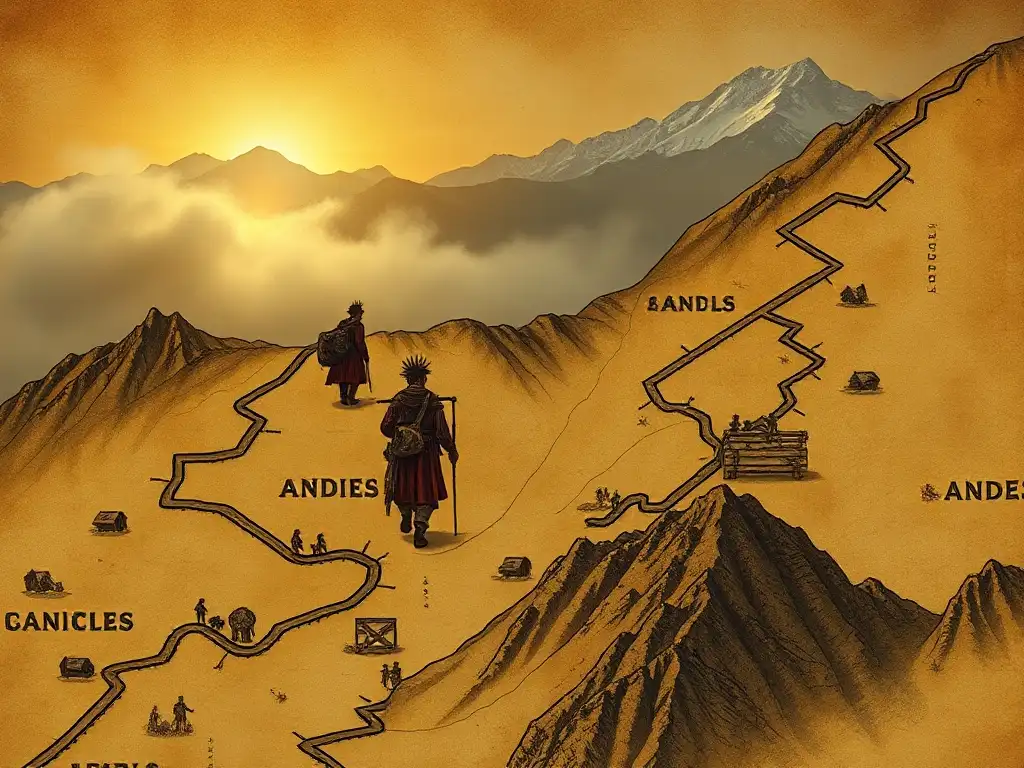
The Spanish conquest of the Andes was not a monolithic event, nor was the indigenous response a passive one. While the Spanish crown ultimately achieved political dominance, the Andean peoples demonstrated remarkable resilience, employing sophisticated strategies of resistance that left a lasting impact on the region's history and culture. Understanding the enduring legacy of these "Andean resistance networks" requires examining not only the immediate effects of rebellion but also their long-term influence on social structures, cultural practices, and political identities.
The intricate networks of resistance, often operating clandestinely, significantly shaped the trajectory of Andean societies in the centuries following the conquest. This section delves into the multifaceted consequences of this protracted struggle.
The Influence of Underground Movements on Later Rebellions
The clandestine nature of many Andean resistance networks facilitated the transmission of rebellious ideologies and tactics across generations. These underground movements served as crucial incubators for future uprisings, providing a vital link between different periods of resistance. For example, the knowledge gained from earlier rebellions, such as the Inca resistance led by Tupac Amaru I, informed the strategies employed by later leaders like Tupac Amaru II, whose rebellion in the late 18th century drew heavily upon the experiences and tactics of his predecessors. The legacy of these networks wasn't simply about preserving memories; it involved a dynamic process of adaptation and innovation in the face of colonial oppression. This continuous adaptation is crucial to understanding the longevity and effectiveness of Andean resistance. The continued use of guerilla warfare, subtle forms of non-compliance, and the strategic manipulation of colonial systems all point to the enduring impact of these early underground movements.
Analyzing the specific methods used in these earlier rebellions reveals a sophisticated understanding of colonial power structures. The use of coded messages, secret meetings, and the creation of hidden alliances allowed these networks to thrive even under intense scrutiny. These tactics were not only effective in their time but also served as a model for future resistance movements throughout Latin America, demonstrating the broader impact of Andean ingenuity and resilience in the face of oppression. [Specific examples of coded messages and hidden alliances pending].
The Preservation of Indigenous Culture and Identity
Despite the brutal suppression efforts of the Spanish, Andean resistance networks played a vital role in preserving indigenous culture and identity. The clandestine nature of these networks allowed for the continued practice of traditional religious ceremonies, the transmission of oral histories, and the maintenance of pre-Columbian artistic styles. These networks often functioned as repositories of cultural knowledge, safeguarding traditions that might otherwise have been lost.
The preservation of Quechua, Aymara, and other indigenous languages is a testament to the enduring power of these cultural preservation efforts within the framework of resistance. The continued production of textiles, pottery, and other craft traditions, often incorporating subtle symbols of resistance, demonstrates the creativity and determination of Andean peoples to maintain their cultural heritage.
The resilience of indigenous languages, particularly Quechua, can be directly linked to the covert networks of communication and cultural transmission that thrived during the colonial period. These networks ensured that the language, a cornerstone of Andean identity, was not only maintained but also adapted to incorporate new realities and challenges. The subtle ways in which indigenous knowledge was woven into daily life, often masked as compliance, highlight the ingenuity and strategic sophistication of these preservation efforts. [Data on specific cultural practices preserved within resistance networks pending].
The Long-Term Effects of Resistance on Andean Societies
The legacy of Andean resistance networks extends far beyond the immediate consequences of specific rebellions. The sustained struggle against colonial rule profoundly shaped the social, political, and economic landscape of the Andes. The resistance movements fostered a sense of shared identity and purpose among diverse Andean communities, contributing to a stronger sense of collective agency.
This legacy of resistance continues to shape contemporary Andean societies, influencing political movements, cultural expressions, and the ongoing struggle for social justice and self-determination. The enduring impact of this resistance is evident in the ongoing efforts to reclaim indigenous rights and languages, demonstrating the long shadow cast by these historical struggles.
The impact on social structures is also significant. The dismantling of traditional power structures during the conquest, coupled with the subsequent resistance movements, led to the emergence of new forms of social organization and leadership. While the Spanish attempted to impose a hierarchical structure, the continued strength of Andean resistance networks created alternative power dynamics that persist in various forms even today.
[Further research required on specific examples of long-term social structural changes]. The fight for autonomy and self-governance, a central theme of Andean resistance, continues to resonate in contemporary political discourse and activism. The spirit of resistance, passed down through generations, fuels ongoing efforts to assert indigenous rights and build a more equitable future.
The Significance of Andean Resistance Networks in Shaping National Identities
The legacy of Andean resistance networks extends far beyond the immediate impact on Spanish colonial rule. These movements played a crucial, albeit often overlooked, role in shaping the national identities of modern Andean nations. The continued defiance in the face of overwhelming force fostered a sense of collective identity and resilience amongst indigenous populations.
This shared experience of struggle against oppression became a foundational element in the construction of national narratives, even centuries later. For example, the heroic figures and strategic brilliance displayed by resistance leaders became ingrained in folklore and popular culture, inspiring future generations to fight for self-determination and social justice.
The stories of these networks, passed down through oral traditions and later documented by historians and anthropologists, helped solidify a sense of shared cultural heritage. While the specific details might vary across different communities and regions, the overarching themes of resistance, survival, and cultural preservation resonated deeply, fostering a sense of unity amongst diverse indigenous groups.
This shared narrative, built upon the foundations of ancestral resistance, served as a powerful counter-narrative to the colonial attempts to erase indigenous identities and impose a foreign culture. The perseverance of these resistance networks demonstrated the enduring strength of Andean cultural traditions and values, shaping the very fabric of modern national identities.
This cultural resilience, fueled by the memories and legacies of past struggles, continues to inform contemporary political movements and social activism in the Andean region. The ongoing fight for indigenous rights and land recognition is, in many ways, a direct descendant of these historical resistance networks.
The impact of Andean resistance is also evident in the revitalization of indigenous languages and cultural practices in the modern era. The struggles against colonial assimilation, often led by indigenous leaders who drew inspiration from the tactics and ideologies of past resistance movements, helped preserve and reclaim cultural heritage that had been systematically suppressed. This reclamation of cultural identity is a powerful testament to the enduring impact of these networks and their contribution to the rich tapestry of Andean national identities today.
The ongoing efforts to document and celebrate the stories of these networks serve as a constant reminder of the importance of remembering and learning from the past, as these narratives continue to inspire and empower communities in their pursuit of self-determination and cultural preservation. The spirit of resistance lives on, shaping the present and future of Andean nations.
Lessons Learned from Andean Underground Resistance
The Spanish conquest of the Andes wasn't a simple, one-sided affair. While the overwhelming military might of the Spanish conquistadors ultimately prevailed, the indigenous populations of the Andes displayed remarkable resilience, employing sophisticated strategies of resistance that often went unseen by their conquerors. Understanding these strategies, particularly those of the hidden networks and secret societies, reveals crucial lessons about the nature of resistance movements and their ability to challenge even the most powerful empires.
Analyzing the Andean resistance networks reveals a complex tapestry of tactics, demonstrating the adaptability and ingenuity of the indigenous peoples. The study of these hidden networks provides invaluable insights into the dynamics of power, oppression, and the enduring human spirit in the face of adversity.
The Importance of Unity and Organization in Resistance
Effective resistance against the Spanish required more than isolated acts of defiance. The Andean resistance networks highlight the critical role of unity and organization. While different groups – the Inca remnants, various ethnicities, and even some marginalized Spanish colonists – held distinct grievances, their shared opposition to Spanish rule fostered alliances and collaborations. These weren't always seamless; internal conflicts and power struggles existed. However, the ability to forge temporary alliances, share resources, and coordinate actions proved vital for their survival and the continuation of their resistance efforts.
For example, the curacas (local indigenous leaders) often played a crucial role in organizing resistance, leveraging their existing social structures and influence to mobilize their communities. Their knowledge of the terrain and the intricate social networks within their regions allowed them to effectively communicate, hide fugitives, and coordinate attacks against Spanish forces. This decentralized yet coordinated approach allowed for flexibility and adaptability, making it harder for the Spanish to suppress the rebellion completely.
The effectiveness of these networks is directly linked to their organizational capacity and the ability to adapt to changing circumstances. The Spanish often faced not a single monolithic force, but a network of smaller, coordinated cells that proved remarkably difficult to subdue.
The Power of Indigenous Knowledge and Culture as Weapons
Beyond military tactics, the Andean resistance networks effectively weaponized indigenous knowledge and cultural practices. Their intimate understanding of the Andean geography— treacherous mountain passes, hidden valleys, and intricate water systems— proved invaluable in escaping capture and launching surprise attacks. The Spanish, unfamiliar with the terrain and reliant on established roads, were often at a disadvantage.
Furthermore, the use of shamans and religious rituals played a significant role in bolstering morale and coordinating resistance efforts. Religious beliefs and practices provided a powerful unifying force and a framework for understanding and resisting the Spanish imposition of Christianity. These spiritual leaders acted as conduits of information and inspiration, maintaining a sense of hope and defiance within the communities.
This blending of spiritual and practical resistance highlights the multifaceted nature of the Andean struggle. The effectiveness of these methods demonstrates the importance of harnessing cultural strengths in the face of oppression. This aspect of the Andean resistance networks offers a powerful example of cultural resilience and adaptation.
The Enduring Spirit of Resistance in the Andes
The legacy of Andean resistance networks extends far beyond the immediate aftermath of the Spanish conquest. The strategies and resilience demonstrated by these hidden movements continue to inspire and inform contemporary struggles for social justice and self-determination. The ability to maintain cultural identity, adapt to changing circumstances, and coordinate resistance efforts across diverse groups remains a crucial lesson for movements facing oppression today.
While the Spanish conquest inflicted immense suffering and disruption, the Andean people's refusal to be completely subjugated is a testament to their strength and resilience. Their hidden networks, operating in the shadows, represent a powerful symbol of resistance against colonial domination. The memory of these struggles continues to fuel movements for indigenous rights and cultural preservation in the Andes today.
The study of these networks offers a compelling narrative of perseverance and the enduring spirit of resistance in the face of overwhelming odds. Understanding the Andean resistance networks provides valuable insights into the long-term impact of colonialism and the ongoing fight for self-determination.
The Value of Oral Histories in Understanding Resistance
Oral histories offer invaluable insights into Andean resistance networks that are often absent from official Spanish colonial records. These narratives, passed down through generations, provide a crucial counter-narrative to the dominant historical accounts, which frequently downplay or ignore indigenous agency and resilience. For example, stories of hidden messengers traversing treacherous mountain passes to coordinate rebellions, or tales of communities employing sophisticated camouflage techniques to evade capture, reveal the intricate strategies employed by resistance groups. These accounts, often embedded within myths and legends, contain valuable clues about organizational structures, communication methods, and the lived experiences of those actively resisting colonial rule.
The challenge, of course, lies in verifying and interpreting these oral accounts, requiring careful cross-referencing with archaeological evidence and an understanding of the cultural context in which the stories were created and transmitted. The inherent biases and potential distortions within oral traditions must be critically considered, but their richness in detailing the nuances of resistance makes them an essential tool for understanding Andean responses to colonial oppression. Careful analysis of oral histories allows researchers to reconstruct a more complete and nuanced picture of Andean resistance, moving beyond the limitations of official colonial records.
This approach highlights the importance of recognizing indigenous perspectives and acknowledging the agency of those who actively fought against colonial domination. The voices of those who lived through the resistance, though often silenced in official histories, offer a powerful testament to the enduring spirit of Andean communities. Furthermore, the study of oral traditions allows for a deeper understanding of the cultural and spiritual dimensions of the resistance, highlighting the vital role of indigenous beliefs and practices in sustaining the fight for survival and autonomy.
Frequently Asked Questions
What were Andean resistance networks?
Andean resistance networks were secret societies and underground movements that fought against Spanish colonial rule in the Andes. These groups employed various tactics, including guerrilla warfare and sabotage.
Who were the main actors in these networks?
The actors varied greatly, including indigenous communities, former Inca nobility, and even some disgruntled Spanish colonists. Their motivations ranged from preserving their culture to seeking freedom from oppression.
What methods did these resistance networks use?
The networks utilized a variety of methods, from guerrilla warfare and ambushes to spreading propaganda and manipulating colonial authorities. They often relied on their intimate knowledge of the terrain for advantage.
How effective were these resistance networks in the long run?
While ultimately unsuccessful in preventing Spanish colonization, these networks significantly prolonged the struggle and inflicted considerable costs on the colonial administration. Their actions demonstrate the enduring spirit of Andean resistance.
Where can I learn more about specific Andean resistance groups?
Further research into specific groups like the Túpac Amaru rebellions and other localized uprisings will provide more detailed information. Many academic sources and historical accounts detail their activities and impacts.
Final Reflection: Echoes of Rebellion in the Andes
The legacy of Andean resistance networks continues to resonate today, a powerful testament to the enduring human spirit in the face of oppression. While the specific forms of resistance may have evolved, the fundamental desire for self-determination and justice remains a potent force shaping political and social landscapes across the globe. The intricate webs of communication, mutual aid, and strategic defiance explored in this article offer invaluable lessons for understanding both historical struggles and contemporary movements for social change.
The stories of these hidden networks, passed down through generations in whispers and coded messages, underscore the profound impact of collective action and the importance of solidarity. These weren't simply isolated acts of defiance; they were carefully orchestrated campaigns of resistance that challenged the very foundations of power. The most common way people give up their power is by thinking they don't have any.
– Alice Walker. This quote perfectly encapsulates the spirit of these Andean movements, demonstrating how even seemingly powerless individuals, when united, can effect profound change. Their resilience serves as a constant reminder that hope and agency can flourish even in the darkest of times.
Consider the echoes of these struggles in your own life. What challenges do you face, and how can you draw inspiration from the ingenuity and perseverance of these historical figures? Are you part of a network, however small, that works towards a common goal of justice and equality? Let the stories of Andean resistance inspire you to find your own voice, to build your own connections, and to contribute to a more just and equitable world. The fight for liberation is ongoing, and your participation is crucial.
Unveil the Power of Collective Action!
Thank you for exploring the fascinating world of underground movements and secret societies with us! You've gained valuable insights into how these hidden networks have shaped history and empowered communities. Now, let's put that knowledge to work.
Here are some ways to further explore this topic and contribute to meaningful change:
- **Join a local or online group** focused on community organizing or social justice to deepen your understanding of resistance movements. Connecting with others who share your interests will provide valuable learning opportunities and a supportive network.
- **Share your insights** with friends and family—spark a conversation about the impact of collective action in today's society. Discussing these ideas can help spread awareness and inspire others to get involved.
- **Document your thoughts and analysis** by writing an article or blog post on how modern movements draw inspiration from historical underground movements. Sharing your perspective can contribute to a broader understanding of these important issues.
What is the most powerful lesson we can learn from these secret societies that can be applied to today's movements for change? Consider the strategies they employed, their successes and failures, and how their experiences can inform contemporary activism.