
Beyond the Inca: Caring for Textiles from Moche, Nazca, and Beyond

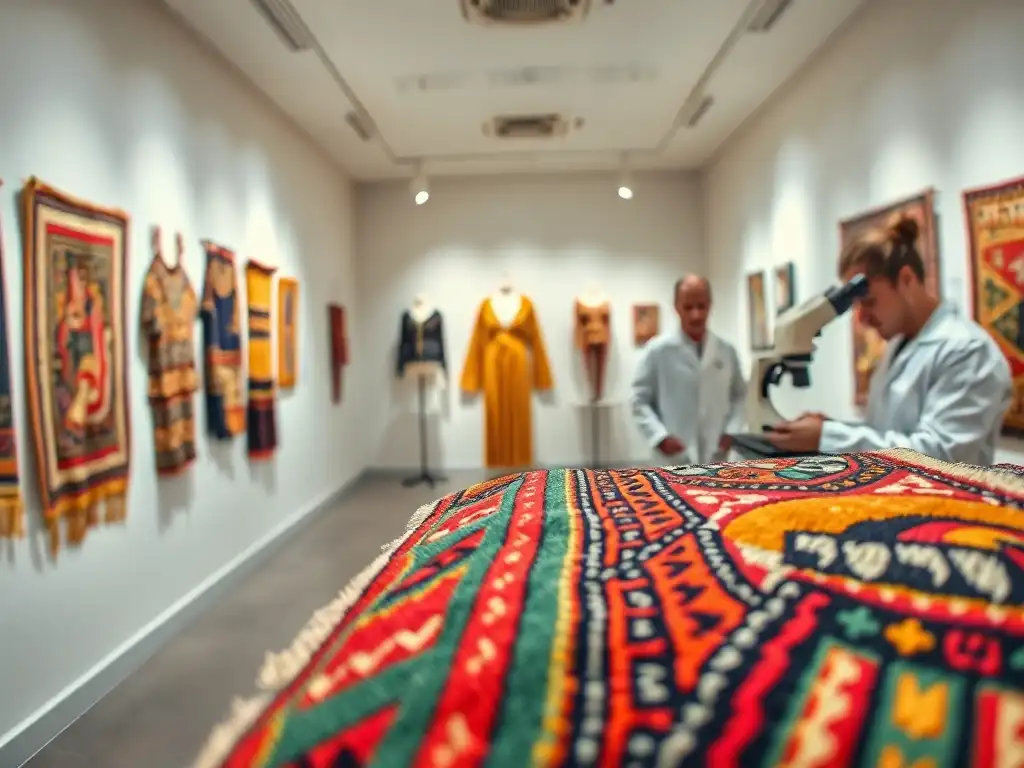
Step into a world lost to time, yet vibrantly preserved… a world of intricate artistry and breathtaking innovation. For centuries, the Andean civilizations – from the mighty Incas to the enigmatic Nazca – captivated the world with their ingenuity. But what secrets do their delicate textiles hold, and how are we safeguarding their legacy for future generations? Dive into the fascinating realm of Moche Nazca textiles preservation and uncover the remarkable stories woven into these ancient threads. Discover more in "The World of Andean Artifacts."
The Inca Empire, with its impressive feats of engineering and intricate goldwork, often dominates narratives of Andean civilization. However, a rich tapestry of cultures thrived in the Andes long before the Inca, leaving behind a legacy of artistry and ingenuity particularly evident in their textiles.
This article delves into the crucial task of preserving these invaluable artifacts, focusing specifically on the delicate and unique challenges presented by Moche and Nazca textiles, and offering insights applicable to a broader range of pre-Columbian Andean fabrics. Understanding the specific vulnerabilities of these ancient textiles is paramount to ensuring their survival for future generations, allowing us to continue appreciating the sophisticated techniques and cultural significance embedded within their threads.
We will explore the materials, techniques, and environmental factors that contribute to their deterioration, and propose practical strategies for their long-term preservation—a vital step in safeguarding this irreplaceable piece of human history. The preservation of these textiles is not merely about maintaining objects; it's about safeguarding cultural heritage and ensuring that the stories woven into these fabrics continue to resonate for centuries to come.
Introduction: Preserving the Legacy of Ancient Andean Textiles
The vibrant colors, intricate designs, and masterful weaving techniques of pre-Inca Andean textiles are a testament to the ingenuity and artistry of ancient cultures. From the elaborate iconography of the Moche to the enigmatic lines of the Nazca, these textiles offer invaluable insights into the beliefs, social structures, and daily lives of these societies. However, the passage of time and exposure to environmental factors have taken their toll.
Many textiles are fragile and susceptible to damage, making their preservation a critical undertaking. This requires a multi-faceted approach, encompassing careful handling, appropriate storage conditions, and proactive conservation measures. The goal is not just to prevent further deterioration but also to ensure the long-term accessibility and enjoyment of these extraordinary artifacts for researchers, educators, and the public alike.
This section will lay the groundwork for understanding the specific preservation needs of Moche and Nazca textiles, highlighting the unique challenges they present compared to other textile traditions. We'll address the importance of ethical and responsible practices, emphasizing the need to prioritize the long-term health of these irreplaceable pieces of history.
Understanding the Unique Challenges of Moche and Nazca Textile Preservation
Moche and Nazca textiles, while sharing some characteristics with other Andean textile traditions, present unique challenges for preservation due to several factors. Firstly, the materials used often differ significantly. While cotton was common, the use of camelid fibers (llama, alpaca, vicuña) introduced specific vulnerabilities. These fibers are susceptible to degradation caused by light exposure, humidity, and certain pests.
Secondly, the weaving techniques themselves can influence the textile's fragility. Intricate designs and complex structures often lead to weaker points in the fabric, making them more prone to damage. Furthermore, the environmental conditions in which these textiles were originally buried or stored play a significant role in their current state. Exposure to fluctuating temperatures and humidity levels, as well as the presence of salts and other contaminants, can accelerate deterioration.
For example, the arid climate of the Nazca region, while initially protective, can lead to the embrittlement of fibers over time. Finally, the presence of organic dyes, while contributing to the vibrant colors, can also be a source of instability and vulnerability to fading or discoloration. Detailed analysis of each textile, considering its material composition, weaving structure, and history of exposure, is crucial for developing appropriate preservation strategies. This often involves a collaborative effort between textile conservators, archaeologists, and other specialists.
The Delicate Nature of Pre-Inca Andean Fabrics
The fragility of pre-Inca Andean fabrics stems from a combination of factors: the natural degradation of organic materials over centuries, the inherent vulnerability of the weaving structures, and the impact of past interventions. Many textiles exhibit signs of significant wear and tear, including holes, tears, and discoloration. The fibers themselves may be weakened and brittle, making them susceptible to further damage during handling or display. Understanding the specific types of damage is essential for developing appropriate conservation strategies.
For example, a textile with significant insect damage will require different treatment than one suffering from color fading. Furthermore, past attempts at preservation, while well-intentioned, may have inadvertently caused further harm. The use of inappropriate adhesives or cleaning methods can severely compromise the integrity of the textile.
Therefore, a careful assessment of the textile's condition, coupled with the application of current best practices in conservation, is paramount. This includes minimizing handling, employing appropriate storage conditions, and utilizing non-invasive examination techniques to monitor the textile's condition over time. The ultimate goal is to ensure the long-term survival of these precious artifacts, allowing future generations to appreciate their beauty and significance.
Identifying Common Damage in Ancient Andean Textiles
Careful examination is crucial for effective Moche Nazca textiles preservation. Understanding the types of damage common to these delicate artifacts is the first step in developing a suitable preservation plan. These textiles, often centuries old, have faced numerous threats throughout their existence, resulting in a variety of deterioration patterns. Recognizing these patterns allows for targeted conservation efforts and helps prevent further damage.
One prevalent issue is fiber degradation. The natural fibers used—primarily cotton and camelid wool—are susceptible to hydrolysis, a chemical process where water breaks down the fibers, weakening them and leading to embrittlement. This is often exacerbated by fluctuating humidity levels and exposure to light. The effects can range from subtle weakening to complete disintegration of the textile structure. Careful observation under magnification can reveal signs of fiber breakage, loss of strength, and changes in color or texture. For instance, a once vibrant red might appear faded or dull, indicating significant fiber degradation.
Another common problem is insect infestation. Moths, beetles, and other insects are attracted to the natural fibers in Andean textiles. Their feeding activity can create holes, weakening the fabric and potentially destroying intricate designs. Evidence of insect damage might include small holes, surface pitting, or the presence of insect frass (excrement). Regular inspection, often with the aid of magnification, is vital in detecting early signs of insect activity before extensive damage occurs. Early detection allows for prompt intervention, preventing widespread destruction.
Furthermore, environmental factors play a significant role in the deterioration of Moche Nazca textiles. Exposure to sunlight, particularly UV radiation, causes fading and weakening of the dyes and fibers. Fluctuations in temperature and humidity can also lead to expansion and contraction of the fibers, stressing the fabric and causing further damage. Improper storage conditions, such as inadequate ventilation or exposure to pollutants, can accelerate deterioration. For example, textiles stored in damp environments are more prone to mold and mildew growth.
Finally, previous repairs or handling can also contribute to textile damage. Poorly executed repairs can weaken the fabric or introduce new problems. Rough handling can cause tears, abrasions, and further fiber breakage. Understanding the history of a textile, including any previous interventions, is crucial for developing a suitable preservation plan. This historical context informs decisions about appropriate conservation techniques and helps avoid potentially damaging practices. Careful documentation of any observed damage is paramount for effective Moche Nazca textiles preservation.
- Introduction: Preserving the Legacy of Ancient Andean Textiles
- Understanding the Unique Challenges of Moche and Nazca Textile Preservation
- The Delicate Nature of Pre-Inca Andean Fabrics
- Identifying Common Damage in Ancient Andean Textiles
- What challenges do textile conservators face when working with Moche and Nazca textiles?
- How are Moche and Nazca textiles different from each other in terms of preservation needs?
- What are some common preservation techniques used for these ancient textiles?
- Why is the preservation of Moche and Nazca textiles important?
- Where can I learn more about the preservation efforts for Moche and Nazca textiles?
Essential Steps for Moche Nazca Textile Preservation at Home
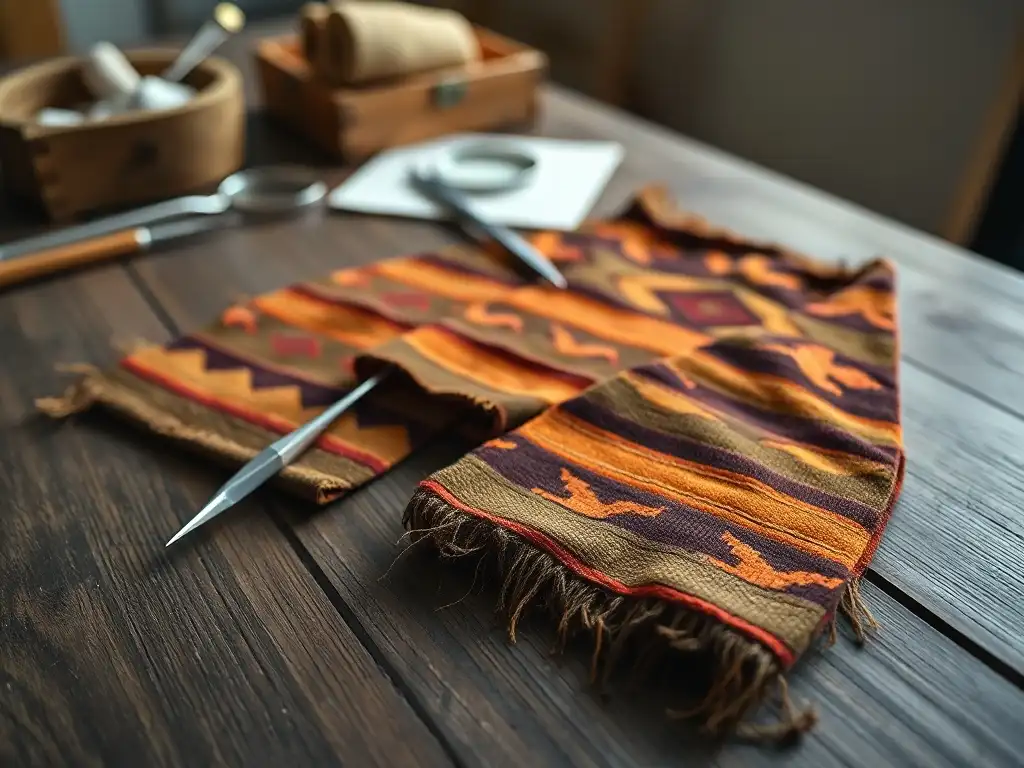
This section focuses on the crucial steps for preserving your Moche and Nazca textiles at home. These ancient artifacts are incredibly delicate and require careful handling and storage to ensure their longevity. Proper preservation techniques are vital for maintaining the integrity of these invaluable pieces of Andean heritage. Understanding the materials and the potential threats they face is the first step in effective Moche Nazca textiles preservation.
Safe Handling Techniques for Andean Textile Artefacts
Handling Moche and Nazca textiles requires extreme care. These fabrics, often made from cotton, camelid fibers (alpaca, llama, vicuña), or a blend, are susceptible to damage from even the slightest pressure or friction. Always wash your hands thoroughly before handling any textile. Avoid wearing jewelry that could snag or scratch the delicate fibers.
When examining the textiles, support the fabric's weight evenly with both hands, avoiding any sharp folds or creases. Never pull or stretch the fabric. Use clean, soft cotton gloves to minimize the transfer of oils and dirt from your skin. Regular inspection for signs of damage, such as fraying, holes, or discoloration, is crucial.
Documenting these observations with detailed notes and photographs can be incredibly helpful for future conservation efforts. Remember, gentle handling is paramount for the long-term preservation of these irreplaceable artifacts. Even seemingly minor damage can accumulate over time, significantly impacting the textile's overall condition. Think of it as handling a priceless work of art—because it is!
Proper Storage Solutions for Ancient Andean Woven Pieces
Proper storage is equally crucial for Moche Nazca textiles preservation. The goal is to minimize exposure to light, humidity, and pests. Ideal storage conditions involve a cool, dark, and dry environment. Fluctuations in temperature and humidity can cause significant damage, leading to shrinkage, embrittlement, and the growth of mold and mildew.
Avoid storing textiles in attics, basements, or other areas prone to temperature and humidity extremes. Instead, opt for climate-controlled spaces, such as a climate-controlled closet or storage unit. For individual textiles, consider using acid-free tissue paper or archival-quality muslin to wrap them before placing them in acid-free boxes or archival-quality storage containers. These materials will help to cushion the textiles and prevent them from rubbing against each other.
Avoid using plastic bags or containers, as these can trap moisture and lead to mold growth. Regularly check your stored textiles for any signs of damage or pest infestation. Early detection and intervention are key to preventing irreversible harm. The right storage can dramatically extend the lifespan of your precious Andean textiles.
Basic Cleaning Methods for Moche and Nazca Fabrics
Cleaning Moche and Nazca fabrics is a delicate process and should ideally be left to professional conservators. However, minor surface cleaning may be possible at home for some items if done extremely carefully. Never attempt to wash or soak the textiles. This can cause irreparable damage.
For dust removal, a soft brush with natural bristles can be used gently, moving in the direction of the weave. A low-pressure compressed air system can also be effective, but it must be used with caution and at a safe distance to avoid damaging the fibers. For stubborn stains, consult a professional textile conservator. They possess the expertise and specialized equipment to safely clean and repair damaged textiles.
Remember, attempting to clean these delicate artifacts without proper training and equipment can lead to irreversible damage. Prevention is always better than cure when it comes to Moche Nazca textiles preservation. Prioritize careful handling and storage to minimize the need for cleaning. The preservation of these historical treasures depends on our commitment to responsible care.
This detailed approach to Moche Nazca textiles preservation ensures the longevity of these incredible artifacts, safeguarding a significant part of Andean cultural heritage for future generations. Remember, proactive care is key!
Advanced Conservation Techniques for Damaged Andean Textiles
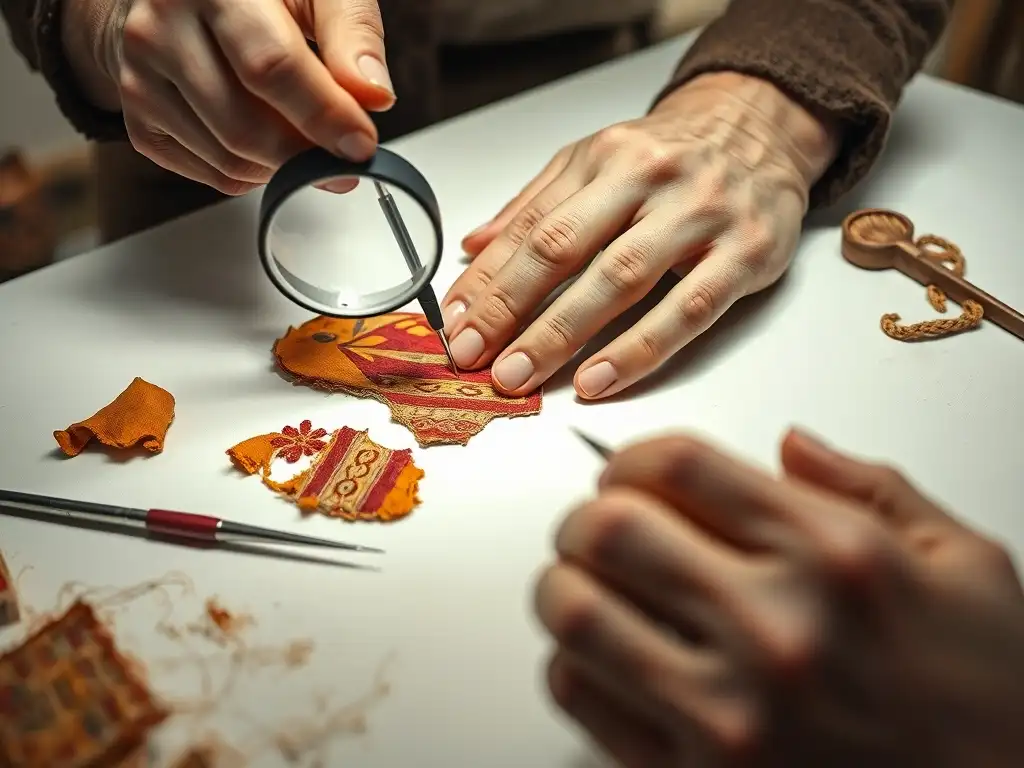
The preservation of delicate Moche and Nazca textiles requires a nuanced understanding of the materials and the damage they've sustained over centuries. Simple cleaning methods are often insufficient for severely degraded artifacts. Advanced techniques, employed by specialized conservators, are crucial for ensuring long-term survival and minimizing further deterioration. These techniques often involve intricate procedures and specialized equipment.
When to Seek Professional Textile Conservation Services
Determining when professional intervention is necessary requires careful assessment. While some minor cleaning or stabilization might be attempted by experienced amateurs, significant damage necessitates expert care. Signs indicating the need for professional Moche Nazca textiles preservation include:
- Severe fragility: Textiles that crumble easily or show extensive fiber breakage require stabilization techniques only achievable in a controlled environment with specialized tools and materials.
- Extensive staining or discoloration: Deep-seated stains from organic matter or mineral deposits often require advanced cleaning methods that can be risky for untrained individuals.
- Pest infestation: Evidence of insect damage or fungal growth demands immediate professional intervention to prevent further harm and potential spread to other artifacts.
- Significant tears or losses: While simple repairs can be attempted, extensive damage requires the expertise of a conservator to reconstruct the textile using appropriate materials and techniques.
- Presence of unstable dyes: Some dyes used in Moche and Nazca textiles are highly susceptible to fading or migration. Professional assessment can determine the best course of action to preserve the original coloration.
Ignoring these warning signs can lead to irreversible damage, potentially resulting in the complete loss of valuable historical information encoded within these precious textiles. The cost of professional conservation, while potentially significant, is far outweighed by the irreparable loss that might occur without it. The preservation of these cultural treasures is paramount for future generations.
Recommended Products and Services for Moche and Nazca Textile Preservation
The specific products and services required for Moche Nazca textiles preservation vary greatly based on the textile's condition and the type of damage. However, some general recommendations can be made. It's crucial to always consult with a qualified textile conservator before undertaking any treatment. This ensures that the chosen methods are appropriate and won't cause further damage.
- Stabilization materials: These are critical for strengthening weakened fibers. Conservators often use specialized adhesives and supports tailored to the specific textile composition, minimizing the risk of chemical reactions or damage to the original material. The choice of materials is highly dependent on the textile's composition and the type of damage.
- Cleaning methods: This can range from gentle dry cleaning using specialized vacuums to wet cleaning with carefully chosen solvents and deionized water. The approach is determined by the textile's material, dyes, and the nature of the soiling. The goal is to remove dirt and pollutants without damaging the delicate fibers or colors.
- Pest control: This includes both preventative measures (proper storage conditions, environmental monitoring) and active treatment (fumigation or targeted interventions). The methods used must be carefully selected to avoid damaging the textile.
- Storage and display: Proper environmental control (temperature, humidity, light levels) is essential for long-term preservation. Appropriate storage materials, such as acid-free boxes and archival-quality fabrics, also play a vital role in protecting the textiles from further deterioration. The use of UV filtering materials is crucial in mitigating light damage.
Remember, the preservation of Moche and Nazca textiles is a highly specialized field. While this information provides a general overview, the specific techniques and products used must be determined by a qualified professional after a thorough assessment of the artifact. Improper handling can lead to irreversible damage. Prioritize the expertise of trained conservators to ensure the long-term survival of these invaluable cultural treasures.
Conclusion: Ensuring the Longevity of Andean Textile Heritage
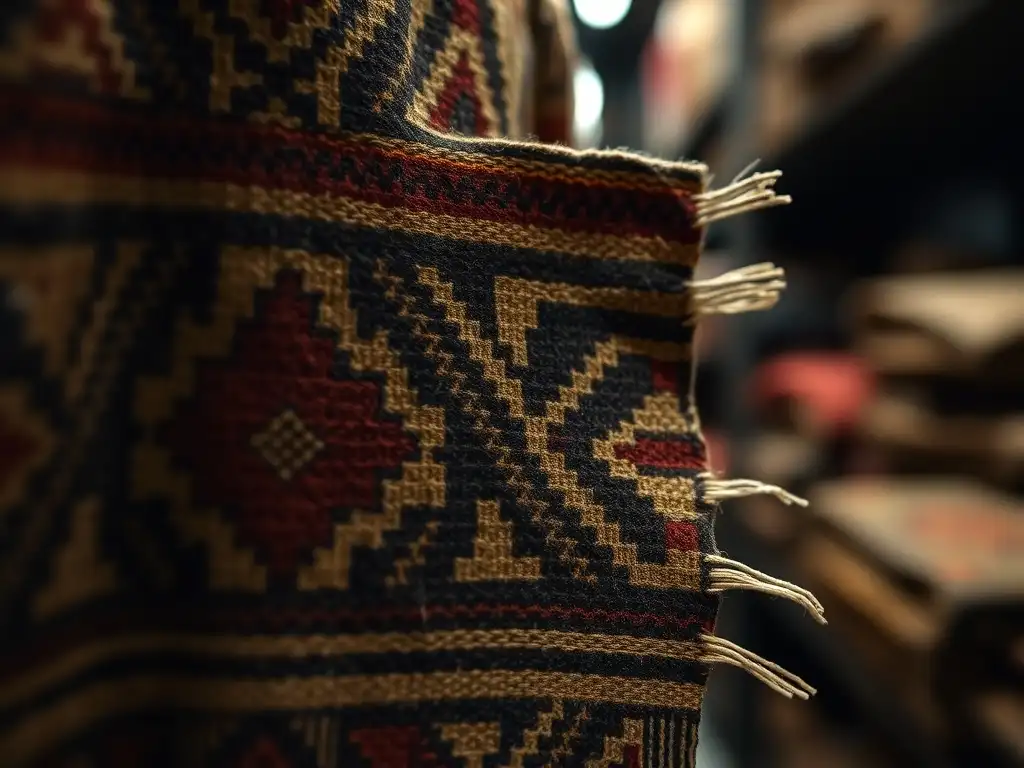
The preservation of Moche and Nazca textiles, and indeed all Andean textile heritage, is not merely a matter of safeguarding artifacts; it's about preserving a vibrant cultural legacy. These textiles are not just fabrics; they are visual narratives, echoing the beliefs, practices, and artistic prowess of societies that flourished centuries ago. Their intricate designs, vibrant colors, and the techniques employed in their creation offer invaluable insights into the lives and worldview of these ancient Andean cultures. To neglect their preservation is to lose a significant piece of our shared human story.
The Lasting Legacy of Moche and Nazca Textile Artistry
The artistry displayed in Moche and Nazca textiles is breathtaking. The Moche, known for their elaborate ceramics, also produced exquisite textiles, often adorned with depictions of deities, mythical creatures, and scenes from daily life. Their mastery of techniques like tapestry weaving and embroidery resulted in pieces of extraordinary complexity and beauty.
The Nazca, famous for their geoglyphs, also created stunning textiles using a range of techniques, including weft-faced plain weave and intricate patterns achieved through supplementary weft techniques. These textiles frequently depict stylized animals, plants, and geometric designs, reflecting their unique artistic sensibilities. The vibrancy of the colors, even after centuries, is a testament to the quality of the dyes and the skill of the artisans.
Understanding the specific materials and techniques employed by these ancient cultures is crucial for effective preservation strategies. For instance, the type of dye used – plant-based or mineral-based – will impact the best preservation methods. Further research into the chemical composition of these dyes could reveal even more about their longevity and inform future conservation efforts.
The survival of these remarkable artifacts depends on a multi-faceted approach. This includes meticulous documentation of their condition, careful storage in climate-controlled environments, and the ongoing development of innovative conservation techniques. Furthermore, raising public awareness about the importance of these textiles and the threats they face is crucial for securing long-term support for preservation initiatives. The preservation of Moche and Nazca textiles is not just a responsibility of museums and researchers; it is a shared responsibility that requires the collective effort of all those who appreciate and value the rich tapestry of Andean cultural heritage.
Effective preservation strategies require a collaborative approach, bringing together experts in various fields, from textile conservation to archaeology and chemistry. The ongoing study of these textiles continues to reveal new insights into the techniques and materials used by ancient artisans, constantly refining our understanding of best practices for preservation. This continuous learning process is vital to ensuring the longevity of these precious artifacts for future generations.
The legacy of Moche and Nazca textile artistry is a treasure to be cherished and protected. By understanding the challenges and implementing effective strategies, we can ensure that these remarkable textiles continue to inspire and educate for centuries to come. This comprehensive approach to Moche Nazca textiles preservation is essential for maintaining the rich tapestry of Andean cultural heritage.
Frequently Asked Questions
What challenges do textile conservators face when working with Moche and Nazca textiles?
The fragile nature of these ancient textiles presents significant challenges. Environmental factors, such as humidity and light, can cause irreversible damage. Proper storage and handling are crucial.
How are Moche and Nazca textiles different from each other in terms of preservation needs?
While both are delicate, Moche textiles often feature intricate metalwork requiring specialized treatment. Nazca textiles frequently exhibit complex dyes that necessitate careful consideration during cleaning and stabilization.
What are some common preservation techniques used for these ancient textiles?
Conservators use a range of methods including controlled environmental storage, gentle cleaning, and consolidation techniques to strengthen weakened fibers. Digital documentation is also vital for preserving information.
Why is the preservation of Moche and Nazca textiles important?
Preserving these textiles is crucial for understanding the cultural practices, beliefs, and artistic achievements of these ancient Andean societies. They provide invaluable insights into their daily lives and social structures.
Where can I learn more about the preservation efforts for Moche and Nazca textiles?
You can find more information through museum websites, academic journals, and publications dedicated to textile conservation and Andean archaeology. Many institutions share their research and preservation methods online.
Final Reflection: Weaving a Legacy of Preservation
The delicate threads of Moche and Nazca textiles, unearthed from the sands of Peru, whisper tales of ancient artistry and cultural significance, a legacy that continues to resonate powerfully in our modern world. Their preservation is not merely a matter of safeguarding artifacts; it's a commitment to understanding and respecting the ingenuity and resilience of past civilizations, ensuring their stories continue to inspire and educate future generations. The fragility of these textiles underscores the urgency and importance of ongoing conservation efforts.
The enduring power of these textiles lies not only in their aesthetic beauty but also in their ability to connect us to a rich cultural heritage. They are tangible links to a vibrant past, offering invaluable insights into the social structures, beliefs, and artistic practices of the Moche and Nazca people. Their intricate designs and vibrant colors, even after centuries, continue to captivate and inspire. As the renowned anthropologist, Clifford Geertz, once wrote: Man is an animal suspended in webs of significance he himself has spun.
These textiles are the very threads of those webs, and their preservation is a vital act of cultural stewardship.
Now, consider the threads of your own life. What stories do you want to weave into the tapestry of your legacy? I urge you to reflect on the importance of preserving not only ancient artifacts but also the cultural heritage and traditions that enrich our lives. By supporting museums, research initiatives, and ethical collecting practices, you too can contribute to the ongoing preservation of these invaluable treasures and ensure that the vibrant stories woven into these textiles continue to inspire awe and wonder for centuries to come.
**Embrace the Richness of Andean Textiles! **
Thank you for exploring the fascinating world of Andean textiles with us! Your journey through the heritage of the Moche, Nazca, and other ancient civilizations has provided valuable insight into the artistry and cultural significance of these remarkable creations. Now, let's build on that knowledge and actively contribute to textile preservation.
Here are some **practical steps** you can take to further your involvement:
- **Attend our Textile Care Workshop:** Learn practical techniques for the proper care and preservation of textiles, whether at home or within your community.
- **Share your perspectives:** Do you have insights or questions about textile preservation? **Leave a comment below** or join the discussion with other enthusiasts on our forums!
- **Explore Andean weaving:** Discover the rewarding experience of traditional Andean weaving techniques. Begin a small project and unleash your creativity!
What aspects of Andean textiles have most captivated you, and how will you integrate this art form into your life?