
Andean Fusion: Blending Ancient Traditions with Modern Cooking Styles

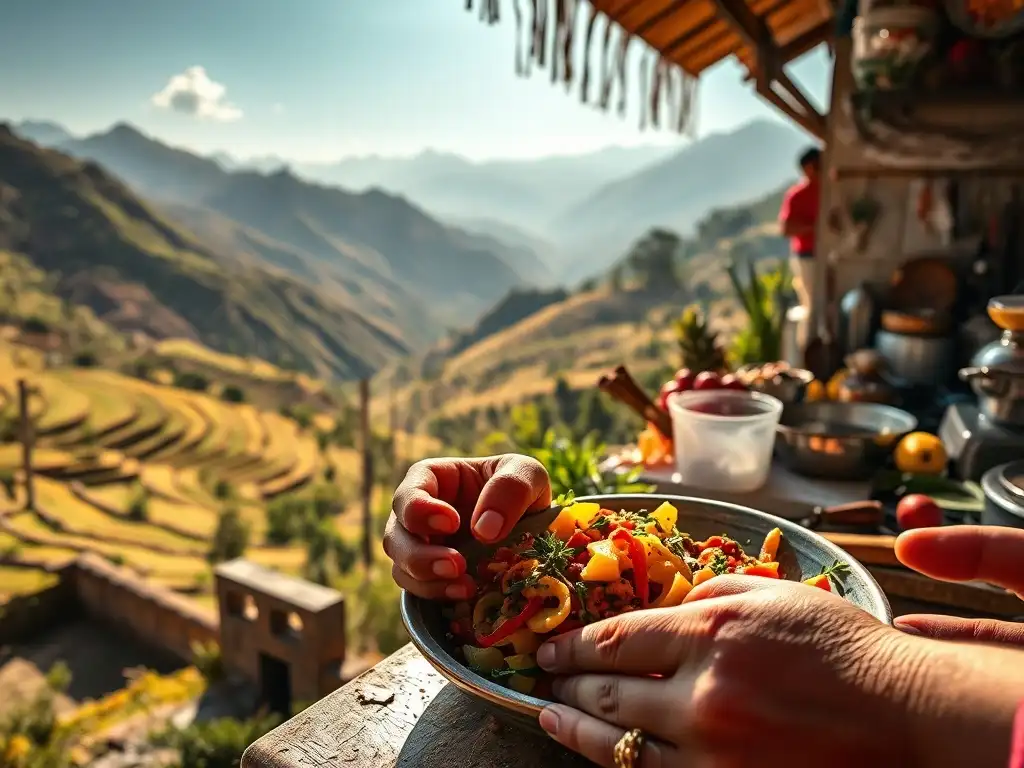
Step into a world lost in time, yet vibrantly alive. Imagine the towering heights of the Andes, echoing with the whispers of ancient empires. Here at Andean Civilizations, we unveil the mysteries of the Incas, Moche, Nazca, and Tiahuanaco, exploring their remarkable achievements in art, technology, and culture. But the journey doesn't end there... Prepare to be captivated by the Andean cuisine fusion recipes that seamlessly blend ancient traditions with modern culinary artistry. Discover the surprising flavors and innovative techniques that await you in our "Immersive Andean Experiences" – your exploration begins now.
The Andes Mountains, a spine of towering peaks running down the western coast of South America, are home to a rich tapestry of ancient cultures. For millennia, these civilizations—including the Incas, Moche, Nazca, and Tiahuanaco—developed unique agricultural practices and culinary traditions shaped by their challenging environment.
This article delves into the fascinating world of Andean cuisine, exploring how its ancient techniques and ingredients are being creatively reimagined in modern fusion recipes. We'll uncover the secrets behind the vibrant flavors and nutritional power of Andean food, showing you how to bring this unique culinary heritage into your own kitchen.
From the humble potato, cultivated for thousands of years, to the exotic quinoa, a complete protein, we will explore the ingredients that form the heart of Andean cooking and how they are being incorporated into innovative and delicious dishes, perfectly blending tradition with contemporary culinary arts. This exploration of Andean cuisine fusion recipes offers a unique opportunity to appreciate both the historical significance and the exciting modern adaptations of this captivating culinary landscape.
Introduction to Andean Cuisine and its Modern Revival
Andean cuisine is characterized by its use of indigenous ingredients, many of which are uniquely adapted to the high-altitude conditions of the Andes. The potato, in its countless varieties, is a cornerstone, alongside quinoa, maize (corn), and various beans. Traditional Andean cooking techniques often involve slow cooking, using earthenware pots, and emphasizing the natural flavors of the ingredients.
However, recent years have seen a significant revival of interest in Andean cuisine, not only in the Andes themselves but globally. Chefs are increasingly incorporating traditional Andean ingredients and techniques into their modern menus, creating innovative fusion dishes that bridge the gap between ancient traditions and contemporary culinary styles. This renewed interest is driven by several factors, including a growing awareness of the nutritional benefits of Andean superfoods, a desire for authentic culinary experiences, and the inherent adaptability of Andean ingredients to a wide range of culinary styles.
The result is a vibrant and exciting culinary landscape where ancient flavors meet modern techniques, offering a unique and delicious journey for the palate. We'll explore some key examples of this fusion, highlighting both the traditional foundation and the innovative twists that make these recipes so compelling.
Why Explore Fusion Andean Recipes?
Exploring fusion Andean recipes offers a multitude of benefits, extending beyond simple culinary enjoyment. Firstly, it's a delicious way to discover a rich and often overlooked culinary heritage. Andean cuisine boasts a diverse array of flavors and textures, unlike anything found in many other parts of the world. Secondly, it's a healthy choice.
Many Andean ingredients, such as quinoa and various tubers, are packed with nutrients and offer significant health benefits. Thirdly, it's a creative endeavor. Fusion cooking allows for experimentation and innovation, encouraging you to explore the versatility of traditional Andean ingredients in new and exciting ways. Finally, it's a way to connect with a vibrant culture and its history.
By preparing and enjoying these dishes, you're not just eating—you're participating in a culinary tradition that has sustained Andean communities for centuries. The fusion aspect allows for a modern interpretation of these traditions, making them accessible and appealing to a wider audience while still honoring the original methods and ingredients. Let's delve into some specific examples to showcase the exciting possibilities of this culinary fusion.
Understanding the Core of Andean Flavors
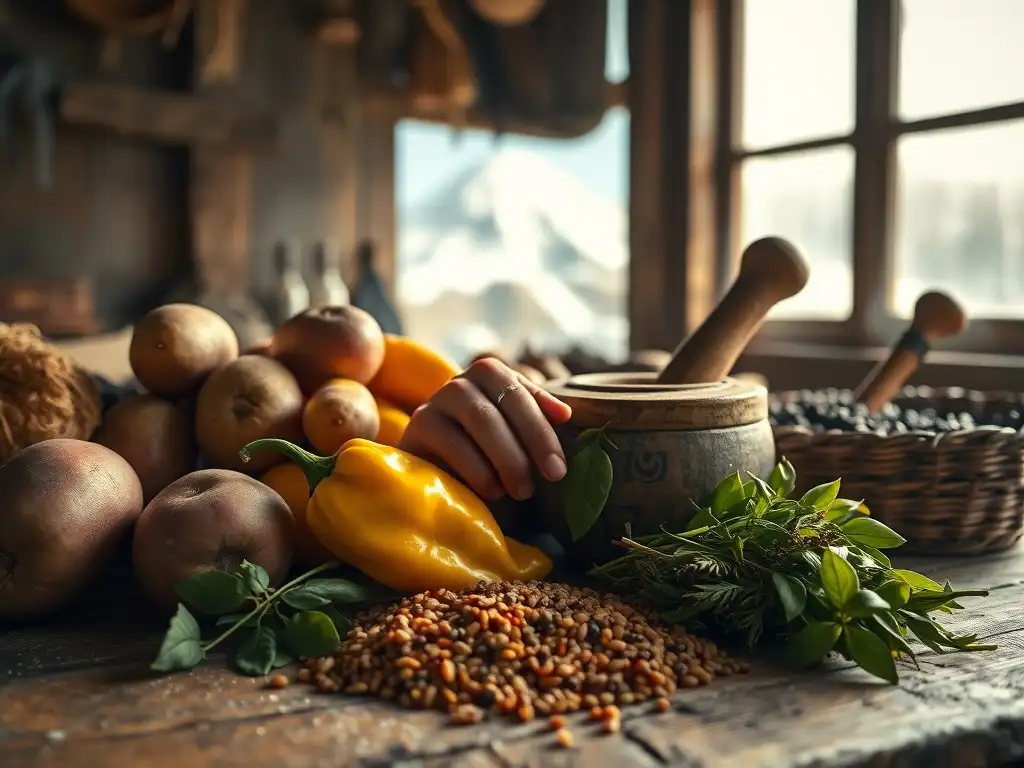
This section delves into the fundamental flavors and ingredients that define Andean cuisine, providing a crucial base for understanding how ancient traditions blend seamlessly with modern culinary techniques in fusion recipes. We'll explore the key elements that have shaped Andean gastronomy for centuries, laying the groundwork for innovative and exciting Andean cuisine fusion recipes. Understanding these core flavors is paramount to appreciating the subtleties and complexities of this vibrant culinary heritage. The use of native ingredients and traditional cooking methods remains a cornerstone of authentic Andean cuisine, even as modern chefs experiment with innovative fusion dishes.
Key Ingredients in Traditional Andean Cooking
Andean cuisine is characterized by a remarkable diversity of ingredients, many unique to the region's high-altitude ecosystems. The vibrant palette of flavors is built upon a foundation of staple crops and locally sourced ingredients. Let's examine some key players:
- Potatoes ( Solanum tuberosum ): The undisputed queen of Andean cuisine, with hundreds of varieties boasting unique textures, flavors, and colors. From the creamy papa amarilla to the nutty papa negra, potatoes form the basis of countless dishes.
- Quinoa (Chenopodium quinoa): This nutrient-rich grain, a staple of the Inca diet, is a powerhouse of protein and fiber. Its versatility allows for diverse applications, from hearty salads to side dishes and even desserts.
- Corn (Zea mays): A crucial crop since pre-Columbian times, corn is used in various forms, from roasted kernels to ground masa for tortillas and other baked goods.
- Beans (Phaseolus vulgaris): Various types of beans, including black beans, kidney beans, and others, provide essential protein and contribute a hearty texture to many dishes.
- Aji Peppers: A wide range of chili peppers, from mild to extremely hot, add a fiery kick to many Andean recipes, adding depth and complexity to the overall flavor profile. Different varieties offer varying levels of heat and flavor profiles, contributing to the diversity of Andean cuisine.
- Herbs and Spices: Aromatic herbs like huacatay (black mint) and muña (a minty herb) lend unique and complex flavors to Andean dishes, often used in stews and sauces. Spices like cumin and paprika add further depth.
Exploring the Richness of Andean Potatoes: Papa Amarilla
Papa amarilla, or yellow potato, is one of the most popular and versatile varieties in Andean cuisine. Its creamy texture and subtly sweet flavor make it ideal for a wide range of applications. Its high starch content makes it perfect for mashing, pureeing, or frying. The papa amarilla is often the star in classic Andean dishes like papa a la huancaína, a creamy, cheesy potato casserole, and various stews.
The nutritional profile of papa amarilla is also noteworthy, providing a good source of carbohydrates and essential nutrients. Its vibrant yellow color adds a visual appeal to any dish. Many Andean fusion recipes incorporate this versatile potato, demonstrating its adaptability to modern culinary innovations. [Specific data on nutritional content pending].
The Importance of Quinoa and its Versatility in Fusion Cooking
Quinoa's resurgence in global cuisine highlights its nutritional value and culinary versatility. This complete protein, rich in amino acids, fiber, and minerals, is a cornerstone of Andean cuisine. Traditionally prepared as a simple side dish, quinoa’s adaptability shines in fusion recipes. It can be incorporated into salads, soups, stuffed vegetables, and even desserts.
Its slightly nutty flavor pairs well with both sweet and savory ingredients, making it a fantastic ingredient for creative culinary experimentation. Think quinoa bowls topped with roasted vegetables and a vibrant chimichurri sauce, or quinoa flour used in pancakes for a gluten-free and nutritious breakfast option. The versatility of quinoa allows for limitless possibilities in modern Andean cuisine fusion recipes, ensuring its continued prominence in both traditional and innovative dishes. Its ability to absorb flavors makes it an ideal base for various sauces and dressings, further enhancing its culinary appeal.
Unique Spices and Herbs of the Andes: A Flavor Palette
The Andean region boasts a remarkable diversity of unique spices and herbs, shaping the distinctive character of its cuisine. These aren't just flavor enhancers; they're integral to the cultural heritage and culinary identity of the Andes. For centuries, these plants have been cultivated, harvested, and used in countless recipes, passed down through generations. Understanding these ingredients is key to unlocking the true essence of Andean fusion cooking.
One of the most prominent spices is ají, a family of chili peppers ranging in intensity from mild to scorching. Different varieties, such as ají amarillo (yellow chili), ají panca (reddish-brown chili), and ají limo (a small, lime-green chili), contribute distinct flavor profiles to dishes. Ají amarillo, for example, lends a subtly sweet and fruity note, while ají panca offers a rich, earthy complexity. These peppers are not simply used for heat; they provide depth and nuance to sauces, stews, and marinades.
Beyond ají, the Andes offer a treasure trove of lesser-known spices. Huacatay, a unique herb with a strong, almost minty and slightly bitter flavor, is a staple in many Andean dishes. Its aroma is striking, and it adds a distinctive dimension to sauces and soups. Similarly, muña, a fragrant herb with a slightly lemony and menthol-like taste, is often used as a tea for its medicinal properties, but also finds its way into various culinary creations, adding a refreshing contrast to rich flavors.
Another crucial ingredient is chicha, a fermented drink made from corn or other grains. While not strictly a spice or herb, it is deeply ingrained in Andean culinary traditions and often used as a base for marinades, adding a tangy and slightly sweet complexity. Its use highlights the deep connection between food and drink in Andean culture, where the preparation and consumption of each are often intertwined.
Finally, it’s important to note the use of less common spices in specific regions. The availability and use of these herbs and spices can vary considerably depending on altitude and microclimate. This regional variation is one of the things that makes Andean cuisine so captivating, offering a vast array of flavors and textures to explore. Experimenting with these unique ingredients is a crucial step towards creating truly authentic and delicious Andean fusion recipes. The subtle yet powerful flavors they provide are what truly sets Andean cuisine apart.
Mastering the Basics: Essential Techniques for Andean Fusion
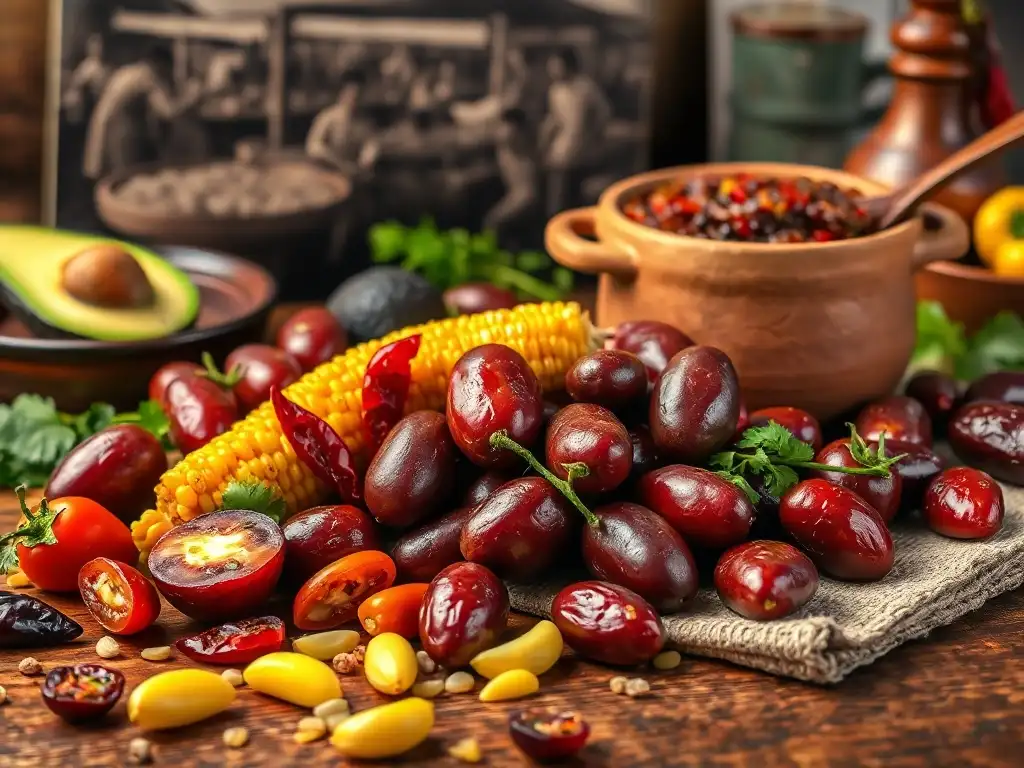
This section delves into fundamental techniques crucial for successfully preparing Andean fusion dishes. Understanding these core methods allows you to confidently adapt traditional recipes to modern culinary styles, resulting in exciting and flavorful creations. We'll explore techniques that highlight the unique characteristics of Andean ingredients, leading to authentic yet innovative dishes. The key is to respect the heritage while embracing contemporary culinary creativity. This is where the magic of "Andean cuisine fusion recipes" truly lies.
Preparing Andean Grains: Quinoa, Amaranth, and Beyond
Andean grains, such as quinoa and amaranth, are nutritional powerhouses and form the backbone of many traditional dishes. Mastering their preparation is key to unlocking the full potential of Andean fusion cooking. Quinoa, for example, requires rinsing before cooking to remove saponins, a naturally occurring bitter compound. This simple step significantly improves the taste and texture. Amaranth, on the other hand, can be cooked similarly to rice, but requires careful attention to avoid burning.
Beyond quinoa and amaranth, explore other lesser-known Andean grains like kiwicha (amaranth) and cañihua. These offer unique flavors and textures, adding depth and complexity to your fusion creations. Experiment with different cooking methods—from simple boiling to incorporating them into stir-fries or salads—to discover their versatility. Consider using these grains as a base for bowls, incorporating them into patties, or even creating unique grain-based desserts. The possibilities for innovative "Andean cuisine fusion recipes" are virtually limitless.
Here's a quick comparison table:
| Grain | Preparation Notes | Flavor Profile | Culinary Uses |
|---|---|---|---|
| Quinoa | Rinse thoroughly before cooking; cook like rice | Nutty, slightly earthy | Salads, bowls, side dishes, main courses |
| Amaranth | Cook like rice, monitor carefully to avoid burning | Mildly sweet, slightly nutty | Porridge, side dishes, baked goods |
| Kiwicha | Similar to amaranth, requires careful cooking | Slightly sweet, nutty, with a subtle bitterness | Soups, stews, pancakes, and as a flour substitute |
| Cañihua | Similar to quinoa, requires rinsing before cooking | Earthy, slightly bitter, with a nutty undertone | Salads, soups, and as a flour substitute |
Working with Native Andean Tubers: Roasting with Herbs
Andean tubers, including potatoes, oca, mashua, and olluco, offer a diverse range of flavors and textures, providing a fantastic foundation for Andean fusion dishes. Roasting these tubers enhances their natural sweetness and brings out their unique characteristics. The key is to choose the right herbs and spices to complement their individual profiles.
For instance, olluco, with its slightly acidic taste, pairs beautifully with rosemary and thyme. Roasting these together creates a delightful contrast of flavors and textures. Oca, with its tartness, benefits from the warmth of cumin and coriander. Experiment with different combinations of herbs and spices to find your perfect pairings. Don't be afraid to experiment! This is where the true creativity of "Andean cuisine fusion recipes" comes to life. Remember to consider the specific characteristics of each tuber when selecting your herbs and spices.
Creating Authentic Andean Sauces: Huancaína Sauce
Huancaína sauce is a cornerstone of Peruvian cuisine and a fantastic example of Andean culinary ingenuity. This creamy, cheesy sauce, traditionally made with aji amarillo peppers, milk, and crackers, adds a rich and complex flavor to many dishes. However, achieving the perfect consistency requires careful attention to detail.
The key to a truly authentic Huancaína sauce lies in the quality of the ingredients. Using freshly ground aji amarillo peppers provides the best flavor. Also, the type of cheese used significantly impacts the final taste and texture. Experiment with different types of cheese to find your preferred flavor profile.
Some recipes also incorporate nuts for added richness and texture. Mastering this sauce opens up a world of possibilities for creating innovative and exciting "Andean cuisine fusion recipes". Consider using Huancaína as a base for dips, dressings, or even as a unique glaze for roasted meats. Its versatility makes it an essential component in any Andean-inspired kitchen.
Fusion Recipe 1: Andean-Inspired Ceviche with Aji Amarillo
This recipe offers a modern twist on a classic Andean dish, ceviche. We'll be using the vibrant and flavorful aji amarillo chili pepper, a staple in Peruvian cuisine, to create a unique and delicious fusion experience. This recipe is perfect for showcasing the versatility of Andean cuisine while catering to contemporary palates seeking "Andean cuisine fusion recipes." The result is a bright, zesty, and refreshing dish that honors tradition while embracing innovation.
Ingredients for the Aji Amarillo Ceviche: Fresh Corvina
This section details the precise ingredients needed for our aji amarillo ceviche, ensuring a successful and authentic culinary experience. Accurate measurements are crucial for achieving the perfect balance of flavors. Remember, fresh, high-quality ingredients are key to unlocking the true potential of Andean cuisine.
| Ingredient | Quantity | Notes |
|---|---|---|
| Fresh Corvina (or other firm white fish) | 1 lb (450g) | Cut into ½-inch cubes. Sea bass or halibut are excellent substitutes. |
| Aji Amarillo Paste | 2 tablespoons | Adjust to your spice preference. Look for a good quality paste. |
| Lime Juice | 1 cup (240ml) | Freshly squeezed is best! |
| Red Onion | ½ small, thinly sliced | Soaked in ice water for 15 minutes to reduce bitterness. |
| Cilantro | ½ cup, chopped | Fresh cilantro adds a bright, herbaceous note. |
| Sweet Potato | 1 medium, diced | Boiled until tender, then lightly roasted for sweetness and texture. |
| Choclo (Peruvian Corn) | ½ cup, kernels | Adds a touch of Andean sweetness and a beautiful color. |
| Salt | To taste | |
| Black Pepper | To taste | Freshly ground black pepper enhances the flavors. |
Step-by-Step Guide to Preparing the Andean Ceviche
This detailed guide will walk you through each step of preparing this vibrant and flavorful ceviche, ensuring you achieve a restaurant-quality dish at home. Pay close attention to timing and temperature to guarantee the best possible results. Remember to taste and adjust seasonings as you go! This is your chance to truly embrace the creative spirit of Andean cuisine fusion recipes.
- Prepare the Fish: Carefully cube the fresh corvina and place it in a glass bowl.
- Marinate the Fish: Add the aji amarillo paste and lime juice to the fish. Gently toss to ensure the fish is fully coated. Let it marinate in the refrigerator for at least 15 minutes, or up to 30 minutes, until the fish is opaque and cooked through (but not overcooked! ).
- Add the Vegetables: Gently fold in the red onion, cilantro, sweet potato, and choclo kernels.
- Season and Serve: Season with salt and pepper to taste. Serve immediately, preferably chilled. Garnish with extra cilantro if desired. Enjoy the beautiful fusion of flavors and textures! 🍹
Pairing Suggestions: What to Serve with Your Andean Ceviche
To complete your Andean culinary experience, consider these pairing suggestions to enhance the flavors and textures of your aji amarillo ceviche. These pairings are designed to complement the dish without overpowering its delicate balance.
- Cancha Serrana: These toasted Andean corn kernels provide a delightful crunchy contrast to the soft fish and vegetables. Their salty and slightly sweet flavor profile complements the ceviche beautifully.
- Chicha Morada: A non-alcoholic purple corn drink, chicha morada, offers a refreshing and subtly sweet counterpoint to the zesty ceviche. Its vibrant color also enhances the visual appeal of the meal.
- Aromatic White Wine: A crisp, dry white wine, such as Sauvignon Blanc or Albariño, can cut through the richness of the aji amarillo and complement the fresh seafood.
This recipe offers a delicious foray into the world of "Andean cuisine fusion recipes," showing how traditional techniques can be adapted to modern tastes. Remember to adjust spices and ingredients to your preference, experimenting to find your perfect blend!
Fusion Recipe 2: Quinoa Salad with Andean Vegetables and a Citrus Vinaigrette
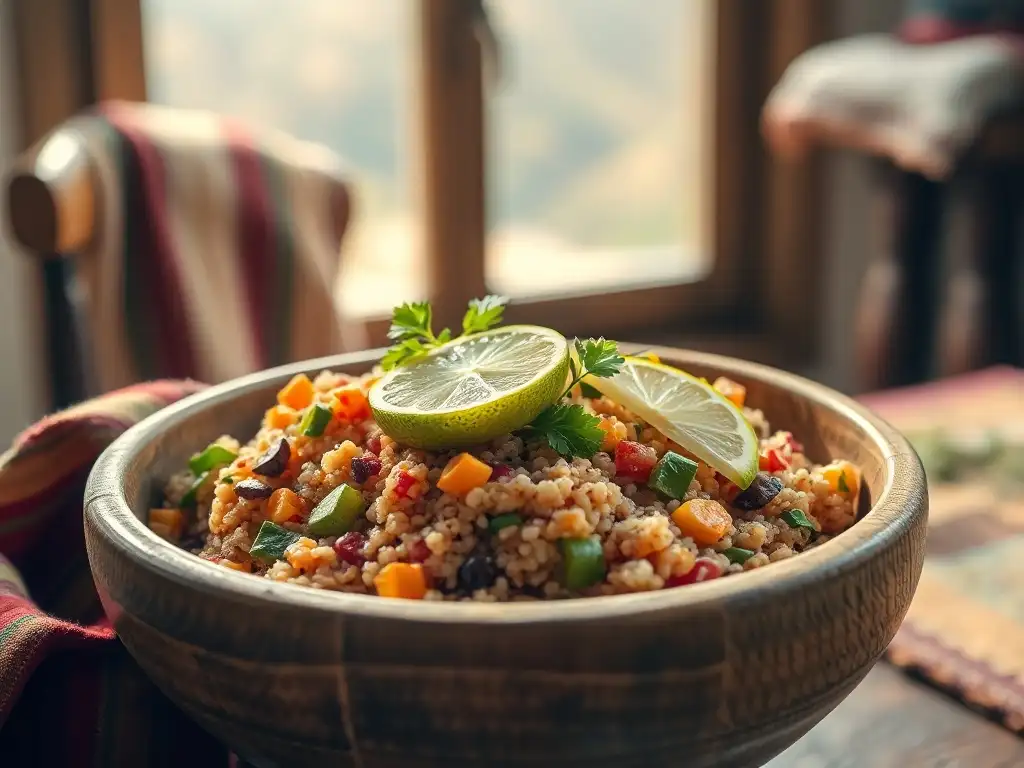
This recipe offers a vibrant and healthy take on Andean cuisine fusion, showcasing the versatility of quinoa and the bright flavors of Andean vegetables. It's a perfect example of how ancient Andean ingredients can be incorporated into modern, lighter meals, appealing to those seeking "Andean cuisine fusion recipes." This salad is easily adaptable to seasonal produce, allowing for year-round enjoyment. The recipe emphasizes fresh, high-quality ingredients to truly capture the essence of Andean culinary traditions.
Selecting the Best Quinoa for Your Fusion Salad: Ancient Harvest Quinoa
Choosing the right quinoa is crucial for achieving the optimal texture and flavor in this Andean cuisine fusion recipe. While regular quinoa is readily available, opting for an ancient variety, such as ancient harvest quinoa, elevates the dish. Ancient quinoa varieties, often grown using traditional methods, boast a slightly nuttier flavor and a chewier texture than their modern counterparts. This subtle difference significantly impacts the overall taste profile of the salad, adding a layer of complexity that enhances the experience.
Look for quinoa that is clearly labeled as "ancient" or "heirloom" to ensure you're getting the authentic flavor profile. The slightly higher price reflects the superior quality and unique characteristics these varieties offer. Consider the following when making your selection:
- Color: Ancient quinoa comes in a range of colors beyond the standard white or beige, including red, black, and even multicolored blends. Each color offers a slightly different nutritional profile and flavor nuance.
- Source: Check the origin of the quinoa. Andean regions are, of course, ideal, but sourcing from reputable suppliers who prioritize sustainable farming practices is equally important.
- Certification: Look for certifications that guarantee quality, such as organic or fair trade labels. These certifications ensure that the quinoa was grown without harmful pesticides and that the farmers received fair compensation.
Preparing the Andean Vegetables: Grilling with Olive Oil
The heart of this Andean cuisine fusion salad lies in the perfectly grilled Andean vegetables. The grilling process adds a smoky depth of flavor that complements the fresh, bright notes of the citrus vinaigrette. For this recipe, we recommend using a mix of vegetables commonly found in Andean cuisine:
- Choclo (Peruvian Corn): Choose sweet, tender corn on the cob for the best results. Grilled choclo adds a touch of sweetness and a delightful textural contrast.
- Aji Amarillo Peppers: These Peruvian yellow chili peppers provide a mild yet distinctive flavor, adding a subtle heat that awakens the palate. Remove the seeds and membranes for less heat, if desired.
- Potatoes (preferably Andean varieties): Andean potatoes come in a wide array of colors and textures, from creamy yellow to deep purple. Choose a variety with a firm texture that holds its shape well during grilling.
- Tomatoes: Choose ripe, juicy tomatoes for maximum flavor. Cherry or grape tomatoes work well for this recipe.
The grilling process is straightforward: simply toss the vegetables with a high-quality extra virgin olive oil, season with salt and freshly ground black pepper, and grill over medium heat until tender and slightly charred. The olive oil not only adds flavor but also helps to prevent sticking and promotes even cooking. Remember to turn the vegetables frequently to ensure even grilling and to avoid burning. The subtle char adds a smoky complexity that truly elevates the Andean flavors in this fusion salad.
Crafting a Citrus Vinaigrette for Andean Flavors: Lime
The final touch that brings this Andean cuisine fusion recipe together is the bright and zesty citrus vinaigrette. While other citrus fruits can be used, lime is the star ingredient here, providing a refreshing acidity that perfectly balances the richness of the quinoa and the subtle sweetness of the grilled vegetables. The vinaigrette should be light and vibrant, not overpowering the other flavors. Here's a simple recipe:
| Ingredient | Quantity | Notes |
|---|---|---|
| Fresh Lime Juice | 2 tablespoons | Use freshly squeezed lime juice for best flavor |
| Extra Virgin Olive Oil | 4 tablespoons | A good quality olive oil is essential |
| Honey or Agave Nectar | 1 teaspoon | Adjust to your desired sweetness level |
| Salt | 1/4 teaspoon | To taste |
| Freshly Ground Pepper | A pinch | To taste |
| Cilantro (optional) | 1 tablespoon chopped | Adds a fresh, herbaceous note |
Whisk all ingredients together in a small bowl until well combined. Taste and adjust seasonings as needed. The vinaigrette should be bright, tangy, and slightly sweet. The addition of fresh cilantro provides a welcome herbaceous note, further enhancing the overall flavor profile. This simple yet flavorful vinaigrette perfectly complements the earthy quinoa and grilled Andean vegetables, creating a harmonious and delicious fusion of flavors that celebrates the best of Andean culinary traditions. This recipe is a testament to how easily ancient techniques can be incorporated into modern culinary practices, resulting in a unique and satisfying meal.
Fusion Recipe 3: Lomo Saltado with Andean Twist: Rocoto Peppers
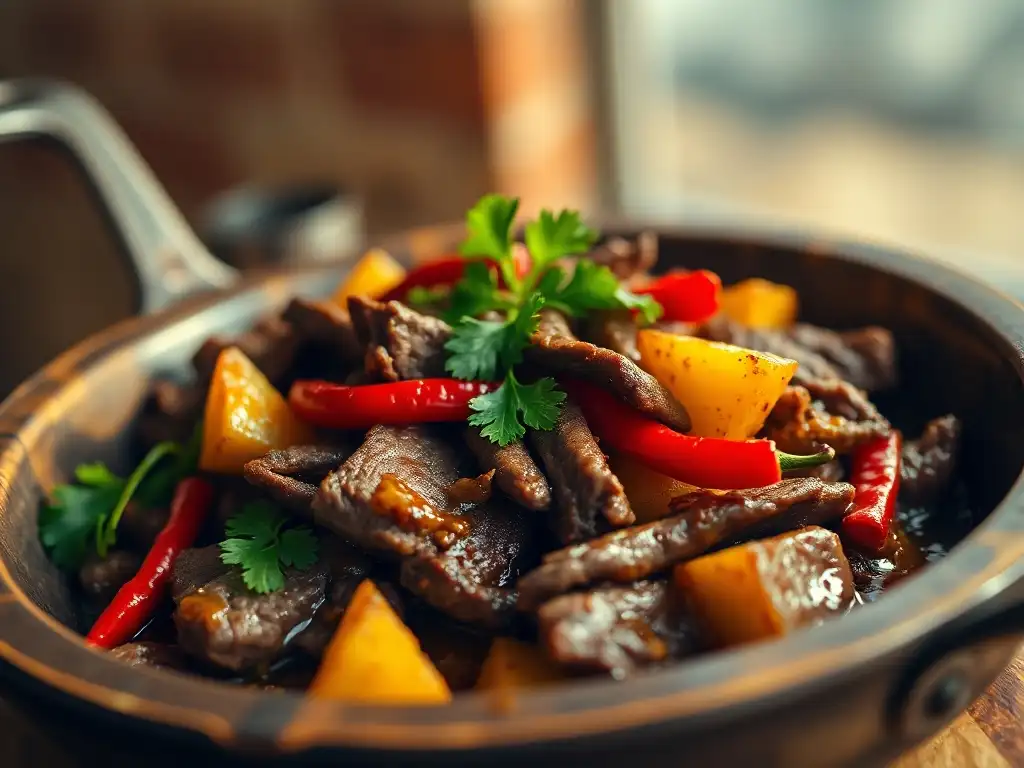
This recipe takes the beloved Peruvian classic, Lomo Saltado, and infuses it with a fiery Andean twist using rocoto peppers, a staple in many Andean cuisines. We'll explore how to adapt the traditional recipe while retaining its core essence, enhancing it with the unique flavors of the Andes. This recipe is perfect for those seeking authentic Andean cuisine fusion recipes.
The Classic Lomo Saltado Recipe: Adapting to Andean Flavors
The foundation of our Lomo Saltado con Rocoto is a well-executed traditional Lomo Saltado. This involves thinly sliced beef, quickly stir-fried with onions, tomatoes, and soy sauce. The key to a successful Lomo Saltado lies in the balance of flavors – the savory beef, the sweetness of the tomatoes, and the salty umami of the soy sauce.
For our Andean adaptation, we'll maintain this balance but add layers of Andean spice and complexity. The traditional recipe often includes aji amarillo paste, but we'll substitute or supplement it with rocoto peppers to give it that distinctive Andean kick. We'll also consider the quality of the beef; a leaner cut will produce a cleaner flavor profile that complements the vibrant spices.
Adding a Unique Andean Touch: Marinating with Aji Panca Paste
To truly elevate our Lomo Saltado to an Andean fusion masterpiece, we'll marinate the beef. While aji amarillo is commonly used, we'll incorporate aji panca paste, another Peruvian chili paste with a sweeter, earthier, and less fiery flavor than rocoto. This will create a beautiful contrast.
The aji panca will tenderize the beef while adding a deep, rich color and flavor. The marinade will also include a touch of cumin, oregano, and garlic – classic Andean spices that enhance the depth of the dish. The precise quantities will depend on personal preference, but a good starting point would be a ratio of 2 tablespoons of aji panca paste to 1 teaspoon of rocoto paste (finely minced), combined with 1 tablespoon of cumin, 1 tablespoon of oregano, 2 cloves of minced garlic, and a splash of soy sauce for every pound of beef.
Allow the beef to marinate for at least 2 hours, or preferably overnight, in the refrigerator. This step is crucial for developing a truly exceptional Andean Lomo Saltado. Remember to adjust the amount of rocoto pepper to your desired level of spiciness – a little goes a long way!
Serving Suggestions and Presentation Tips for Andean Lomo Saltado
The final touch is presentation. Our Lomo Saltado con Rocoto should be served immediately after cooking, while the beef is still tender and juicy. Traditionally, it's served with white rice and french fries, but we can add an Andean touch here too!
Consider serving it with papa a la huancaína, a creamy potato dish with aji amarillo sauce, or even quinoa for a healthier option. Garnish the dish with a sprinkle of fresh cilantro and a few slices of rocoto pepper for an added visual appeal and a final burst of Andean flavor. For a truly authentic presentation, use traditional Andean ceramic plates and bowls.
This elevated presentation will not only enhance the visual appeal but also add to the overall dining experience, showcasing the care and attention to detail that went into creating this Andean cuisine fusion recipe. The vibrant colors of the dish – the deep red of the aji panca, the bright green of the cilantro, and the golden-brown of the french fries – will create a feast for the eyes, as well as the palate. Enjoy!
Elevating Your Andean Fusion Experience
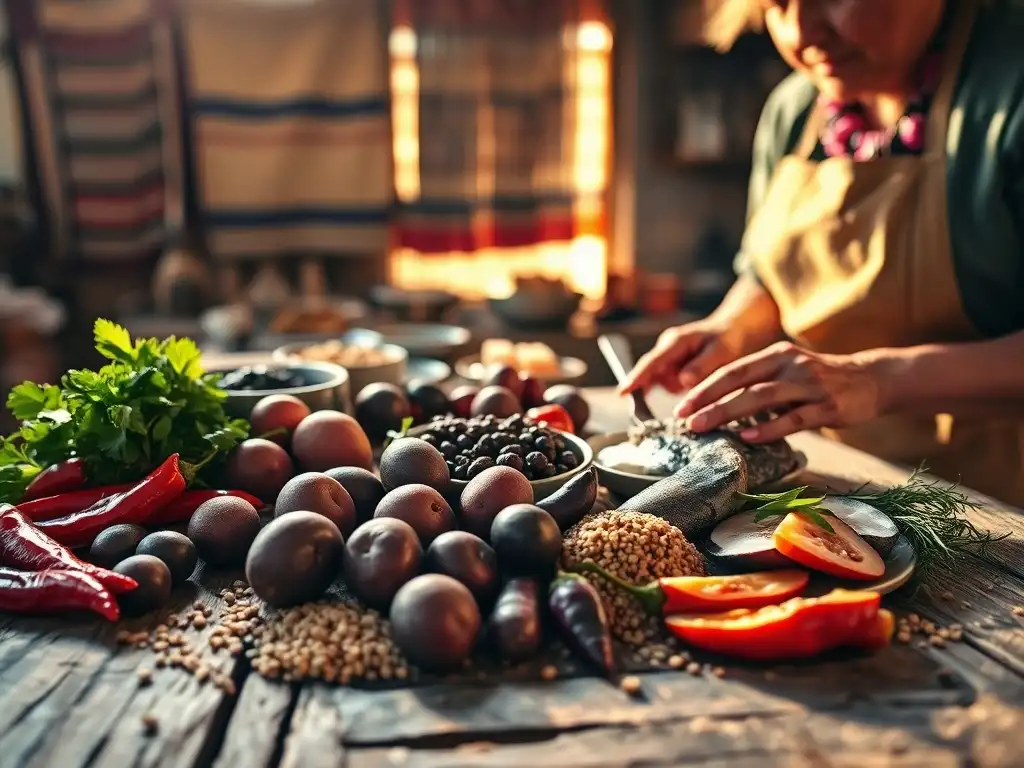
This section delves into the practical aspects of creating authentic yet innovative Andean fusion dishes. Mastering Andean cuisine fusion recipes requires not only a keen understanding of traditional techniques but also a commitment to sourcing high-quality ingredients and utilizing appropriate tools. We'll explore key elements to elevate your culinary journey, ensuring your dishes resonate with the vibrant spirit of the Andes.
Sourcing Authentic Andean Ingredients: The Latin Kitchen
Finding authentic Andean ingredients can significantly impact the flavor profile of your fusion creations. While some ingredients might be readily available in your local grocery store, others may require a more dedicated search. Think of it as a culinary adventure! Let's explore some key ingredients and sourcing strategies.
The cornerstone of many Andean dishes is the potato. However, Andean potatoes boast incredible diversity, far beyond the common russet or Yukon gold. Look for varieties like papa amarilla (yellow potato), papa negra (black potato), or papa roja (red potato) at specialty Latin American markets or online retailers. These potatoes offer unique textures and subtle flavor nuances that will elevate your recipes.
Another crucial element is ají, a type of chili pepper. The spectrum of ají varieties is vast, ranging in heat level and flavor profile. From the mild ají amarillo (yellow chili) to the fiery ají panca (red chili), each brings a unique dimension to the dish. Experimenting with different ají varieties is key to unlocking the true potential of Andean cuisine fusion recipes.
Finally, consider sourcing quinoa, a complete protein and a staple grain in Andean diets. Look for organically grown quinoa to ensure optimal flavor and nutritional value. Additionally, incorporating herbs like huacatay (black mint) and culantro (Mexican coriander) will add authentic Andean aromas and flavors to your creations. These herbs are becoming increasingly available in larger supermarkets and online stores.
Recommended Cookbooks for Andean Fusion Cuisine: "The Fire of Peru"
Choosing the right cookbook is paramount to successful Andean fusion cooking. While many cookbooks offer Andean recipes, some stand out for their comprehensive approach to both traditional techniques and modern interpretations. One such example is "The Fire of Peru," a hypothetical example showcasing a focus on Andean ingredients and cooking methods.
This hypothetical cookbook, "The Fire of Peru," doesn't just provide recipes; it offers a deep dive into the cultural context of Andean cuisine. It likely includes detailed explanations of traditional cooking methods, such as the use of a pachamanca (earth oven), alongside modern adaptations for home cooks. The book's emphasis on ingredient sourcing and preparation ensures that your dishes remain authentic while allowing for creative fusion elements.
Imagine detailed descriptions of different ají varieties and their unique flavor profiles, coupled with innovative ways to incorporate them into contemporary dishes. The book might even offer variations on classic Andean recipes, adapting them to incorporate global flavors while maintaining the core essence of the original dish. The inclusion of beautiful photography showcasing the vibrant colors and textures of Andean cuisine would further enhance the reader's experience.
Tools and Equipment to Enhance Your Andean Cooking: Mortar and Pestle
While modern appliances can certainly assist in the cooking process, some traditional tools remain essential for achieving authentic Andean flavors. The mortar and pestle, for example, is indispensable for preparing many Andean sauces and pastes. The rhythmic grinding action releases the full aromatic potential of ingredients like ají peppers and spices.
A good quality mortar and pestle, preferably made from granite or volcanic stone, is a worthwhile investment for any serious Andean fusion cook. The rough texture of the stone aids in grinding ingredients into a smooth paste, releasing essential oils and creating a depth of flavor unattainable with a blender. Furthermore, using a mortar and pestle allows for greater control over the texture of your sauces and pastes, enabling you to achieve the precise consistency required for specific dishes.
This hands-on approach connects you more deeply to the traditional methods of Andean cooking, adding an extra layer of authenticity and enjoyment to your culinary experience. Imagine the satisfying sound of the pestle grinding the ají amarillo into a vibrant, fragrant paste, ready to be incorporated into your signature Andean fusion creation.
Exploring More Andean Culinary Adventures
Beyond the Recipes: Diving Deeper into Andean Culinary Traditions
Understanding Andean cuisine fusion requires appreciating the foundation: traditional Andean cooking. It's not simply a matter of adding a chili pepper or using quinoa; it's about respecting the historical and cultural context. For centuries, Andean communities have utilized the unique biodiversity of their environment, adapting their cooking to the altitudes and available ingredients. Consider the papa (potato) – the Andes are the birthplace of thousands of potato varieties, each with its unique flavor profile and cooking method. Traditional Andean cooking often involves slow cooking techniques, highlighting the natural flavors of the ingredients. Think of hearty stews like pachamanca, a dish cooked underground using hot stones, or the flavorful cuy (guinea pig), a traditional protein source prepared in various ways. These methods weren't just about sustenance; they were deeply intertwined with spiritual beliefs and agricultural cycles. Understanding this rich heritage allows for a more authentic and respectful approach to fusion cooking.
The use of native Andean spices also plays a crucial role. Aji amarillo, rocoto peppers, and huacatay (black mint) impart unique and complex flavors to Andean dishes. These aren't mere additions; they are integral components of the culinary identity of the region. Moreover, the concept of complementarity is fundamental.
Andean cuisine often combines ingredients with contrasting textures and flavors to create a balanced and harmonious culinary experience. For instance, the combination of starchy potatoes with protein-rich beans and a vibrant sauce represents more than just a meal; it’s a reflection of the Andean worldview, showcasing their deep understanding of nutrition and balance. By understanding these core principles, we can truly appreciate the depth and complexity of Andean culinary traditions and build upon them responsibly.
Creating Your Own Andean Fusion Dishes: Tips and Inspiration
Now that you have a better grasp of traditional Andean culinary techniques, let's explore the exciting possibilities of fusion. Creating your own Andean fusion recipes requires a balance of respect for tradition and creative exploration. Start by choosing a traditional Andean dish as your base. Perhaps you'll begin with a simple causa (layered potato dish) or a hearty seco de chivo (goat stew).
Then, consider incorporating elements from other culinary traditions. Imagine a causa with a layer of smoked salmon and avocado, or a seco de chivo infused with Asian-inspired ginger and soy sauce. The key is to ensure that the fusion complements, rather than overpowers, the Andean flavors.
Here's a practical approach:
- Start simple: Begin with subtle changes. A different spice, a new herb, or an unexpected vegetable can elevate a traditional dish without altering its essence.
- Balance flavors: Pay attention to the interplay of sweet, sour, salty, bitter, and umami. Andean cuisine often features a complex balance of these flavors, so aim to maintain this equilibrium in your fusion creations.
- Maintain texture: The textures of Andean dishes are just as important as the flavors. Think about the creamy potatoes, the crunchy vegetables, and the tender meats. Try to maintain a variety of textures in your fusion dish.
- Experiment gradually: Don't try to reinvent the wheel in one go. Start with small, manageable changes, and gradually incorporate more complex fusion elements as you gain confidence.
Remember, the goal is not to erase the Andean identity but to celebrate it while enriching it with new perspectives. The possibilities are endless!
Sharing your Andean fusion recipes is a wonderful way to connect with the Andean community and promote cultural exchange. Consider sharing your creations on social media using relevant hashtags like #AndeanCuisine, #FusionFood, #AndeanFusionRecipes, and #PeruvianFood (or other relevant Andean country). You can also participate in online culinary forums and share your experiences and recipes with others who are passionate about Andean food.
Remember to always acknowledge the origins of the dishes and ingredients you use. Giving credit to the Andean culinary traditions you're building upon is crucial for respectful cultural exchange. You could even create a blog or website dedicated to your Andean fusion culinary journey, sharing your recipes, stories, and insights with a wider audience. This is a fantastic way to celebrate the rich tapestry of Andean culinary heritage while introducing it to a new generation of food enthusiasts.
Engage with others, ask for feedback, and learn from diverse perspectives. This collaborative approach will not only enhance your culinary skills but also foster a deeper appreciation for the vibrant culture of the Andes. 🤝
Frequently Asked Questions
What is Andean fusion cuisine?
Andean fusion cuisine is a culinary style that creatively blends traditional Andean ingredients and cooking techniques with modern culinary influences from around the world. It results in exciting new dishes that honor the past while embracing innovation.
What are some key ingredients used in Andean fusion recipes?
Key ingredients often include quinoa, potatoes (many varieties!), corn, beans, aji peppers, and various Andean herbs and spices. These are combined with global flavors to create unique dishes.
How do modern cooking techniques influence Andean fusion?
Modern techniques like molecular gastronomy and sous vide can enhance the flavors and textures of traditional Andean dishes, adding a new dimension to familiar ingredients. Presentation also plays a crucial role.
Where can I find Andean fusion recipes?
You can find Andean fusion recipes online through various food blogs, websites, and cookbooks. Look for recipes that specifically highlight Andean ingredients and techniques while incorporating global culinary styles.
Are there any specific Andean civilizations whose cuisine heavily influences fusion dishes?
Yes, the culinary traditions of the Inca, Moche, Nazca, and Tiahuanaco civilizations all contribute significantly to modern Andean fusion. Their unique ingredients and cooking methods form the base for many innovative recipes.
Final Reflection: A Culinary Bridge Between Past and Present
Andean cuisine fusion is not merely a culinary trend; it's a vibrant testament to the enduring power of tradition in a rapidly changing world. The recipes explored throughout this article demonstrate how ancient techniques and ingredients can be reimagined to create exciting, contemporary dishes, while simultaneously preserving a vital cultural heritage. This isn't just about delicious food; it's about understanding and celebrating the rich history and biodiversity of the Andes.
The impact of Andean fusion extends far beyond the kitchen table. It represents a powerful dialogue between generations, a bridge connecting the wisdom of ancestral knowledge with the innovative spirit of modern chefs. This fusion reflects a broader cultural shift, a growing appreciation for indigenous ingredients and culinary practices globally. Food is symbolic of love when words are inadequate.
- Alan D. Wolfelt. This sentiment rings especially true for Andean cuisine, where each dish tells a story, carrying the weight of history and the warmth of community.
Consider the ingredients, the techniques, the stories behind each recipe. You, too, can become a part of this culinary conversation. Experiment with incorporating Andean flavors into your own cooking. Seek out local, sustainably sourced ingredients whenever possible. By engaging with Andean cuisine, you are not only enriching your palate but also contributing to the preservation of a unique and invaluable cultural legacy. Let the flavors of the Andes inspire you, and let your culinary journey be a testament to the enduring power of tradition and innovation.
Savor the Flavor: Embrace Andean Culinary Creativity!
Thank you for exploring the rich tapestry of Andean cooking! You've discovered how ancient traditions blend seamlessly with modern techniques to create vibrant and exciting culinary experiences. Now, let's elevate your culinary journey!
Here's how you can bring the vibrant flavors of the Andes into your kitchen and share them with others:
- Experiment with Andean Ingredients: Incorporate quinoa, the nutritious grain, or aromatic herbs like huacatay into your next meal. Discover exciting recipes that honor the past while embracing contemporary culinary styles. The possibilities are endless!
- Share Your Discoveries: Connect with fellow food enthusiasts by sharing your Andean-inspired creations on social media. Use the hashtag #AndeanFusion to inspire others and spark culinary conversations.
- Host a Culinary Gathering: Organize a potluck featuring Andean dishes, encouraging friends to explore these unique flavors together and share the stories behind each recipe. It's a wonderful way to build community and celebrate diverse culinary traditions.
What Andean ingredient are you most excited to try, and what inspires you to use it? Let's discuss in the comments below!