
Savor the Legacy: Recreating Ancient Andean Recipes for the Modern Palate

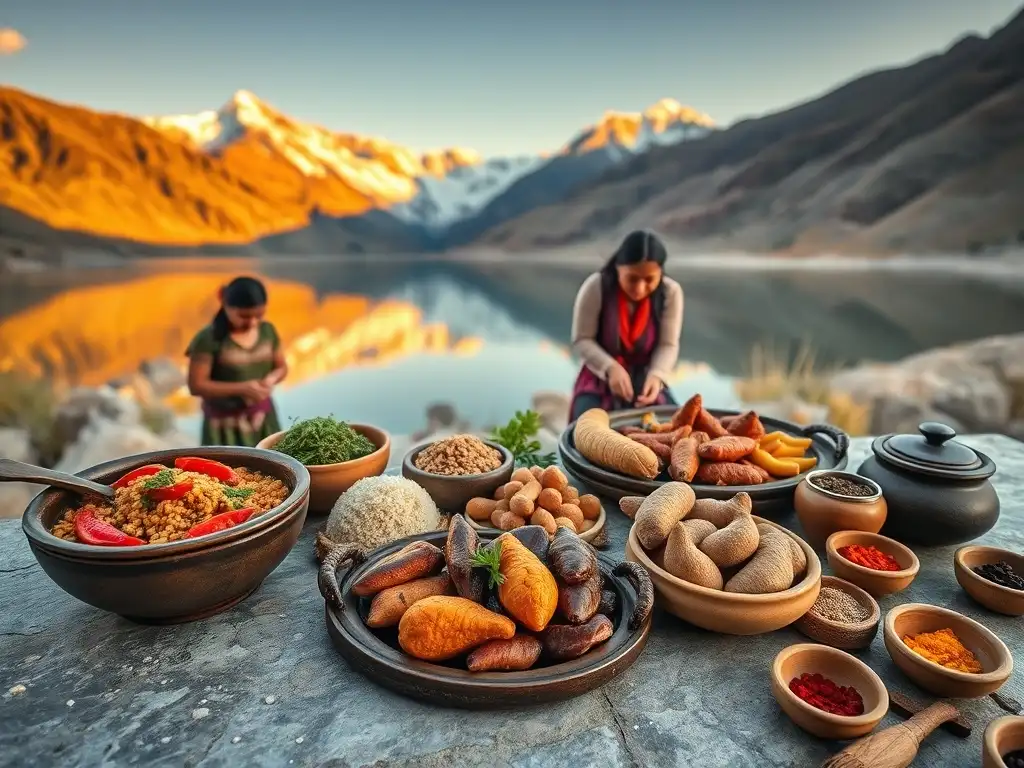
Uncover the secrets of a lost world, where ingenuity thrived amidst breathtaking landscapes. Journey with us into the heart of the Andean Civilizations, exploring their remarkable achievements in art, technology, and culture. But what truly fueled their empires? Prepare to be amazed as we delve into the fascinating world of ancient Andean cuisine recipes, unlocking flavors and techniques lost to time. Dare to savor the legacy? Begin your immersive Andean experience now.
The Andes Mountains, a spine of towering peaks running down the western coast of South America, nurtured some of the world's most fascinating and enduring civilizations. Beyond their architectural marvels and intricate social structures, the ancient Andean cultures—including the Incas, Moche, Nazca, and Tiahuanaco—left behind a rich culinary heritage. This article delves into the fascinating world of ancient Andean cuisine, exploring the staple ingredients and techniques used to create dishes that are both nutritious and surprisingly delicious, even by today's standards.
We'll uncover the secrets behind recreating these ancient recipes for the modern palate, offering a unique and flavorful journey through time. Get ready to savor the legacy of the Andes, one bite at a time! This exploration of ancient Andean cuisine recipes promises a unique culinary adventure, blending historical insights with practical cooking tips.
Introduction: Unearthing the Flavors of Ancient Andean Cuisine
Understanding ancient Andean cuisine requires looking beyond the familiar. While potatoes are now a global staple, their diversity and importance within Andean diets are often overlooked. Similarly, grains like quinoa and amaranth, now trendy superfoods, were fundamental to the sustenance of these ancient societies for millennia. Reconstructing these ancient recipes requires careful consideration of archaeological evidence, historical accounts, and the enduring culinary traditions of Andean communities.
This involves understanding not just the ingredients but also the methods of preparation, preservation, and the cultural significance of food within these societies. We will explore how these ancient techniques can be adapted for modern kitchens, allowing us to appreciate the ingenuity and resourcefulness of Andean cooks from centuries past. The journey into ancient Andean cuisine is a journey into a world of flavors and textures that will surprise and delight.
The Staples of Ancient Andean Diets
The Andean diet was, and in many ways still is, remarkably diverse and sustainable. The high altitude and varied climates of the Andes fostered the cultivation of a wide range of crops, forming the foundation of a balanced and nutritious diet. Let's explore some of the key ingredients:
Essential Grains: Quinoa, Cañihua, and Native Corn Varieties
Quinoa, Chenopodium quinoa, is rightfully celebrated as a complete protein and a nutritional powerhouse. But beyond quinoa, the Andes boasted a variety of other grains, including cañihua ( Chenopodium pallidicaule), another pseudocereal packed with nutrients, and numerous varieties of native corn, each adapted to specific altitudes and climates. These grains formed the basis of many dishes, from porridges and stews to breads and fermented beverages like chicha.
The diverse colors and textures of these grains also played a crucial role in Andean aesthetics and ritual practices. Recipes using these grains often highlight their unique flavors and textures, making them appealing to modern palates as well.
Root Vegetables: Potatoes, Oca, and Yacon in Andean Cooking
The potato ( Solanum tuberosum) is synonymous with Andean cuisine, but the region boasts an incredible diversity of potato varieties, each with its unique taste and texture. Alongside potatoes, other root vegetables like oca ( Oxalis tuberosa), with its tart flavor, and yacon ( Smallanthus sonchifolius), known for its sweet and slightly pear-like taste, contributed significantly to the Andean diet. These root vegetables were often prepared in a variety of ways, from roasting and boiling to fermenting and drying, demonstrating the resourcefulness of Andean cooking techniques. Their versatility allows for many creative adaptations in modern recipes.
Andean Proteins: From Alpaca and Guinea Pig to Trout and Insects
Protein sources in the Andean diet varied significantly depending on geography and altitude. Alpaca and llama meat were, and still are, important sources of protein, particularly in the higher altitudes. Guinea pig (cuy), a delicacy in many Andean regions, holds cultural significance beyond its nutritional value. Fish, particularly trout from Andean lakes and rivers, also provided a crucial protein source.
Interestingly, insects also played a role in the Andean diet, providing a sustainable and readily available source of protein and nutrients. Many of these protein sources are now gaining popularity globally, highlighting the enduring value of Andean culinary traditions. Exploring these unique protein sources adds a fascinating dimension to recreating ancient Andean cuisine.
Recreating Ancient Andean Recipes: A Step-by-Step Guide
Step 1: Sourcing Authentic Andean Ingredients
Replicating ancient Andean cuisine requires a commitment to sourcing authentic ingredients. This is crucial for achieving the true flavors and textures of these historic dishes. Finding Andean ingredients might require some effort, depending on your location. Larger cities often have specialized Latin American or international food stores that stock quinoa, amaranth, potatoes (specifically Andean varieties like papa amarilla or papa negra), and various types of beans.
Online retailers specializing in ethnic foods can also be a valuable resource. Don't hesitate to explore local farmers' markets; you might be surprised to find some Andean ingredients grown locally or by specialty producers. When selecting ingredients, prioritize organic and sustainably sourced options whenever possible, reflecting the ancient Andean respect for the land and its bounty.
Remember to check labels carefully, as some products might contain additives not traditionally used in Andean cooking. The quality of your ingredients directly impacts the authenticity and flavor of your final dish, so take the time to source the best you can find. This step is fundamental to truly experiencing the essence of ancient Andean ancient Andean cuisine recipes.
Step 2: Preparing Traditional Andean Cooking Tools
While modern kitchens are equipped with a plethora of tools, recreating ancient Andean recipes often benefits from using traditional cooking methods and tools. While you may not need to build a full-scale pachamanca pit (we'll discuss that later! ), incorporating elements of traditional Andean cooking techniques can greatly enhance your culinary experience. Mortars and pestles, for instance, are invaluable for grinding spices and preparing sauces.
These tools allow for a more nuanced control over texture and flavor than simply using a blender. Similarly, batán, a type of stone grinder used for grains, can provide a unique texture to your dishes. If these traditional tools are unavailable, consider using their modern equivalents while keeping in mind the specific textures and results they aim to achieve.
Understanding the traditional methods will also help you adapt modern tools to achieve the desired outcome. The use of these tools adds an extra layer of authenticity and connects you more deeply with the culinary traditions of the Andes. It's a small detail that significantly impacts the overall experience of preparing and enjoying ancient Andean cuisine recipes.
Step 3: Mastering the Art of Pachamanca: A Traditional Andean Feast
Pachamanca, a traditional Andean cooking method involving an underground oven, is a true culinary experience. While constructing a full-scale pachamanca might not be feasible for everyone, understanding the principles behind it is key. The method involves heating stones in a pit, layering them with meat, vegetables, and herbs, then covering the pit to allow the food to cook slowly in the earth's warmth.
This slow-cooking method infuses the food with an earthy, smoky flavor that is unmatched. Although a traditional pachamanca is a communal event, you can adapt the process for smaller-scale cooking. Using a heavy-duty Dutch oven or a large, covered cast-iron pot can mimic the effects of the earth oven, providing a similar slow-cooked, smoky flavor.
Experiment with different combinations of meats and vegetables to create your own unique pachamanca experience, always remembering the respect for the earth and the ingredients inherent in this traditional method. This is a powerful way to connect with the ancient Andean culinary traditions and appreciate the ingenuity of their cooking techniques for ancient Andean cuisine recipes.
Step 4: Creating a Classic Andean Stew: Locro de Zapallo
Locro de Zapallo, a hearty squash stew, is a staple of Andean cuisine. This dish showcases the versatility of Andean ingredients and cooking techniques. The recipe typically involves a blend of squash, potatoes, corn, and cheese, creating a rich and comforting meal. The key to a successful Locro de Zapallo lies in the careful preparation of the ingredients and the slow simmering process. The squash should be cooked until tender, releasing its natural sweetness. The potatoes and corn add texture and depth of flavor. The cheese, often a local variety, provides a creamy richness. You can experiment with different types of squash and cheese to personalize your Locro de Zapallo, but the fundamental principle remains the same: slow cooking allows the flavors to meld beautifully, creating a harmonious blend of textures and tastes. This recipe offers a great introduction to the hearty and flavorful nature of ancient Andean cuisine recipes.
Step 5: Exploring the Sweet Side: Mazamorra Morada
Beyond the savory dishes, Andean cuisine also offers a delightful range of desserts. Mazamorra Morada, a sweet purple corn dessert, is a perfect example. This vibrantly colored dessert is made from purple corn, which is rich in antioxidants and offers a unique flavor. The preparation involves cooking the purple corn with spices like cinnamon and cloves, then sweetening it with panela (unrefined cane sugar).
The resulting dessert is a subtly sweet and intensely flavorful experience. The texture is often described as creamy and slightly chewy, providing a pleasant contrast to the rich flavor of the purple corn. Mazamorra Morada is a testament to the ingenuity and creativity of Andean cuisine, showcasing the use of locally sourced ingredients to create a simple yet unforgettable dessert. It perfectly illustrates the diversity and complexity of ancient Andean cuisine recipes.
Elevating Your Andean Culinary Experience
Pairing Andean Cuisine with Regional Beverages
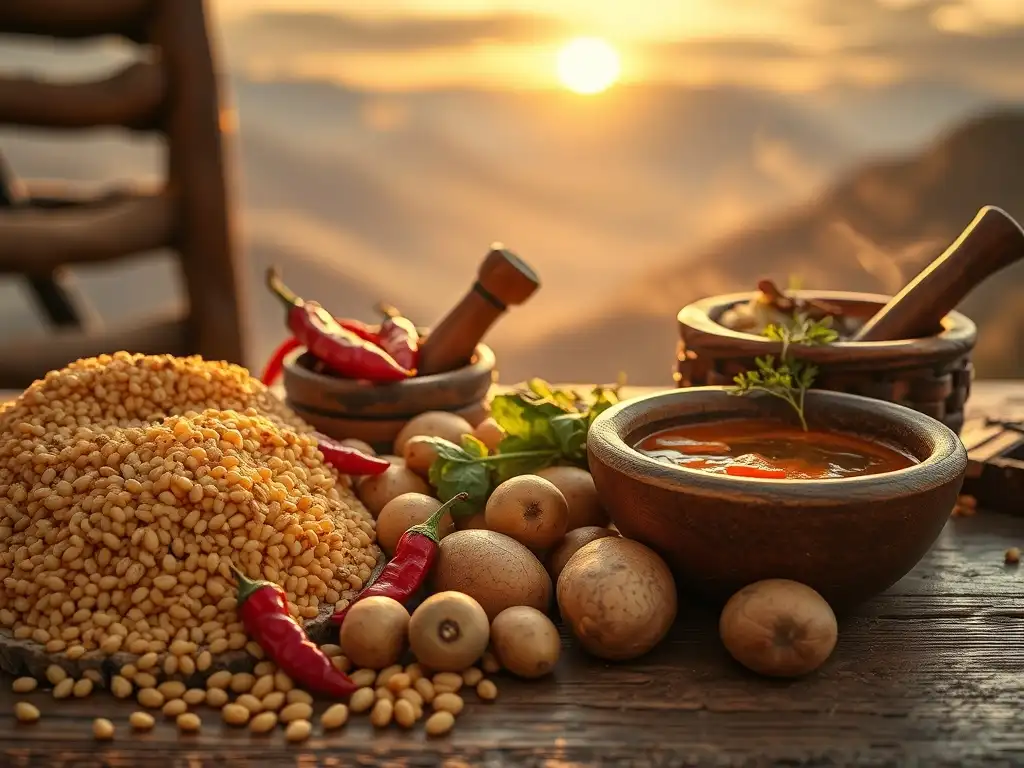
To fully appreciate ancient Andean cuisine, consider pairing your dishes with traditional Andean beverages. Chicha, a fermented corn beverage, complements many savory dishes, offering a unique flavor profile that enhances the overall dining experience. Different varieties of chicha exist, each with its own distinct taste and level of fermentation.
Other regional beverages, such as mate de coca (coca tea), can be served as a digestive aid or simply enjoyed for its unique flavor and cultural significance. Experimenting with different beverage pairings allows you to explore the full range of Andean culinary traditions and discover new flavor combinations. These pairings add another layer of authenticity and cultural immersion to your culinary journey into the world of ancient Andean cuisine recipes.
The Importance of Serving and Presentation in Andean Culture
In Andean culture, the presentation of food is as important as its preparation. Traditional Andean meals are often served on communal platters, encouraging sharing and interaction among diners. The use of colorful textiles and handcrafted ceramics adds to the visual appeal of the meal, creating a sensory experience that goes beyond the taste of the food.
The act of sharing a meal is a significant part of Andean social life, reflecting a deep-rooted sense of community and shared experience. By incorporating these elements into your own Andean culinary experiences, you can recreate not just the flavors but also the spirit and culture of ancient Andean traditions, giving you a more complete understanding of ancient Andean cuisine recipes.
Conclusion: Embracing the Rich Heritage of Ancient Andean Food
Recreating ancient Andean recipes is more than just cooking; it's a journey through time, a connection to a vibrant past, and a celebration of culinary ingenuity. By exploring these ancient techniques and ingredients, we gain a deeper appreciation for the resourcefulness and sophistication of Andean civilizations. The flavors, textures, and even the methods themselves offer a window into their daily lives, their beliefs, and their profound relationship with their environment.
The enduring legacy of Andean cuisine continues to inspire and delight, proving that culinary traditions can withstand the test of time and remain relevant in the modern world. Whether you're a seasoned chef or a kitchen novice, experimenting with ancient Andean recipes provides a unique and rewarding experience. Remember, each dish tells a story, and by recreating these recipes, you become a part of that story.
The subtle nuances of flavor, the unique combinations of ingredients, and the careful preparation methods all contribute to a truly immersive culinary experience. More than just sustenance, these recipes offer a tangible link to the past, allowing us to connect with the rich heritage of the Andes in a deeply personal way.
Continuing Your Exploration of Ancient Andean Recipes
Your culinary journey into ancient Andean cuisine doesn't have to end here! There's a vast world of flavors and techniques waiting to be discovered. Experiment with different variations of chicha, the ancient fermented beverage, using different grains and fruits. Try substituting different varieties of Andean potatoes in your recipes to experience the wide range of textures and tastes.
Explore the use of lesser-known Andean grains like quinoa and amaranth in new and creative ways. Research the traditional methods of preparing meats and vegetables, focusing on techniques like slow-cooking and earth-oven roasting. Consider joining a cooking class focused on Andean cuisine to learn from experienced chefs and immerse yourself in the culture.
The possibilities are endless, and the more you explore, the more deeply you'll appreciate the richness and complexity of this ancient culinary tradition. Don't be afraid to experiment and adapt recipes to your own preferences; the spirit of culinary creativity is alive and well, even when inspired by ancient techniques. Each new recipe you try will be a step further on your path to mastering the art of ancient Andean cooking.
Resources for Further Learning about Andean Cuisine
For those eager to delve deeper into the world of ancient Andean cuisine, numerous resources are available. Academic journals and archaeological reports often include detailed information on dietary habits and food preparation techniques. Ethnobotanical studies provide insights into the traditional uses of Andean plants and their culinary applications.
Cookbooks specializing in Andean cuisine offer modern interpretations of ancient recipes, alongside historical context. Museums and cultural centers dedicated to Andean civilizations frequently feature exhibits showcasing traditional food preparation methods and tools. Online databases and digital archives offer access to historical documents, recipes, and images related to Andean foodways.
Furthermore, engaging with local Andean communities and chefs can provide invaluable firsthand knowledge and authentic culinary experiences. Remember to always approach historical sources with critical analysis, comparing and contrasting information from diverse sources to gain a comprehensive understanding. By utilizing a variety of resources, you can build a rich and nuanced understanding of ancient Andean cuisine and its enduring legacy.
The Benefits of Cooking with Andean Ingredients for Health and Sustainability
Cooking with ancient Andean ingredients offers numerous benefits beyond the delicious flavors. Many of these ingredients are remarkably nutritious, boasting high levels of vitamins, minerals, and antioxidants. Quinoa, for instance, is a complete protein, providing all essential amino acids, while amaranth is rich in iron and fiber. Andean potatoes offer a diverse range of nutrients depending on the variety.
The cultivation of these ancient crops often employs sustainable agricultural practices, minimizing the environmental impact compared to modern intensive farming methods. These crops are often drought-resistant and well-suited to challenging climates, promoting food security in regions prone to climate change. By incorporating these ingredients into your diet, you're supporting sustainable agriculture and promoting your own health and well-being.
Furthermore, cooking with these ingredients can be a gateway to a more mindful and conscious approach to food, connecting you to the source of your food and its impact on the environment. This conscious consumption contributes to a more sustainable food system and a healthier planet. Choosing ancient Andean ingredients is a positive step towards a healthier, more sustainable future.
- Introduction: Unearthing the Flavors of Ancient Andean Cuisine
- The Staples of Ancient Andean Diets
- Recreating Ancient Andean Recipes: A Step-by-Step Guide
- Elevating Your Andean Culinary Experience
- Conclusion: Embracing the Rich Heritage of Ancient Andean Food
Frequently Asked Questions
What ingredients were commonly used in ancient Andean cuisine?
Ancient Andean cuisine relied heavily on potatoes, quinoa, corn, and beans, supplemented by local fruits, vegetables, and animal proteins like llama and alpaca. These staples formed the basis of diverse dishes.
How did the geography of the Andes influence their food?
The diverse geography of the Andes, ranging from coastal deserts to high-altitude plains, profoundly impacted food. Different regions developed unique culinary traditions based on the available resources at their altitude and climate.
Are there any surviving ancient Andean recipes?
While complete recipes are rare, archaeological evidence and chronicles from Spanish conquistadors offer clues to ancient Andean cooking methods and ingredients. These provide a foundation for recreating dishes.
Where can I find recipes inspired by ancient Andean cuisine?
Many cookbooks and websites now feature recipes inspired by ancient Andean traditions. Look for recipes emphasizing traditional ingredients and cooking techniques, acknowledging the historical context.
What makes recreating ancient Andean recipes challenging?
The challenge lies in accurately interpreting incomplete historical records and sourcing authentic ingredients. Moreover, modern palates may require adjustments to ancient recipes to achieve optimal flavour and texture.
Final Reflection: A Taste of Timelessness, A Legacy Renewed
The resurgence of ancient Andean cuisine is not merely a culinary trend; it's a powerful reclamation of cultural heritage and a testament to the enduring wisdom of our ancestors. These recipes, passed down through generations, offer not just delicious meals, but a connection to a rich history and a sustainable approach to food that resonates deeply with our modern concerns about environmental responsibility and food security.
The enduring influence of Andean culinary traditions on contemporary gastronomy is profound. It's a story of resilience, adaptation, and the ongoing celebration of ingredients that have sustained communities for millennia. Food is symbolic of love when words are inadequate.
- Alan D. Wolfelt. This quote perfectly encapsulates the emotional depth woven into these ancient recipes, a depth that transcends mere sustenance and speaks to the heart of community and cultural identity. The vibrant colors, diverse flavors, and ingenious techniques continue to inspire chefs and home cooks alike, pushing the boundaries of culinary creativity while honoring a timeless legacy.
Consider the ingredients themselves – the quinoa, the potatoes, the diverse array of Andean grains and vegetables. These aren't just food items; they are symbols of resilience, adaptability, and the profound connection between people and their environment. You, the reader, now hold the power to participate in this legacy. Try recreating one of the recipes explored in this article. Savor the flavors, imagine the hands that prepared these dishes centuries ago, and connect with the enduring spirit of Andean culinary tradition. Let the taste of the past inspire a more mindful and sustainable approach to your own culinary journey.
**Unleash Your Inner Chef: Dive into Ancient Andean Culinary Treasures! **
Thank you for exploring the rich flavors and history of ancient Andean cuisine with us! You've discovered recipes steeped in tradition, and now it's time to bring them to life in your kitchen. Let's transform your meals with these vibrant flavors!
Here's how to begin your culinary journey with ancient Andean recipes:
- **Recreate and Share:** Gather your ingredients and choose a recipe from this article to prepare for your next meal. Share your culinary creations with friends and family for a delightful dining experience!
- **Explore Further:** Join a local cooking class or online workshop focusing on Andean cuisine to deepen your understanding of these amazing flavors and learn from expert chefs.
- **Connect with the Community:** Share your experiences on social media with other food enthusiasts. Use hashtags like #AndeanFlavors to inspire and connect with others!
What will you cook today to celebrate the legacy of ancient Andean cuisine?