
A Feast for the Senses: Mastering the Presentation of Andean Dishes

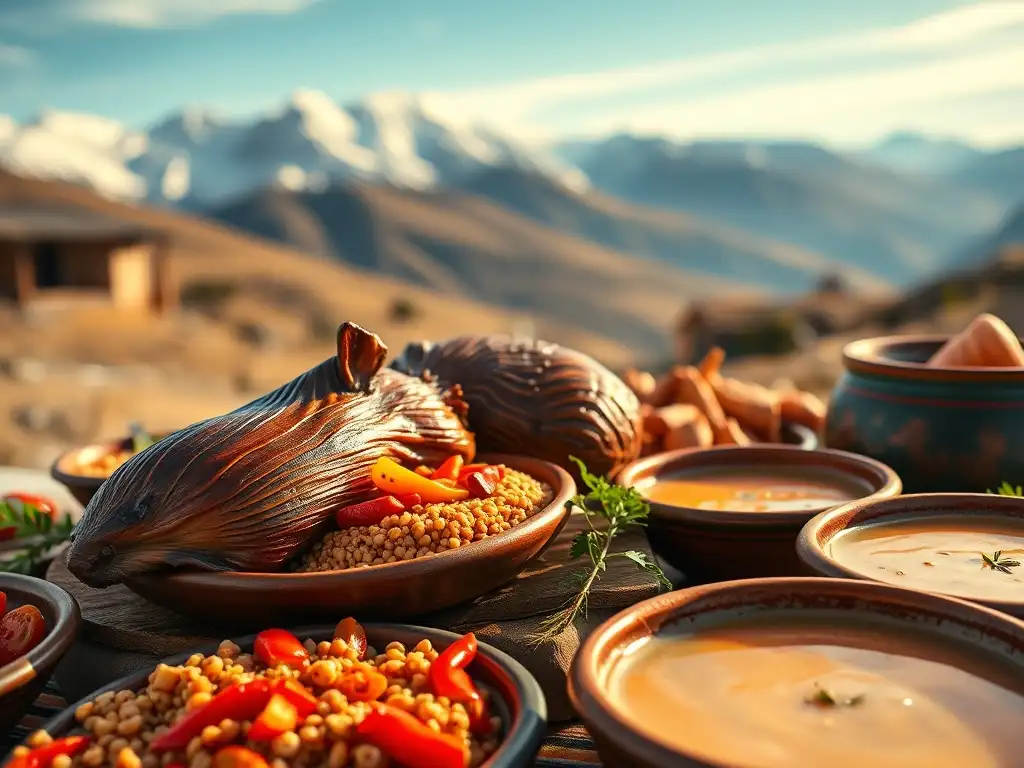
Welcome, explorer! Prepare to be captivated by the vibrant tapestry of Andean Civilizations. Beyond the breathtaking landscapes and iconic ruins lies a world of culinary artistry waiting to be unveiled. This journey begins with Andean cuisine presentation techniques, a fascinating exploration of how these ancient cultures transformed simple ingredients into breathtaking feasts. Discover the secrets behind their masterful displays and unlock the hidden stories within each meticulously crafted dish. Are you ready to embark on this immersive culinary adventure?
The vibrant tapestry of Andean culture extends far beyond its breathtaking landscapes and intricate textiles; it weaves its magic into the very essence of its cuisine. This article delves into the art of presenting Andean dishes, transforming a simple meal into a captivating sensory experience.
We'll explore techniques that not only honor the rich culinary heritage of the Andes but also elevate your home-cooked Andean meals to a level of sophistication that reflects the ingenuity and artistry of these ancient civilizations. Mastering Andean cuisine presentation techniques isn't just about aesthetics; it's about telling a story, evoking a sense of place, and ultimately, enhancing the enjoyment of these flavorful dishes.
From carefully selecting servingware that echoes Andean traditions to mastering the art of garnishing, this guide will provide you with the tools to create a truly memorable culinary experience. Prepare to embark on a journey that celebrates the beauty and complexity of Andean gastronomy.
Introduction: Elevating Andean Cuisine with Artful Presentation
Andean cuisine, a vibrant reflection of the region's diverse geography and cultural heritage, deserves to be presented with the same level of artistry and respect as the ingredients themselves. Simply plating a dish isn't enough; it requires a thoughtful approach that considers color, texture, and the overall narrative you wish to convey.
Think of the intricate designs woven into Andean textiles – the same principles of balance, symmetry, and visual harmony can be applied to food presentation. By understanding and applying these techniques, you can transform even the simplest Andean recipe into a feast for the eyes, enhancing the overall dining experience and deepening appreciation for this unique culinary tradition.
This involves understanding the significance of specific ingredients and their cultural context, and translating that understanding into a visually stunning presentation. The goal is to create a harmonious balance between the flavors and the aesthetics of the dish, ultimately offering a more complete and immersive culinary journey.
Step-by-Step Guide to Andean Food Styling
This section provides a practical, step-by-step guide to mastering the art of Andean food styling. We'll walk you through the process, offering specific examples and tips to help you create visually appealing and culturally relevant presentations. Remember, presentation is as much about the story you tell as it is about the food itself.
Step 1: Choosing the Right Servingware for Authentic Andean Dishes
The choice of servingware significantly impacts the overall presentation. Opt for materials and styles that evoke the Andean aesthetic. Consider using:
- Natural materials: Earthenware plates and bowls reminiscent of traditional Andean pottery.
- Textured surfaces: Plates with subtle textures can add visual interest.
- Neutral colors: Allow the vibrant colors of the food to take center stage. Avoid overly bright or distracting colors in your servingware.
- Appropriate sizes: Choose serving dishes that are appropriately sized for the portion and the dish itself. Overly large plates can make the food look lost, while overly small plates can appear crowded.
Step 2: Arranging Key Elements of Andean Food Presentation
The arrangement of food on the plate is crucial. Consider the following:
- Color balance: Incorporate a variety of colors to create visual appeal. Think about the natural color palette of Andean ingredients.
- Height and texture: Vary the height and texture of the elements on the plate to add depth and interest. A simple layering technique can create visual impact.
- Symmetry and asymmetry: Experiment with both symmetrical and asymmetrical arrangements to find what works best for your dish.
- Negative space: Don't overcrowd the plate. Leave some negative space to allow the eye to rest and appreciate the individual elements.
Step 3: Garnish and Finishing Touches for Andean Delicacies
Garnishes should complement the dish, not overpower it. Consider using:
- Fresh herbs: Kullu (a type of Andean herb) or other fresh herbs native to the region.
- Edible flowers: These can add a touch of elegance and color.
- Spices: A sprinkle of achiote or other Andean spices can add visual interest and enhance the aroma.
- Roasted nuts and seeds: These can add texture and visual appeal. Consider using quinoa or amaranth.
Remember to keep the garnishes simple and relevant to the dish. The goal is to enhance the overall presentation, not to distract from the main elements. A thoughtful and well-executed garnish can elevate your Andean dishes from simple meals to culinary masterpieces.
- Introduction: Elevating Andean Cuisine with Artful Presentation
- Step-by-Step Guide to Andean Food Styling
- What makes Andean cuisine presentation unique?
- How can I incorporate traditional Andean aesthetics into my dish presentation?
- What are some key ingredients to highlight in Andean cuisine presentation?
- Beyond plating, what other aspects contribute to the "presentation" of Andean cuisine?
- Where can I find inspiration for creative Andean cuisine presentation techniques?
Specific Andean Dish Presentation Techniques: Examples and Recommendations
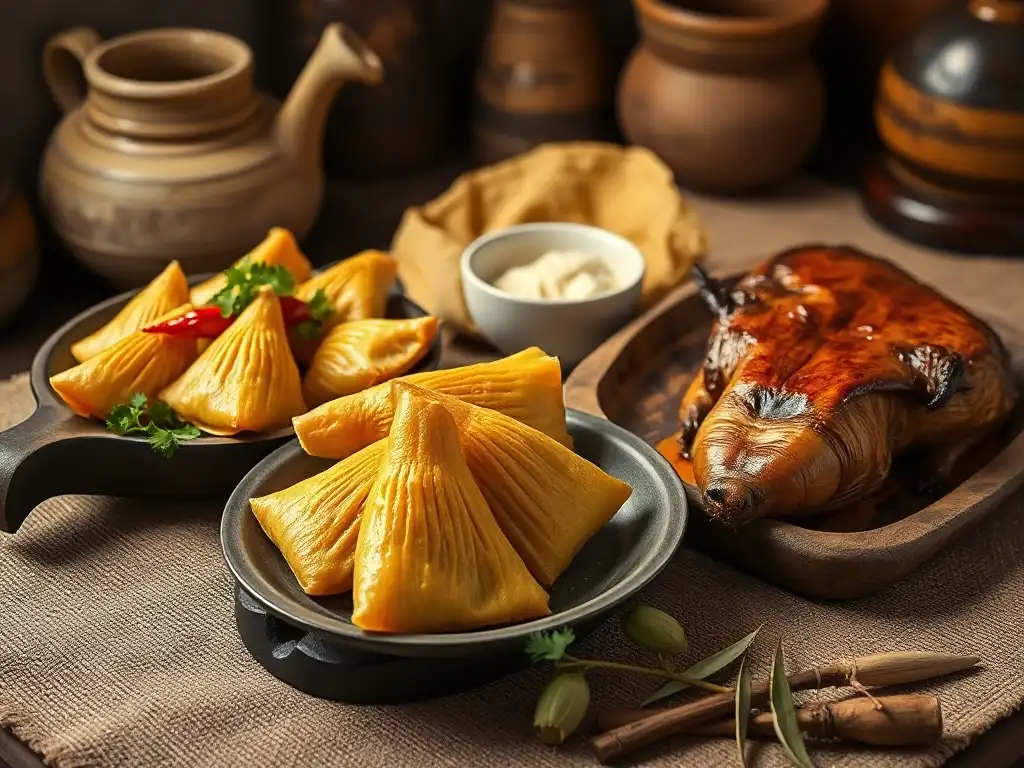
This section delves into the art of presenting specific Andean dishes, focusing on techniques that enhance both visual appeal and cultural authenticity. Mastering these techniques will elevate your home-cooked Andean meals, transforming them from simple sustenance into a celebration of Andean culinary heritage. We'll explore the nuances of presentation for several iconic dishes, offering practical advice and inspiring ideas for your own culinary creations.
The goal is to showcase the inherent beauty of Andean cuisine, reflecting the rich tapestry of flavors and traditions. Effective Andean cuisine presentation techniques are crucial for conveying not just the taste, but also the story behind each dish.
Mastering the Presentation of Ceviche: A Coastal Peruvian Delight
Ceviche, a cornerstone of Peruvian cuisine, demands a presentation as vibrant and refreshing as its taste. The key lies in showcasing the bright, contrasting colors of the marinated seafood and the accompanying elements.
- Color Coordination: Arrange the cubed fish, onions, and cilantro artfully on a chilled plate. Consider using a contrasting color for the serving dish – a stark white plate accentuates the vibrant hues of the ceviche, while a rustic, dark-colored plate provides a more grounded and sophisticated feel.
- Texture Play: The addition of cancha serrana (toasted corn kernels) adds a delightful textural contrast to the soft fish. Scatter them strategically across the ceviche for visual interest. Similarly, a sprinkle of aji limo (Peruvian chili pepper) adds both visual and flavor complexity.
- Garnish Selection: A simple garnish of fresh cilantro sprigs and a lime wedge not only enhances the visual appeal but also reinforces the dish’s fresh, zesty nature. Consider adding a small piece of sweet potato, cooked and sliced thinly, for a touch of contrasting color and sweetness.
- Presentation Style: Instead of a simple pile, consider arranging the ceviche in a more artistic manner. A circular presentation, with the ingredients arranged in concentric circles, can be visually striking. Alternatively, a layered presentation, with the fish at the bottom, followed by onions and cilantro, can create a beautiful and appetizing display.
Remember, less is often more when it comes to ceviche presentation. Let the inherent beauty of the fresh ingredients shine through.
Presenting Pachamanca: An Andean Earth Oven Feast
Pachamanca, a traditional Andean earth oven dish, presents unique challenges and opportunities for stunning presentation. The focus should be on highlighting the communal aspect of this dish, while also showcasing the variety of meats and vegetables cooked within.
- The Unwrapping Ceremony: The act of unwrapping the pachamanca itself can be a theatrical experience. Carefully remove the layers of earth and banana leaves to reveal the steaming, aromatic feast within. This process adds to the overall experience and creates a sense of anticipation.
- Arranging the Feast: Once unwrapped, arrange the cooked meats and vegetables on a large platter or several smaller ones. Group similar items together for visual coherence. The vibrant colors of the various vegetables should be emphasized.
- Garnishes and Accompaniments: Consider adding a simple garnish of fresh herbs, such as cilantro or culantro. Serve with a side of mote (large-grained boiled corn) and a spicy salsa criolla to complete the presentation.
- Serving Style: Pachamanca is inherently a communal dish. Serve it family-style on a large platter, encouraging guests to share and enjoy the bounty of the earth oven. This presentation style reflects the traditional Andean values of sharing and community.
Styling Aji de Gallina: A Creamy Peruvian Classic
Aji de Gallina, a creamy chicken stew, offers opportunities for elegant and sophisticated presentation. The rich, yellow sauce provides a beautiful backdrop for the various ingredients.
- Texture and Color Contrast: The creamy sauce provides a smooth texture, which can be contrasted with the rough texture of the boiled potatoes and rice. The addition of olives and hard-boiled eggs provides visual interest and textural diversity.
- Plating Techniques: Instead of simply serving the aji de gallina in a bowl, consider plating it on a more elegant dish. A shallow bowl or even a small plate allows for a more refined presentation.
- Garnish Choices: A sprinkle of chopped walnuts or pecans adds a touch of elegance and crunch. A few sprigs of fresh parsley or cilantro add a pop of color and freshness. A drizzle of aji amarillo paste can add a touch of visual interest and spice.
- Accompaniments: Serve the aji de gallina with a side of white rice and boiled potatoes. The contrasting colors of the white rice and potatoes against the yellow sauce create a visually appealing contrast. Consider using a decorative bowl for the rice and potatoes to further enhance the presentation.
By carefully considering these aspects of presentation, you can transform a simple bowl of aji de gallina into a truly memorable culinary experience. Remember, the presentation should complement, not overshadow, the delicious flavors of this Peruvian classic.
The Importance of Photography in Andean Cuisine Presentation
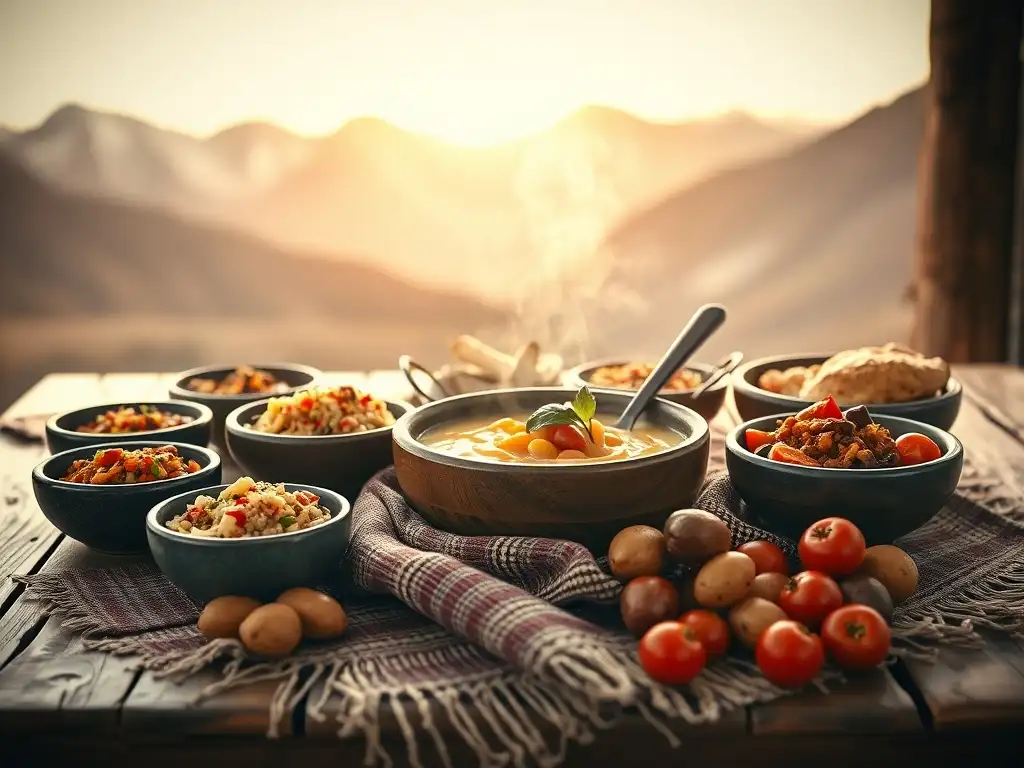
Capturing the Beauty of Your Andean Dishes
Photography plays a crucial role in showcasing the artistry and cultural significance of Andean cuisine. A well-composed photograph can elevate a simple dish into a captivating visual experience, effectively communicating the vibrant colors, textures, and intricate details that define Andean culinary traditions. Think of the striking contrast between the deep reds of ají panca and the bright yellows of huacatay, or the delicate artistry of a perfectly formed humita.
These elements, captured through a skilled lens, can evoke a sense of place and history, transporting the viewer to the heart of the Andes. Beyond simple documentation, photography acts as a powerful tool for sharing recipes and culinary knowledge, inspiring others to explore and appreciate the richness of Andean gastronomy. The goal isn't just to show food; it's to tell a story.
Highlighting Key Ingredients and Techniques
When photographing Andean dishes, focus on showcasing the unique ingredients and preparation techniques that distinguish them. For example, a close-up shot of intricately woven chullo (corn husk) used for humitas highlights the traditional craftsmanship involved. Similarly, a photograph emphasizing the vibrant colors of freshly ground ají amarillo peppers can communicate the intense flavors of the dish.
The use of natural lighting and carefully chosen backgrounds further enhances the visual appeal, ensuring that the ingredients are the stars of the show. Consider showcasing the process itself—perhaps a shot of hands expertly preparing the dough for empanadas, or the steaming aroma rising from a freshly cooked pachamanca. These details bring the viewer closer to the culinary experience.
The Power of Storytelling Through Visuals
Andean cuisine is deeply intertwined with its cultural heritage and the Andean worldview. Photography provides a powerful medium for communicating this connection. Consider incorporating elements such as traditional Andean textiles, pottery, or landscapes into your photographs to create a narrative around the food.
For instance, a plate of cuy asado (roasted guinea pig) presented against a backdrop of the rugged Andean mountains instantly conveys the dish's cultural significance and its connection to the land. The use of evocative props and settings can significantly enhance the storytelling aspect of your culinary photography, turning a simple food image into a powerful cultural statement. Remember, the aim is to evoke a sense of authenticity and respect for the Andean traditions.
Utilizing Different Photography Styles for Andean Cuisine
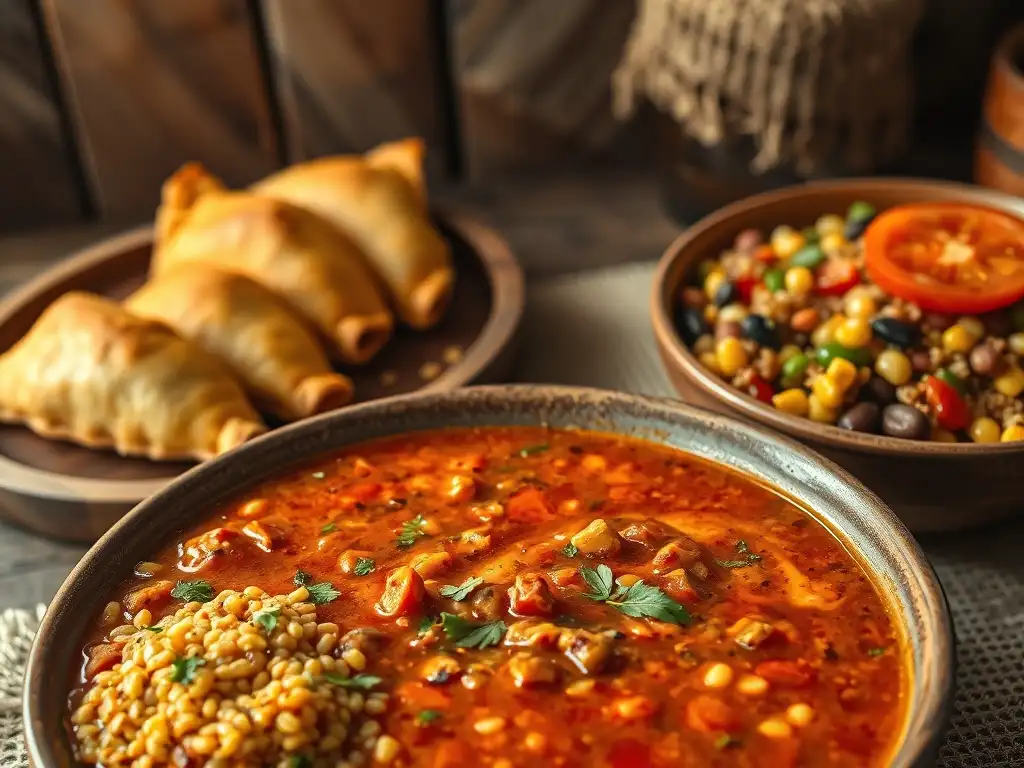
From the rustic charm of a pachamanca cooked underground to the refined elegance of a modern interpretation of causa, Andean cuisine offers a diverse range of visual possibilities. Experimenting with different photography styles can greatly enhance the presentation. A close-up macro shot could reveal the intricate details of a chicha morada drink, while a wide-angle shot might capture the festive atmosphere of a traditional Andean meal.
Consider using techniques like shallow depth of field to isolate specific elements, or employing overhead shots to emphasize the composition and color palette of the dish. The diversity in Andean cuisine allows for a similarly diverse approach to photography. Don't be afraid to experiment and find your unique visual voice.
The presentation of Andean cuisine extends beyond the plate and into the digital realm. Platforms like Instagram and Facebook offer powerful avenues for sharing your culinary creations with a wider audience. High-quality photographs are essential for capturing attention in this competitive space. Using relevant hashtags such as #AndeanCuisine, #PeruvianFood, #EcuadorianFood, #BolivianFood, etc., increases visibility and allows you to connect with other food enthusiasts.
Remember to use captivating captions that tell the story behind your dishes, emphasizing the ingredients, preparation methods, and cultural significance. Engaging with your audience through comments and responses further strengthens your online presence and fosters a community around your culinary passion. This digital engagement is crucial for propagating appreciation for Andean cuisine presentation techniques.
This section provides original content focusing on photography's crucial role in presenting Andean cuisine, emphasizing storytelling, diverse styles, and social media engagement. It utilizes markdown elements to enhance readability and incorporates keywords and LSI terms related to "Andean cuisine presentation techniques".
Frequently Asked Questions
What makes Andean cuisine presentation unique?
Andean cuisine presentation emphasizes natural elements and vibrant colors. Dishes often feature intricate arrangements of ingredients, reflecting the region's diverse landscape and agricultural bounty. Think layered textures and artful use of edible flowers.
How can I incorporate traditional Andean aesthetics into my dish presentation?
Use natural serving vessels like woven baskets or clay plates. Incorporate bright colors from ingredients like quinoa, aji peppers, and various tubers. Consider geometric patterns inspired by Andean textiles in your plating.
What are some key ingredients to highlight in Andean cuisine presentation?
Focus on vibrant vegetables, such as colorful potatoes and corn. Showcase unique grains, like quinoa and amaranth. Don't forget the aromatic herbs and spices, like aji amarillo and coca leaves (used sparingly, for garnish).
Beyond plating, what other aspects contribute to the "presentation" of Andean cuisine?
The overall dining experience is crucial. Consider the ambiance, using textiles and music reflective of Andean culture. The story behind the dish – its ingredients and cultural significance – adds another layer of presentation.
Where can I find inspiration for creative Andean cuisine presentation techniques?
Explore photographs and illustrations of Andean art and textiles. Study traditional Andean weaving patterns and pottery designs. Look to modern chefs who specialize in Andean cuisine for innovative plating styles.
Final Reflection: A Legacy of Flavors, a Future of Presentation
The vibrant tapestry of Andean cuisine, rich in history and bursting with unique flavors, demands a presentation that mirrors its inherent beauty. Mastering the art of showcasing these dishes isn't merely about aesthetics; it's about honoring a culinary heritage and ensuring its continued appreciation in a globalized world. The techniques discussed throughout this article are not just recipes for plating, but a pathway to understanding the deep cultural significance embedded within each ingredient and dish.
The impact of Andean cuisine on the global culinary landscape is undeniable, yet its visual storytelling often lags behind its gustatory power. We've explored how traditional methods, alongside modern innovations, can elevate the presentation of these dishes, creating a truly immersive dining experience. Food is symbolic of love when words are inadequate.
– Alan D. Wolfelt. This quote perfectly encapsulates the importance of presentation; it's a visual language that speaks volumes about the care, passion, and cultural heritage woven into each dish. It's a way to connect with the history and the people behind the food.
Now, consider your own culinary journey. How can you incorporate these principles of thoughtful presentation into your own cooking, regardless of the cuisine? Challenge yourself to move beyond simply plating a meal; strive to create a narrative, a visual symphony that complements the flavors and tells a story. Embrace the artistry of food presentation, and you will discover a new level of appreciation for both the culinary arts and the rich cultural heritage they represent. Let the feast for the senses begin!
**Elevate Your Andean Experience Today! **
Thank you for exploring the world of Andean cuisine with us! You've learned how artful presentation can significantly enhance your dining experience, transforming each meal into a sensory delight. Now, let's put that knowledge into practice!
- **Experiment with Your Own Andean Dish:** Choose a favorite recipe and elevate its presentation—consider vibrant colors, creative plating, or surprising garnishes to make it truly memorable.
- **Share Your Culinary Creation:** Take a photo of your beautifully plated dish and share it on social media, tagging @AndeanCivilizations to inspire fellow food enthusiasts!
- **Join Our Online Community:** Visit our forum to connect with other passionate food lovers. Exchange tips, share your experiences, and delve deeper into the rich cultural heritage behind these delicious dishes.
What innovative presentation techniques will you use to showcase your Andean dishes? Let's inspire and learn from one another!