
The Power of Simplicity: Creating Authentic Andean Meals with Minimal Ingredients

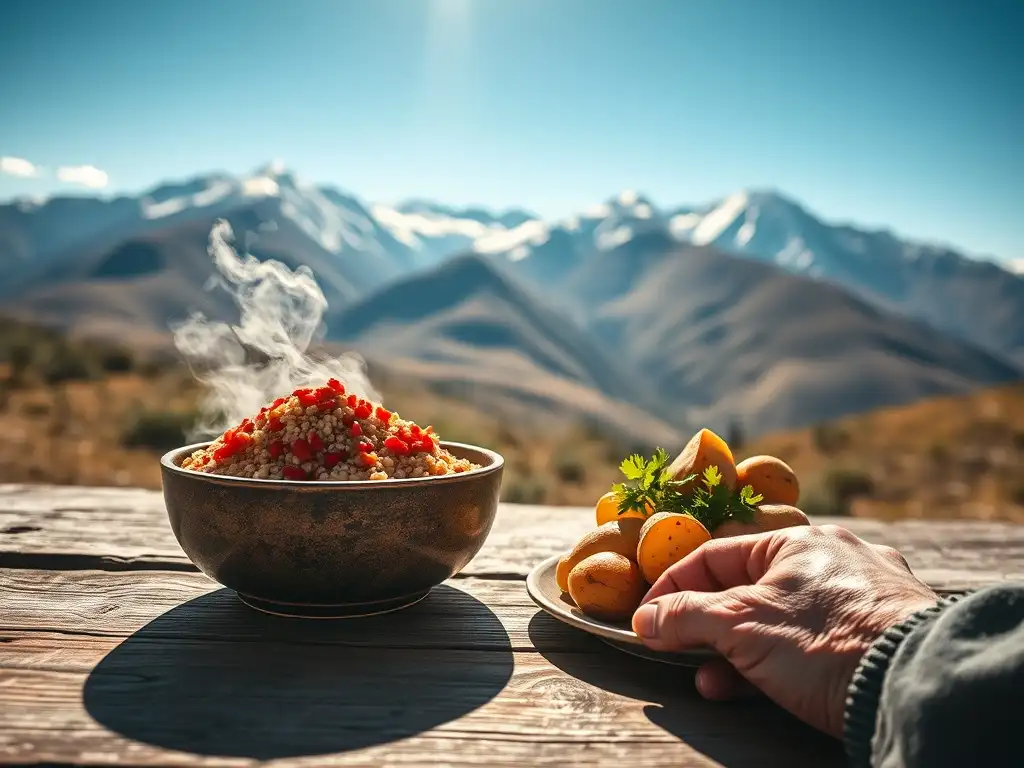
Step into a world lost in time, where majestic mountains meet breathtaking ingenuity. Discover the secrets of the Andean civilizations, their remarkable achievements, and the surprising simplicity at the heart of their culinary traditions. Prepare to be amazed by the power of minimal ingredients in creating authentic Andean meals – a journey into the vibrant flavors and rich history that awaits you in our "Immersive Andean Experiences" section. Uncover the mysteries of Andean cuisine minimal ingredients and unlock the culinary heritage of a captivating culture. Read on to embark on this extraordinary exploration!
Andean cuisine, a vibrant tapestry woven from the threads of millennia-old traditions, is often perceived as complex and exotic. However, the heart of its authenticity lies in a surprising place: simplicity. This article delves into the power of minimal ingredients in recreating the true essence of Andean flavors at home. We'll explore how a carefully selected few ingredients, sourced responsibly, can unlock the rich and nuanced tastes that have nourished Andean communities for generations.
Forget elaborate recipes and lengthy shopping lists; we’ll uncover the secrets to crafting authentic Andean meals that celebrate the natural bounty of the Andes Mountains while maintaining a focus on sustainable and accessible cooking. This journey will illuminate the core ingredients, highlighting their unique properties and their crucial role in defining the distinct character of Andean gastronomy. Prepare to discover the surprising ease and profound satisfaction of preparing truly authentic Andean dishes.
Introduction to Andean Cooking: Embracing Simplicity
Andean cooking, far from being overly complicated, is deeply rooted in a philosophy of resourcefulness and respect for nature. For centuries, Andean communities have thrived on a diet based on readily available, locally sourced ingredients. This resourceful approach resulted in dishes that are both incredibly flavorful and surprisingly simple to prepare. The focus is not on elaborate techniques or a multitude of ingredients, but rather on harnessing the inherent flavors of high-quality, fresh produce and carefully chosen staples.
This approach not only reduces food waste but also enhances the overall taste and nutritional value of the meals. Think of it as a celebration of natural flavors, where each ingredient plays a crucial role in creating a harmonious and satisfying culinary experience. The simplicity isn't a limitation; it's a key to unlocking the true spirit of Andean gastronomy.
Why Minimal Ingredients are Key to Authentic Andean Flavors
The beauty of authentic Andean cuisine lies in its ability to showcase the inherent flavors of its core ingredients. Using minimal ingredients prevents the masking of these natural tastes. Overly complex recipes often lead to a muddled flavor profile, obscuring the unique characteristics of Andean staples like potatoes, quinoa, and corn. By focusing on a few high-quality ingredients, each component shines through, creating a more balanced and satisfying culinary experience.
Moreover, this approach aligns with the traditional Andean ethos of respecting the land and its bounty. Minimalism in cooking is not just about convenience; it's a statement about appreciating the natural goodness of the ingredients and celebrating the simplicity of the culinary process. It’s about letting the inherent flavors speak for themselves.
Understanding the Core Ingredients of Andean Cuisine
The foundation of Andean cuisine rests upon a relatively small number of key ingredients, each playing a vital role in the overall flavor profile. These core ingredients, often cultivated for centuries, are deeply intertwined with the cultural identity and history of the region.
| Ingredient | Description | Uses in Andean Cuisine |
|---|---|---|
| Potatoes | Diverse varieties, each with unique textures and flavors. | Main course, side dish, soups, stews, and even desserts. |
| Quinoa | A complete protein source, offering a nutty and slightly sweet flavor. | Side dish, salads, soups, porridges, and even as a substitute for rice. |
| Corn | Various types, including sweet corn, flint corn, and others. | Arepas, humitas, chicha (a traditional fermented beverage), and various other dishes. |
| Beans | Wide array of beans, such as black beans, kidney beans, and others. | Soups, stews, side dishes, and as a protein source. |
| Aji (Chili Peppers) | A range of chili peppers, offering varying levels of heat and flavor. | Sauces, stews, and as a flavor enhancer in many dishes. |
| Herbs and Spices | Locally sourced herbs and spices, adding depth and complexity to the dishes. | Used sparingly to enhance the natural flavors of the main ingredients. |
The careful combination of these core ingredients, prepared with simple yet effective techniques, creates a culinary experience that is both satisfying and deeply connected to the rich history and culture of the Andes. The power of simplicity is not about limitation, but about unlocking the true potential of these extraordinary ingredients.
- Introduction to Andean Cooking: Embracing Simplicity
- Why Minimal Ingredients are Key to Authentic Andean Flavors
- Understanding the Core Ingredients of Andean Cuisine
Step-by-Step Guide to Making Simple and Authentic Andean Dishes
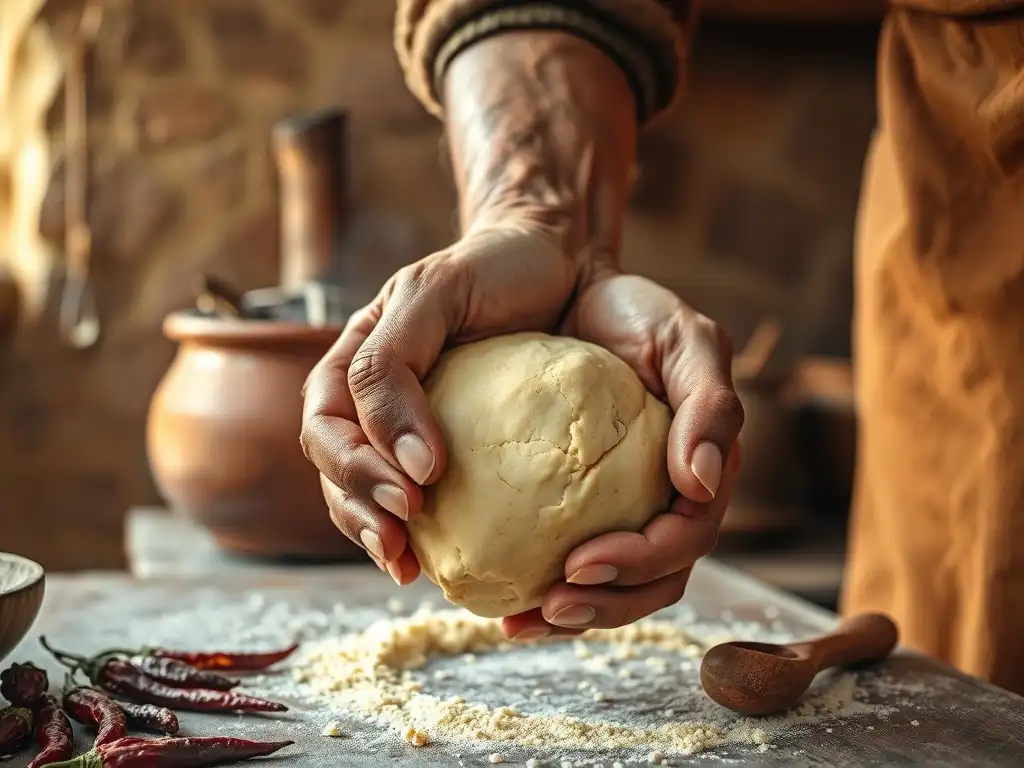
Andean cuisine, often perceived as complex and exotic, can be surprisingly accessible. This section focuses on recreating the essence of Andean flavors using minimal ingredients, showcasing the power of simplicity in achieving authentic taste. We'll explore three recipes that highlight the region's staple foods and straightforward preparation methods, perfect for those seeking a quick and flavorful introduction to Andean culinary traditions. This guide is designed to help you master the art of Andean cuisine minimal ingredients, allowing you to enjoy delicious and authentic meals with ease.
Recipe 1: Papa a la Huancaína (Simplified Version)
This classic Peruvian dish usually involves a complex sauce. Our simplified version retains the core flavors while minimizing ingredients and steps. The result is a creamy, cheesy potato dish that captures the heart of Papa a la Huancaína without the fuss.
This recipe focuses on the core flavor profile of the Huancaína sauce, using readily available ingredients to achieve an authentic taste. We reduce the number of ingredients to simplify the preparation process while maintaining the unique characteristics of this Andean culinary treasure.
Ingredients:
- 1 lb. potatoes, peeled and boiled
- 1/2 cup evaporated milk
- 1/4 cup queso fresco, crumbled (or substitute with a mild, creamy cheese)
- 1 tablespoon aji amarillo paste (or substitute with a pinch of paprika and a dash of cayenne pepper for a milder heat)
- Salt and pepper to taste
- Chopped fresh cilantro for garnish (optional)
Instructions:
- Boil the potatoes until tender. Slice them into rounds once cooled.
- In a blender, combine the evaporated milk, crumbled cheese, aji amarillo paste, salt, and pepper. Blend until smooth and creamy.
- Arrange the potato slices on a plate and pour the creamy sauce over them.
- Garnish with chopped cilantro, if desired. Enjoy! This simple adaptation allows you to savor the essence of Papa a la Huancaína with minimal effort, demonstrating the beauty of Andean cuisine minimal ingredients.
Recipe 2: Quinoa Soup with Vegetables (Andean Style)
Quinoa, an Andean superfood, forms the base of this hearty and nutritious soup. This recipe emphasizes simplicity, using readily available vegetables to create a flavorful and satisfying meal that represents the heart of Andean culinary heritage. The emphasis here is on the straightforward preparation and the use of minimal ingredients to achieve maximum flavor.
Ingredients:
- 1 cup quinoa, rinsed
- 4 cups vegetable broth
- 1 cup chopped carrots
- 1 cup chopped potatoes
- 1/2 cup chopped onion
- 1/4 cup chopped cilantro
- Salt and pepper to taste
Instructions:
- Sauté the onion in a little oil until softened.
- Add the carrots and potatoes and cook for 5 minutes.
- Stir in the quinoa and vegetable broth. Bring to a boil, then reduce heat and simmer for 15-20 minutes, or until the quinoa is cooked and the vegetables are tender.
- Season with salt and pepper to taste. Stir in the cilantro before serving. This simple quinoa soup showcases the versatility of quinoa and highlights the fresh flavors of Andean vegetables, making it a perfect example of Andean cuisine minimal ingredients.
Recipe 3: Habas Tostadas (Toasted Fava Beans) - A Simple Andean Snack
This incredibly simple recipe demonstrates the beauty of using minimal ingredients to create a satisfying and flavorful snack. Habas tostadas are a common street food in Andean regions, proving that sometimes the simplest dishes are the most delicious. This recipe emphasizes the natural flavors of the fava beans, showcasing the accessibility and deliciousness of Andean cuisine minimal ingredients.
Ingredients:
- 1 cup dried fava beans (soaked overnight)
- Salt to taste
Instructions:
- Drain the soaked fava beans.
- Spread the beans in a single layer on a baking sheet.
- Roast in a preheated oven at 350°F (175°C) for about 20-25 minutes, or until they are crispy and slightly browned, stirring occasionally to ensure even toasting.
- Season with salt to taste. Enjoy this crunchy and flavorful Andean snack! The simplicity of this recipe perfectly encapsulates the essence of Andean cuisine minimal ingredients. The focus on a single primary ingredient allows the natural flavors to shine through.
These three recipes illustrate how you can create delicious and authentic Andean meals with minimal ingredients, showcasing the region's culinary heritage in a simple and accessible way. Enjoy experimenting with these recipes and discovering the joy of preparing authentic Andean cuisine at home!
Sourcing Your Andean Ingredients: Where to Buy
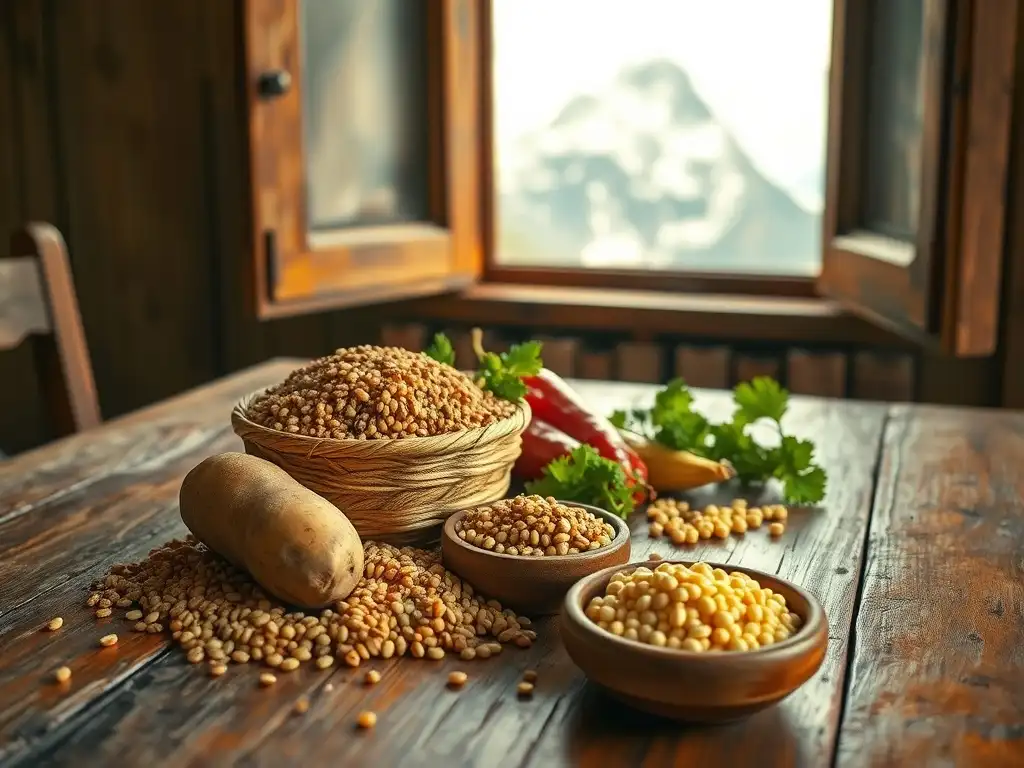
Finding authentic Andean ingredients can be a culinary adventure in itself! The key to recreating the vibrant flavors of Andean cuisine with minimal ingredients lies in sourcing high-quality, fresh produce and spices. This section will guide you through the best avenues for acquiring the essential elements of your Andean cooking experience. Remember, the simplicity of Andean cuisine shines brightest when you use the best available ingredients. Let's explore your options for obtaining these treasures.
Online Retailers for Authentic Andean Products
The convenience of online shopping offers a fantastic opportunity to access a wide variety of Andean products, even if you don't live near a large Latin American community. Many reputable online retailers specialize in importing authentic ingredients, ensuring you receive the highest quality produce and spices. While I can't provide direct links here, a quick search for "[Andean cuisine minimal ingredients]" will reveal many options.
Look for retailers known for their commitment to sourcing directly from Andean producers. Consider factors like reviews, shipping costs, and the variety of products offered when making your selection. Imagine the possibilities: fresh quinoa from the altiplano, vibrant aji amarillo peppers, and fragrant herbs straight from the Andean foothills, all delivered right to your door!
This allows you to explore and experiment with Andean cuisine even if you have limited access to local markets. The quality of your ingredients will directly impact the final result, so invest in reputable sources. It's a small price to pay for authentic Andean flavor.
Local Farmers Markets and Specialty Stores
Don't underestimate the power of your local community! Many farmers' markets and specialty food stores may surprise you with their selection of Andean ingredients. Exploring these local options offers a more hands-on experience, allowing you to engage directly with producers and learn more about the origins and preparation of your ingredients. This direct connection enhances the overall culinary journey, taking you beyond simple cooking and into a cultural immersion.
Look for stores specializing in international foods, particularly those focusing on Latin American cuisine. Ask the vendors questions! Their knowledge and passion can often lead you to unexpected finds and unique flavor combinations. For example, you might discover a small grower cultivating rare Andean potatoes or a local importer bringing in unique spices from the region.
This approach fosters a deeper connection with the culture and the history behind the ingredients, enriching your cooking experience. Remember, supporting local businesses is not only beneficial to your community but also helps preserve traditional Andean agricultural practices. The freshness and unique character of locally sourced ingredients will elevate your Andean dishes to a whole new level. Don't be afraid to ask questions; you might be surprised by what you discover!
Tips and Tricks for Mastering Andean Cuisine with Minimal Ingredients
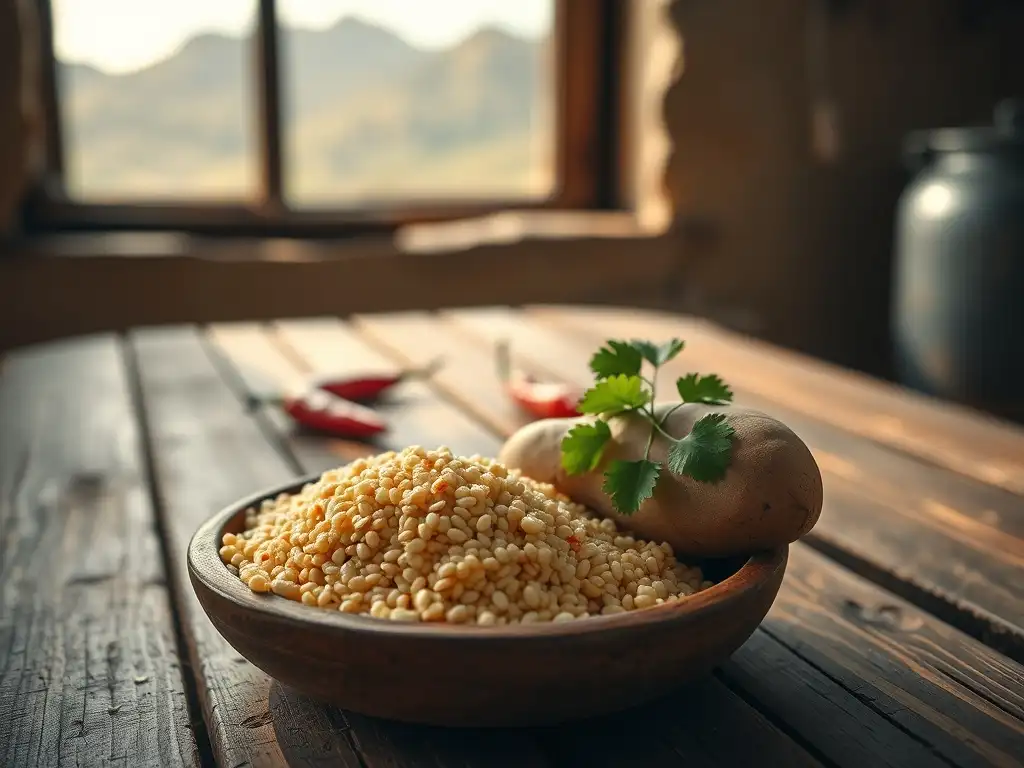
This section delves into practical advice for creating delicious and authentic Andean meals using a minimalist approach. We'll explore how to maximize flavor with limited ingredients, focusing on techniques and adaptations that ensure your culinary journey remains both flavorful and respectful of Andean culinary traditions. Mastering Andean cuisine with minimal ingredients is achievable with a little know-how and a focus on quality. Let's get cooking!
The Importance of Fresh, High-Quality Ingredients
The foundation of any successful Andean dish, even one with minimal ingredients, lies in the quality of its components. Think of it like this: a simple melody played on a finely tuned instrument sounds far richer than the same melody played on a broken one. Similarly, using fresh, high-quality ingredients elevates even the simplest Andean recipe.
This means prioritizing seasonal produce whenever possible. The vibrant flavors of Andean cuisine are deeply connected to the land and its cycles. Seek out farmers' markets or local producers to source ingredients like potatoes (varied types are key! ), quinoa, corn, and beans at their peak freshness. The difference in taste is remarkable. For example, a freshly harvested papa amarilla (yellow potato) will have a sweetness and creaminess that a stored potato simply cannot match.
Furthermore, consider the origin of your spices. Authentic Andean spices, such as ají panca or ají amarillo, offer unique flavor profiles that enhance the overall taste profile significantly. Opting for high-quality spices will dramatically improve your dishes, adding depth and complexity even when using a limited number of ingredients. Don't underestimate the power of a pinch of good salt!
Techniques for Preserving Flavors
With minimal ingredients, every element must play its part. Mastering techniques that enhance and preserve flavors is crucial. One key technique is adobo, a marinade that utilizes acidic ingredients like vinegar or citrus juices to tenderize meats and infuse them with flavor. This is particularly useful for dishes featuring llama or alpaca meat, common in Andean cuisine. The adobo not only preserves the meat's natural flavors but also adds a depth that complements the simplicity of the overall dish.
Another essential technique is the proper use of chuño, freeze-dried potatoes. Chuño is a staple in Andean cuisine and a testament to the ingenuity of the ancient Andean people in preserving food. Its unique texture and subtle flavor add a complexity to stews and soups that is difficult to replicate with other ingredients. Learning how to prepare and use chuño effectively is a significant step towards mastering the art of minimalist Andean cooking. This simple ingredient adds a unique depth that can't be matched.
Finally, understanding the importance of layering flavors is key. Instead of relying on a multitude of ingredients, focus on building complex flavor profiles through careful layering of a few key components. For example, in a simple quinoa salad, the initial flavor of the quinoa can be enhanced by adding a layer of citrus, followed by a layer of herbs, and finally a touch of spice. This creates a symphony of flavors, exceeding the sum of its parts.
Adapting Recipes Based on Availability and Preference
While authenticity is important, adaptability is key when working with limited ingredients. Andean cuisine is incredibly diverse, varying significantly based on geography and local resources. Don't be afraid to adapt recipes based on what's readily available in your region. For example, if ají amarillo is unavailable, you might experiment with other chili peppers that offer similar flavor profiles, such as poblanos or ancho chilies. This is not a betrayal of tradition, but rather a demonstration of culinary resourcefulness.
Remember that personal preferences should also play a role in adapting recipes. While traditional recipes provide a strong foundation, don't hesitate to adjust seasoning or incorporate ingredients that align with your taste. Andean cuisine is a vibrant tapestry of flavors, and your personal touch can add another layer of richness to these minimalist creations. Experimentation and adaptation are vital parts of the culinary journey. The spirit of Andean cuisine is one of resourcefulness and adaptation, so embrace the opportunity to personalize your meals. Enjoy the process of discovery!
Monetizing Your Andean Cooking Journey
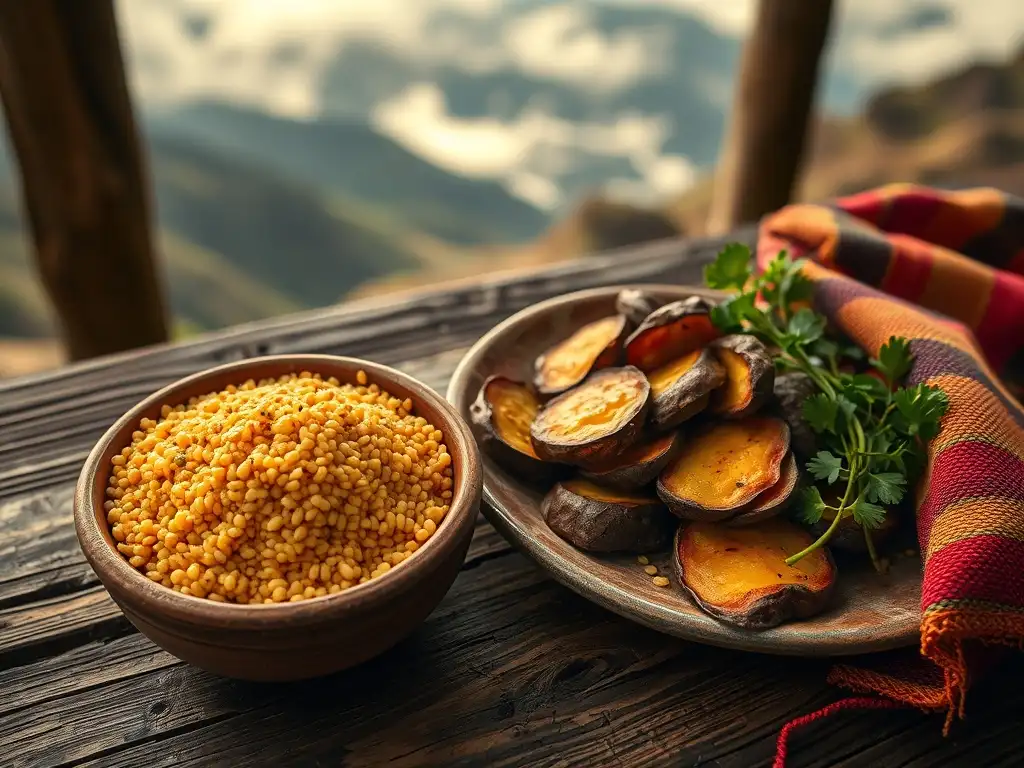
This section explores avenues for turning your passion for recreating authentic Andean cuisine with minimal ingredients into a profitable venture. The simplicity of Andean cooking, focusing on fresh, locally-sourced ingredients, is a compelling selling point in today's market. Let's delve into some practical strategies.
Affiliate Programs for Cooking and Kitchen Supplies
Many online retailers offer affiliate programs, allowing you to earn a commission by recommending products relevant to Andean cooking. Think about the essential tools and ingredients frequently used in your recipes. These could include:
- Mortars and pestles: Essential for grinding spices like ají panca and rocoto. Promoting high-quality, durable mortars and pestles could resonate well with your audience.
- Traditional Andean cookware: From clay pots for stews to woven baskets for serving, highlighting authentic cookware adds to the immersive experience.
- Specialty ingredients: Dried quinoa, cañihua, amaranth, and unique Andean spices are in high demand. Partnering with suppliers of these ingredients opens up another revenue stream.
- Knives and cutting boards: High-quality knives are essential for preparing fresh produce, while durable cutting boards are crucial for food safety.
By strategically incorporating affiliate links into your blog posts, recipes, or social media content, you can generate passive income while simultaneously providing your audience with valuable product recommendations. Remember to always disclose your affiliate partnerships transparently and ethically. The key is to focus on recommending products you genuinely believe in and use in your own cooking.
Creating Your Own Andean Spice Blends to Sell
The vibrant flavors of Andean cuisine are heavily reliant on unique spice blends. Capitalizing on this, you can create and sell your own signature Andean spice mixes. This requires careful planning and attention to detail:
- Recipe development: Experiment with different combinations of ají, huacatay, cumin, oregano, and other Andean spices to create unique and flavorful blends.
- Sourcing ingredients: Ensure high-quality, ethically sourced ingredients for consistent flavor and aroma.
- Packaging and branding: Develop attractive and informative packaging that reflects the authenticity and quality of your spice blends. Consider using traditional Andean designs or motifs.
- Legal considerations: Understand the labeling requirements and regulations for selling food products in your region.
- Marketing and sales: Utilize online marketplaces, farmers' markets, or your own website to sell your unique spice blends.
Creating your own spice blends allows for greater control over quality and branding, potentially commanding higher prices than mass-produced options. The potential for growth is significant, particularly if you can establish a strong brand identity associated with authentic Andean flavors.
Documenting your Andean cooking journey through blog posts and videos is a powerful way to connect with a wider audience and potentially monetize your passion. This can be achieved through several methods:
- Recipe blogging: Share detailed, step-by-step recipes showcasing your Andean dishes, emphasizing the minimal ingredients approach. High-quality photos and videos are essential for engaging your audience.
- Cooking tutorials: Create video tutorials demonstrating your techniques and tips for preparing authentic Andean meals.
- Online courses: Develop and sell online cooking courses teaching viewers how to prepare specific Andean dishes or broader Andean cooking techniques.
- Sponsored content: Collaborate with brands aligned with your values and audience to create sponsored content, such as recipe videos or blog posts.
- Monetizing videos: Utilize platforms like YouTube to monetize your video content through ads.
Consistent content creation is key to building a loyal following. Engage with your audience, respond to comments and questions, and consistently deliver high-quality content that reflects your passion for Andean cuisine and the "Andean cuisine minimal ingredients" approach. Remember to optimize your content for search engines using relevant keywords and hashtags. This will help expand your reach and attract a wider audience.
Conclusion: The Joy of Simple Andean Cooking
This exploration of Andean cuisine using minimal ingredients reveals a culinary philosophy deeply rooted in the Andean worldview. Far from being a limitation, the emphasis on a few, carefully selected ingredients enhances the inherent flavors of each dish, allowing the natural goodness of the Andean terroir to shine through. Mastering this approach isn't just about creating delicious meals; it's about forging a connection with the land, its people, and a rich culinary heritage.
By embracing simplicity, we unlock a profound appreciation for the power of authentic Andean flavors. The resulting dishes are not only satisfying but also deeply meaningful, reflecting a sustainable and respectful approach to food preparation. This philosophy of "less is more" translates into a more mindful and joyful cooking experience.
The Benefits of Embracing Minimalism in the Kitchen
Minimalist Andean cooking offers a multitude of advantages beyond simply creating delicious meals. Consider these key benefits:
- Reduced Food Waste: By focusing on a few core ingredients, you significantly reduce the likelihood of food spoiling before it's used. This aligns perfectly with the Andean ethos of respecting resources.
- Enhanced Flavor Profiles: With fewer ingredients competing for attention, the natural flavors of each component are amplified. This allows the inherent quality of Andean staples like potatoes, quinoa, and corn to truly shine.
- Cost-Effectiveness: Utilizing readily available, locally sourced ingredients often translates to lower grocery bills, making authentic Andean meals accessible to a wider audience.
- Healthier Eating: Minimalist cooking often leads to healthier meals, as it prioritizes whole, unprocessed ingredients over heavily processed or refined foods. This aligns with the Andean emphasis on natural well-being.
- Simplified Cooking Process: With fewer ingredients to chop, prepare, and combine, the cooking process becomes more streamlined and less time-consuming. This allows for a more relaxed and enjoyable culinary experience.
The table below illustrates how a simple Andean dish can be created with minimal ingredients, while still delivering a rich and satisfying experience:
| Dish | Main Ingredients | Secondary Ingredients | Flavor Profile |
|---|---|---|---|
| Quinoa Salad | Quinoa, Tomatoes, Onion | Cilantro, Lime Juice, Salt | Light, Fresh, and Vibrant |
| Simple Potato Stew | Potatoes, Onion, Garlic | Broth, Cumin, Paprika | Hearty, Savory, and Warming |
| Roasted Corn with Aji | Corn, Aji Amarillo Paste | Salt, Olive Oil | Sweet, Spicy, and Aromatic |
Connecting with Andean Culture Through Food
Cooking authentic Andean meals with minimal ingredients is more than just preparing a meal; it's a journey of cultural immersion. Each ingredient, each preparation method, tells a story of Andean ingenuity and resilience. By recreating these dishes in our own kitchens, we gain a deeper understanding and appreciation for the Andean civilization's profound connection to the land and its resources.
The simplicity of the recipes reflects the values of resourcefulness and sustainability that were integral to Andean societies. The act of preparing these meals fosters a sense of connection to a rich cultural heritage, allowing us to engage with the history and traditions of the Andes in a tangible and meaningful way. This culinary exploration encourages a deeper understanding of Andean values and promotes a mindful appreciation for the richness and simplicity of Andean cuisine.
It's a delicious way to learn and connect with a vibrant culture. The flavors themselves become a narrative, whispering tales of ancient practices and enduring traditions. Through the careful selection and preparation of minimal ingredients, we uncover the heart of Andean culinary heritage.
Frequently Asked Questions
What defines "Andean cuisine"?
Andean cuisine is characterized by its simple yet flavorful dishes, utilizing readily available ingredients from the Andes region. It emphasizes potatoes, corn, quinoa, and beans, often combined with herbs and spices. Think hearty, satisfying meals.
How can I create authentic Andean meals with minimal ingredients?
Focus on fresh, seasonal produce and basic pantry staples. Many traditional Andean recipes use only a handful of ingredients, relying on quality and preparation techniques to build flavor. Experiment with different combinations of potatoes, corn, and beans.
What are some staple ingredients in Andean cooking?
Potatoes, in their many varieties, are central. Quinoa, corn, and various beans are also crucial. Common additions include aji peppers for spice, and herbs like huacatay. Don't forget the local meats like alpaca or llama if available.
Are Andean meals always vegetarian or vegan?
While many Andean dishes feature vegetables and grains as the main components, meats like llama, alpaca, and guinea pig are also traditionally incorporated. The emphasis is on utilizing available resources, making it diverse in its offerings.
Where can I find more information about Andean cuisine and recipes?
Many online resources and cookbooks are dedicated to Andean cuisine. Look for books and websites focusing on Peruvian, Bolivian, Ecuadorian, and Colombian cooking, as these are the areas where the Andean civilizations flourished, offering a wide array of recipes emphasizing minimal ingredients and maximum flavor.
Final Reflection: Rediscovering Abundance in Andean Simplicity
The pursuit of authentic Andean cuisine doesn't require a pantry overflowing with exotic ingredients; it thrives on the power of simplicity. This rediscovery of culinary minimalism, deeply rooted in the Andean tradition, offers a potent antidote to the complexities of modern life and a pathway to sustainable, flavorful eating. It challenges us to appreciate the inherent goodness of locally sourced, seasonal produce and the transformative magic of a few carefully chosen ingredients.
The enduring legacy of Andean culinary traditions lies not in elaborate recipes, but in the deep connection to the land and the respect for its bounty. This philosophy resonates deeply with me, reminding me of the importance of mindful consumption and the beauty of finding richness in restraint. Simplicity is the ultimate sophistication,
as Leonardo da Vinci wisely observed, and this principle holds true in the heart of Andean cooking. The focus on fresh, high-quality ingredients elevates the dining experience, fostering a deeper appreciation for the natural world and the cultural heritage it sustains.
Now, consider your own kitchen. What can you simplify? What local, seasonal ingredients are readily available to you? I invite you to experiment, to embrace the challenge of creating delicious and authentic Andean-inspired meals with minimal ingredients. Let this journey be a testament to the power of less, a celebration of flavor, and a step towards a more sustainable and meaningful relationship with food. The abundance you discover might surprise you.
Embrace Simplicity: Start Your Culinary Adventure Today!
Thank you for exploring the world of authentic Andean cuisine! Discovering the power of simple ingredients to create vibrant flavors is a rewarding journey. Now, let's take that knowledge further and enjoy the experience firsthand.
Here are some ways to enhance your cooking:
- Try a Simple Andean Recipe: Choose a recipe that appeals to you and showcases the unique flavors of Andean ingredients. Why not try it tonight?
- Share Your Culinary Creations: Snap a photo of your delicious meal and share it on social media. Tag us – you might inspire others!
- Join a Cooking Community: Connect with fellow food enthusiasts by joining a local cooking group, online workshop, or social media forum focused on Andean cooking.
What delicious Andean dish will you create first? Let's discuss in the comments!