
The Art of Andean Fermentation: Creating Chicha and Other Ancient Brews

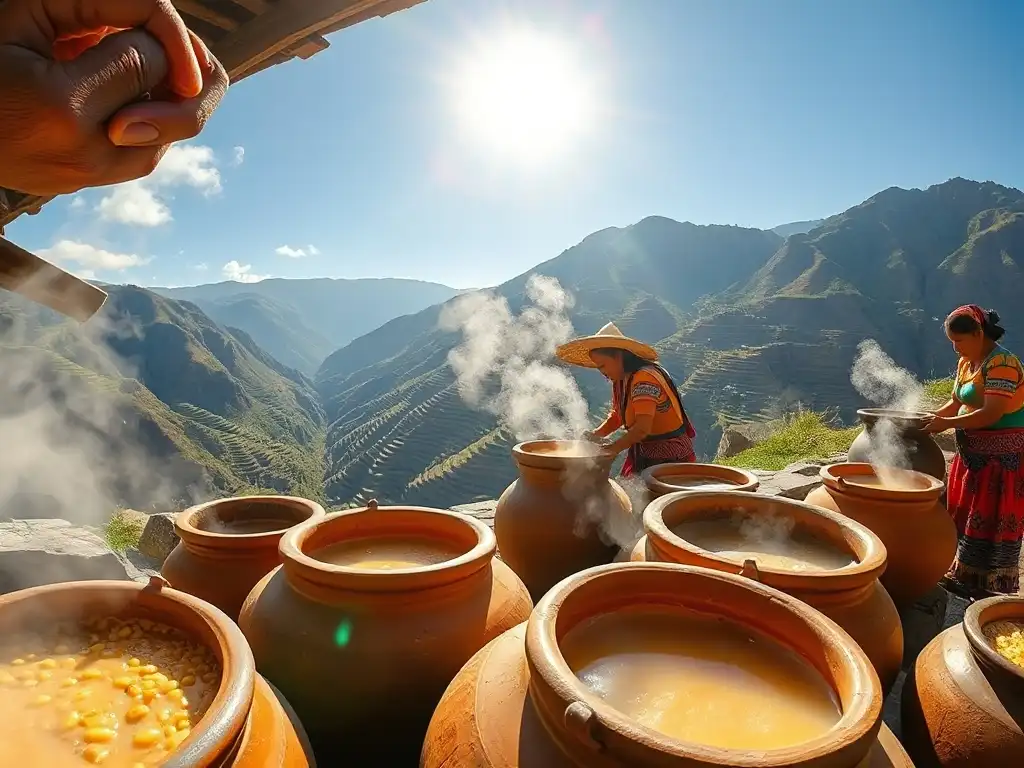
Uncover the secrets whispered on the wind across the Andes Mountains. For centuries, ingenious techniques shaped not only the landscape but also the very essence of Andean culture. Journey with us into the fascinating world of Andean fermentation techniques, where ancient brews like chicha held a place of immense social and spiritual significance. Prepare to be amazed by the ingenuity and artistry behind these lost traditions—discover their enduring legacy and the surprising ways they continue to influence us today.
The Andes Mountains, a spine of towering peaks running down the western coast of South America, are not only a breathtaking landscape but also the cradle of sophisticated agricultural and culinary traditions. For millennia, Andean civilizations have harnessed the power of fermentation, transforming humble ingredients into complex and flavorful beverages and foods. This article delves into the fascinating world of Andean fermentation techniques, exploring the processes behind iconic drinks like chicha, and uncovering the ingenuity and cultural significance woven into these ancient brewing practices.
We will uncover the secrets behind these time-honored methods, revealing how Andean cultures mastered fermentation to create not only sustenance but also integral parts of their social and religious lives. Understanding these techniques provides a deeper appreciation for the rich culinary heritage of the Andes and opens up exciting possibilities for recreating these ancient brews in your own kitchen.
This exploration will illuminate how seemingly simple processes were meticulously refined over generations, resulting in a diverse range of fermented products that continue to be enjoyed today. We will explore the specific techniques used for chicha production, as well as other lesser-known fermented foods and drinks that played a vital role in Andean societies.
Introduction to Andean Fermentation Traditions
Andean fermentation traditions are deeply intertwined with the region's unique geography and agricultural practices. The high altitude, varied climates, and diverse range of crops – from maize and potatoes to quinoa and various fruits – provided the raw materials for a rich tapestry of fermented products. These weren't simply methods of food preservation; fermentation held profound cultural and spiritual significance.
Chicha, a fermented beverage made primarily from maize, served not only as a staple drink but also played crucial roles in religious ceremonies, social gatherings, and even medicinal practices. Archaeological evidence suggests that fermentation techniques in the Andes date back thousands of years, with sophisticated methods evolving alongside the development of Andean civilizations. The precise methods varied between different cultures and regions, reflecting the adaptability and ingenuity of Andean peoples in harnessing the natural processes of fermentation.
For example, the Incas, Moche, Nazca, and Tiahuanaco cultures each developed their own unique variations and applications of fermentation. The process wasn't simply a matter of leaving food to ferment; it involved careful selection of ingredients, specific temperature control techniques (often using underground pits or sun exposure), and precise timing to achieve the desired results. The knowledge of these techniques was often passed down through generations, representing a crucial element of Andean cultural identity.
Understanding the Basics of Fermentation in the Andes
Fermentation in the Andes relied heavily on naturally occurring yeasts and bacteria found in the environment and on the ingredients themselves. Unlike modern brewing, which often involves the use of cultivated yeast strains, Andean fermentation was a more spontaneous process, relying on the microorganisms present in the raw materials and their surroundings. This process, while seemingly simple, required a deep understanding of the environment and the behavior of microorganisms. Different types of chicha, for example, resulted from variations in the maize varieties used, the fermentation techniques employed, and the length of fermentation.
Some chicha varieties were relatively mild, while others possessed a higher alcohol content and more intense flavors. The process often involved chewing the maize kernels before fermentation, a practice that introduced enzymes and microorganisms crucial to the process. This method, known as acullico, not only aided fermentation but also contributed to the unique flavor profiles of the resulting beverage. Beyond chicha, Andean cultures also fermented other foods, such as potatoes and other grains, creating a variety of products with diverse textures and flavors.
These fermentation processes were not only crucial for preserving food but also contributed to increased nutritional value and digestibility. The precise methods and techniques used varied significantly depending on the specific food being fermented, the available resources, and the cultural practices of the particular Andean community. 🍻
Key Ingredients for Traditional Andean Fermented Drinks
Andean fermentation techniques, central to the region's culinary heritage, rely heavily on readily available local ingredients. The most crucial element, and arguably the star, is the diverse array of corn varieties cultivated throughout the Andes. These aren't your average supermarket corn kernels; Andean corn boasts a remarkable spectrum of colors, textures, and flavor profiles, significantly impacting the final product's taste and quality.
The selection of corn directly influences the chicha's sweetness, acidity, and overall character, making it a crucial decision in the brewing process. Furthermore, the specific strain used often reflects regional traditions and cultural significance, adding layers of historical and social context to the brewing practice. Understanding the nuanced differences between these corn varieties is key to appreciating the depth and complexity of Andean fermented beverages.
The Importance of Purple Corn Varieties
Among the numerous corn varieties prized in Andean fermentation, purple corn ( maíz morado) holds a particularly revered position. Its deep purple hue, derived from anthocyanins, not only contributes a striking visual appeal but also offers significant health benefits. Anthocyanins are potent antioxidants, associated with various health advantages. Beyond its nutritional value, purple corn imparts a unique, slightly sweet and subtly tart flavor to chicha morada, the most famous purple corn-based beverage.
The intensity of the color and flavor can vary depending on the specific cultivar and growing conditions, highlighting the importance of sourcing high-quality, locally grown purple corn for optimal results. Many Andean communities maintain heirloom varieties, passed down through generations, ensuring the preservation of unique flavor profiles and cultural significance. The use of these heirloom varieties is not just about taste; it's a connection to ancestral knowledge and a celebration of Andean agricultural heritage.
Other Essential Grains and Tubers for Andean Brews
While corn forms the backbone of many Andean fermented drinks, the ingenuity of Andean cultures extends to incorporating other grains and tubers to create diverse and flavorful brews. For example, quinoa, a nutritional powerhouse, adds a slightly nutty and earthy note to certain chicha variations. Its high protein content also contributes to a richer, more substantial beverage. Similarly, various types of potatoes, particularly those native to the high Andes, can be incorporated, lending a subtly sweet and starchy character.
The specific choice of potato depends on the region and the desired flavor profile. Some recipes even incorporate barley or other grains, demonstrating the adaptability of Andean fermentation techniques to utilize locally available resources. This versatility showcases the resourcefulness of Andean cultures in maximizing the potential of their agricultural bounty. The use of these diverse ingredients underscores the richness and complexity of Andean culinary traditions.
Andean Herbs and Spices for Flavor Enhancement
Beyond the primary ingredients, Andean fermentation techniques incorporate a fascinating array of herbs and spices to enhance the aroma and flavor of their brews. These additions aren't merely for taste; many possess medicinal properties, reflecting a deep understanding of the interplay between food and health. Common additions include muña ( Minthostachys spicata), a minty herb with a distinctive aroma, and anis (anise), which lends a sweet, licorice-like flavor.
Other spices, such as cloves and cinnamon, may also be included, depending on the specific recipe and regional preferences. The careful selection and proportioning of these herbs and spices are crucial in achieving the desired balance of flavors and creating unique regional variations.
This intricate blending of ingredients demonstrates the sophisticated understanding of flavor profiles and the deep connection between Andean culinary practices and the natural environment. The use of these herbs and spices adds another layer of complexity and cultural significance to the already rich tapestry of Andean fermentation traditions.
- Introduction to Andean Fermentation Traditions
- Understanding the Basics of Fermentation in the Andes
- Key Ingredients for Traditional Andean Fermented Drinks
How to Make Chicha: A Step-by-Step Guide to Andean Fermentation
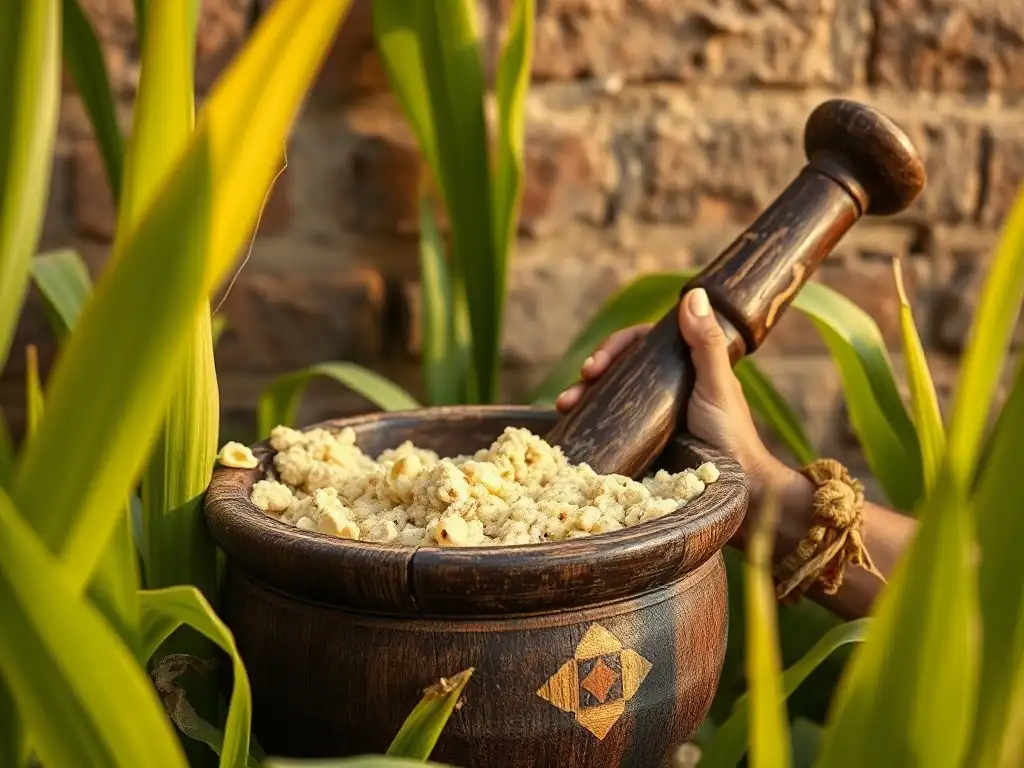
This section delves into the practical aspects of creating chicha, a fermented beverage central to Andean culture for millennia. Understanding Andean fermentation techniques requires attention to detail, from selecting the right ingredients to carefully monitoring the fermentation process. We'll explore the process step-by-step, focusing on traditional methods for authentic results. Mastering these techniques allows you to recreate a piece of Andean history in your own kitchen.
Preparing the Base: Macerating Purple Corn
The foundation of many chicha variations is purple corn ( maíz morado), chosen for its vibrant color and unique sweetness. The initial step involves maceration, a crucial process that unlocks the sugars necessary for fermentation. This isn't simply soaking; it's a gentle extraction.
First, select high-quality, organically grown purple corn kernels. Avoid kernels that are damaged or show signs of mold. Approximately 5 pounds of corn is a good starting point for a moderately sized batch. Thoroughly rinse the kernels under cold water to remove any debris.
Next, place the rinsed corn in a large, clean container – a food-grade plastic bucket works well. Add enough clean, filtered water to completely submerge the corn. The water should be at room temperature, ideally around 70-75°F (21-24°C).
Allow the corn to macerate for 24-48 hours. During this time, the kernels will soften, and their natural sugars will begin to leach into the water. Gently stir the mixture once or twice a day to ensure even maceration. You should notice the water turning a deep purple hue. The success of your chicha hinges on this careful preparation. Insufficient maceration will result in a weak and less flavorful brew.
The Fermentation Process: Setting the Stage for Chicha
Once the corn is properly macerated, the fermentation process begins. This is where the magic happens, transforming the sweet corn mixture into the slightly alcoholic and tangy chicha. The success of this stage depends on several key factors, including the use of appropriate vessels, temperature control, and maintaining a clean environment to prevent unwanted bacterial growth. This is where the true Andean fermentation techniques shine.
Utilizing Traditional Clay Pots for Fermentation
Traditionally, Andean cultures utilized clay pots for fermentation. These unglazed pots allow for subtle oxygen exchange, influencing the fermentation process. While modern food-safe containers can be used, clay pots offer a unique authenticity and can contribute to the final flavor profile. The porous nature of the clay allows for a slow, even fermentation, contributing to a smoother, more nuanced beverage. Finding authentic Andean clay pots might require some searching, but the effort is often rewarded with a superior product. If using a modern container ensure it is thoroughly sanitized.
Maintaining Optimal Temperature for Fermentation
Temperature is a critical factor in successful fermentation. Too cold, and the yeast will be sluggish; too hot, and unwanted bacteria may proliferate, spoiling the batch. The ideal temperature range for chicha fermentation is between 75-85°F (24-29°C). This temperature range encourages the growth of beneficial yeasts while inhibiting the growth of harmful bacteria. You can monitor the temperature using a standard thermometer.
If the temperature fluctuates too much, you may need to adjust the environment, perhaps moving the container to a warmer or cooler location. Consistent temperature is key to achieving a balanced and flavorful chicha. Remember, patience is key in Andean fermentation techniques. The process takes time, allowing the flavors to develop fully.
Filtering and Bottling Your Homemade Chicha
After the fermentation process is complete, the next crucial step in creating delicious chicha is filtering and bottling. This process removes the solids from the fermented mash, leaving behind a clear, drinkable beverage. Proper filtering is essential not only for aesthetic reasons but also to prevent unwanted sediment from impacting the taste and texture of your final product.
The methods used for filtering have varied across different Andean cultures and time periods, reflecting the readily available materials and traditional practices. Some communities might have favored more rudimentary methods, while others, particularly in later periods, may have adapted more refined techniques. The choice of filtering method can influence the final clarity and mouthfeel of your chicha.
A finer filter will result in a clearer drink, while a coarser filter will leave some residual cloudiness. This is a matter of personal preference, and experimentation is encouraged to find your preferred balance between clarity and maintaining some of the rich character of the original mash. The choice of filtering method significantly influences the final product's quality, impacting both its visual appeal and its overall taste.
Using a Traditional Cloth Filter
A traditional method employed across many Andean communities involves using a woven cloth filter. This technique, passed down through generations, offers a simple yet effective way to remove the larger solids from the chicha. The cloth, often made from natural fibers like cotton or wool, is carefully layered over a container, allowing the fermented liquid to drip through.
The finer the weave of the cloth, the clearer the resulting chicha will be. This process is often slow and requires patience, but it allows for a more natural filtering process without the use of modern equipment. The choice of cloth is significant; a tightly woven cloth will result in a clearer product, while a loosely woven one might leave more solids behind.
Many Andean families have their own specific cloths dedicated to this purpose, passed down as heirlooms, reflecting the importance of this step in the traditional chicha-making process. The careful selection and maintenance of the cloth are vital for ensuring the quality and hygiene of the final product.
Bottling Options: From Clay Vessels to Glass
Once your chicha is filtered, the next step is bottling it for storage and consumption. Historically, Andean communities utilized a variety of materials for storing and serving their fermented beverages, reflecting the available resources and cultural preferences. Clay vessels, for instance, were and continue to be a popular choice. These porous vessels allow for a slow, subtle exchange of air, potentially influencing the flavor profile of the chicha over time.
However, the use of clay vessels requires careful attention to hygiene and storage conditions to prevent contamination. Modern options include glass bottles, which offer better protection against contamination and are easier to clean and sterilize. The choice of bottling method significantly influences the preservation and overall quality of the chicha. Glass bottles provide a more sterile environment, extending the shelf life of the beverage.
However, the use of traditional clay vessels adds a unique aesthetic and potentially influences the flavor, offering a more authentic Andean experience. It's important to consider the implications of each option before deciding on a bottling method, balancing tradition with practicality and hygiene. Ultimately, the choice depends on both personal preference and the desired level of authenticity.
Beyond Chicha: Exploring Other Andean Fermented Beverages
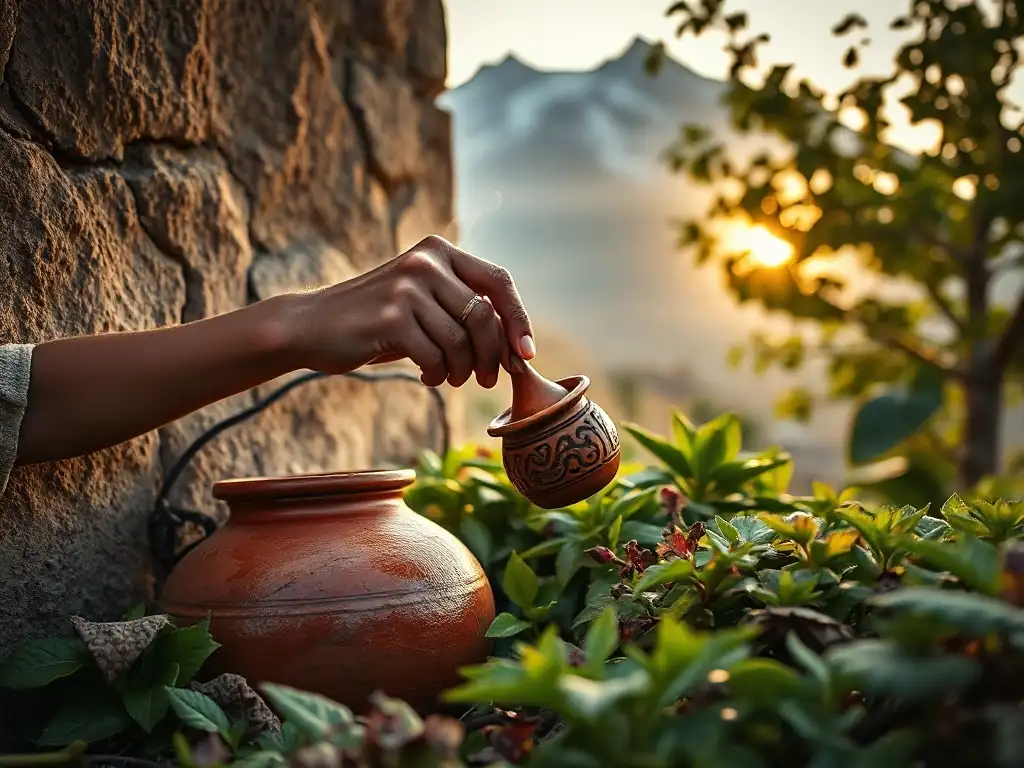
The Andean region's mastery of fermentation extended far beyond the iconic chicha. While chicha, made from maize, remains a cornerstone of Andean culinary heritage, a diverse array of fermented beverages, each reflecting unique regional ingredients and traditions, flourished across the varied landscapes. Understanding these diverse brewing techniques provides a richer appreciation for the ingenuity and adaptability of Andean cultures. This section delves into two compelling examples that showcase the breadth of Andean fermentation expertise: masato and chica de jora.
These beverages highlight the ingenuity employed in transforming readily available resources into nourishing and culturally significant drinks. The techniques, while varying slightly across regions, underscore the fundamental principles of Andean fermentation: meticulous control of temperature, careful selection of ingredients, and a deep understanding of microbial processes. This knowledge allowed for the consistent production of a range of fermented drinks with unique flavors and properties.
Masato: The Fermented Yuca Drink of the Amazon
Masato, a staple beverage in the Amazonian regions of the Andes, exemplifies the adaptability of Andean fermentation techniques. This fermented drink, primarily made from yuca (cassava), showcases the region's use of readily available resources to create a refreshing and subtly sweet alcoholic beverage. The preparation involves a multi-step process, highlighting the precision and knowledge required for successful fermentation. The resulting drink varies significantly in flavor and texture depending on the specific yuca variety used, as well as the fermentation techniques employed.
Preparing and Fermenting Yuca for Masato
The process of making masato begins with the careful selection and preparation of yuca roots. Ripe, mature yuca is peeled and thoroughly washed before being grated or pounded into a pulp. The level of fineness of the pulp significantly affects the fermentation process and the final texture of the masato. Larger pieces of yuca will result in a chunkier, more textured drink, while finer pulps lead to a smoother consistency.
The yuca pulp is then mixed with water, often warm water to aid in the activation of the natural yeasts and bacteria present on the yuca. This mixture is then allowed to ferment, usually in large earthenware pots or wooden containers, for a period ranging from one to several days, depending on the desired level of fermentation and the ambient temperature. The fermentation process is carefully monitored, and the temperature is often regulated to ensure consistent results. This highlights the sophisticated understanding of microbial processes inherent in Andean fermentation techniques.
The process often involves leaving the mash in a warm place, possibly aided by the sun's warmth, to promote fermentation. This careful balance of temperature and time is critical to preventing spoilage and achieving the desired flavor profile. The fermentation process is often aided by the addition of specific starter cultures, passed down through generations, which ensures the consistency of the final product.
Regional Variations and Flavor Profiles of Masato
The flavor profile of masato varies significantly depending on several factors. The type of yuca used, its ripeness, and the fermentation time all contribute to the final taste. Some varieties of masato exhibit a subtly sweet flavor, while others develop a more tart or sour profile.
The addition of other ingredients, such as fruits, spices, or even toasted grains, can further enhance the complexity of the flavor. Regional variations also exist, with some communities adding toasted maize or other local ingredients to their masato recipes. This diversity underscores the adaptability of the fundamental fermentation process and its integration into the unique culinary traditions of different Amazonian communities.
For example, in some areas, masato might be flavored with pineapple or other tropical fruits, resulting in a delightfully fruity and refreshing beverage. In other communities, the addition of spices like cinnamon or cloves might create a more complex and warming drink. These variations demonstrate the rich cultural heritage embedded within this seemingly simple beverage.
Chica de Jora: A Malted Corn Variation
Chica de Jora represents another fascinating example of Andean fermentation ingenuity. Unlike chicha, which uses unmalted corn, chica de jora employs a malting process, similar to that used in beer production, to enhance the drink's sweetness and digestibility. This process involves the controlled germination of corn kernels, activating enzymes that break down complex starches into simpler sugars, thereby facilitating fermentation and producing a unique flavor profile. The malting process, a crucial step in the production of chica de jora, contributes significantly to the drink's distinctive characteristics.
The Malting Process for Chica de Jora
The malting process for chica de jora begins with the selection of high-quality corn kernels. These kernels are then soaked in water for several days, allowing them to absorb moisture and begin to germinate. The germination process is carefully monitored and controlled, as the precise timing and conditions are critical to achieving the desired enzymatic activity.
Once the kernels have sprouted to a specific length, the germination process is halted by drying the kernels, usually in the sun. This drying step is essential to prevent further germination and to preserve the enzymes that have been activated. The precise length of the germination and drying phases is crucial for the quality of the final product.
This requires significant knowledge and experience, passed down through generations of Andean brewers. The malted corn is then ground or crushed, preparing it for the fermentation stage. The resulting malt is rich in sugars, making it ideal for fermentation and creating a smoother, sweeter drink than chicha.
The Unique Flavor and Texture of Chica de Jora
Chica de jora possesses a distinctive flavor profile, markedly different from chicha. The malting process imparts a subtle sweetness and a smoother, less astringent taste. The texture is also often described as smoother and less grainy than chicha.
The flavor is often described as subtly sweet with hints of caramel and toasted nuts. The overall sweetness and smoother texture are a direct result of the malting process, which converts complex starches into simpler sugars, enhancing both the drink's palatability and its fermentation potential. The color of chica de jora also differs, often exhibiting a richer, darker hue compared to the lighter color of many chicha varieties.
The unique qualities of chica de jora solidify its place as a significant contribution to the diverse tapestry of Andean fermented beverages. The drink's complexity and nuanced flavor profile make it a testament to the advanced understanding of agricultural and fermentation processes developed by Andean cultures.
Essential Tools and Equipment for Andean Fermentation at Home
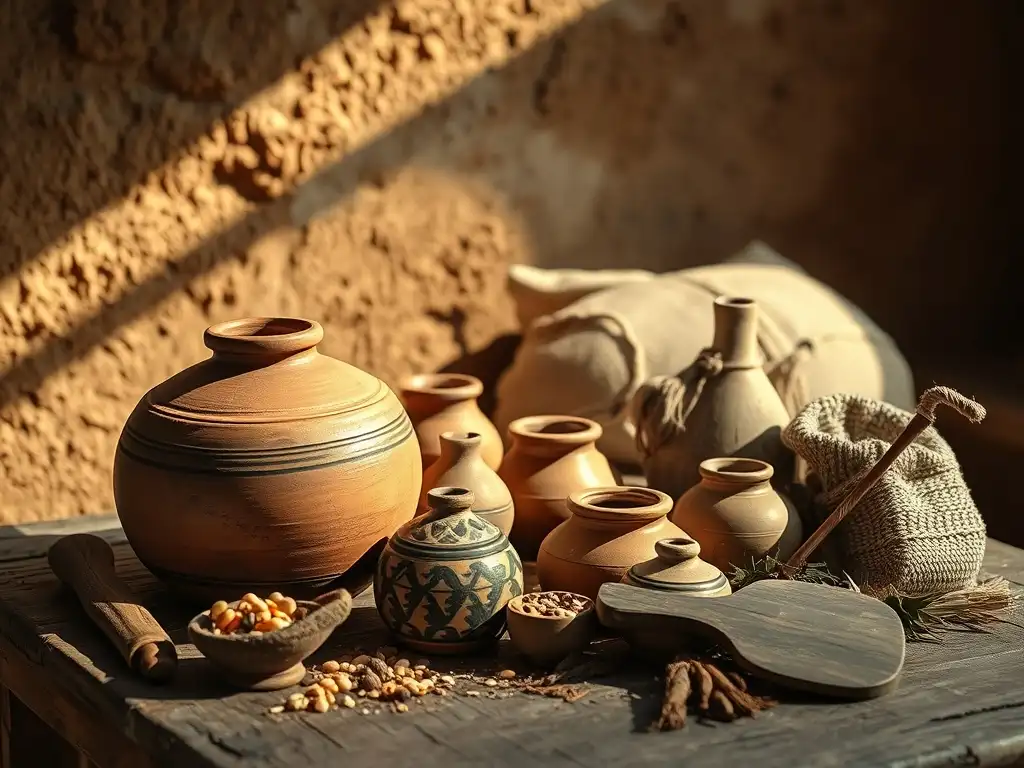
This section delves into the practical aspects of recreating ancient Andean fermentation techniques at home, focusing on both traditional and modern equipment. Mastering these methods allows you to craft authentic chicha and other fermented beverages, bringing a piece of Andean culinary heritage into your kitchen. We'll explore the tools and equipment needed to achieve successful fermentation, ensuring the preservation of flavors and the creation of delicious, historically accurate brews.
Traditional Andean Fermentation Vessels
Traditional Andean fermentation relied heavily on readily available, natural materials. Understanding these vessels offers insight into the ingenuity of ancient Andean techniques and provides a foundation for replicating their methods. The most common containers were simple, yet effective, in maintaining the proper environment for fermentation.
Clay Pots
Clay pots, ollas in Spanish, were a cornerstone of Andean fermentation. Their porous nature allowed for a slow, even release of gases produced during fermentation, preventing explosions and promoting a consistent process. The earthenware also helped maintain a relatively stable temperature, crucial for optimal yeast activity. Different sizes of ollas were used depending on the scale of the fermentation project, from small vessels for household use to larger ones for communal brewing.
The variations in clay composition across the Andes also influenced the subtle nuances in the final product, highlighting the regional diversity of Andean fermentation practices. Careful selection of a well-fired, food-grade clay pot is essential for safe and successful home fermentation. Remember to thoroughly clean and sanitize your clay pot before each use.
Wooden Utensils
Wooden utensils, like spoons and paddles, were used for stirring and mixing during the fermentation process. The absence of reactive metals prevented any unwanted chemical interactions with the fermenting liquid. Wooden tools were also gentler on the contents of the vessel, reducing the risk of damaging delicate ingredients. Different types of wood were likely used, with choices possibly dictated by availability and perceived properties.
For example, certain woods might have been favored for their resistance to cracking or their perceived ability to enhance the final product's flavor. When using wooden utensils at home, ensure they are food-safe and cleaned thoroughly to avoid contamination. Avoid using metal utensils, as they can react with the fermenting mixture and affect the taste and quality of your chicha.
Modern Equipment for Home Fermentation
While traditional methods are invaluable, modern equipment can enhance convenience and control in the fermentation process. The following equipment can help you achieve consistent results and monitor the fermentation process effectively.
Fermentation Crocks
Modern fermentation crocks offer a controlled environment for fermentation. Many have airlocks that allow the release of carbon dioxide while preventing oxygen from entering. This helps to maintain a proper anaerobic environment essential for healthy fermentation and prevents the growth of unwanted bacteria or mold. The use of a fermentation crock allows for more precise temperature control, crucial for consistent results. Choosing a crock made of food-grade materials is crucial for safety. Their smooth surfaces are easier to clean and sanitize than traditional clay pots.
Thermometers
Accurate temperature monitoring is crucial for successful fermentation. A reliable thermometer, preferably a digital one with a probe, allows you to closely monitor the temperature of the fermenting liquid throughout the process. Different yeasts thrive at different temperatures; precise temperature control allows you to optimize the fermentation process and achieve the desired flavors.
Consistent temperature monitoring is especially important for those recreating ancient Andean fermentation techniques, as the environmental conditions in the Andes likely played a significant role in the fermentation process. Having a thermometer ensures that you maintain the optimal temperature range for the specific recipe and yeast used. This attention to detail ensures that your chicha or other Andean brew stays true to its ancient origins and achieves the desired taste profile.
Troubleshooting Common Issues in Andean Fermentation
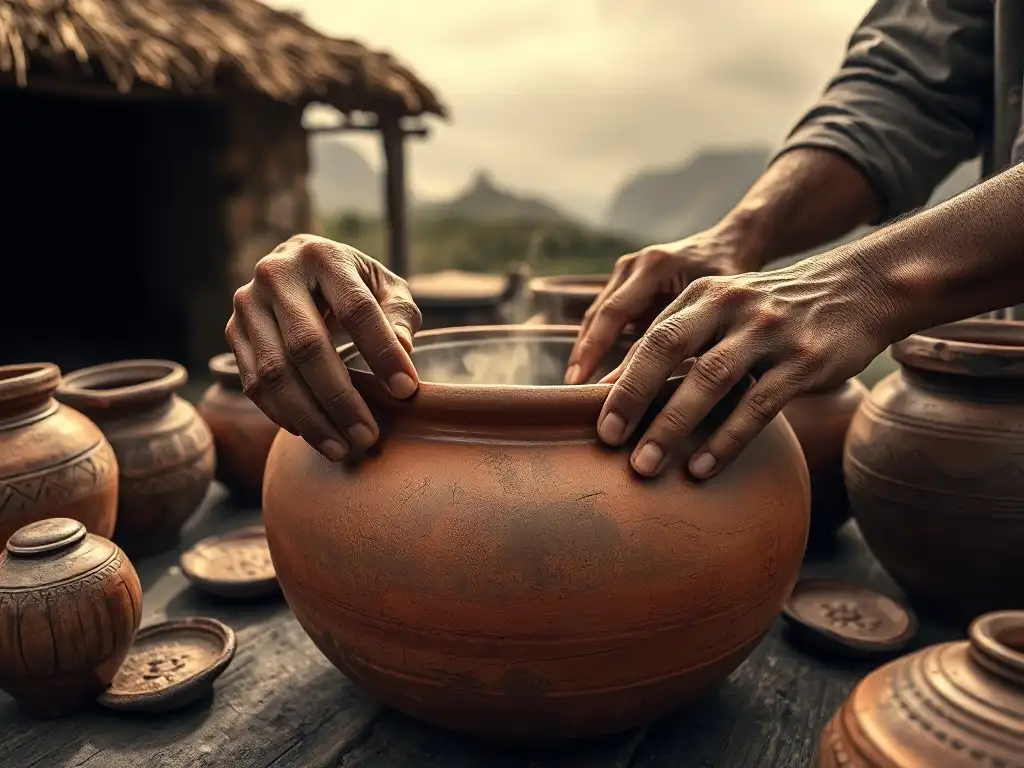
Andean fermentation techniques, passed down through generations, are a testament to the ingenuity of ancient cultures. However, even with careful adherence to traditional methods, challenges can arise. Understanding these potential problems and implementing preventative measures is crucial for successful fermentation and the creation of delicious, authentic Andean beverages like chicha. This section focuses on common issues and practical solutions, ensuring your fermentation journey is smooth and rewarding.
Preventing Mold and Unwanted Bacteria
Mold and unwanted bacteria are the most common adversaries in any fermentation process, and Andean fermentation is no exception. The warm, humid conditions ideal for fermentation can also be perfect breeding grounds for undesirable microorganisms. Proactive measures are key to preventing contamination.
The first line of defense is hygiene. Thorough cleaning and sanitization of all equipment—pots, jars, utensils—using boiling water or a solution of baking soda and water is essential before starting the fermentation process. Even small traces of residue can harbor unwanted bacteria. Furthermore, using only fresh, high-quality ingredients is paramount. Damaged or bruised fruits should be discarded as they are more susceptible to microbial contamination.
Maintaining the correct temperature is also crucial. While the optimal temperature varies depending on the specific recipe and the type of chicha being made (e.g., chicha de jora requires slightly different conditions than chicha morada), generally, a consistent temperature within a specific range (typically between 18°C and 25°C) should be maintained throughout the fermentation process. Fluctuations in temperature can disrupt the balance of microorganisms, leading to off-flavors or mold growth. Consistent monitoring with a thermometer is recommended.
Finally, proper sealing of the fermentation vessel is vital. A loosely fitting lid allows oxygen to enter, potentially encouraging the growth of unwanted aerobic bacteria and mold. A tightly sealed container, but not airtight (allowing for the escape of CO2), is ideal. Using a fermentation airlock is another excellent method to control the environment. This simple device allows CO2 to escape while preventing oxygen from entering, creating a perfect anaerobic environment for beneficial yeast.
Addressing Off-Flavors in Fermented Drinks
Off-flavors in fermented beverages are a common frustration. These unpleasant tastes can stem from several sources, including improper sanitation, incorrect temperature control, or the use of substandard ingredients. Identifying the cause is the first step in resolving the issue.
A sour or vinegary taste often indicates an overabundance of acetic acid bacteria, which thrive in oxygen-rich environments. This suggests inadequate sealing or temperature fluctuations. A bitter taste might be due to the use of overripe or damaged fruits, or prolonged fermentation. A musty or earthy taste might signal the presence of mold, highlighting the need for improved sanitation practices.
To address these issues, carefully review your fermentation process. Did you thoroughly sanitize your equipment? Was the temperature consistently maintained? Were your ingredients fresh and of high quality? Addressing these questions will help pinpoint the source of the off-flavor. In some cases, adjusting the fermentation time can help. If the off-flavor is subtle, a little time may allow the flavors to mellow. However, if the off-flavor is pronounced, discarding the batch may be necessary. Remember, prevention is always better than cure when it comes to Andean fermentation techniques.
Achieving the Desired Level of Fermentation
The desired level of fermentation varies greatly depending on the specific Andean beverage being produced. Some chichas are meant to be slightly sweet and mildly fermented, while others are intended to have a more potent alcoholic kick. Monitoring the fermentation process closely is essential to achieve the desired result.
Several methods can be used to track fermentation progress. Regular tasting is crucial. Note the evolving flavor profile and adjust the fermentation time accordingly. Measuring the specific gravity using a hydrometer can provide a more precise assessment of the fermentation process, indicating the conversion of sugars to alcohol. A decrease in specific gravity indicates fermentation is progressing. However, relying solely on specific gravity may not be sufficient, as other factors can also influence the reading.
Understanding the signs of successful fermentation is equally important. The appearance of a clear liquid (after initial cloudiness) often indicates that fermentation is complete. A change in aroma, from a fruity sweetness to a more complex, fermented profile, is another positive indicator. However, these observations should be combined with the sensory evaluation through tasting to achieve the desired level of fermentation. The process requires patience and experience; don't hesitate to experiment and learn from each batch. The mastery of Andean fermentation techniques is a journey of continuous learning and refinement.
The Cultural Significance of Andean Fermented Beverages
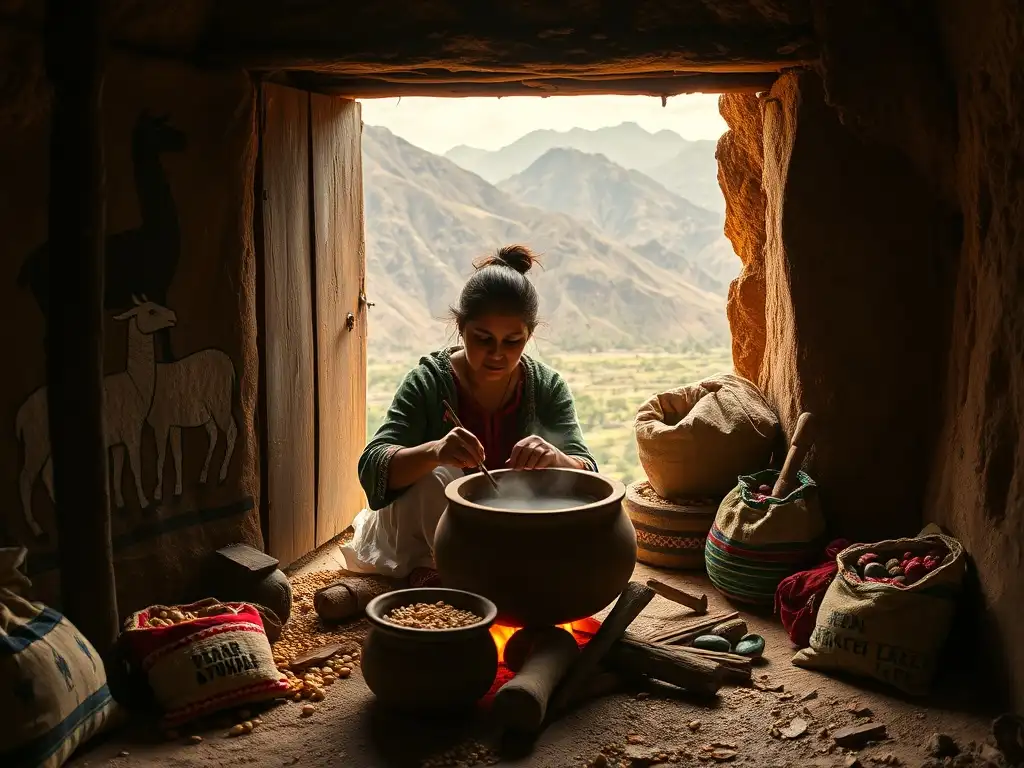
Andean fermentation techniques, particularly those used to create chicha, weren't simply methods of food preservation; they were deeply interwoven with the social fabric and spiritual beliefs of the Andean civilizations. The process itself, from the selection of ingredients to the final consumption, was imbued with meaning and ritual. Understanding this cultural significance is crucial to appreciating the full artistry and historical importance of Andean brewing traditions.
The production and consumption of fermented beverages like chicha transcended mere sustenance; they served as vital components in social structures, religious ceremonies, and everyday life. This section will explore the multifaceted cultural role of Andean fermented drinks.
Andean Rituals and Ceremonies Involving Chicha
Chicha, a fermented beverage made from maize or other grains, played a central role in numerous Andean rituals and ceremonies. Its presence was ubiquitous in religious festivals, agricultural celebrations, and even funerals. Archaeological evidence suggests that chicha was offered to deities as a sacred libation, symbolizing respect and communion.
For example, excavations at various Inca sites have revealed ceramic vessels specifically designed for chicha, often intricately decorated with iconography representing deities and sacred symbols. The brewing process itself could be considered a ritual, with specific steps and procedures passed down through generations, ensuring the continuity of tradition and the purity of the offering. The act of sharing chicha during ceremonies fostered a sense of community and strengthened social bonds, underscoring its importance beyond mere sustenance.
The preparation and consumption of chicha were not merely practical acts; they were sacred performances, connecting the living with the spiritual realm. Different types of chicha, made with varying ingredients and fermentation techniques, may have held specific symbolic meanings within different ceremonies. Further research is needed to fully elucidate the nuances of these ceremonial uses, particularly regarding the specific ingredients and their symbolic significance in various Andean cultures.
Beyond religious contexts, fermented beverages like chicha held a significant social function in Andean communities. Sharing chicha was a common practice during social gatherings, festivities, and even everyday interactions. It served as a lubricant for social interaction, fostering camaraderie and strengthening community ties. The act of brewing and sharing chicha could be a communal activity, with entire villages participating in the process.
This communal aspect further cemented social bonds and reinforced the importance of collaboration within the community. The distribution and consumption of chicha also played a role in establishing social hierarchies and power dynamics. Access to specific types of chicha or the control over its production could indicate social status or influence.
In some cases, chicha was used as a form of payment or tribute, highlighting its economic value alongside its social and religious significance. The social dynamics surrounding chicha consumption were complex and varied across different Andean cultures and time periods. Further research is needed to fully understand these dynamics and their impact on Andean society.
Preserving Ancient Andean Fermentation Techniques
The preservation of ancient Andean fermentation techniques is crucial for understanding the rich culinary heritage of the region. Unfortunately, many traditional methods are at risk of being lost due to modernization and the adoption of industrialized food production. Efforts to document and preserve these techniques are essential not only for historical preservation but also for the economic empowerment of Andean communities. Documenting traditional chicha brewing techniques involves detailed ethnographic studies, oral histories, and the careful recording of processes.
This includes observing the selection and preparation of ingredients, the fermentation techniques used, and the specific types of containers employed. Furthermore, preserving these techniques requires supporting the communities that maintain them and promoting sustainable practices. This involves providing training and resources to help maintain traditional methods while adapting to modern challenges, such as ensuring food safety and quality control.
The preservation of these techniques is not merely an act of historical preservation; it is a vital step in safeguarding the cultural identity and economic sustainability of Andean communities. The ongoing documentation and support of these practices are crucial for the continuity of a valuable part of Andean cultural heritage. The revival and promotion of traditional Andean fermentation methods can also contribute to the development of unique and high-quality food products, supporting local economies and promoting cultural tourism.
Where to Find Authentic Andean Fermentation Ingredients
Accessing the right ingredients is crucial for recreating the authentic flavors of Andean fermented beverages like chicha. Successfully replicating these ancient Andean fermentation techniques requires sourcing ingredients true to the region's biodiversity. This section guides you through finding the key components. Understanding the nuances of sourcing these materials is key to achieving the desired results and respecting the rich history behind Andean fermentation.
Sourcing Andean Corn Varieties
The foundation of many Andean fermented drinks, including chicha, is corn. However, not all corn is created equal. Traditional Andean chicha utilizes specific corn varieties, often heirloom varieties, possessing unique flavor profiles and starch content crucial for the fermentation process. These varieties often differ significantly from commercially available corn. Their characteristics impact the final product's texture, sweetness, and overall taste. For example, maíz morado, a purple corn variety, is widely used and contributes a distinct color and flavor. Finding these specific varieties requires some effort.
You might need to seek out specialized suppliers, farmers' markets focusing on heirloom varieties, or even connect with Andean communities directly (if feasible and ethically sound). Online searches for "heirloom Andean corn" or "ancient corn varieties" can also yield some leads. Remember to check the origin and authenticity of the corn to ensure you're using varieties true to Andean tradition.
The subtle differences in starch content between varieties can significantly affect the fermentation process and the final product's quality. Experimenting with different varieties will allow you to discover the unique characteristics each brings to your chicha. Documenting your findings will be beneficial for future brewing endeavors.
Finding Traditional Andean Herbs and Spices
Beyond corn, many Andean fermented beverages incorporate a variety of herbs and spices. These ingredients not only add flavor complexity but also contribute to the fermentation process itself, influencing the microbial activity and the final product's taste and aroma. These herbs and spices are often unique to the Andean region and contribute significantly to the authentic flavor profiles. Some common examples include muña (a minty herb), anis (anise), and various types of peppers.
Sourcing these ingredients requires a similar approach to finding the correct corn varieties. Ethnically sourced Andean ingredients are a priority. Specialized Latin American grocery stores or online retailers specializing in Andean products are good starting points. Look for vendors who can provide information about the origin and cultivation methods of their herbs and spices.
If possible, opt for organically grown herbs and spices to ensure both quality and sustainability. Remember, even small differences in the sourcing can significantly affect the outcome of your fermentation project. Consider keeping a detailed record of the specific herbs and spices used in each batch, along with their origins, to better understand their influence on the final product.
Conclusion: Continuing the Legacy of Andean Fermentation
Successfully brewing authentic Andean beverages requires more than just following a recipe; it necessitates understanding and respecting the rich history and tradition behind these drinks. Sourcing the correct ingredients, from specific corn varieties to traditional herbs and spices, is paramount in achieving authentic flavors and textures. By taking the time and effort to find these ingredients, you not only create delicious beverages but also contribute to the preservation of Andean culinary heritage and the continuation of these ancient Andean fermentation techniques.
The journey of sourcing these ingredients is as much a part of the process as the fermentation itself, offering a deeper connection to the rich culture and history of the Andes. 🍻
Frequently Asked Questions
What are Andean fermentation techniques?
Andean fermentation techniques involved using natural yeasts and bacteria present in the environment to ferment various ingredients. These methods were crucial for creating beverages like chicha and other food products. They varied across different Andean cultures and regions.
What was the most important fermented beverage in the Andes?
Chicha, a fermented beverage made from maize (corn), was the most important. Different types of chicha existed, varying in flavor and alcoholic content based on the specific ingredients and fermentation processes. It held significant cultural and ritual importance.
How did the Incas utilize fermentation?
The Inca Empire expanded and standardized existing Andean fermentation practices. They used chicha for religious ceremonies, celebrations, and as a daily drink. Their mastery of fermentation contributed to their agricultural success and social stability.
What ingredients other than corn were used in Andean fermentation?
Besides corn, other ingredients included various fruits, tubers (like potatoes), and even quinoa. The specific ingredients varied regionally, leading to a diversity of fermented products. This diversity reflects the ingenuity of Andean cultures.
How has Andean fermentation impacted modern food and drink?
Andean fermentation techniques continue to influence modern food and drink production in the region. Traditional methods are still practiced, and modern researchers are studying ancient techniques to improve brewing and food preservation methods. This represents a rich legacy of innovation.
Final Reflection: The Enduring Legacy of Andean Fermentation
The ancient techniques of Andean fermentation, far from being relics of the past, are experiencing a vibrant resurgence, offering both culinary delights and sustainable solutions for the future. These methods, honed over millennia, represent a profound connection to the land and a testament to the ingenuity of Andean cultures. Their continued relevance in a world grappling with food security and environmental concerns is undeniable.
The enduring power of Andean fermentation lies not just in its practical applications, but in its cultural significance. It represents a deep-rooted relationship between people and their environment, a tradition passed down through generations. Fermentation is not merely a process; it is a conversation between humans, microbes, and the earth itself.
This conversation, rich in history and brimming with potential, continues to shape culinary landscapes and inspire innovative approaches to food production. The preservation of these techniques is crucial, not only for preserving cultural heritage but also for unlocking their potential to address modern challenges.
Consider the possibilities: Imagine the flavors, the traditions, the sustainable practices inherent in these ancient methods. You, too, can become a part of this ongoing conversation. Explore the rich tapestry of Andean fermentation, experiment with its techniques, and share the knowledge with others. Let us collectively ensure that the legacy of these remarkable brewing traditions continues to thrive, enriching our lives and inspiring future generations.
**Unveil the Secrets of Andean Brews! **
Thank you for exploring the fascinating world of Andean fermentation! You've discovered the rich traditions behind chicha and other ancient beverages that have shaped Andean cultures for centuries. Now, let's put this knowledge into practice!
Here's how you can begin:
- **Brew your own chicha! ** Gather the necessary ingredients and follow a traditional recipe to experience the fermentation process firsthand. The result will be incredibly rewarding.
- **Share your brewing experience** with friends and family, or on social media, to inspire others and help preserve these vital Andean traditions.
- **Discover local Andean drinks**—visit a local brewery or market to sample authentic Andean beverages and learn more about their cultural significance. You might be surprised by the variety and unique flavors!
As you delve deeper into the world of Andean fermentation, we'd love to hear: *What aspect of brewing these ancient beverages captivated you the most? *