
The Andean Pantry: Stocking Your Kitchen with Essential Ingredients

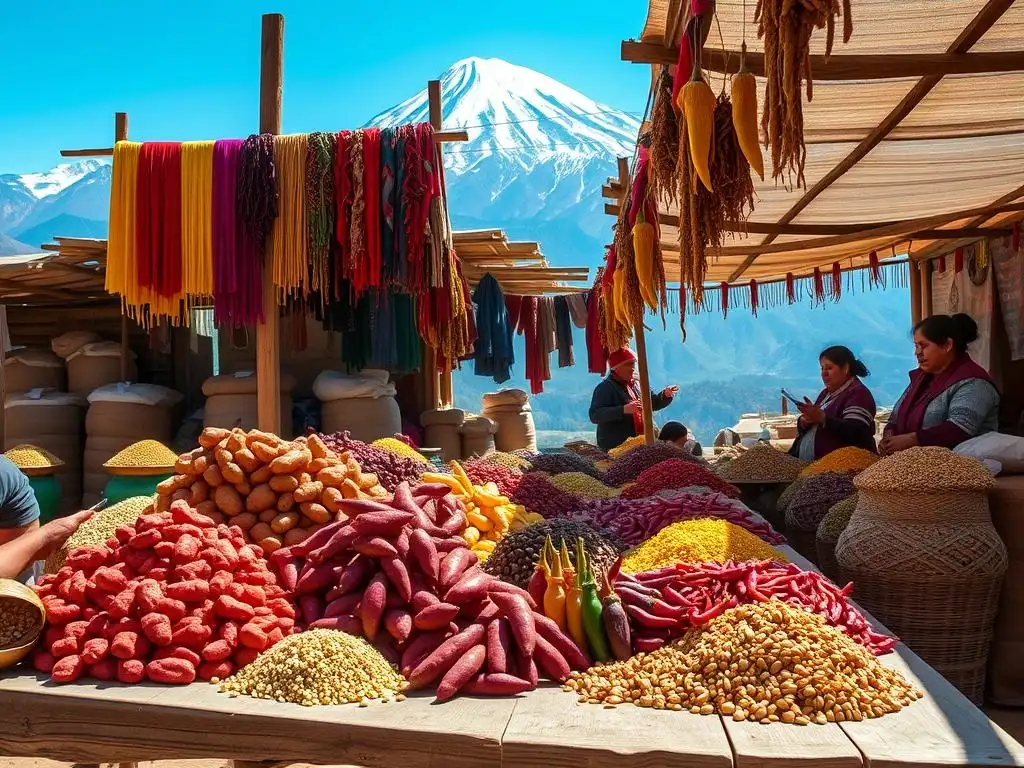
Unravel the mysteries of the Andes—a land where empires rose and fell, leaving behind a legacy richer than gold. Journey beyond the breathtaking landscapes and discover the secrets hidden within the ancient Andean cuisine ingredients that fueled these remarkable civilizations. Prepare to be amazed as we explore the vibrant flavors and fascinating history of the Andean pantry, an immersive experience awaiting your culinary curiosity. Dive in and uncover the ingredients that shaped a world!
Embark on a culinary journey through time as we explore the vibrant and diverse ingredients that fueled the ancient Andean civilizations. This article delves into the essential components of ancient Andean cuisine, providing you with a comprehensive guide to recreate authentic flavors in your own kitchen.
From the towering peaks of the Andes to the fertile coastal plains, the ingenuity of these cultures in harnessing their environment for sustenance is truly remarkable. Understanding the ingredients is key to unlocking the secrets of their culinary traditions, allowing you to appreciate not only the taste but also the rich history and cultural significance behind each element.
We will examine staple crops, unique spices, and essential additions that formed the backbone of their daily diets and celebratory feasts, offering you a deeper understanding of "ancient Andean cuisine ingredients" and how to incorporate them into your modern cooking. Prepare to be amazed by the fascinating world of Andean gastronomy!
Discovering the Flavors of Ancient Andean Cuisine
The ancient Andean diet wasn't just about sustenance; it was a reflection of their deep connection to the land and its bounty. Their agricultural practices were sophisticated, resulting in a diverse range of crops uniquely adapted to the challenging Andean environment. Many of these ingredients remain staples in modern Andean cuisine and are readily available (or easily sourced) in many parts of the world today. Let's start with the foundational elements:
- Tubers: Potatoes, of course, reigned supreme! But the Andean world boasted a staggering variety beyond the common russet or Idaho. Think oca, ulluco, mashua, and añu, each with its unique flavor profile and nutritional benefits. These tubers offered an incredible source of carbohydrates and essential nutrients, crucial for survival in the high altitudes. Many varieties were freeze-dried for preservation, a testament to their advanced food storage techniques.
- Grains: Quinoa, the "mother grain," was—and still is—a cornerstone of Andean diets. Its high protein content and complete amino acid profile made it a superior food source. Other grains, such as amaranth and kiwicha (also known as amaranth), contributed to a diverse and balanced diet. These grains were not only nutritious but also formed the base for various dishes and ceremonies.
- Legumes: Beans, particularly varieties like pallares and habas, played a significant role in providing protein and fiber. These legumes were often incorporated into stews, soups, and other hearty dishes, providing vital sustenance for the Andean populations.
- Fruits and Vegetables: The Andean region produced a stunning array of fruits and vegetables, including various types of peppers (aji), tomatoes, squash, and more. These added vital vitamins, minerals, and flavor to their meals. The unique varieties of peppers, in particular, provided a spectrum of flavors from mild to intensely spicy.
The following sections will explore these ingredients in more detail, providing insights into their historical significance, culinary uses, and nutritional value. We'll also offer practical tips and suggestions for incorporating them into your own cooking, allowing you to bring the authentic flavors of the Andes to your table.
- What were some staple ingredients in ancient Andean cuisine?
- How did the Andes' geography influence the available ingredients?
- What role did animals play in ancient Andean diets?
- Were spices and flavorings used in ancient Andean cooking?
- Where can I find more information about ancient Andean cuisine ingredients today?
Essential Staple Grains of the Andes: A Culinary Journey
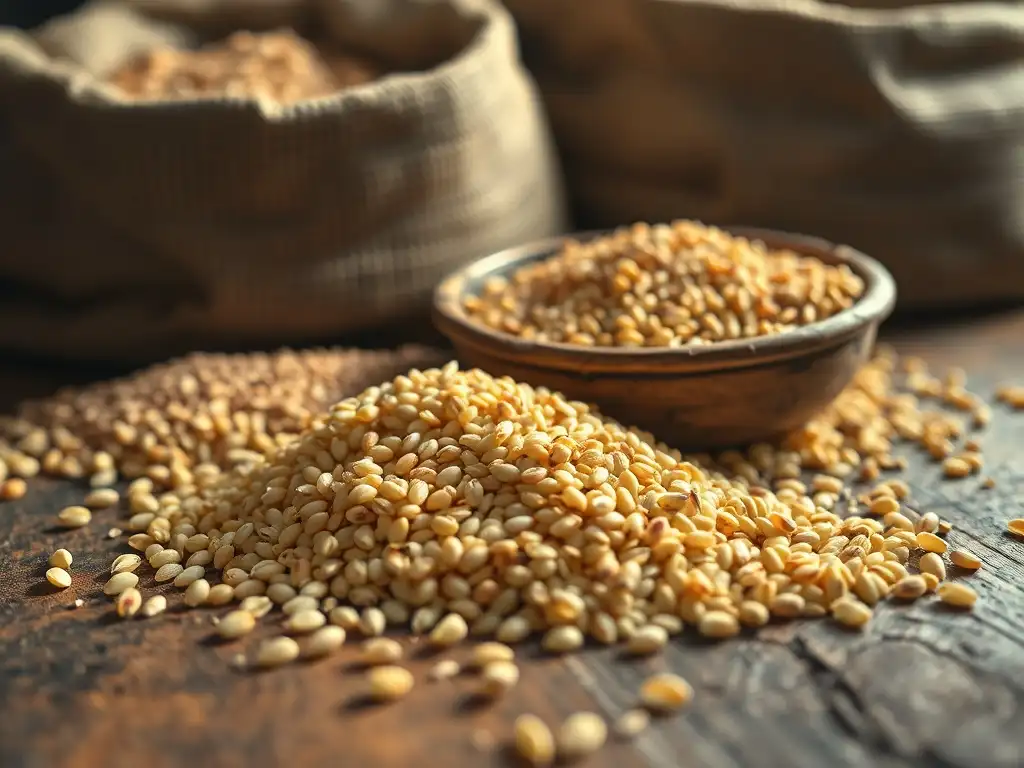
The Andean region boasts a rich agricultural heritage, with several grains forming the cornerstone of ancient Andean cuisine ingredients. Understanding these grains is key to recreating authentic Andean flavors at home. This section focuses on two particularly important staples: quinoa and amaranth. Their nutritional value and culinary versatility have ensured their enduring presence in Andean diets for millennia, and their popularity continues to grow globally.
Quinoa: The Ancient Grain Powerhouse
Quinoa ( Chenopodium quinoa), often referred to as the "mother grain" of the Andes, is a complete protein, meaning it contains all nine essential amino acids. This remarkable nutritional profile, coupled with its high fiber and mineral content (including iron, magnesium, and phosphorus), made it a vital part of ancient Andean diets and continues to be a superfood today.
Its adaptability to high-altitude conditions allowed it to thrive in challenging Andean environments, showcasing the ingenuity of ancient Andean agricultural practices. The versatility of quinoa extends far beyond its nutritional benefits; its slightly nutty flavor and fluffy texture make it a perfect base for countless dishes.
Benefits of Quinoa in Andean Recipes
Quinoa's versatility shines in Andean cooking. It can be used as a side dish, a hearty breakfast cereal, or as a base for soups and stews. Its ability to absorb flavors makes it an ideal ingredient for incorporating herbs and spices common in Andean cuisine, such as aji amarillo (yellow chili pepper) and huacatay (black mint). Consider the following examples:
- Quinoa Salad with Roasted Vegetables: Quinoa provides a satisfying base for a vibrant salad featuring seasonal Andean vegetables like potatoes, choclo (giant corn), and tomatoes. A simple vinaigrette with lime juice and Andean herbs adds a refreshing touch.
- Quinoa Soup with Andean Spices: A hearty quinoa soup can be enriched with Andean spices like cumin, oregano, and paprika, along with vegetables such as carrots, potatoes, and beans.
- Quinoa as a Breakfast Cereal: Quinoa cooked with milk or water and topped with fresh fruit creates a nutritious and filling breakfast option.
The possibilities are truly endless, allowing for creative culinary exploration of ancient Andean cuisine ingredients.
Where to Buy High-Quality Quinoa Online
Choosing high-quality quinoa is crucial for optimal flavor and nutritional value. Look for quinoa that is organically grown and free from pesticides. Pay attention to the color and texture; high-quality quinoa should have a bright color and a clean, earthy aroma. Consider factors such as origin and certification when making your purchase. [Specific online retailers pending]
Ancient Harvest Organic Quinoa and Recipe Ideas
Ancient Harvest is a reputable brand known for its high-quality organic quinoa. Their products often provide detailed recipe suggestions, leveraging the versatility of quinoa in modern Andean-inspired cuisine. These recipes provide a great starting point for exploring the culinary possibilities of this ancient grain. Many recipes incorporate other ancient Andean cuisine ingredients, further enriching the overall culinary experience.
Amaranth: A Gluten-Free Andean Treasure
Amaranth ( Amaranthus), another significant ancient Andean grain, offers a unique gluten-free alternative to wheat. Its nutritional profile is equally impressive, boasting high levels of protein, fiber, and essential minerals. Historically, amaranth played a crucial role in Andean civilizations, both as a food source and in religious ceremonies. Its versatility extends to various culinary applications, making it a valuable addition to any modern kitchen.
Understanding Amaranth's Nutritional Value
Amaranth stands out for its remarkable nutritional density. It's an excellent source of complete protein, comparable to quinoa in its amino acid profile. Furthermore, amaranth is rich in iron, magnesium, and antioxidants, contributing to its health benefits. Its high fiber content also aids in digestion and promotes satiety. The unique nutritional profile of amaranth makes it a significant ancient Andean cuisine ingredient, contributing to the health and vitality of Andean populations for centuries.
Amaranth Flour vs. Whole Grain Amaranth
Amaranth is available in two primary forms: whole grain and flour. Whole grain amaranth boasts a slightly nutty flavor and chewy texture, perfect for use in porridge, salads, or as a side dish. Amaranth flour, on the other hand, is a finer powder that lends itself well to baking, allowing for the creation of gluten-free breads, cakes, and pancakes. The choice between whole grain and flour depends on the desired texture and application in your recipe. Both versions offer significant nutritional value, making them valuable ancient Andean cuisine ingredients.
Bob's Red Mill Organic Amaranth and Cooking Tips
Bob's Red Mill is a well-known brand offering high-quality organic amaranth in both whole grain and flour forms. Their products are widely available, making them an accessible option for incorporating amaranth into your diet. When cooking with amaranth, remember that it requires a longer cooking time than quinoa. The key is to cook it until it becomes tender but not mushy. Experiment with different cooking methods and flavor combinations to discover your favorite ways to enjoy this ancient Andean treasure. Remember to explore other ancient Andean cuisine ingredients to enhance your amaranth dishes!
Andean Corn: More Than Just Popcorn
Andean corn, or maíz, holds a position of paramount importance in ancient Andean cuisine and continues to be a staple today. Far from being limited to popcorn, as many might assume, Andean corn boasts an incredible diversity of varieties, each with unique characteristics and culinary applications. Its cultivation shaped the very landscape and culture of the Andes, influencing everything from religious ceremonies to daily meals.
The significance of corn in Andean civilizations is deeply ingrained in their history and mythology; it was not merely a food source but a symbol of life, fertility, and abundance. Its versatility allowed for a wide range of preparations, from sweet and savory dishes to beverages and even building materials. Understanding the different types of Andean corn is key to unlocking the secrets of authentic Andean cooking.
The Diversity of Andean Corn Varieties
The Andes are home to a breathtaking array of corn varieties, numbering in the hundreds. These varieties differ significantly in color, size, shape, and even taste. Some common examples include the choclo, a large, sweet corn; cancha, a toasted corn kernel; and jora, a type of fermented corn used in chicha (a traditional Andean beer).
Each variety possesses unique characteristics that make it suitable for specific culinary uses. For instance, choclo is perfect for grilling or boiling, while cancha adds a delightful crunch to various dishes. Jora, with its slightly sweet and sour flavor, is essential for brewing chicha, a beverage deeply rooted in Andean traditions.
The diversity reflects the ingenuity of Andean farmers who, over centuries, adapted corn cultivation to the varied climates and altitudes of the region. This adaptation resulted in a remarkable genetic diversity that continues to inspire culinary innovation today. Understanding these variations is crucial for recreating authentic Andean dishes.
Using Choclo (Andean Corn on the Cob)
Choclo, the large-kernelled Andean corn, is a culinary star. Its sweetness and tender texture make it ideal for grilling, boiling, or roasting. Simply grilling choclo on an open flame until the kernels are slightly charred brings out its natural sweetness. It can be served as a side dish, often accompanied by a sprinkle of salt and a pat of butter, or incorporated into savory dishes like stews or tamales.
Boiled choclo can be added to soups and salads, lending a subtle sweetness and pleasant texture. The versatility of choclo allows it to shine in both simple and complex recipes, showcasing its inherent deliciousness. Recipes featuring choclo often highlight its natural flavor, avoiding overpowering spices that might mask its delicate sweetness. Its presence elevates any dish with its distinct Andean character.
Inca's Pride Andean Corn Flour for Traditional Dishes
Inca's Pride Andean corn flour, often made from varieties like jora, offers a unique culinary experience. Unlike typical corn flour, it possesses a distinct flavor and texture, lending itself to a multitude of traditional Andean dishes. It is commonly used in preparing humitas, savory corn tamales, and picarones, sweet pumpkin fritters. The flour's slightly grainy texture and subtle sweetness contribute to the characteristic taste and consistency of these dishes.
The use of Inca's Pride Andean corn flour adds an authentic Andean touch to any recipe, allowing cooks to recreate the flavors and textures of traditional Andean cuisine. Many recipes call specifically for this type of flour, underscoring its crucial role in preserving the culinary heritage of the region. It's a testament to the enduring legacy of Andean agricultural practices and their impact on culinary traditions.
Andean Tubers and Roots: The Foundation of Many Dishes
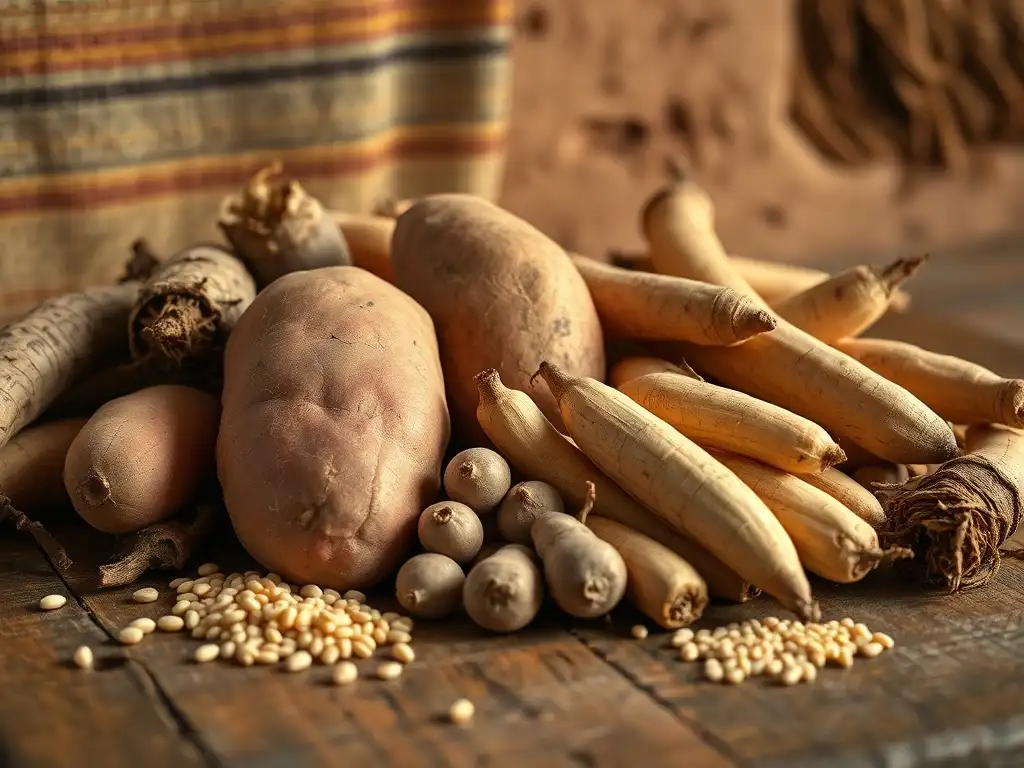
The ancient Andean diet revolved around a remarkable diversity of tubers and roots, providing sustenance and cultural significance for millennia. These weren't just staples; they were the building blocks of complex culinary traditions, shaping social structures and contributing to the remarkable resilience of Andean civilizations. Understanding these foundational ingredients is key to recreating authentic Andean cuisine at home.
This section will delve into two prominent examples: potatoes and oca, highlighting their unique characteristics and providing practical guidance for sourcing and using them in your kitchen. Mastering these ingredients is a significant step towards appreciating the depth and complexity of ancient Andean cuisine ingredients.
Potatoes: The King of the Andean Diet
Potatoes, Solanum tuberosum, are synonymous with Andean cuisine and boast a biodiversity unmatched anywhere else in the world. Far beyond the pale, mealy spuds familiar in many parts of the world, Andean potatoes exhibit an astonishing range of colors, shapes, sizes, and flavors. Their cultivation and consumption were central to the Inca Empire and continue to be integral to modern Andean life.
Exploring the Diversity of Andean Potatoes
The sheer variety of Andean potatoes is staggering. Beyond the familiar russet and red potatoes, you'll find varieties with vibrant purple, yellow, and even blue flesh. Some are waxy and ideal for boiling, while others are mealy and perfect for roasting. Their flavors range from subtly sweet to intensely earthy, with some exhibiting a slight bitterness. This diversity reflects centuries of careful selection and adaptation to the unique Andean terroir. There are thousands of unique potato varieties, many still only grown and consumed locally, showcasing the incredible agricultural ingenuity of Andean peoples.
Buying Guide for Freeze-Dried Andean Potatoes
While fresh Andean potatoes are ideal, finding authentic varieties outside of South America can be challenging. A practical alternative is freeze-dried Andean potatoes. Look for brands that specify the origin and variety of the potatoes, as this will impact the flavor and texture of your dish. Check for indicators of quality, such as a bright color and a lack of discoloration, signifying proper preservation. Freeze-dried potatoes are remarkably versatile, offering a convenient way to incorporate the unique flavors of Andean cuisine into your cooking, even if fresh options are unavailable.
Idaho Spuds Freeze-Dried Potato Slices and Culinary Uses
One example of a readily available freeze-dried option is Idaho Spuds Freeze-Dried Potato Slices. While not originating from the Andes, these slices offer a familiar texture that can be successfully incorporated into many Andean-inspired recipes. Their neutral flavor profile makes them a good base for dishes where you want to highlight other ingredients, such as spices and other Andean tubers. They can be rehydrated quickly and used in soups, stews, or as a component in more complex dishes. Remember that while convenient, the flavor profile will differ from authentic Andean potato varieties.
Oca: The Sweet and Tangy Tuber
Oca ( Oxalis tuberosa) is another significant Andean tuber, offering a unique flavor profile distinct from the potato. Its tart, slightly sweet taste and crunchy texture make it a delightful addition to various dishes. Oca played a crucial role in the Andean diet, providing a valuable source of carbohydrates and vitamins. Unlike potatoes, oca's oxalic acid content requires some preparation before consumption.
Oca's Unique Flavor Profile and Preparation Methods
The distinctive tang of oca comes from its oxalic acid content. This requires some preparation to mitigate the tartness. Methods include peeling and boiling the tubers to reduce the oxalic acid levels. Some varieties are less acidic than others, so experimentation may be necessary. Once prepared, oca can be used in a variety of ways – boiled as a side dish, added to salads, or even used in desserts. Its unique flavor profile pairs well with other Andean ingredients, adding a refreshing contrast to richer, earthier flavors.
Best Sources for Oca Tubers or Oca Powder
Sourcing fresh oca tubers outside of South America can be challenging. A convenient alternative is oca powder, a dehydrated form of the tuber. When choosing oca powder, look for reputable suppliers that specify the origin and processing methods. Ensure the powder is free of additives and preservatives to maintain its authentic flavor. The powder can be easily incorporated into soups, stews, and sauces, adding a subtle yet distinctive tang.
Oca Powder from Peruvian Harvest and Recipe Suggestions
Oca powder from Peruvian Harvest is one example of a commercially available product. This powder, sourced directly from Peruvian farms, offers a concentrated form of the oca flavor. It can be used to add a unique twist to traditional recipes, or as a key ingredient in creating authentic Andean dishes. Experiment with incorporating oca powder into your soups, stews, and sauces to discover its versatility and enhance the complexity of your dishes. Recipes are readily available online; search for "oca powder recipes" to find inspiration.
Yuca (Cassava): A Versatile Root
Yuca, or cassava, is a staple root vegetable across many parts of South America, including the Andes. Its versatility and nutritional value made it a cornerstone of ancient Andean cuisine, and it continues to hold a prominent place in modern Andean cooking. The starchy root is incredibly adaptable, lending itself to a wide range of preparations, from simple boiled dishes to more complex fried or baked recipes.
Its mild flavor allows it to absorb other tastes beautifully, making it an ideal base for flavorful sauces and stews. Moreover, different varieties of yuca exist, each with subtle variations in texture and taste, offering cooks a variety of options to explore. The nutritional profile of yuca is also noteworthy; it's a good source of carbohydrates, providing energy for daily activities, a factor that certainly contributed to its importance in sustaining Andean populations.
Furthermore, yuca contains small amounts of essential vitamins and minerals, adding to its overall value in the Andean diet. Understanding its versatility and nutritional benefits provides a deeper appreciation for its significance in ancient Andean cuisine and its enduring presence in modern Andean cooking.
Yuca's Role in Andean Cooking
In ancient Andean societies, yuca played a crucial role in sustaining life. It wasn't simply a source of carbohydrates; it was a fundamental component of many daily meals. Think of it as the Andean potato—equally versatile and vital. Archaeological evidence suggests that yuca cultivation was widespread, adapting to diverse Andean terrains and climates. It was prepared in countless ways: boiled, roasted, fried, and ground into flour for breads and other baked goods.
Ancient recipes likely involved various methods of preserving yuca, ensuring its availability throughout the year. Furthermore, yuca's role extended beyond mere sustenance. It likely featured prominently in ceremonial feasts and rituals, reflecting its importance within Andean culture and society. Today, its use remains widespread, with modern Andean cooks continuing to experiment with new and innovative ways to prepare this ancient staple. The continued popularity of yuca showcases its enduring legacy in Andean culinary traditions.
Buying Fresh vs. Frozen Yuca: What to Consider
When selecting yuca, you have the choice between fresh and frozen options. Fresh yuca, when readily available, offers the best flavor and texture. Look for firm, unblemished roots with smooth skin and a heavy feel for their size. Avoid yuca with bruises, cuts, or soft spots, as these indicate spoilage.
Proper storage is key; fresh yuca should be kept in a cool, dry place and used within a week for optimal quality. Frozen yuca, on the other hand, offers convenience. It's a readily available option, particularly outside of regions where fresh yuca is easily accessible. However, frozen yuca can sometimes have a slightly altered texture compared to fresh yuca.
The flavor might also be slightly muted. The best option depends on your priorities: freshness and optimal flavor versus convenience. Consider factors like availability, storage space, and your willingness to invest a little extra time in preparation when deciding between fresh and frozen yuca.
Goya Yuca Flour for Breads and Thickening
Goya Yuca Flour provides a convenient way to incorporate the benefits of yuca into your cooking, even if fresh yuca is unavailable. This processed product offers a fine, light-colored powder, ideal for preparing traditional Andean breads and other baked goods. The flour easily blends into dough, adding a slightly sweet and nutty flavor profile. Besides baking, Goya Yuca Flour can be used as a thickening agent for soups and stews, lending a unique texture and subtle flavor to these dishes.
Its versatility makes it a valuable addition to any Andean-inspired kitchen, allowing cooks to easily create authentic dishes even when fresh yuca is not an option. Using Goya Yuca Flour helps maintain the connection to ancient Andean culinary techniques while providing a practical approach to modern cooking. The convenience and versatility of this pre-processed ingredient make it a worthwhile addition to your pantry for recreating traditional Andean recipes.
Andean Legumes and Beans: Protein Powerhouses
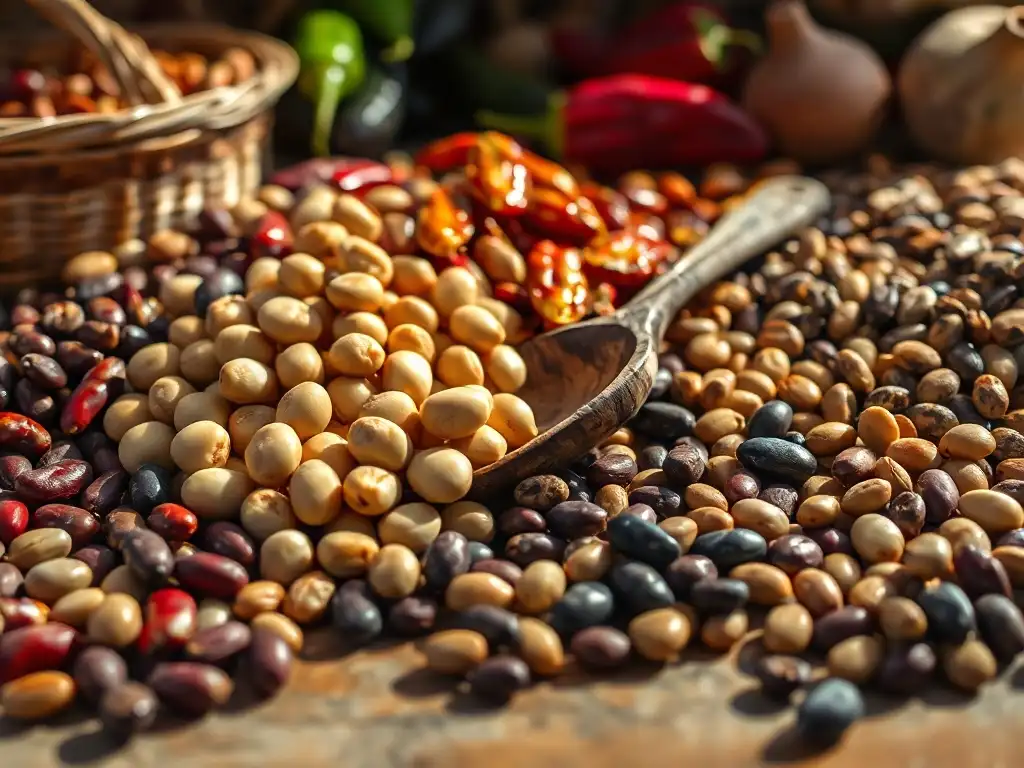
Andean cuisine is renowned for its diverse and nutritious legumes and beans, forming a cornerstone of the ancient diet and continuing to be a staple in modern Andean cooking. These protein-rich ingredients provided sustenance and fueled the remarkable achievements of civilizations like the Inca, Moche, and Nazca. Understanding the unique characteristics and culinary applications of these legumes is key to recreating authentic Andean flavors in your own kitchen.
This section delves into two particularly significant examples: Tarwi and Fava Beans. Their versatility and nutritional value made them essential components of ancient Andean diets, and their legacy continues to influence modern Andean cuisine. Mastering these ingredients unlocks a deeper understanding and appreciation of ancient Andean cuisine ingredients.
Tarwi (Lupin): A High-Protein Andean Bean
Tarwi, also known as chocho, is a remarkable Andean legume boasting an exceptionally high protein content. Unlike many other beans, tarwi contains all nine essential amino acids, making it a complete protein source. This characteristic was crucial in providing the necessary building blocks for the physically demanding lives of ancient Andean peoples. Its cultivation dates back millennia, with evidence suggesting its presence in pre-Inca cultures. The bitter compounds naturally present in the raw bean necessitate proper preparation, a process which has been refined over centuries.
Tarwi's Nutritional Benefits and Preparation
Beyond its impressive protein profile, tarwi is a rich source of dietary fiber, contributing to digestive health. It also offers essential minerals like iron and phosphorus, vital for energy production and overall well-being. However, before consumption, the bitter compounds must be removed through a process that typically involves soaking, boiling, and sometimes even fermenting.
Traditional methods varied across different Andean communities, reflecting the diverse culinary landscape of the region. These methods not only remove the bitterness but also enhance the bean's digestibility and nutritional value. Precise preparation techniques are crucial; improper processing can leave a lingering bitterness, impacting the overall taste and enjoyment of the dish.
Finding Pre-Soaked Tarwi for Convenience
While traditional preparation methods offer a connection to ancient practices, modern convenience plays a role. Many suppliers now offer pre-soaked or pre-cooked tarwi, significantly reducing preparation time. This makes it more accessible to home cooks eager to incorporate this unique legume into their diets. Choosing pre-soaked tarwi allows for faster cooking times and eliminates the risk of improper processing, ensuring a consistently palatable result. Look for reputable suppliers specializing in Andean ingredients for the highest quality.
Inca Organics Prepared Tarwi and Recipe Integration
Inca Organics, for example, is a brand known for its high-quality Andean ingredients. Their pre-soaked tarwi simplifies the cooking process, enabling quick integration into various dishes. Tarwi can be used in soups, stews, salads, and even as a component in vegetarian burgers or patties. Its slightly nutty flavor and firm texture make it a versatile ingredient, offering a unique culinary experience. Experimentation is encouraged; the possibilities are extensive.
Fava Beans: A Classic Andean Ingredient
Fava beans, or broad beans, represent another significant legume in the Andean pantry. Their cultivation stretches back to antiquity, with archaeological evidence pointing to their widespread use across various Andean cultures. Fava beans provided a substantial source of carbohydrates and protein, contributing significantly to the dietary needs of the population. Their adaptability to varying altitudes and climates made them a reliable crop, ensuring food security across the diverse Andean landscape.
Using Fresh and Dried Fava Beans in Andean Cuisine
Both fresh and dried fava beans find their place in Andean cuisine. Fresh fava beans, typically harvested during specific seasons, are often enjoyed as a side dish after being boiled or lightly steamed. Their delicate, slightly sweet flavor complements a variety of dishes. Dried fava beans, on the other hand, offer a longer shelf life and are ideal for preparing hearty stews and soups, adding a substantial texture and earthy flavor. The preparation methods vary depending on the form of the bean and the desired outcome. Careful attention to cooking times is essential to ensure optimal texture and flavor.
Bob's Red Mill Dried Fava Beans and Recipe Ideas
Bob's Red Mill is a well-known supplier of dried beans and legumes, including fava beans. Their products are often readily available, providing a convenient option for home cooks. Incorporating dried fava beans into your cooking requires proper soaking and cooking to achieve the desired tenderness. They are exceptionally well-suited for traditional Andean stews, adding heartiness and depth of flavor. Consider pairing them with other Andean ingredients like quinoa, potatoes, and various spices for authentic flavor profiles.
Fava Bean Varieties and Their Uses
Different varieties of fava beans exist, each with its own unique characteristics. Some varieties are smaller and more tender, while others are larger and firmer. These variations influence the best culinary applications; smaller beans might be better suited for purees or dips, while larger beans hold their shape well in stews and salads. Exploring different varieties allows for a broader range of flavors and textures in your Andean-inspired dishes. The diversity within the fava bean family highlights the rich agricultural heritage of the Andes.
Essential Andean Spices and Flavorings
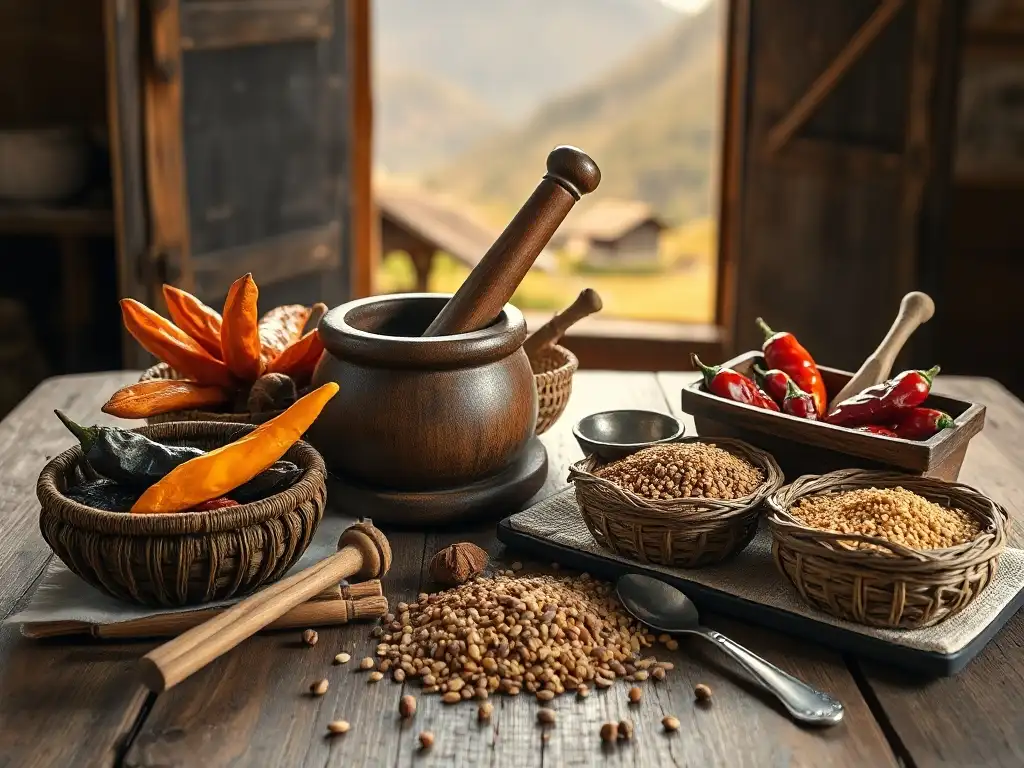
The vibrant flavors of ancient Andean cuisine are inseparable from its unique spice palette. Understanding these essential ingredients is key to recreating authentic dishes at home. This section explores two cornerstones of Andean cooking: aji peppers and huacatay (black mint), delving into their diverse varieties, uses, and availability. Mastering these ingredients will significantly elevate your Andean culinary adventures. The careful selection and application of these ancient Andean cuisine ingredients will transform your dishes.
Aji Peppers: The Heart of Andean Flavors
Aji peppers, a genus of Capsicum, form the backbone of Andean cuisine, providing a spectrum of heat levels and flavor profiles. From the mild sweetness of some varieties to the fiery intensity of others, aji peppers are indispensable in sauces, stews, and marinades. Their importance in ancient Andean culture is undeniable, evidenced by their presence in archaeological sites and depictions in ancient art. The cultivation and use of aji peppers were integral to the agricultural practices and culinary traditions of various Andean societies.
Exploring Different Types of Aji Peppers
The Andean region boasts a remarkable diversity of aji peppers. Some of the most commonly used include:
- Aji Amarillo: A medium-hot yellow pepper with a fruity and slightly sweet flavor. Widely used in Peruvian cuisine.
- Aji Panca: A milder, reddish-brown pepper with a rich, earthy flavor. Often used in stews and sauces.
- Rocoto: A large, red pepper with a very hot flavor, often used in stuffed rocoto dishes.
- Aji Limo: A small, lime-green pepper with a citrusy aroma and intense heat. Often used as a condiment.
The heat level of aji peppers is measured in Scoville heat units (SHU), ranging from mild to extremely hot. Understanding the SHU of each variety is crucial for controlling the spiciness of your dishes. [Specific SHU values for different Aji pepper types pending].
Buying Aji Paste and Dried Aji Peppers
While fresh aji peppers are ideal, they may not always be readily available. Fortunately, aji paste and dried aji peppers offer convenient alternatives. Aji paste, often made from aji amarillo or aji panca, provides a concentrated flavor and is readily available in Latin American grocery stores. Dried aji peppers can be rehydrated and used in recipes, offering a longer shelf life. Always check the packaging for quality and freshness. Look for brands that specify the type of aji pepper used and the processing methods.
Inca's Food Aji Amarillo Paste and Usage Tips
Inca's Food is a popular brand known for its high-quality aji amarillo paste. Their paste is typically made from sun-dried aji amarillo peppers, blended with a small amount of oil and salt. This results in a smooth, vibrant paste that is easy to incorporate into various dishes. It's versatile and can be used as a base for sauces, added to stews, or used as a marinade for meats and vegetables.
Remember to start with a small amount and adjust to your desired level of spiciness. The rich, fruity flavor of aji amarillo adds depth and complexity to any Andean-inspired recipe. Adding a touch of aji amarillo paste can significantly enhance the authentic taste of your dish.
Huacatay (Black Mint): The Unique Andean Herb
Huacatay, also known as black mint or Peruvian black mint, is an aromatic herb with a distinctive, pungent flavor. It's unlike any other mint, possessing a slightly bitter, earthy, and almost minty-tarragon-like taste. Its dark green leaves and unique flavor profile make it a crucial element in many traditional Andean dishes. The use of huacatay in ancient Andean cuisine is less documented than that of aji peppers, but its current widespread use suggests a long history of cultivation and culinary significance.
Understanding Huacatay's Flavor Profile
The flavor of huacatay is complex and difficult to describe precisely. It's often compared to a blend of mint, tarragon, and walnut, with a slightly bitter and pungent undertone. Its unique flavor adds a depth and complexity to sauces, stews, and other dishes. The intensity of the flavor can vary depending on the growing conditions and the age of the plant. Fresh huacatay offers the most vibrant flavor, but dried huacatay provides a convenient alternative, though with a slightly less intense flavor.
Dried Huacatay from The Spice House Availability and Usage
Dried huacatay is readily available from specialty spice shops, such as The Spice House. Choosing a reputable supplier ensures the quality and freshness of the herb. When using dried huacatay, remember that the flavor will be more concentrated than fresh huacatay. Start with a smaller amount and adjust to taste, as it can easily overpower a dish if used excessively. Dried huacatay can be rehydrated in warm water before use to restore some of its freshness and enhance its flavor.
Huacatay in Traditional Recipes
Huacatay is a key ingredient in many traditional Andean sauces and dishes. It's frequently used in ocopa, a creamy potato sauce, and adobo, a marinade for meats. Its unique flavor profile complements various proteins and vegetables, adding a distinctive Andean touch. The addition of huacatay to your dishes will instantly elevate them to a new level of authenticity, reflecting the rich culinary heritage of the Andes. Experiment with incorporating huacatay into your own creations; you might be surprised by its versatility and the unique flavor it brings to your cooking.
Yerba Buena (Spearmint): A Common Andean Herb
Yerba buena, or spearmint, holds a prominent place in the culinary and medicinal traditions of the Andes. This fragrant herb, with its characteristically refreshing minty aroma, thrives in the diverse climates of the Andean region, from the high altitudes to the warmer valleys. Its widespread use speaks to its adaptability and the versatile ways Andean cultures have incorporated it into their daily lives.
The plant itself is easily recognizable, with its vibrant green leaves and delicate stems. It's often found growing wild, but also cultivated in home gardens and small farms, underscoring its importance as a readily available resource. The leaves, both fresh and dried, are the most commonly used parts of the plant in Andean cooking and medicine.
The flavor profile is distinctly minty, but with a subtler, less intense taste than some other mints, making it a versatile ingredient that complements a wide range of dishes. Its delicate flavor allows it to enhance, rather than overpower, other flavors.
Using Yerba Buena in Andean Dishes and Teas
The culinary applications of yerba buena are extensive. In many Andean communities, it's a staple ingredient in various soups, stews, and sauces. Its refreshing taste cuts through the richness of hearty meat dishes and adds a pleasant counterpoint to the earthiness of root vegetables common in Andean cuisine. It's often added towards the end of cooking to preserve its delicate flavor and aroma.
Beyond savory dishes, yerba buena also finds its way into sweet treats. It can be incorporated into desserts, adding a unique and refreshing twist to traditional Andean sweets. The leaves can be added to fruit salads or used to infuse syrups for drinks. Perhaps its most common use, however, is in the preparation of teas.
A simple infusion of yerba buena leaves in hot water creates a soothing and invigorating beverage, often enjoyed throughout the day. This practice highlights the plant’s dual role as both a culinary ingredient and a source of refreshment. The versatility of yerba buena makes it a truly essential element in the ancient Andean pantry.
Traditional Medicinals Organic Spearmint Tea and its culinary versatility
While many Andean communities utilize fresh, locally grown yerba buena, the availability of commercially produced spearmint tea, such as "Traditional Medicinals Organic Spearmint Tea," offers a convenient alternative for those seeking to incorporate this ingredient into their diet. This readily available tea showcases the versatility of the plant, allowing for easy integration into modern kitchens. While the tea itself is primarily consumed as a beverage, its culinary applications are not limited to simple infusions.
The steeped leaves can be incorporated into sauces, adding a subtle minty flavor, or used as a flavorful component in marinades for meats. The tea can also be used as a base for flavorful dressings for salads or as a unique ingredient in desserts, offering a refreshing minty counterpoint to sweetness. Moreover, the inherent medicinal properties often associated with spearmint, such as digestive aid and stress relief, are maintained in the tea, offering a holistic approach to culinary and health benefits.
The convenience and versatility of commercially produced spearmint tea provide a modern gateway to enjoying the ancient Andean culinary tradition. The inherent qualities of the herb, whether homegrown or commercially packaged, remain consistent, offering a taste of Andean heritage in every cup and dish.
Stocking Your Pantry: Where to Find Authentic Andean Ingredients
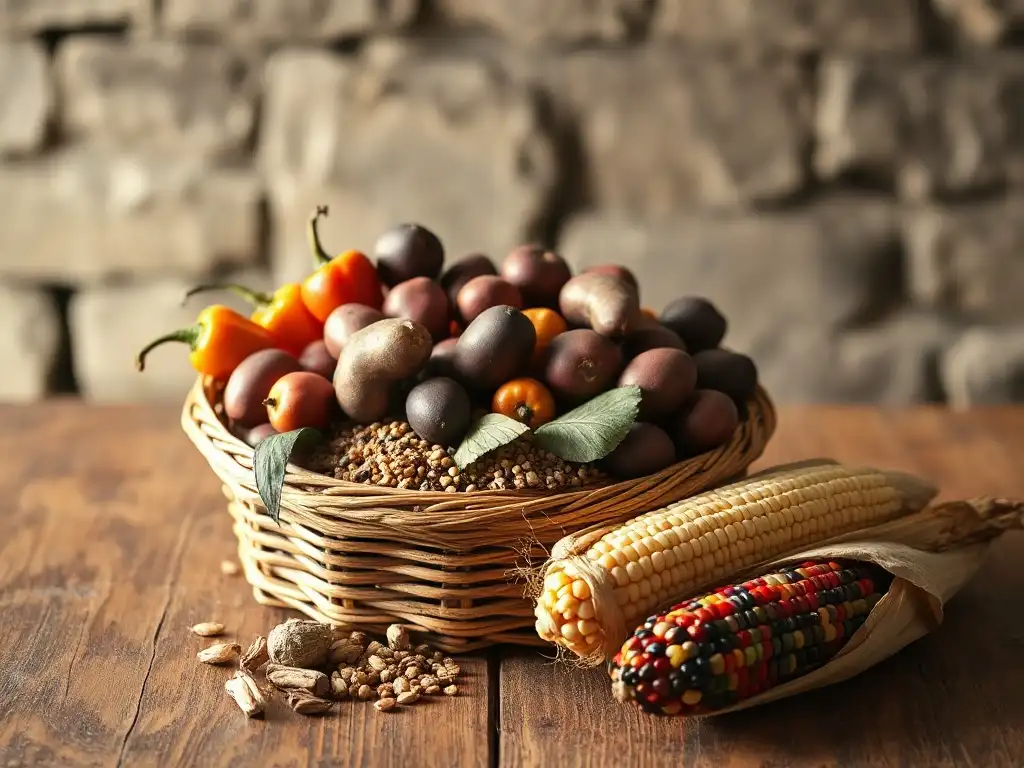
This section details how to source the key ingredients for recreating ancient Andean cuisine in your own kitchen. Successfully navigating the world of ancient Andean cuisine ingredients requires understanding where to find authentic and high-quality products. Let's explore your options.
Online Retailers Specializing in Andean Products
The internet has opened up a world of culinary possibilities, making even the most obscure ingredients readily available. Several online retailers specialize in providing authentic Andean products, offering convenience and a wide selection.
Amazon: Benefits and Selection
Amazon, with its vast marketplace, often carries a surprising array of Andean ingredients. You can find everything from quinoa and aji amarillo peppers to more specialized items like huacatay (black mint) and chicha corn. The benefit is the convenience and often competitive pricing, particularly when purchasing in bulk. However, always carefully check seller reviews and ratings to ensure product quality and authenticity. Look for sellers with a history of positive feedback and detailed product descriptions. For example, you might find different varieties of quinoa, like red quinoa or black quinoa, each offering unique nutritional profiles and culinary applications.
Etsy: Variety and Pricing
Etsy, known for its handcrafted and artisanal goods, also offers a unique avenue for sourcing Andean ingredients. You'll find smaller businesses and producers selling unique and often hard-to-find items, like hand-ground spices or small-batch prepared sauces. While prices may be slightly higher than on Amazon, you're often supporting smaller, independent businesses committed to preserving traditional methods and quality.
This is a great place to find unique variations of ancient Andean cuisine ingredients, such as heirloom varieties of potatoes or unusual types of corn. Etsy allows for direct interaction with the sellers, enabling you to ask questions about sourcing and preparation methods, adding to the authenticity of your culinary experience.
Tips for Choosing a Reliable Vendor
Regardless of the platform, choosing a reliable vendor is crucial when purchasing ancient Andean cuisine ingredients. Here are some essential tips:
- Check reviews and ratings: Look for sellers with consistently positive feedback and a history of satisfied customers.
- Read product descriptions carefully: Pay attention to details like origin, processing methods, and any certifications (e.g., organic).
- Contact the seller with questions: Don't hesitate to reach out if you have questions about the product's authenticity or sourcing.
- Consider the shipping: Ensure the seller offers reliable and safe shipping methods, especially for perishable goods.
- Compare prices: Don't automatically choose the cheapest option; consider quality and authenticity.
Local Markets and Specialty Stores
While online shopping offers convenience, exploring local markets and specialty stores provides a unique and rewarding experience. Connecting with local businesses adds a personal touch to your culinary journey and supports local economies.
Finding Andean Ingredients in Your Area
Depending on your location, finding Andean ingredients might require some research. Check your local farmer's markets, international grocery stores, and specialty food shops. Many larger cities have vibrant ethnic communities that may have dedicated stores carrying Andean products. Don't be afraid to ask around; you might be surprised by what you discover. Word-of-mouth recommendations can be invaluable when searching for authentic, high-quality ingredients.
What to Look for When Buying
When purchasing from local sources, examine the products carefully. Look for fresh, vibrant colors and aromas. Ask the vendor about the origin of the ingredients and their preparation methods. This direct interaction allows for a deeper understanding of the product and its place within Andean culinary traditions. For example, observe the texture and color of potatoes; the vibrant hues often indicate freshness and superior taste.
Supporting Local Businesses
Purchasing from local businesses not only ensures access to high-quality ingredients but also directly supports the local community. This is a crucial aspect of appreciating the cultural heritage tied to ancient Andean cuisine ingredients. By supporting these businesses, you contribute to the preservation of traditional farming practices and culinary traditions. This approach adds a layer of authenticity and cultural richness to your culinary endeavors, exceeding the simple acquisition of ingredients.
Conclusion: Embracing the Richness of Ancient Andean Cuisine
This exploration of ancient Andean cuisine ingredients reveals a fascinating tapestry of flavors and culinary traditions. From the humble potato, boasting an incredible diversity of varieties, to the vibrant hues of quinoa and the earthy notes of amaranth, the Andean pantry offered—and continues to offer—a remarkable array of nutritious and delicious foods. Understanding the historical significance and culinary applications of these ingredients allows us to appreciate the ingenuity and resourcefulness of ancient Andean cultures, and to recreate their culinary heritage in our own kitchens.
The enduring legacy of these ingredients speaks to their adaptability and nutritional value, ensuring their continued relevance in modern gastronomy. By incorporating these ancient Andean staples into our diets, we not only enrich our culinary experiences but also connect with a vibrant and enduring cultural heritage. The careful sourcing of these ingredients is also crucial to ensuring authenticity and supporting sustainable practices.
Creating Authentic Andean Dishes at Home
Recreating ancient Andean dishes at home is a rewarding experience that allows for a deeper connection with this rich culinary heritage. Authenticity lies not just in using the correct ingredients, but also in understanding their traditional preparation methods. Many ancient Andean recipes relied on simple techniques, emphasizing the natural flavors of the ingredients. For instance, consider the preparation of pachamanca, a traditional Andean earth oven cooking method.
This technique, which involves cooking food underground using heated stones, imparts a unique smoky flavor and tender texture to the ingredients. Similarly, the various ways potatoes were prepared—boiled, roasted, or mashed—highlight the versatility of this staple crop. Learning these traditional methods adds a layer of depth and authenticity to your cooking.
Experiment with different combinations of ingredients and techniques, and don't be afraid to adapt recipes to your own preferences. The key is to embrace the spirit of experimentation and discovery, allowing the rich flavors of ancient Andean cuisine to inspire your culinary creativity. Remember to research specific recipes and techniques to ensure accuracy and avoid unintended alterations to the original dishes.
Expanding Your Culinary Horizons with Andean Flavors
The ancient Andean pantry offers a wealth of possibilities for expanding your culinary horizons. Beyond the well-known quinoa and potatoes, explore the lesser-known but equally delicious ingredients like ají peppers (providing varying levels of heat), canihua (a grain similar to quinoa), and oca (a root vegetable with a slightly sweet and tangy flavor). These ingredients provide opportunities to create unique and flavorful dishes that reflect the diversity of Andean cuisine. Consider incorporating these ingredients into familiar dishes to add an unexpected twist. Imagine adding canihua to a stir-fry, using oca in a soup, or creating a spicy sauce with ají peppers. The possibilities are endless! By experimenting with these ingredients, you will not only discover new flavors but also gain a deeper appreciation for the richness and complexity of ancient Andean gastronomy. This exploration will enrich your culinary repertoire and introduce you to a world of exciting and nutritious foods.
A Final Note on Sourcing Quality Ingredients
Sourcing high-quality, authentic ancient Andean ingredients is paramount to recreating the flavors and textures of this vibrant cuisine. Look for ingredients that are ethically sourced and sustainably produced. Supporting local farmers and producers who specialize in heirloom varieties helps to preserve the biodiversity of these crops and ensures the availability of these unique ingredients for future generations. When purchasing quinoa, potatoes, or other Andean staples, check for certifications or labels that indicate sustainable farming practices.
This conscious choice not only ensures the quality of your ingredients but also contributes to the preservation of the Andean culinary heritage and the well-being of the communities that produce them. Consider purchasing directly from Andean communities or businesses that prioritize ethical sourcing, further strengthening the connection between your cooking and the rich cultural history of the Andes. 🥕🥔🌶️
Frequently Asked Questions
What were some staple ingredients in ancient Andean cuisine?
Ancient Andean diets relied heavily on potatoes, in countless varieties, alongside quinoa, corn, and various beans like fava beans and lima beans. These provided essential carbohydrates and protein.
How did the Andes' geography influence the available ingredients?
The diverse geography of the Andes, ranging from coastal deserts to high-altitude plains, dramatically impacted available ingredients. Coastal regions provided seafood, while high-altitude areas yielded specific potato and quinoa varieties adapted to the climate.
What role did animals play in ancient Andean diets?
Llamas, alpacas, and guinea pigs were crucial sources of meat and wool. Fish from the Pacific Ocean and birds were also important protein sources, varying regionally.
Were spices and flavorings used in ancient Andean cooking?
Yes, a variety of spices and herbs were utilized. Aji peppers provided heat, while other plants and herbs offered unique flavors and aromas, enriching their dishes.
Where can I find more information about ancient Andean cuisine ingredients today?
You can explore further by researching specific Andean cultures (Inca, Moche, etc.) and their culinary practices. Many modern cookbooks and academic resources delve into the topic of ancient Andean food.
Final Reflection: A Legacy of Flavor: Reconnecting with Andean Roots
The resurgence of interest in ancient Andean cuisine is not merely a culinary trend; it's a powerful testament to the enduring wisdom of a rich agricultural heritage. These ingredients, cultivated for millennia, offer not only unique flavors but also a sustainable and healthy approach to food that resonates deeply with our modern concerns about environmental impact and nutritional well-being. The Andean pantry, once a hidden treasure, is now being rediscovered, offering a vibrant and vital connection to the past.
The enduring influence of Andean ingredients on global gastronomy is undeniable, shaping culinary landscapes far beyond the Andes themselves. Their unique flavors and nutritional profiles continue to inspire chefs and home cooks alike, prompting a deeper exploration of food's cultural significance. Food is symbolic of love when words are inadequate.
- Alan D. Wolfelt. This quote perfectly encapsulates the emotional connection we forge with food, and the Andean pantry offers a profound opportunity to connect with a culture through its culinary traditions, fostering a deeper appreciation for both the food and the people who cultivated it.
Consider the ingredients discussed in this article – the quinoa, the amaranth, the potatoes – and how they might enrich your own kitchen and your understanding of food. Take the time to explore these ancient staples, not just as ingredients, but as a window into a rich history and a sustainable future. Experiment with new recipes, support local farmers who cultivate these crops, and share your discoveries with others. Let the flavors of the Andes inspire you to create a more vibrant, healthy, and meaningful relationship with food.
Unleash the Flavors of the Andes in Your Kitchen!
Thank you for exploring the incredible world of Andean ingredients with us! Discovering the unique flavors of the Andean pantry is a wonderful way to enhance your cooking and connect with the rich culinary traditions of these ancient cultures. Now, let's put that knowledge to good use!
Here are some **simple yet transformative steps** you can take:
- **Stock your pantry** with authentic Andean ingredients like quinoa, aji peppers, and oca. Begin with one ingredient that sparks your interest.
- **Explore Andean recipes** online or in cookbooks to discover exciting new ways to incorporate these unique flavors into your meals. There are countless possibilities!
- **Share your culinary creations** with friends and family, or inspire others on social media using hashtags like #AndeanCooking or #AndeanFlavors.
Which Andean ingredient are you most eager to try, and what delicious dish do you envision creating? Let's discuss in the comments!