
From Mountains to Your Table: Decoding the Magic of Andean Grains

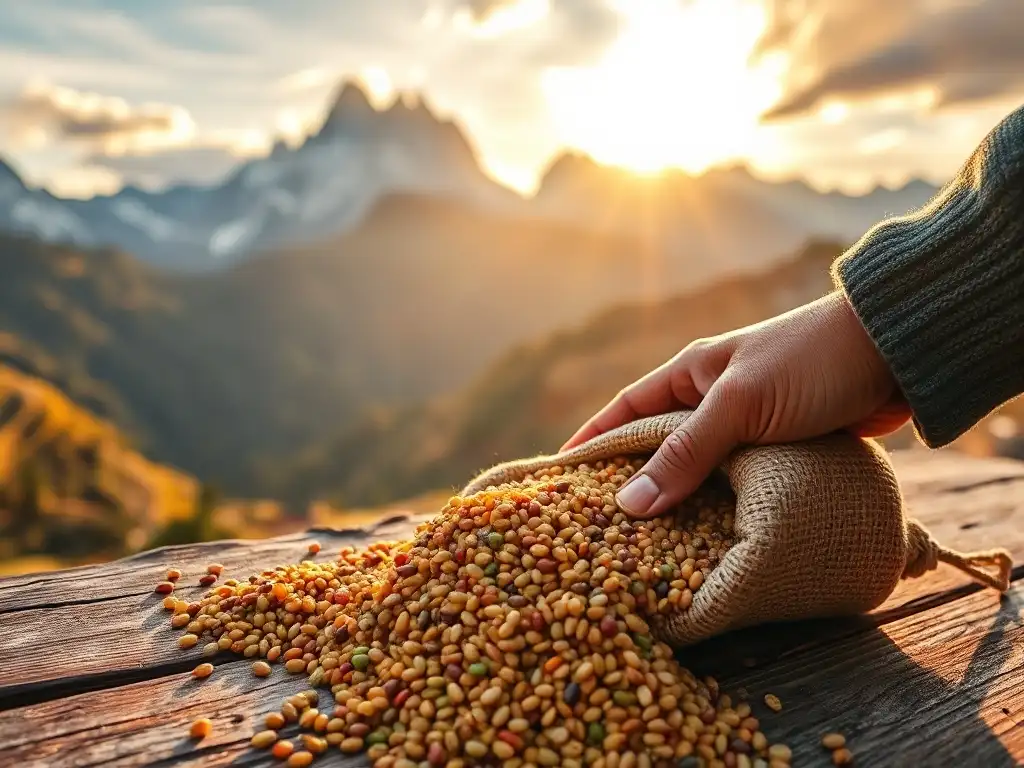
Unravel the mysteries of a lost world, where towering peaks held secrets as grand as their altitudes. Journey with us into the heart of the Andes, a land brimming with ancient wonders. Discover a history woven into the very fabric of its people, from the breathtaking artistry of the Incas to the ingenuity of the Nazca lines. But first, prepare to be amazed by the incredible story of Andean grains: their history and uses, a tale of resilience, innovation, and the enduring legacy of these remarkable civilizations. Ready to delve deeper into this captivating narrative?
The towering Andes Mountains, a breathtaking landscape of soaring peaks and fertile valleys, nurtured not only vibrant civilizations but also a remarkable array of crops. For millennia, Andean communities have cultivated grains that are not only delicious and versatile but also hold deep cultural significance and boast exceptional nutritional profiles.
This article delves into the fascinating history and diverse uses of Andean grains, taking you on a culinary journey through time, from ancient Inca fields to modern kitchens. We'll explore the unique properties of quinoa, amaranth, and kiwicha (another variety of amaranth), unveiling their nutritional powerhouses and providing insights into their incorporation into contemporary cuisine.
Understanding the history and uses of these remarkable grains allows us to appreciate the ingenuity of Andean cultures and to savor the flavors of their rich culinary heritage. Prepare to discover the magic of Andean grains and unlock the secrets to cooking authentic Andean cuisine at home!
The Ancient Roots of Andean Grains: A Culinary Journey Through Time
Exploring the History of Andean Grains: From Inca Fields to Modern Kitchens
Andean grains, including quinoa, amaranth, and kiwicha, boast a history as rich and complex as the civilizations that cultivated them. Archaeological evidence suggests that these grains were cultivated thousands of years ago, long before the Inca Empire. Their cultivation played a crucial role in the sustenance and development of pre-Columbian societies, shaping their agricultural practices and cultural traditions.
The Inca, known for their sophisticated agricultural techniques, further refined the cultivation of these grains, integrating them into a complex system of terraced farming that maximized yields in challenging mountainous terrain. The Spanish conquest initially disrupted Andean agriculture, but these resilient grains persevered, continuing to be a staple food source for many Andean communities. Today, Andean grains are gaining global recognition for their nutritional value and culinary versatility, experiencing a resurgence in popularity worldwide.
Their journey from ancient Inca fields to modern kitchens is a testament to their enduring importance and remarkable adaptability. The historical significance of these grains is intertwined with the very fabric of Andean culture, enriching not only their diets but also their traditions and identity.
Unveiling the Nutritional Powerhouse: Benefits of Andean Grains
Andean grains are not just delicious; they are nutritional powerhouses packed with essential nutrients. Their unique composition makes them highly beneficial for health and well-being. Compared to many other grains, they are often richer in protein, fiber, and various vitamins and minerals. This nutritional profile makes them an excellent choice for a balanced diet.
Quinoa: The Complete Protein Champion - Recipes and Uses
Quinoa, often hailed as a "complete protein," stands out for its exceptional amino acid profile. It contains all nine essential amino acids, making it a valuable source of protein for vegetarians and vegans alike. Beyond protein, quinoa is rich in fiber, iron, magnesium, and manganese. Its versatility in the kitchen is remarkable; it can be cooked like rice, added to salads, incorporated into soups, or used as a base for bowls. From simple side dishes to elaborate entrees, quinoa offers endless culinary possibilities. [Specific quinoa recipes pending]
Amaranth: The Gluten-Free Powerhouse - Recipes and Uses
Amaranth is a gluten-free grain that offers a unique nutty flavor and a slightly chewy texture. It’s a powerhouse of nutrients, boasting high levels of protein, fiber, iron, and manganese. Its gluten-free nature makes it an excellent choice for individuals with celiac disease or gluten sensitivity. Amaranth can be used in various ways: as a porridge, in baked goods, as a flour substitute, or as a component of savory dishes. [Specific amaranth recipes pending]
Kiwicha (Amaranth): The Ancient Grain Reborn - Recipes and Uses
Kiwicha, another type of amaranth, shares many of the nutritional benefits of its counterpart, offering a comparable protein, fiber, and mineral content. However, it often presents a slightly different flavor profile, making it a unique addition to any culinary repertoire. Its adaptability in the kitchen is similar to amaranth, allowing for diverse applications in both sweet and savory dishes. [Specific Kiwicha recipes pending]
Cooking with Andean Grains: A Practical Guide for Home Chefs
Andean grains, a cornerstone of ancient Andean diets, offer a wealth of nutritional benefits and unique culinary possibilities. Their earthy flavors and textures add depth and complexity to a wide array of dishes. This section provides a practical guide for home chefs looking to incorporate these fascinating ingredients into their cooking. We'll explore the versatility of these grains, offering tips and techniques to help you master the art of Andean cuisine. From simple side dishes to more elaborate main courses, the possibilities are truly endless.
Understanding the unique properties of each grain—quinoa, amaranth, kiwicha, canihua—is key to unlocking their full potential in your kitchen. Proper cooking techniques, such as rinsing before cooking and adjusting cooking times based on the grain, will ensure optimal texture and flavor. Don't be afraid to experiment! The subtle nuances of these grains lend themselves beautifully to diverse flavor profiles.
Sourcing Authentic Andean Grains: Where to Buy High-Quality Products
Finding authentic Andean grains of high quality is crucial for achieving the best flavor and nutritional value in your dishes. While some larger grocery stores may carry quinoa, amaranth, and even kiwicha, sourcing less common grains like canihua might require a more dedicated search. Specialty food stores, often those focusing on organic or international foods, are excellent starting points.
Many online retailers also specialize in Andean ingredients, offering a wider selection and often better prices. When purchasing, look for grains that are clearly labeled with their origin (ideally specifying a region within the Andes) and look for indications of organic certification or sustainable farming practices. Pay attention to the packaging; well-sealed containers protect the grains from moisture and pests, preserving their freshness and quality.
Consider buying in smaller quantities initially to experiment with different varieties before committing to larger purchases. Remember, the quality of your ingredients directly impacts the final taste of your dish.
Mastering Basic Cooking Techniques: Recipes for Beginners
Even if you're new to Andean cuisine, incorporating these grains is surprisingly straightforward. Begin with simple recipes that highlight the natural flavors of the grains. A basic quinoa salad, for example, requires only cooked quinoa, chopped vegetables (such as tomatoes, cucumbers, and red onions), fresh herbs (cilantro or parsley), and a light vinaigrette. Similarly, amaranth can be cooked like rice, making it a versatile base for bowls or a simple side dish.
For beginners, focusing on recipes with minimal ingredients allows you to appreciate the unique taste and texture of each grain without being overwhelmed by complex techniques. Many online resources and cookbooks offer beginner-friendly recipes with clear instructions and helpful tips. Don't hesitate to experiment with different seasonings and spices to find your preferred flavor combinations. Remember, cooking with Andean grains is a journey of discovery, so embrace the learning process and enjoy the delicious results!
Expanding Your Culinary Horizons: Advanced Andean Grain Recipes
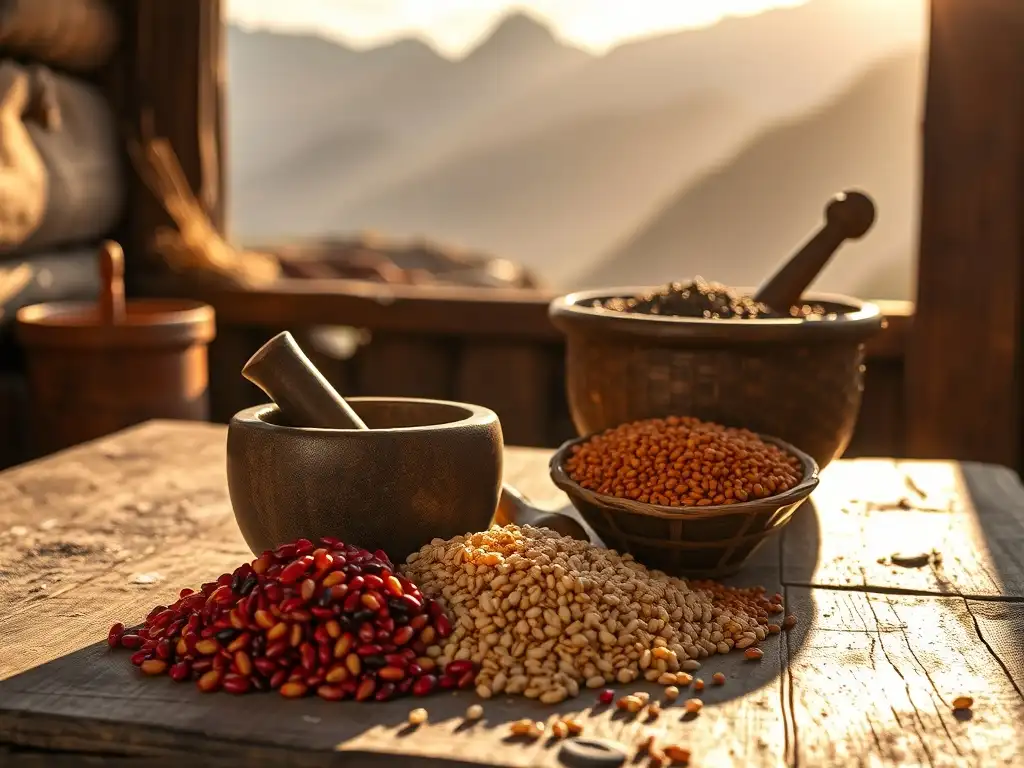
Once you've mastered the basics, you can explore the more sophisticated culinary applications of Andean grains. These grains can be incorporated into soups, stews, and even savory pastries. Think of a hearty quinoa soup enriched with Andean spices like aji amarillo or a flavorful kiwicha-based stuffed pepper dish. The slightly nutty flavor of canihua pairs well with mushrooms and other earthy vegetables in risotto-style preparations. More advanced recipes often involve combining different Andean grains, creating complex flavor profiles and textures.
Consider experimenting with different cooking methods, such as roasting, to enhance the nutty flavors of the grains. Exploring regional variations in Andean cuisine can also inspire creative new dishes. Each region within the Andes has its unique culinary traditions and uses for these grains, providing a wealth of inspiration for the adventurous home cook. Don't be afraid to push your culinary boundaries and create your own unique Andean-inspired creations.
Exploring the Use of Andean Grains in Baking: Gluten-Free Bread and More
Andean grains present exciting opportunities for gluten-free baking. Quinoa and amaranth flours, in particular, are gaining popularity as gluten-free alternatives. However, it's important to note that they don't always behave exactly like wheat flour, so some experimentation may be necessary to achieve the desired texture and rise. Recipes often require the addition of other gluten-free flours, such as tapioca or rice flour, to achieve optimal results.
Many recipes for gluten-free bread, muffins, and even cakes incorporate these Andean grains, offering delicious and nutritious alternatives to traditional baked goods. The slightly nutty flavor of these grains adds a unique depth to baked goods, making them a delightful and healthy choice. Exploring different recipes and techniques will allow you to master the art of gluten-free baking with Andean grains.
Incorporating Andean Grains into Modern Dishes: Fusion Cuisine
The versatility of Andean grains extends beyond traditional Andean cuisine. Their unique textures and flavors lend themselves beautifully to fusion cooking, allowing for creative combinations with ingredients and flavors from around the world. Imagine a quinoa bowl with Asian-inspired ingredients like sesame oil, soy sauce, and edamame. Or consider incorporating amaranth into a Mediterranean-style salad with feta cheese, olives, and sun-dried tomatoes.
The possibilities are truly endless. The key is to experiment with different flavor combinations and cooking techniques, allowing the unique characteristics of the Andean grains to shine through. By blending the ancient wisdom of Andean culinary traditions with modern culinary techniques, you can create exciting and innovative dishes that celebrate the diversity of global flavors. This fusion approach is a testament to the enduring appeal and adaptability of these remarkable grains.
Preserving the Legacy: Supporting Sustainable Andean Agriculture
The cultivation and consumption of Andean grains are intrinsically linked to the preservation of a rich cultural heritage and the livelihoods of Andean communities. For centuries, these grains have been central to their diets and traditions, playing a vital role in their social and economic structures. However, modern agricultural practices and global market pressures threaten the delicate balance of this ancient agricultural system. The shift towards monoculture farming, driven by the demand for high-yield crops, poses a significant risk to the biodiversity of Andean grains.
Many heirloom varieties, uniquely adapted to the challenging Andean terrain and possessing exceptional nutritional and culinary properties, are facing extinction. This loss represents not only a culinary tragedy but also a significant blow to food security and cultural diversity. Sustainable agricultural practices are crucial to reversing this trend.
The Importance of Ethical Sourcing and Fair Trade Practices
Ethical sourcing and fair trade practices are paramount in ensuring the long-term sustainability of Andean agriculture. Supporting farmers who employ traditional and environmentally friendly methods is essential for preserving biodiversity and promoting equitable economic development in the Andean region. Fair trade certification guarantees that farmers receive a fair price for their produce, allowing them to reinvest in their farms, improve their livelihoods, and continue cultivating these precious grains.
Consumers can actively contribute to this effort by choosing products certified by reputable organizations that adhere to strict ethical and environmental standards. This conscious consumerism directly impacts the sustainability of Andean agriculture, ensuring that future generations can continue to benefit from the rich diversity of Andean grains.
By prioritizing ethical sourcing, we not only safeguard the environment but also empower the communities that have nurtured these grains for millennia. The impact extends far beyond the plate; it's about preserving a way of life, a culture, and a vital part of the world's food heritage.
Conclusion: Embracing the Culinary Treasures of the Andes
Andean grains represent more than just food; they are a testament to the ingenuity and resilience of Andean civilizations. Their unique flavors, nutritional profiles, and historical significance make them invaluable culinary treasures. From the hearty quinoa to the subtly sweet amaranth, these grains offer a diverse range of culinary possibilities, enriching dishes with both taste and cultural depth. By incorporating Andean grains into our diets, we not only expand our culinary horizons but also support sustainable agriculture and the communities that cultivate them.
Their versatility allows for seamless integration into various cuisines, offering a unique opportunity to bridge culinary traditions and celebrate the rich tapestry of Andean culture. Exploring the diverse world of Andean grains is an invitation to discover new flavors, appreciate ancient traditions, and contribute to a more sustainable food system. The journey from the Andean mountains to our tables is one worth embracing.
The Future of Andean Grains in Global Cuisine
The future of Andean grains in global cuisine is bright, promising a fusion of culinary traditions and a celebration of biodiversity. Their nutritional value and versatility make them increasingly attractive to health-conscious consumers worldwide. As awareness of their unique properties grows, so too does their integration into diverse culinary landscapes.
We can anticipate seeing more innovative and creative uses of Andean grains in restaurants and home kitchens, leading to exciting culinary innovations. The challenge lies in ensuring sustainable and ethical sourcing practices, preserving the integrity of traditional farming methods, and promoting fair trade principles. By supporting farmers and businesses committed to these values, we can contribute to the long-term success and global recognition of these remarkable grains.
The future of Andean grains is not just about culinary trends; it's about food security, cultural preservation, and the empowerment of Andean communities. Their presence on the global culinary stage represents a powerful symbol of cultural exchange and sustainable food systems.
- The Ancient Roots of Andean Grains: A Culinary Journey Through Time
- Unveiling the Nutritional Powerhouse: Benefits of Andean Grains
- Cooking with Andean Grains: A Practical Guide for Home Chefs
- Expanding Your Culinary Horizons: Advanced Andean Grain Recipes
- Preserving the Legacy: Supporting Sustainable Andean Agriculture
- Conclusion: Embracing the Culinary Treasures of the Andes
Frequently Asked Questions
What types of grains were cultivated by Andean civilizations?
Andean civilizations cultivated a wide variety of grains, including quinoa, amaranth, potatoes, and corn (maize). These staple crops were crucial to their survival and cultural practices.
How did Andean grains adapt to the challenging Andean environment?
Andean grains demonstrated remarkable adaptation to high altitudes, poor soils, and variable climates. Many possess unique genetic traits that allow them to thrive in these harsh conditions.
What were the main uses of Andean grains beyond food?
Beyond sustenance, Andean grains played vital roles in religious ceremonies, textile production, and brewing. They were also used to create medicinal remedies and fertilizers.
How did the Inca Empire manage and distribute Andean grains?
The Inca implemented a sophisticated system of storage and distribution to ensure food security. They built vast networks of warehouses ( qollqas) to store surplus grains and redistribute them during times of need, demonstrating advanced agricultural management.
Are Andean grains still important today?
Yes, Andean grains remain crucial to the diets and economies of the Andes region. They are increasingly gaining global recognition for their nutritional value and sustainability.
Final Reflection: The Enduring Legacy of Andean Grains
The vibrant tapestry of Andean grains, woven through millennia of history, continues to hold immense significance in our modern world. Their resilience, nutritional value, and cultural importance offer a powerful counterpoint to the homogenization of global food systems, reminding us of the rich biodiversity and culinary traditions that deserve protection and celebration. These ancient crops are not just a historical curiosity; they are a vital resource for sustainable food security and a testament to the ingenuity of past civilizations.
The enduring influence of Andean grains extends far beyond the Andes themselves, impacting global food security and cultural understanding. Their adaptability to challenging climates and their nutritional density offer valuable lessons for a world facing climate change and food shortages. The future of food security lies in the rediscovery and preservation of traditional crops and farming practices.
This quote encapsulates the urgent need to appreciate and protect the legacy of these remarkable grains, not just for their historical value, but for their crucial role in shaping a more sustainable and equitable future. Their story is a powerful reminder of the interconnectedness of our past, present, and future.
Consider, for a moment, the journey of these grains – from the high altitudes of the Andes to your own table. What stories do they whisper? What lessons do they impart?
I invite you to explore the world of Andean grains further, to seek out these ancient foods in your local markets, and to share their unique flavors and history with others. By understanding and appreciating the heritage of these remarkable crops, we can contribute to their continued cultivation and ensure that their legacy thrives for generations to come. Let us be stewards of this rich culinary and cultural heritage.
Unveil the Rich Flavors of Andean Grains!
Thank you for exploring the wonderful world of Andean grains with us! We hope you've gained insights into their rich history and nutritional benefits. Now, let's bring the magic of these grains into your kitchen.
Here are some exciting ways to continue your culinary journey:
- **Experiment with Andean recipes:** Try cooking with quinoa, amaranth, or kaniwa. A great starting point is to incorporate one of these grains into a familiar recipe this week!
- **Share your culinary creations:** Connect with fellow food enthusiasts by sharing photos of your Andean grain dishes on social media. Use #AndeanGrains to join the conversation and inspire others!
- **Expand your knowledge and skills:** Consider joining a local or online cooking class focused on Andean cuisine. This is a wonderful opportunity to deepen your understanding and skills while connecting with like-minded food lovers.
We'd love to hear how you incorporate grains into your meals and how you think Andean grains can enhance your cooking. Share your thoughts and experiences with us!