
Beyond the Recipe: Delve into the Cultural Significance of Andean Food

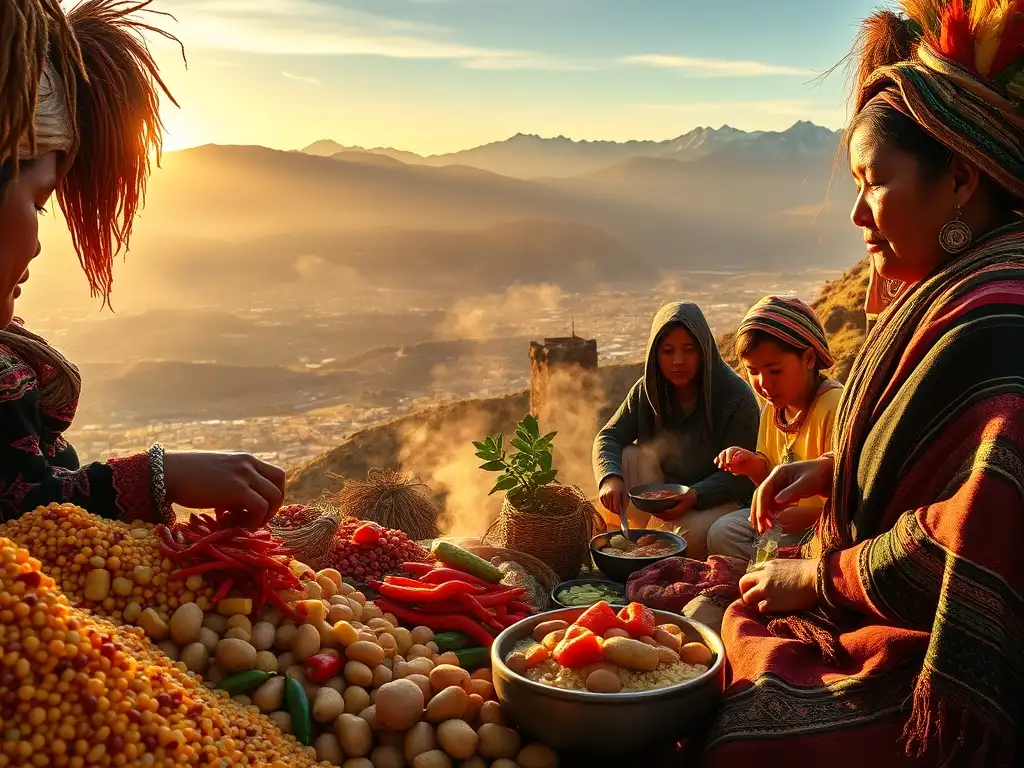
Welcome, explorer! Prepare to journey beyond the familiar and uncover the intriguing secrets woven into the very fabric of Andean life. Forget simple recipes; we delve into the Andean food cultural significance, revealing how culinary traditions shaped empires and continue to resonate today. Discover how ancient ingredients and preparation methods tell a captivating story of ingenuity and resilience. Are you ready to taste history? Let's begin!
- Beyond the Plate: Unveiling the Andean Food Cultural Significance
- Debunking Misconceptions About Andean Culinary Practices
- The Cultural Significance of Key Andean Ingredients
- Maximizing Your Andean Culinary Experience
- Frequently Asked Questions
- Final Reflection: A Taste of History, A Future of Understanding
- Explore and Celebrate Andean Culinary Traditions!
Beyond the Plate: Unveiling the Andean Food Cultural Significance
Andean food, far from being merely sustenance, represents a profound tapestry woven from threads of history, tradition, and spirituality. This article delves into the rich cultural significance of Andean cuisine, moving beyond simple recipes to explore the deep-rooted symbolism and social practices embedded within each dish. We will unravel the myths surrounding Andean ingredients and culinary traditions, revealing the intricate relationship between food and the Andean worldview.
This exploration will illuminate how Andean food reflects not only the region's diverse geography and agricultural ingenuity but also its complex social structures, religious beliefs, and enduring cultural identity. Understanding this cultural significance unlocks a deeper appreciation for the vibrant flavors and traditions of the Andes, enriching your culinary journey and fostering a greater connection with this fascinating region. Prepare to discover that the seemingly simple act of eating Andean food is a powerful experience, imbued with centuries of history and meaning.
The Myth of Simple Sustenance: Andean Food as More Than Basic Meals
A common misconception portrays Andean food as simply basic meals, providing only nourishment. This couldn't be further from the truth. The preparation, sharing, and consumption of food in Andean cultures are deeply ritualistic and symbolic acts, carrying profound social and spiritual weight.
For example, the pachamanca, a traditional Andean earth oven, is more than just a cooking method; it's a communal event, bringing people together to celebrate harvests and important life cycles. The ingredients themselves—potatoes, quinoa, maize—are not just staples but hold sacred significance, representing life, fertility, and connection to the earth ( Pachamama). Even the manner in which food is presented and shared reflects intricate social hierarchies and kinship networks.
The seemingly simple act of eating, therefore, becomes a powerful expression of cultural identity and social cohesion. The diversity of Andean cuisine, with its regional variations and unique preparations, further underscores its complexity and cultural richness. It's a culinary landscape that reflects the diverse ecosystems and vibrant cultures of the Andes.
Reality: Andean Cuisine as a Reflection of History and Tradition
Andean cuisine is a living testament to the ingenuity and resilience of its people. Centuries of adaptation to diverse altitudes, climates, and agricultural challenges have shaped its unique character. The domestication of potatoes, quinoa, and maize—the "holy trinity" of Andean agriculture—was a monumental achievement, forming the foundation of Andean diets for millennia.
These crops, adapted to the harsh conditions of the Andes, are not only nutritious but also deeply embedded in the cultural identity of the region. Traditional Andean recipes, passed down through generations, often incorporate specific techniques and preparations reflecting ancient knowledge and practices. For instance, the intricate process of drying and storing potatoes for later use demonstrates an understanding of preservation techniques developed over centuries.
The preparation of chicha, a fermented beverage made from maize, holds historical and ritual significance, illustrating the complex relationship between food, religion, and social life. The study of Andean food, therefore, is an exploration of history itself, revealing the ingenuity and adaptability of Andean cultures.
Myth: Andean Ingredients are Exotic and Unobtainable
While some Andean ingredients might seem unfamiliar to those outside the region, many are becoming increasingly accessible globally. The perception of Andean ingredients as exotic and unobtainable is a misconception. While certain specialized ingredients might require more effort to source, staples like quinoa, potatoes, and maize are readily available in many supermarkets worldwide. Furthermore, the growing interest in Andean cuisine has led to increased availability of other ingredients, such as ají amarillo peppers and various types of Andean grains. The key to accessing these ingredients often lies in seeking out specialty stores, ethnic markets, or online retailers. With a little research and effort, many of the ingredients necessary to recreate authentic Andean dishes can be found, allowing people worldwide to experience the rich flavors and cultural heritage of the Andes. The increasing global accessibility of these ingredients reflects a growing appreciation for the nutritional and cultural value of Andean food.
Reality: Discovering the Availability of Authentic Andean Products
Accessing authentic Andean ingredients can be a significant hurdle for those wishing to recreate traditional dishes. The availability varies drastically depending on geographic location. In major cities with large Latin American populations, specialized markets often stock a wider array of Andean staples like quinoa, amaranth, and various types of potatoes.
However, even in these locations, finding specific varieties of chili peppers, unique Andean herbs, or lesser-known grains can prove challenging. For instance, obtaining particular types of ají peppers, crucial for achieving the authentic flavor profiles of many dishes, might require searching multiple stores or ordering online. The quality can also vary significantly; some products might be imported and therefore more expensive, while others might be locally grown but lack the same level of quality control.
This challenge is even more pronounced in areas with limited access to diverse grocery stores. In smaller towns or rural areas, the selection of Andean ingredients is often severely restricted. Individuals in these locations may rely on locally grown produce, which might not encompass the full spectrum of ingredients used in traditional Andean cuisine.
This limitation can influence the authenticity and completeness of the dishes prepared, highlighting the disparity in access to culinary heritage. Furthermore, the preservation techniques used for these products also play a vital role in maintaining their flavor and quality. Proper storage and handling are essential to ensure the ingredients retain their integrity and contribute to an authentic culinary experience.
Understanding this reality is crucial for appreciating the effort and knowledge required to prepare truly authentic Andean food. The journey to recreate Andean cuisine at home often begins with a thorough understanding of the availability and sourcing of these vital ingredients.
Debunking Misconceptions About Andean Culinary Practices
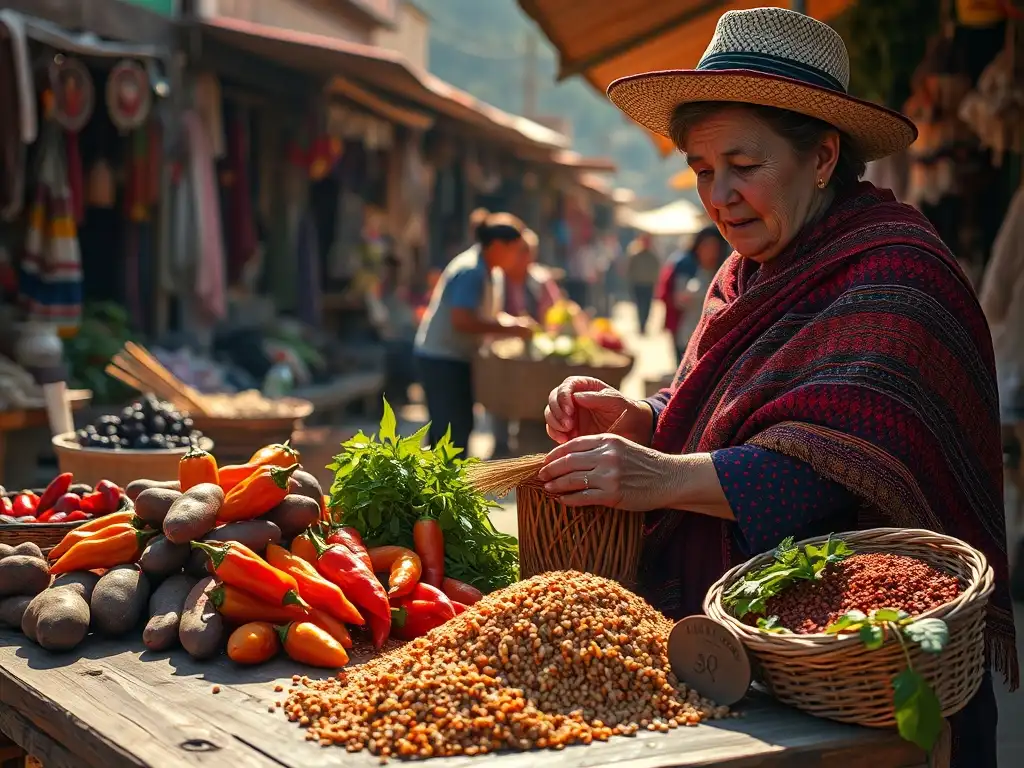
The vibrant tapestry of Andean food, deeply woven into the cultural fabric of the region, is often misunderstood. Many misconceptions obscure the true essence of Andean culinary traditions, preventing a deeper appreciation of its rich history and significance. This section aims to dispel some common myths, revealing the accessibility and enduring relevance of Andean cooking. Understanding these nuances is key to unlocking the true "Andean food cultural significance" and appreciating its enduring legacy.
Myth: Andean Cooking is Difficult and Time-Consuming
A common perception is that preparing authentic Andean dishes requires extensive culinary skills and a significant time commitment. This couldn't be further from the truth! While some dishes, like cuy (guinea pig), might seem exotic, the majority of traditional Andean cooking relies on simple techniques and readily available ingredients. Many recipes involve straightforward methods like boiling, roasting, or stewing, focusing on bringing out the natural flavors of the produce.
Think of the hearty papa a la huancaína, a classic Peruvian dish featuring boiled potatoes in a creamy, spicy sauce – the preparation is surprisingly simple yet incredibly flavorful. The perceived difficulty often stems from a lack of familiarity with the ingredients and techniques, not an inherent complexity in the recipes themselves. With a little exploration and practice, anyone can master the basics of Andean cooking and enjoy delicious, authentic meals without spending hours in the kitchen.
Reality: Embracing the Simplicity and Authenticity of Andean Cooking Methods
The beauty of Andean cooking lies in its simplicity and respect for natural ingredients. The emphasis is on fresh, seasonal produce, often sourced locally and organically. This focus on quality ingredients translates to dishes bursting with flavor, requiring minimal additions of spices or seasonings. Traditional Andean cooking methods also prioritize preserving the nutritional value of the food.
Techniques like slow cooking and steaming are common, ensuring that the nutrients aren't lost in the cooking process. Consider the preparation of humitas, delicious corn tamales steamed in their husks – a testament to the simplicity and nutritional value of traditional Andean cuisine. By embracing these simple yet effective methods, you're not only preparing a meal but also connecting with a rich culinary heritage. This connection underscores the profound "Andean food cultural significance" and its enduring relevance in modern times.
Myth: Modern Andean Food is the Same as the Food of the Incas
While modern Andean cuisine draws inspiration from the culinary traditions of its ancestors, it's crucial to understand that it's not a static entity. The food of the Incas, while fascinating to study, differed significantly from what we consider Andean food today. Over centuries, the introduction of new ingredients, influences from other cultures, and evolving cooking techniques have shaped the culinary landscape of the Andes.
While staples like potatoes and quinoa remain central, the ways in which they are prepared and combined have evolved dramatically. For example, the use of spices and herbs introduced after the Spanish conquest has significantly influenced the flavor profiles of many dishes. Therefore, while acknowledging the historical roots, it's crucial to appreciate the dynamism and evolution of Andean food, recognizing its adaptation and innovation over time.
This continuous evolution is a key aspect of the "Andean food cultural significance," reflecting the resilience and adaptability of Andean cultures. The modern culinary scene reflects a vibrant fusion of tradition and innovation, showcasing the enduring appeal and continuing evolution of Andean gastronomy.
Reality: The Evolution of Andean Food and its Cultural Adaptations
Andean food, far from being static, is a dynamic reflection of millennia of adaptation and innovation. The notion of a singular, unchanging "Andean cuisine" is a misconception. The diverse geography of the Andes—from arid coastal deserts to high-altitude plains and lush Amazonian foothills—dictated a remarkable variety of agricultural practices and dietary habits across different cultures and time periods. What we consider "traditional" Andean food today is the culmination of centuries of experimentation, exchange, and adaptation.
For instance, the introduction of new crops through trade and migration significantly impacted foodways. The arrival of potatoes from the Andes' highlands into the lower valleys and coastal regions resulted in entirely new culinary traditions and preparations. Similarly, the exchange of ingredients and techniques between different Andean cultures—like the Inca's expansion across the empire—led to a fusion of culinary styles.
This constant evolution is evident in the diverse array of potato varieties alone, each with unique culinary uses and cultural significance. The Inca empire, for example, wasn't just about conquering; its effective agricultural policies and infrastructure facilitated the movement of food and knowledge, enriching the culinary landscape across the entire region.
Furthermore, the Spanish conquest introduced new ingredients like wheat, rice, and sugar cane, triggering further adaptations and innovations. However, it's crucial to avoid a simplistic narrative of mere replacement. Andean peoples creatively integrated these new elements into existing culinary traditions, resulting in unique hybrid dishes that reflect both indigenous ingenuity and the impact of colonization. For example, many traditional Andean sweets incorporate sugar cane, but their preparation and cultural significance are deeply rooted in pre-Columbian traditions.
The process wasn't one of wholesale replacement but rather a complex interplay between continuity and change. This continuous adaptation underscores the enduring resilience and adaptability of Andean culinary practices. Understanding this evolution is key to appreciating the true depth and complexity of Andean food culture.
The Cultural Significance of Key Andean Ingredients
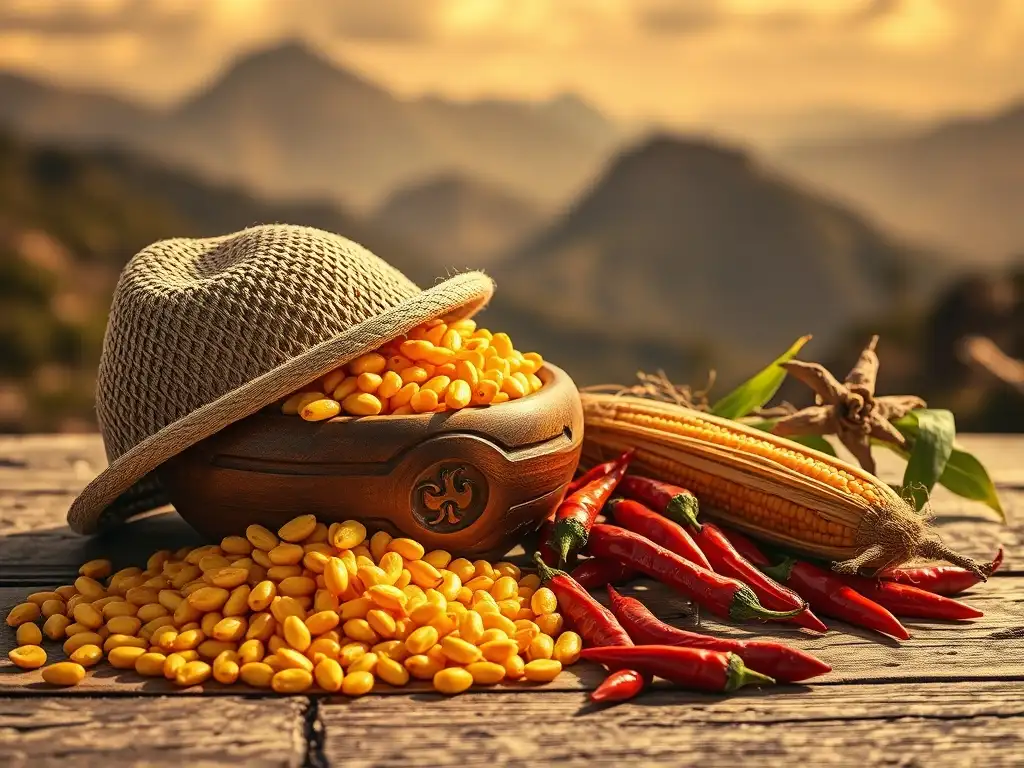
Andean food, far from being merely sustenance, holds profound cultural significance, deeply intertwined with the region's history, spirituality, and social fabric. Understanding this cultural context enhances our appreciation of Andean cuisine, transforming a simple meal into a journey through time and tradition. This section will delve into the cultural importance of three key Andean ingredients: the potato, quinoa, and corn, highlighting their roles beyond simple nutrition. The impact of these crops on Andean food cultural significance is undeniable, shaping not only diets but also social structures, religious practices, and artistic expressions.
The Sacred Status of the Andean Potato: More than Just Food
The potato ( Solanum tuberosum) is far more than a staple food in the Andes; it's a cultural icon, deeply embedded in the region's identity. For thousands of years, Andean communities have cultivated an astonishing diversity of potato varieties, each adapted to specific altitudes and microclimates. This biodiversity reflects a sophisticated agricultural knowledge passed down through generations.
The potato's significance transcends mere sustenance; it plays a central role in festivals, rituals, and social gatherings. For example, the Pachamama (Mother Earth) celebrations often involve offerings of potatoes as a symbol of gratitude for the harvest. The potato's earthy tones and varied forms even inspire Andean art, appearing in textiles, ceramics, and sculptures.
Moreover, the potato's versatility in Andean cuisine—boiled, roasted, fried, or incorporated into stews and soups—further emphasizes its central role in daily life and cultural expression. The sheer number of varieties—estimates range from 2,000 to 7,000—underlines the potato's enduring importance in Andean food cultural significance. Each variety carries its own unique cultural associations and culinary applications.
Quinoa: The Andean Superfood and its Cultural Importance
Quinoa ( Chenopodium quinoa), often hailed as a "superfood," holds a similarly elevated status in Andean culture. This resilient grain, capable of thriving in harsh conditions, has sustained Andean populations for centuries. Unlike many other grains, quinoa is a complete protein, containing all nine essential amino acids—a fact that underscores its nutritional importance and explains its enduring popularity. But quinoa's importance goes beyond its nutritional profile.
It has played a crucial role in Andean religious ceremonies and festivals, symbolizing fertility, abundance, and prosperity. In many Andean communities, quinoa is still offered to the apus (mountain spirits) as a sign of respect and gratitude. Its cultivation and harvest are often accompanied by rituals and celebrations, reflecting its deep-seated cultural value. Furthermore, quinoa's versatility in the kitchen—from hearty stews to light salads—makes it a cornerstone of Andean cuisine, reflecting its adaptibility and nourishing properties, contributing significantly to Andean food cultural significance.
Corn: A Staple Food and its Ritual Uses in Andean Cultures
Corn ( Zea mays) stands as another pillar of Andean agriculture and culture. Its versatility and nutritional value have made it a staple food for millennia, forming the base of countless Andean dishes. However, corn’s significance extends far beyond its culinary uses.
In many Andean cultures, corn is associated with fertility and life itself, often linked to deities and ancestral spirits. The vibrant colors of corn kernels—ranging from yellow and white to red and purple—are frequently incorporated into textiles, ceramics, and other forms of Andean art, symbolizing abundance and the interconnectedness of life and the earth. Furthermore, corn plays a vital role in numerous Andean rituals and ceremonies, often appearing in offerings and sacred rituals.
Chicha, a fermented corn beverage, is a prominent example of corn's ceremonial use, playing a significant role in celebrations, religious gatherings, and social events. The deep-rooted connection between corn and Andean spirituality profoundly shapes the cultural context of Andean food, adding another layer to its cultural significance. The intricate relationship between corn, ritual, and community life contributes significantly to Andean food cultural significance.
Maximizing Your Andean Culinary Experience
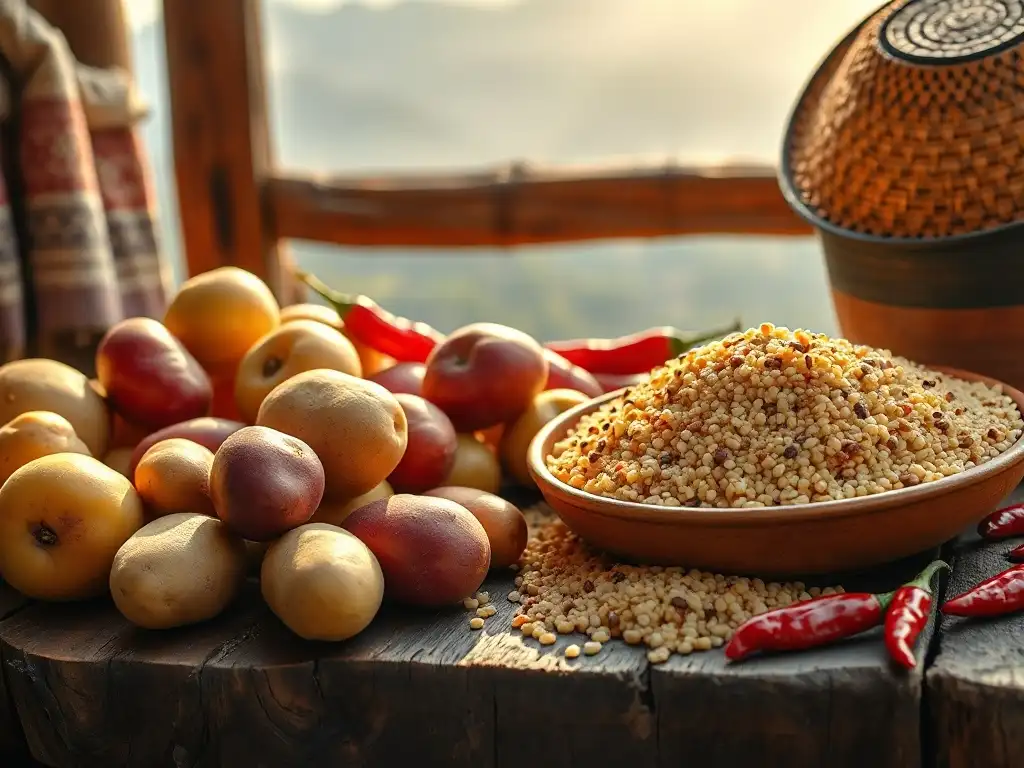
This section explores how to elevate your Andean cooking beyond simple recipe following, emphasizing the cultural context that makes Andean food so unique. Understanding the historical and social significance of ingredients and preparation methods dramatically enhances the experience, transforming a meal into a journey through time and Andean traditions. We'll delve into practical tips to deepen your connection with Andean cuisine.
Recreating Andean Flavors at Home: A Step-by-Step Approach
Authentic Andean food isn't just about replicating a recipe; it's about understanding the why behind each ingredient and technique. Consider, for example, the humble potato. The Andes are the birthplace of the potato, with thousands of varieties cultivated for centuries. Simply using a standard russet potato in a recipe intended for a papa a la huancaína significantly diminishes the experience. Sourcing heirloom Andean potatoes, if possible, elevates the dish to another level, bringing a taste and texture unique to the region.
This requires a multi-step approach:
- Ingredient Sourcing: Prioritize sourcing authentic Andean ingredients whenever feasible. This might involve seeking out specialized stores, farmers' markets, or even growing your own herbs and spices. Look for varieties like aji amarillo peppers, quinua (quinoa), and unique potato varieties. The flavor profile will be vastly superior.
- Methodical Preparation: Traditional Andean cooking often involves specific preparation techniques passed down through generations. Take the time to understand these methods. For instance, the slow cooking of cuy (guinea pig) is as much about the ritual as the result. Even simpler dishes benefit from mindful preparation.
- Presentation: Andean food is visually stunning. Take inspiration from the vibrant colors and artful presentation inherent in traditional Andean cuisine. A carefully arranged plate enhances the overall dining experience, reflecting the respect for the ingredients and the culture.
- Sharing the Experience: Andean food is fundamentally social. Share your culinary creations with friends and family, discussing the history and significance of each dish. This shared experience amplifies the cultural immersion.
Beyond the Recipe: Sharing the Stories Behind Andean Food
The true magic of Andean food lies not just in the taste, but in the stories embedded within each dish. Each ingredient holds a history, reflecting centuries of adaptation and ingenuity in a challenging environment. Consider the following examples:
- Chicha Morada: This traditional Andean beverage, made from purple corn, isn't just a refreshing drink; it's a symbol of Andean heritage, with its roots deeply entwined with Inca rituals and agricultural practices. Sharing this knowledge with your guests transforms a simple drink into a cultural experience.
- Pachamanca: This ancient Andean cooking method, involving underground ovens, is a testament to the ingenuity of Andean civilizations. Explaining the process and its historical significance adds another layer of depth to the meal.
- Muña: This Andean herb, often used in teas and stews, holds medicinal properties and cultural significance. Sharing this knowledge can enrich the understanding and appreciation of the dish.
By understanding and sharing the stories behind Andean food, you transform a simple meal into a powerful cultural experience. This appreciation extends beyond the plate, fostering a deeper connection with the rich history and traditions of the Andean people. The "Andean food cultural significance" is not simply about taste, but a tapestry woven from generations of knowledge, adaptation, and resilience. This holistic approach elevates your Andean culinary journey, making it both delicious and deeply meaningful.
Frequently Asked Questions
What is the significance of food in Andean cultures?
Andean food held deep spiritual and social importance. It was integral to religious ceremonies, community celebrations, and daily life, reflecting their close relationship with the environment. Agricultural practices were deeply intertwined with their worldview.
How did the environment influence Andean cuisine?
The diverse geography of the Andes—from coastal deserts to high mountain altitudes—shaped the available ingredients and culinary techniques. This resulted in a remarkable variety of foods adapted to specific ecological zones.
What role did food play in Inca society?
Food was vital to Inca power and social structure. Elaborate feasts reinforced their authority, while agricultural production fueled their vast empire. Control over resources like maize and potatoes was crucial to their dominance.
Were there any specific foods considered sacred in Andean cultures?
Yes, many foods held sacred significance. Maize, for example, was often associated with deities and featured prominently in religious rituals. Coca leaves were also highly valued for their spiritual and medicinal properties.
How has Andean food culture changed over time?
While many traditional practices persist, Andean food culture has evolved through centuries of interaction with other cultures. Modern influences have introduced new ingredients and techniques, while efforts to preserve traditional recipes are ongoing.
Final Reflection: A Taste of History, A Future of Understanding
The vibrant tapestry of Andean food is not merely sustenance; it is a living testament to resilience, ingenuity, and a profound connection to the land. Understanding its cultural significance is crucial in a world grappling with issues of food security, cultural preservation, and the impact of globalization on indigenous communities. The rich history embedded within each dish offers a powerful lens through which to examine the enduring spirit of Andean peoples.
The enduring legacy of Andean cuisine continues to shape identities and inspire culinary innovation, both within the Andes and globally. Its influence extends far beyond the simple act of eating; it's a powerful symbol of cultural pride and resistance. As anthropologist Sidney Mintz famously stated, Food is more than just fuel; it is a powerful symbol of culture, identity, and social relations.
This rings particularly true for the Andean region, where food traditions have survived centuries of colonization and societal shifts, adapting and evolving while retaining their core essence.
Consider the ingredients, the techniques, the stories woven into each dish. Let the flavors transport you, not just to a distant land, but to a deeper understanding of a culture rich in history and brimming with potential. You, the reader, now hold the power to share this knowledge, to appreciate the artistry and significance of Andean food, and to advocate for its continued preservation. Let the legacy of the Andes inspire you to explore, to learn, and to celebrate the diverse culinary traditions of our world.
Explore and Celebrate Andean Culinary Traditions!
Thank you for exploring the rich cultural tapestry of Andean food! This article has highlighted the historical and social significance of these dishes, deepening your appreciation for their culinary artistry. Now, let's explore ways to further connect with Andean culture.
Here are some suggestions:
- Recreate an Andean recipe at home: Choose a dish that appeals to you and share your culinary journey on social media to inspire others!
- Organize or participate in a local Andean food tasting event with friends or community members to share these unique flavors.
- Connect with the Andean community: Visit local markets or cultural events, and interact with chefs and artisans to learn about their traditions and practices firsthand.
What's your favorite Andean dish, and what aspects of the culture does it reflect? Share your thoughts below!