
Aji Amarillo Unveiled: Infuse Your Dishes with the Soul of Andean Spices

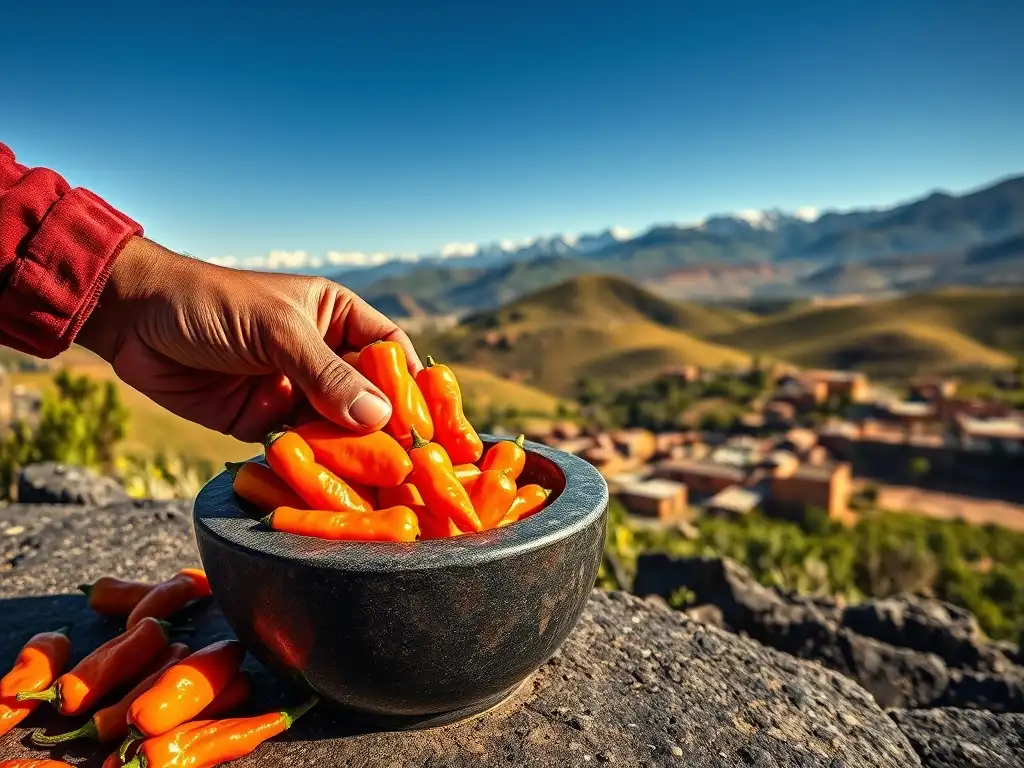
Uncover the secrets whispered on the wind across the Andes! Journey with us through a landscape sculpted by ancient empires, where vibrant cultures thrived and innovative technologies flourished. From the intricate artistry of the Nazca lines to the architectural marvels of Machu Picchu, you're about to embark on an immersive Andean experience. But first, prepare your senses for a tantalizing taste of the past: discover the Andean aji amarillo recipe—a fiery culinary key unlocking the heart of this extraordinary civilization. Dare to explore?
The vibrant tapestry of Andean culture extends far beyond its breathtaking landscapes and intricate textiles. It weaves deeply into the heart of its cuisine, a culinary tradition rich in history, innovation, and, most importantly, flavor. This article delves into the world of aji amarillo, a key ingredient that embodies the soul of Andean cooking.
We'll explore its history, unique characteristics, and its essential role in creating authentic Andean dishes, providing you with the knowledge to infuse your own culinary creations with the vibrant spirit of the Andes. Prepare to embark on a flavorful journey that will transport your taste buds to the heart of South America, enriching your understanding of Andean heritage while mastering a fundamental ingredient in its culinary landscape. Get ready to unlock the secrets of aji amarillo and elevate your cooking to new heights!
Discovering the Essence of Andean Cuisine: Aji Amarillo Peppers
The aji amarillo, meaning "yellow chili," is far more than just a spice; it's a cultural icon. Native to the Andes Mountains, this bright yellow chili pepper has been a staple in Andean cuisine for centuries, playing a pivotal role in countless traditional recipes. Its distinctive flavor profile—a harmonious blend of sweet, fruity, and subtly spicy notes—sets it apart from other chili varieties.
Unlike some chilis that deliver a fiery, overwhelming heat, aji amarillo offers a more nuanced warmth, making it incredibly versatile and suitable for a wide range of dishes. Its vibrant color also adds a visual appeal, transforming any dish into a feast for both the eyes and the palate.
The cultivation and use of aji amarillo are deeply intertwined with Andean agricultural practices and traditions, representing a significant connection to the region's rich heritage. We'll explore these traditions further as we uncover the secrets of this remarkable ingredient.
The cultivation of aji amarillo varies across different Andean regions, influenced by altitude, climate, and soil conditions. Farmers often employ traditional techniques, passed down through generations, ensuring the preservation of the pepper's unique qualities. This careful cultivation contributes to the distinct flavor profile that makes aji amarillo so prized. The peppers themselves are typically harvested when they reach their characteristic bright yellow hue, indicating ripeness and optimal flavor.
What is Aji Amarillo and Why is it Essential?
Aji amarillo is a type of chili pepper scientifically known as Capsicum baccatum. Its unique flavor profile, as mentioned, is a key characteristic. Unlike the intense heat of some chili peppers, aji amarillo offers a more balanced flavor profile – a delightful combination of fruity sweetness and a gentle, warming heat. This makes it exceptionally versatile in the kitchen. It is frequently used in sauces, stews, soups, and marinades, adding depth and complexity to a wide array of dishes. Its vibrant yellow color also enhances the visual appeal of any culinary creation.
The significance of aji amarillo in Andean cuisine cannot be overstated. It's not just a flavor enhancer; it's a cornerstone ingredient in many traditional recipes. From the rich and creamy aji amarillo sauce that accompanies countless dishes to its presence in hearty stews and flavorful marinades, this pepper is integral to the authentic Andean culinary experience.
Its versatility allows it to be incorporated into both simple and complex recipes, showcasing its adaptability and importance within the regional gastronomy. The pepper's unique flavor profile allows it to blend seamlessly with other Andean ingredients, creating a harmonious and unforgettable taste. This adaptability is key to understanding its widespread use and enduring popularity.
The following table summarizes the key characteristics of *aji amarillo*:
| Characteristic | Description |
|---|---|
| Scientific Name | Capsicum baccatum |
| Common Name | Aji Amarillo (Yellow Chili) |
| Origin | Andes Mountains |
| Flavor Profile | Sweet, fruity, subtly spicy |
| Heat Level | Mild to medium |
| Culinary Uses | Sauces, stews, soups, marinades, as a paste or powder |
| Color | Bright yellow |
| Cultural Significance | Integral part of traditional Andean cuisine and agricultural practices |
Using aji amarillo effectively requires understanding its properties. Whether used fresh, dried, or as a paste, this versatile ingredient adds a unique dimension to any dish. We'll explore different preparation methods and recipes in the following sections. Let's continue this exciting journey into the heart of Andean culinary traditions! 🌶️
- Discovering the Essence of Andean Cuisine: Aji Amarillo Peppers
- What is Aji Amarillo and Why is it Essential?
Crafting Authentic Andean Flavors: Your Step-by-Step Aji Amarillo Recipe Guide
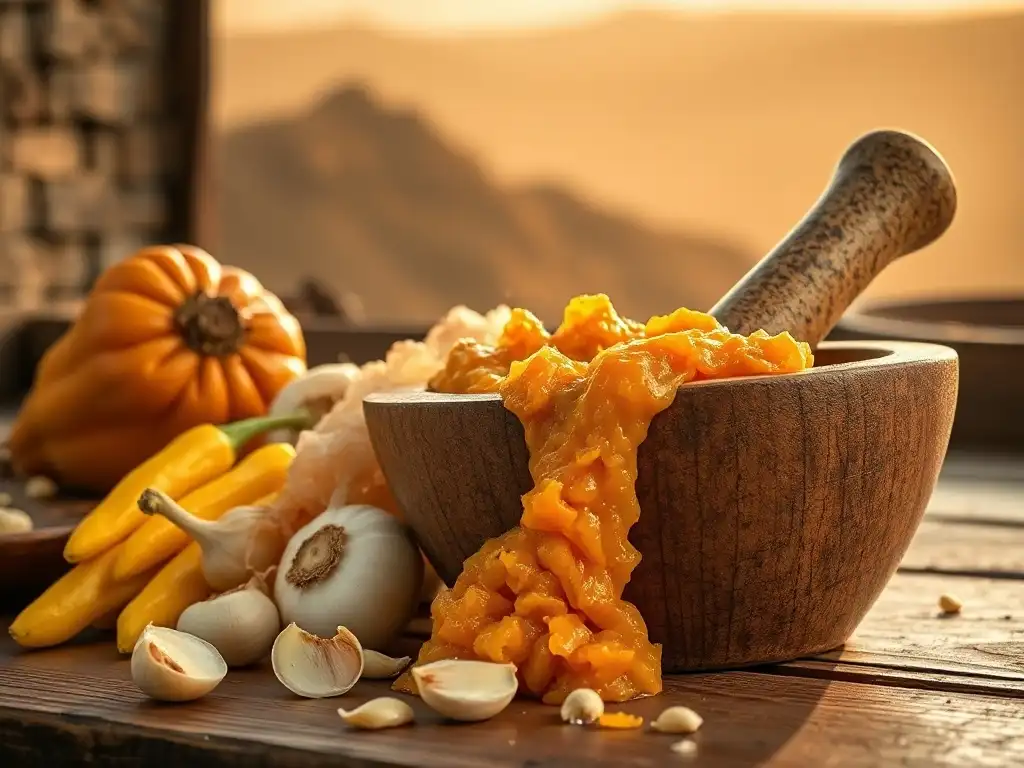
This section provides a detailed guide to preparing and using aji amarillo, a vibrant yellow chili pepper central to Andean cuisine. Mastering this versatile ingredient unlocks the door to authentic Andean flavors in your own kitchen. We'll walk you through each step, ensuring you achieve the perfect balance of heat and savory richness. This guide will help you create your own delicious Andean aji amarillo recipe.
Step 1: Preparing Your Aji Amarillo Peppers for Cooking
Before you embark on your culinary journey, proper preparation of the aji amarillo peppers is crucial. The process involves removing the seeds and membranes, which significantly impacts the final flavor profile. While some might prefer a spicier result by leaving in some seeds, for a more balanced flavor, complete removal is recommended.
Begin by carefully washing the aji amarillo peppers under cold running water. This removes any surface dirt or debris. Next, using a sharp knife, carefully slice each pepper lengthwise. Open the pepper and use a small spoon or your fingertip to gently scrape out the seeds and the white membranes inside. These membranes contain capsaicin, the compound responsible for the pepper's heat. Removing them reduces the spiciness, resulting in a smoother, more versatile flavor suitable for a wider range of dishes.
Once the seeds and membranes are removed, you have two options: You can either finely mince the peppers for immediate use in sauces or stews, or you can slice them into thin strips for use in more delicate applications such as garnishes. Remember to always wear gloves when handling aji amarillo peppers, as the capsaicin can irritate your skin. After handling the peppers, thoroughly wash your hands with soap and water.
Step 2: Creating the Base: The Aji Amarillo Paste Recipe
The aji amarillo paste is the foundation of many Andean dishes. Its preparation is relatively straightforward, yet demands precision to achieve the desired consistency and flavor. A well-made paste enhances the overall taste profile, contributing a rich, savory depth to your cooking.
Here’s a basic recipe for aji amarillo paste:
- Ingredients:
- 1 pound fresh aji amarillo peppers, cleaned and seeded
- 1/2 cup water
- 1/4 cup vegetable oil
- 1 teaspoon salt (or to taste)
- 1/2 small onion, roughly chopped (optional, for added sweetness)
- 1 clove garlic, roughly chopped (optional, for added depth)
- Instructions:
- Combine all ingredients in a blender or food processor.
- Blend until completely smooth, adding more water if needed to achieve a paste-like consistency.
- Taste and adjust seasoning as needed. You may want to add more salt or even a pinch of sugar to balance the flavors.
- The paste can be stored in an airtight container in the refrigerator for up to a week. For longer storage, freeze the paste in ice cube trays for easy portioning.
This versatile paste forms the base for numerous Andean dishes. It's crucial to achieve a smooth, homogenous consistency for optimal flavor integration. The optional onion and garlic enhance the overall flavor profile, adding subtle sweetness and savory notes.
Step 3: Using Your Aji Amarillo Paste in Traditional Dishes
The aji amarillo paste acts as a culinary chameleon, seamlessly integrating into a multitude of Andean dishes. Its versatility allows for diverse applications, from hearty stews to vibrant sauces. Here are a few examples of how you can utilize your homemade paste:
- Aji de Gallina: This creamy chicken stew is a quintessential Peruvian dish, and the aji amarillo paste is its heart and soul. The paste provides the signature rich, yellow hue and distinctive savory flavor.
- Causa Rellena: This layered potato dish often incorporates the aji amarillo paste into its creamy potato filling, providing a subtle yet impactful flavor.
- Seco de Cordero: This hearty lamb stew benefits from the aji amarillo paste's ability to balance the richness of the meat with its bright, slightly spicy notes. The paste contributes significantly to the overall depth of flavor.
- Various Sauces: The paste can be used as a base for many sauces, offering a vibrant color and flavor foundation that can be further customized with herbs, spices, and other ingredients.
Remember, experimenting is key! Don't hesitate to adjust the recipe to your taste preferences. The beauty of Andean cuisine lies in its adaptability and the unique flavors that emerge from personalized touches. Enjoy exploring the world of Andean spices and discovering your own signature aji amarillo creations!
Enhancing Your Aji Amarillo Experience: Recommended Products
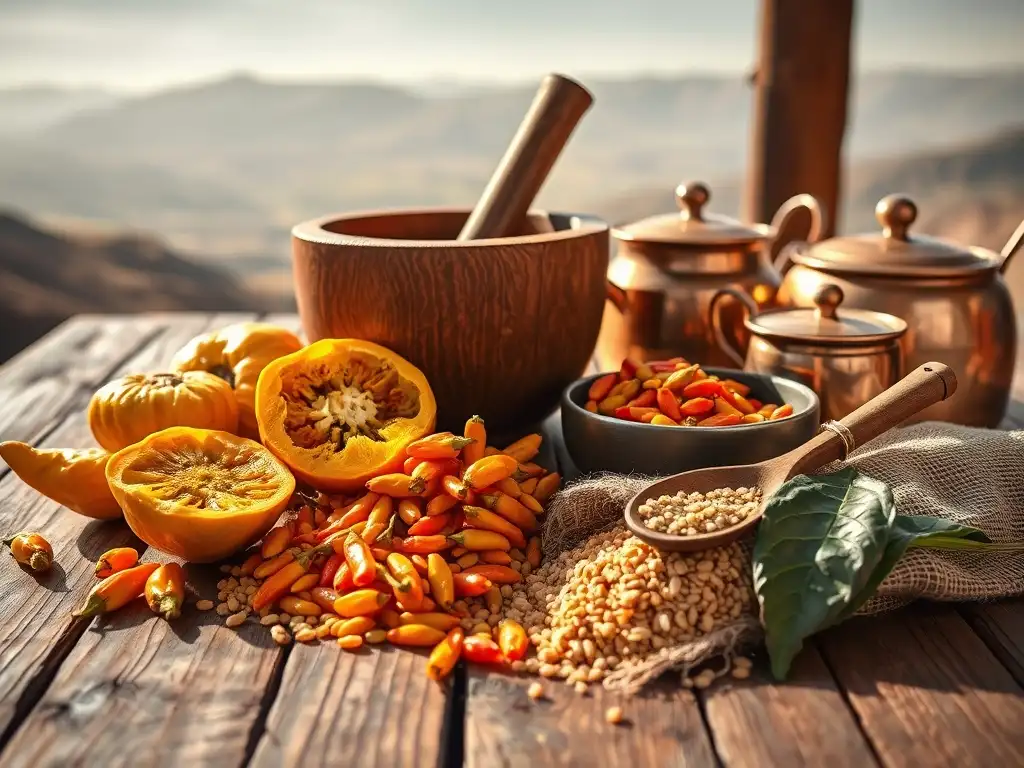
This section focuses on elevating your aji amarillo culinary journey by highlighting key products that can significantly improve the quality and ease of your cooking process. We'll explore both essential tools and sourcing strategies for authentic ingredients, ensuring your dishes capture the true essence of Andean flavors. Remember, the quality of your ingredients directly impacts the final taste, so let's delve into the details.
Essential Tools for Preparing Aji Amarillo
Preparing aji amarillo can be surprisingly simple, but having the right tools makes the process much smoother and more efficient. Here's a curated list of essential kitchen equipment to enhance your experience:
- A good quality chef's knife: A sharp knife is crucial for precise chopping and mincing of the aji amarillo peppers. A dull knife will bruise the peppers, releasing bitterness and affecting the overall flavor profile. Look for a knife with a comfortable grip and a blade length of at least 8 inches. 🔪
- Mortar and pestle: For achieving the most authentic Andean flavors, consider using a mortar and pestle to grind the aji amarillo paste. This traditional method releases more of the pepper's aromatic oils, resulting in a richer, more complex flavor. Alternatively, a food processor works well, but the mortar and pestle offers a more textured result.
- High-quality blender: If you opt for a smoother paste, a high-powered blender is essential for achieving a creamy texture without leaving any chunky bits. Consider investing in a blender with a powerful motor and a wide jar to accommodate larger quantities of aji amarillo.
- Airtight containers: Once you've prepared your aji amarillo paste, proper storage is crucial. Airtight containers will help preserve the freshness and vibrant color of your paste, keeping it flavorful for longer. Choose containers made of glass or high-quality food-grade plastic.
| Tool | Importance | Alternative |
|---|---|---|
| Chef's Knife | Precise chopping, minimizes bitterness | Smaller paring knife (less efficient) |
| Mortar & Pestle | Releases aromatic oils, authentic texture | Food processor (smoother texture) |
| Blender | Creates smooth paste | Immersion blender (less thorough blending) |
| Airtight Container | Preserves freshness and vibrant color | Freezer bags (less ideal for long-term storage) |
Sourcing Authentic Aji Amarillo Ingredients
The key to a truly authentic Andean aji amarillo recipe lies in sourcing high-quality ingredients. While readily available in some markets, finding truly authentic aji amarillo might require some effort. Consider these options:
- Specialty Latin American grocery stores: These stores often carry a wider selection of authentic Andean ingredients, including fresh or frozen aji amarillo peppers. Check your local listings for stores specializing in South American products.
- Online retailers: Many online retailers specializing in gourmet or international foods offer aji amarillo peppers, either fresh, frozen, or in paste form. Ensure you choose reputable sellers with positive customer reviews.
- Grow your own: For the truly dedicated, growing your own aji amarillo peppers can be a rewarding experience. Although it requires some horticultural knowledge and a suitable climate, the taste of homegrown peppers is unmatched. Research the specific needs of the aji amarillo plant before attempting this.
Remember to carefully inspect any aji amarillo peppers you purchase, ensuring they are firm, vibrant in color, and free from blemishes. Freshness is paramount for optimal flavor. If using frozen peppers, ensure they are properly thawed before use to avoid a watery paste. The quest for authentic Andean flavors starts with the best possible ingredients!
Mastering the Art of Andean Cooking: Tips and Variations
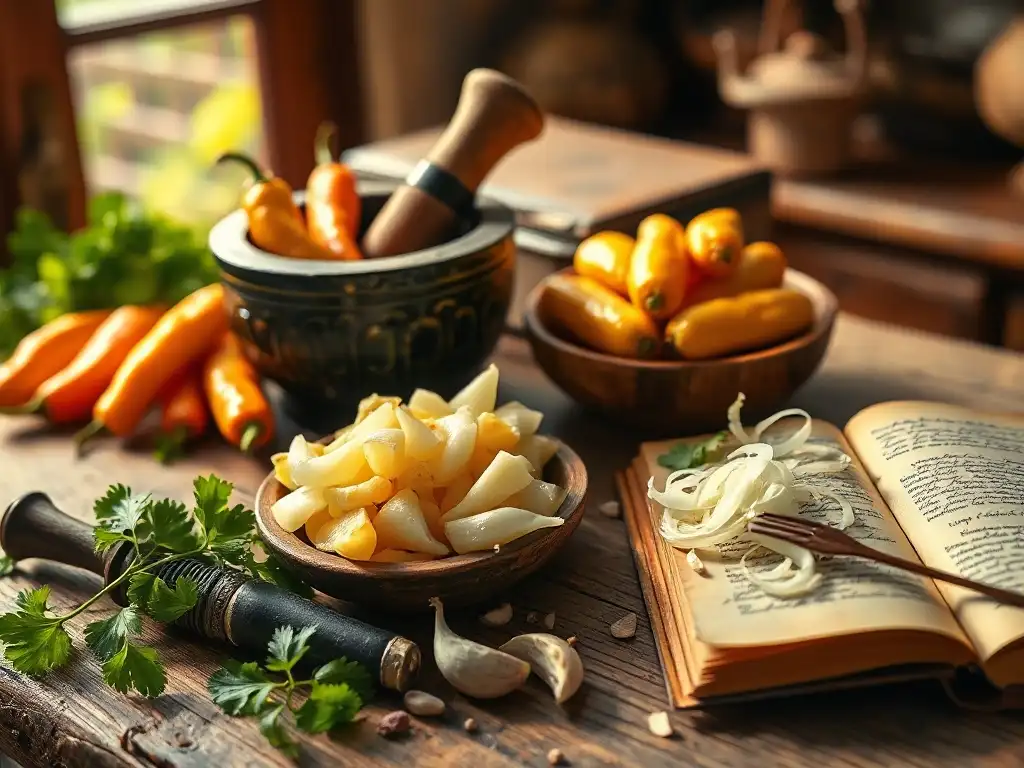
This section delves into the nuances of working with aji amarillo, offering practical advice to elevate your Andean culinary creations. We'll explore techniques for controlling spiciness, regional variations in recipes, and effective storage solutions to maximize the vibrant flavor of this essential ingredient. Mastering these aspects will transform your cooking, allowing you to authentically capture the soul of Andean cuisine.
Adjusting the Heat: Controlling the Aji Amarillo's Spiciness
The intensity of aji amarillo's heat varies depending on factors such as the growing conditions and the specific variety. Some peppers are milder, offering a fruity sweetness with a subtle kick, while others deliver a more pronounced fiery punch. Understanding how to manage this spiciness is key to creating well-balanced Andean dishes.
One effective method is to remove the seeds and membranes before processing the peppers. These parts contain a significant concentration of capsaicin, the compound responsible for the heat. Removing them reduces the overall spiciness considerably. For even more control, you can also blanch the peppers briefly in boiling water before pureeing them. This helps to neutralize some of the capsaicin.
Consider the other ingredients in your recipe. Rich, creamy sauces, like those often found in Andean stews, can temper the heat of the aji amarillo. Similarly, the addition of acidic ingredients such as lime juice can also help balance the spiciness, enhancing the overall flavor profile. Experimenting with these techniques will allow you to tailor the heat level to your personal preference, creating a truly customized Andean experience.
Remember, it's always better to start with less aji amarillo and gradually add more until you reach your desired level of spiciness. This prevents accidentally creating a dish that is overwhelmingly hot. Taste as you go! The subtle nuances of aji amarillo are best appreciated when the heat is carefully balanced with other flavors.
Exploring Variations: Regional Twists on Aji Amarillo Recipes
The use of aji amarillo extends across various Andean regions, each with its unique culinary traditions. This leads to a delightful array of recipes, showcasing the versatility of this remarkable pepper.
In the coastal regions of Peru, for instance, aji amarillo is often incorporated into creamy sauces that accompany seafood dishes. Think of a delicate ceviche with a vibrant aji amarillo sauce, showcasing the pepper's bright citrus notes. This contrasts sharply with the use of aji amarillo in the highlands, where it might be found in hearty stews and soups, complementing the rich flavors of potatoes and other Andean staples. The same aji amarillo paste can be the heart of a complex adobo, providing a deep, savory flavor base for meats.
Consider the Bolivian use of aji amarillo in salteñas, savory pastries filled with a spicy stew. Here, the aji amarillo adds a complex layer of flavor, contrasting beautifully with the savory filling and the flaky pastry. This exemplifies the adaptability of aji amarillo in diverse culinary contexts. The key is to explore these regional variations, discovering how different cultures utilize the pepper to create their unique and flavorful dishes. Each recipe offers a unique perspective on the potential of this incredible ingredient.
Preserving Your Aji Amarillo Paste: Storage Solutions
Proper storage is crucial for maintaining the vibrant color, flavor, and quality of your homemade aji amarillo paste. Several methods ensure your hard work lasts.
Freezing is the most effective method for long-term preservation. Portion the paste into ice cube trays or freezer-safe containers, allowing for easy use in future recipes. Frozen aji amarillo paste can typically last for several months without significant loss of flavor or quality.
Refrigeration is suitable for shorter-term storage, typically lasting up to a week. Store the paste in an airtight container in the refrigerator to prevent oxidation and maintain freshness. Remember to always use clean utensils when accessing the paste to avoid introducing contaminants that could spoil the product.
Another option is to preserve the aji amarillo paste through canning, although this method requires careful attention to sterilization and safety procedures. [Specific instructions for canning aji amarillo paste pending]. Always prioritize safe food handling practices when preserving food for later consumption. Proper storage techniques are vital for ensuring the quality and safety of your aji amarillo paste, allowing you to enjoy its rich flavor for an extended period.
Conclusion: Embrace the Flavor of the Andes with Aji Amarillo
This exploration of the aji amarillo has hopefully illuminated its significance beyond a mere ingredient; it's a vibrant thread woven into the rich tapestry of Andean culinary heritage. From its origins in the fertile valleys to its starring role in countless Peruvian dishes, the aji amarillo's journey reflects the ingenuity and deep connection Andean cultures have with their land and its bounty. Mastering its use isn't just about creating delicious food; it's about engaging with a centuries-old tradition, understanding the nuances of Andean flavors, and adding a touch of the Andes to your own kitchen.
Remember, the best aji amarillo recipes often come from experimentation and a willingness to adapt. Don't be afraid to tweak proportions and add your personal touch.
The Culinary Journey: Experiencing Authentic Peruvian Flavors
The aji amarillo is more than just a spice; it's a gateway to a world of flavors. Once you've mastered a basic aji amarillo recipe, consider branching out into other Peruvian culinary traditions. The vibrant and diverse gastronomy of Peru offers a wealth of opportunities for culinary exploration.
Think of the creamy richness of papa a la huancaína, the tangy zest of ceviche, or the hearty comfort of seco de res. Each dish offers a unique perspective on the use of aji amarillo and other Andean spices, showcasing the versatility and depth of Peruvian cuisine. Consider experimenting with different levels of spice intensity, incorporating other Andean ingredients like ají panca, rocoto, or huacatay to create your own signature dishes.
The possibilities are truly endless. This journey of culinary discovery allows you to truly appreciate the cultural significance of food and the unique ways in which ingredients reflect the history and environment of a region. Embrace the adventure!
Continuing Your Exploration of Peruvian Cuisine
Your aji amarillo journey is just the beginning! To further deepen your understanding of Andean cuisine and its reliance on the aji amarillo, explore beyond individual recipes. Research the history of different Andean cultures and their unique culinary traditions. Consider the impact of geography and climate on the cultivation and use of aji amarillo and other essential ingredients.
Learning about the agricultural practices and the social significance of food in Andean communities will enrich your appreciation of the dishes you prepare. You might even discover lesser-known aji amarillo recipes, adding further layers to your culinary exploration. The more you learn, the more you'll appreciate the depth and complexity of Peruvian cuisine. Perhaps you could even explore the use of other chilis, understanding their distinct flavor profiles and how they compare to the beloved aji amarillo.
Now that you've embarked on your aji amarillo culinary adventure, it's time to share your newfound skills and creations! The joy of cooking is often amplified by sharing your creations with others. Whether it's inviting friends and family over for a Peruvian-inspired meal or simply sharing your aji amarillo recipe online, sharing your culinary journey is an essential part of the process. Consider documenting your cooking process, sharing your successes (and even your occasional mishaps! ), and inspiring others to explore the vibrant world of Andean cuisine.
You might even discover new variations and improvements to your recipe through feedback and shared experiences. The culinary community is a vibrant and supportive space, and sharing your aji amarillo creations can contribute to a greater appreciation of this remarkable Andean spice and the rich culinary heritage it represents. Let your passion for food and culture shine! 👩🍳🌶️
Frequently Asked Questions
What is aji amarillo?
Aji amarillo is a bright yellow chili pepper native to the Andes region of South America. It's known for its fruity and slightly sweet flavor, making it a staple in Peruvian cuisine. It's crucial to Andean cooking.
How spicy is aji amarillo?
Aji amarillo peppers have a mild to medium heat level, ranging from 500 to 10,000 Scoville heat units. This makes them versatile for a wide range of dishes, from sauces to stews. They are less spicy than many other chili peppers.
Where can I find aji amarillo peppers?
Aji amarillo peppers are increasingly available in many supermarkets and online retailers, especially those specializing in Latin American ingredients. You can also find them at Latin American grocery stores.
What are some common uses for aji amarillo?
Aji amarillo is used extensively in Peruvian cuisine. It is a key ingredient in many sauces, stews, and marinades, lending its unique flavor and vibrant color. It's the star of seco de cordero, for example.
Are there variations in aji amarillo flavor?
Yes, the flavor of aji amarillo can vary slightly depending on the growing conditions and the specific variety. However, the general fruity and slightly sweet profile remains consistent. This contributes to the variety of dishes it can enhance.
Final Reflection: The Enduring Legacy of Aji Amarillo
The vibrant, fiery kiss of aji amarillo is more than just a culinary delight; it's a testament to the enduring power of Andean culinary traditions in a globalized world. This bright yellow pepper, with its complex flavor profile ranging from sweet to subtly smoky and intensely fruity, continues to captivate palates and inspire chefs worldwide. Its enduring popularity speaks volumes about our growing appreciation for authentic, regionally-specific ingredients.
The journey of aji amarillo from the Andean highlands to kitchens across the globe is a testament to the enduring influence of cultural exchange and the power of food to connect us. It’s a reminder that the seemingly simple act of cooking can be a potent vehicle for preserving history and sharing cultural heritage. Food is symbolic of love when words are inadequate.
– Alan D. Wolfelt. This quote perfectly encapsulates the emotional resonance of aji amarillo, a pepper that transcends mere spice to become a symbol of Andean identity and culinary artistry.
Now, consider your own culinary adventures. Will you embrace the challenge of incorporating this remarkable pepper into your next dish? Perhaps you'll experiment with a classic Peruvian causa, or maybe you'll dare to create your own unique recipe, infusing your own personal touch into this ancient Andean treasure. The possibilities are as limitless as the vibrant hues of the aji amarillo itself. Let its fiery spirit ignite your creativity and inspire you to explore the rich tapestry of global flavors.
**Elevate Your Culinary Experience Today! **
Thank you for exploring the vibrant world of aji amarillo! We hope you're inspired by its rich flavors and cultural significance. Now, let's put that inspiration to work!
Here are a few easy ways to enhance your cooking:
- **Experiment:** Incorporate aji amarillo into your next dish—a sauce, soup, or marinade will all benefit from its unique flavor.
- **Share your creations:** Post photos of your aji amarillo-infused dishes on social media using the hashtag #SpiceOfTheAndes. Let everyone see your Andean culinary adventures!
- **Expand your skills:** Consider a Peruvian cooking class—either online or in person—to learn more about this remarkable spice and its culinary applications.
What dish are you most excited to try with aji amarillo? Share your ideas below!