
The Connection Between Inca Mythology and Their Agricultural Practices


Unravel the mysteries of the Andes! Journey with us into a world of breathtaking landscapes and even more breathtaking civilizations. Did you know that the Inca Empire's phenomenal agricultural success wasn't just about ingenuity, but was deeply intertwined with their fascinating mythology? Discover the captivating connection between Inca mythology and their agricultural practices—a story woven into the very fabric of their existence. Prepare to be amazed by the ingenuity and spiritual depth of this ancient world.
The Inca Empire, renowned for its sophisticated engineering and vast territorial control, also possessed a deeply interwoven relationship between its mythology and agricultural practices. This connection, far from being a mere coincidence, formed the very bedrock of Inca society, shaping its beliefs, social structures, and daily life.
Understanding the Inca worldview reveals how their mythology profoundly influenced their agricultural techniques, leading to the development of remarkably efficient and sustainable farming methods in the challenging Andean environment. This article delves into the sacredness of agriculture within Inca beliefs and examines how their unique cosmovision directly impacted their farming practices, demonstrating the intricate link between their spiritual world and their material reality.
We will explore how Inca mythology provided a framework for understanding the natural world and guided their agricultural innovations, ultimately contributing to the empire's success and longevity. The keyword "Inca mythology agricultural practices" will be explored throughout this article, demonstrating the deep connections between the two.
The Sacredness of Agriculture in Inca Beliefs
Inca mythology imbued agriculture with profound spiritual significance. The earth, or Pachamama, wasn't merely soil; it was a revered deity, a life-giving mother who provided sustenance and demanded respect. The Inca people believed that successful harvests depended on maintaining a harmonious relationship with Pachamama. This reverence manifested in various rituals and ceremonies.
Before planting, farmers would offer coca leaves and chicha (a fermented corn beverage) to appease the earth goddess and ensure a bountiful yield. Similarly, after the harvest, elaborate festivals were held to express gratitude for the abundance provided. Furthermore, specific deities were associated with particular crops or agricultural activities. For example, [Specific deity associated with maize pending] was worshipped to ensure a successful maize harvest, highlighting the intricate connection between religious beliefs and agricultural practices.
This deep-rooted spirituality wasn't merely a matter of superstition; it acted as a powerful motivator for responsible land management and sustainable farming techniques. The Inca understanding of the interconnectedness of the spiritual and material realms fostered a respect for the land that directly impacted their agricultural practices. They didn't just farm; they participated in a sacred ritual that ensured the survival and prosperity of their community.
Inca Cosmovision and Its Influence on Farming
The Inca cosmovision, a holistic worldview encompassing the cosmos, the earth, and humanity, significantly shaped their agricultural methods. Their understanding of the universe, structured around a three-level system – the upper world ( Hanan Pacha), the middle world ( Kay Pacha), and the underworld ( Ukhu Pacha) – informed their farming techniques. The concept of reciprocity, a central tenet of Inca ideology, was reflected in their agricultural practices.
They believed that by offering respect and care to the land, Pachamama would reciprocate with abundant harvests. This principle guided their efforts in terracing hillsides, creating sophisticated irrigation systems, and developing advanced agricultural techniques like the waru waru system, which involved creating raised beds to improve drainage and water retention. These weren't merely technological advancements; they were expressions of their spiritual beliefs, demonstrating their commitment to maintaining harmony with the natural world.
The intricate network of canals and terraces weren't just functional; they were physical manifestations of their cosmic worldview, reflecting the interconnectedness of the three worlds and the importance of maintaining balance within the ecosystem. The success of Inca agriculture, therefore, can be largely attributed to the integration of their spiritual beliefs and practical knowledge, showcasing the profound impact of their unique cosmovision on their farming practices. The efficiency and sustainability of their methods serve as a testament to the power of this interconnected approach.
- What role did mythology play in Inca agriculture?
- How did the Inca's understanding of the cosmos affect their farming?
- What specific Inca myths are linked to agricultural practices?
- Can you give an example of an Inca agricultural ritual connected to mythology?
- How did Inca mythology impact their understanding of land ownership and use?
Key Deities and Their Role in Inca Agriculture
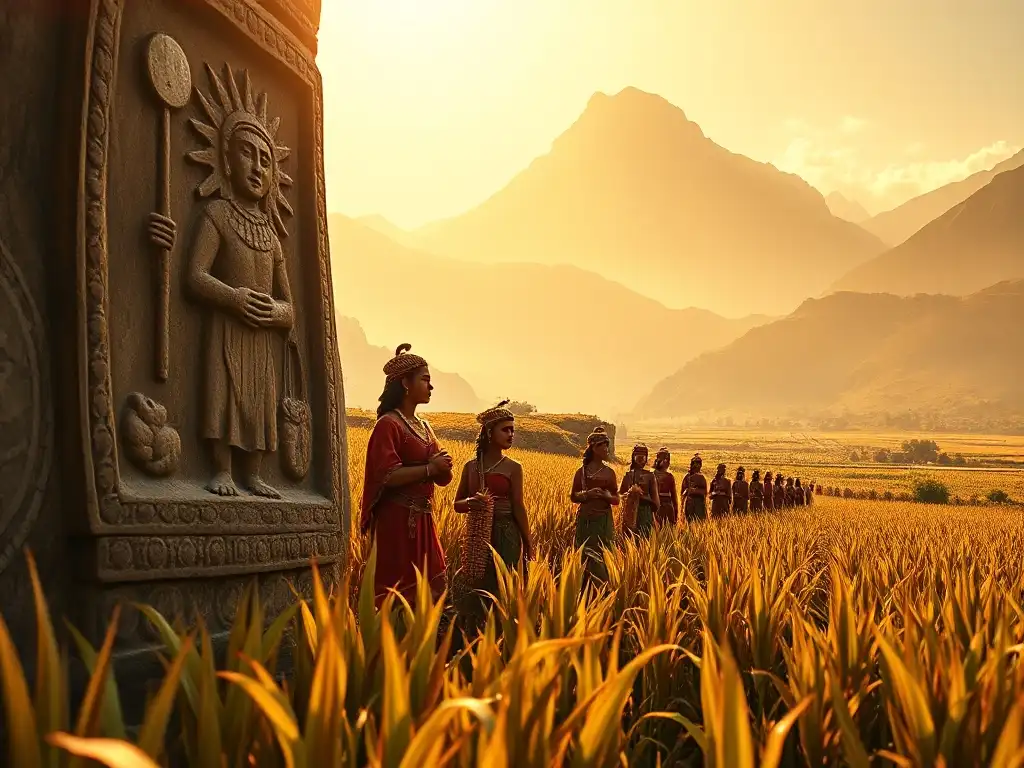
The Inca worldview was deeply intertwined with their sophisticated agricultural practices. Their mythology, a complex tapestry of beliefs and rituals, provided the framework for understanding and interacting with the natural world, particularly in relation to farming. The success of their agricultural endeavors was directly linked to appeasing and honoring the deities who controlled the elements essential for crop growth.
This section explores the pivotal roles of key Inca deities in shaping their agricultural techniques and ensuring bountiful harvests. Understanding this connection illuminates the profound spiritual significance embedded within the seemingly practical aspects of Inca life, showcasing the intricate relationship between Inca mythology and agricultural practices.
Inti, the Sun God: Source of Life and Harvests
Inti, the Sun God, was the most important deity in the Inca pantheon. He was considered the source of all life and energy, and his influence on agriculture was paramount. The Inca believed that Inti's daily journey across the sky provided the warmth and light necessary for plant growth.
The success of their harvests was directly attributed to Inti's favor, and elaborate ceremonies were performed to ensure his continued benevolence. These ceremonies, often involving offerings of coca leaves, llamas, and other precious goods, were meticulously timed to coincide with the agricultural calendar. The Inca meticulously observed the sun's movements, using sophisticated astronomical knowledge to predict solstices and equinoxes, crucial moments for planting and harvesting.
Failure to properly honor Inti could result in crop failures, droughts, or other calamities, highlighting the vital role he played in Inca agricultural success. The very structure of Inca society, with its emphasis on centralized control and tribute systems, was partly designed to support and maintain the rituals dedicated to Inti and other deities, ensuring the continuity of agricultural prosperity. In essence, Inti wasn't merely a deity; he was the lifeblood of Inca agriculture.
Pachamama, the Earth Mother: Fertility and Sustenance
Pachamama, the Earth Mother, represented the fertile earth and its bounty. She was seen as the provider of sustenance, the source of all crops and resources that sustained the Inca Empire. Unlike Inti, whose influence was more directly related to the sun's energy, Pachamama represented the fertile ground itself—the very essence of agricultural productivity. Appeasing Pachamama was crucial for successful harvests.
Farmers performed rituals to ensure her fertility, offering gifts of food, drink, and coca leaves directly into the earth. These offerings were not simply symbolic; they were believed to nourish Pachamama, ensuring her continued generosity. The Inca understood the importance of soil health and employed sophisticated terracing and irrigation techniques to maximize agricultural output. These practices weren't just technical advancements; they were expressions of reverence for Pachamama, a tangible demonstration of their commitment to maintaining her fertility.
The concept of ayni, reciprocal exchange, was central to their relationship with Pachamama. The Inca believed that by carefully tending to the land and offering gifts, they were engaging in a reciprocal relationship that ensured the continued provision of sustenance. This belief system underscores the profound spiritual dimension underpinning their practical agricultural methods. The success of Inca agriculture was, therefore, deeply intertwined with the successful appeasement of Pachamama.
Mama Cocha, the Sea Goddess: Water and Irrigation
Mama Cocha, the Sea Goddess, controlled the waters, crucial for irrigation in the Andean highlands. While Inti provided warmth and Pachamama provided the fertile ground, Mama Cocha provided the life-giving water necessary for crops to thrive. The Inca Empire, despite its vast expanse, faced challenges in water management, especially in drier regions. Their mastery of irrigation systems, including canals, aqueducts, and sophisticated water management techniques, was crucial for their agricultural success.
These systems weren't merely feats of engineering; they were also expressions of reverence for Mama Cocha. Rituals were performed to ensure the flow of water, to appease the goddess and prevent droughts or floods that could devastate their crops. The construction and maintenance of these intricate irrigation systems required significant labor and coordination, demonstrating the importance placed on water management and the profound respect for Mama Cocha's role in their agricultural practices.
The Inca’s understanding of water's importance, reflected in their mythology and their engineering prowess, showcases the sophisticated integration of their spiritual beliefs and practical agricultural needs. The success of their irrigation systems, a testament to their technological advancement, was inextricably linked to the veneration of Mama Cocha. Ignoring her could lead to devastating consequences, further emphasizing the central role of Inca mythology in shaping their agricultural practices.
Mythological Narratives and Agricultural Cycles
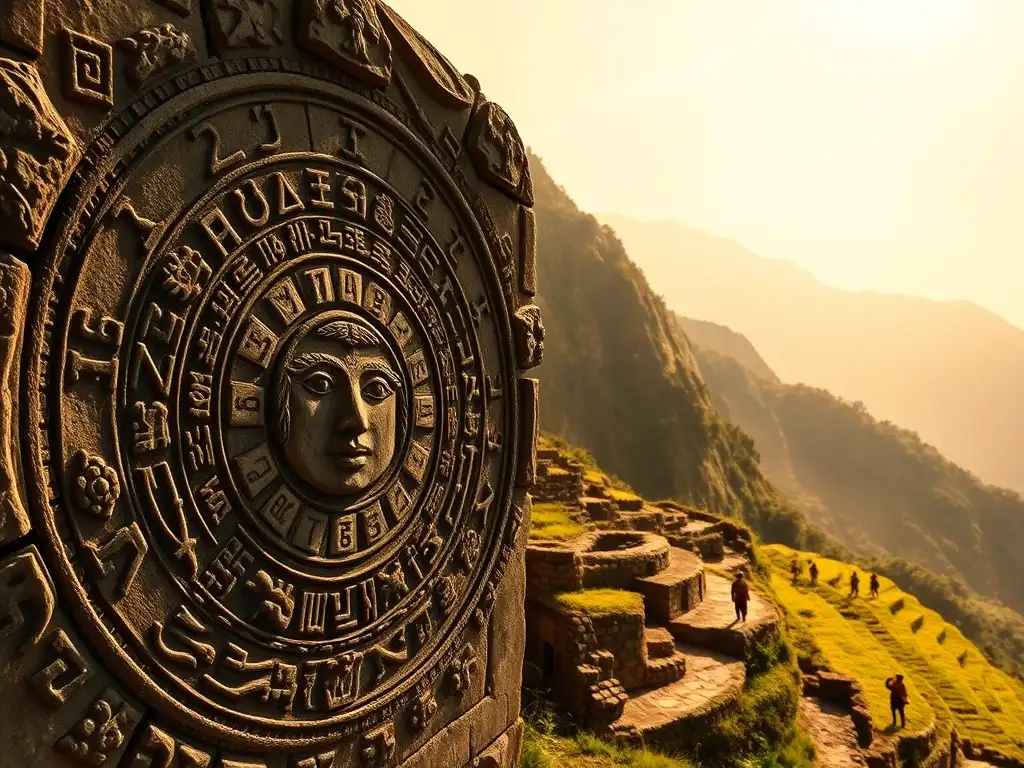
The Inca worldview was deeply intertwined with their agricultural practices. Their sophisticated understanding of the environment and their impressive feats of engineering in terracing and irrigation were not merely practical achievements, but also deeply rooted in their complex mythology. The Inca belief system provided a framework for understanding the natural world, and this understanding directly influenced their agricultural techniques and the rituals surrounding them.
The close connection between Inca mythology and agricultural practices is evident in numerous myths, legends, and ceremonies, reflecting a holistic approach to life where the spiritual and the practical were inseparable. This section will explore some key examples of this profound relationship, focusing on how mythological narratives shaped the Inca approach to agriculture and food production.
The Myth of Creation and the Origin of Cultivated Plants
The Inca creation myth, while varying slightly across different regions and accounts, consistently emphasizes the divine origins of cultivated plants. The world, according to these narratives, was not simply created; it was cultivated. The creator god, Viracocha, is often depicted not just as a cosmic architect but also as an agricultural pioneer. He is credited with bringing forth the first seeds and teaching humanity the art of agriculture. This act of creation is not a single event but an ongoing process, mirroring the cyclical nature of planting and harvesting.
Several stories detail Viracocha's interaction with the earth, causing springs to gush forth, fertile valleys to emerge, and the first plants to sprout. These narratives highlight the sacredness of the land and the importance of respecting its inherent fertility. The plants themselves were considered sacred, imbued with spiritual power and connected to the divine.
This belief system fostered a deep respect for the land and its bounty, encouraging sustainable agricultural practices and a careful stewardship of resources. The Inca understanding of the interconnectedness of all things, as reflected in their creation myth, extended to their agricultural practices, demonstrating a holistic approach that valued both the spiritual and the material aspects of life.
The Legend of Manco Capac and the Introduction of Agriculture
The legend of Manco Capac, the mythical founder of the Inca Empire, further emphasizes the connection between mythology and agricultural practices. Manco Capac, along with his sister-wife Mama Ocllo, is often depicted as bringing not only civilization but also advanced agricultural techniques to the Andean highlands. Their arrival is not simply a historical event but also a mythological one, representing the introduction of order and prosperity to a previously chaotic and less developed society.
The story often portrays Manco Capac as a teacher, instructing the people in the art of cultivation, demonstrating techniques such as terracing, irrigation, and crop rotation. These weren't simply technical skills; they were considered sacred knowledge, passed down through generations and integrated into the fabric of Inca society. The success of Inca agriculture, with its impressive yields even in challenging terrains, was seen as a testament to Manco Capac's divine guidance and the effectiveness of the agricultural methods he introduced.
The legend serves as a powerful reminder of the importance of agricultural knowledge and its role in shaping Inca society and its worldview. The story’s enduring popularity reinforces the deep-rooted connection between Inca mythology and agricultural practices.
Inca agricultural practices were not simply about cultivating crops; they were deeply embedded in a complex system of religious rituals and ceremonies. These rituals were not mere superstitions but integral parts of the agricultural process, reflecting a belief that the success of the harvest depended on appeasing the gods and maintaining harmony with the natural world.
The Capacocha, a significant ritual involving child sacrifice, was believed to ensure the fertility of the land and the prosperity of the harvests. While the practice is ethically complex and controversial, it highlights the immense importance placed on agricultural success within the Inca worldview. Other rituals involved offerings of coca leaves, chicha (a fermented corn beverage), and other agricultural products to ensure a bountiful harvest. These offerings were not just symbolic gestures but also a way of expressing gratitude and reinforcing the sacred connection between the people and the land.
Furthermore, specific festivals were dedicated to different stages of the agricultural cycle. These festivals often involved elaborate ceremonies, music, dance, and processions, bringing the entire community together in celebration and reaffirming the importance of agriculture in their lives. The intricate calendar system, meticulously observed by the Inca, was crucial in determining the optimal times for planting and harvesting, reflecting the deeply ingrained relationship between their mythology, religion, and agricultural practices.
The meticulous planning and execution of these rituals underscore the profound importance of agriculture in Inca society and its integration with their religious beliefs. The rituals served as a vital link between the spiritual and material realms, reinforcing the interconnectedness of all aspects of Inca life.
Inca Agricultural Techniques Inspired by Their Mythology
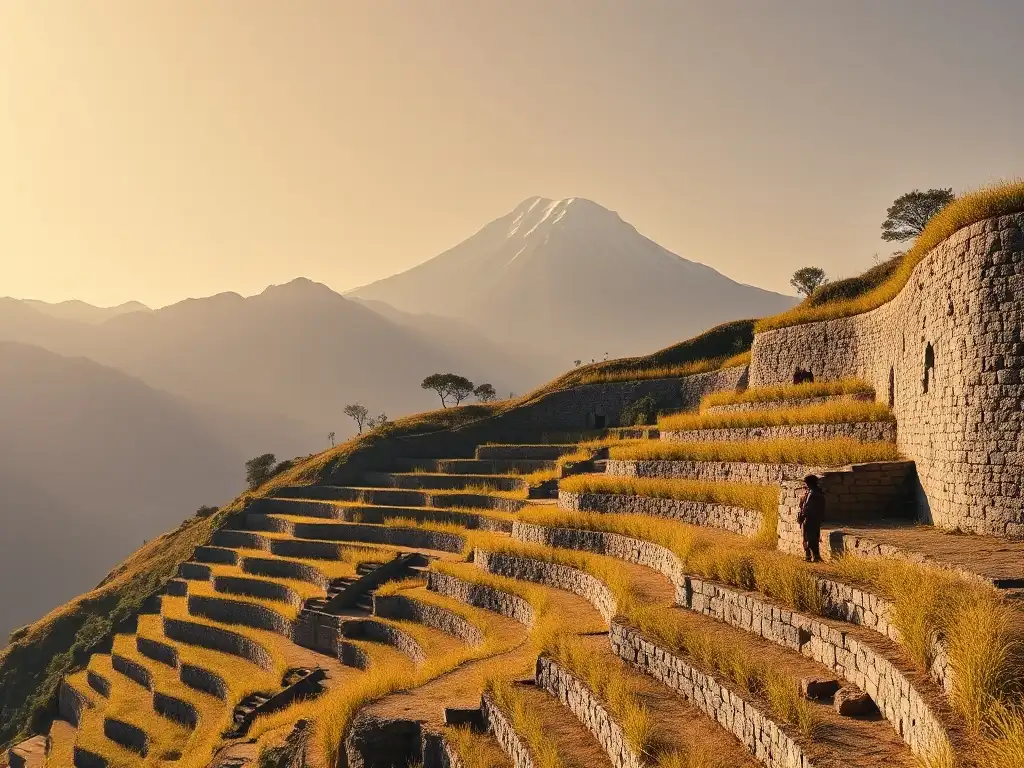
The Inca Empire, renowned for its sophisticated infrastructure and administrative prowess, also possessed a remarkably advanced agricultural system deeply intertwined with its rich mythology. The Incas didn't simply cultivate the land; they engaged in a sacred dialogue with nature, believing their agricultural practices were divinely guided and essential for maintaining cosmic balance. This section explores how Inca mythology directly influenced their innovative agricultural techniques, demonstrating a profound connection between spiritual beliefs and practical farming methods.
The intricate relationship between Inca mythology and agricultural practices showcases their deep understanding of their environment and their ability to harness its resources sustainably. This connection is evident in their terracing, irrigation systems, and crop rotation techniques, all shaped by their cosmological beliefs.
Terracing: Replicating the Mountain's Sacred Form
Inca terracing, a breathtaking feat of engineering, wasn't merely a pragmatic solution to farming steep slopes. It represented a symbolic replication of the apu, the sacred mountain spirits, considered intermediaries between the human and divine realms. The terraces, meticulously carved into the Andes' slopes, mirrored the layered structure of the mountains themselves, visually echoing the cosmos' hierarchical order as perceived by Inca cosmology. Each terrace was seen as a miniature representation of the sacred mountain, further reinforcing the spiritual significance of agricultural labor.
The construction of these terraces wasn't arbitrary. Their precise orientation, size, and spacing were carefully planned to maximize sunlight exposure and water retention, reflecting a deep understanding of both environmental conditions and agricultural principles. The use of retaining walls, often built from stone, not only prevented soil erosion but also served as a visual testament to the Incas’ reverence for the land and their belief in the interconnectedness of the natural and spiritual worlds.
The meticulous craftsmanship evident in these terraces speaks volumes about the level of dedication and respect given to agricultural practices, reflecting the sacred nature of farming within Inca society. Detailed studies of terrace construction reveal sophisticated knowledge of hydrology and soil mechanics, further highlighting the advanced understanding of the Incas.
Irrigation Systems: Channeling the Divine Waters
Water, a life-giving force in the arid Andean highlands, held immense spiritual significance for the Incas. Their elaborate irrigation systems, a marvel of ancient engineering, weren't just practical; they were seen as channels for directing the divine waters, blessed by the gods, to nourish the crops. The apu were believed to control the flow of water, and the intricate networks of canals and aqueducts were designed to harness this divine resource effectively and respectfully.
The Inca irrigation systems involved complex networks of canals, ditches, and tunnels, often carved through rock and extending for considerable distances. These systems weren't simply linear; they incorporated ingenious features like reservoirs, spillways, and siphons, demonstrating a remarkable understanding of hydraulics. The careful management of water resources reflects a deep respect for the environment and a recognition of its vital role in maintaining the balance of the cosmos.
These systems weren’t just about providing water; they were about channeling the divine energy associated with water, ensuring the fertility of the land and the prosperity of the community. Records detailing the maintenance and repair of these systems demonstrate the ongoing commitment to this sacred practice.
Crop Rotation: Respecting the Balance of Nature
Inca crop rotation techniques were another example of their agricultural practices being guided by their spiritual beliefs. The Incas understood the importance of maintaining soil fertility and preventing depletion, echoing the cyclical nature of life and death in their mythology. They didn't view the land as a mere resource to be exploited but as a sacred entity that needed to be nurtured and respected. The practice of crop rotation was integral to this philosophy, ensuring the long-term sustainability of their agricultural production.
The Inca system of crop rotation involved planting different crops in succession, allowing the soil to replenish its nutrients naturally. This practice was not random; it was carefully planned based on the specific needs of different crops and the properties of the soil. This demonstrated a sophisticated understanding of agricultural ecology and a commitment to sustainable farming practices.
The Inca understanding of the interconnectedness of different elements within their ecosystem mirrors the interconnectedness of the divine and the earthly realms in their mythology. The careful management of the land, through crop rotation and other sustainable practices, was seen as a way of maintaining harmony and balance within the cosmos. Evidence suggests that specific crop rotations were associated with particular deities or spiritual events, further highlighting the intertwining of spiritual beliefs and agricultural practices within Inca culture.
The Role of Priests and Shamans in Inca Agriculture
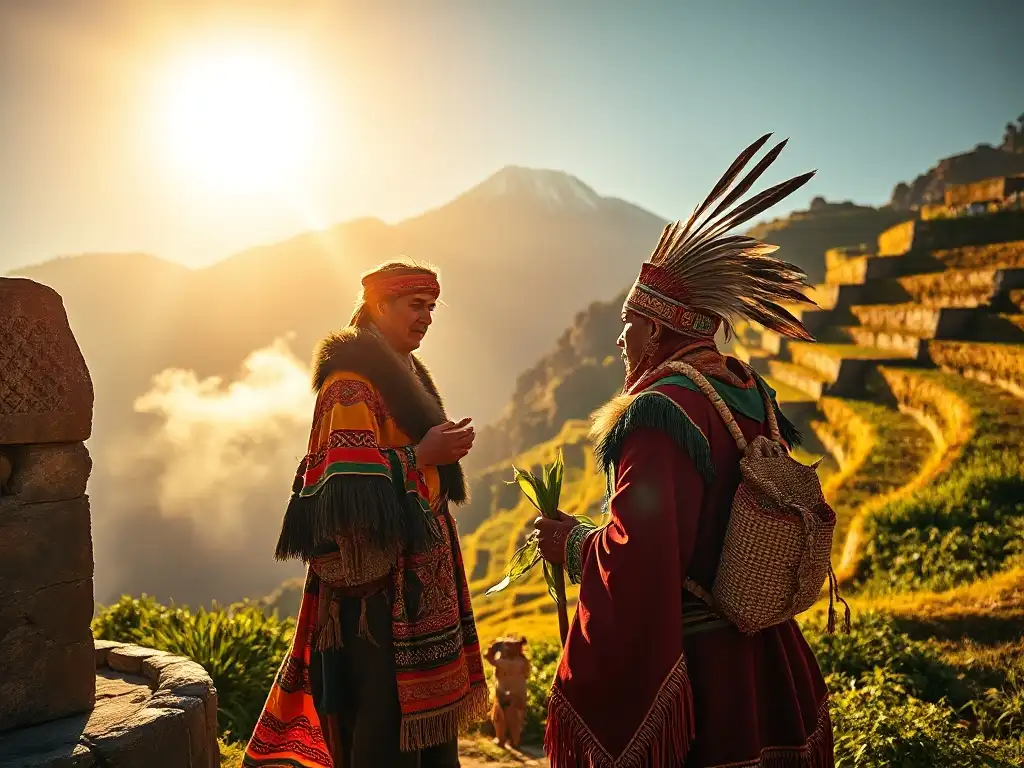
The Inca Empire's sophisticated agricultural system wasn't solely based on practical knowledge; it was deeply interwoven with their complex mythology and religious beliefs. Priests and shamans, wielding significant power and influence, played a crucial role in guiding and managing agricultural practices.
Their understanding of the cosmos, celestial events, and the intricate web of huacas (sacred places) provided a framework for agricultural planning, ensuring bountiful harvests and appeasing the gods. The interplay between Inca mythology and agricultural practices wasn't simply a matter of superstition; it was a fundamental aspect of their social and economic structure, reflecting a holistic worldview that integrated the spiritual and the material.
This section will explore the multifaceted role of these religious figures in the Inca agricultural system, demonstrating how their interpretations and rituals directly impacted farming techniques and overall food production. The success of Inca agriculture, therefore, was not just a testament to their engineering prowess, but also a reflection of their profound spiritual understanding and practices.
Interpreting Omens and Predicting Agricultural Cycles
Inca priests and shamans were skilled interpreters of natural phenomena, viewing them as divine messages. Their understanding of Inca mythology informed their ability to predict agricultural cycles and interpret omens related to the upcoming harvest. For example, the appearance of specific constellations, the behavior of animals, and even the patterns of rainfall were meticulously observed and analyzed.
These observations, interpreted through the lens of Inca mythology, helped determine the most auspicious times for planting, harvesting, and other crucial agricultural activities. This wasn't a haphazard process; it involved detailed record-keeping, likely utilizing quipus (knotted-cord devices) to track past weather patterns and correlate them with agricultural outcomes.
The accuracy of their predictions was vital for the survival and prosperity of the Inca Empire, a testament to their keen observation skills and their deep understanding of both the natural and spiritual worlds. The connection between Inca mythology and agricultural practices is clearly evident in this practice of omen interpretation, showcasing the profound influence of religion on daily life.
Conducting Rituals to Ensure Abundant Harvests
Beyond prediction, Inca priests and shamans actively participated in rituals designed to ensure abundant harvests. These rituals, deeply rooted in Inca mythology, often involved offerings to various deities associated with fertility, agriculture, and the earth. These offerings could range from coca leaves and chicha (a fermented corn beverage) to more elaborate sacrifices, depending on the specific ritual and the perceived needs of the gods.
The capac hucha (supreme priest) played a pivotal role in these ceremonies, leading processions and overseeing the intricate rituals aimed at appeasing the gods and ensuring the success of the harvest. These rituals were not merely symbolic; they served as a crucial mechanism for maintaining social cohesion and reinforcing the importance of agriculture within the Inca social structure. The connection between these rituals and Inca mythology is undeniable, forming a powerful system of belief that underpinned their agricultural practices.
Detailed accounts of these rituals, though limited, reveal the significant resources and manpower dedicated to ensuring agricultural success through religious practices. The effectiveness of such practices, however, remains a subject of ongoing scholarly discussion, highlighting the complex interplay between faith, tradition, and practical agricultural techniques.
Inca Priests and Agricultural Planning
The involvement of Inca priests and shamans extended beyond ritual and prediction; they also played a key role in the overall planning and organization of agricultural activities. Their knowledge of Inca mythology, specifically the stories and beliefs surrounding the deities associated with agriculture, directly influenced decisions related to land allocation, irrigation systems, and crop rotation. Evidence suggests that priests were involved in determining the optimal planting locations based on factors like altitude, soil quality, and exposure to sunlight, all interpreted through a mythological lens.
Moreover, they likely played a critical role in managing the mita system, a form of labor tribute, ensuring that the necessary workforce was available for large-scale agricultural projects, such as terracing and irrigation. The integration of religious authority into the administrative aspects of agriculture underscores the profound connection between Inca mythology and their sophisticated agricultural practices.
Further research into Inca administrative records could provide more concrete examples of priest involvement in agricultural planning, offering a deeper understanding of this complex relationship. The efficiency and success of Inca agriculture, therefore, cannot be fully understood without acknowledging the pivotal role played by their religious leaders in every aspect of food production.
Legacy of Inca Mythology in Modern Andean Agriculture
This section explores the enduring influence of Inca mythology on contemporary Andean agricultural practices. We will examine how ancient beliefs and stories continue to shape farming techniques and the relationship between Andean communities and their land, demonstrating the profound connection between Inca mythology and agricultural practices. The intricate web of mythology, tradition, and practical farming knowledge passed down through generations showcases the resilience and adaptability of Andean cultures. Understanding this legacy offers valuable insights into sustainable agriculture and the importance of preserving indigenous knowledge systems.
Traditional Practices Preserved Through Generations
Many traditional Andean farming practices directly reflect the tenets of Inca mythology. The reverence for Pachamama, the Earth Mother, remains central to agricultural life. Farmers still perform rituals, such as pago a la tierra (payment to the earth), to ensure bountiful harvests and appease the earth's spirits.
This act of offering coca leaves, chicha (fermented corn beverage), and other gifts isn't merely symbolic; it's a deeply ingrained practice that underscores the spiritual connection between the farmer and the land, a concept deeply rooted in Inca cosmology. The cyclical nature of Andean agriculture, mirroring the Inca understanding of the cosmos, is another example.
The planting and harvesting seasons are often timed according to ancient calendars and astronomical observations, reflecting a profound respect for the natural rhythms dictated by the sun, moon, and stars – elements heavily featured in Inca mythology. This careful observation and respect for the environment are key to the sustainability of Andean agriculture.
The Importance of Ancestral Knowledge in Contemporary Farming
The preservation of ancestral knowledge is crucial for the ongoing success of Andean farming. Elders play a vital role, transmitting traditional techniques, including crop rotation, terracing, and water management systems, all perfected over centuries and often intertwined with specific myths and legends. For example, the intricate andenes (terraces) carved into the Andes mountains weren't simply engineering marvels; they were also seen as offerings to the gods, reflecting the Inca belief in harmonious coexistence with nature. This knowledge, passed down orally and through practical demonstrations, is invaluable in adapting to climate change and maintaining biodiversity.
The loss of this ancestral knowledge represents a significant threat to the sustainability of Andean agriculture and the cultural heritage it embodies. Documented cases show a direct correlation between communities that actively preserve these traditions and their success in maintaining high yields and biodiversity. Conversely, communities with limited access to this knowledge face greater challenges.
Modern Andean Farming Inspired by Inca Traditions
While modern technologies are increasingly adopted in Andean agriculture, the influence of Inca mythology and traditional practices remains strong. Many farmers integrate modern techniques with ancestral knowledge, creating a hybrid approach that combines the best of both worlds. For instance, the use of organic fertilizers and pest control methods often aligns with the Inca emphasis on natural harmony and avoiding practices that might upset the balance of Pachamama.
Furthermore, the concept of ayni (reciprocity), a fundamental principle in Inca society, is still visible in cooperative farming practices, where communities share resources and labor, mirroring the cooperative spirit promoted in Inca mythology. This collaborative approach enhances resilience and ensures the equitable distribution of resources. The continued relevance of Inca mythological concepts in modern farming practices highlights the enduring wisdom embedded within these ancient beliefs and their continued adaptation to the changing world.
The integration of ancient wisdom with modern techniques is a testament to the adaptability and sustainability of Andean agricultural traditions. Further research into specific case studies would illuminate this dynamic interplay even further.
Frequently Asked Questions
What role did mythology play in Inca agriculture?
Inca mythology heavily influenced their agricultural practices. Many rituals and ceremonies were performed to ensure successful harvests, appeasing gods like the sun god Inti and the earth goddess Pachamama. Their beliefs directly impacted farming techniques and crop selection.
How did the Inca's understanding of the cosmos affect their farming?
The Inca worldview, deeply connected to the cosmos, shaped their agriculture. They believed in a cyclical relationship between the heavens and the earth, mirroring this in their planting and harvesting schedules, using celestial observations to guide their work.
What specific Inca myths are linked to agricultural practices?
Several myths relate to agricultural practices. Stories about the origin of crops and the deities associated with fertility like Pachamama were vital in shaping their farming methods and rituals. Myths often explained natural phenomena and provided guidance for agriculture.
Can you give an example of an Inca agricultural ritual connected to mythology?
The Capacocha sacrifice, while controversial, involved offering choice agricultural products to the gods, ensuring plentiful harvests. These offerings were seen as a way to maintain balance between the human and spiritual realms, crucial for agricultural success.
How did Inca mythology impact their understanding of land ownership and use?
Inca mythology reinforced the concept of collective land ownership and the importance of shared resources. The idea of the land as a gift from the gods promoted cooperation and sustainable practices, preventing individual exploitation of resources.
Final Reflection: Weaving the Threads of Myth and Harvest
The intricate relationship between Inca mythology and their agricultural practices remains profoundly relevant today, a testament to the enduring power of human ingenuity and spiritual connection with the natural world. Understanding this ancient civilization's sophisticated agricultural techniques, born from their deeply held beliefs, offers valuable insights into sustainable living and the importance of respecting ecological balance – lessons we desperately need in our modern, often exploitative, world.
The enduring legacy of Inca agricultural wisdom continues to resonate, shaping our understanding of sustainable farming and the profound link between culture and the environment. Their reverence for the land, personified in their deities and reflected in their meticulous farming techniques, serves as a powerful reminder of our own interconnectedness with nature. The Earth is what we all have in common.
This simple statement, though not from Inca sources, encapsulates the core principle at the heart of their agricultural practices and their mythology. Their success in cultivating the challenging Andean terrain serves as a compelling example of how deep spiritual understanding can lead to remarkable practical achievements.
Consider the ingenuity of the Inca's terraced farming, their intricate water management systems, and their deep respect for the cycles of nature. These weren't simply practical solutions; they were expressions of their spiritual beliefs. You too can cultivate a deeper appreciation for the interconnectedness of all things. By embracing mindful consumption, supporting sustainable practices, and fostering a respectful relationship with the environment, you can contribute to a future where the wisdom of ancient civilizations like the Inca guides our path towards a more harmonious and sustainable world.
Unveil the Secrets of Inca Agriculture!
Thank you for exploring the fascinating connection between Inca mythology and their agricultural practices. You've discovered how these ancient beliefs shaped their farming techniques and ensured their survival. Now, let's put that knowledge to practical use!
Here are some ways to embrace and celebrate these rich traditions:
- **Create an Inca-inspired garden:** Research native Andean crops like quinoa and potatoes, and cultivate your own small-scale garden. This is a wonderful way to connect with the environmental wisdom of the Inca civilization.
- **Share your newfound knowledge:** Discuss Inca agricultural techniques with friends and family. Host a gathering to explore the fascinating interplay between culture and food within your community.
- **Further your exploration:** Visit local museums or exhibits focusing on Andean civilizations. Experience firsthand the vibrant history that continues to influence us today.
Which Inca agricultural innovations are most inspiring to you? Share your thoughts below, and let's cultivate a deeper understanding together!