
The Inca Educational System: Training Future Leaders

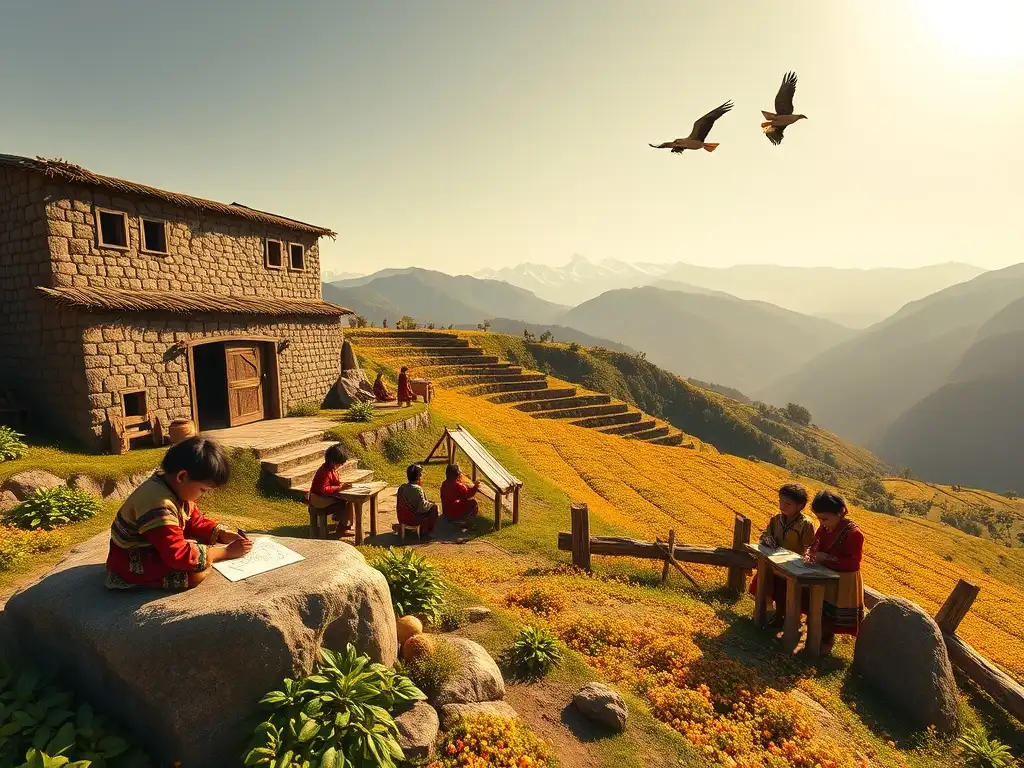
Step into a world lost to time, yet echoing with the whispers of a sophisticated civilization. Prepare to be captivated by the intricate tapestry of Andean culture, a realm of breathtaking artistry, ingenious engineering, and deeply rooted traditions. But first, unravel the secrets of the Inca education system details, a meticulously crafted process that shaped the future leaders of a vast empire. Discover how this ancient society nurtured its next generation – a journey into a past that continues to intrigue and inspire. Dare to delve deeper?
- The Inca Educational System: Shaping a Powerful Empire
- Inca Education System Details: Specialized Institutions
- Inca Education for the Common People: Practical Skills and Community Values
- Key Features and Practices of the Inca Educational System
- The Legacy of the Inca Education System
- Frequently Asked Questions
- Final Reflection: Echoes of the Inca: Shaping Leaders for a Modern World
- Unveil the Legacy of Leadership!
The Inca Educational System: Shaping a Powerful Empire
The Inca Empire, a civilization that flourished in the Andes Mountains from the 15th to the 16th centuries, was renowned for its sophisticated infrastructure, intricate social structures, and remarkable administrative capabilities. This impressive organizational prowess was not accidental; it was a direct result of a highly structured and effective educational system. This article delves into the details of the Inca education system, exploring its purpose, methods, and profound impact on the empire's consolidation and expansion. We will examine how this system, far from being merely a means of transmitting knowledge, served as a crucial tool for maintaining imperial control and shaping future generations of loyal and capable leaders. Understanding the Inca educational system provides invaluable insight into the very essence of Inca power and longevity. This exploration will be particularly focused on providing details about the Inca education system, fulfilling the search intent behind the keyword "Inca education system details".
Introduction to Inca Education and its Societal Role
Inca education wasn't confined to formal schools in the way we understand them today. Instead, it was a lifelong process deeply interwoven with the fabric of Inca society. Education was largely informal, with learning occurring within the family unit and through participation in community activities. Children learned practical skills from their parents and elders, such as agriculture, weaving, pottery, and construction – skills vital for the functioning of the empire's complex economy.
This practical training was complemented by the transmission of Inca values, traditions, and history, ensuring the continuity of cultural identity across generations. The system was highly stratified, reflecting the rigid social hierarchy of the Inca Empire. The elite received a more specialized and advanced education, preparing them for positions of authority and leadership within the imperial administration.
This elite education emphasized not only practical skills, but also knowledge of Inca history, religion, and administrative practices. The contrast between the education of the elite and the commoners highlights the Inca's deliberate use of education to maintain social order and reinforce their power structure. The curriculum for the commoners focused on practical skills necessary for their designated roles in society, while the elite received a more comprehensive education that prepared them for leadership roles in the vast Inca Empire.
The Aims of Inca Education: Maintaining Imperial Control
The Inca education system wasn't merely about imparting knowledge; it was a strategic tool for maintaining imperial control and ensuring the empire's stability. One primary aim was the indoctrination of loyalty to the Sapa Inca, the emperor. Children were taught to venerate the Sapa Inca as a divine ruler, reinforcing the legitimacy of his authority and the hierarchical structure of the empire. This indoctrination was crucial for preventing rebellion and maintaining social cohesion across the vast and diverse territories under Inca rule.
Furthermore, the education system aimed to cultivate a sense of collective identity and shared purpose among the Inca population. Through the dissemination of Inca history, mythology, and traditions, a strong sense of unity and loyalty to the empire was fostered. This shared identity was essential for integrating conquered populations and preventing internal conflict. The rigorous training in practical skills also contributed to imperial control by ensuring a skilled workforce capable of supporting the empire's vast infrastructure projects and economic activities.
The system's effectiveness is evident in the empire's impressive achievements in areas such as agriculture, road construction, and urban planning. In essence, the Inca education system served as a powerful instrument for consolidating and expanding the empire's power and influence. The detailed curriculum, tailored to different social strata, ensured the empire's continued success through the effective training and indoctrination of its citizens. This carefully constructed system, therefore, played a crucial role in the Inca Empire's remarkable longevity and expansion.
Inca Education System Details: Specialized Institutions
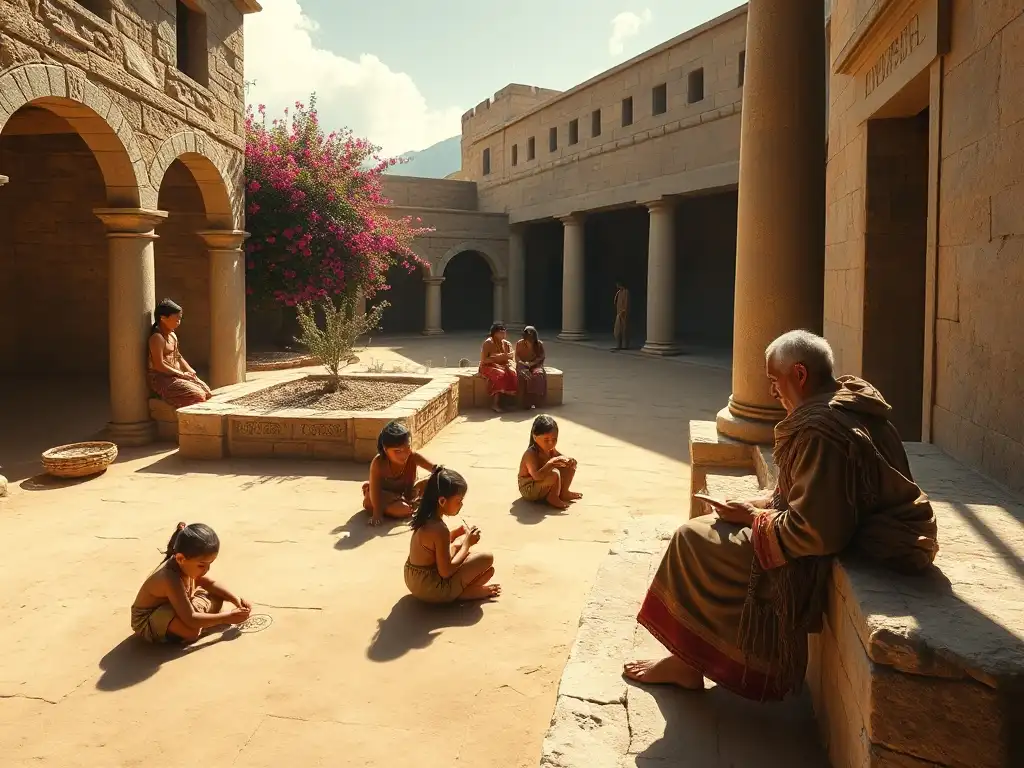
The Inca education system, a cornerstone of their empire's enduring success, wasn't a monolithic structure. Instead, it comprised a network of specialized institutions catering to different social strata and career paths. This intricate system ensured the consistent production of skilled artisans, religious leaders, and, crucially, future leaders capable of managing the vast and complex Inca empire.
Understanding these specialized institutions is key to comprehending the sophistication and effectiveness of Inca education. The keyword "Inca education system details" is central to this exploration. We will delve into the specifics of these institutions, examining their curricula, teaching methods, and their ultimate contribution to Inca society.
The Yachaywasi: Education for the Inca Elite
The yachaywasi (literally "house of wisdom") served as the primary educational institution for the Inca elite, including the sons of nobles, high-ranking officials, and future rulers. These schools, located throughout the empire, weren't just places of academic learning; they were centers for character development and the inculcation of Inca values. The curriculum was rigorous and comprehensive, extending far beyond basic literacy and numeracy.
Students received instruction in a range of subjects crucial for effective governance. This included:
- Quipu mastery: The intricate system of knotted strings used for record-keeping and communication was a fundamental skill. Students learned to create, interpret, and utilize quipus for administrative tasks, census data, and historical accounts. The level of detail required for accurate quipu interpretation was considerable, reflecting the importance placed on record-keeping within the Inca administration.
- Advanced mathematics: Beyond basic arithmetic, students explored more complex mathematical concepts, likely applied to land surveying, construction projects, and resource management. The precision required in Inca architecture suggests a high level of mathematical proficiency among the elite.
- Military strategy and tactics: Given the empire's expansionist nature, military training was a significant component of the yachaywasi curriculum. Students learned about warfare, logistics, and leadership in military campaigns.
- Religious studies: A deep understanding of Inca mythology, religious rituals, and the role of the priesthood was essential for the elite. This education instilled reverence for the Inca gods and prepared future leaders to uphold religious traditions.
- Governance and administration: Future leaders were trained in the intricacies of Inca governance, including law, taxation, public works, and the management of human resources. This involved understanding the complex social hierarchy and the responsibilities associated with different roles within the empire.
The Yachaywasi fostered a competitive environment, with students striving for excellence and recognition. The best students were often selected for advanced training and positions of authority within the empire. The emphasis on discipline, leadership, and service to the state ensured that graduates were well-prepared to govern effectively.
The Acllawasi: Training for Temple and Royal Service
Unlike the Yachaywasi, the acllawasi (or "house of chosen women") focused solely on the education and training of young women selected from across the empire. These women were not simply educated; they were carefully groomed for roles of significant religious and social importance. The acllawasi served as a crucial institution for maintaining the intricate social fabric of the Inca empire.
The curriculum in the acllawasi emphasized:
- Religious duties: The acllas (chosen women) played a critical role in Inca religious ceremonies and rituals. Their training involved a deep understanding of Inca mythology, religious practices, and the preparation of sacred objects.
- Textile production: The acllas were renowned for their exquisite textiles, which were often used in religious ceremonies and as gifts for dignitaries. They received extensive training in weaving, dyeing, and other textile-related skills.
- Brewing of chicha: Chicha, a fermented corn beverage, played a significant role in Inca religious and social life. The acllas were responsible for brewing high-quality chicha for ceremonies and royal events.
- Cultivation of coca: Coca leaves held significant religious and medicinal importance in Inca culture. The acllas were involved in the cultivation and processing of coca leaves.
The acllas enjoyed a privileged position within Inca society, although their lives were structured around service to the state and the Inca religion. Their contributions to religious life, textile production, and other essential activities were vital to the empire's stability and prosperity. They represented a highly skilled and dedicated segment of Inca society.
The Role of Amautas and Experienced Instructors
The success of the Inca education system hinged significantly on the quality of its instructors, the amautas. These weren't merely teachers; they were highly respected figures within their communities, possessing extensive knowledge and experience in their respective fields. Their roles extended beyond imparting knowledge; they served as mentors and role models, shaping the character and values of their students.
Amautas employed various teaching methods, likely adapting their approaches to the age and abilities of their students. These methods probably included:
- Oral instruction: Given the absence of a widespread written language, oral instruction was paramount. Amautas used storytelling, songs, and other mnemonic devices to convey complex information effectively.
- Practical application: Learning was not confined to theoretical knowledge. Students participated in practical activities, such as weaving, agriculture, construction, and military exercises, allowing them to apply their knowledge and develop their skills.
- Mentorship and apprenticeship: Close relationships between amautas and students fostered a culture of mentorship and apprenticeship. Students learned not only from formal instruction but also through observation, imitation, and direct engagement with experienced practitioners.
The role of the amauta was crucial in transmitting Inca traditions, knowledge, and values across generations. Their expertise and commitment to education ensured the continuity of Inca culture and the successful training of future leaders and skilled artisans. The effectiveness of the Inca education system was inextricably linked to the dedication and wisdom of its instructors. Further research is needed to fully understand the specific training and selection processes for amautas, but their vital role in the Inca educational framework is undeniable.
Curriculum: History, Religion, and Practical Skills
The Inca education system, while not formalized in the way we understand modern schooling, was deeply ingrained in their societal structure. The curriculum wasn't written down but transmitted orally through a rigorous system of apprenticeship and observation. A crucial element was the emphasis on practical skills alongside theoretical knowledge, reflecting the Inca's pragmatic approach to life. This practical training was essential for maintaining the complex Inca infrastructure and ensuring the continuity of their empire. Students weren't confined to classrooms; learning was an active, experiential process integrated into daily life.
One core component of the Inca curriculum was history. Children learned the origin myths and the history of their lineage, fostering a strong sense of identity and belonging within the vast empire. They were taught about past rulers, significant events, and the Inca's expansion across the Andes.
This historical education served not only as a means of cultural transmission but also as a tool for legitimizing Inca rule and inspiring loyalty. Stories of past achievements instilled pride and reinforced the importance of upholding Inca traditions. The transmission of this oral history was often done through quipus, knotted strings used to record and communicate information, though the precise method of historical knowledge transfer remains a subject of ongoing research.
Equally important was the teaching of religion. Inca religion was deeply intertwined with their worldview and social structure. Students learned about the Inca pantheon, the various deities, and their roles in maintaining the cosmic order. They were instructed in rituals, ceremonies, and the importance of appeasing the gods through offerings and sacrifices.
This religious education served to solidify the Inca’s hierarchical social structure, with the emperor acting as a link between the human and divine realms. Understanding the religious system was vital for maintaining social order and ensuring the proper functioning of the empire. This wasn't simply rote memorization; it involved active participation in religious festivals and ceremonies, solidifying the lessons learned.
Beyond history and religion, the Inca curriculum also encompassed a wide range of practical skills. Depending on their social standing and aptitudes, students received training in various crafts, such as weaving, pottery, metalworking, agriculture, and construction. The ayllu, the community-based social structure, played a significant role in this training.
Older members of the community guided younger generations, passing on their knowledge and skills through hands-on instruction and apprenticeship. This practical training wasn't just about acquiring technical skills; it also instilled discipline, teamwork, and a strong work ethic, values essential for the stability and prosperity of the Inca empire. The quality of the training varied depending on the social standing of the student, with elite members receiving more specialized and advanced instruction.
Inca Education for the Common People: Practical Skills and Community Values
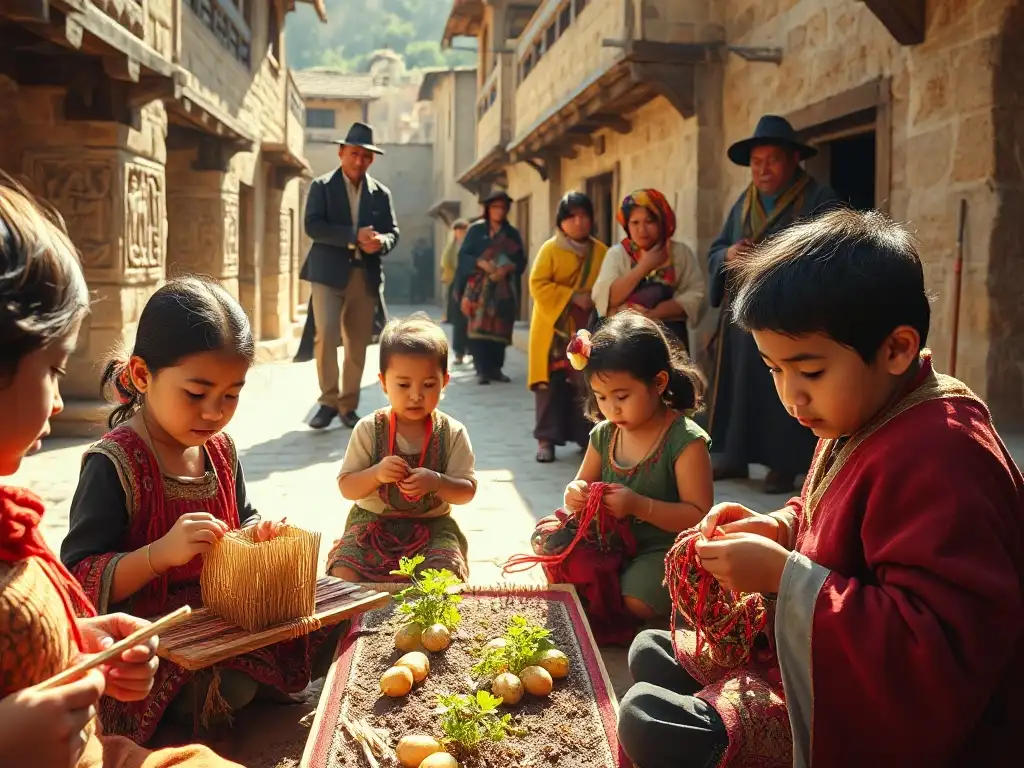
The Inca education system, often viewed through the lens of elite training, also provided crucial practical skills and instilled community values in the common population. This wasn't formalized schooling in the Western sense, but rather a deeply ingrained system of apprenticeship, observation, and participation within the ayllu (community). The Inca's success hinged on a highly organized and productive society, and education played a vital role in maintaining this. Understanding the Inca education system details requires looking beyond the palaces and temples to the fields and workshops where the majority of the population lived and worked.
Emphasis on Agricultural Techniques and Labor Practices
Agricultural productivity was paramount to the Inca Empire's stability. From a young age, children participated in farming activities, learning techniques passed down through generations. This wasn't just about planting and harvesting; it involved understanding the intricacies of terracing, irrigation systems, and crop rotation – vital skills for maximizing yields in the challenging Andean terrain. Boys learned to cultivate crops, manage livestock (llamas and alpacas), and maintain irrigation channels.
Girls learned weaving, food preparation and preservation techniques crucial for household sustenance and community celebrations. The practical application of knowledge was emphasized, fostering a strong work ethic and ensuring the continuation of agricultural practices essential for the empire's sustenance. Detailed records, though scarce, suggest that specific training was given on different crops based on altitude and climate, highlighting the sophisticated understanding of Andean agriculture.
The apprenticeship model was key. Older, experienced members of the ayllu guided younger generations, ensuring the continuity of traditional practices. This hands-on approach guaranteed that knowledge wasn't just transmitted but deeply ingrained through practical experience. The system was remarkably effective, allowing the Inca to support a large population despite the challenging geography. This practical education was not merely vocational; it fostered a sense of collective responsibility and participation in the community's well-being. Success in agriculture wasn't just individual achievement; it was crucial for the entire ayllu.
Transmission of Inca Culture through Storytelling and Festivals
Beyond practical skills, Inca education emphasized the transmission of cultural values and traditions. Storytelling played a crucial role, passing down myths, legends, and historical accounts that reinforced Inca ideology and social norms. These narratives weren't just entertainment; they provided moral instruction, illustrating the importance of community, obedience to authority, and respect for Inca traditions. Festivals and ceremonies were also integral to the educational process, providing opportunities for community participation and the reinforcement of cultural values.
The vibrant rituals, dances, and songs helped transmit knowledge and maintain social cohesion. These events showcased Inca history, mythology, and social structure, providing a powerful and engaging learning experience. The detailed choreography and symbolism of these ceremonies were rich in meaning, conveying complex information in a memorable and impactful way.
Specific examples of these narratives are unfortunately limited due to the destruction of Inca texts after the Spanish conquest. However, surviving accounts from chroniclers and archeological evidence suggest that the stories focused heavily on the origins of the Inca, the accomplishments of past rulers, and the importance of upholding Inca laws and customs. The festivals, often tied to agricultural cycles, celebrated Inca deities, honored ancestors, and reinforced social hierarchy. This holistic approach to education ensured that cultural values were interwoven with daily life, creating a strong sense of identity and belonging.
Inca education, while providing practical skills, also reinforced the existing social structure. While elite education focused on leadership and administration, commoner education prepared individuals for their designated roles within the ayllu. Boys were trained for agricultural labor, construction, and military service, while girls focused on domestic tasks, weaving, and childcare.
This division of labor wasn't rigid, but it reflected the hierarchical nature of Inca society. The education system ensured that each individual understood their place within the larger social order, contributing to the stability and efficiency of the empire. This wasn't necessarily oppressive; it provided a sense of purpose and belonging within a clearly defined social framework.
The emphasis on collective responsibility and community participation, however, tempered the inherent inequalities. While roles were defined, individual contributions were valued, and community success depended on everyone fulfilling their assigned tasks. Even within the defined roles, there was scope for individual skill and excellence. The best weavers, the most skilled farmers, and the most capable builders were recognized and rewarded, fostering a sense of pride and achievement within the system. Therefore, while the Inca education system reinforced social hierarchies, it simultaneously fostered a sense of collective responsibility and individual contribution, ultimately contributing to the empire's success.
Key Features and Practices of the Inca Educational System
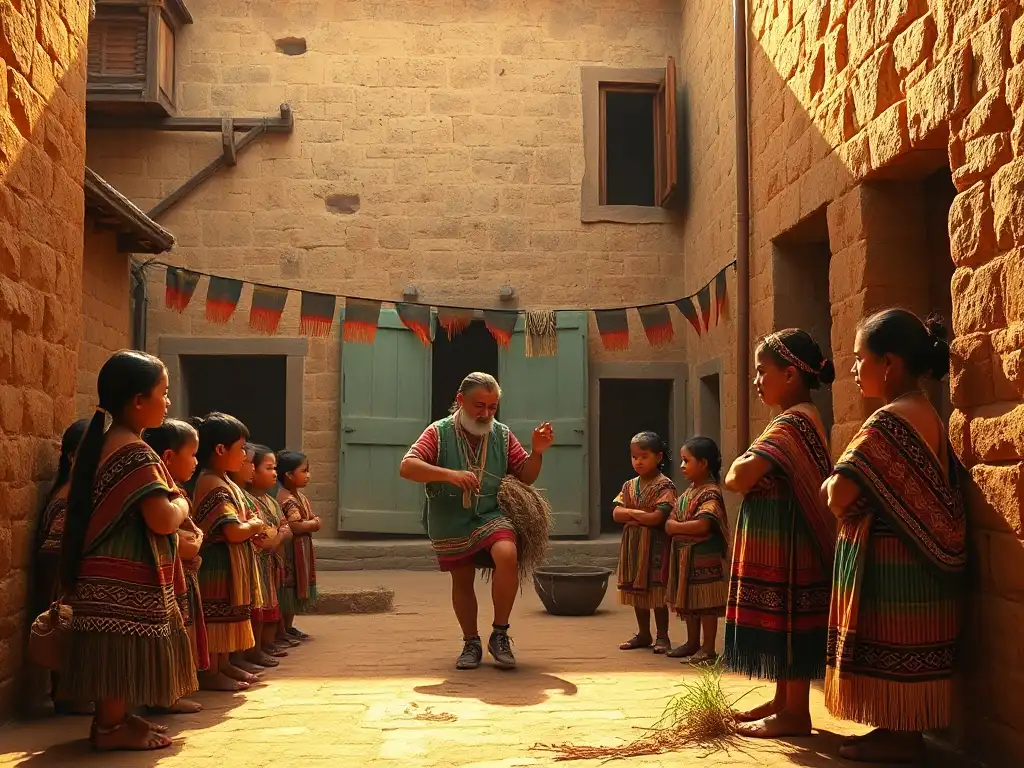
This section delves into the specifics of the Inca educational system, focusing on its unique characteristics and methods. Unlike formal schooling in modern systems, Inca education was a far more integrated and holistic process, deeply embedded within the fabric of their society and culture. It wasn't confined to classrooms or specific institutions but rather encompassed a comprehensive approach to training future leaders and citizens.
The Inca educational system details reveal a sophisticated understanding of human development and the importance of cultivating both intellectual and practical skills. The system was designed to instill values, traditions, and the necessary skills for successful participation in the Inca Empire. This wasn't simply about memorization; it was about understanding the interconnectedness of knowledge and its practical application within the community.
The Centrality of Oral Tradition in Inca Knowledge Transfer
The Inca Empire lacked a written language in the way we understand it today. Therefore, the transmission of knowledge heavily relied on oral tradition. This wasn't merely storytelling; it was a meticulously structured system of memorization, recitation, and interpretation. Knowledge was passed down through generations via quipus (a system of knotted cords used for record-keeping), songs, poems, and elaborate narratives.
These oral traditions weren't just historical accounts; they served as repositories of practical knowledge, including agricultural techniques, medicinal practices, and astronomical observations. The effectiveness of this system is evidenced by the empire's impressive achievements in engineering, agriculture, and administration. Mastering these oral traditions required dedication, exceptional memory skills, and a deep understanding of Inca cosmology and worldview.
The process involved rigorous training, with students repeating and interpreting stories, songs, and data encoded in quipus. This method ensured the preservation and transmission of cultural heritage and practical skills across generations, fostering a strong sense of continuity and collective identity within the empire. The accuracy and detail embedded in these oral traditions are a testament to the sophistication of Inca pedagogy.
Discipline, Respect, and Moral Training in Inca Society
The Inca educational system placed significant emphasis on discipline, respect, and moral development. From a young age, children were instilled with a strong sense of community and responsibility. The ayllu, the basic socio-economic unit of Inca society, played a crucial role in this moral education.
Children learned the importance of cooperation, mutual support, and respect for elders through participation in community activities and observing the behavior of their family members and community leaders. This approach wasn't solely based on punishment; rather, it emphasized positive reinforcement and role modeling. Stories and legends conveyed moral lessons, highlighting the importance of obedience, hard work, and loyalty to the Inca state.
The system aimed to produce responsible citizens, deeply committed to the well-being of the community and the empire. This focus on moral character, combined with practical skills training, ensured that Inca leaders and citizens were well-equipped to navigate the complexities of their society and contribute to its prosperity. The stability and longevity of the Inca Empire can partially be attributed to the effectiveness of this moral education system.
Inca Philosophy on Knowledge and Practical Application
Inca education wasn't simply about accumulating knowledge for its own sake. It was deeply rooted in a pragmatic philosophy that emphasized the practical application of knowledge to improve the lives of individuals and the community. Knowledge was seen as a tool for problem-solving and innovation, essential for the success and advancement of the empire.
This practical approach is evident in the development of sophisticated agricultural techniques, advanced engineering projects, and efficient administrative systems. The Inca educational system sought to nurture individuals capable of applying their knowledge creatively and effectively. This wasn't limited to a select elite; the system aimed to equip a broad segment of the population with the skills needed to contribute to the empire's prosperity.
This practical orientation is reflected in the emphasis placed on observation, experimentation, and adaptation, showcasing a dynamic approach to problem-solving that ensured the continued success of Inca society. The Inca's masterful engineering feats, efficient agricultural practices, and sophisticated administrative structures stand as testaments to their practical approach to learning. Their philosophy highlighted the interconnectedness of theoretical knowledge and its practical application, a crucial element in fostering innovation and progress within the Inca Empire.
The Legacy of the Inca Education System
The Inca education system, while vastly different from modern models, played a crucial role in the empire's remarkable expansion and enduring social stability. It wasn't a formalized system in the way we understand it today, lacking standardized curricula and widespread literacy in the way that, say, the ancient Egyptians had. Instead, it was a carefully curated process of apprenticeship and practical training, deeply interwoven with the fabric of Inca society.
This system ensured the continuity of knowledge, skills, and traditions across generations, contributing significantly to the Inca Empire's success. Understanding the details of this system provides valuable insights into Inca governance and the factors that underpinned their societal cohesion. The keyword "Inca education system details" is pivotal in understanding this unique approach to learning and development.
The Inca education system directly impacted governance and social stability through the cultivation of loyal and skilled administrators. The yachahuac (teachers) played a pivotal role, selecting promising children from across the empire based on aptitude and potential. These children, often from the ayllu (extended family groups), weren't just taught academic subjects; their training was deeply practical.
They were groomed for specific roles within the empire’s complex administrative structure. Future officials learned record-keeping using quipus (knotted cords), practiced accounting and resource management, and received rigorous training in Inca law and customs. This ensured competent leadership at all levels, fostering efficiency and minimizing internal conflicts.
Furthermore, the emphasis on community involvement fostered social cohesion. The education wasn't confined to formal settings; it was integrated into daily life. Young people participated in communal activities, learning practical skills like agriculture, construction, and weaving alongside their elders.
This fostered a sense of shared responsibility and collective identity, strengthening social bonds and contributing to the empire's remarkable stability. The system effectively instilled a deep sense of loyalty and civic duty, crucial for maintaining order and stability within such a vast and diverse empire. The absence of widespread literacy didn't hinder this system; instead, the oral tradition and practical training ensured the continuity of knowledge and values.
Lessons for Modern Education: Community and Practicality
The Inca education system offers valuable lessons for contemporary educators. Its emphasis on practical skills and community engagement stands in stark contrast to many modern systems, which often prioritize abstract knowledge over practical application. The Inca approach prioritized hands-on learning, ensuring students developed skills directly applicable to their lives and communities. This resulted in a workforce equipped to contribute meaningfully to the empire's economic and social well-being.
The system's integration of education within the community fostered a sense of belonging and collective responsibility, significantly reducing social fragmentation. Today's educational systems could benefit from a renewed focus on community engagement, incorporating service-learning projects and fostering collaborative learning environments. By emphasizing practical skills and community involvement, modern education can better equip individuals to become active and engaged citizens, contributing to a more cohesive and stable society. This holistic approach, mirroring the Inca model, could lead to more well-rounded individuals better prepared for the challenges of the modern world.
Comparison with Ancient Egyptian Educational Practices
While both the Inca and ancient Egyptian civilizations developed sophisticated educational systems, significant differences exist. The Egyptian system, particularly during the Old and Middle Kingdoms, was more formalized and hierarchical. It emphasized literacy and a structured curriculum, with scribes receiving extensive training in reading, writing, and mathematics. This contrasts sharply with the Inca system, which relied heavily on oral tradition and practical training, with literacy limited to a select few.
The Egyptian system catered to a more stratified society, with access to education largely determined by social class. While the Inca system also had elements of hierarchy in its selection process, the emphasis on practical skills and community involvement made it more accessible to a broader segment of the population. The Egyptians focused on producing skilled scribes and administrators for the pharaoh's court and the bureaucracy.
The Incas, however, aimed to create a skilled workforce capable of supporting the entire empire's diverse needs. Both systems achieved their goals, but through distinctly different approaches reflecting the unique social and political structures of each civilization. This comparison highlights the diverse ways ancient societies approached the crucial task of educating their future generations.
Modern Scholarly Views on Inca Educational Methods
Modern scholars, drawing upon archaeological evidence, colonial chronicles, and ethnohistorical accounts, offer diverse interpretations of Inca educational methods. The absence of written records from the Inca themselves necessitates a careful and nuanced approach to understanding their educational practices. Many researchers emphasize the practical and vocational nature of Inca education, focusing on the training of individuals for specific roles within the empire's highly organized social structure. This is supported by the discovery of specialized workshops and training centers dedicated to crafts such as pottery, weaving, and metalworking.
These findings suggest a system designed to perpetuate traditional skills and ensure the continuation of essential crafts. The emphasis on practical training, however, shouldn't be interpreted as a lack of intellectual development. Instead, the Inca system prioritized the transmission of knowledge crucial for the functioning of the empire, reflecting a unique pedagogical approach adapted to their socio-political context.
Another significant aspect of modern scholarship focuses on the role of quipus in Inca education. While the exact nature of quipu use remains a subject of ongoing debate, many researchers believe they served not only as accounting tools but also as mnemonic devices for storing and transmitting knowledge, including historical narratives, astronomical observations, and perhaps even aspects of Inca mythology. The complexity of some quipu knots suggests a level of sophistication in their use that surpasses simple record-keeping.
The deciphering of quipu remains a significant challenge, however, limiting our current understanding of their precise role in education. Further research and innovative methodologies are needed to unlock the secrets held within these intricate knotted cords. This ongoing research promises to significantly enhance our understanding of Inca educational practices and their influence on the transmission of knowledge within the Inca empire.
Moreover, the influence of oral traditions on Inca education is also a focal point in contemporary scholarship. The lack of a written script meant that knowledge was primarily transmitted orally through storytelling, songs, and rituals. This oral tradition played a crucial role in shaping Inca worldview, values, and social norms.
The skilled use of memory techniques and the role of amautas, or wise teachers, in conveying this knowledge, are key elements of modern interpretations of the Inca educational system. Studies of contemporary Andean communities, which retain aspects of Inca oral traditions, provide valuable insights into these methods. Analyzing these traditions helps scholars understand how the Inca passed down their history, beliefs, and societal structures across generations.
The intricate narratives and carefully crafted performances employed to deliver this knowledge highlight the sophisticated methods used to ensure its preservation and transmission. The integration of oral traditions, therefore, is fundamental to understanding the holistic nature of the Inca approach to education.
Frequently Asked Questions
What was the purpose of the Inca education system?
The Inca education system aimed to train future leaders and maintain social order. It focused on instilling loyalty to the Sapa Inca and preparing individuals for their designated roles within society. This involved both practical and intellectual training.
Who received education in the Inca Empire?
Education wasn't universally accessible. Elite children, primarily sons and daughters of the nobility and those destined for government or religious roles, received formal education. Commoners received practical training within their communities.
What subjects were taught in Inca schools?
The curriculum varied by social class but generally included religious instruction, military training, mathematics, and practical skills relevant to their future roles (e.g., weaving, agriculture). Oral tradition played a vital role in education.
Where did Inca education take place?
Inca education occurred in several settings. Yachayhuasis (schools for the elite) were established in major cities. Smaller communities also provided education through apprenticeship and family instruction. Practical skills were learned through direct experience.
How did the Inca education system contribute to the empire's success?
The Inca education system was crucial to the empire's stability and expansion. It fostered loyalty, provided skilled administrators and military leaders, and ensured the transmission of knowledge and traditions across generations, contributing to the empire's longevity.
Final Reflection: Echoes of the Inca: Shaping Leaders for a Modern World
The Inca educational system, far from being a relic of the past, offers a powerful model for cultivating leadership and fostering societal well-being in the modern era. Its emphasis on practical skills, community engagement, and holistic development remains strikingly relevant in a world grappling with complex challenges that demand innovative and responsible leadership. The principles embedded within this ancient system hold the key to unlocking a more equitable and sustainable future.
The Inca's commitment to nurturing individuals capable of contributing meaningfully to their communities continues to resonate deeply. Their focus on developing not just intellectual prowess but also physical strength, moral character, and a profound understanding of their environment serves as a potent counterpoint to our often fragmented and specialized approaches to education. The aim of education is the knowledge, not of facts, but of values.
– William S. Burroughs. This quote, while not directly about the Inca, encapsulates the enduring importance of their holistic approach, emphasizing the cultivation of character alongside knowledge.
Consider the lessons learned from the Inca's approach. How can we integrate their emphasis on practical skills, community service, and a deep connection to the environment into our own educational systems? You, the reader, hold the power to champion a more holistic and impactful approach to education. Let the legacy of the Inca inspire you to advocate for educational reforms that nurture well-rounded individuals, capable of not only succeeding individually but also contributing meaningfully to the betterment of society and the planet.
Unveil the Legacy of Leadership!
Thank you for exploring the fascinating Inca educational system! Your insights into their methods for training future leaders offer a valuable glimpse into a remarkable civilization. Now, let's apply this inspiration to your own life.
Here are some actionable steps you can take:
- Engage with history: Visit a local museum or explore online resources to deepen your understanding of Inca culture and its impact on modern education.
- Share your knowledge: Discuss the Inca's approach to leadership and education with friends and family, sparking conversations about their relevance in today's world.
- Integrate Inca values: Consider how the Inca emphasis on community and leadership can enrich your personal and professional life.
What leadership qualities did the Inca system cultivate in its students, and how can you incorporate those principles into your own approach today?