
Tiahuanaco's Artistic Legacy: How its Iconography and Motifs Persisted in Andean Art

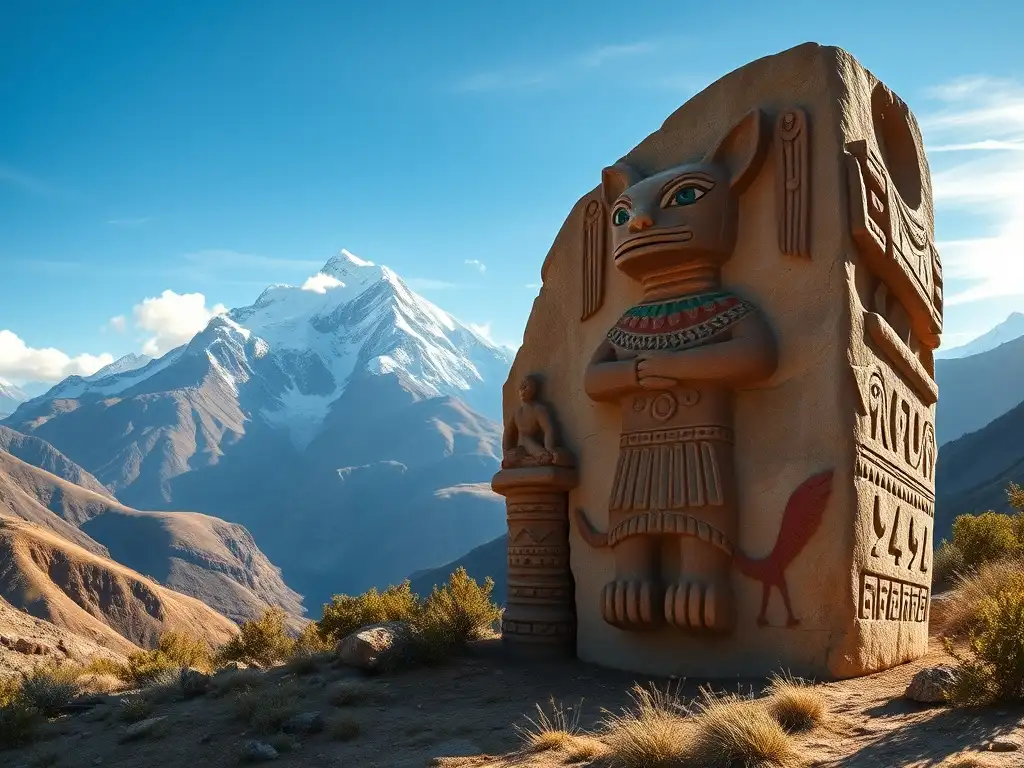
Dive into the enigmatic world of the Andes! Prepare to be captivated by the enduring legacy of Tiahuanaco, a civilization whose artistic brilliance continues to resonate through time. Uncover the secrets behind the mesmerizing Tiahuanaco Andean art motifs and discover how their unique iconography shaped the artistic landscape of the entire Andean region. Are you ready to explore the mysteries woven into every intricate design? Let's unravel the threads of this fascinating story together.
The enigmatic civilization of Tiahuanaco, flourishing in the Bolivian Altiplano between roughly 300 and 1200 CE, left behind a profound artistic legacy that reverberates through subsequent Andean cultures. This article delves into the enduring influence of Tiahuanaco's distinctive iconography and motifs, tracing their persistence and transformation across centuries and diverse artistic expressions. We will explore how specific stylistic elements, symbolic figures, and decorative patterns characteristic of Tiahuanaco art reappeared, adapted, and evolved in the artistic creations of later Andean societies, demonstrating the civilization's far-reaching impact on the region's artistic landscape.
Understanding this artistic continuity provides crucial insight into the complex cultural interactions and power dynamics that shaped the Andean world. The keyword "Tiahuanaco Andean art motifs" will be explored in detail, highlighting the specific elements and their evolution over time.
Key Tiahuanaco Motifs and Their Symbolic Significance
Tiahuanaco art is characterized by a unique repertoire of motifs, each imbued with complex symbolic meanings. These often include stylized representations of deities, animals, and abstract geometric patterns. The werere, a figure often depicted with feline features and intricate headdresses, is a prime example.
Some scholars interpret this figure as a representation of a powerful deity or shaman, while others suggest it symbolizes a specific cosmological concept. Further research is needed to definitively interpret the werere's meaning, but its widespread presence in Tiahuanaco art and its subsequent appearances in later Andean styles highlight its importance. Another prominent motif is the stepped-pyramid design, often seen in architecture and ceramics.
This design likely symbolized the layered structure of the cosmos or the hierarchical social order of Tiahuanaco society. The intricate knotwork designs, often incorporating feline and bird motifs, also represent a significant aspect of Tiahuanaco artistry, reflecting a sophisticated understanding of geometry and symbolism. These motifs, rich in their symbolic content, served as a foundation for artistic expression in subsequent Andean cultures.
Tracing the Persistence of Tiahuanaco Motifs in Subsequent Andean Art
The influence of Tiahuanaco's artistic style is evident in the art produced by later Andean cultures, particularly the Inca. While the Inca developed their own distinct artistic conventions, they demonstrably incorporated and adapted elements from Tiahuanaco's repertoire. For example, the stepped-pyramid motif, a hallmark of Tiahuanaco architecture, can be observed in a modified form in Inca constructions, reflecting a conscious or unconscious appropriation of earlier artistic traditions.
Similarly, certain ceramic styles and decorative patterns found in Inca pottery show clear links to Tiahuanaco precedents. The use of specific colors and the representation of certain symbolic figures also reveal a continuity between these two significant Andean civilizations.
Specific examples of these stylistic links require further detailed analysis of comparative artifacts from both cultures, [specific examples pending]. This continuity suggests a complex process of cultural transmission and adaptation, where later Andean societies selectively incorporated and reinterpreted elements from the Tiahuanaco artistic tradition to suit their own cultural contexts and aesthetic preferences.
The Evolution and Transformation of Tiahuanaco Artistic Elements
While Tiahuanaco motifs persisted across time and space, they were not simply replicated. Later Andean cultures actively adapted and transformed these elements, reflecting their unique cultural expressions and artistic innovations. The werere figure, for instance, underwent stylistic variations in later depictions.
While the core characteristics might remain, details such as the headdress, posture, and accompanying symbols would change, reflecting the evolving beliefs and artistic sensibilities of the adopting culture. This process of adaptation and transformation is clearly demonstrated through a comparative analysis of [specific examples of artifacts pending] across different Andean cultures. The very act of reinterpreting these motifs demonstrates the enduring power and adaptability of Tiahuanaco's artistic legacy.
The evolution of Tiahuanaco's geometric patterns also showcases this adaptability; initially complex and intricate, they became simplified or incorporated into different artistic contexts. This evolution provides a fascinating glimpse into the dynamic interplay between cultural continuity and innovation in the Andean region. The modification of these motifs, over time, highlights the creativity and agency of subsequent Andean artists in shaping their own cultural identities.
Conclusion: The Enduring Impact of Tiahuanaco Andean Art
The artistic legacy of Tiahuanaco is undeniable. Its distinctive iconography and motifs, imbued with complex symbolic meanings, deeply influenced subsequent Andean art. While later cultures adapted and transformed these elements, the persistence of certain motifs and stylistic features demonstrates the enduring power and influence of Tiahuanaco's artistic traditions.
Further research, including detailed comparative studies of artifacts and a deeper understanding of the symbolic meanings embedded within these motifs, is necessary to fully appreciate the scope and complexity of Tiahuanaco's impact on the Andean artistic landscape. The study of "Tiahuanaco Andean art motifs" continues to be a vital area of research for understanding the interconnectedness and evolution of Andean cultures. The enduring presence of these motifs serves as a powerful testament to the cultural richness and lasting legacy of the Tiahuanaco civilization.
- Key Tiahuanaco Motifs and Their Symbolic Significance
- Tracing the Persistence of Tiahuanaco Motifs in Subsequent Andean Art
- The Evolution and Transformation of Tiahuanaco Artistic Elements
- Conclusion: The Enduring Impact of Tiahuanaco Andean Art
Understanding Tiahuanaco Art and its Significance
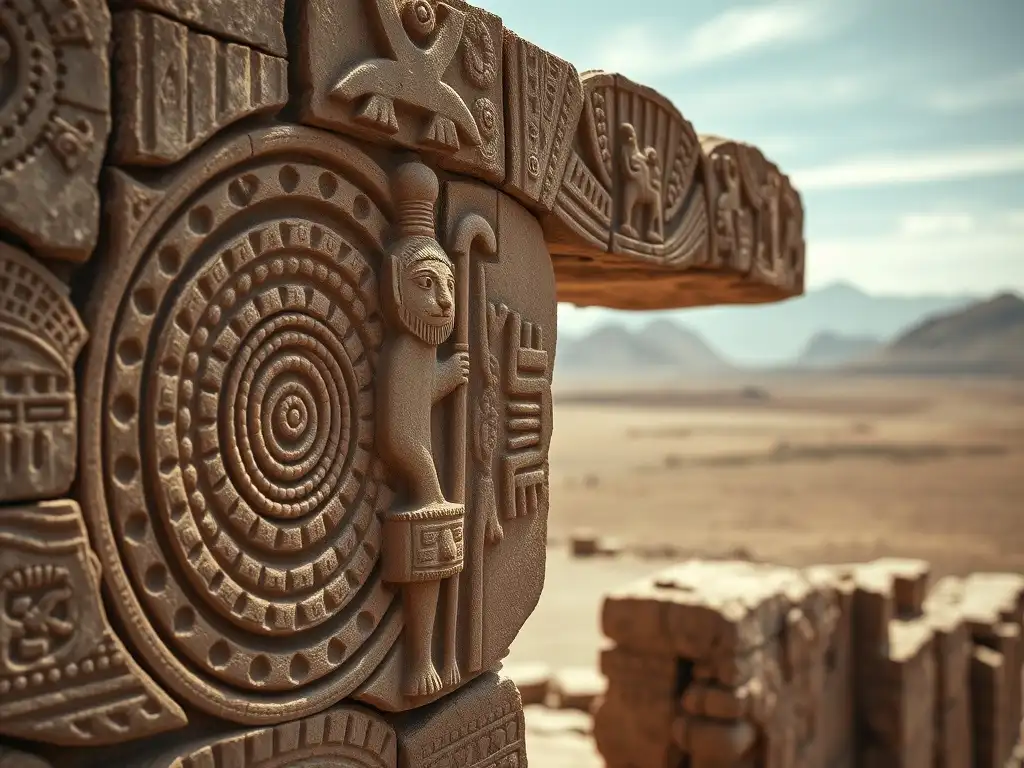
Tiahuanaco's artistic legacy is profoundly significant in understanding the broader context of Andean art. Its unique style, characterized by its monumental architecture and intricate iconography, exerted a powerful influence on subsequent Andean cultures for centuries. This influence wasn't merely a matter of imitation; rather, Tiahuanaco's artistic motifs became deeply embedded in the religious beliefs, social structures, and artistic expressions of later civilizations. Understanding Tiahuanaco art is crucial to deciphering the complex tapestry of Andean cultural evolution and the enduring power of its artistic traditions.
The Tiahuanaco Andean art motifs are not just aesthetically pleasing; they are keys to unlocking a rich and complex history. Studying these motifs allows us to trace the transmission of ideas and beliefs across vast stretches of time and space within the Andes. The persistence of these motifs highlights the enduring cultural impact of the Tiahuanaco civilization.
The Core Elements of Tiahuanaco Iconography
The iconography of Tiahuanaco is characterized by a set of recurring motifs and symbolic representations. These include, but are not limited to: the werere (a figure often depicted with feline features), the staff god (a figure holding a staff), and various stylized representations of animals, plants, and geometric patterns. These elements frequently appear in different combinations and contexts, suggesting a complex system of meaning and symbolism.
For example, the werere figure, often interpreted as a deity or shamanistic figure, is frequently depicted alongside other symbolic elements, creating narratives that are still being deciphered by scholars today. The precision and detail in the execution of these motifs, even in seemingly minor details, highlight the sophisticated artistic techniques and the cultural value placed on these symbolic representations.
The use of specific colors also played a crucial role. Red, for instance, frequently signified blood and sacrifice, while other colors carried different symbolic weight. Further research is needed to fully understand the nuances of color symbolism within Tiahuanaco art, but initial studies suggest a complex system of visual communication far beyond simple aesthetics.
Religious Symbolism in Tiahuanaco Art
Religious symbolism forms the backbone of much of Tiahuanaco art. Many of the motifs are interpreted as representations of deities, mythical beings, or cosmological concepts central to the Tiahuanaco worldview. The staff god, for example, is often associated with power, authority, and religious leadership.
Its recurring presence in various artistic contexts points to its central role in the religious beliefs and practices of the Tiahuanaco people. The intricate carvings and detailed representations found on ceremonial objects further reinforce the religious significance of these artistic expressions. The artistic representations weren’t merely decorative; they were active participants in religious rituals and ceremonies, contributing to a powerful and evocative religious experience.
Analysis of these religious symbols in Tiahuanaco art shows a connection to the broader Andean cosmology, revealing shared beliefs and practices across different cultures and time periods. The persistence of these religious symbols in later Andean art demonstrates the continuity and evolution of Andean religious thought.
The Role of Tiahuanaco Art in Society
Tiahuanaco art wasn't confined to religious contexts; it played a significant role in various aspects of Tiahuanaco society. Monumental architecture, such as the iconic Kalasasaya temple, served not only as religious centers but also as focal points for social gatherings and political power displays. The intricate carvings and monumental scale of these structures underscored the power and prestige of the Tiahuanaco elite.
Textiles, pottery, and other forms of art were also integral to daily life, reflecting social status, economic activity, and cultural identity. The production and distribution of these artifacts likely involved specialized craftspeople and elaborate workshops, contributing to the economic and social organization of the society. Analyzing the distribution of Tiahuanaco-style artifacts across the Andes reveals the extent of the civilization's influence and the interconnectedness of different Andean communities.
The spread of Tiahuanaco artistic motifs, therefore, reflects not only artistic influence but also economic and political power. The enduring presence of Tiahuanaco Andean art motifs in later Andean art thus speaks volumes about the lasting impact of its social and political structures.
Tiahuanaco Andean Art Motifs: Key Elements and Their Meanings
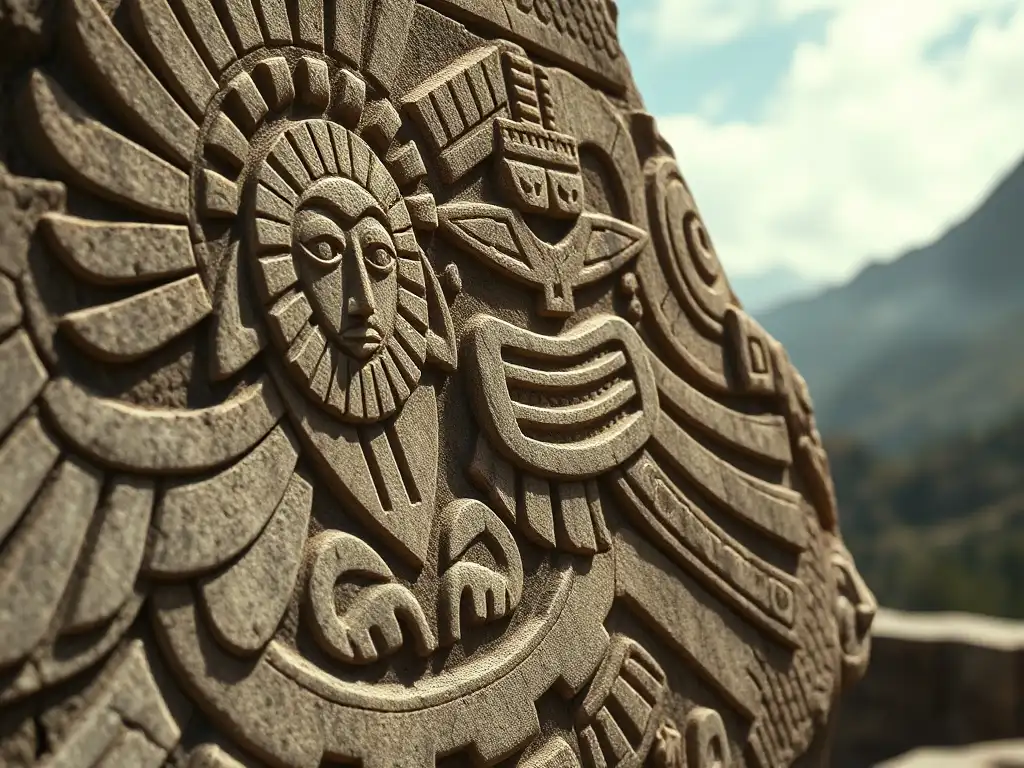
This section delves into the core visual elements that define Tiahuanaco art, exploring their symbolic meanings and demonstrating their enduring influence on subsequent Andean artistic traditions. Understanding these motifs is crucial to appreciating the complexity and sophistication of Tiahuanaco culture and its lasting legacy. The recurring themes reveal a rich cosmology, a sophisticated social structure, and a deep connection to the Andean landscape.
The persistence of these motifs across different Andean cultures underscores the profound impact of Tiahuanaco's artistic and ideological influence. We will examine key elements, analyzing their representation and interpreting their significance within the broader context of Tiahuanaco Andean art. The keyword "Tiahuanaco Andean art motifs" is central to understanding this rich artistic heritage.
The sun god, often depicted with a stylized face, radiating power and authority, is a central figure in Tiahuanaco iconography. Representations vary, sometimes featuring a large, flat face with prominent features, other times appearing as a more abstract, geometric design. These variations might reflect different aspects of the deity or perhaps different interpretations across time and space. The sun god's prominence highlights the importance of solar worship in Tiahuanaco's religious system. Associated deities, often depicted in smaller scale or as accompanying figures, could represent aspects of the sun god, such as the moon, stars, or other celestial bodies.
The artistic representation of the sun god often incorporates elements like stylized rays emanating from the head or face, symbolizing the sun's power and life-giving energy. We also find depictions of the sun god holding staffs or scepters, further emphasizing his authority and divine status. The use of specific colors, such as red and gold, could also have held symbolic meaning, perhaps connected to the sun's fiery nature or its association with wealth and power.
Further research is needed to fully understand the nuances of the sun god's various depictions and their contextual significance within specific Tiahuanaco artifacts. [Specific information pending: Detailed analysis of color usage in sun god depictions].
The Significance of the Staff God in Tiahuanaco Iconography
Another prominent figure in Tiahuanaco art is the "Staff God," a deity frequently depicted holding a staff or scepter, often accompanied by other symbolic elements. The staff itself is a powerful symbol, potentially representing authority, power, or a connection to the supernatural world. The Staff God's iconography varies; sometimes it's a human-like figure with exaggerated features, other times a more abstract representation, emphasizing the staff itself as the central motif.
The Staff God's presence in various Tiahuanaco artifacts, from monumental sculptures to smaller ceramic pieces, suggests a significant role in their religious beliefs and social structure. The staff could represent a connection to the earth, a conduit of power, or a symbol of priestly authority. The deity's association with other motifs, such as feline imagery or geometric patterns, adds layers of complexity to its interpretation.
[Specific information pending: A comprehensive catalog of Staff God depictions across different Tiahuanaco media]. The consistent appearance of the Staff God across different artistic mediums underscores its importance within the Tiahuanaco pantheon and cultural narrative. Its persistent presence in later Andean art forms strengthens its significance as a key element of Tiahuanaco's artistic legacy.
Geometric Patterns and Their Symbolic Interpretation
Geometric patterns are ubiquitous in Tiahuanaco art, appearing on textiles, ceramics, and monumental architecture. These patterns, often intricate and complex, are not merely decorative elements but likely hold deep symbolic meaning. Common motifs include stepped pyramids, frets, and intricate interlocking designs. These patterns might represent the Andean landscape, with stepped pyramids mirroring mountain formations, or they could symbolize abstract concepts related to cosmology, social organization, or the cyclical nature of life and death.
The precision and repetition in these geometric patterns suggest a highly structured and organized society. The use of specific geometric shapes might have held distinct symbolic meanings, perhaps relating to specific deities, rituals, or social groups. For example, the stepped pyramid motif, frequently found in Tiahuanaco architecture and art, might represent a cosmological model, linking the earthly realm to the heavens.
[Specific information pending: A detailed study correlating specific geometric patterns to their symbolic meaning within the Tiahuanaco context]. The persistence of these geometric patterns in later Andean art demonstrates their enduring cultural significance and their role in transmitting Tiahuanaco's artistic and ideological legacy across time and space. Analyzing these patterns helps us understand the complex worldview and sophisticated artistic capabilities of the Tiahuanaco civilization, solidifying the importance of "Tiahuanaco Andean art motifs" in Andean art history.
Animal Motifs: The Condor, Puma, and Serpent
The animal kingdom held immense symbolic significance in Tiahuanaco art, with certain creatures representing powerful forces and concepts within their cosmology. Among the most prominent are the condor, the puma, and the serpent, each imbued with deep meaning and recurring throughout various artistic expressions. These weren't simply realistic depictions; they were carefully rendered symbols laden with religious and political weight, influencing later Andean artistic traditions.
The condor, a majestic bird of the Andes, frequently appears in Tiahuanaco art, often depicted in profile with its characteristic hooked beak and powerful wings. Its association with the heights, the sun, and the upper world solidified its status as a divine messenger or even a manifestation of a powerful deity. The condor's presence in Tiahuanaco iconography suggests a connection to celestial forces, possibly representing the sun god or a sky deity.
This symbolism persisted in later Andean cultures, where the condor continued to hold a prominent position in religious iconography and royal imagery. We see echoes of this in the Inca empire, where the condor featured prominently in both textiles and stone carvings.
The puma, a powerful feline native to the Andes, is another recurring motif. Unlike the condor's connection to the sky, the puma represented the terrestrial realm, strength, and earthly power. Its depictions in Tiahuanaco art often emphasize its muscular form and predatory nature, highlighting its prowess as a hunter and its dominion over the land.
The puma's association with earthly power is reflected in its use in royal imagery and in the symbolism associated with rulers and political authority. The puma's influence on Andean art can be traced through various cultures following Tiahuanaco, appearing in ceramics, metalwork, and textiles across the region. Its enduring significance speaks to its deep-rooted cultural importance.
Finally, the serpent, a symbol of fertility, water, and the underworld, completes this triad of powerful animal motifs. In Tiahuanaco art, serpents are often depicted in stylized forms, sometimes intertwined or forming intricate patterns. Their connection to water sources is significant in the Andean context, where water was a precious resource and essential for agriculture.
The serpent's association with the underworld also points to its role in the cyclical processes of life, death, and rebirth, representing the regenerative powers of nature. This symbolic significance of the serpent is echoed in many later Andean cultures, where it features prominently in both religious and secular art, often representing the life-giving forces of the earth and the underworld. The persistence of the serpent motif demonstrates the enduring power of these ancient symbols.
Transmission of Tiahuanaco Artistic Motifs to Later Andean Cultures
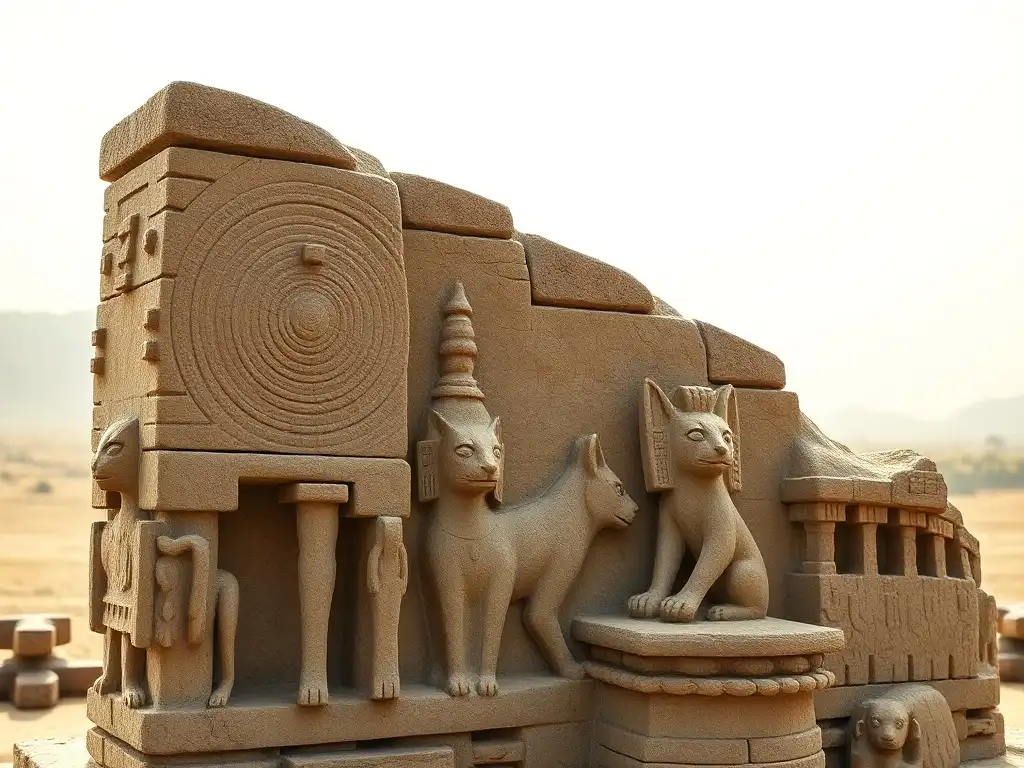
The artistic legacy of Tiahuanaco, a pre-Columbian civilization that flourished in the Lake Titicaca basin, profoundly impacted the visual arts of subsequent Andean cultures. Tiahuanaco's distinctive iconography, characterized by stylized figures, geometric patterns, and symbolic representations, served as a powerful source of inspiration and emulation for generations of Andean artists. Understanding the transmission of these motifs provides crucial insights into the complex cultural interactions and power dynamics that shaped the Andean region.
The persistence of Tiahuanaco artistic motifs across various cultures demonstrates the civilization's enduring influence and its role in establishing a shared visual language across vast geographical areas. This section will explore the specific ways in which Tiahuanaco's artistic legacy manifested itself in later Andean art, focusing on the transmission of its unique style and iconography.
The analysis will incorporate archaeological evidence, stylistic comparisons, and interpretations of the symbolic meaning embedded within these motifs. The study of Tiahuanaco Andean art motifs reveals a fascinating story of cultural exchange and adaptation, highlighting the remarkable resilience and influence of this ancient civilization.
Tiahuanaco Influence on Wari Art and Iconography
The Wari civilization, a powerful Andean empire that rose to prominence after the decline of Tiahuanaco, demonstrably incorporated many Tiahuanaco artistic motifs into their own artistic production. While the Wari developed their own distinctive style, the influence of Tiahuanaco is unmistakable in certain ceramic vessels, textiles, and monumental architecture. For instance, the recurring use of stepped-pyramid motifs in Wari architecture directly echoes the iconic structures found at Tiahuanaco.
Furthermore, stylized representations of feline figures and anthropomorphic beings, common in Tiahuanaco art, appear in altered forms within Wari iconography, suggesting a process of adaptation and reinterpretation. The stylistic similarities between Tiahuanaco and Wari art are not merely coincidental; they point to a direct cultural link, possibly through conquest, trade, or a combination of both.
Analyzing the specific ways in which Wari artists modified and integrated Tiahuanaco motifs provides valuable information about the power dynamics and cultural exchanges between these two significant Andean civilizations. The persistence of certain Tiahuanaco stylistic elements in Wari art underscores the enduring impact of Tiahuanaco's aesthetic legacy.
The Diffusion of Tiahuanaco Motifs Through Trade and Interaction
The widespread dissemination of Tiahuanaco artistic motifs across the Andean region wasn't solely a result of direct political influence. Extensive trade networks played a vital role in the transmission of these artistic ideas. The Tiahuanaco civilization controlled strategic trade routes, facilitating the exchange of goods and, consequently, artistic styles.
The presence of Tiahuanaco-style ceramics and textiles in sites far removed from the Lake Titicaca basin provides strong evidence of this trade-based diffusion. These artifacts served not only as commodities but also as carriers of cultural information, disseminating Tiahuanaco artistic patterns and iconography to distant communities.
The consistent appearance of specific motifs, such as the "kero" (a type of ceremonial drinking vessel) with characteristic Tiahuanaco designs, in widely separated archaeological contexts underscores the importance of trade in the broader dissemination of Tiahuanaco art. Furthermore, the presence of Tiahuanaco-style artwork in elite contexts suggests that these objects held significant symbolic value, contributing to the prestige and influence of the Tiahuanaco style across the region.
Tiahuanaco Art Motifs in the Art of the Tiwanaku Culture
While seemingly redundant, it's crucial to distinguish between the art of the Tiahuanaco civilization and the art of the Tiwanaku culture, a term often used interchangeably but with subtle differences in scope. The art of the Tiwanaku culture, encompassing a broader geographical and temporal range than the core Tiahuanaco civilization, shows a complex relationship with the earlier artistic traditions. While clearly drawing inspiration from Tiahuanaco, Tiwanaku art demonstrates regional variations and stylistic adaptations.
Certain motifs, like the characteristic stepped-pyramid form and the stylized depictions of deities, persist but are often rendered with local stylistic nuances. This suggests a process of cultural syncretism, where Tiahuanaco artistic elements were integrated into existing local artistic traditions, creating a unique hybrid style.
The study of Tiwanaku art, therefore, allows us to trace the evolution and adaptation of Tiahuanaco artistic motifs over time and across different geographical areas, offering a more nuanced understanding of the long-term impact of Tiahuanaco's artistic legacy. Further research into specific regional variations within Tiwanaku art is needed to fully understand the complex interplay between continuity and change in the transmission of Tiahuanaco artistic traditions.
Tiahuanaco Artistic Elements in the Inca Ceramic Traditions
The Inca Empire, rising to prominence centuries after the decline of Tiahuanaco, inherited and adapted many artistic elements from its predecessor. While the Inca developed their own distinct artistic style, the influence of Tiahuanaco's artistic legacy is undeniable, particularly in ceramic traditions. The characteristic stylized figures and geometric patterns found in Tiahuanaco pottery reappear, albeit transformed, in Inca ceramics. We see a clear continuity in the use of specific motifs, such as the stepped pyramid, the feline deity, and the condor, though often rendered with a different level of detail and a shift in overall aesthetic.
The Inca's masterful craftsmanship is evident, but the underlying inspiration from Tiahuanaco is unmistakable. For instance, the use of vibrant colors and intricate designs, while refined in Inca pottery, directly echoes the bold color palettes and complex iconography of Tiahuanaco ceramics. This is not a mere imitation, but rather a sophisticated reinterpretation, integrating Tiahuanaco motifs into the broader Inca artistic vocabulary. The stylistic differences reflect the distinct cultural identities, yet the underlying connection remains powerfully evident in comparative analyses of both ceramic traditions.
Detailed studies of specific ceramic pieces from both cultures reveal a clear lineage, demonstrating how Inca artisans consciously or unconsciously drew upon the rich artistic heritage of Tiahuanaco. Further research into the distribution of these motifs across different Inca regions may reveal variations in adaptation, illustrating the dynamic interplay between cultural exchange and local artistic expression. The persistence of Tiahuanaco artistic elements in Inca ceramic traditions highlights the enduring impact of this powerful Andean civilization. Analyzing these shared motifs offers crucial insights into the processes of cultural transmission and adaptation in the Andes.
Persistence of Tiahuanaco Art in Andean Textiles and Weaving
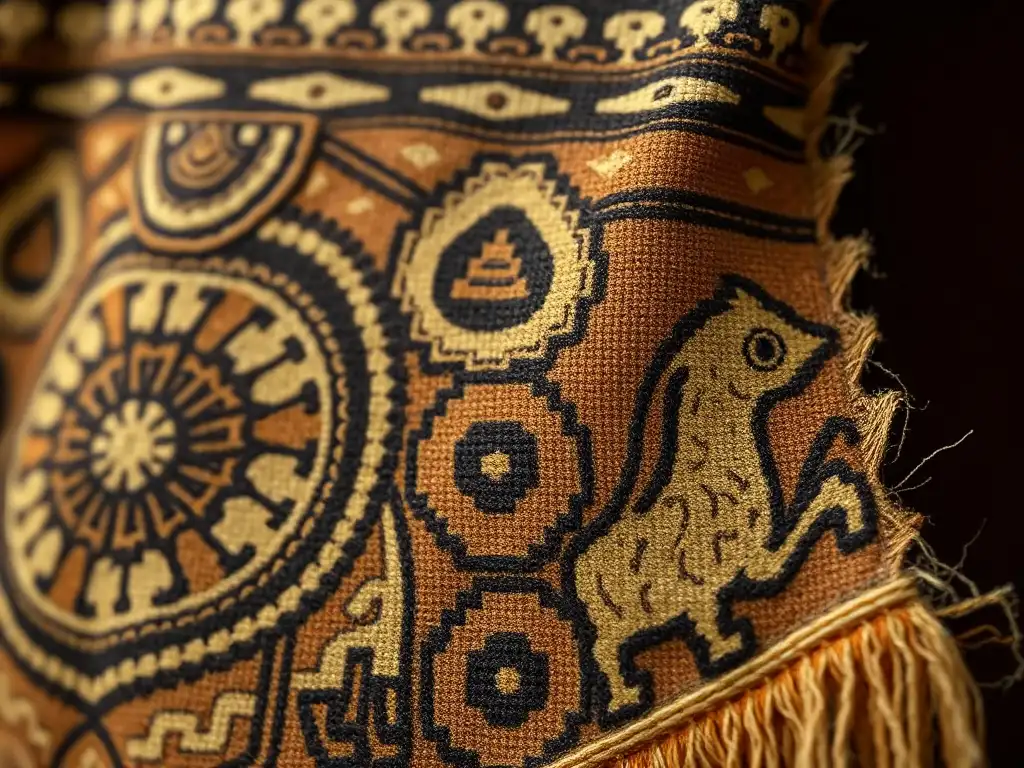
The legacy of Tiahuanaco's artistic prowess is profoundly evident in the textiles and weaving traditions of subsequent Andean cultures. The intricate designs, vibrant colors, and sophisticated techniques employed by Tiahuanaco artisans served as a powerful source of inspiration for generations to come. This influence wasn't simply a matter of imitation; rather, it was a dynamic process of adaptation and reinterpretation, resulting in a rich tapestry of artistic expression that reflects both continuity and change. Understanding this persistence requires examining both the specific motifs and the underlying weaving techniques that were passed down through the centuries.
Tiahuanaco Textile Motifs and Their Adaptations
Tiahuanaco textiles, though often fragmented, reveal a distinctive iconography featuring stylized figures, geometric patterns, and symbolic representations. Common motifs include the chakana (Andean cross), stepped pyramids, feline figures, and intricate knotwork. These motifs, often imbued with religious or cosmological significance, were not simply copied by later cultures. Instead, they were reinterpreted and adapted to fit the specific aesthetic preferences and cultural contexts of succeeding societies. For instance, the feline motif, a prominent feature in Tiahuanaco art, appears in later textiles, but with variations in style and posture, reflecting the evolving artistic sensibilities of different Andean groups.
Consider the example of the kero, ceremonial drinking vessels. While Tiahuanaco kero often featured intricate engraved designs, later cultures, particularly during the Inca period, incorporated woven textiles into their kero design, often using patterns directly derived from or inspired by Tiahuanaco motifs. This demonstrates a conscious effort to connect with and honor the artistic traditions of their predecessors. The adaptation wasn't limited to direct copying; rather, it involved a creative synthesis, blending older motifs with new elements to create unique artistic expressions.
Analysis of surviving textiles from various Andean cultures reveals a complex interplay of continuity and innovation in the use of Tiahuanaco-inspired motifs. Further research is needed to fully document the range of adaptations across different regions and time periods. The precise evolution of certain motifs across different cultures remains a subject of ongoing scholarly debate.
The Enduring Legacy of Tiahuanaco Weaving Techniques
Beyond the specific motifs, Tiahuanaco's influence is also evident in the weaving techniques employed by later Andean cultures. The sophisticated techniques used in Tiahuanaco textiles, including intricate tapestry weaving, complex color combinations, and the use of high-quality materials like alpaca and vicuña wool, were highly prized and emulated. The mastery of these techniques allowed for the creation of textiles of exceptional quality and intricacy, further contributing to the enduring legacy of Tiahuanaco artistry.
The use of specific dyes and the methods of preparing the wool itself were also likely passed down, though precise details are often lost to time. Archaeological evidence suggests a continuity in the use of natural dyes, many derived from plants indigenous to the Andes. This suggests a transmission of knowledge about dyeing techniques, alongside the aesthetic preferences and symbolic meanings associated with particular colors.
The precise methods used to achieve certain colors and their durability are still subject to ongoing research and experimentation by textile conservators and scientists. The study of these techniques offers valuable insights into the technological sophistication of Andean societies and the transmission of knowledge across generations.
How Tiahuanaco Iconography Influenced Later Textile Designs
The influence of Tiahuanaco iconography on later textile designs is multifaceted and deeply ingrained in the Andean artistic tradition. The repetition and variation of key motifs like the chakana and stylized figures demonstrate a persistent cultural memory and a desire to connect with the rich history represented by Tiahuanaco. The prevalence of these motifs in textiles underscores their importance in Andean cosmology and worldview, extending their symbolic power beyond the realm of monumental architecture.
Moreover, the way in which these motifs were adapted and incorporated into later textile designs demonstrates the dynamic nature of cultural exchange and artistic innovation. The integration of Tiahuanaco motifs into everyday textiles, like clothing and blankets, shows their widespread acceptance and integration into the fabric of Andean life. Analysis of these textiles reveals a careful balance between honoring the legacy of Tiahuanaco and expressing the unique artistic vision of each succeeding culture.
The intricate interplay of tradition and innovation in Andean textile design highlights the enduring power and influence of Tiahuanaco’s artistic legacy. The study of these textiles offers a unique window into the evolution of Andean artistic expression and the complex relationships between different Andean cultures.
Tiahuanaco Motifs in Modern Andean Art and Crafts
The enduring legacy of Tiahuanaco's artistic achievements is undeniable, its distinctive iconography and motifs continuing to resonate deeply within Andean artistic traditions. While the civilization itself flourished between roughly 300 CE and 1100 CE, its aesthetic influence transcends centuries, permeating contemporary Andean art and crafts in surprising and multifaceted ways. The stylistic elements, once carved into stone and meticulously woven into textiles, now find renewed expression in a diverse range of mediums, demonstrating the remarkable resilience and cultural significance of Tiahuanaco's artistic heritage.
This persistence highlights not only the skill of ancient Andean artisans but also the enduring connection between past and present within Andean communities. The stylistic power of Tiahuanaco Andean art motifs continues to inspire.
The Contemporary Reinterpretation of Tiahuanaco Symbols
Contemporary Andean artists frequently reinterpret Tiahuanaco symbols, adapting them to modern contexts while retaining their core essence. This process often involves a subtle yet significant shift in meaning. For instance, the iconic chakana (Andean cross), a prominent feature of Tiahuanaco architecture and textiles, is frequently employed in contemporary works to represent concepts such as balance, harmony, and the interconnectedness of life.
However, it's not a direct replication; artists might alter its proportions, incorporate it into abstract designs, or imbue it with new symbolic weight, reflecting contemporary Andean worldviews and concerns. The weracocha figure, a deity often depicted in Tiahuanaco art, similarly undergoes reimagining. While its original representation might have held specific religious connotations, contemporary artists may use it to represent broader concepts of spirituality, power, or ancestral connection.
This active engagement with the past demonstrates a vibrant artistic tradition that doesn't merely imitate but rather reinterprets and reinvents its heritage. The evolution of Tiahuanaco Andean art motifs is a testament to cultural adaptability.
How Tiahuanaco Art Continues to Inspire Andean Artists
The influence of Tiahuanaco art extends beyond the direct use of specific symbols. The very aesthetic principles—the emphasis on geometric patterns, the use of bold colors, the preference for stylized representations of figures and animals—continue to inspire Andean artists across various disciplines. Many contemporary artists draw inspiration from Tiahuanaco's masterful craftsmanship, its sophisticated techniques of stone carving and textile weaving.
This manifests in a conscious effort to emulate the precision and detail of ancient works, even if the subject matter is distinctly modern. Consider, for example, the intricate detail found in contemporary Andean textiles. While the designs may be contemporary, the techniques and the underlying aesthetic sensibility often reflect the meticulous precision and geometric sophistication characteristic of Tiahuanaco artistry.
The enduring appeal of Tiahuanaco's artistic principles is a testament to their timeless quality and lasting impact on the creative imagination of Andean artists. The legacy of Tiahuanaco Andean art motifs is vibrant and ever-evolving.
The Use of Tiahuanaco Motifs in Contemporary Ceramics and Textiles
The most readily apparent manifestation of Tiahuanaco's artistic influence lies in contemporary Andean ceramics and textiles. In ceramics, we see the frequent incorporation of Tiahuanaco motifs—the chakana, stylized animal figures (such as pumas and condors), and geometric patterns—into both functional and decorative pieces. These motifs are often integrated into the overall design, becoming integral parts of the pottery's aesthetic appeal.
Similarly, Tiahuanaco-inspired designs are prominently featured in contemporary textiles. The geometric patterns and stylized figures, often rendered in vibrant colors, frequently adorn weavings, tapestries, and clothing. The techniques employed often mirror those used by ancient Andean artisans, demonstrating a conscious effort to maintain traditional craft practices while simultaneously incorporating modern design elements.
The following table provides a simplified comparison:
| Medium | Tiahuanaco Influence | Contemporary Expression |
|---|---|---|
| Ceramics | Geometric patterns, stylized animals, chakana | Incorporation into designs, often with modern color palettes |
| Textiles | Geometric patterns, stylized figures, intricate weaves | Weavings, tapestries, clothing; often using traditional techniques |
The continued use of Tiahuanaco motifs in these crafts not only preserves a crucial aspect of Andean cultural heritage but also contributes significantly to the economic viability of many Andean communities. The production and sale of these handcrafted goods provide livelihoods for artisans, ensuring that the legacy of Tiahuanaco's artistic legacy continues to thrive. The economic and cultural significance of Tiahuanaco Andean art motifs is undeniable.
Frequently Asked Questions
What are some common Tiahuanaco Andean art motifs?
Tiahuanaco art frequently features geometric designs, such as stepped frets, concentric circles, and stylized animal figures, particularly camelids and felines. These motifs often appear in textiles, ceramics, and stone carvings.
How did Tiahuanaco art influence later Andean cultures?
Tiahuanaco's artistic style had a profound and lasting impact on subsequent Andean civilizations. Its iconic motifs were adopted and adapted by groups like the Inca, spreading its influence across a vast geographical area.
Where can I see examples of Tiahuanaco art today?
Examples of Tiahuanaco art can be found in museums worldwide, as well as at the Tiahuanaco archaeological site in Bolivia. Many artifacts are also located in private collections.
What materials did Tiahuanaco artists primarily use?
Tiahuanaco artists skillfully worked with a variety of materials, including stone, particularly andesite, for monumental sculptures and architecture. They also utilized ceramics, textiles, and metals for smaller, more intricate pieces.
What is the significance of the "Gate of the Sun" in relation to Tiahuanaco art motifs?
The Gate of the Sun is a prime example of Tiahuanaco artistry, showcasing many characteristic motifs. Its intricate carvings, including deities and stylized figures, offer valuable insights into their cosmology and artistic conventions. It's a central symbol of Tiahuanaco's artistic legacy.
Final Reflection: The Enduring Echoes of Tiahuanaco
The artistic legacy of Tiahuanaco continues to resonate powerfully in contemporary Andean art, a testament to the enduring influence of this pre-Columbian civilization. Its intricate iconography and symbolic motifs, once etched into stone and woven into textiles, still inform the visual language of the Andes, demonstrating the remarkable continuity of artistic expression across millennia. The vibrant threads of Tiahuanaco's aesthetic continue to weave themselves into the cultural tapestry of the region.
The profound impact of Tiahuanaco's artistic innovations is undeniable; its influence extends far beyond mere stylistic imitation. The recurring themes of deities, mythical creatures, and geometric patterns speak to a deeper cultural continuity, a shared heritage that binds Andean communities across time. The past is never dead. It's not even past,
wrote William Faulkner, and this rings profoundly true when considering the persistent presence of Tiahuanaco's artistic legacy. The enduring power of these motifs speaks to the enduring strength of Andean identity and its connection to its rich history.
Consider, for a moment, the intricate details of a Tiahuanaco textile, the powerful gaze of a carved deity, the subtle geometries woven into a contemporary Andean rug. These are not merely aesthetic choices; they are echoes of a vibrant past, whispers of a civilization that continues to inspire and inform. You, the reader, are now part of this ongoing conversation.
Take a moment to appreciate the depth and complexity of Andean art, to recognize the enduring power of Tiahuanaco's legacy, and to seek out the echoes of this ancient civilization in the art that surrounds you. Let the artistic spirit of Tiahuanaco inspire your own creative journey and deepen your understanding of the rich cultural heritage of the Andes.
Unveil Your Connection to Tiahuanaco’s Artistry!
Thank you for exploring the artistic legacy of Tiahuanaco! You've discovered the rich iconography that continues to inspire Andean art today. Let's deepen your connection to and appreciation of this incredible heritage.
Here are some ways to continue your journey:
- **Visit** local galleries and museums showcasing Andean art to experience Tiahuanaco's influence firsthand.
- **Connect** with other enthusiasts in online communities and social media groups dedicated to Andean culture—share your insights and favorite motifs!
- **Create** your own art inspired by Tiahuanaco's motifs—whether it's painting, sculpture, or digital art, let your creativity flourish!
Which aspect of Tiahuanaco's artistry resonates most with you, and how will you integrate it into your life?