
Tiahuanaco's Sacred Landscape: Mountains, Rivers, and the Divine Connection

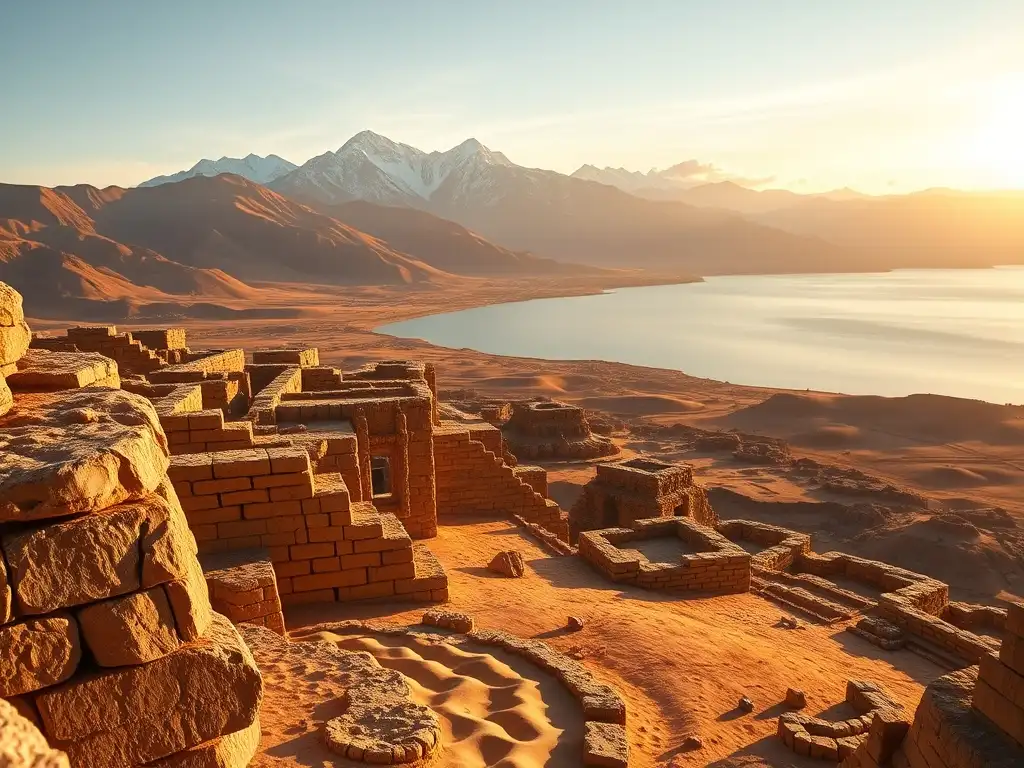
Step into a world lost to time, yet echoing with the whispers of gods and empires. Discover the breathtaking legacy of the Andean civilizations, from the intricate artistry of the Moche to the monumental architecture of the Incas. But our journey begins in the heart of a mystery: the sacred landscape significance of Tiahuanaco. Unravel the enigma of its power, its intricate connection to the mountains and rivers, and the profound spiritual beliefs that shaped this remarkable culture. Dare to delve deeper and uncover the secrets hidden within the stones…
The sprawling ruins of Tiahuanaco, nestled high on the Altiplano of Bolivia, are more than just impressive stone structures; they represent a profound connection between the ancient civilization and the sacred landscape that surrounded them. This article delves into the significance of the mountains, rivers, and other geographical features that formed the backdrop of Tiahuanaco's religious and cosmological beliefs, exploring how these elements shaped their worldview and contributed to the city's remarkable power and influence.
Understanding Tiahuanaco's sacred landscape is key to unlocking the mysteries of this enigmatic civilization and appreciating the depth of its spiritual beliefs, a crucial aspect often overlooked in discussions of its impressive architecture and engineering prowess. We will examine how the interplay of nature and spirituality fostered a unique religious cosmology, deeply intertwined with the daily lives of its inhabitants.
The significance of this sacred landscape in shaping Tiahuanaco's identity and beliefs is a testament to the enduring power of the relationship between humanity and the natural world. This exploration will illuminate the "Tiahuanaco sacred landscape significance" and offer a more complete picture of this remarkable culture.
The Sacred Mountains: Pillars of the Cosmos
The towering Andes Mountains loomed large in the Tiahuanaco worldview, acting as more than just geographical landmarks. They were considered sacred entities, literally pillars supporting the cosmos. Evidence suggests that specific peaks held particular religious importance, serving as sites for rituals and offerings.
The orientation of Tiahuanaco's structures themselves may reflect a deliberate alignment with significant mountain ranges, further highlighting their cosmological significance. Archaeological findings, although limited in directly supporting this specific point, suggest the presence of mountain shrines or ceremonial sites in the surrounding area, indicating a deep reverence for these natural formations. Further research is needed to fully understand the specific mountains that were considered sacred and the nature of the rituals performed there.
The sheer scale of the Andes, their imposing presence, and their influence on the climate and resources of the Altiplano undoubtedly contributed to their perceived divinity. Moreover, the visual impact of the mountains on the Tiahuanaco landscape is undeniable, serving as a powerful backdrop to their religious practices.
The Life-Giving Waters: Rivers and Lakes as Sources of Power
Water played a crucial role in Tiahuanaco's cosmology and daily life. The rivers and lakes of the Altiplano, particularly Lake Titicaca, were not simply sources of sustenance but also powerful symbols of life, fertility, and divine energy. The intricate network of canals and aqueducts surrounding Tiahuanaco demonstrates the civilization's sophisticated understanding of water management and its importance in their societal structure.
This mastery over water resources, considered a gift from the gods, likely further enhanced the sacred status of these waterways. The symbolic connection between water and fertility is evident in many Andean cultures, and Tiahuanaco was no exception.
The abundance of water, despite the arid climate of the Altiplano, likely played a key role in their agricultural success and the overall prosperity of the civilization, further reinforcing the perception of the water sources as divinely provided. This abundance also had a direct impact on the religious practices and beliefs of the people, influencing their cosmology and daily rituals.
The Sun, the Moon, and the Stars: Celestial Influences on the Sacred Landscape
Tiahuanaco's religious beliefs were deeply intertwined with celestial observations. The sun, the moon, and the stars were not simply astronomical bodies but active participants in the cosmic order, influencing the lives of the people and shaping their understanding of the world. The orientation of some Tiahuanaco structures suggests a deliberate alignment with celestial events, indicating an advanced knowledge of astronomy and its incorporation into their religious practices.
The precise nature of these alignments and their religious significance are still being investigated, but the evidence points to a sophisticated understanding of the cosmos and its influence on the terrestrial realm. The cyclical nature of the seasons, marked by the movements of the sun and moon, likely played a crucial role in their agricultural practices and religious calendar.
The sun, in particular, likely held a prominent position in their pantheon, given its importance in sustaining life in the high-altitude environment. These celestial observations were not merely scientific pursuits but integral components of their religious beliefs and practices, deeply connected to the sacred landscape.
The Integration of Nature and Spirituality: A Holistic Worldview
The Tiahuanaco sacred landscape wasn't simply a backdrop to their lives; it was interwoven with their religious beliefs and daily practices. Mountains, rivers, and celestial bodies were not separate entities but integral parts of a holistic worldview where the natural and spiritual realms were inextricably linked. This holistic perspective fostered a deep respect for nature and a sense of interconnectedness that permeated all aspects of Tiahuanaco society.
This perspective is reflected not only in their religious beliefs but also in their social organization, agricultural practices, and even their urban planning. The city itself can be viewed as a reflection of this cosmic order, with its structures and layout mirroring the natural landscape and celestial cycles.
This holistic view is a key to understanding the enduring power of Tiahuanaco's civilization and its lasting impact on the Andean region. Further research into the interplay of nature and spirituality in Tiahuanaco will undoubtedly provide deeper insights into this remarkable culture.
- The Sacred Mountains: Pillars of the Cosmos
- The Life-Giving Waters: Rivers and Lakes as Sources of Power
- The Sun, the Moon, and the Stars: Celestial Influences on the Sacred Landscape
- The Integration of Nature and Spirituality: A Holistic Worldview
- What is the significance of the Tiwanaku (Tiahuanaco) sacred landscape?
- How did the geography of the Tiwanaku region influence its sacred landscape?
- What are some key elements of the Tiwanaku sacred landscape?
- How did the Tiwanaku people interact with their sacred landscape?
- What is the lasting legacy of the Tiwanaku sacred landscape?
Understanding Tiahuanaco's Sacred Geography
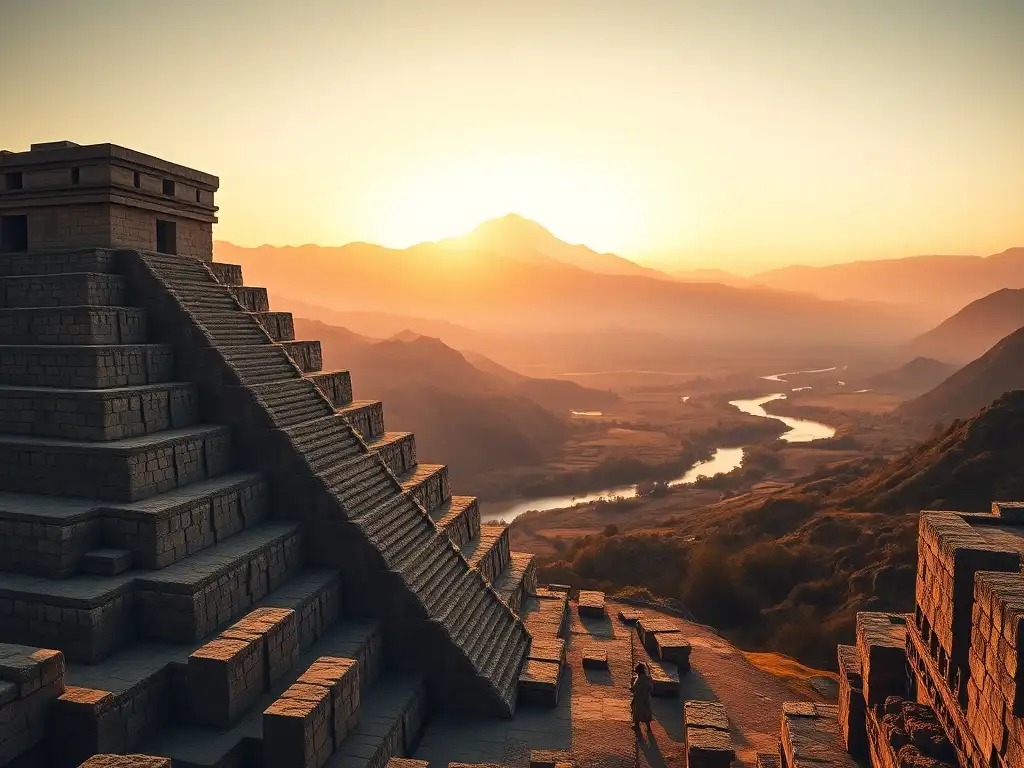
The significance of Tiahuanaco's sacred landscape is deeply intertwined with the civilization's cosmology and religious beliefs. Understanding this connection requires moving beyond a simple geographical description and delving into the symbolic meaning imbued within the landscape's physical features. For the Tiahuanaco people, the mountains, rivers, and even the very placement of their city weren't just natural elements; they were active participants in a complex, interwoven system of spiritual power.
The "Tiahuanaco sacred landscape significance" lies not just in its beauty or scale, but in its profound integration with their worldview. This intricate relationship is evident in their monumental architecture, religious practices, and artistic representations.
Studying this sacred geography unveils a sophisticated understanding of how the Tiahuanaco people perceived and interacted with their environment, a perception that shaped their social structure, political organization, and ultimately, their survival. The careful selection and manipulation of the landscape itself reveals a deep understanding of its cosmological importance.
The Importance of Place in Tiahuanaco Cosmology
Tiahuanaco cosmology wasn't abstract; it was deeply rooted in the tangible world. The city's location, nestled on the shores of Lake Titicaca at the foot of the Andes mountains, was no accident. This strategic placement held profound symbolic meaning, linking the celestial realm with the earthly one. The lake itself, a vast expanse of water mirroring the sky, likely represented the primordial waters of creation, a common motif in Andean cosmologies.
The surrounding mountains, towering over the city, were seen as sacred entities, often associated with deities and ancestors. This wasn't merely a practical choice for resource management or defense; it was a conscious act of aligning the city with the cosmos, creating a sacred space where the earthly and divine realms intersected. The mountains acted as powerful conduits connecting the human world to the spirit world. Archaeological evidence, such as the orientation of structures towards specific mountain peaks, suggests a deliberate effort to harness this cosmic energy.
The very fabric of Tiahuanaco society was woven into this landscape, reflecting their belief that the physical world was a manifestation of the spiritual. This intimate connection with the environment shaped their rituals, their art, and their understanding of the universe. Many scholars believe that the placement of the city itself, and the orientation of its monumental structures, were not merely practical decisions but rather a complex interplay of astronomical alignments and cosmological beliefs.
Key Elements Shaping the Tiahuanaco Sacred Landscape
Several key elements contributed to the sacred nature of the Tiahuanaco landscape:
- Mountains: The towering Andes mountains surrounding Tiahuanaco were considered sacred, embodying power and divinity. Specific peaks likely held unique significance, acting as focal points for religious rituals and ceremonies. Their imposing presence served as a constant reminder of the divine realm. We can speculate on the specific mountains that held the most significance based on the orientation of structures within the city, but further research is needed to confirm these hypotheses. [Specific mountain names and their associated deities pending].
- Rivers: The rivers flowing through the region, particularly those feeding Lake Titicaca, were vital sources of life and held symbolic meaning. Water, in Andean cosmologies, often represents fertility, creation, and purification. The flow of water likely represented the cyclical nature of life and the cosmos. The control and management of water resources were not only crucial for survival but also deeply integrated into their religious practices. Evidence suggests that the Tiahuanaco people carefully managed and channeled water through sophisticated irrigation systems, possibly reflecting a desire to control the life-giving force of the rivers.
- Lake Titicaca: As the largest lake in South America, Lake Titicaca held immense symbolic importance. Its vast expanse, mirroring the sky, was likely seen as a primordial source of life, connecting the earthly and celestial realms. The lake’s unique position, nestled high in the Andes, further amplified its sacred status. The aquatic life within the lake, its fluctuating water levels, and its surrounding landscape all contributed to its multifaceted significance in Tiahuanaco cosmology. Its role in their mythology and religious practices is still being actively researched.
- Sun and Stars: The sun and stars played a significant role in the Tiahuanaco worldview, influencing their agricultural practices and religious ceremonies. The precise alignment of structures within the city suggests a sophisticated understanding of astronomy and the celestial cycles. The sun, in particular, was likely a central deity, representing power, life, and fertility. The precise astronomical knowledge and its integration into the urban planning of Tiahuanaco is a testament to their advanced understanding of the cosmos.
The interplay of these elements created a powerful sacred landscape, where the physical world was inextricably linked to the spiritual. The Tiahuanaco people's deep understanding of this sacred geography shaped their culture, their beliefs, and their enduring legacy. Further research into the specific symbolic meanings assigned to these landscape features will undoubtedly further illuminate the rich and complex cosmology of the Tiahuanaco civilization.
Mountains as Pillars of the Tiahuanaco Worldview
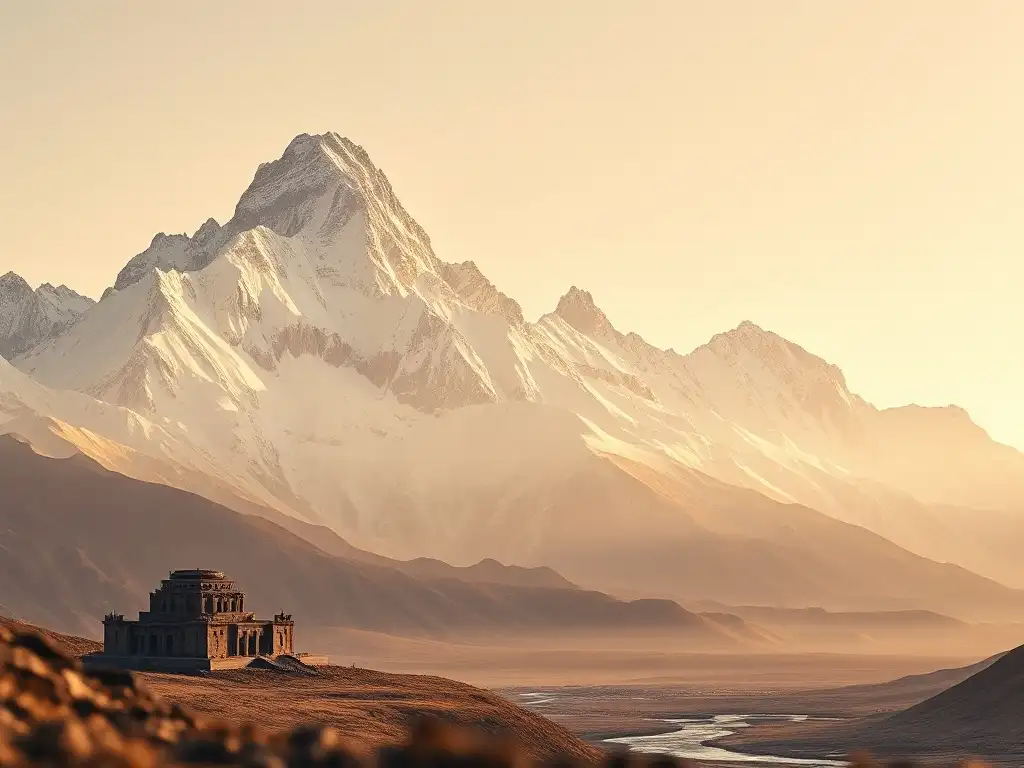
The Tiahuanaco worldview was deeply intertwined with the surrounding Andean landscape, particularly its imposing mountains. These weren't simply geographical features; they were considered sacred entities, Apus, imbued with spiritual power and actively participating in the cosmic order. The significance of Tiahuanaco's sacred landscape, especially the mountains, is central to understanding their religious beliefs and practices.
The relationship between the people and the Apus was one of reverence, reciprocity, and profound interconnectedness. Evidence suggests that rituals, agricultural cycles, and even urban planning were directly influenced by the perceived energies and influences emanating from these mountain deities. Understanding this perspective is crucial to interpreting the archaeological record and the symbolic language embedded within Tiahuanaco's art and architecture.
The mountains weren't just a backdrop; they were integral actors in the Tiahuanaco drama of life, death, and renewal. The very orientation of the city itself may have been deliberately aligned with significant peaks, reflecting their cosmological importance. Further research into the precise astronomical alignments of Tiahuanaco structures could reveal even more nuanced details about this sacred connection.
The Role of Apus in Tiahuanaco Religious Practices
The Apus, or mountain spirits, played a vital role in Tiahuanaco religious practices. They were not simply worshipped; they were considered active participants in the daily lives of the people. Offerings, both material and symbolic, were presented to appease and honor these powerful beings.
Archaeological evidence, including the discovery of ritual sites located near mountain passes and springs, suggests a systematic interaction between the Tiahuanaco people and the Apus. These sites often contained artifacts, such as ceramics and textiles, that were likely used in ceremonies aimed at securing blessings, protection, or good harvests. The specific rituals varied depending on the time of year and the needs of the community.
For example, during the rainy season, ceremonies might focus on ensuring abundant water for agriculture, while during planting or harvesting seasons, rituals would have aimed for successful crop yields. The precise nature of these ceremonies, however, remains a subject of ongoing scholarly debate, as much of the ritualistic practices relied on oral traditions that are not fully preserved. The limited written records further complicate our understanding of the complex relationship between the Tiahuanaco and their sacred mountains.
Specific Mountain Peaks of Significance for Tiahuanaco
Several mountain peaks held particular significance for the Tiahuanaco culture, each potentially associated with specific deities or natural forces. Their prominence in the landscape and their perceived influence on the region's climate and resources likely contributed to their elevated status. The selection of these specific peaks was not arbitrary; it was likely based on a combination of geographical prominence, perceived spiritual power, and their role in the wider cosmology of the Tiahuanaco people. Further research, combining archaeological findings with ethnohistorical accounts from later Andean cultures, might shed more light on the specific attributes and roles of each mountain.
Illimani and its Ritual Importance
Illimani, a towering peak overlooking Lake Titicaca, stands as a potent symbol in Andean cosmology. For the Tiahuanaco, Illimani likely held a position of paramount importance, possibly representing a creator deity or a powerful ancestral spirit. Its imposing presence and its association with water sources – crucial for survival in the high-altitude environment – would have reinforced its sacred status.
The precise nature of the rituals performed in Illimani's honor remains largely unknown, but it's reasonable to assume that they involved offerings of food, drink, and valuable artifacts. The connection between Illimani and the Tiahuanaco's sophisticated water management systems suggests a deep-seated belief in the mountain's ability to influence the availability of this vital resource. [Specific archaeological evidence regarding Illimani and Tiahuanaco rituals pending].
Sajama as a Source of Power
Sajama, another significant peak, is known for its volcanic activity and its association with powerful earth energies. For the Tiahuanaco, Sajama may have represented a source of generative power, perhaps associated with fertility, abundance, and the cyclical renewal of life. The presence of obsidian sources near Sajama, a material highly valued by the Tiahuanaco for toolmaking and ritual objects, could further emphasize its importance. [Detailed analysis of the role of obsidian from Sajama in Tiahuanaco culture pending].
The potential connection between Sajama's volcanic activity and the Tiahuanaco's understanding of the earth's generative power warrants further investigation. The possibility of rituals focused on harnessing the earth's energy from this peak deserves thorough study. The symbolic significance of Sajama within the broader Tiahuanaco cosmology needs further exploration.
Rivers and Waterways: Lifeblood of Tiahuanaco
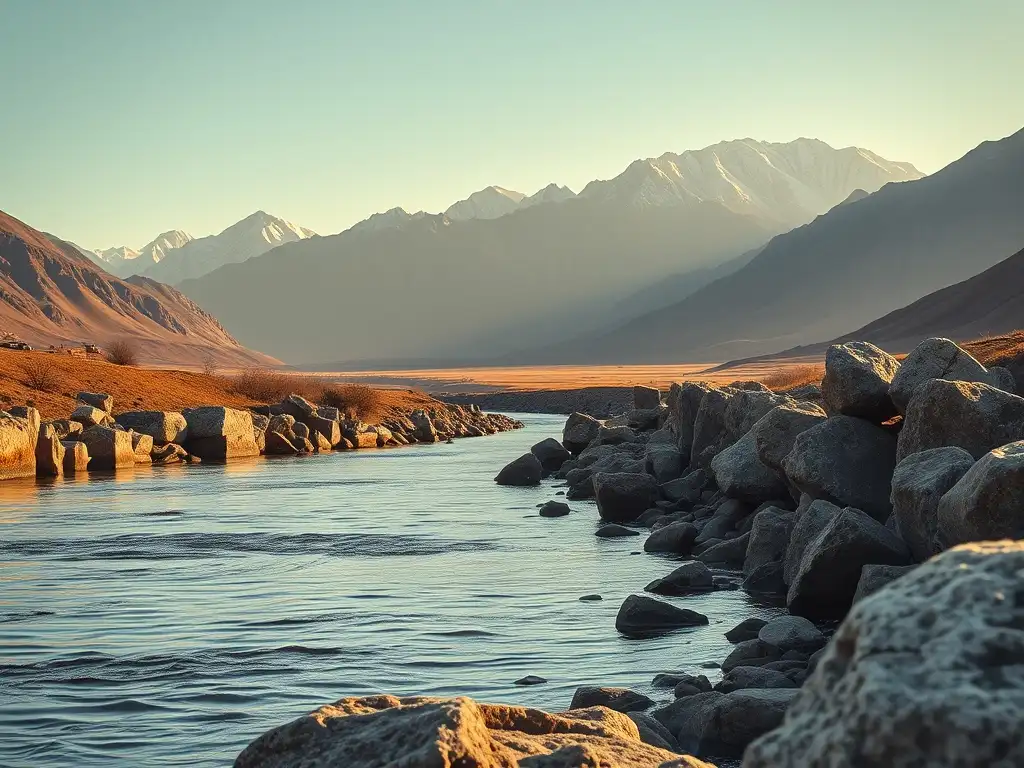
The Tiahuanaco sacred landscape significance is inextricably linked to its intricate relationship with water. For the inhabitants of this pre-Columbian civilization, water wasn't merely a resource; it was a vital element in their cosmology, deeply intertwined with their religious beliefs and social structures. The strategic location of Tiahuanaco, nestled between Lake Titicaca and several river systems, underscores the paramount importance of water in shaping their worldview and daily life.
Understanding their sophisticated water management systems and the symbolic meaning attributed to rivers and lakes is crucial to grasping the true essence of the Tiahuanaco sacred landscape and its enduring legacy. The abundance of water, carefully controlled and channeled, was not only essential for agriculture but also played a central role in their rituals and religious ceremonies. This section delves into the specific ways water shaped the Tiahuanaco worldview and daily existence.
The Significance of Water in Tiahuanaco Beliefs
Water in Tiahuanaco cosmology represented much more than just a physical necessity. It symbolized life, fertility, and the divine. Evidence suggests a profound connection between water sources and the spiritual realm, with many sacred sites situated near rivers, springs, or lakes.
The intricate network of canals and aqueducts built by the Tiahuanaco people was not simply a feat of engineering; it was a manifestation of their spiritual understanding of the world. They believed that controlling and manipulating water gave them power over life itself, allowing them to influence agricultural cycles and maintain a harmonious relationship with the divine. The precise symbolism of water varied based on context and specific rituals, but its overall significance as a life-giving force permeated all aspects of Tiahuanaco society.
Scholars hypothesize that the abundance of water-related imagery found in Tiahuanaco art, such as carvings and ceramics, further illustrates this deeply rooted spiritual connection. Further research into the iconography could reveal even more nuanced understandings of Tiahuanaco's perception of water's power.
The Katari River and its Connection to Tiahuanaco Sacred Sites
The Katari River, flowing from Lake Titicaca, played a particularly significant role in the Tiahuanaco sacred landscape. Its proximity to the main ceremonial center suggests a deliberate positioning, highlighting the river's importance in their religious practices. The river likely served as a source of water for ritual purification and offerings.
Archaeological evidence points to the construction of canals and channels that directed water from the Katari River to various sacred sites, reinforcing the river's connection to the spiritual realm. The precise function of these water features remains a subject of ongoing research, but their existence clearly demonstrates the deliberate integration of the Katari River into the sacred geography of Tiahuanaco.
Furthermore, the river's cyclical nature, mirroring the patterns of life, death, and rebirth, may have further enhanced its symbolic significance within the Tiahuanaco worldview. Analyzing the spatial relationships between the Katari River and key structures within the Tiahuanaco complex is crucial for a comprehensive understanding of the sacred landscape's layout and functionality.
Water Management and Ritual Practices in Tiahuanaco
Tiahuanaco's impressive water management systems were not only crucial for agriculture but also integral to their religious rituals. The sophisticated network of canals, aqueducts, and reservoirs demonstrates a remarkable understanding of hydraulic engineering, allowing them to control water flow and distribute it efficiently across the region. These intricate systems were not merely practical; they were also symbolic, reflecting the Tiahuanaco's ability to harness and control the life-giving forces of nature.
Rituals likely involved the use of water for purification, offerings, and other sacred ceremonies. For instance, the ceremonial fountains and basins found within the Tiahuanaco complex might have been used for ritual ablutions. The precise details of these rituals remain largely unknown, but their connection to the water management systems is undeniable.
Future research could focus on identifying specific locations within the water management systems that were dedicated to ritual activities. By connecting the engineering feats with the religious practices, we gain a more complete picture of Tiahuanaco's sophisticated and integrated approach to water management and its profound cultural significance. The evidence suggests a deeply interconnected system, where the practical and the spiritual were seamlessly interwoven.
The Interplay Between Natural Features and Tiahuanaco Architecture
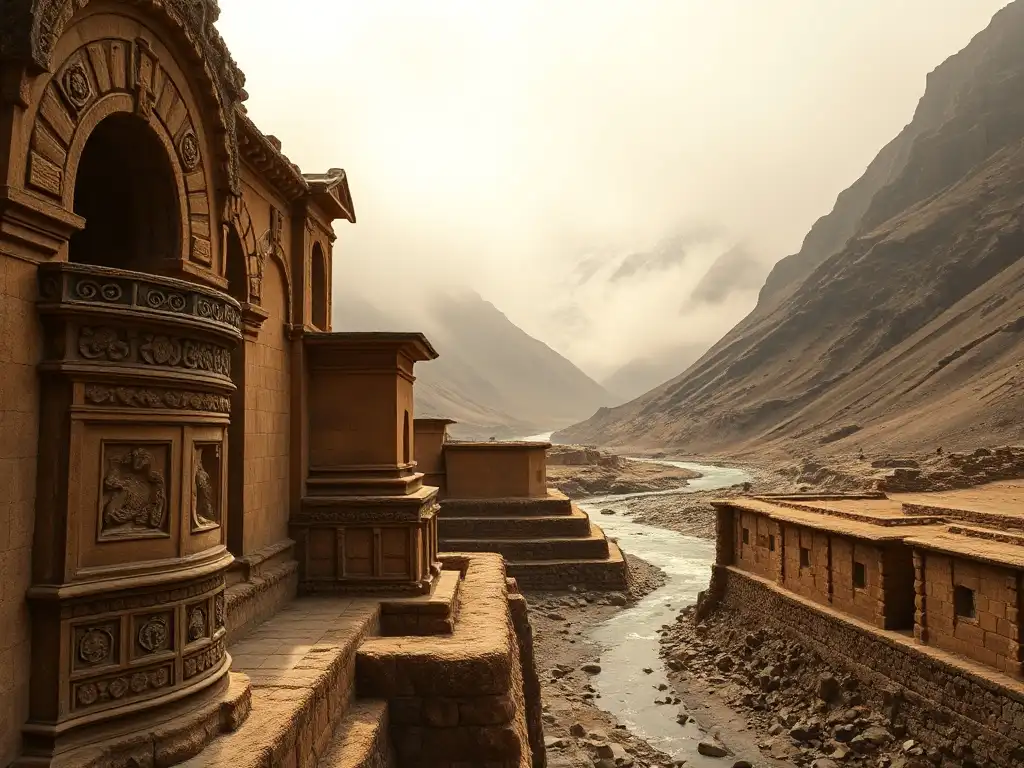
The significance of Tiahuanaco's sacred landscape is inextricably linked to the city's architecture and urban planning. The builders of Tiahuanaco didn't simply erect structures; they carefully integrated their constructions with the pre-existing natural environment, imbuing the city with a profound spiritual meaning. This deliberate integration of mountains, rivers, and other geographical features into the urban fabric underscores the civilization's deep reverence for the natural world and its cosmological beliefs.
The very placement of buildings, their orientation, and the materials used all reflect a sophisticated understanding of the relationship between the human and the divine, as expressed through the landscape. This conscious effort to create a sacred space, rather than just a functional city, is a key aspect of understanding Tiahuanaco's lasting legacy and the profound impact of its sacred landscape significance.
Alignments and Orientation: Integrating Landscape into Urban Planning
Tiahuanaco's urban planning demonstrates a remarkable understanding of astronomical events and their connection to the surrounding landscape. Many structures, including the Kalasasaya and the Akapana pyramids, exhibit precise alignments with solstices and equinoxes. These alignments weren't accidental; they were carefully planned to mark significant celestial events, reinforcing the city's role as a sacred center reflecting the cosmos.
For instance, the precise orientation of the Kalasasaya platform towards the rising sun during the winter solstice suggests a deliberate attempt to connect the earthly realm with the celestial sphere. This wasn't simply a matter of architectural precision; it was a deeply symbolic act, linking the city's life cycle to the rhythms of the universe. Furthermore, the placement of structures in relation to prominent geographical features like Lake Titicaca and the surrounding mountains further emphasizes the holistic approach to integrating the landscape into the urban planning.
Evidence suggests that the direction of water channels and the placement of certain structures were carefully considered in relation to the flow of water and the positions of the sun and stars, highlighting the intricate connection between the city and its environment. This intricate network of alignments and orientations within the Tiahuanaco sacred landscape underscores the profound significance of the city's cosmological worldview.
Kalasasaya as an Example of Landscape Integration
The Kalasasaya platform serves as a prime example of Tiahuanaco's mastery in integrating the landscape into its architecture. Its monumental size and precise orientation towards the winter solstice sunrise are well-documented. However, less emphasized is the subtle way in which the platform interacts with the surrounding terrain. The platform's construction appears to have taken the natural slope of the land into account, seamlessly blending the artificial structure with the existing topography.
This suggests a deep understanding of the land's inherent qualities and a desire to work with nature, rather than against it. Furthermore, the careful selection of building materials, sourced from the immediate environment, further enhances this integration. The use of local stone not only minimized transport costs but also created a sense of place, strengthening the connection between the structure and its surroundings.
The Kalasasaya's very presence acts as a bridge between the earthly and the celestial, a physical manifestation of Tiahuanaco's cosmological beliefs, vividly illustrating the Tiahuanaco sacred landscape significance within the urban environment. Analysis of the platform's foundation reveals a sophisticated understanding of soil mechanics, ensuring stability and longevity within the often-challenging Andean terrain. This further demonstrates the ingenuity and deep connection the Tiahuanaco people had with their environment.
Tiahuanaco's Use of Natural Resources in Construction and Ritual
The materials used in Tiahuanaco's construction and rituals were not randomly selected; they held significant symbolic and practical value. The abundant red andesite stone, quarried from nearby locations, was meticulously carved and shaped to create monumental structures. This stone, with its rich color, was likely chosen not only for its durability but also for its symbolic association with the earth and fertility.
Similarly, the use of other natural resources, such as wood and various minerals, suggests a deep understanding of the properties and symbolic meaning of these materials within their cosmological worldview. Archaeological evidence indicates that certain minerals were used in ritual contexts, possibly representing specific deities or cosmic forces. The procurement and use of these resources weren't simply practical necessities; they were integral aspects of the city's religious practices, strengthening the connection between the human world and the spiritual realm.
The careful selection and utilization of natural resources in Tiahuanaco's construction and rituals serves as another powerful example of the city's profound connection to its sacred landscape, reinforcing the importance of the Tiahuanaco sacred landscape significance in religious and societal practices. The strategic sourcing of materials minimized environmental impact while maximizing the symbolic and functional value of the resources. Further research is needed to fully understand the extent and intricacies of this resource management system within the Tiahuanaco civilization.
The Spiritual Significance of Tiahuanaco’s Sacred Landscape
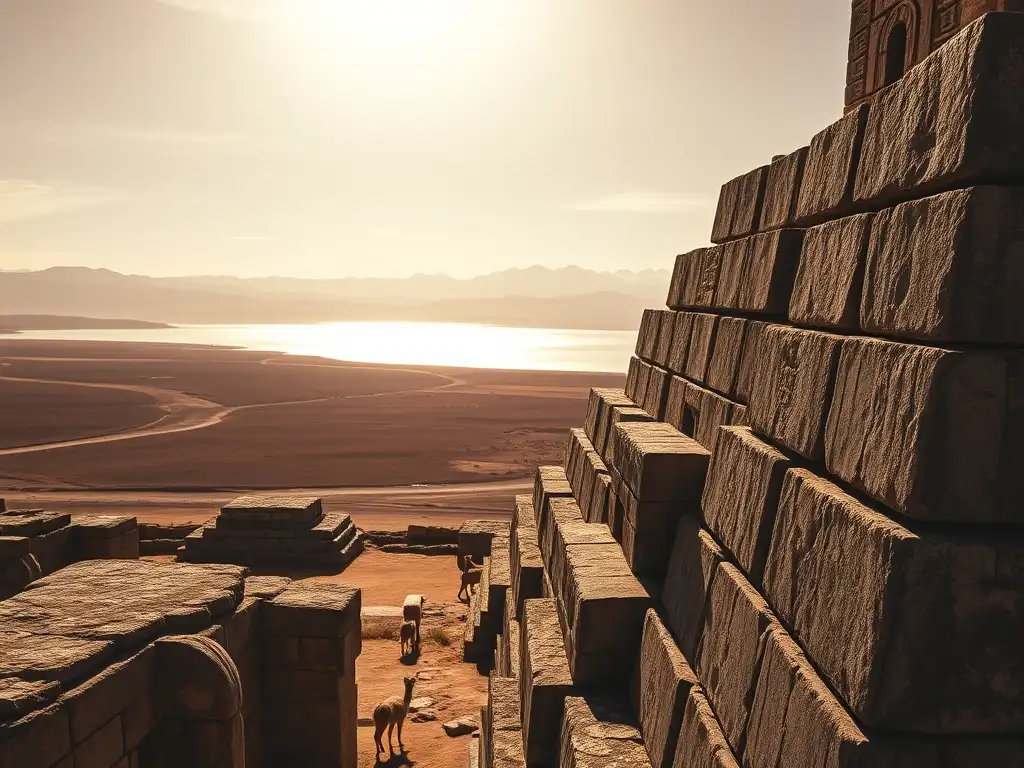
The Tiahuanaco sacred landscape significance stemmed from its profound integration of natural features—mountains, rivers, and the altiplano—into a complex cosmology. This wasn't merely a geographical location; it was a living, breathing representation of the Tiahuanaco worldview, a place where the earthly and divine realms intersected. The careful placement of monumental architecture, such as the Kalasasaya and Puma Punku, within this landscape wasn't arbitrary. Rather, it reflects a sophisticated understanding of astronomical alignments, water management, and the symbolic power of the natural world.
This deliberate arrangement suggests a deep-seated belief in the sacredness of the environment and its integral role in their spiritual practices and social organization. The landscape itself acted as a giant, sacred map, reflecting their cosmological beliefs and guiding their rituals and daily lives. Understanding this connection is key to appreciating the true significance of Tiahuanaco.
The Tiahuanaco Concept of the Divine and its Manifestation in Nature
The Tiahuanaco people didn't perceive the divine as separate from the natural world. Their deities were often intertwined with natural elements, such as mountains, water sources, and celestial bodies. For example, the towering Andean peaks likely represented powerful deities or ancestral spirits, their imposing presence reflecting the awe-inspiring power of the divine.
Similarly, the rivers and lakes, vital sources of life in the high-altitude environment, were likely considered sacred, representing fertility, abundance, and the life-giving forces of nature. This close relationship between the divine and the natural world is evident in the intricate carvings and sculptures found at Tiahuanaco, which often depict deities interacting with or transforming into natural elements. The very layout of the city, designed to harness water and align with astronomical events, underscores this inherent connection between the spiritual and the physical.
Further research is needed to fully understand the specific deities associated with particular landscape features, [specific deity associations pending]. However, it’s clear that the landscape itself was considered a manifestation of the divine, a sacred space where the gods and ancestors were present.
Connecting with the Ancestors through Sacred Spaces
The Tiahuanaco sacred landscape served as a powerful medium for connecting with their ancestors. Specific locations within the landscape, perhaps marked by particular architectural features or natural formations, likely held special significance as places where the veil between the living and the dead was thin. These sites may have been used for ancestor veneration, offering ceremonies, or simply for contemplation and remembrance.
The presence of intricately carved stelae and monoliths, some depicting figures that may represent ancestors or deities, further supports this idea. These monuments weren't just decorative; they were likely integral parts of rituals designed to honor and communicate with the ancestors, ensuring their continued protection and guidance.
The cyclical nature of Andean life, emphasizing the continuity between generations, suggests that the ancestors played a vital role in their worldview, and the sacred landscape provided the perfect setting for maintaining this connection. [Further archeological evidence needed to pinpoint specific ancestor veneration sites].
Ritual Practices and Ceremonies at Tiahuanaco's Sacred Sites
Tiahuanaco's sacred sites were the focal points of elaborate rituals and ceremonies. The precise nature of these practices remains largely unknown, but archeological evidence suggests that they involved offerings, processions, and possibly even human sacrifice, although the extent of the latter remains a subject of scholarly debate. The monumental architecture of Tiahuanaco, with its precise alignments and intricate carvings, likely played a crucial role in these ceremonies, providing a framework for enacting religious rituals and reinforcing the symbolic power of the sacred landscape.
The availability of water, carefully managed through sophisticated irrigation systems, was undoubtedly important to these rituals, symbolizing life, renewal, and purification. The carefully planned orientation of structures towards significant celestial events suggests the incorporation of astronomical observations into their religious calendar and rituals. Evidence of feasts and communal gatherings are also suggested by the presence of large plazas and other communal spaces.
The Tiahuanaco sacred landscape, therefore, wasn't just a setting for religious practices; it was an integral part of them, a dynamic and powerful force shaping the community’s spiritual life. The detailed reconstruction of these rituals remains a challenge due to [limitations in current archeological data].
The Lasting Legacy of the Tiahuanaco Sacred Landscape
The Tiahuanaco sacred landscape wasn't merely a backdrop for religious rituals; it was an integral component of the civilization's cosmology and worldview. The meticulous arrangement of monumental structures, the careful selection of building materials, and the deliberate orientation of sites towards celestial bodies all point to a deep understanding of the interconnectedness between the human world and the divine.
This understanding wasn't confined to the Tiahuanaco period; its influence reverberated through subsequent Andean cultures, shaping their religious practices and their relationship with the environment. The legacy of Tiahuanaco's sacred geography is palpable even today, visible in the enduring reverence for specific mountains, rivers, and sites across the Andes.
The careful planning and execution of the Tiahuanaco urban design, which incorporated the natural landscape seamlessly into its sacred architecture, demonstrates a sophisticated understanding of land use and its spiritual implications. This holistic approach to urban planning is a key aspect of the Tiahuanaco sacred landscape significance.
How Tiahuanaco's Landscape Influenced Later Andean Cultures
The influence of Tiahuanaco's sacred landscape extended far beyond its geographical boundaries and temporal limits. Many later Andean cultures, including the Inca, adopted and adapted elements of Tiahuanaco's cosmology and religious practices. For instance, the Inca's veneration of specific mountains and their incorporation of water sources into their religious ceremonies echo Tiahuanaco's emphasis on the sacredness of the natural world.
The Inca's own imperial capital, Cusco, strategically situated in a valley, bears a striking resemblance to the carefully planned layout of Tiahuanaco, suggesting a continuation of the Tiahuanaco tradition of integrating the sacred landscape into urban planning. Furthermore, the use of similar building materials and architectural styles in subsequent Andean cultures suggests a cultural transmission of knowledge and beliefs related to the sacred landscape. This continuity underscores the lasting impact of Tiahuanaco's worldview and its profound influence on the development of Andean religious thought.
Evidence suggests that even the symbolic meaning attributed to certain animals and plants found continuity across different cultures, implying a shared understanding of the sacred nature of the Andean environment that originated in, or was profoundly shaped by, the Tiahuanaco worldview. The Tiahuanaco sacred landscape significance is thus not limited to its own historical period but extends to a broader understanding of Andean cultural development.
Preserving and Understanding Tiahuanaco's Sacred Sites Today
Preserving and understanding Tiahuanaco's sacred landscape requires a multifaceted approach that integrates archaeological research, environmental protection, and community engagement. The delicate balance between preserving the historical integrity of the sites and ensuring access for researchers and tourists presents a significant challenge. Sustainable tourism practices are crucial to minimize the impact of human activity on these fragile environments.
Furthermore, engaging local communities in the preservation efforts is essential, as their traditional knowledge and cultural connection to the sites offer invaluable insights into the significance of the landscape. Archaeological research continues to uncover new information about the Tiahuanaco civilization and its religious practices, enriching our understanding of the sacred landscape's role in their society. Efforts to document and analyze the orientation of structures, the use of specific materials, and the symbolic meaning of various features are crucial for reconstructing the cosmology and worldview of the Tiahuanaco people.
The preservation of Tiahuanaco's sacred landscape is not merely a matter of protecting historical artifacts; it is about safeguarding a rich cultural heritage and ensuring that future generations can appreciate the profound connection between the Andean people and their environment. Modern technologies, such as 3D modeling and GIS mapping, are proving invaluable in documenting and analyzing these sites, contributing to a more comprehensive understanding of the Tiahuanaco sacred landscape significance.
Tiahuanaco sacred landscape significance and its study for modern understanding
The study of Tiahuanaco's sacred landscape offers valuable insights into the relationship between humans and their environment, particularly concerning the development of complex societies and their religious beliefs. The intricate connection between the built environment and the natural world in Tiahuanaco provides a unique case study in how ancient civilizations integrated their religious beliefs into their daily lives and urban planning. Analysis of the spatial arrangement of structures, the orientation of buildings towards celestial bodies, and the symbolic use of natural elements reveals a sophisticated understanding of cosmology and a profound connection to the land.
This understanding transcends simple historical interest; it offers valuable lessons for modern societies grappling with issues of environmental sustainability and cultural preservation. The Tiahuanaco example highlights the importance of respecting and understanding the spiritual significance of places, informing contemporary approaches to land management and heritage conservation. Furthermore, the study of Tiahuanaco's sacred landscape challenges anthropocentric views and emphasizes the interconnectedness of all living things, offering a valuable perspective on our relationship with the natural world.
The continuing research into the Tiahuanaco sacred landscape significance contributes to a broader understanding of human civilization and its complex interplay with the environment, offering valuable lessons for the present and the future. The careful study of the Tiahuanaco sacred landscape offers a powerful example of how a society's worldview can be deeply intertwined with its physical environment.
Frequently Asked Questions
What is the significance of the Tiwanaku (Tiahuanaco) sacred landscape?
The Tiwanaku sacred landscape held immense religious and cosmological importance. Its strategic location, incorporating mountains and Lake Titicaca, reflected their worldview and connection to the divine. Ceremonial sites were carefully positioned to enhance this connection.
How did the geography of the Tiwanaku region influence its sacred landscape?
The surrounding mountains and Lake Titicaca were integral to the Tiwanaku worldview, symbolizing fertility, power, and the supernatural. These geographical features were incorporated into their religious beliefs and practices. The landscape itself was considered sacred.
What are some key elements of the Tiwanaku sacred landscape?
Key elements include the Pyramid of Akapana, the Temple of Kalasasaya, and the Gateway of the Sun, all strategically placed within the landscape. Water management systems, such as canals and channels, also played a crucial role in their religious rituals and agricultural practices.
How did the Tiwanaku people interact with their sacred landscape?
The Tiwanaku people performed religious ceremonies and rituals throughout their sacred landscape, utilizing its features in their cosmological beliefs. They built monumental structures that reflected their understanding of the universe and their place within it.
What is the lasting legacy of the Tiwanaku sacred landscape?
The Tiwanaku sacred landscape continues to inspire awe and wonder, offering insights into the complex religious beliefs and sophisticated engineering of this ancient civilization. Its impact on later Andean cultures is undeniable, demonstrating the enduring power of their sacred landscape.
Final Reflection: Echoes of the Andes, Whispers of the Divine
The enduring legacy of Tiahuanaco's sacred landscape resonates powerfully today, reminding us of humanity's profound and enduring connection to the natural world. Its intricate relationship between cosmology, geography, and spiritual practice offers a compelling model for understanding the deep-seated human need to find meaning in the landscape that surrounds us. The sophisticated astronomical alignments and the careful integration of the site with its environment speak to a level of environmental awareness that is strikingly relevant in our current era of ecological crisis.
The influence of Tiahuanaco's worldview continues to shape the cultural identity of Andean communities, influencing their spiritual practices and their relationship with the land. The reverence for mountains and rivers, the deep understanding of the cyclical nature of life and death, all echo in the traditions and beliefs that persist to this day. The mountains are not simply stones, but living beings, filled with spirits and power,
a Quechua elder once told me, encapsulating the enduring spiritual significance of the Andean landscape. This perspective, rooted in the ancient wisdom of Tiahuanaco, offers a powerful counterpoint to the often exploitative relationship that modern society has with the environment.
Consider the intricate balance between humanity and nature exemplified by Tiahuanaco. Reflect on how we, in our own lives, can foster a more harmonious relationship with the world around us. Let the echoes of the Andes inspire you to find your own sacred landscape, to cultivate a deeper appreciation for the natural world, and to strive for a more sustainable and spiritually fulfilling existence. The lessons of Tiahuanaco are not confined to the past; they are a call to action for a more conscious and connected future.
Unveil the Sacred: Connect with Tiahuanaco's Mystical Landscape!
Thank you for exploring the wonders of Tiahuanaco's sacred landscape with us! You've gained insight into the profound connection between nature and spirituality that defined this ancient civilization. Now, let's delve deeper.
Here are some ways to further connect with this incredible heritage and share your newfound knowledge:
- Visit a Local Museum: Immerse yourself in the rich history of Andean cultures and gain a deeper understanding of the spiritual significance of Tiahuanaco. Explore exhibits detailing the beliefs and practices of this fascinating civilization.
- Engage with the Community: Join online forums or local groups dedicated to Andean history and culture to share your insights and learn from others passionate about Tiahuanaco.
- Take a Virtual Tour: Many online resources offer virtual visits to Tiahuanaco's sacred sites, allowing you to explore their historical significance and spiritual practices from the comfort of your home.
What aspect of Tiahuanaco's landscape resonates most with you, and how would you like to explore it further?