
Beyond Tiahuanaco: Tracing the Diffusion of its Religious Beliefs and Practices

Unravel the mysteries of the Andes! Prepare to journey through a captivating world of ancient empires, breathtaking artistry, and profound spiritual beliefs. Did the religious fervor of Tiahuanaco truly transcend its borders? This website delves into the vibrant tapestry of Andean civilizations, from the Inca's ingenuity to the enigmatic Nazca lines, but our current focus is on the far-reaching impact of Tiahuanaco religious beliefs diffusion. Discover how these beliefs shaped the Andes – and perhaps, the world – by exploring the fascinating story ahead.
The enigmatic Tiahuanaco civilization, flourishing in the Andean highlands between roughly 300 and 1000 CE, left an indelible mark on the religious landscape of South America. This article delves into the fascinating, and often debated, diffusion of Tiahuanaco religious beliefs and practices beyond its immediate geographical reach. We will explore the evidence suggesting the spread of its iconic iconography, ritualistic practices, and cosmological worldview, analyzing how these elements influenced subsequent Andean cultures and contributed to the rich tapestry of pre-Columbian religious syncretism.
Understanding this diffusion process is crucial to comprehending the broader religious and cultural dynamics of the Andean region and the lasting legacy of Tiahuanaco. We will examine specific examples, analyzing archaeological findings and anthropological interpretations to paint a comprehensive picture of this significant cultural exchange.
The Iconography of Power: Dissemination of Tiahuanaco Art
Tiahuanaco's distinctive artistic style, characterized by its intricate carvings, monumental architecture, and the recurring motif of the chakana (Andean cross), is arguably its most recognizable legacy. The spread of this iconography provides compelling evidence of cultural influence. Numerous sites across the Andes, geographically distant from Tiahuanaco's core territory, exhibit stylistic similarities, suggesting either direct contact, cultural exchange, or the adoption of Tiahuanaco aesthetics by local artisans. Detailed analysis of ceramic styles, stone carvings, and metalwork reveals striking parallels, pointing towards a widespread dissemination of Tiahuanaco artistic conventions.
For instance, [specific examples of similar artistic styles in geographically distant locations pending]. This suggests a complex network of interaction and exchange, possibly facilitated by trade routes or migratory movements. The persistence of Tiahuanaco-inspired motifs in later Andean art demonstrates its lasting impact and enduring cultural significance.
Ritual Practices and the Spread of Religious Syncretism
Beyond artistic expression, the diffusion of Tiahuanaco religious practices is equally significant. Evidence suggests that certain rituals, possibly linked to agricultural cycles, ancestor veneration, or cosmological beliefs, were adopted and adapted by neighboring and distant communities. [Specific examples of similar ritual practices in different cultures pending]. This adoption often involved a process of syncretism, where Tiahuanaco religious elements were integrated into existing local belief systems.
The integration of Tiahuanaco deities into local pantheons, for example, is a testament to this complex process of cultural exchange and adaptation. The presence of similar ceremonial structures across different regions further supports the notion of a widespread adoption of Tiahuanaco ritual practices. This suggests a level of cultural cohesion and shared religious understanding across vast geographical areas.
The Role of Warfare and Political Power in Diffusion
The expansion of Tiahuanaco influence was not solely a peaceful process. Archaeological evidence suggests that military campaigns and political domination played a significant role in disseminating Tiahuanaco religious beliefs and practices. The presence of Tiahuanaco-style artifacts in conquered territories, coupled with evidence of administrative control, suggests that the imposition of religious beliefs may have been a deliberate strategy employed by Tiahuanaco rulers to consolidate their power and legitimize their authority.
[Specific examples of Tiahuanaco influence in conquered territories pending]. This forceful dissemination, however, does not negate the subsequent adaptation and syncretism that occurred within the conquered populations. The interaction between imposition and adaptation represents a nuanced perspective on the spread of Tiahuanaco religious influence.
The Enduring Legacy: Tiahuanaco's Influence on Subsequent Andean Cultures
The influence of Tiahuanaco's religious beliefs and practices extended far beyond its immediate temporal and geographical boundaries. Its legacy is clearly visible in the religious and artistic traditions of later Andean civilizations, including the Inca Empire. The persistence of certain iconographic motifs, ritualistic elements, and cosmological concepts demonstrates the enduring power and influence of Tiahuanaco's religious worldview. The continued veneration of certain deities and the perpetuation of specific ritual practices highlight the deep-rooted impact of Tiahuanaco culture on the subsequent development of Andean religious thought. 1 This lasting legacy underscores the importance of understanding Tiahuanaco's influence on the broader trajectory of Andean religious history.
1 Further research is needed to fully elucidate the precise nature of this continuity and the mechanisms through which it occurred.
- The Iconography of Power: Dissemination of Tiahuanaco Art
- Ritual Practices and the Spread of Religious Syncretism
- The Role of Warfare and Political Power in Diffusion
- The Enduring Legacy: Tiahuanaco's Influence on Subsequent Andean Cultures
- What were the core religious beliefs of the Tiahuanaco culture?
- How did Tiahuanaco's religious beliefs spread?
- What evidence supports the diffusion of Tiahuanaco religious beliefs?
- Did the diffusion of Tiahuanaco beliefs lead to syncretism with other cultures?
- What were some of the key religious practices associated with Tiahuanaco?
Understanding Tiahuanaco's Religious Core
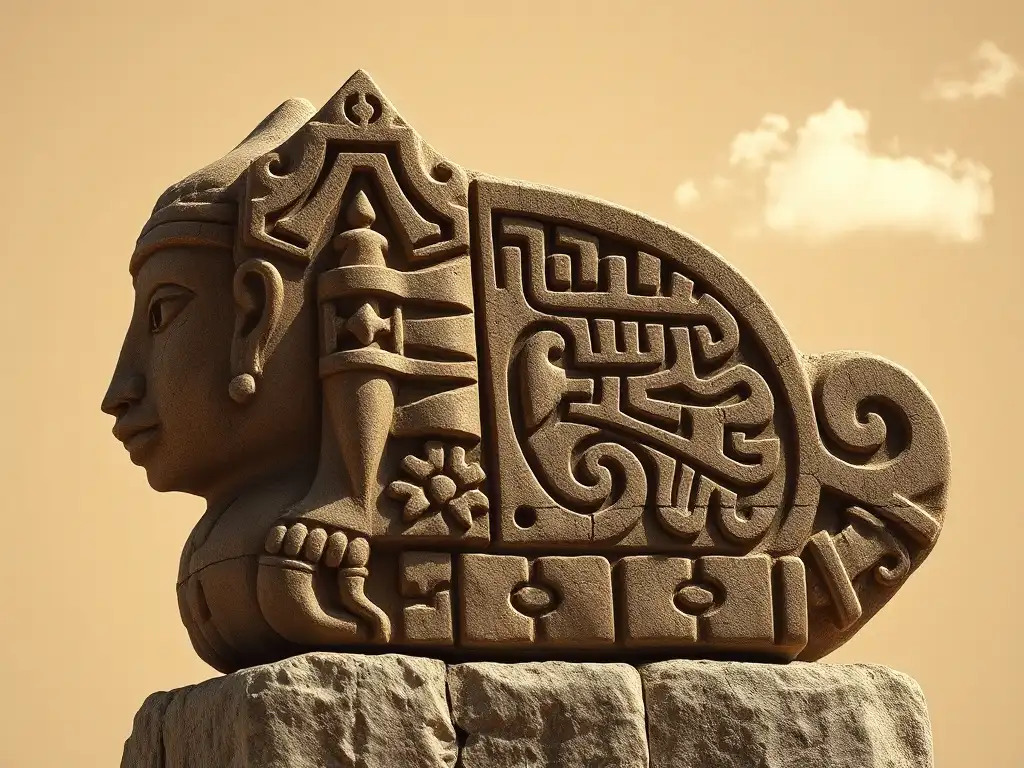
This section delves into the heart of Tiahuanaco's spiritual world, providing a foundation for understanding how its religious beliefs and practices diffused throughout the Andes. We will examine the cosmological framework, key deities and iconography, and the significant role of rituals and ceremonies in shaping Tiahuanaco society and its lasting influence. Understanding this core is crucial to tracing the spread of Tiahuanaco religious ideas across different Andean cultures.
The diffusion of these beliefs wasn't simply a matter of copying; it involved adaptation and syncretism, resulting in unique expressions in various regions. The enduring impact of Tiahuanaco's religious system is a testament to its compelling power and sophisticated organization.
The Cosmological Framework of Tiahuanaco Religion
Tiahuanaco religion was deeply rooted in a complex cosmology, reflecting a sophisticated understanding of the natural world and the cosmos. Evidence suggests a three-tiered structure: a subterranean world, the earthly realm, and a celestial sphere. The Pachamama, or Earth Mother, played a central role, representing fertility and the life-giving power of the earth.
The celestial sphere, often depicted through astronomical observations reflected in architecture and iconography, was associated with powerful deities linked to the sun, moon, and stars, influencing agricultural cycles and societal organization. This intricate cosmological framework provided a comprehensive worldview that permeated every aspect of Tiahuanaco life, from agriculture to governance. The concept of a cyclical time, emphasizing renewal and regeneration, is another key element, evident in their agricultural practices and ceremonial calendar.
This cyclical view of time, deeply ingrained in their cosmology, contributed to the enduring appeal and adaptability of their religious beliefs as they spread to other Andean communities. [Specific details on the celestial deities and their associated constellations pending].
Key Deities and Iconography in Tiahuanaco Religious Practices
Several key deities are identified through the rich iconography found in Tiahuanaco art and architecture. The Verraco, a monolithic figure often depicted with feline features, is a prominent example, possibly representing a powerful deity associated with power and authority. Other iconographic representations include stylized figures with elaborate headdresses, often interpreted as depictions of deities or shamanistic figures.
The use of specific symbols, such as stepped pyramids, condors, and jaguars, reinforced the religious message and contributed to the visual identity of Tiahuanaco religion. These symbols, easily recognizable and adaptable, facilitated the diffusion of religious ideas across vast distances.
For example, the stylistic representation of the Verraco shows variations across different regions, indicating adaptation and local interpretation while maintaining a core visual identity linking them to the original Tiahuanaco source. The consistent use of specific materials and artistic techniques further strengthened the visual coherence and facilitated the recognition and spread of these religious motifs.
The Role of Rituals and Ceremonies in Tiahuanaco Society
Rituals and ceremonies were integral to Tiahuanaco society, underpinning their social structure and reinforcing their religious beliefs. Evidence suggests the existence of elaborate ceremonies, likely involving offerings, sacrifices, and processions. The construction of monumental structures like the Kalasasaya complex served as significant ritual centers.
Archaeological findings, such as the presence of large quantities of offerings and the intricate designs of ceremonial objects, point towards complex ritual practices. The use of specific objects, such as kero drinking vessels and intricately carved textiles, in these rituals played a role in reinforcing the religious message and solidifying social bonds. The regularity and significance of these ceremonies cemented the religious beliefs within the community and facilitated their transmission to subsequent generations and neighboring cultures.
The standardization of these rituals, although adapted in different locations, helped to establish a pan-Andean religious identity, strengthening the cultural ties among geographically dispersed groups and furthering the diffusion of Tiahuanaco religious practices. The impact of these ceremonies on later Andean societies is evident in the similarities observed in ritual practices and ceremonial architecture across different regions. The enduring legacy of Tiahuanaco's ritual traditions is a testament to their effectiveness in shaping social structures and transmitting religious beliefs.
The Initial Spread of Tiahuanaco Religious Influence
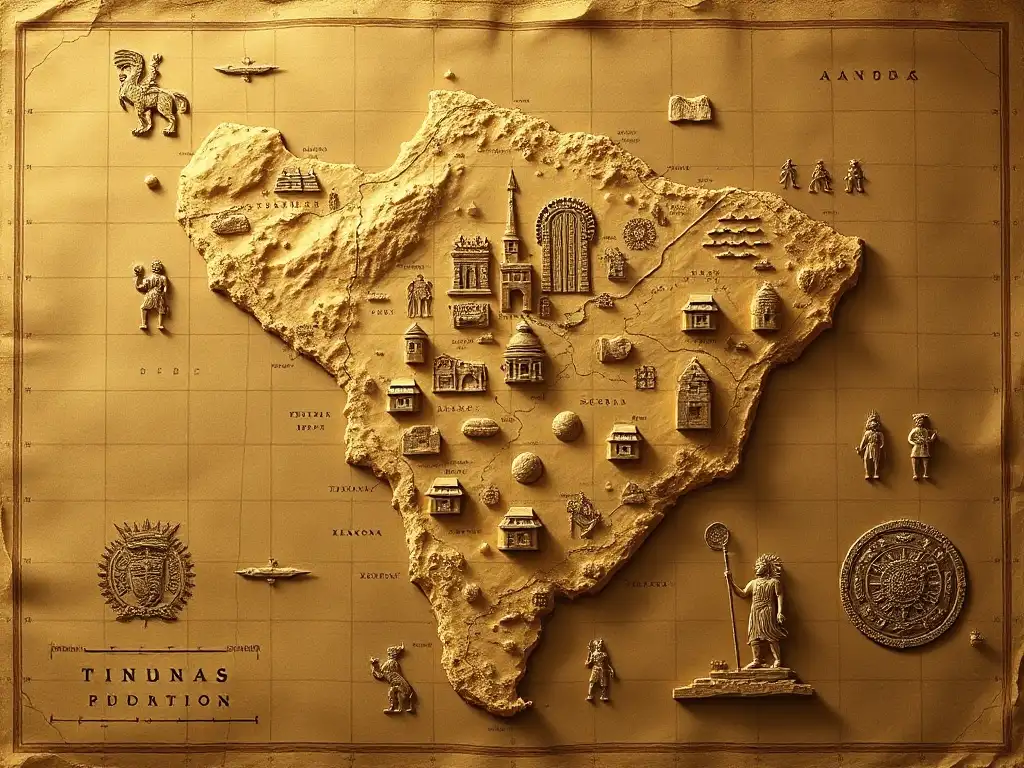
The rise of Tiahuanaco as a major Andean power between the 5th and 12th centuries CE wasn't solely a matter of military might. Its influence spread significantly through the dissemination of its unique religious beliefs and practices, a process deeply intertwined with its political and economic expansion.
Understanding the initial spread of Tiahuanaco religious influence requires examining the mechanisms through which these beliefs were transmitted and the evidence supporting their adoption by neighboring cultures. This wasn't a simple case of forced conversion; rather, a complex interplay of cultural exchange, trade networks, and potentially even voluntary adoption played a crucial role in the diffusion of Tiahuanaco religious ideas throughout the region.
The extent of this influence is still a topic of ongoing research and debate among archaeologists and Andean specialists, with new discoveries continuously refining our understanding of this fascinating historical process. The keyword "Tiahuanaco religious beliefs diffusion" perfectly encapsulates this multifaceted historical phenomenon.
Tiahuanaco's Expansion and the Dissemination of Religious Ideas
Tiahuanaco's expansion, both militarily and through trade, acted as a primary vector for the dissemination of its religious ideas. The construction of monumental architecture, such as the iconic Kalasasaya temple and the Gate of the Sun, served not only as symbols of power but also as powerful representations of Tiahuanaco cosmology and religious beliefs.
These structures, embodying the sophisticated artistic and technological capabilities of Tiahuanaco, likely played a key role in impressing neighboring populations and subtly promoting the acceptance of Tiahuanaco religious concepts. Furthermore, the extensive Tiahuanaco road network facilitated the movement of people, goods, and ideas across the Andes, providing a critical infrastructure for the spread of religious practices.
The presence of Tiahuanaco-style artifacts in distant locations suggests that religious symbols and iconography were actively transported and exchanged, potentially as part of ritual practices or as expressions of allegiance to Tiahuanaco's authority. This wasn't a passive diffusion; it was an active process, driven by the power and prestige of Tiahuanaco.
Evidence of Tiahuanaco Religious Practices in Neighboring Regions
Archaeological evidence strongly suggests the adoption of Tiahuanaco religious practices in various neighboring regions. The discovery of Tiahuanaco-style ceramics, textiles, and other artifacts in sites far removed from the Tiahuanaco heartland provides compelling evidence for the extent of this cultural exchange.
For example, the presence of characteristic Tiahuanaco iconography, such as the stylized figures and stepped-pyramid motifs, in the ceramics of the [Specific region pending] demonstrates a clear link between Tiahuanaco artistic styles and religious expression in other cultures. Furthermore, the presence of similar architectural styles and building techniques in distant sites suggests the influence of Tiahuanaco architectural principles on the religious landscape of the wider Andes.
The analysis of these findings requires careful consideration of potential trade routes and the movement of populations, allowing researchers to trace the pathways of Tiahuanaco religious influence with greater precision. The spread of these religious beliefs was not uniform; it varied across different regions and adopted diverse forms, reflecting the complex process of cultural interaction and adaptation.
The Case of the Moquegua Valley
The Moquegua Valley offers a particularly compelling case study of Tiahuanaco religious influence. Located in southern Peru, the valley displays a significant presence of Tiahuanaco-style artifacts and architectural features, indicating a substantial degree of cultural interaction with the Tiahuanaco heartland. The discovery of [Specific artifact type pending] adorned with Tiahuanaco iconography provides direct evidence of the adoption of Tiahuanaco religious symbols in the Moquegua Valley.
Furthermore, the presence of [Specific architectural feature pending] in Moquegua suggests the adaptation of Tiahuanaco architectural principles to the local context. The level of Tiahuanaco influence in Moquegua varied over time, with periods of stronger and weaker interaction reflecting the changing political and economic relationships between the two regions.
Analyzing the Moquegua Valley provides valuable insights into the dynamics of Tiahuanaco religious diffusion, highlighting the complex interplay between cultural exchange, adaptation, and the persistence of local traditions. The integration of Tiahuanaco religious beliefs in Moquegua was not a wholesale replacement of existing religious systems, but rather a process of syncretism, where local beliefs were intertwined with those of Tiahuanaco, creating a uniquely hybrid religious landscape.
Identifying Tiahuanaco Religious Traits in Later Andean Cultures
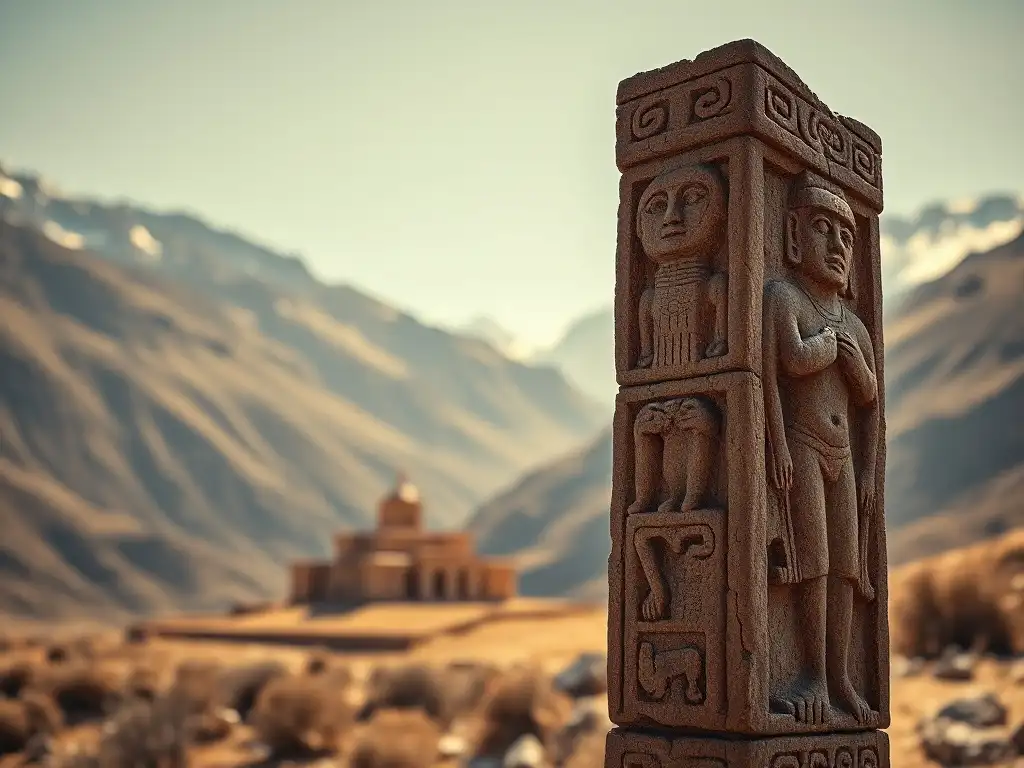
This section focuses on pinpointing specific religious elements originating from Tiahuanaco that are demonstrably present in subsequent Andean cultures. Identifying these traits requires a meticulous comparison of archaeological findings, analyzing iconography, ritual practices, and cosmological beliefs across different time periods and geographical locations. The spread of Tiahuanaco influence wasn't a monolithic process; rather, it involved a complex interplay of adoption, adaptation, and innovation by successor societies.
Understanding this nuanced process is crucial for a comprehensive understanding of Tiahuanaco’s lasting legacy and the evolution of Andean religious thought. The diffusion of Tiahuanaco religious beliefs wasn't a simple one-way street; it involved reciprocal exchanges and reinterpretations, leading to a fascinating tapestry of cultural blending.
Analyzing the Persistence of Tiahuanaco Iconography
The striking iconography of Tiahuanaco—featuring figures like the Chakana (Andean cross), the stylized feline deities, and the recurring motifs of stepped pyramids and intricate carvings—serves as a powerful indicator of cultural transmission. Archaeological evidence reveals the persistence of these motifs in the art and architecture of later cultures, particularly in the Lake Titicaca region and beyond.
For instance, the Chakana appears in various forms in Incan textiles and ceramics, suggesting a continued reverence for this symbol, possibly representing a shared cosmological understanding. Furthermore, the stylistic conventions of Tiahuanaco sculpture, characterized by elongated figures and specific facial features, can be traced in subsequent artistic expressions, albeit with regional variations.
The degree of stylistic similarity isn't always consistent. Some cultures adopted elements directly, while others adapted and reinterpreted them to fit their own beliefs. This adaptation, rather than a simple replication, demonstrates a dynamic process of cultural exchange. [Specific examples of Tiahuanaco iconography in later cultures pending – requires further research into specific sites and artifacts].
A detailed comparative analysis of these artistic expressions is essential to map the trajectory of Tiahuanaco influence and understand how its religious imagery was recontextualized by different groups. This includes analyzing not only the forms but also the contexts in which these symbols appear: were they used in similar ritual settings? Were they associated with similar deities or cosmological concepts?
The Adaptation of Tiahuanaco Rituals by Successor Societies
Beyond iconography, the diffusion of Tiahuanaco religious beliefs is also evident in the adaptation of its ritual practices. While precise reconstruction of ancient rituals is challenging, archaeological evidence suggests a continuity in certain practices, such as the use of specific types of offerings (e.g., llama sacrifices) and the construction of ceremonial centers with similar layouts. The presence of similar burial practices, including the orientation of bodies and the inclusion of grave goods, also hints at shared religious beliefs and practices. However, it's crucial to acknowledge that these rituals likely underwent significant transformations as they were adopted by different groups.
For example, the Inca, while clearly influenced by Tiahuanaco, integrated its rituals into their own complex religious system. [Specific examples of adapted Tiahuanaco rituals in Inca society pending - requires detailed analysis of Inca ritual practices and their potential connections to Tiahuanaco]. The integration wasn't simply a replacement of one system with another, but rather a complex process of syncretism, where existing beliefs and practices were combined and redefined.
This underscores the dynamic and adaptive nature of cultural transmission. The study of ritual practices provides valuable insights into the enduring impact of Tiahuanaco religious beliefs on the Andean world. Further research into specific ritual objects and their contexts could illuminate the extent and nature of this influence.
Examining the Transmission of Tiahuanaco Religious Concepts
The transmission of Tiahuanaco religious concepts is perhaps the most challenging aspect to study, requiring careful interpretation of limited evidence. However, certain themes seem to persist across different Andean cultures, hinting at the diffusion of underlying cosmological ideas. The emphasis on water, mountains, and celestial bodies, prominent in Tiahuanaco cosmology, reappears in various forms in later Andean religions. This suggests that certain core beliefs about the relationship between humanity and the natural world might have been transmitted and adapted across different societies.
The concept of a powerful creator deity, possibly represented by the various stylized feline figures in Tiahuanaco art, may have also influenced later religious systems. While the specific attributes and names of these deities might have varied, the underlying idea of a supreme being controlling the cosmos could have been a shared element. [Specific examples of the transmission of cosmological concepts pending – requires a detailed comparative analysis of religious beliefs across different Andean cultures].
It’s important to note that the interpretation of these concepts is often speculative and requires careful consideration of archaeological context and comparative mythology. Further research involving interdisciplinary approaches, combining archaeology, anthropology, and linguistics, is crucial for a more complete understanding of the diffusion of Tiahuanaco religious ideas. The study of religious narratives and myths, if any survive, could shed more light on this fascinating aspect of Tiahuanaco’s legacy.
Tiahuanaco's Religious Legacy in the Altiplano
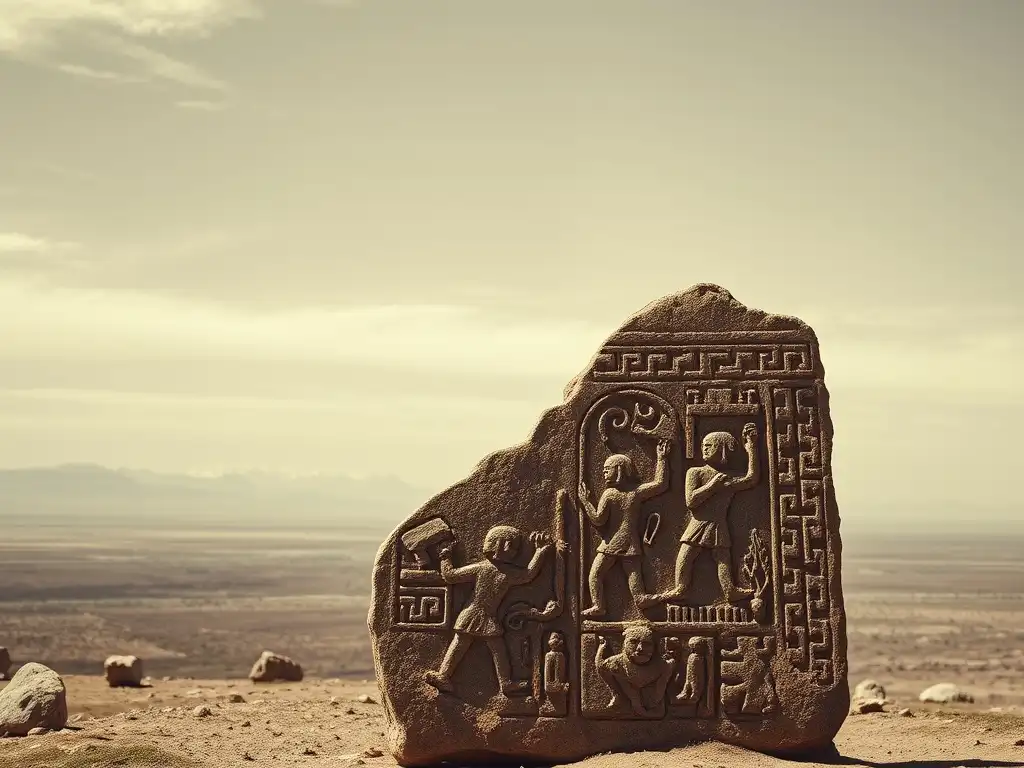
The influence of Tiahuanaco's religious beliefs extended far beyond its geographical boundaries, leaving an indelible mark on the cultures inhabiting the Altiplano region long after the city's decline. Understanding the diffusion of these beliefs requires examining the intricate interplay between political power, agricultural practices, and the enduring appeal of Tiahuanaco's religious iconography and cosmology. The persistence of certain religious themes and practices in subsequent cultures provides compelling evidence of a complex process of cultural transmission and adaptation, rather than a simple imposition of beliefs.
The degree of acceptance and integration varied depending on the specific group and their existing religious systems. This section will focus on the specific examples of the Colla and their adoption of aspects of Tiahuanaco's religious practices.
Tiahuanaco Religious Beliefs and their Impact on the Colla Culture
The Colla, a significant group inhabiting the southern Altiplano after the decline of Tiahuanaco, demonstrably incorporated elements of Tiahuanaco's religious worldview. While the Colla developed their own distinct cultural expressions, archaeological evidence suggests a continuity in certain religious practices and iconography. For instance, the stylized depictions of deities and mythological creatures found in Tiahuanaco ceramics and textiles reappear, albeit with regional variations, in Colla art.
The continuation of certain ritualistic practices, such as the use of specific types of offerings or the construction of ceremonial sites with similar layouts to those found at Tiahuanaco, further strengthens the argument for cultural transmission. This wasn't a wholesale adoption; rather, the Colla selectively integrated aspects of Tiahuanaco religion into their own existing belief system. This process of syncretism, where different religious traditions blend, produced a unique religious landscape in the southern Altiplano.
Further research is needed to fully elucidate the nature of this interaction, particularly regarding specific deities and their transformation within Colla religious practices. Analysis of Colla funerary practices, for example, could reveal further connections to Tiahuanaco traditions.
The Use of Raised Field Agriculture and its Religious Significance
Raised field agriculture, a sophisticated technique employed by the Tiahuanaco, held significant religious implications. This wasn't merely a practical solution to agricultural challenges; it was deeply intertwined with their cosmological beliefs. The precise relationship between raised fields and Tiahuanaco religion remains a subject of ongoing research, but several theories propose connections to water deities and fertility rituals.
The meticulous engineering and planning involved in creating these fields suggest a level of societal organization and a shared understanding of their religious importance. The arrangement of the fields themselves, often geometric patterns, might reflect a symbolic representation of the cosmos or a connection to their deities. The Colla, and other groups who adopted raised field agriculture after Tiahuanaco, likely inherited not only the practical knowledge but also the associated religious beliefs and practices.
This suggests that the agricultural techniques were not merely technological innovations but were integral to a broader worldview. The continued use of raised fields in the Altiplano long after Tiahuanaco’s fall points towards the lasting influence of Tiahuanaco's religious understanding of agriculture and its connection to the spiritual realm.
The Continuity of Tiahuanaco Religious Traditions in the Altiplano
The persistence of Tiahuanaco religious traditions in the Altiplano after the city's decline wasn't a uniform phenomenon. The degree of influence varied across different groups and regions, with some exhibiting stronger connections than others. However, the widespread presence of Tiahuanaco-style iconography, the continuation of certain ritual practices, and the adoption of agricultural techniques with religious significance demonstrate a broader cultural legacy.
This continuity suggests a complex process of cultural transmission and adaptation, indicating that Tiahuanaco's religious beliefs weren't simply abandoned but rather were selectively incorporated and transformed by subsequent cultures. The "Tiahuanaco religious beliefs diffusion" wasn't a singular event but a gradual process spanning centuries. Further research, including detailed comparative studies of religious practices and iconography across different Altiplano cultures, is crucial to fully understand the extent and nature of this enduring legacy.
This nuanced perspective, moving beyond simple notions of dominance and replacement, allows for a more accurate understanding of the complex cultural dynamics of the Altiplano following the decline of Tiahuanaco. The study of ceramic styles, textile designs, and even settlement patterns can offer further insights into the intricate pathways of religious transmission and transformation across the region.
Tiahuanaco Religious Influence on Coastal Andean Cultures
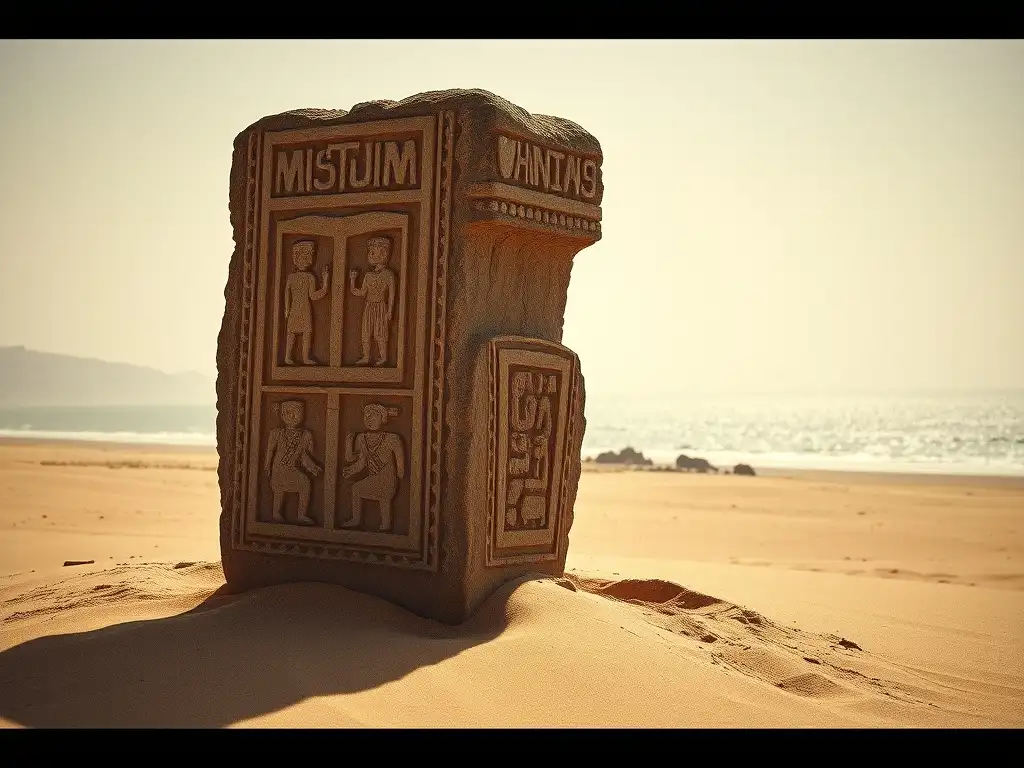
This section explores the significant impact of Tiahuanaco religious beliefs and practices on coastal Andean cultures, focusing on the diffusion of its unique cosmology, iconography, and ritual practices. The evidence suggests a complex interplay of assimilation, adaptation, and transformation, resulting in a vibrant syncretism that shaped the religious landscape of coastal societies. Understanding this diffusion process provides crucial insights into the dynamism of Andean religious systems and the interconnectedness of different cultural groups. The keyword "Tiahuanaco religious beliefs diffusion" is central to understanding this complex exchange.
Tracing Tiahuanaco Religious Elements in Coastal Art and Architecture
The most compelling evidence for the diffusion of Tiahuanaco religious beliefs lies in the art and architecture of coastal societies. Numerous sites along the Peruvian coast reveal a striking adoption of stylistic elements clearly linked to Tiahuanaco.
For example, the characteristic chacana (Andean cross) motif, a potent symbol in Tiahuanaco cosmology representing the four cardinal directions and the connection between the earthly and celestial realms, appears frequently in coastal ceramics, textiles, and stone carvings. This widespread presence cannot be dismissed as mere coincidence; it points to a deliberate adoption and adaptation of Tiahuanaco iconography, suggesting the transmission of associated religious beliefs.
Furthermore, architectural styles show clear Tiahuanaco influence. The use of specific construction techniques, such as the characteristic stepped platforms and monumental stonework, echoes Tiahuanaco architectural principles. While coastal adaptations often incorporated local materials and styles, the underlying structural principles clearly indicate a direct connection to Tiahuanaco building traditions, demonstrating the spread of not just aesthetic preferences but also the underlying worldview that informed these architectural choices.
The scale of these constructions, while often smaller than their highland counterparts, reflects the importance attributed to these religious expressions in coastal communities. Detailed analysis of architectural elements, such as door lintels and decorative friezes, reveals further stylistic parallels, adding further weight to the argument for cultural exchange.
The Influence on the Wari Culture
The Wari culture, a powerful and expansive civilization that flourished in the central Andes between 600 and 1000 CE, provides a particularly illustrative example of Tiahuanaco influence. While the exact nature of the relationship remains a topic of scholarly debate, many researchers posit a significant level of interaction, possibly involving both conquest and cultural exchange. The Wari's adoption of certain Tiahuanaco religious elements is evident in their art and architecture.
For instance, the Wari frequently depicted deities and mythological beings bearing stylistic similarities to those found in Tiahuanaco iconography. Their ceramics often showcase anthropomorphic figures with characteristic Tiahuanaco features, such as elongated heads and stylized headdresses. This suggests the adoption of not only aesthetic elements but also the underlying religious significance attached to these figures.
The Wari also incorporated Tiahuanaco-inspired architectural features into their urban planning. The layout of their administrative centers, with their emphasis on monumental structures and carefully planned streets, bears some resemblance to Tiahuanaco urban design. Although Wari architecture developed its own unique characteristics, the influence of Tiahuanaco principles is undeniable, suggesting the transmission of architectural and religious ideologies.
This suggests a complex process of cultural exchange, where Wari artisans and religious leaders selectively adopted and adapted Tiahuanaco elements to suit their own cultural context. Further research is needed to fully understand the extent of this influence and the mechanisms of transmission.
The Transformation of Tiahuanaco Religious Ideas in Coastal Contexts
It's crucial to emphasize that the diffusion of Tiahuanaco religious beliefs wasn't a simple process of direct transplantation. Coastal cultures actively adapted and transformed the imported religious ideas to fit their own specific social, environmental, and religious frameworks. The resulting syncretism resulted in unique expressions of Tiahuanaco-inspired beliefs, often blending them with pre-existing coastal traditions. For example, the veneration of marine deities, already a significant aspect of coastal religions, might have been incorporated into the broader Tiahuanaco-influenced cosmological framework.
This process of adaptation is clearly visible in the iconography. While the chacana motif persists, its representation often incorporates coastal elements, such as marine animals or stylized waves, showcasing a fusion of highland and coastal religious symbols. Similarly, rituals and ceremonies likely underwent transformations, integrating local practices with Tiahuanaco-inspired elements.
This dynamic interaction created a complex religious tapestry, where Tiahuanaco beliefs were not simply replicated but actively reinterpreted and reshaped within the unique context of coastal Andean societies. The resulting religious landscape was a vibrant mix of tradition and innovation, reflecting the adaptive nature of Andean cultures and the enduring power of Tiahuanaco religious ideas. Further research into specific coastal sites and their unique religious practices is needed to fully appreciate the diversity and complexity of this process.
The Enduring Significance of Tiahuanaco Religious Beliefs Diffusion
The diffusion of Tiahuanaco religious beliefs represents a crucial aspect of Andean cultural history, impacting subsequent civilizations and leaving an indelible mark on the region's spiritual landscape. Understanding this diffusion requires examining not just the spread of specific deities or rituals, but also the underlying ideological frameworks that shaped Andean worldview for centuries. The influence wasn't simply a matter of direct imitation; rather, it involved a complex process of adaptation, syncretism, and reinterpretation, resulting in a diverse tapestry of religious expressions across the Andes.
The extent of this influence is still being actively researched, with new archaeological discoveries and analyses constantly refining our understanding. The enduring power of Tiahuanaco's religious legacy underscores its significance as a pivotal force in shaping Andean identity and spirituality.
The Long-Term Impact of Tiahuanaco's Religious Ideology on the Andes
Tiahuanaco's religious ideology, characterized by its emphasis on [specific deity names pending] and a complex cosmology involving [details about cosmology pending], profoundly impacted the Andes. This influence wasn't limited to geographically proximate cultures; evidence suggests its reach extended across vast distances. For example, [cite specific archaeological evidence of Tiahuanaco influence in distant regions, with detailed location and artifact description].
The adoption of specific iconographic elements, such as the stylized figures of [mention specific iconographic elements and their symbolic meaning], provides further evidence of Tiahuanaco's cultural hegemony. Furthermore, the prevalence of similar ritual practices, including [mention specific ritual practices and their geographic distribution], points towards a shared religious framework that transcended geographical boundaries. This long-term impact is not merely a matter of superficial imitation; it reflects a deeper integration of Tiahuanaco religious concepts into the belief systems of later Andean cultures.
Tiahuanaco's Religious Legacy and its relevance to understanding Andean spirituality
Understanding Tiahuanaco's religious legacy is essential for grasping the complexities of Andean spirituality. The civilization's sophisticated cosmology, involving [details about the cosmology pending], provided a framework that later cultures adapted and expanded upon. The emphasis on [mention key religious concepts, e.g., ancestor veneration, fertility cults], found in Tiahuanaco religious practices, continued to resonate in subsequent Andean societies.
The continuity of certain ritual objects, such as [mention specific ritual objects and their symbolic meaning], demonstrates the enduring power of Tiahuanaco's religious traditions. Furthermore, the iconography of [mention specific deities or symbols and their evolution over time] reveals a process of continuous reinterpretation and adaptation, highlighting the dynamic nature of religious transmission and change. The study of Tiahuanaco's religious legacy, therefore, provides invaluable insights into the evolution of Andean spiritual beliefs and practices.
Concluding Thoughts on the Widespread Influence of Tiahuanaco Religion
The widespread influence of Tiahuanaco religion across the Andes is undeniable. Its impact extended far beyond its immediate geographical reach, shaping religious practices, iconography, and cosmological understandings for centuries. While the precise mechanisms of diffusion remain a subject of ongoing research, the evidence strongly suggests a complex interplay of factors, including conquest, trade, migration, and cultural exchange.
The adaptation and reinterpretation of Tiahuanaco religious beliefs by later cultures underscore the dynamic and fluid nature of religious transmission. Further research, particularly in areas with limited archaeological investigation, is crucial to fully understand the extent and nature of Tiahuanaco's religious influence and its lasting impact on the Andean world.
Understanding this diffusion offers crucial insights into the formation of Andean identities and the remarkable resilience of cultural traditions. The legacy of Tiahuanaco continues to resonate in the spiritual landscape of the Andes, reminding us of the enduring power of religious ideas and their capacity to shape civilizations.
Frequently Asked Questions
What were the core religious beliefs of the Tiahuanaco culture?
Tiahuanaco religion centered around fertility, water, and ancestor veneration. They worshipped deities associated with these elements, often depicted in their art and architecture. Agricultural cycles were deeply intertwined with their spiritual practices.
How did Tiahuanaco's religious beliefs spread?
Tiahuanaco's influence spread through military conquest, trade networks, and cultural exchange. Religious iconography and architectural styles appeared in distant sites, suggesting the adoption of beliefs and practices. Migration also played a significant role.
What evidence supports the diffusion of Tiahuanaco religious beliefs?
Archaeological findings, such as similar artifacts and architectural styles found across vast distances, provide strong evidence. The presence of Tiahuanaco-style ceramics in distant regions also supports this theory. Religious iconography is another key indicator.
Did the diffusion of Tiahuanaco beliefs lead to syncretism with other cultures?
Yes, the spread of Tiahuanaco beliefs often resulted in syncretism, blending with existing religious systems. Local traditions were integrated with Tiahuanaco elements, creating unique hybrid belief systems in different regions. This is evident in the adaptation of religious iconography.
What were some of the key religious practices associated with Tiahuanaco?
Key practices included ritual offerings, ceremonial feasts, and the construction of monumental architecture. These activities were often related to agricultural cycles and ancestor veneration, reflecting the importance of these aspects in their belief system.
Final Reflection: The Enduring Legacy of Tiahuanaco
The sophisticated religious system of Tiahuanaco, far from being confined to the altiplano, left an indelible mark on the cultural landscape of pre-Columbian South America. Its influence reverberates even today, shaping our understanding of ancient Andean civilizations and their interconnectedness. The intricate web of beliefs and practices, meticulously documented throughout this article, reveals a complex society whose spiritual legacy continues to fascinate and inspire.
The enduring power of Tiahuanaco's religious beliefs lies not only in their geographical reach but also in their capacity to adapt and evolve across diverse cultures. Their iconography, cosmology, and ritual practices were adopted, modified, and reinterpreted by subsequent societies, demonstrating a remarkable resilience and adaptability. The past is never dead. It's not even past,
wrote William Faulkner, and this rings profoundly true when considering the persistent influence of Tiahuanaco's spiritual world. The echoes of their beliefs resonate in the artistic expressions, architectural styles, and even the spiritual practices of communities across the Andes, reminding us of the interconnectedness of human history.
Consider the implications of this enduring legacy. How does understanding the diffusion of Tiahuanaco's religious beliefs enrich our appreciation of Andean history and culture? What can we learn from the adaptability and resilience of these ancient spiritual systems? I invite you to reflect on these questions, to explore further the rich tapestry of Andean spirituality, and to recognize the enduring power of cultural exchange in shaping our world. Let the story of Tiahuanaco inspire you to delve deeper into the fascinating history of ancient civilizations and their lasting impact on our present.
Unveil the Mysteries of Andean Spirituality!
Thank you for joining us on this journey through the fascinating world of Tiahuanaco and its profound impact on religious beliefs across the Andes. We hope you've gained valuable insights into the spiritual influences that shaped these ancient cultures.
Now, let's delve deeper into this rich subject:
- Explore the sacred sites of the Andes Mountains. A visit will allow you to connect directly with this spiritual history.
- Share your thoughts on the continuing relevance of Tiahuanaco's beliefs in our modern world. Leave a comment below!
- Stay connected with fellow enthusiasts by subscribing to our newsletter. You'll receive more articles and resources on Andean civilizations.
What aspect of Andean spirituality intrigues you most, and how do you see its influence on contemporary practices?