
The Influence of Tiahuanaco's Religion on Its Political Power

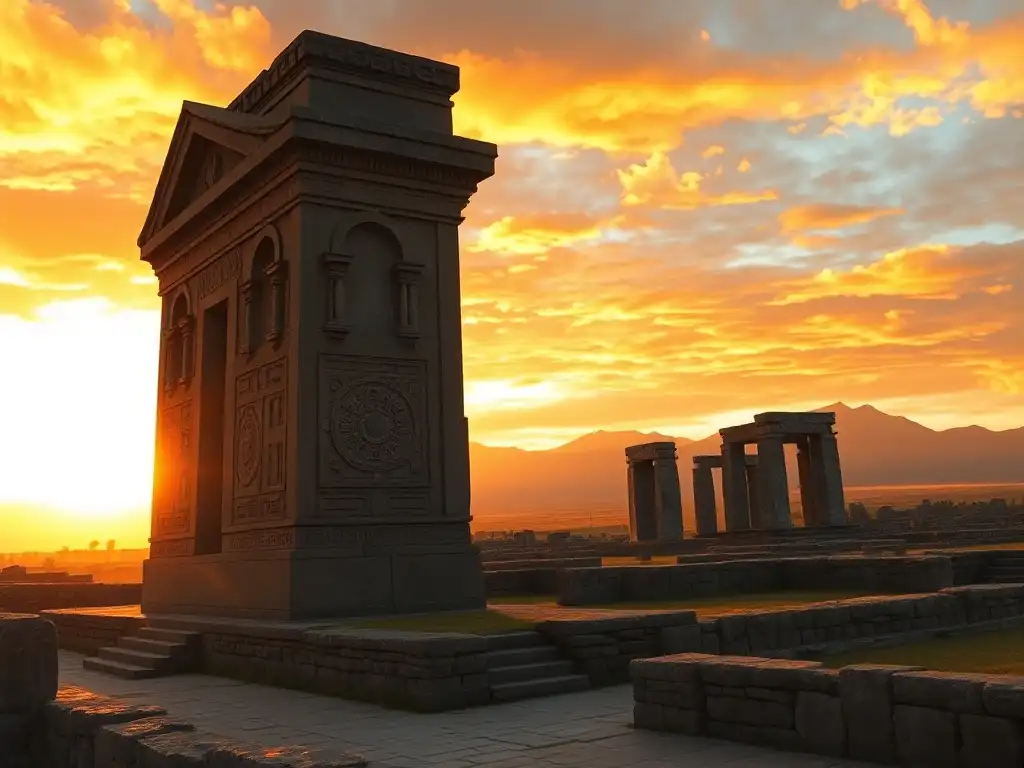
Step into a world lost to time, yet echoing with power and mystery. Imagine a civilization where religious beliefs weren't just spiritual practices, but the very bedrock of political control. The Andean Civilizations website invites you to unravel the enigma of Tiahuanaco, exploring how its complex religious system fueled its astonishing political influence. Discover the secrets behind Tiahuanaco's religion and political power—a story of monumental architecture, intricate rituals, and a legacy that continues to fascinate centuries later. Dare to delve deeper?
The rise and expansion of the Tiahuanaco civilization, flourishing in the Andean highlands from approximately 500 to 1000 CE, wasn't solely a matter of military might or agricultural prowess. A crucial, often overlooked, element was the profound influence of its complex religious system on its political power. This intricate interplay between the sacred and the secular shaped the social structure, economic activities, and ultimately, the very fabric of Tiahuanaco society.
This article will delve into the multifaceted ways in which Tiahuanaco's religious beliefs and practices directly contributed to its political dominance, examining the role of its elite, the manipulation of symbols, and the construction of monumental architecture as instruments of power. Understanding this symbiotic relationship provides key insights into the remarkable achievements and eventual decline of this influential pre-Columbian civilization.
We will explore how the Tiahuanaco religion, with its sophisticated cosmology and elaborate rituals, served not just as a spiritual guide, but also as a powerful tool for consolidating and maintaining political control. The keyword "Tiahuanaco religion political influence" will be explored thoroughly throughout this analysis.
The Role of the Tiahuanaco Elite in Consolidating Religious and Political Power
The Tiahuanaco elite, likely comprised of priests and rulers who held both religious and political authority, played a central role in forging this connection between the spiritual and the temporal. They controlled access to religious knowledge, performed elaborate rituals, and interpreted divine will, thereby maintaining their position at the apex of society. Their control over religious practices allowed them to legitimize their power, presenting themselves as intermediaries between the gods and the people.
Evidence suggests a highly stratified society, with the elite displaying distinct material culture and enjoying privileged access to resources, further solidifying their status and authority. The construction and maintenance of monumental architecture, discussed later, served as a powerful visual testament to their power and the divine sanction of their rule. This centralized control over both the religious and political spheres ensured the stability and longevity of the Tiahuanaco state.
The sophisticated system of governance was inextricably linked to the religious beliefs and practices, ensuring the elite’s continued dominance. This complex relationship is a key factor when analyzing the keyword "Tiahuanaco religion political influence".
The Use of Religious Symbols and Iconography as Instruments of Control
Tiahuanaco's religious beliefs were visually expressed through a rich and complex system of symbols and iconography, intricately woven into its art, architecture, and textiles. These symbols, often featuring figures like the iconic "Porteador" (the burden bearer), were not merely decorative; they served as powerful tools for reinforcing political authority. The repetition of these symbols across the empire served to unify the diverse populations under a common religious and political identity.
The elite's careful control over the creation and dissemination of these symbols ensured that the religious message, reinforcing their power, reached all corners of the empire. The consistent use of specific iconography, such as the stylized depictions of gods and mythical creatures, served to visually represent the power and legitimacy of the ruling class, further solidifying their control.
The symbolic language of Tiahuanaco was a powerful instrument of political control, inseparable from the religious narrative. This intricate system of religious symbolism directly impacted the success of the keyword "Tiahuanaco religion political influence".
Monumental Architecture as a Manifestation of Religious and Political Power
The monumental architecture of Tiahuanaco, epitomized by the Kalasasaya and Puma Punku complexes, stands as a testament to the civilization's engineering prowess and its intricate relationship between religion and politics. These massive structures, requiring immense labor and resources, served not only as religious centers but also as powerful symbols of political authority. Their sheer scale and grandeur served to awe and inspire the population, reinforcing the power and legitimacy of the ruling elite.
The precise alignment of structures with astronomical events suggests a sophisticated understanding of the cosmos and further enhances the religious significance of these monumental constructions. The construction itself, a massive undertaking requiring the coordinated efforts of a large workforce, was a powerful demonstration of the state's ability to mobilize resources and control its population.
This impressive architecture served as a tangible manifestation of the intertwining of religious belief and political power in Tiahuanaco. The scale and complexity of these structures are directly relevant to the keyword "Tiahuanaco religion political influence".
This initial exploration highlights the deep connection between religion and political power in Tiahuanaco. Further research is needed to fully understand the nuances of this complex relationship and its impact on the civilization's trajectory. The following sections will delve deeper into specific aspects of Tiahuanaco religion and its influence on various facets of the society.
- The Role of the Tiahuanaco Elite in Consolidating Religious and Political Power
- The Use of Religious Symbols and Iconography as Instruments of Control
- Monumental Architecture as a Manifestation of Religious and Political Power
- What was the primary religious belief system of the Tiahuanaco civilization?
- How did Tiahuanaco's religion impact its political structure?
- What evidence supports the connection between Tiahuanaco religion and political power?
- Did Tiahuanaco's religious influence extend beyond its immediate territory?
- What are some of the key symbols and deities associated with Tiahuanaco religion?
Understanding Tiahuanaco Religion and Its Impact
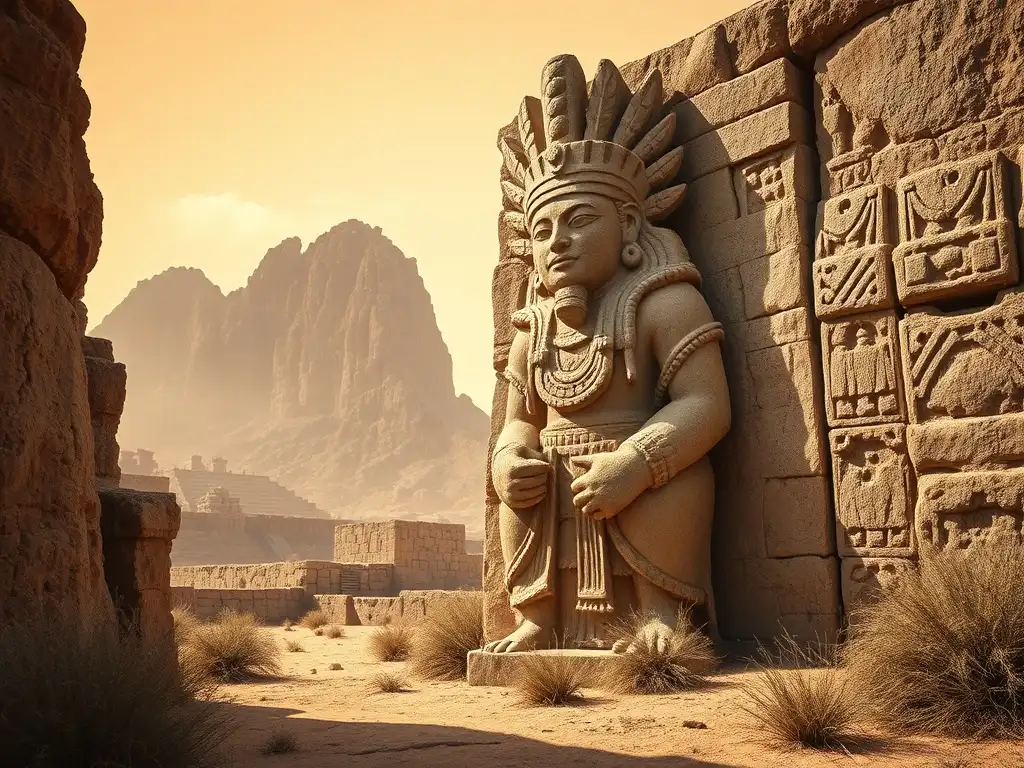
This section delves into the intricate relationship between Tiahuanaco's religious beliefs and its remarkable political power. The Tiahuanaco civilization, flourishing in the Andean highlands between approximately 500 and 1000 CE, wasn't simply a geographically expansive empire; it was a theocracy where religious authority directly underpinned political control. This wasn't a simple case of the ruler claiming divine right; rather, the entire societal structure, from the monumental architecture to the intricate artistic expressions, was deeply interwoven with religious ideology.
Understanding this profound connection is key to grasping the nature of Tiahuanaco's power and influence. The pervasive nature of Tiahuanaco religion, evident in its art, architecture, and societal organization, solidified the power of its ruling elite and fostered a sense of unity and shared purpose across its vast territory.
The sophisticated religious system provided a framework for social control, economic organization, and political legitimacy, ultimately contributing to the civilization's enduring legacy. Analyzing the Tiahuanaco religion's political influence requires careful consideration of its core beliefs, cosmology, and key deities.
The Core Beliefs of Tiahuanaco's Religious System
The religious system of Tiahuanaco was complex and multifaceted, lacking a single, codified scripture. Our understanding comes primarily from archaeological evidence: monumental architecture, intricate ceramics, and sculpted artifacts. A central tenet appears to have been the veneration of nature, particularly the forces of water and the sun. This is reflected in the careful management of water resources, evident in the sophisticated irrigation systems that sustained the civilization's agriculture. The sun, a life-giving force, was also undoubtedly a central element, with its cyclical patterns possibly linked to the agricultural calendar and the political year.
Furthermore, evidence suggests a belief in a creator god, possibly linked to Viracocha (discussed in more detail below). This creator god may have been viewed as the source of all life and the ultimate authority, reinforcing the divine legitimacy of the ruling class. The emphasis on cosmic order and balance is also strongly suggested by the precise alignment of many structures, hinting at a deep understanding of astronomy and its connection to the spiritual realm.
This cosmic order, mirrored in the carefully planned urban layout of Tiahuanaco, likely reinforced the authority of the ruling elite who were seen as responsible for maintaining this balance. The intricate iconography found throughout Tiahuanaco's artifacts further supports this complex religious system, indicating a sophisticated understanding of the cosmos and a deeply spiritual worldview. [Specific details on ritual practices pending further research].
Tiahuanaco Cosmology and Its Reflection in Art
Tiahuanaco's cosmology, the understanding of the universe and its structure, is vividly portrayed in its art. The famous Gateway of the Sun, for instance, showcases a central figure often interpreted as a deity, surrounded by intricate iconography representing celestial bodies and mythical beings. This intricate artwork wasn't merely decorative; it served as a visual representation of their worldview, reinforcing the power and authority of the religious leaders. The precise astronomical alignments of many structures, such as the Kalasasaya complex, suggest a detailed knowledge of the celestial movements, further connecting the religious beliefs with the practical aspects of life.
The artistic representations often depict stylized figures, often with exaggerated features, symbolic of deities or powerful beings. These stylistic choices were not arbitrary; they served to reinforce the religious narrative and the authority of the ruling class. The repetition of specific motifs across various mediums—from ceramics to textiles to stone carvings—suggests a deliberate attempt to disseminate and reinforce these religious ideas throughout the empire.
The consistency of these motifs across different geographical locations further highlights the power of the centralized religious system in unifying the diverse populations under the Tiahuanaco rule. The meticulous craftsmanship and scale of the artwork further emphasize the importance of religion in the Tiahuanaco society.
Key Deities: Viracocha and the Gateway God
Viracocha, a creator god, is arguably the most prominent deity associated with Tiahuanaco. Depicted as a bearded figure, often holding a staff or scepter, Viracocha is linked to the creation of the world and humanity. His representation in art and possible connection to the ruling lineage served to bolster the political authority of the Tiahuanaco elite. The association of the ruling class with Viracocha reinforced their legitimacy and strengthened their claim to power, emphasizing their divine right to rule.
The figure depicted on the Gateway of the Sun, often referred to as the "Gateway God," is another significant deity. While its exact identity remains debated among scholars, its prominent position on such a significant monument highlights its importance within the Tiahuanaco pantheon. This deity, often depicted with a complex headdress and intricate ornamentation, likely represented a powerful force in the Tiahuanaco cosmology, possibly linked to the sun or other celestial bodies.
Its presence on the Gateway served as a constant reminder of the religious authority that underpinned the political structure of Tiahuanaco. The powerful imagery of this deity, combined with the architectural grandeur of the Gateway, created a potent symbol of religious and political authority. The visual impact of this deity likely played a key role in maintaining social order and reinforcing the power of the ruling class.
The intertwining of Viracocha and the Gateway God, along with other lesser-known deities, formed a complex religious system that served as the bedrock of Tiahuanaco's political power. The religious beliefs and rituals not only provided a framework for social organization and economic control but also legitimized the rule of the elite, ensuring the stability and longevity of this remarkable Andean civilization.
How Tiahuanaco Religion Shaped Political Structures
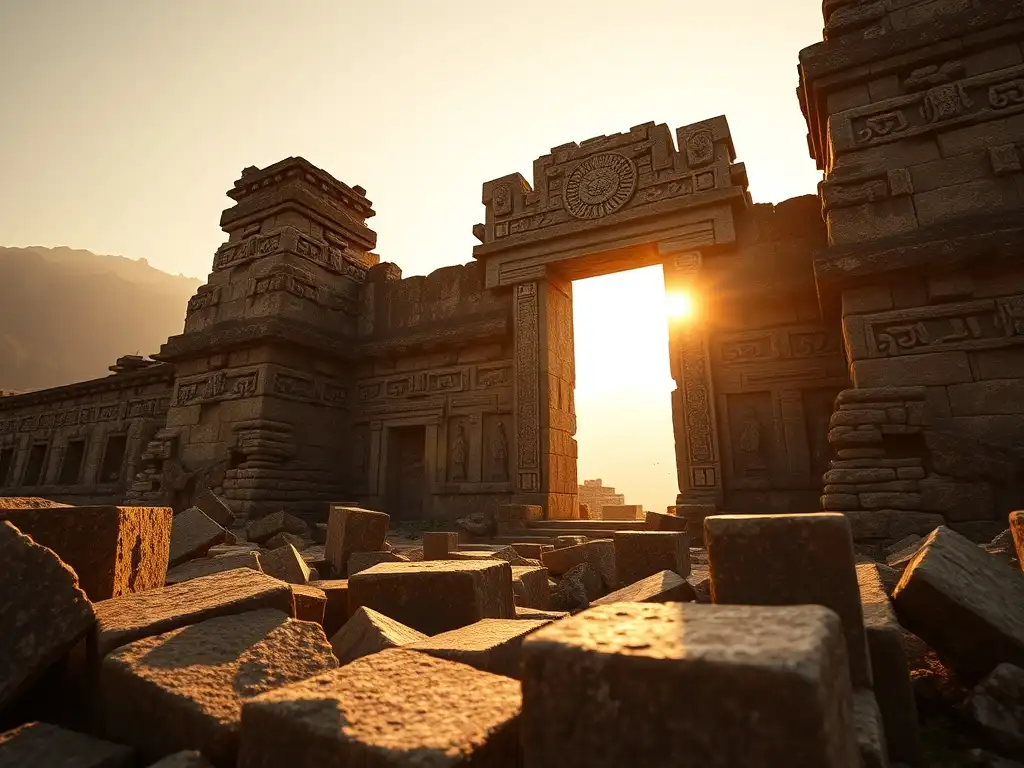
The remarkable Tiahuanaco civilization, flourishing in the Andes between 500 and 1000 CE, presents a fascinating case study of the intricate interplay between religion and political power. Unlike many societies where religious and secular authority are distinct, Tiahuanaco demonstrates a profound intertwining, where religious beliefs and practices were fundamental to the legitimization and maintenance of political control. The very structure of Tiahuanaco society, its monumental architecture, and its complex social hierarchy were all deeply rooted in its unique religious cosmology.
Understanding the Tiahuanaco religion is therefore crucial to comprehending the nature of its political influence and the stability of its vast empire. This section will delve into specific examples demonstrating this intimate relationship, exploring how religious beliefs manifested in the socio-political landscape. The influence of Tiahuanaco religion on its political power is a testament to the enduring power of belief systems in shaping human societies.
The Role of Priests in Tiahuanaco Society
The priestly class held an unparalleled position of power within Tiahuanaco society. They weren't merely religious figures; they were key players in the political realm, acting as advisors, intermediaries, and even administrators. Archaeological evidence suggests a highly stratified society with a powerful elite, and priests were undeniably part of this elite.
They controlled access to sacred knowledge, rituals, and resources, giving them considerable influence over the populace. Their pronouncements likely carried significant weight in matters of state, impacting decisions on everything from agricultural practices to warfare. The intricate iconography found on Tiahuanaco artifacts, often depicting figures with priestly attributes, further emphasizes their prominence.
We can imagine a system where the priests' interpretations of religious omens or prophecies shaped political strategies and decisions made by the ruling class. For example, a priest's interpretation of a celestial event might dictate a shift in military campaigns or influence the timing of crucial agricultural ceremonies. The precise nature of the priests' political influence, however, remains a subject of ongoing research and debate, requiring further archaeological investigation and textual analysis – if any relevant texts ever surface.
Puma Punku, the iconic megalithic complex near Tiahuanaco, stands as a powerful symbol of the civilization's religious and political authority. Its monumental architecture, characterized by precisely cut and fitted stones of astonishing size, was not merely a feat of engineering; it served as a potent expression of the ruling elite's power and their divine mandate. The sheer scale and precision of Puma Punku likely served to awe and impress the populace, reinforcing the rulers' claim to divine authority.
The complex's layout, with its carefully planned plazas and structures, suggests a deliberate attempt to create a space that reflected the cosmological beliefs of the Tiahuanaco people. The layout may have been designed to mirror the cosmos, with specific structures representing celestial bodies or mythological figures.
This connection between the earthly realm and the divine, embodied in Puma Punku, further strengthened the legitimacy of the ruling power. The construction itself, a massive undertaking requiring coordinated labor and resources, was a testament to the power and organizational capabilities of the Tiahuanaco state, further enhancing its political authority.
Ritual Sacrifice and the Legitimacy of Tiahuanaco Rulers
Ritual sacrifice played a significant, albeit controversial, role in the maintenance of political power within Tiahuanaco society. While the precise nature and frequency of sacrifices remain debated, evidence suggests that they were an integral part of the religious practices of the elite. These sacrifices, likely involving both human and animal offerings, may have been seen as a way to appease the gods, ensure successful harvests, and maintain the cosmic balance necessary for the continued prosperity of the state.
By controlling and performing these rituals, the rulers demonstrated their connection to the divine realm, reinforcing their legitimacy and authority. The act of sacrifice itself, a powerful and often public display, served to solidify the rulers' position as intermediaries between the human and divine worlds. This reinforces the idea that political power in Tiahuanaco was deeply intertwined with religious authority, with rulers drawing their power directly from their perceived connection to the spiritual realm.
Further research is needed to fully understand the nuanced relationship between ritual sacrifice, religious belief, and the political landscape of Tiahuanaco. The extent of human sacrifice, its social context, and its specific role in reinforcing political power remain key areas for future investigation. The discovery of new archaeological evidence could significantly illuminate this complex aspect of Tiahuanaco society and its religion.
The Interplay Between Tiahuanaco Religion and State Control
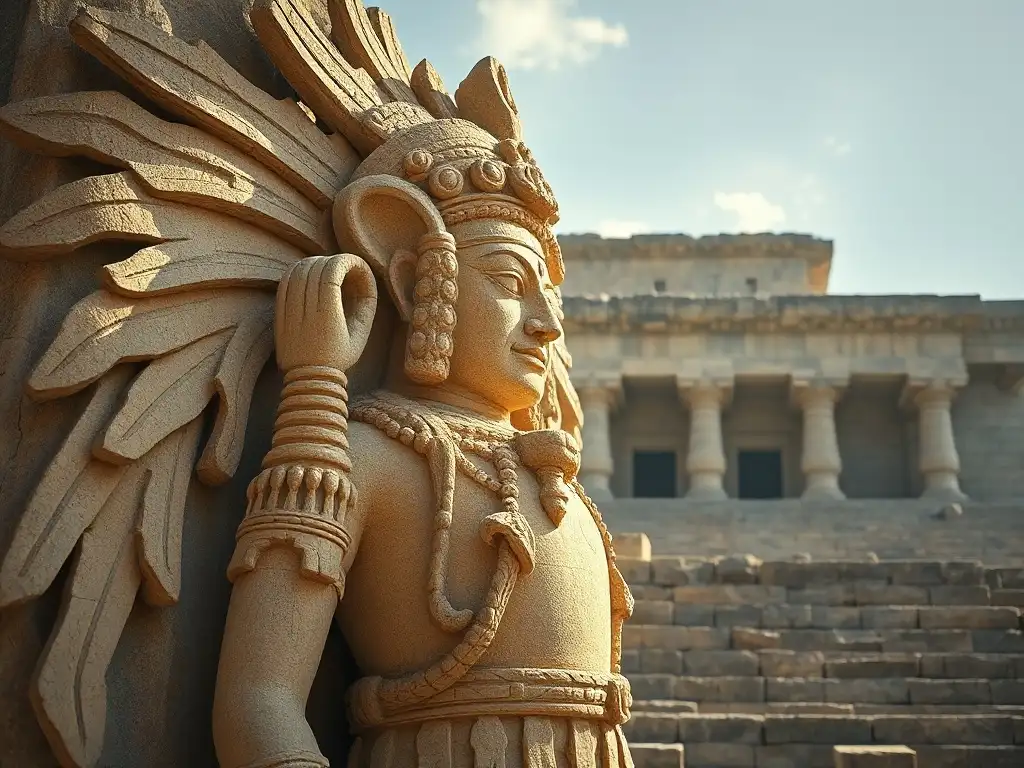
The rise and enduring influence of Tiahuanaco—a pre-Columbian civilization flourishing in the Andes—was deeply intertwined with its sophisticated religious system. This wasn't a simple case of religion passively existing alongside political power; rather, religious beliefs and practices actively shaped and reinforced the state's authority and control. The Tiahuanaco elite masterfully utilized religious ideology to legitimize their rule, mobilize labor, and maintain social order across a vast and diverse territory. Understanding this intricate interplay is crucial to comprehending the civilization's remarkable achievements and its ultimate decline.
The very structure of Tiahuanaco society, from its monumental architecture to its intricate social hierarchy, reflected the profound influence of its religious beliefs. This section will delve into specific examples illustrating how religious practices were instrumental in consolidating and maintaining political power. The keyword "Tiahuanaco religion political influence" is central to this analysis.
Tiahuanaco's religious beliefs provided a powerful framework for social cohesion across a geographically dispersed and ethnically diverse population. The state promoted a shared cosmology and pantheon of gods, fostering a sense of unity and common purpose. The veneration of deities like the Staff God, depicted in numerous artifacts and monumental structures, served as a potent symbol of shared identity and loyalty to the ruling elite.
Evidence suggests that elaborate religious ceremonies, possibly involving large-scale communal participation, reinforced these bonds. These events weren't merely spiritual exercises; they were carefully orchestrated displays of state power, reaffirming the authority of the ruling class and reinforcing social hierarchies. The standardization of religious practices and iconography across the empire further helped to solidify the sense of a unified cultural identity, strengthening the political fabric of the state.
The impact of this carefully cultivated religious unity on political stability cannot be overstated. Furthermore, the construction of monumental structures like the Kalasasaya complex served as a powerful symbol of collective effort and religious devotion, solidifying the power of the ruling class through impressive displays of collective labor and engineering prowess. This unified religious identity helped to mitigate potential conflicts arising from the diverse ethnic groups under Tiahuanaco rule.
The Use of the Staff God in Political Propaganda
The Staff God, a prominent figure in Tiahuanaco iconography, wasn't just a religious deity; it was a powerful symbol exploited for political propaganda. Depictions of the Staff God frequently appeared on monumental architecture, ceramics, textiles, and other artifacts, consistently reinforcing the authority of the ruling elite. The god's imposing presence, often depicted with regalia and symbolic attributes, visually communicated divine legitimacy to the ruler's power.
Analyzing the distribution of these images across Tiahuanaco's territory reveals a strategic deployment aimed at consolidating state control. For example, the concentration of Staff God imagery in key administrative centers and monumental structures underscores its role in legitimizing the ruling class and projecting their power throughout the empire. The consistent stylistic representation of the Staff God across diverse media suggests a centralized control over religious iconography, further highlighting the state's role in shaping religious expression and using it to its political advantage.
This careful management of religious imagery effectively transformed the Staff God into a powerful tool for reinforcing the political order. The strategic placement of Staff God imagery served as a constant visual reminder of the state's authority and the divine sanction of its rule, effectively contributing to the stability of the Tiahuanaco political system.
Religious Practices and Agricultural Resource Management
Tiahuanaco's religious beliefs were inextricably linked to its sophisticated agricultural system, a cornerstone of its economic and political stability. The control and management of agricultural resources were directly tied to religious practices and beliefs. The civilization's intricate system of canals, raised fields, and other water management technologies suggests a deep understanding of the relationship between water, agriculture, and the cyclical nature of life, as reflected in their religious cosmology. Religious rituals and ceremonies likely played a crucial role in ensuring successful harvests and maintaining the productivity of the agricultural system.
This connection between religious practice and agricultural production served to further consolidate the power of the ruling elite, who controlled the access to and distribution of vital agricultural resources. [Specific details on the types of rituals and their connection to agriculture pending]. The evidence suggests that the state played a central role in managing water resources and organizing agricultural production, thereby wielding significant economic and political influence. This control over essential resources reinforced the power of the ruling class and contributed to the long-term stability of the Tiahuanaco state.
The success of their agricultural system, deeply intertwined with religious practices, provided the economic foundation for the civilization's political power. The elite's ability to manage and control this vital resource further strengthened their position and authority within the society. The intricate relationship between religious belief, agricultural practices, and political power was fundamental to the success and longevity of the Tiahuanaco civilization.
Tiahuanaco's Religious Influence on Regional Power Dynamics
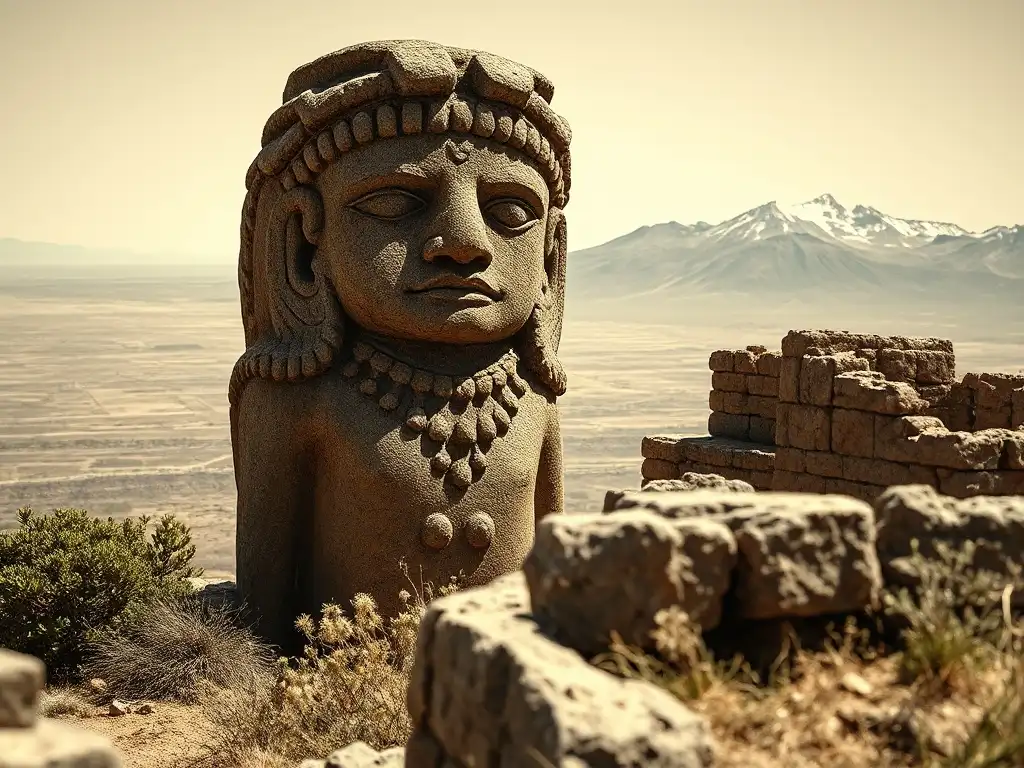
The rise of Tiahuanaco as a major Andean power wasn't solely due to military might or agricultural innovation. A significant factor in its dominance was the strategic deployment of its unique religious beliefs and practices.
Tiahuanaco's religious ideology, centered around a complex cosmology involving deities like the "Wiracocha" and a sophisticated system of ritual and sacrifice, acted as a powerful tool for consolidating political control and expanding its influence across a vast territory. This wasn't a simple case of imposing beliefs by force; rather, it involved a more nuanced strategy of integration and cultural exchange, leveraging religious authority to create a network of allies and tributary states.
The very act of participating in Tiahuanaco's religious ceremonies, often involving elaborate pilgrimages to its sacred sites, solidified political alliances and reinforced Tiahuanaco's central role in the Andean world. Archaeological evidence, such as the widespread distribution of Tiahuanaco-style ceramics and iconography, strongly supports this theory.
Spreading Tiahuanaco Religious Beliefs Through Trade
Tiahuanaco's economic prowess played a pivotal role in disseminating its religious influence. The civilization controlled crucial trade routes, facilitating the movement of goods – and religious ideas – across vast distances. The exchange of luxury items like textiles, ceramics, and metalwork, often adorned with religious symbols and imagery, acted as a powerful vector for spreading Tiahuanaco religious beliefs.
These weren't mere commodities; they were imbued with religious significance, acting as physical manifestations of Tiahuanaco's power and divine authority. Imagine the impact of receiving a finely crafted ceramic vessel depicting Wiracocha from a Tiahuanaco trader – it would not only be a valuable object but also a symbol of the power and prestige associated with Tiahuanaco's faith.
This subtle yet effective method of cultural dissemination allowed Tiahuanaco to establish a significant religious presence across the Andes without resorting to outright conquest in every instance. The distribution patterns of Tiahuanaco artifacts provide compelling evidence for this trade-based religious expansion.
The Adoption of Tiahuanaco Religion by the Tiwanaku Culture
While the term "Tiwanaku culture" often overlaps with the Tiahuanaco civilization, it's crucial to distinguish between the core power center and its surrounding sphere of influence. The adoption of Tiahuanaco religious practices by various groups within the Tiwanaku cultural area wasn't a passive process; it represented a complex interplay of coercion, assimilation, and genuine religious conversion. Local elites might have adopted Tiahuanaco religious practices to bolster their legitimacy and gain access to the benefits of the wider network.
This process often involved the syncretism of existing religious beliefs with those imported from Tiahuanaco, resulting in a hybrid religious landscape that reflected both local traditions and the dominant influence of Tiahuanaco. This process is evident in the archaeological record, where local styles are often found alongside Tiahuanaco-style motifs.
The degree of adoption varied across different regions, reflecting the nuances of power dynamics and the specific socio-political contexts. More research is needed to fully understand the complexities of this religious assimilation.
Tiahuanaco Religious Influence on Later Andean Civilizations
The legacy of Tiahuanaco's religious beliefs extended far beyond its own lifespan. Subsequent Andean civilizations, such as the Inca, incorporated elements of Tiahuanaco's cosmology and religious practices into their own belief systems. The Inca's reverence for the sun god, Inti, for example, may have been influenced by Tiahuanaco's religious emphasis on solar deities. The presence of Tiahuanaco-style architecture and iconography in Inca sites further suggests a degree of cultural continuity and religious inheritance.
However, the extent of this influence is a matter of ongoing debate among scholars, with some arguing for a more direct and significant impact than others. The complex interplay of continuity and change in Andean religious traditions underscores the enduring power and lasting influence of Tiahuanaco's religious legacy. Further research, particularly comparative studies of religious iconography and ritual practices across different Andean cultures, is necessary to refine our understanding of this crucial historical transition.
The Decline of Tiahuanaco and the Transformation of its Religious Practices
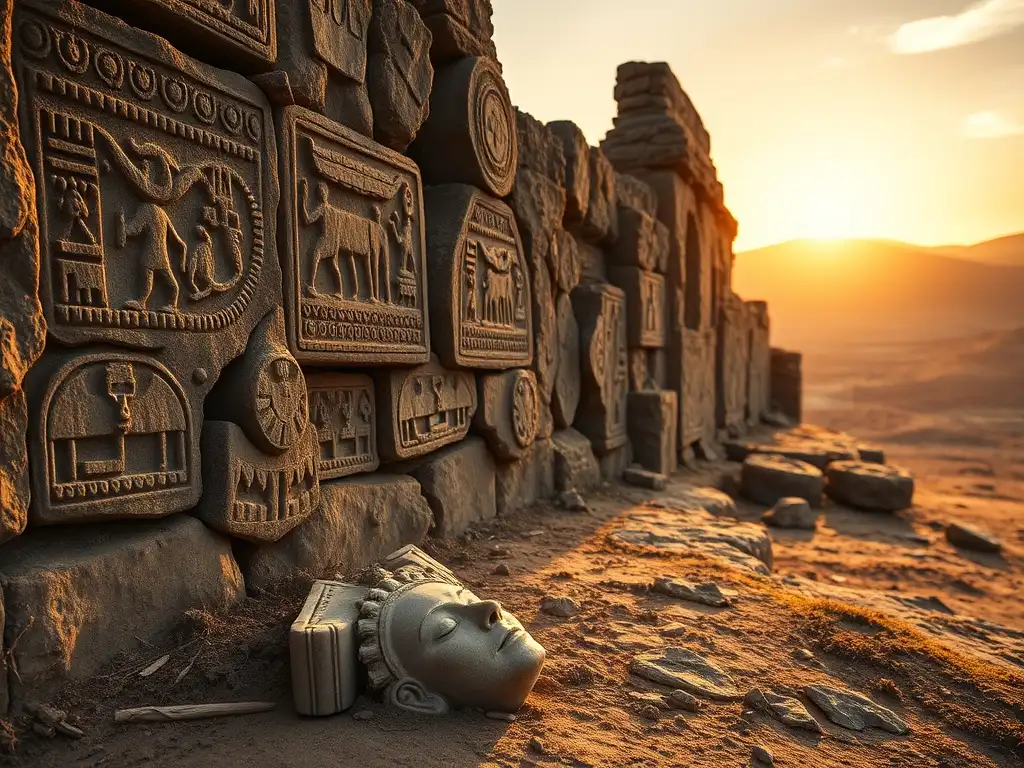
The monumental city of Tiahuanaco, once a center of religious and political power in the Andes, experienced a significant decline around the 11th century CE. This wasn't a sudden collapse, but rather a gradual process involving complex interactions between environmental factors, internal strife, and shifting religious landscapes. Understanding this decline is crucial to analyzing the intricate relationship between Tiahuanaco's religion and its political influence, particularly how the waning of one impacted the other. The weakening of its religious authority, once a cornerstone of its power, undeniably contributed to its eventual downfall.
The precise mechanisms of this decline, however, remain a subject of ongoing scholarly debate. While some point to ecological changes, others emphasize internal political fractures and the rise of competing religious ideologies. The interplay of these elements is key to a complete understanding of Tiahuanaco's fate.
The shift from the powerful centralized religious system to more localized, possibly syncretic, beliefs demonstrates a fundamental transformation in Andean religious practices. This transition is evident in the archaeological record and provides valuable insights into the processes of religious and political change in pre-Columbian societies. The study of Tiahuanaco's decline offers a compelling case study for understanding the complex interplay between religious belief systems and state power in ancient civilizations.
Factors Contributing to the Decline of Tiahuanaco's Religious Power
Several factors likely contributed to the erosion of Tiahuanaco's religious power. Environmental changes, such as prolonged droughts or shifts in agricultural productivity, could have severely impacted the city's ability to sustain its large population and maintain its elaborate religious institutions. These environmental stresses may have led to social unrest and weakened the authority of the religious elite.
Furthermore, internal political instability, possibly involving power struggles within the ruling class, could have fragmented the unified religious system. The rise of competing religious and political centers in the surrounding regions also played a significant role. New belief systems and deities may have challenged the supremacy of Tiahuanaco's religious ideology, gradually eroding its influence and drawing followers away from its central cult.
The spread of new artistic styles and iconography in the later periods suggests the adoption of different religious practices alongside – or perhaps even replacing – the established Tiahuanaco traditions. This process of religious syncretism and the rise of alternative power structures contributed to the overall weakening of Tiahuanaco's religious and political hegemony. Further research into paleoclimate data and the detailed analysis of political structures within Tiahuanaco itself is needed to refine our understanding of these intertwined processes.
The Legacy of Tiahuanaco Religious Beliefs in the Andes
Despite its decline, the legacy of Tiahuanaco's religious beliefs remained potent in the Andes. Many aspects of Tiahuanaco's religious iconography, cosmology, and ritual practices persisted in subsequent cultures, often integrated into new religious systems. For example, the veneration of certain deities and the continued use of specific ritual objects suggest a degree of cultural continuity.
The spread of Tiahuanaco-style pottery and architecture across a wide geographical area points to a significant cultural influence that extended beyond the city's political boundaries. This suggests that the religious beliefs of Tiahuanaco, while losing their central authority, were adapted and reinterpreted by different communities, becoming part of a broader Andean religious landscape. The persistence of certain motifs and symbols in later Andean art and religious practices underscores the enduring impact of Tiahuanaco's religious traditions.
Understanding this cultural transmission is crucial to appreciating the long-term influence of Tiahuanaco on the development of Andean religious thought. The echoes of Tiahuanaco's religious past can be found in the religious practices of later Andean civilizations, highlighting the lasting impact of its once dominant religious system.
Ceramic evidence provides valuable insights into the transformation of religious practices during Tiahuanaco's decline. The stylistic changes observed in pottery from this period reflect a shift away from the standardized, highly-stylized forms associated with the city's peak. Later pottery shows a greater diversity of styles and iconography, suggesting the emergence of regional variations and the adoption of new religious motifs.
The decline in the production of certain types of ritual vessels, such as those associated with specific ceremonies or deities, indicates a possible weakening of central religious institutions and a shift towards more localized religious practices. Analysis of the iconography on these later ceramics reveals a complex interplay between Tiahuanaco traditions and emerging regional styles, pointing to a process of religious syncretism. Further study of ceramic styles and their geographical distribution can shed light on the regional variations in religious beliefs and practices during this period.
The analysis of chemical composition and manufacturing techniques can also reveal information about trade networks and the movement of ideas during this period of transition. The detailed examination of ceramic remains offers a tangible and detailed record of the religious changes that accompanied Tiahuanaco's decline, offering a rich source of information for understanding this critical period. The study of Tiahuanaco's ceramic legacy provides a window into the evolving religious landscape of the Andes and the complex processes of cultural adaptation and change.
Tiahuanaco Religion Political Influence: A Summary
The influence of religion on the political power of Tiahuanaco is a complex and fascinating subject. The sophisticated religious beliefs and practices of the Tiahuanaco culture were intricately woven into the fabric of its political system, acting as a powerful legitimizing force for its rulers and contributing significantly to its expansion and dominance across the Andes. This wasn't merely a case of using religion for political gain; rather, the religious and political spheres were deeply intertwined, creating a system where religious authority bolstered political power and vice-versa.
Understanding this interconnectedness is crucial to grasping the true nature of the Tiahuanaco state. This section will explore key aspects of this relationship, highlighting the enduring significance of this ancient Andean civilization's unique socio-political structure.
Key Takeaways on the Relationship Between Religion and Politics in Tiahuanaco
Several key factors demonstrate the profound impact of Tiahuanaco religion on its political structure. First, the divine authority of the Tiahuanaco rulers was a cornerstone of their legitimacy. Archaeological evidence suggests that the ruling elite were considered intermediaries between the gods and the populace. Their power wasn't solely based on military might or economic control; it was deeply rooted in religious belief. This is exemplified by the monumental architecture of Tiahuanaco, which served not only as administrative centers but also as sacred spaces, reinforcing the rulers' divine mandate.
Second, the religious calendar played a critical role in organizing the state's activities. Agricultural cycles, festivals, and rituals were meticulously planned and executed, reflecting the close relationship between religious observance and the functioning of the state. This systematic integration ensured social cohesion and facilitated the mobilization of resources for large-scale projects. The precise details of the Tiahuanaco calendar remain a subject of ongoing research, but its influence on the political and economic life of the civilization is undeniable.
Third, the iconic imagery found throughout Tiahuanaco art and architecture – such as the iconic "Porte du Soleil" – served as powerful symbols of state power and religious authority. These images, often depicting deities and ritual scenes, were used to reinforce the legitimacy of the ruling class and instill loyalty among the population. The consistent dissemination of these symbols across the vast Tiahuanaco empire further solidified the rulers’ control and influence. The repetition and standardization of these images suggest a deliberate strategy of political and religious propaganda.
Finally, the control over religious resources – including temples, priests, and sacred objects – allowed the Tiahuanaco elite to maintain their dominance. By controlling access to religious practices and rituals, they ensured their continued authority and influence over the population. This control extended to the management of resources vital for religious ceremonies, further solidifying their power.
The Enduring Importance of Understanding Tiahuanaco's Religious Impact
Understanding the intricate relationship between Tiahuanaco religion and its political influence is essential for several reasons. First, it provides valuable insights into the nature of early Andean state formation and the role of religion in consolidating political power. The Tiahuanaco case offers a unique perspective on how religious beliefs and practices were skillfully utilized to build and maintain a powerful empire.
Second, studying Tiahuanaco's religious impact offers a broader understanding of the complexities of ancient Andean societies. The sophisticated religious system wasn't simply a separate aspect of life; it was deeply integrated with the economy, social structure, and political organization. Ignoring this interconnectedness leads to an incomplete understanding of the civilization's achievements and its eventual decline.
Third, this knowledge contributes to a more nuanced appreciation of the diversity of religious and political systems in pre-Columbian America. Tiahuanaco’s example challenges simplistic narratives about ancient Andean societies, highlighting the unique characteristics of its socio-political organization. The study of Tiahuanaco offers a rich case study for comparative analysis with other Andean and Mesoamerican civilizations. This comparative perspective is vital for a more comprehensive understanding of pre-Columbian history.
Future Research Directions on Tiahuanaco Religious Influence
Further research on Tiahuanaco's religious influence should focus on several key areas. Firstly, a more detailed analysis of the Tiahuanaco calendar and its impact on state administration is needed. This requires a deeper investigation of astronomical observations, agricultural practices, and ritual cycles. More precise dating techniques and interdisciplinary approaches are crucial for this endeavor.
Secondly, further investigation into the role of different religious specialists within Tiahuanaco society is warranted. The hierarchy of priests, shamans, and other religious figures needs to be better understood to fully grasp their influence on the political landscape. This includes examining their social status, economic roles, and access to resources.
Thirdly, more research is needed on the dissemination of Tiahuanaco religious ideology throughout its empire. How effectively was religious propaganda used to maintain control over distant regions? Analyzing the archaeological record across the empire, focusing on the distribution of iconic imagery and religious artifacts, will provide crucial insights.
Finally, a comparative study of Tiahuanaco's religious influence with other contemporary Andean civilizations would provide a valuable context. This comparative analysis will help to highlight the unique aspects of Tiahuanaco's religious system and its impact on its political power. Such research will enhance our understanding of the broader Andean context and the diverse strategies employed by different civilizations in the region.
Frequently Asked Questions
What was the primary religious belief system of the Tiahuanaco civilization?
The Tiahuanaco people worshipped a complex pantheon of deities, often depicted in intricate stone carvings and ceramics. Their religion played a central role in their society, influencing all aspects of life, from agriculture to warfare. Sun worship appears to have been particularly important.
How did Tiahuanaco's religion impact its political structure?
Tiahuanaco's religious beliefs legitimized the power of its rulers, who were often seen as divine intermediaries or representatives of the gods. Religious ceremonies and rituals reinforced social hierarchies and political control. The control of religious sites further enhanced their political authority.
What evidence supports the connection between Tiahuanaco religion and political power?
Archaeological findings, such as elaborate temples and monumental architecture, demonstrate the immense resources dedicated to religious practices. The iconography found on these structures and artifacts directly links religious beliefs to the ruling elite. This suggests a direct link between religious power and political control.
Did Tiahuanaco's religious influence extend beyond its immediate territory?
Yes, evidence suggests that Tiahuanaco's religious beliefs and practices spread throughout the Andes, influencing other cultures and societies. The widespread adoption of similar iconography and religious motifs points to cultural exchange and religious influence. This spread is linked to their political expansion and control.
What are some of the key symbols and deities associated with Tiahuanaco religion?
Key symbols include the "Chakana" or Andean cross, often interpreted as a representation of the cosmos. Important deities are often depicted as anthropomorphic figures associated with fertility, water, and the sun. Many animalistic representations also feature prominently in their religious iconography.
Final Reflection: The Enduring Legacy of Tiahuanaco's Sacred Power
The intricate relationship between religion and political power in Tiahuanaco remains strikingly relevant today. Understanding how this ancient civilization wielded religious authority to consolidate and maintain its vast empire offers crucial insights into the enduring power dynamics that shape societies, even in our modern, ostensibly secular world. The echoes of Tiahuanaco's sophisticated theocratic system resonate in contemporary discussions about the intersection of faith and governance.
The influence of Tiahuanaco's religious beliefs extended far beyond mere ritual and ceremony; it permeated every aspect of daily life, from agricultural practices to monumental architecture. This deeply ingrained religious framework provided the ideological foundation for the state's legitimacy and authority. The very existence of the impressive city itself, with its meticulously planned layout and awe-inspiring structures, served as a powerful testament to the divine mandate of its rulers. The power of the gods was the power of the state, and the state was the instrument of the gods.
This simple statement encapsulates the symbiotic relationship between the sacred and the secular in Tiahuanaco, a dynamic that continues to shape political landscapes across the globe.
Consider the ways in which religious beliefs still influence political discourse and action in your own world. How do religious values shape policy decisions, social movements, and even international relations? Take a moment to reflect on the enduring power of belief systems and their capacity to both unite and divide.
By understanding the historical precedents set by civilizations like Tiahuanaco, we can gain a deeper appreciation for the complexities of power and the enduring influence of faith in shaping human societies. Let the legacy of Tiahuanaco inspire you to critically examine the interplay between religion and politics in your own time, fostering a more nuanced and informed understanding of the world around you.
Unveil the Power of Tiahuanaco: Take Action Today!
Thank you for exploring the fascinating interplay between religion and political power in ancient Tiahuanaco. We hope you gained valuable insights into how spirituality shaped governance and societal structures. Now, let's put that knowledge to work!
- Expand your understanding of Andean religions by visiting local museums or researching contemporary interpretations of ancient practices.
- Share your newfound knowledge with friends, family, or online communities to spark conversations about the enduring influence of ancient beliefs on modern power structures.
- Connect with fellow enthusiasts by joining online forums or groups dedicated to Andean civilizations. Learn from others and contribute your own perspectives.
What aspects of Tiahuanaco's religious beliefs do you find most compelling, and how do you see their echoes in today's political world?