
Unveiling the Tiahuanaco Pantheon: Gods, Goddesses, and Divine Beings

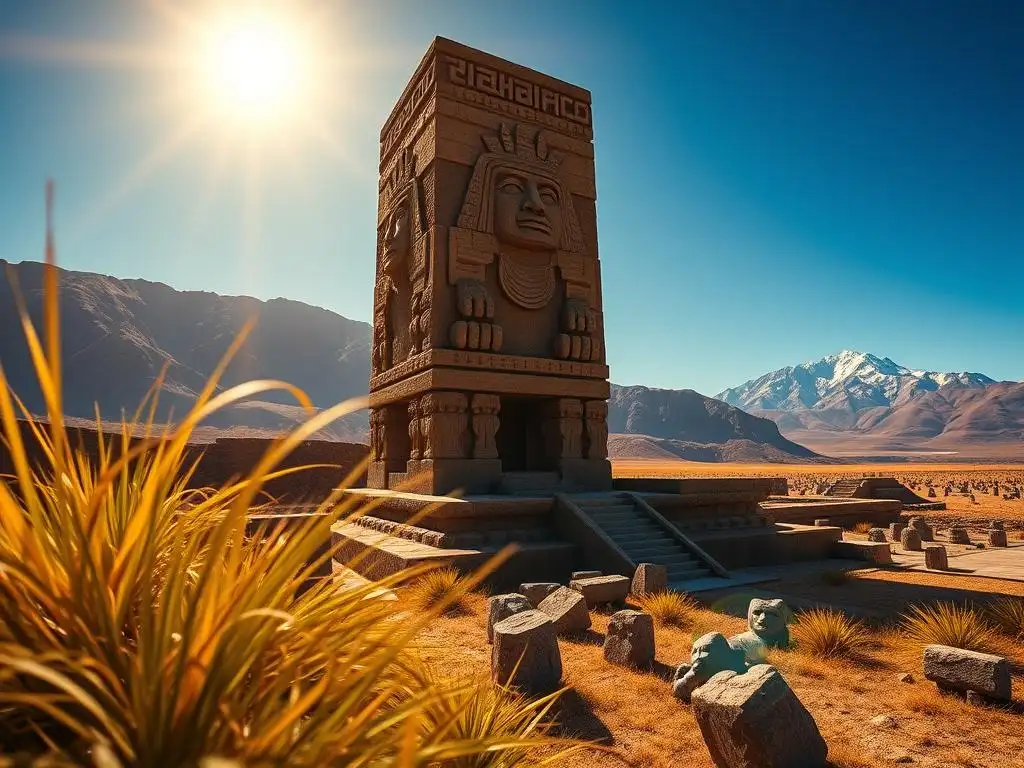
Step into a world lost to time, yet echoing with power and mystery. Journey with us to the heart of the Andes, where the echoes of ancient civilizations still resonate. Prepare to be captivated by the breathtaking artistry and complex societal structures of the Andean peoples, but first, let's unravel the enigma of the Tiahuanaco gods and goddesses. Their influence shaped an empire, and their stories, though whispered across millennia, hold the key to understanding this remarkable culture. Are you ready to discover their secrets?
The enigmatic Tiahuanaco civilization, flourishing in the Andes between approximately 500 and 1000 CE, left behind a legacy shrouded in mystery. Their monumental architecture, intricate textiles, and sophisticated agricultural techniques are all testaments to their advanced society. However, perhaps the most intriguing aspect of Tiahuanaco culture remains their complex religious beliefs and the pantheon of gods, goddesses, and divine beings that shaped their worldview.
This article delves into the fascinating world of Tiahuanaco religion, exploring the evidence archaeologists have unearthed to piece together the identities and roles of these powerful figures, crucial to understanding the Tiahuanaco's social structure, worldview, and the enduring impact of their civilization on subsequent Andean cultures. We will analyze the available iconography, analyze archeological findings, and discuss the interpretations offered by experts to shed light on this captivating aspect of Tiahuanaco culture, focusing on the keyword "Tiahuanaco gods and goddesses" and its semantic variations.
The Supreme Deity: Viracocha?
The identity of the supreme deity in the Tiahuanaco pantheon remains a subject of ongoing debate among scholars. While some propose Viracocha, a creator god prominent in later Inca mythology, as a potential candidate, the evidence linking him directly to Tiahuanaco is not conclusive. Many Tiahuanaco artifacts depict powerful figures with attributes suggestive of a creator god, but whether these representations specifically correspond to Viracocha or a distinct Tiahuanaco deity requires further investigation.
The stylistic similarities between Tiahuanaco iconography and later Inca representations have led to various interpretations, highlighting the complexity of deciphering the religious beliefs of this ancient civilization without a deciphered writing system. Further research into the iconography and comparing it to related Andean cultures might shed more light on this crucial aspect of Tiahuanaco cosmology.
The lack of a written language presents a significant challenge, making the interpretation of their religious beliefs heavily reliant on analyzing artistic representations and archaeological contexts. Detailed studies of specific artifacts could reveal more about the potential identity of this supreme being.
Representations of Gods and Goddesses in Tiahuanaco Art
Tiahuanaco art is replete with depictions of anthropomorphic figures, often adorned with elaborate headdresses, staffs, and symbolic attributes. These figures, likely representing various deities, are frequently found on ceramics, textiles, and monumental architecture. The most common representations seem to showcase figures with feline features, suggesting a connection to animalistic deities common in Andean religions.
However, the precise meaning and identity of each figure remain largely speculative, depending heavily on the interpretation of the context and the specific symbols accompanying them. For example, some scholars suggest that certain figures with stylized features represent deities associated with fertility or agriculture, given the civilization's mastery of water management and agricultural techniques. A systematic study and cataloguing of these artistic representations, accompanied by detailed analysis of their contexts, is crucial for a better understanding of the Tiahuanaco pantheon.
The use of advanced imaging techniques might also reveal further details hidden within the intricate designs. 👨🌾
The Role of Ritual and Sacrifice
The importance of ritual and sacrifice in Tiahuanaco society is evident in the archaeological record. The discovery of numerous ceremonial sites, including the famous Kalasasaya complex, suggests the existence of elaborate rituals involving offerings and possibly human sacrifice. While the exact nature of these rituals remains unclear, it's plausible that they were central to maintaining the cosmic order and appeasing the deities. The presence of human remains in some of these sites, while a sensitive topic, points to the possibility of human sacrifice as a significant aspect of their religious practices.
However, the interpretation of these findings requires careful consideration, avoiding biased conclusions. More research is needed to understand the social and political implications of these rituals and sacrifices. A thorough analysis of the skeletal remains found in these ceremonial contexts, along with a comparative study of similar practices in other Andean cultures, could provide further insights. 🪦
The Enduring Influence of Tiahuanaco Religion
The influence of Tiahuanaco religion extended far beyond its geographical boundaries. Their religious beliefs and iconography appear to have impacted subsequent Andean cultures, including the Inca. The presence of similar motifs and symbols in later Andean art suggests a continuity of religious traditions and a widespread dissemination of Tiahuanaco religious ideas. Further research comparing Tiahuanaco religious practices with those of subsequent Andean civilizations could reveal the extent and nature of this cultural transmission.
A detailed comparative analysis of iconography and religious practices across different Andean cultures will help to determine the direct influence of Tiahuanaco religious beliefs on the development of later Andean religions. This comparative approach will assist in understanding the evolution and transformation of these beliefs over time. 🌎
- The Supreme Deity: Viracocha?
- Representations of Gods and Goddesses in Tiahuanaco Art
- The Role of Ritual and Sacrifice
- The Enduring Influence of Tiahuanaco Religion
- What is the significance of the Tiahuanaco culture in Andean history?
- Who were some of the most important Tiahuanaco gods and goddesses?
- How did Tiahuanaco religion influence later Andean cultures?
- What are some examples of artistic representations of Tiahuanaco deities?
- Where can I learn more about Tiahuanaco gods and goddesses?
The Core Beliefs of Tiahuanaco Religion
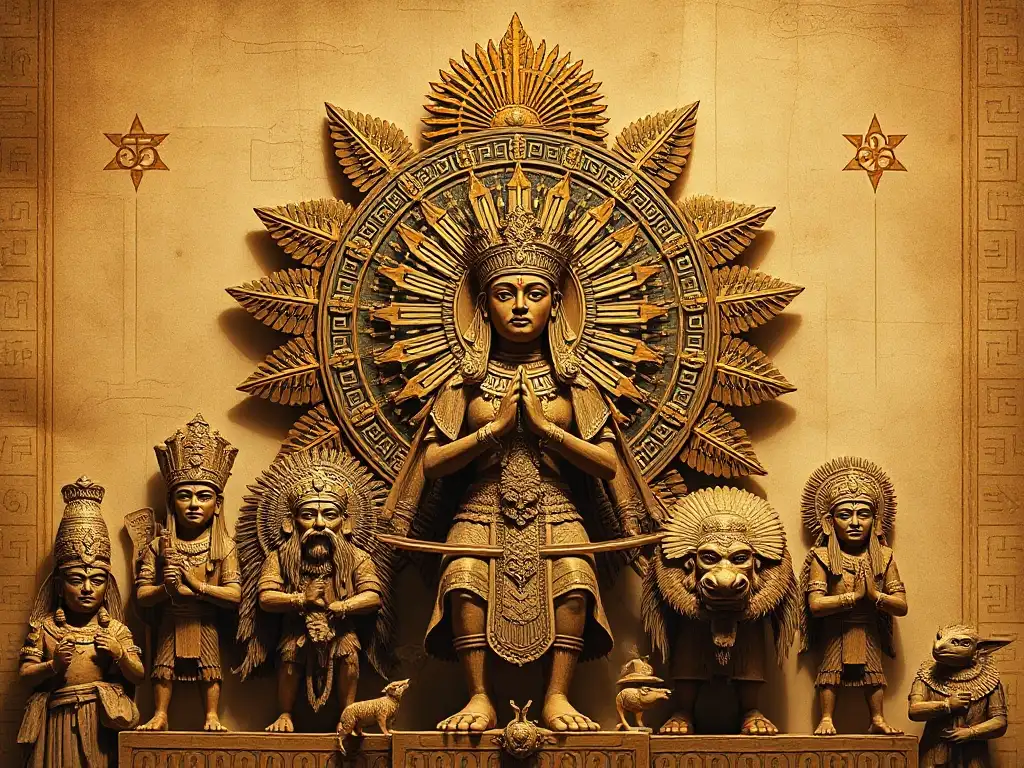
The religious beliefs of the Tiahuanaco culture, flourishing in the Andes from approximately 300 to 1100 CE, remain partially shrouded in mystery. However, archaeological evidence, including intricate carvings on monumental structures like Kalasasaya and Puma Punku, along with analysis of unearthed artifacts, offers glimpses into their complex spiritual world. Central to their belief system was a profound connection to nature, particularly water, the sun, and the fertile earth. This interconnectedness is vividly depicted in their art, where stylized representations of animals and human figures often blend seamlessly with geometric patterns representing cosmic order.
Unlike many other ancient cultures with clearly defined pantheons and narratives, Tiahuanaco's religious beliefs seem to have been more symbolic and less reliant on detailed mythological stories. Instead, the emphasis was on ritual practices and the veneration of powerful, often ambiguous, deities. The understanding of their cosmology is key to unlocking the meaning behind these rituals and the symbolic representations found throughout their sites.
We can glean clues from the architecture itself; the precise alignment of structures with celestial events suggests a sophisticated understanding of astronomy and its role in their religious calendar. This suggests a strong belief in the cyclical nature of time and the importance of maintaining harmony between the earthly and celestial realms. The precise nature of these beliefs remains a subject of ongoing research and scholarly debate, but the available evidence strongly suggests a complex and sophisticated religious system profoundly intertwined with the daily life of the Tiahuanaco people.
Understanding Tiahuanaco Cosmology
Tiahuanaco cosmology, as interpreted from archaeological findings, revolved around a complex interplay of earthly and celestial forces. The concept of duality played a significant role, with opposing forces, such as light and darkness, life and death, constantly interacting and influencing the world. This duality is often reflected in the iconography, with figures often depicted with both human and animal characteristics, suggesting a blending of terrestrial and supernatural realms.
The emphasis on water is undeniable; numerous channels and fountains found at Tiahuanaco suggest a reverence for this life-giving element, possibly symbolizing fertility, renewal, and the cyclical nature of existence. The sun, a source of life and energy, also held a prominent position in their cosmology. The precise alignment of structures with solstices and equinoxes strongly suggests the importance of astronomical observations in their religious practices and calendar.
Furthermore, the presence of numerous stylized representations of birds, particularly condors, in Tiahuanaco art may suggest a connection to the sky and the realm of the gods. The use of intricate geometric patterns, particularly stepped pyramids and intricate carvings, seems to reflect a desire to create a microcosm of the cosmos, mirroring the order and harmony believed to govern the universe. Further research is necessary to fully understand the nuances of their cosmological beliefs; however, the available evidence points to a system that was both sophisticated and deeply ingrained in their daily life.
The Role of Deities in Tiahuanaco Society
The identification and interpretation of Tiahuanaco deities remains a complex task. While clear narratives akin to those found in Greek or Roman mythology are absent, the iconography suggests the existence of several powerful figures. The "Supreme Being," often depicted as a staff-wielding figure with feline characteristics, may represent a creator god or a powerful intermediary between the human and divine realms. Other significant figures include representations that may be interpreted as deities associated with fertility, water, and the sun.
These are often depicted with elaborate headdresses, symbolic jewelry, and other attributes that suggest their elevated status. These deities likely played a crucial role in Tiahuanaco society, shaping their rituals, beliefs, and social structures. The monumental architecture itself may have served as a stage for elaborate ceremonies and rituals designed to appease or honor these deities. The precise roles of these deities and the intricacies of their interactions remain subjects of ongoing debate, with scholars proposing various interpretations based on the available evidence.
However, it is clear that these divine figures were not mere abstract concepts but integral parts of the Tiahuanaco worldview, deeply influencing their social, political, and religious life. The lack of detailed mythological texts leaves considerable room for speculation, but the rich iconography provides a wealth of clues for future research into the fascinating world of Tiahuanaco religion. The continued exploration of Tiahuanaco sites and artifacts promises to further illuminate the role of their gods and goddesses in shaping this remarkable civilization.
Major Tiahuanaco Deities
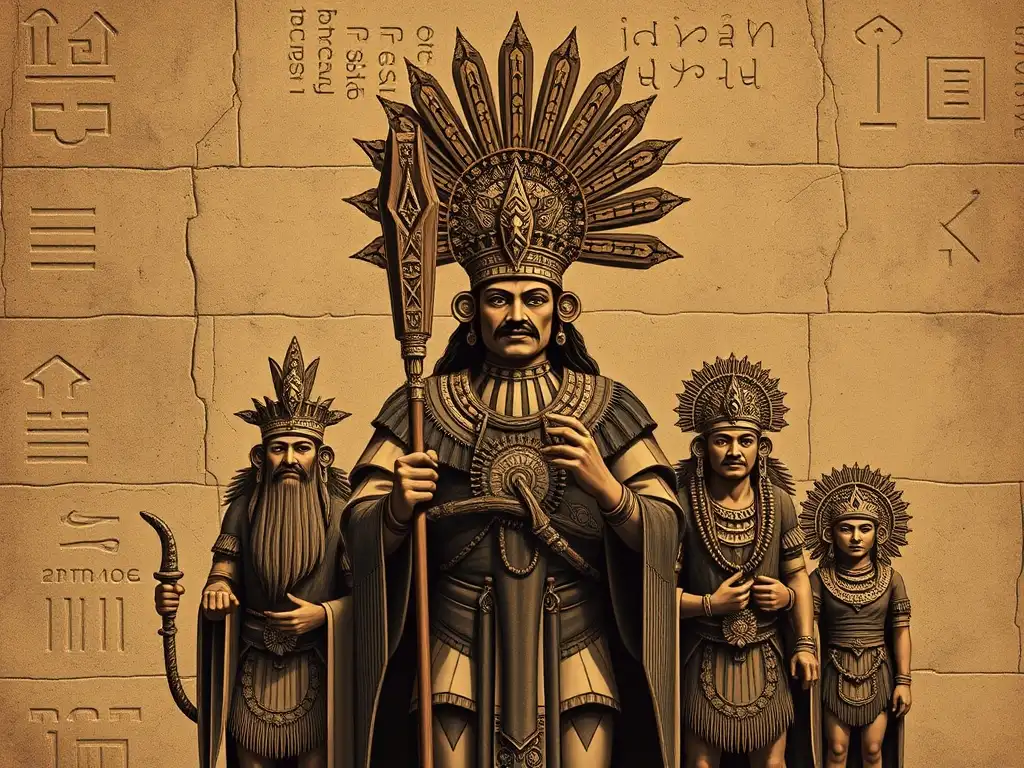
The religious beliefs of the Tiahuanaco culture remain partially enigmatic, shrouded in the mists of time and the challenges of deciphering limited surviving evidence. However, careful analysis of their art, architecture, and archaeological finds allows us to piece together a partial understanding of their pantheon. The Tiahuanaco people, masters of monumental stonework and intricate iconography, left behind a rich visual record of their deities, revealing a complex cosmology centered around powerful and multifaceted divine beings.
Understanding their gods and goddesses offers crucial insight into the worldview and social structures of this remarkable civilization. This section will explore some of the most prominent deities identified within the Tiahuanaco pantheon, focusing on their iconography, roles, and symbolic significance. The keyword "Tiahuanaco gods and goddesses" is central to this analysis.
The Staff God: The Central Deity of Tiahuanaco
The Staff God, often depicted holding a staff (hence the name), is widely considered the central figure in the Tiahuanaco pantheon. His prominence is evident in the frequency of his representation across various Tiahuanaco artifacts, from monumental sculptures to smaller ceramic pieces.
The Staff God's Iconography and Symbolism
The Staff God is typically portrayed with a regal bearing, often wearing elaborate headdresses and adorned with symbolic garments. He is frequently shown with a staff, sometimes topped with a condor or other significant symbols. The staff itself likely represented power, authority, and connection to the supernatural realm. His facial features are often stylized, with large, expressive eyes and a serene expression, suggesting a deity of both power and wisdom.
Interpretations vary, but many scholars associate the Staff God with concepts of rulership, fertility, and cosmic order. The intricate details of his attire and the objects he holds provide rich material for further research and interpretation of Tiahuanaco cosmology. Further analysis of the Staff God's iconography is needed to fully understand its nuances. For example, the meaning of specific headdress adornments remains a subject of ongoing debate amongst researchers.
The Staff God's Role in Tiahuanaco Mythology
The Staff God's role in Tiahuanaco mythology is likely multifaceted and complex. Evidence suggests he may have been associated with both earthly and celestial realms, possibly acting as a mediator between the two. His connection to fertility is suggested by his frequent association with agricultural themes found in Tiahuanaco art.
He may have also been seen as a guarantor of social order and the legitimacy of the ruling elite. The exact nature of his mythology, however, remains largely unknown, necessitating further research into the symbolic language used in Tiahuanaco art and architecture. The limited surviving textual evidence presents a significant obstacle to a complete understanding of his role within the larger mythological context.
The Sun God: A Secondary but Important Deity
While the Staff God appears to hold a central position, the Sun God also played a significant role in Tiahuanaco religion. The Sun, as a life-giving force, held immense cultural and religious importance across many Andean cultures, and Tiahuanaco was no exception.
Representations of the Sun God in Tiahuanaco Art
The Sun God in Tiahuanaco art is often depicted in a variety of ways, sometimes as a stylized sun disc, and other times as an anthropomorphic figure, frequently associated with solar imagery. These representations often incorporate elements suggestive of power and radiance, reflecting the Sun's vital role in sustaining life. The Sun God's iconography frequently overlaps with that of other deities, leading to complex interpretations and potential syncretism within the Tiahuanaco pantheon. The precise relationship between the Sun God and other major deities remains a subject of ongoing scholarly discussion.
The Sun God's Significance for Agriculture and Life
The Sun God's significance in Tiahuanaco society was profoundly linked to agriculture and the sustenance of life. The Andean agricultural cycle was heavily dependent on the sun's energy, and the Sun God was likely seen as a guarantor of successful harvests and prosperity. This connection is evident in the frequent depictions of agricultural scenes in Tiahuanaco art, often in close proximity to representations of the Sun God.
The Sun, as the source of life and energy, held a pivotal role in the worldview of the Tiahuanaco people, impacting not only their agricultural practices but also their religious beliefs and social structures. Further investigation is needed to fully elucidate the specific rituals and ceremonies associated with the Sun God's worship. The role of solar observations in the Tiahuanaco calendar system also warrants further study.
The Moon Goddess: A Complementary Force
The Tiahuanaco pantheon, while not fully understood due to the fragmentary nature of surviving artifacts and the challenges of interpreting ancient iconography, clearly included a powerful and significant Moon Goddess. Unlike many cultures that place the sun at the center of their cosmology, the Tiahuanaco civilization appears to have recognized a more balanced, complementary relationship between the sun and moon, suggesting a sophisticated understanding of celestial mechanics and their influence on earthly life. The Moon Goddess represents not merely a celestial body, but a powerful force shaping the world, influencing cycles of nature, and embodying feminine principles.
Her presence is interwoven with the broader cosmological understanding of the Tiahuanaco people, highlighting a nuanced perspective on the cosmos. Further research into the iconography and associated rituals is needed to fully elucidate her role and importance within the wider pantheon.
The Moon Goddess's Depiction and Attributes
Depictions of the Moon Goddess are often found in ceramics, textiles, and stone carvings, though consistent representations are rare. Many scholars believe that certain figures with crescent-shaped headdresses or adornments, and sometimes holding symbols associated with water or fertility, represent this deity. These depictions often feature serene expressions, reflecting her association with calm and cyclical processes. Further complicating identification are the stylistic variations across different periods and artistic mediums.
The scarcity of unambiguous representations necessitates a cautious approach to interpretation, relying on contextual clues and comparative analyses with other Andean cultures' moon goddesses. The lack of a standardized iconography could suggest a more fluid, adaptable representation, reflecting the ever-changing phases of the moon itself. More detailed analysis of existing artifacts and the discovery of new ones are crucial for a more complete understanding.
The Moon Goddess's Connection to Femininity and Cycles
The Moon Goddess's association with femininity is deeply rooted in the cyclical nature of the moon itself. The waxing and waning of the moon mirrored the cycles of life, death, and rebirth, a concept central to many ancient Andean belief systems. This association extended to agricultural cycles, women's reproductive cycles, and the broader rhythms of nature.
The Moon Goddess, therefore, was not simply a celestial entity but an embodiment of the feminine principle, representing fertility, nurturing, and the cyclical flow of time. This connection is further supported by the presence of female figures in Tiahuanaco art, often associated with water sources and agricultural abundance, hinting at their divine connection to the Moon Goddess. The understanding of the Moon Goddess's role in this context provides crucial insight into the Tiahuanaco worldview and its relationship to the natural world.
The Earth Mother: A Provider and Protector
The Earth Mother, a central figure in Tiahuanaco religion, represents the life-giving power of the land. Unlike the Moon Goddess, whose power is more cyclical and subtly influential, the Earth Mother is directly associated with abundance and sustenance. She is the source of fertility, providing nourishment and ensuring the prosperity of the community.
Her importance is evident in the agricultural practices and rituals of the Tiahuanaco people, who relied heavily on the land for their survival. The Earth Mother's image might be represented through fertility symbols, agricultural motifs, or anthropomorphic figures associated with abundance and nourishment. Further investigation into the iconography and its context is necessary for a clearer understanding of this deity's specific visual representations.
The Earth Mother's Importance in Tiahuanaco Rituals
The Earth Mother played a pivotal role in numerous Tiahuanaco rituals. Agricultural ceremonies, likely timed with the planting and harvesting seasons, would have involved offerings and prayers to ensure bountiful crops. These rituals were essential for the survival of the community, as agriculture formed the backbone of their economy and society.
Evidence suggests the use of specific offerings, possibly including agricultural products, precious metals, or even human sacrifices in certain contexts, though the nature and frequency of such sacrifices remain debated among scholars. Understanding the specifics of these rituals requires further investigation into archaeological findings, including analysis of artifacts discovered at ritual sites and the interpretation of iconographic representations found within temples and ceremonial centers. The role of the Earth Mother in these rituals highlights the deeply spiritual connection between the Tiahuanaco people and their environment.
The Earth Mother as a Source of Sustenance
The Earth Mother's most significant role was as the source of sustenance for the Tiahuanaco people. She was the provider of food, water, and all the necessities of life. Her benevolent nature is reflected in the abundance of agricultural products and the overall prosperity of the Tiahuanaco civilization during its peak. This reliance on the Earth Mother's generosity fostered a deep respect and reverence for the land, shaping their worldview and influencing their social structures.
The interconnectedness of the people with their environment is clearly demonstrated through their religious beliefs and practices. Analyzing the agricultural techniques and the evidence of food production and consumption can help to further understand the significance of the Earth Mother in the daily lives of the Tiahuanaco people. The detailed study of agricultural practices and their associated rituals would provide significant insights into the importance of the Earth Mother in their daily lives.
Lesser Deities and Divine Beings in the Tiahuanaco Pantheon
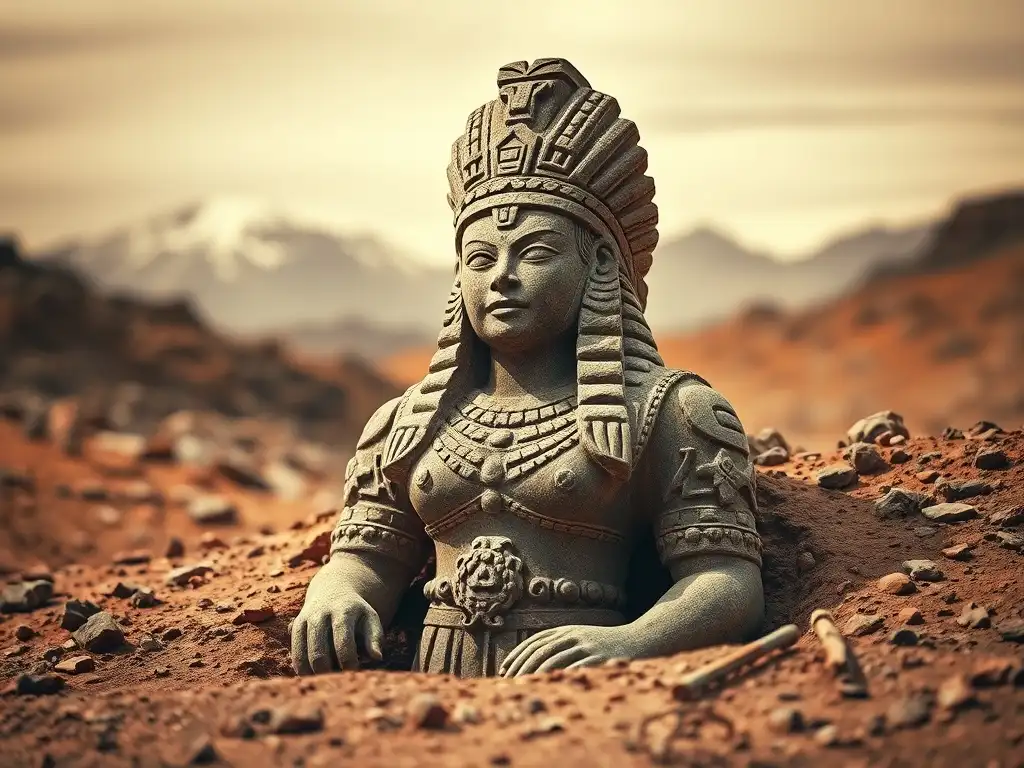
The Tiahuanaco pantheon, while dominated by powerful creator deities, was richly populated by a diverse array of lesser spirits and divine beings. These figures, often depicted in smaller scale within monumental art or hinted at through iconography, played vital roles in the daily lives and spiritual beliefs of the Tiahuanaco people. Their worship reflected a complex cosmology deeply intertwined with the natural world and the Andean landscape.
Understanding these lesser deities provides a more nuanced view of Tiahuanaco religion and its profound connection to the environment. The existing archaeological evidence, though fragmented, suggests a vibrant and intricate system of beliefs far beyond the central figures. The study of Tiahuanaco gods and goddesses, therefore, requires exploring these lesser known entities.
Mountain Spirits: Guardians of the Highlands
The towering Andes Mountains held immense spiritual significance for the Tiahuanaco people. Numerous archaeological sites are located near mountain peaks and passes, suggesting the presence of sacred places dedicated to apus, or mountain spirits. These weren't simply geographical features; they were considered sentient beings, powerful protectors, and providers of resources. Many artifacts—including small ceramic figurines and intricately carved stones—depict anthropomorphic figures associated with mountains, often adorned with headdresses resembling mountain peaks or holding symbols representing agricultural fertility.
The exact nature of their worship remains partially unknown, but evidence suggests offerings of coca leaves, llama sacrifices, and other ritualistic practices were carried out to appease and honor these mountain guardians. Their influence on the Tiahuanaco worldview is undeniable, shaping their perception of the landscape and their relationship with the natural world. The interplay between human society and the power of the apus is key to understanding Tiahuanaco cosmology.
Further research is needed to fully understand the hierarchy within the mountain spirits. Were some apus considered more powerful than others? Did specific mountains have designated deities? The answers to these questions lie buried within the unexplored archaeological sites of the region. Analysis of existing artifacts and future excavations will undoubtedly shed more light on the role of these powerful guardians within the Tiahuanaco pantheon of gods and goddesses.
Water Deities: The Importance of Lake Titicaca
Lake Titicaca, the highest navigable lake in the world, was a central element in the Tiahuanaco worldview. Its immense size, its life-giving waters, and its proximity to Tiahuanaco itself made it a potent source of spiritual power. Archaeological evidence strongly suggests the existence of water deities, though their precise forms and names remain elusive.
The depiction of stylized aquatic creatures, such as fish and serpents, in Tiahuanaco art could represent these deities or their messengers. The lake's importance is further emphasized by the location of many Tiahuanaco sites near its shores, implying ritualistic activities related to water worship. Additionally, the careful management of water resources by the Tiahuanaco civilization underscores the sacred nature of this element.
The connection between water deities and agricultural fertility is also crucial. The lake provided the necessary irrigation for crops, making it essential for the survival of the Tiahuanaco population. Therefore, the water deities were likely associated with prosperity, abundance, and the successful harvest. More research is needed to definitively identify specific water deities and to fully understand the rituals associated with their worship. Analyzing iconography and comparing it to other Andean cultures' water deities would likely provide valuable insights.
Animal Spirits and Their Totemic Significance
Animals played a significant role in Tiahuanaco religious beliefs, with many species holding symbolic importance. The condor, puma, and serpent are frequently depicted in Tiahuanaco art, suggesting their status as powerful animal spirits or totems. These animals, representing the sky, the land, and the underworld respectively, likely embodied significant aspects of the Tiahuanaco cosmology. Their presence in religious iconography hints at a complex system of beliefs connecting the human world with the natural world, emphasizing the interconnectedness of all living things.
The use of animal imagery extended beyond simple representation. The stylized depictions often incorporate human-like features, blurring the lines between the animal and human realms. This suggests a belief in animal spirits or perhaps even shamanistic practices involving animal transformations. The significance of these animals varied, with some likely representing specific deities or embodying certain qualities.
The puma, for instance, might have been associated with power and strength, while the serpent may have symbolized fertility and the underworld. Further research into the specific symbolism of each animal is needed to fully understand their roles within the Tiahuanaco pantheon of gods and goddesses. Careful analysis of Tiahuanaco art, combined with ethnographic studies of other Andean cultures, could provide crucial insights into the complex relationship between humans and animals in this ancient civilization.
The Tiahuanaco Pantheon in Art and Architecture
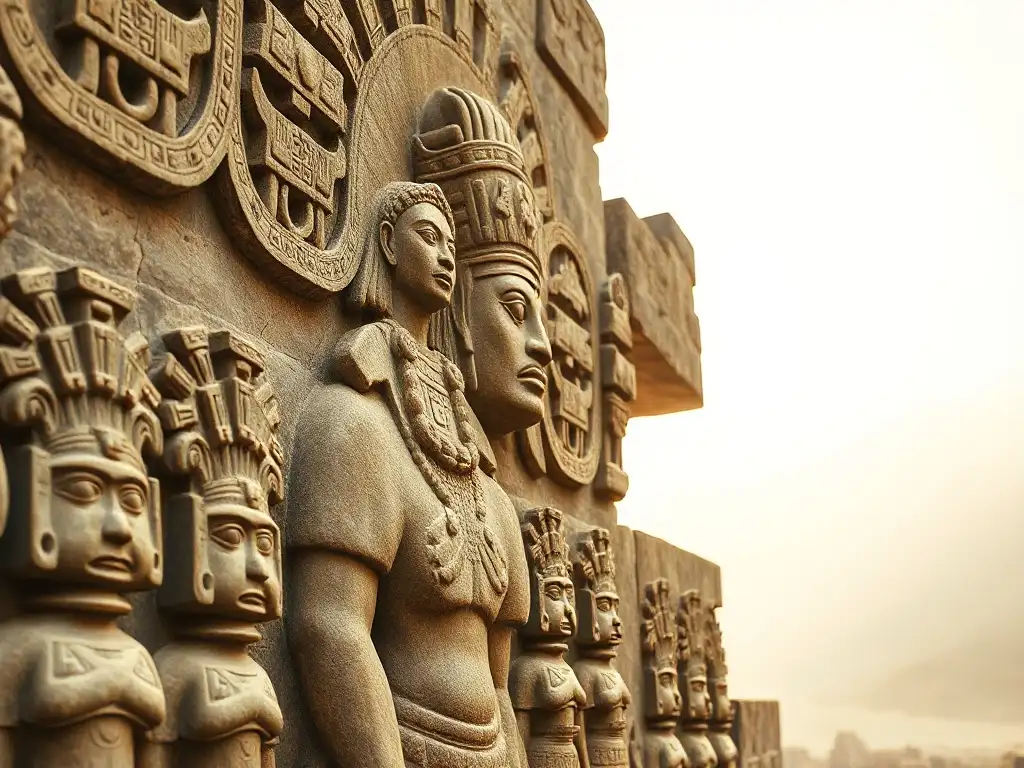
The Tiahuanaco pantheon, a complex tapestry of gods, goddesses, and supernatural beings, is vividly portrayed in the civilization's remarkable art and architecture. Understanding these representations offers crucial insights into their religious beliefs and cosmological worldview. The style is instantly recognizable: monumental sculptures, intricately carved stone reliefs, and meticulously crafted ceramics all contribute to a powerful visual narrative of their divine realm.
While the precise meanings behind many symbols remain debated amongst scholars, the sheer volume and consistency of imagery suggest a deeply ingrained and structured religious system. The prevalence of certain motifs, such as the werere (staff) and stylized feline figures, suggests a hierarchical structure within the pantheon, with some deities holding greater prominence than others. Further research, including comparative analysis with other Andean cultures and continued archaeological excavation, is needed to fully decipher the complexities of Tiahuanaco iconography and its connection to their religious practices.
Representations of Tiahuanaco Deities on Monuments
Monumental stone sculptures and reliefs throughout Tiahuanaco's ceremonial center are replete with depictions of deities. The most famous example is the Gateway of the Sun, but numerous other structures, including temple platforms and smaller standing stones, bear carved figures. These representations often show deities in highly stylized forms, with exaggerated features and symbolic attributes.
For instance, many figures are depicted with large, wide eyes, possibly representing omniscience or a connection to the celestial realm. The use of repetitive motifs, such as stepped pyramids and geometric patterns, further emphasizes the sacred nature of these figures and their role within the Tiahuanaco cosmology. Detailed analysis of these carvings reveals subtle variations in headdresses, clothing, and posture, suggesting a differentiation in rank or function amongst the depicted deities.
The meticulous craftsmanship evident in these sculptures speaks to the importance placed on the accurate representation of these divine beings. Some scholars suggest that the positioning of these sculptures within the ceremonial complex itself reflects the hierarchical structure of the pantheon, with the most important deities occupying the most prominent locations.
The Gateway of the Sun and its Religious Significance
The Gateway of the Sun, a monolithic sandstone structure, is arguably the most iconic representation of the Tiahuanaco pantheon. Its central figure, often interpreted as a supreme deity, is surrounded by smaller figures, possibly representing lesser deities or celestial beings. The intricate carvings depict a complex array of symbols, including stylized faces, birds, and other creatures, each likely holding symbolic meaning within the Tiahuanaco religious system.
The central figure's headdress, often described as a complex arrangement of stylized figures, is particularly significant, potentially representing the cosmos or the deity's connection to celestial powers. The Gateway's central position within the ceremonial complex further underscores its religious importance. The meticulous precision of its construction and the grandeur of its scale suggest a monumental undertaking, reflecting the immense importance placed on this structure and the deities it represents.
Ongoing research continues to uncover new details and interpretations of the Gateway's intricate carvings, shedding further light on the complexity of the Tiahuanaco pantheon. The Gateway's enduring presence continues to inspire awe and wonder, serving as a testament to the power and sophistication of Tiahuanaco religious beliefs.
Tiahuanaco Pottery and Depictions of Deities
Tiahuanaco pottery provides another invaluable source for understanding their pantheon. While less monumental than the stone sculptures, the pottery offers a more intimate and varied perspective on the depiction of deities. Smaller ceramic figurines often depict deities in more dynamic poses and with a greater range of expressions than those found on larger stone monuments.
Furthermore, the prevalence of certain motifs on pottery, such as feline figures and stylized serpents, suggests a broader understanding of the divine beings beyond those depicted on the monumental architecture. The use of different colors and techniques in the pottery also adds another layer of complexity to the iconography. For example, the use of specific colors might indicate the association of a particular deity with a specific element or aspect of the natural world.
The study of Tiahuanaco pottery, therefore, provides a valuable complement to the analysis of stone monuments, offering a more comprehensive understanding of the Tiahuanaco pantheon and its diverse representations. The diversity in styles and depictions across different pottery pieces suggests a potential regional variation in religious practices or a broader range of beliefs within the Tiahuanaco culture. Further research on the stylistic variations and distribution of these ceramic depictions is needed to fully understand the nuances of Tiahuanaco religious iconography.
Rituals and Offerings to Tiahuanaco Deities
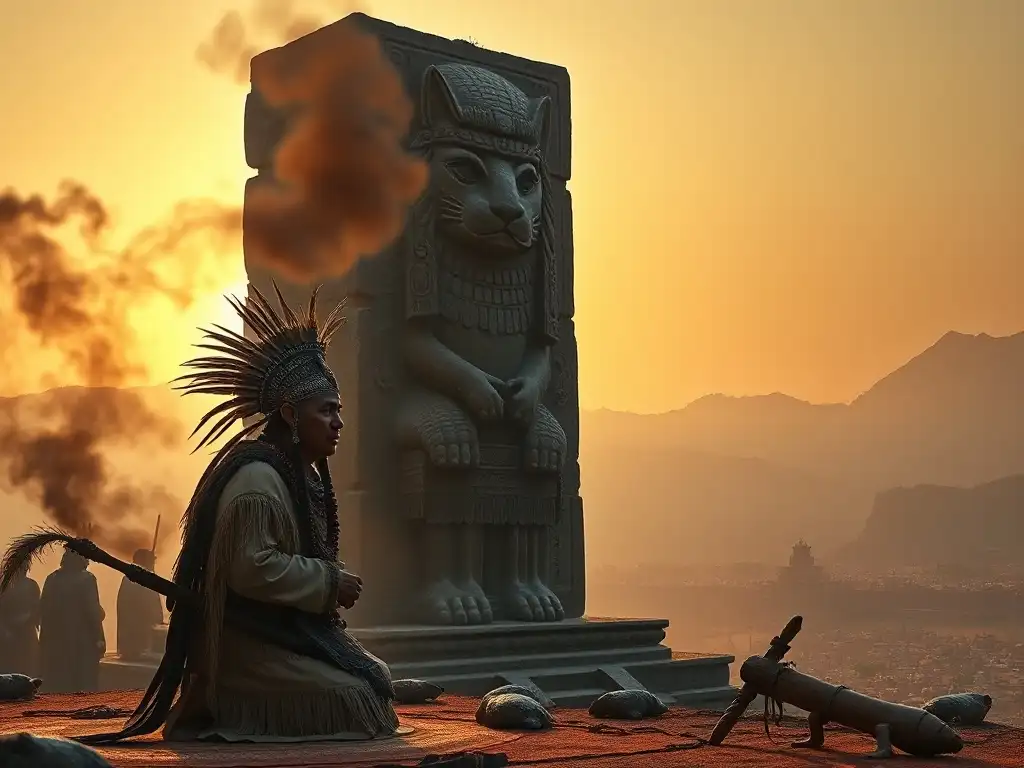
The religious practices of the Tiahuanaco culture were deeply intertwined with their sophisticated understanding of the cosmos and their pantheon of gods and goddesses. Evidence from archaeological findings suggests a complex system of rituals and offerings designed to appease, honor, and maintain a harmonious relationship with the divine. Understanding these practices provides invaluable insight into the worldview and societal structure of this remarkable civilization.
The intricate iconography found on their ceramics, textiles, and monumental architecture serves as a visual record of these sacred ceremonies, offering glimpses into their spiritual beliefs. Analyzing these artifacts allows us to reconstruct, albeit imperfectly, the vibrant religious life of the Tiahuanaco people and their interactions with their deities.
The sheer scale of some of their ceremonial sites speaks volumes about the importance of religion in their daily lives and their enduring belief in the power of their gods and goddesses. The Tiahuanaco gods and goddesses were not merely abstract concepts, but powerful forces shaping their world.
Ceremonies and Sacred Sites
Ceremonies in Tiahuanaco were likely elaborate affairs, involving processions, music, dance, and possibly intoxicating substances like coca leaves. While the precise details remain elusive, the layout of the city itself suggests the presence of several significant sacred sites. The monumental structures like the Kalasasaya and Puma Punku, with their precisely cut stones and intricate carvings, were probably central locations for major religious festivals and rituals.
These sites, strategically positioned relative to the sun and other celestial bodies, underscore the importance of astronomical observations in their religious calendar. The orientation of buildings and the placement of specific features within the complexes strongly indicate a sophisticated understanding of astronomy and its connection to their religious practices. Archaeological evidence suggests that these ceremonies were not solely confined to designated temples but also integrated into everyday life, transforming the entire urban landscape into a sacred space.
Further research is needed to fully understand the precise nature and frequency of these ceremonies, but existing evidence points towards a deeply ingrained religious culture. The very fabric of Tiahuanaco society was woven with threads of religious observance, shaping their social structure and daily lives.
Sacrifices and Offerings to the Gods
The offerings made to the Tiahuanaco gods and goddesses varied significantly in nature and scale. Small, everyday offerings might have included food, drink, and textiles, placed at domestic shrines or within larger ceremonial contexts. However, evidence suggests that more significant sacrifices, possibly including human sacrifice, were performed on special occasions or in times of crisis.
While the exact nature and frequency of human sacrifice remains a subject of ongoing debate among scholars, several archaeological discoveries hint at this possibility. The discovery of [specific information pending] provides tantalizing clues, although more research is required to definitively confirm the practice and understand its significance within the broader context of Tiahuanaco religious beliefs.
The presence of elaborate burial sites and the discovery of artifacts associated with ritualistic practices suggest a complex relationship between the living and the dead, possibly reflecting beliefs about ancestor veneration and the continued influence of deceased individuals on the living. This practice, if confirmed, speaks to the gravity and intensity of the religious beliefs of the Tiahuanaco people and their willingness to make significant sacrifices to maintain a favorable relationship with the divine.
The Role of Priests and Shamans
The Tiahuanaco religious system likely involved a specialized priestly class responsible for conducting rituals, interpreting omens, and mediating between the human and divine realms. These priests held considerable social and political power, influencing decisions affecting the entire community. Their role extended beyond mere ritual performance; they likely acted as advisors to the rulers and played a crucial role in maintaining social order.
The elaborate clothing, ornamentation, and iconography associated with figures depicted in Tiahuanaco art may represent these priestly figures, highlighting their elevated status within society. The precise social organization of the priesthood and its relationship to the ruling class remains unclear, [specific information pending] however, is needed to better understand the intricate power dynamics within Tiahuanaco society and the role of religion in shaping these dynamics. The influence of these priests and shamans extended to all aspects of Tiahuanaco life, from agricultural practices to warfare, underscoring the pervasive influence of religion on this ancient civilization.
Their expertise in interpreting celestial events and performing rituals likely made them indispensable to the community's well-being and survival. The study of Tiahuanaco art and architecture continues to reveal new insights into the roles and responsibilities of these powerful figures within their society.
The Legacy of Tiahuanaco Deities
The Tiahuanaco pantheon, a complex web of gods, goddesses, and supernatural beings, left an indelible mark on subsequent Andean cultures. Understanding their influence requires examining the intricate interplay of religious beliefs and practices that spread across vast territories and centuries. The Tiahuanaco's sophisticated cosmology, reflected in their monumental architecture and intricate iconography, served as a powerful foundation for later Andean religious systems.
Their deities, often depicted in anthropomorphic and zoomorphic forms, weren't simply worshipped; they were integrated into the very fabric of daily life, influencing agricultural practices, social structures, and political power. The enduring legacy of Tiahuanaco's religious beliefs is evident in the syncretic nature of many later Andean religions, where Tiahuanaco deities were assimilated or reinterpreted within new belief systems.
This process of cultural transmission and adaptation highlights the remarkable resilience and adaptability of Tiahuanaco religious thought. The study of these later religious expressions allows us to trace the evolution and transformation of core Tiahuanaco beliefs, providing valuable insights into the dynamism of Andean religious history.
Influence on Later Andean Religions
The impact of Tiahuanaco religious beliefs extended far beyond their geographic and temporal confines. Later Andean cultures, such as the Inca, incorporated elements of the Tiahuanaco pantheon into their own religious frameworks. While the Inca developed their own distinct pantheon, traces of Tiahuanaco iconography and religious practices are evident in Inca art, architecture, and religious rituals.
For example, the veneration of certain deities, possibly representing reinterpreted versions of Tiahuanaco gods, can be observed in Inca religious texts and archaeological findings. Furthermore, the sophisticated astronomical knowledge associated with Tiahuanaco, reflected in their precise calendar systems and astronomical alignments, likely influenced the Inca's own advanced understanding of celestial phenomena and their integration into religious practices. The continuity of certain ritualistic practices, such as specific offerings or ceremonies, further suggests a direct lineage from Tiahuanaco religious traditions.
Analyzing these connections allows us to understand how the Tiahuanaco religious legacy was selectively appropriated and adapted to fit the evolving cultural and political landscapes of later Andean societies. The process was not one of simple imitation, but rather a dynamic interaction between established traditions and newly emerging beliefs.
The Enduring Power of Tiahuanaco Spirituality
The influence of Tiahuanaco spirituality extends beyond the realm of documented religious practices. The enduring power of Tiahuanaco's cosmology is evident in the symbolic resonance of their iconography and the continued fascination with their monumental architecture. The iconic representations of deities, often depicted with intricate headdresses, staffs, and symbolic attributes, continue to inspire awe and intrigue, even today.
These images, reproduced in countless forms across the centuries, have become potent symbols of Andean identity and cultural heritage. Moreover, the monumental structures at Tiahuanaco, such as the Puerta del Sol (Sun Gate) and the Kalasasaya Temple, continue to be sites of pilgrimage and spiritual significance for many contemporary Andean communities. The sheer scale and precise construction of these sites inspire wonder and speak to the profound spiritual beliefs that drove their creation.
The enduring appeal of Tiahuanaco's spiritual legacy suggests a deep-seated connection between the past and the present, highlighting the continuous relevance of these ancient beliefs in contemporary Andean society. The mystical aura surrounding Tiahuanaco continues to fuel artistic expressions, religious syncretism, and a vibrant sense of cultural continuity.
Impact of Tiahuanaco beliefs on contemporary indigenous communities
The legacy of Tiahuanaco's religious beliefs continues to resonate within contemporary indigenous communities in the Andes. While the specifics of religious practice may have evolved over time, elements of Tiahuanaco cosmology and iconography are often incorporated into contemporary spiritual beliefs and practices. This is particularly evident in the continued veneration of certain deities or spiritual figures that bear resemblance to those depicted in Tiahuanaco art. Many indigenous communities maintain a strong connection to the archaeological sites of Tiahuanaco, viewing them as sacred places with ongoing spiritual significance.
These sites often serve as locations for ceremonies, rituals, and pilgrimages, demonstrating a living continuity between the ancient past and the contemporary present. Furthermore, traditional Andean artistic expressions, such as textiles, ceramics, and carvings, often incorporate elements of Tiahuanaco iconography, showcasing the ongoing influence of these ancient images on contemporary artistic practices. The study of these contemporary expressions reveals the dynamic interplay between ancient traditions and modern interpretations, highlighting the enduring relevance of Tiahuanaco's religious legacy in the lives of indigenous communities today.
The persistence of these beliefs underscores the deep-rooted connection between ancient Andean spirituality and its modern manifestations. Further research is needed to fully document the diverse ways in which Tiahuanaco beliefs continue to shape the spiritual lives of contemporary Andean communities. Understanding these contemporary expressions is crucial for a complete understanding of the lasting impact of Tiahuanaco's religious heritage.
Frequently Asked Questions
What is the significance of the Tiahuanaco culture in Andean history?
The Tiahuanaco culture (c. 1500-1100 BCE) was a powerful and influential civilization in the Andes, known for its advanced urban planning, agriculture, and religious beliefs. Its influence spread across a vast region, impacting subsequent Andean cultures.
Who were some of the most important Tiahuanaco gods and goddesses?
While specific names aren't always clear due to limited surviving texts, depictions of powerful figures suggest a pantheon including deities associated with fertility, water, and the sun. Scholars interpret iconography to understand their roles and significance.
How did Tiahuanaco religion influence later Andean cultures?
Tiahuanaco's religious beliefs and iconography significantly impacted subsequent Andean cultures, particularly the Inca. Religious motifs and architectural styles reveal the lasting legacy of Tiahuanaco's spiritual world.
What are some examples of artistic representations of Tiahuanaco deities?
Monumental sculptures, such as the Gate of the Sun, and various ceramic artifacts feature stylized depictions of deities and mythical beings. These artistic representations provide crucial insights into their religious beliefs.
Where can I learn more about Tiahuanaco gods and goddesses?
Further research can be conducted through academic journals, books dedicated to Andean archaeology and anthropology, and reputable museum websites featuring Tiahuanaco artifacts. Online resources also offer valuable information.
Final Reflection: Echoes of the Andes: A Legacy of Tiahuanaco
The intricate pantheon of Tiahuanaco continues to resonate today, not merely as a historical curiosity, but as a powerful testament to the enduring human need to understand and connect with the divine. The sophisticated cosmology unveiled through their iconography and monumental architecture offers a glimpse into a civilization that grappled with profound questions of existence, mirroring our own ongoing search for meaning and purpose. The echoes of their beliefs still reverberate in the Andean landscape and in the cultural heritage of the region.
The enduring influence of Tiahuanaco's gods and goddesses is undeniable, shaping not only the religious practices of subsequent Andean cultures but also influencing our modern understanding of pre-Columbian civilizations. Their artistic representations, imbued with a sense of both power and mystery, continue to captivate and inspire. The past is never dead. It's not even past.
– William Faulkner. This quote perfectly encapsulates the enduring legacy of Tiahuanaco; its pantheon remains a vibrant presence, challenging our assumptions and enriching our understanding of the human spirit.
Consider the intricate details of the Tiahuanaco sculptures, the enigmatic expressions on their faces, and the sheer scale of their monuments. Let these images stir your imagination, prompting you to contemplate the beliefs and aspirations of a people who lived thousands of years ago. You, too, are part of a continuous narrative, a thread woven into the rich tapestry of human history. Embrace the opportunity to learn from the past, to connect with the enduring power of ancient beliefs, and to find your own place within the grand narrative of human existence.
**Embrace the Mysteries of the Tiahuanaco Pantheon! **
Thank you for exploring the captivating world of the Tiahuanaco Pantheon! We hope you've discovered the fascinating stories of the gods and goddesses who shaped Andean civilization. Now, let's further your exploration and deepen your connection with these ancient beliefs.
**Here's how you can continue your journey:**
- **Join us for a virtual tour:** Participate in live discussions and online lectures focusing on Tiahuanaco and its deities. Check our website's events section for upcoming events!
- **Share your thoughts:** Tell us which deity resonated most with you and why—let's discuss their continuing relevance in today's world!
- **Discover more:** Explore the wealth of additional resources on our website, including historical data, mythology, and imagery to enhance your understanding of Andean civilizations.
Which aspect of the Tiahuanaco Pantheon intrigues you most, and how do you believe these ancient beliefs continue to influence modern culture?