
The Sacred City of Tiwanaku: A Reflection of Tiahuanaco's Cosmology

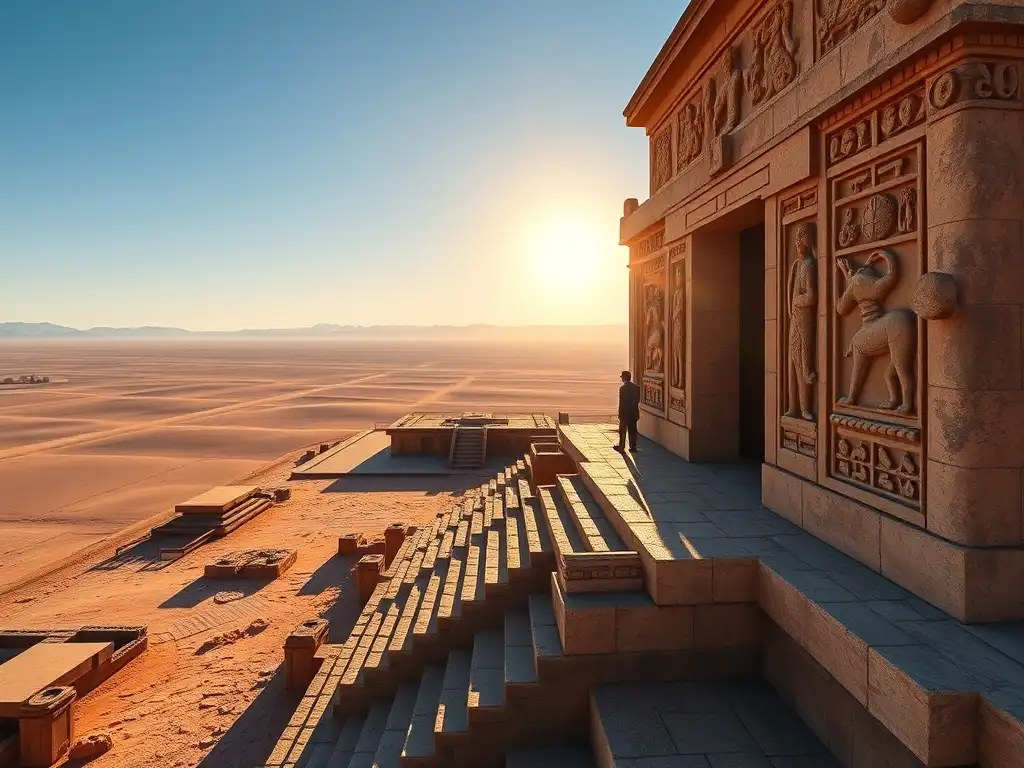
Step into a world lost to time, where towering monuments whisper secrets of a vanished civilization. Prepare to be captivated by the Andean world, a realm of breathtaking artistry and unparalleled ingenuity. Our journey begins with the enigmatic Tiahuanaco cosmology and city, a place where celestial alignments and intricate symbolism intertwine to reveal a profound understanding of the universe. Uncover the mysteries of Tiwanaku and delve into the heart of a culture that continues to inspire awe and wonder. Are you ready to unravel its secrets?
The city of Tiwanaku, located on the shores of Lake Titicaca in modern-day Bolivia, stands as a powerful testament to the advanced civilization that flourished there from approximately 300 CE to 1000 CE. More than just a bustling urban center, Tiwanaku was a deeply symbolic and sacred place, its very architecture and layout reflecting a complex cosmology that intertwined the earthly and spiritual realms.
This article delves into the intricate relationship between Tiwanaku's urban planning and its sophisticated religious beliefs, exploring how the city itself served as a tangible manifestation of its cosmological worldview. Understanding Tiwanaku's cosmology offers a crucial key to unlocking the mysteries of this remarkable civilization and its lasting legacy.
We will explore the city's layout, its monumental structures, and the iconography found within, revealing how they all contribute to a rich and multifaceted understanding of Tiahuanaco cosmology and city. Prepare to be transported to a world where the lines between the heavens and the earth blurred, and where the very stones whispered of cosmic significance.
Tiwanaku's Urban Planning: A Cosmic Blueprint
The meticulous planning of Tiwanaku suggests a deliberate attempt to mirror the cosmos on earth. Archaeological evidence reveals a carefully organized city grid, with avenues aligned to cardinal directions, reflecting a deep understanding of astronomy and a desire to harmonize the city's layout with the celestial movements. The placement of key structures, such as the Kalasasaya complex and the Akapana pyramid, further emphasizes this cosmic connection. These weren't simply buildings; they were carefully positioned components within a larger, symbolic representation of the universe.
The city's orientation towards the solstices and equinoxes further supports this interpretation, suggesting that astronomical events played a pivotal role in the religious practices and daily life of the Tiahuanaco people. Detailed studies of the city's geometry continue to reveal new insights into the sophistication of their astronomical knowledge and its incorporation into urban design. [Specific details regarding the angles of alignment pending further research].
The Kalasasaya Complex: Gateway to the Sacred Realm
The Kalasasaya complex, meaning "standing stones" in Aymara, served as a central ceremonial area within Tiwanaku. Its monumental architecture, featuring massive stone blocks intricately carved with intricate designs, creates an awe-inspiring atmosphere. The complex's layout and orientation are believed to have played a significant role in religious rituals, with the Gateway of the Sun, a massive stone monolith adorned with intricate carvings, possibly representing a cosmic portal.
This monumental structure, along with other elements within the Kalasasaya, likely served as a focal point for ceremonies and rituals connected to the Tiahuanaco cosmology. The Gateway of the Sun itself depicts a central figure, often interpreted as a deity or a representation of the creator god, surrounded by various symbolic figures and celestial elements.
Analyzing these carvings provides invaluable clues to understanding their religious beliefs and their concept of the cosmos. [Further analysis of the iconography on the Gateway of the Sun is needed to fully elucidate its meaning].
The Akapana Pyramid: A Mountain of the Gods
The Akapana pyramid, a massive earthen structure, stands as another significant element within Tiwanaku's cosmic landscape. Its terraced structure and internal chambers, along with the presence of water channels, suggest a possible connection to water cults and the veneration of water as a sacred element within their cosmology. The pyramid's elevated position likely symbolized its importance as a link between the earthly and celestial realms, potentially representing a sacred mountain or a symbolic representation of the cosmos itself.
The intricate water management system associated with the pyramid further underscores the importance of water in their religious beliefs and its connection to their cosmological understanding. [Further research is needed to fully understand the function and significance of the internal chambers within the Akapana pyramid].
Iconography and Symbolism: Decoding the Cosmic Message
The intricate carvings and iconography found throughout Tiwanaku provide further evidence of their sophisticated cosmology. Recurring motifs, such as stylized figures, celestial bodies, and geometric patterns, suggest a complex system of beliefs and rituals. These symbols, often depicted on ceramics, textiles, and stone carvings, are believed to represent deities, cosmic forces, and key aspects of their worldview. The interpretation of these symbols remains a subject of ongoing research, with scholars continually uncovering new insights into their meaning and significance.
[Detailed analysis of specific iconographic motifs and their interpretations pending]. The study of Tiahuanaco's iconography is crucial for understanding the complexities of their cosmology and its influence on the city's design and function. The recurring use of certain symbols across different artifacts suggests a highly structured and consistent cosmological system.
This initial exploration into the sacred city of Tiwanaku reveals the profound connection between its urban planning, monumental architecture, and the sophisticated cosmology of the Tiahuanaco people. Further research will undoubtedly uncover even more details about this fascinating civilization and its enduring legacy. The city of Tiwanaku itself serves as a powerful and enduring testament to the ingenuity and spiritual depth of the Tiahuanaco culture, offering a unique window into a complex and fascinating cosmology. The integration of astronomy, engineering, and religious belief is a hallmark of Tiwanaku's remarkable achievement.
- Tiwanaku's Urban Planning: A Cosmic Blueprint
- The Kalasasaya Complex: Gateway to the Sacred Realm
- The Akapana Pyramid: A Mountain of the Gods
- Iconography and Symbolism: Decoding the Cosmic Message
- What is the significance of Tiwanaku/Tiahuanaco in Andean history?
- How did Tiahuanaco's cosmology influence its city planning?
- What are some key features of Tiahuanaco's religious beliefs?
- What evidence exists to support the understanding of Tiahuanaco's cosmology?
- How did Tiahuanaco's influence extend beyond its immediate surroundings?
Understanding Tiwanaku's Urban Planning Through its Cosmology
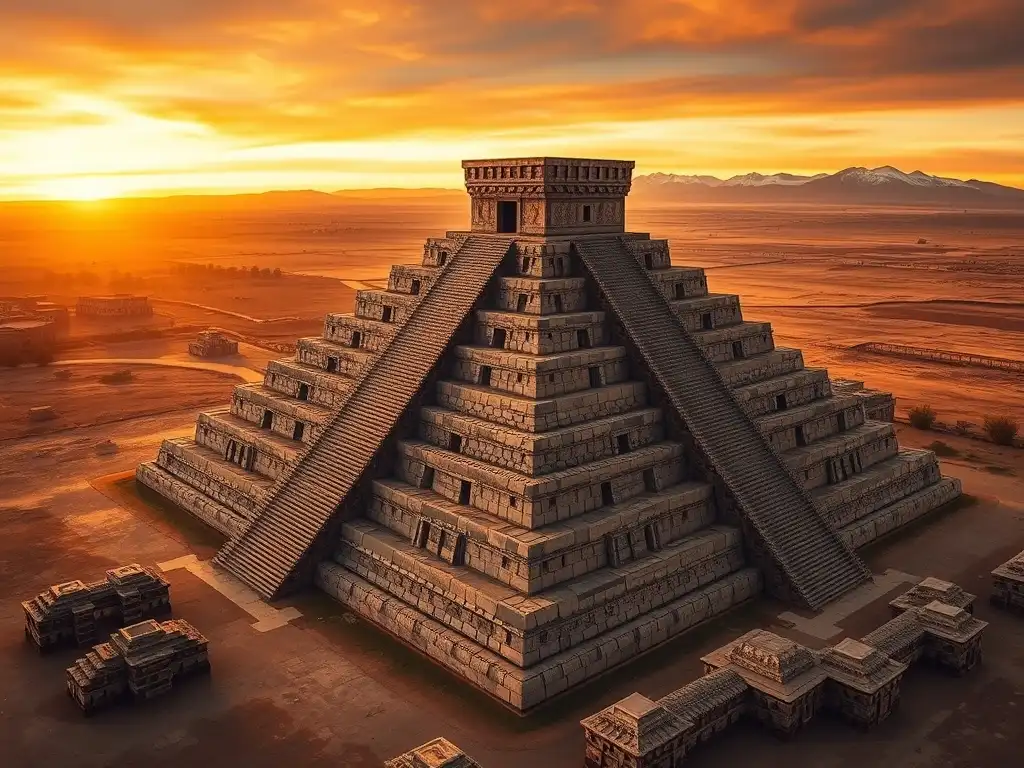
The sacred city of Tiwanaku, a testament to the sophisticated Tiahuanaco civilization, wasn't merely a collection of buildings; it was a meticulously planned urban landscape reflecting a complex cosmology. Understanding Tiahuanaco cosmology and city planning reveals a deep connection between the earthly realm and the spiritual world, where architecture served as a powerful medium for expressing religious beliefs and astronomical observations.
The city's layout, with its precisely aligned structures and symbolic monuments, wasn't arbitrary; it was a deliberate representation of the cosmos, a three-dimensional model of their worldview. This intricate relationship between the urban design and the religious beliefs of the Tiahuanaco people is a key to unlocking the mysteries of this remarkable civilization.
The very placement of structures, their orientation, and their architectural features all contribute to this grand cosmic design. We'll explore how this cosmological vision shaped the city's physical form, revealing a sophisticated understanding of astronomy and a profound connection to the natural world.
The Central Axis of Tiwanaku: A Cosmic Alignment
The central axis of Tiwanaku is arguably the most crucial element in understanding the city's cosmological significance. This axis, a straight line running through the heart of the city, isn't just a random alignment; it's a deliberate representation of a cosmic order. Evidence suggests it aligns with key astronomical events, such as solstices and equinoxes, demonstrating a sophisticated understanding of celestial movements.
This alignment wasn't merely coincidental; it was a fundamental aspect of Tiahuanaco cosmology and city planning. The precision of this alignment, achieved without modern tools, underscores the advanced knowledge and meticulous planning of the Tiahuanaco people. Furthermore, the placement of key structures along this axis – including the Akapana Pyramid and the Kalasasaya – reinforces its importance as a symbolic link between the earthly and celestial realms.
The central axis served not only as an astronomical marker but also as a symbolic pathway connecting the earthly world with the divine. Think of it as a terrestrial representation of the Milky Way, the central organizing principle of their universe. This deliberate connection between the earthly city and the celestial sphere is a hallmark of Tiahuanaco cosmology and city design.
The Akapana Pyramid: A Terrestrial Mountain Representing the Cosmos
The Akapana Pyramid, one of Tiwanaku's most imposing structures, is far more than just a monumental building. It represents a terrestrial mountain, mirroring the sacred mountains believed to be the homes of deities in Tiahuanaco cosmology. Its stepped structure, reminiscent of Andean peaks, symbolically connects the earthly realm with the celestial world.
Archaeological evidence suggests that the pyramid was a complex structure, possibly incorporating water channels and intricate internal chambers, further emphasizing its symbolic and ritualistic importance. The materials used in its construction, and the precise arrangement of its platforms, likely held symbolic meaning within the context of their cosmology. It wasn't simply a place of worship; it was a physical manifestation of their cosmological beliefs, a representation of the Andean landscape and the cosmos itself.
The size and complexity of the Akapana pyramid strongly suggest a significant investment of resources and labor, underscoring its central role in Tiahuanaco society and religion. The pyramid's terraced structure might also represent the different levels of the cosmos, with each level representing a different realm or celestial body.
Kalasasaya: The Enclosure as a Calendar and Ritual Space
The Kalasasaya, meaning "standing stones," is another crucial element in understanding Tiahuanaco cosmology and city planning. This large enclosure served multiple purposes, acting as both a calendar and a ritual space. Its orientation aligns with solstices and equinoxes, enabling the precise tracking of astronomical events.
The placement of monoliths within the enclosure, some depicting figures with elaborate headdresses and symbolic attributes, further suggests its ritual significance. The Kalasasaya wasn't just a place to observe the stars; it was a stage for rituals that connected the terrestrial and celestial realms, reinforcing the cosmological worldview of the Tiahuanaco people. Imagine the rituals performed within this enclosure, the movements of the sun and stars casting shadows and illuminating the monoliths, creating a powerful and awe-inspiring spectacle.
The intricate carvings on some of the monoliths might represent constellations or other celestial phenomena, furthering the connection between the architecture and the cosmos. The Kalasasaya stands as a powerful testament to the Tiahuanaco people's sophisticated understanding of astronomy and their ability to integrate astronomical observations into their religious practices and urban planning. The combination of astronomical alignment and ritual use makes the Kalasasaya a central piece of evidence in understanding Tiahuanaco cosmology and its influence on the city's design.
Key Elements of Tiahuanaco's Belief System Reflected in Tiwanaku
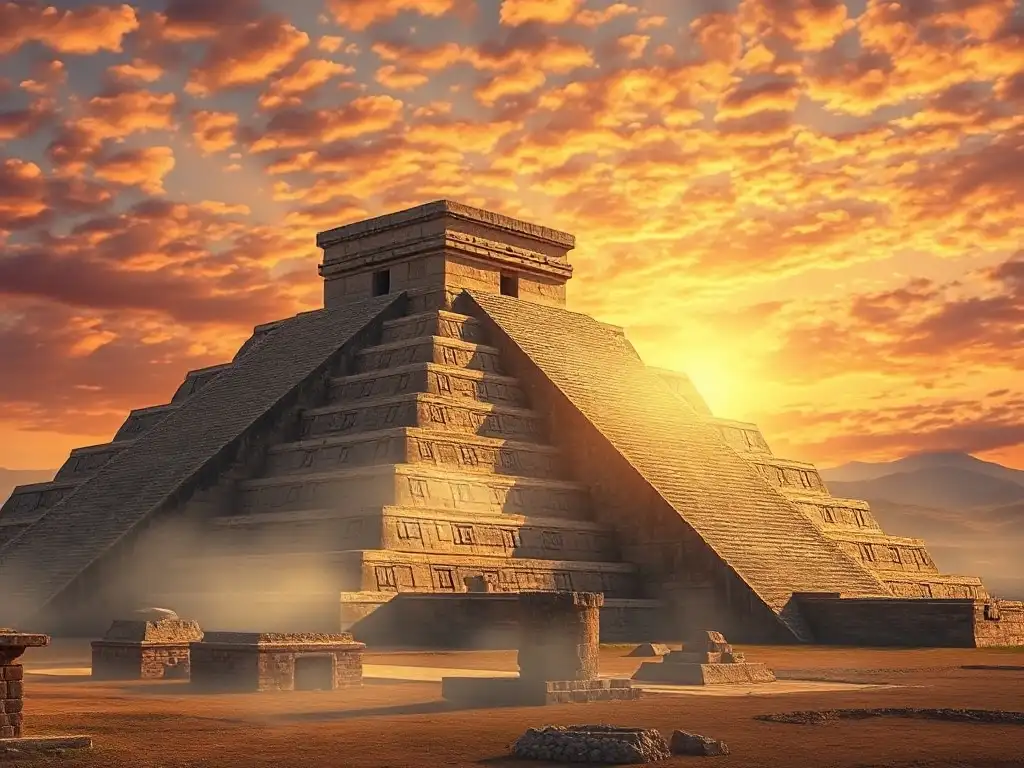
This section delves into the key aspects of Tiahuanaco cosmology as manifested in the physical layout and artistic expressions of the city of Tiwanaku. Understanding Tiwanaku requires appreciating the intricate relationship between the city's design, its religious beliefs, and the Andean worldview. The city itself wasn't merely a settlement; it was a carefully planned representation of the cosmos, a sacred space reflecting the spiritual beliefs of the Tiahuanaco people.
This deliberate integration of cosmology and urban planning underscores the profound significance of religion in shaping their society. The study of Tiahuanaco cosmology and city reveals a sophisticated understanding of astronomy, agriculture, and the interconnectedness of the natural world with the spiritual realm. The careful alignment of structures with celestial events and the symbolic use of water, mountains, and other natural elements all point to a deeply spiritual society.
The Sun God Inti and its Representation in Tiwanaku Art
The Sun God Inti, a prominent figure in Andean mythology, held a central position in Tiahuanaco cosmology. Representations of Inti in Tiwanaku art are abundant and varied, often depicted in a highly stylized manner. Many artifacts, including ceramics and textiles, showcase Inti as a powerful deity, sometimes with anthropomorphic features and other times represented symbolically through solar disks or rays.
The precise iconography varied, reflecting the complexity of the belief system and potentially different interpretations across time or social strata. For example, some depictions show Inti with a headdress adorned with feathers, while others emphasize his radiant energy through intricate patterns and geometric designs. The sheer volume of Inti-related imagery in Tiwanaku underscores his importance within the Tiahuanaco pantheon and his influence on the daily lives of the people.
Further research into the specific stylistic variations could reveal more about the social and religious contexts of these depictions. The analysis of these artistic representations offers valuable insights into the role of the Sun God within Tiahuanaco's complex cosmology and its impact on the city's cultural landscape. It is crucial to consider the varying styles and interpretations of Inti's image to fully grasp the richness of Tiahuanaco's religious beliefs.
The Andean Creator God Wiracocha and his Influence on Tiwanaku Architecture
Wiracocha, the Andean creator god, is another crucial figure whose influence is strongly visible in Tiwanaku's architecture. While direct representations of Wiracocha might be less frequent than those of Inti, his presence is powerfully suggested through the monumental scale and deliberate placement of structures. The sheer size and precision of the Kalasasaya complex, for instance, could be interpreted as a manifestation of Wiracocha's creative power.
The imposing nature of the buildings, their meticulous construction, and the symbolic use of stone—a material associated with permanence and strength—all evoke a sense of divine creation and cosmic order. The precise alignment of certain structures with solstices and equinoxes further suggests a conscious effort to integrate the earthly realm with the celestial, mirroring Wiracocha's role as a creator and organizer of the universe.
Analyzing the architectural features and their astronomical alignments provides a tangible link between Tiahuanaco's cosmology and its urban planning. The monumental scale of the city itself could be seen as a reflection of Wiracocha's immense power and influence over the cosmos.
The Importance of Water Deities and their Symbolic Presence
Water deities played a significant role in Tiahuanaco cosmology, reflecting the crucial importance of water in the Andean environment. The Tiwanaku people relied heavily on Lake Titicaca and its tributaries for sustenance and survival. This dependence is reflected in the city's design and its artistic representations.
While specific iconographic representations of water deities might require further investigation, the presence of intricate water management systems within the city itself speaks volumes about the reverence for water. The sophisticated canals, fountains, and reservoirs suggest a deep understanding of hydraulic engineering and a symbolic connection between water, life, and the divine. The location of Tiwanaku near Lake Titicaca, a body of water considered sacred by many Andean cultures, further emphasizes the importance of water in their worldview.
The symbolic use of water in rituals and ceremonies, though not fully documented, can be inferred from the city's infrastructure and the artistic motifs found on various artifacts. Further research on Tiahuanaco's religious practices and the analysis of archaeological evidence could shed more light on the specific nature and roles of these water deities within the broader context of Tiahuanaco cosmology and city planning. The integration of water management into the city's design offers compelling evidence of the profound significance of water in their religious beliefs and their daily lives.
The Role of Ancestor Veneration in Tiahuanaco Religion
Ancestor veneration formed a cornerstone of Tiahuanaco's religious beliefs, deeply intertwined with their cosmology and understanding of the universe. The belief system wasn't simply about remembering deceased relatives; it involved a complex ritualistic practice aimed at maintaining a vital connection with the ancestral spirits, considered powerful intermediaries between the living and the divine. Archaeological evidence strongly suggests that the elite, in particular, held a prominent role in these ancestor veneration practices.
Elaborate burial sites, often containing richly decorated grave goods and offerings, point to a belief in the continued existence and influence of the ancestors in the afterlife. These weren't simply tombs; they were sacred spaces designed to honor and appease the spirits of the deceased, ensuring their continued support and guidance for the living.
The importance of ancestor veneration is further underscored by the presence of numerous monumental structures and sculptures within Tiwanaku itself. Many scholars believe that certain architectural features, such as the intricate carvings and the placement of specific structures, were intentionally designed to facilitate communication with and honor the ancestors.
For instance, the famous Gate of the Sun, with its intricate relief depicting a central figure possibly representing a deity or an ancestor, might have served as a focal point for ancestor veneration rituals. The meticulous craftsmanship and the sheer scale of these structures suggest a significant investment of resources and labor, highlighting the central place of ancestor veneration within Tiahuanaco society.
Furthermore, the practice extended beyond the elite. While the scale and grandeur of elite burials are striking, evidence suggests that ancestor veneration was a widespread practice across various social strata. The presence of smaller, less elaborate burials throughout the Tiwanaku region indicates that even commoners participated in rituals to honor their deceased ancestors. The continuity of these practices across social classes underlines the pervasive nature of this belief system and its importance in shaping the social fabric of Tiahuanaco society.
The offerings found in these burials, though less opulent than those found in elite tombs, still reveal a deep-seated belief in the continued spiritual presence and influence of the ancestors. Understanding this widespread practice provides crucial insights into the social cohesion and the spiritual worldview of the Tiahuanaco people. The deeply ingrained nature of ancestor veneration in Tiahuanaco society highlights its significance in shaping their religious and social structures.
The Symbolism of Tiwanaku's Architecture and its Cosmological Meaning
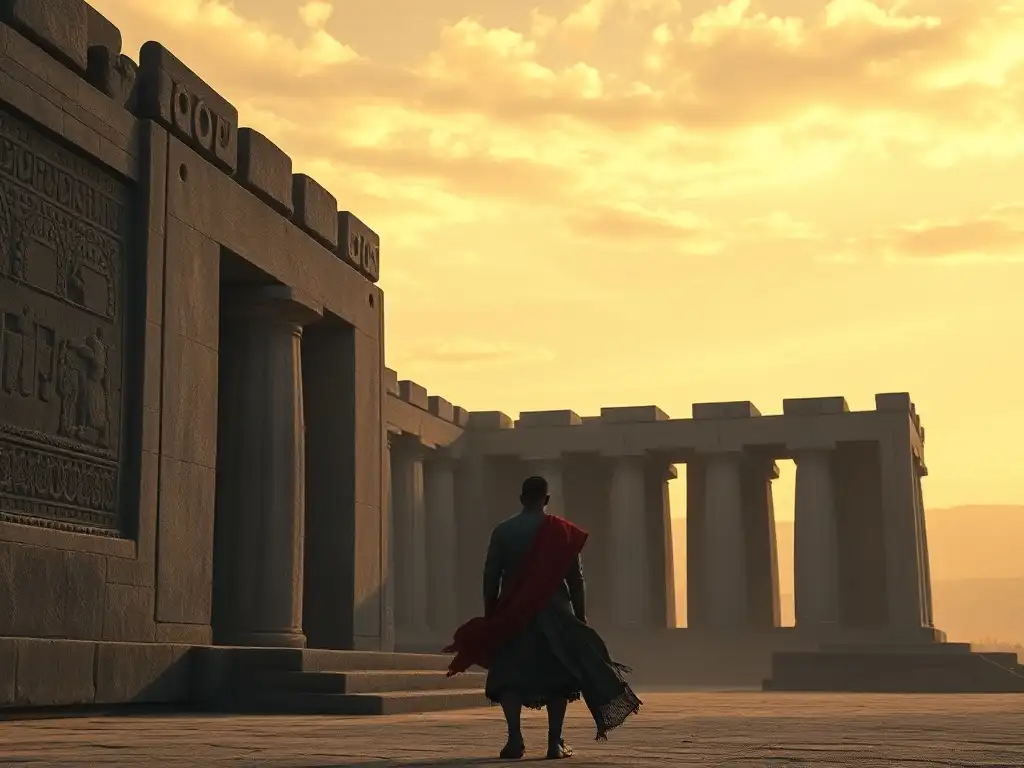
The architecture of Tiwanaku isn't merely a testament to the civilization's engineering prowess; it's a tangible manifestation of their complex cosmology. Every stone, every carving, every meticulously placed structure served a purpose within their worldview, reflecting their understanding of the universe and their place within it. The city itself, meticulously planned and aligned with astronomical events, functioned as a giant sacred calendar, a physical representation of their cosmic beliefs.
Analyzing Tiwanaku's architecture reveals a sophisticated system of symbolism deeply intertwined with their religious practices and beliefs about the creation and order of the cosmos. The careful consideration of orientation, material selection, and symbolic imagery all contribute to a comprehensive understanding of Tiahuanaco cosmology and city planning. This intricate relationship between architecture and cosmology makes Tiwanaku a uniquely fascinating site for studying ancient Andean beliefs.
The Gateway of the Sun: A Portal Between Worlds
The Gateway of the Sun, arguably the most iconic structure at Tiwanaku, is more than just a monumental gateway; it's considered a portal connecting the earthly realm with the celestial one. Its intricate carvings depict a central figure, often interpreted as the creator god Viracocha, surrounded by smaller figures representing various deities and celestial bodies. The intricate relief, showcasing a complex arrangement of stylized figures and symbols, is believed to represent the Andean creation myth, with Viracocha emerging from the waters to create the world.
The Gateway's positioning within the city, its astronomical alignments, and the symbolic representations carved into its surface all point to its crucial role in Tiahuanaco's cosmology. Scholars have extensively analyzed the Gateway's iconography, attempting to decipher its complex symbolism and its connection to the cyclical nature of time and the cosmos as understood by the Tiahuanaco people.
The precise meaning of many of the symbols remains debated, but the overall impression is one of cosmic power and connection. Detailed studies of the Gateway's construction techniques also reveal advanced knowledge of stone carving and astronomical observation.
The meticulous craftsmanship and the symbolic richness of the Gateway's carvings highlight the importance placed upon this structure within Tiahuanaco society. Its role as a potential ceremonial entrance, a point of contact between the earthly and spiritual realms, underscores the sophisticated religious beliefs and practices of the Tiahuanaco people. Further research into the Gateway's astronomical alignments could potentially reveal a more precise understanding of the Tiahuanaco calendar and their relationship with the celestial cycles.
The Monoliths and Sculptures: Depictions of Gods and Mythical Beings
Scattered throughout the site are numerous monoliths and sculptures, many of which depict anthropomorphic figures, deities, and mythical creatures central to Tiahuanaco's pantheon. These aren't merely decorative elements; they are powerful representations of the spiritual forces believed to govern the universe. The style of these sculptures, characterized by their imposing size and stylized features, reflects the importance given to these divine beings within Tiahuanaco religion. Some monoliths depict figures holding staffs or sceptres, indicating their authority and power.
Others feature intricate headdresses and adornments, suggesting their connection to the celestial realm. The placement of these monoliths within the city complex is also significant, potentially reflecting their specific roles within the cosmological order. The variety of figures and their accompanying symbols offer a glimpse into the rich tapestry of Tiahuanaco mythology and their understanding of the divine.
Analysis of the iconography present on these monoliths and sculptures reveals a complex system of religious beliefs. Further research is needed to fully understand the specific meanings of the various symbols and figures depicted, but it's clear that they played a crucial role in Tiahuanaco's religious practices and their understanding of the universe. The scale and artistry of these sculptures demonstrate the advanced skills of Tiahuanaco artisans and the importance placed upon religious expression within their society. The sheer number of monoliths and sculptures found at the site indicates the pervasiveness of religious imagery in daily life.
The Use of Geometrical Patterns Reflecting the Order of the Universe
The prevalence of geometric patterns in Tiwanaku's architecture is striking. From the intricate carvings on the Gateway of the Sun to the designs adorning smaller structures and artifacts, geometric motifs—including stepped pyramids, zigzags, and crosses—are ubiquitous. These aren't simply aesthetic choices; they represent a profound understanding of cosmic order and the principles governing the universe.
The Tiahuanaco people likely saw these patterns as reflections of the underlying structure of reality, mirroring the celestial cycles and the interconnectedness of all things. The repetition of these patterns reinforces their symbolic meaning, emphasizing their importance within the Tiahuanaco worldview. The precision with which these patterns were executed suggests a deep understanding of mathematics and geometry.
The use of stepped pyramids, for instance, is not only a structural feature but also a symbolic representation of the layered structure of the cosmos, with each level representing a different realm or plane of existence. Similarly, the frequent use of zigzags might represent the path of the sun or the meandering rivers, symbolizing the cyclical nature of time and the flow of life.
The cross, a ubiquitous symbol in Andean cultures, likely held a significant religious meaning within the Tiahuanaco cosmology, possibly representing the four cardinal directions or the four elements. Further research is needed to fully decipher the meaning of all the geometric patterns found at Tiwanaku, but their widespread use clearly indicates their profound importance within the Tiahuanaco worldview and their understanding of the universe's structure.
The precision and repetition of these patterns reflect the Tiahuanaco's advanced understanding of geometry and their belief in the underlying order of the cosmos. The intricate interplay of these geometric patterns adds another layer of complexity to the understanding of Tiahuanaco cosmology and city planning.
Tiwanaku's Sacred Geography: A Microcosm of the Andean Worldview
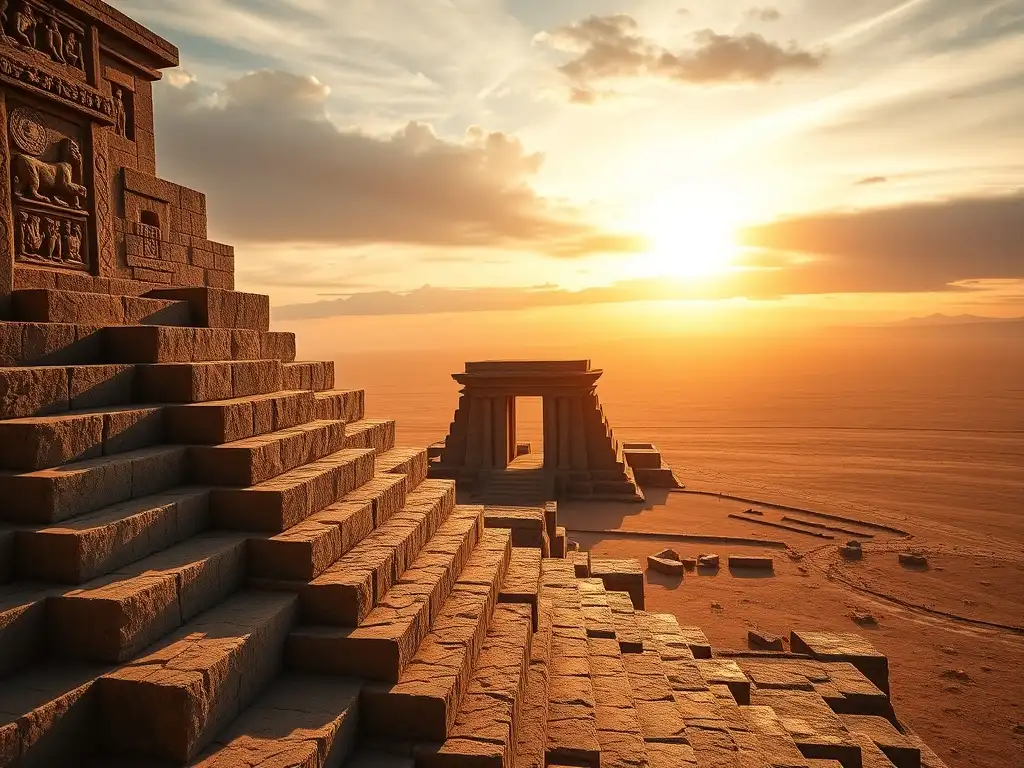
The city of Tiwanaku, a remarkable achievement of Andean engineering and spiritual vision, wasn't merely a political center; it was a meticulously planned sacred landscape, reflecting a profound cosmology deeply intertwined with the natural world. Understanding Tiwanaku requires recognizing its deliberate integration with its environment, a microcosm of the broader Andean worldview. The positioning of structures, the orientation of pathways, and even the selection of building materials all speak to a sophisticated understanding of the cosmos and its influence on human life.
This intricate relationship between the city and its surroundings underscores the importance of Tiwanaku cosmology and city planning in the development of this influential civilization. The city itself acted as a conduit, connecting the earthly realm with the celestial, manifesting their beliefs in a tangible, architectural form.
The Lake Titicaca and its Significance in Tiahuanaco Beliefs
Lake Titicaca, the highest navigable lake in the world, played a pivotal role in Tiahuanaco cosmology. Its proximity to the city is no coincidence. For the Tiwanaku people, the lake was far more than a source of water; it was a sacred body of water, a source of life, and a powerful symbol of the cosmos.
Many scholars believe the lake represented the primordial waters from which life emerged, a concept echoed in various Andean creation myths. The lake's fluidity, its ever-changing surface, and its connection to the surrounding mountains likely contributed to its symbolic importance, representing the dynamic interplay between the earthly and the divine. Furthermore, the lake’s abundance of fish and other resources strengthened its position as a life-giving force, essential to the survival and prosperity of the Tiahuanaco civilization.
Evidence of ceremonial sites and offerings found near the lake further supports its sacred status within Tiwanaku cosmology and city life. The interplay between the city and the lake is a powerful illustration of how the Tiwanaku integrated their spiritual beliefs into their daily existence.
The Surrounding Mountains and their Role in the Sacred Landscape
The imposing mountains surrounding Tiwanaku were not merely geographical features; they held immense spiritual significance. These towering peaks, often shrouded in mist and imbued with a sense of awe, were considered sacred entities, connecting the earthly realm with the celestial sphere. They were seen as the abode of powerful deities and ancestral spirits, acting as intermediaries between the human world and the supernatural.
The precise orientation of many Tiwanaku structures towards these mountains suggests a deliberate attempt to align the city with the celestial movements and the energies emanating from these sacred peaks. The use of stone, often sourced from these very mountains, further strengthens this connection, literally embodying the sacred power of the landscape within the city's architecture.
This deliberate integration of the mountains into the city's design is a testament to the profound respect and reverence held for the natural world within Tiwanaku cosmology and city planning. The mountains served as both a physical and spiritual boundary, a powerful reminder of the forces that shaped and governed the lives of the Tiwanaku people.
The Relationship Between Tiwanaku and the Natural World
The relationship between Tiwanaku and the natural world was not simply one of dependence; it was a deeply symbiotic one, reflected in their cosmology and city planning. The city's very layout, with its precise alignments and carefully chosen location, suggests a profound understanding of the cosmos and its influence on the human world. The use of agricultural techniques, such as raised fields, demonstrates an impressive level of environmental management, showcasing their ability to harness and interact with the natural world in a sustainable manner.
Furthermore, the abundant evidence of agricultural iconography in Tiwanaku art reinforces the importance of agriculture in their belief system, portraying it not just as a means of survival, but as a sacred act, deeply connected to their cosmology. This holistic approach to life, integrating spiritual beliefs with practical needs, highlights the sophisticated understanding of the natural world possessed by the Tiwanaku civilization.
The close relationship between the city, the lake, the mountains, and the surrounding agricultural lands demonstrates a profound respect for the natural world, a vital component of Tiwanaku cosmology and city structure. This intricate relationship showcases the harmonious integration of spiritual beliefs and practical needs, a key element in understanding the success and longevity of the Tiwanaku civilization.
The Legacy of Tiwanaku's Cosmology: Influence on Later Andean Cultures
The sophisticated cosmology of Tiwanaku, deeply interwoven with its urban planning and monumental architecture, didn't vanish with the city's decline. Its influence reverberated across the Andean region, shaping the religious beliefs and practices of subsequent cultures for centuries. Understanding this legacy is crucial to appreciating the full scope of Tiwanaku's impact and its enduring presence in Andean identity.
The intricate system of beliefs, centered around concepts of duality, water, and ancestor veneration, found fertile ground in the evolving cultural landscapes of the later Andean civilizations. This wasn't simply a matter of direct imitation; rather, it was a process of adaptation and reinterpretation, where Tiwanaku's cosmological framework provided a foundation upon which new religious expressions were built.
The persistence of certain motifs, architectural styles, and ritual practices strongly suggests a continuous thread connecting Tiwanaku's cosmology to the beliefs of later Andean societies. The extent of this influence is a subject of ongoing research, with new archaeological discoveries and interpretations constantly refining our understanding.
The Transmission of Tiahuanaco Religious Ideas to Other Civilizations
The dissemination of Tiwanaku's religious ideas wasn't solely a consequence of military conquest or political dominance. While these factors undoubtedly played a role, the spread of Tiwanaku's cosmological concepts was also facilitated by a complex network of trade routes, cultural exchange, and migration patterns. Archaeological evidence points to the adoption of Tiwanaku-style ceramics, textiles, and architectural elements in distant regions, indicating a significant level of cultural interaction.
The widespread use of similar iconography, particularly representations of deities and symbolic animals, further supports the notion of a shared religious framework. For example, the depiction of the chakana (Andean cross) is found in numerous contexts throughout the Andes, suggesting its enduring symbolic importance from the Tiwanaku period onward. The adoption and adaptation of Tiwanaku's religious beliefs, however, weren't uniform.
Different groups selectively integrated aspects of Tiwanaku's cosmology into their existing belief systems, resulting in a diverse range of syncretic religious practices. This process of cultural blending is evident in the rich tapestry of religious expressions found in the Andean region after the decline of Tiwanaku. Further research is needed to fully map the intricate pathways of this cultural transmission.
The Continuity of Cosmological Concepts in Inca Culture
The Inca Empire, emerging centuries after the decline of Tiwanaku, inherited a rich cultural legacy that included significant elements of Tiwanaku's cosmology. While the Inca developed their own distinct pantheon and religious practices, certain key cosmological concepts appear to have persisted. The Inca emphasis on ancestor veneration, for example, finds parallels in the Tiwanaku worldview, where the connection between the living and the deceased played a crucial role. The Inca's sophisticated understanding of astronomy and their incorporation of celestial observations into their religious calendar also suggests a continuity with Tiwanaku's focus on the cosmos.
Further, the Inca's use of duality in their worldview, expressed in their paired deities and complementary principles, echoes the dualistic nature of Tiwanaku's religious beliefs. However, the extent to which Inca cosmology was directly influenced by Tiwanaku remains a topic of debate among scholars. Some argue for a more direct lineage, emphasizing the continuity of certain key concepts and practices.
Others highlight the Inca's own unique contributions, emphasizing the syncretic nature of their religious system. The investigation of this complex relationship requires further analysis of both Inca and Tiwanaku religious texts, iconography, and archaeological data. The ongoing excavation of Inca sites and the continued study of Inca mythology are vital for clarifying the extent of this cosmological inheritance.
The Enduring Impact of Tiwanaku's Sacred City
The physical remnants of Tiwanaku's sacred city continue to exert a powerful influence, serving as a tangible link to the past. The monumental architecture, meticulously planned urban layout, and intricate carvings all contribute to a sense of awe and wonder, underscoring the city's significance as a center of religious and political power. The enduring presence of the kalasasaya, the Akapana pyramid, and the Gate of the Sun, all evoke a sense of mystery and continue to inspire fascination.
The city's layout, reflecting a profound understanding of cosmology, is itself a testament to the enduring impact of Tiwanaku's worldview. The careful alignment of structures with celestial events, the symbolic use of water features, and the incorporation of religious iconography into the city’s design all speak to the deep integration of cosmology into the urban fabric. Furthermore, the city's ruins serve as a vital resource for ongoing research into Tiwanaku cosmology, providing invaluable insights into the beliefs and practices of this remarkable civilization.
The ongoing archaeological investigations, along with the preservation efforts, are crucial for safeguarding this invaluable heritage and ensuring that future generations can appreciate the legacy of Tiwanaku's sacred city and its profound cosmological significance. The continued study of the city, therefore, is essential for a complete understanding of Tiahuanaco cosmology and city.
Frequently Asked Questions
What is the significance of Tiwanaku/Tiahuanaco in Andean history?
Tiwanaku/Tiahuanaco was a powerful and influential pre-Columbian civilization in the Andes. Its advanced urban planning, sophisticated agriculture, and unique religious beliefs shaped the region for centuries. It's considered a major center of Andean cosmology.
How did Tiahuanaco's cosmology influence its city planning?
Tiahuanaco's cosmology, centered around sun worship and astronomical observations, is reflected in its city's layout. The precise alignment of structures with celestial events suggests a deliberate integration of the sacred and the secular. This shows a deep understanding of astronomy.
What are some key features of Tiahuanaco's religious beliefs?
Tiahuanaco's religion was polytheistic, featuring a complex pantheon of deities associated with nature, agriculture, and the cosmos. Sun worship was central, and fertility rituals played a significant role. Human sacrifice may have also been practiced.
What evidence exists to support the understanding of Tiahuanaco's cosmology?
Evidence comes from archaeological findings, including the alignment of buildings with solstices and equinoxes, depictions of deities and celestial bodies in art, and the discovery of ritual objects and sites. Written records are scarce, however, making interpretation complex.
How did Tiahuanaco's influence extend beyond its immediate surroundings?
Tiahuanaco's influence spread widely through trade networks and cultural exchange, impacting neighboring societies. Its artistic styles, religious beliefs, and agricultural techniques were adopted and adapted by other Andean cultures. The city's power was immense.
Final Reflection: Echoes of the Sun God in a Modern World
The enduring legacy of Tiwanaku's cosmology continues to resonate today, a powerful testament to the ingenuity and spiritual depth of a civilization that thrived millennia ago. Its sophisticated understanding of astronomy, agriculture, and societal organization, all deeply intertwined with their unique worldview, offers valuable insights into the human capacity for innovation and spiritual expression, even in the face of immense challenges. The city's very stones whisper tales of a people deeply connected to their environment and their beliefs, a connection we can only strive to emulate in our increasingly disconnected world.
The intricate interplay between the physical layout of Tiwanaku and its cosmological beliefs profoundly impacted the development of Andean cultures, influencing subsequent civilizations and leaving an indelible mark on the region's identity. The city's monumental architecture, meticulously aligned with celestial events, serves as a powerful reminder of humanity's enduring fascination with the cosmos. The past is never dead. It's not even past.
- William Faulkner. This quote perfectly encapsulates the enduring relevance of Tiwanaku's cosmology, which continues to shape our understanding of pre-Columbian societies and their profound connection to the natural world.
Consider, for a moment, the implications of Tiwanaku's sophisticated understanding of the cosmos and its integration into daily life. How might we, in our modern world, reconnect with the natural rhythms of the earth and foster a deeper appreciation for the interconnectedness of all things?
Let the echoes of the Sun God inspire you to seek a more harmonious relationship with the world around you, to find meaning in the cycles of nature, and to build a future guided by wisdom and respect for the past. Embrace the lessons of Tiwanaku, and let its enduring legacy guide you towards a more sustainable and spiritually fulfilling life.
Unveil the Mysteries of Tiwanaku Today!
Thank you for exploring the fascinating world of Tiwanaku with us! You've gained valuable insights into how this sacred city reflects profound cosmological beliefs. Now, it's your turn to delve deeper and connect with this rich heritage.
Here are some ways you can continue your exploration:
- Visit Tiwanaku: Plan a trip to experience the culture and history firsthand and feel the energy of this ancient site. Witness the grandeur of the monumental structures and imagine the lives of the people who built them.
- Join a Community: Connect with fellow enthusiasts in online forums or social media groups dedicated to Andean civilizations. Sharing your discoveries and learning from others can enrich your understanding significantly.
- Expand Your Knowledge: Read more about related topics, such as the influence of Andean mythology on contemporary art, spirituality, and cultural practices. This deeper exploration will reveal unexpected connections and broaden your appreciation.
What aspect of Tiwanaku's cosmology resonated most with you, and how might it inform your own perspective? We'd love to hear your thoughts!