
Tiahuanaco's Religious Art: Decoding the Iconography and Symbolism

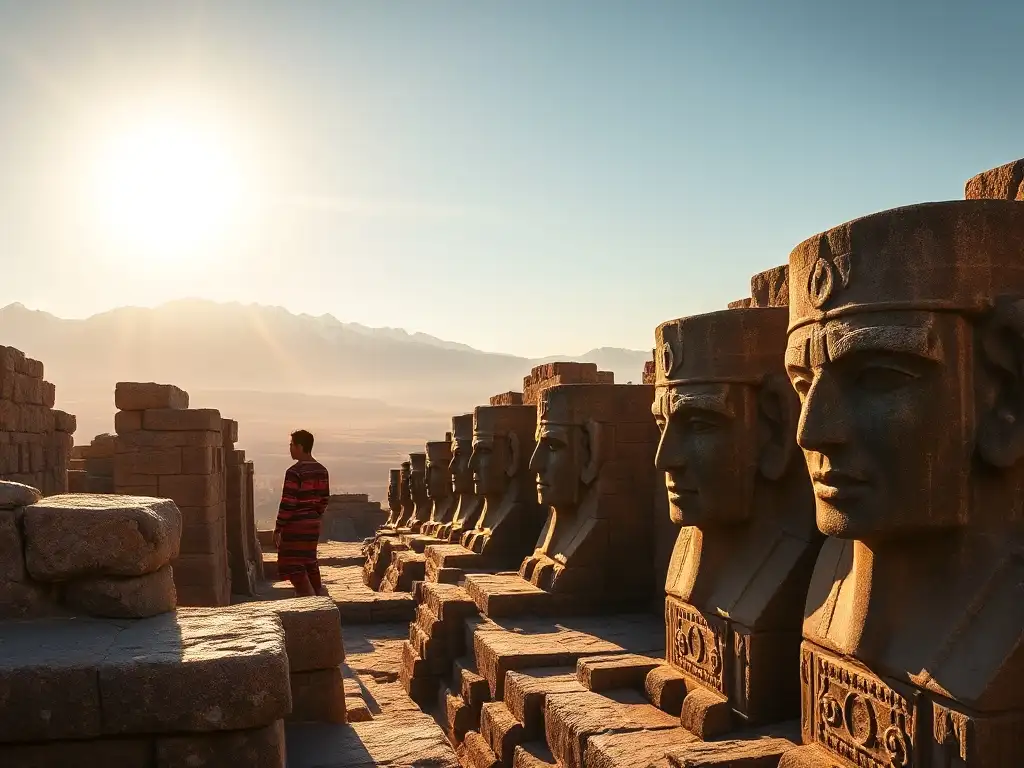
Step into a world lost to time, yet echoing with power and mystery. Journey with us through the breathtaking artistry of the Andean civilizations, uncovering their intricate societies and advanced cultures. But prepare to be captivated by the enigma of Tiahuanaco religious art symbolism, a realm of profound spiritual meaning waiting to be deciphered. Dare to delve into the captivating iconography and unlock the secrets held within these ancient masterpieces – your exploration begins now.
- Tiahuanaco Religious Art: Decoding Iconography and Symbolism
- Understanding Tiahuanaco Religious Art and its Significance
- Key Iconographic Elements in Tiahuanaco Religious Art
- Decoding the Symbolism of Tiahuanaco Religious Art
- Analyzing Specific Examples of Tiahuanaco Religious Art
- The Legacy and Influence of Tiahuanaco Religious Art
- Frequently Asked Questions
- Final Reflection: The Enduring Legacy of Tiahuanaco's Sacred Visions
- Uncover the Mysteries of Tiahuanaco Today!
Tiahuanaco Religious Art: Decoding Iconography and Symbolism
The enigmatic Tiahuanaco civilization, flourishing in the Andes between approximately 500 and 1000 CE, left behind a legacy of breathtaking religious art. This art, characterized by its unique iconography and complex symbolism, offers a fascinating glimpse into the spiritual beliefs and cosmological worldview of this powerful pre-Columbian culture. Understanding Tiahuanaco's religious art is crucial to deciphering their sophisticated social structures, their intricate understanding of the cosmos, and their enduring influence on subsequent Andean cultures.
This article delves into the key elements of Tiahuanaco religious art, exploring its symbolism and offering insights into the rich tapestry of their beliefs. We will examine specific examples, focusing on the recurring motifs and their likely interpretations, contributing to a richer understanding of the "Tiahuanaco religious art symbolism". Prepare to embark on a journey through time, unraveling the mysteries embedded within these captivating artifacts.
The Central Figure: The Deity and its Representations
Tiahuanaco art frequently features a central, often anthropomorphic figure, interpreted by many scholars as a supreme deity. This deity is depicted in various forms, sometimes with feline features, other times with bird-like attributes, reflecting a complex interplay of animalistic and human characteristics. The variations in representation likely signify different aspects of the deity or its multifaceted role within the Tiahuanaco pantheon.
Detailed analysis of these representations, including posture, adornments (such as headdresses and staffs), and accompanying iconography, reveals subtle nuances in meaning. For example, the presence of specific symbols like serpents or stylized plants might suggest connections to fertility, water, or the underworld. Further research is needed to fully understand the subtle differences in meaning conveyed by these variations.
A deeper understanding of the deity's role requires a detailed comparative study of different artistic representations found across various Tiahuanaco sites. This includes examining the context in which these figures appear, considering their placement within larger compositions and their relationship to other symbolic elements.
Key Symbolic Motifs: Interpreting the Visual Language
Beyond the central deity, several recurrent motifs appear throughout Tiahuanaco art. These include:
- Step pyramids: Representing the layered cosmos, connecting the earthly realm with the heavens and the underworld.
- Condor imagery: Symbolizing power, strength, and possibly a connection to the high Andes.
- Serpents: Often associated with water, fertility, and the cyclical nature of life and death.
- Staff-wielding figures: Possibly representing priests, rulers, or intermediaries between the human and divine realms.
- Geometric patterns: Intricate designs that likely encoded complex cosmological beliefs and possibly served as calendars or astronomical records. The precise meanings of many of these patterns remain a subject of ongoing scholarly debate.
The intricate weaving of these motifs within larger compositions creates a rich and layered visual narrative, demanding careful study and interpretation. The frequency of these motifs suggests their central importance within the Tiahuanaco worldview. Further research into the materials used and the techniques employed in creating these artworks may reveal additional clues about their significance.
The Role of Religious Art in Tiahuanaco Society
Tiahuanaco religious art was not merely decorative; it played a vital role in the social and political fabric of the civilization. These artifacts likely served multiple functions, including:
- Ritualistic purposes: Used in ceremonies and rituals to connect with the divine.
- Political propaganda: Reinforcing the power and authority of the ruling elite.
- Educational tools: Transmitting religious beliefs and cosmological knowledge to the wider population.
- Social cohesion: Unifying the society through shared religious beliefs and practices.
The sheer scale and artistry of many Tiahuanaco artworks suggest a highly organized and centralized religious system, capable of mobilizing significant resources for the production and maintenance of these sacred objects. The discovery of new artifacts and further archaeological investigations continue to shed light on the role of religious art in shaping Tiahuanaco society. The integration of these findings into a comprehensive understanding of Tiahuanaco culture remains a critical area of ongoing research.
Unanswered Questions and Future Research
Despite significant advancements in our understanding of Tiahuanaco religious art, many questions remain unanswered. Further research is needed to:
- Precisely identify the different deities and their specific attributes.
- Fully decipher the meaning of the complex geometric patterns and symbols.
- Understand the role of different materials and techniques in creating religious art.
- Explore the connections between Tiahuanaco religious art and that of other Andean cultures.
The ongoing study of Tiahuanaco religious art promises to reveal even more about this fascinating civilization and its enduring impact on the cultural landscape of the Andes. 🕵️♀️ The pursuit of knowledge in this field continues, driven by the captivating mysteries embedded within these ancient artifacts.
Understanding Tiahuanaco Religious Art and its Significance
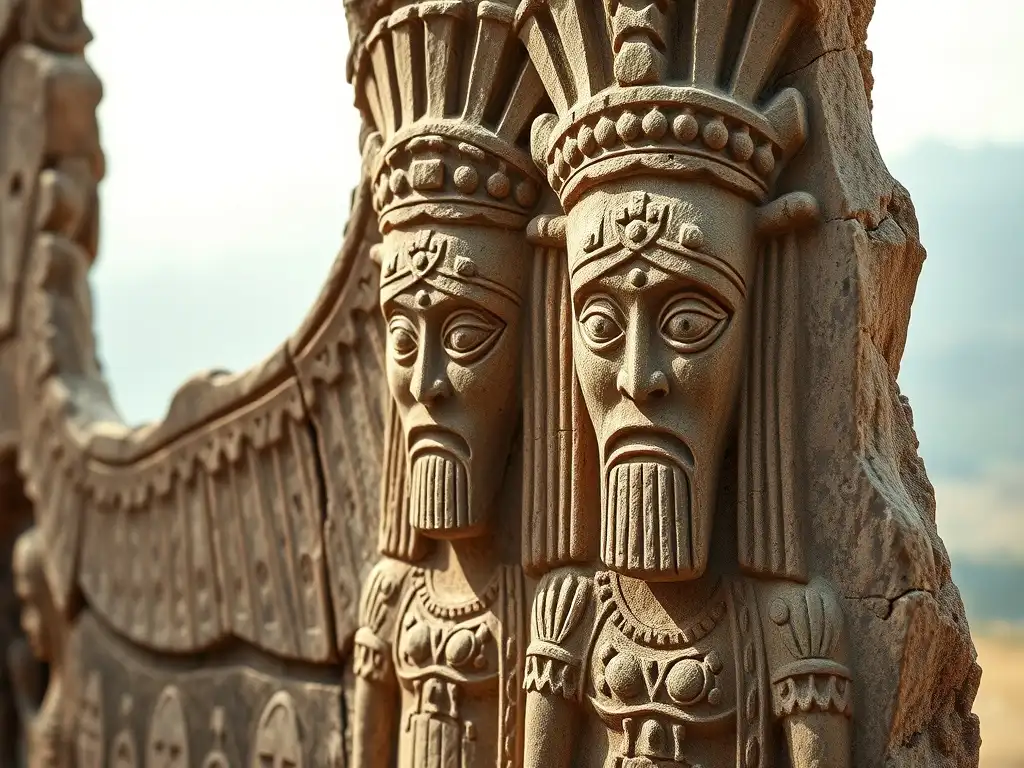
The religious art of Tiahuanaco, a pre-Columbian civilization flourishing in the Andes between roughly 1500 BCE and 1100 CE, provides invaluable insight into their complex belief system and worldview. Unlike many other ancient cultures where religious practices are primarily inferred from archaeological finds or textual evidence, Tiahuanaco's sophisticated artistic expressions directly depict their cosmology, mythology, and ritual practices. The sheer scale and intricate detail of their sculptures, ceramics, and textiles reveal a deeply spiritual society where art played a central role in religious expression and social control.
Understanding Tiahuanaco religious art symbolism is key to unlocking their understanding of the universe and their place within it. The prevalence of recurring motifs and iconographic elements suggests a highly structured and formalized religious system, meticulously crafted and transmitted across generations. The enduring legacy of Tiahuanaco art underscores its power and importance in shaping the cultural landscape of the Andes.
Scholars continue to debate the precise meanings of many symbols, but the overall impact of Tiahuanaco's artistic output on our understanding of their religion is undeniable. The careful study of these artifacts allows us to piece together a fascinating narrative of their beliefs and practices. This detailed examination of Tiahuanaco religious art symbolism offers a unique perspective on a civilization that continues to captivate and inspire.
The Role of Art in Tiahuanaco Religion
Tiahuanaco religion was not merely a set of beliefs; it was a deeply integrated aspect of daily life, permeating all social structures and activities. Art served as a crucial medium for expressing and reinforcing these religious beliefs. Religious ceremonies, likely held in monumental structures like the Kalasasaya temple, were visually enhanced by elaborate sculptures and textiles.
These artworks weren't merely decorative; they served as powerful tools for communicating religious narratives, conveying complex cosmological ideas, and reinforcing social hierarchies. For example, the repeated depiction of the werere, a feline-like figure often associated with power and divinity, on various artifacts suggests its significant role in their pantheon. The creation of these pieces required significant resources and skilled artisans, highlighting the importance of religious art within the Tiahuanaco society.
The meticulous craftsmanship evident in these works suggests a highly structured system of religious training and artistic production, possibly linked to a priestly class. The sheer volume of surviving art further underscores the centrality of religion in shaping Tiahuanaco culture.
Tiahuanaco Art as a Window into Cosmology
Tiahuanaco cosmology, as revealed through their art, is characterized by a complex interplay of celestial and terrestrial elements. The frequent depiction of stylized figures, often with exaggerated features and symbolic attributes, reflects their understanding of the cosmos and their place within it. The iconic "Porteador" (or "Bearer") sculptures, for example, depict figures carrying objects, possibly representing the cyclical movement of the sun or the burden of earthly existence.
These stylized representations aren't just artistic choices; they're carefully crafted visual metaphors reflecting their worldview. Additionally, the intricate designs found on ceramics and textiles often incorporate celestial motifs, such as stars, the sun, and the moon, suggesting a deep connection between the earthly and the divine realms. Analysis of these patterns reveals a sophisticated understanding of astronomical cycles and a profound reverence for celestial bodies.
The integration of these cosmic elements into everyday objects suggests that Tiahuanaco cosmology was not confined to elite rituals but was a pervasive element of their daily lives. Furthermore, the use of specific materials and colors in their art may have held symbolic significance, further enriching our understanding of their complex cosmology. The ongoing research and analysis of Tiahuanaco art continue to refine our understanding of their beliefs and practices, constantly revealing new layers of meaning and complexity.
Key Iconographic Elements in Tiahuanaco Religious Art
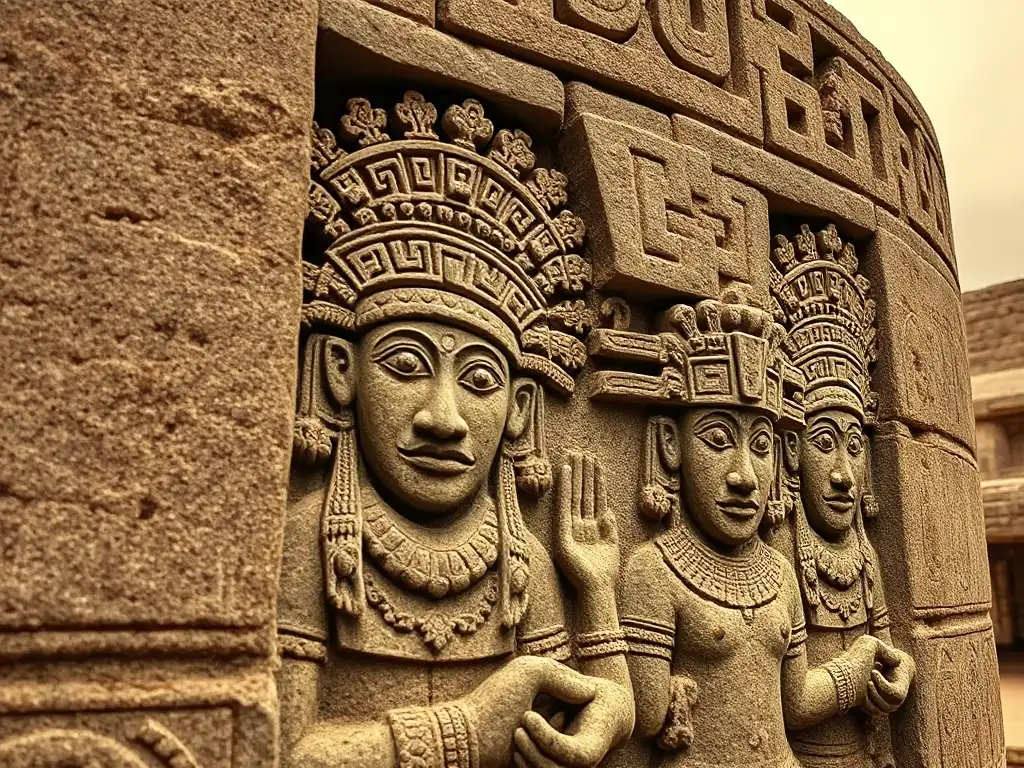
This section delves into the core visual motifs frequently encountered in Tiahuanaco religious art, providing a deeper understanding of their symbolic significance within the context of Tiahuanaco cosmology. The intricate iconography, often carved in stone or depicted in textiles, reveals a complex worldview centered around deities, animals, and abstract symbols representing fundamental forces and concepts. Understanding these elements is crucial to deciphering the religious beliefs and practices of this remarkable civilization.
We will explore some of the most prevalent and significant symbols, emphasizing their recurring presence and variations across different artifacts. The study of Tiahuanaco religious art symbolism offers a unique window into the spiritual life of this ancient Andean culture.
The Staff God: Central Figure in Tiahuanaco Iconography
The Staff God, a recurring figure in Tiahuanaco art, is arguably the most important deity in their pantheon. Depicted with a staff, often adorned with intricate details, this anthropomorphic figure is typically shown with a serene expression, sometimes wearing elaborate headdresses and clothing. The staff itself is a powerful symbol, potentially representing authority, connection to the cosmos, or control over natural forces.
The Staff God's prominence suggests a central role in rituals, ceremonies, and the overall religious framework of Tiahuanaco society. Numerous sculptures and reliefs showcase this deity, highlighting its enduring importance across different periods of Tiahuanaco's history. The consistent depiction of the Staff God across various media underscores its significance in the religious beliefs and practices of the Tiahuanaco people.
Variations and Interpretations of the Staff God
While the general characteristics of the Staff God remain consistent, subtle variations exist across different artistic representations. Some depictions show the Staff God with additional attributes, such as feline features or specific types of headdresses, suggesting possible variations in its representation or different aspects of its divine power. These variations might reflect different roles or aspects of the deity, or they may indicate changes in religious beliefs over time.
Scholars have proposed various interpretations of these variations, linking them to specific rituals, cosmological concepts, or even different clans or lineages within Tiahuanaco society. Further research is needed to fully understand the nuances of these variations and their implications for our understanding of Tiahuanaco religion. The ongoing debate surrounding the interpretation of these subtle differences highlights the complexity and richness of Tiahuanaco religious art symbolism.
The Puma and its Symbolic Representation
The puma, a powerful and revered animal in Andean cultures, features prominently in Tiahuanaco art, often alongside or integrated with other symbolic elements. Its representation is not merely decorative; it carries deep symbolic weight, likely signifying strength, power, and a connection to the Andean landscape. The puma's association with the underworld and nocturnal realms is also significant, suggesting its role in mediating between the earthly and spiritual worlds.
The puma's powerful presence in Tiahuanaco religious art, often depicted in a stylized manner, suggests its importance in the religious beliefs and practices of the time. The puma's symbolic meaning is further enriched by its frequent association with other iconographic elements, creating complex and layered narratives within the artwork. Examples include the puma depicted alongside the Staff God, suggesting a hierarchical relationship or a complementary dynamic between the divine and the animal world.
The symbolic weight of the puma in the broader context of Andean iconography further enhances our understanding of its representation in Tiahuanaco art. Detailed analysis of its posture, context, and accompanying elements offers valuable insights into the Tiahuanaco worldview.
The Condor as a Religious Motif
The condor, a majestic bird of the Andes, holds a prominent place in Tiahuanaco religious art, symbolizing power, altitude, and connection to the celestial realm. Its depiction frequently features stylized wings outstretched, often in a position suggesting flight or hovering, reinforcing its association with the heavens and the gods. These representations are not merely naturalistic; they are imbued with symbolic meaning, often appearing alongside other iconographic elements that further contextualize their significance.
For example, the condor's association with the sun god is often reinforced by its depiction near solar symbols or within scenes that clearly represent celestial events. Scholarly interpretations suggest that the condor's ability to soar to great heights mirrored the aspirations of the Tiahuanaco people to connect with the divine. Furthermore, the condor's predatory nature likely symbolized the power and dominance of the ruling elite, mirroring their control over both earthly and spiritual domains.
The size and detail given to the condor in various artifacts also suggest a hierarchical importance, with larger, more intricately carved condors possibly representing supreme deities or powerful figures. Careful examination of individual pieces reveals variations in the condor's depiction, hinting at nuanced interpretations depending on the context within the larger artwork. The subtle differences in posture, wingspan, and accompanying symbols offer fertile ground for further research into the complexities of Tiahuanaco religious belief.
Other Recurring Animals in Tiahuanaco Art
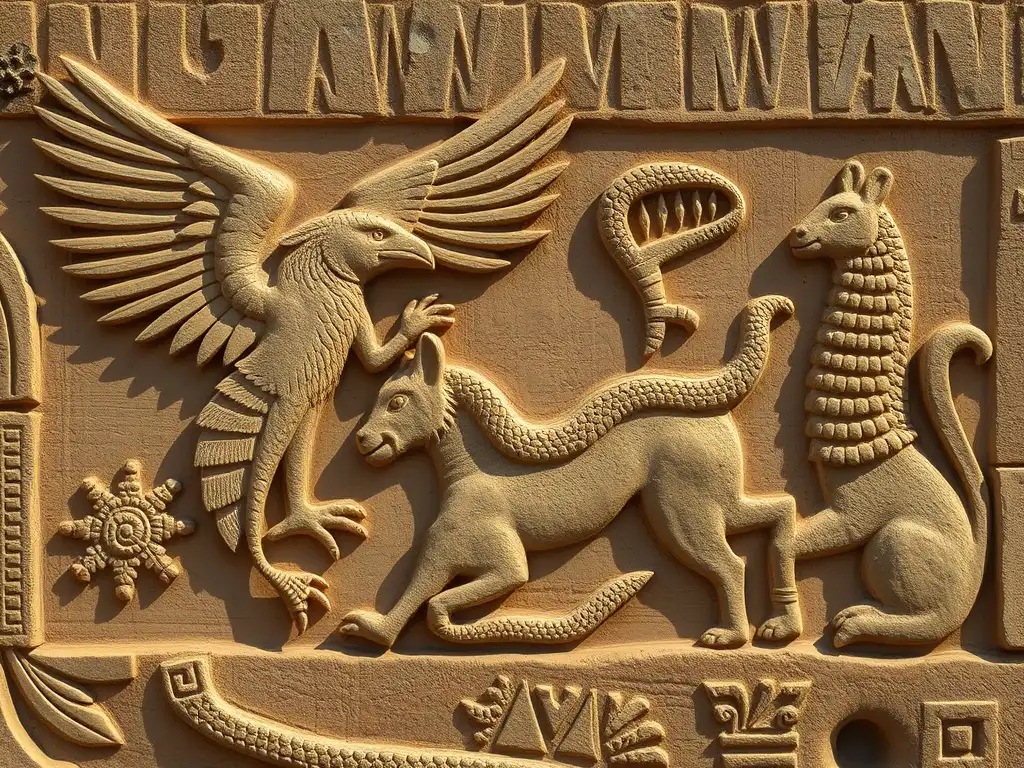
Beyond the condor, various other animals feature prominently in Tiahuanaco art, each carrying its own symbolic weight. The puma, for instance, frequently appears, representing earthly power, strength, and the terrestrial world, often contrasting with the condor's celestial associations. The duality between these two powerful animals might represent the Tiahuanaco worldview's balance between the earthly and spiritual realms.
Furthermore, depictions of snakes, often intertwined or forming complex knots, suggest fertility, life cycles, and possibly the connection between the underworld and the surface world. In some instances, these snakes are depicted alongside water symbols, reinforcing their association with life-giving sources. Smaller animals, such as frogs or lizards, may appear less frequently but still hold significance, potentially representing specific deities or aspects of the natural world.
The careful observation of these animal representations, considering their size, position within the artwork, and accompanying symbols, unveils further layers of meaning within the complex Tiahuanaco iconography. The relative frequency of certain animals compared to others also points towards a hierarchy of importance in their symbolic representation, reflecting the society's values and beliefs. Further research into the specific types of animals depicted and their contextual placement within different artifacts is crucial for a more comprehensive understanding of Tiahuanaco religious art.
Geometric Patterns and Their Meaning
Geometric patterns are ubiquitous in Tiahuanaco art, forming a complex visual language that complements the representations of animals and deities. These patterns, ranging from simple stepped frets to intricate interlocking designs, are not mere decorative elements; they carry deep symbolic meaning, potentially representing cosmological concepts, social structures, or even abstract principles. The prevalence of stepped motifs, for instance, is often interpreted as representing the layered structure of the cosmos, with each step representing a different level of reality or a specific celestial body.
Other common patterns, such as interlocking squares or triangles, may symbolize unity, balance, or the interconnectedness of different aspects of the Tiahuanaco worldview. The precision and intricacy of these geometric patterns suggest a highly developed mathematical and aesthetic understanding within Tiahuanaco society. The use of specific colors and materials in creating these patterns likely further enhanced their symbolic meaning, though further research is needed to fully understand the significance of these chromatic choices.
Analyzing the distribution and variation of these patterns across different artifacts, from monumental structures to smaller ceramic pieces, allows for a deeper understanding of their symbolic significance within the larger context of Tiahuanaco religious belief. By examining these patterns in conjunction with other iconographic elements, researchers can unravel further layers of meaning embedded within Tiahuanaco religious art. The intricate relationship between geometry and symbolism in Tiahuanaco art presents a fascinating area for ongoing scholarly investigation.
Decoding the Symbolism of Tiahuanaco Religious Art
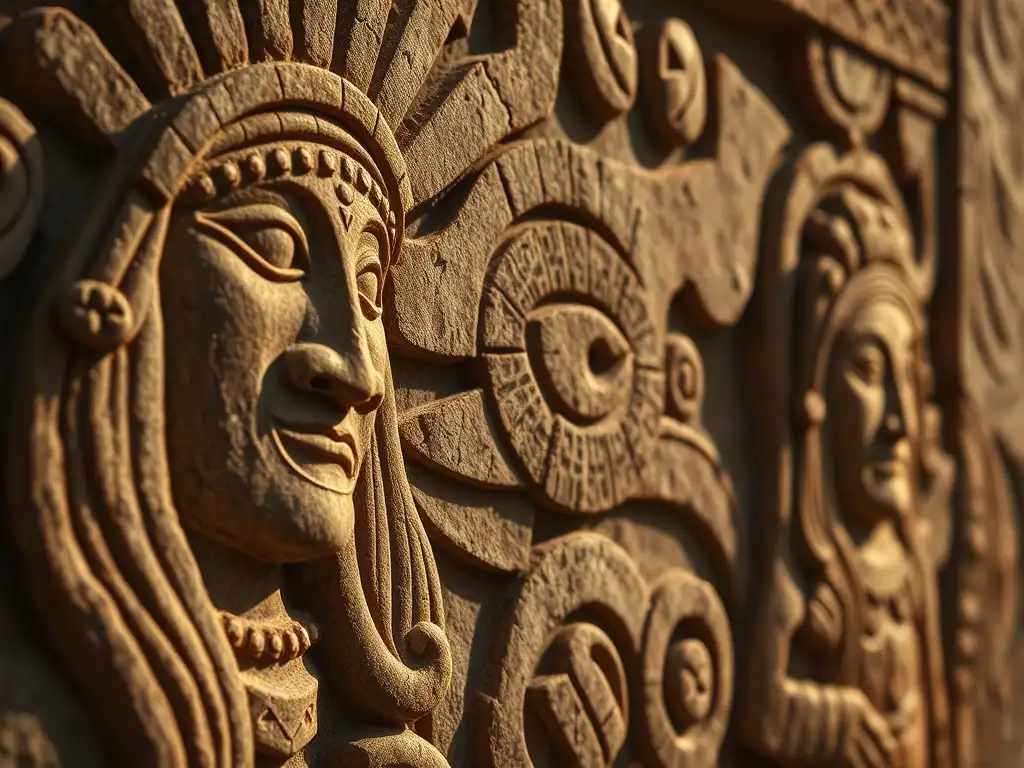
This section delves into the intricate symbolism embedded within Tiahuanaco's religious art, a key aspect of understanding their complex cosmology and beliefs. The artistic expressions of the Tiahuanaco culture weren't merely decorative; they served as powerful vehicles for communicating religious narratives, social hierarchies, and cosmic order. Analyzing the iconography reveals a sophisticated system of symbolic representation, reflecting their profound understanding of the natural world and their place within it.
Understanding this symbolism provides a window into the hearts and minds of the Tiahuanaco people, allowing us to appreciate the depth and complexity of their spiritual world. The careful study of Tiahuanaco religious art symbolism unlocks a deeper appreciation for this fascinating civilization.
Interpreting the Religious Symbols of Tiahuanaco
Tiahuanaco art is replete with recurring motifs, each carrying significant religious meaning. The most prominent include the stylized figures of condores, pumas, and serpents, often depicted in dynamic poses suggesting power and control. These creatures were likely associated with specific deities or represented aspects of the natural world crucial to Tiahuanaco's worldview. For instance, the condor, a powerful bird of prey, might represent the sun or a sky deity, while the puma, a terrestrial predator, could symbolize earthly power or the underworld. The serpent, with its association with water and fertility, likely represented life-giving forces.
Furthermore, anthropomorphic figures, often depicted with exaggerated features and intricate headdresses, are frequently found in Tiahuanaco art. These figures, possibly representing deities or shamanistic figures, often hold ceremonial objects or are shown in ritualistic poses. The detailed craftsmanship and the consistent repetition of certain motifs suggest a highly structured and formalized religious system. The complexity of these representations highlights the sophisticated theological understanding of the Tiahuanaco culture. Further research into specific artifact contexts is needed to fully understand the nuanced meanings behind individual depictions. For example, [specific information pending] regarding the iconography found on the Gate of the Sun.
The Meaning of Repetition and Symmetry
Repetition and symmetry are pervasive features of Tiahuanaco religious art. These stylistic choices weren't accidental; they likely held profound religious significance. The repetition of motifs, such as the stylized figures mentioned above, could emphasize their importance and reinforce their symbolic power. The consistent use of symmetrical designs in textiles, ceramics, and stone carvings suggests a belief in balance and harmony, reflecting a cosmic order that permeated all aspects of Tiahuanaco life. This emphasis on symmetry and balance may also reflect a deep understanding of duality and the interconnectedness of opposing forces within their cosmology.
Consider, for example, the intricate geometric patterns found on many Tiahuanaco textiles. These patterns, often composed of repeated motifs arranged symmetrically, are believed to represent cosmic cycles or the interconnectedness of the different realms of existence. The precise arrangement of these patterns suggests a highly formalized system of symbolic representation, indicating a carefully planned and structured approach to religious expression. The meticulous attention to detail in these works speaks volumes about the importance placed on religious rituals and beliefs within Tiahuanaco society.
The Use of Color in Tiahuanaco Religious Art
Color played a significant role in Tiahuanaco religious art, with specific hues likely carrying symbolic meaning. While the original colors of many artifacts have faded over time, analysis of surviving pigments suggests a deliberate use of color to enhance the symbolic power of the images. Red, for example, often associated with blood and sacrifice, might have represented vitality and power, while blue, associated with the sky and water, could have symbolized divine authority or fertility. The use of contrasting colors further enhanced the visual impact and symbolic significance of the artwork.
The limited palette of colors used in Tiahuanaco art, primarily reds, yellows, and blues, suggests a carefully considered approach to color symbolism. The scarcity of certain pigments might also point to the importance of those specific colors within the cultural and religious context. Further research is needed to fully decipher the specific meanings associated with each color, but the available evidence strongly suggests a deliberate and nuanced use of color in Tiahuanaco religious art. The combination of color and form in their religious art created powerful visual statements, effectively communicating complex religious ideas and beliefs. 🎨
Tiahuanaco Art and its Connection to Ritual Practices
The art of Tiahuanaco wasn't merely decorative; it was intrinsically linked to the complex religious and ritual practices of the civilization. Many artifacts, from intricately carved stone sculptures to meticulously crafted ceramics, served not just as aesthetic objects but as active participants in religious ceremonies. The very act of creating these pieces was likely a ritual in itself, imbued with spiritual significance.
Consider the monumental effort required to quarry, transport, and carve the massive stone blocks used in the construction of Puma Punku and Kalasasaya—this monumental undertaking itself suggests a deep connection between artistic creation and religious devotion. The precision and skill displayed in the construction and decoration of these sites further highlight the sacred nature of the artistic process. These weren't simply buildings; they were sacred spaces where rituals were performed, and the art that adorned them played a crucial role in these ceremonies.
The intricate carvings found on many Tiahuanaco artifacts, often depicting deities, mythical creatures, and symbolic motifs, likely served as focal points during rituals. These carvings weren't just randomly placed; their arrangement and placement within specific contexts (e.g., temples, burial sites) suggest a deliberate intention to evoke specific spiritual meanings and facilitate interaction with the supernatural. For example, the repeated depiction of certain deities on ceremonial objects may indicate their importance in specific rituals or their role in mediating between the human and divine realms.
The use of specific materials, such as gold, silver, and precious stones, in the creation of ceremonial objects further emphasizes their sacred value and the ritualistic significance of their production and use. The meticulous craftsmanship and the use of rare materials point to the high status of those involved in the creation and performance of these rituals, emphasizing the importance of art in the religious life of Tiahuanaco.
Furthermore, the discovery of ritual objects in tombs and burial sites provides tangible evidence of the use of art in funerary rites, suggesting that art played a vital role in the transition to the afterlife. The precise arrangement of these items within the burial context indicates a carefully planned and executed ritual, demonstrating the deep connection between art and death rituals in Tiahuanaco culture.
Analyzing Specific Examples of Tiahuanaco Religious Art
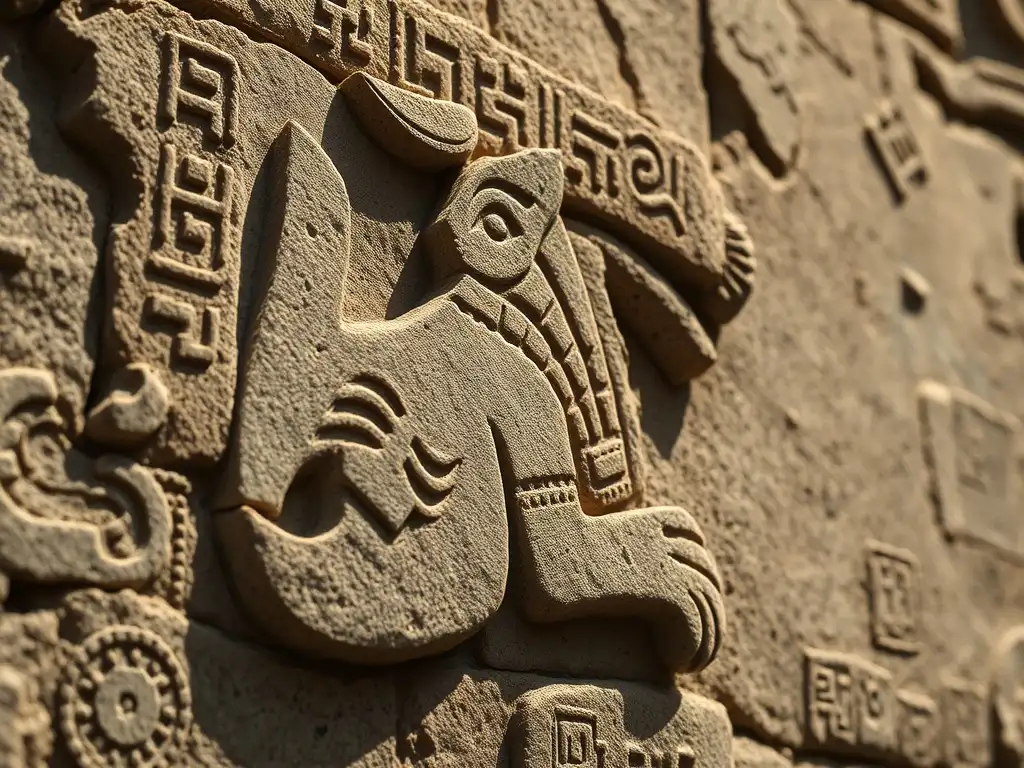
This section delves into specific examples of Tiahuanaco religious art, analyzing their iconography and symbolism to better understand the complex religious beliefs of this Andean civilization. We will examine the intricate details and potential meanings embedded within these artifacts, shedding light on the sophisticated theological framework of Tiahuanaco. The careful observation of these pieces allows us to piece together a more complete picture of their cosmology and spiritual practices. Understanding Tiahuanaco religious art symbolism is key to unlocking the mysteries of this fascinating culture.
The Gateway of the Sun: A Masterpiece of Tiahuanaco Art
The Gateway of the Sun stands as a monumental testament to Tiahuanaco's artistic and religious prowess. This intricately carved monolithic gateway, likely part of a larger ceremonial complex, is a treasure trove of symbolic imagery. Its imposing size and detailed carvings suggest its significance as a focal point for religious rituals and ceremonies. The sheer scale of the Gateway demands attention, hinting at the importance of the religious beliefs it represents. The craftsmanship involved in its creation is astounding, highlighting the advanced technological capabilities of Tiahuanaco artisans. Analyzing its iconography reveals a wealth of information about their worldview.
Iconography of the Gateway of the Sun
The central figure on the Gateway of the Sun is often interpreted as a deity, possibly Viracocha, a creator god prominent in Andean mythology. This figure is surrounded by a complex arrangement of smaller figures, often depicted in rows or panels. These smaller figures are believed to represent various deities, spirits, or perhaps even ancestors. The repetition and arrangement of these figures suggest a structured cosmology, possibly reflecting a hierarchical structure of the divine realm.
Detailed analysis reveals further symbolic elements. For example, the presence of stylized birds, felines, and other animals might represent shamans, messengers of the gods, or symbolic representations of natural forces. The intricate geometric patterns, such as stepped pyramids and concentric circles, likely hold significant cosmological meaning, potentially representing layers of the universe or cycles of time.
Unfortunately, definitive interpretations of many of these symbols remain debated amongst scholars, highlighting the ongoing research into Tiahuanaco religious art symbolism. Further research, including comparative analysis with other Tiahuanaco artifacts and a deeper understanding of Andean cosmology, is crucial to fully unravel the Gateway's secrets.
Monoliths and Stelae: Religious Narratives in Stone
Beyond the Gateway of the Sun, numerous monoliths and stelae scattered throughout the Tiahuanaco site provide additional insights into the civilization's religious beliefs. These freestanding stone monuments, often adorned with intricate carvings, served various purposes, ranging from markers of power and status to representations of deities and mythological narratives. The style and iconography vary across different monoliths and stelae, reflecting a possible evolution in religious beliefs or perhaps the representation of different aspects of the same pantheon. The size and placement of these monoliths further emphasizes their importance within the Tiahuanaco religious landscape.
The iconography found on these monoliths and stelae often mirrors that of the Gateway of the Sun, featuring similar figures and symbolic elements. However, the context in which these elements appear often differs, leading to nuanced interpretations. For example, a particular deity might be depicted differently on a stela compared to its portrayal on the Gateway, suggesting varying roles or aspects of the same divine being.
Some scholars suggest that these monoliths and stelae served as visual aids during religious ceremonies, helping to convey complex theological concepts to participants. The sheer number of these monuments underscores the importance of visual representation in Tiahuanaco religion. The careful study of these stone narratives is essential for a comprehensive understanding of Tiahuanaco religious art symbolism and the civilization's complex spiritual world.
Further research is needed to fully decipher the narratives inscribed in stone. The ongoing excavation and analysis of these artifacts promise to unveil further layers of meaning within Tiahuanaco's rich religious heritage.
Ceramics and Textiles: Religious Art in Everyday Objects
Tiahuanaco religious art wasn't confined to monumental architecture and large-scale sculptures. The profound spiritual beliefs of the Tiahuanaco people permeated their daily lives, finding expression even in seemingly mundane objects like ceramics and textiles. These everyday items, meticulously crafted and adorned with intricate iconography, served as powerful mediums for communicating religious ideas and reinforcing societal values.
The careful attention to detail and the consistent use of symbolic motifs across various ceramic forms and textile designs suggest a highly structured and ritualized approach to their production. This wasn't simply about creating functional objects; it was about imbuing them with sacred power and meaning.
The use of specific colors and patterns in Tiahuanaco ceramics and textiles is particularly noteworthy. For example, the recurring presence of red and black pigments, often arranged in geometric designs, may reflect cosmological beliefs relating to the duality of the world, perhaps representing the interplay of opposing forces or the cyclical nature of life and death. Further research is needed to fully decipher the meaning of specific color combinations, but their consistent use suggests that they held significant symbolic weight within Tiahuanaco society. 1 The meticulous weaving techniques employed in Tiahuanaco textiles, with their complex patterns and intricate designs, similarly point towards a deep connection between religious beliefs and artistic expression. The use of specific knotting techniques and the incorporation of symbolic motifs such as stylized animals or deities further supports this interpretation. These textiles, often discovered in burial contexts, likely served a ritualistic purpose, perhaps acting as offerings or representing the deceased's connection to the spiritual realm.
Furthermore, the prevalence of anthropomorphic and zoomorphic representations in both ceramics and textiles adds another layer of complexity to the interpretation of Tiahuanaco religious art. Stylized depictions of figures, often with exaggerated features and symbolic attributes, likely represent deities or mythological beings integral to Tiahuanaco cosmology.
These representations, found on everything from simple bowls to elaborate ceremonial garments, served to constantly remind the populace of the overarching religious framework that governed their lives. The recurrence of specific animal motifs, such as condors or pumas, could symbolize power, strength, or a connection to the natural world, reinforcing the interconnectedness between the spiritual and physical realms.
The careful study of these representations, their posture, attributes, and contextual placement, is crucial for understanding the intricate religious beliefs of the Tiahuanaco people. Detailed analysis of these objects, combined with archaeological evidence from associated sites, provides essential insights into the spiritual practices and worldview of this remarkable civilization.
1 Further research is needed to definitively link specific color combinations to particular religious beliefs. More detailed analysis of archaeological finds and comparative studies with other Andean cultures could shed further light on this aspect.
The Legacy and Influence of Tiahuanaco Religious Art
The religious art of Tiahuanaco wasn't merely a reflection of its time; it acted as a powerful seed, influencing subsequent Andean cultures for centuries. Its distinctive iconography, characterized by stylized figures, geometric patterns, and potent symbols, left an indelible mark on the artistic traditions of later civilizations. The impact is evident not only in stylistic similarities but also in the continuation of certain religious themes and beliefs.
Analyzing this legacy allows us to better understand the enduring power of Tiahuanaco's religious worldview and its far-reaching consequences. The spread of Tiahuanaco's artistic motifs wasn't necessarily a direct result of conquest; rather, it suggests a complex interplay of cultural exchange, trade networks, and the adoption of prestigious symbols by other groups seeking to legitimize their own power and authority. This diffusion of Tiahuanaco's artistic vocabulary is a testament to the civilization's cultural prestige and the enduring appeal of its religious imagery.
Tiahuanaco Art's Impact on Later Andean Cultures
The influence of Tiahuanaco art is readily apparent in the artistic styles of subsequent Andean cultures, particularly those in the altiplano region. For instance, the characteristic stylistic features of Tiahuanaco sculpture, such as the elongated heads, the emphasis on ceremonial attire, and the use of specific postures, can be observed in later artistic productions. This is not simply imitation, but rather a creative adaptation and reinterpretation of existing motifs within new cultural contexts.
The adoption of Tiahuanaco stylistic elements often served to establish connections with the prestigious past, reinforcing the legitimacy and authority of later rulers and elites. The use of similar iconography in different cultural contexts also highlights the adaptability and enduring appeal of Tiahuanaco's religious symbolism, demonstrating its capacity to transcend specific historical periods and resonate with later generations. Think of the Wari and Inca civilizations, whose artistic traditions show clear echoes of Tiahuanaco's stylistic preferences.
Further research into specific stylistic comparisons between Tiahuanaco art and those of the later cultures would provide more compelling evidence of this influence. [Specific examples of stylistic comparisons pending].
Preserving and Studying Tiahuanaco's Artistic Heritage
The preservation and study of Tiahuanaco's artistic heritage are crucial for understanding this pivotal Andean civilization. Efforts to conserve the remaining artifacts and sites face numerous challenges, including the effects of erosion, looting, and the general deterioration of materials due to the harsh altiplano climate. Careful documentation, through detailed photographic records and three-dimensional modeling, is essential for preserving the details of these irreplaceable works.
Furthermore, the ongoing study of Tiahuanaco art requires a multidisciplinary approach, integrating archaeological excavation, art historical analysis, anthropological interpretation, and scientific techniques such as material analysis. This collaborative effort is essential for extracting the maximum amount of information from the surviving artifacts and for providing a comprehensive understanding of their significance. The development of improved conservation techniques is also crucial to ensure the long-term preservation of Tiahuanaco's artistic legacy for future generations.
The challenge lies in balancing the need for access and study with the imperative to protect these fragile and historically significant pieces. Careful planning and international collaboration are paramount for effective preservation.
Ongoing Research on Tiahuanaco Religious Symbolism
Ongoing research on Tiahuanaco religious symbolism continues to reveal new insights into the beliefs and practices of this enigmatic civilization. Scholars are utilizing advanced technologies, including high-resolution imaging and spectral analysis, to uncover hidden details and subtle variations in the iconography. This detailed analysis is helping to refine our understanding of the meaning and function of specific symbols and motifs.
For example, the interpretation of the famous "Gate of the Sun" continues to be debated, with new theories emerging based on updated archaeological findings and a more nuanced understanding of Andean cosmology. Furthermore, the study of Tiahuanaco's religious art is increasingly incorporating insights from Andean indigenous communities, whose traditional knowledge and oral histories can provide valuable perspectives on the symbolism and meaning of these artifacts. This interdisciplinary approach, bringing together scientific analysis, art historical interpretation and indigenous perspectives, is crucial for a holistic and nuanced understanding of Tiahuanaco religious art symbolism.
The ongoing research promises to further illuminate the fascinating religious world of this influential Andean civilization, enriching our understanding of its cosmology and its enduring impact on later Andean cultures. The ongoing investigation into the Tiahuanaco religious art symbolism promises a deeper understanding of this important aspect of Andean history.
Frequently Asked Questions
What is the significance of Tiahuanaco religious art?
Tiahuanaco religious art held immense significance, reflecting the cosmology and beliefs of the civilization. It served as a powerful tool for religious expression and likely played a crucial role in maintaining social order. The art visually represented their complex understanding of the world and their gods.
What are some common symbols found in Tiahuanaco art?
Common symbols include the "Gate of the Sun," condor figures, and stylized human figures. These symbols often represent deities, ancestors, and cosmic forces. Their specific meanings are still debated by scholars.
How did the Tiahuanaco people use religious art?
Religious art was likely used in ceremonial contexts, adorning temples, and possibly used in rituals. It was likely also used to communicate religious narratives and to reinforce the power of the elite. Sculptures and textiles were vital parts of their religious practices.
What materials were used in Tiahuanaco religious art?
Tiahuanaco artists utilized a variety of materials, including stone, metal, and textiles. Stone, particularly andesite, was favored for large-scale sculptures and architectural elements. Ceramics also played a role in their religious expressions.
How does the symbolism in Tiahuanaco art differ from other Andean cultures?
While sharing some Andean stylistic elements, Tiahuanaco art exhibits unique iconography. Its emphasis on cosmic symbolism and specific deities distinguishes it from other cultures like the Inca or Nazca. Further research is needed to fully understand the nuances of these differences.
Final Reflection: The Enduring Legacy of Tiahuanaco's Sacred Visions
The intricate religious art of Tiahuanaco continues to resonate powerfully today, a testament to the enduring human need for spiritual expression and the timeless search for meaning. Its sophisticated iconography, far from being a relic of a distant past, offers a compelling lens through which to examine our own contemporary struggles with identity, power, and the cosmos. The sophisticated understanding of astronomy and cosmology embedded within these artifacts speaks volumes about the intellectual capacity of this ancient civilization and challenges our assumptions about the "primitive" nature of pre-Columbian societies.
The influence of Tiahuanaco's artistic and religious legacy extends far beyond its geographical boundaries, shaping the cultural landscape of the Andes and inspiring countless artists and scholars. Its impact is a powerful reminder of the interconnectedness of human experience across time and space. The past is never dead. It's not even past.
- William Faulkner. This quote perfectly encapsulates the enduring relevance of Tiahuanaco's art, which continues to speak to us across millennia, prompting us to question our own beliefs and perspectives. The mysteries surrounding its collapse only heighten its allure, fueling ongoing research and inspiring new interpretations of its symbolic language.
Consider, for a moment, the intricate details of a Tiahuanaco deity, the powerful gaze of a monolithic figure, or the symbolic representation of a celestial event. What resonates with you? What questions does it raise about your own understanding of spirituality, power, and the universe? I invite you to engage with Tiahuanaco's art not merely as a historical artifact, but as a portal to a deeper understanding of the human spirit, a testament to our enduring capacity for creativity, and a source of inspiration for your own journey of self-discovery.
Uncover the Mysteries of Tiahuanaco Today!
Thank you for exploring the rich tapestry of Tiahuanaco's religious art! Your investigation into the intricate iconography and symbolism has revealed fascinating insights into this ancient civilization. Let's delve even deeper to further enhance your understanding and appreciation.
Here are some suggestions to continue your exploration:
- Visit a museum or online gallery specializing in Andean art to see similar symbols within their historical and cultural context. This will undoubtedly spark further curiosity.
- Join the conversation in the comments below: Share your thoughts on the symbols that resonated most with you, or describe a particular artwork that captivated your attention.
- Continue your journey of discovery: Read our next article on the architectural marvels of Tiahuanaco to see how the art reflects the spiritual beliefs of its creators.
What aspect of Tiahuanaco's art most captivated you, and how has it influenced your perspective on ancient cultures?