
Tiahuanaco's Shamanic Traditions: Trance, Healing, and the Spirit Journey

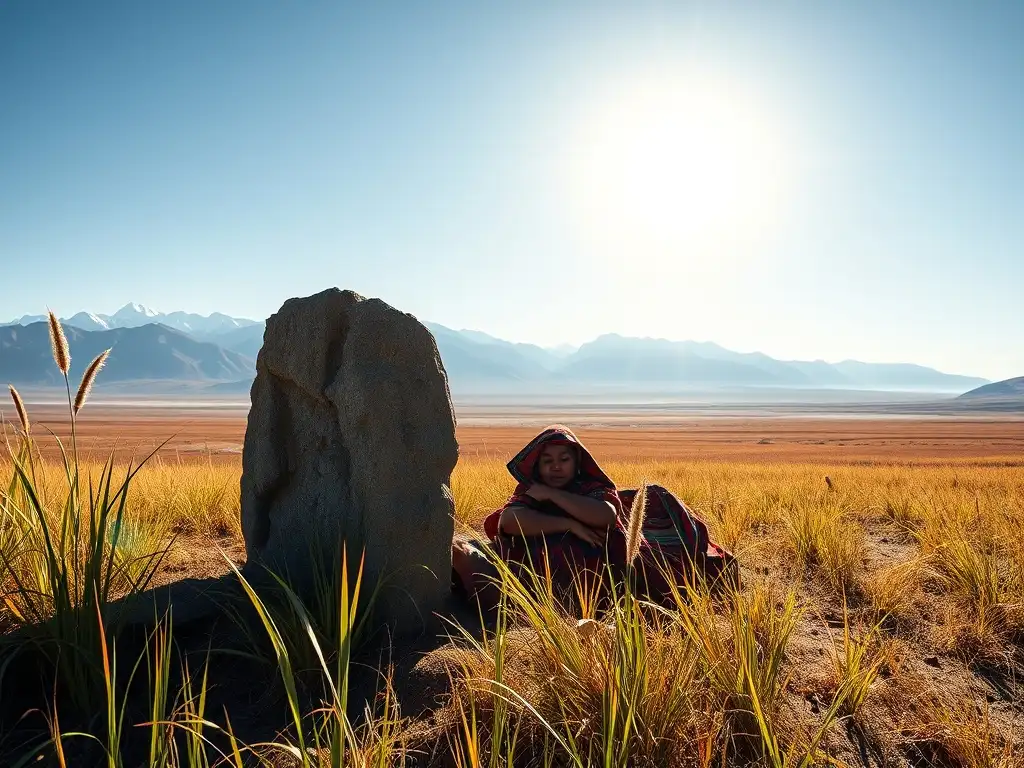
Step into a world lost to time, yet echoing with power. Imagine a civilization where the mountains whispered secrets and the stars guided healing. On this journey through Andean Civilizations, we delve into the fascinating world of the ancient Andean cultures, uncovering their remarkable achievements. But what secrets did the Tiahuanaco shamans hold? Uncover the mysteries of their shamanic healing practices and embark on a captivating exploration of trance, healing, and the spirit journey. Prepare to be amazed.
-
Tiahuanaco Shamanic Traditions: Trance, Healing, and the Spirit Journey
- Understanding Tiahuanaco Shamanism: An Introduction
- Trance States and Altered Consciousness in Tiahuanaco Rituals
- Tiahuanaco Shamanic Healing Practices: Restoring Balance
- The Tiahuanaco Spirit Journey: Navigating the Otherworld
- Shamanic Symbolism in Tiahuanaco Art and Architecture
- The Legacy of Tiahuanaco Shamanism: Influences and Continuities
- Conclusion: The Enduring Significance of Tiahuanaco Shamanic Healing Practices
-
Frequently Asked Questions
- What were the main roles of shamans in Tiahuanaco society?
- How did Tiahuanaco shamans induce trance states?
- What types of healing practices were employed by Tiahuanaco shamans?
- What is the significance of the Gate of the Sun in relation to shamanic practices?
- How can we learn more about Tiahuanaco shamanic healing practices today?
- Final Reflection: Echoes of the Andes: Tiahuanaco's Enduring Legacy
- Unleash Your Inner Healer: Take Action Now!
Tiahuanaco Shamanic Traditions: Trance, Healing, and the Spirit Journey
The Andean highlands hold a wealth of fascinating mysteries, and among them, the Tiahuanaco civilization stands out for its sophisticated religious and cosmological beliefs. This article delves into the captivating world of Tiahuanaco shamanic healing practices, exploring the intricate rituals, trance states, and spiritual journeys that formed the cornerstone of their medicinal and spiritual understanding. We will uncover the roles of key figures like the yatiri, the significance of sacred elements like wilka and coca, and the profound connection between the Tiahuanaco people and the Andean cosmos.
Understanding Tiahuanaco shamanism provides a crucial insight into the civilization's worldview, its social structure, and its enduring legacy. This exploration aims to illuminate the complex interplay between ritual, healing, and the spirit world within this remarkable ancient society, enriching our understanding of "Tiahuanaco shamanic healing practices" and the broader context of Andean spirituality.
Understanding Tiahuanaco Shamanism: An Introduction
The Role of Yatiris in Tiahuanaco Society
The yatiri were the spiritual leaders and healers of Tiahuanaco society. They held a position of immense social and religious importance, acting as intermediaries between the human world and the spirit realm. Their expertise extended beyond simple healing; they were consulted on matters of state, agriculture, and social harmony. Archaeological evidence, though limited, suggests the yatiri may have been recognizable through specific attire, adornments, or symbols of authority.
Detailed descriptions of their training and initiation rituals remain elusive, shrouded in the mists of time, but their influence is undeniable in shaping Tiahuanaco's religious landscape. Further research is needed to fully understand the social hierarchy and power dynamics associated with the yatiri class. Their role was likely multifaceted, encompassing divination, prophecy, and the administration of sacred rites.
Key Concepts: Apu, Pachamama, and the Cosmic Order
Tiahuanaco cosmology centered on a profound respect for the natural world and its inherent spiritual power. The apu, mountain spirits, were revered as powerful deities, representing the connection between the earthly and celestial realms. Pachamama, Mother Earth, was another central figure, symbolizing fertility, abundance, and the life-giving force of the land. The Tiahuanaco worldview emphasized a harmonious relationship between humanity and nature, reflecting a deep understanding of the interconnectedness of all things within the cosmic order.
This intricate web of spiritual beliefs deeply informed their shamanic practices, emphasizing balance and respect for the environment. Understanding the significance of these core concepts is fundamental to comprehending the motivations and practices behind Tiahuanaco shamanic healing. The precise nature of their interaction and the details of their rituals remain a subject of ongoing scholarly debate.
Trance States and Altered Consciousness in Tiahuanaco Rituals
Techniques: Fasting, Chanting, and Rhythmic Movement
Achieving altered states of consciousness was crucial to Tiahuanaco shamanic practices. Techniques employed to induce trance included rigorous fasting, repetitive chanting, and rhythmic movements, often accompanied by musical instruments. These practices were designed to facilitate a journey into the spirit world, allowing the yatiri to communicate with spirits, diagnose illnesses, and perform healing rituals.
The specific combinations of these techniques likely varied depending on the ritual's purpose and the individual yatiri's expertise. Unfortunately, precise details on the specific chants, rhythms, and musical instruments used are currently unavailable. More research involving ethnohistorical accounts from later Andean cultures could shed light on these methods.
The Significance of Wilka and Coca in Tiahuanaco Trance Practices
The use of wilka (a type of hallucinogenic plant, possibly related to Anadenanthera peregrina) and coca leaves played a significant role in inducing and enhancing trance states during Tiahuanaco rituals. These substances were believed to facilitate communication with the spirit world, providing insights into the causes of illness and offering guidance for healing. The precise methods of preparation and administration remain uncertain, but their importance within the shamanic context is evident.
Archaeological discoveries of paraphernalia related to the preparation and consumption of these substances provide compelling evidence of their ritualistic use. 🌿 Further research, focusing on the chemical analysis of archaeological finds, could clarify the specific types and combinations of plants used in these practices.
Tiahuanaco Shamanic Healing Practices: Restoring Balance
Tiahuanaco shamanic healing practices were deeply intertwined with their cosmology and understanding of the universe. Disease wasn't simply a physical ailment; it was a disruption of balance within the individual, their community, and the cosmos itself. Shamans, or callawas, acted as intermediaries, bridging the gap between the human and spiritual realms to restore this harmony.
Their methods were holistic, addressing the physical, emotional, and spiritual aspects of illness. The effectiveness of these practices stemmed from a profound connection to the Andean landscape and a sophisticated understanding of herbalism, ritual, and energy manipulation. The aim wasn't just to cure symptoms but to re-establish the patient's connection to the sacred, allowing them to regain their vital energy and live in accordance with the natural order.
This intricate system of healing was passed down through generations, maintaining a vibrant tradition for centuries. Detailed accounts from Spanish chronicles, while sometimes biased, provide glimpses into these practices, albeit often filtered through a colonial lens. Further archeological findings continue to shed light on the tools and techniques employed by these healers.
Methods: Herbal Remedies, Ritual Cleansing, and Energy Work
The callawas utilized a wide range of methods in their healing practices. Herbal remedies formed a cornerstone of their approach. The diverse Andean flora provided a rich source of medicinal plants, each believed to possess specific properties. Detailed knowledge of these plants, their preparation, and their applications was essential to the shaman's practice.
Beyond herbal remedies, ritual cleansing played a vital role. This often involved the use of water, coca leaves, and other sacred substances to purify the body and spirit, removing negative energies and restoring balance. Energy work, often involving the manipulation of k'ana, or vital energy, was also a significant aspect of their healing practices.
Shamans were believed to be able to channel this energy to heal ailments, strengthening the patient's life force and promoting recovery. These techniques, combined with spiritual guidance and prayer, created a comprehensive and powerful healing system. The specific techniques and the types of herbs used varied depending on the illness and the shaman's individual knowledge and experience.
Spiritual Diagnosis: Reading the Coca Leaves and Divination
Before administering any treatment, the callawa would conduct a spiritual diagnosis to understand the root cause of the illness. One crucial method was coca leaf reading, or la lectura de la coca. The shaman would carefully arrange and interpret the coca leaves, seeking guidance from the spirits and discerning the underlying spiritual imbalance causing the affliction. This process involved a deep understanding of symbolism and interpretation, learned through years of apprenticeship and spiritual practice.
Other forms of divination might also have been employed, possibly involving the interpretation of dreams, animal behavior, or other natural phenomena. These diagnostic methods allowed the shaman to tailor their treatment to the specific spiritual needs of the patient, ensuring a holistic and effective approach. The accuracy of these readings was deeply trusted within the community, highlighting the profound spiritual authority held by the callawas.
The Use of Mesa Cloths, Fetishes, and Musical Instruments
The shamanic healing practices of Tiahuanaco were often performed with the aid of various tools and objects. Mesa cloths, richly decorated textiles, served as sacred spaces where offerings were placed and rituals conducted. These cloths were often adorned with symbolic representations of the Andean cosmos, further connecting the healing process to the spiritual realm.
Fetishes, small objects imbued with spiritual power, were also commonly used. These might include carved figures, stones, or other artifacts believed to possess protective or healing properties. Musical instruments, such as flutes and drums, played a crucial role in inducing trance states and facilitating communication with the spirit world.
The rhythmic sounds and vibrations were believed to help open channels for spiritual interaction and healing. The careful arrangement of these tools and the precise manner of their use were integral parts of the ritual, enhancing the shaman's ability to connect with the spiritual world and facilitate healing.
The concept of the spirit journey was central to Tiahuanaco shamanism. The callawas, through trance states induced by various techniques, undertook journeys into the otherworld to seek guidance, healing, and knowledge. These journeys weren't simply metaphorical; they were believed to be actual travels into different planes of existence, interacting with spirits, deities, and ancestors.
The shaman's ability to navigate these realms and interact effectively with their inhabitants was a testament to their spiritual power and expertise. The successful completion of such journeys often resulted in cures, prophecies, or profound insights into the patient's situation. The descriptions of these journeys, found in surviving accounts and archaeological interpretations, provide fascinating insights into the Tiahuanaco worldview and their understanding of the cosmos.
The Tiahuanaco Concept: Hanan Pacha, Kay Pacha, and Ukhu Pacha
The Tiahuanaco worldview was structured around a three-tiered cosmology: Hanan Pacha (the upper world), Kay Pacha (the middle world, where humans reside), and Ukhu Pacha (the underworld). These realms were not simply geographical locations but also spiritual planes of existence, each with its own inhabitants and energies. The shaman's journey often involved traversing these realms, interacting with the spirits and deities associated with each. Hanan Pacha, the realm of the sun and stars, was often associated with benevolent deities and ancestral spirits.
Kay Pacha, the earthly realm, was the focus of daily life and interaction with the natural world. Ukhu Pacha, the underworld, was a realm of mystery and power, often associated with both benevolent and malevolent spirits. The shaman's understanding of these realms and their inhabitants was crucial to their ability to navigate the spirit world and achieve their healing goals.
Shamanic Journeys: Seeking Guidance from Spirits and Deities
During their spirit journeys, the callawas sought guidance from various spirits and deities. These entities could provide insights into the causes of illness, offer solutions, or even directly intervene to heal the patient. The specific deities or spirits encountered would vary depending on the nature of the illness and the shaman's individual experiences. Communication with these entities often involved complex rituals, offerings, and symbolic gestures.
The shaman's ability to effectively communicate and negotiate with these powerful beings was a critical aspect of their healing abilities. The descriptions of these interactions provide valuable insights into the Tiahuanaco pantheon and their complex religious beliefs. The journeys were often perilous, requiring the shaman to possess significant spiritual strength and skill to navigate the challenges and dangers of the otherworld.
The Role of Animal Spirits: The Condor, Puma, and Serpent
Animal spirits played a significant role in Tiahuanaco shamanism. Certain animals, such as the condor, puma, and serpent, were considered powerful spiritual entities, often associated with specific deities or aspects of the cosmos. The condor, soaring high above the mountains, symbolized the upper world and its celestial energies.
The puma, a powerful terrestrial predator, represented the earthly realm and its strength. The serpent, dwelling in the depths of the earth, was associated with the underworld and its mysteries. These animal spirits could act as guides, protectors, or even messengers during the shaman's spirit journeys.
They could provide strength, wisdom, or even direct intervention in the healing process. The shaman's ability to connect with and harness the power of these animal spirits was a testament to their spiritual prowess and mastery of the shamanic tradition. The symbolism of these animals was deeply ingrained in the Tiahuanaco culture, extending beyond shamanic practices to permeate various aspects of their art, mythology, and daily life.
Shamanic Symbolism in Tiahuanaco Art and Architecture
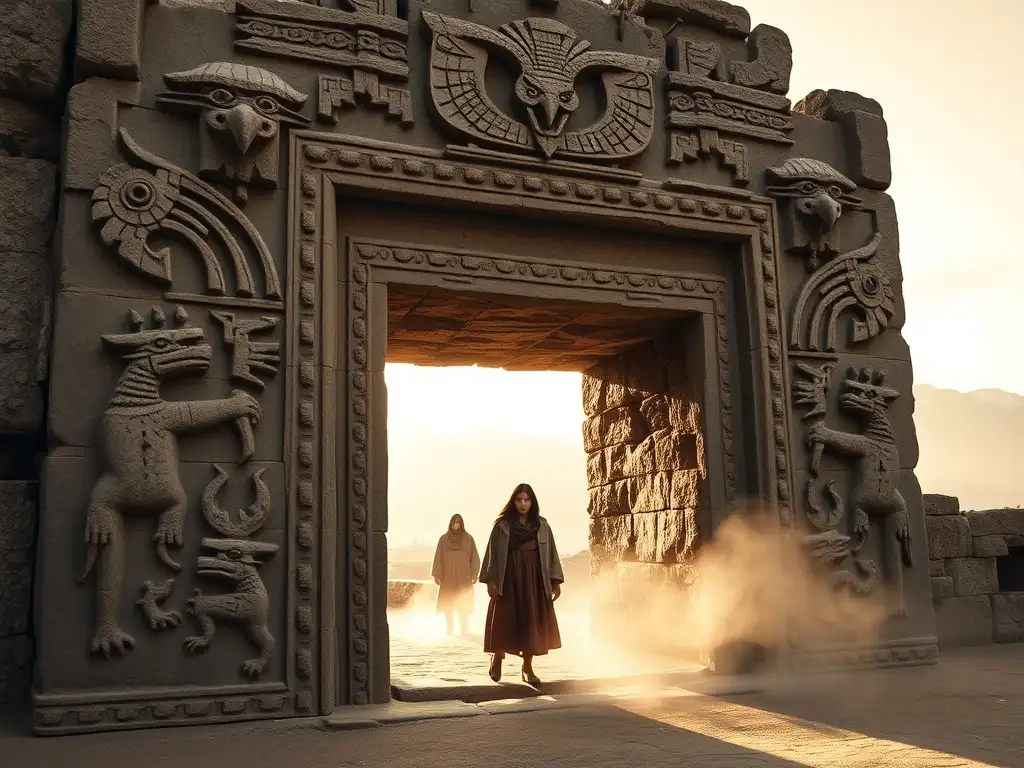
The art and architecture of Tiahuanaco are replete with potent shamanic symbolism, reflecting a sophisticated understanding of the cosmos and the spirit world. These symbols weren't merely decorative; they were integral to the religious practices and worldview of the Tiahuanaco people. The meticulous craftsmanship and the deliberate placement of these symbols within the city's monumental structures suggest a deeply ingrained spiritual significance.
The very layout of the city, with its carefully aligned structures and astronomical orientations, points to a society deeply connected to the celestial sphere and the forces that governed their lives. The use of specific materials, like the red andesite stone often employed in important structures, may have also held symbolic meaning, possibly linked to concepts of blood, power, or the earth itself.
Further research is needed to fully understand the nuanced meanings embedded within these choices of materials and construction techniques. Detailed analyses of the chemical composition of pigments used in Tiahuanaco art could reveal further information about the symbolic significance of specific colors.
Iconography: The Staff God, Sun Gate, and Anthropomorphic Figures
The "Staff God," a recurring motif in Tiahuanaco art, is a powerful example of shamanic iconography. Depicted with a staff and often adorned with elaborate headdresses and clothing, this figure likely represents a powerful shaman or deity mediating between the human and spiritual realms. The Sun Gate, a massive monolithic structure, is richly decorated with intricate carvings, including representations of the Staff God and other symbolic figures.
The precise meaning of these carvings remains a subject of ongoing scholarly debate, but they undoubtedly reflect complex cosmological beliefs and shamanic practices. Anthropomorphic figures, often depicted in dynamic poses and with exaggerated features, are also prevalent. These figures, sometimes depicted with feline traits, likely represent deities, spirits, or shamanic transformations.
Their expressive features and postures suggest a connection to altered states of consciousness, integral to shamanic trance experiences. The meticulous detail in these carvings, achieved using sophisticated stone-working techniques, underscores the importance placed upon these symbolic representations.
The Interpretation of Religious Symbols: The Chakana and the Stepped Pyramid
The Chakana, or Andean Cross, is a prominent symbol found throughout Andean cultures, including Tiahuanaco. Its four arms are often interpreted as representing the four cardinal directions, the four elements, or the four levels of reality. In a shamanic context, the Chakana could represent the shaman's journey through these different levels of reality, accessing different planes of existence during trance states. The stepped pyramid, a common architectural feature in Tiahuanaco, also holds symbolic significance. The ascending levels might represent a journey to the heavens, mirroring the shaman's ascent to higher spiritual planes during ritual practices. The precise relationship between the Chakana and the stepped pyramid, and how they relate to shamanic experiences, requires further investigation. Different interpretations exist, and the true meaning might have been multifaceted, encompassing various cosmological and shamanic beliefs simultaneously. Further research into the context of these symbols within the broader religious beliefs of Tiahuanaco is needed.
The Connection: Akapana Pyramid, Kalasasaya, and Puma Punku
The three monumental structures—Akapana, Kalasasaya, and Puma Punku—were likely central to Tiahuanaco's shamanic practices. Akapana, a massive stepped pyramid, might have served as a ceremonial center, possibly used for rituals involving altered states of consciousness. Kalasasaya, with its massive stone blocks and precise alignments, may have functioned as an open-air temple or plaza for public rituals and ceremonies.
Puma Punku, known for its incredibly precise stonework, might have held a specialized function, perhaps related to specific shamanic rituals or the preparation of sacred objects. The spatial arrangement of these structures, their astronomical alignments, and the presence of symbolic carvings all suggest a deliberate design intended to facilitate and enhance shamanic experiences.
The precise nature of the rituals performed at each site remains a subject of ongoing investigation and debate among archaeologists and scholars. The complex interplay between these three sites and their relationship to shamanic practices is an area ripe for further research.
The Legacy of Tiahuanaco Shamanism: Influences and Continuities
The influence of Tiahuanaco shamanism extended far beyond its geographical boundaries and temporal lifespan. Its impact on subsequent Andean cultures is evident in the continuity of certain religious beliefs, practices, and symbolic representations. The sophisticated cosmology, intricate symbolism, and emphasis on altered states of consciousness deeply affected the spiritual landscape of the Andes. The legacy of Tiahuanaco's shamanic traditions is not merely a historical artifact; it continues to resonate in contemporary Andean cultures, shaping their worldview and spiritual practices. Understanding the breadth and depth of this influence is crucial to comprehending the rich tapestry of Andean spirituality.
The Impact on Later Andean Cultures: The Inca and Aymara
The Inca Empire, which rose to prominence centuries after the decline of Tiahuanaco, inherited and adapted many aspects of Tiahuanaco's religious and cosmological beliefs. Inca religious practices, including their reverence for mountains and their elaborate ceremonies, show clear links to Tiahuanaco traditions. Similarly, the Aymara people, who inhabit the Altiplano region today, maintain many spiritual practices and beliefs rooted in the ancient traditions of Tiahuanaco.
Their deep connection to the land, their veneration of sacred sites, and their use of traditional healing methods reflect a direct lineage from Tiahuanaco shamanism. The continuity of these practices across millennia speaks volumes about the enduring power of Tiahuanaco’s spiritual legacy. Further detailed comparative studies between Inca and Aymara traditions and those of Tiahuanaco are necessary to fully understand the extent of cultural transmission and adaptation.
Surviving Practices: Andean Cosmovision and Traditional Healing
Many aspects of Tiahuanaco shamanism survive in contemporary Andean cosmovision and traditional healing practices. The concept of a multi-layered cosmos, the importance of ancestral spirits, and the use of ritual and ceremony to connect with the spirit world continue to be central features of Andean spiritual life. Traditional healers, or yatiri, utilize plants, rituals, and prayers to diagnose and treat illnesses, drawing upon a deep understanding of the interconnectedness of the physical and spiritual realms—a direct reflection of Tiahuanaco's shamanic worldview.
These practices serve not only to heal physical ailments but also to restore spiritual balance and harmony. Documenting and preserving these living traditions is crucial for understanding the enduring legacy of Tiahuanaco shamanism. Ethnographic studies of current Andean healing practices could provide further insight into the surviving elements of Tiahuanaco’s shamanic traditions.
Contemporary Interpretations: Reclaiming Ancestral Wisdom
In recent decades, there has been a growing interest in reclaiming and reinterpreting Tiahuanaco's ancestral wisdom. Contemporary Andean communities are actively engaging with their heritage, revitalizing traditional practices, and seeking to understand the deeper meanings embedded within Tiahuanaco's art, architecture, and cosmology. This renewed interest reflects a desire to connect with their ancestral roots and to draw strength and guidance from the wisdom of their ancestors.
This process of reclaiming ancestral knowledge is not merely a historical exercise; it is a vibrant and dynamic process that contributes to the ongoing evolution of Andean spirituality and cultural identity. The study of contemporary interpretations of Tiahuanaco shamanism provides a valuable lens through which to understand the ongoing relevance of these ancient traditions in the modern world.
Conclusion: The Enduring Significance of Tiahuanaco Shamanic Healing Practices
The legacy of Tiahuanaco's shamanic healing practices extends far beyond the collapse of its civilization. The intricate interplay of ritual, cosmology, and medicinal knowledge reveals a sophisticated understanding of the human mind-body connection, a perspective that resonates with contemporary understandings of holistic well-being. While the precise details of their techniques may remain partially obscured by the passage of time, the underlying principles—the importance of achieving altered states of consciousness, the harnessing of natural remedies, and the profound belief in the interconnectedness of the physical and spiritual realms—continue to inspire contemporary interest in alternative healing modalities.
The enduring appeal of Tiahuanaco's shamanic traditions lies not only in their historical significance but also in their potential to offer valuable insights into the human experience of healing and the enduring search for spiritual meaning. Further research into the surviving artifacts, iconography, and archaeological evidence holds the key to unlocking a more complete understanding of these fascinating practices and their continuing influence on Andean cultures. Understanding Tiahuanaco's shamanic healing practices allows us to appreciate the depth and complexity of their worldview and to recognize the enduring power of traditional healing systems.
The echoes of their rituals and beliefs can still be heard in the spiritual practices of many Andean communities today, a testament to the lasting impact of this remarkable civilization. The study of Tiahuanaco's shamanic legacy offers a rich tapestry of knowledge, weaving together anthropology, archaeology, and the history of medicine to illuminate a profound aspect of human experience. It compels us to consider the enduring power of spiritual practices and their role in shaping human societies, past and present.
Frequently Asked Questions
What were the main roles of shamans in Tiahuanaco society?
Shamans in Tiahuanaco held significant power, acting as spiritual leaders, healers, and intermediaries between the human and spirit worlds. Their expertise was crucial for maintaining societal well-being.
How did Tiahuanaco shamans induce trance states?
Tiahuanaco shamans likely used various techniques to induce trance, including entheogens, ritualistic chanting, dance, fasting, and meditation. These practices were aimed at altering consciousness and facilitating communication with spirits.
What types of healing practices were employed by Tiahuanaco shamans?
Herbal remedies, spiritual cleansing, and divination were integral parts of Tiahuanaco shamanic healing. They treated physical and spiritual ailments, aiming to restore balance and harmony within the individual and the community.
What is the significance of the Gate of the Sun in relation to shamanic practices?
The Gate of the Sun, with its intricate carvings, is believed to have played a significant role in rituals and ceremonies, possibly serving as a focal point for shamanic trance experiences and communicating with the spirit world. Its symbolism remains a subject of ongoing research.
How can we learn more about Tiahuanaco shamanic healing practices today?
While much remains unknown, research into archaeological findings, ethnohistorical accounts, and comparative studies with contemporary Andean shamanic traditions provides valuable insights into these ancient practices. Further research continues to unravel their complexities.
Final Reflection: Echoes of the Andes: Tiahuanaco's Enduring Legacy
The ancient shamanic practices of Tiahuanaco resonate powerfully with contemporary concerns about holistic well-being and spiritual exploration. Understanding these traditions offers not just a glimpse into a fascinating past, but a vital pathway towards reimagining our relationship with healing and the interconnectedness of all things. The enduring power of these practices lies in their ability to connect us to something larger than ourselves, a fundamental human need that transcends time and culture.
The influence of Tiahuanaco's shamanic worldview continues to shape Andean spirituality and informs modern approaches to healing that prioritize mind-body-spirit integration. The emphasis on trance states, plant medicine, and the profound respect for nature's power offers a compelling alternative to purely materialistic perspectives on health and well-being. As the renowned anthropologist, Carlos Castaneda, wrote: The world is not what it seems. It is only a reflection of your state of consciousness.
This resonates deeply with the Tiahuanaco worldview, highlighting the transformative potential of altered states of consciousness in accessing deeper levels of understanding and healing.
Consider the profound implications of Tiahuanaco's legacy. How can we integrate the principles of holistic healing, respect for nature, and the exploration of altered states of consciousness into our own lives? You, the reader, hold the power to explore these ancient wisdoms and apply them to your own journey of self-discovery and well-being. Embrace the opportunity to connect with the echoes of the Andes, and discover the transformative potential within yourself.
Unleash Your Inner Healer: Take Action Now!
Thank you for exploring the shamanic traditions of Tiahuanaco with us! We hope you've gained valuable insights into the transformative power of trance, healing, and spiritual journeys within Andean culture. Now, let's apply this knowledge to your own life.
Here are a few steps to begin your personal journey of healing and spiritual growth:
- Dive Deeper: Seek out local workshops or events focused on shamanic practices or holistic healing. Connecting with a supportive community can significantly enrich your understanding and experience.
- Practice Meditation: Integrate daily meditation into your routine, focusing on mindfulness and connecting with your inner self. This practice can help you cultivate your own spiritual path, drawing inspiration from the shamans of Tiahuanaco.
- Share Your Experience: Discuss your newfound knowledge of Tiahuanaco's shamanic traditions with friends and family. Inspire others to explore healing and spiritual growth!
As you embark on this path, we encourage you to share your progress: What steps will you take to incorporate shamanic principles into your daily life? Your journey could inspire others in our community!