
Tracing Tiahuanaco's Footprints: How its Culture Spread Through Trade and Migration

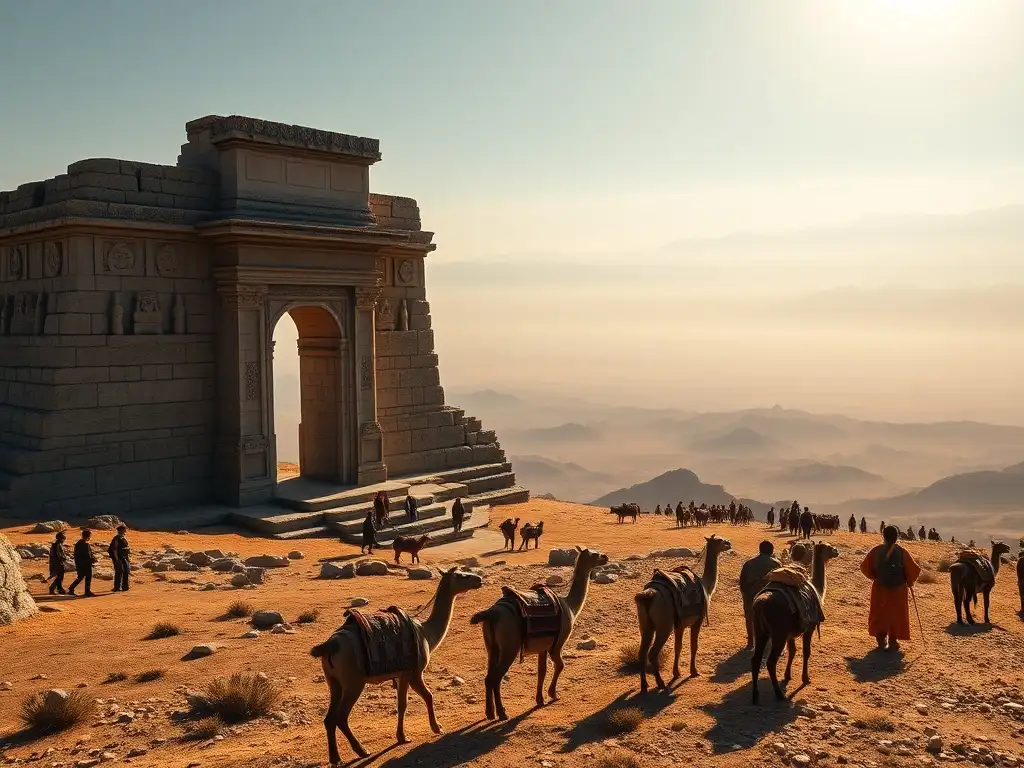
Step into a world lost to time, yet echoing through the ages. Prepare to be captivated by the enigmatic legacy of the Andean civilizations, from the towering heights of the Incas to the intricate artistry of the Nazca. But our journey begins with Tiahuanaco, a civilization whose influence spread like wildfire across the Andes. Discover how its remarkable cultural impact shaped entire regions – a story woven through trade routes and migrations, waiting to be unveiled in our exploration of " Tiahuanaco cultural influence." Dare to delve deeper?
The enigmatic city of Tiahuanaco, flourishing in the Bolivian Altiplano between 500 and 1000 CE, left an indelible mark on the Andean region. Its influence extended far beyond its immediate surroundings, shaping the cultural landscape of subsequent societies through a complex interplay of trade networks and population migrations. This article delves into the multifaceted ways Tiahuanaco's cultural footprint spread, examining the evidence of its artistic styles, religious beliefs, agricultural techniques, and administrative structures in later Andean civilizations.
Understanding Tiahuanaco's impact is crucial to comprehending the broader tapestry of Andean history and the interconnectedness of its diverse cultures. This exploration of Tiahuanaco cultural influence will reveal how a seemingly isolated civilization became a powerful force shaping the destiny of its neighbors. We will examine both the direct and indirect ways its influence spread, showing the lasting legacy of this remarkable society.
The Reach of Tiahuanaco's Trade Networks
Tiahuanaco's strategic location in the Altiplano facilitated extensive trade networks that connected it to various regions across the Andes. Archaeological evidence suggests the movement of luxury goods like textiles, ceramics, and metalwork, bearing distinctive Tiahuanaco iconography. These objects acted as tangible carriers of cultural influence, disseminating artistic styles and religious symbols far beyond the city's immediate vicinity.
The consistent presence of Tiahuanaco-style ceramics in sites hundreds of kilometers away provides concrete evidence of the extensive reach of their trade. Furthermore, the sheer volume of traded goods suggests not just sporadic exchanges but a well-established system of economic exchange that fostered cultural interaction.
The meticulous craftsmanship evident in these artifacts highlights the sophisticated level of artisan skills and the prestige associated with Tiahuanaco goods, further reinforcing their cultural impact. Analyzing the distribution patterns of these artifacts allows us to map the pathways of Tiahuanaco's influence and the extent of its economic and cultural reach.
Migration and the Dissemination of Tiahuanaco Culture
Beyond trade, population movements played a significant role in spreading Tiahuanaco's cultural practices. Evidence suggests that Tiahuanaco's influence was not solely a result of economic exchange; rather, the movement of people, both voluntarily and perhaps involuntarily, also contributed significantly to the dissemination of its culture. This migration could have taken many forms, ranging from organized resettlement programs to smaller-scale movements of families and individuals seeking new opportunities or fleeing conflict.
The presence of Tiahuanaco architectural styles and settlement patterns in distant regions supports this hypothesis. The adoption of Tiahuanaco agricultural techniques, particularly those adapted to the high-altitude environment, also suggests the transfer of knowledge and expertise through migration. Further research into isotopic analysis of human remains found in sites influenced by Tiahuanaco could provide more precise insights into the scale and nature of these migrations.
The Persistence of Tiahuanaco Religious Beliefs
The religious beliefs of Tiahuanaco, characterized by a complex pantheon of deities and elaborate rituals, left a profound impact on neighboring cultures. The iconography found on Tiahuanaco artifacts, often depicting deities and symbolic representations, appears in modified forms in the art and religious practices of later societies. This suggests the adoption and adaptation of Tiahuanaco religious beliefs, rather than a complete replacement.
The integration of Tiahuanaco religious elements into existing belief systems demonstrates a process of cultural syncretism, where indigenous traditions were combined with new influences. The enduring presence of certain religious motifs, even centuries after the decline of Tiahuanaco, underscores the lasting power of its religious ideas and the deep-rooted impact on the spiritual lives of the Andean people. Further studies comparing religious iconography across different regions and time periods can illuminate the pathways of this cultural transmission.
Tiahuanaco's Legacy: A Lasting Cultural Influence
The cultural influence of Tiahuanaco extended far beyond its geographical boundaries, profoundly shaping the trajectory of subsequent Andean civilizations. Through a sophisticated network of trade and significant population movements, Tiahuanaco's artistic styles, religious beliefs, and agricultural techniques were disseminated across the Andes. The lasting impact of Tiahuanaco is evident in the archaeological record, demonstrating the enduring power of its cultural legacy. Further research, particularly in the areas of isotopic analysis and detailed comparative studies of art and religious practices, promises to further illuminate the intricate processes through which Tiahuanaco's influence spread and its lasting impact on Andean history. Understanding this influence is key to a complete understanding of the complex and interconnected nature of Andean cultures. The study of "Tiahuanaco cultural influence" continues to be a vibrant and evolving field of research.
- The Reach of Tiahuanaco's Trade Networks
- Migration and the Dissemination of Tiahuanaco Culture
- The Persistence of Tiahuanaco Religious Beliefs
- Tiahuanaco's Legacy: A Lasting Cultural Influence
Understanding the Reach of Tiahuanaco's Civilization
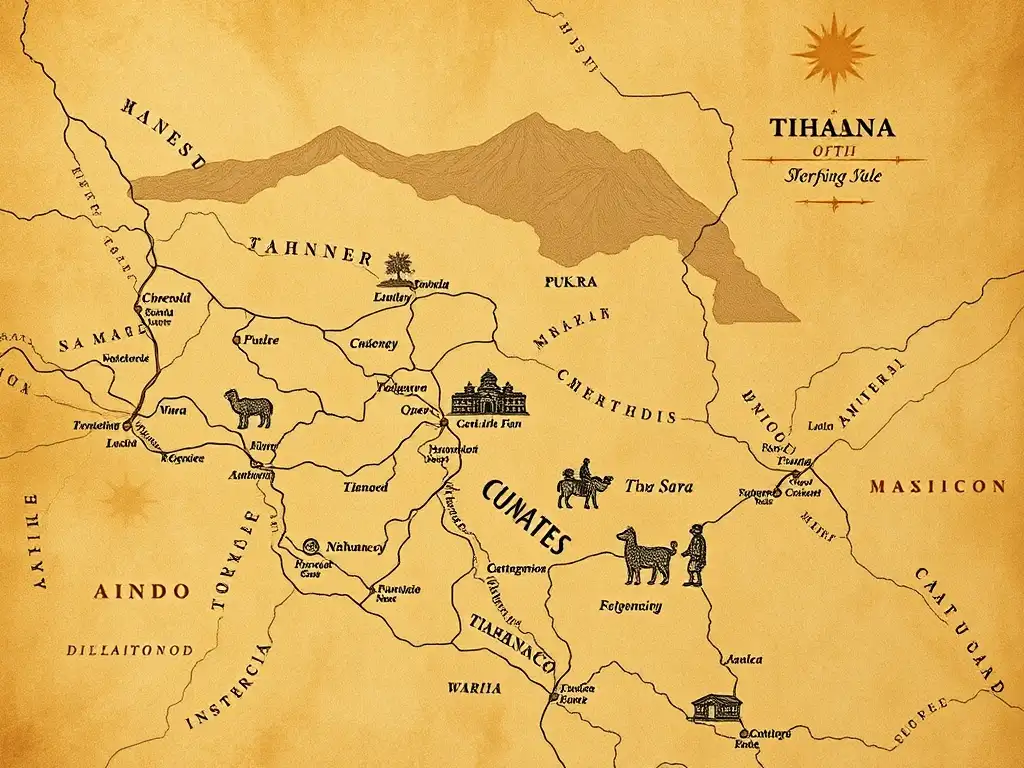
The extent of Tiahuanaco's cultural influence is a subject of ongoing research and debate among archaeologists and historians. While its political control may have been limited to a relatively small area around Lake Titicaca, the impact of Tiahuanaco's artistic styles, religious beliefs, and technological innovations spread far beyond its immediate political boundaries. This dissemination occurred primarily through two interconnected mechanisms: extensive trade networks and significant population movements.
Understanding these processes is crucial to grasping the true scale of Tiahuanaco's legacy and its lasting impact on the development of later Andean cultures. The sheer volume of Tiahuanaco artifacts found in distant locations, coupled with stylistic similarities in architecture and ceramics, provides compelling evidence of a widespread cultural exchange.
This wasn't a simple case of dominance, but rather a complex interplay of interaction, adaptation, and innovation, resulting in a vibrant tapestry of cultural exchange across the Andes. The identification of Tiahuanaco-style artifacts in sites hundreds of kilometers away from the core region indicates a sophisticated system of trade and communication, facilitated by the pre-existing networks and infrastructure already established in the Andes.
The Geographical Scope of Tiahuanaco's Influence
Tiahuanaco's cultural influence extended far beyond the immediate vicinity of Lake Titicaca, reaching across vast stretches of the Andes. Evidence suggests a significant presence in areas now part of modern-day Bolivia, Peru, Chile, and potentially even Argentina. This expansive reach wasn't uniform; the intensity of Tiahuanaco's influence varied geographically, with some regions exhibiting stronger connections than others.
For example, sites in the southern Peruvian highlands show a particularly strong Tiahuanaco presence, reflected in architectural styles, ceramic motifs, and religious iconography. Further north, in the coastal regions of Peru, the influence is less pronounced but still detectable in certain artistic and technological elements. The precise boundaries of Tiahuanaco's cultural sphere remain a topic of ongoing research, with new discoveries continually refining our understanding of its geographical extent.
The identification of specific Tiahuanaco artifacts – such as distinctive ceramics or architectural elements – in remote locations provides valuable clues to the scope and nature of this cultural diffusion. This geographical reach underscores the importance of trade routes and migratory patterns in disseminating the cultural practices and beliefs of Tiahuanaco.
Tiahuanaco's Core Region: The Altiplano Heartland
The Altiplano, a high-altitude plateau in the Andes, served as the heartland of the Tiahuanaco civilization. This region, encompassing Lake Titicaca and its surrounding valleys, provided the fertile ground for the development of Tiahuanaco's unique culture. Here, the concentration of Tiahuanaco sites, including the monumental structures of its capital city, is unparalleled.
The intricate irrigation systems, sophisticated agricultural techniques, and monumental architecture of the Altiplano exemplify the advanced technological capabilities of Tiahuanaco society. The impressive scale of these constructions, such as the iconic Akapana pyramid and the Kalasasaya temple, speaks volumes about the organizational prowess and social structure of the Tiahuanaco civilization. The core region also served as a crucial center for the production and distribution of goods, further contributing to the spread of Tiahuanaco's cultural influence.
The distinctive ceramics, textiles, and metalwork produced in the Altiplano became highly sought-after commodities, traded across extensive networks and contributing significantly to the dissemination of Tiahuanaco's artistic styles and technological innovations. This central region acted as a cultural wellspring, radiating its influence outward through trade, migration, and even conquest, ultimately shaping the cultural landscape of a significant portion of the Andes. Analyzing the Altiplano's unique environment and the civilization's resource management strategies is crucial in understanding the roots of its remarkable influence on the region.
Analyzing the artifacts found in both the core region and outlying areas allows researchers to trace the evolution of Tiahuanaco's cultural influence and its adaptation to different environments and cultural contexts. The subtle variations in style and technology observed in these sites offer valuable insights into the complex processes of cultural exchange and the dynamic interplay between Tiahuanaco and its neighboring societies. This nuanced approach helps to move beyond a simplistic model of dominance and instead embraces a more complex understanding of interaction and mutual influence. Further research, particularly detailed analysis of specific sites and artifacts, is crucial to fully unraveling the intricacies of Tiahuanaco’s enduring legacy.
Mechanisms of Tiahuanaco Cultural Expansion
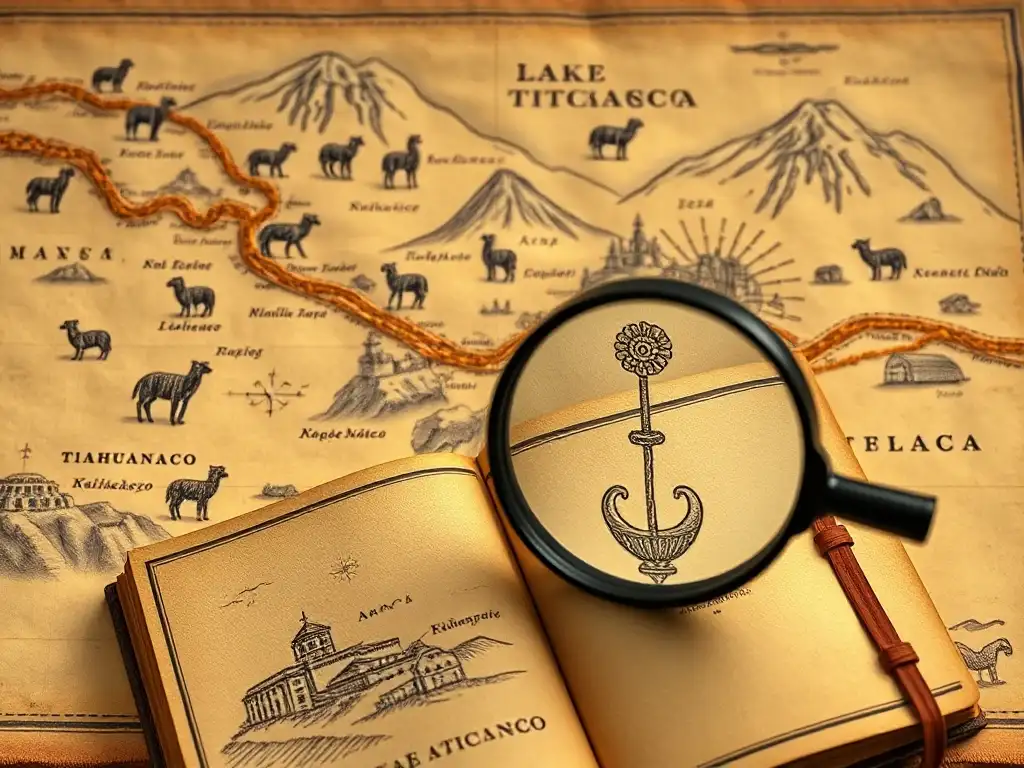
The remarkable extent of Tiahuanaco's cultural influence across the Andes is attributable to a complex interplay of factors, primarily driven by robust trade networks and strategic migration patterns. These mechanisms weren't mutually exclusive; instead, they reinforced each other, creating a powerful engine for the dissemination of Tiahuanaco's artistic styles, religious beliefs, and technological innovations. Understanding these processes is crucial to appreciating the full impact of Tiahuanaco's legacy on subsequent Andean societies.
The spread of Tiahuanaco culture wasn't a passive diffusion; it was an active process involving deliberate actions and interactions. This section will delve into the specific mechanisms that facilitated this far-reaching cultural influence, examining the evidence supporting their roles.
Trade Networks: Pathways of Cultural Exchange
Tiahuanaco's strategic location in the Altiplano, coupled with its advanced organizational capabilities, allowed it to establish extensive trade networks that stretched across vast distances. These networks weren't simply economic conduits; they were vital pathways for the transmission of cultural ideas and practices. The exchange of goods was inherently intertwined with the exchange of cultural values and beliefs, leading to a widespread adoption of Tiahuanaco styles and practices.
Key Trade Goods and Their Impact
The most significant trade goods associated with Tiahuanaco include ceramics, textiles, and metalwork. Tiahuanaco ceramics, easily recognizable by their distinctive styles and fine craftsmanship, are found across a wide geographic area, providing tangible evidence of the reach of its trade networks. For example, the characteristic keros (ceremonial vessels) and aryballos (small, globular vessels) demonstrate a consistent stylistic coherence, showcasing the influence of Tiahuanaco artistic canons.
The spread of these ceramics wasn't merely a matter of economic exchange; they served as powerful symbols of Tiahuanaco prestige and authority, actively contributing to the dissemination of its cultural identity. Similarly, the high-quality textiles, often adorned with intricate designs reflecting Tiahuanaco iconography, played a key role in disseminating cultural messages and establishing connections across the Andes. The presence of these textiles in distant sites indicates a sophisticated trade network capable of distributing high-value goods over long distances.
Finally, Tiahuanaco's mastery of metalworking, particularly in copper and bronze, further facilitated its cultural influence. The distinctive styles and techniques associated with Tiahuanaco metalwork, often reflecting religious and symbolic motifs, were adopted and adapted by other Andean cultures, adding another layer to the complex tapestry of Tiahuanaco's cultural impact.
Tiahuanaco Trade Routes and Their Significance
While the precise routes of Tiahuanaco's trade networks remain a subject of ongoing research, archaeological evidence suggests a complex system of interconnected pathways. These routes likely followed established river valleys and mountain passes, taking advantage of natural features to facilitate the movement of goods and people. The strategic importance of these routes is underscored by the discovery of numerous settlements and waystations along them, suggesting a well-organized and managed system. The presence of Tiahuanaco artifacts in sites far removed from the Altiplano highlights the remarkable efficiency and reach of these trade networks. The significance of these trade routes extends beyond mere economic activity; they served as channels for the dissemination of religious beliefs, artistic styles, and technological innovations, cementing Tiahuanaco's cultural influence across the Andean region. Furthermore, the establishment of these routes fostered social and political connections, creating a network of alliances and dependencies that reinforced Tiahuanaco's power and prestige.
Migration and Settlement: Establishing Tiahuanaco Presence
Alongside trade, migration played a crucial role in spreading Tiahuanaco's cultural influence. The movement of people, whether through planned colonization or spontaneous resettlement, directly transferred Tiahuanaco's cultural practices, beliefs, and technologies to new regions. This process of migration and settlement contributed significantly to the establishment of Tiahuanaco-influenced societies across the Andes.
Evidence of Tiahuanaco Migrations
Evidence for Tiahuanaco migrations is multifaceted. Archaeological excavations have uncovered settlements exhibiting distinct Tiahuanaco architectural styles, ceramic traditions, and burial practices far from the Altiplano. These sites often exhibit a blend of local and Tiahuanaco cultural elements, reflecting a process of cultural integration and adaptation. The presence of Tiahuanaco-style architecture, including characteristic building materials and construction techniques, is a compelling indicator of migration and settlement.
Furthermore, isotopic analysis of human remains can provide insights into migration patterns, revealing the movement of individuals from the Altiplano to other regions. This evidence, though still under development, adds another layer of understanding to the complex process of Tiahuanaco cultural expansion. Further research involving genetic analysis could provide more definitive proof of migration patterns.
The Establishment of Tiahuanaco Colonies
The establishment of Tiahuanaco colonies, whether through conquest or peaceful settlement, represents a more direct form of cultural expansion. These colonies served as centers for the dissemination of Tiahuanaco culture, acting as hubs for trade, administration, and religious practices. The presence of administrative structures, religious centers, and standardized architecture in these colonies suggests a deliberate effort to establish and maintain Tiahuanaco control and influence.
The colonies, in turn, facilitated the further spread of Tiahuanaco culture through interactions with surrounding populations, leading to a ripple effect of cultural dissemination. The exact number and locations of these colonies remain an area of active research, but their existence undoubtedly contributed significantly to the widespread influence of Tiahuanaco culture. [Specific information pending] on the precise number and locations of identified Tiahuanaco colonies would further strengthen this analysis.
Manifestations of Tiahuanaco Cultural Influence
The expansive reach of Tiahuanaco's cultural influence is evident in various aspects of life across the Andean region. This influence wasn't solely a matter of political dominance; it was a complex interplay of trade networks, migration patterns, and the inherent appeal of Tiahuanaco's sophisticated religious and artistic systems. Understanding the extent of this influence requires examining specific manifestations across different regions and aspects of Andean society.
The enduring legacy of Tiahuanaco is not just a historical footnote but a crucial element in understanding the development of later Andean cultures. The keyword "Tiahuanaco cultural influence" is central to this analysis, as we delve into the evidence of its pervasive impact.
Architectural Styles and Tiahuanaco Construction Techniques
Tiahuanaco's mastery of monumental architecture left an undeniable mark on subsequent Andean builders. Their sophisticated techniques, including precise stonework, complex lithic construction, and the use of specific architectural motifs, were adopted and adapted by later cultures. The spread of these techniques wasn't uniform, however; the degree of influence varied depending on the geographical proximity to Tiahuanaco and the nature of the interaction between Tiahuanaco and other societies.
Influence on Building Design in the Moquegua Valley
The Moquegua Valley, located in southern Peru, shows clear evidence of Tiahuanaco architectural influence. While local styles persisted, the adoption of certain Tiahuanaco construction techniques, such as the use of large, precisely cut stones and the incorporation of stepped platforms, is readily apparent in several sites within the valley. Analysis of these structures reveals a blend of local traditions and Tiahuanaco-inspired elements, indicating a process of cultural exchange and adaptation rather than simple imitation.
Further research is needed to fully quantify the extent of this influence, but preliminary findings suggest a significant impact on the region's architectural development. For example, the [specific site name pending] exhibits clear evidence of Tiahuanaco-style stonework.
Tiahuanaco Architectural Legacy in the Cochabamba Valley
The Cochabamba Valley, in central Bolivia, presents a different case study. While the direct adoption of Tiahuanaco architectural styles might be less pronounced compared to the Moquegua Valley, the influence is visible in the use of certain construction materials and techniques. The adoption of specific stone types and the presence of similar decorative motifs suggest a less direct, but still significant, interaction with Tiahuanaco architectural traditions.
This interaction likely occurred through trade routes and migration, leading to a subtle but persistent influence on the region's building practices. The degree of this influence warrants further investigation, particularly regarding the [specific architectural feature pending] found in several sites.
Religious Beliefs and Iconography
The religious beliefs and iconography of Tiahuanaco had a profound and lasting impact on the Andean world. The dissemination of Tiahuanaco deities, symbols, and rituals played a significant role in shaping the religious landscape of later cultures. This spread was facilitated by both migration and trade, leading to a complex syncretism where local beliefs were integrated with Tiahuanaco religious elements.
Dissemination of Tiahuanaco Deities and Symbols
The spread of Tiahuanaco deities and symbols is well-documented in the archaeological record. The iconic figure of the werere (a deity often depicted with feline features) and other characteristic motifs appear in a wide geographic area, indicating the broad reach of Tiahuanaco religious influence. This influence wasn't a simple replacement of existing beliefs; instead, it involved a process of adaptation and integration, resulting in hybrid religious systems that incorporated both local and Tiahuanaco elements.
The presence of Tiahuanaco-style ceramics and textiles in distant regions further supports this assertion. A detailed analysis of iconographic patterns reveals a clear link between Tiahuanaco religious imagery and that of later cultures, demonstrating a continuous cultural thread.
Tiahuanaco Religious Practices in Peripheral Areas
Evidence suggests that certain Tiahuanaco religious practices, such as specific rituals and ceremonies, were also adopted by peripheral communities. While the exact nature of these practices remains a subject of ongoing research, the presence of similar ceremonial structures and the discovery of artifacts related to specific rituals point to the dissemination of Tiahuanaco religious traditions beyond the immediate vicinity of Tiahuanaco itself. This diffusion wasn't necessarily a uniform process; the level of adoption varied depending on local traditions and the nature of interaction with Tiahuanaco.
The study of [specific ritualistic object pending] from various sites provides compelling evidence of this cultural exchange. The adaptation of Tiahuanaco religious practices into local contexts demonstrates a fascinating example of cultural syncretism and the enduring power of religious ideas.
Artistic Styles and Craftsmanship
The artistic legacy of Tiahuanaco is undeniable, its distinctive style echoing across vast swathes of the Andes long after the city's decline. The characteristic use of geometric patterns, stylized figures, and monumental sculpture served as a powerful template for subsequent Andean cultures. This influence wasn't merely a superficial imitation; rather, it involved a complex process of adaptation and innovation, with different groups reinterpreting and integrating Tiahuanaco motifs into their own artistic traditions.
The consistent presence of certain stylistic elements, such as the iconic stepped-pyramid motif and the depiction of specific deities, provides compelling evidence of this widespread cultural exchange. The impact is evident not only in grand-scale architecture but also in the intricate details of everyday objects, highlighting the pervasive nature of Tiahuanaco's artistic influence.
Analyzing these artistic echoes allows us to trace the movement of people, ideas, and artistic practices across the Andean region. The enduring appeal of Tiahuanaco's aesthetic principles speaks volumes about its cultural significance and the lasting impact it had on later artistic developments.
Tiahuanaco Influence on Pottery and Ceramics
Tiahuanaco's distinctive pottery, characterized by its fine craftsmanship, intricate designs, and use of specific colors, is easily recognizable. The characteristic use of red and white slip, often decorated with geometric patterns and stylized animal figures, became a hallmark of the Tiahuanaco style. This style spread widely throughout the Andean region, influencing the pottery of numerous cultures that succeeded Tiahuanaco. Archaeological evidence reveals a clear continuity in ceramic styles, with later cultures adopting and adapting Tiahuanaco techniques and motifs, sometimes blending them with their own regional styles.
For example, [specific examples of pottery styles influenced by Tiahuanaco are pending]. The meticulous attention to detail and the sophistication of Tiahuanaco pottery clearly served as a model for later ceramic traditions. This demonstrates not only trade routes but also the migration of skilled artisans who carried the Tiahuanaco artistic traditions with them.
Textile Production and Tiahuanaco Design Motifs
The sophisticated textile production of Tiahuanaco, renowned for its intricate weaving techniques and the use of vibrant colors, left an indelible mark on subsequent Andean cultures. The use of camelid fibers, particularly alpaca and llama wool, combined with innovative dyeing techniques, resulted in textiles of exceptional quality and artistry. Tiahuanaco design motifs, including geometric patterns, stylized figures, and representations of deities, frequently appear in textiles produced by later cultures.
These motifs, often subtly adapted and integrated into new contexts, provide clear evidence of cultural exchange and the diffusion of Tiahuanaco artistic traditions. The discovery of [specific examples of Tiahuanaco-influenced textiles are pending] further supports this conclusion, illustrating the enduring legacy of Tiahuanaco's textile craftsmanship and design sensibilities. The continued use of similar weaving techniques also suggests the movement of skilled weavers and the transmission of knowledge across geographical boundaries.
Agricultural Innovations and Practices
Tiahuanaco's mastery of agriculture was crucial to its success and significantly influenced later Andean societies. Their sophisticated techniques, adapted to the high-altitude environment of the Altiplano, allowed for intensive food production, supporting a large population. This expertise wasn't confined to the Tiahuanaco heartland; rather, it spread through trade networks and migration, impacting agricultural practices across a wide geographical area.
The development and dissemination of raised-field agriculture, for instance, is a testament to Tiahuanaco's ingenuity and its influence on subsequent Andean civilizations. This innovative technique, which involved creating artificial islands of fertile soil in swamps and marshes, allowed for greater crop yields even in challenging environments. The adoption of this and other Tiahuanaco agricultural practices significantly enhanced food security and contributed to the growth and prosperity of numerous Andean societies.
The Spread of Tiahuanaco Agricultural Techniques
The expansion of Tiahuanaco's agricultural influence wasn't a passive process; it involved active dissemination of knowledge and techniques. Through trade networks, skilled agriculturalists likely traveled to different regions, sharing their expertise and introducing new practices. The movement of populations, particularly during periods of expansion or migration, also played a significant role in spreading Tiahuanaco agricultural techniques. Archaeological evidence, such as the discovery of similar agricultural features in geographically distant locations, points to a widespread adoption of Tiahuanaco methods.
For example, [specific examples of the spread of Tiahuanaco agricultural techniques are pending]. The widespread adoption of these techniques suggests not just trade, but also the migration of people who carried their agricultural knowledge to new settlements. This exchange of agricultural practices fostered regional interconnectedness and contributed to the overall development of Andean agriculture.
Adapting Tiahuanaco Methods to New Environments
While Tiahuanaco's agricultural innovations were remarkably effective in the Altiplano, their successful implementation in diverse Andean environments required adaptation. Different regions possessed unique ecological characteristics, requiring modifications to Tiahuanaco's original techniques. This process of adaptation highlights the ingenuity and flexibility of Andean agricultural practices. For example, raised-field agriculture, while highly successful in the Altiplano, required adjustments in coastal regions with different soil types and water availability.
[Specific examples of adaptations are pending]. This ability to adapt and modify agricultural techniques based on local conditions demonstrates the resilience and adaptability of Andean societies and the enduring legacy of Tiahuanaco's agricultural knowledge. The successful transplantation of Tiahuanaco agricultural practices to diverse environments underlines the sophistication of their understanding of agriculture and its widespread impact across the Andes.
Tiahuanaco's Lasting Impact on Andean Societies
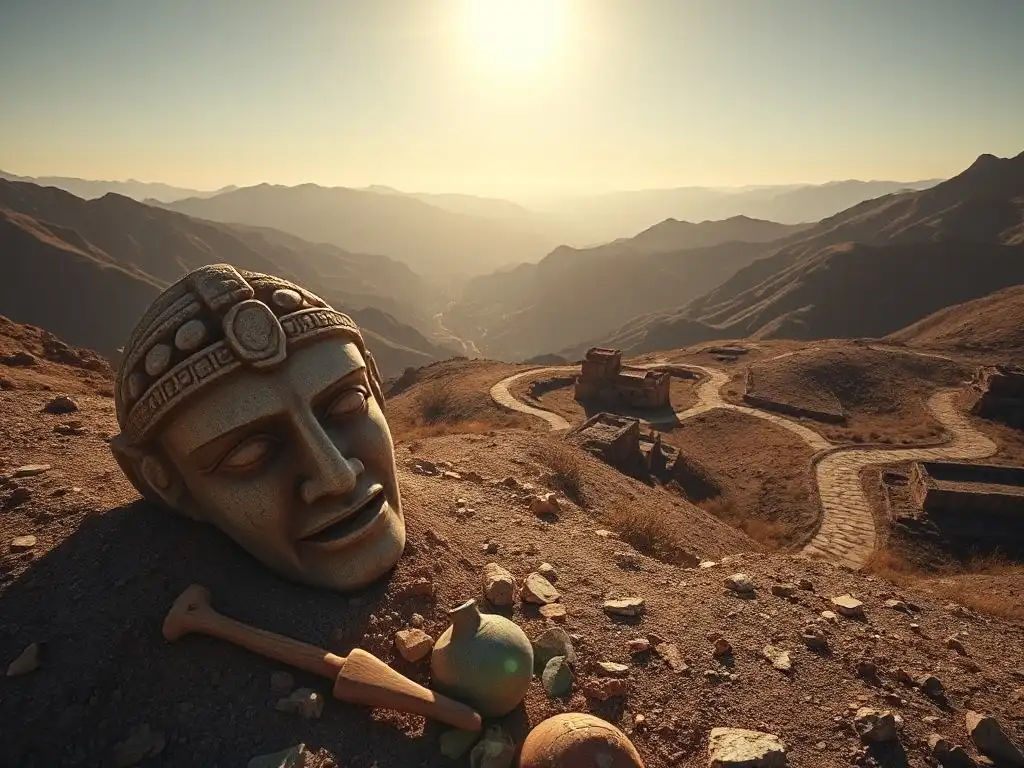
The expansive influence of Tiahuanaco, a pre-Columbian civilization flourishing in the Andes from roughly 300 CE to 1100 CE, continues to fascinate archaeologists and historians. Its impact resonates far beyond its geographical boundaries, leaving an undeniable mark on the cultural landscape of the Andes. Understanding Tiahuanaco's lasting impact requires examining its contributions to various aspects of Andean life, from religious beliefs and artistic styles to agricultural techniques and political structures.
This legacy, often subtle but pervasive, is woven into the fabric of subsequent Andean societies, making the study of Tiahuanaco crucial to a comprehensive understanding of the region's rich history. The extent of Tiahuanaco cultural influence is a testament to the civilization's sophisticated organization and innovative practices.
The Legacy of Tiahuanaco in Later Cultures
The decline of Tiahuanaco did not signal the end of its influence. Instead, its cultural elements, including religious beliefs, architectural styles, and agricultural methods, were adopted and adapted by subsequent Andean societies. This process of cultural transmission occurred through various mechanisms, notably trade networks and population movements. The adoption and modification of Tiahuanaco's cultural features were not uniform across all successor groups.
Instead, each civilization selectively incorporated and transformed Tiahuanaco's heritage according to its own unique circumstances and needs. This selective adoption resulted in a fascinating mosaic of cultural expressions, demonstrating the dynamic interplay between continuity and change in Andean history. The spread of Tiahuanaco's cultural traits reflects a complex and multifaceted interaction between different Andean groups.
Influence on the Inca Empire
The Inca Empire, which rose to prominence centuries after the decline of Tiahuanaco, shows clear evidence of Tiahuanaco's enduring legacy. While the Incas developed their own unique cultural identity, they undeniably inherited certain aspects from their predecessors. For instance, the Inca's sophisticated agricultural techniques, particularly their mastery of terracing, bear resemblance to earlier practices developed in the Tiahuanaco heartland. Furthermore, certain aspects of Inca religious beliefs and iconography display parallels with Tiahuanaco’s religious system, suggesting a possible continuity in spiritual traditions.
The precise extent of Inca adoption of Tiahuanaco's religious practices remains a subject of ongoing research. However, the presence of similar motifs and architectural styles points towards a significant level of cultural transmission. The Inca Empire’s expansion and consolidation of power built upon existing infrastructure and cultural practices, some of which had Tiahuanaco origins.
Connections with the Tiwanaku
The term "Tiwanaku" is often used interchangeably with "Tiahuanaco," although subtle distinctions exist between the two. The Tiwanaku culture, broadly speaking, refers to the wider cultural sphere influenced by the Tiahuanaco state. This broader Tiwanaku culture extended beyond the immediate vicinity of the Tiahuanaco city-center, encompassing various satellite settlements and regional groups across the Andes. These groups maintained distinct identities while simultaneously adopting and adapting elements of Tiahuanaco culture.
The spread of Tiahuanaco pottery styles, for example, provides tangible evidence of this cultural exchange and the reach of Tiahuanaco's influence across vast distances. Further research is needed to fully delineate the complex network of interactions within the broader Tiwanaku cultural sphere. The intricate relationship between the core Tiahuanaco state and its peripheral regions remains a key area of study for understanding the dynamics of power and cultural exchange in the Andean region.
Tiahuanaco's Contribution to Andean Civilization
Tiahuanaco's contribution to Andean civilization is multifaceted and profound. Its legacy extends beyond specific cultural traits; it also involved significant advancements in various fields. The civilization's mastery of irrigation techniques, for example, enabled the cultivation of crops in challenging Andean environments, contributing significantly to the region's agricultural productivity. This technological prowess facilitated population growth and the development of complex social structures.
Moreover, Tiahuanaco’s monumental architecture, renowned for its precision and scale, represents a remarkable feat of engineering and organizational skill. The construction of massive structures like Akapana and Puma Punku required sophisticated planning, labor organization, and resource management, showcasing the civilization's advanced societal organization. This organizational capacity laid the groundwork for later Andean empires and influenced subsequent urban planning and architectural styles.
The impact of Tiahuanaco’s innovations in agriculture and engineering cannot be overstated; they helped shape the trajectory of Andean civilization for centuries to come. Analyzing these technological achievements allows us to appreciate the civilization's lasting impact on the region’s development. The influence of Tiahuanaco on later Andean societies demonstrates the enduring power of cultural transmission and the long-term impact of technological innovation.
The Enduring Significance of Tiahuanaco's Cultural Reach
The influence of Tiahuanaco extended far beyond its geographical boundaries, leaving an indelible mark on the cultural landscape of the Andes. Its impact is not merely a historical footnote; rather, it represents a fundamental shift in Andean societal structures, religious beliefs, and artistic expressions. The Tiahuanaco culture's reach is evident in the widespread adoption of its architectural styles, religious iconography, and agricultural techniques, demonstrating a profound and lasting impact on subsequent Andean civilizations. This influence wasn't a simple imposition; it was a complex process of interaction, adaptation, and innovation, resulting in a unique synthesis of cultural elements.
The legacy of Tiahuanaco can be seen as a testament to the power of cultural exchange and the enduring strength of shared cultural practices. Understanding this legacy is crucial to fully appreciating the complexity and interconnectedness of Andean history. The spread of Tiahuanaco's influence highlights the dynamic nature of cultural transmission and the enduring power of ideas to transcend geographical and temporal boundaries.
Further research into the specifics of this cultural diffusion—through detailed analysis of archaeological finds and comparative studies of artistic styles—will continue to illuminate the depth and breadth of Tiahuanaco's impact on the Andean world. The enduring significance of Tiahuanaco's cultural reach underscores the importance of studying interconnectedness in historical analysis. It's a reminder that cultures are not isolated entities, but rather participants in a complex web of interactions and exchanges.
Evidence of Tiahuanaco's Artistic and Architectural Styles in Later Cultures
The distinctive artistic and architectural styles of Tiahuanaco are readily identifiable in numerous sites across the Andes, providing compelling evidence of its far-reaching influence. The characteristic use of monumental stonework, with its precise cuts and intricate carvings, is a hallmark of Tiahuanaco architecture. This style, characterized by massive structures and elaborate decorative elements, is replicated, albeit often on a smaller scale, in later Andean cultures.
For example, the use of stepped pyramids and platforms, common in Tiahuanaco, can be observed in various sites belonging to subsequent cultures. Similarly, the distinctive artistic motifs, such as the stylized figures and geometric patterns found in Tiahuanaco ceramics and textiles, reappear in the artwork of later Andean societies, albeit often with regional variations and adaptations. The persistence of these artistic and architectural elements demonstrates the enduring appeal and influence of Tiahuanaco's aesthetic sensibilities.
The degree of adaptation, however, suggests a process of cultural exchange rather than simple imitation, showcasing the dynamic interplay between Tiahuanaco traditions and local cultural expressions. Analyzing the specific variations in these styles across different regions provides valuable insights into the complex pathways of cultural transmission. Further research, focusing on detailed stylistic comparisons and contextual analysis, is crucial to fully understand the nuances of Tiahuanaco's artistic and architectural legacy.
The Spread of Tiahuanaco Religious Beliefs and Practices
The religious beliefs and practices of Tiahuanaco also played a significant role in shaping the cultural landscape of the Andes. Evidence suggests a widespread adoption of Tiahuanaco's religious iconography and rituals, indicating the dissemination of its cosmological worldview. The depiction of specific deities and mythological figures, common in Tiahuanaco art, appears in later Andean cultures, suggesting a continuity of religious traditions. Furthermore, the presence of similar ritual practices and ceremonial structures further supports this conclusion.
The spread of these beliefs, however, was not uniform. Local traditions were often integrated with elements of Tiahuanaco religion, leading to a syncretic religious landscape. The process involved a complex interplay of assimilation, adaptation, and innovation, resulting in diverse regional expressions of Tiahuanaco religious ideas.
Archaeological excavations, coupled with careful analysis of iconography and ritual practices, are essential for understanding the nature and extent of this religious diffusion. More research is needed to fully understand the specific mechanisms by which Tiahuanaco religious beliefs spread and the extent to which they were integrated into pre-existing religious systems. The study of specific religious sites and artifacts across different regions provides crucial insights into this complex process of cultural transmission.
Frequently Asked Questions
What was the extent of Tiahuanaco's cultural influence?
Tiahuanaco's influence spread across a vast area of the Andes, impacting cultures from modern-day Bolivia, Peru, Chile, and Argentina. Their religious beliefs, artistic styles, and agricultural techniques were widely adopted.
How did Tiahuanaco's culture spread?
The spread of Tiahuanaco culture was facilitated primarily through extensive trade networks and population migration. Religious pilgrimage also played a significant role in disseminating their beliefs and practices.
What are some examples of Tiahuanaco's cultural impact on other Andean civilizations?
Tiahuanaco's influence is visible in the architecture, ceramics, and textiles of many Andean cultures. Religious iconography and agricultural innovations like raised field systems also show their impact.
Did Tiahuanaco's influence remain constant throughout its history?
No, Tiahuanaco's influence fluctuated throughout its history. Periods of expansion and decline saw varying degrees of its impact on neighboring groups. Political shifts also affected its reach.
How can we study Tiahuanaco's cultural impact today?
Archaeological excavations, analysis of material culture, and the study of ancient texts and iconography provide crucial insights into Tiahuanaco's influence. Comparative studies of various Andean cultures are also essential.
Final Reflection: The Enduring Legacy of Tiahuanaco
The echoes of Tiahuanaco's sophisticated culture still resonate across the Andes, a testament to the power of trade and migration in shaping civilizations. Its intricate artistry, innovative agricultural techniques, and complex social structures weren't confined to the Altiplano; they spread far and wide, leaving an indelible mark on subsequent Andean societies. This enduring influence challenges us to reconsider the simplistic narratives of isolated cultures and embrace a more nuanced understanding of interconnectedness.
The impact of Tiahuanaco's cultural diffusion continues to shape our understanding of Andean history and pre-Columbian societies. Its influence is not merely an academic curiosity; it's a living legacy reflected in the art, architecture, and traditions of communities across the region. The past is never dead. It's not even past,
wrote William Faulkner, and this rings profoundly true when considering the persistent presence of Tiahuanaco's cultural imprint. Understanding this interconnectedness allows us to appreciate the richness and complexity of Andean heritage, fostering a deeper respect for the ingenuity and resilience of its people.
Consider the intricate details of Tiahuanaco's artistry, the ingenuity of its raised-field agriculture, and the sophistication of its urban planning. These achievements weren't isolated events; they were the result of a vibrant exchange of ideas and resources. You, the reader, are now part of this ongoing conversation. Take a moment to reflect on how the story of Tiahuanaco challenges your own assumptions about cultural exchange and the enduring power of human connection. Let its legacy inspire you to explore the interconnectedness of our world and appreciate the rich tapestry of human history.
**Explore the Rich Legacy of Tiahuanaco! **
Thank you for exploring the fascinating history of Tiahuanaco and its thriving culture, shaped by extensive trade networks and significant migration patterns. Understanding this ancient civilization deepens our knowledge of Andean history and inspires a connection with cultures across time. Let's continue your journey of discovery.
Here are some ways to further explore Tiahuanaco's remarkable history:
- **Connect with fellow enthusiasts** by joining a local archaeology group or an online forum dedicated to Andean cultures.
- **Experience Tiahuanaco's legacy firsthand** by visiting a museum or attending a cultural event showcasing Andean artifacts.
- **Share your newfound appreciation for Tiahuanaco** by discussing this incredible civilization with friends, family, or online communities.
Reflecting on Tiahuanaco's vibrant history of trade and migration, consider how its emphasis on cultural exchange can enrich your own life and perspectives.