
The Inca System of Roads: Connecting the Empire

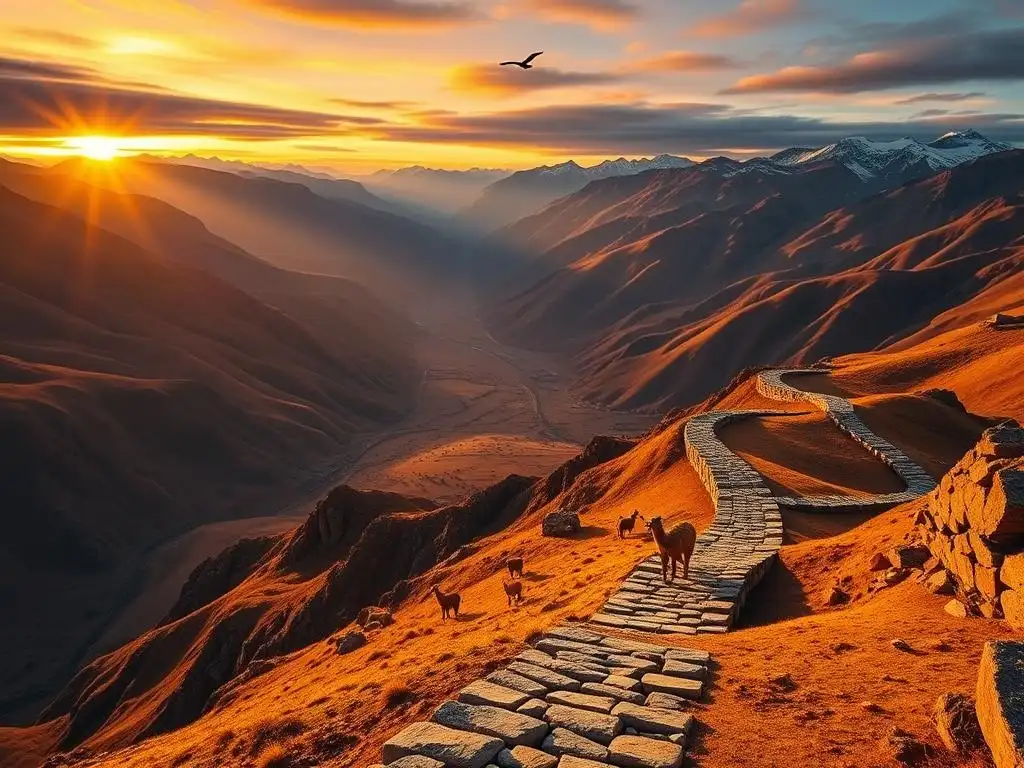
Step into a world lost to time, yet echoing with the whispers of a magnificent empire. Prepare to be amazed as we unravel the mysteries of the Andean Civilizations, delving into their breathtaking artistry, innovative technologies, and complex societies. But first, let's embark on a journey along the legendary Inca road system network, a feat of engineering that connected a vast empire and continues to astound us today. Discover how this intricate network shaped the destiny of a civilization... the story awaits.
- The Inca Road System Network: Connecting the Empire
- Building the Inca Roads: Engineering Marvels
- Functionality of the Inca Road Network
- Key Routes and Sections of the Inca Road System
- The Legacy of the Inca Road System
- Frequently Asked Questions
- Final Reflection: Echoes of the Inca Road: A Legacy of Connection
- Embark on Your Journey of Discovery!
The Inca Road System Network: Connecting the Empire
The Inca Empire, renowned for its sophisticated engineering and administrative prowess, achieved remarkable territorial expansion across the diverse Andean landscape. This expansion was significantly facilitated by an unparalleled feat of infrastructure: the Qhapaq Ñan, or Great Inca Road. This extensive network of roads, spanning thousands of kilometers, served not only as vital arteries for communication and trade but also as a crucial instrument for maintaining imperial control and unifying the vast and varied territories under Inca rule.
This article delves into the intricacies of the Inca road system, exploring its construction, strategic importance, and lasting legacy. Understanding the Inca road system network is key to grasping the scale and complexity of the Inca Empire's power and influence.
We will examine how this ingenious system of roads played a pivotal role in the expansion and consolidation of the Inca Empire, highlighting its impact on political, economic, and social structures. The sheer magnitude of this engineering marvel, coupled with its strategic placement, offers invaluable insights into the Inca's exceptional organizational skills and their profound impact on the Andes.
The Qhapaq Ñan: Backbone of the Inca Empire
The Qhapaq Ñan wasn't merely a collection of roads; it was a meticulously planned and strategically designed network. It comprised a main highway, often paved with stone, and numerous secondary and tertiary roads branching out to connect various settlements, administrative centers, and resource-rich areas. The main highway, following natural contours and traversing challenging terrains, facilitated rapid movement of people and goods across the empire. Construction techniques were remarkably advanced for their time, employing sophisticated stonework, bridges, and tunnels to overcome geographical obstacles.
The Inca's mastery of engineering is evident in the durability and precision of the road system, much of which remains remarkably intact even today. The Qhapaq Ñan was more than just a pathway; it was a symbol of Inca power and a testament to their engineering prowess. It facilitated the movement of armies, officials, and messengers, ensuring swift communication and effective governance across the vast empire. Furthermore, the road system played a critical role in the efficient distribution of resources and goods, contributing significantly to the economic stability of the Inca Empire.
The construction itself involved a massive mobilization of labor, showcasing the Inca's capacity for coordinated large-scale projects. Consider the sheer scale of the undertaking – thousands of kilometers of roads, meticulously planned and expertly constructed, traversing diverse and challenging landscapes. This speaks volumes about the Inca’s organization, planning, and engineering capabilities. The precision of the stonework, the ingenuity of the bridges and tunnels, and the strategic placement of the roads all point to a highly advanced and organized society.
Importance of the Inca Road System for Imperial Control
The Inca road system was instrumental in consolidating and maintaining imperial power. Its strategic design facilitated rapid deployment of troops to quell rebellions or enforce control in distant provinces. The efficient communication network ensured that news and orders reached all corners of the empire swiftly, allowing the Inca government to respond effectively to any challenges or threats. The roads also served as a crucial instrument for integrating diverse populations into the empire.
The movement of people along the roads facilitated cultural exchange and the dissemination of Inca ideology, contributing to the unification and standardization of practices across the empire. The system’s effectiveness is evident in the longevity of the Inca Empire, which managed to maintain control over a vast and diverse territory for a considerable period. The road system’s ability to facilitate the rapid movement of troops and the swift dissemination of information were key factors in suppressing rebellions and maintaining order. The network also played a crucial role in the economic control of the empire, facilitating the efficient distribution of resources and the collection of tribute.
The strategic placement of tambos (roadside inns) along the routes provided resting places for travelers and served as staging posts for military movements. These tambos also played an important role in the economic management of the empire, acting as centers for the collection and distribution of goods and resources. This integrated network of roads, strategically placed tambos, and efficient communication demonstrates the Inca's sophisticated understanding of logistics and their mastery of imperial control. The Qhapaq Ñan, therefore, wasn't just a transportation system; it was the backbone of the Inca Empire's political and economic power.
Building the Inca Roads: Engineering Marvels
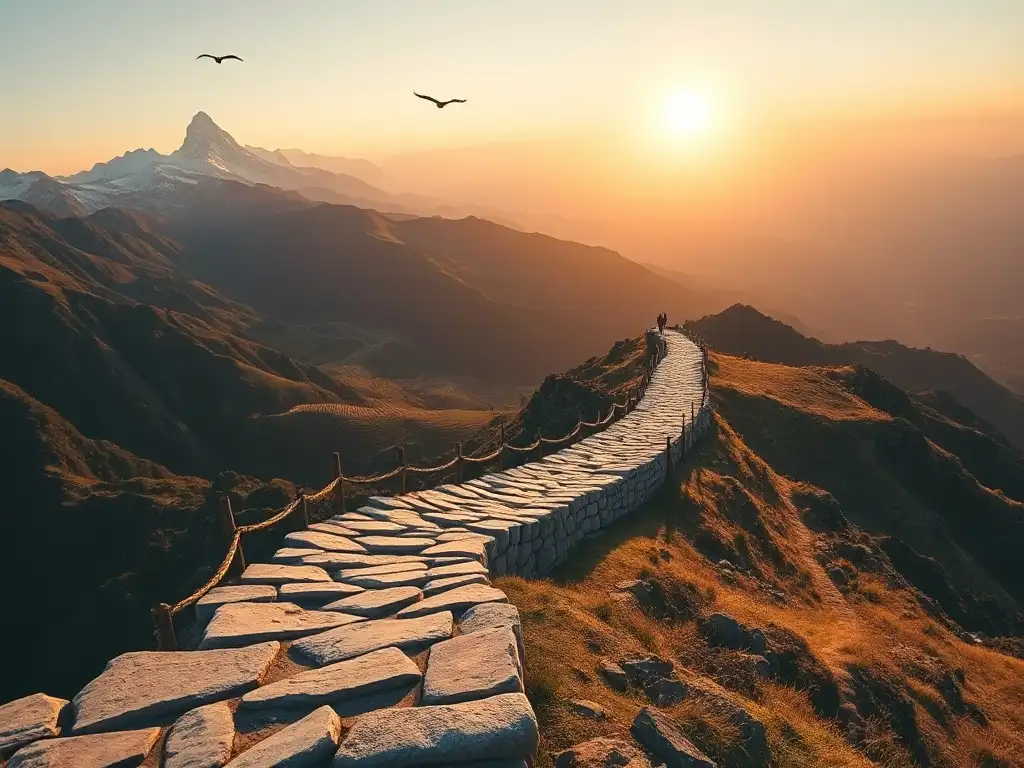
The Inca road system network, a feat of engineering unparalleled in its time, wasn't just a collection of paths; it was a meticulously planned and executed infrastructure project that facilitated the Inca Empire's expansion and consolidation. Spanning thousands of miles across diverse and challenging terrains, from the arid coastal deserts to the towering Andes Mountains, this network showcased the Inca's exceptional organizational skills and advanced understanding of engineering principles. The sheer scale of the undertaking is astonishing, considering the tools and technology available to them.
They lacked the wheel and draft animals, yet they managed to construct a system that efficiently connected the far-flung corners of their vast empire. This section delves into the remarkable techniques and materials employed in the construction of these vital arteries of the Inca state.
Inca Road Construction Techniques and Materials
Inca road construction wasn't a haphazard process. It involved careful planning, precise surveying, and the skillful application of available resources. The Incas were masters of adapting their techniques to the varied landscapes they encountered. For instance, in mountainous regions, they expertly carved paths into steep slopes, utilizing retaining walls and terraces to stabilize the terrain.
These walls, often constructed from locally sourced stones, were remarkably durable, a testament to the Incas' mastery of dry-stone masonry. The stones, meticulously fitted together without mortar, were often so precisely cut that a knife blade couldn't be inserted between them. This technique, known as ashlar masonry, is a hallmark of Inca architecture and engineering.
In flatter areas, the road construction might involve layering different materials. This could include compacted earth, gravel, and even carefully placed stones to create a smooth and durable surface. The roads varied in width depending on their importance and location; major highways could be as wide as 20 feet, while less significant paths might be only a few feet across.
Evidence suggests that the Incas also used sophisticated drainage systems to prevent erosion and maintain the integrity of the roads, demonstrating a deep understanding of hydrological principles. The strategic placement of drainage channels and culverts ensured that the roads remained passable even during heavy rains. The selection of materials was also strategic; readily available local resources were prioritized, minimizing transportation costs and environmental impact.
The Role of Mit'a Labor in Road Building
The construction of the Inca road system network was a monumental undertaking that required a massive workforce. This workforce was largely provided by the mit'a, a system of mandatory labor service that was a cornerstone of the Inca economic and social structure. While the mit'a involved various forms of labor, road construction was a significant component.
Able-bodied men from different communities were rotated through periods of service, contributing their skills and strength to this vital imperial project. The system was organized and highly efficient, with supervisors overseeing the work and ensuring that tasks were completed to the required standards. It's important to note that the mit'a wasn't simply forced labor; it was a reciprocal system where communities received benefits in return for their service, such as access to resources and protection from the state.
While the system had its drawbacks, it played a crucial role in the construction and maintenance of the Inca road system network, highlighting the Inca's ability to mobilize and organize a vast workforce for large-scale projects. The organization and logistical planning involved in managing the mit'a for such a vast and geographically diverse project represents a significant achievement in itself.
Types of Inca Roads: From Coastal to Mountain Paths
The Inca road system wasn't a monolithic entity; it comprised a diverse network of roads, each adapted to the specific geographical challenges of its location. The coastal roads, for example, were often built on relatively flat terrain, but had to withstand the harsh conditions of the desert environment. These roads were typically constructed using compacted earth and gravel, with strategically placed stones to provide stability and drainage. In contrast, the mountain roads were engineering marvels, winding their way through steep slopes and across treacherous terrain.
These roads often involved intricate systems of retaining walls, terraces, and bridges, showcasing the Incas' ingenuity in overcoming natural obstacles. Suspension bridges, made from strong fibers and expertly woven, spanned deep gorges and rivers. These bridges, some of which were surprisingly long, were a testament to the Inca's advanced understanding of materials science and engineering.
The Inca road system also included a variety of smaller paths and trails that connected villages and settlements. These paths were often less elaborate than the main highways, but they still played a crucial role in connecting the empire's vast network of communities. The diversity of the Inca road system, reflecting the diverse geography of the empire, underscores the sophistication and adaptability of Inca engineering.
The system wasn't simply a series of unconnected routes; it was a carefully planned and integrated network that facilitated communication, trade, and the movement of people and goods across the entire empire. This intricate network of roads, from the grand highways to the smaller connecting paths, ensured the efficient functioning and stability of the Inca state. The Inca road system network remains a remarkable testament to the ingenuity and organizational prowess of the Inca civilization.
Functionality of the Inca Road Network
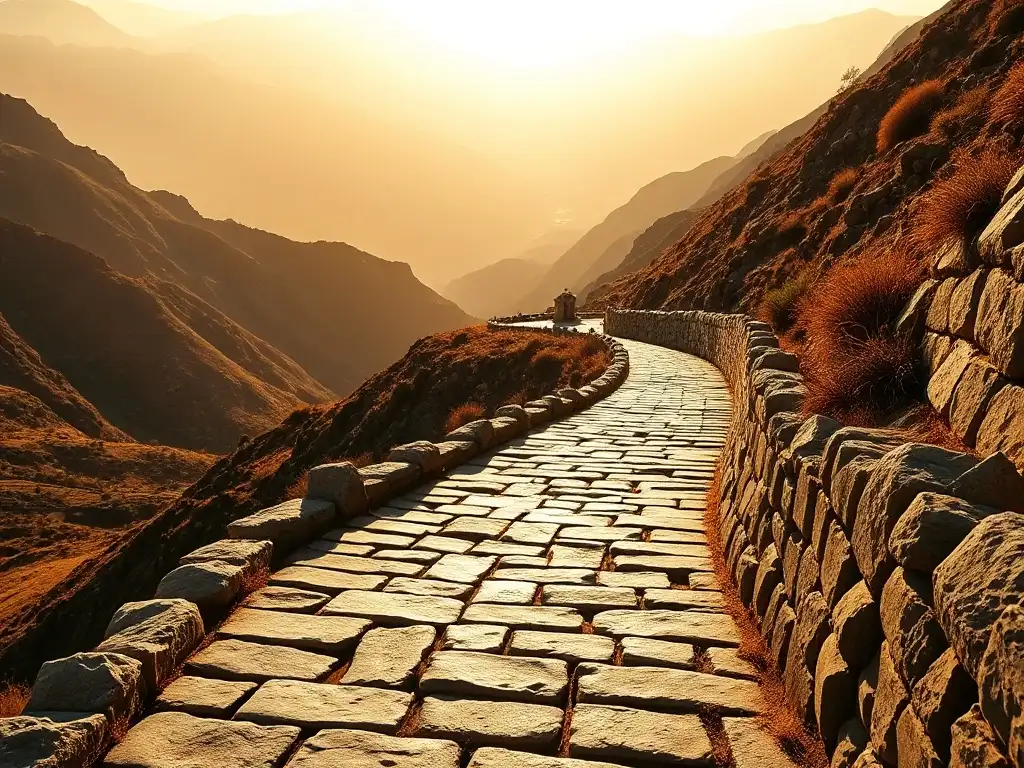
The Inca road system network, a marvel of ancient engineering, served far more than simply connecting distant points. Its functionality was multifaceted, underpinning the very fabric of the Inca Empire's power and longevity. The network wasn't merely a collection of paths; it was a dynamic, living artery, vital for trade, military operations, and communication across the vast, challenging Andean terrain.
Understanding its diverse functions provides crucial insight into the sophisticated organizational capabilities of the Inca civilization. The sheer scale of the undertaking—thousands of miles of meticulously constructed roads traversing mountains, deserts, and jungles—underscores the Inca's commitment to infrastructure as a cornerstone of imperial control.
Facilitating Trade and Resource Distribution
The Inca road system was instrumental in facilitating trade and efficient resource distribution throughout the empire. This sophisticated network allowed for the movement of goods, agricultural products, and raw materials between diverse regions, fostering economic stability and minimizing shortages. For example, coastal regions rich in fish and salt could easily exchange these resources with highland areas producing potatoes and llamas. This interconnectedness ensured a constant flow of necessities, supporting the large population and the empire's extensive workforce.
The system wasn't solely about the movement of goods; it also facilitated the redistribution of resources. The Inca implemented a sophisticated system of ayllu (community-based social organization) and mit'a (labor tax), where goods and services were collected and redistributed according to need. The roads ensured that surpluses from one region could effectively reach those facing shortages, preventing widespread famine and bolstering social stability.
This meticulous management of resources, made possible by the efficient road network, played a critical role in maintaining the empire's unity and prosperity. Evidence suggests that the standardization of weights and measures further streamlined this process, highlighting the Inca's commitment to efficient trade and resource management.
Military Movement and Control of the Empire
The Inca road system was equally crucial for military operations and the maintenance of imperial control. The strategically placed roads allowed for the rapid deployment of troops to quell rebellions, defend borders, and enforce imperial authority across the vast empire. The construction of strategically located tambos (roadside inns) provided resting places and supply depots for soldiers, ensuring their swift and efficient movement. This capability allowed the Inca army to respond quickly to threats and maintain a firm grip on all territories under their control.
The network's design itself facilitated military maneuvers. The roads were often built to follow strategic routes, allowing armies to easily access key mountain passes and defensible positions. The ability to quickly mobilize troops was a significant factor in the Inca's military successes and the consolidation of their power. The strategic placement of fortifications along the roads further enhanced their military importance, reinforcing the network's role in safeguarding the empire. This combination of infrastructure and strategic positioning underscores the Inca's understanding of the vital link between military capabilities and effective road networks.
Communication and the Chasquis Messenger System
Beyond trade and military movement, the Inca road system was fundamental to the empire's communication network. This network relied heavily on the chasquis, a highly organized system of runners who relayed messages along the roads. These messengers, stationed at regular intervals along the routes, could transmit information across vast distances with remarkable speed. The efficiency of the chasquis system was largely due to the network of roads, which provided a dedicated and well-maintained pathway for their travel.
The chasquis system wasn't just about speed; it was also about reliability and security. The runners were carefully selected and trained, and the messages were often encoded to ensure their confidentiality. This sophisticated communication system allowed the Inca emperor to maintain control over the empire, receive timely updates from distant provinces, and coordinate responses to various events.
The chasquis played a critical role in the administration of the empire, facilitating the flow of information that was essential for its smooth functioning and stability. The integration of the chasquis system with the road network stands as a testament to the Inca's innovative approach to communication and their ability to utilize infrastructure to enhance their administrative capabilities. The speed and reliability of this system allowed for rapid response to emergencies and maintained the cohesion of the vast and diverse Inca Empire.
Key Routes and Sections of the Inca Road System
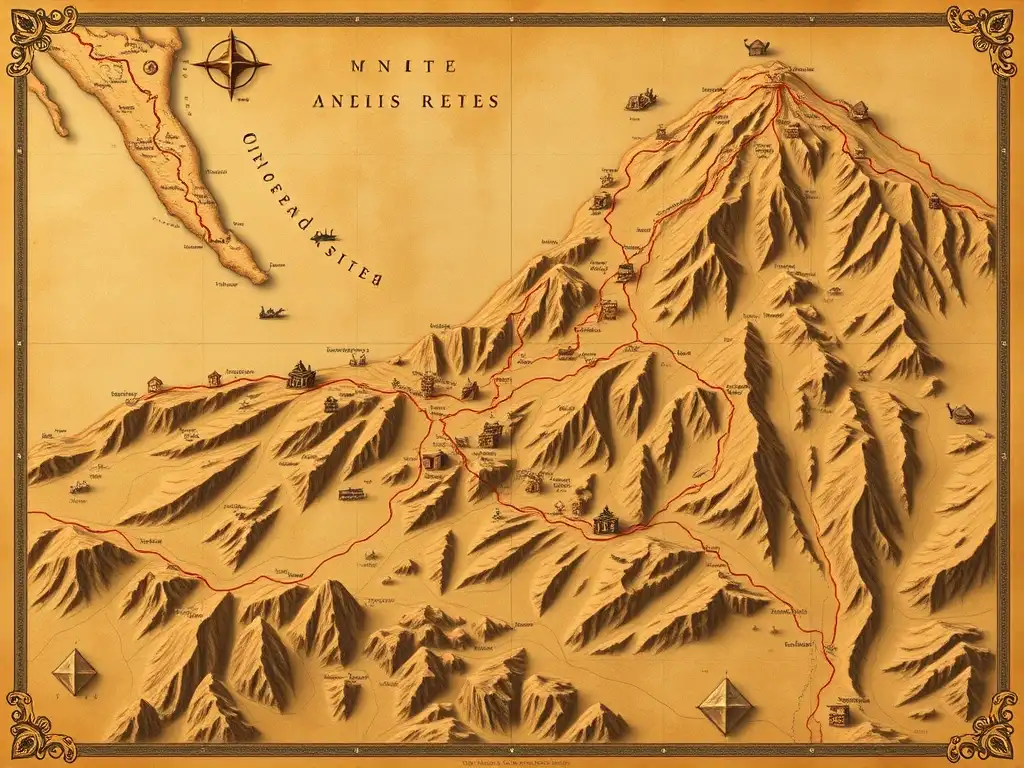
The Inca road system network, a marvel of ancient engineering, wasn't a single, unified highway, but rather a complex web of interconnected routes spanning thousands of kilometers across diverse and challenging terrains. This intricate network facilitated the efficient movement of people, goods, and messages throughout the vast Inca Empire, contributing significantly to its political and economic stability. Understanding the key routes and their specific characteristics helps illuminate the ingenuity and logistical prowess of the Inca civilization.
The system's design prioritized strategic connections between major population centers, administrative hubs, and resource-rich regions, reflecting a sophisticated understanding of geography and logistics. The scale of the undertaking is truly impressive, with estimates suggesting a total length exceeding 40,000 kilometers.
The Royal Road: The Core of the Inca Network
The Royal Road, or Qhapaq Ñan (the main road), served as the backbone of the Inca road system network. This primary artery stretched approximately 5,200 kilometers, running north-south along the Andes Mountains from Quito (modern-day Ecuador) to Cusco, the imperial capital, and beyond to modern-day Argentina. Its strategic importance is undeniable; it allowed for rapid communication and the swift movement of troops, officials, and vital supplies throughout the empire. The Royal Road wasn't a single, continuous path, but rather a series of connected sections, adapted to the challenging Andean geography.
Sections varied in width, ranging from narrow, single-track paths in mountainous areas to wider, multi-lane sections in flatter regions. Relay runners, known as chasquis, utilized this extensive network to transmit messages with remarkable speed, covering astonishing distances in a remarkably short timeframe. The construction itself showcases Inca engineering prowess; bridges, tunnels, and meticulously engineered pathways attest to their advanced understanding of civil engineering and their capacity to overcome environmental obstacles.
The Royal Road's construction is estimated to have spanned centuries, a testament to the enduring nature of the Inca project. Furthermore, the strategic placement of tambos, or waystations, along the route ensured the comfort and safety of travelers. These waystations provided lodging, food, and supplies for officials, messengers, and other travelers.
Coastal Road: Connecting the Pacific Region
Complementing the Royal Road, the Coastal Road linked the Pacific Ocean coast to the Andean highlands. This route, while significantly shorter than the Royal Road, played a crucial role in connecting coastal communities to the Inca heartland. This facilitated the trade of essential goods such as fish, salt, and cotton, which were vital to the Inca economy.
The Coastal Road presented its own set of unique challenges, navigating arid deserts and treacherous cliffs. Inca engineers demonstrated remarkable ingenuity in overcoming these obstacles, creating innovative solutions to ensure the route's functionality. Unlike the Royal Road, the Coastal Road's construction likely involved fewer tambos, reflecting a lower population density and different logistical needs along the coast.
This route, while less extensively documented than the Royal Road, remains a testament to the Inca Empire's reach and its ability to integrate diverse regions into its vast network. Further research is needed to fully understand the extent and complexity of the Coastal Road's network, and to uncover the specifics of its construction and use.
The Inca road system network also included a vast array of mountain roads, often characterized by their steep inclines, narrow passages, and challenging terrain. These routes connected high-altitude settlements, mining operations, and agricultural areas, facilitating the movement of goods and people across the formidable Andes Mountains. The construction of these roads required exceptional engineering skills, including the use of sophisticated techniques for cutting stone, building retaining walls, and creating pathways across treacherous slopes.
The Inca's mastery of stonework is clearly visible in these mountain roads, with many sections still remarkably well-preserved today. These roads weren't simply paths, but carefully planned and constructed routes designed to maximize safety and efficiency. The use of switchbacks, strategically placed terraces, and carefully graded pathways minimized the risk of landslides and other hazards.
The exact extent of the mountain road network remains a subject of ongoing research, but it is clear that these routes played a vital role in integrating the diverse ecological zones of the Andean region into the Inca Empire's economic and political system. The ingenuity and perseverance displayed in their construction are a testament to the Inca's profound understanding of engineering and their unwavering determination to connect their vast empire.
Road to Quito: Northern Extension of the Qhapaq Ñan
The Inca road system, or Qhapaq Ñan, wasn't solely confined to the Peruvian territory. Ambitious expansionist policies led to the construction of significant extensions, notably the road reaching Quito, the modern-day capital of Ecuador. This northern branch represents a crucial element in understanding the Inca's control and influence over a vast and diverse geographical region.
The Quito road wasn't just a simple path; it was a meticulously engineered feat, showcasing the Inca's mastery of civil engineering and logistical planning. Its construction involved traversing challenging Andean terrain, including steep mountain passes and dense forests. This necessitated innovative techniques in road building, such as the use of retaining walls, bridges, and sophisticated drainage systems to ensure the road's stability and usability throughout the year.
The strategic importance of this route is undeniable, linking the heartland of the Inca empire with a significant population center and resource-rich region. The control of this road provided the Incas with access to vital resources and facilitated efficient communication and movement of troops, further consolidating their power and influence in the north. The journey itself would have been arduous, but the rewards for the Inca were substantial.
The construction of the road to Quito also speaks volumes about the Inca's administrative capabilities. The organization and coordination required to mobilize the workforce, transport materials, and oversee the construction across such a challenging landscape highlights the sophisticated bureaucratic structure of the empire. Evidence suggests that the road was not only a transportation artery but also played a significant role in integrating the conquered populations into the Inca system.
The presence of tambos (roadside inns) along the route provided rest and supplies for travelers, but also served as administrative centers, facilitating the collection of tribute and the dissemination of imperial decrees. These structures acted as nodes of control, integrating the local population into the larger Inca network and reinforcing the imperial presence. Archaeological studies continue to uncover further details about the construction methods and the daily life along this important northern extension of the Qhapaq Ñan, revealing more about the logistical complexity and social impact of the Inca road system.
The Quito road, therefore, serves as a powerful testament to the Inca's engineering prowess and administrative efficiency. It underlines the importance of efficient communication and logistical control in maintaining a vast and diverse empire.
The Legacy of the Inca Road System
The Inca road system, or Qhapaq Ñan, remains a testament to the ingenuity and organizational prowess of the Inca Empire. Its impact extends far beyond its initial purpose of facilitating communication and trade across the vast Andean region. The Qhapaq Ñan wasn't merely a network of pathways; it was a crucial element in the empire's political, economic, and social fabric, enabling the efficient movement of armies, goods, and people.
The scale of this achievement is truly remarkable, considering the challenging mountainous terrain and the sophisticated engineering required to construct and maintain such an extensive network. Its enduring legacy continues to shape the Andean world today, influencing modern infrastructure, inspiring research, and attracting global recognition. The sheer magnitude of the Inca road system network is impressive; estimates suggest it spanned over 40,000 kilometers, traversing diverse landscapes from coastal deserts to high-altitude Andean plains.
Influence on Modern Andean Infrastructure
The Inca's masterful approach to road construction, adapting to the varied geography, continues to inspire modern Andean infrastructure projects. Their understanding of drainage, slope stabilization, and the use of locally sourced materials provides valuable lessons for contemporary engineers.
For instance, the Inca's use of qollqas (storehouses) along the roads, strategically placed to ensure the smooth flow of supplies, mirrors modern logistical strategies in managing supply chains across challenging terrains. Many modern roads in the Andes follow, at least in part, the routes established by the Inca, a testament to the practicality and foresight of their engineering.
The Inca’s emphasis on sustainability – using readily available materials and integrating the roads seamlessly into the environment – offers a valuable lesson for contemporary infrastructure development, promoting environmentally conscious construction practices. Further research into Inca road-building techniques could significantly improve the design and longevity of roads in the Andes, especially in areas prone to seismic activity and extreme weather conditions.
Preservation and Current Research of the Qhapaq Ñan
Preserving the Qhapaq Ñan is a significant undertaking involving international collaboration and dedicated research efforts. Archaeologists and historians continue to uncover new sections of the road network, revealing more about Inca engineering practices and the empire's logistical capabilities. The use of advanced technologies such as Geographic Information Systems (GIS) and remote sensing plays a crucial role in mapping and analyzing the remaining sections of the roads.
Detailed studies of the construction materials, techniques, and the overall design of the Qhapaq Ñan are providing invaluable insights into Inca societal structures and their ability to mobilize resources on a massive scale. Ongoing research also focuses on understanding the social and environmental impact of the road network, including its role in shaping agricultural practices and facilitating cultural exchange across different regions.
The preservation of the Qhapaq Ñan not only protects a significant historical landmark but also contributes to a deeper understanding of the Inca civilization and its lasting contribution to Andean culture. The challenges are considerable, ranging from the effects of erosion and climate change to the need for sustainable tourism management.
The Inca Road Network as a UNESCO World Heritage Site
The Qhapaq Ñan, the Andean Road System, was designated a UNESCO World Heritage Site in 2014, recognizing its outstanding universal value. This prestigious designation highlights the road network's exceptional importance as a testament to the Inca civilization's achievements in engineering, logistics, and social organization. The inscription underscores the significance of preserving this invaluable historical legacy for future generations.
The recognition by UNESCO has led to increased international cooperation in the preservation and promotion of the Qhapaq Ñan. This collaborative effort involves governments, research institutions, and local communities working together to protect and showcase this remarkable feat of ancient engineering. The UNESCO status also fosters sustainable tourism development, enabling visitors to appreciate the historical significance of the Qhapaq Ñan while minimizing environmental impact.
The ongoing efforts to protect and promote the Qhapaq Ñan ensure that this incredible network of roads continues to inspire awe and provide valuable insights into the Inca Empire's remarkable achievements for centuries to come. The designation also facilitates the acquisition of funding for conservation projects and research initiatives related to the Inca road system network.
Frequently Asked Questions
What was the purpose of the Inca road system?
The Inca road system, or Qhapaq Ñan, served multiple crucial purposes. It facilitated efficient communication and rapid troop movement across the vast empire, enabling swift responses to threats and rebellions. It also allowed for the transport of goods and the movement of people.
How extensive was the Inca road network?
The Inca road system was incredibly extensive, stretching over 25,000 miles. It connected the far-flung corners of the Inca empire, traversing diverse and challenging terrains, from mountains to deserts. This impressive feat of engineering linked major cities and settlements.
What materials were used to build the Inca roads?
Inca roads were built using locally sourced materials, adapting to the specific environment. This included stone paving, earthworks, and bridges. The construction techniques were sophisticated and showcased remarkable engineering skills.
Were there different types of Inca roads?
Yes, the Inca road system wasn't uniform. It comprised a hierarchy of roads, with the main highways ( caminos reales) being the widest and best maintained. Smaller, secondary roads connected to the main network, catering to local needs and travel.
How did the Inca road system impact the empire?
The Inca road system was essential to the empire's success. It fostered political unity, facilitated trade and economic integration, and allowed for the efficient administration of a vast and diverse population. Its impact is still felt today.
Final Reflection: Echoes of the Inca Road: A Legacy of Connection
The Inca road system, a marvel of engineering and logistical prowess, remains a potent symbol of human ingenuity and the power of interconnectedness in a globalized world. Its intricate network, stretching thousands of miles across diverse and challenging terrain, stands as a testament to the ambition and organizational capabilities of the Inca Empire, a feat that continues to inspire awe and wonder centuries later. This sophisticated infrastructure wasn't merely a means of transportation; it was the very artery of a thriving civilization, facilitating trade, communication, and the efficient administration of a vast empire.
The impact of the Inca road system resonates far beyond its historical context. Its influence on subsequent Andean cultures, the enduring presence of its remnants in modern landscapes, and the lessons it offers about sustainable infrastructure and community building are all profoundly significant. The ingenuity and practicality of the Inca's approach to road construction, adapting to the unique challenges of their environment, offers valuable insights for contemporary infrastructure projects. The road is a symbol of the Inca's power and their ability to connect their vast empire. It is a testament to their engineering skills and their vision for the future.
This quote encapsulates the enduring legacy of this remarkable achievement, highlighting its significance not just as a historical artifact but as a continuing source of inspiration.
Consider, for a moment, the implications of such a connected society. Imagine the ease of communication, the efficient distribution of resources, and the fostered sense of unity that the Inca road system facilitated. You too can build your own connections, forging your own networks of support and understanding.
Embrace the spirit of innovation and collaboration that the Inca exemplified, seeking out opportunities to connect with others and contribute to a more unified and prosperous future. Let the echoes of the Inca road inspire you to build your own bridges, both literally and figuratively, connecting communities and creating a more interconnected world.
Embark on Your Journey of Discovery!
Thank you for exploring the fascinating world of the Inca Road System! You've discovered how this incredible network connected an entire empire, showcasing the ingenuity and resilience of the Inca civilization. Now, let's delve deeper.
Here are some ways to continue your exploration:
- Plan a trip to walk a section of the Inca Trail. Experiencing this historical network firsthand will deepen your understanding and appreciation.
- Share this article with friends and family. Inspire others to learn about the rich history of Andean civilizations.
- Join online communities or local groups interested in history, travel, or archaeology. Connecting with others will enhance your learning and allow you to exchange ideas about ancient cultures.
Which location along the Inca roads most captivates your imagination, and why?