
The Andean Fox: A Clever Trickster Spirit in Folklore


Step into a world shrouded in mystery and wonder, where the towering Andes Mountains hold secrets whispered through millennia. Dive into the captivating realm of Andean civilizations, a tapestry woven with intricate threads of culture, art, and innovation. But what stories do the ancient peaks themselves tell? Prepare to be enthralled by the cunning and mischievous spirit of the Andean fox, a creature whose folklore reveals surprising truths about Andean religion and cosmovision. Uncover the enigmatic legends and learn what makes this creature so central to the beliefs of these remarkable peoples. Are you ready to unravel the mysteries?
The Andean region, a breathtaking expanse of towering mountains and fertile valleys, is not only home to stunning landscapes but also to a rich tapestry of myths and legends. This article delves into the fascinating world of Andean folklore, focusing on a particularly intriguing figure: the Andean fox ( zorro in Spanish).
More than just a cunning animal, the Andean fox holds a significant place in the cosmovision of several ancient Andean cultures, embodying both trickery and wisdom, often acting as a mediator between the human and supernatural worlds. We will explore its role in different Andean societies' belief systems, examining the diverse narratives that surround this captivating creature and its representation in various forms of art and storytelling.
This exploration will reveal how the Andean fox's symbolism reflects the complex relationship between humans and the natural world in the Andes, showcasing the depth and richness of Andean folklore and its enduring relevance. Prepare to uncover the secrets woven into the tales of this clever trickster spirit, and discover why the Andean fox remains a powerful symbol in Andean culture, even today.
Introduction to the Andean Fox in Andean Mythology
The Andean fox, a creature both admired and feared, occupies a prominent position within Andean mythology. Unlike the purely villainous or heroic figures found in some other mythologies, the Andean fox is often portrayed as an ambivalent character, capable of both great cunning and unexpected kindness. Its actions frequently serve as cautionary tales, illustrating the consequences of both cleverness and recklessness.
Specific narratives vary across different Andean cultures – the Incas, the Moche, the Nazca, and the Tiahuanaco, among others – each contributing unique aspects to the fox's multifaceted persona. For example, some stories depict the fox outsmarting powerful figures, while others highlight its mischievous nature, leading to both humorous and tragic outcomes. The fox's adaptability and resourcefulness, mirroring its survival skills in the harsh Andean environment, resonate deeply with the Andean worldview, making it a compelling and relatable figure in the rich tapestry of Andean folklore.
These stories, passed down through generations, offer invaluable insights into the values, beliefs, and social structures of these ancient societies. The symbolism of the Andean fox is far from simplistic; it reflects a complex understanding of the natural world and the human condition.
The Zorro in Andean Cosmovision: Beyond a Simple Animal
The Andean fox transcends its literal representation as an animal; it becomes a powerful symbol within the Andean cosmovision. Its cunning and adaptability are often interpreted as reflections of the human capacity for both ingenuity and deception. The fox's ability to navigate complex social dynamics, sometimes manipulating situations to its advantage, resonates with the intricate social structures of Andean societies.
Furthermore, the fox's association with both the wild and the domesticated suggests a liminal space, a connection between the human world and the spirit world. In some narratives, the fox acts as a messenger or intermediary between humans and the supernatural realm, carrying messages or influencing events in the human world. This multifaceted symbolism highlights the complex relationship between humans and the natural world in Andean thought.
The Andean fox is not merely a character in stories; it is a symbol that reflects the values, beliefs, and worldview of the people who created and preserved these myths and legends. Understanding the Andean fox's role requires a deeper understanding of the Andean cosmovision itself – a worldview deeply connected to the land, its animals, and the spiritual forces that shape it. Further research into specific Andean communities and their unique interpretations of the zorro will further illuminate this fascinating aspect of Andean folklore.
- Introduction to the Andean Fox in Andean Mythology
- The Zorro in Andean Cosmovision: Beyond a Simple Animal
- What role does the Andean fox play in folklore?
- Are there specific Andean cultures that feature the fox prominently in their stories?
- What are some common themes explored in Andean fox folklore stories?
- How does the fox's appearance in folklore reflect Andean values?
- Where can I find more information on Andean fox folklore stories?
The Andean Fox as a Trickster Figure in Native Tales
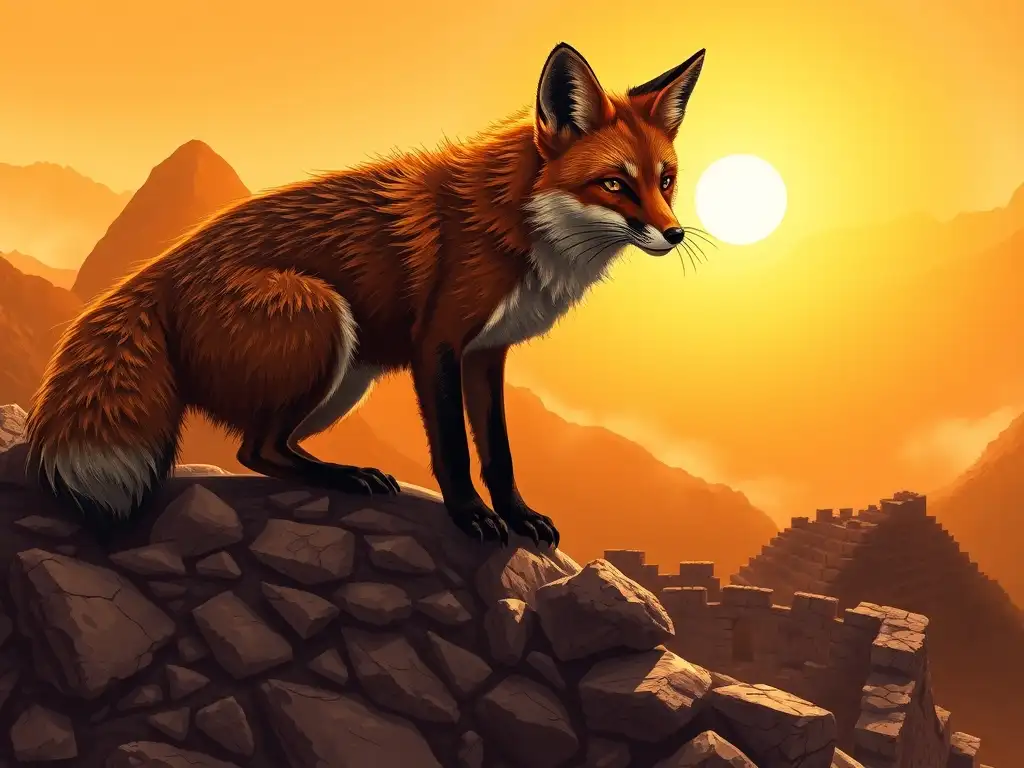
The Andean fox, often depicted as a zorro or atawallpa in various indigenous languages, holds a significant position within the rich tapestry of Andean folklore. Unlike the often-villainized fox of European fables, the Andean fox embodies a more complex character: the trickster. This archetype, prevalent across numerous cultures worldwide, represents a cunning, mischievous, and sometimes even helpful being that challenges societal norms and often subverts expectations.
Understanding the Andean fox's role requires appreciating the nuanced portrayal of this creature in various native tales, where it acts as a catalyst for both humor and profound social commentary. The stories featuring this creature aren't simply entertaining narratives; they reflect the Andean worldview, offering insights into their values, beliefs, and social structures. The pervasiveness of the Andean fox in folklore highlights its cultural importance and enduring legacy.
Analysis of these narratives reveals a deep connection between the natural world and the spiritual realm, with the fox acting as a bridge between them. The stories, passed down through generations, showcase the enduring power of oral tradition in preserving cultural heritage and transmitting vital lessons.
Characteristics of the Trickster in Andean Folklore
The Andean trickster, often embodied by the fox, shares characteristics with other trickster figures found in global folklore. These include:
- Cunning and Intelligence: The fox consistently outwits stronger or more powerful beings through its cleverness and strategic thinking. This emphasizes the importance of intellect and resourcefulness in Andean cultures.
- Moral Ambiguity: The fox's actions are not always morally upright. It engages in deception and theft, yet it can also display acts of kindness or ingenuity that benefit the community indirectly. This reflects a more complex understanding of morality, beyond simple binary oppositions of good and evil.
- Social Commentary: The fox's exploits often serve as a commentary on social hierarchies and power dynamics. By outsmarting the powerful, the fox implicitly challenges established authority and questions the legitimacy of social inequalities. For example, the fox might trick a wealthy landowner, highlighting the injustices of wealth disparity.
- Transformation and Shape-Shifting: In some narratives, the Andean fox is depicted as capable of shape-shifting, further enhancing its enigmatic nature and ability to evade capture or punishment. This reflects the Andean belief in the fluidity and interconnectedness of the natural world.
The prevalence of these characteristics in Andean fox folklore underscores the multifaceted nature of the trickster archetype and its enduring relevance to understanding Andean cultures. Further research into specific regional variations could reveal even more nuanced interpretations of the fox's role.
The Andean Fox's Cleverness and Deception
The fox's cleverness is repeatedly showcased in Andean folklore through elaborate schemes and cunning strategies. One recurring motif involves the fox's ability to exploit the weaknesses of others. For instance, the fox might use flattery to gain an advantage, or it might employ deception to acquire food or resources. Consider the example of a story [specific story details pending] where the fox uses its knowledge of human behavior to steal food from a careless farmer.
This highlights the importance of vigilance and awareness in Andean societies. Furthermore, the fox's deception isn't always malicious; sometimes it serves a greater purpose, perhaps to teach a lesson or to redistribute resources. This adds complexity to the character, making it more than just a simple villain.
The fox's actions encourage critical thinking about morality and the consequences of both cunning and naiveté. The narratives featuring the fox's cleverness and deception are not simply childish tales; they offer insightful commentary on human nature and social dynamics within Andean communities. Detailed analysis of these stories can reveal valuable insights into the cultural values and beliefs of the people who created and preserved them.
The Tale of the Fox and the Condor's Feathers
One particularly popular Andean fox folklore story involves the condor, a majestic and powerful bird revered in Andean culture. In this tale, the fox desires the condor's magnificent feathers, coveted for their beauty and symbolic significance. [Specific details of the tale pending, including how the fox obtains the feathers through trickery and the eventual consequences, positive or negative].
This story not only showcases the fox's cunning but also subtly comments on the relationship between different creatures within the Andean ecosystem and the balance of power within the natural world. The narrative's enduring popularity suggests its importance in transmitting cultural values and beliefs related to resourcefulness, deception, and the consequences of one's actions. The story's variations across different Andean communities could provide further insights into regional differences in storytelling traditions and beliefs.
Analyzing the symbolism within this specific narrative can offer a deeper understanding of the Andean worldview and its relationship with the natural environment. The tale's enduring appeal lies in its ability to entertain while simultaneously conveying important cultural messages.
The Andean Fox and its Role in Andean Culture

The Andean fox, a creature often overlooked in broader discussions of Andean mythology, holds a surprisingly significant role in the folklore and spiritual beliefs of various Andean cultures. Unlike the often-heroic or benevolent deities, the Andean fox embodies a more complex, trickster-like figure, simultaneously feared and revered. Its cunning and adaptability mirror the challenges and resilience of Andean life, making it a potent symbol across different communities and time periods.
Understanding the fox's multifaceted representation provides crucial insight into the nuanced worldview of ancient Andean societies, enriching our understanding of their religious practices and cosmological perspectives. This section will explore the fox's diverse roles, from messenger to symbol of deception, demonstrating the richness and complexity of Andean folklore. The prevalence of "Andean fox folklore stories" underscores its enduring cultural impact.
The Fox as a Messenger and Guide in Ancient Beliefs
In many Andean cultures, the fox is not simply a wild animal but a potent intermediary between the human and spirit worlds. Stories abound of foxes acting as messengers for deities or ancestors, carrying prayers or messages between the living and the departed. This role reflects the Andean belief in a vibrant, interconnected cosmos where communication between different realms is vital.
The fox's perceived intelligence and ability to navigate both the visible and unseen worlds make it a fitting choice for this role. For example, some narratives depict the fox guiding lost souls to the afterlife, acting as a psychopomp, a figure common in many mythologies. Other stories portray the fox delivering important warnings or prophecies, often in cryptic or symbolic form, requiring the recipient to interpret the message's true meaning.
This role highlights the fox's association with wisdom and hidden knowledge, reinforcing its supernatural status. The frequency with which this motif appears in Andean folklore strongly suggests the importance of the fox as a spiritual guide and communicator.
The Symbolism of the Andean Fox in Art and Pottery
The significance of the Andean fox is also evident in the surviving artistic representations from various Andean cultures. Depictions of foxes in pottery, textiles, and rock art showcase the animal's changing symbolic meanings across different groups and time periods. While some portrayals emphasize the fox's cunning and trickery – often depicted in scenes of deception or theft – others highlight its agility and adaptability.
The stylistic variations reflect the diverse interpretations of the fox within distinct Andean communities. For instance, Moche pottery often depicts foxes in dynamic poses, emphasizing their speed and predatory nature, contrasting with the more stylized representations found in Nazca ceramics. Analyzing these artistic renderings illuminates the rich tapestry of beliefs and interpretations associated with this significant creature.
The presence of the fox in Andean art serves as a tangible testament to its enduring cultural significance, offering valuable clues about the spiritual and cosmological beliefs of ancient Andean peoples. Detailed studies of Andean art provide further evidence of the pervasive role of the Andean fox in the cultural imagination.
The Andean Fox in the Inti Raymi Ceremony
While the fox's presence in the Inti Raymi, the Inca festival of the sun, isn't as prominently featured as other animals like the llama or condor, its symbolic presence can be inferred from its broader role in Andean cosmology. The festival, a celebration of the sun god Inti, involved numerous rituals and offerings aimed at ensuring the sun's continued benevolence and the prosperity of the empire. Given the fox's association with both the spirit world and the earthly realm, it likely played a subtle yet significant role in the festivities.
The fox's cunning and adaptability might have been seen as mirroring the cyclical nature of the sun and the earth's seasons, representing the constant renewal and change inherent in the Andean worldview. Further research into lesser-known aspects of the Inti Raymi ceremony might reveal more direct evidence of the fox's participation, or perhaps uncover stories and traditions that highlight its role more explicitly.
The potential connection between the Andean fox and the Inti Raymi warrants further investigation to complete our understanding of the animal's multifaceted symbolic significance within the Inca civilization and Andean culture as a whole. More research on this topic could uncover further evidence supporting this hypothesis.
Stories and Legends of the Andean Fox: A Deeper Dive

The Andean fox, a creature both cunning and captivating, holds a significant place in the rich tapestry of Andean folklore. Often depicted as a trickster figure, similar to Coyote in North American indigenous traditions, the fox's actions in these narratives often serve as cautionary tales or explorations of moral dilemmas. These stories, passed down through generations, offer invaluable insights into the Andean worldview, values, and societal structures.
The stories are not simply entertaining tales; they are living traditions, reflecting the enduring connection between Andean communities and their natural environment. Understanding these narratives requires appreciating their cultural context and recognizing the symbolic significance of the fox itself. The fox's adaptability and intelligence are mirrored in the resilience and ingenuity of the Andean people.
Andean Fox Folklore Stories from the Cusco Region
The Cusco region, the historical heartland of the Inca Empire, boasts a wealth of Andean fox folklore stories. One particularly prevalent narrative tells of a mischievous fox who outwits a group of villagers attempting to trap it. The fox, aware of the villagers' plans, cleverly anticipates their every move, leading them on a wild goose chase through the mountains. This story, often told to children, highlights the fox's intelligence and resourcefulness, but also subtly emphasizes the importance of community cooperation and careful planning.
Another tale from the Cusco region describes a fox who befriends a lonely shepherd. The fox, initially perceived as a threat, eventually proves to be a loyal companion, protecting the sheep from predators and even sharing its food. This story explores themes of trust, friendship, and the unexpected bonds that can form between humans and animals. Variations of these stories exist throughout the region, with subtle changes in plot and character reflecting the diverse cultural nuances of different communities.
The details might vary, but the core message—the fox as a symbol of cunning and adaptability—remains consistent. Further research is needed to fully catalog the variations of these stories in different communities within the Cusco region. [Specific information pending on detailed variations across Cusco communities].
The Moral Lessons Embedded in Andean Fox Narratives
Andean fox narratives frequently serve as powerful vehicles for imparting moral lessons. They often explore themes of deception, greed, and the consequences of unchecked ambition. The fox's actions, though often mischievous, are rarely presented as purely evil. Instead, the stories highlight the importance of balance, emphasizing the need for both cunning and compassion.
For example, a story might depict a fox stealing food from a careless farmer, but the narrative will likely also show the farmer's own flaws, such as his greed or disregard for the environment. This approach avoids simplistic morality tales and instead encourages critical reflection on human behavior and its impact on the community and the natural world. The cleverness of the fox is often presented as a double-edged sword.
While it allows the fox to survive and thrive, it can also lead to conflict and suffering. These stories encourage listeners to consider the ethical implications of their own actions and the importance of living in harmony with nature. The recurring theme is that even the most cunning creature can face consequences for its actions, fostering a sense of responsibility within the community.
The Legend of the Fox Who Stole Fire
One particularly captivating Andean fox folklore story recounts the legend of the fox who stole fire. In this narrative, the fox, driven by a desire to bring warmth and light to its community, bravely steals fire from the gods or a powerful supernatural being. This act, though considered a transgression, is ultimately viewed as a heroic one, as it benefits the entire community. The story highlights the fox's courage and its willingness to risk everything for the greater good.
The narrative often incorporates elements of trickery and deception, reflecting the fox's cunning nature. The fox might disguise itself or use other clever strategies to outsmart its powerful opponents. This tale, therefore, isn't just about the acquisition of fire; it's about the struggle for survival, the importance of community, and the willingness to challenge authority for the benefit of others. The consequences of the fox's actions are rarely punitive; instead, the story emphasizes the positive impact of the fox's bold actions on the community's well-being.
The legend underscores the value of resourcefulness and the potential for even seemingly minor creatures to effect significant change. The tale of the fire-stealing fox is a powerful example of how Andean folklore uses animal characters to explore complex themes of social justice and community well-being. 🔥
The Andean Fox: A Reflection of Andean Values and Beliefs

The Andean fox, far from being a simple animal in Andean folklore, embodies a complex tapestry of cultural values and beliefs. Its portrayal in stories reflects a nuanced understanding of the natural world and the human condition, often highlighting the tension between order and chaos, cunning and vulnerability. The fox's adaptability, its ability to thrive in diverse environments, mirrors the resilience of Andean communities facing challenging landscapes and historical events.
Unlike many Western representations that often demonize the fox, the Andean perspective presents a more multifaceted character, acknowledging its trickster nature while also recognizing its intelligence and resourcefulness. This duality is central to understanding the fox's enduring presence in Andean narratives. The fox's actions, whether benevolent or mischievous, serve as cautionary tales and moral lessons, subtly shaping Andean societal norms and ethical considerations.
Analysis of these stories reveals a deep respect for the natural world and a recognition of the interconnectedness of all living things, a fundamental tenet of Andean cosmovision. The fox, therefore, serves as a powerful symbol, reflecting not only the environment but also the complexities of human behavior and societal values within the Andean worldview.
The Andean Fox as a Representation of Duality
The Andean fox is frequently depicted as embodying a powerful duality. It is simultaneously cunning and vulnerable, mischievous and helpful, a trickster figure capable of both good and bad deeds. This duality mirrors the Andean understanding of the world, which acknowledges the constant interplay of opposing forces.
For instance, in some stories, the fox uses its intelligence to outsmart stronger, more powerful animals, showcasing its cleverness and resourcefulness. Yet, in other narratives, the fox is portrayed as being outsmarted or even harmed, highlighting its vulnerability and reminding the audience that even the most clever creature is not invincible. This inherent ambiguity makes the Andean fox a compelling character, representing the complexities of life and the unpredictable nature of the world.
This duality is not viewed as contradictory but rather as complementary aspects of a single, multifaceted being, reflecting the Andean belief in the balance and interconnectedness of all things. The fox's actions, therefore, are not simply judged as good or bad, but rather interpreted within the context of the larger cosmic order.
This duality is further emphasized in the varied depictions of the fox's physical attributes across different Andean communities. Some stories describe the fox as possessing magical abilities, while others portray it as a cunning but ultimately ordinary animal. This variation reflects the rich diversity of Andean cultures and the multifaceted nature of their beliefs.
The flexibility of the fox's symbolic representation allows for diverse interpretations and applications within different Andean contexts, ensuring its continued relevance across time and space. Even seemingly contradictory narratives contribute to the richness and complexity of the Andean fox's symbolic meaning, enriching the overall understanding of Andean cosmology and values.
How Andean Fox Folklore Explains the Changing Seasons
Andean fox folklore often plays a significant role in explaining natural phenomena, particularly the cyclical changes of seasons. The fox's movements, its adaptations to changing environments, and its interaction with other animals are frequently used as metaphors to illustrate the transitions between seasons. For example, the fox's shedding of its winter coat might symbolize the transition from the cold, dry season to the warmer, wetter months.
Similarly, the fox's hunting strategies, adapting to the changing availability of prey, might represent the adjustments humans must make to survive the varying conditions of the Andean climate. The stories don't simply describe these changes; they offer explanations rooted in the fox's behavior, weaving together natural events and cultural interpretations. This anthropomorphic approach brings the natural world closer to the human experience, making it more relatable and understandable.
The narrative structure of these stories often mirrors the cyclical nature of the seasons themselves. The fox's adventures may involve a journey through different landscapes, reflecting the changes in vegetation and animal behavior throughout the year. These narratives reinforce the cyclical nature of time and the importance of adapting to change, a crucial aspect of survival in the challenging Andean environment.
The tales serve as a practical guide to understanding seasonal shifts and anticipating the needs of the community throughout the year, demonstrating the practical applications of Andean folklore. This intimate connection between folklore and practical knowledge highlights the integrated nature of Andean culture, where myth and reality are deeply intertwined.
The Enduring Significance of the Fox in the Andean Worldview
The enduring presence of the Andean fox in folklore highlights its significant role in the Andean worldview. The fox's continued relevance across generations underscores its deep-seated symbolic importance within Andean cultures. It's not merely a character in isolated stories; the fox serves as a recurring motif, constantly reappearing in diverse narratives and artistic expressions. This persistent representation reflects the fox's multifaceted nature and its capacity to embody a range of cultural values and beliefs. The fox's adaptability and cunning, for instance, are seen as desirable traits, reflecting the resilience and resourcefulness valued within Andean societies.
The continued telling and retelling of Andean fox stories ensures the transmission of cultural knowledge and values across generations. These narratives serve as a vital link to the past, preserving and transmitting ancestral wisdom and beliefs. Furthermore, the fox's enduring presence in modern Andean culture, evidenced in contemporary art, literature, and even popular media, demonstrates its continued relevance and symbolic power.
This ongoing engagement with the Andean fox reflects its enduring capacity to resonate with contemporary Andean communities, confirming its lasting impact on Andean culture and identity. The fox, therefore, remains a potent symbol, deeply embedded in the fabric of Andean societies and continuing to shape their worldview. Its continued presence underscores the enduring power of folklore to transmit cultural values and shape societal perceptions.
Preserving the Legacy of Andean Fox Folklore Stories
The Andean fox, a cunning and adaptable creature, holds a significant place in the rich tapestry of Andean folklore. Its presence in stories transcends simple animal representation; it embodies complex themes of trickery, survival, and the delicate balance between the human and natural worlds. Preserving these narratives is crucial for understanding the cultural heritage of Andean communities and their unique worldview.
The stories themselves are not static; they evolve and adapt through generations, reflecting changing societal values and environmental pressures. This dynamic nature makes the task of preservation even more vital, demanding a multi-faceted approach that recognizes both the traditional methods of transmission and the opportunities offered by modern technology.
The Importance of Oral Traditions and Storytelling
For centuries, Andean fox folklore stories were primarily transmitted through oral traditions. Grandmothers and elders would gather children around crackling fires, weaving tales of the achuma, the Andean fox, often incorporating local variations and personal experiences. This oral transmission fostered a sense of community and ensured the stories' continued relevance.
The narrative style itself is crucial; it's not merely a recounting of events, but a performance, often using vivid imagery, song, and mime to enhance the experience. These performances weren't just entertainment; they served as valuable lessons, teaching about societal norms, ecological awareness, and the importance of respecting the natural world. The stories often highlight the consequences of greed, deception, and disrespect for nature, reinforcing community values.
For example, in some stories, the fox's cunning backfires, leading to its downfall, serving as a cautionary tale against unchecked ambition. The loss of these oral traditions would represent a significant cultural loss, eroding the connection between past and present generations and diminishing the vibrant cultural heritage of the Andes.
Recognizing the fragility of oral traditions, contemporary researchers and community members are actively working to document and preserve Andean fox folklore stories. This involves meticulous fieldwork, recording narratives from storytellers in their native languages, and translating them accurately while preserving the nuances of the original language and cultural context. Ethnographic studies are crucial, going beyond simple transcription to understand the cultural significance of each story within its specific community.
Digital archives are playing an increasingly important role, making these stories accessible to a wider audience while ensuring their long-term preservation. Furthermore, initiatives are underway to create educational materials based on these stories, incorporating them into school curriculums and community programs. This approach ensures that the stories remain relevant and engaging for younger generations, fostering a sense of pride in their cultural heritage.
The use of digital platforms, such as online databases and interactive storytelling apps, offers exciting possibilities for sharing these narratives with a global audience, while also safeguarding them from loss. The challenge lies in balancing the need for accessibility with the respect for the cultural sensitivity surrounding these stories.
The Relevance of These Stories in Contemporary Education
Incorporating Andean fox folklore stories into contemporary education offers numerous benefits. These narratives provide a unique window into the Andean worldview, offering valuable insights into their cosmology, social structures, and relationship with the environment. They are not merely historical artifacts; they offer relevant lessons about ethics, resource management, and the importance of cultural diversity.
For example, stories about the fox's interactions with other animals can inspire discussions about ecological balance and the interconnectedness of life. The use of these stories in classrooms can foster critical thinking skills by encouraging students to analyze the characters' motivations, the narrative structure, and the underlying cultural messages. Furthermore, these stories can promote intercultural understanding and respect, bridging cultural divides and fostering appreciation for the richness of Andean culture.
The integration of these narratives into educational programs can contribute to a more inclusive and culturally sensitive curriculum, enriching the learning experience for all students. However, it's crucial to ensure that these stories are presented respectfully, acknowledging their cultural significance and avoiding any form of misrepresentation or appropriation. A thoughtful and sensitive approach is essential to ensure the educational value of these powerful narratives.
Frequently Asked Questions
What role does the Andean fox play in folklore?
The Andean fox is often depicted as a clever trickster figure in folklore, similar to other trickster deities in various mythologies. Its cunning and adaptability are often celebrated, even as it sometimes causes mischief.
Are there specific Andean cultures that feature the fox prominently in their stories?
Yes, many Andean cultures, including the Inca, Moche, and Nazca, incorporated the fox into their mythology and storytelling. The specific details and interpretations of the fox vary between these cultures.
What are some common themes explored in Andean fox folklore stories?
Common themes include deception, survival, transformation, and the duality of nature. These stories often explore the fox's ability to outsmart others, and its relationship with the natural world.
How does the fox's appearance in folklore reflect Andean values?
The fox's portrayal reflects Andean values related to adaptability, resourcefulness, and respect for the natural world. Its cunning is sometimes seen as a positive trait in the context of survival.
Where can I find more information on Andean fox folklore stories?
You can find more information through academic research papers, anthropological studies, and books on Andean mythology. Local museums and cultural centers may also hold relevant information.
Final Reflection: Echoes of the Andean Fox in Modernity
The cunning spirit of the Andean fox, woven into the rich tapestry of folklore, continues to resonate powerfully in contemporary society. Its enduring presence speaks volumes about the enduring power of storytelling and the timeless human need to understand the complexities of nature and ourselves through myth. The fox's cleverness, its adaptability, and its ambiguous morality offer a mirror reflecting our own struggles with survival, deception, and the search for meaning.
The enduring legacy of the Andean fox in folklore highlights the deep connection between humans and the natural world, a connection often overlooked in our increasingly urbanized existence. These stories, passed down through generations, serve as a vital link to ancestral wisdom and a reminder of the intricate balance within ecosystems. The stories we tell ourselves shape the world we live in.
This quote rings true when considering the influence of the Andean fox narratives on cultural identity and environmental awareness. They remind us of the importance of respecting the delicate balance of nature and the wisdom inherent in traditional knowledge.
Consider the fox's cunning, its ability to adapt and thrive. What lessons can you glean from its resilience? How can we, like the Andean fox, navigate the complexities of our own lives with both intelligence and a touch of playful mischief?
Embrace the spirit of the fox – its adaptability, its resourcefulness, its capacity for both cunning and compassion – and let it inspire you to approach your own challenges with creativity, courage, and a healthy dose of wisdom. The stories of the Andean fox are not just tales from the past; they are a living legacy, offering valuable insights for navigating the present and shaping a more mindful future.
Embrace the Spirit of the Andean Fox!
Thank you for exploring the fascinating world of the Andean fox and its captivating role in Andean folklore! We hope you enjoyed the stories and insights that illuminate the rich tapestry of Andean culture. Now, let's build on that inspiration!
Here are some exciting ways to continue your journey:
- Unleash your creativity: Write your own folklore story or legend inspired by the cunning and resourcefulness of the Andean fox. Share your creation with friends and family to spark engaging conversations about cultural storytelling and the power of myth.
- Delve deeper into Andean mythology: Expand your knowledge of this vibrant culture by researching other mythical creatures from the Andes. You can find a curated list of recommended readings on our website!
- Spread the word: Share this article on your social media platforms, encouraging others to discover the fascinating world of the Andean fox and its cultural significance.
Which aspect of the Andean fox's folklore resonated most with you, and how can you integrate its wisdom or message into your own life?