
The Andean Art Collector's Network: Connecting with Experts and Enthusiasts

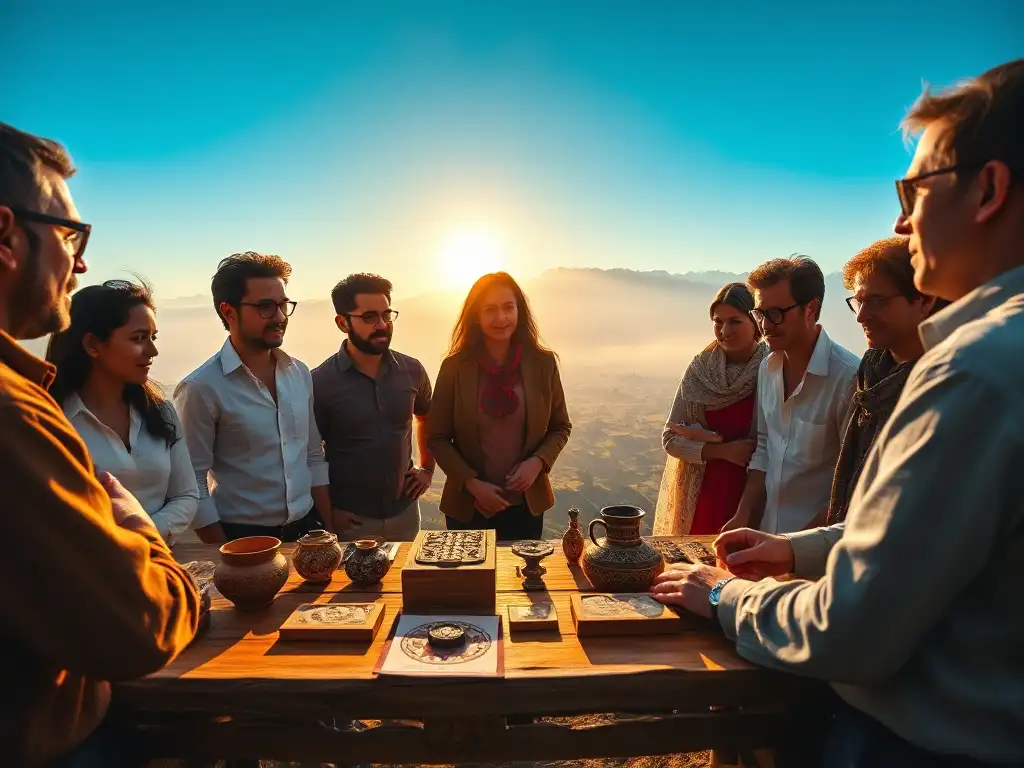
Welcome, explorer! Prepare to be captivated by the enigmatic artistry and lost legacies of the Andean civilizations. For centuries, their breathtaking achievements have echoed through time, leaving behind a treasure trove of mysteries. But what if we told you there's a hidden world waiting to be discovered? Dive into the heart of the Andean art collectors network, a vibrant community connecting passionate enthusiasts and leading experts. Unravel the secrets, uncover the stories, and embark on an unforgettable journey through the rich tapestry of Andean heritage.
The vibrant tapestry of Andean art, spanning millennia and encompassing the breathtaking artistry of civilizations like the Inca, Moche, Nazca, and Tiahuanaco, captivates collectors worldwide. This enduring fascination, however, presents unique challenges. Authenticating artifacts, understanding their historical context, and navigating the sometimes complex world of Andean art acquisition requires specialized knowledge and a strong support network.
This article explores the crucial role of an Andean art collectors network in connecting enthusiasts with experts, fostering informed collecting practices, and ultimately preserving the legacy of these remarkable cultures. We will delve into the benefits of joining such a network, the challenges faced by collectors seeking authentic pieces, and the resources available to navigate this fascinating and rewarding field. The goal is to provide a comprehensive guide for anyone passionate about building a responsible and informed collection of Andean art.
Understanding the Importance of an Andean Art Collectors Network
Building a collection of Andean art is more than just acquiring aesthetically pleasing objects; it's about engaging with a rich and complex history. A strong network offers several key advantages:
- Expert Authentication and Appraisal: Access to experienced appraisers and archaeologists is paramount in verifying the authenticity and provenance of artifacts. A network connects collectors with individuals possessing the necessary expertise to avoid costly mistakes and potentially unethical acquisitions.
- Educational Resources and Workshops: Many networks organize workshops, lectures, and seminars led by leading experts in Andean archaeology and art history. These opportunities enhance collectors' understanding of the cultural significance of their acquisitions.
- Ethical Sourcing and Responsible Collecting: Ethical considerations are crucial in Andean art collecting. Networks often promote responsible sourcing practices, ensuring that artifacts are acquired legally and sustainably, supporting communities and preserving cultural heritage. This includes awareness of looting and the importance of provenance documentation.
- Networking and Collaboration: Connecting with other passionate collectors fosters a sense of community and provides opportunities for collaboration, knowledge sharing, and even joint acquisitions. The collective knowledge within a network significantly enhances the overall understanding and appreciation of Andean art.
- Access to Rare and Unique Pieces: Networks often provide access to private sales, exhibitions, and auctions featuring rare and unique pieces not typically available to the general public. This allows collectors to expand their collections with truly exceptional items.
Why Join a Network of Andean Art Enthusiasts?
The benefits extend beyond the practical. Joining an Andean art collectors network offers a unique opportunity to:
- Deepen your understanding and appreciation: Engage with like-minded individuals and experts, expanding your knowledge and fostering a deeper appreciation for the cultural significance of Andean art. Discussions and shared learning experiences enrich the collecting journey.
- Build relationships with experts and fellow enthusiasts: Forge connections with leading archaeologists, art historians, and fellow collectors, creating a supportive community around a shared passion.
- Stay informed about the latest discoveries and research: Access the most up-to-date information on Andean art, archaeological findings, and research through network publications, events, and discussions. This ensures your collection reflects the latest scholarly understanding.
- Contribute to the preservation of Andean cultural heritage: By supporting ethical sourcing and responsible collecting practices, you contribute to the preservation of these valuable cultural artifacts for future generations. This is a crucial element of responsible collecting.
- Enjoy the camaraderie and intellectual stimulation: Share your passion with others who understand and appreciate the nuances of Andean art, creating a vibrant and engaging community.
Finding Authentic Andean Artifacts and Art: A Challenge for Collectors
The market for Andean art is unfortunately susceptible to forgeries and unethical practices. Collectors face significant challenges in ensuring authenticity:
- Prevalence of fakes and replicas: The demand for Andean artifacts has led to a significant increase in the production of fakes and replicas, often indistinguishable from the genuine article without expert examination.
- Lack of clear provenance: Establishing the origin and history of an artifact is crucial for verifying its authenticity. Many artifacts lack clear documentation, making it difficult to trace their history.
- Ethical concerns regarding looting and illegal trafficking: Many artifacts have been looted from archaeological sites, contributing to the destruction of cultural heritage. It's vital to ensure that acquisitions are ethically sourced and legally obtained.
- Difficulty in identifying reputable dealers and auction houses: Navigating the market requires careful research and due diligence to identify trustworthy sources that prioritize ethical practices and authenticity verification. This requires a level of expertise that a network can provide.
- Need for scientific analysis and authentication: Advanced techniques, such as radiocarbon dating and stylistic analysis, are often necessary to confirm authenticity. Access to such resources is facilitated through a network.
The Andean art collectors network becomes essential in mitigating these risks, providing the necessary tools and connections to navigate these challenges successfully. The rewards of responsible and informed collecting are significant, offering access to a remarkable artistic legacy and a deeper understanding of Andean civilizations.
- Understanding the Importance of an Andean Art Collectors Network
- Why Join a Network of Andean Art Enthusiasts?
- Finding Authentic Andean Artifacts and Art: A Challenge for Collectors
- Step 1: Identifying Key Players in the Andean Art World
- Locating Reputable Andean Art Dealers and Galleries
- Researching Academic Experts in Andean Archaeology and Art History
- How to Use Academic Databases to Find Andean Art Specialists
- Step 2: Leveraging Online Platforms to Connect with the Andean Art Community
- Utilizing Online Forums and Communities Dedicated to Andean Art
- Exploring Social Media Groups for Andean Art Collectors
- Understanding the Role of Online Auction Sites in Andean Art Sales
- Step 3: Attending Andean Art Events and Exhibitions
- Finding Andean Art Exhibitions and Cultural Events Near You
- The Value of Networking at Andean Art Fairs
- How to Make the Most of Museum Events Focused on Andean Artifacts
- Step 4: Engaging with the Andean Art Community Ethically
- The Importance of Authenticity When Collecting Andean Art
- Understanding Cultural Sensitivity in Andean Art Collection Practices
- How to Avoid Fraudulent Andean Art Dealers and Practices
- Opportunities for Andean Art Appraisers and Consultants
- How to Become a Trusted Andean Art Advisor
- Utilizing Your Network to Offer Curated Tours of Andean Art Sites
- Affiliate Opportunities: Partnering with Reputable Andean Art Sellers
- The Potential for Creating and Selling Educational Resources on Andean Art
Building Your Andean Art Collector's Network: A Step-by-Step Guide
This section provides a practical guide for building a robust network within the Andean art collecting community. Connecting with the right individuals—dealers, academics, and fellow enthusiasts—is crucial for acquiring authentic pieces, understanding their historical context, and appreciating their artistic merit. This network will enhance your collecting journey, fostering informed decision-making and a deeper understanding of Andean art.
Step 1: Identifying Key Players in the Andean Art World
Building a strong Andean art collectors network begins with identifying key players. This involves more than just searching online; it requires dedicated research and a strategic approach. Think of it as cultivating a garden – you need to carefully select the seeds (connections) and nurture them (maintain relationships).
The Andean art world, while vibrant, is also nuanced. It's crucial to distinguish between reputable sources and those who may deal in questionable artifacts. Therefore, your initial focus should be on establishing connections with institutions and individuals known for their ethical practices and scholarly contributions. This will lay a solid foundation for your network.
Consider starting with established museums and institutions specializing in Andean art and archaeology. Many maintain extensive collections and often host lectures, workshops, and exhibitions where you can meet experts and fellow enthusiasts. These events provide excellent networking opportunities. Additionally, explore online resources and databases specializing in Andean artifacts. These can offer valuable insights into provenance and authentication processes. Remember, thorough due diligence is paramount when acquiring Andean art.
Locating Reputable Andean Art Dealers and Galleries
Finding reputable Andean art dealers and galleries is essential for acquiring authentic and ethically sourced pieces. It's a process that demands careful consideration and research, as the market can unfortunately include individuals who deal in illegally obtained artifacts. Therefore, building trust and verifying the legitimacy of dealers is paramount.
Several strategies can help you identify reputable dealers. Look for galleries and dealers with a proven track record of ethical sourcing. This often involves transparent documentation of provenance—the history of ownership—for each artifact. Check if they are members of professional organizations related to art dealing or archaeology. Such affiliations often indicate a commitment to ethical practices and adherence to industry standards.
Furthermore, seek recommendations from trusted sources. Networking with established collectors, museum curators, or art historians can lead you to reputable dealers who prioritize authenticity and ethical sourcing. Don't hesitate to ask questions about the provenance and authenticity of any piece you are considering purchasing. A reputable dealer will be transparent and readily provide documentation. Remember, the price alone is not an indicator of authenticity; a thorough investigation is always necessary.
| Indicator | Reputable Dealer | Unreputable Dealer |
|---|---|---|
| Provenance | Provides detailed provenance documentation | Lacks documentation or provides vague details |
| Transparency | Openly discusses sourcing and authentication | Evades questions or provides insufficient info |
| Professionalism | Professional website, clear communication | Poor communication, unprofessional website |
| Membership | Member of relevant professional organizations | No affiliation with professional organizations |
Researching Academic Experts in Andean Archaeology and Art History
Engaging with academic experts is crucial for gaining a deeper understanding of the historical and cultural context of your collection. These experts can provide invaluable insights into the authenticity, dating, and significance of Andean artifacts, enriching your appreciation and adding scholarly depth to your collecting journey.
Start by identifying professors and researchers specializing in Andean archaeology and art history at reputable universities and research institutions. Their publications and presentations can offer valuable insights into specific artistic styles, techniques, and historical periods. Many universities and museums maintain online directories of faculty and researchers, making it easy to locate experts in the field.
Attending academic conferences and workshops related to Andean studies is another effective way to connect with experts and expand your knowledge. These events often feature presentations and discussions on recent discoveries and research findings, providing opportunities to network with leading scholars. Additionally, consider subscribing to academic journals and publications specializing in Andean archaeology and art history.
These journals often publish cutting-edge research and offer valuable insights into the field. Remember that building relationships with experts takes time and effort; engaging respectfully and showing genuine interest in their work will foster productive collaborations. Their expertise will be invaluable in guiding your collecting decisions and enriching your understanding of Andean art.
How to Use Academic Databases to Find Andean Art Specialists
Academic databases are invaluable resources for connecting with experts in Andean art. These databases often contain information beyond simple publication lists; you can often find contact details for researchers specializing in specific Andean cultures or art forms. For example, using keywords like "Moche pottery," "Inca textiles," or "Nazca lines" in databases such as JSTOR, Project MUSE, or even Google Scholar, will yield results listing publications and, in many cases, the authors' affiliations. These affiliations often lead directly to university websites containing faculty contact information.
Don't underestimate the power of a well-crafted email introducing yourself and explaining your interest in their research. Many academics are happy to share their knowledge and connect with fellow enthusiasts of Andean art. Remember to be respectful of their time and clearly articulate your purpose.
Furthermore, exploring the bibliographies of relevant publications can uncover additional experts and their areas of expertise, expanding your network organically. This systematic approach ensures you're connecting with individuals possessing deep, credible knowledge of Andean art, adding significant value to your network. Finally, attending online or in-person academic conferences related to Andean studies provides another excellent opportunity to network with specialists and build relationships.
Step 2: Leveraging Online Platforms to Connect with the Andean Art Community
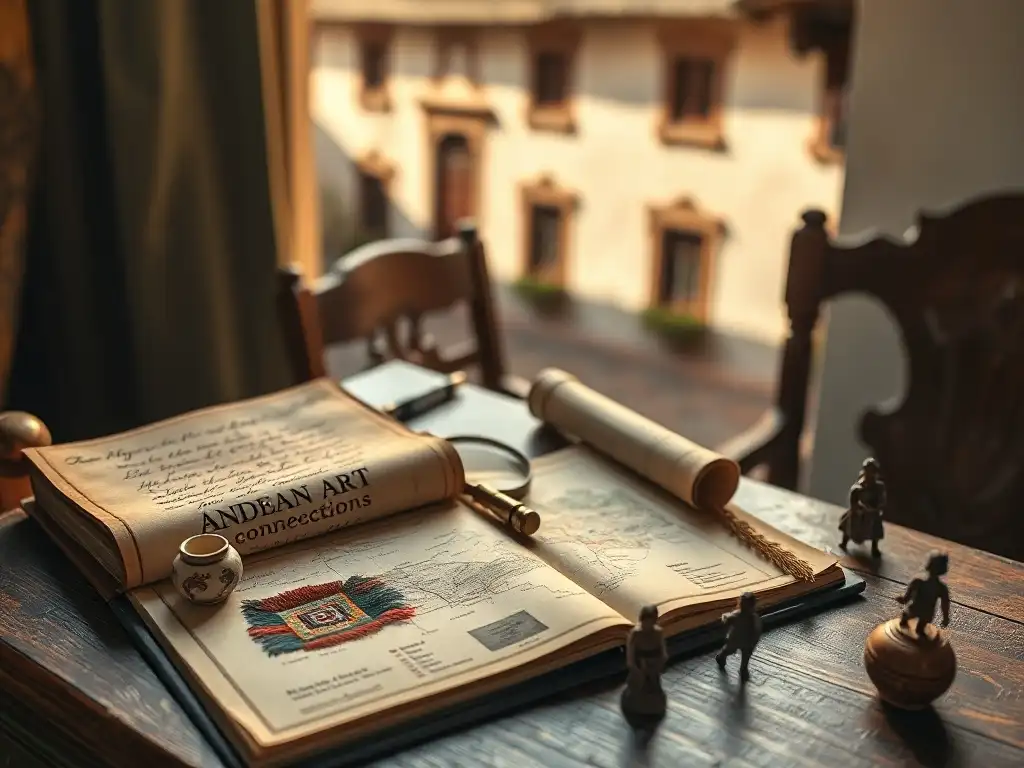
The digital age offers numerous avenues for connecting with Andean art enthusiasts. LinkedIn, for instance, is a powerful tool for identifying individuals working in museums, galleries, or the auction houses specializing in Andean artifacts. Searching for keywords like "Andean art," "Pre-Columbian art," or specific cultural terms (e.g., "Inca textiles," "Moche ceramics") will reveal professionals and collectors you can connect with directly. Remember to craft a professional profile highlighting your interest in Andean art and your collecting experience.
Engaging with their posts and participating in relevant group discussions will increase your visibility and encourage interaction. Beyond LinkedIn, platforms like Instagram and Facebook host numerous groups and pages dedicated to Andean art and archaeology. Active participation, sharing insightful comments, and asking thoughtful questions can help you establish yourself within these communities and build relationships with like-minded individuals.
The key here is genuine engagement; avoid overly promotional behavior. Instead, focus on contributing to the conversation and fostering meaningful connections. This approach ensures you're building a network of people who share your passion, creating a more enriching and supportive collecting experience.
Utilizing Online Forums and Communities Dedicated to Andean Art
Online forums and communities dedicated to Andean art offer a unique opportunity to connect with a diverse range of collectors, enthusiasts, and experts. These platforms often have dedicated threads for discussions about specific artifacts, authentication techniques, or even simply sharing discoveries and insights. Participation in these discussions allows for the exchange of valuable information and the development of relationships with other collectors. Remember to contribute thoughtfully and respectfully.
Sharing your own knowledge and experiences, while asking insightful questions, is key to establishing yourself as a valued member of the community. Be mindful of forum etiquette and avoid self-promotion. Many forums also have sections dedicated to buying, selling, and trading artifacts, potentially opening avenues to acquiring new pieces for your collection while simultaneously building relationships with other collectors.
The collaborative nature of these online spaces fosters a supportive environment for learning and growth, making them an essential tool for any serious Andean art collector. Furthermore, engaging with these communities allows you to access a wealth of collective knowledge, including insights on provenance, authentication, and the ethical considerations of collecting Andean art. This collective wisdom can significantly enhance your understanding and enjoyment of the collecting process.
Social media platforms offer a vibrant ecosystem for connecting with fellow Andean art enthusiasts. Facebook groups, in particular, often host dedicated communities focused on specific aspects of Andean art, from pre-Columbian pottery to textiles and metalwork. These groups provide a space for sharing discoveries, asking questions, and receiving expert opinions. You'll find seasoned collectors exchanging insights on authentication, restoration, and market trends.
New acquisitions are frequently showcased, fostering a sense of shared passion and encouraging informed discussions. Remember to engage actively—participate in conversations, share your own knowledge, and be respectful of others' expertise. This active participation not only builds your network but also enhances your understanding of the Andean art market. Don't be afraid to ask questions; experienced collectors are often willing to mentor newcomers.
The key is to contribute meaningfully and build genuine relationships, turning online interactions into valuable real-world connections. Beyond Facebook, explore other platforms like Instagram, where high-quality images of Andean artifacts are frequently shared, allowing you to follow leading experts and galleries. This multi-platform approach significantly broadens your reach within the Andean art collector's network.
Understanding the Role of Online Auction Sites in Andean Art Sales
Online auction sites play a significant role in the Andean art market, offering a platform for both buying and selling authentic pieces. Sites like eBay and specialized auction houses with online presences provide access to a wide range of artifacts, from relatively common items to rare and highly valuable pieces. However, navigating these platforms requires caution and expertise. Understanding the nuances of online auctions is crucial to avoid potential pitfalls.
Thorough research is paramount: scrutinize descriptions, examine high-resolution images carefully, and be wary of overly enthusiastic descriptions or unusually low prices. Always verify the seller's reputation and seek expert opinions before bidding on high-value items. Familiarize yourself with the auction house's terms and conditions, including authentication policies and return procedures. Understanding the intricacies of bidding wars and setting realistic budget limits are equally important aspects of successful online Andean art acquisition.
The online auction landscape, while offering unique opportunities, also presents challenges. By approaching it with meticulous research and a critical eye, you can significantly increase your chances of acquiring authentic and valuable pieces while minimizing risks. Remember, due diligence is key to successful participation in online Andean art auctions.
Step 3: Attending Andean Art Events and Exhibitions
Participating in Andean art events and exhibitions is invaluable for building your network and expanding your knowledge. These events offer opportunities to meet curators, archaeologists, collectors, and dealers face-to-face. Conferences, symposiums, and museum exhibitions dedicated to Andean civilizations provide unparalleled access to experts and their insights. Networking events associated with these gatherings offer excellent opportunities to make connections and learn from experienced collectors.
Art fairs specializing in pre-Columbian art are also excellent places to discover new pieces and engage with reputable dealers. By attending these events, you gain firsthand knowledge of current trends, emerging artists, and the latest research in Andean art history. Furthermore, direct interaction with experts allows you to ask questions, seek authentication advice, and build relationships that can prove invaluable in your collecting journey.
The personal connections forged at these events often lead to opportunities not available online, such as access to private collections or exclusive previews of upcoming auctions. Make a point of attending at least one significant Andean art event each year to maintain a strong connection within the collector's community and stay abreast of market developments. Active participation, engaging in conversations, and exchanging business cards are crucial steps in maximizing the benefits of these events.
Finding Andean Art Exhibitions and Cultural Events Near You
Discovering authentic Andean art often begins with knowing where to look. Actively seeking out exhibitions and cultural events is crucial for any serious Andean art collector. Start by checking local museums and galleries. Many major cities, particularly those with significant Latin American populations, host regular exhibitions showcasing pre-Columbian artifacts and contemporary Andean art. Look beyond the obvious; smaller, independent galleries might feature unique pieces not found in larger institutions.
Beyond traditional galleries and museums, consider exploring university art departments. Universities often host traveling exhibitions and smaller, curated shows focused on specific aspects of Andean art, providing opportunities to see less-common pieces and engage with academics specializing in the field. Additionally, cultural centers and community organizations frequently organize events showcasing Andean crafts and art. These events can be a fantastic way to discover emerging artists and connect with other enthusiasts within your community.
Don't forget to check online event calendars and local news publications for announcements of relevant exhibitions and workshops. This proactive approach significantly increases your chances of uncovering hidden gems and expanding your knowledge of Andean art. Regularly checking these resources is vital for staying updated on the Andean art scene near you. This consistent engagement helps you build a deeper understanding of the market and identify potential acquisition opportunities.
The Value of Networking at Andean Art Fairs
Andean art fairs offer an unparalleled opportunity to connect with other collectors, experts, and dealers. These events bring together a concentrated group of individuals passionate about Andean art, creating a vibrant and dynamic environment for networking. The benefits extend beyond simply acquiring pieces; attending these fairs allows you to build relationships with reputable dealers who can provide insights into authentication, provenance, and market trends. This expertise is invaluable for any collector looking to build a credible and valuable collection.
Furthermore, networking at these fairs allows you to learn from other collectors. By engaging in conversations and observing their collecting practices, you gain valuable perspectives and insights that can inform your own collecting journey. You can discover new artists, learn about emerging trends, and even identify potential collaborators for future acquisitions.
The informal atmosphere of these events often fosters a sense of community, providing a supportive environment for sharing knowledge and experience. The connections forged at Andean art fairs can prove incredibly valuable over the long term, leading to future collaborations, access to exclusive pieces, and a deeper appreciation for the art form. Active participation—engaging in conversations, attending presentations, and exploring different exhibits—maximizes the networking potential of these events.
How to Make the Most of Museum Events Focused on Andean Artifacts
Museums often host lectures, workshops, and special events related to their Andean artifact collections. These events offer a unique opportunity to learn from leading experts and deepen your understanding of Andean art and culture. Attending these events allows you to engage directly with curators, researchers, and conservators, gaining valuable insights into the history, context, and significance of the artifacts. These experts can provide invaluable information on authentication, dating techniques, and the cultural significance of specific pieces.
Furthermore, museum events often provide opportunities to interact with other enthusiasts and collectors. These interactions can lead to valuable networking opportunities and the exchange of information and perspectives. Don't hesitate to ask questions; these events are designed to foster learning and engagement. Take notes and record key information shared by the speakers.
Consider participating in any Q&A sessions to gain clarification and further insights. By actively participating in museum events, you not only expand your knowledge but also build a stronger foundation for informed collecting decisions. The information gained from these events will help you make more discerning choices when acquiring Andean artifacts, ensuring the authenticity and value of your collection. These opportunities are essential for any serious Andean art collector seeking to build a respected and informed collection.
Step 4: Engaging with the Andean Art Community Ethically
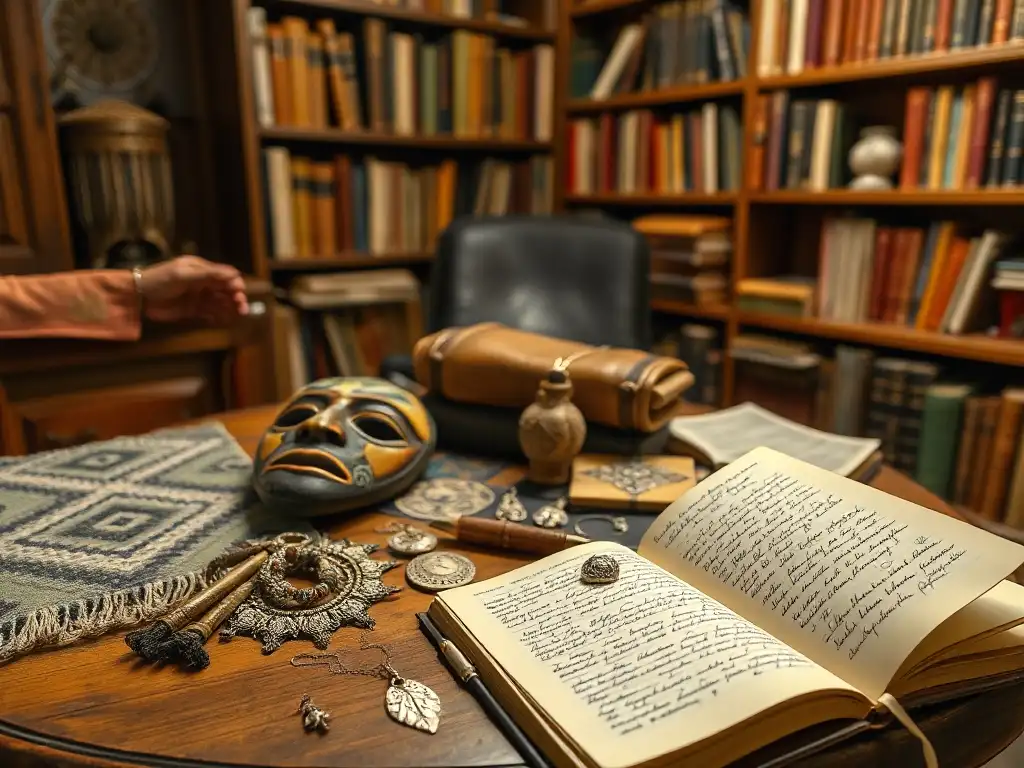
Ethical engagement is paramount when building your Andean art collector's network. This means actively seeking out relationships built on respect for the cultural heritage represented by these artifacts. Avoid collectors or dealers who prioritize profit over preservation and ethical sourcing. Authenticity verification should always be a primary concern, but equally important is understanding the provenance of the piece.
Knowing where a piece came from—and ensuring it wasn't looted or illegally exported—is crucial for responsible collecting. This requires diligent research and a willingness to walk away from potentially questionable acquisitions. Support organizations and initiatives dedicated to protecting Andean cultural heritage. Many institutions actively work to repatriate looted artifacts and educate collectors about ethical practices.
By engaging with the community ethically, you contribute to the preservation of these invaluable cultural treasures for future generations. Remember, your actions as a collector have a direct impact on the preservation and understanding of Andean culture. Choosing ethical sourcing ensures the long-term sustainability of the art market and protects the cultural heritage of the Andean region. Think of yourself not just as a collector, but as a steward of this rich history.
The Importance of Authenticity When Collecting Andean Art
Authenticity is the cornerstone of any serious Andean art collection. Counterfeit artifacts are unfortunately prevalent, and acquiring a fake diminishes the value and integrity of your collection. This isn't just about monetary loss; it's about losing the opportunity to own a genuine piece of history, a tangible link to a fascinating civilization. Verifying authenticity requires expertise.
Seek guidance from reputable experts, museum curators, or experienced appraisers specializing in Andean artifacts. Thorough examination of the artifact, including material analysis, stylistic comparisons, and provenance research, is essential. Details matter: the style of pottery, the type of metal used, even the specific pigments in textiles—all can help determine authenticity.
Don't hesitate to seek multiple opinions; a consensus among experts significantly strengthens the claim of authenticity. Investing in professional authentication services might seem costly upfront, but it’s an invaluable safeguard against acquiring fraudulent pieces and protects your investment in the long run. Remember, building a reputable collection relies heavily on the authenticity of its pieces.
Understanding Cultural Sensitivity in Andean Art Collection Practices
Collecting Andean art requires a deep understanding of and respect for the cultural context surrounding these objects. Many artifacts hold significant spiritual or historical meaning to indigenous communities, and their removal from their original context can be deeply damaging. Therefore, responsible collecting involves acknowledging the cultural significance of each piece and avoiding practices that could be interpreted as disrespectful or exploitative. Understanding the history of colonialism and its impact on Andean communities is vital.
Many artifacts were taken during this period through unjust means. Being aware of this history informs your collecting practices and encourages responsible acquisition. Engage with indigenous communities and organizations when possible to learn about their perspectives and concerns regarding the collection and preservation of their cultural heritage.
Support initiatives that promote the preservation of Andean art within its cultural context, such as museums and community-based projects that work to protect and showcase these artifacts respectfully. Responsible collecting is not just about acquiring beautiful objects; it's about participating in the ethical preservation of cultural heritage. This conscientious approach ensures the long-term viability of the Andean art market and fosters a respectful relationship between collectors and the communities whose heritage they share.
How to Avoid Fraudulent Andean Art Dealers and Practices
Navigating the world of Andean art collecting requires vigilance, as the market unfortunately attracts fraudulent dealers and practices. Protecting yourself from scams and acquiring authentic pieces demands a multifaceted approach. Understanding the common red flags is crucial to building a trustworthy network of reputable sources.
One significant warning sign is an unusually low price for a seemingly high-quality piece. Authentic Andean artifacts, especially those from renowned cultures like the Inca or Moche, are rarely inexpensive. If a deal seems too good to be true, it likely is. This often signals either a forgery or an attempt to quickly sell stolen goods. Legitimate dealers understand the market value and will price their items accordingly.
Another crucial aspect is provenance. Reputable dealers will provide detailed documentation tracing the artifact's ownership history. This documentation might include certificates of authenticity, museum records, or previous sales records. Lack of provenance should raise immediate concerns. Without a clear history, it's nearly impossible to verify the authenticity and legality of the artifact. Always ask for this information and be wary of vague or missing details.
Furthermore, be cautious of dealers who are unwilling to answer specific questions about the artifact's origin, materials, or creation techniques. Legitimate dealers possess in-depth knowledge and are usually happy to share information. Evasive answers or unwillingness to provide further details should be interpreted as a potential red flag. Expert opinions from recognized archaeologists or art historians can often provide an independent assessment of the piece's authenticity.
Finally, trust your instincts. If something feels wrong about a deal, or if a dealer's behavior seems questionable, it's best to walk away. Building a network of trusted contacts within the Andean art collecting community provides an additional layer of protection. Discussions with experienced collectors and experts can offer invaluable insights and help identify potential red flags before making a purchase. Remember, the investment in authentic Andean art is a long-term commitment, and thorough due diligence is essential to safeguard your collection and your investment. Prioritizing authenticity and ethical sourcing ensures the preservation of this rich cultural heritage.
Monetizing Your Andean Art Knowledge and Connections
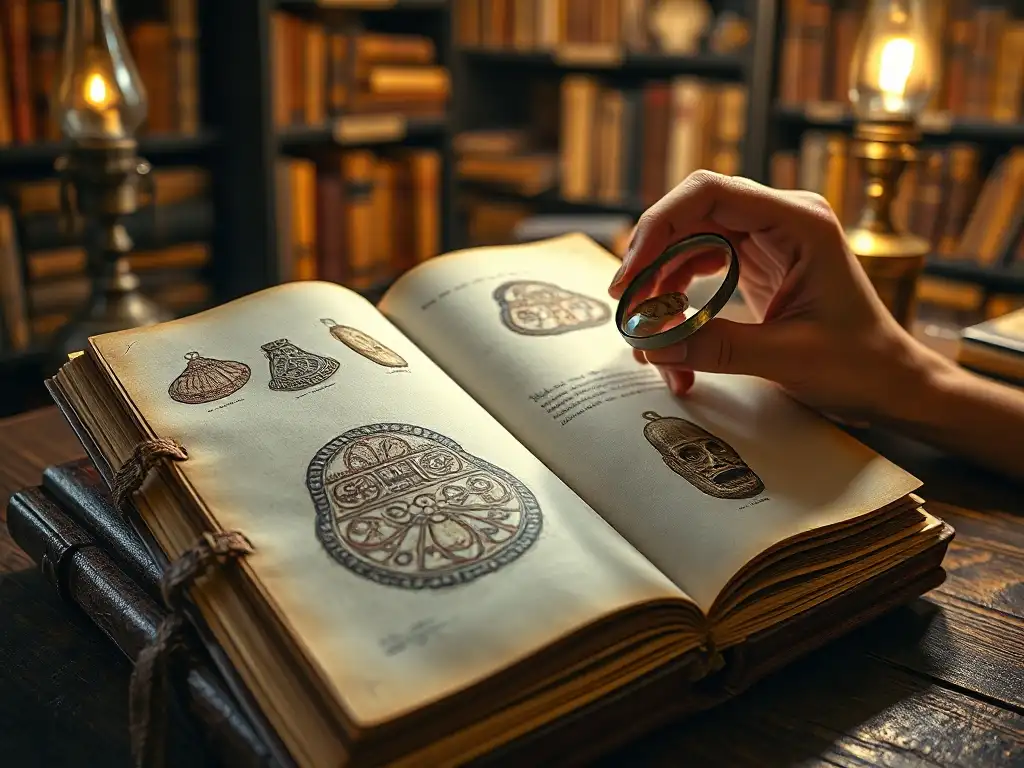
This section explores the lucrative opportunities available to those passionate about Andean art and possessing a strong network within the collecting community. Leveraging your expertise and connections can translate into a rewarding career, contributing to the preservation and appreciation of Andean cultural heritage while generating income. The Andean art collectors network is not just about accumulating pieces; it's about building a vibrant ecosystem of knowledge, expertise, and appreciation.
Opportunities for Andean Art Appraisers and Consultants
The demand for qualified Andean art appraisers and consultants is steadily increasing. Collectors, museums, and auction houses regularly require expert opinions on authenticity, provenance, and market value of Andean artifacts. This expertise is crucial for making informed decisions, whether buying, selling, insuring, or bequeathing valuable pieces.
The compensation for such services can be substantial, especially for those with established reputations and a proven track record. Building a reputation requires a combination of factors: formal qualifications (such as a degree in art history with a focus on Andean cultures or relevant certifications), practical experience handling and evaluating Andean artifacts, and a demonstrably strong network within the art world. Developing a professional website and actively participating in relevant conferences and exhibitions will further enhance your visibility and credibility.
Successful appraisers and consultants often specialize in a particular era or style of Andean art. For example, some might focus exclusively on pre-Columbian textiles, while others may concentrate on Inca goldwork or Moche ceramics. This specialization allows them to develop in-depth knowledge and build expertise, making them highly sought-after within their niche.
The process of appraising Andean art often involves meticulous examination of the artifact, research into its historical context, comparison with similar pieces, and consideration of market trends. Detailed reports, including photographic documentation and a comprehensive analysis, are typically provided to clients. The fees are usually calculated as a percentage of the appraised value or a fixed fee, depending on the scope of the appraisal.
How to Become a Trusted Andean Art Advisor
Beyond appraisal, many individuals within the Andean art collectors network thrive as trusted advisors. This role encompasses a broader scope of services, including assisting collectors with acquisitions, providing guidance on collection management, and facilitating sales. Building trust is paramount in this field. This involves demonstrating a deep understanding of Andean art, a commitment to ethical practices, and a genuine passion for preserving cultural heritage. Becoming a trusted advisor requires more than just knowledge; it requires cultivating strong relationships with collectors, building a reputation for integrity, and consistently providing exceptional service.
Several strategies contribute to establishing trust. Transparency is key—openly discussing the market value, risks, and potential challenges involved in acquiring or selling Andean artifacts. Proactive communication keeps clients informed and involved throughout the process. Offering personalized advice tailored to each client's specific needs and collecting goals further solidifies your position as a reliable and valuable resource. Providing educational resources, such as workshops or lectures on Andean art, demonstrates your commitment to sharing knowledge and fostering appreciation within the community. This builds your profile and positions you as an authority in the field.
Utilizing Your Network to Offer Curated Tours of Andean Art Sites
For those with extensive knowledge of Andean art and a strong network of contacts, leading curated tours of significant Andean art sites presents a unique opportunity. These tours can range from small, exclusive groups to larger organized excursions. By leveraging your network, you can secure access to private collections, museums, and archaeological sites, offering participants a truly exclusive and enriching experience. The tours should offer more than just sightseeing; they should provide in-depth insights into the history, culture, and significance of the art and artifacts viewed.
Successfully organizing and leading such tours demands meticulous planning and skillful execution. This includes securing necessary permissions, arranging logistics (such as transportation and accommodation), and preparing engaging and informative presentations. The tour content should be carefully curated to appeal to a diverse range of interests and knowledge levels, ensuring an enjoyable and educational experience for all participants.
Marketing these tours effectively is crucial, utilizing your network to reach potential clients and advertising through relevant channels. Offering varying levels of tour packages—perhaps combining site visits with private collection viewings or workshops—can broaden your appeal and maximize profitability. A successful curated tour not only generates income but also strengthens your position within the Andean art collectors network, further enhancing your reputation and expertise.
Further Considerations for Building Your Andean Art Business
Developing a strong online presence is crucial in today's market. A professional website showcasing your expertise and services is essential. Actively engaging with the online Andean art community through social media and online forums can help you expand your network and attract potential clients. Consider offering online consultations or appraisal services to reach a wider audience.
Affiliate Opportunities: Partnering with Reputable Andean Art Sellers
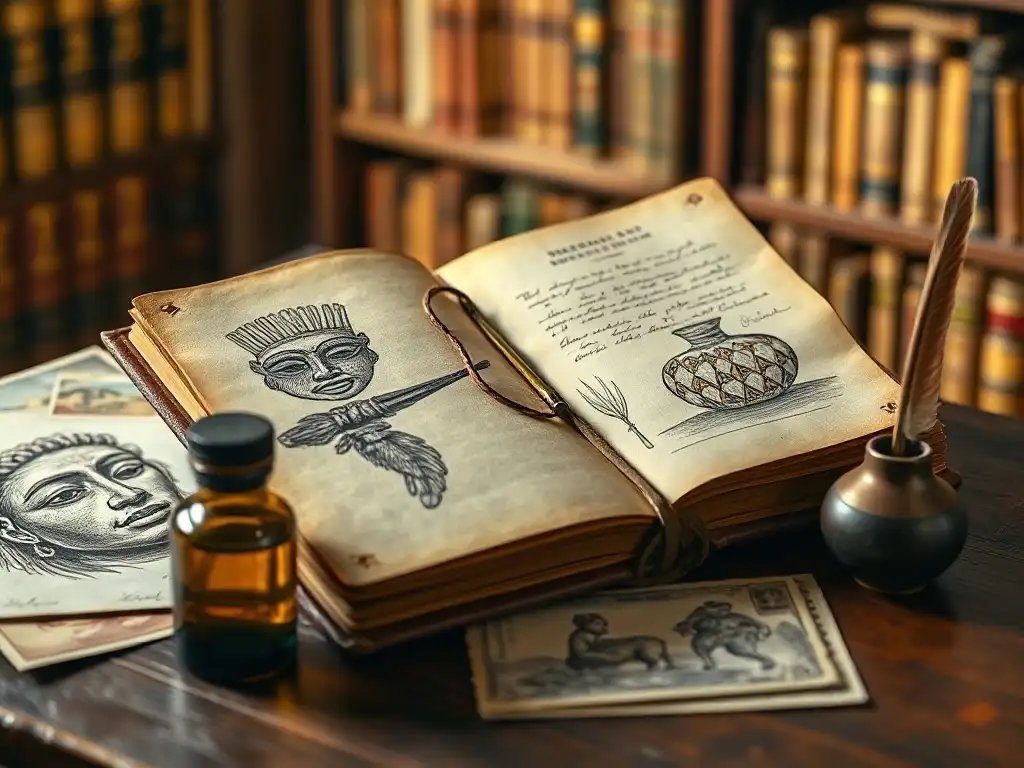
Deepening your involvement in the Andean art collector's network can unlock lucrative affiliate marketing opportunities. By partnering with established and reputable Andean art sellers, you can earn commissions by recommending their products to your network of fellow enthusiasts. This strategy requires careful selection of partners. Prioritize sellers with a proven track record of authenticity, ethical sourcing, and excellent customer service.
Thoroughly research any potential partner to ensure their practices align with your own values and the integrity of the Andean art collecting community. Transparency is key; clearly disclose your affiliate relationships to maintain trust with your audience. Successful affiliate marketing in this niche hinges on building trust and providing genuine recommendations, not simply pushing products for a quick profit. The more you educate yourself on the nuances of different Andean art styles, periods, and materials, the better equipped you'll be to guide collectors towards pieces that genuinely resonate with their interests and collections.
Consider focusing your affiliate efforts on specific sub-niches within Andean art, such as pre-Columbian textiles or Inca goldwork, to increase the effectiveness of your marketing. A well-curated selection of affiliate partners will enhance your credibility and provide a valuable service to the collecting community. Remember to track your affiliate links and analyze your performance to optimize your strategy over time.
The Potential for Creating and Selling Educational Resources on Andean Art
Your passion for Andean art can translate into a thriving business by creating and selling educational resources. The demand for reliable information on this subject is substantial, and your expertise can fill a gap in the market. Consider developing a variety of resources, including: ebooks detailing specific Andean art styles, online courses covering authentication techniques, webinars on identifying forgeries, or even curated physical guides with high-quality images and detailed descriptions. Pricing your resources strategically is crucial; research competitor offerings to determine a fair market value.
Marketing your educational materials effectively will require a multi-pronged approach. Leverage your existing network of fellow collectors, promote your resources on relevant online forums and social media groups, and consider collaborating with museums or educational institutions to reach a wider audience. The key to success lies in providing high-quality, accurate, and engaging content that truly adds value to the Andean art collector's experience.
Think about offering different tiers of access or bundling resources together to create more attractive packages. Continuous improvement and updating your resources in response to new discoveries or evolving scholarly understanding will help maintain their relevance and appeal over time. Building a strong reputation for accuracy and expertise is paramount in this field; your credibility will be your most valuable asset.
Resources for Andean Art Collectors
This section provides invaluable resources for serious Andean art collectors, encompassing essential reading material, vital online platforms, and key organizations dedicated to the preservation and study of Andean art and archaeology. Building a robust collection requires careful research and a deep understanding of the historical and cultural context of each piece. These resources will help guide your journey as an Andean art collector.
Recommended Books and Publications on Andean Art and Archaeology
Navigating the world of Andean art requires a solid foundation in the field. Below are some recommended books and publications that offer in-depth analysis, historical context, and practical guidance for collectors:
- "The Inca" by Kim MacQuarrie: This comprehensive work provides a detailed overview of Inca civilization, including its art and architecture, crucial for understanding the context of many collected pieces. It's a foundational text for any serious collector.
- "Ancient Andean Art" by Annick L'Huillier: This beautifully illustrated book offers a broad survey of Andean art across various cultures, from the Chavín to the Inca, highlighting key stylistic features and historical periods. It's an excellent visual resource.
- "Moche Art and Culture" by [Author Name Pending]: A dedicated volume on Moche art is essential. [Specific publication details pending]. This should cover the distinctive ceramics, metalwork, and textiles characteristic of this remarkable civilization.
- "Nazca: Secrets of a Desert Culture" by [Author Name Pending]: [Specific publication details pending]. This publication should provide in-depth analysis of Nazca's renowned textiles, ceramics, and geoglyphs, helping collectors understand the cultural significance of these artifacts.
- Journals and Academic Publications: Don't overlook peer-reviewed journals such as Andean Past, Latin American Antiquity, and Journal of Field Archaeology. These publications often feature cutting-edge research on Andean archaeology and art, providing invaluable insights for collectors.
Essential Online Resources for Andean Art Collectors
The digital age offers unprecedented access to information about Andean art. Here are some crucial online resources:
- Online Databases and Archives: Several digital archives house high-resolution images and detailed descriptions of Andean artifacts from museum collections worldwide. These are indispensable for comparative analysis and authentication. [Specific database names pending – research needed to identify reputable and accessible databases].
- Academic Research Databases: JSTOR, Project MUSE, and other academic databases offer access to scholarly articles and books on Andean art and archaeology. These resources provide critical context for understanding the cultural significance of your collection.
- Reputable Online Auction Houses: While caution is advised, reputable online auction houses can offer access to a wide range of Andean artifacts. However, thorough due diligence is crucial to avoid purchasing forgeries or illegally trafficked items. [Specific examples of reputable online auction houses pending].
- Online Forums and Communities: Online forums dedicated to Andean art and archaeology can connect you with other enthusiasts and experts. These communities can provide valuable insights, advice, and opportunities for networking. [Specific examples of relevant online forums pending].
Key Organizations and Institutions Supporting Andean Art Research
Engaging with organizations dedicated to the study and preservation of Andean art is crucial for responsible collecting. These institutions often offer educational programs, research opportunities, and ethical guidelines:
| Organization/Institution | Focus | Importance to Collectors |
|---|---|---|
| [Institution Name 1 Pending] | [Specific Focus Pending - e.g., Inca Studies] | [Importance Pending - e.g., Access to research, authentication services] |
| [Institution Name 2 Pending] | [Specific Focus Pending - e.g., Pre-Columbian Art] | [Importance Pending - e.g., Educational resources, ethical collecting guidelines] |
| [Institution Name 3 Pending – e.g., Museum] | [Specific Focus Pending - e.g., Andean Textiles] | [Importance Pending - e.g., Exhibitions, research publications, potential authentication] |
| International Council of Museums (ICOM) | International standards for museum practices and heritage preservation | Provides a framework for ethical collecting and responsible stewardship of cultural heritage. |
These resources represent a starting point for your journey into the world of Andean art collecting. Remember that responsible collecting involves a commitment to ethical sourcing, careful research, and a deep appreciation for the cultural heritage represented by these remarkable artifacts. 🕵️♂️ 🏺
A List of Reputable Art Authenticity Services
Verifying the authenticity of Andean artifacts is crucial for any serious collector. Forging is unfortunately a prevalent issue in the antiquities market, and Andean art is no exception. Investing in professional authentication services is paramount to protect your investment and ensure you're adding genuine pieces to your collection. While a comprehensive list of every service worldwide is beyond the scope of this article, here are some key factors to consider when selecting an authenticator, followed by examples of the types of services available:
One critical aspect is the expertise of the authentication service. Look for individuals or institutions with demonstrated experience in Andean art specifically. General antiquities authentication isn't always sufficient, as the nuances of Moche pottery, Inca textiles, or Nazca ceramics require specialized knowledge. Consider whether the authenticators have published works, presented at conferences, or participated in exhibitions related to Andean art. Their credentials should be readily available and easily verifiable.
Another important factor is the methodology employed. Reputable services will use a multi-faceted approach, combining visual inspection with scientific analysis where necessary. This might include material analysis (e.g., determining the clay composition of pottery), stylistic analysis (comparing the piece to known examples), and even radiocarbon dating for particularly old artifacts. Transparency in their methods is essential. A reputable service will be happy to explain their process and justify their conclusions.
Finally, consider the reputation of the service. Look for reviews and testimonials from other collectors. Check if they are affiliated with any relevant professional organizations or academic institutions. Word-of-mouth recommendations within the Andean art collecting community can be invaluable.
Examples of Service Types:
While specific names are omitted to avoid endorsement, here's a breakdown of the types of services you might find:
- Independent Appraisers/Experts: These individuals often have decades of experience and a deep understanding of specific Andean cultures and art forms. They typically provide written reports detailing their findings and conclusions about authenticity.
- University-Affiliated Laboratories: Some universities with archaeology or anthropology departments have laboratories equipped to conduct scientific analyses on artifacts. These labs often provide impartial analysis, focusing on the material properties and age of the piece.
- Auction House Authentication Services: Major auction houses specializing in antiquities frequently offer authentication services. While they may have a vested interest in the sale of the items, their expertise and resources are often extensive. However, always remain critical and compare their findings with other opinions.
Remember, obtaining multiple opinions from different reputable sources is always recommended for high-value pieces. This helps to reduce the risk of error and provides a more comprehensive assessment of authenticity. The cost of authentication should be weighed against the potential financial and historical value of the artifact. Investing in careful authentication is a sound strategy for any serious Andean art collector.
Frequently Asked Questions
What is the Andean Art Collector's Network?
The Andean Art Collector's Network is a virtual community connecting passionate collectors, experts, and enthusiasts of Andean art. It provides a platform to share knowledge, discuss acquisitions, and learn more about ancient Andean civilizations and their artistic heritage.
How can I join the Andean Art Collector's Network?
While a formal "network" might not yet exist, you can engage with the Andean art community through online forums, social media groups, and specialized art fairs and exhibitions. Research online to find relevant groups and events.
What types of Andean art are typically collected?
Collectors are drawn to a wide array of artifacts, including textiles, pottery, gold and silverwork, and stone sculptures. The diversity of styles across different Andean cultures makes the collecting field particularly rich and varied.
Are there resources to help me authenticate Andean art?
Yes, consulting with reputable experts and scholars is crucial. Museums and university departments specializing in Andean archaeology and art often provide authentication services or can recommend qualified professionals.
How can I learn more about the history and context of Andean art?
Numerous books, academic journals, and museum websites offer valuable information. Engaging with the community through events and discussions can also greatly enhance your understanding of the history and cultural significance of Andean art.
Final Reflection: Weaving a Tapestry of Andean Art
The vibrant network of Andean art collectors is not merely a marketplace; it's a living testament to the enduring power and beauty of a rich cultural heritage. This interconnected community, as explored throughout this article, plays a crucial role in preserving, promoting, and understanding the artistic legacy of the Andes, a legacy that continues to resonate deeply in the modern world. The passion and dedication of these collectors are essential to ensuring that these invaluable artifacts remain accessible and appreciated for generations to come.
The influence of this network extends far beyond the walls of private collections. It fosters a crucial dialogue between experts, enthusiasts, and even the descendants of the artists themselves, creating a dynamic exchange of knowledge and perspective. This collaborative spirit is vital for accurate attribution, responsible acquisition, and the ongoing preservation of these fragile works of art. The preservation of cultural heritage is not merely a matter of archiving; it is a responsibility to ensure that the stories embedded within these objects continue to be told.
This quote encapsulates the profound significance of the Andean art collector's network in safeguarding a vital part of human history.
Consider, for a moment, the impact you can have. Whether you are a seasoned collector, a budding enthusiast, or simply someone captivated by the beauty of Andean art, you have a role to play in this vibrant community. Engage with museums, galleries, and fellow enthusiasts. Support ethical acquisition practices and contribute to the ongoing research and documentation of these remarkable pieces. By actively participating in this network, you become a vital thread in the tapestry of Andean art, ensuring its legacy continues to inspire and enrich lives for years to come.
**Join the Andean Art Collector's Community! **
Thank you for exploring the fascinating world of Andean art with us! We hope you've gained valuable insights into the vibrant culture and the rich history that make collecting Andean art so rewarding. Now, it's your turn to dive deeper and become part of a thriving community of enthusiasts and experts.
Here are a few simple steps you can take to get involved:
- **Join our exclusive online forum:** Connect with fellow collectors and artists who share your passion for Andean art. Exchange ideas, ask questions, and learn from each other's experiences.
- **Attend our upcoming webinars:** Learn from leading experts in the field as they discuss the captivating histories and artistic techniques behind significant Andean artworks. Check our events calendar for details.
- **Share your collection:** Inspire others by posting photos and stories of your Andean art pieces on social media using the hashtag #AndeanArtCollector. We'd love to see what you've discovered!
What aspect of Andean art most captivates you, and how will you share that passion with the community?