
Military Might: How the Inca Army Conquered the Andes

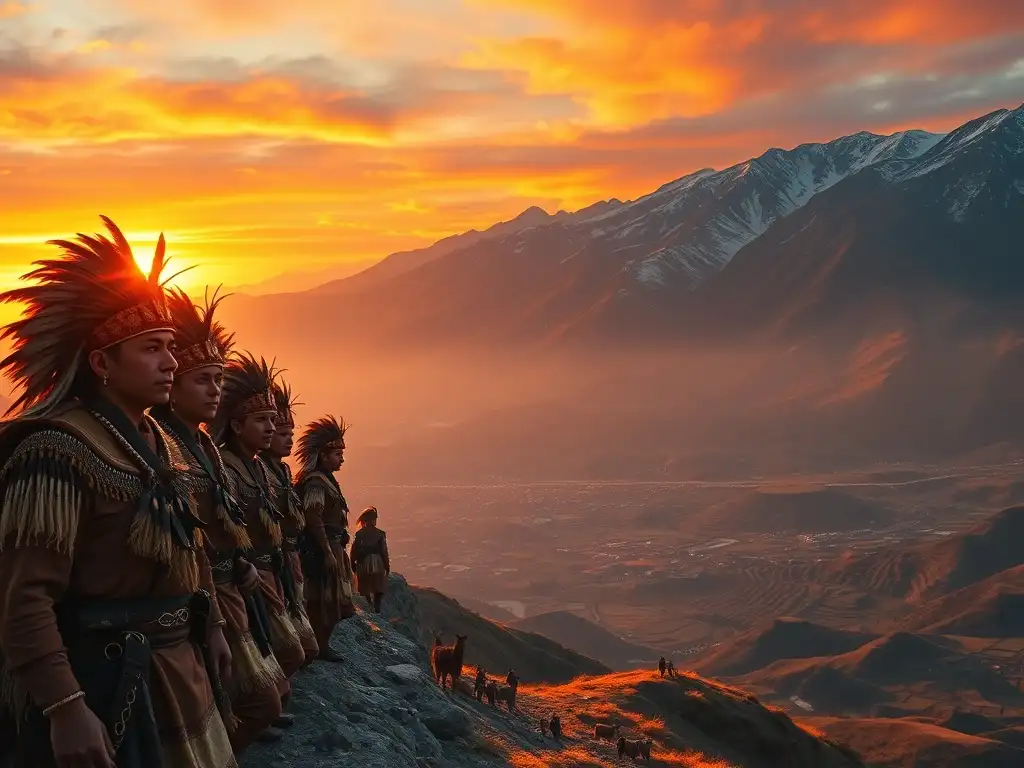
Uncover the secrets behind the unparalleled rise of the Inca Empire! For centuries, the Andes Mountains echoed with the thunder of their armies. But what were the ingenious strategies that fueled their relentless military conquest? Dive into the fascinating world of Inca military conquest strategies and discover the intricate web of power, innovation, and ambition that shaped a civilization's destiny. Prepare to be amazed by the ingenuity of their tactics – a story waiting to be unveiled.
- The Inca Army: Keys to Andean Conquest
- Inca Military Organization and Structure
- Inca Military Tactics and Strategies
- Inca Weaponry and Equipment
- Key Inca Military Conquest Strategies
- Legacy of the Inca Military
-
Frequently Asked Questions
- What were the key factors contributing to the Inca's military success?
- How did the Inca Empire's infrastructure support its military conquests?
- What were some of the Inca's primary military strategies?
- What role did technology play in Inca military conquests?
- How did the Inca integrate conquered populations into their empire?
- Final Reflection: Echoes of Conquest in the Andes
- Unleash Your Inner Strategist!
The Inca Army: Keys to Andean Conquest
The Inca Empire, a civilization that flourished in the Andes Mountains from the 15th to the 16th centuries, achieved remarkable territorial expansion through sophisticated military strategies. This article delves into the intricacies of Inca military conquest, exploring the key elements that enabled their armies to dominate the diverse and challenging Andean landscape.
We will examine not only their tactical prowess but also the underlying social, political, and logistical factors that contributed to their impressive military success. Understanding the Inca military conquest strategies provides crucial insight into the rise and fall of this remarkable empire and its lasting impact on South American history.
This exploration will cover their organizational structure, innovative weaponry, and the psychological impact of their campaigns, revealing a complex and effective military machine that continues to fascinate historians and researchers today. We will examine how their strategies allowed them to overcome geographical obstacles, diverse enemy populations, and ultimately, build one of the largest pre-Columbian empires in the Americas.
Understanding the Foundations of Inca Military Power
The Inca military's effectiveness stemmed from a multifaceted approach that went beyond mere brute force. Their strength was built upon a robust foundation of carefully planned organization, advanced logistics, and a highly effective system of mobilization. The ayllu, the fundamental socio-economic unit of Inca society, played a crucial role. Men from each ayllu were obligated to serve in the army, creating a vast and readily available pool of soldiers.
This system ensured a constant supply of manpower, allowing for large-scale military campaigns and the rapid deployment of troops to quell rebellions or respond to threats. Furthermore, the Inca state controlled resources and production, ensuring that the army was consistently supplied with essential provisions like food, clothing, and weaponry. This efficient logistical network was crucial for sustaining long campaigns in challenging terrain.
The Inca’s ability to seamlessly integrate their military organization with the existing social structure was a key factor in their success. This wasn't simply an army; it was a mobilized extension of the entire Inca societal structure. The effectiveness of this system is demonstrated by the vastness of the empire they created.
Inca Weaponry and Tactics: Innovation in Andean Warfare
Inca military technology, while appearing relatively simple compared to later European weaponry, was highly effective in the Andean context. Their primary weapons included the macuahuitl (a wooden club with obsidian blades), slings, spears, and bolas (throwing weapons). The macuahuitl, in particular, was a devastating weapon capable of inflicting deep wounds.
However, the Inca's success wasn't solely reliant on the weapons themselves; their tactics were equally important. They employed strategies adapted to the mountainous terrain, utilizing ambushes, flanking maneuvers, and siege warfare effectively. The Inca army was adept at utilizing the natural features of the Andes to their advantage, creating formidable defensive positions and surprising their enemies.
They also excelled at psychological warfare, using their superior numbers and reputation to demoralize opponents before battle even began. The combination of effective weaponry and adaptable tactics ensured Inca dominance in the Andean region. The use of scouts and informants further enhanced their tactical capabilities, providing crucial intelligence before and during military engagements.
The Role of Ideology and Propaganda in Inca Conquests
Beyond military prowess, the Inca's success was also significantly influenced by ideological factors. The Inca rulers presented themselves as divine figures, descendants of the sun god Inti. This divine legitimacy provided a powerful ideological justification for their conquests, making resistance appear not just a military challenge, but a rebellion against the divine order. The Inca skillfully employed propaganda to bolster their military campaigns.
The promise of integration into the empire, with its benefits of infrastructure development, agricultural improvements, and religious patronage, often encouraged subjugated populations to cooperate, reducing the need for protracted and costly military interventions. This strategic use of ideology and propaganda significantly reduced resistance and facilitated the smooth incorporation of conquered territories into the Inca Empire. The Inca's ability to manipulate narratives and perceptions played a crucial role in their ability to expand and consolidate their power.
The Limits of Inca Military Power and the Empire's Fall
While the Inca military machine was remarkably successful, it was not invincible. The empire's vast size and logistical challenges posed inherent vulnerabilities. Revolts were common, and suppressing them required significant resources and manpower.
Furthermore, the Inca's military technology, while effective in the Andean context, was ultimately outmatched by the superior weaponry and tactics of the Spanish conquistadors. The lack of immunity to Old World diseases also played a significant role in weakening the empire, making it more susceptible to Spanish conquest. The Inca's centralized system, while effective in many ways, also proved to be a weakness; when the central authority collapsed, the empire quickly fractured.
The story of the Inca Empire serves as a reminder that even the most formidable military powers are vulnerable to internal weaknesses and external threats. The fall of the Inca Empire highlights the complex interplay between military might, societal structures, and external factors in shaping the trajectory of civilizations.
Inca Military Organization and Structure
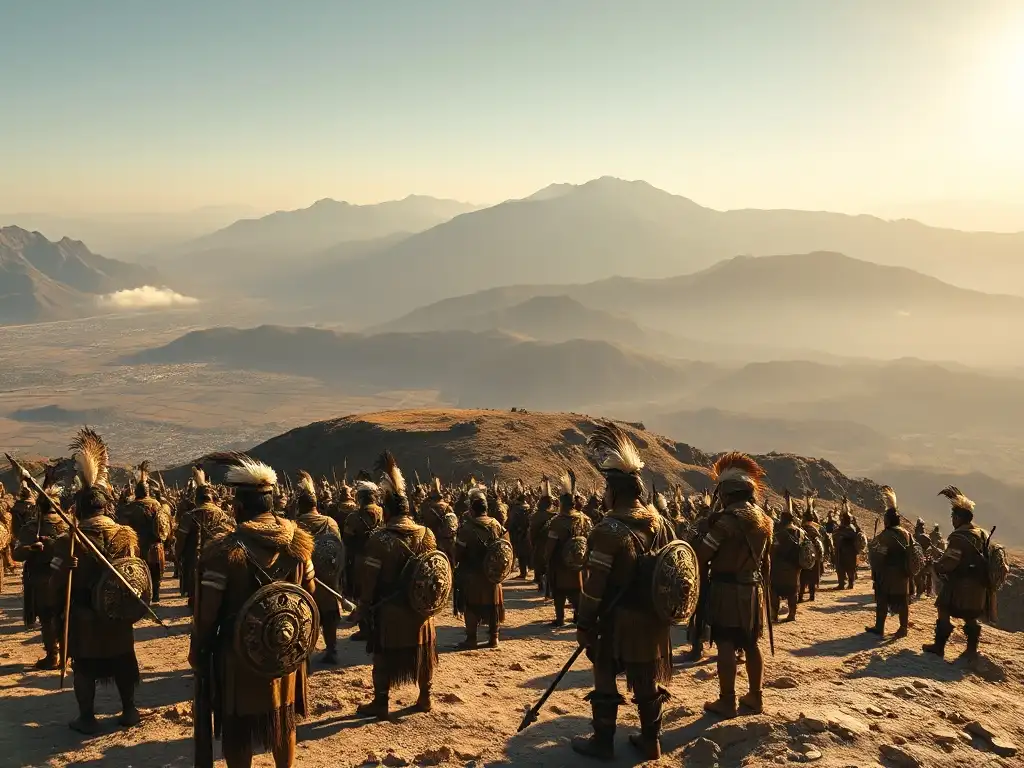
The Inca military's success wasn't solely due to superior weaponry; it stemmed from a highly organized and efficient structure, mirroring the empire's sophisticated administrative system. Understanding the Inca military conquest strategies requires appreciating this intricate organization, which facilitated rapid mobilization, effective communication, and logistical prowess. Their ability to conquer and control vast territories hinged on this well-defined military hierarchy and the strategic deployment of its forces. This section delves into the key components of this remarkable military machine.
The Role of the Sapa Inca in Military Affairs
The Sapa Inca, the emperor, held ultimate authority over the Inca army. He wasn't merely a figurehead; he was the supreme commander, personally overseeing major campaigns and strategic decisions. While he didn't typically lead troops into battle directly (except in rare instances of extreme importance), his role was paramount. The Sapa Inca dictated military policy, appointed high-ranking officers, and approved all major military operations.
His decisions were considered divinely ordained, boosting troop morale and fostering unwavering loyalty. Furthermore, the Sapa Inca's religious authority played a crucial part; military victories were often attributed to his divine favor, reinforcing his position as both political and spiritual leader. This centralized command structure ensured unified action and minimized internal conflicts, contributing significantly to the Inca military conquest strategies. His pronouncements, often conveyed through his high priests, significantly impacted the planning and execution of campaigns.
Hierarchical Structure of the Inca Army
The Inca army wasn't a monolithic force; it boasted a complex hierarchical structure that enabled efficient command and control across vast distances. This hierarchy mirrored the administrative structure of the empire itself, with authority flowing downwards from the Sapa Inca. At the top, below the Sapa Inca, were the Apus, provincial governors who commanded substantial military forces within their respective regions.
Below the Apus were the Kurakas, local chiefs who also held military responsibilities, responsible for raising and equipping troops from their communities. This decentralized recruitment system, while seemingly disparate, ensured a steady supply of soldiers, allowing for rapid mobilization of large armies. The system also fostered loyalty, as local leaders had a vested interest in the empire's success.
The hierarchical structure, combined with efficient communication networks (using runners and messengers), allowed for swift response to threats and coordinated movements across the empire, pivotal elements of successful Inca military conquest strategies. This intricate system ensured that even large-scale military campaigns were well-coordinated and efficiently supplied.
Inca Military Units: The Squad, Company, and Division
The Inca army was organized into distinct units, ranging from small squads to large divisions. The basic unit was the chunka, a squad of ten soldiers, typically led by a veteran. Several chinkas formed a larger unit, a pachaka, a company of about 50-100 soldiers. Multiple pachakas constituted a wary, a division that could number in the hundreds or even thousands, depending on the size and importance of the campaign.
This modular structure allowed for flexibility; small units could be deployed for quick raids or border patrols, while larger divisions could be assembled for major campaigns. The organization also ensured efficient resource allocation and facilitated the provision of supplies and equipment. Each unit had designated officers and support personnel, including medics and engineers, highlighting the army's sophisticated logistics.
The effectiveness of these units, their training, and their coordinated actions, were all key components of the Inca military conquest strategies. This organizational structure allowed for flexible deployment, tailored to the specific challenges of each campaign. The use of smaller units for scouting and raiding, combined with larger divisions for full-scale assaults, showcases the strategic adaptability of the Inca military.
Training and Discipline of Inca Soldiers
The Inca army wasn't just a collection of warriors; it was a highly disciplined and rigorously trained fighting force. Their effectiveness stemmed not only from their weaponry and tactics but also from a demanding training regime that instilled unwavering loyalty and exceptional physical prowess. Training began young, often incorporating physical conditioning from childhood within the ayllu (community) system. Boys participated in activities designed to build strength, stamina, and agility – crucial components for a soldier's success in the challenging Andean terrain. These activities included running long distances across mountainous regions, carrying heavy loads, and practicing various combat maneuvers.
Beyond the physical aspects, Inca military training emphasized discipline and obedience. Soldiers learned to follow orders without question, a critical factor in the success of their coordinated military operations. This strict adherence to hierarchy and command structure was reinforced through both formal training exercises and the overall societal structure of the Inca Empire, which placed a high value on obedience to authority.
Punishments for disobedience were severe, ensuring compliance and maintaining the army's effectiveness. Stories of Inca military discipline were likely passed down through generations, contributing to the fearsome reputation of the Inca army amongst conquered peoples. The emphasis on unwavering loyalty, coupled with rigorous physical training, created an army capable of conquering vast territories and maintaining control over a diverse population.
The Inca military system also incorporated a sophisticated system of rewards and recognition for exceptional service. While punishments were harsh, rewards for bravery and loyalty were significant, boosting morale and fostering a competitive spirit amongst soldiers. This system helped maintain a high level of motivation and ensured that soldiers were dedicated to their duty.
This holistic approach to training, combining physical conditioning, strict discipline, and a system of rewards, contributed significantly to the Inca army's legendary military success. This approach fostered a culture of excellence and loyalty, resulting in a formidable fighting force that was instrumental in the Inca Empire's expansion. Further research into specific training manuals or detailed accounts of training practices would illuminate this aspect of Inca military history even further.
Inca Military Tactics and Strategies
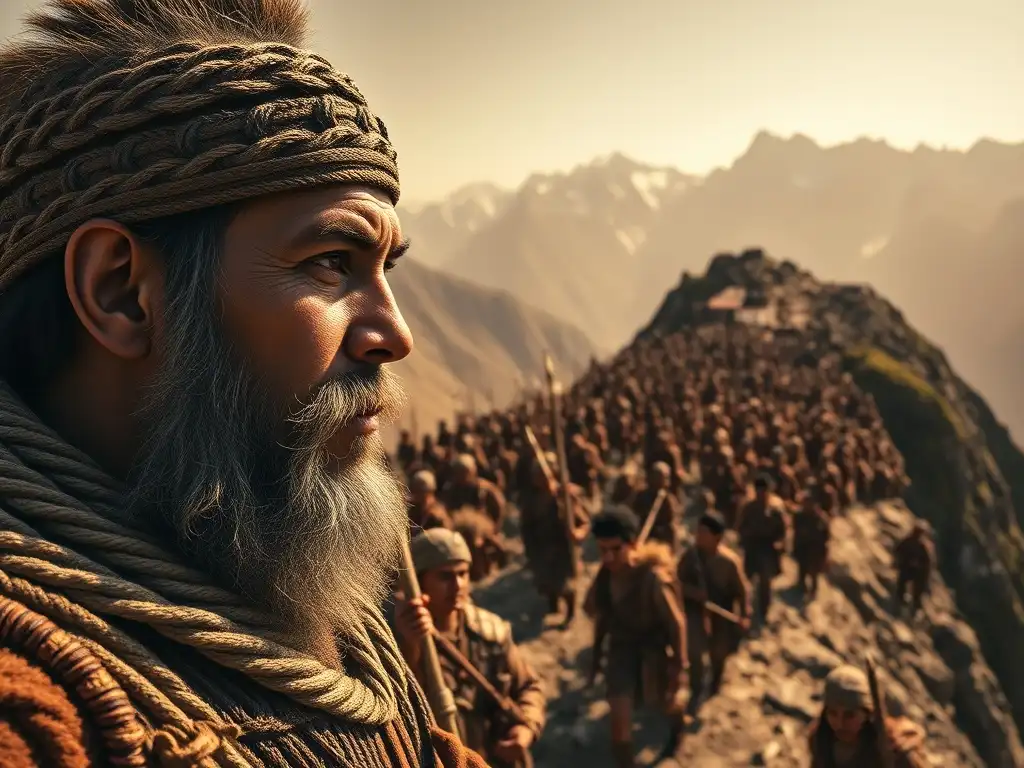
The Inca military's success wasn't solely reliant on brute force; it was a sophisticated blend of strategic planning, adaptable tactics, and shrewd diplomacy. Their conquests across the Andes weren't simply a series of bloody battles, but a carefully orchestrated campaign of expansion, leveraging both military might and political maneuvering. Understanding the Inca military conquest strategies requires examining their multifaceted approach, which combined impressive logistical prowess with psychological warfare.
The empire's expansion, fueled by effective Inca military conquest strategies, is a testament to their innovative and efficient military organization. Key to their success was the integration of conquered populations into their system, further bolstering their military strength and resources.
Inca Warfare Strategies: A Combination of Force and Diplomacy
Inca warfare strategies weren't solely about conquest; diplomacy played a crucial role. Before resorting to arms, emissaries would often be sent to potential adversaries, offering alliances or, if refused, issuing warnings. This approach, while seemingly passive, was a clever tactic to minimize bloodshed and maximize resource acquisition.
Many communities chose to submit rather than face the formidable Inca army, thus expanding the empire peacefully. This "carrot and stick" approach, combining the promise of integration into the Inca system with the threat of devastating military action, proved incredibly effective in securing new territories. The Inca understood that incorporating conquered populations into their vast network of tribute and labor was far more beneficial than outright annihilation.
This strategy not only reduced resistance but also significantly expanded their manpower and resources. Records indicate that successful diplomatic negotiations often preceded military campaigns, significantly reducing casualties and accelerating the expansion of the empire. This nuanced approach to warfare highlights the sophistication of Inca military conquest strategies.
Siege Warfare Techniques of the Inca Army
The Inca army wasn't just adept at open warfare; they were masters of siege warfare. Facing fortified settlements, their tactics shifted to a more patient, methodical approach. They excelled at constructing siege engines, including sophisticated catapults capable of launching large projectiles over considerable distances. These weren't crude devices, but rather well-engineered weapons, reflecting the Inca's advanced understanding of engineering principles.
In addition to these mechanical devices, the Inca utilized psychological warfare during sieges. Prolonged blockades, designed to cut off supplies and demoralize the defenders, were a common strategy. This combination of sustained pressure and targeted attacks often led to the surrender of besieged settlements, minimizing the need for costly and bloody assaults.
Archaeological evidence suggests the construction of elaborate siege ramps and tunnels, indicating a planned and systematic approach to overcoming fortified positions. The effectiveness of their siege techniques is evident in the numerous conquered settlements that fell to their persistent and well-organized efforts. The Inca military conquest strategies surrounding siege warfare demonstrate a level of tactical sophistication rarely seen in contemporary Andean societies.
Inca Battle Formations and Maneuvers
Inca battle formations were highly organized and flexible, adapted to the terrain and the enemy's tactics. They often employed a combination of spearmen, slingers, and club-wielding warriors, forming dense formations that could withstand enemy charges. Their formations, while seemingly straightforward, were surprisingly adaptable. They could quickly shift from a tight defensive formation to a more fluid offensive one, depending on the circumstances of the battle.
The use of flanking maneuvers was also common, exploiting any weaknesses in the enemy's lines. Furthermore, the Inca army was highly disciplined, with a strong emphasis on coordinated movements and obedience to command. This discipline, combined with their flexible formations, allowed them to effectively counter various enemy tactics.
Reports from Spanish chroniclers describe the Inca army’s remarkable ability to maintain formation and execute complex maneuvers even amidst the chaos of battle. This suggests a high level of training and a well-defined military hierarchy. The Inca military conquest strategies, therefore, relied not only on numbers but also on tactical proficiency and discipline, contributing significantly to their overall success.
The Use of Fortifications and Strategic Control Points
The Inca military's success wasn't solely reliant on brute force; strategic placement of fortifications and control of vital points played a crucial role in their conquest of the Andes. Their understanding of terrain was exceptional. They didn't just conquer land; they secured it. Fortifications weren't merely defensive structures; they were integral components of a broader strategy aimed at controlling trade routes, communication lines, and access to resources.
These fortifications, often built at high altitudes and in strategically difficult locations, acted as choke points, forcing enemy armies into unfavorable engagements. The construction itself was a testament to Inca engineering prowess, utilizing local materials and adapting to the specific geographical challenges of each location. We can see evidence of this in sites like Sacsayhuamán, near Cusco, a massive fortress complex built with precisely fitted stones, showcasing not only military strength but also architectural mastery. The imposing nature of these structures served as a psychological deterrent, projecting Inca power and discouraging rebellion.
Moreover, the strategic placement of these fortifications allowed for efficient troop deployment and facilitated rapid responses to threats across vast distances. Control over these key points meant control over the flow of information and resources, effectively crippling any opposition. The integration of these fortifications into a broader network of roads and communication systems further enhanced their strategic value, allowing for rapid movement of troops and supplies. This sophisticated network of fortified points, coupled with effective communication, ensured the Inca empire's stability and facilitated further expansion.
Inca Logistics and Supply Chains for Military Campaigns
The Inca military's logistical capabilities were astonishing, especially considering the challenging Andean terrain. Efficient supply chains were paramount to their military success. Their system relied heavily on the extensive network of roads—the Qhapaq Ñan—which crisscrossed the empire, connecting distant regions and enabling the swift movement of troops and supplies. This network wasn't just a series of paths; it was a meticulously planned infrastructure, featuring bridges, resting places, and storehouses strategically located along the routes. These storehouses, known as tambos, served as vital hubs for supplying armies on campaign.
They were stocked with provisions, including food (dried potatoes, maize, llama meat), textiles, and tools, ensuring that Inca armies remained well-supplied even during prolonged campaigns in remote areas. The mit'a system, a form of mandatory labor, played a crucial role in maintaining these supply lines. Communities along the Qhapaq Ñan were responsible for providing food, labor, and transport services to the army, ensuring a continuous flow of resources. Furthermore, the Inca's mastery of animal husbandry, particularly llamas and alpacas, provided crucial transport capabilities.
These animals carried supplies across difficult terrain, demonstrating the Inca's deep understanding of their environment and its resources. The organization and efficiency of this logistical system allowed the Inca army to sustain prolonged campaigns, pushing the limits of their empire's reach and contributing significantly to their military dominance. Their ability to rapidly deploy and resupply troops across vast distances, even in the most challenging environments, stands as a testament to their sophisticated logistical planning and efficient organization. This system was so effective that it allowed the Inca to maintain control over conquered territories by effectively providing for their needs and suppressing any potential resistance.
Inca Weaponry and Equipment
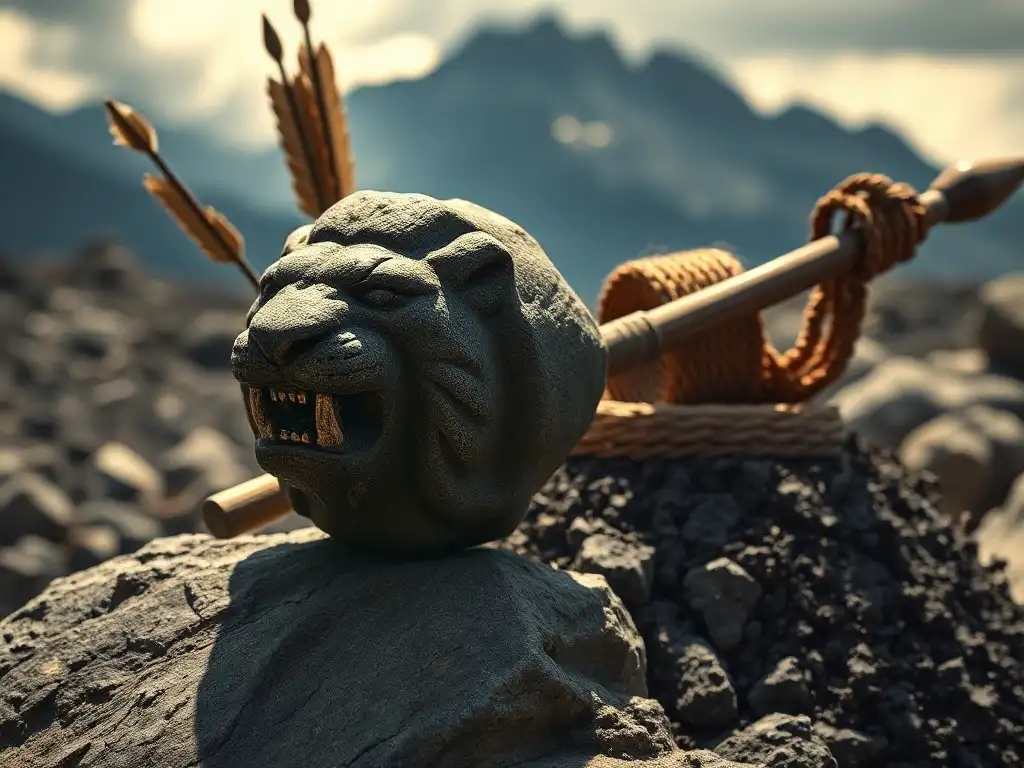
The Inca military's success wasn't solely down to superior strategy; their weaponry and equipment played a crucial role in their conquests. Understanding the tools at their disposal is key to grasping the full extent of their military prowess and how they achieved their impressive expansion across the Andes. The Inca's approach to warfare was pragmatic, employing a mix of readily available materials and surprisingly sophisticated techniques.
This section delves into the specifics of their arsenal, revealing the ingenuity and effectiveness of their military technology. The effective utilization of these tools, combined with their strategic brilliance, solidified their position as masters of Andean warfare. Analyzing the weaponry helps us unpack the intricacies of their "Inca military conquest strategies".
Types of Inca Weapons: Spears, Clubs, and Slings
Inca weaponry was characterized by its simplicity and effectiveness. The most common weapons were spears, clubs, and slings. Spears, often crafted from hardened wood or even metal, were versatile weapons used for both thrusting and throwing. Their length provided an advantage in close-quarters combat, while their weight allowed for effective throws at longer ranges. The effectiveness of the spear depended heavily on the warrior's skill and training, underlining the importance of Inca military discipline.
Clubs, typically made from wood and sometimes reinforced with stone or metal heads, were brutal close-combat weapons. Their design varied depending on the region and the specific purpose, with some being heavier for crushing blows and others lighter and more maneuverable. The impact of a well-aimed club could be devastating, making it a feared weapon on the Andean battlefields.
Slings, surprisingly sophisticated for their seeming simplicity, were incredibly accurate and effective ranged weapons. Inca warriors were renowned for their skill with slings, capable of launching projectiles with considerable force and accuracy over long distances. These weapons provided a significant advantage in battles, particularly when engaging the enemy from elevated positions or during sieges. The use of slings highlights the Inca's understanding of projectile motion and its application in warfare. The sling's range and accuracy were key components of their "Inca military conquest strategies".
Protective Gear of Inca Warriors: Shields and Armor
While Inca weaponry was formidable, their protective gear was relatively less developed compared to some other ancient civilizations. The most common form of protection was the shield. These shields, typically made from wood or woven materials, offered some defense against projectiles and blows. Their size and shape varied depending on the region and the warrior's role, with some being larger and heavier for frontline combatants and others smaller and lighter for more mobile units. The effectiveness of the shields was often dependent on the warrior's ability to use them strategically, deflecting blows and protecting vulnerable areas.
Armor, in the traditional sense, was not widespread among Inca warriors. Instead, they relied more on tactical maneuvers and superior numbers to compensate for their lack of extensive personal protection. However, some elite warriors might have worn quilted armor made from layers of cotton or other materials, offering a degree of protection against cuts and blunt force trauma. The relative scarcity of armor reflects the Inca's emphasis on strategic warfare and efficient deployment of forces rather than relying solely on heavy individual protection.
Technological Aspects of Inca Military Equipment
The Inca's military equipment, while seemingly simple, reflected a level of technological understanding and adaptation to their environment. The selection of materials, the construction techniques, and the overall design of their weapons and armor were all carefully considered. For instance, the use of hardened wood for spears and clubs showcases their understanding of material science and the ability to modify materials to enhance their durability and effectiveness. Similarly, the design of the slings, with their carefully balanced weights and strong cords, demonstrates a knowledge of physics and engineering principles.
Furthermore, the Inca's understanding of metallurgy, though limited compared to other civilizations, was still significant. They employed metal, primarily bronze and copper, in the creation of certain weapon components, such as spearheads and club heads. This demonstrates their capability to work with metals and incorporate them into their military technology.
The integration of metal into their weaponry, even on a limited scale, enhanced their offensive capabilities and contributed to their successful "Inca military conquest strategies". Further research into the specifics of Inca metallurgy and its impact on their military technology would illuminate this aspect further. [Specific information pending on the precise metalworking techniques and the scale of metal weapon production].
The Role of Metallurgy in Inca Weapon Production
The Inca's military prowess wasn't solely reliant on manpower; it was significantly bolstered by their advanced metallurgical capabilities. The Inca Empire, unlike many of its contemporaries, possessed a sophisticated understanding of metalworking, particularly in copper, bronze, and gold. This expertise directly translated into the creation of superior weaponry, providing a decisive advantage on the battlefield. The Inca weren't simply crafting tools; they were engineering instruments of war.
The process wasn't simplistic. Inca metallurgists employed techniques like hammering, annealing, and alloying to produce weapons of exceptional durability and sharpness. Copper, readily available in the Andes, formed the basis of many weapons, but the Inca also mastered the art of creating bronze alloys, resulting in stronger and more resilient tools of war. This allowed for the creation of weapons that could withstand the rigors of combat and maintain their effectiveness over extended periods. The dedication to quality is evident in the surviving artifacts, many of which display remarkable craftsmanship and attention to detail, even after centuries.
Furthermore, the Inca's understanding of metallurgy extended beyond the creation of weapons themselves. The production of high-quality tools for crafting these weapons was equally crucial. Specialized workshops, likely staffed by skilled artisans, are believed to have existed throughout the empire, ensuring a consistent supply of expertly made weapons. The organization and efficiency of this system highlight the Inca's strategic approach to military preparedness.
Their ability to mass-produce weaponry, while maintaining high standards of quality, was a key factor in their ability to conquer and control such a vast and diverse territory. Evidence suggests a complex system of resource management and distribution supported this large-scale production. The impact of their metallurgical skill on their military success cannot be overstated. It was a key component of their "Inca military conquest strategies".
Key Inca Military Conquest Strategies
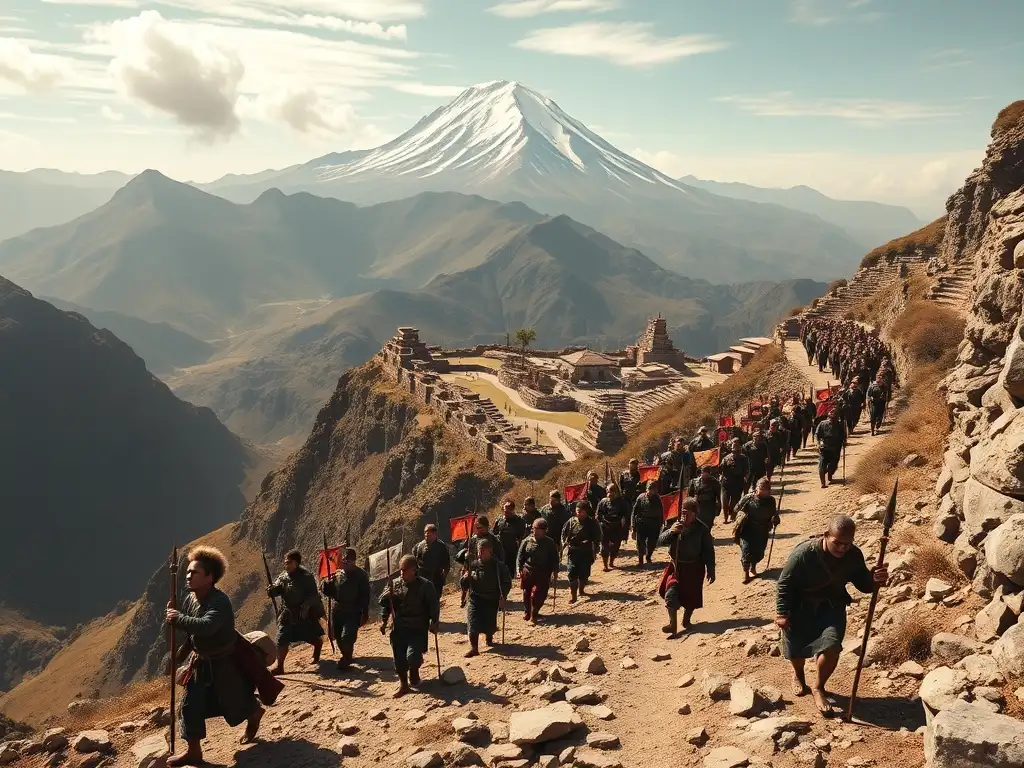
The Inca military's remarkable success in conquering and consolidating a vast empire across the challenging Andean terrain wasn't solely due to brute force. Their victories stemmed from a sophisticated combination of strategies, encompassing political maneuvering, psychological warfare, and efficient logistical planning. Understanding these strategies is crucial to comprehending the Inca Empire's rapid expansion and enduring legacy. The Inca military conquest strategies were multifaceted and remarkably effective, allowing them to subdue diverse and often powerful groups across the Andes. Their approach wasn't simply about military dominance; it was about integrating conquered populations into the imperial system.
The Importance of Political Integration and Alliances
The Inca military didn't rely solely on conquest; they skillfully employed diplomacy and political alliances. Before resorting to arms, Inca leaders often attempted to negotiate peaceful integrations, offering advantageous trade deals, promises of protection, and even prestigious positions within the newly formed administrative structure. This strategy minimized bloodshed and facilitated smoother transitions of power.
For example, many smaller groups willingly joined the Inca Empire to gain access to resources and protection from larger, more aggressive neighbors. The Inca leadership understood the value of minimizing resistance and leveraging existing power structures. They cleverly incorporated local elites into the imperial bureaucracy, effectively co-opting their influence and authority.
This deft political management reduced the likelihood of large-scale rebellions and ensured the relative stability of the empire. This approach, coupled with their military prowess, allowed for a far more efficient and sustainable expansion than relying solely on force. Data from archaeological sites shows a significant increase in the standardization of pottery and architecture following Inca integration, suggesting a degree of cultural assimilation and peaceful co-existence.
Inca Strategies for Subjugating Local Populations
While political integration was a preferred strategy, the Inca military possessed effective methods for subduing resistant populations. Their army, comprised of highly trained yanakuna (commoners obligated to serve the Inca), was organized into highly mobile units capable of swiftly deploying across mountainous terrain. Inca military organization was exceptionally effective, allowing them to rapidly mobilize and respond to threats. They utilized a system of chasquis, a relay runner network, for swift communication and troop deployment.
This allowed for rapid response to rebellions and allowed the Inca to leverage the element of surprise effectively. Furthermore, the Inca army's logistical capabilities were exceptional. They established a network of roads and storage facilities, ensuring a consistent supply of food and materials, even in remote regions.
This allowed for prolonged campaigns and the sustained occupation of conquered territories. Their mastery of the quipus, a complex system of knotted strings used for record-keeping, facilitated efficient resource management and troop allocation. The Inca's ability to sustain their military efforts over extended periods, coupled with their sophisticated logistical network, significantly contributed to their success in subduing resistant populations.
The Use of Fear and Intimidation in Inca Military Campaigns
Inca military campaigns often incorporated a significant element of psychological warfare. The sheer size and organization of the Inca army, along with their reputation for ruthlessness, instilled fear in potential adversaries. The Inca strategically employed displays of power, including elaborate military parades and the showcasing of captured weaponry and artifacts, to intimidate enemy populations. Stories of Inca brutality, perhaps exaggerated, were effectively used to discourage resistance.
While not solely relying on terror, the Inca leadership understood the strategic value of fear in suppressing rebellion. The threat of harsh punishments, including enslavement, deportation, or even execution, proved a powerful deterrent. Archaeological evidence suggests that Inca control was maintained through a combination of military presence and the threat of severe repercussions for dissent.
The strategic placement of garrisons in conquered territories served as both a military presence and a constant reminder of Inca power. This combination of military strength and psychological intimidation was a key factor in the Inca Empire's ability to maintain control over its vast and diverse territories. The Inca skillfully utilized propaganda and the controlled dissemination of information to strengthen their image as an invincible force.
The Conquest of the Chimu Kingdom
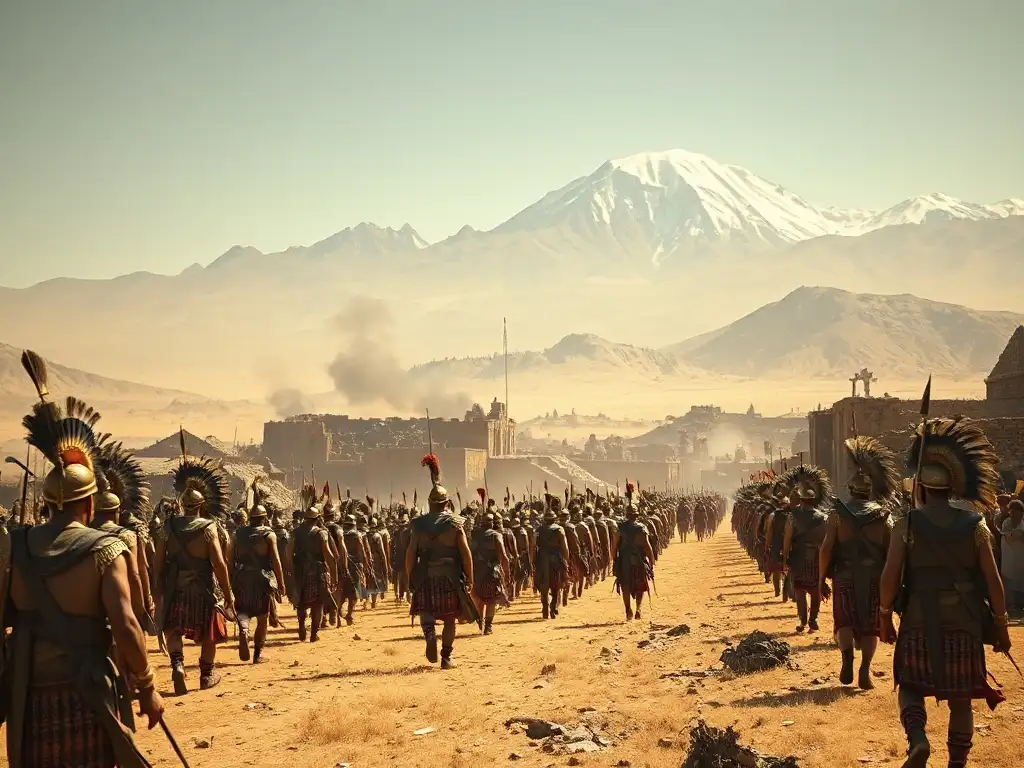
The Chimu kingdom, a powerful coastal civilization, presented a significant challenge to the Inca expansion. Their capital, Chan Chan, was a massive urban center, boasting sophisticated irrigation systems and a formidable defensive network. The Inca conquest, however, was not a swift, decisive blow, but a protracted campaign highlighting the Inca's adaptability and strategic brilliance in their military conquest strategies. Initial Inca incursions likely focused on smaller Chimu outposts and vassal states, gradually weakening the kingdom's periphery before targeting its core. This strategy of attrition, a hallmark of Inca military tactics, allowed them to gauge Chimu defenses and exploit vulnerabilities.
The Inca army, known for its disciplined ranks and logistical prowess, employed a combination of siege warfare and psychological warfare. The construction of roads and strategically placed fortifications allowed for the efficient movement of troops and supplies, a crucial advantage in a campaign spanning diverse terrains. Reports suggest the use of sophisticated siege engines, although the exact nature of these devices remains debated among scholars.
Simultaneously, the Inca leveraged propaganda and diplomacy, offering alliances and preferential treatment to Chimu nobles who switched allegiance, further destabilizing the kingdom from within. The final assault on Chan Chan likely involved a combination of direct military action and internal rebellion, culminating in the kingdom's fall and its incorporation into the Inca empire.
The conquest demonstrated the Inca's mastery of not only military might but also political maneuvering, essential components of their successful Inca military conquest strategies. The event serves as a prime example of how the Inca adapted their tactics to overcome diverse challenges and effectively integrate conquered territories.
The Impact of Inca Military Prowess on Andean Expansion
The Inca military's success was not solely about conquering territories; it was about integrating them effectively into the vast empire. Their military prowess, characterized by sophisticated organization, logistical efficiency, and adaptable tactics, played a pivotal role in the Inca's unprecedented Andean expansion. The Inca military conquest strategies weren't just about brute force; they were a carefully orchestrated blend of military might and political strategy.
The efficient mobilization of troops and resources facilitated rapid expansion across diverse geographical landscapes, from the high Andes to the coastal deserts. The construction of the Qhapaq Ñan, the extensive network of Inca roads, was crucial in this process, enabling swift communication and the rapid deployment of troops to quell rebellions or respond to threats. Furthermore, the Inca army's ability to maintain order and suppress dissent after conquest was vital for consolidating their control over newly acquired territories. This was achieved through a combination of military presence, the strategic placement of garrisons, and the skillful manipulation of political alliances.
The incorporation of conquered peoples into the Inca system, through the mit'a labor system and the resettlement of populations, further strengthened the empire's stability and fueled its economic growth. This integration process, although often involving subjugation, also fostered a degree of cultural exchange and the dissemination of Inca ideology. The Inca military's effectiveness, therefore, wasn't merely about conquest; it was instrumental in establishing a stable and enduring empire that profoundly shaped the Andean region for centuries.
The impact of their Inca military conquest strategies is evident in the long-lasting influence of Inca culture and administration throughout the Andes. The legacy of their military achievements continues to fascinate and inspire researchers today.
Legacy of the Inca Military
The Inca military's legacy extends far beyond the geographical boundaries of their empire. Their sophisticated strategies, organizational prowess, and innovative tactics left an indelible mark on the Andean region, shaping the military approaches and political landscapes of subsequent cultures. Understanding the Inca military's influence requires examining not only their direct impact on conquered populations but also the long-term effects on warfare and societal structures throughout the Andes.
The Inca military's success wasn't solely due to brute force; it was a carefully constructed system built on efficient logistics, psychological warfare, and a highly adaptable fighting force. This section will explore the far-reaching consequences of their military dominance, examining how their strategies were adopted, adapted, and ultimately, challenged by later Andean societies.
Influence of Inca Military Strategies on Later Andean Cultures
The Inca military's impact on later Andean cultures was profound and multifaceted. Their system of mit'a, a form of mandatory labor, was adapted and utilized by successor states for both civilian and military projects. This ensured a constant supply of manpower for construction, agriculture, and, importantly, military campaigns.
The Inca's emphasis on logistical planning, including the construction of extensive road networks (the Qhapaq Ñan), facilitated rapid troop deployment and communication, a model that subsequent Andean powers attempted to emulate, though often on a smaller scale. The Inca's use of psychological warfare – spreading rumors, exploiting internal divisions within enemy groups, and employing propaganda – also became a common tactic among their successors.
For example, the strategies used by [specific examples of post-Inca Andean groups and their military strategies pending] demonstrate a clear continuity with Inca military thinking. The effective use of chasquis (runners) for rapid communication also influenced later communication systems.
The Inca's standardized weaponry, particularly the use of slings and clubs, along with their effective organization of infantry units, influenced the armament and tactical formations of later Andean armies. While specific adaptations and innovations occurred based on local resources and circumstances, the underlying principles of Inca military organization and strategy remained influential.
Even in the face of Spanish conquest, indigenous resistance movements drew upon elements of Inca military tradition, though often adapted and combined with new strategies learned from the Spanish themselves. The legacy of Inca military organization continued to shape the dynamics of power and conflict in the Andean region long after the fall of the empire.
The Enduring Impact of Inca Military Power
The Inca military's impact was not limited to military tactics and organization. Their conquest and subsequent control over vast territories resulted in significant societal changes that continue to resonate today. The Inca's ability to integrate conquered populations into their empire, through a combination of force and assimilation, created a unique form of political and social unity across diverse Andean cultures.
This integration, while often brutal, nonetheless led to a degree of cultural exchange and homogenization that shaped the social fabric of the region for centuries to come. The Inca’s administrative system, which facilitated the effective governance of a vast and diverse empire, served as a model for later Andean societies, highlighting the importance of efficient bureaucracy in maintaining control and stability.
The Inca's construction projects, often undertaken as part of their military strategy (such as fortifications and strategic roads), continue to be visible testaments to their engineering prowess and their lasting impact on the landscape. These structures not only served military purposes but also played crucial roles in trade, communication, and agricultural development. The enduring presence of Inca infrastructure serves as a constant reminder of the empire's power and reach, even centuries after its collapse.
The legacy of Inca military power is therefore not just military, but profoundly shaped the social, economic, and political development of the Andean region for generations. The sheer scale of their achievements continues to inspire awe and serves as a compelling example of effective empire building.
Inca Military Innovations and Their Significance
The Inca military wasn't simply a large, well-organized force; it was also innovative. Several key advancements contributed to their success in conquering and controlling the Andes. One significant innovation was their sophisticated logistical system. The Qhapaq Ñan, a vast network of roads spanning thousands of miles, allowed for rapid troop movement and efficient supply lines.
This network, combined with the use of chasquis (runners) for rapid communication, gave the Inca a significant advantage over their adversaries. This system allowed for swift responses to rebellions and facilitated the quick deployment of troops to distant regions. The construction and maintenance of this infrastructure was a remarkable feat of engineering and organization, showcasing the Inca's ability to mobilize vast resources for military purposes.
Another key innovation was their use of psychological warfare. The Inca often employed strategies designed to demoralize their enemies before engaging in direct combat. This involved spreading rumors, exploiting internal divisions within enemy groups, and portraying themselves as invincible. This approach often resulted in enemy surrender before any battles even commenced, minimizing casualties and maximizing efficiency.
Their use of propaganda and symbolic displays of power, such as lavish ceremonies and the display of captured weaponry, also helped to consolidate their authority and maintain control over conquered territories. These innovative strategies significantly enhanced their military effectiveness and contributed to their remarkable success in conquering the Andes. The combination of logistical brilliance and psychological warfare demonstrates a level of strategic thinking that was far ahead of its time.
Strengths and Weaknesses of the Inca Military
The Inca military's success wasn't solely due to brute force; it stemmed from a sophisticated blend of strengths and a shrewd understanding of its weaknesses. Their strengths lay primarily in their organizational prowess and logistical capabilities, unparalleled in the Andes at the time. The mit'a system, a form of mandatory labor service, provided a vast pool of readily available soldiers.
This wasn't just about numbers; it allowed for rapid mobilization and replenishment of troops, crucial for sustained campaigns across challenging terrain. The Inca army wasn't a standing army in the European sense; it was a highly adaptable force that could be quickly assembled and deployed where needed. Their mastery of Andean geography, coupled with extensive road networks – the Qhapaq Ñan – facilitated swift troop movements and efficient supply lines, a critical advantage in the rugged Andes.
Furthermore, the Inca's sophisticated system of record-keeping, using quipus (knotted cords), allowed for meticulous planning and coordination of military operations. This organizational efficiency meant that resources were allocated effectively, minimizing waste and maximizing impact.
However, the Inca military also possessed significant weaknesses. While their numbers were impressive, they lacked the advanced weaponry of many other contemporaneous civilizations. Their primary weapons were clubs, spears, slings, and bolas – effective in close-quarters combat but less effective against heavily armored foes or ranged attacks.
Furthermore, their reliance on the mit'a system, while a strength in mobilization, created a dependence on conscripted labor, which could be disrupted by rebellions or widespread disease. The Inca army also lacked significant naval power, limiting their ability to project power across bodies of water. This significantly restricted their ability to control coastal regions effectively.
Finally, while their organizational structure was impressive, it could become rigid and inflexible when confronted with unexpected challenges or innovative enemy tactics. This inflexibility, coupled with their lack of advanced weaponry, left them vulnerable to opponents who could exploit these limitations. The Spanish conquest, in part, demonstrated the vulnerability of their military strategy to superior weaponry and tactics.
Frequently Asked Questions
What were the key factors contributing to the Inca's military success?
The Inca's success stemmed from a combination of factors: superior military organization, effective logistics, and the psychological impact of their might on potential enemies. Their advanced road system allowed for rapid troop deployment.
How did the Inca Empire's infrastructure support its military conquests?
The extensive road network (the Qhapaq Ñan) facilitated rapid movement of troops and supplies across the vast empire. This superior infrastructure was crucial for swift responses and sustained campaigns. Efficient communication along these roads also played a vital role.
What were some of the Inca's primary military strategies?
The Inca employed various strategies, including swift and decisive attacks, siege warfare, and psychological warfare. They often exploited their enemies' weaknesses and used superior numbers to overwhelm resistance. Diplomacy and alliances also played significant roles.
What role did technology play in Inca military conquests?
While not possessing gunpowder, the Inca utilized advanced weaponry for the time, including macanas (clubs), bolas, and slings. Their skilled engineering in constructing fortifications and siege weapons also provided a significant advantage.
How did the Inca integrate conquered populations into their empire?
The Inca implemented a policy of integration, rather than outright destruction. They often relocated populations, incorporated conquered elites into the administration, and spread their language and culture to maintain control and stability. This helped solidify their vast empire.
Final Reflection: Echoes of Conquest in the Andes
The Inca military machine, a marvel of logistical prowess and strategic brilliance, remains a potent symbol of the power of organization and adaptation in the face of seemingly insurmountable challenges. Its impact resonates even today, reminding us that even seemingly primitive societies could achieve astonishing feats of conquest and empire-building through innovative tactics and unwavering discipline. The echoes of their triumphs and failures continue to shape the landscape and the cultural memory of the Andes.
The Inca's sophisticated understanding of terrain, their mastery of guerilla warfare, and their ability to integrate conquered populations into their vast army offer valuable lessons in both military strategy and the complexities of empire management. Their success wasn't solely based on brute force; it was a carefully constructed system of control and assimilation. The Inca empire was not built on conquest alone, but on the ability to integrate diverse populations and cultures into a unified whole.
This quote highlights the crucial role of cultural diplomacy alongside military might in the Inca's enduring legacy. The lasting impact of their system is evident in the enduring cultural practices and social structures that persist in the region even centuries later.
Consider the strategies employed by the Inca, their innovative use of resources, and their ability to adapt to diverse environments. You too possess the power to overcome obstacles and achieve your goals through careful planning, resourcefulness, and a willingness to learn from both success and failure. Reflect on the Inca's journey – their triumphs and their ultimate downfall – and apply the lessons learned to your own endeavors.
Embrace the spirit of innovation and adaptability, and strive to build your own "empire" – be it in your career, your community, or your personal life. The legacy of the Inca army is not just a historical account; it's a powerful testament to human ingenuity and the enduring power of strategic thinking.
Unleash Your Inner Strategist!
Thank you for exploring the incredible journey of the Inca Empire and their astonishing achievements in the Andes! You've discovered the strength, innovative strategies, and resilience of this remarkable civilization offer invaluable lessons for modern challenges. Now, let's build on that knowledge.
- Deepen your understanding: Explore the Inca's ingenious strategies and technological innovations to discover how their problem-solving approaches can inspire you to overcome your own obstacles.
- Share your insights: Discuss your newfound knowledge with friends, colleagues, or in online communities to spark conversations and further exploration of Inca civilization and its lasting impact.
- Connect with fellow enthusiasts: Attend a local history event, join an online forum, or participate in a discussion group dedicated to Andean history and culture to connect with others who share your passion.
What aspect of Inca ingenuity most captivates you, and how can you adapt their resourceful spirit to a challenge in your own life?