
The Moche Kiln's Kiss: Detecting Genuine Firing Techniques

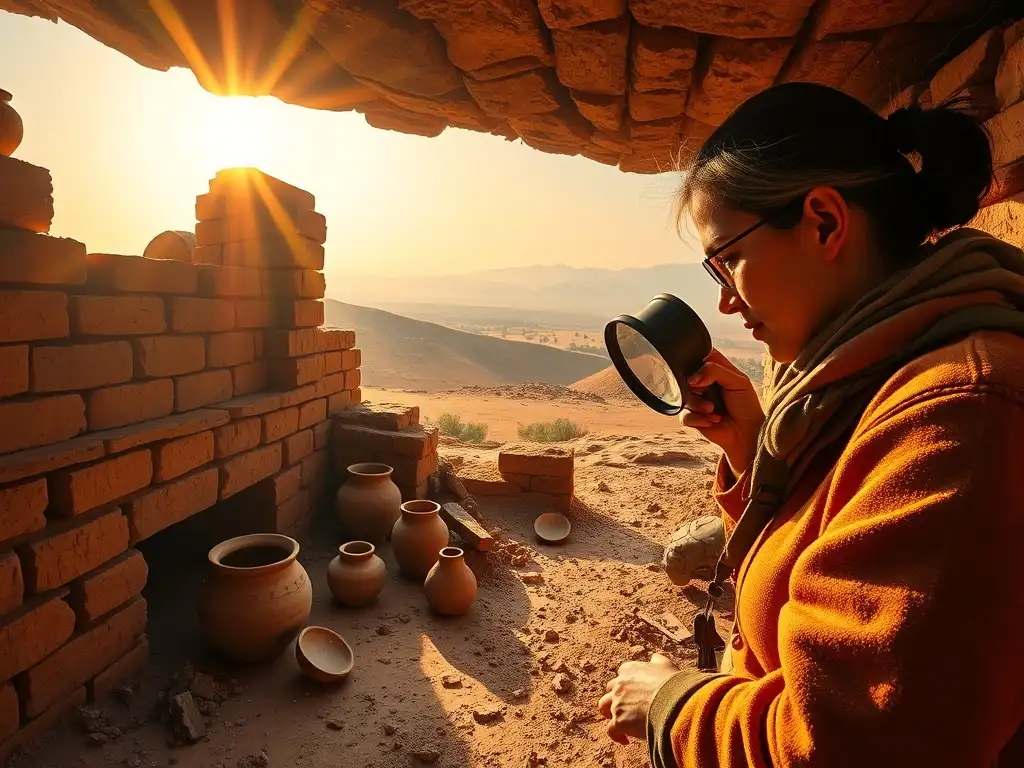
Step into a world lost to time, yet vibrantly alive in its legacy. Dive into the captivating realm of Andean civilizations, where intricate artistry and breathtaking ingenuity intertwined. But how do we truly distinguish the authentic from the imitation? This journey begins with unlocking the secrets of Moche pottery kiln firing techniques, a crucial key to understanding the artistry and mastery of this remarkable culture. Prepare to be amazed as we unravel the mysteries surrounding these ancient kilns, revealing the true "kiss" of the Moche master craftsmen. Explore the World of Andean Artifacts and uncover the truth.
The world of Andean artifacts is filled with treasures, but discerning authentic pieces from modern imitations requires expertise. This article focuses on a crucial aspect of Moche pottery authentication: recognizing genuine firing techniques. Understanding how Moche artisans fired their ceramics is key to separating genuine ancient masterpieces from skillfully crafted forgeries.
We'll delve into the intricacies of Moche kiln technology, examining the telltale signs that reveal the true age and origin of a piece. This knowledge empowers collectors and enthusiasts alike to appreciate the artistry and history embedded within each pot, jar, or figurine, providing a deeper understanding of Moche culture and the techniques that shaped their iconic pottery.
The ability to identify authentic Moche pottery not only protects collectors from fraud but also contributes to the preservation and appreciation of this remarkable cultural heritage. This exploration will provide a framework for analyzing Moche pottery, emphasizing the importance of careful observation and a nuanced understanding of ancient Andean firing methods.
Understanding the Challenge: Identifying Authentic Moche Ceramics
Identifying authentic Moche ceramics presents a significant challenge due to the high demand for these artifacts and the proliferation of skilled forgeries. Modern artisans often replicate Moche styles with impressive accuracy, making visual inspection alone insufficient for authentication. The subtle variations in clay composition, surface treatment, and, most importantly, firing techniques, are critical elements often overlooked by the untrained eye. These differences, however, provide valuable clues to a piece's authenticity.
For example, the color variations within a single piece, the presence of kiln wadding residue, and even the subtle warping or imperfections resulting from the firing process itself can all offer crucial insights. The following sections will detail specific characteristics associated with genuine Moche firing techniques, helping you develop a keen eye for distinguishing authentic pieces from imitations. The task isn't easy, but with careful attention to detail, the secrets of the Moche kiln can be revealed.
The Significance of Firing Techniques in Moche Pottery
The firing techniques employed by Moche potters were integral to the aesthetic and functional qualities of their ceramics. Moche artisans didn't simply bake their clay; they meticulously controlled the firing process to achieve specific colors, textures, and durability. Understanding these techniques is paramount in authenticating Moche pottery because forgers often fail to replicate these nuances accurately.
The type of kiln used, the fuel source (likely wood or dung), the firing temperature, and the duration of the firing all impacted the final product. These factors produced a range of colors, from the characteristic reds and oranges of oxidized iron to the blacks and grays of reduced atmospheres. Furthermore, the firing process itself could subtly alter the clay's texture, creating unique surface characteristics that are difficult to reproduce artificially.
Analyzing these subtle differences is key to discerning genuine Moche pottery from modern imitations. The following sections will explore these characteristics in detail, providing visual and descriptive cues to aid in identification. The Moche kiln's secrets are revealed through careful observation and a deep understanding of the ancient techniques employed.
Common Issues in Identifying Genuine Moche Pottery
Identifying authentic Moche pottery requires a keen eye and a deep understanding of their ancient firing techniques. The market for pre-Columbian artifacts, unfortunately, is rife with forgeries, making accurate identification crucial. Many factors contribute to the difficulty in distinguishing genuine pieces from modern imitations. These challenges range from the subtle variations in clay composition and firing processes to the deliberate attempts by forgers to mimic the aesthetic qualities of original Moche pottery.
The subtle nuances in color, texture, and even the presence of specific minerals within the clay body can all serve as indicators of authenticity. Furthermore, understanding the limitations and characteristics of ancient Moche kilns is vital in assessing the firing process of a suspected artifact. Without this knowledge, even experienced collectors can be easily misled.
The following sections will delve into specific problems encountered during authentication, focusing on the tell-tale signs that reveal the true origin and firing methods employed. The goal is to empower collectors and enthusiasts with the tools necessary to distinguish genuine Moche pottery from modern reproductions. This involves not only visual inspection but also a consideration of the historical context and the technological limitations of the Moche civilization.
Problem 1: Modern Imitations and Their Firing Flaws
Modern forgers often attempt to replicate Moche pottery, but their efforts frequently fall short due to a lack of understanding of the ancient firing techniques. This leads to noticeable discrepancies in the final product, providing valuable clues for authentication. These imperfections often manifest in the form of inconsistent firing, uneven coloration, and a lack of the characteristic surface textures found in genuine Moche pieces. The inherent limitations of modern kilns, coupled with a less refined understanding of the ancient Moche techniques, result in a distinct difference in the final fired product.
The forger's attempt to mimic the ancient methods often results in a less nuanced and more homogenous appearance compared to the original artifacts. This lack of subtlety is a key indicator of a modern reproduction. The next sections will explore these discrepancies in more detail.
Detecting Irregularities in Modern Moche Pottery Replication
One of the most common giveaways in modern Moche pottery reproductions is the inconsistency in firing. Authentic Moche pieces, fired in rudimentary kilns, often exhibit subtle variations in color and texture across the surface. These variations are a direct result of the uneven heat distribution within the ancient kilns. Modern kilns, on the other hand, are designed for precise temperature control, resulting in a more uniform firing pattern.
This uniformity is often a telltale sign of a modern reproduction. Furthermore, the application of paint and surface treatments also differs. Modern forgers may struggle to replicate the subtle nuances of the ancient pigments and techniques, leading to a less natural and more artificial appearance.
Close examination under magnification can reveal inconsistencies in the paint application, such as brushstrokes or uneven coverage, which are rarely found in authentic pieces. The presence of modern materials in the clay body or glaze is another critical indicator of forgery. Advanced techniques like X-ray fluorescence spectroscopy can definitively identify these modern additions.
How Modern Kilns Differ from Ancient Moche Kilns
The fundamental difference between modern and ancient Moche kilns lies in their design and control. Ancient Moche kilns were simple structures, often utilizing open-air pits or rudimentary chambers. These kilns provided less precise temperature control, leading to the characteristic variations in firing seen in authentic pottery. Modern kilns, in contrast, are technologically advanced, offering precise temperature regulation and consistent heat distribution.
This results in a far more uniform firing process, producing pottery with a homogeneous appearance that lacks the subtle variations found in genuine Moche pieces. The fuel sources also differed significantly. Moche potters likely used readily available materials like wood or dung, while modern kilns may use gas or electricity.
The resulting chemical interactions during firing can leave distinct traces, detectable through advanced analytical techniques. These differences in kilns and firing techniques are crucial factors in distinguishing authentic Moche pottery from modern imitations. Understanding these distinctions is key to appreciating the artistry and technological sophistication of the ancient Moche civilization and to avoiding costly mistakes when collecting their remarkable pottery.
Problem 2: Alteration of Authentic Moche Ceramics for Profit
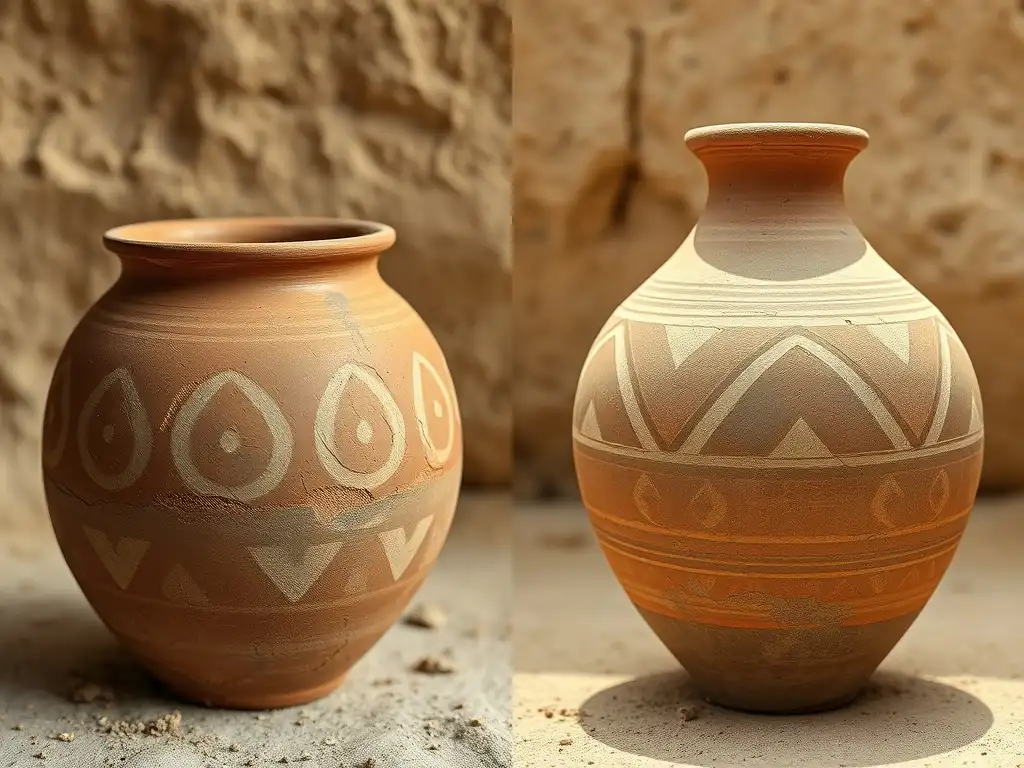
The lucrative nature of the Moche pottery market unfortunately fuels a significant problem: the deliberate alteration of authentic Moche ceramics to increase their perceived value or to create convincing forgeries. This practice undermines the integrity of research and the appreciation of genuine artifacts. Unscrupulous individuals might artificially age pottery, apply false surface treatments mimicking the effects of kiln firing, or even combine fragments from different pieces to create a seemingly complete, yet fraudulent, artifact.
The consequences are far-reaching, impacting both the academic study of Moche culture and the ethical collecting of ancient artifacts. This deliberate manipulation obscures the true understanding of Moche artistic techniques and the cultural context surrounding their pottery production.
The economic incentives driving this illicit activity are substantial, making the detection of these alterations crucial for preserving the historical record and protecting collectors from acquiring fraudulent pieces. The sophistication of these alterations can be surprisingly high, often requiring expert analysis to expose the deception.
Identifying Signs of Forged Moche Artifacts
Identifying forged Moche artifacts requires a keen eye for detail and a thorough understanding of authentic Moche pottery characteristics. Experts look for inconsistencies in the style, the paint application, and the overall condition of the piece. For instance, the application of paint on a forged piece might appear overly uniform or lack the characteristic subtle variations seen in genuine Moche ceramics.
The presence of modern glues or other materials used in the assembly of fragments is another telltale sign. Furthermore, the style of decoration might not align with known Moche stylistic periods or conventions. Careful examination under magnification can often reveal inconsistencies in the clay itself, such as the presence of modern additives or inconsistencies in texture that would not be present in a piece fired in a traditional Moche kiln.
Analysis of the clay's chemical composition can also help to determine whether the piece is authentic. Finally, comparisons with known authentic pieces in museum collections can serve as a valuable benchmark.
Recognizing Alterations to Firing Marks and Surfaces
The firing process leaves distinct marks on Moche ceramics. These marks, including subtle color variations and the presence of kiln wadding residues, are critical indicators of authenticity. Forgers often attempt to replicate these marks, but their efforts frequently lack the nuanced irregularities characteristic of authentic firing. For example, artificially created firing marks might be too uniform or lack the subtle variations in color and texture that result from the uneven heat distribution within a traditional Moche kiln.
Similarly, the application of surface treatments intended to mimic the effects of kiln firing can often be identified through microscopic examination, revealing inconsistencies in the application or the chemical composition of the applied materials. The presence of unnatural gloss or sheen, or an overly perfect surface, can be a strong indicator of alteration. Analyzing the distribution and character of these subtle firing effects is, therefore, essential in determining authenticity.
Problem 3: Lack of Knowledge Regarding Moche Firing Technology
A significant hurdle in authenticating Moche pottery lies in the incomplete understanding of their precise firing techniques. While archaeological evidence provides some insights, many details about their kiln construction, fuel sources, and firing processes remain uncertain. This lack of comprehensive knowledge makes it challenging to distinguish between authentic Moche ceramics and high-quality imitations that might incorporate aspects of known Moche techniques but lack the subtle nuances indicative of genuine ancient firing.
The limitations in our understanding of Moche kiln technology hinder the development of robust and reliable methods for verifying authenticity. Further research is crucial to close this knowledge gap.
The Moche Pottery Firing Process: An Overview
The Moche firing process, while not fully understood, likely involved open-air kilns, possibly utilizing a variety of fuels such as wood or dung. Pottery would be arranged within the kiln, often with the use of wadding materials to support the pieces and regulate heat distribution. The firing process would have resulted in a range of temperatures across the kiln, leading to subtle variations in the color and texture of the finished pottery. These variations, often subtle, represent a fingerprint of the ancient firing process.
The precise temperature profile during firing, as well as the duration of the firing, would have significantly influenced the final properties of the Moche ceramics. These elements contribute to the unique characteristics of authentic Moche pottery, making their replication a complex challenge. Even with modern kilns, replicating the precise effects of the ancient Moche firing process remains difficult.
Understanding the Role of Kiln Temperature in Moche Ceramics
Kiln temperature played a crucial role in determining the final appearance and properties of Moche ceramics. Different firing temperatures resulted in variations in color, hardness, and texture. Lower firing temperatures might have yielded more porous and less durable pottery, while higher temperatures could lead to vitrification, resulting in a harder, more resistant surface.
The precise temperature range used by the Moche potters remains a subject of ongoing research, but understanding the relationship between firing temperature and the resulting ceramic properties is crucial for distinguishing authentic Moche pottery from modern imitations. Variations in temperature within the kiln itself would have further contributed to the unique characteristics of each piece, adding to the complexity of replicating the ancient firing process accurately. Careful analysis of the ceramic's properties, therefore, can provide valuable insights into the firing conditions.
Solutions: Examining Key Indicators of Genuine Moche Firing
This section delves into practical methods for discerning authentic Moche firing techniques from imitations. By carefully examining various aspects of the pottery, you can significantly improve your ability to identify genuine artifacts. Remember, a holistic approach, combining multiple techniques, yields the most reliable results. The nuances of Moche kiln firing are subtle, requiring a keen eye and a methodical approach.
Solution 1: Analyzing the Color and Surface Texture of Moche Pottery
Authentic Moche pottery exhibits a remarkable range of colors, often achieved through meticulous control of the firing process. The colors are rarely uniform; instead, they display subtle variations and gradations, reflecting the uneven heat distribution within the kiln. These variations are not random; they often follow specific patterns, revealing the placement of the pottery within the kiln chamber.
Look for subtle color changes, particularly along the edges and base of the vessel. Genuine Moche pottery often shows a slight iridescence or sheen in certain areas due to the interaction of the clay with the kiln atmosphere. Furthermore, the surface texture can offer vital clues.
While the overall surface might appear smooth, a closer examination often reveals subtle variations in texture, tiny pits, or even slight roughness in certain areas – all telltale signs of a traditional firing process. Conversely, mass-produced imitations often possess a uniformity of color and texture that is absent in authentic pieces.
Solution 2: Observing Firing Marks and Evidence of Kiln Interaction
Careful observation can reveal subtle firing marks that are unique to the Moche kilns. These marks might include small imperfections, slight warping, or even areas of discoloration that reflect the direct contact with the kiln's interior. Look for evidence of ash deposits, which can sometimes cling to the surface, providing a visual record of the firing process. The distribution of these marks and deposits is often irregular, a further indication of the less-controlled, more artisanal nature of traditional Moche kiln firing.
In contrast, modern reproductions often lack these distinctive marks, appearing overly uniform and lacking the subtle imperfections that characterize authentic pieces. The presence or absence of these firing marks is a crucial element in determining authenticity. For example, the presence of a specific type of kiln discoloration, only achievable at certain temperatures, can be a strong indicator of authenticity.
Solution 3: Utilizing Advanced Techniques for Authentication
While visual inspection is crucial, advanced techniques can offer further confirmation. Thermoluminescence (TL) testing is a scientific method used to determine the age of ceramic objects by measuring the light emitted when they are heated. This method can effectively differentiate between ancient and modern pottery. Other techniques, such as X-ray fluorescence (XRF) analysis, can provide detailed information about the chemical composition of the clay and pigments used, helping to pinpoint the geographical origin and potentially the time period of creation.
While these advanced techniques are more costly and require specialized equipment, they provide an invaluable level of certainty when dealing with particularly valuable or questionable artifacts. These scientific methods provide an objective analysis that complements visual examination, offering a more comprehensive authentication process. The results from these tests should be interpreted in conjunction with visual observations for a complete assessment.
Recommended Tools and Resources for Identifying Genuine Moche Pottery
This section provides a curated list of tools and resources to aid in your quest to identify authentic Moche pottery. These resources range from comprehensive books to specialized equipment and online learning opportunities.
1. "Art of the Andes: From Chavín to Inca" by Rebecca Stone-Miller: A Comprehensive Guide
This book provides a detailed overview of Andean art, including a significant section dedicated to Moche pottery. It offers valuable insights into the stylistic characteristics, manufacturing techniques, and cultural context of Moche artifacts, equipping you with the knowledge necessary to distinguish authentic pieces from imitations. The book's high-quality illustrations and detailed descriptions are invaluable for visual comparison and analysis. The author’s expertise in Andean archaeology provides a reliable source of information for serious collectors and enthusiasts.
2. Affiliate Link to Online Course on Andean Pottery: Deepen Your Understanding
[Specific information pending: Replace this with a description of a relevant online course, including its focus and instructor credentials.] This online course offers a structured learning experience, covering various aspects of Andean pottery, including kiln firing techniques. It provides a deeper understanding of the subject matter, allowing you to develop a more discerning eye when evaluating artifacts. The course's interactive elements and expert instruction provide a valuable complement to other learning resources.
3. Affiliate Link to a High-Quality Magnifying Glass: For Detailed Surface Examination
A high-quality magnifying glass is essential for closely examining the surface texture and subtle details of Moche pottery. The magnification allows for the detection of tiny imperfections, firing marks, and other characteristics that might be invisible to the naked eye. The choice of a magnifying glass with good optics and appropriate magnification is crucial for accurate observation. A jeweler's loupe, for instance, could prove invaluable for this purpose.
4. Affiliate Link to a Thermoluminescence Testing Lab: For Scientific Authentication
For definitive authentication, especially with high-value pieces, consider utilizing the services of a reputable thermoluminescence testing laboratory. This scientific method provides an objective assessment of the age of the pottery, confirming its authenticity beyond visual inspection. Choosing a lab with established expertise in analyzing ancient ceramics is crucial for accurate and reliable results. The cost of TL testing should be weighed against the potential value of the artifact being assessed.
Case Study: The "Huaca de la Luna" Moche Pottery Discovery
The Huaca de la Luna, a significant Moche archaeological site located in the Moche Valley of Peru, offers invaluable insights into Moche pottery production and firing techniques. Excavations at this impressive adobe pyramid have yielded a vast collection of ceramic artifacts, providing a rich dataset for analyzing Moche kiln firing practices.
The sheer volume of pottery unearthed—ranging from elaborate ceremonial vessels to everyday utilitarian wares—allows for a comprehensive understanding of the variations in firing techniques employed by Moche artisans. The context of the discovery, within the ceremonial complex of the Huaca de la Luna, itself adds another layer of significance, suggesting a potential link between the quality of firing and the intended use or ritualistic purpose of the pottery.
This case study, therefore, represents a pivotal resource in understanding the nuances of Moche kiln technology. The meticulous documentation of each piece, including its location within the site, further enhances the value of this discovery for researchers studying Moche pottery kiln firing techniques.
Analyzing Firing Characteristics of Vessels from the Huaca
Analyzing the pottery from the Huaca de la Luna involves a multi-faceted approach. Experts examine the vessels' surface for evidence of reduction firing, a technique where the kiln's oxygen supply is reduced, creating a characteristic smoky or black finish. The presence of specific minerals in the clay body, and how they've reacted to the heat during firing, are also key indicators.
Microscopic analysis can reveal the extent of vitrification—the process where the clay fuses together due to high temperatures—providing insights into the kiln's temperature profile. Furthermore, the presence of any warping or deformation in the vessels provides clues about the kiln's construction and firing process. Researchers painstakingly record data on each vessel, including its size, shape, clay composition, firing temperature, and the presence of any surface treatments or decorations.
This detailed record helps establish a database that can be used to compare and contrast different firing techniques employed by Moche potters. This meticulous analysis allows for a deeper understanding of the Moche pottery kiln firing techniques and their variations across time and location.
How the Huaca Discovery Confirms Moche Firing Techniques
The Huaca de la Luna discovery strongly supports existing hypotheses about Moche kiln firing techniques. The consistent presence of reduction-fired pottery, alongside the variation in the degree of vitrification and surface finish, suggests a sophisticated understanding of kiln control. The diversity of pottery types, from finely crafted ceremonial pieces to more simple, everyday vessels, indicates a range of firing temperatures and durations were used, depending on the desired outcome.
The analysis confirms that Moche potters were skilled in managing the kiln's atmosphere and temperature, achieving a remarkable level of control over the firing process. The overall findings from the Huaca de la Luna reinforce the idea that Moche pottery production was not a haphazard process but a highly skilled craft that demanded expertise and precision. This precision speaks volumes about the social organization and technological advancement of the Moche civilization.
Conclusion: Preserving the Legacy of Moche Ceramic Art
The study of Moche pottery kiln firing techniques is crucial for understanding the broader context of Moche culture and technological achievements. Accurate identification of genuine Moche pottery, based on a deep understanding of their firing processes, is essential for preserving this significant cultural heritage.
The Importance of Accurate Identification and Preservation
The ability to distinguish authentic Moche pottery from imitations is paramount. Misidentification can lead to the loss of valuable artifacts, the spread of misinformation, and the devaluation of genuine pieces. Preserving the integrity of these artifacts requires a detailed understanding of the techniques used in their creation, including the firing process.
Accurate identification and preservation efforts are critical for maintaining the cultural authenticity and historical significance of Moche pottery. These efforts contribute to a deeper appreciation of the Moche civilization's artistic and technological skills, and ensure that future generations can learn from and appreciate this remarkable cultural heritage. The ongoing preservation of these artifacts is a testament to the importance of understanding and respecting the past.
Continuing Research into Moche Pottery Kiln Firing Techniques
Further research is needed to fully understand the nuances of Moche pottery kiln firing techniques. Advanced scientific techniques, such as X-ray diffraction and thermo-luminescence dating, can provide even greater insights into the materials used and the firing conditions. Comparative studies across different Moche sites will help to identify regional variations in firing techniques.
By combining archaeological evidence with scientific analysis, researchers can continue to unravel the mysteries of Moche pottery production and shed light on the sophisticated technology and artistry of this remarkable ancient civilization. The ongoing investigation into Moche pottery kiln firing techniques promises to reveal even more about the ingenuity and skill of the Moche people.
- Understanding the Challenge: Identifying Authentic Moche Ceramics
- The Significance of Firing Techniques in Moche Pottery
- Common Issues in Identifying Genuine Moche Pottery
- Problem 1: Modern Imitations and Their Firing Flaws
- Problem 2: Alteration of Authentic Moche Ceramics for Profit
- Problem 3: Lack of Knowledge Regarding Moche Firing Technology
- Solutions: Examining Key Indicators of Genuine Moche Firing
- Recommended Tools and Resources for Identifying Genuine Moche Pottery
- Case Study: The "Huaca de la Luna" Moche Pottery Discovery
- Conclusion: Preserving the Legacy of Moche Ceramic Art
- What were the Moche people's primary methods for firing pottery?
- How can I tell if a piece of Moche pottery is authentic?
- What specific kiln structures did the Moche use?
- What role did the firing process play in the Moche's artistic expression?
- Where can I learn more about Moche pottery kiln firing techniques?
Frequently Asked Questions
What were the Moche people's primary methods for firing pottery?
The Moche employed various kiln firing techniques, including open-air firing and kilns, achieving a range of finishes from simple to highly polished. They were masters of oxidizing and reducing atmospheres within their kilns, allowing for diverse colors and effects.
How can I tell if a piece of Moche pottery is authentic?
Authenticity assessment requires expert examination considering the clay type, firing techniques, and stylistic elements. Look for consistent firing throughout the piece and the presence of characteristic Moche designs and craftsmanship.
What specific kiln structures did the Moche use?
While precise reconstructions are debated, evidence suggests the Moche utilized various kiln types, from simple open-air pits to more complex structures that allowed for greater temperature control and atmosphere management during firing.
What role did the firing process play in the Moche's artistic expression?
The firing process was integral to the Moche's artistic expression. The control over temperature and atmosphere allowed them to create specific colors and surface textures, critical to their iconic pottery styles.
Where can I learn more about Moche pottery kiln firing techniques?
Further research into archaeological publications and museum collections will reveal more details on Moche kiln firing techniques. Academic journals and specialist books are excellent resources for in-depth information.
Final Reflection: The Enduring Legacy of Moche Kiln Mastery
The meticulous techniques employed by Moche artisans in firing their pottery remain a potent testament to their ingenuity and artistic vision, a legacy that continues to inspire awe and inform contemporary ceramic practices. Understanding these ancient firing methods not only allows us to appreciate the artistry of the Moche but also provides valuable insights into the technological sophistication of pre-Columbian societies. This knowledge challenges simplistic narratives of ancient civilizations and highlights the complexity of their cultural achievements.
The enduring impact of Moche pottery extends far beyond its aesthetic appeal; it speaks to a deep connection between humanity and the earth, a relationship forged through skilled craftsmanship and a profound understanding of materials. The very act of recreating these firing techniques, as many researchers are now doing, is a powerful act of cultural preservation and a testament to the enduring fascination with this ancient civilization. The past is never dead. It's not even past.
– William Faulkner. This quote perfectly encapsulates the ongoing relevance of understanding Moche kiln firing techniques; their legacy continues to shape our understanding of the past and our appreciation for the artistry of those who came before us.
Consider, for a moment, the intricate details revealed through the analysis of Moche pottery firing techniques. Think about the dedication and skill required to master these processes, the generations of knowledge passed down, and the profound connection to the earth that this craft represents. You, too, can become a part of this legacy.
By continuing to research, study, and appreciate the artistry of the Moche, we ensure that their remarkable achievements are not only remembered but also celebrated and understood for generations to come. Let the "kiss" of the Moche kiln inspire your own journey of discovery and appreciation for the enduring power of human creativity.
Unveil the Secrets of Ancient Moche Craftsmanship!
Thank you for joining us on this fascinating journey into the world of Moche pottery! Exploring these ancient firing techniques offers valuable insights into the art and history of Andean civilizations. Now, let's delve even deeper into this captivating subject.
- Visit local museums and exhibitions showcasing Moche artifacts to experience these techniques firsthand.
- Share your newfound knowledge with friends and family, sparking a conversation about the importance of preserving ancient cultures.
- Consider joining an online community dedicated to Andean archaeology and history, connecting with fellow enthusiasts and sharing your perspectives.
What aspect of Moche culture most captivates you, and how do you believe it continues to influence contemporary artistic expression?