
Coca and the Gods: Ritualistic Significance of the Sacred Leaf


Step into a world lost to time, yet echoing with vibrant life. Discover the secrets held within the heart of the Andes, where majestic civilizations flourished and left behind a legacy of breathtaking artistry and ingenuity. But what truly fueled their spiritual world? Unravel the mysterious significance of the Andean coca leaf and its profound role in ancient rituals – a journey into the sacred heart of Andean culture awaits in our exploration of "Coca and the Gods: Ritualistic Significance of the Sacred Leaf." Dare to delve deeper?
-
Andean Coca Leaf Ritual Significance: A Journey Through Ancient Beliefs
- The Sacred Coca Leaf in Andean Cosmovision
- Coca's Role in Ancient Andean Ceremonies
- Coca and the Inca Empire: Ritual Use and Social Implications
- The Divine Connection: Coca as a Link to the Gods
- Coca Consumption and Spiritual Experiences
- The Shamanic Use of Coca: Healing and Transcendence
- Beyond the Inca: Coca Traditions in Other Andean Cultures
- The Modern Legacy of Coca's Ritual Significance
- Understanding the Cultural Importance of Coca
- Respecting the Sacred: A Conclusion on Coca's Role
- Frequently Asked Questions
- Final Reflection: The Enduring Spirit of Coca
- Embrace the Sacred: Transform Your Perspective on Coca!
Andean Coca Leaf Ritual Significance: A Journey Through Ancient Beliefs
The Andean region, home to a breathtaking tapestry of civilizations, boasts a history deeply intertwined with the coca leaf ( Erythroxylum coca). Far from being merely a stimulant, coca held—and in many communities continues to hold— profound spiritual and ritualistic significance for cultures like the Inca, Moche, Nazca, and Tiahuanaco. This article delves into the multifaceted role of the coca leaf in ancient Andean societies, exploring its place within their cosmovision and its crucial function in religious ceremonies.
We'll uncover the intricate relationship between the sacred leaf and the gods, examining its use in offerings, divination, and other ritual practices that shaped Andean life for millennia. Understanding this connection provides crucial insight into the beliefs, values, and social structures of these remarkable civilizations, enriching our comprehension of their rich cultural heritage.
This exploration will reveal how the seemingly simple coca leaf served as a powerful conduit between the human and spiritual realms, playing a pivotal role in the daily lives and spiritual journeys of the Andean peoples. Prepare to embark on a fascinating journey through time, uncovering the secrets of the coca leaf and its enduring legacy.
The Sacred Coca Leaf in Andean Cosmovision
The coca leaf wasn't simply a plant; it was a sacred entity deeply embedded within the Andean cosmovision. For these ancient cultures, the world was a vibrant, interconnected web, where the physical and spiritual realms were not separate but interwoven. The coca leaf, with its invigorating properties and perceived connection to the divine, served as a tangible link between these two worlds.
Ancient Andean texts and archaeological evidence suggest that the coca leaf was believed to possess magical properties, capable of facilitating communication with the spirit world and influencing the forces of nature. Its use was not arbitrary; rather, it was a carefully considered act imbued with profound spiritual meaning. The act of chewing coca was not just a physical act but a ritualistic one, a way of connecting with the divine and accessing supernatural powers.
This connection is evident in the numerous depictions of coca leaves found in ancient Andean art, often associated with deities and sacred symbols. Furthermore, coca leaves were frequently included in offerings to the gods, demonstrating their crucial role in maintaining balance and harmony within the cosmos. The very act of offering coca was a way of showing respect, gratitude, and seeking divine favor.
Coca's Role in Ancient Andean Ceremonies
Coca played a central role in a wide array of ancient Andean ceremonies. Its use was not limited to a single ritual; instead, it permeated various aspects of religious life. For instance, coca leaves were used in divination rituals, where their placement and patterns were interpreted to predict the future or seek guidance from the spirits. Shamans, or paqos, often employed coca leaves in their healing practices, believing that the plant could aid in diagnosis and treatment.
Moreover, coca was an integral component of offerings made to the gods and ancestors. These offerings, often elaborate and meticulously prepared, were intended to appease the deities, ensure bountiful harvests, and maintain the cosmic order. The quantity and arrangement of the coca leaves within these offerings held symbolic meaning, reflecting the significance of the event and the intentions of the person making the offering.
Archaeological excavations have unearthed numerous examples of coca leaves found alongside other ritual objects in burial sites and sacred spaces, further highlighting their importance in ancient Andean religious practices. The precise details of many ceremonies remain partially unknown, lost to time, but the ubiquitous presence of coca leaves in archaeological finds undeniably points to their central role in the spiritual life of these ancient civilizations. The enduring presence of coca leaf rituals in some contemporary Andean communities serves as a testament to its lasting significance.
The Inca Empire, at the height of its power, integrated the coca leaf deeply into its social fabric and religious practices. Coca wasn't merely a stimulant; it held profound symbolic meaning, representing connection to the divine and the maintenance of cosmic balance. Its use was not ubiquitous, however. Access to coca was strictly controlled, reflecting the leaf's sacred status and the Inca's sophisticated system of social stratification.
The elite, including the Sapa Inca himself, enjoyed privileged access to superior quality coca, while commoners received lesser quantities, often as a form of payment or reward for their labor. This controlled distribution reinforced the Inca's power and ensured that the sacred leaf remained a symbol of their authority. Furthermore, the cultivation and processing of coca were carefully regulated, with specific areas designated for its growth and specialized personnel overseeing its preparation.
This meticulous management ensured a consistent supply for ritualistic purposes and highlighted the plant's crucial role in Inca society. The Inca's meticulous organization around coca cultivation and distribution demonstrates a deep understanding of its economic and social importance, far beyond its simple use as a stimulant. The strategic control of coca served as a powerful tool for social control and the maintenance of the empire's hierarchical structure.
The Divine Connection: Coca as a Link to the Gods
The Andean worldview saw the coca leaf as a sacred gift from the gods, a conduit for communication with the supernatural realm. This belief permeated all aspects of Inca life, from daily routines to grand ceremonial occasions. The coca leaf wasn't merely a plant; it was a living entity, imbued with spiritual power.
Inca mythology often associated coca with deities like Viracocha, the creator god, and Inti, the sun god, further solidifying its sacred status. The act of chewing coca was seen as a ritualistic act, a way of establishing a connection with these powerful beings. By offering coca to the gods, the Incas sought their favor, protection, and guidance.
This deep spiritual connection extended beyond the Inca; many other Andean cultures shared similar beliefs, reinforcing the plant's ubiquitous significance in the region's spiritual landscape. The enduring legacy of this belief system is evident in the continued use of coca in Andean religious practices even today, demonstrating the enduring power of this ancient tradition. The sacredness of coca wasn't simply a matter of belief; it was woven into the very fabric of their cosmology and social structure.
Coca's Use in Divination Practices
The coca leaf played a vital role in Inca divination practices. Shamans and priests utilized coca leaves to communicate with the spirit world, seeking guidance on various matters, from predicting the future to diagnosing illnesses. The process often involved carefully arranging the leaves and interpreting their patterns, a practice that required years of training and expertise. The way the leaves fell, their arrangement, and even their color could provide insights into the questions posed.
This divinatory use of coca highlights the plant's ability to act as a bridge between the human and spiritual realms. The precise methods employed varied among different Andean groups, but the core principle – using coca to gain access to divine knowledge – remained consistent across cultures. [Specific examples of divination techniques and interpretations pending]. These practices underscore the sophisticated understanding of the coca leaf's symbolic and ritualistic potential within Andean spiritual traditions.
Coca in Offerings and Sacred Rites
Coca leaves were integral to a wide range of Inca offerings and sacred rites. They were offered to the gods as a sign of respect, gratitude, and a request for their favor. These offerings were not mere gestures; they were seen as essential for maintaining the cosmic balance and ensuring the prosperity of the community. Coca was often included in bundles or packages alongside other sacred objects, such as llama fetuses or precious metals.
These offerings were left in sacred places, such as mountaintops or caves, or presented during important ceremonies. The quantity and quality of coca offered often reflected the importance of the event or the status of the person making the offering. The use of coca in these rituals reinforced its significance as a mediator between the human and divine realms.
[Specific examples of ceremonies and offerings involving coca pending]. The continued presence of coca in modern-day Andean rituals is a testament to its enduring importance in their religious and cultural traditions. The practice of offering coca continues to this day, demonstrating the enduring power of these ancient beliefs and practices.
Coca Consumption and Spiritual Experiences
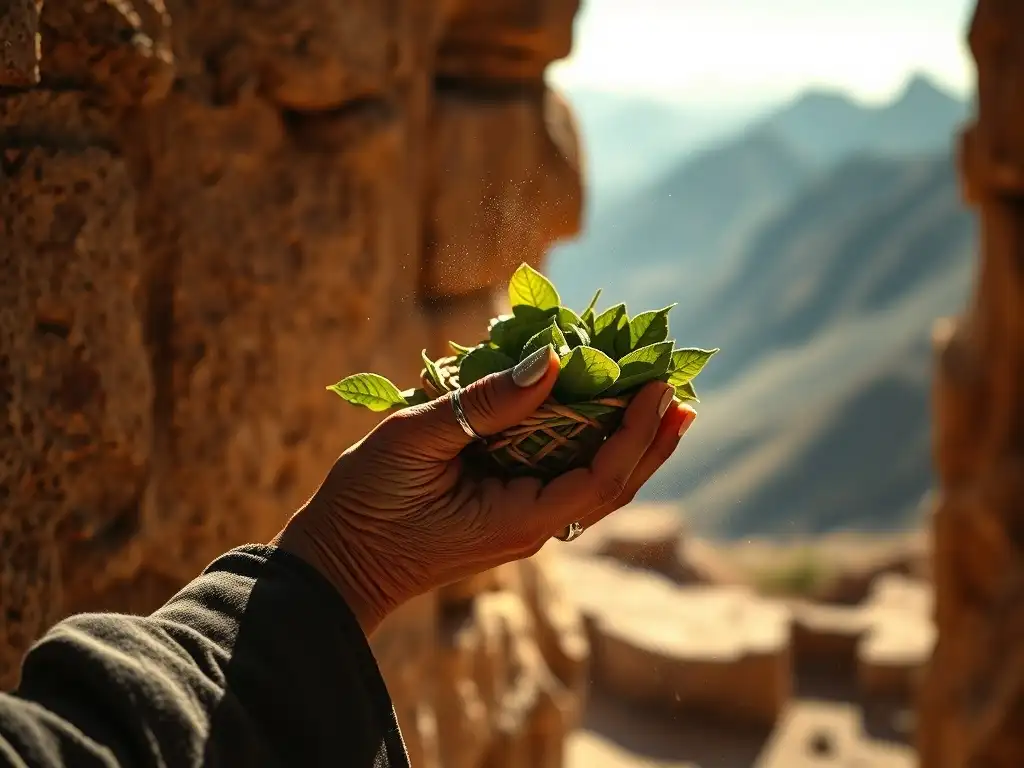
The consumption of coca leaves in Andean cultures wasn't simply a matter of chewing for energy; it was deeply intertwined with spiritual experiences. The leaves were believed to facilitate communication with the gods and the spirit world, acting as a bridge between the physical and spiritual realms. Shamans, or paqos, often guided these experiences, using coca to induce altered states of consciousness that allowed for divination, healing, and accessing knowledge beyond the ordinary.
The subtle effects of the coca leaf, including mild stimulation and euphoria, were considered sacred gifts, enhancing the intensity of ritual practices and promoting a sense of connection with the divine. This wasn't a casual act; it was a deliberate engagement with the supernatural, a way to tap into a deeper understanding of the cosmos and one's place within it.
The subtle nuances of the experience – the tingling sensation, the heightened awareness – were all part of the ritual's significance, offering a pathway to spiritual insight and communion. The act of sharing coca leaves during ceremonies further cemented the social and spiritual bonds within the community.
The Shamanic Use of Coca: Healing and Transcendence
Shamans played a pivotal role in Andean societies, acting as intermediaries between the human and spiritual worlds. Their use of coca was central to their healing practices. Coca leaves weren't just a tool for divination; they were believed to possess inherent medicinal properties, aiding in the diagnosis and treatment of illnesses.
Shamans would chew coca, often alongside other plants and substances, during healing rituals to enhance their intuition and connect with the spirits that caused or could cure ailments. Through this practice, they could diagnose the root cause of an illness, whether attributed to supernatural forces or physical imbalances. The coca leaf facilitated a state of heightened awareness, allowing the shaman to perceive subtle energetic shifts within the patient and the environment, guiding their healing interventions.
The process of healing was deeply spiritual, integrating physical and spiritual elements, with coca serving as a key facilitator of this transcendent experience. The shaman's expertise in preparing and administering coca, combined with their spiritual knowledge, ensured the successful outcome of the healing ritual.
Beyond the Inca: Coca Traditions in Other Andean Cultures
While the Inca Empire significantly shaped the Andean world, coca traditions existed long before their rise and continued to evolve beyond their fall. The use of coca was far from monolithic, exhibiting considerable diversity across different Andean cultures and regions. Understanding the full scope of coca's ritual significance necessitates acknowledging these regional variations and pre-Inca practices.
The sacred leaf played a critical role in the spiritual and social lives of numerous Andean societies, each imbuing it with unique meanings and applications. Comparing and contrasting these traditions reveals the rich tapestry of Andean spirituality and the enduring importance of coca throughout history. The widespread presence of coca across different Andean groups points to its deep-rooted significance as a sacred plant, transcending specific cultural boundaries.
Pre-Inca Coca Rituals
Archaeological evidence suggests that coca leaf use predates the Inca by centuries, possibly millennia. Discoveries in various pre-Inca sites, such as those belonging to the Moche and Nazca cultures, reveal evidence of coca use in ceremonial contexts. These findings provide insights into the ritual practices surrounding coca before the Inca's influence, demonstrating its profound significance across different Andean societies. While specific details of these rituals remain elusive, the presence of coca in burial sites and other ceremonial contexts indicates its importance in pre-Inca religious beliefs and practices. Further research is needed to fully understand the nuances of these early coca traditions, but the available evidence strongly suggests a long and rich history of coca use in the Andes, predating the Inca Empire by a considerable margin. Further investigation into pre-Inca sites and artifacts holds the key to unlocking a more complete understanding of the earliest forms of Andean coca rituals.
Regional Variations in Coca Use
The use of coca was not uniform throughout the Andes. Different Andean cultures developed unique rituals and customs associated with the sacred leaf, reflecting the diverse beliefs and practices of each society. For example, the way coca leaves were prepared, the specific rituals in which they were used, and the accompanying offerings varied significantly across regions. These differences highlight the adaptability and multifaceted nature of coca within the Andean context, demonstrating its integration into diverse cultural frameworks.
Further research is required to fully document the range of regional variations in coca use, but existing studies reveal a complex tapestry of traditions and beliefs surrounding this important plant. Understanding these regional variations is essential to appreciating the full extent of coca's spiritual and social significance in the ancient Andean world. Detailed ethnographic studies and archaeological findings are crucial for unraveling the rich diversity of coca traditions across the Andean region.
The Modern Legacy of Coca's Ritual Significance

The ritualistic use of the coca leaf, deeply ingrained in Andean culture for millennia, persists to this day, albeit often subtly integrated into contemporary life. While the overt, large-scale public ceremonies of the past may be less common, the leaf's spiritual and social importance remains undeniable. The coca leaf continues to act as a bridge between the living and the ancestral world, a facilitator of communication with the spirits, and a symbol of respect and reciprocity with the Andean landscape.
Its use is not merely a habit; it's a deeply woven thread in the fabric of Andean identity and spirituality. The significance isn't solely religious; it encompasses social interactions, community building, and even everyday life.
The subtle chewing of coca leaves during a social gathering, for instance, can be as meaningful as a formal ritual, demonstrating respect and camaraderie. The enduring presence of coca in modern Andean culture underscores its profound and lasting impact.
Contemporary Andean Coca Practices
Contemporary Andean coca practices are diverse, reflecting the varied cultural landscapes across the Andes. Some communities maintain highly structured rituals involving specific preparations and offerings, while others incorporate coca chewing into everyday life in more informal ways. The act of acullico, the traditional method of chewing coca leaves with an alkaline substance like lime to enhance the effects, remains a common practice.
This isn't simply about the stimulating effects of the coca alkaloids; it's about engaging in a time-honored tradition, fostering social bonds, and connecting with the spiritual world. Offerings of coca leaves to apus (mountain spirits) or pachamama (Mother Earth) continue, albeit often in more private settings than in the past. The use of coca in healing ceremonies and traditional medicine also persists, reflecting a deep understanding of the plant's properties.
Detailed ethnographic studies are needed to fully document the rich diversity of contemporary coca practices across different Andean communities. However, the common thread remains the deep-seated cultural and spiritual significance of the leaf.
The Enduring Connection to Ancestral Traditions
The modern use of coca is inextricably linked to ancestral traditions. Many contemporary practices are direct descendants of ancient rituals and beliefs. The symbolic language surrounding coca, the specific gestures and offerings, and the spiritual contexts all echo ancient practices, demonstrating a remarkable continuity across centuries. Even the simple act of sharing coca leaves mirrors ancient customs of reciprocity and community building.
This continuity is not merely a matter of tradition; it’s a vital element of cultural identity, providing a sense of connection to the past and a sense of belonging within the community. The enduring connection to ancestral traditions ensures the survival of a vital aspect of Andean cultural heritage and provides a sense of continuity and identity for modern Andean peoples. The preservation and understanding of these traditions are crucial for appreciating the full significance of the coca leaf in Andean culture.
Understanding the Cultural Importance of Coca
Understanding the cultural importance of coca requires moving beyond a simplistic view of it as merely a stimulant. Coca holds a multifaceted significance, encompassing spiritual, social, economic, and medicinal dimensions. Its spiritual role is paramount, acting as a conduit to the spiritual world, a mediator between the living and the ancestors, and a symbol of respect for the sacred energies of the Andean landscape. Socially, coca facilitates community bonding, sharing, and reciprocity.
Economically, coca has played, and continues to play, a significant role in the livelihoods of many Andean communities. Medicinally, its traditional uses are deeply entwined with Andean healing practices. To truly grasp the cultural importance of coca, one must consider these interconnected aspects, acknowledging the leaf's profound influence on all facets of Andean life.
Failing to do so risks reducing a complex cultural symbol to a simplified, and ultimately inaccurate, representation. Further research is needed to fully explore the nuanced and evolving significance of coca in different Andean communities. The coca leaf is more than just a plant; it is a keystone of Andean culture, history, and identity.
Respecting the Sacred: A Conclusion on Coca's Role
The Andean coca leaf, far from being merely a stimulant, held—and in many communities, continues to hold—a profoundly spiritual significance. Its ritualistic use wasn't simply about accessing its energizing properties; it was about connecting with the divine, honoring ancestors, and maintaining a harmonious relationship with the cosmos.
The careful preparation, the specific offerings, and the prescribed ceremonies all underscore the deep reverence afforded to this sacred plant. The coca leaf wasn't just consumed; it was a conduit to the spiritual realm, a facilitator of communication with the unseen world, and a vital component of a complex system of beliefs that shaped Andean life for millennia.
Understanding the ritualistic significance of coca requires moving beyond a simplistic view of its pharmacological effects. It necessitates acknowledging the intricate web of Andean cosmology, the deep-seated respect for nature, and the profound connection between the living and the spiritual worlds. The coca leaf, in this context, becomes a powerful symbol, representing not only vitality and energy but also the enduring spiritual traditions of the Andes.
Its continued use in many contemporary Andean communities serves as a testament to the enduring power of these ancient beliefs and practices. The legacy of coca's ritual significance is a rich and complex tapestry woven from threads of spirituality, community, and a profound respect for the natural world. Its story is a vital part of understanding the broader Andean cultural landscape and its enduring connection to the sacred.
Further research into specific regional variations in coca rituals could reveal even more nuanced understandings of its role in different Andean societies. For example, a comparative study of coca use in Inca versus pre-Inca cultures could reveal significant differences in ritual practices and beliefs surrounding the plant. This deeper understanding is crucial for preserving and appreciating the cultural heritage of the Andes.
Frequently Asked Questions
What is the significance of the coca leaf in Andean cultures?
The coca leaf held immense ritualistic significance in Andean cultures. It was considered a sacred plant connected to the gods and used in ceremonies and offerings. Its use was deeply intertwined with daily life and spiritual practices.
How was coca used in Andean religious ceremonies?
Coca leaves were offered to deities as part of prayers and sacrifices. Shamans used coca to enter altered states of consciousness during divination and healing rituals. The leaf's consumption facilitated communication with the spiritual world.
Did all Andean cultures use coca in the same way?
While coca use was widespread, specific practices varied between cultures. The Inca utilized coca extensively, but the Moche, Nazca, and Tiahuanaco civilizations also had their unique rituals and traditions involving the sacred leaf.
Coca use transcended social classes, though its distribution and access might have varied. It played a crucial role in social interactions, reinforcing community bonds and facilitating trade and reciprocity.
How did the Spanish conquest affect the ritual use of coca?
The Spanish conquest significantly impacted coca use, initially attempting to suppress its ritualistic significance. However, despite attempts at eradication, coca use persisted, albeit often within a context altered by colonial influence.
Final Reflection: The Enduring Spirit of Coca
The ritualistic use of the coca leaf in Andean cultures remains a potent symbol of connection, not only to the spiritual realm but also to a vibrant cultural heritage that continues to thrive in the face of modernization. Its significance transcends mere historical interest; it's a living tradition, a testament to the enduring power of ancient practices in a rapidly changing world.
The coca leaf's journey through time, from sacred offering to stigmatized substance, highlights the complexities of cultural exchange and the persistent struggle to understand practices outside our own immediate experience. Its enduring presence in Andean life underscores the importance of respecting diverse cultural expressions. The coca leaf is not merely a plant; it is a living being, a sacred gift from the gods, a source of strength and wisdom.
This sentiment, echoing through generations, speaks to the profound spiritual and social role the coca leaf continues to play.
Consider, for a moment, the enduring power of ritual and tradition. How can we, in our own lives, cultivate a deeper appreciation for the practices and beliefs that shape our communities? Let the enduring legacy of the coca leaf inspire you to explore the rich tapestry of human experience, to challenge preconceived notions, and to embrace the diversity of cultural expressions that enrich our world. The story of coca is not just a historical account; it's a call to understanding, respect, and a deeper appreciation for the enduring power of tradition.
Embrace the Sacred: Transform Your Perspective on Coca!
Thank you for exploring the fascinating world of coca and its ritualistic significance within Andean cultures! You've already begun to understand its profound cultural importance. Now, let's build on this understanding with some practical steps you can take.
- **Share your knowledge! ** Discuss what you've learned with friends, family, or online—help spread awareness of coca's rich cultural history in Andean societies.
- **Explore traditional recipes and ceremonies** that use coca. Consider trying a traditional coca tea or learning about the significance of coca leaf offerings to further appreciate its deep-rooted heritage.
- **Connect with others interested in Andean cultures. ** Join a local group or online community to share experiences and deepen your understanding and appreciation.
What aspect of coca's use in Andean rituals and traditions resonates most with you, and how will you integrate that into your life?