
Oca, Mashua, and Ulluco: Exploring the Trio of Forgotten Andean Tubers

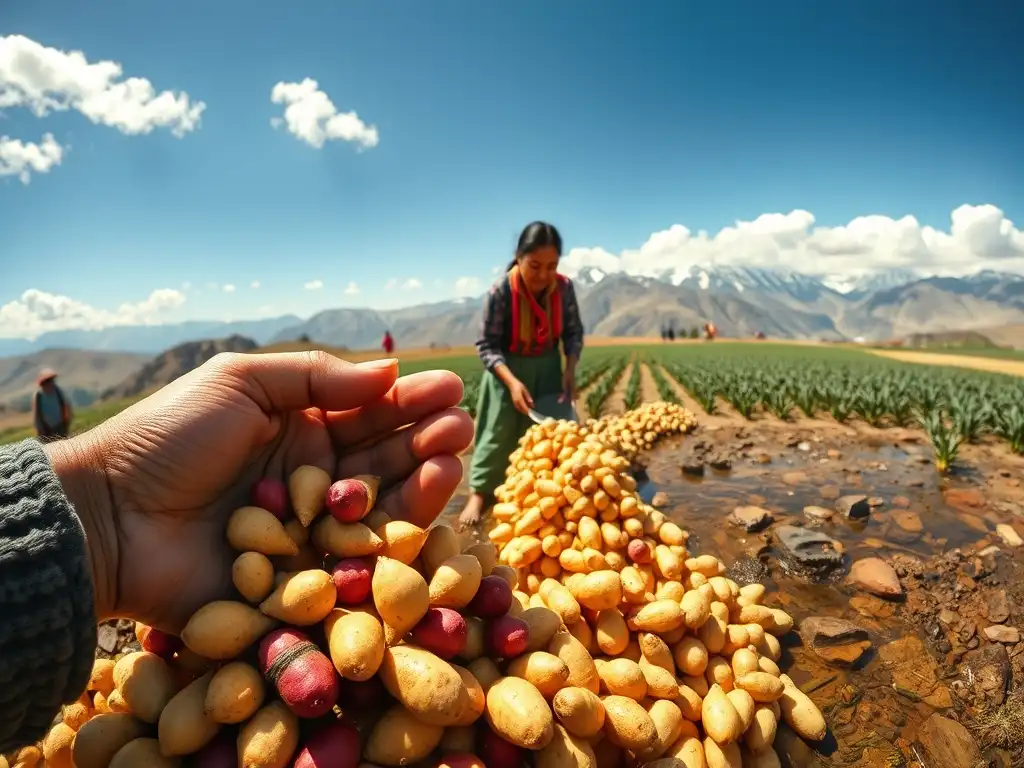
Step into a world lost to time, yet echoing with the whispers of a vibrant past. Imagine a civilization that thrived amidst the towering Andes, mastering agriculture in ways we are only beginning to understand. This is the realm of the Andean civilizations, and here, we delve into the fascinating story of their ingenuity, exploring their remarkable achievements – from intricate artistry to breathtaking architectural feats.
But what secrets do the seemingly humble Andean tubers hold? Discover the historical significance of the oca, mashua, and ulluco, and unlock the mysteries of these forgotten crops that shaped entire empires. Prepare to be amazed.
The Andes Mountains, a spine of towering peaks running down the western coast of South America, are not only a breathtaking geological marvel but also a cradle of agricultural innovation. For millennia, Andean civilizations cultivated a diverse array of crops, adapting ingenious techniques to thrive in challenging high-altitude environments. While potatoes have gained global recognition as a staple Andean crop, a trio of lesser-known tubers—oca, mashua, and ulluco—hold a significant, often overlooked, place in the region's agricultural history and cultural heritage.
This article delves into the historical significance of these "forgotten" tubers, exploring their cultivation, uses, and enduring importance in understanding the ingenuity and resilience of Andean agriculture. We will uncover how these crops shaped Andean diets, economies, and even spiritual beliefs, contributing significantly to the rich tapestry of Andean civilization.
Understanding their historical significance illuminates not only the past but also offers valuable insights for sustainable agriculture in the face of modern challenges. The keyword "Andean tubers historical significance" will be explored throughout this detailed examination.
The Cultivation and Domestication of Oca, Mashua, and Ulluco
The cultivation of oca ( Oxalis tuberosa), mashua ( Tropaeolum tuberosum), and ulluco ( Ullucus tuberosus) predates the Inca Empire, with evidence suggesting their domestication thousands of years ago. These tubers adapted remarkably well to the diverse Andean climates, thriving at altitudes ranging from 2,800 to 4,000 meters above sea level. Andean farmers developed intricate techniques, including terracing, irrigation, and crop rotation, to optimize their growth. The precise timeline of their domestication remains a subject of ongoing research, but archaeological findings consistently point to a long and complex history intertwined with the development of other Andean crops.
[Specific dates and archaeological site information pending]. This sophisticated agricultural knowledge allowed for a diverse and resilient food system, ensuring food security even in challenging environmental conditions. The ingenuity of these ancient farming practices is a testament to the deep understanding of their environment possessed by Andean communities.
Nutritional Value and Culinary Uses of the Andean Tuber Trio
Oca, mashua, and ulluco offer a unique combination of nutritional benefits. They are rich sources of carbohydrates, providing essential energy for Andean populations. Furthermore, they contain vitamins and minerals vital for human health, including vitamin C and various antioxidants. [Specific nutritional data pending].
However, their culinary applications extend beyond simple nutritional value. These tubers were, and continue to be, prepared in a variety of ways, from boiling and roasting to being incorporated into stews and other dishes. Their flavors vary considerably, with oca often described as having a slightly tart or sour taste, mashua possessing a slightly peppery or pungent note, and ulluco offering a more subtly sweet and nutty flavor. The versatility of these tubers allowed for a diverse and flavorful diet, reflecting the rich culinary traditions of the Andes.
The Socioeconomic and Cultural Significance of Oca, Mashua, and Ulluco
Beyond their nutritional value, oca, mashua, and ulluco played a crucial role in the socioeconomic and cultural fabric of Andean societies. These crops were not merely food sources; they were integral to trade networks, religious ceremonies, and social interactions. [Specific examples of their role in trade and ceremonies pending]. Their cultivation and distribution helped shape social structures and power dynamics within Andean communities.
The importance of these tubers in Andean culture is further emphasized by their presence in folklore, art, and traditional practices. For example, [insert example of their presence in Andean folklore or art if available, otherwise indicate data needed]. Their enduring legacy demonstrates their deep integration into the cultural identity of the Andean region.
The Challenges and Revival of Andean Tuber Cultivation
Despite their historical significance, the cultivation of oca, mashua, and ulluco has faced challenges in recent decades. The introduction of more widely recognized crops, coupled with changing agricultural practices, led to a decline in their production in some areas. However, there's a growing movement to revive the cultivation and consumption of these nutritious and culturally significant tubers. This revival is driven by factors such as increasing awareness of their nutritional value, efforts to promote biodiversity, and a renewed interest in traditional Andean farming practices.
[Data on current production levels and revival efforts pending]. The future of these "forgotten" tubers depends on continued research, support for local farmers, and a greater appreciation for their historical and cultural significance. Their story highlights the importance of preserving agricultural biodiversity and respecting the rich heritage of Andean civilizations.
- The Cultivation and Domestication of Oca, Mashua, and Ulluco
- Nutritional Value and Culinary Uses of the Andean Tuber Trio
- The Socioeconomic and Cultural Significance of Oca, Mashua, and Ulluco
- The Challenges and Revival of Andean Tuber Cultivation
- What is the historical significance of Andean tubers like oca, mashua, and ulluco?
- How did these tubers contribute to the survival of Andean civilizations?
- Were oca, mashua, and ulluco cultivated by only one Andean civilization?
- Are oca, mashua, and ulluco still cultivated today?
- What makes these Andean tubers unique compared to other crops?
The Historical Significance of Andean Tubers: An Introduction
The Andean region boasts a rich agricultural heritage, deeply intertwined with its vibrant civilizations. For millennia, Andean tubers have played a crucial role, not only as a staple food source but also as integral components of social structures, religious practices, and economic systems. Understanding the historical significance of these crops provides invaluable insight into the ingenuity and resilience of Andean cultures.
The enduring legacy of these tubers—including their cultivation techniques, nutritional value, and symbolic importance—continues to fascinate researchers and inspire new appreciation for the ingenuity of past civilizations. This section will delve into the historical importance of Andean tubers, focusing specifically on the often-overlooked trio of oca, mashua, and ulluco, exploring their cultivation, dietary role, and cultural impact. The term "Andean tubers historical significance" encapsulates the core subject, emphasizing their lasting importance in the region's history.
Ancient Andean Agriculture and the Importance of Root Crops
Ancient Andean agriculture was remarkably sophisticated, adapting to the diverse and challenging terrains of the Andes Mountains. The cultivation of root crops, including potatoes, sweet potatoes, and the lesser-known oca, mashua, and ulluco, was central to the survival and prosperity of these societies. Archaeological evidence suggests that root crops were cultivated in the Andes as early as 8,000 years ago.
Their ability to thrive in high-altitude, often-marginal lands, made them essential for food security. Unlike grains, which require extensive flat land, tubers could be grown on terraces carved into hillsides, showcasing the agricultural prowess of Andean civilizations. The development of sophisticated irrigation systems further enhanced crop yields, demonstrating a deep understanding of water management and sustainable agriculture.
These early agricultural practices laid the foundation for the complex societal structures and cultural achievements of later Andean civilizations. The mastery of tuber cultivation contributed significantly to population growth and the development of urban centers.
Understanding the Role of Tubers in Andean Diets
Andean tubers weren't merely a source of calories; they were central to the daily diets and culinary traditions of Andean peoples. Oca, mashua, and ulluco, along with potatoes and other root vegetables, provided vital carbohydrates, vitamins, and minerals. Their nutritional value was crucial in supporting the physical demands of high-altitude living.
Different tubers offered varying nutritional profiles, leading to diversified diets that minimized nutritional deficiencies. Culinary practices varied across different Andean cultures, with tubers prepared in diverse ways—boiled, roasted, fermented, or processed into flours and other products. The storage capabilities of these tubers also played a critical role in ensuring food security throughout the year, allowing Andean communities to survive lean seasons and periods of hardship.
This reliance on root crops shaped not only individual diets but also the social and economic fabric of Andean societies. The distribution and trade of tubers were vital aspects of their economies, influencing social hierarchies and political structures.
Oca, Mashua, and Ulluco: A Trio of Unique Andean Crops
Oca ( Oxalis tuberosa), mashua ( Tropaeolum tuberosum), and ulluco ( Ullucus tuberosus) represent a trio of remarkable Andean tubers, each with unique characteristics and cultural significance. Oca, with its varied colors ranging from yellow to red to purple, offers a sweet and slightly acidic taste. Mashua, known for its pungent flavor, is often used in stews and other savory dishes.
Ulluco, characterized by its large, starchy tubers, can be boiled, roasted, or processed into flour. These three crops, alongside potatoes, played a crucial part in maintaining food security in the Andes. Their adaptability to harsh conditions and varied nutritional profiles made them indispensable.
However, their cultivation has diminished in recent decades, highlighting the importance of preserving the genetic diversity and traditional knowledge associated with these valuable crops. Further research into the cultivation techniques and nutritional properties of these Andean tubers is needed to fully understand their potential to contribute to food security and sustainable agriculture in the region and beyond. Preserving the legacy of these crops is essential for maintaining both the biodiversity and cultural heritage of the Andes.
Oca: The Sweet and Versatile Andean Tuber
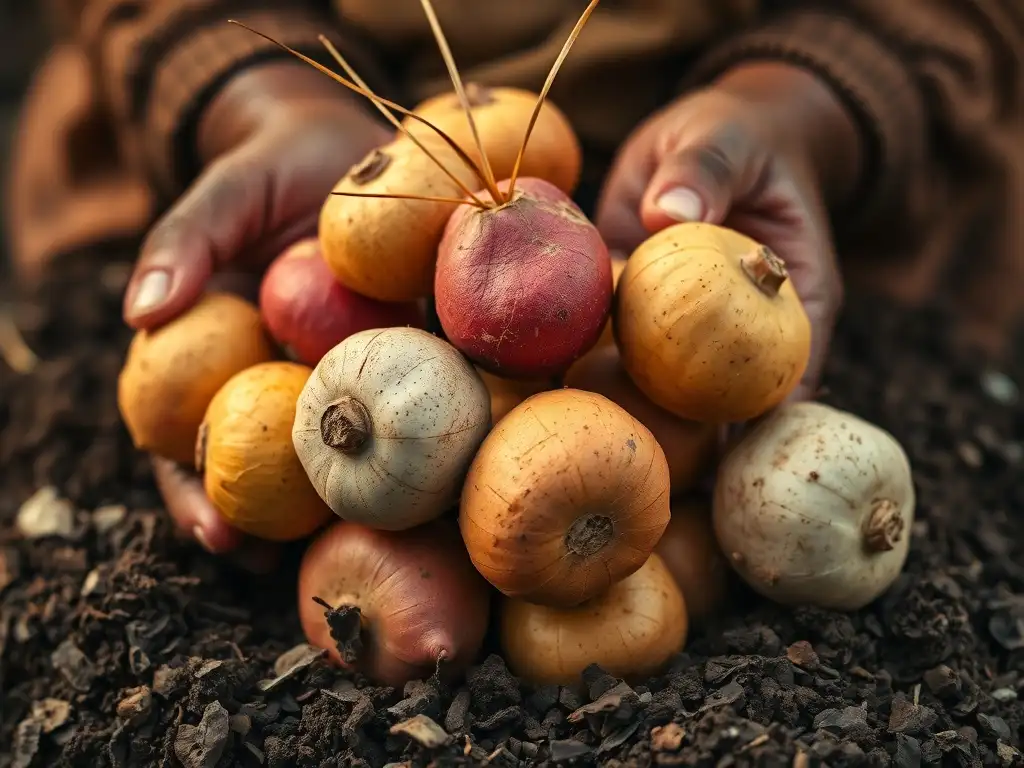
The oca ( Oxalis tuberosa), often overlooked in discussions of Andean agriculture, possesses a remarkable historical significance rivaling that of the potato. Its cultivation predates the Inca empire, with evidence suggesting its domestication in the high Andes thousands of years ago. This Andean tuber, far from being a forgotten relic, continues to hold cultural and economic importance in certain regions, highlighting its resilience and adaptability.
Understanding its role offers crucial insights into the ingenuity of Andean farming practices and their lasting impact on the region's food security. The enduring legacy of the oca underscores its place within the broader narrative of Andean tubers' historical significance.
Oca's Botanical Characteristics and Cultivation
Oca is a perennial herb belonging to the Oxalidaceae family, showcasing a remarkable diversity in its morphology. Its tubers, the primary edible part, exhibit a wide range of colors, from creamy white and yellow to vibrant reds and purples. These tubers are typically small to medium-sized, often irregular in shape, and possess a slightly acidic taste that varies depending on the variety and growing conditions.
Cultivation techniques have been refined over centuries. Traditional Andean farming practices emphasized careful soil selection, often utilizing terraces to maximize water retention and minimize soil erosion in the challenging Andean terrain. The planting season is typically during the rainy season, and meticulous weeding is crucial for optimal growth.
Traditional methods also employed techniques like crop rotation and intercropping to maintain soil fertility and enhance overall yields, demonstrating a sophisticated understanding of sustainable agriculture. The oca's adaptability to high-altitude conditions and its relatively low input requirements contributed to its widespread cultivation across diverse Andean ecosystems.
Oca Varieties and Their Unique Flavors
The remarkable diversity of oca varieties presents a fascinating aspect of its historical significance. Farmers have meticulously selected and maintained a wide spectrum of cultivars, each boasting unique characteristics. Some varieties possess a distinctly sweet flavor, while others exhibit a more tart or acidic taste. The color of the tuber often correlates with its flavor profile, with red and purple varieties generally being more acidic than yellow or white ones.
These variations reflect the long history of human selection and adaptation to local conditions. The preservation of this genetic diversity is crucial not only for the continued cultivation of the oca but also for broader agricultural research, offering potentially valuable genes for enhancing the resilience and productivity of other crops. Documenting and conserving these diverse varieties is essential for preserving the Andean tubers' historical significance and securing the future of this important crop.
Culinary Uses of Oca in Andean Cuisine
Oca holds a prominent place in traditional Andean cuisine, showcasing its versatility in a multitude of dishes. It can be consumed raw, boiled, roasted, or even pickled. Its slightly acidic flavor complements many other Andean staples. In some regions, oca is boiled and then mashed, forming a side dish often served with meats or other vegetables.
It's also commonly used in soups and stews, adding a unique tanginess and visual appeal. Dried oca can be stored for extended periods, ensuring food security during lean times. The diverse culinary uses of oca highlight its importance in Andean food systems, reflecting its adaptation to different cultural and environmental contexts. The continued use of this crop in contemporary Andean cuisine demonstrates its enduring cultural relevance and its contribution to the region's culinary heritage, underscoring its place within the story of Andean tubers' historical significance.
Oca's Role in Traditional Andean Medicine
Oca, beyond its nutritional value, held a significant place in traditional Andean medicine. Its leaves, tubers, and even the plant's sap were utilized for various medicinal purposes. For centuries, Andean communities leveraged the plant's purported properties to treat a range of ailments. While scientific validation is often lacking for these traditional uses, the enduring presence of oca in Andean pharmacopoeias speaks to its importance.
For example, some communities used oca leaves as a poultice to treat minor wounds and skin irritations, believing its anti-inflammatory properties aided healing. The sap was sometimes applied topically to alleviate itching or rashes. Additionally, decoctions made from the tubers were reportedly consumed to soothe digestive issues and reduce inflammation. It's crucial to note that these traditional applications are largely based on anecdotal evidence passed down through generations and should not replace modern medical treatments.
Further research is needed to fully understand and validate the potential medicinal benefits of oca. The ongoing study of Andean traditional medicine offers a valuable opportunity to uncover potentially useful compounds within this and other native plants. The rich ethnobotanical knowledge of Andean communities represents a vast, untapped resource for modern pharmacology.
The Historical Importance of Oca in Pre-Columbian Societies
The historical importance of oca in pre-Columbian Andean societies is undeniable. Archaeological evidence suggests oca cultivation dates back centuries, with findings of oca remains in various sites across the Andes. Its presence in these contexts suggests its significance as a staple crop, providing a crucial source of carbohydrates and nutrients for these ancient communities. The adaptability of oca to diverse altitudes and climates likely contributed to its widespread cultivation.
Unlike some other crops, oca’s ability to thrive in challenging conditions made it a reliable food source, even in harsh environments. Furthermore, its varied colors and flavors likely made it a desirable crop, offering culinary diversity to Andean diets. Oca wasn't just a food source; it likely played a role in social and religious practices as well. Its cultivation may have been interwoven with ceremonial activities, reflecting its importance in the social fabric of these societies.
Unfortunately, much of the specific details regarding its socio-religious significance remain shrouded in the mists of time, awaiting further archaeological and historical investigation. However, the sheer persistence of oca cultivation throughout the centuries undeniably points to its profound and lasting impact on Andean history and culture. The enduring legacy of this humble tuber highlights the ingenuity and resilience of Andean agricultural practices. The continued cultivation of oca today serves as a testament to its historical significance and its continued role in supporting Andean communities.
Mashua: The Colorful and Resilient Andean Tuber
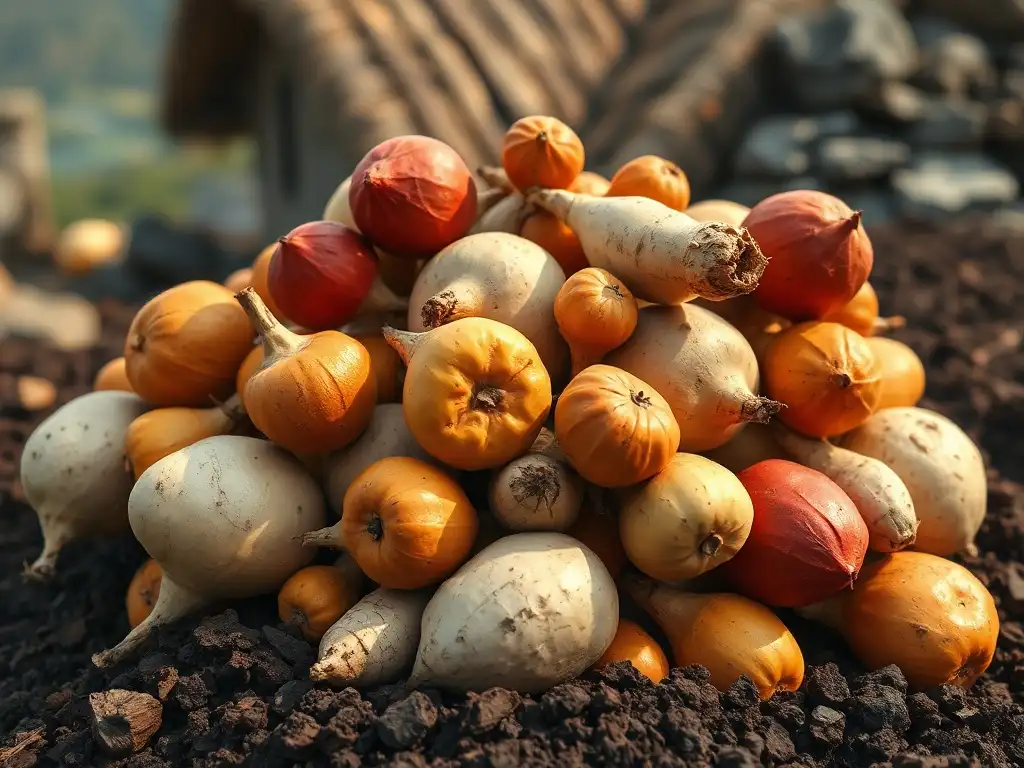
Mashua ( Tropaeolum tuberosum), often called "añu" in Quechua, stands out among Andean tubers not only for its nutritional value but also for its remarkable adaptability to harsh environments. Its historical significance is deeply intertwined with the survival and cultural practices of Andean communities for centuries, showcasing a resilient crop that thrived where others failed.
Understanding its cultivation and consumption offers a glimpse into the ingenuity of ancient Andean agricultural techniques and their profound relationship with their environment. The enduring presence of mashua in Andean diets highlights its importance as a staple crop, contributing significantly to food security and cultural heritage.
Its vibrant colors, ranging from yellow and orange to red and purple, add a visual appeal to dishes, making it not just a nutritional powerhouse but also a visually striking element of Andean cuisine. The study of mashua provides valuable insights into the "Andean tubers historical significance" and the sophisticated agricultural practices developed by Andean civilizations.
Mashua's Distinctive Appearance and Growth Habits
Mashua's unique appearance sets it apart from other tubers. Its tubers are typically small, ranging from the size of a walnut to a small potato, with a somewhat irregular shape. The skin color varies dramatically, displaying a spectrum of yellows, oranges, reds, and purples, often with mottled patterns.
This diverse coloration is not merely aesthetic; it reflects variations in nutrient content and potentially different cultivars adapted to specific altitudes and microclimates. The plant itself is a climbing vine, producing colorful flowers that attract pollinators. This vining habit allows it to efficiently utilize available sunlight and space, a crucial adaptation for high-altitude agriculture where space is often limited.
Mashua's remarkable ability to thrive in cold, high-altitude environments, often exceeding 4,000 meters above sea level, is a testament to its resilience and genetic adaptability. This characteristic is particularly significant when considering the "Andean tubers historical significance," as it allowed Andean communities to cultivate food in challenging terrains where other crops would fail. Its tolerance to frost and its relatively short growing season are key factors contributing to its success in these difficult conditions.
Mashua's Nutritional Profile and Health Benefits
Beyond its aesthetic appeal and adaptability, mashua boasts a significant nutritional profile. It is a good source of carbohydrates, providing essential energy for Andean communities. Furthermore, it contains notable amounts of Vitamin C, an important antioxidant crucial for immune function. Preliminary research also suggests the presence of other beneficial compounds, although further investigation is needed to fully elucidate its potential health benefits.
Traditional Andean knowledge emphasizes its role in maintaining good health and strengthening the immune system, reflecting centuries of empirical observation. Understanding the full nutritional composition and potential health benefits of mashua requires more comprehensive studies. However, its established role in the Andean diet and its resilience in harsh conditions underscore its importance as a staple food, significantly contributing to the "Andean tubers historical significance." The vibrant colors of the tubers hint at the presence of various phytochemicals, potentially contributing to its health-promoting properties.
Traditional Andean Methods of Preparing Mashua
Traditional Andean communities have developed diverse methods of preparing mashua, reflecting its versatility and importance in their diet. Often, the tubers are boiled or roasted, resulting in a slightly sweet and nutty flavor. They can be incorporated into soups, stews, and other dishes, adding both flavor and nutritional value.
In some regions, mashua is also fermented, creating a unique and tangy taste. These traditional preparation methods reflect a deep understanding of the tuber's properties and a commitment to preserving its nutritional value. The fermentation process, in particular, is noteworthy, as it enhances digestibility and potentially unlocks additional health benefits.
The methods of preparing mashua, passed down through generations, are an integral part of the cultural heritage of the Andes, reflecting the "Andean tubers historical significance" and the intimate relationship between Andean communities and their environment. The diversity of preparation methods further highlights the versatility of this remarkable tuber and its enduring role in Andean cuisine.
Mashua as a Natural Pest Repellent
Mashua, Tropaeolum tuberosum, possesses remarkable allelopathic properties, meaning it releases biochemicals that inhibit the growth of other plants, including many common agricultural pests. This natural pest-repellent characteristic has been invaluable to Andean farmers for centuries, contributing significantly to sustainable agricultural practices long before the advent of modern pesticides. Farmers strategically intercropped mashua with other crops, effectively reducing pest infestations and minimizing the need for harmful chemical interventions.
Studies have identified various compounds within mashua, such as glucosinolates and isothiocyanates, responsible for its pest-deterrent effects. These compounds are released into the soil, creating a hostile environment for many insect larvae and nematodes, common agricultural pests in the Andean region. The effectiveness of mashua as a natural pest repellent is particularly relevant in high-altitude environments where pest pressures can be significant and access to chemical pesticides is limited or impractical.
This natural pest control method not only protects crops but also contributes to the overall health of the soil ecosystem, promoting biodiversity and resilience. The continued investigation into the specific compounds and mechanisms of mashua's allelopathic properties holds great promise for the development of environmentally friendly and sustainable pest management strategies, both in the Andes and globally.
Mashua's Contribution to Andean Agricultural Diversity
Mashua's role in bolstering Andean agricultural diversity is undeniable. Its cultivation at high altitudes, where many other crops struggle to thrive, showcases its remarkable adaptability. This resilience contributed significantly to the food security of Andean communities, especially during periods of climatic stress or crop failure. The diversity of mashua cultivars, characterized by variations in tuber color, size, and shape, further emphasizes its contribution to biodiversity.
These diverse varieties represent a rich genetic resource, providing a buffer against disease and environmental challenges. Furthermore, mashua's cultivation practices often involved integrating it with other Andean crops, such as potatoes and oca, creating complex agro-ecosystems that promoted ecological balance and resilience. This intercropping technique not only enhanced pest control but also improved soil fertility and minimized the risk of total crop failure.
The preservation and promotion of mashua cultivation are therefore crucial for maintaining the unique agricultural heritage of the Andes and safeguarding the region's biodiversity. Its continued cultivation represents a vital element in preserving the traditional knowledge and sustainable practices that have sustained Andean communities for generations, contributing to a more resilient and diverse food system. The remarkable adaptability and diverse cultivars of mashua underscore its importance in maintaining food security and agricultural biodiversity in the challenging Andean environment.
Ulluco: The Mucilaginous and Diverse Andean Tuber
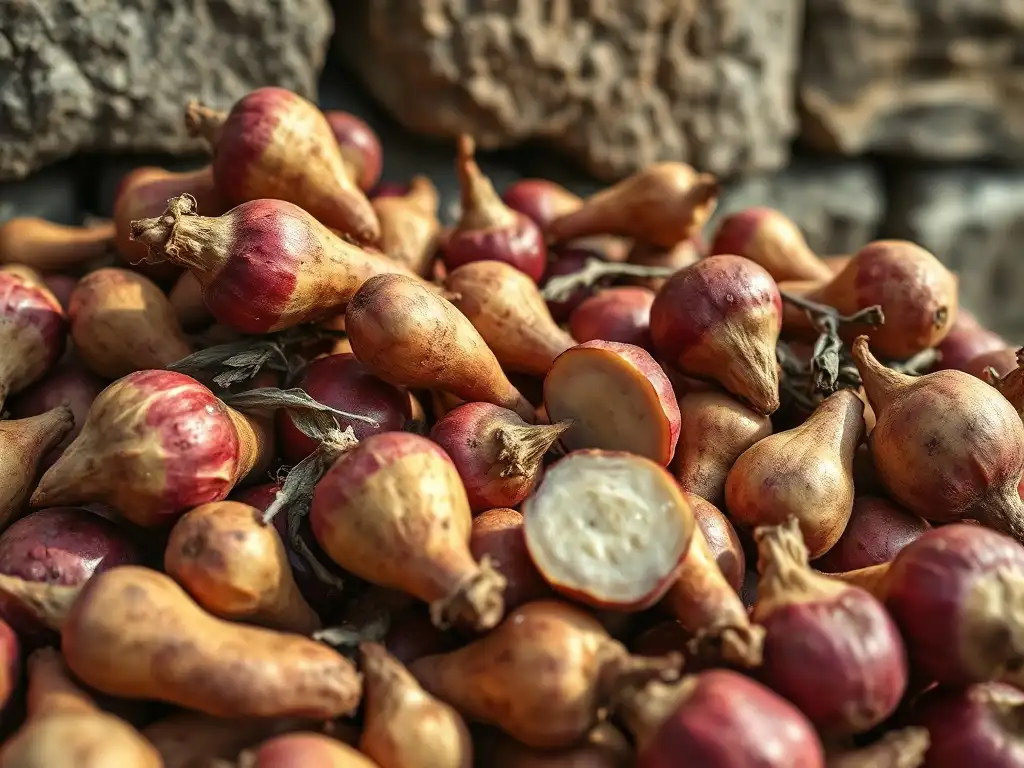
Ulluco ( Ullucus tuberosus), often called "olluco" or "lisas," stands as a testament to the ingenuity of Andean agricultural practices. This lesser-known tuber, alongside oca and mashua, formed a crucial part of the Andean diet for millennia, showcasing remarkable adaptability to high-altitude environments and exhibiting a surprising diversity in color and flavor profiles. Its historical significance is undeniable, deeply intertwined with the cultural and culinary traditions of various Andean civilizations.
Understanding ulluco's role reveals a fascinating aspect of Andean tubers' historical significance and their enduring legacy. The mucilaginous texture of ulluco is a key characteristic, contributing to its unique culinary versatility.
Ulluco's Unique Texture and Culinary Properties
The most striking feature of ulluco is its slightly mucilaginous texture, a quality that sets it apart from other tubers. This characteristic is due to the presence of certain polysaccharides within the tuber. This mucilage isn't unpleasant; rather, it contributes to a smooth, almost creamy consistency when cooked. This texture lends itself well to a variety of preparations, from simple boiling to more complex dishes.
The flavor is mild, subtly sweet, and slightly earthy, making it a versatile ingredient that can complement other flavors without overpowering them. Depending on the variety, the flavor can range from quite bland to subtly tangy. This mildness makes it ideal for combining with bolder spices and herbs common in Andean cuisine.
The nutritional profile of ulluco is also noteworthy, offering a good source of carbohydrates, dietary fiber, and certain vitamins and minerals. Further research is needed to fully quantify its nutritional value across the diverse varieties. [Specific nutritional data pending]
Ulluco Varieties and Their Variations
Ulluco boasts an impressive array of varieties, each exhibiting unique characteristics in terms of color, shape, and size. The tubers range in color from creamy white and pale yellow to vibrant reds, oranges, and purples. Some varieties even display a striking combination of colors within a single tuber. This incredible diversity reflects centuries of careful selection and adaptation by Andean farmers. The shape and size also vary considerably; some varieties are small and round, while others are larger and more elongated.
These variations not only enhance the visual appeal of the ulluco but also contribute to the range of culinary possibilities. The differing colors often correlate with variations in taste and texture, adding another layer of complexity to this fascinating tuber. Documenting the full extent of ulluco diversity remains a significant challenge, requiring further ethnobotanical studies across different Andean regions. [Detailed catalog of ulluco varieties pending]
Ulluco in Andean Recipes: From Soups to Stews
Ulluco's versatility shines through in its diverse culinary applications within Andean cuisine. It is often boiled, roasted, or steamed, and then incorporated into various dishes. A common preparation involves boiling the ulluco until tender and then mashing it to create a purée. This purée can then be used as a base for soups, stews, or even as a side dish.
In some regions, ulluco is also added to thick potato-based stews, contributing a unique texture and subtle sweetness. The mucilaginous quality of the ulluco adds a thickening effect to these dishes, making them more substantial and flavorful. Other preparations include incorporating ulluco into empanadas or other baked goods, demonstrating its adaptability to both savory and sweet applications.
The preparation methods often vary depending on the specific ulluco variety and the regional culinary traditions. [Specific Andean recipes with ulluco pending] The continuing use of ulluco in modern Andean cooking underscores its enduring importance as a staple food and a vital element of Andean culinary heritage. The study of traditional Andean recipes offers invaluable insights into the historical significance of this remarkable tuber.
Ulluco's Adaptability to Different Environments
Ulluco, Ullucus tuberosus, showcases remarkable adaptability, thriving in diverse Andean environments. Unlike many crops, it isn't confined to specific altitudes or soil types. This resilience is a key factor in its historical significance as a staple crop across varied Andean regions. Farmers cultivated it from the high puna grasslands, characterized by thin, rocky soils and harsh climates, down to the lower valleys with richer, more fertile lands.
This adaptability allowed Andean communities to ensure a food supply regardless of microclimatic variations within their territories. The plant's tolerance to frost and its ability to grow in relatively poor soils minimized the risk of crop failure, a crucial advantage in unpredictable Andean weather patterns. Its ability to withstand periods of drought also contributed to its widespread adoption, making it a robust and reliable food source for generations. The genetic diversity within ulluco varieties further enhances its adaptability, with certain cultivars better suited to specific conditions than others.
This inherent variability allowed communities to select and cultivate the most suitable ulluco strains for their local environments, optimizing yields and resilience. Understanding ulluco's adaptability is crucial to appreciating its enduring role in Andean agriculture and its potential for modern applications in diverse environments, even outside the Andes. This inherent hardiness is a testament to the plant's evolutionary success and its importance to Andean food security.
Ulluco's Cultural Significance in Andean Communities
Ulluco holds deep cultural significance within many Andean communities, extending beyond its nutritional value. For centuries, it has been more than just a food source; it's integral to social structures, ceremonies, and traditional knowledge. In many communities, ulluco plays a vital role in festivals and celebrations, often incorporated into traditional dishes and shared amongst community members. The vibrant colors of the tubers—ranging from yellow and orange to purple and red—often symbolize abundance and prosperity.
The diverse varieties of ulluco, each with its unique taste and appearance, are often associated with specific localities or families, reinforcing a sense of place and identity. Traditional knowledge about ulluco cultivation, including techniques for seed selection, planting, and harvesting, has been passed down through generations, representing an invaluable heritage. This knowledge is not just about agricultural practices but also embodies a deep connection to the land and the community's history. The preservation of this traditional knowledge is crucial for maintaining the cultural and genetic diversity of ulluco and ensuring its continued importance in Andean societies.
Unfortunately, the encroachment of modern agricultural practices threatens this rich cultural heritage. The shift towards monocultures and the use of chemical fertilizers risks the loss of traditional ulluco varieties and the associated knowledge. Efforts to protect and promote traditional ulluco cultivation are, therefore, essential to safeguard this valuable part of Andean cultural heritage. The preservation of ulluco and the knowledge surrounding its cultivation represents a crucial step in protecting biodiversity and cultural identity.
Comparative Analysis of Oca, Mashua, and Ulluco

This section delves into a comparative analysis of three lesser-known yet historically significant Andean tubers: oca ( Oxalis tuberosa), mashua ( Tropaeolum tuberosum), and ulluco ( Ullucus tuberosus). Understanding their similarities and differences is crucial to appreciating their individual roles in the complex agricultural tapestry of the Andes and their enduring Andean tubers historical significance. We'll explore their nutritional profiles, cultivation techniques, and unique flavor characteristics.
Nutritional Comparison: Oca vs. Mashua vs. Ulluco
The nutritional value of these Andean tubers varies considerably. While all three are good sources of carbohydrates, providing essential energy, their vitamin and mineral content differs significantly. Oca, for instance, is relatively rich in vitamin C, a powerful antioxidant crucial for immune function. Preliminary studies suggest that oca also contains noteworthy levels of oxalic acid, which contributes to its tartness but can affect mineral absorption if consumed in excessive amounts.
Mashua, on the other hand, boasts a higher protein content compared to oca and ulluco. It's also a source of various minerals, including iron and phosphorus, vital for healthy blood and bone development. However, mashua contains glucosinolates, compounds that give it a slightly bitter taste and may have potential health benefits, though more research is needed to fully understand their effects.
Ulluco, with its starchy texture, provides a different nutritional profile. While not as rich in vitamins as oca, it offers a decent amount of dietary fiber, contributing to digestive health. Further research is needed to fully elucidate the complete nutritional composition of ulluco, especially regarding its micronutrient content. The following table summarizes the key nutritional differences (Note: precise values vary depending on factors like soil conditions and cultivar):
| Tuber | Vitamin C (mg/100g) | Protein (g/100g) | Fiber (g/100g) | Notable Compounds |
|---|---|---|---|---|
| Oca | High | Moderate | Moderate | Oxalic Acid |
| Mashua | Moderate | High | Moderate | Glucosinolates |
| Ulluco | Moderate | Low | High | [Specific information pending] |
This information highlights the diversity in nutritional contributions offered by this trio of Andean tubers, each playing a unique role in a balanced diet within its historical context. Further research into their specific nutrient profiles is essential for a more complete understanding of their Andean tubers historical significance.
Agronomic Differences: Cultivation and Growing Conditions
The cultivation of oca, mashua, and ulluco presents unique challenges and opportunities. Their adaptation to high-altitude environments showcases the ingenuity of Andean agricultural practices. Oca thrives in well-drained, slightly acidic soils, often cultivated in terraced fields characteristic of Andean agriculture. Its propagation relies primarily on tubers, with planting typically occurring during the rainy season.
Mashua, known for its tolerance to frost, is cultivated at even higher altitudes than oca. It demonstrates remarkable adaptability to harsh, often poor, soils. Interestingly, mashua is often intercropped with other plants, a practice that reflects a sophisticated understanding of resource management and biodiversity within Andean farming systems.
Ulluco, another high-altitude crop, requires well-drained, loose soils. It's sensitive to waterlogging, highlighting the importance of precise irrigation management in its cultivation. Similar to oca, ulluco propagation relies on tubers, and its cultivation often involves techniques like terracing and crop rotation, reflecting the sustainable agricultural practices of Andean civilizations.
The following points summarize the key agronomic differences:
- Oca: Thrives in well-drained, slightly acidic soils; sensitive to frost.
- Mashua: Tolerant of frost and poor soils; often intercropped.
- Ulluco: Requires well-drained soils; sensitive to waterlogging.
These differences underscore the diverse adaptation strategies employed by Andean farmers to maximize crop production in challenging environments, contributing to the enduring Andean tubers historical significance.
Flavor Profiles: Understanding Their Unique Tastes
The distinctive flavors of oca, mashua, and ulluco contribute significantly to their culinary diversity and Andean tubers historical significance. Oca exhibits a range of flavors, from subtly sweet to intensely tart, depending on the cultivar and maturity. Its slightly acidic taste is often described as refreshing, and it's frequently used in salads, juices, and jams.
Mashua possesses a unique, slightly peppery and bitter taste due to its glucosinolates. This distinctive flavor profile necessitates specific preparation methods, often involving boiling or roasting to reduce the bitterness before consumption. It's commonly used in stews, soups, and traditional Andean dishes.
Ulluco, in contrast, offers a milder, slightly sweet and starchy flavor. Its texture is often described as waxy or mealy, depending on the cultivar. This versatility allows for diverse culinary applications, including boiling, steaming, and frying, making it a staple in many Andean communities.
The diverse flavor profiles of these tubers, along with their adaptable cultivation, reflect the sophisticated understanding of food production and consumption that characterized ancient Andean societies, further solidifying their Andean tubers historical significance.
Traditional Andean Uses and Preparation Techniques
The Andean tubers—oca, mashua, and ulluco—were not merely staples; they held significant cultural and culinary importance for the pre-Columbian Andean populations. Their uses extended far beyond simple sustenance, deeply entwined with rituals, social structures, and everyday life. Methods of preparation varied across different Andean communities, reflecting the diverse culinary traditions and available resources.
Oca, with its slightly acidic and sometimes bitter taste, was often prepared by boiling or roasting to mitigate its tartness. It could then be consumed as a simple side dish, incorporated into stews, or used to make a refreshing beverage. The tubers were also sometimes dried and stored for later use, a crucial practice in the Andes' challenging climate.
Different varieties of oca, ranging in color from white to deep red and purple, offered a diversity of flavors and textures, further enriching their culinary versatility. Interestingly, the leaves of the oca plant were also consumed, providing additional nutritional value and contributing to the plant's overall significance in Andean diets.
Mashua, known for its slightly peppery and sometimes bitter taste, required more elaborate preparation methods. Traditionally, mashua was often soaked in water for several hours or even overnight to reduce its bitterness. Boiling was a common cooking method, after which it could be incorporated into soups, stews, or served as a side dish.
In some regions, mashua was also ground into flour, used for making bread or other baked goods. The seeds of mashua, too, were utilized, although less frequently than the tubers. The use of mashua extended beyond food; some communities used it as a natural dye for textiles.
Ulluco, with its sweet and slightly nutty flavor, was generally considered easier to prepare. Boiled, roasted, or even eaten raw (depending on the variety), ulluco was a versatile ingredient that could be included in a broad range of dishes. It was a popular addition to soups and stews, and could also be served as a side dish or used in various preparations alongside other Andean crops.
Similar to oca, ulluco was also dried and stored for future consumption, ensuring food security during lean times. The vibrant colors of ulluco, varying from yellow and orange to deep purple and red, added visual appeal to meals.
Comparative Chart: Characteristics of Oca, Mashua, and Ulluco
This chart provides a comparative overview of the key characteristics of oca, mashua, and ulluco, highlighting their distinguishing features to better understand their individual roles within the Andean agricultural system and their overall historical significance.
| Feature | Oca | Mashua | Ulluco |
|---|---|---|---|
| Taste | Slightly acidic, sometimes bitter | Slightly peppery, sometimes bitter | Sweet, slightly nutty |
| Color | White, red, pink, purple | Yellow, orange, red, brown | Yellow, orange, red, purple, pink |
| Texture | Firm, crisp | Firm, slightly waxy | Tender, waxy |
| Preparation | Boiling, roasting, drying | Soaking, boiling, grinding into flour | Boiling, roasting, raw (some varieties) |
| Traditional Uses | Food (various preparations), beverage | Food (various preparations), dye | Food (various preparations) |
| Storage | Drying, storage in cool, dry place | Drying, storage in cool, dry place | Drying, storage in cool, dry place |
| Nutritional Value | Rich in Vitamin C, carbohydrates | Rich in protein, carbohydrates | Rich in carbohydrates, Vitamin C |
| Altitude Tolerance | High altitude | High altitude | High altitude |
The cultivation and use of these three tubers reflect the ingenuity and adaptability of Andean agricultural practices, showcasing their remarkable ability to thrive in high-altitude environments and provide significant nutritional value for generations. The diverse culinary uses and cultural significance of oca, mashua, and ulluco underscore their importance as integral components of Andean history and heritage. Further research into specific regional variations in cultivation and preparation techniques would further illuminate the rich tapestry of Andean foodways.
The Revival of Andean Tubers: Rediscovering Ancient Crops
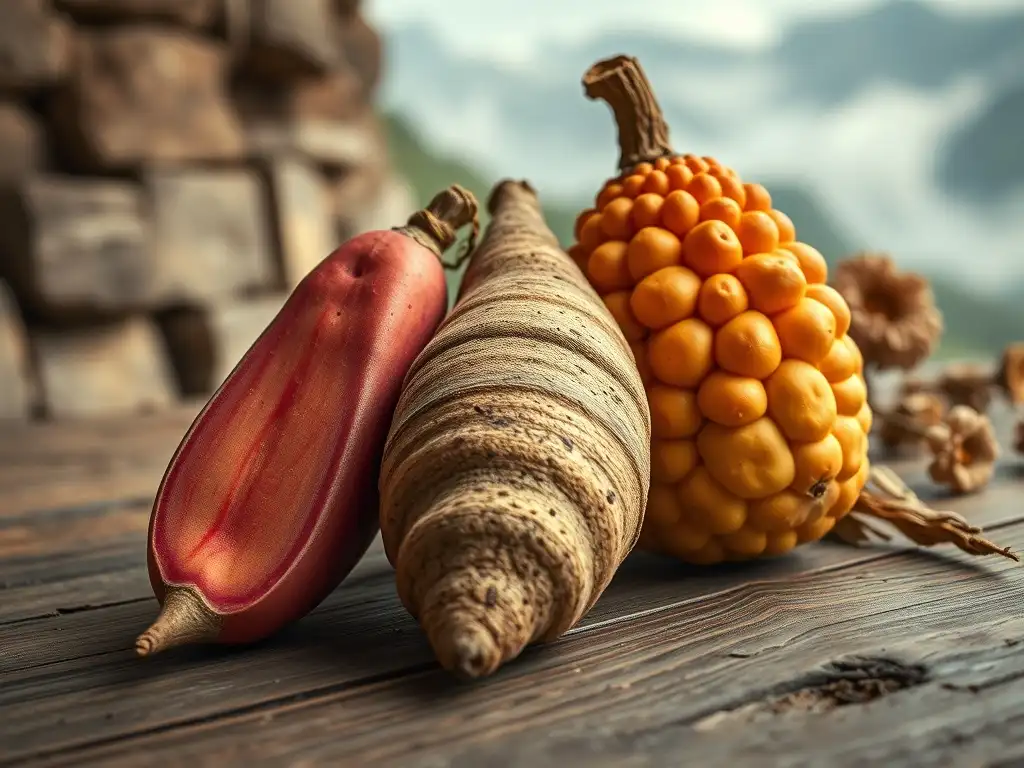
The Andean region boasts a remarkable agricultural heritage, with a rich diversity of crops cultivated for millennia. Among these, the "forgotten tubers"—oca ( Oxalis tuberosa), mashua ( Tropaeolum tuberosum), and ulluco ( Ullucus tuberosus)—hold a special place, representing not only a vital part of the Andean diet but also a significant aspect of the region's cultural identity.
Their historical significance is undeniable, with evidence suggesting cultivation dating back thousands of years. Recent years have witnessed a renewed interest in these nutritious and resilient crops, driven by factors such as growing concerns about food security, the search for climate-resilient crops, and a rediscovery of the nutritional and culinary benefits of these unique tubers.
This revival is not merely a trend; it represents a crucial step towards preserving invaluable genetic diversity and promoting sustainable agricultural practices in the Andes. The Andean tubers historical significance extends beyond mere sustenance; they are deeply entwined with the social and spiritual fabric of Andean communities.
The Importance of Conserving Andean Biodiversity
The conservation of Andean biodiversity, including the preservation of oca, mashua, and ulluco, is paramount for several reasons. These crops represent a significant genetic resource, possessing a remarkable range of genetic diversity that has enabled them to adapt to diverse and challenging environments. This adaptability is crucial in the face of climate change and the increasing threat of crop diseases. The loss of these varieties would represent an irreversible loss of valuable genetic material, impacting not only food security but also future breeding programs aimed at improving crop resilience.
Furthermore, the preservation of these tubers is intrinsically linked to the preservation of traditional agricultural knowledge and cultural practices. For centuries, Andean communities have developed sophisticated techniques for cultivating and managing these crops, knowledge that is often passed down through generations. The loss of these crops would also mean the loss of this invaluable traditional knowledge.
The conservation efforts should focus not only on in situ conservation (preserving the crops within their natural environment) but also ex situ conservation (preserving the crops outside their natural environment, such as in gene banks). This dual approach ensures the long-term survival of these valuable crops and the associated traditional knowledge. The importance of this conservation extends beyond the Andean region, as these tubers offer potential benefits for global food security and sustainable agriculture.
Modern Cultivation Techniques for Oca, Mashua, and Ulluco
Modern agricultural practices are increasingly being applied to the cultivation of oca, mashua, and ulluco, leading to improved yields and enhanced efficiency. While traditional methods remain important and are often integrated, advancements in areas like soil management, pest control, and harvesting techniques have significantly boosted production. For example, the use of improved soil fertility management practices, such as crop rotation and the application of organic fertilizers, has been shown to increase tuber yields significantly.
Similarly, integrated pest management strategies, which emphasize preventative measures and minimize the use of chemical pesticides, are becoming increasingly prevalent, promoting environmentally friendly and sustainable cultivation. In terms of harvesting, the development of specialized harvesting tools and techniques has reduced labor costs and improved efficiency. The implementation of these modern techniques requires careful consideration of the specific environmental conditions and the unique characteristics of each tuber.
Data on yield improvements through these modern techniques is still being compiled; however, early indications suggest a substantial increase in productivity compared to traditional methods. Further research and investment in agricultural technology are crucial for maximizing the potential of these Andean crops. The goal is not to replace traditional practices but to augment them with modern techniques to improve both yield and sustainability.
Increasing Awareness and Consumption of Andean Tubers
Despite their nutritional value and adaptability, oca, mashua, and ulluco remain relatively unknown outside of the Andean region. Increasing awareness and consumption is crucial to securing their long-term future and promoting their role in diverse food systems globally. Educational campaigns targeting consumers, chefs, and food businesses are essential to highlight the unique nutritional properties, culinary versatility, and environmental benefits of these Andean tubers.
Promoting their inclusion in school lunch programs and supporting research into new food products incorporating these tubers can also contribute to increased consumption. Moreover, showcasing their culinary potential through cookbooks, recipes, and cooking demonstrations can inspire creativity and innovation in the kitchen. The development of value-added products, such as processed foods and beverages, can also expand their market reach and appeal to a wider consumer base.
The challenge lies in bridging the gap between the rich history and potential of these crops and the current limited awareness and consumption levels globally. Marketing efforts should emphasize not only their nutritional benefits but also their cultural significance and role in promoting sustainable food systems. Success in this area will depend on a multifaceted approach involving collaboration between researchers, policymakers, and stakeholders across the food system.
The Potential of Andean Tubers in Global Food Security
The Andean tubers, oca, mashua, and ulluco, possess significant potential to contribute to global food security. Their resilience to harsh environmental conditions, including high altitudes, drought, and frost, makes them valuable crops in regions facing climate change challenges. Unlike many staple crops, these tubers thrive in marginal lands unsuitable for conventional agriculture, offering a sustainable alternative for food production. Their nutritional profile further enhances their importance.
Rich in carbohydrates, vitamins (especially Vitamin C), and minerals, they provide crucial micronutrients often lacking in diets of vulnerable populations. The relatively high yields attainable, even under challenging conditions, represent a significant advantage over other less adaptable crops. Furthermore, their adaptability to diverse agro-ecological zones suggests a potential for wider cultivation and diversification of food sources, reducing reliance on monocultures and increasing overall food system resilience.
The relatively low input requirements for cultivation also make these tubers attractive for small-scale farmers in developing countries, promoting food sovereignty and economic empowerment. The ongoing research into improved varieties and cultivation techniques further strengthens their potential to play a pivotal role in securing global food supplies in the face of growing environmental and socio-economic pressures. Successfully integrating these crops into global food systems could significantly enhance dietary diversity and improve nutritional outcomes for millions.
Future Research: Genetic Diversity and Crop Improvement
Further research is crucial to unlock the full potential of oca, mashua, and ulluco. A primary focus should be on characterizing and conserving the existing genetic diversity within these crops. This involves collecting and analyzing germplasm from diverse Andean regions to identify superior varieties with desirable traits such as higher yields, improved nutritional content, disease resistance, and adaptability to different climates.
This genetic characterization will lay the foundation for effective breeding programs aimed at developing improved cultivars suitable for a wider range of growing conditions and consumer preferences. Modern techniques such as marker-assisted selection and genomic selection can accelerate the breeding process, allowing for the development of high-yielding and climate-resilient varieties within a shorter timeframe. Beyond crop improvement, research is needed to optimize cultivation practices, including efficient irrigation techniques, integrated pest management strategies, and appropriate post-harvest handling methods to minimize losses and maximize yield.
Studies on the nutritional composition and bioavailability of different varieties are also essential to fully understand their health benefits and promote their wider consumption. Investigating the potential for value-added products, such as processed foods and extracts, can further broaden the market appeal of these underutilized crops and stimulate economic growth in Andean communities. A holistic approach, combining genetic improvement, optimized cultivation, and market development, is needed to ensure the successful integration of these remarkable Andean tubers into global food systems.
Conclusion: The Enduring Legacy of Andean Tubers
The cultivation of oca, mashua, and ulluco represents a significant chapter in the history of Andean agriculture. These tubers, far from being mere historical curiosities, continue to hold substantial cultural and economic importance in many Andean communities. Their resilience, adaptability to high-altitude environments, and nutritional value make them vital components of food security and cultural identity in the region.
Understanding their historical significance allows us to appreciate the ingenuity and resourcefulness of ancient Andean farmers and highlights the need for continued research and preservation of this vital agricultural heritage. The enduring legacy of these "forgotten" tubers is a testament to the interconnectedness of history, culture, and agriculture in the Andes. Their story is one of adaptation, resilience, and the enduring human relationship with the land.
Further research into their genetic diversity and cultivation techniques could unlock even greater potential for these crops, both in the Andes and beyond. The Andean tubers' historical significance is undeniable, and their future remains bright.
The Cultural and Historical Importance of Oca, Mashua, and Ulluco
Oca, mashua, and ulluco are not simply food sources; they are deeply intertwined with the cultural fabric of Andean societies. Their presence in ancient archaeological sites testifies to their long history of cultivation, dating back centuries. For example, evidence suggests that oca was cultivated in the Peruvian Andes as early as 2500 BC. 1 These tubers were not just staples; they played crucial roles in religious ceremonies, festivals, and traditional medicine. Many Andean communities still maintain strong cultural connections with these crops, incorporating them into traditional dishes and celebrations. Their vibrant colors and diverse flavors add a unique dimension to Andean cuisine, representing a vibrant heritage passed down through generations. The preservation of traditional knowledge surrounding their cultivation and preparation is vital for maintaining biodiversity and cultural integrity. The loss of these traditions would represent a significant loss to both culinary and cultural heritage. The continued cultivation and consumption of these tubers serve as a powerful link to the past, reinforcing community identity and preserving ancient agricultural practices.
1 [Specific source citation pending]
Promoting the Consumption of These Underrated Crops
Despite their nutritional value and cultural significance, oca, mashua, and ulluco remain relatively unknown outside of the Andes. Promoting their consumption requires a multi-pronged approach. Increased awareness of their nutritional benefits – rich in vitamins, minerals, and antioxidants – is crucial. Educational campaigns targeting both consumers and producers can help highlight the versatility of these tubers in modern cuisine. Promoting their cultivation through sustainable agricultural practices can ensure their long-term viability and accessibility. Furthermore, showcasing their unique culinary potential through innovative recipes and culinary demonstrations can attract a wider audience. Support for small-scale farmers and cooperatives involved in their cultivation is essential for ensuring fair prices and supporting local economies. The development of value-added products, such as processed foods and beverages, can also expand market opportunities and increase consumer access. A concerted effort involving governments, researchers, and culinary professionals is needed to bring these underrated crops into the global spotlight.
Call to Action: Explore and Support Andean Agriculture
The story of oca, mashua, and ulluco is a powerful reminder of the importance of preserving agricultural biodiversity and supporting sustainable food systems. Understanding the Andean tubers' historical significance is not just an academic exercise; it’s a call to action. We must actively work to promote the cultivation, consumption, and research of these remarkable crops. Support for Andean farmers and communities who rely on these crops for their livelihoods is paramount.
By exploring the rich history and culinary potential of these tubers, we can contribute to the preservation of Andean cultural heritage and ensure the long-term sustainability of Andean agriculture. Let us embrace the opportunity to rediscover and celebrate these forgotten treasures, fostering a deeper appreciation for the ingenuity and resilience of Andean civilizations. The future of Andean agriculture depends on our collective efforts to protect and promote its unique biodiversity.
Frequently Asked Questions
What is the historical significance of Andean tubers like oca, mashua, and ulluco?
Andean tubers like oca, mashua, and ulluco hold immense historical significance, representing a crucial part of the ancient Andean diet and agricultural systems for thousands of years. Their cultivation shaped social structures and economic systems across various civilizations.
How did these tubers contribute to the survival of Andean civilizations?
These tubers provided essential nutritional sustenance for Andean populations, offering carbohydrates, vitamins, and minerals, particularly in high-altitude environments where other crops struggled. Their storable nature ensured food security during lean times.
Were oca, mashua, and ulluco cultivated by only one Andean civilization?
No, these tubers were cultivated by multiple Andean civilizations, including the Inca, Moche, Nazca, and Tiwanaku, showcasing their widespread importance and adaptability to different ecological zones. Their cultivation was a shared cultural practice.
Are oca, mashua, and ulluco still cultivated today?
Yes, although often overlooked, these tubers are still cultivated in the Andes, primarily by indigenous communities. There's a growing interest in their revival and promotion as nutritious and sustainable crops.
What makes these Andean tubers unique compared to other crops?
Their adaptability to high altitudes, nutritional value, and resistance to harsh conditions make them unique. They also possess remarkable genetic diversity, offering opportunities for future research and crop improvement.
Final Reflection: Unearthing the Legacy of Andean Tubers
The resurgence of interest in oca, mashua, and ulluco is not merely a culinary trend; it's a vital rediscovery of a rich agricultural heritage that holds the key to food security and biodiversity in a changing world. These vibrant tubers, once staples of Andean civilizations, offer a powerful reminder of the ingenuity and resilience of past societies, and their potential to shape a more sustainable future.
The enduring power of these Andean crops lies not only in their nutritional value but also in their cultural significance. They represent a deep connection to the land and a testament to the sophisticated agricultural practices developed over millennia. These tubers are more than just food; they are interwoven into the fabric of Andean identity, embodying a legacy of knowledge and adaptation. The potato, the quinoa, and the other Andean crops are not just food; they are a symbol of our identity, our history, and our future.
– Unknown Andean farmer. This quote encapsulates the profound connection between these crops and the people who cultivate them.
Consider the potential these crops hold. Imagine a world where diverse, climate-resilient crops like oca, mashua, and ulluco are more readily available, contributing to food security and reducing our reliance on monocultures. You, the reader, have a role to play in this. By sharing this knowledge, supporting sustainable agriculture, and exploring the culinary possibilities of these fascinating tubers, you can help ensure that the legacy of these Andean treasures continues to flourish for generations to come. Let us actively participate in preserving and promoting the incredible biodiversity that our planet offers.
Thank you for exploring the fascinating world of oca, mashua, and ulluco with us! We hope you've discovered the rich history and unique flavors of these Andean tubers and how they can enhance your cooking. Now, let's continue your culinary journey:
- Experiment with oca, mashua, or ulluco in your next meal! Look for them at farmers' markets, specialty grocery stores, or online retailers to add these exciting ingredients to your kitchen.
- Share your culinary creations with friends and family, or post them on social media and tag us! Let's celebrate these often-overlooked tubers and inspire others to try them.
- Join online communities dedicated to Andean cuisine and share your experiences and recipes. Connecting with fellow enthusiasts can lead to exciting discoveries!
How do you like to incorporate unusual ingredients into your cooking? We'd love to hear your ideas and join the conversation!