
Andean Food Storage Secrets: Preserving Harvests in Harsh Environments

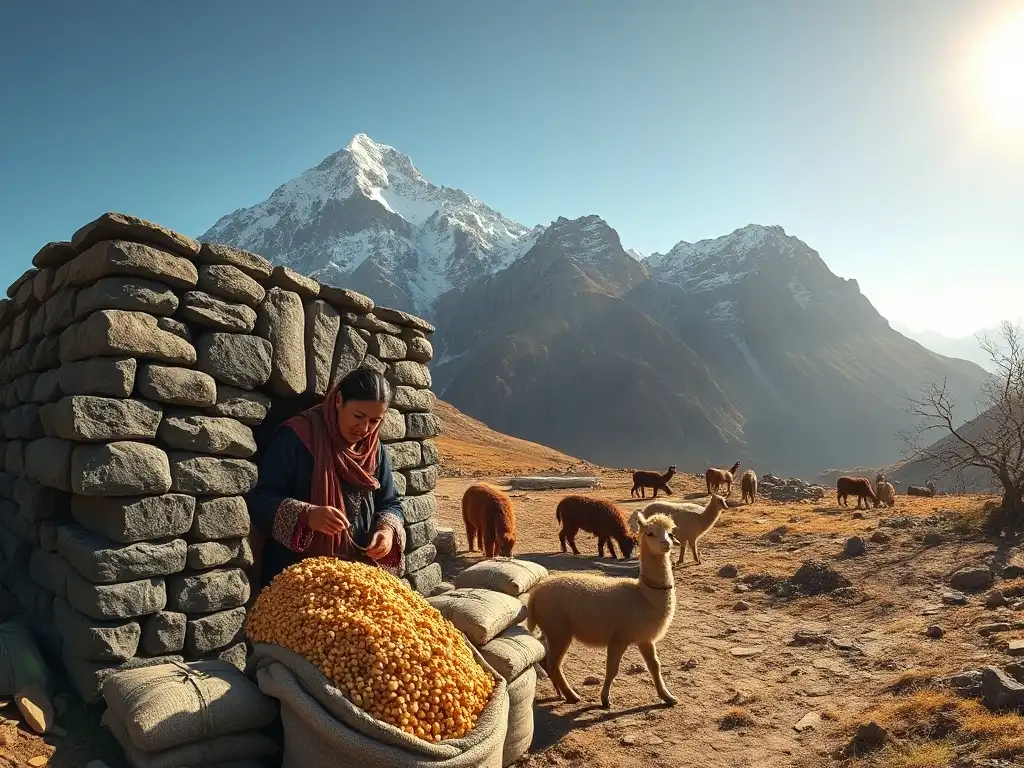
Welcome, explorer! Prepare to unravel the mysteries of the Andes, a land where ingenuity thrived amidst challenging landscapes. For centuries, the ancient Andean civilizations mastered survival, and nowhere is this more evident than in their remarkable Andean food preservation techniques. How did they safeguard their harvests against the harsh realities of the high altitudes? Discover the secrets behind their remarkable ingenuity and learn how these ancient methods continue to inspire today. Dive in and uncover the fascinating story of Andean resilience!
The Andes Mountains, a formidable yet breathtaking landscape, presented ancient civilizations with unique challenges and opportunities. While the fertile valleys offered bountiful harvests, preserving these crops for the lean seasons and unpredictable weather patterns required ingenuity and deep understanding of their environment.
This article delves into the fascinating world of Andean food preservation techniques, exploring the clever strategies employed by cultures like the Inca, Moche, Nazca, and Tiahuanaco to ensure food security in the face of high altitudes, extreme temperatures, and limited resources. Understanding these ancient methods offers a glimpse into the resourcefulness and resilience of Andean peoples and provides valuable insights into sustainable food preservation practices even today.
We will explore the ingenious methods they developed, highlighting their effectiveness and adaptability to the harsh realities of the Andean environment. This exploration of Andean food preservation techniques will reveal not only practical strategies but also a profound connection between people and their environment.
Introduction to Andean Food Preservation Techniques
Andean food preservation wasn't a single technique, but a sophisticated system adapting to diverse climates and available resources. The methods employed varied depending on the specific crop, the altitude, and the available technology. Common techniques included drying, freezing (using the naturally cold high-altitude environment), fermentation, and storage in specially designed structures. These methods, honed over millennia, ensured the survival of Andean communities through periods of scarcity and environmental uncertainty.
The ingenuity of these techniques is remarkable, particularly considering the limited tools and technologies available. Many of these methods are still practiced today, demonstrating their enduring relevance and effectiveness. We will examine some key methods below, highlighting their impact on Andean societies.
The Challenge of Preserving Food in the Andes
The Andes Mountains present a unique set of challenges for food preservation. The harsh environment demanded innovative solutions to ensure food security throughout the year.
High Altitude and Extreme Temperatures
The high altitude of the Andes significantly impacts food preservation. Lower atmospheric pressure at high altitudes means water boils at a lower temperature, affecting cooking and drying times. Furthermore, extreme temperature fluctuations between day and night, particularly at higher elevations, can accelerate spoilage.
Andean communities overcame these challenges by developing methods specifically tailored to these conditions, such as utilizing natural cold temperatures for freezing and employing efficient drying techniques to minimize spoilage. Precise data on the temperature variations across different Andean altitudes and their impact on specific preservation methods is still being researched, but anecdotal evidence from local communities and archaeological findings strongly supports the effectiveness of their solutions.
Limited Resources for Storage
Access to suitable storage facilities was also limited in the Andes. The lack of widespread access to refrigeration or airtight containers meant that communities relied on natural methods and ingenious storage structures to prolong the shelf life of their crops. This necessitated the development of sustainable and resourceful strategies, such as the construction of specialized storage pits and the use of natural preservatives.
Understanding the limitations faced by these civilizations highlights the remarkable ingenuity of their solutions and the significant role that resourcefulness played in their survival. Further research into the specific materials used in the construction of these storage facilities and the efficiency of these designs could provide valuable insights into sustainable building practices.
Ancient Andean Methods of Food Preservation
Andean food preservation techniques represent a remarkable adaptation to the challenging environmental conditions of the Andes Mountains. The high altitude, variable climates, and unpredictable weather patterns necessitated the development of ingenious methods to ensure food security throughout the year. These methods, refined over millennia, involved a deep understanding of natural processes and the careful selection of appropriate storage solutions.
The ingenuity of these techniques is evident in their effectiveness and the range of food products they successfully preserved, contributing significantly to the sustainability and resilience of Andean societies. These methods weren't simply about extending shelf life; they were integral to the cultural and economic fabric of Andean life, influencing social structures, trade networks, and even religious practices. The legacy of these techniques continues to inspire modern food preservation methods and offers valuable insights into sustainable food systems.
Dehydration: The Sun and Wind's Role
Dehydration, leveraging the abundant sunshine and strong winds characteristic of the Andes, was a primary method for preserving a wide array of Andean crops. Fruits, vegetables, and even meats were thinly sliced or spread out on mats or rocks, exposed to the elements for days or weeks. The intense solar radiation and dry air effectively removed moisture, inhibiting microbial growth and preventing spoilage.
This process wasn't merely a passive exposure; Andean communities carefully selected optimal locations and times of day for maximum efficiency, demonstrating a sophisticated understanding of meteorological factors. The success of this method depended on consistent dry weather; therefore, the timing of dehydration was crucial, often linked to specific seasonal patterns and agricultural cycles. This method extended the shelf life of perishable foods significantly, making them available for consumption throughout the year.
Freeze-Drying: The Natural Process of Chuño
Chuño, a freeze-dried potato, stands as a quintessential example of Andean ingenuity. This process involved harvesting potatoes at the end of the growing season, exposing them to freezing temperatures at night and then to the sun during the day. The repeated cycles of freezing and thawing drew out moisture, resulting in a lightweight, long-lasting product. Chuño's remarkable durability allowed for its storage for extended periods, serving as a crucial food reserve during lean times.
The process itself required specific knowledge of altitude and microclimates to achieve optimal results. The production of chuño was not only a crucial food preservation technique but also a significant cultural practice, deeply embedded in Andean traditions and social structures. The ability to produce and store chuño provided a buffer against crop failures and ensured community survival.
Fermentation: Creating Long-Lasting Foods
Fermentation, a process utilizing naturally occurring microorganisms, played a vital role in preserving various Andean foods. This technique not only extended the shelf life of products but also enhanced their nutritional value and flavor profiles. Examples include fermented corn beverages like chicha, which were not only consumed for sustenance but also held significant cultural and ritualistic importance.
The fermentation process, often involving specific starter cultures and controlled environments, transformed perishable ingredients into stable, shelf-stable products. The knowledge of fermentation techniques was passed down through generations, reflecting a deep understanding of microbiology and its application in food preservation. These methods ensured a diverse and reliable food supply, even in challenging conditions.
Salting: Preserving Meat and Fish
Salting, especially crucial for preserving meat and fish in regions with limited access to refrigeration, was another essential Andean technique. This involved rubbing salt liberally onto the food, drawing out moisture and inhibiting microbial growth. The effectiveness of salting depended on the quality of salt used and the proper application techniques.
This method was particularly important for preserving meats obtained through hunting or fishing, extending the availability of protein sources beyond the immediate harvest. The salt itself could be obtained from various sources, reflecting a complex understanding of local resources and their properties. This simple yet effective method contributed significantly to the diet and survival of Andean populations.
Storage in Underground Structures
Underground storage structures, known as qollqas in the Inca empire, provided a cool, dark, and stable environment for preserving various food products. These structures, often carefully constructed with stone and earth, maintained relatively constant temperatures and humidity levels, creating ideal conditions for long-term storage. The design and location of these qollqas demonstrated a sophisticated understanding of environmental factors and their influence on food preservation.
Different foods were stored in separate compartments, optimized for their specific preservation needs. The qollqas were not just storage facilities; they represented a crucial element of the Andean agricultural system, enabling communities to manage their food resources effectively and maintain food security throughout the year. The construction and maintenance of these structures were communal efforts, highlighting the importance of collective action in ensuring food security.
Specific Examples of Andean Food Preservation
The Andean region boasts a remarkable diversity of crops and preservation techniques tailored to these specific ingredients. The following examples demonstrate the remarkable adaptability and ingenuity of Andean food preservation strategies.
Storing Potatoes: Beyond Chuño
Beyond chuño, various methods existed for preserving potatoes. Different varieties were selected based on their suitability for specific preservation techniques. Some were stored in cool, dry cellars or underground pits, while others were dried or processed into other forms to extend their shelf life. The selection of storage methods depended on factors such as potato variety, climate, and availability of storage facilities. This demonstrates a nuanced understanding of the interaction between crop characteristics and preservation strategies. The knowledge of which potato variety was best suited to which preservation method is a testament to the agricultural expertise of Andean communities.
Preserving Quinoa and Other Grains
Quinoa and other grains were preserved through drying and storage in airtight containers, often made from woven materials or pottery. These containers protected the grains from moisture, pests, and other environmental factors. The selection of storage containers varied depending on the availability of materials and the specific needs of the grain. The techniques employed reflected a deep understanding of grain biology and the factors that could lead to spoilage. The storage of grains was an integral part of Andean agricultural practices, ensuring a consistent supply of a staple food source.
Drying and Storing Andean Meats (Charqui)
Charqui, dried and salted meat, provided a crucial source of protein during times of scarcity. The process involved cutting the meat into thin strips, salting it liberally, and then drying it in the sun or wind. This technique effectively removed moisture and inhibited microbial growth, resulting in a product that could be stored for extended periods. The quality of charqui depended on the type of meat used, the salting technique, and the drying conditions. The production of charqui was not only a food preservation technique but also an important economic activity in some Andean communities.
Techniques for Preserving Oca, Mashua, and Yacon
Oca, mashua, and yacon, all Andean root crops, were preserved using a variety of methods. These included drying, freezing, and storage in cool, dry environments. The selection of the appropriate preservation method depended on the specific crop and the available resources. Similar to potatoes, different varieties of these root crops were better suited to different preservation methods. The knowledge of these preservation methods was passed down through generations, reflecting a deep understanding of the unique properties of these crops. The preservation of these less common root crops further highlights the diversity of Andean food preservation techniques.
The Significance of Andean Food Preservation
Ensuring Food Security in Harsh Environments
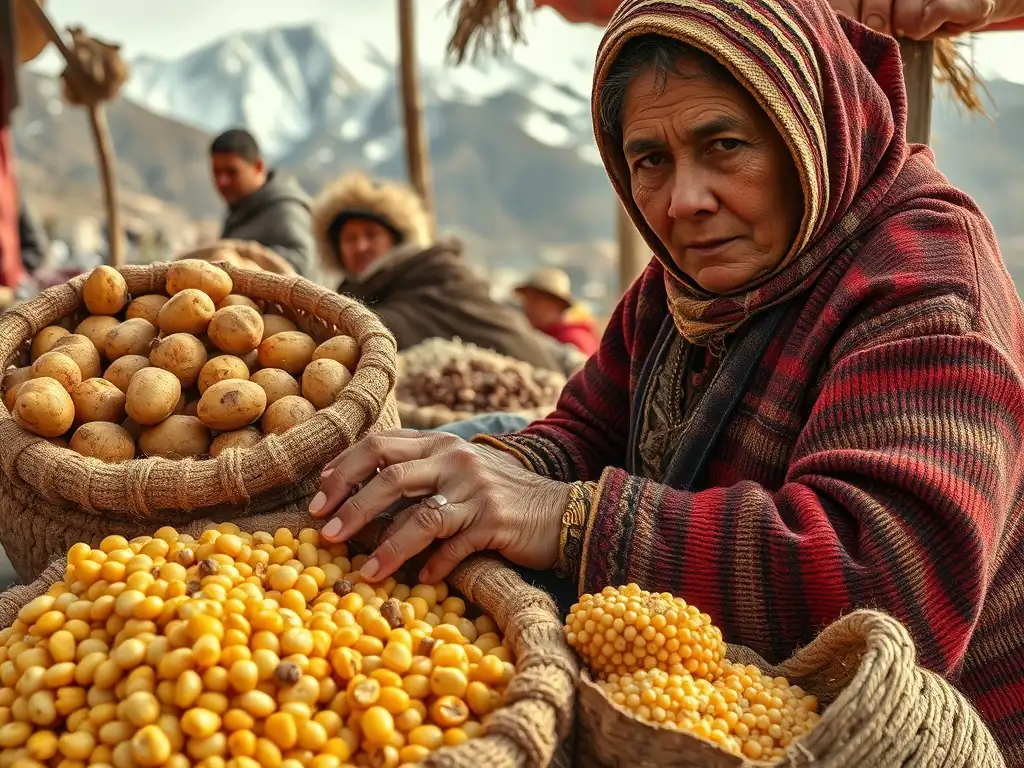
Andean food preservation techniques were, and continue to be, crucial for ensuring food security in the challenging Andean environment. The high altitude, unpredictable weather patterns, and steep, often inaccessible terrain presented significant obstacles to consistent food production. The ability to preserve surpluses from good harvests was vital for survival during lean times, particularly during droughts or unexpected frosts which could decimate crops.
These techniques weren't merely about extending shelf life; they were a life-sustaining strategy, a buffer against the capricious nature of the Andes. This is exemplified by the extensive use of freeze-drying techniques, naturally occurring in the high altitudes, and the clever use of storage structures to control temperature and humidity. The ingenuity behind these methods speaks volumes about the deep understanding Andean communities had of their environment and the challenges it posed.
Without effective preservation, the risk of famine would have been significantly higher. The very survival of these civilizations depended on their mastery of these methods.
Cultural Significance of Traditional Methods
Beyond the practical aspects of food security, Andean food preservation techniques held significant cultural importance. Many methods were deeply embedded in community traditions, rituals, and social structures. The preparation and storage of food often involved entire communities, fostering cooperation and strengthening social bonds. Specific methods and recipes were passed down through generations, becoming integral parts of family and cultural heritage.
The knowledge wasn’t just about food; it was a repository of ancestral wisdom, a link to the past, and a source of identity. For example, the intricate process of preparing chuño (freeze-dried potatoes) wasn't simply a means of preserving food; it was a communal event often accompanied by songs, stories, and celebrations, reinforcing social cohesion within the community. These practices continue to be practiced today, demonstrating the enduring power of tradition.
Lessons for Modern Sustainable Food Practices
The ingenuity and effectiveness of Andean food preservation techniques offer invaluable lessons for modern sustainable food practices. In a world facing growing concerns about food waste and the impact of industrial food processing on the environment, the traditional methods of the Andes provide a compelling alternative. These methods, often relying on natural processes and readily available materials, minimize energy consumption and environmental impact.
The emphasis on preserving surpluses and minimizing waste aligns perfectly with contemporary sustainability goals. Studying and adapting these techniques can contribute to more resilient and environmentally friendly food systems, particularly in regions with similar climatic challenges. The focus on local resources and reduced reliance on external inputs offers a pathway towards greater food sovereignty and community self-reliance, mirroring the resilience of Andean communities.
The Legacy of Andean Food Storage
Modern Applications of Traditional Techniques
Many traditional Andean food preservation techniques are still practiced today, adapting to modern contexts while retaining their core principles. Chuño, for example, remains a staple food in many Andean communities, demonstrating the enduring relevance of this ancient method. The principles of controlled drying, using natural ventilation and sun exposure, are being incorporated into modern food processing techniques, particularly in developing sustainable and energy-efficient food preservation methods.
Farmers' markets and local food initiatives often showcase traditional Andean preservation methods, providing consumers with access to naturally preserved products and supporting local producers. These contemporary applications underscore the enduring value and adaptability of these ancient practices, highlighting their relevance in a modern world. The continued use of these methods showcases their resilience and effectiveness, even in the face of globalization and technological advancements.
The Importance of Preserving Traditional Knowledge
Preserving the traditional knowledge associated with Andean food storage is crucial for several reasons. This knowledge represents a vast repository of practical skills and wisdom accumulated over millennia, offering valuable insights into sustainable food systems and resource management. The loss of this knowledge would represent an irreplaceable loss of cultural heritage and a significant blow to food security in the Andes.
Active efforts to document, share, and transmit this knowledge to future generations are vital. This can be achieved through initiatives such as oral histories, workshops, and educational programs that engage both local communities and wider audiences. By preserving this knowledge, we not only safeguard cultural heritage but also unlock sustainable solutions for the future of food production.
Conservation Efforts
Various conservation efforts are underway to protect and promote traditional Andean food preservation techniques. These efforts often involve collaborations between researchers, local communities, and organizations dedicated to preserving cultural heritage and promoting sustainable agriculture. The focus is on documenting traditional methods, supporting local producers, and raising awareness about the importance of these practices.
These initiatives aim to safeguard traditional knowledge, support local economies, and contribute to sustainable food systems. Specific examples include [specific information pending] showcasing the combined efforts to revitalize traditional Andean practices and ensuring their survival for generations to come. The success of these conservation efforts hinges on collaborative action and a deep respect for the rich cultural heritage they aim to preserve.
Conclusion: The Ingenuity of Andean Food Preservation
The ingenuity of Andean food preservation techniques is a testament to the deep understanding these civilizations possessed of their environment and the challenges it presented. Facing harsh climates, unpredictable weather patterns, and the need to sustain large populations, they developed a remarkable array of methods to ensure food security year-round. Their solutions weren't simply about preventing spoilage; they were sophisticated strategies reflecting a profound connection to the land and its resources. From the meticulous construction of storehouses to the innovative use of natural preservatives and drying techniques, every aspect of their food preservation practices reveals a remarkable level of planning and foresight.
The effectiveness of these methods is evidenced by the survival and prosperity of these societies for centuries, a legacy that continues to inspire modern-day approaches to sustainable food management. Understanding these ancient Andean techniques offers valuable insights into resilient agricultural practices, particularly relevant in the context of today's concerns about food security and climate change. The study of Andean food preservation is not just a historical pursuit; it's a vital source of knowledge for addressing contemporary challenges related to sustainable agriculture and resource management.
These ancient practices underscore the importance of integrating traditional wisdom with modern technology to build more resilient and sustainable food systems for the future. The legacy of the Andes reminds us that ingenuity and respect for nature are key ingredients in ensuring food security for generations to come. The sophistication and effectiveness of these techniques serve as a powerful example of human adaptation and resourcefulness in the face of environmental adversity.
- Introduction to Andean Food Preservation Techniques
- The Challenge of Preserving Food in the Andes
- Ancient Andean Methods of Food Preservation
- Specific Examples of Andean Food Preservation
- The Significance of Andean Food Preservation
- The Legacy of Andean Food Storage
- Conclusion: The Ingenuity of Andean Food Preservation
- How did Andean civilizations preserve food without refrigeration?
- What role did altitude play in Andean food preservation?
- What specific foods were commonly preserved by Andean cultures?
- What were some of the containers used for storing preserved food?
- How did Andean food preservation techniques impact their societal structure?
Frequently Asked Questions
How did Andean civilizations preserve food without refrigeration?
Andean cultures employed a variety of ingenious techniques. These included sun-drying, freeze-drying at high altitudes, and storage in underground cellars to maintain stable temperatures. These methods ensured food lasted through lean times.
What role did altitude play in Andean food preservation?
The high altitude of the Andes provided a naturally cold and dry environment, ideal for freeze-drying and slowing down spoilage. This natural refrigeration greatly aided preservation efforts.
What specific foods were commonly preserved by Andean cultures?
Potatoes, corn, and quinoa were staples preserved using various methods. Dried meats and fruits also featured prominently in their preserved food stores.
What were some of the containers used for storing preserved food?
Andean people utilized a range of containers including woven baskets, ceramic pots, and underground storage pits. The choice of container depended on the food and the preservation method employed.
How did Andean food preservation techniques impact their societal structure?
Effective preservation techniques were crucial to supporting large populations and ensuring social stability. Access to preserved food during lean seasons helped avoid famines and supported complex social structures.
Final Reflection: Echoes of the Andes: A Legacy of Resilience in Food
The ingenious food preservation techniques of the Andes remain profoundly relevant today, offering vital lessons in sustainability and resourcefulness in the face of a changing climate. As global food security faces unprecedented challenges, understanding and adapting these ancient practices could be crucial for ensuring future generations have access to nutritious and diverse diets. The ingenuity displayed by Andean communities in their approach to food preservation is a testament to human adaptability and a powerful reminder of our interconnectedness with the environment.
The enduring impact of Andean food preservation methods extends far beyond the high altitudes of the Andes themselves. These techniques, passed down through generations, represent a deep cultural connection to the land and a profound understanding of ecological balance. They offer a powerful counterpoint to modern, often wasteful, food systems. We do not inherit the earth from our ancestors, we borrow it from our children.
This sentiment, though often attributed to various sources, perfectly encapsulates the wisdom embedded within the Andean approach to food preservation – a mindful stewardship of resources for the benefit of future generations.
Consider the implications of these ancient practices for your own life. How can you incorporate principles of resourcefulness and mindful consumption into your daily routines? Perhaps it's exploring local, seasonal produce, reducing food waste, or learning simple preservation techniques like drying or fermenting. Embrace the spirit of Andean ingenuity; let it inspire you to cultivate a more sustainable and connected relationship with the food you consume. The legacy of the Andes awaits, ready to guide us towards a more resilient and equitable future.
**Unlock the Secrets to Sustainable Food Storage! **
Thank you for exploring the fascinating world of Andean food storage techniques with us! You've gained valuable insights into preserving harvests in challenging environments, and now it's time to apply that knowledge. The steps you take now can help you embrace sustainable practices while honoring age-old traditions.
Here’s how you can get started:
- **Preserve your food using Andean-inspired methods:** Select a technique, such as sun-drying tomatoes or fermenting vegetables, to preserve your seasonal produce or leftover ingredients.
- **Connect with a community group or online forum** dedicated to sustainable living. This is a fantastic way to share your experiences and learn from others.
- **Experiment with locally sourced ingredients** to create unique dishes inspired by Andean culinary traditions. You might be surprised by the delicious and innovative flavors you discover!
We'd love to hear how you plan to incorporate these preservation techniques into your daily life and any new ideas you develop!