
The Resilience of Andean Agriculture: Overcoming Challenges for Centuries


Unravel the mysteries of the Andes! Prepare to be amazed by the ingenuity of ancient civilizations who thrived in some of the world's most challenging terrains. How did they conquer seemingly insurmountable obstacles? Discover the secrets behind their remarkable resilience, starting with their sophisticated Andean agricultural techniques – a testament to human adaptation and innovation that will leave you breathless. Delve into the fascinating world of Andean agriculture and food and uncover the story of their remarkable achievements.
The Andes Mountains, a formidable and unforgiving landscape, presented ancient civilizations with an extraordinary challenge: how to cultivate food in diverse and often harsh environments. This article explores the remarkable resilience of Andean agriculture, examining the ingenious techniques developed over centuries to overcome steep slopes, unpredictable weather, and thin, infertile soils. From the ingenious terracing of the Inca to the sophisticated irrigation systems of the Nazca, Andean agricultural practices represent a testament to human ingenuity and adaptability.
We'll delve into the specific techniques employed, the crops cultivated, and the lasting impact of these methods on the region's food security and cultural identity. Understanding these "Andean agricultural techniques" provides a crucial lens through which to appreciate the remarkable achievements of these ancient societies and their enduring legacy. This exploration will illuminate not only the practical aspects of Andean farming but also the deep connection between these civilizations and their environment.
Introduction to Andean Agricultural Practices
Andean agriculture wasn't simply a matter of planting seeds and hoping for the best; it was a complex and sophisticated system deeply intertwined with the natural environment. The diverse geography of the Andes—ranging from arid coastal deserts to high-altitude plains and lush cloud forests—necessitated a wide array of specialized techniques. These techniques weren't uniform across all Andean cultures; each civilization adapted its methods to the specific challenges of its environment. However, several common themes emerge, demonstrating a remarkable level of innovation and understanding of ecological principles. These included:
- Terracing: Creating flat platforms on steep slopes to increase cultivable land and reduce soil erosion. This technique, particularly refined by the Inca, allowed for intensive agriculture in areas otherwise unsuitable for farming.
- Irrigation: Developing intricate systems of canals and aqueducts to divert water from rivers and streams to fields, crucial in arid regions. The Nazca lines, famously visible from the air, are thought to have played a role in such irrigation systems.
- Waru Waru: A pre-Inca raised-bed agricultural system that involved creating interconnected raised beds separated by canals. This system improved drainage, moderated soil temperatures, and increased water retention, particularly beneficial in areas with fluctuating water levels.
- Crop diversification: Cultivating a wide range of crops adapted to different altitudes and microclimates. This strategy minimized the risk of crop failure due to weather events or pests. The Andes boasted an incredible biodiversity of crops, many of which are still cultivated today.
The following sections will delve deeper into each of these techniques, providing specific examples and illustrating their significance in the context of Andean civilizations. We will also explore the remarkable adaptability of Andean farmers in the face of environmental challenges and the lasting influence of their agricultural practices on the region's food systems. Understanding these techniques is key to appreciating the ingenuity and resilience of the Andean people.
- What innovative agricultural techniques did Andean civilizations employ?
- How did the Andean people adapt their agriculture to diverse climates and altitudes?
- What role did water management play in Andean agricultural success?
- What crops were most important to the Andean civilizations, and how were they cultivated?
- How did Andean agricultural techniques contribute to the civilizations' resilience?
Ancient Andean Farming Methods: A Legacy of Innovation
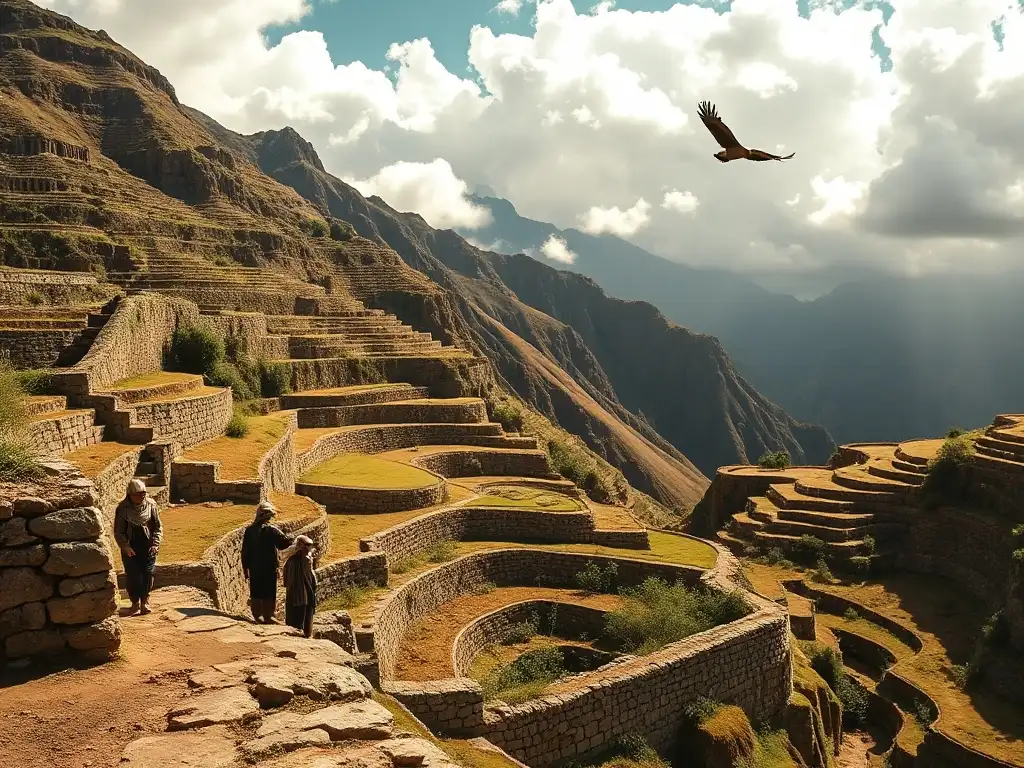
The Andes Mountains, a seemingly inhospitable environment, became the cradle of sophisticated agricultural techniques developed over millennia by ingenious Andean civilizations. Their success wasn't just about survival; it was about thriving in challenging terrains, creating a surplus that supported large populations and complex societies. Understanding these Andean agricultural techniques reveals a deep connection between people and their environment, a testament to human adaptability and ingenuity. This section explores some key methods that allowed Andean agriculture to flourish.
Terracing Techniques for Mountain Agriculture
Andean terracing is perhaps the most visually striking example of their agricultural prowess. These meticulously carved terraces, clinging to steep mountain slopes, dramatically increased arable land. This wasn't simply a matter of carving steps into hillsides; the design incorporated sophisticated principles of water management and soil conservation. The terraces themselves were often built with retaining walls made of stone, carefully chosen and placed to prevent soil erosion. The walls also helped to regulate water flow, preventing runoff and ensuring even distribution across the fields.
The scale of some terracing projects is breathtaking. For example, the terraces of the Sacred Valley in Peru stretch for miles, a testament to the coordinated effort and advanced engineering skills of the Inca and pre-Inca civilizations. Different slopes required different techniques, showcasing adaptability to local conditions. Steeper slopes often featured smaller terraces with stronger retaining walls, while gentler slopes allowed for larger, more expansive fields.
The construction of these terraces was a significant undertaking, requiring substantial labor and meticulous planning, demonstrating the high value placed on agriculture within Andean societies. This system ensured optimal sunlight exposure, reduced erosion, and maximized water retention, resulting in significantly higher crop yields compared to farming on unsloped land. The legacy of these terraces remains visible today, a powerful symbol of Andean ingenuity and resilience.
The Ingenious Use of Irrigation Systems
Water scarcity was a constant challenge in the Andes. To overcome this, Andean farmers developed intricate irrigation systems that channeled water from rivers, springs, and melting snow to their fields. These systems were not simply canals; they involved complex networks of channels, aqueducts, and reservoirs, often incorporating ingenious techniques to manage water flow and distribution. The ability to control water was crucial for successful crop production, especially during the dry season.
One remarkable example is the waru waru system, a pre-Inca technique involving raised beds surrounded by irrigation canals. This system offered several advantages: it improved drainage in waterlogged areas, reduced frost damage, and enhanced soil fertility. The canals between the raised beds acted as reservoirs, storing water for use during drier periods. The system also created a microclimate that was more favorable for crop growth.
This sophisticated understanding of hydrology and soil science allowed Andean farmers to cultivate crops in areas that would otherwise have been unproductive. Furthermore, the waru waru system is considered a sustainable and environmentally friendly approach, showcasing a deep understanding of ecological principles. Many Andean communities still utilize variations of this system today.
Crop Rotation and Soil Management in the Andes
Beyond terracing and irrigation, Andean farmers employed sophisticated techniques of crop rotation and soil management to maintain soil fertility and prevent depletion. They understood the importance of diversifying crops and rotating them to prevent the build-up of pests and diseases. Different crops have different nutrient requirements, and rotating them helped to maintain a balanced soil ecosystem. The practice also helped to prevent soil erosion and maintain its structure.
Furthermore, the Andean civilizations utilized various organic fertilizers, including animal manure and compost, to enrich the soil. This practice, combined with crop rotation, ensured high yields over extended periods. Specific knowledge of which crops thrived in different soil types and altitudes played a vital role in optimizing yields.
The use of fallowing – leaving fields fallow for a period to allow the soil to recover – was another important part of their soil management strategy. This holistic approach to soil management demonstrates a profound understanding of ecological principles and sustainable agricultural practices, a knowledge system that continues to inspire modern agricultural techniques. The resilience of Andean agriculture is a testament to the ingenuity and adaptability of its people, a legacy that continues to resonate today.
Andean Crops: Diversity and Adaptation

The success of Andean civilizations hinged significantly on their mastery of Andean agricultural techniques. The challenging environment—high altitudes, steep slopes, and unpredictable weather—required innovative farming practices and a remarkable diversification of crops. This section explores the key crops that sustained these societies and the ingenious methods used to cultivate them, highlighting the remarkable resilience inherent in Andean agriculture. The sheer variety of crops cultivated speaks volumes about the ingenuity and adaptability of Andean farmers. Understanding these crops and their cultivation provides crucial insight into the sophisticated agricultural systems that underpinned the rise and longevity of these remarkable civilizations.
The Importance of Potatoes in Andean Diet
The potato ( Solanum tuberosum) is arguably the most iconic Andean crop, and its importance to the region's history and culture cannot be overstated. Far from a single entity, the potato boasts an incredible diversity of varieties, each adapted to specific altitudes, climates, and soil conditions. This biodiversity allowed Andean farmers to cultivate potatoes across a wide range of ecological niches. Estimates suggest that thousands of potato varieties existed before the arrival of Europeans, many of which are still cultivated today. 1
The potato provided a reliable source of carbohydrates, essential for energy and sustenance. Its versatility in preparation—boiled, roasted, fried, or dried into chuño—further enhanced its value. The potato's nutritional profile, rich in carbohydrates, vitamins, and minerals, played a crucial role in supporting the health and productivity of Andean populations. Even today, the potato remains a dietary cornerstone for millions across the Andes. The ingenuity of preserving potatoes as chuño, a freeze-dried product, demonstrates the advanced understanding of food preservation techniques employed by Andean farmers, allowing them to safeguard their food supply throughout the year.
Quinoa: A Nutritional Staple of the Andes
Quinoa ( Chenopodium quinoa) is another crucial Andean crop, renowned for its nutritional value and adaptability to harsh environments. Unlike many other crops, quinoa thrives in high-altitude, arid conditions. It is a complete protein, containing all nine essential amino acids, a rare characteristic among plant-based foods. This made quinoa an invaluable source of protein for Andean populations, particularly in regions where access to animal protein was limited.
Quinoa's nutritional profile extends beyond protein. It is also a good source of fiber, iron, and various other essential vitamins and minerals. Its resilience to harsh conditions, coupled with its nutritional richness, cemented its status as a staple food in the Andean diet. The cultivation of quinoa involved sophisticated techniques adapted to the specific challenges of high-altitude farming. Detailed knowledge of soil types, water management, and frost protection was crucial for successful quinoa cultivation, showcasing the sophisticated agricultural understanding of Andean farmers.
Other Key Andean Crops: Oca, Mashua, and Kiwicha
Beyond potatoes and quinoa, a diverse array of other crops contributed to the Andean diet and agricultural system. These include oca ( Oxalis tuberosa), mashua ( Tropaeolum tuberosum), and kiwicha ( Amaranthus caudatus).
- Oca: This tuberous root crop, with its vibrant colors ranging from yellow to red to purple, provided another crucial source of carbohydrates and vitamins. Oca's adaptability to high-altitude conditions and its relatively short growing season made it a valuable addition to Andean agriculture.
- Mashua: Similar to oca, mashua is another tuberous root crop cultivated at high altitudes. It possesses a unique peppery flavor and is rich in nutrients. Like oca, mashua played a significant role in diversifying the Andean diet and enhancing food security.
- Kiwicha: Also known as amaranth, kiwicha is a grain crop with high nutritional value, comparable to quinoa. It is a complete protein source and is rich in minerals and vitamins. Kiwicha's resilience to harsh environmental conditions further strengthened the Andean agricultural system's robustness.
The combined cultivation of these diverse crops, along with sophisticated water management and terracing techniques, allowed Andean civilizations to thrive in challenging environments for centuries. The resilience of Andean agriculture serves as a testament to the ingenuity and adaptability of its people, providing invaluable lessons for sustainable agriculture today. The study of these Andean agricultural techniques offers essential insights into developing resilient and sustainable food systems in the face of environmental challenges.
1 Further research is needed to determine the precise number of potato varieties that existed before European contact.
Challenges Faced by Andean Agriculture
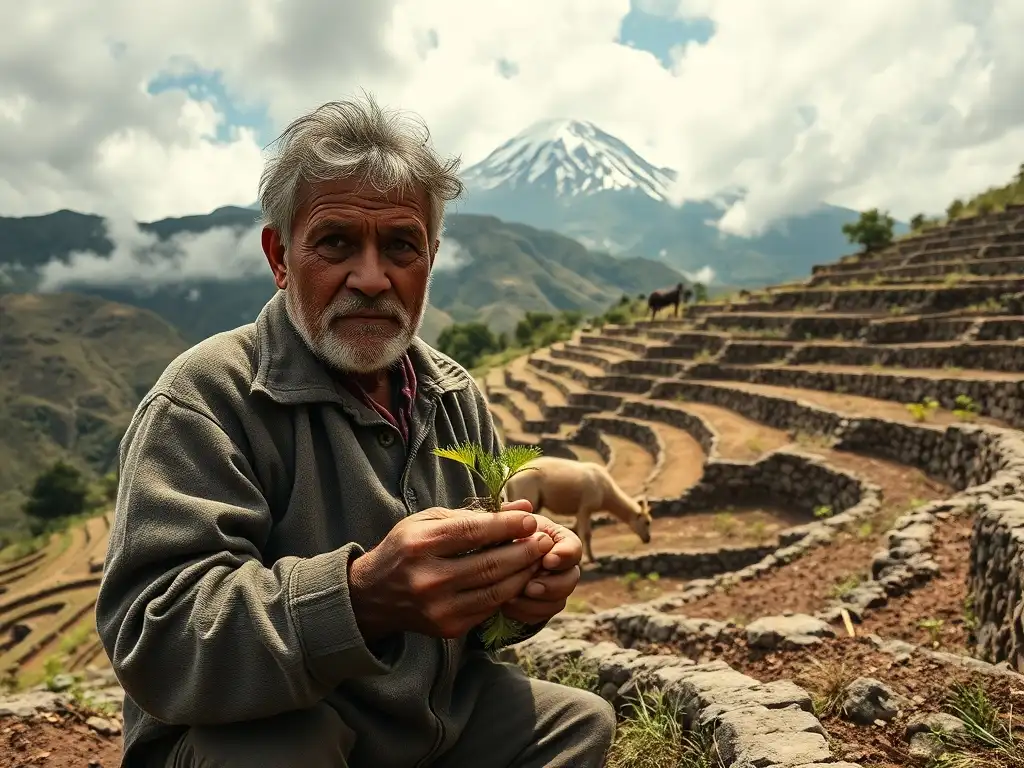
The Andes Mountains, a geographically diverse and imposing landscape, presented formidable challenges to the development of sustainable agriculture. Andean agricultural techniques, honed over millennia, were a testament to the ingenuity and resilience of its inhabitants. However, the very environment that cradled these civilizations also imposed significant limitations, demanding constant adaptation and innovation. Understanding these challenges illuminates the remarkable achievements of Andean farmers.
Harsh Climatic Conditions and High Altitudes
The high altitude of the Andes significantly impacted agricultural practices. Thin air resulted in lower temperatures, shorter growing seasons, and intense solar radiation. Frost was a constant threat, particularly at higher elevations. Furthermore, the unpredictable nature of rainfall, ranging from arid desert conditions in some regions to torrential downpours in others, necessitated sophisticated water management systems.
Farmers had to contend with steep slopes, making terracing and irrigation crucial for successful cultivation. For example, the waru waru system, a raised-field agricultural technique, allowed for better water retention and temperature regulation, mitigating the effects of frost and drought. This system, still practiced in some areas, demonstrates the deep-seated understanding of the Andean environment and the adaptive nature of Andean agricultural techniques. The challenges posed by altitude and climate directly influenced crop selection, with farmers prioritizing hardy, cold-tolerant varieties.
Soil Erosion and Degradation Problems
The steep slopes of the Andes made the land susceptible to soil erosion, a constant threat to agricultural productivity. Intense rainfall could easily wash away topsoil, reducing fertility and impacting crop yields. Overgrazing by livestock further exacerbated this problem, leading to land degradation.
To combat soil erosion, Andean farmers developed innovative techniques such as terracing, which created level platforms for cultivation and reduced the impact of rainfall. They also employed techniques like crop rotation and the use of organic fertilizers, such as guano (bird droppings), to maintain soil fertility. The careful management of resources was paramount; understanding the delicate balance between land use and soil health was vital for long-term agricultural sustainability.
The long-term consequences of soil degradation, however, were significant, requiring continuous efforts to prevent further loss of arable land. Data on the rate of soil erosion in specific Andean regions [specific information pending] would provide a clearer picture of the historical impact of this challenge.
The Impact of Climate Change on Traditional Farming
Modern climate change adds another layer of complexity to the already challenging Andean agricultural landscape. Changes in rainfall patterns, increased frequency of extreme weather events (droughts and floods), and rising temperatures threaten the viability of traditional farming practices. Glacial melt, a direct consequence of climate change, impacts water resources crucial for irrigation.
The impact on Andean agricultural techniques is profound, forcing farmers to adapt once again. The introduction of new, more climate-resistant crop varieties is crucial, alongside the implementation of sustainable water management strategies. The preservation of traditional knowledge, combined with modern scientific understanding, is essential for navigating the challenges posed by climate change.
The resilience of Andean agriculture has been tested throughout history, and the current climate crisis presents yet another hurdle to overcome. The long-term sustainability of Andean farming systems depends on addressing the effects of climate change effectively and promoting climate-smart agriculture. Detailed studies on the specific effects of climate change on different Andean crops and regions [specific information pending] are necessary to fully understand the extent of this challenge and develop appropriate mitigation strategies.
Adaptations and Resilience Strategies
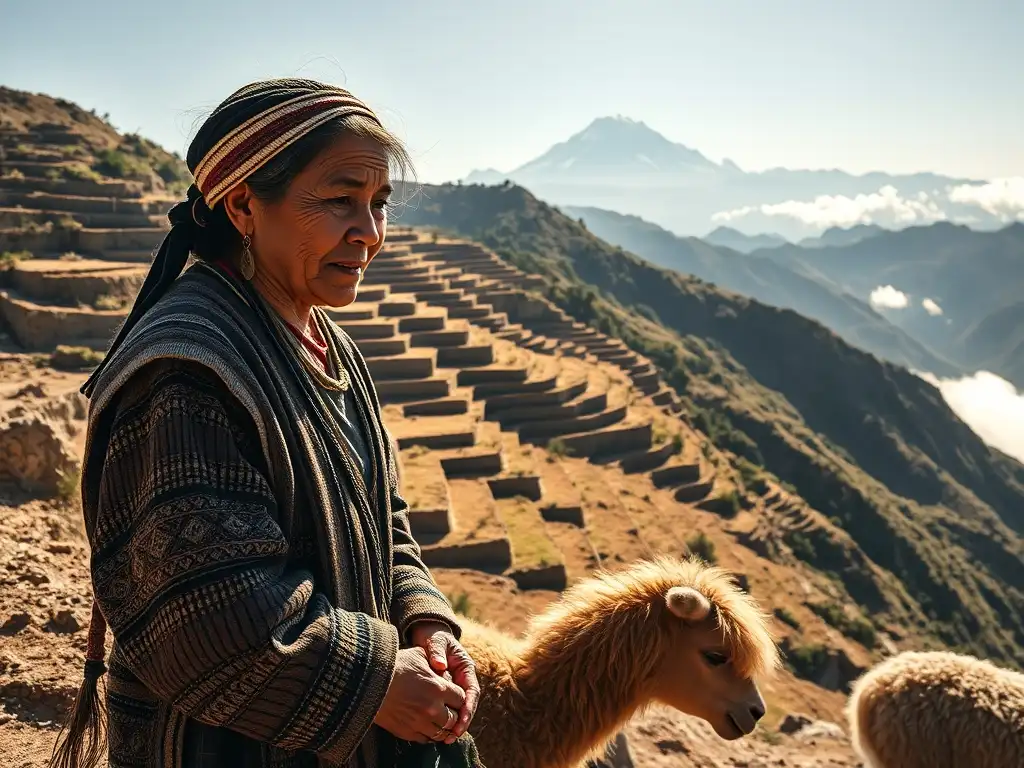
Andean agricultural techniques are renowned for their remarkable adaptability to the diverse and often challenging environments of the Andes Mountains. For centuries, Andean communities have developed ingenious methods to cultivate crops in steep slopes, high altitudes, and arid climates. Their success hinges on a deep understanding of their environment and a sophisticated repertoire of techniques honed over millennia. This section delves into the key strategies employed by Andean farmers to ensure food security and resilience in the face of adversity.
The ingenuity of these methods is a testament to the enduring connection between people and their land, showcasing the power of sustainable practices. These techniques are not simply historical curiosities; they offer valuable lessons for modern agriculture, particularly in the context of climate change and increasing food insecurity globally. Understanding the nuances of Andean agricultural techniques provides a framework for developing more sustainable and resilient agricultural systems globally.
Traditional Knowledge and Its Role in Sustainability
Traditional Andean knowledge forms the bedrock of their agricultural success. This knowledge, passed down through generations, encompasses a wide range of practices designed to optimize resource use and mitigate risks. For instance, the concept of ayni, reciprocal exchange within the community, ensured the sharing of resources and labor, crucial for tackling large-scale agricultural tasks like terracing construction or irrigation system maintenance. This collaborative approach fostered social cohesion and promoted equitable access to land and resources, contributing significantly to long-term sustainability.
Furthermore, the meticulous observation of natural cycles and microclimates played a pivotal role in determining planting times, crop selection, and water management. Farmers employed sophisticated systems of crop rotation and intercropping to maintain soil fertility and biodiversity, minimizing the need for external inputs. The use of natural fertilizers, such as guano (bird droppings) and compost, further enhanced soil health and reduced reliance on potentially harmful chemical fertilizers.
The integration of livestock into farming systems, a common practice in many Andean communities, provided additional benefits such as manure for fertilization and traction for plowing. This holistic approach to farming, emphasizing the interconnectedness of all elements within the ecosystem, stands in stark contrast to many modern, industrialized agricultural models.
Community-Based Agricultural Practices
The success of Andean agricultural techniques is intrinsically linked to the strong community structures that underpinned them. Collective action was, and continues to be, vital for managing shared resources, such as irrigation canals and pasturelands. These community-based practices fostered a sense of shared responsibility and ensured the equitable distribution of benefits and burdens. Examples include the minga, a communal work system where community members collaborate on agricultural tasks, and the intricate water management systems built and maintained collectively.
The organization of agricultural activities around community needs and priorities ensured that the system was both productive and socially just. Decision-making processes were often participatory, involving all stakeholders in the planning and implementation of agricultural projects. This inclusive approach fostered a sense of ownership and responsibility, promoting long-term sustainability and resilience.
The absence of individualistic competition for resources ensured that the common good was prioritized over individual gain, a crucial element in the long-term viability of the system. Data on the success of these community-based approaches – measured in terms of food security and environmental sustainability – would strengthen this argument. [Specific data pending on long-term success rates of community-based Andean agriculture].
Modern Innovations Based on Ancestral Wisdom
While traditional Andean agricultural techniques remain highly relevant, modern innovations are increasingly building upon this ancestral wisdom. Scientists and researchers are now studying these techniques to understand their underlying principles and to adapt them to the challenges of a changing world. For example, research into ancient Andean irrigation systems is informing the development of more efficient and sustainable water management strategies in arid and semi-arid regions. Similarly, studies on traditional crop varieties are helping to identify genes that confer resilience to drought, pests, and diseases, contributing to the development of improved crop varieties.
Furthermore, efforts are underway to revive and promote traditional agricultural practices, recognizing their value in promoting biodiversity, soil health, and climate change adaptation. These efforts often involve collaboration between researchers, government agencies, and local communities, ensuring that modern innovations are culturally appropriate and sustainable. The integration of ancestral knowledge with modern technology holds immense potential for enhancing food security and promoting sustainable development in the Andes and beyond.
This synergy between tradition and innovation represents a powerful model for building resilient agricultural systems that can withstand the pressures of a rapidly changing world. The continued study and application of Andean agricultural techniques offers a valuable pathway towards a more sustainable future for global food production. 🗺️
The Future of Andean Agriculture
The legacy of ingenious Andean agricultural techniques continues to inspire modern sustainable farming practices globally. Understanding the past is crucial to securing the future of Andean agriculture, ensuring food security for the region and preserving a unique cultural heritage. The challenges facing Andean agriculture today—climate change, soil degradation, market pressures—demand innovative solutions that build upon the strengths of traditional methods while embracing modern advancements. This section explores the critical path forward, focusing on preserving cultural heritage, implementing sustainable practices, and supporting the dedicated farmers who are the heart of this vital system.
Preserving Cultural Heritage through Farming
Preserving Andean agricultural heritage isn't merely about nostalgia; it's about safeguarding biodiversity and resilient farming techniques honed over millennia. Many traditional Andean agricultural practices, like waru waru raised-field agriculture and the intricate network of andas (carrying poles) used for transporting goods, are intrinsically linked to the cultural identity of the region. These methods, often passed down through generations, offer valuable insights into sustainable land management and crop diversification. For example, the waru waru system, with its raised beds and irrigation canals, demonstrates remarkable adaptability to fluctuating water availability and reduces the impact of frost.
Its effectiveness in mitigating the effects of climate change is currently being investigated and replicated in other regions struggling with water scarcity. Documenting and promoting these practices through educational initiatives and community-based programs is essential. This not only safeguards invaluable knowledge but also empowers local communities to maintain their cultural heritage while adapting to modern challenges.
The continued use of heirloom seeds, representing a vast genetic diversity, is another key aspect. These seeds, often adapted to specific microclimates and resistant to local pests, are crucial for maintaining the resilience of Andean agriculture. Failure to protect these seeds could lead to significant loss of valuable genetic resources.
Sustainable Agricultural Practices for the Future
The future of Andean agriculture hinges on the adoption of sustainable practices that enhance productivity while minimizing environmental impact. This involves a holistic approach, integrating traditional knowledge with modern scientific advancements. Precision agriculture techniques, using technology to optimize resource allocation, can be combined with traditional crop rotation and intercropping methods to maximize yields and conserve soil fertility. For instance, employing sensors to monitor soil moisture levels can help farmers optimize irrigation, reducing water waste and improving crop yields.
Similarly, integrating traditional knowledge of companion planting with precision farming technologies can enhance pest control and reduce reliance on synthetic pesticides. The promotion of organic farming practices, minimizing the use of synthetic fertilizers and pesticides, is another crucial element. This approach safeguards soil health, protects biodiversity, and enhances the quality of agricultural products.
Furthermore, sustainable agricultural practices reduce the carbon footprint of Andean agriculture, contributing to global efforts to mitigate climate change. Investment in research and development is critical for adapting and refining these techniques to the specific needs of the diverse Andean ecosystems. This includes developing drought-resistant crops and improving livestock management practices to minimize environmental impact.
The Importance of Supporting Andean Farmers
The success of sustainable Andean agriculture relies heavily on the empowerment and support of Andean farmers. These individuals are the custodians of invaluable knowledge and play a crucial role in ensuring food security for the region. Providing access to credit, markets, and appropriate technology is paramount. Fair trade practices, guaranteeing fair prices for their produce, are essential for ensuring the economic viability of their farming operations.
Investing in rural infrastructure, including improved roads and storage facilities, can also significantly enhance their productivity and market access. Additionally, comprehensive training programs focused on sustainable agricultural practices and business management skills are crucial. These programs should incorporate traditional knowledge while introducing modern techniques and technologies. Furthermore, promoting farmer cooperatives and collective action can strengthen their bargaining power and access to resources.
Supporting Andean farmers isn't just about economic development; it's about preserving a vital cultural heritage and ensuring the long-term sustainability of Andean agriculture. Their resilience and adaptability are essential for the future of food production in the Andes and beyond. Investing in their success directly translates to a more sustainable and food-secure future for the entire region.
Frequently Asked Questions
What innovative agricultural techniques did Andean civilizations employ?
Andean civilizations developed ingenious techniques like terracing, irrigation systems, and the use of fertilizers (like guano) to cultivate diverse crops in challenging mountainous terrain. These methods maximized land use and crop yields.
How did the Andean people adapt their agriculture to diverse climates and altitudes?
They utilized a system of verticality, cultivating different crops at varying altitudes based on their specific climate needs. This allowed them to produce a wide variety of food throughout the year. Microclimates were expertly managed.
What role did water management play in Andean agricultural success?
Efficient irrigation systems, including canals, aqueducts, and reservoirs, were crucial. These systems ensured a reliable water supply for crops, even in arid regions. This water control was vital for their survival.
What crops were most important to the Andean civilizations, and how were they cultivated?
Key crops included potatoes, maize (corn), quinoa, and beans. Cultivation techniques varied by crop and location but often involved complex systems of crop rotation and soil management.
How did Andean agricultural techniques contribute to the civilizations' resilience?
The sophisticated agricultural practices enabled these civilizations to sustain large populations in challenging environments. Their ingenuity in overcoming environmental obstacles contributed to their longevity and success.
Final Reflection: Cultivating Resilience, Harvesting the Future
The ingenious agricultural techniques developed in the Andes remain a powerful testament to human ingenuity and adaptation, a beacon of hope in our increasingly volatile world. Facing climate change, population growth, and the pressures of globalization, understanding these ancient practices offers vital lessons for building more sustainable and resilient food systems globally. The challenges faced by Andean farmers resonate deeply with the struggles of modern agriculture, highlighting the urgent need for innovative and environmentally conscious approaches.
The enduring legacy of Andean agriculture is not merely historical; it continues to shape the cultural identity and economic realities of millions. These practices, passed down through generations, represent a profound connection to the land and a deep understanding of ecological balance. The mountains are our mother, and we must respect her.
This sentiment, often heard in Andean communities, encapsulates the holistic approach to farming that prioritizes sustainability and community well-being over short-term gains. This philosophy offers a powerful counterpoint to the often exploitative nature of modern industrial agriculture.
You, the reader, now hold the knowledge of centuries of Andean agricultural wisdom. Consider how these time-tested techniques – from terrace farming to crop diversification – can inspire your own actions, whether in your garden, your community, or your advocacy for sustainable food systems. Let the resilience of the Andean people be a catalyst for your own commitment to building a more just and sustainable future, one where we learn from the past to cultivate a thriving future for all.
**Cultivate Your Connection to Andean Resilience! **
Thank you for exploring the fascinating world of Andean agriculture with us! Your interest highlights the enduring strength and ingenuity of these resilient communities. Let's build on this knowledge and integrate the spirit of resilience into our own lives.
Here's how you can get involved and make a difference:
- **Support sustainable farming:** Seek out and purchase products from local farmers committed to sustainable practices. This directly benefits both agriculture and the environment.
- **Share your knowledge:** Discuss the challenges and innovative solutions within Andean agriculture with friends, family, and online communities. Help raise awareness about the global importance of resilient agricultural systems.
- **Engage with local initiatives:** Participate in community-supported agriculture (CSA) programs or workshops to connect directly with local farmers and learn about their methods.
What aspect of Andean agriculture most inspires you, and how will you apply that inspiration to your own life or community?