
The Sacred Leaf: Unveiling Coca's True Role in Andean Civilizations

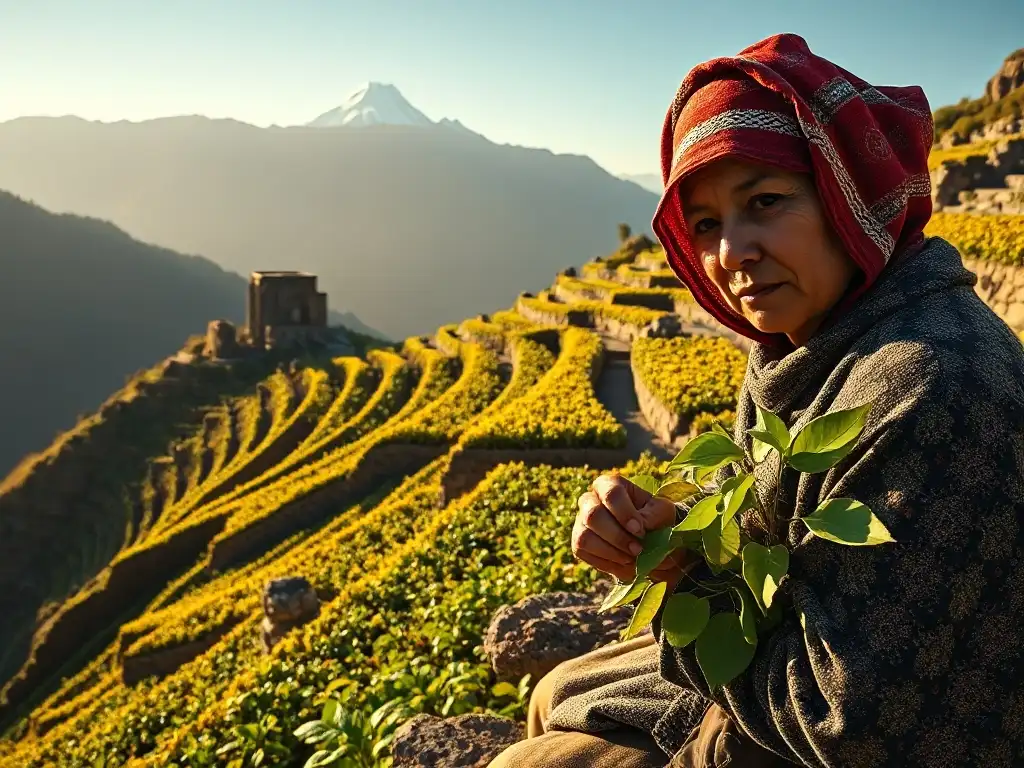
Welcome to Andean Civilizations, where the echoes of a lost world whisper secrets of ingenuity and power. Prepare to journey through millennia of breathtaking artistry, sophisticated engineering, and enduring traditions. But first, let's unravel a mystery shrouded in myth: the profound significance of the coca leaf in Inca civilization. Dare to delve deeper into the intricate role this sacred plant played in shaping Andean life and discover a story far richer than you ever imagined.
The coca leaf ( Erythroxylum coca) holds a position of profound significance in the tapestry of Andean civilizations, far exceeding its simple classification as a plant. For millennia, it has interwoven itself into the social fabric, religious rituals, medicinal practices, and even the economic systems of cultures like the Inca, Moche, Nazca, and Tiahuanaco.
This article delves into the multifaceted role of the coca leaf, moving beyond common misconceptions to reveal its true importance within the context of Andean history and culture. We will explore its use from everyday life to sacred ceremonies, examining its impact on the social structures and beliefs of these remarkable societies.
Understanding the coca leaf's role provides crucial insight into the complexities and richness of Andean life, offering a deeper appreciation for the ingenuity and interconnectedness of these ancient civilizations. This exploration will particularly focus on coca leaf use in Inca civilization, examining its prevalence and significance within the Inca Empire.
Coca's Significance in Inca Society
The Inca Empire, at its zenith, controlled a vast territory encompassing much of the Andes Mountains. Within this expansive realm, the coca leaf wasn't merely a crop; it was an integral component of daily life, deeply intertwined with religious practices, social interactions, and economic stability. Inca society viewed coca as a sacred gift from the gods, a plant imbued with spiritual power. Its use was widespread, from the emperor to the commoner, though access and consumption patterns varied based on social standing.
The Inca state carefully regulated coca production and distribution, ensuring a steady supply for both religious ceremonies and the sustenance of its vast population. Archaeological evidence, including depictions on textiles and ceramics, and the discovery of coca remains in burial sites, strongly supports the centrality of coca in Inca culture. The sheer volume of coca leaves found in various contexts underscores its importance in everyday life.
Ritualistic and Ceremonial Uses of Coca
Beyond its practical applications, the coca leaf played a pivotal role in Inca religious ceremonies and rituals. It was offered as an offering to deities, used in divination practices, and consumed during important festivals and celebrations. The coca leaf facilitated communication with the spiritual world, enabling shamans and priests to access higher realms of consciousness and connect with the divine.
Specific rituals involved the careful preparation and consumption of coca, often accompanied by specific chants, prayers, and offerings. The precise details of these rituals are often fragmented, requiring careful interpretation of archaeological and ethnographic data. However, the widespread evidence points to a deeply rooted spiritual connection between the Inca people and the coca leaf.
Medicinal Properties and Everyday Applications
The coca leaf also possessed significant medicinal properties, recognized and utilized by the Inca. Its stimulating effects provided energy and stamina, crucial for the physically demanding lives of the Andean population. It was also used to alleviate hunger, thirst, and altitude sickness – all common challenges in the high-altitude Andean environment.
In addition to these practical applications, the coca leaf was employed in the treatment of various ailments, ranging from headaches and digestive issues to more serious conditions. Traditional Andean medicine relied heavily on the coca leaf, underscoring its vital role in maintaining the health and well-being of the population. Detailed accounts of its medicinal use are still being unearthed and studied by researchers today.
Coca and the Inca Economy
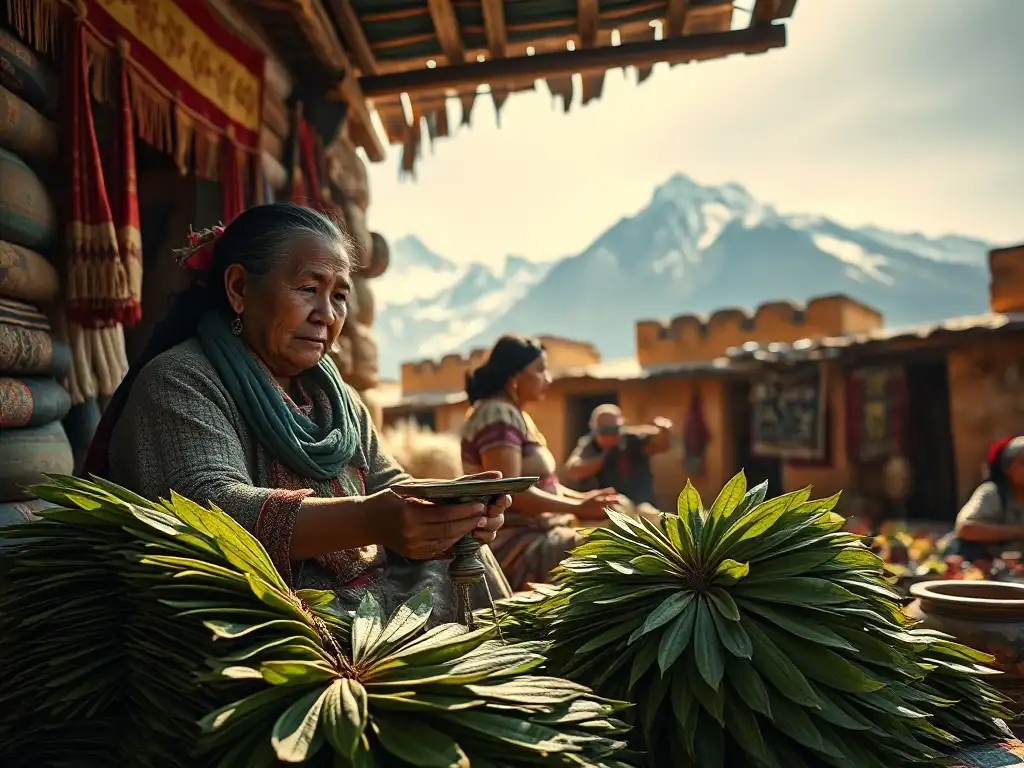
The cultivation, trade, and distribution of coca formed a significant part of the Inca economy. The state controlled coca production, ensuring a reliable supply for its citizens and the military. Coca leaves were used as a form of payment, a medium of exchange in various transactions, and a valuable commodity in trade networks.
The strategic management of coca production and distribution reflects the Inca's sophisticated understanding of economics and resource management. This intricate system ensured social stability and economic prosperity within the empire, highlighting the importance of coca beyond its spiritual and medicinal properties. Further research is needed to fully quantify the economic impact of coca on the Inca Empire.
The Coca Leaf Today: A Legacy of Andean Culture
The legacy of the coca leaf continues to resonate in contemporary Andean cultures. Despite the controversies surrounding its association with cocaine, the traditional use of coca as a stimulant, medicinal remedy, and part of social rituals remains deeply ingrained in Andean societies. Understanding the historical context is crucial for appreciating the enduring cultural significance of this remarkable plant. The coca leaf is more than just a plant; it is a symbol of Andean identity, resilience, and cultural heritage. It represents a continuous thread connecting ancient traditions to the present day.
- Coca's Significance in Inca Society
- Ritualistic and Ceremonial Uses of Coca
- Medicinal Properties and Everyday Applications
- Coca and the Inca Economy
- The Coca Leaf Today: A Legacy of Andean Culture
- What was the primary use of coca leaves in Inca society?
- Were coca leaves only used for religious purposes by the Inca?
- How did the Inca cultivate and control coca production?
- What were some of the medicinal uses of coca leaves in Inca civilization?
- Did the Spanish conquest significantly impact coca leaf use?
Coca in the Andes: Beyond Modern Misconceptions
The modern perception of the coca leaf is often clouded by its association with cocaine production. However, understanding coca's role in Andean civilizations requires moving beyond this narrow, contemporary lens. For millennia, the coca leaf held a profoundly sacred and vital position within Andean societies, far exceeding its modern, illicit counterpart. Its use wasn't solely recreational; it was deeply intertwined with religious rituals, medicinal practices, social interactions, and even economic systems.
This section will delve into the multifaceted historical significance of coca, dispelling misconceptions and illuminating its true importance in shaping Andean culture and daily life. The depth of its integration into Andean life is remarkable, showcasing a sophisticated understanding of the plant's properties and its spiritual significance. This nuanced perspective is crucial for appreciating the complex relationship between Andean people and their environment.
The Historical Significance of Coca in Andean Culture
Coca's significance in Andean culture is evidenced by its widespread presence in archaeological records, spanning centuries. From the earliest known uses in the pre-Inca periods to its continued importance within Inca society and beyond, the leaf served multiple purposes. Archaeological findings consistently reveal coca remains in tombs, alongside other ritual objects, suggesting its use in funerary rites and offerings to deities. The leaf's presence in such contexts underscores its sacred status and its integral role in the spiritual beliefs of Andean people.
Furthermore, depictions of coca leaves and related paraphernalia are frequently found in textiles, pottery, and other artifacts, providing visual evidence of its importance in daily life and ceremonies. The sheer volume of archaeological evidence related to coca consumption speaks to its pervasive and enduring presence in Andean societies. The coca leaf wasn't just a plant; it was a cultural keystone.
Moreover, the coca leaf played a significant role in social interactions. Its use facilitated social bonding, diplomacy, and trade. The sharing of coca leaves was a common practice, fostering community and strengthening relationships. Its use during ceremonies and festivals further reinforced its role as a social lubricant. This social function of coca highlights its impact on the social fabric of Andean societies, underscoring its role beyond purely spiritual or medicinal applications. Consider, for example, the intricate ceremonies where coca leaves were chewed and offered as part of ritual exchanges, showcasing the leaf's role in establishing social harmony and cooperation.
Finally, the economic importance of coca should not be overlooked. In certain regions and periods, coca leaves served as a form of currency or tribute. This economic function demonstrates the plant's value and its integration into the broader economic systems of Andean civilizations. Further research is needed to fully quantify the economic impact of coca, however, preliminary evidence suggests a significant role in Andean trade networks and economic structures.
Understanding Coca's Place in Pre-Columbian Societies
Before the Inca Empire, various Andean cultures already cultivated and utilized coca. The Moche, Nazca, and Tiwanaku cultures, among others, left behind archaeological evidence of coca use, demonstrating its enduring importance across diverse Andean societies. While the specific rituals and customs surrounding coca use might have varied between these cultures, the leaf’s central role in their spiritual and social life remained consistent. This widespread adoption across different Andean cultures before the Inca expansion underlines the plant's deep-rooted significance in the region's cultural heritage.
The pre-Inca use of coca, as evidenced by archaeological finds, often involved elaborate rituals and ceremonies. These rituals frequently included the offering of coca leaves to deities, the consumption of coca during shamanistic practices, and the inclusion of coca leaves in burial sites.
The specific details of these rituals remain a subject of ongoing research, but the consistent presence of coca in these contexts points to its profound spiritual meaning and its integration into the religious beliefs of these early Andean societies. The variations in ritual practices across different cultures further highlight the adaptability and enduring significance of coca within the diverse Andean landscape.
The pre-Columbian societies' understanding of coca extended beyond its spiritual uses. The plant’s medicinal properties were also recognized and utilized to alleviate altitude sickness, hunger pangs, and fatigue. This practical application of coca complemented its spiritual significance, demonstrating a holistic understanding of the plant’s diverse benefits.
Ethnobotanical studies continue to reveal the complex knowledge systems surrounding coca use in pre-Columbian societies, highlighting their advanced understanding of the plant's properties and its role in maintaining health and well-being. This knowledge was passed down through generations, ensuring the continued importance of coca within Andean cultures. The enduring legacy of coca in Andean societies is a testament to its multifaceted role in their lives.
Coca Leaf Use in Inca Civilization: Ritual and Daily Life
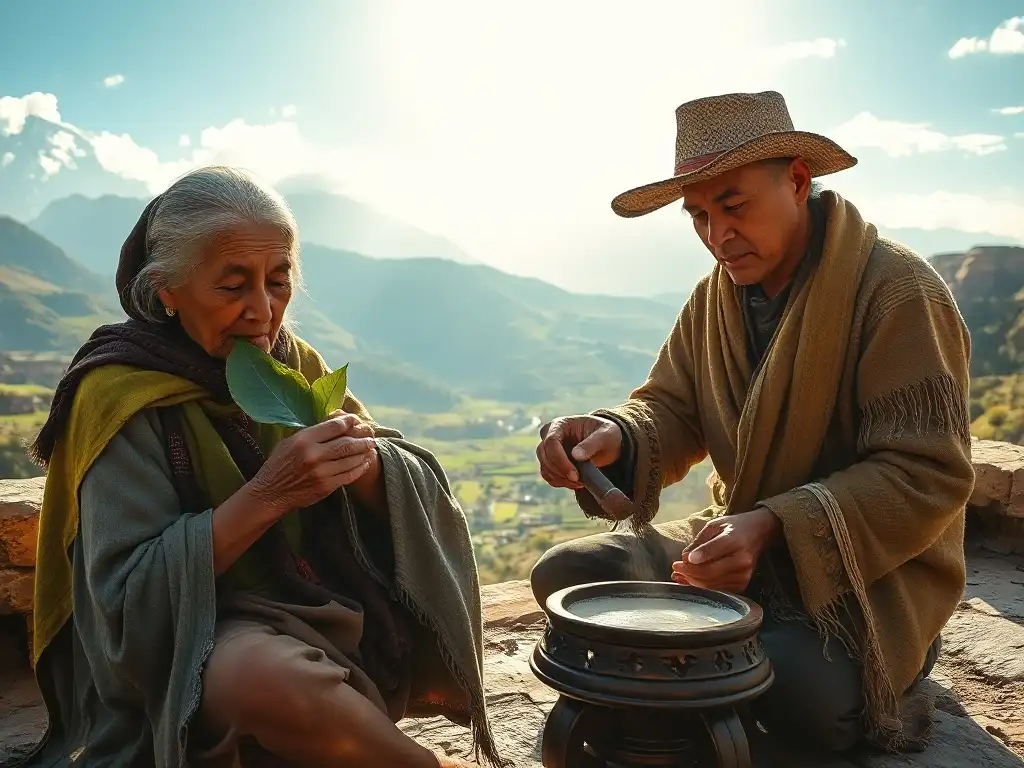
The coca leaf, Erythroxylum coca, held a position of paramount importance within Inca civilization, far exceeding its simple classification as a stimulant. Its significance permeated virtually every facet of Inca life, from sacred religious ceremonies to the mundane aspects of daily existence. Understanding the multifaceted role of coca provides crucial insight into the Inca worldview and social structure. The pervasiveness of coca leaf use in Inca civilization is a testament to its deeply embedded cultural and spiritual significance. This wasn't merely recreational use; it was deeply intertwined with their cosmology and social fabric.
Coca's Role in Inca Religious Practices
Coca leaves were integral to Inca religious practices, acting as a conduit between the human and spiritual realms. Priests, or hamacas, frequently used coca during rituals, offering it to deities and using it in divination ceremonies. The leaves were believed to enhance communication with the spirit world, allowing for a clearer understanding of divine will.
Archaeological evidence supports this, with coca leaves discovered in numerous Inca tombs and ceremonial sites. The quantity and placement of these leaves often suggest a specific ritualistic purpose. For instance, the careful arrangement of coca leaves alongside other offerings in royal tombs indicates their importance in funerary rites, potentially facilitating the deceased's journey to the afterlife.
The Inca believed that coca could appease the gods, ensuring good harvests and warding off misfortune. This belief system firmly anchored coca's role within the religious sphere of Inca society. The use of coca in religious contexts solidified its sacred status within the Inca worldview, distinguishing it from mere everyday consumption.
Beyond its religious significance, coca leaf use was deeply embedded in the social fabric of Inca society. It served as a form of social currency, exchanged in trade and offered as gifts. Its presence was ubiquitous in daily life, used to alleviate hunger and fatigue, particularly among those involved in demanding agricultural labor or long journeys.
The chewing of coca leaves, often mixed with an alkaline substance like lime, provided a mild stimulant that enhanced endurance and suppressed appetite. This practice was not limited to the elite; it was common across all social strata, from the emperor to the common peasant. The prevalence of coca chewing is depicted in numerous artifacts, including pottery and textiles, further emphasizing its widespread acceptance and integration into daily life.
The social significance of coca extended beyond mere consumption; it fostered a sense of community and shared experience, strengthening social bonds. Its use was a normal aspect of everyday life, embedded within the social interactions and cultural practices of the Inca.
The Practical Applications of Coca in Inca Agriculture and Labor
The practical applications of coca extended to Inca agriculture and labor practices. The stimulating effects of coca enhanced the productivity of workers, enabling them to endure long hours of strenuous activity. Farmers chewed coca leaves while tending to their fields, and construction workers used it to maintain their energy levels during the building of monumental structures like Machu Picchu.
The impact on agricultural output is difficult to quantify precisely, but it is reasonable to infer that coca played a significant role in supporting the Inca's impressive agricultural achievements given the challenging terrain and labor-intensive farming methods. This practical utility further cemented coca’s importance within Inca society, demonstrating its value beyond ritual and social customs.
Its use in agriculture and labor showcases its versatility and integral role in the Inca Empire's economic and societal success. The Inca's mastery of agriculture, in part, depended on the sustained energy provided by the coca leaf.
Traditional Coca Cultivation and Harvesting Techniques
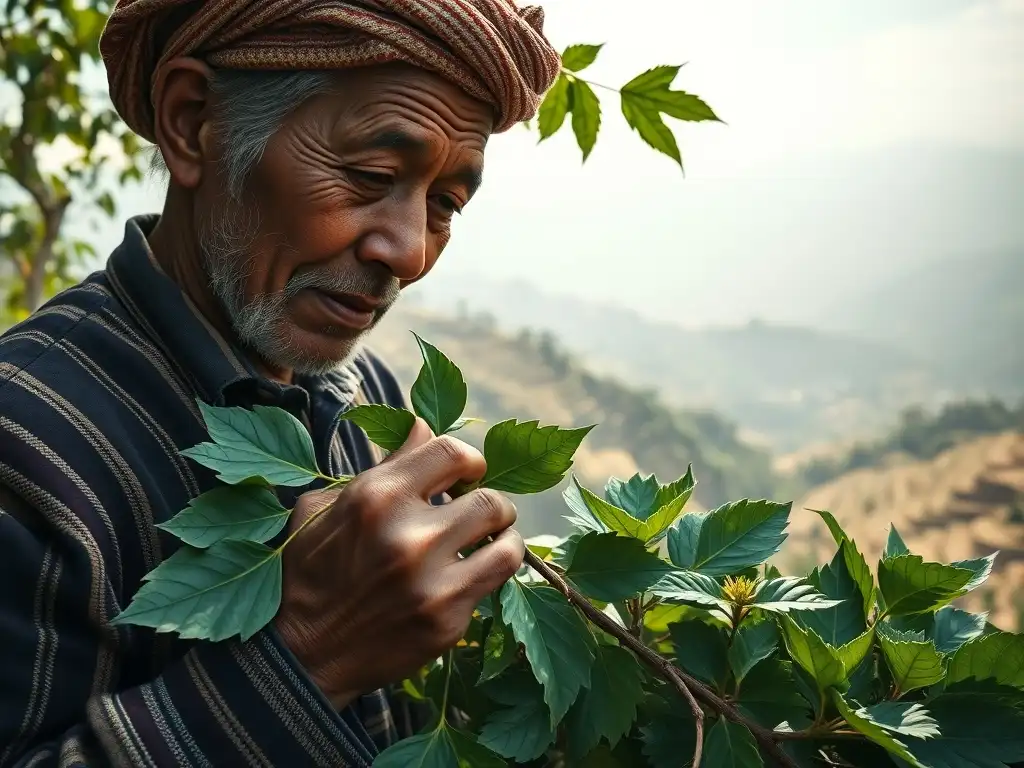
The cultivation and harvesting of coca ( Erythroxylum coca) was, and continues to be, an intricate and deeply ingrained practice within Andean societies. Understanding these techniques reveals not only the agricultural prowess of ancient civilizations but also the profound spiritual and social significance of the coca leaf itself.
The meticulous methods employed highlight a sophisticated understanding of Andean ecosystems and a commitment to sustainable resource management, even in the face of significant population growth and societal changes. Coca leaf use in Inca civilization, for example, was inextricably linked to its cultivation methods, ensuring a continuous supply for ritual, medicinal, and social purposes.
Ancient Methods of Coca Farming in the Andes
Ancient Andean farmers developed remarkably effective techniques for cultivating coca in diverse and often challenging terrains. Terracing, a hallmark of Andean agriculture, played a crucial role in maximizing arable land and managing water resources. Steep slopes were transformed into a series of interconnected platforms, allowing for efficient irrigation and preventing soil erosion.
This was particularly important in the cloud forests and mountainous regions where coca thrives, optimizing sunlight exposure and drainage. Furthermore, evidence suggests the use of sophisticated composting and fertilizer techniques, enriching the soil and boosting coca yields. Archaeological findings reveal intricate systems of canals and channels, indicating a mastery of water management that was crucial for coca's growth, especially during the dry season.
These methods ensured a consistent and reliable harvest, contributing significantly to the stability of Andean societies. The coca leaf's importance to Inca civilization is powerfully illustrated by the sheer scale and sophistication of their agricultural practices.
The meticulous process extended beyond terracing. Farmers carefully selected planting locations based on altitude, sunlight, and soil conditions. They employed techniques to control pests and weeds, often utilizing natural methods rather than chemical pesticides. The knowledge passed down through generations ensured the long-term sustainability of coca cultivation, demonstrating a deep respect for the environment and a profound understanding of ecological balance. This was crucial for the cultural and economic significance of coca leaf use in Inca civilization, as the consistent supply of the plant undergirded their society's structure.
Sustainable Practices in Coca Agriculture
The sustainable aspects of traditional coca cultivation are particularly noteworthy. Ancient Andean farmers understood the importance of biodiversity and integrated coca cultivation into broader agricultural systems. Intercropping, the practice of planting different crops together, helped to maintain soil fertility, control pests, and diversify food sources.
This was not merely an agricultural strategy; it reflected a holistic worldview that valued ecological balance and long-term sustainability. The integration of coca within this system further highlights its crucial role in the Andean economy and daily life. Furthermore, the coca leaf's use in Inca civilization was not solely for consumption; its leaves were also used as fertilizer, demonstrating a circular economy driven by sustainable practices.
Moreover, evidence suggests that coca farmers practiced crop rotation and fallow periods, allowing the soil to recover its nutrients. These methods prevented soil degradation and maintained long-term agricultural productivity. The careful management of water resources, through terracing and irrigation systems, also contributed to the sustainability of coca farming. This holistic approach to agriculture demonstrates a deep understanding of ecological principles and a commitment to long-term sustainability, a stark contrast to many modern agricultural practices. The enduring legacy of these sustainable coca cultivation methods is a testament to the wisdom and foresight of Andean farmers.
Preserving Traditional Knowledge of Coca Cultivation
The preservation of traditional coca cultivation techniques is crucial for both cultural and ecological reasons. This knowledge, passed down through generations, represents a valuable heritage that embodies a deep understanding of Andean ecosystems and sustainable agricultural practices. However, the increasing pressure of modernization and globalization threatens this invaluable legacy. The loss of traditional knowledge would not only diminish cultural diversity but also jeopardize the long-term sustainability of coca cultivation. Protecting this knowledge base requires collaborative efforts between communities, researchers, and policymakers.
Documenting and disseminating traditional coca cultivation techniques through educational programs and community-based initiatives is vital. Supporting local farmers and promoting sustainable agricultural practices can help to ensure the continuity of this vital tradition. Furthermore, fostering a greater understanding of the cultural and ecological significance of coca can help to counter misconceptions and promote responsible use of this important plant.
The preservation of this knowledge is not simply a matter of preserving tradition; it is also a matter of safeguarding a sustainable future for Andean communities and the environment. The continued study and understanding of coca leaf use in Inca civilization and beyond is therefore paramount.
Coca and Andean Health: Traditional Medicinal Uses
The coca leaf, far from being solely a recreational substance as often portrayed, held a central role in the health and well-being of Andean civilizations. Its use was deeply intertwined with their understanding of the body, the environment, and the spiritual world. For centuries, the coca leaf served as a vital component of their sophisticated system of traditional medicine, addressing a wide range of ailments and contributing to overall wellness.
Understanding this historical context is crucial to appreciating the plant's true significance within Inca civilization and beyond. The nuanced ways in which the coca leaf was utilized showcases the advanced botanical knowledge and sophisticated medical practices of these cultures. This wasn't simply about chewing leaves; it was a deeply ingrained part of their daily lives and spiritual beliefs.
Coca's Benefits in Andean Traditional Medicine
Andean healers, or curanderos, utilized coca for a variety of medicinal purposes. Its properties were believed to alleviate symptoms of various illnesses, including digestive issues, headaches, and fatigue. The leaves were often chewed, brewed into teas, or incorporated into medicinal preparations.
The alkaloids present in coca, particularly cocaine, possess anesthetic and stimulant properties that likely contributed to its effectiveness in treating pain and boosting energy levels. However, it's important to note that the concentrations of cocaine in traditional preparations were significantly lower than those found in processed cocaine. Ethnobotanical studies have documented numerous traditional uses, demonstrating a deep understanding of the plant's properties.
For example, coca tea was commonly used to soothe upset stomachs and aid digestion, a common ailment in high-altitude environments. Furthermore, coca leaves were often applied topically to wounds to promote healing and reduce inflammation. Detailed records from Spanish colonial archives, though often biased, offer glimpses into the extensive use of coca in treating various ailments within Inca civilization.
Coca as a Natural Remedy for Altitude Sickness
The physiological effects of coca on the body proved particularly beneficial in the challenging Andean environment. High-altitude sickness, characterized by symptoms like nausea, headaches, and shortness of breath, was a significant concern for Andean populations. The coca leaf provided a natural remedy, helping to alleviate these symptoms and improve acclimatization to high altitudes.
The stimulant properties of coca helped to combat fatigue and increase energy levels, while its ability to suppress appetite was beneficial in situations where access to food was limited. The effectiveness of coca in combating altitude sickness is supported by anecdotal evidence from travelers and mountaineers throughout history, as well as by some modern scientific studies.
While further research is needed to fully understand the mechanisms involved, the historical use of coca as a natural remedy for altitude sickness undeniably demonstrates its practical value within the context of Inca civilization and other Andean cultures. The ability to mitigate the effects of altitude was a crucial factor contributing to the success of Andean settlements at high elevations.
Coca's Role in Andean Healing Rituals and Practices
Beyond its medicinal properties, coca played a vital role in Andean healing rituals and practices. It was considered a sacred plant, imbued with spiritual significance and often used in ceremonies and offerings. The coca leaf was not simply a medicine; it was a conduit to the spiritual realm, facilitating communication with deities and ancestors.
Shamanistic practices often incorporated coca leaves to induce altered states of consciousness and promote healing. These rituals played a significant role in the social and religious life of Andean communities, further cementing the coca leaf's importance in their culture. The use of coca in these rituals suggests a deep understanding of its psychoactive properties and their potential to facilitate spiritual experiences.
The precise details of these rituals varied across different Andean cultures, but the central role of the coca leaf remained consistent. Archaeological findings, such as coca leaves found in ancient burial sites, provide further evidence of its importance in funerary rites and beliefs related to the afterlife within Inca civilization and other Andean societies. The intertwining of medicinal and spiritual uses underscores the holistic approach to health and well-being prevalent in these societies.
The Misrepresentation of Coca: Addressing Modern Myths
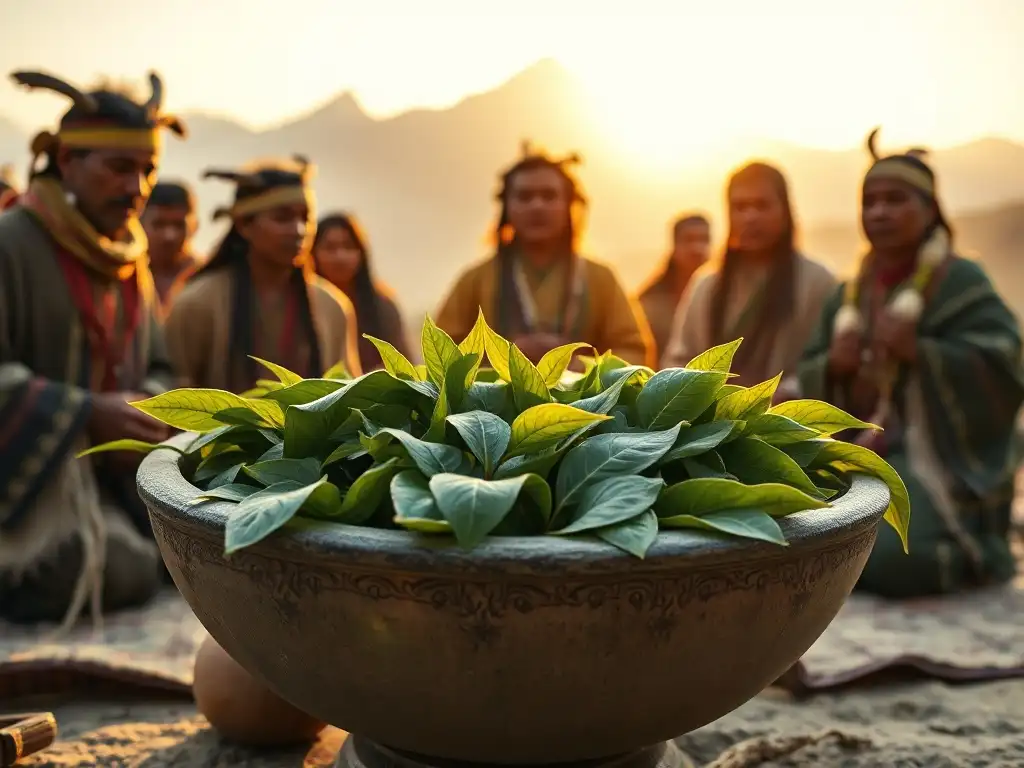
The coca leaf, Erythroxylum coca, holds a profound significance within Andean cultures, far removed from the negative stereotypes propagated by Western societies. For centuries, this sacred plant has been integral to daily life, religious ceremonies, and medicinal practices across various Andean civilizations. Understanding its true role requires dismantling the pervasive myths that have overshadowed its historical and cultural importance.
The pervasive association of coca with cocaine, a powerful derivative, has significantly skewed perceptions, obscuring the nuanced and multifaceted relationship between the Andean peoples and this remarkable plant. This section aims to address these misconceptions and pave the way for a more accurate understanding of coca's true place in Andean history. We will explore the historical and cultural context, examining the plant's use from a perspective rooted in Andean traditions and beliefs, rather than through the lens of modern drug prohibition policies.
The sheer volume of misinformation necessitates a careful and detailed examination of the historical record, anthropological studies, and indigenous perspectives to effectively counter these inaccurate portrayals. This will provide a foundation for a more holistic appreciation of the coca leaf's importance within the broader context of Andean civilization.
The Negative Connotations of Coca in Western Culture
Western perceptions of the coca leaf are heavily influenced by the drug war and the negative portrayal of cocaine. This has resulted in a widespread stigmatization of the coca leaf itself, often equating its use with drug abuse. This association is fundamentally inaccurate.
While cocaine is derived from the coca leaf, the traditional chewing of coca leaves, practiced for millennia by Andean communities, is a vastly different practice. Traditional use involves carefully preparing and consuming the leaf in controlled amounts, primarily for its stimulating and mildly numbing effects, used to combat altitude sickness, hunger, and fatigue. The concentration of cocaine in coca leaves is significantly lower than that found in processed cocaine, making the comparison inherently flawed.
Furthermore, the cultural and spiritual significance of coca within Andean societies is routinely ignored in Western discourse, reducing a complex cultural practice to a simple matter of drug use. This simplification erases centuries of tradition and spiritual meaning associated with the coca leaf, contributing to a distorted and incomplete understanding of Andean cultures. The need to separate the cultural use of coca from the illegal production of cocaine is paramount to achieving a respectful and accurate understanding of its role in Andean history and culture.
Separating Coca from Cocaine: A Crucial Distinction
It is crucial to emphasize the critical difference between the traditional use of coca leaves and the production and consumption of cocaine. Coca leaf chewing, a time-honored practice, involves slowly absorbing the leaf's alkaloids over an extended period. This contrasts sharply with the intense, rapid effect of cocaine, a highly processed and concentrated derivative. The coca leaf's traditional use within Andean societies is a ritualistic and communal activity, often interwoven with social and religious ceremonies.
It is a part of daily life, contributing to social cohesion and spiritual well-being. Conversely, cocaine production and consumption are often associated with criminal activity and harmful health consequences. This fundamental distinction is frequently ignored, leading to the erroneous conflation of coca leaf chewing with cocaine addiction.
The effects of traditional coca leaf use are often subtle and mild, providing a sense of well-being and energy, while cocaine produces a powerful and potentially addictive high. This significant difference must be recognized and emphasized to avoid perpetuating harmful stereotypes and misrepresentations. Detailed pharmacological studies further highlight the distinct physiological effects of coca leaf chewing compared to cocaine use, emphasizing the need for a more nuanced understanding.
Reclaiming the True Narrative of Coca in Andean History
The true narrative of coca in Andean civilizations must be reclaimed from the distortions of Western perspectives. For centuries, the coca leaf has been a central element in Andean life, serving as a vital source of sustenance, medicine, and spiritual connection. Its use was deeply embedded in social structures, religious rituals, and economic systems, reflecting its multifaceted role in Andean societies.
Archaeological evidence reveals the presence of coca leaves in ancient Andean tombs and ceremonial sites, dating back thousands of years. This demonstrates a long and continuous history of coca use far predating European contact. Further research into pre-Columbian Andean texts and oral traditions sheds light on the plant's sacred status and its integral role in rituals and ceremonies.
Moreover, understanding the intricate relationship between coca and Andean agriculture, its cultivation techniques, and its role in the broader Andean economy is essential to fully appreciate its significance. By examining these aspects and engaging with indigenous perspectives, a more accurate and respectful understanding of the coca leaf's profound role in shaping Andean history and culture can be achieved. This will help to correct the pervasive misconceptions and highlight the rich cultural heritage associated with this sacred plant.
The Enduring Legacy of Coca in Contemporary Andean Communities
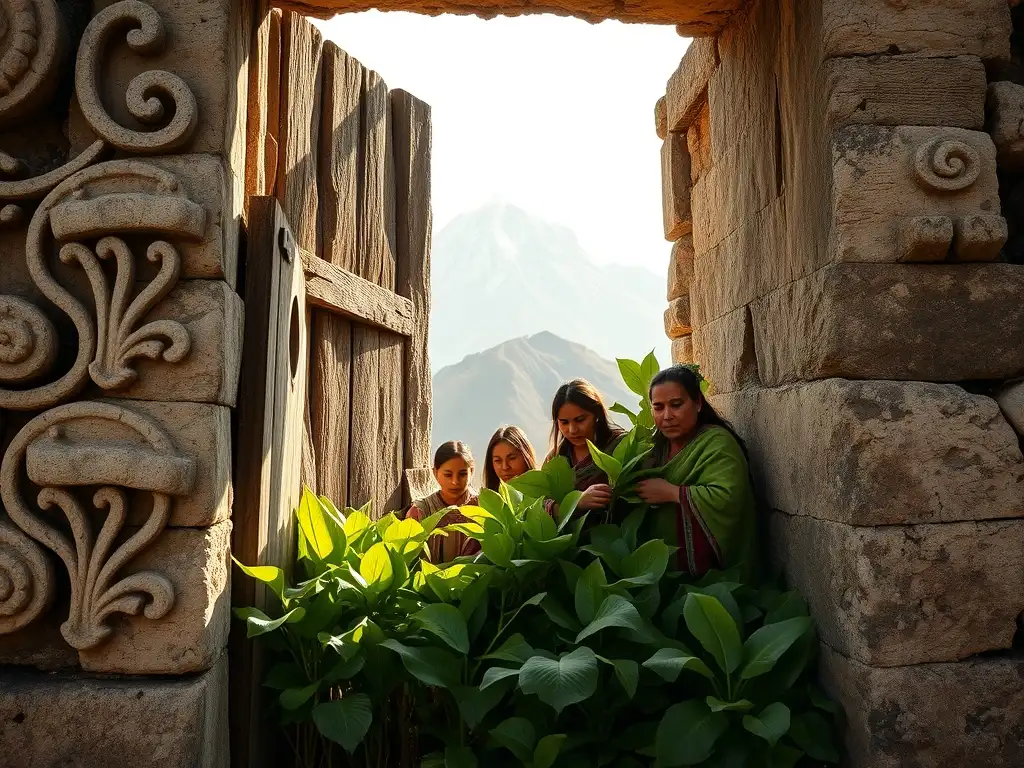
The coca leaf, far from being a relic of the past, maintains a vibrant and multifaceted presence in contemporary Andean communities. Its significance extends far beyond its historical role, deeply intertwining with the cultural fabric, economic livelihoods, and spiritual practices of numerous indigenous groups across the Andes. Understanding this enduring legacy requires moving beyond simplistic narratives and engaging with the complex realities of coca's continued use in the 21st century. This section will explore the multifaceted ways coca leaf use in Inca civilization's legacy continues to shape Andean life today.
Coca's Continued Significance in Andean Culture Today
Coca leaf chewing, or acullico, remains a deeply ingrained social custom in many Andean communities. It's not simply a habit; it's a ritualistic practice often shared during social gatherings, ceremonies, and everyday life. The sharing of coca leaves fosters a sense of community and strengthens social bonds. Moreover, acullico is often associated with specific rituals and ceremonies, playing a crucial role in Andean spirituality and connecting individuals to their ancestral heritage. The coca leaf's role transcends mere social interaction; it's a powerful symbol of identity and cultural continuity.
Beyond social rituals, coca leaves hold significant medicinal value in traditional Andean medicine. They are believed to alleviate altitude sickness, suppress hunger, and provide energy. While scientific research on these claims is ongoing, the traditional use of coca for medicinal purposes persists, reflecting a deep-seated trust in its therapeutic properties. This traditional knowledge, passed down through generations, represents a vital aspect of Andean cultural heritage and a valuable contribution to ethnobotanical research. The continued use of coca for medicinal purposes highlights its enduring relevance in maintaining the health and well-being of Andean communities.
The Cultural and Economic Importance of Coca to Indigenous Peoples
The coca leaf is not just culturally significant; it also plays a crucial role in the economy of many Andean communities. For many indigenous farmers, coca cultivation is a primary source of income, providing livelihoods for families and entire villages. The economic importance of coca is undeniable, particularly in regions where alternative agricultural options are limited.
The economic value of coca extends beyond direct cultivation; it also supports related industries, such as coca tea production and the creation of coca-based products. This economic reliance underscores the need for sustainable and equitable policies that recognize the vital role of coca in the economic well-being of Andean communities.
The economic importance of coca is intrinsically linked to its cultural significance. To many indigenous communities, coca is not merely a commodity; it is a sacred plant, deeply intertwined with their cultural identity and spiritual beliefs. Any policies or regulations concerning coca must therefore consider both its economic value and its profound cultural and spiritual meaning to indigenous peoples. Ignoring this interconnectedness risks undermining the social fabric of Andean communities and perpetuating existing inequalities.
Contemporary Legal and Ethical Debates Surrounding Coca
The coca leaf's historical and cultural significance is often overshadowed by the global war on drugs, which has negatively impacted Andean communities. The stigmatization of coca, often conflated with cocaine production, has led to restrictive policies that hinder the legitimate use and trade of coca leaves. These policies often disproportionately affect indigenous communities, limiting their access to traditional practices and economic opportunities. This has led to significant ethical concerns, with many advocating for a more nuanced approach that acknowledges the distinction between coca leaf use and cocaine production.
The ongoing debate surrounding coca highlights a critical need for informed and respectful dialogue between governments, international organizations, and Andean communities. This includes advocating for policies that recognize the cultural significance of coca, support sustainable coca cultivation, and address the complex issues surrounding cocaine production without criminalizing traditional coca leaf use. A balanced approach that respects both human rights and public health is crucial to ensure the future of coca cultivation and its vital role in Andean culture and economy. The future of coca leaf use in Inca civilization's legacy depends on finding a just and sustainable path forward.
Conclusion: Honoring Coca's True Heritage
This exploration of coca leaf use in Inca civilization reveals a complex relationship far removed from the simplistic narratives often presented. The plant wasn't merely a stimulant; it was deeply interwoven into the fabric of Andean society, holding religious, medicinal, and economic significance. Understanding this multifaceted role requires moving beyond reductive interpretations and embracing the nuanced perspectives of Andean cultures themselves. The enduring legacy of coca underscores the importance of respectful engagement with indigenous knowledge and traditions. Further research, particularly in collaboration with Andean communities, is crucial to fully uncover the remaining mysteries surrounding coca's historical and ongoing importance.
Recognizing Coca's Rich History and Cultural Value
Coca's significance in Andean cultures transcends its pharmacological properties. Archaeological evidence consistently points to its presence in various contexts across millennia. From its use in rituals and ceremonies to its incorporation into daily life as a source of sustenance and energy, coca played a vital role in the social, spiritual, and economic structures of these civilizations.
The Inca, for example, utilized coca leaves as offerings to deities, integrating them into religious practices and ceremonies that reinforced social cohesion and reinforced the power of the Inca state. The meticulous cultivation and trade of coca further demonstrate its economic importance, shaping trade routes and influencing the distribution of wealth and resources within the empire. Ignoring this rich cultural context diminishes the true essence of coca's role in the history of the Andes.
We must strive to appreciate coca not just as a plant, but as a powerful symbol of Andean identity and resilience. It is a testament to the ingenuity and deep connection between humans and nature that characterized these ancient societies. The continued use of coca in many Andean communities today speaks volumes about its lasting significance and the enduring cultural ties that bind it to the region.
Promoting a Balanced Understanding of Coca's Role
The historical narrative surrounding coca has often been skewed by external influences, predominantly focused on its potential for misuse and overlooking its legitimate cultural and medicinal applications. This skewed perspective necessitates a concerted effort to present a more balanced and nuanced understanding of coca's role. This involves actively challenging misconceptions and promoting accurate information based on rigorous research and respectful engagement with Andean communities.
Educational initiatives, focusing on the historical and cultural context of coca use, are critical to combatting misinformation and promoting a more informed global perspective. This includes highlighting the traditional methods of coca use, which often emphasize moderation and ritualistic context, contrasting them with the modern context of coca paste production and its association with illicit drug trafficking.
By promoting a balanced understanding, we can move toward a more equitable and respectful appreciation of coca's significance. This requires collaborative efforts between researchers, educators, policymakers, and, most importantly, the Andean communities themselves.
The Future of Coca in the Andean Region and Global Perspectives
The future of coca in the Andean region and beyond is inextricably linked to the ongoing efforts to protect its cultural heritage while addressing the challenges posed by its potential for misuse. Sustainable coca cultivation practices that prioritize traditional methods and environmental protection are vital for ensuring the long-term viability of coca production. Furthermore, international cooperation is crucial to address the complex issue of coca's association with illicit drug trafficking, focusing on strategies that support sustainable livelihoods and empower Andean communities to manage their own resources.
This includes investing in alternative development programs and supporting local initiatives aimed at diversifying the Andean economy. The future of coca hinges on fostering a global understanding that recognizes its cultural value while simultaneously addressing concerns about its potential for misuse. This requires a nuanced approach that prioritizes collaboration, respect, and a commitment to sustainable development.
The ongoing dialogue surrounding coca must center on the voices and perspectives of the Andean communities who have held a profound relationship with this sacred leaf for millennia. Only through such a collaborative approach can we ensure a future where coca's rich heritage is preserved and its potential benefits are realized responsibly.
Frequently Asked Questions
What was the primary use of coca leaves in Inca society?
Coca leaves held immense religious and medicinal significance in Inca culture. They were used in ceremonies, to alleviate altitude sickness, and as a symbol of status.
Were coca leaves only used for religious purposes by the Inca?
No, while coca held a central role in Inca religious practices, it also had practical applications. It was used for medicinal purposes and as a stimulant to aid in daily tasks.
How did the Inca cultivate and control coca production?
The Inca controlled coca production through a system of state-organized agriculture and strict regulations. This ensured a steady supply for both religious and practical use.
What were some of the medicinal uses of coca leaves in Inca civilization?
Inca healers used coca leaves to treat various ailments, including headaches, fatigue, and digestive problems. It was also used as an anaesthetic during surgical procedures.
Did the Spanish conquest significantly impact coca leaf use?
Yes, the Spanish initially suppressed coca use, viewing it with suspicion. However, they later recognized its economic value and integrated it into their colonial system, leading to a shift in its use and distribution.
Final Reflection: Coca's Enduring Legacy: Beyond Ritual and Into the Present
The sacred coca leaf, far from being merely a historical artifact, remains a potent symbol of Andean identity and resilience, inextricably woven into the fabric of contemporary life. Its enduring presence challenges simplistic narratives of colonial exploitation and forces a deeper understanding of its multifaceted role in shaping Andean cultures. The historical significance of coca, as explored throughout this article, continues to resonate powerfully in the 21st century.
The enduring power of coca lies not only in its historical significance but also in its continued socio-economic and spiritual importance for millions. Its use, carefully regulated and often misunderstood, is deeply intertwined with Andean worldview and practices. The complexities surrounding coca cultivation, trade, and consumption highlight the need for nuanced perspectives that move beyond simplistic condemnation or romanticized idealization. Coca is not just a plant; it is a living being, a sacred gift from the Apus (mountain spirits).
This sentiment, echoed across generations, speaks to the profound spiritual connection that persists.
Consider the legacy of coca, its enduring presence in Andean societies, and the ongoing debates surrounding its use. You, the reader, are now equipped with a deeper understanding of this complex plant and its profound impact. Challenge your own preconceived notions, engage in respectful dialogue, and advocate for policies that acknowledge the cultural significance of coca while addressing the legitimate concerns surrounding its potential for misuse. Let us move forward with a commitment to understanding and respecting the rich tapestry of Andean traditions.
Unveil the Rich Traditions of Coca in Your Life!
Thank you for exploring the fascinating role of coca in Andean civilizations! Understanding its historical and cultural significance is only the first step. Now, let's explore how you can deepen your connection with this sacred plant:
- Embrace coca's heritage: Discover traditional recipes using coca leaves, or support indigenous communities by purchasing ethically sourced products.
- Connect with others: Join online forums or social media groups dedicated to Andean culture to share your knowledge and learn from others who share your interest.
- Spread the word: Share this article with friends and family to help dispel misconceptions and promote a greater understanding of coca's true importance.
What unique contributions do you think coca can offer modern society? Share your thoughts in the comments!