
Beyond Potatoes: Discover the Lost Crops of the Andes and Their Remarkable Diversity

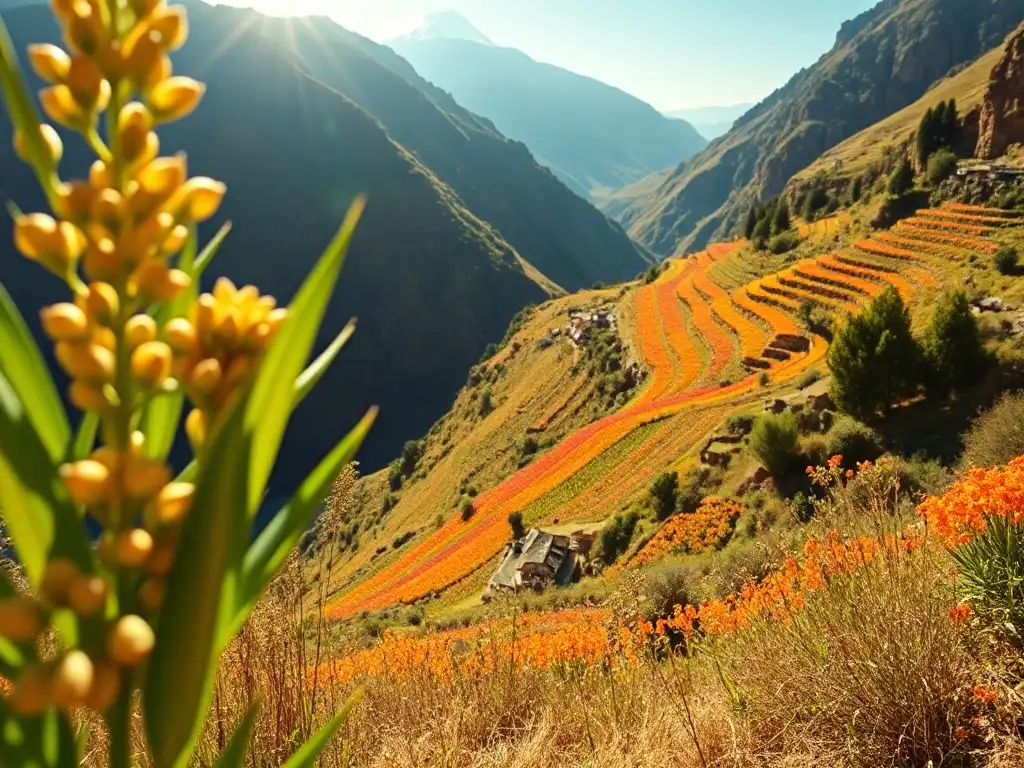
Step into a world lost to time, yet echoing with vibrant life. For centuries, the Andes Mountains have held secrets within their breathtaking landscapes – secrets now being unearthed. Forget everything you think you know about Andean agriculture; prepare to be amazed by the astonishing diversity of lost crops that once thrived in this incredible region. Discover the untold story of the Andean lost crops and their impact on civilizations past and present – a legacy far richer and more complex than the humble potato. Dive in and unravel the mystery!
-
Andean Agriculture: Unearthing the Diversity of Lost Crops
- Introduction to Andean Cultivation and Forgotten Foods
- Quinoa: The "Mother Grain" and its Remarkable Resilience
- Beyond Quinoa: Exploring Other Lost Grains of the Andes
- The Diverse World of Andean Tubers: More Than Just Potatoes
- The Future of Andean Lost Crops: Preservation and Sustainable Agriculture
- The Rich Tapestry of Andean Lost Crops
- Exploring Key Andean Crops Beyond the Potato
- The Impact of Andean Lost Crops on Modern Agriculture
- The Preservation of Andean Crop Heritage
- Conclusion: Celebrating the Legacy of Andean Crop Diversity
- Frequently Asked Questions
- Final Reflection: Reclaiming the Andes' Culinary Heritage
- Unleash the Potential of Ancient Andean Crops!
Andean Agriculture: Unearthing the Diversity of Lost Crops
The Andes Mountains, a spine of towering peaks and fertile valleys stretching along the western coast of South America, nurtured a dazzling array of civilizations. While the Inca Empire often steals the spotlight, the rich agricultural tapestry woven by preceding and contemporaneous cultures remains largely untold.
This article delves into the remarkable diversity of Andean crops, many now considered "lost," exploring their historical significance, unique adaptations to challenging environments, and the ongoing efforts to revive and preserve this invaluable agricultural heritage. We move beyond the ubiquitous potato, a staple indeed, to uncover a world of forgotten grains, fruits, and vegetables that shaped Andean societies and continue to hold immense potential for food security and sustainable agriculture today.
Understanding this "lost crops diversity" is crucial not only for appreciating the ingenuity of past Andean cultures but also for securing a sustainable food future for the region and beyond. The exploration of these crops offers a fascinating glimpse into the ingenuity and resilience of Andean civilizations, and highlights the importance of preserving biodiversity for future generations.
Introduction to Andean Cultivation and Forgotten Foods
The Andes presented immense agricultural challenges: steep slopes, variable altitudes, and diverse microclimates. Yet, Andean farmers developed sophisticated techniques – including terracing, irrigation systems, and a deep understanding of plant domestication – to cultivate a breathtaking array of crops. These techniques weren't just about survival; they fostered an astonishing level of biodiversity.
Many of these crops, however, fell into obscurity following the Spanish conquest and the subsequent shift towards European agricultural practices. These "lost crops," as they are often termed, include a fascinating array of grains like quinoa and amaranth, tubers beyond the potato (such as oca and ulluco), and unique fruits and vegetables adapted to high-altitude conditions.
Their rediscovery and reintroduction are not merely historical exercises; they hold significant promise for addressing modern challenges in food security and sustainable agriculture. The resilience and nutritional value of these crops make them particularly relevant in the face of climate change and the increasing demand for diverse and nutritious food sources.
Quinoa: The "Mother Grain" and its Remarkable Resilience
Quinoa, often hailed as a "superfood," is a prime example of an Andean crop that has recently experienced a global resurgence. This pseudocereal, cultivated for thousands of years in the Andes, thrives in harsh environments and boasts a complete protein profile, making it a highly nutritious food source. Its resilience to drought and its adaptability to various soil conditions make it a promising crop for sustainable agriculture in challenging climates. Different varieties of quinoa exhibit diverse characteristics, highlighting the remarkable genetic diversity within this single species.
The nutritional composition varies slightly across varieties, offering a range of options for consumers. Furthermore, Quinoa's cultivation practices, many passed down through generations, demonstrate the sophisticated understanding of Andean agriculture. The sustainable cultivation methods employed traditionally help preserve soil health and biodiversity in the Andean ecosystem.
Beyond Quinoa: Exploring Other Lost Grains of the Andes
While quinoa has gained international recognition, a wealth of other lesser-known grains thrived in the Andes. Amaranth, another pseudocereal, was a staple crop in pre-Columbian times, prized for its nutritional value and its use in various culinary preparations. Other significant grains, such as kiwicha (amaranth) and cañihua, offer unique nutritional profiles and adaptation to high-altitude conditions.
These crops, alongside quinoa, demonstrate the sophisticated understanding of Andean agriculture and its ability to produce a range of nutritious staple foods. The diversity of these grains is remarkable, with variations in size, color, and taste, reflecting the adaptation to different ecological niches within the Andes. Research into the genetic diversity of these grains is crucial for preserving their unique characteristics and developing resilient varieties for future generations.
The Diverse World of Andean Tubers: More Than Just Potatoes
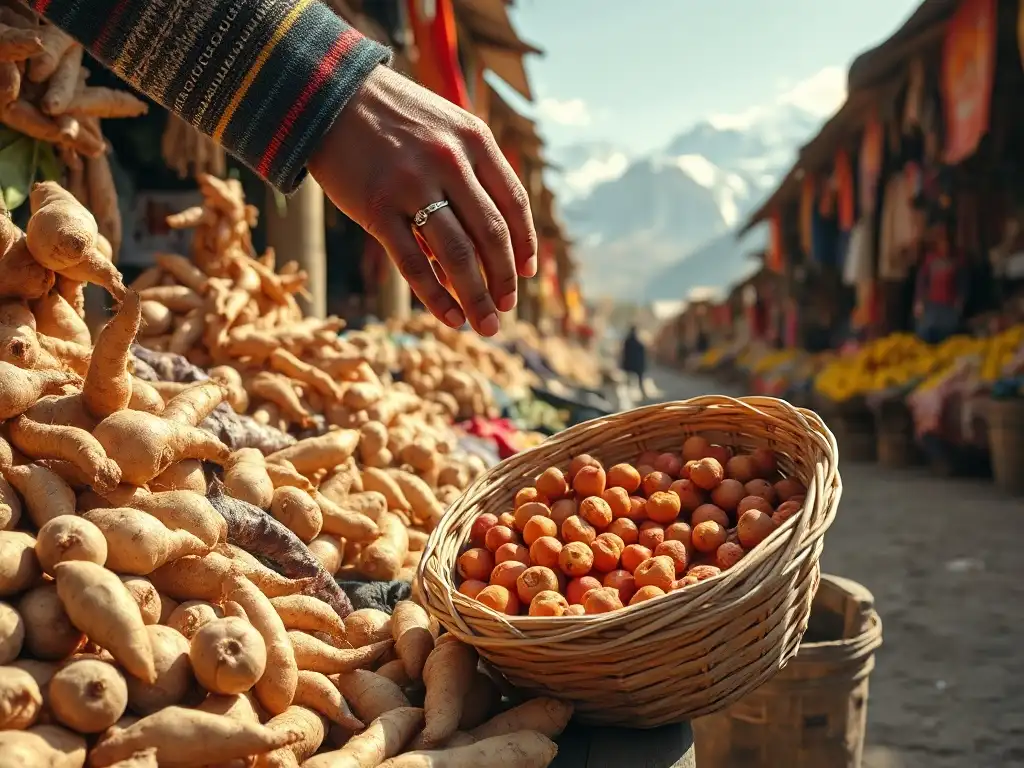
The potato, undeniably iconic, is just the tip of the iceberg when it comes to Andean tubers. Oca, ulluco, and mashua are just a few examples of the diverse array of tubers that thrived in the Andean highlands. These crops offer a variety of flavors, textures, and nutritional profiles, contributing significantly to the dietary diversity of Andean communities. Their resilience to harsh conditions makes them valuable candidates for sustainable agriculture in challenging environments.
[Specific information pending on the precise nutritional content of oca, ulluco, and mashua]. Understanding the cultivation techniques and traditional uses of these crops is crucial for preserving this valuable agricultural heritage. The ongoing research into these tubers aims to increase their availability and promote their use in modern diets.
The Future of Andean Lost Crops: Preservation and Sustainable Agriculture
The revival and preservation of Andean lost crops are crucial not only for preserving cultural heritage but also for addressing global challenges in food security and sustainable agriculture. These crops, adapted to challenging environments and boasting remarkable nutritional value, offer significant potential for diversifying food systems and enhancing resilience to climate change. Ongoing research focuses on understanding the genetic diversity of these crops, developing improved varieties, and promoting sustainable cultivation practices.
The collaboration between researchers, farmers, and policymakers is essential for ensuring the long-term sustainability of these valuable resources. The future of Andean agriculture depends on the preservation and promotion of this incredible biodiversity. 🌱
The Rich Tapestry of Andean Lost Crops

This section delves into the fascinating world of Andean "lost crops," exploring their diversity and significance within the context of ancient Andean civilizations. We'll move beyond the well-known potato and uncover a hidden treasure trove of agricultural ingenuity. The remarkable diversity of these crops reflects not only the ingenuity of Andean farmers but also the complex interplay between human adaptation and the unique Andean environment. The term "lost crops" itself requires clarification, as many are still cultivated, albeit on a smaller scale than in the past.
The focus here is on those crops that have diminished in importance or are under-researched compared to more widely known staples. Understanding the diversity of these crops is key to appreciating the sophisticated agricultural practices of ancient Andean societies and their sustainable approach to food production. This exploration will reveal a complex agricultural system far more nuanced than often portrayed.
Defining Andean "Lost Crops" and Their Significance
The term "Andean lost crops" encompasses a wide array of plants that were once vital components of Andean diets and economies but have since declined in cultivation or are poorly documented. This isn't necessarily about crops that are entirely extinct, but rather those that have become marginalized, overshadowed by the global dominance of a few major crops. Their significance extends beyond mere culinary value; these plants played crucial roles in social structures, religious practices, and the overall sustainability of Andean societies.
Think of kiwicha (amaranth), cañihua (another grain crop), and various types of beans – all boasting remarkable nutritional profiles and resilience to harsh environmental conditions. These crops weren't simply food sources; they were integral to the fabric of Andean life.
Many of these "lost" crops possess unique nutritional and medicinal properties, often surpassing those of more common staples. For instance, quinua (quinoa), while gaining global recognition, was once a more regionally significant crop, demonstrating the potential for rediscovering the nutritional benefits of these underutilized species. Their resilience to diverse climates and challenging terrains also highlights the adaptive capacity of Andean agriculture, a characteristic crucial for understanding the long-term sustainability of these ancient farming systems.
The rediscovery and revitalization of these crops hold significant promise for food security and the preservation of biodiversity in the region. Further research is crucial to fully understand the extent of this agricultural heritage and unlock its potential for future generations.
The Importance of Crop Diversity in Andean Civilizations
The incredible diversity of Andean crops wasn't simply a matter of chance; it was a deliberate strategy reflecting a sophisticated understanding of agricultural principles and environmental adaptation. Andean farmers meticulously cultivated a wide range of plants, each suited to specific ecological niches and providing a diverse array of nutrients and resources. This wasn't just about food security; it was about building resilience into the system.
A monoculture, relying on a single crop, is highly vulnerable to disease or environmental fluctuations. The Andean approach, characterized by polyculture—growing many different crops together—mitigated these risks. This strategy is now recognized as a key element of sustainable agriculture.
Consider the ingenious techniques employed by Andean farmers to maximize crop yields and adapt to the varied altitudes and microclimates of the Andes. Terracing, irrigation systems, and sophisticated crop rotation methods all contributed to a remarkably productive and sustainable agricultural system. The diversity of crops was integral to this system, providing a safety net against crop failures and ensuring a consistent supply of food and resources throughout the year.
The Andean approach serves as a powerful example of how biodiversity can enhance agricultural resilience and contribute to long-term food security. The study of Andean agricultural practices offers valuable lessons for modern agriculture, emphasizing the importance of crop diversity and sustainable farming techniques in the face of climate change and growing global food demands.
The Andean lost crops diversity represents a vast, largely untapped resource waiting to be fully explored and understood. This is not just a historical curiosity; it’s a potential solution for the future of food production.
Exploring Key Andean Crops Beyond the Potato
The potato, a staple globally, often overshadows the incredible diversity of other crops cultivated by Andean civilizations. Understanding the "Andean lost crops diversity" requires looking beyond this familiar tuber to appreciate the ingenuity and adaptability of ancient agricultural practices. This section will explore three remarkable examples: oca, mashua, and ulluco – each offering unique nutritional profiles and cultivation methods that contributed significantly to the sustenance and resilience of Andean societies.
These crops showcase the sophisticated understanding of Andean agriculture and its remarkable capacity for food security, even in challenging high-altitude environments. The resilience of these crops, and the knowledge surrounding their cultivation, offer valuable lessons for modern agriculture, particularly in the face of climate change and the need for diversified food systems.
Oca: The Sweet Tuber of the Andes
Oca ( Oxalis tuberosa), a sweet and slightly acidic tuber, boasts a remarkable range of colors, from creamy white and pale yellow to vibrant reds, oranges, and even purples. This diversity isn't merely aesthetic; different colors often indicate variations in taste and nutritional content. Ancient Andean farmers carefully selected and cultivated these variations, resulting in a rich genetic pool.
The oca's adaptability to high-altitude conditions, its relatively short growing season, and its high yield made it a crucial component of the Andean diet. Oca wasn't just consumed fresh; it was also processed into various forms, including dried slices ("chuño de oca"), offering a valuable source of carbohydrates throughout the year. The resilience of oca to frost and its ability to thrive in poor soils contributed to its importance in Andean agriculture.
Furthermore, its high vitamin C content provided essential nutrients in a region where other vitamin sources might be scarce. The cultivation practices involved intricate systems of terracing and irrigation, demonstrating the sophisticated agricultural knowledge of Andean communities.
Mashua: The Colorful Andean Tuber
Mashua ( Tropaeolum tuberosum) stands out for its vibrant, multi-colored tubers ranging from yellow and orange to red and purple. Unlike oca, mashua has a slightly peppery taste, adding a unique flavor dimension to Andean cuisine. Its cultivation often involved intercropping with other crops, a strategy that enhanced soil fertility and pest control.
Andean farmers cleverly utilized mashua's unique properties; it is known for its ability to suppress the growth of certain weeds and pests, minimizing the need for chemical interventions. This demonstrates a deep understanding of ecological interactions and sustainable agricultural practices. Moreover, mashua tubers are rich in protein and contain significant amounts of essential amino acids, making them a valuable source of nutrients in the Andean diet.
Interestingly, mashua's leaves and flowers are also edible, providing additional nutritional benefits and demonstrating the efficient use of resources characteristic of Andean agricultural systems. The remarkable adaptability of mashua to high-altitude, cold environments underscores its importance as a resilient crop.
Ulluco: The Versatile Andean Root
Ulluco ( Ullucus tuberosus), also known as "olluco," is another incredibly versatile Andean root crop. Its tubers come in an array of colors, similar to oca and mashua, and possess a slightly nutty flavor. The ulluco's versatility extends beyond its culinary uses.
It can be boiled, roasted, or processed into flour, demonstrating its adaptability to various food preparation methods. Furthermore, its high nutritional value, particularly its carbohydrate content, made it a staple food source for Andean populations. Its cultivation practices often involved careful soil management, including the use of organic fertilizers and crop rotation techniques.
These techniques not only enhanced soil fertility but also contributed to the overall sustainability of Andean agricultural systems. The ulluco's resilience to various environmental conditions, including frost and drought, highlights its crucial role in ensuring food security in the challenging Andean environment. Its ability to thrive in diverse soil types further emphasizes its adaptability and importance within the "Andean lost crops diversity."
The diversity of these crops – oca, mashua, and ulluco – exemplifies the sophisticated agricultural practices developed by Andean civilizations. Their resilience, nutritional value, and adaptability to challenging environments underscore the ingenuity and sustainability of traditional Andean farming methods. Further research into these "Andean lost crops" can provide valuable insights for modern agriculture, particularly in addressing issues of food security and climate change adaptation.
Quinoa: A Pseudo-cereal from the Andes

Quinoa, scientifically known as Chenopodium quinoa, is far more than just a trendy superfood; it's a cornerstone of Andean agriculture with a history stretching back millennia. Its cultivation predates the Inca Empire, with evidence suggesting its domestication in the Andean highlands possibly as early as 5,000 years ago. Unlike true cereals like wheat or rice, quinoa is a pseudo-cereal, meaning its seeds are enclosed in a fruit, not a grain. This seemingly small distinction is crucial, as it contributes to quinoa's unique nutritional profile.
This remarkable plant thrives in harsh, high-altitude conditions, showcasing the ingenuity of Andean farming practices adapted to challenging environments. Its resilience to drought and frost makes it a vital crop, ensuring food security in regions where other crops might fail. Quinoa's adaptability to diverse soil types also contributes to its widespread cultivation across the Andean region. Furthermore, its relatively short growing season, compared to other staple crops, allows for multiple harvests annually in certain areas, enhancing its economic importance.
The nutritional value of quinoa is exceptional. It's a complete protein, meaning it contains all nine essential amino acids, a rarity among plant-based foods. It's also a rich source of dietary fiber, iron, magnesium, and various antioxidants.
These attributes have fueled its global popularity as a healthy and sustainable food source, boosting its economic importance for Andean communities while also raising awareness of the region's rich agricultural heritage. The cultivation and consumption of quinoa is a powerful symbol of Andean resilience and adaptability, a testament to the ingenuity of ancient Andean farmers who harnessed the potential of this remarkable plant. Its enduring significance highlights the crucial role of biodiversity in ensuring food security and promoting sustainable agriculture.
Kiwicha: The Andean Amaranth
Kiwicha, or Amaranthus caudatus, is another fascinating Andean crop often overshadowed by its more famous cousin, quinoa. This grain-like seed, belonging to the amaranth family, boasts a similarly impressive nutritional profile and a long history of cultivation in the Andes. Archaeological evidence suggests kiwicha was a significant food source for pre-Columbian Andean civilizations, playing a vital role in their diets and cultures.
Unlike quinoa, which is primarily grown in the highlands, kiwicha exhibits greater adaptability, thriving in both high-altitude and lower-elevation areas. This adaptability makes it a valuable crop in diverse Andean ecosystems. Its resilience to drought and other environmental stresses further emphasizes its importance as a food security crop. Moreover, kiwicha's high yield potential makes it an economically attractive option for Andean farmers. The plant also requires minimal inputs, making it a suitable crop for sustainable agricultural practices.
The nutritional benefits of kiwicha are substantial. It's a significant source of protein, fiber, and essential minerals like iron and calcium. It also contains a good amount of lysine, an essential amino acid often lacking in other grains. This makes kiwicha a particularly valuable food source, especially for populations with limited access to diverse protein sources.
Furthermore, kiwicha is incredibly versatile. It can be consumed as a whole grain, ground into flour, or processed into various other food products, highlighting its adaptability and economic potential. The continued cultivation and appreciation of kiwicha, alongside quinoa and other Andean crops, are crucial for preserving the region's unique agricultural heritage and ensuring food security for future generations. The diversity of these crops underscores the importance of protecting Andean biodiversity, which holds the key to addressing global food security challenges.
The Impact of Andean Lost Crops on Modern Agriculture
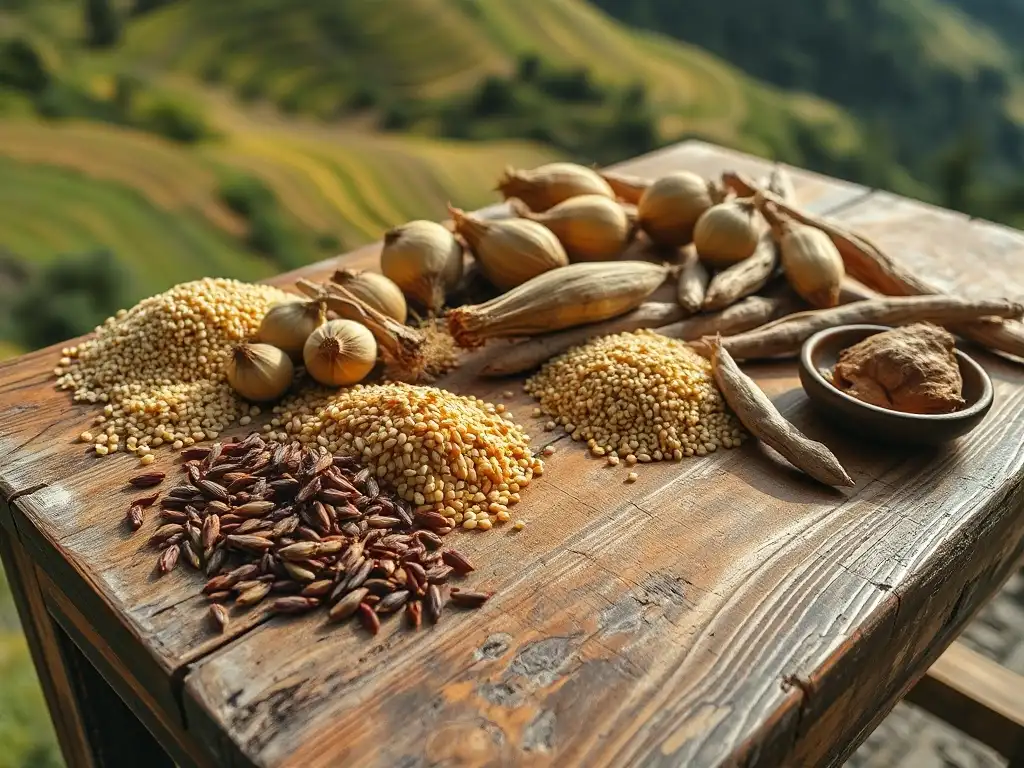
The incredible diversity of Andean lost crops holds immense potential for modern agriculture, offering solutions to pressing challenges like climate change, food security, and nutritional deficiencies. For centuries, Andean communities developed sophisticated agricultural techniques and cultivated a vast array of crops adapted to the unique high-altitude environments. Many of these crops, once staples in the region, have fallen into obscurity, but their genetic resilience and nutritional value are increasingly recognized as vital resources.
The rediscovery and reintroduction of these lost crops present a significant opportunity to enhance global food systems. This section will explore the significant contributions these crops can make to modern agriculture.
Genetic Diversity and Future Food Security
The genetic diversity within Andean lost crops is a treasure trove of valuable traits. These crops have evolved over millennia to withstand harsh conditions, including drought, frost, and poor soil quality. This inherent resilience makes them ideal candidates for developing climate-resilient varieties of staple crops.
For example, the cañihua, a grain similar to quinoa but even more drought-tolerant, could play a crucial role in ensuring food security in arid and semi-arid regions. Similarly, the diverse array of Andean potatoes, with their varied resistance to diseases and pests, offers a powerful toolkit for breeding disease-resistant potato varieties, crucial for reducing crop losses and ensuring stable yields. The genetic material from these lost crops can be used in cross-breeding programs to improve the resilience and productivity of existing crops, bolstering future food security globally.
Studies have shown that incorporating genes from wild relatives of cultivated crops significantly enhances their adaptability and resistance to various environmental stressors. The potential of Andean lost crops in this regard is vast and largely untapped. Further research into the genetic makeup of these crops is vital to fully unlock their potential for food security.
Rediscovering Andean Agriculture for Sustainable Practices
Beyond their genetic value, Andean lost crops offer valuable lessons in sustainable agricultural practices. Traditional Andean farming techniques, often characterized by terracing, crop rotation, and intercropping, fostered biodiversity and soil health while minimizing environmental impact. These practices, developed over centuries, offer a stark contrast to the intensive, often environmentally damaging, methods prevalent in modern agriculture.
The revival of these traditional practices, alongside the cultivation of Andean lost crops, can contribute to more sustainable and environmentally friendly agricultural systems. For instance, the practice of milpa, a polyculture system involving maize, beans, and squash, provides a model for diverse, productive, and ecologically sound farming. Reintroducing these integrated farming systems, coupled with the cultivation of diverse, resilient crops like amaranth and oca, can significantly reduce reliance on chemical fertilizers and pesticides, promoting both environmental and human health.
This shift towards more sustainable agricultural practices, informed by Andean traditions and the unique properties of their lost crops, is crucial for long-term food security and environmental sustainability. The lessons learned from Andean agriculture offer a blueprint for a more sustainable future for global food production. The integration of these techniques with modern agricultural knowledge can create a powerful synergy that benefits both yields and the environment.
The Preservation of Andean Crop Heritage
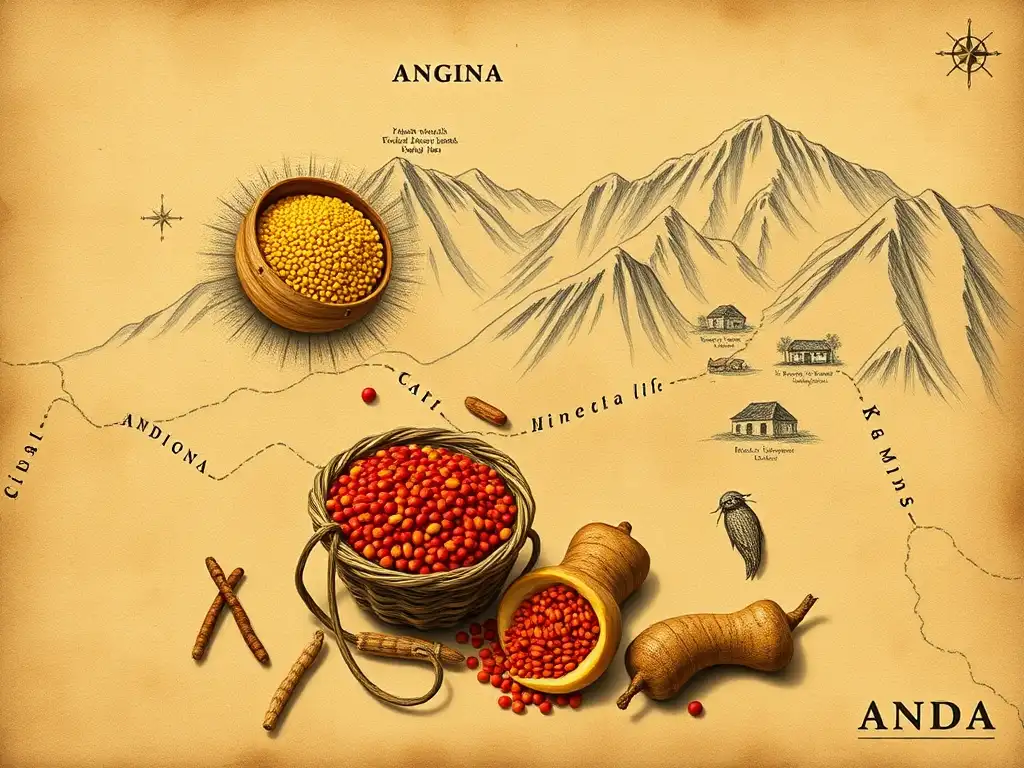
The remarkable diversity of Andean crops, often overlooked in favor of globally dominant staples, faces significant threats in the 21st century. Climate change, habitat loss, and the increasing adoption of monoculture farming practices are eroding the genetic richness accumulated over millennia. Preserving this invaluable heritage requires a multifaceted approach, combining traditional knowledge with modern scientific techniques and collaborative efforts across communities and institutions.
The stakes are high; the loss of these crops represents not just a decline in biodiversity, but also a potential loss of vital nutritional resources and resilience to future environmental challenges. Understanding the challenges and successes in Andean crop preservation is crucial for ensuring the continued availability of this unique agricultural legacy for future generations. The preservation of this "Andean lost crops diversity" is paramount.
Community Efforts in Protecting Native Crops
Indigenous communities across the Andes have long played a vital role in maintaining the diversity of native crops. Their intimate knowledge of local ecosystems, traditional farming practices, and seed saving techniques are fundamental to the survival of many lesser-known species. For example, in the high-altitude regions of Peru, Quechua communities continue to cultivate varieties of quinoa adapted to extreme conditions, preserving a genetic pool resistant to drought and frost.
These efforts are not simply about preserving food sources; they represent the continuation of cultural traditions deeply interwoven with the land and its resources. Many communities employ intercropping, a technique that involves planting multiple crops together, which increases biodiversity and enhances resilience against pests and diseases. This traditional practice, combined with meticulous seed selection and exchange within and between communities, has been crucial in maintaining the genetic diversity of Andean crops.
However, these communities face increasing pressures from globalization and economic changes, which can threaten their traditional farming practices and the preservation of their unique agricultural heritage. Support for these communities through fair trade initiatives, education programs focused on sustainable agriculture, and the recognition of their invaluable contributions is essential for the long-term preservation of Andean crop diversity.
The Role of Research in Andean Crop Conservation
Scientific research plays a crucial role in complementing and strengthening community-based conservation efforts. Researchers are involved in several key areas: ex situ conservation (storing seeds in gene banks), in situ conservation (protecting crops in their natural habitats), and studying the genetic diversity and adaptability of Andean crops. Advanced techniques like DNA fingerprinting allow scientists to precisely identify and catalog different varieties, helping to track genetic erosion and guide conservation strategies.
Moreover, research is focused on understanding the nutritional and medicinal properties of these lesser-known crops, promoting their wider adoption and economic value. For example, research into the nutritional benefits of ancient Andean grains like kiwicha (amaranth) and cañihua (small amaranth) has led to increased interest in these crops, both domestically and internationally. This increased demand, when managed sustainably, can benefit the communities that cultivate these crops, creating economic incentives for conservation.
However, research must be conducted ethically and collaboratively, ensuring that the knowledge and intellectual property rights of indigenous communities are respected and that the benefits of research are shared equitably. The integration of traditional knowledge with scientific expertise is essential for a successful and sustainable approach to conserving the remarkable diversity of Andean lost crops.
Conclusion: Celebrating the Legacy of Andean Crop Diversity
The incredible diversity of Andean crops, often overlooked in favor of the potato, represents a vital part of the region's agricultural heritage and a potential solution to global food security challenges. Understanding and preserving this biodiversity is not just an academic pursuit; it's crucial for the future of food production worldwide. The resilience of these crops, honed over millennia of adaptation to challenging environments, offers valuable lessons for sustainable agriculture practices.
From the nutritious quinoa to the versatile amaranth, these "lost crops" hold the key to a more diverse and resilient food system. The continued study and revitalization of these crops are essential for ensuring food security and celebrating the ingenuity of Andean civilizations.
The Enduring Significance of Andean Agricultural Heritage
The Andean agricultural heritage extends far beyond the mere cultivation of crops. It encompasses a sophisticated understanding of ecology, water management, and soil conservation, techniques developed over thousands of years. This knowledge, often passed down through generations orally, represents an invaluable resource for modern agriculture. For example, the intricate waru waru raised-bed agricultural system, employed by pre-Columbian Andean societies, demonstrates remarkable efficiency in water management and soil fertility, even in arid climates.
These techniques offer practical solutions for sustainable agriculture in today's world, especially in the face of climate change and dwindling resources. The preservation and integration of traditional Andean agricultural practices into modern farming systems can contribute significantly to global food security and environmental sustainability. The rediscovery and promotion of Andean lost crops, coupled with the revival of traditional farming methods, offer a powerful pathway towards creating a more resilient and sustainable agricultural future. This is not merely about preserving the past; it is about building a more secure and sustainable future for all.
The diverse palette of Andean crops, each with its unique nutritional profile and adaptability, presents a rich resource waiting to be fully explored and integrated into global food systems. The resilience demonstrated by these crops in the face of adversity serves as a testament to the ingenuity and foresight of Andean civilizations and offers a valuable lesson for a world facing increasing environmental challenges. Further research into the genetic diversity of these crops and the development of sustainable cultivation techniques are crucial steps in ensuring their continued contribution to global food security and celebrating the enduring legacy of Andean agricultural heritage. The potential benefits extend far beyond mere food production; the rediscovery and promotion of these crops also contribute to the preservation of cultural identity and the empowerment of Andean communities.
Frequently Asked Questions
What is meant by "lost crops" in the context of the Andes?
"Lost crops" refers to underutilized and forgotten native Andean plants with significant nutritional and agricultural value. These crops, once vital to Andean diets and economies, have been overshadowed by more widely cultivated species. Many offer unique benefits for food security and sustainability.
Why is the diversity of Andean crops important?
The remarkable biodiversity of Andean crops is crucial for food security and resilience. This diversity provides a genetic reservoir capable of adapting to changing climates and environmental conditions, ensuring future food supplies. It also offers a wider range of nutrients.
Which Andean civilizations utilized this crop diversity?
The Incas, Moche, Nazca, and Tiahuanaco all cultivated and relied upon a vast array of crops beyond potatoes. Their agricultural practices and knowledge contributed to the incredible diversity we see today, even if many are now considered "lost".
What are some examples of "lost crops" from the Andes?
Examples include quinoa, amaranth, oca, ulluco, and mashua. These crops offer a range of nutritional benefits and are increasingly being rediscovered for their adaptability and resilience to various growing conditions.
How can we help preserve the diversity of Andean crops?
Supporting research and conservation efforts, promoting sustainable agricultural practices, and increasing consumer awareness are crucial. This includes actively seeking out and consuming these nutrient-rich, underutilized crops to increase their cultivation and market presence.
Final Reflection: Reclaiming the Andes' Culinary Heritage
The rediscovery and revitalization of Andean lost crops are not merely historical exercises; they represent a crucial step towards a more sustainable and resilient food future. The incredible biodiversity showcased in these ancient crops holds the key to combating climate change, bolstering food security, and preserving invaluable cultural traditions for generations to come. Their resilience in harsh environments offers invaluable lessons for modern agriculture.
The profound impact of these crops extends far beyond the plate. Their cultivation and consumption are deeply intertwined with the cultural identity of Andean communities, shaping their traditions, economies, and social structures. The land remembers what we have forgotten,
a wise Andean elder once said, and this rings true when considering the rich history and knowledge embedded within these lost crops. Their revival is not just about food; it's about reclaiming a vital part of a vibrant cultural heritage, a heritage that deserves to flourish once more.
Now, consider your own relationship with food. Think about the origins of the ingredients you consume daily. Are you aware of the biodiversity that sustains us, and the potential that lies within crops we may have overlooked? I invite you to explore the world of Andean lost crops further, to learn about their unique properties and the communities that are working tirelessly to preserve them. Let us all be part of a movement that celebrates this incredible biodiversity and ensures its future for the benefit of both people and planet.
Unleash the Potential of Ancient Andean Crops!
Thank you for exploring the fascinating world of lost Andean crops with us! Your interest in these remarkable plants is a wonderful first step towards enriching your culinary and agricultural experiences. Now is the perfect time to discover the wonders of these ancient treasures.
- Begin experimenting with lesser-known Andean crops in your kitchen. Whether you choose the earthy oca, the subtly spicy mashua, or the versatile quinoa, challenge yourself to create a unique and delicious dish.
- Connect with local or online farming communities to learn about cultivating these crops and share your experiences with fellow enthusiasts.
- Share your newfound knowledge with friends and family, or on social media, to inspire others to appreciate the diversity of Andean agriculture and perhaps even encourage local sustainable gardening.
Which unique Andean crop are you most excited to try, and how do you envision it enhancing your meals? We'd love to hear your thoughts!