
The Importance of Food Security in the Rise of the Inca Empire


Step into a world lost to time, yet echoing with the ingenuity of a remarkable civilization. Imagine a society that conquered the Andes, not through brute force alone, but through a mastery of its environment. This is the story of the Inca Empire, and the secrets behind their astonishing success lie in their sophisticated Inca Empire food security strategies. Uncover the ingenious agricultural techniques and societal structures that fueled the rise of this legendary empire – a journey awaits, filled with fascinating discoveries.
The Inca Empire, a civilization that dominated the Andes Mountains for centuries, achieved remarkable feats of engineering, administration, and social organization. However, beneath the grandeur of Machu Picchu and the intricate road systems lies a crucial element often overlooked: food security.
This article delves into the critical role that effective food production, storage, and distribution played in the Inca Empire's rise to power and its remarkable longevity. Understanding the Inca's sophisticated strategies for ensuring food security provides vital insights into their societal structure, economic strength, and ultimately, their success in uniting a vast and diverse population across challenging Andean terrain.
We will explore the agricultural innovations, logistical marvels, and social policies that underpinned the Inca Empire's remarkable ability to feed its millions of subjects, a feat that directly contributed to its military might, political stability, and cultural flourishing. This exploration will focus on the strategies employed to guarantee "Inca Empire food security," a cornerstone of their impressive empire.
Introduction: Food Security as a Cornerstone of Inca Expansion
The Inca Empire's expansion wasn't solely a matter of military conquest; it was inextricably linked to its capacity to manage and distribute food resources effectively. Unlike many empires that relied on plunder and tribute, the Inca implemented a sophisticated system of agricultural production and resource management that ensured the sustenance of both its ruling elite and its vast population.
This system, characterized by meticulous planning, innovative techniques, and a highly organized social structure, allowed the Inca to secure the loyalty of conquered peoples and consolidate their power. The ability to reliably provide food to conquered populations, even during periods of drought or other natural disasters, proved crucial in integrating these diverse groups into the Inca state and preventing rebellions.
This food security wasn't just a matter of survival; it was a strategic tool that fostered stability, facilitated expansion, and cemented the Inca's dominance across the Andes. The empire’s success in this area is a testament to the sophisticated understanding of agriculture and logistics that underpinned their civilization.
The Agricultural Foundations of the Inca Empire
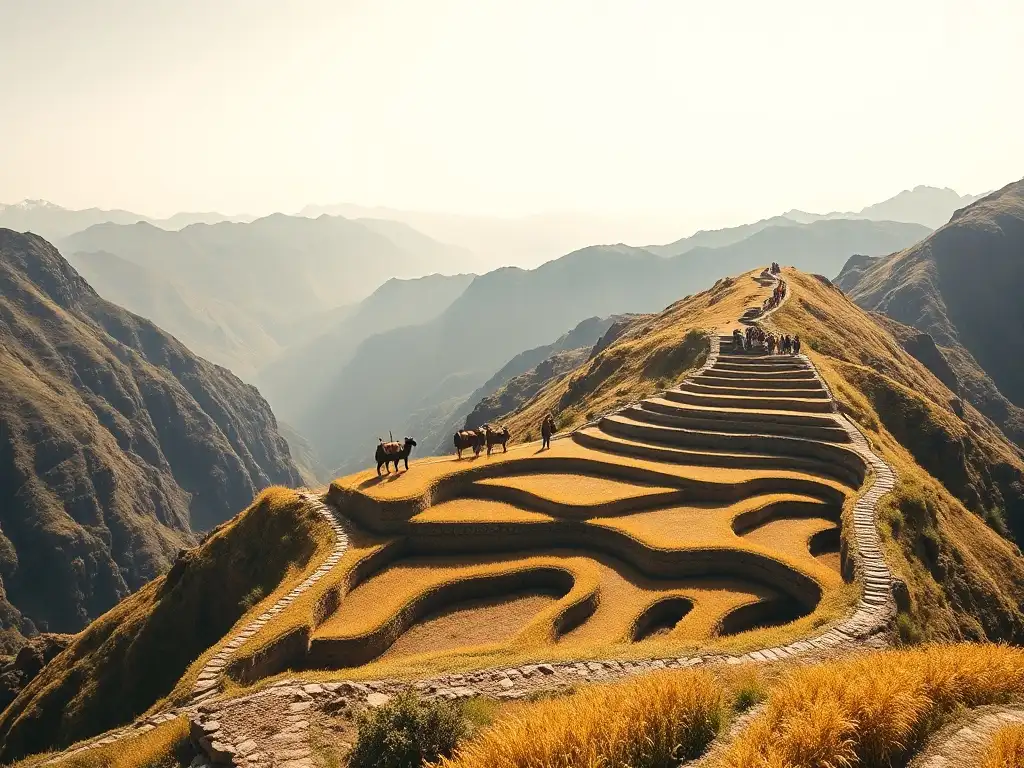
The Inca Empire’s agricultural success was built upon a foundation of ingenious techniques adapted to the diverse and challenging Andean environment. Their mastery of terracing, for instance, allowed them to cultivate steep slopes, significantly increasing arable land. These terraces, meticulously constructed with stone retaining walls, not only prevented soil erosion but also optimized water management, enabling efficient irrigation even in arid regions. Furthermore, the Inca developed sophisticated systems of water channels and reservoirs to control water flow, ensuring a reliable water supply for their crops, even during the dry season.
Their understanding of different microclimates allowed them to cultivate a wide variety of crops, from potatoes and maize to quinoa and beans, creating a diverse and resilient food system. This agricultural prowess, coupled with their advanced understanding of crop rotation and fertilization techniques, ensured high yields and minimized the risk of crop failure. The impact of these agricultural innovations on the food security of the Inca Empire cannot be overstated.
The efficient production of food was crucial for supporting a large and growing population, providing resources for the army, and ensuring the stability of the empire. The intricate network of agricultural practices showcases the Inca's deep knowledge of their environment and their ability to harness its resources effectively. This agricultural foundation undeniably fueled the empire's expansion and long-term stability.
- Introduction: Food Security as a Cornerstone of Inca Expansion
- The Agricultural Foundations of the Inca Empire
- State-Controlled Warehouses: Colcas and their Function
- The Role of the Qollqas in Sustaining the Population
- Efficient Transportation Networks for Food Distribution
- Food Security and Social Organization within the Inca Empire
- The Mita System and Labor Contribution to Agriculture
- The Inca State's Role in Food Redistribution
- The Importance of Agricultural Surplus for Military Campaigns
- What role did food security play in the Inca Empire's success?
- What specific strategies did the Inca use to ensure food security?
- How did the Inca's infrastructure contribute to their food security?
- What impact did climate and geography have on Inca food security strategies?
- What were the main crops cultivated by the Inca Empire for food security?
Inca Empire Food Security Strategies: A Detailed Look
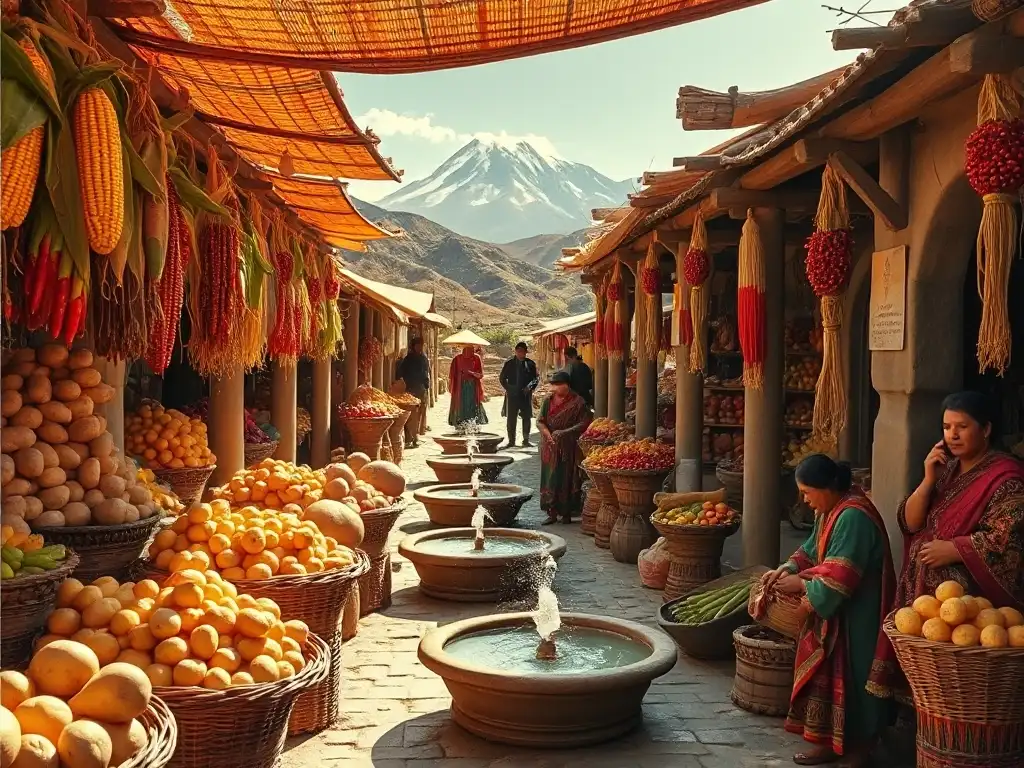
The Inca Empire's remarkable expansion and longevity were significantly underpinned by sophisticated food security strategies. Their success wasn't merely a matter of conquest; it was a testament to their mastery of agriculture, resource management, and logistical prowess. Understanding their approaches to food security provides crucial insight into the empire's enduring power and influence. The Inca's focus on Inca Empire food security strategies resulted in a system that ensured sufficient food supplies even in challenging environments, contributing directly to their ability to maintain a vast and complex empire.
Terracing and Agricultural Innovation in the Andes
The Andean landscape, characterized by steep slopes and varying altitudes, presented significant challenges to agriculture. The Inca, however, ingeniously overcame these obstacles through the widespread implementation of terracing. These meticulously constructed terraces, often carved into mountain slopes, created level platforms for farming, maximizing arable land and minimizing soil erosion. This innovation wasn't simply about increasing land area; it also involved carefully considering soil type and sun exposure to optimize crop yields. Different terraces were dedicated to specific crops based on their sunlight and water requirements, showcasing a deep understanding of agronomy.
Furthermore, the Inca developed advanced agricultural techniques beyond terracing. They employed sophisticated methods of soil enrichment, including the use of fertilizers derived from guano (bird droppings) and compost. This ensured soil fertility, resulting in higher crop yields and greater resilience against environmental fluctuations. The integration of these techniques with terracing created a remarkably productive agricultural system capable of supporting a large population.
Evidence suggests that Inca agricultural practices resulted in yields significantly higher than those of preceding cultures in the Andes, directly contributing to the empire's growth and stability. The sheer scale and precision of their terracing projects remain a testament to their engineering skills and commitment to food security. This innovative approach to agriculture is a key component of understanding Inca Empire food security strategies.
Water Management: Irrigation Systems and Canals
Water scarcity was another significant challenge in the Andean region. The Inca addressed this through the development of extensive and intricate irrigation systems. These systems involved the construction of canals, aqueducts, and reservoirs to divert water from rivers and streams to agricultural fields. The canals were often built across considerable distances, traversing rugged terrain to reach even the most remote areas. Their construction required advanced engineering skills and meticulous planning, reflecting the importance placed on water management for food production.
The Inca's irrigation systems weren't simply a matter of channeling water; they demonstrated a profound understanding of hydrology. They carefully designed their systems to manage water flow, ensuring an adequate and consistent supply to crops throughout the growing season. They also incorporated features like drainage systems to prevent waterlogging, further enhancing the efficiency of their irrigation networks.
The effectiveness of these systems is evidenced by the extensive agricultural production achieved in areas previously considered unsuitable for farming. The combination of terracing and efficient irrigation dramatically increased agricultural output, a cornerstone of the Inca Empire food security strategies. The intricate network of canals and reservoirs remains a striking example of Inca ingenuity and their commitment to ensuring a reliable water supply for their agricultural needs.
Crop Diversity and Adaptation to Different Ecosystems
The Inca Empire encompassed a wide range of ecological zones, from coastal deserts to high-altitude mountains. To ensure food security, they cultivated a remarkable diversity of crops adapted to these different environments. This wasn't simply a matter of growing different crops in different places; it involved a sophisticated understanding of crop suitability and environmental conditions. They cultivated staple crops like potatoes (with hundreds of varieties! ), maize, quinoa, and beans, each adapted to specific altitudes and climates. This diversification minimized the risk of widespread crop failure due to environmental factors or disease.
The Inca also employed sophisticated crop rotation techniques, further enhancing soil health and reducing the risk of pests and diseases. This practice, combined with their knowledge of various crop varieties, allowed them to maintain consistent agricultural yields across different ecological zones. This emphasis on crop diversity is a crucial aspect of understanding the Inca Empire food security strategies.
The Inca’s mastery of diverse agricultural techniques, coupled with their understanding of ecological variability, ensured a robust and resilient food system capable of supporting the empire's vast population. The remarkable variety of crops cultivated, along with the careful management of resources, underscores the sophistication of their agricultural practices and their commitment to food security.
Storage and Distribution of Food: The Key to Inca Power
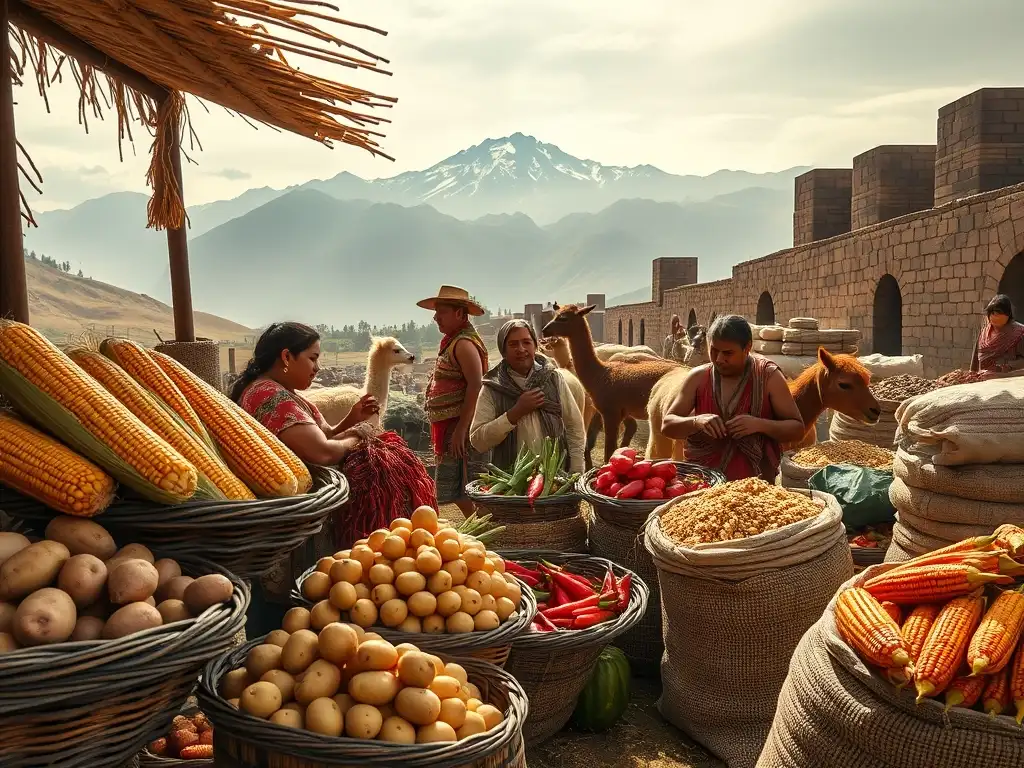
The Inca Empire's remarkable success wasn't solely due to military might or sophisticated engineering. A crucial, often overlooked, factor was its incredibly efficient system of food security. The Inca Empire food security strategies were multifaceted, encompassing sophisticated agricultural techniques, ingenious storage solutions, and a highly organized distribution network. This intricate system ensured the stability and prosperity of the empire, allowing for population growth and the execution of ambitious construction projects. Without it, the Inca's vast empire might never have flourished. This section will explore the key elements of this vital infrastructure.
State-Controlled Warehouses: Colcas and their Function
The cornerstone of Inca food security was the extensive network of state-controlled warehouses known as colcas. These weren't simply storage facilities; they were strategically located throughout the empire, acting as vital hubs in the food distribution system. Built from stone, often integrated into cliff faces for protection, these structures were remarkably well-engineered to maintain optimal storage conditions. Their design incorporated features like ventilation systems to prevent spoilage and rodent-proof construction to minimize losses.
The colcas weren't uniform in size or design; their capacity varied depending on local needs and agricultural output. Some were small, serving local communities, while others were massive structures capable of storing vast quantities of food for extended periods. These variations reflect the Inca's sophisticated understanding of regional differences in climate and agricultural production. Archaeological evidence suggests that the colcas stored a wide range of agricultural products, including maize, potatoes, quinoa, beans, and dried meats.
The precise quantities stored in each colca are difficult to determine precisely, but estimates based on the size of known structures suggest an impressive capacity. The meticulous record-keeping system employed by the Inca, using quipus (knotted strings), likely helped track the inventory and distribution of stored goods. This system ensured that food resources were allocated efficiently based on population needs and environmental conditions.
The strategic placement of colcas is another testament to the Inca's logistical prowess. They were typically situated near agricultural production zones and along major transportation routes, facilitating efficient collection and distribution. This network not only ensured food security during times of plenty but also provided a crucial buffer against natural disasters, crop failures, or periods of famine. The colcas represent a remarkable feat of engineering and logistical planning, essential to the Inca Empire's longevity and stability.
The Role of the Qollqas in Sustaining the Population
While colcas were the primary state-controlled storage facilities, smaller, community-based storage units, known as qollas (or qollqas), played a crucial role in supplementing the larger system. These structures, often built from less durable materials like adobe or stone, were typically located closer to individual villages or communities. They served as a crucial buffer against short-term food shortages and allowed for more localized distribution of resources.
The qollas provided a vital link between the larger state-controlled system and individual households. They helped to ensure that food was readily available at the local level, reducing the reliance on long-distance transportation in times of minor crop failure or localized shortages. The use of both colcas and qollas demonstrates a tiered approach to food storage, ensuring a robust and resilient system capable of withstanding various challenges.
Further research is needed to fully quantify the relative importance and capacity of qollas compared to the larger colcas, but their role in the overall food security strategy of the Inca Empire is undeniable. This decentralized aspect of storage minimized the risk of widespread famine in case of localized issues.
Efficient Transportation Networks for Food Distribution
The Inca Empire's impressive food storage capabilities were complemented by a sophisticated transportation network, vital for the efficient distribution of food throughout the vast empire. The Inca Trail, famous for its breathtaking beauty, was only one part of a much broader system of roads, bridges, and pathways that crisscrossed the mountainous terrain of the Andes. These routes, meticulously maintained, facilitated the movement of goods, including food, across vast distances.
The Inca utilized a system of relay runners ( chasquis) to expedite communication and the movement of goods along these routes. These runners, strategically positioned along the network, could transmit messages and transport smaller quantities of food over long distances with remarkable speed. Larger quantities of food were transported using llamas, which were well-adapted to the high-altitude environment and could carry significant loads. The Inca also employed a system of tambos— roadside inns and rest stops—along the routes, providing accommodation and supplies for travelers and ensuring the safe and efficient transport of goods.
The organization and efficiency of this transportation network were essential to the success of the Inca Empire's food security strategy. It allowed for the timely redistribution of food surpluses from areas of abundance to regions facing shortages, thereby preventing widespread famine and maintaining social stability.
The ability to quickly respond to localized issues through efficient transport was a crucial factor in the empire's resilience and longevity. The Inca’s intricate road system, combined with their innovative use of runners and pack animals, represents a truly remarkable achievement in logistics and infrastructure, highlighting the importance of efficient transportation in ensuring food security across their vast empire.
The Inca Empire's success was intrinsically linked to its sophisticated approach to food security. This wasn't merely a matter of producing enough food; it was a deeply ingrained aspect of their social structure and political power. The Inca state meticulously managed agricultural production and distribution, ensuring a reliable food supply even in times of drought or other hardships. This system was crucial for maintaining social stability and preventing widespread famine, which could have easily destabilized the empire.
The empire's success hinged on its ability to provide for its vast population, and this ability stemmed from a complex interplay of agricultural practices, storage techniques, and social organization. The ayllu, the fundamental socio-economic unit, played a vital role in this system. Members of the ayllu collectively worked the land, contributing their labor and expertise to ensure a successful harvest. This communal effort guaranteed a degree of food security at the local level, forming the bedrock of the larger imperial system.
Furthermore, the Inca's understanding of diverse ecological zones allowed them to cultivate a wide range of crops, minimizing the risk of complete crop failure. This diversification, combined with the efficient storage and distribution networks, ensured resilience against environmental challenges. The Inca's success wasn't just about agricultural prowess; it was about a deeply integrated system that prioritized food security as a cornerstone of its power.
The Mita System and Labor Contribution to Agriculture
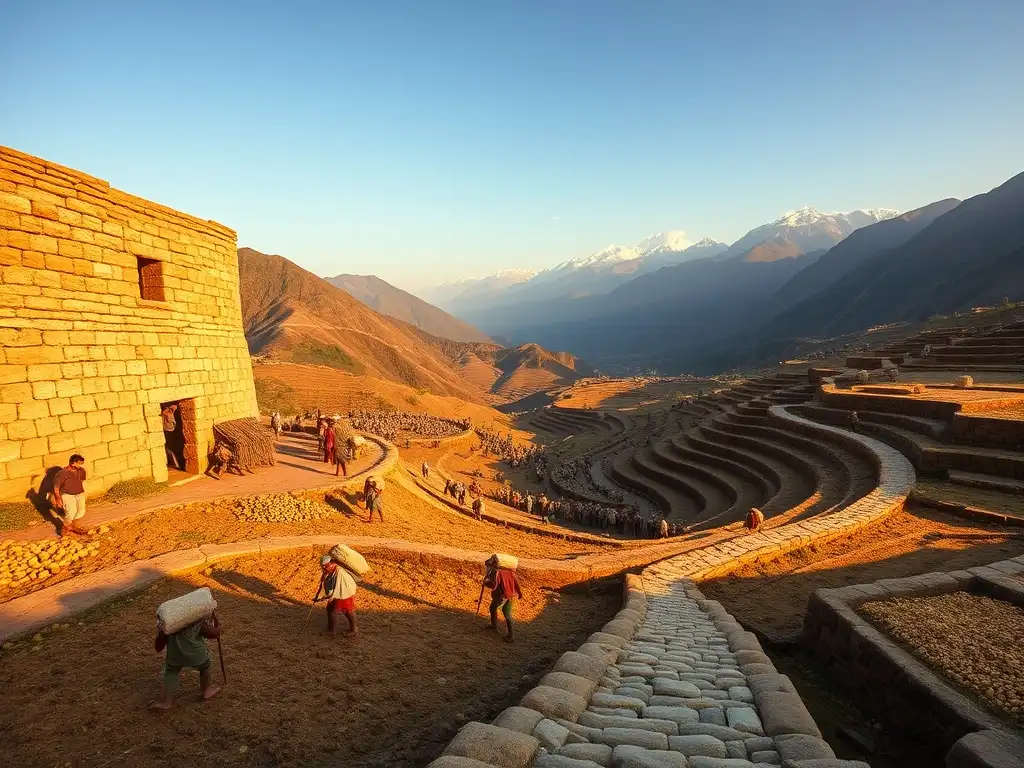
The mita system was a cornerstone of Inca imperial administration and a crucial element in their food security strategies. This system wasn't simply about forced labor; it was a structured system of reciprocal obligations between the state and its subjects. While it involved compulsory labor, it also guaranteed a degree of social support and protection. In the context of agriculture, the mita ensured that sufficient labor was available for large-scale agricultural projects, such as the construction and maintenance of irrigation systems, terracing, and the cultivation of state-owned lands.
This labor was essential for maximizing agricultural output and maintaining the empire's vast food reserves. The mita system, therefore, wasn't solely about extracting labor; it was a mechanism for mobilizing human resources to support a centralized food production and distribution system that benefited the entire empire. Different ayllus would rotate through mita obligations, ensuring that no single community bore an excessive burden.
This approach balanced the demands of the state with the needs of local communities, contributing to the overall stability and efficiency of the system. The careful management of the mita system was vital to the Inca's ability to maintain consistent food production and address potential shortages effectively. The system's success demonstrates the Inca's sophisticated understanding of labor organization and its crucial role in food security.
The Inca State's Role in Food Redistribution
The Inca state played a central role in the redistribution of food throughout the empire. This wasn't simply a matter of charity; it was a strategic mechanism for maintaining social order, political control, and economic stability. The state collected surplus agricultural production from various regions, storing it in strategically located qollqas (granaries). These qollqas served as vital buffers against periods of scarcity, ensuring that even in the face of drought or crop failure, the population would not suffer widespread famine.
The state's control over food distribution allowed it to exert significant influence over its subjects, rewarding loyalty and punishing dissent. The redistribution of food wasn't arbitrary; it was carefully managed to address the specific needs of different communities. This demonstrates a sophisticated understanding of logistics and resource management. The Inca's ability to effectively redistribute food was crucial not only for survival but also for maintaining the stability and cohesion of their vast empire.
The state’s control over the food supply served as a powerful tool for consolidating power and ensuring the loyalty of its subjects. This sophisticated system of food management is a testament to the Inca's administrative prowess and their understanding of the vital link between food security and political stability. The success of this system highlights the Inca's sophisticated understanding of the importance of food security in maintaining the power and stability of their empire.
The Importance of Agricultural Surplus for Military Campaigns
The Inca Empire's military prowess was inextricably linked to its sophisticated food security strategies. A robust agricultural system, capable of generating significant surpluses, provided the logistical backbone for their extensive military campaigns. Unlike many other ancient civilizations that struggled to sustain prolonged warfare due to logistical constraints, the Inca could deploy large armies for extended periods without fear of widespread famine back home.
This was made possible by their efficient system of food storage and distribution, which ensured a continuous flow of provisions to the troops in the field. The scale of these campaigns is truly remarkable; the Inca army, often numbering in the tens of thousands, could march for months, even years, relying on strategically placed storehouses along well-defined routes. These storehouses, known as qollqas, were not merely simple granaries; they were sophisticated structures designed for optimal preservation of food, protecting the supplies from the elements and pests.
The ability to feed such large armies for extended periods was a decisive factor in the Inca's conquest and control of a vast and diverse territory, solidifying their power and influence across the Andes. Without this surplus, the constant movement and deployment of troops necessary for expansion and control would have been impossible, significantly hindering their ability to consolidate their empire. The efficient storage and redistribution of food was, therefore, not just a matter of sustenance, but a crucial component of their military strategy.
The impact of food surpluses extended beyond mere provisioning of troops. The Inca's ability to provide for their armies allowed them to maintain a standing army, a significant advantage over their less organized rivals.
This standing army, constantly trained and equipped, was ready to respond swiftly to any threat to the empire's stability, whether internal rebellions or external incursions. The constant readiness of the Inca army, fueled by the agricultural surplus, served as a potent deterrent, ensuring the compliance and submission of conquered peoples.
This military advantage, in turn, further enhanced the empire's ability to collect taxes and tributes in the form of food and other resources, bolstering the agricultural surplus even further—a positive feedback loop that contributed significantly to the Inca Empire's longevity and expansion. This intricate relationship between food security and military might highlights the strategic genius of the Inca leadership in leveraging agricultural innovation for political and military dominance.
The Impact of Food Security on Inca Expansion and Dominance
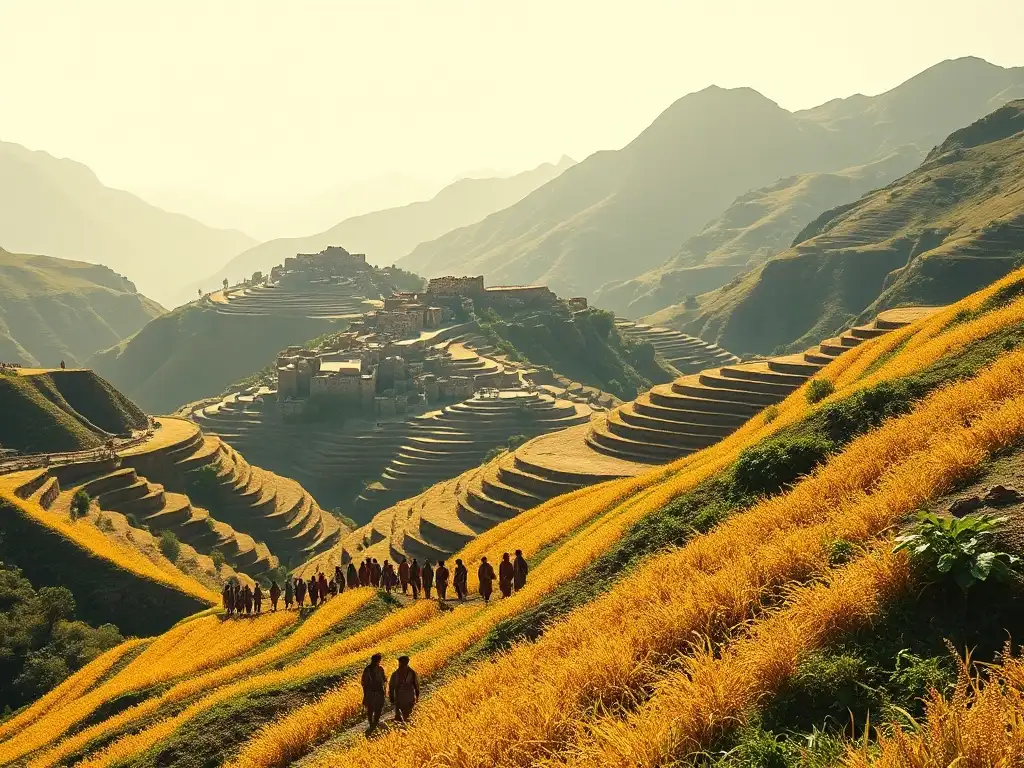
The Inca Empire's remarkable rise to power and its vast territorial control were significantly facilitated by sophisticated strategies for ensuring food security. The Inca's success wasn't solely based on military prowess; it was deeply intertwined with their ability to produce, store, and distribute food effectively across diverse and challenging terrains. This section will delve into how Inca food security strategies directly impacted their expansion and solidified their dominance across the Andes. Understanding their Inca Empire food security strategies is crucial to comprehending the empire's overall success.
Population Growth and Food Supply
The Inca Empire witnessed a substantial population increase during its zenith. This growth wasn't just a consequence of conquest; it was also a direct result of the empire's effective agricultural practices and food distribution system. The Inca Empire food security strategies included innovative techniques like terracing, irrigation, and the cultivation of diverse crops adapted to varying altitudes. This agricultural prowess allowed the Inca to support a much larger population than previous Andean civilizations.
The surplus generated by these methods wasn't merely a matter of abundance; it was strategically managed. The Inca implemented a system of state-controlled granaries strategically located across the empire. These warehouses served as buffers against crop failures, ensuring food availability even during periods of drought or other natural calamities. This resilience was pivotal in sustaining population growth and preventing widespread famine, a common threat to other empires of the time.
Detailed records, though incomplete, suggest a highly organized system of crop monitoring and redistribution to effectively manage food supply and prevent localized shortages. For instance, [specific data on granary capacity and distribution network pending]. This meticulous approach to food production and storage was a cornerstone of Inca Empire food security strategies and directly fueled population growth.
The Link between Food Security and Political Stability
A stable food supply was inextricably linked to the political stability of the Inca Empire. The ability to consistently provide for its vast population fostered loyalty and minimized dissent. Unlike many other empires that relied heavily on tribute and sporadic raids for sustenance, the Inca's food security ensured a more predictable and reliable source of resources. This reliability served as a powerful tool for maintaining social order and preventing widespread unrest.
Furthermore, the Inca's control over food production and distribution gave them considerable political leverage. They could reward loyal subjects with food and resources, while simultaneously using food shortages as a means of controlling rebellious populations. This control extended beyond mere sustenance; it allowed the Inca to influence various aspects of society, from religious practices to labor allocation.
The Inca Empire food security strategies were therefore not only about ensuring survival, but also about consolidating and maintaining power. The efficient management of food resources, coupled with the vast network of granaries and distribution channels, created a system that directly supported the Inca's political dominance.
How the Food System Contributed to the Inca Military Might
The Inca's military successes were not only due to their advanced weaponry and tactical prowess but also to the reliable food supply that sustained their armies. Unlike many armies that relied on foraging or plundering, the Inca army had access to readily available and well-distributed food stores. This ensured that soldiers were well-nourished and could sustain prolonged campaigns across the vast Andean landscape.
The logistical efficiency inherent in the Inca Empire food security strategies allowed for rapid mobilization and deployment of troops. The extensive network of roads and strategically placed granaries facilitated the movement of supplies and personnel. This logistical advantage was a significant factor in the Inca's military victories, allowing them to outmaneuver and outlast their opponents.
The ability to maintain a well-fed and supplied army was a crucial element in the Inca's ability to conquer and control such a large territory. The combination of agricultural efficiency and logistical mastery created a military machine unparalleled in the Andes. The impact of a stable food supply on Inca military might remains a significant area of study, with [further research needed on specific correlations between food distribution and military campaign successes].
Challenges and Vulnerabilities of the Inca Food Security System
The Inca Empire's impressive food security strategies, while remarkably effective for their time, were not without vulnerabilities. Their system, reliant on sophisticated agricultural techniques and a centralized distribution network, faced several significant challenges that could, and occasionally did, threaten the stability of the empire. Understanding these weaknesses provides crucial context for appreciating the ingenuity and scale of Inca achievements in food production and distribution.
Analyzing these vulnerabilities sheds light on the intricate interplay between environmental factors, agricultural practices, and political power in shaping the Inca Empire's success and, ultimately, its decline. The keyword "Inca Empire food security strategies" is central to understanding these complexities.
Dependence on Specific Crops and Climate
The Inca Empire's agricultural success rested heavily on a relatively small number of staple crops, primarily potatoes, maize (corn), quinoa, and beans. This reliance on a limited range of crops created a significant vulnerability. While the Inca developed remarkable techniques for cultivating diverse varieties of potatoes adapted to different altitudes and climates – a testament to their agricultural prowess – a widespread crop failure due to disease, unusual weather patterns, or frost could have devastating consequences. For example, a severe frost affecting potato crops at higher elevations could severely impact food availability across large swathes of the empire.
This highlights a critical aspect of "Inca Empire food security strategies": diversification, or rather, the lack thereof, as a potential weakness. The system's resilience was directly proportional to the success of these few critical crops. A failure in one could trigger a cascade effect impacting the entire food supply chain.
The Inca's sophisticated terracing and irrigation systems, while mitigating some climatic risks, couldn't completely eliminate the threat of environmental variability. Unexpected droughts or floods in specific regions could severely impact local harvests, necessitating a rapid and effective response from the central government to prevent widespread famine. The effectiveness of the "Inca Empire food security strategies" was constantly tested by the capricious nature of the Andean climate.
Potential for Famine and Food Shortages
Despite the impressive logistical capabilities of the Inca Empire, the potential for famine and food shortages always loomed. While the qhapaq ñan (Inca road system) facilitated the efficient movement of food surpluses from abundant regions to areas experiencing scarcity, logistical challenges could arise. Natural disasters like earthquakes, landslides, or floods could damage roads, disrupting the flow of supplies and exacerbating local shortages.
Similarly, rebellions or internal conflicts could disrupt the carefully orchestrated distribution system, leading to localized famines. This demonstrates that even the most robust "Inca Empire food security strategies" were susceptible to unforeseen disruptions and the inherent fragility of large-scale centralized systems.
Furthermore, population growth and increasing demands on food resources could strain the system's capacity. While the Inca implemented innovative agricultural practices to increase yields, these practices were not always sufficient to keep pace with population growth, potentially creating food insecurity in certain regions. The empire’s ability to maintain equilibrium between production and consumption was a constant balancing act, always vulnerable to unexpected pressures.
Data on precise population figures and food production during specific periods remains incomplete, making it difficult to quantify the exact extent of these pressures. [Specific information pending on population growth data and food production estimates during the Inca Empire.]
The Impact of External Factors on Food Production
The Inca Empire's food security was not solely dependent on internal factors. External influences, such as disease outbreaks affecting livestock or crops, could also have significant consequences. The introduction of new diseases from outside the empire, for example, could decimate livestock populations, reducing meat production and impacting the overall nutritional balance of the empire.
This underscores the interconnectedness of the Inca's food system with broader ecological and epidemiological factors. The resilience of "Inca Empire food security strategies" was therefore not only a matter of technological innovation and logistical efficiency but also a reflection of the empire's ability to adapt to external shocks and maintain stability amidst unexpected challenges.
Moreover, wars and conflicts with neighboring groups could disrupt agricultural production and trade routes, impacting the availability of food in affected regions. Raids or invasions could destroy crops, livestock, and infrastructure, hindering the empire's ability to maintain its food security. The strategic importance of maintaining stable borders and minimizing external threats was therefore intrinsically linked to food security.
This highlights the complex interplay between military power, political stability, and the sustainability of the Inca’s agricultural and distribution system. The vulnerability of "Inca Empire food security strategies" to external factors underscores the multifaceted nature of the challenges faced by the empire in ensuring a reliable food supply for its vast population.
Conclusion: Legacy of Inca Food Security Strategies
The Inca Empire's remarkable success, spanning centuries and encompassing a vast territory, was inextricably linked to its sophisticated food security strategies. Their ingenuity in agricultural innovation, coupled with an efficient system of storage and distribution, allowed them to withstand climatic fluctuations, support a large population, and maintain social stability.
The Inca Empire food security strategies weren't simply about producing enough food; they were a complex interplay of agricultural techniques, infrastructure development, and social organization, all working in harmony to ensure the empire's survival and prosperity. Understanding these strategies provides invaluable insights into the challenges and triumphs of large-scale societal organization and offers lessons that remain relevant today.
Lessons from the Inca Food System for Modern Societies
The Inca Empire's approach to food security offers several valuable lessons for contemporary societies facing similar challenges, particularly in regions with vulnerable agricultural systems. Their emphasis on diversification—cultivating a wide range of crops adapted to different altitudes and microclimates—is crucial in mitigating the risks associated with climate change and crop failures. The Inca's understanding of terracing and irrigation techniques, allowing them to maximize arable land and water resources, remains highly relevant in arid and mountainous regions.
Furthermore, their efficient storage and distribution networks, based on a well-organized system of warehouses ( qollqas) and a robust transportation infrastructure, provides a model for effective food management and disaster preparedness. Modern societies can learn from the Inca's proactive approach to food security, adapting their strategies to address contemporary issues such as food waste, climate change, and population growth. The Inca's success highlights the importance of integrating traditional knowledge with modern technologies to build resilient and sustainable food systems.
Their system provides a compelling case study for effective food management in challenging environments. The application of their principles could significantly improve food security in many parts of the world today.
The Enduring Significance of Inca Agricultural Techniques
The Inca Empire’s agricultural innovations continue to resonate today. Their mastery of terracing, for instance, allowed them to cultivate steep slopes, maximizing arable land in mountainous regions. This technique, still practiced in some Andean communities, demonstrates remarkable sustainability, reducing soil erosion and optimizing water use. Similarly, their sophisticated irrigation systems, including canals, aqueducts, and reservoirs, allowed them to manage water resources effectively, even in arid environments.
These systems, often built with remarkable engineering precision, showcase the Inca's deep understanding of hydrology and their ability to adapt to diverse ecological conditions. The Inca's crop diversification, cultivating a wide range of crops suited to different altitudes and microclimates, is another enduring legacy. This approach minimized the risk of widespread crop failure, ensuring food security even in the face of unpredictable weather patterns.
The Inca Empire food security strategies demonstrate a holistic approach to agriculture, integrating ecological knowledge with sophisticated engineering and social organization. Their techniques remain relevant and inspire contemporary sustainable agricultural practices. Many modern agricultural projects draw inspiration from Inca techniques for improving efficiency and sustainability.
The Collapse of the Inca Empire and its Food System
While the Inca Empire’s food security system was remarkably robust, its ultimate collapse highlights the vulnerabilities inherent in any complex system. The Spanish conquest, coupled with disease and internal strife, severely disrupted the empire’s intricate network of production, storage, and distribution. The destruction of qollqas and the disruption of established trade routes led to widespread famine and social unrest.
The collapse demonstrates the importance of resilience and adaptability in food systems. While the Inca’s strategies were highly effective for centuries, they proved insufficient to withstand the unprecedented challenges posed by the Spanish conquest. This underscores the need for flexible and diversified approaches to food security, capable of adapting to unforeseen circumstances.
The collapse of the Inca Empire serves as a cautionary tale, emphasizing the interconnectedness of food security with political stability, social cohesion, and environmental sustainability. Understanding the factors that contributed to the decline of the Inca food system offers crucial insights into building more resilient and sustainable food systems for the future. Further research into the specifics of the decline, including detailed records of crop yields and population changes during the final years of the empire, would further illuminate this crucial aspect of Inca history.
Frequently Asked Questions
What role did food security play in the Inca Empire's success?
The Inca Empire's extensive agricultural system was crucial to its success. Efficient food production and distribution across diverse terrains ensured stability and supported a large population, fostering both economic and political power. This reliable food supply prevented widespread famine and rebellion.
What specific strategies did the Inca use to ensure food security?
The Inca employed various strategies including terracing, irrigation, and the storage of surplus crops in qollqas. They also developed a sophisticated system of redistribution of food resources, ensuring that even remote populations were supported. Crop diversification also played a key role.
How did the Inca's infrastructure contribute to their food security?
The Inca's vast network of roads and bridges facilitated the movement of food across their empire. This efficient transport system ensured that food surpluses could be quickly moved to regions experiencing shortages. Efficient storage facilities (qollqas) were strategically placed along these routes.
What impact did climate and geography have on Inca food security strategies?
The diverse geography of the Inca Empire necessitated regionally specific agricultural techniques. The challenging terrain required innovative solutions like terracing and irrigation to maximize crop yields. They adapted their farming practices to the varying climates across their empire.
What were the main crops cultivated by the Inca Empire for food security?
The Inca cultivated a variety of crops, including potatoes, maize, quinoa, and beans. These crops provided a diverse nutritional base, ensuring resilience against crop failures and providing a balanced diet for the population. This diversity was key to their food security.
Final Reflection: Cultivating Resilience: Food Security and the Inca Legacy
The Inca Empire's sophisticated agricultural practices weren't just a testament to their ingenuity; they remain a powerful example of how strategic food security can underpin societal strength and longevity. Their success in managing resources, adapting to diverse environments, and ensuring equitable distribution offers invaluable lessons for addressing modern food insecurity challenges across the globe. The echoes of their terraced fields and ingenious irrigation systems resonate even today, reminding us of the vital link between food and civilization.
The Inca's commitment to food security wasn't merely a practical matter; it was deeply woven into their social fabric, fostering stability and enabling the remarkable expansion of their empire. Their system, while impressive in its scale, also highlights the importance of community and collaboration in achieving food security. A nation's strength lies in its ability to feed its people,
a sentiment that transcends time and resonates deeply with the Inca's achievements. Understanding their methods allows us to appreciate the interconnectedness of agriculture, social structures, and political power, a dynamic that continues to shape our world.
Consider the challenges of food insecurity facing our world today. Climate change, conflict, and unequal access to resources threaten the stability of communities worldwide. You, the reader, have the power to contribute to a more secure and equitable food future. Learn from the Inca's ingenuity, advocate for sustainable agricultural practices, and support initiatives that promote food justice. Let the legacy of the Inca Empire inspire you to cultivate resilience, not just in your own life, but in the global community.
Unleash Your Impact on Food Security Today!
Thank you for exploring the fascinating connection between food security and the rise of the Inca Empire! Your interest in this vital topic demonstrates a commitment to making a real difference. Let's translate that knowledge into action.
- Support local food initiatives: Volunteer at a community garden or donate to a local food bank to strengthen food security in your community.
- Share this article with friends and family to inspire conversations about applying historical lessons to modern food challenges.
- Learn from Inca agricultural practices: Explore how their innovative farming techniques can inform sustainable solutions for today's agriculture.
Consider how we can best utilize the wisdom of the past to improve food security in our communities. What unique approaches can we develop?