
From Field to Feast: Tracing the Journey of Food in Ancient Andes

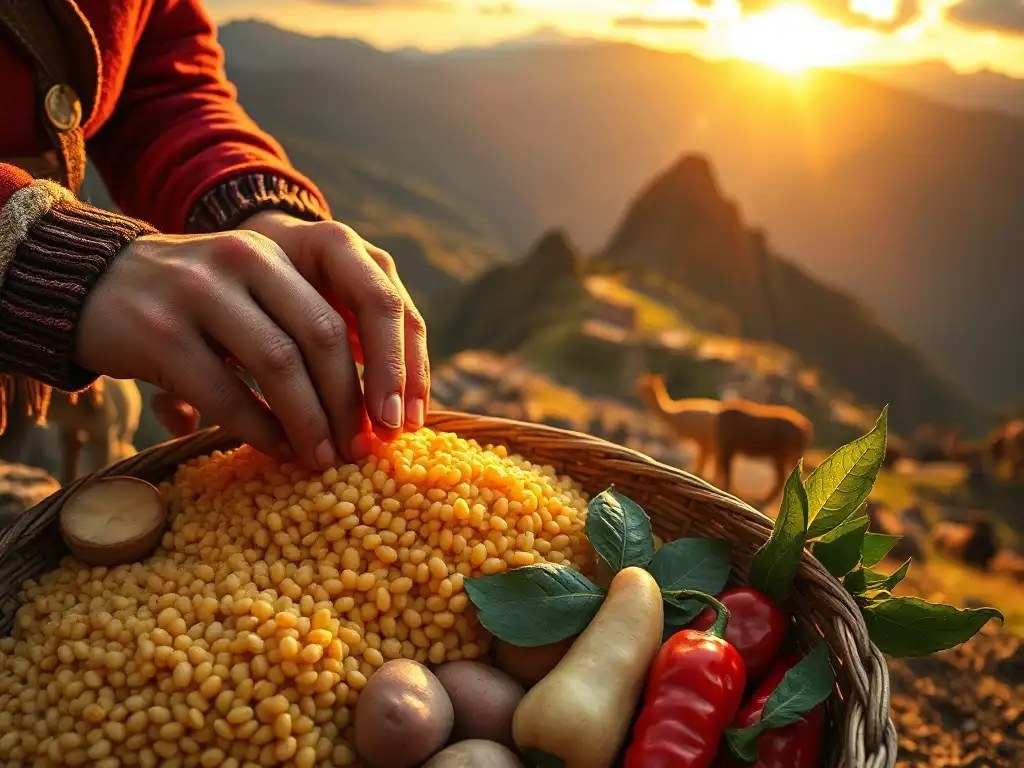
Uncover the secrets of a lost world where ingenuity thrived amidst breathtaking landscapes. Journey with us through time as we delve into the fascinating world of Ancient Andean food history. Did you know that the culinary traditions of the Incas, Moche, and other remarkable Andean civilizations were as sophisticated as their architectural marvels? Prepare to be amazed by the intricate relationship between Andean agriculture and the vibrant tapestry of their daily lives. Discover the surprising story of how these ancient cultures shaped their diets, and how their food shaped their history... read on to find out more.
The Andes Mountains, a spine of towering peaks and fertile valleys, nurtured some of the most sophisticated agricultural societies in the pre-Columbian world. This article delves into the fascinating journey of food in the ancient Andes, from the meticulous cultivation in the fields to the elaborate feasts and daily meals that sustained these remarkable civilizations. We'll explore the ingenious methods of food storage and distribution that allowed Andean societies, including the Inca, Moche, Nazca, and Tiahuanaco, to thrive in diverse and often challenging environments.
Understanding the intricacies of their food systems provides crucial insight into their social structures, religious beliefs, and overall resilience. This exploration of Ancient Andean food history will reveal a complex interplay of agricultural practices, technological innovation, and social organization, showcasing the ingenuity of these ancient peoples in securing their food supply.
We will examine how their agricultural practices, storage techniques, and distribution networks contributed to the remarkable achievements of these Andean cultures. The journey from field to feast was a carefully orchestrated process, a testament to their deep understanding of their environment and their impressive capacity for organization.
Understanding Ancient Andean Food Systems
The ancient Andean food system wasn't simply a matter of planting and harvesting; it was a complex web of interconnected practices reflecting a deep understanding of their environment and its resources. Different Andean cultures, adapted their agricultural strategies to the varied altitudes and climates of the Andes. This adaptability is key to understanding their success.
For instance, the terraced agriculture of the Inca, with its intricate irrigation systems, allowed them to cultivate crops on steep slopes, maximizing arable land. Similarly, the Moche people developed sophisticated irrigation techniques to support their extensive agriculture in the arid coastal regions. The Nazca, famous for their geoglyphs, also demonstrated remarkable agricultural prowess, developing efficient methods for water management in a desert environment.
These techniques weren't isolated practices but rather integrated components of a larger system that ensured food security. The success of these systems relied on a deep understanding of water management, soil fertility, and crop rotation. The cultivation of diverse crops, including potatoes, maize, quinoa, beans, and various fruits, ensured dietary diversity and resilience against crop failure.
The efficient use of resources was paramount. Evidence suggests a sophisticated understanding of soil fertility, with techniques like the use of fertilizer and crop rotation employed to maintain productivity. The diverse range of crops cultivated demonstrates a remarkable understanding of agricultural biodiversity and the importance of diversification to mitigate risk.
The Andean people didn't just grow food for sustenance; they also cultivated plants for medicinal purposes and for the production of textiles and dyes, underscoring the holistic nature of their interaction with the environment. This intricate relationship between humans and nature is a central theme in understanding ancient Andean food systems. The evidence suggests a level of planning and organization far beyond what many might initially assume, indicating a sophisticated understanding of resource management and long-term planning.
Storage and Preservation Techniques: Ensuring Year-Round Food Security
Securing a year-round food supply in the Andes presented unique challenges, especially considering the varied climates and the unpredictable nature of weather patterns. To overcome these obstacles, the Andean people developed ingenious storage and preservation techniques. These methods were crucial for their survival, allowing them to maintain food surpluses during lean seasons and to support larger populations. One of the most notable techniques was the use of qollqas, which were sophisticated underground storage facilities built to maintain a stable temperature and humidity.
These structures, often built into hillsides or cliffs, provided a protected environment for storing grains, potatoes, and other staple crops. The design of these qollqas demonstrates a remarkable understanding of engineering and environmental control. Furthermore, the Andean people employed various drying and preservation methods, such as sun-drying and freeze-drying, to extend the shelf life of their food.
These methods, passed down through generations, ensured that food remained edible for extended periods, mitigating the risks associated with unpredictable harvests. The implementation of these techniques was crucial to the overall success of their food systems, allowing for greater stability and resilience. The careful planning and execution of these preservation methods demonstrates their remarkable adaptation to the challenges of their environment.
The development of sophisticated storage techniques was not just a matter of practicality; it also played a significant role in social organization. The control and distribution of stored food were likely linked to power structures and social hierarchies within Andean societies. Larger storage facilities, like the qollqas, might have been controlled by elites or religious leaders, suggesting a complex interplay between food security and social control.
Further research is needed to fully understand the role of storage facilities in social organization and power dynamics. The sheer scale and sophistication of some storage structures suggest a level of centralized planning and organization that was vital to the functioning of these complex societies. This aspect of the Andean food system highlights the intricate connection between agriculture, storage, and social structures.
Distribution Networks and Trade: Connecting Communities and Regions
The efficient distribution of food across the vast Andean landscape was crucial for the survival and prosperity of these complex societies. The Incas, in particular, developed an extensive network of roads and trails that facilitated the movement of goods and people across their empire. These infrastructure projects, remarkable for their scale and engineering, allowed for the efficient transport of food surpluses from regions of abundance to areas facing shortages.
The chasquis, a relay system of runners, played a vital role in this network, delivering messages and goods with remarkable speed. The integration of different regions through trade also contributed to a more resilient food system. Regions specializing in different crops could trade with each other, ensuring dietary diversity and mitigating the risks associated with localized crop failures.
This interconnectedness is a critical element in understanding the stability and success of ancient Andean civilizations. The efficiency of these distribution networks is further evidence of their advanced social and organizational capabilities. The sheer scale of this operation, including the road system, the chasquis, and the organized trade, demonstrates a sophisticated level of planning and coordination.
The sophisticated distribution systems of the ancient Andean civilizations weren't merely logistical feats; they also played a crucial role in maintaining social cohesion and political stability. The ability to redistribute food surpluses effectively helped to prevent social unrest and ensure the loyalty of different communities within the empire. This aspect of the system is crucial to understanding the political and social dynamics of these societies. Further research is needed to fully understand the intricate interplay between food distribution, social organization, and political power.
The extent of this network and its effectiveness are testaments to the sophisticated organization and foresight of these ancient Andean civilizations. The system served not only to ensure food security but also to strengthen social bonds and maintain political stability across vast territories. The role of food distribution in shaping the social and political landscape of the Andes is a significant area of ongoing research.
- Understanding Ancient Andean Food Systems
- Storage and Preservation Techniques: Ensuring Year-Round Food Security
- Distribution Networks and Trade: Connecting Communities and Regions
The Agricultural Foundations of Andean Civilizations
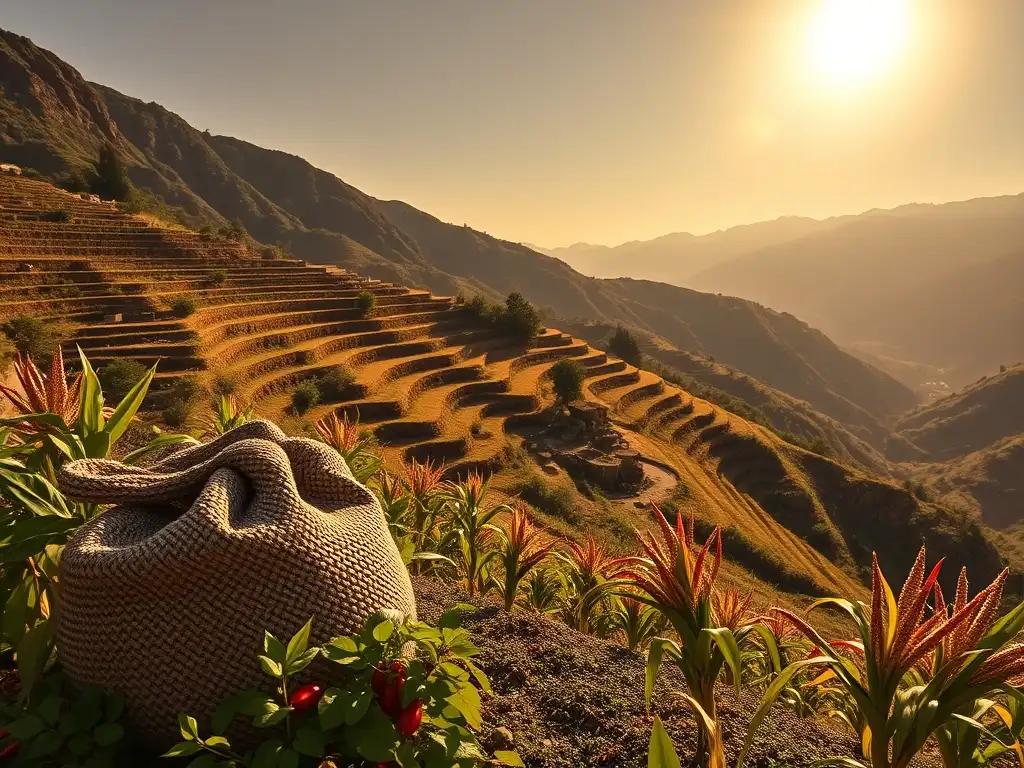
The remarkable achievements of the Ancient Andean civilizations—the Incas, Moche, Nazca, and Tiahuanaco—were deeply intertwined with their sophisticated agricultural practices. Understanding their food systems is crucial to grasping their social structures, economic power, and overall cultural development. Their success wasn't solely based on conquering vast territories; it stemmed from a profound understanding of their environment and the development of ingenious techniques to harness its resources.
The mastery of agriculture allowed for surplus food production, fueling population growth, supporting complex social hierarchies, and fostering the creation of impressive urban centers. This mastery is a central component of Ancient Andean food history.
Diverse Crops of the Ancient Andes
The Andes boast an incredible biodiversity, and Ancient Andean peoples expertly cultivated a wide range of crops adapted to varying altitudes and climates. This agricultural diversification was key to their resilience. Their ingenuity in selecting, cultivating, and improving crops resulted in a varied diet rich in nutrients. Consider the following examples:
- Potatoes ( Solanum tuberosum): The undisputed staple, with thousands of varieties adapted to different ecological niches. Their cultivation spread throughout the Andes, becoming a cornerstone of the Andean diet and a symbol of their agricultural prowess. The sheer diversity of potato species alone showcases the depth of their agricultural knowledge.
- Maize ( Zea mays): Another crucial staple, used not only as food but also in rituals and ceremonies. The cultivation of maize involved complex techniques, including careful selection of seeds and the development of specialized varieties. Its importance is evident in the archaeological record, with maize found in numerous sites across the Andes.
- Quinoa ( Chenopodium quinoa): A highly nutritious pseudocereal, valued for its complete protein profile and ability to thrive in harsh conditions. Quinoa played a significant role in the Andean diet, providing essential nutrients to sustain their populations.
- Beans ( Phaseolus spp.): Various bean species, including common beans, lima beans, and others, complemented the diet, providing additional protein and essential nutrients. Their cultivation was integrated with other crops in complex agricultural systems.
- Other Crops: Beyond these staples, the Ancient Andeans cultivated a wealth of other crops, including squash, tomatoes, peppers, and a wide variety of fruits, contributing to a diverse and nutritionally balanced diet. This diversity is a testament to their profound understanding of plant domestication and agricultural practices. The careful selection and cultivation of these diverse crops are integral aspects of Ancient Andean food history.
Terraced Farming and Irrigation Techniques
The challenging Andean terrain, characterized by steep slopes and limited arable land, necessitated the development of innovative agricultural techniques. The most striking examples are the extensive systems of terraced farming and sophisticated irrigation networks.
- Terraced Farming: Terraces transformed steep slopes into a series of level platforms, increasing cultivatable land and reducing soil erosion. This technique, still visible today in many Andean landscapes, represents a remarkable feat of engineering and agricultural ingenuity. The construction of these terraces involved meticulous planning and considerable labor, showcasing the level of social organization within these civilizations.
- Irrigation Systems: To manage water resources effectively, the Ancient Andeans developed intricate irrigation systems, including canals, aqueducts, and reservoirs. These systems channeled water from rivers and streams to irrigate crops, ensuring reliable yields even in arid regions. The sophistication of these systems is a clear indication of their advanced understanding of hydrology and engineering. These complex irrigation systems are a compelling element of Ancient Andean food history.
Key Agricultural Practices in the Inca Empire
The Inca Empire (1438-1533 CE) inherited and expanded upon the existing agricultural practices, implementing centralized control over food production and distribution. Their agricultural policies played a key role in maintaining social order and ensuring the empire's stability.
- Mit'a System: The Inca implemented the mit'a, a system of labor service, where citizens were required to contribute a portion of their time to public works, including agricultural projects like building and maintaining irrigation systems and terraces. This ensured the continued maintenance and expansion of the agricultural infrastructure.
- State-Controlled Warehouses ( qollqas): The Inca Empire maintained extensive networks of state-controlled warehouses ( qollqas) to store surplus food. This allowed them to manage food supplies, redistribute resources during times of scarcity, and support the army and administrative personnel. The efficient management of food storage and distribution was critical to the empire's longevity and stability. This aspect of centralized control over food is a vital component of Ancient Andean food history.
- Agricultural Specialization: Different regions of the empire specialized in producing specific crops based on their ecological conditions. This specialization, combined with efficient distribution networks, ensured that the entire empire had access to a diverse range of foods. The organization of agriculture on a large scale is a testament to the sophistication of the Inca's administrative capabilities. The Inca's approach to agricultural specialization and distribution systems are key elements in understanding Ancient Andean food history.
Harvesting and Gathering in Pre-Columbian Andes
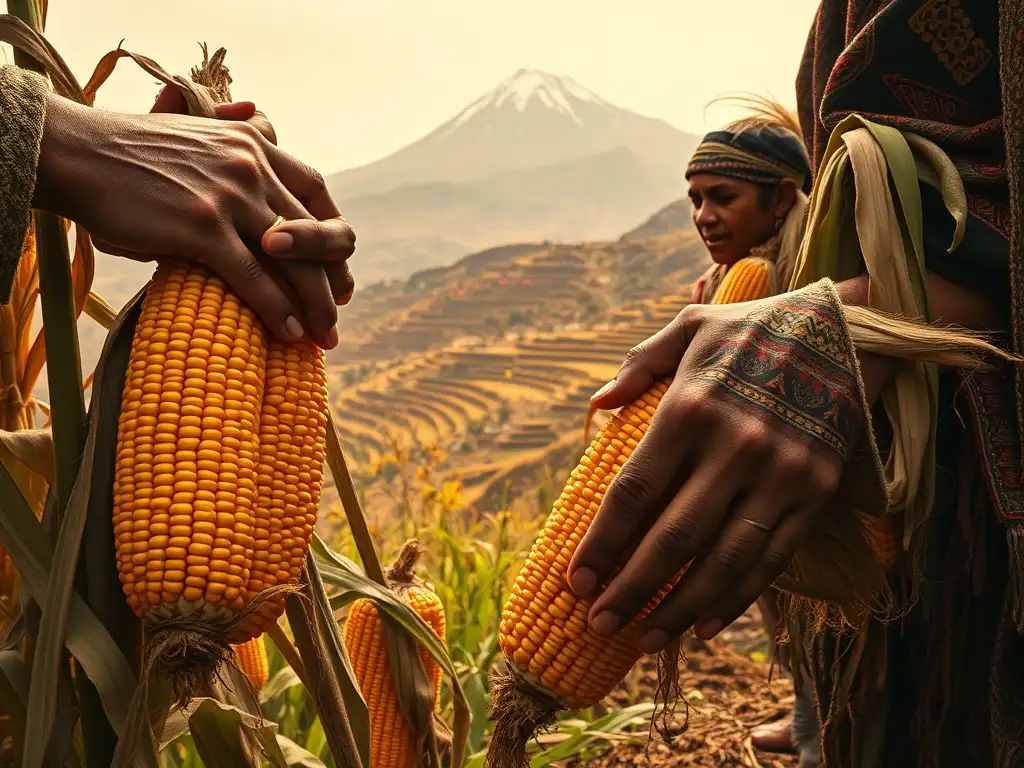
This section delves into the intricate methods employed by ancient Andean civilizations to harvest and gather their food sources, providing a glimpse into their agricultural practices and resource management strategies. Understanding these practices is crucial to comprehending the sophisticated Ancient Andean food history. The sheer diversity of crops and the ingenuity of their harvesting techniques reveal a deep connection between these societies and their environment.
Seasonal Harvesting Cycles and Rituals
Ancient Andean agriculture was deeply intertwined with the cyclical rhythms of nature. Harvesting wasn't merely a practical activity; it was a significant ritualistic event, often marked by ceremonies and offerings to ensure future prosperity. The timing of harvests varied considerably depending on altitude and specific crops. For instance, potatoes, a staple crop, were harvested at different times depending on the variety and the specific microclimate. Higher altitude potatoes, often hardier varieties, might be harvested later in the year than those grown in lower, warmer valleys.
The Inca, for example, meticulously planned their agricultural cycles, using a sophisticated system of qhapaq ñan (the Inca road system) to facilitate the movement of goods and people across diverse ecological zones. This efficient logistical network ensured that resources could be harvested and distributed effectively, even across vast distances. Evidence suggests that the timing of harvests was often coordinated with religious festivals, with specific rituals performed to ensure a bountiful yield and to appease the gods associated with agriculture.
Archaeological findings reveal ceremonial offerings buried alongside harvested crops, reflecting the sacred importance of this annual cycle. These rituals weren't merely symbolic; they played a vital role in maintaining social cohesion and reinforcing the importance of agricultural success for the entire community.
Gathering Wild Plants and Resources
While agriculture formed the backbone of Andean societies, gathering wild plants and resources remained an essential component of their diet. This practice wasn't a secondary activity; wild plants provided crucial nutritional diversity and supplemented cultivated crops. A wide variety of edible plants, including berries, nuts, and wild herbs, were collected, contributing significantly to the overall food supply. The knowledge of edible and medicinal plants was passed down through generations, reflecting an intimate understanding of the local ecosystem.
The diverse geography of the Andes provided a wealth of resources. Coastal communities relied heavily on marine resources, supplementing their agricultural output with fish, shellfish, and seaweed. In the high Andes, llamas and alpacas provided wool, meat, and dung (used as fertilizer), forming an integral part of the Andean economy and food system. The gathering of these resources required specialized knowledge and skills, often passed down within families and communities. This intimate relationship with the environment fostered a deep understanding of sustainable resource management, ensuring the long-term availability of these vital resources.
The Role of Labor in Food Production
Harvesting and gathering were labor-intensive activities, requiring significant human effort. The organization of labor varied across different Andean societies and was often tied to social structures. In the Inca Empire, the mita system, a form of rotational labor service, played a critical role in agricultural production. Communities were responsible for cultivating and harvesting state-owned lands, ensuring a steady supply of food for the ruling elite and the maintenance of the empire's infrastructure.
The ayllu, the Andean kinship-based community, also played a crucial role in organizing labor. Collective efforts were essential for tasks like harvesting large fields of maize or potatoes. This communal approach fostered social solidarity and ensured that the benefits of the harvest were shared among community members.
The organization of labor was not only efficient but also reflected the deep social and economic structures of ancient Andean societies. Evidence from archaeological sites and historical accounts reveals a sophisticated understanding of labor management and its importance in sustaining these complex societies. The efficiency of their systems is a testament to the organizational skills and social cohesion of these fascinating civilizations, directly impacting the Ancient Andean food history and providing insight into their remarkable adaptability.
Processing and Preservation of Andean Foods
The ingenuity of Ancient Andean civilizations extended beyond their impressive agricultural techniques. Efficient food preservation methods were crucial for survival, especially given the challenges of the varied Andean terrain and climate. Understanding their Ancient Andean food history reveals sophisticated strategies for extending the shelf life of harvested crops and ensuring food security throughout the year. These techniques, often passed down through generations, played a vital role in the social and economic structures of these societies. The preservation methods weren't merely practical; they were also integral to cultural practices and rituals.
Traditional Methods of Drying and Salting
Drying and salting were fundamental preservation techniques employed across various Andean cultures. The arid climate of certain regions, particularly along the coast, provided ideal conditions for sun-drying. Fruits like lucuma and aguaymanto, along with various vegetables, were carefully sliced and laid out to dry under the intense Andean sun. This process reduced moisture content, inhibiting microbial growth and significantly extending the food's shelf life. The process wasn't simply a matter of leaving food out; careful attention was paid to timing, location, and even the use of specialized drying racks to ensure even drying and prevent spoilage.
Salting, on the other hand, was particularly effective for preserving meats and fish. Coastal communities, especially, relied heavily on this method. The abundant supply of sea salt provided a readily available preservative. Meat, often llama or alpaca, was carefully salted and then either sun-dried or stored in cool, dry places.
This not only prevented spoilage but also enhanced the flavor of the preserved food. Archaeological evidence suggests elaborate salting techniques, with variations depending on the specific food item and the local climate. The precise ratios of salt to food, and the duration of the salting process, were likely closely guarded knowledge, passed down through families and communities. This knowledge represented a critical element of their Ancient Andean food history.
Fermentation Techniques for Food Storage
Fermentation, a biological process that transforms food through the action of microorganisms, played a significant role in Ancient Andean food preservation. This wasn't a haphazard process; it was a carefully controlled technique that resulted in a range of fermented foods, many of which remain staples in Andean cuisine today.
One prominent example is the fermentation of maize (corn). Different varieties of maize were fermented to produce chicha, a fermented beverage, and also to improve the digestibility and nutritional value of the grain itself. The specific fermentation methods varied among different cultures, with variations in the types of microorganisms used, fermentation times, and even the containers used for fermentation. These subtle differences resulted in a wide array of flavors and textures, reflecting the diverse culinary traditions of the Andes.
The knowledge of controlling the fermentation process was crucial, as improper fermentation could lead to spoilage or the production of undesirable products. This demonstrates a high level of understanding of microbiology and food science far exceeding what is often assumed about these ancient cultures. This knowledge is a crucial part of understanding the Ancient Andean food history.
Transforming Crops into Staple Foods: Chicha Production
Chicha, a fermented beverage made from maize, was far more than just a drink in Ancient Andean societies. It held significant social, religious, and economic importance. The production of chicha involved a complex process of selecting the appropriate maize variety, preparing the grain, and carefully managing the fermentation process. Different types of chicha were produced, each with its own unique flavor profile and ceremonial significance. Some chicha was reserved for religious ceremonies, while other variations were consumed daily.
The process often involved chewing the maize, a technique that introduced enzymes that initiated the fermentation process. This method, while perhaps unusual by modern standards, was highly effective and demonstrates a deep understanding of the biochemical processes involved in fermentation. The fermentation process could last for days or even weeks, depending on the desired outcome.
The resulting chicha was not only a source of calories but also potentially a source of beneficial probiotics. The production of chicha was a communal activity, often involving women and reflecting the social fabric of Andean communities. Its importance in their Ancient Andean food history is undeniable, representing a cornerstone of their culture and economy.
The precise techniques and recipes varied between regions and cultures, underscoring the rich diversity of Andean food traditions. Further research is needed to fully elucidate the specific techniques used in various regions and the role of chicha in different social and religious contexts.
Storage Techniques in Ancient Andean Communities
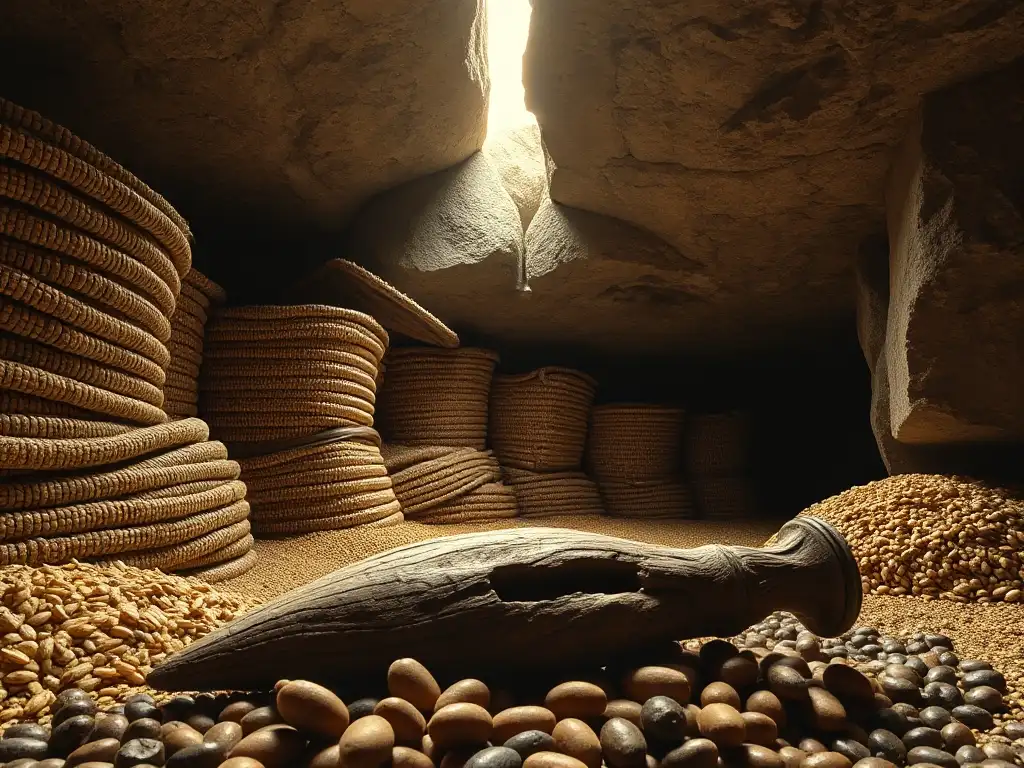
The ingenuity of ancient Andean civilizations extended beyond their impressive architectural feats and intricate social structures; it deeply permeated their approaches to food production and preservation. Understanding their Ancient Andean food history reveals a sophisticated system of storage and distribution, crucial for survival in a challenging environment marked by fluctuating climates and unpredictable harvests. This section delves into the techniques employed by these communities to ensure food security, highlighting the critical role storage played in their societal stability and resilience.
The efficient management of food resources was not merely a practical matter; it was a cornerstone of their cultural and economic systems. Their success in adapting to the Andean landscape is intrinsically linked to their mastery of food preservation and storage methods.
The Importance of Food Storage for Survival
Food storage in the Andes wasn't simply a matter of convenience; it was a life-or-death necessity. The unpredictable nature of the Andean climate, with its distinct wet and dry seasons, meant that agricultural yields varied significantly from year to year. Droughts could decimate crops, leading to widespread famine.
The ability to store surplus food from bountiful harvests was therefore paramount in mitigating the impact of these lean periods. This wasn't just about individual survival; it was crucial for maintaining the stability of entire communities. Communities with effective storage systems were better equipped to withstand hardship, ensuring social cohesion and reducing the risk of conflict over dwindling resources.
Without reliable storage solutions, the highly developed agricultural practices of the Andean people would have been far less effective. The successful cultivation of potatoes, maize, and quinoa was only half the battle; preserving these vital crops for later consumption was equally critical. Archaeological evidence consistently points to the importance placed on food storage as a fundamental aspect of Andean life.
Different Types of Storage Facilities: Colcas and Underground Pits
Ancient Andean communities developed a variety of ingenious storage facilities tailored to their specific needs and environmental conditions. Among the most prominent were the colcas, impressive stone structures often built into hillsides or cliffs. These were not simply rudimentary sheds; they were carefully designed to regulate temperature and humidity, creating an optimal environment for preserving food.
The thick stone walls provided insulation, protecting stored goods from extreme temperature fluctuations. Ventilation systems, often cleverly incorporated into the design, helped to prevent spoilage. The size and number of colcas varied depending on the size and wealth of the community, reflecting the scale of their agricultural output and the importance of food reserves.
Beyond the monumental colcas, underground pits also served as vital storage facilities. These were particularly useful for storing root crops such as potatoes, which could be kept cool and dark, extending their shelf life significantly. The construction of these pits involved careful consideration of drainage and insulation to prevent rot and maintain optimal conditions.
These pits, often dug into the earth and lined with stones or other materials, provided a reliable and relatively low-maintenance storage solution. The combination of colcas and underground pits demonstrates the adaptability and resourcefulness of Andean peoples in developing diverse storage solutions to meet their food preservation needs. They understood the different requirements for storing various foods and utilized different techniques accordingly.
Managing Food Reserves for Times of Scarcity
The effective management of stored food reserves was a complex undertaking, requiring careful planning and organization. This involved not only the construction and maintenance of storage facilities but also sophisticated systems of record-keeping and distribution. While precise details of these systems remain elusive, archaeological evidence suggests a strong degree of centralized control, particularly in larger, more complex societies like the Inca Empire.
The allocation of food resources was likely linked to social hierarchies and reciprocal obligations within the community. Elites may have controlled significant reserves, distributing them to the population during times of need. This system ensured social stability and prevented widespread famine.
Furthermore, the knowledge of storage techniques and food preservation methods was likely passed down through generations, ensuring the continuity of these vital practices. The successful management of food reserves was a crucial factor in the longevity and prosperity of Andean civilizations, demonstrating a deep understanding of resource management and community sustainability. This meticulous approach to food storage is a testament to their remarkable foresight and organizational abilities, traits vital for survival in the challenging Andean environment.
Distribution and Trade of Food in the Ancient Andes
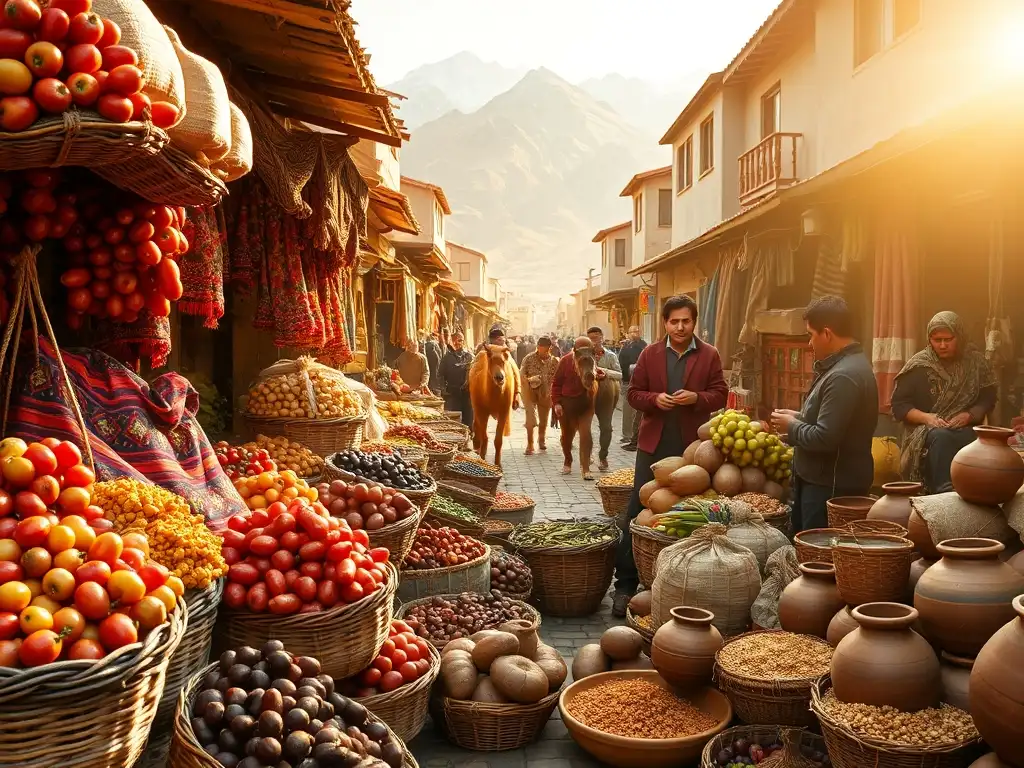
The efficient distribution and trade of food were crucial to the survival and prosperity of the ancient Andean civilizations. Sophisticated systems, ranging from localized bartering to extensive long-distance networks, ensured the flow of essential foodstuffs across vast and challenging terrains. Understanding these systems reveals the ingenuity and organizational prowess of these societies, and provides valuable insights into their social structures and economic strategies.
This section delves into the various mechanisms employed for food distribution, highlighting the vital role they played in the daily lives of Andean people and the overall stability of their empires. The keyword "Ancient Andean food history" is central to understanding this complex interplay of agriculture, trade, and societal organization.
Bartering Systems and Local Markets
Local exchange of food was predominantly carried out through bartering systems. Communities, often organized around agricultural production, directly exchanged surplus goods. This wasn't a chaotic system; rather, it was deeply embedded in social relations and reciprocal obligations. For example, a community specializing in potato cultivation might trade their harvest for textiles produced by a neighboring community skilled in weaving.
This system fostered strong inter-community ties and ensured a degree of food security at a local level. The absence of a standardized currency meant that value was determined through negotiation and social standing, a process that reflected the intricate social fabric of Andean societies. Evidence suggests that these exchanges often took place in designated market areas, even if these weren't formal marketplaces in the modern sense. The scale of these local markets varied, depending on the size and population density of the communities involved.
Smaller villages might have only occasional exchanges, while larger settlements likely hosted more regular and larger-scale bartering events. This system, while seemingly simple, was remarkably effective in distributing food within a localized context. Archaeological evidence, such as the discovery of diverse food remains at settlement sites, supports the prevalence of this localized exchange system.
Long-Distance Trade Networks and Food Exchange
Beyond local bartering, the ancient Andes witnessed extensive long-distance trade networks that connected geographically distant communities. These networks facilitated the exchange of not only luxury goods but also essential foodstuffs. The movement of goods like maize, beans, and coca leaves across vast distances speaks to the sophisticated organization and infrastructure that supported these trade routes.
The Inca Empire, in particular, significantly improved existing trade routes and established a highly efficient system for food distribution across its vast territory. This involved the use of tambos, strategically located waystations that provided lodging and supplies for travelers and traders, ensuring the continuous flow of goods. The trade wasn't simply a matter of economic gain; it also played a key role in consolidating political power and integrating different regions under a common system.
The exchange of food items could be seen as a form of tribute or as a way to foster alliances and maintain social stability. The diversity of food items found in archaeological sites far from their point of origin provides compelling evidence of the reach and effectiveness of these long-distance trade networks.
The Role of Roads and Infrastructure in Food Distribution
The impressive road network constructed by the Inca Empire, and earlier by other Andean civilizations, was fundamental to efficient food distribution. These roads, often paved and strategically laid out, connected distant regions, allowing for the rapid and reliable transport of goods. The qhapaq ñan, the Inca road system, is a prime example of this sophisticated infrastructure.
The roads themselves weren't just pathways; they were part of a larger system that included bridges, tunnels, and storage facilities. This infrastructure facilitated the movement of food surpluses from regions with abundant harvests to areas experiencing shortages, playing a critical role in mitigating famines and ensuring the stability of the empire. The construction and maintenance of this system required significant labor and resources, highlighting the importance that the Inca placed on food security and centralized control.
The strategic placement of tambos along the routes further enhanced the efficiency of the system, providing rest stops and storage facilities, crucial for the long-distance transport of perishable goods. The effectiveness of this system is testament to the advanced engineering and organizational skills of the Inca and their predecessors. Without this robust infrastructure, the large-scale distribution of food across such a vast and varied landscape would have been practically impossible.
The Culinary Practices of Ancient Andean People
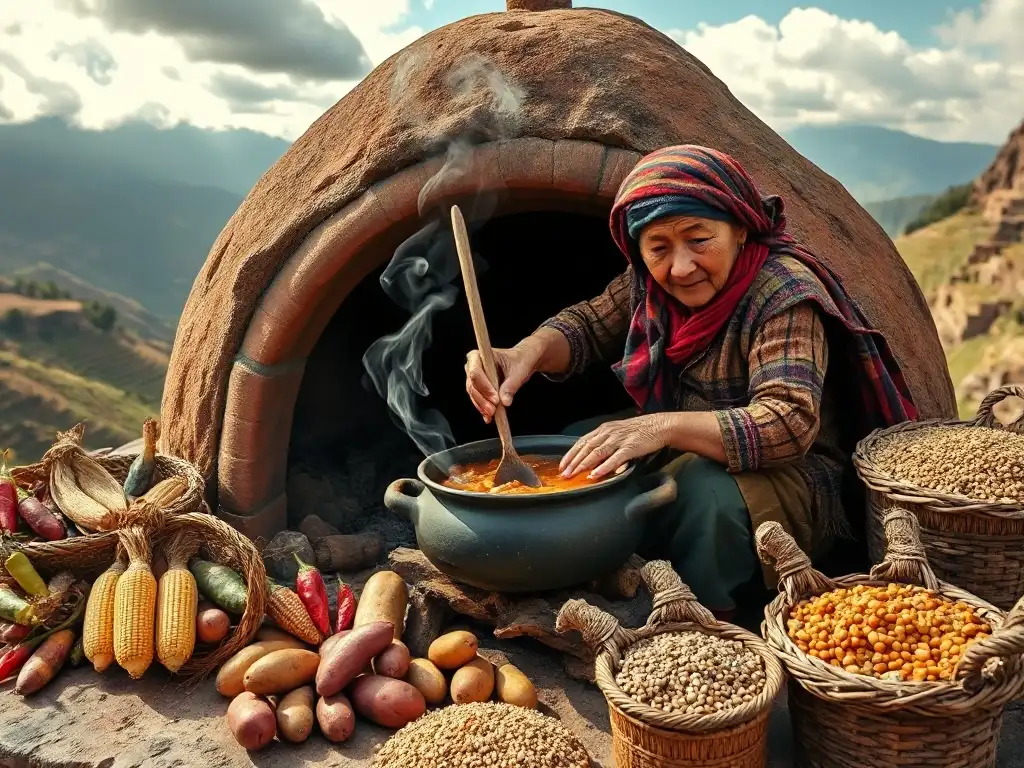
This section delves into the fascinating world of ancient Andean culinary practices, exploring the diverse range of foods consumed, the innovative techniques employed in their preparation, and the profound social significance food held within these vibrant civilizations. Understanding these aspects provides crucial insights into the daily lives, social structures, and overall development of Ancient Andean societies. Our exploration of Ancient Andean food history will reveal a sophisticated and nuanced relationship between people and their environment.
Staple Foods and Regional Dishes
The Andean diet wasn't uniform; it varied significantly based on altitude, climate, and available resources. However, certain staples formed the backbone of most diets. Potatoes, in their incredible diversity of species, reigned supreme. Archaeological evidence reveals hundreds of potato varieties cultivated by the Incas and other Andean groups.
These weren't just the spuds we know today; they ranged in color, size, and taste, providing a nutritional powerhouse for the region. Alongside potatoes, maize (corn) was another essential crop, used in various forms, from tortillas and gruel to chicha, a fermented beverage central to Andean culture and ceremonies. Quinoa, a highly nutritious grain, also played a critical role, providing essential protein and energy.
Other regional variations included beans (various types), squash, and a variety of fruits and vegetables depending on the specific ecosystem. Coastal populations relied heavily on seafood, adding fish, shellfish, and seaweed to their diets. The high-altitude regions, conversely, saw a greater reliance on hardy root vegetables and grains adapted to colder climates.
For example, the high-altitude inhabitants of the Andes consumed more grains such as canihua and kiwicha, which are highly resilient to extreme conditions. The diversity of the ancient Andean diet is a testament to the ingenuity of its people in adapting to varied environmental challenges. This resourcefulness is a significant aspect of Ancient Andean food history.
Cooking Techniques and Utensils
Ancient Andean cooking techniques were remarkably sophisticated, reflecting a deep understanding of food preparation and preservation. While specific techniques varied regionally, several common practices emerged. The use of earth ovens, called pachamancas, was widespread. These involved heating stones in a pit, placing food on top, and covering it with earth to slow-cook the meal. This method provided a unique flavor and ensured even cooking, preserving the nutrients within the ingredients. Boiling was also common, using clay pots heated over open fires or specialized hearths.
Cooking utensils were primarily made from clay, stone, or wood. Clay pots and bowls came in various shapes and sizes, serving different purposes. Mortars and pestles were crucial for grinding grains and other ingredients, facilitating the preparation of various dishes.
The absence of metal tools in some periods meant that ingenious techniques and readily available materials were employed for food preparation, highlighting the creativity and adaptability of ancient Andean communities. The development of these techniques and tools is a crucial chapter in the Ancient Andean food history narrative. Analysis of these artifacts reveals a level of sophistication often overlooked in discussions of ancient technologies.
Food in ancient Andean societies transcended mere sustenance; it played a pivotal role in social interactions, religious ceremonies, and power dynamics. Feasts were elaborate affairs, often associated with important events like harvests, religious festivals, and royal celebrations. The type and quantity of food served reflected social status and power. Elaborate banquets featuring a wide array of dishes were common among the elite, while simpler meals were consumed by the common people. The preparation and distribution of food were carefully managed, often involving communal labor and highlighting the importance of cooperation within the community.
Chicha, the fermented corn beverage, held a particularly significant place in Andean culture. It was not only a staple drink but also a central component of religious rituals and social gatherings. The brewing of chicha was often a communal activity, symbolizing social cohesion and shared identity.
The sharing of food and drink strengthened social bonds, reinforced community values, and served as a powerful tool for social control and the affirmation of power structures. The role of food in shaping social relations is a fundamental aspect of Ancient Andean food history, showcasing the intricate connection between culinary practices and societal organization. Further research is needed to fully understand the nuances of these complex interactions.
The Legacy of Ancient Andean Food History
The study of Ancient Andean food history reveals a sophisticated understanding of agriculture and food systems far exceeding previous assumptions. This legacy extends beyond mere sustenance; it shaped social structures, religious practices, and even artistic expression. Understanding this history provides crucial insights into the resilience and ingenuity of Andean cultures in the face of challenging environmental conditions.
The meticulous record-keeping, though often indirect through archaeological evidence, allows us to piece together a narrative that speaks volumes about their ingenuity and resourcefulness. This detailed knowledge of ancient Andean foodways directly impacts our understanding of modern food systems, offering lessons in sustainable practices and resource management that remain relevant today.
The keyword "Ancient Andean food history" is central to understanding the complexities of these ancient societies and their remarkable achievements in food production and distribution. Analyzing their techniques allows us to appreciate the depth of their knowledge and the long-lasting impact on subsequent cultures.
Impact on Modern Andean Cuisine
Modern Andean cuisine boasts a vibrant tapestry of flavors and techniques deeply rooted in its ancient past. Many staple crops, such as potatoes (with their thousands of varieties! ), quinoa, maize, and beans, continue to be central to the region's culinary identity.
The preservation techniques employed by ancient Andean peoples, such as sun-drying, freezing at high altitudes, and fermentation, are still practiced today, ensuring food security and unique flavor profiles. For example, the traditional method of preparing chuño (freeze-dried potatoes) demonstrates a remarkable understanding of food preservation, a technique passed down through generations and still vital in many Andean communities. The intricate knowledge of preparing chicha, a fermented maize beverage, reflects not only a mastery of fermentation techniques but also its significant role in social and religious ceremonies.
These enduring culinary traditions are a testament to the ongoing influence of Ancient Andean food history on the modern culinary landscape. The vibrant colors and diverse textures of modern Andean dishes are a direct reflection of the ingenious agricultural practices developed centuries ago.
Sustainable Practices from Ancient Agriculture
Ancient Andean agriculture was characterized by remarkably sustainable practices, crucial for thriving in diverse and often challenging environments. Their understanding of terracing, irrigation systems, and crop rotation allowed them to maximize yields while minimizing environmental impact. Terracing, particularly evident in the Inca empire, dramatically increased arable land on steep slopes, preventing soil erosion and optimizing water usage. Intricate irrigation canals, some spanning vast distances, ensured consistent water supply even during dry seasons.
Furthermore, the implementation of crop rotation prevented soil depletion and maintained soil fertility over extended periods. Evidence suggests the strategic planting of different crops, such as nitrogen-fixing legumes alongside other crops, enhanced soil health. These sustainable methods, developed over millennia, offer valuable lessons for modern agriculture, particularly in the face of climate change and increasing food security concerns. The ingenuity and foresight of ancient Andean farmers provide a powerful example of how to cultivate land responsibly.
Lessons Learned from Ancient Food Systems
The study of Ancient Andean food systems offers invaluable lessons for addressing contemporary challenges in food security, sustainability, and resource management. Their achievements highlight the importance of biodiversity, demonstrating the resilience of diverse crop systems in the face of environmental variability. The sophisticated storage and distribution networks, often integrated into complex social structures, underscore the need for robust infrastructure to ensure food accessibility.
The careful management of resources and the deep understanding of local ecosystems showcased by ancient Andean societies should inform current agricultural practices. Modern agricultural systems can learn from the integrated approach to farming, combining crop cultivation with animal husbandry and the strategic use of natural resources.
This holistic approach, prevalent in ancient Andean societies, offers a powerful model for creating more resilient and sustainable food systems. By understanding and applying these lessons, we can strive to build food systems that are both productive and environmentally responsible, echoing the ingenuity and wisdom of the ancient Andean civilizations.
The Enduring Importance of Andean Foodways
The legacy of Andean foodways extends far beyond the collapse of the Inca Empire and other significant ancient civilizations. The agricultural techniques, crops, and culinary traditions developed over millennia continue to shape the diets and cultural identities of communities across the Andes Mountains today. Many staple crops, such as potatoes, quinoa, and maize, remain cornerstones of Andean cuisine, demonstrating the remarkable adaptability and resilience of these ancient food systems. The sophisticated understanding of agricultural practices, including terracing, irrigation, and crop rotation, pioneered by ancient Andean cultures, continues to inform modern sustainable farming methods in the region.
This enduring connection to ancestral foodways is not merely a matter of culinary tradition; it represents a deep-rooted cultural heritage that sustains both individual livelihoods and the collective identity of Andean communities. Many modern celebrations and festivals still incorporate ancient food preparation techniques and ingredients, highlighting the enduring power of these food traditions in shaping social structures and cultural memory. The vibrant tapestry of Andean foodways, therefore, serves as a testament to the ingenuity and resourcefulness of past civilizations and their lasting impact on the present.
The continued cultivation and consumption of ancient Andean crops also play a significant role in maintaining biodiversity and food security in a region facing increasing environmental challenges. This underscores the critical importance of recognizing and preserving the invaluable legacy of ancient Andean food history. Understanding the enduring significance of these foodways helps us appreciate the complex interplay between culture, agriculture, and sustainability in the Andes.
The impact of ancient Andean food practices is also evident in the global culinary landscape. Many of the crops domesticated in the Andes, such as tomatoes, peppers, and avocados, have become integral parts of cuisines worldwide. This global dissemination of Andean crops not only showcases the remarkable adaptability of these plants but also highlights the significant contribution of ancient Andean civilizations to the world's food supply.
The continued research and study of ancient Andean agriculture and foodways are vital for understanding sustainable food systems, preserving biodiversity, and appreciating the rich tapestry of human history and culture. The legacy of ancient Andean food history is not just a story of the past; it's a living tradition that continues to shape the present and will undoubtedly influence the future of food security and cultural heritage. 🥔🌽🌶️
Frequently Asked Questions
What were the staple crops of the Ancient Andean civilizations?
The staple crops of the Ancient Andes were incredibly diverse, but potatoes, corn (maize), and quinoa formed the backbone of their diets. These crops were incredibly adaptable to the varying altitudes and climates of the region.
How did ancient Andean people preserve their food?
Ancient Andean peoples used a variety of preservation techniques, including sun-drying, freeze-drying, and fermentation. This allowed them to store food for long periods and survive lean times.
What role did animals play in the Ancient Andean diet?
Llamas, alpacas, and guinea pigs were important sources of meat and wool. Fish were also consumed in coastal regions, and various insects and birds supplemented their diets, depending on location.
How did the environment influence Ancient Andean food practices?
The diverse geography of the Andes profoundly impacted food production. High altitude crops differed greatly from those grown in coastal regions, leading to regional variations in diet and agricultural practices. Terracing was a key innovation to maximize arable land.
What evidence do we have about Ancient Andean food history?
Archaeological evidence, including excavated food remains, ancient pottery depicting food, and written accounts from Spanish chroniclers, all contribute to our understanding of Ancient Andean food history. Analysis of mummies also provides valuable insights into their diets.
Final Reflection: A Legacy Etched in Every Bite
The meticulous cultivation and innovative culinary practices of the Ancient Andes remain profoundly relevant today. Our modern food systems, grappling with issues of sustainability, biodiversity loss, and equitable access, can learn invaluable lessons from the ingenuity and resourcefulness of these ancient civilizations. The sophisticated agricultural techniques and deeply ingrained respect for the land demonstrated by Andean cultures offer a powerful counterpoint to the often unsustainable practices of contemporary food production.
The enduring impact of Andean foodways is evident not only in the continued use of ancient crops like quinoa and potatoes, but also in the cultural identity of the region. These foods are more than just sustenance; they are integral to the storytelling, traditions, and social fabric of Andean communities. Food is symbolic of love when words are inadequate.
– Alan D. Wolfelt. This sentiment rings particularly true when considering the deeply embedded cultural significance of food in Andean history, a significance that continues to resonate today. The preservation and celebration of these traditions are crucial for maintaining cultural heritage and fostering a deeper understanding of our shared human history.
Consider the journey of your own food. Where does it come from? What are the stories behind its production and distribution? By reflecting on the intricate relationship between people and food in the Ancient Andes, we can gain a new appreciation for the complex systems that bring food to our tables and cultivate a greater sense of responsibility towards sustainable and ethical food practices. Let the legacy of Andean ingenuity inspire you to make conscious choices that support both your well-being and the health of our planet.
**Savor the Journey: Engage with Ancient Andean Culinary Traditions! **
Thank you for exploring the rich history of Andean food! We hope you've been inspired by how these vibrant cultures transformed their environment into delicious meals.
Now, let's put that inspiration into action! Here are some ways to delve deeper into this fascinating subject:
- **Explore traditional Andean recipes:** Try cooking a dish using quinoa or potatoes. Share your creations with friends and family!
- **Attend a local cultural event:** Look for workshops or festivals celebrating Andean heritage and immerse yourself in the community.
- **Share your experiences:** Connect with other food enthusiasts online or in the comments below. What aspect of Andean food culture surprised you the most?
What Andean dish or tradition will you try next, and how will it connect you to the ancient Andean civilizations?