
The Future of Andean Agriculture: Preserving Traditions in a Changing World


Step into a world lost to time, yet echoing in the vibrant tapestry of modern life. Imagine the ingenuity of civilizations that sculpted mountains and defied deserts, leaving behind a legacy as breathtaking as the Andes themselves. But what secrets do their advanced agricultural techniques hold for our future? Discover the fascinating story of Andean agriculture preservation and unlock the answers in the pages that follow, where the past illuminates the path to a sustainable tomorrow.
The Andes Mountains, a spine of towering peaks running down the western coast of South America, have nurtured a rich tapestry of civilizations for millennia. These civilizations, including the Incas, Moche, Nazca, and Tiahuanaco, developed sophisticated agricultural techniques that allowed them to thrive in challenging high-altitude environments.
Their ingenuity, evident in terraced farming, intricate irrigation systems, and the domestication of unique crops like potatoes and quinoa, continues to inspire and inform modern agricultural practices. However, the future of Andean agriculture faces unprecedented challenges, demanding a careful balance between preserving these invaluable traditions and adapting to a rapidly changing world.
This article explores the current state of Andean agriculture, the threats it faces, and the crucial efforts needed to ensure its sustainable future, a future directly linked to the preservation of Andean cultural heritage and food security. The preservation of Andean agriculture is not merely an agricultural issue; it is a matter of cultural preservation, environmental sustainability, and global food security.
Introduction to Andean Agriculture and its Importance
Andean agriculture is renowned for its remarkable adaptability to diverse and often extreme environments. For centuries, Andean communities have practiced a sophisticated system of agricultural knowledge, incorporating a deep understanding of local ecosystems and the unique properties of various crops. This knowledge, passed down through generations, includes techniques like:
- Terracing: Creating level platforms on steep slopes to maximize arable land and prevent soil erosion.
- Irrigation Systems: Developing intricate networks of canals and channels to divert water from rivers and streams to fields.
- Crop Rotation and Intercropping: Employing strategies to maintain soil fertility and diversify yields.
- Domestication of Native Crops: Cultivating a wide array of crops uniquely adapted to high-altitude conditions, including potatoes, quinoa, maize, and various beans.
The importance of Andean agriculture extends far beyond the region. Many of these crops are now globally recognized for their nutritional value and resilience to climate change, making them crucial components of global food security. Preserving this agricultural heritage is therefore not only vital for the Andean communities but also for the world. The unique biodiversity fostered by these traditional practices also contributes significantly to global biodiversity conservation efforts. The loss of these traditional techniques would represent an irreplaceable loss to both cultural and biological heritage.
Challenges Facing Traditional Andean Farming
Traditional Andean farming practices face a multitude of interconnected challenges in the 21st century, threatening the delicate balance between cultural preservation and sustainable food production. These challenges include both environmental pressures and socio-economic factors. The consequences of inaction are severe, potentially leading to food insecurity, loss of biodiversity, and erosion of cultural heritage. The need for innovative solutions that blend traditional knowledge with modern techniques is paramount.
Climate Change Impacts on Andean Crops
Climate change poses a significant threat to Andean agriculture. Rising temperatures, altered precipitation patterns, and increased frequency of extreme weather events (such as droughts and floods) directly impact crop yields and the overall sustainability of farming practices. Glacier melt, a critical source of water for irrigation in many Andean regions, is accelerating, threatening water security for agricultural production.
The increased variability in weather patterns makes it more difficult for farmers to predict and adapt to changing conditions, leading to increased crop failure and economic instability. Specific examples of climate change impacts include reduced potato yields in certain regions due to increased frost and the increased susceptibility of quinoa to drought stress. This necessitates the development of climate-resilient crop varieties and improved water management strategies.
Modernization Pressures on Ancient Agricultural Practices
The pressures of modernization, while potentially offering benefits, also pose significant threats to traditional Andean agriculture. The allure of higher yields through industrial farming techniques and the adoption of genetically modified crops can lead to the abandonment of traditional practices, resulting in the loss of valuable indigenous knowledge and biodiversity. The shift towards monoculture farming, often associated with modernization, reduces resilience to pests and diseases and can degrade soil health.
Furthermore, the increasing demand for export crops can divert resources away from the production of traditional food crops, potentially leading to food insecurity within Andean communities. Finding a balance between modernization and the preservation of traditional methods is crucial for a sustainable future. This requires careful consideration of the long-term consequences of agricultural modernization on both the environment and Andean communities.
The Vital Role of Andean Agriculture Preservation
Andean agriculture preservation is not merely a historical endeavor; it's a crucial component of ensuring food security and environmental sustainability for millions in the Andes region and beyond. The unique farming techniques developed over millennia by Andean civilizations are remarkably efficient and environmentally friendly, often surpassing modern industrial methods in their resourcefulness. These practices, honed over centuries of adaptation to challenging terrains and climates, offer invaluable lessons for sustainable agriculture globally.
Protecting this agricultural heritage ensures that future generations can benefit from the wisdom and resilience embedded within these traditional methods. The loss of this knowledge would represent a significant blow to both biodiversity and the cultural identity of the Andean people.
Furthermore, the preservation of these techniques is directly linked to the preservation of unique crop varieties, many of which hold significant genetic diversity crucial for adapting to climate change and disease resistance. In essence, Andean agriculture preservation is an investment in a more resilient and sustainable future for all.
Why Preserving Traditional Techniques is Crucial
Preserving traditional Andean agricultural techniques is crucial for several interconnected reasons. Firstly, these techniques are often remarkably well-adapted to the specific environmental conditions of the Andes, maximizing yields with minimal environmental impact. For example, the ingenious terracing systems minimize soil erosion and optimize water usage in steep, mountainous regions. Secondly, these methods often rely on locally-adapted crop varieties that are more resilient to diseases and pests than many commercially produced crops.
Maintaining this genetic diversity is essential for food security in a changing climate. Thirdly, preserving these traditions is vital for the cultural heritage of the Andean people. Farming practices are deeply intertwined with their cultural identity, social structures, and spiritual beliefs.
The loss of these traditions would represent a significant loss of cultural richness. Finally, the knowledge embedded within these techniques offers valuable insights for modern sustainable agriculture, providing innovative solutions to global challenges such as climate change and soil degradation. Ignoring this valuable resource would be a missed opportunity for progress.
Maintaining Biodiversity through Andean Farming
Andean farming practices have historically fostered remarkable biodiversity. The intricate system of crop rotation, intercropping, and the utilization of diverse crop varieties ensured a resilient and productive agricultural system. This biodiversity is essential for food security, providing a buffer against crop failures due to pests, diseases, or climate variability. Traditional Andean agriculture often involves the cultivation of a wide range of crops, including potatoes, quinoa, maize, beans, and various fruits and vegetables, each adapted to specific ecological niches.
This diversity not only enhances food security but also contributes to the overall health of the ecosystem. The loss of these traditional practices and the associated biodiversity is a significant concern, as it can lead to increased vulnerability to agricultural shocks and a decline in ecosystem services. Therefore, efforts to preserve traditional Andean farming are fundamentally efforts to preserve biodiversity and ensure the long-term sustainability of Andean agriculture.
Key Traditional Andean Agricultural Practices
Andean agricultural practices are renowned for their ingenuity and sustainability. These techniques, developed over centuries, demonstrate a deep understanding of the environment and a commitment to resource management. The practices are not static but rather dynamic, adapting to the specific conditions of different regions and altitudes. Understanding these practices is crucial for modern agricultural development and conservation efforts. The core principles revolve around optimizing resource use, promoting biodiversity, and minimizing environmental impact. These principles, while seemingly simple, represent a sophisticated approach to sustainable agriculture. The long-term success of these methods underscores their effectiveness and relevance to contemporary challenges.
Terracing Techniques for Sustainable Farming
Terracing is a hallmark of Andean agricultural ingenuity. By carving level platforms into steep slopes, farmers created arable land where otherwise none would exist. This technique minimizes soil erosion, a significant problem in mountainous regions. The terraces also optimize water use, capturing rainfall and preventing runoff. The construction and maintenance of terraces represent a significant investment of labor, but the long-term benefits are substantial.
Different types of terracing exist, each adapted to the specific topography and soil conditions. Some terraces are supported by retaining walls made of stone, while others rely on carefully constructed earthworks. The effectiveness of terracing is evident in the enduring productivity of Andean agricultural landscapes, even in challenging environments. The intricate network of terraces is not only a testament to the skill of Andean farmers but also a symbol of their deep connection to the land.
The Importance of Crop Rotation in Andean Agriculture
Crop rotation is a fundamental principle of Andean agriculture, contributing significantly to soil health and pest management. By alternating the types of crops grown in a given field, farmers prevent the depletion of specific nutrients and reduce the buildup of pests and diseases. This practice ensures long-term soil fertility and minimizes the need for external inputs, such as fertilizers and pesticides. Traditional Andean crop rotations often involve a combination of crops with different nutrient requirements and growth habits.
For example, legumes, which fix nitrogen in the soil, are often rotated with crops that require high levels of nitrogen. This integrated approach to crop management contributes to the overall sustainability and resilience of the Andean agricultural system. The practice demonstrates a profound understanding of ecological principles and a commitment to long-term sustainability.
Understanding the Use of Vertical Ecology
Vertical ecology, or the utilization of different altitudes for different crops, is a defining characteristic of Andean agriculture. The Andes' varied topography, with its dramatic changes in altitude and climate, provides a unique opportunity for diversification. Farmers utilize this variation by planting different crops at different elevations, optimizing the use of available resources and extending the growing season. This practice minimizes risks associated with climate variability and ensures a more diverse and secure food supply.
The understanding and implementation of vertical ecology demonstrate a sophisticated knowledge of ecological zones and crop requirements. The integration of different crops at different elevations creates a complex and resilient agricultural system. This practice provides valuable insights into sustainable agricultural strategies in diverse environments.
Modern Approaches to Support Andean Agriculture

The preservation of Andean agriculture requires a multifaceted approach that blends traditional knowledge with modern techniques. Climate change, soil degradation, and market pressures pose significant threats to the unique agricultural systems of the Andes. Therefore, innovative solutions are crucial to ensuring the long-term sustainability and resilience of these vital farming practices.
This involves not only technological advancements but also a deep respect for ancestral wisdom passed down through generations of Andean farmers. The challenge lies in finding a balance – leveraging technology to improve efficiency and productivity while safeguarding the cultural heritage embedded in these agricultural traditions. This delicate equilibrium is vital for the continued success of Andean farming practices.
Integrating Technology with Traditional Methods
One promising avenue is the integration of technology with traditional methods. Precision agriculture techniques, such as using drones for crop monitoring and soil analysis, can enhance resource management and optimize yields. However, it is crucial to ensure that technology adoption is tailored to the specific needs and contexts of Andean communities. Simple, low-cost technologies, readily accessible and easily maintained by local farmers, are often more effective and sustainable than complex, high-tech solutions.
For example, the use of mobile apps providing real-time weather information and crop management advice can empower farmers to make informed decisions. Furthermore, training programs and workshops can equip farmers with the necessary skills to effectively utilize new technologies while preserving their traditional knowledge. This ensures a sustainable and culturally appropriate approach to agricultural modernization.
Sustainable Agricultural Practices for Andean Farmers
Sustainable agricultural practices are paramount for the long-term health of Andean ecosystems and the livelihoods of Andean farmers. Techniques such as crop rotation, intercropping, and agroforestry can enhance soil fertility, reduce erosion, and promote biodiversity. These methods, often deeply rooted in indigenous knowledge, contribute to the resilience of Andean agriculture in the face of climate change. Furthermore, promoting water conservation techniques, such as efficient irrigation systems and rainwater harvesting, is crucial in regions prone to drought.
The use of organic fertilizers and pest management strategies that minimize the use of harmful chemicals protects both the environment and the health of consumers. By supporting and promoting these sustainable practices, we can ensure that Andean agriculture remains both productive and environmentally responsible. This is vital for “Andean agriculture preservation”.
Promoting Fair Trade and Market Access
Ensuring fair prices and access to markets is crucial for the economic viability of Andean agriculture. Many small-scale farmers face challenges in accessing fair prices for their products due to exploitation by intermediaries and lack of market information. Promoting fair trade practices, where farmers receive a fair share of the profits, is essential for incentivizing sustainable agricultural practices and improving the livelihoods of farming communities.
Improving infrastructure, such as roads and storage facilities, can help farmers get their products to market more efficiently. Moreover, supporting farmer cooperatives and providing access to market information and business development training can empower farmers to negotiate better prices and access wider markets. This ensures that the economic benefits of Andean agriculture are shared equitably among those who produce the food.
Specific Andean Crops and Their Cultural Significance
The Andes boast a remarkable diversity of crops, many of which are unique to the region and hold profound cultural significance. Preserving these crops is not only important for food security but also for maintaining the cultural heritage of Andean communities. Many of these crops possess unique nutritional and adaptive properties, making them crucial for future food security in a changing climate. Understanding and protecting the cultural significance of these crops is paramount in developing effective preservation strategies. This requires a holistic approach, considering not only the agricultural aspects but also the cultural and social dimensions.
The Importance of Quinoa and its Preservation
Quinoa, a nutritious grain, has gained global recognition in recent years. However, ensuring the preservation of its diverse varieties and traditional cultivation methods is crucial. The diversity of quinoa varieties is a critical element of resilience, providing genetic material that can adapt to changing environmental conditions.
Protecting this genetic diversity requires the establishment of seed banks and the promotion of traditional farming practices that maintain biodiversity. Moreover, supporting farmers who cultivate heirloom varieties of quinoa is vital for preserving the unique genetic heritage of this crop. The preservation of quinoa is not merely about food security; it is about protecting a vital part of Andean cultural identity.
The Cultural Value of Potatoes in the Andes
The potato holds immense cultural and historical significance in the Andes, where thousands of varieties have been cultivated for millennia. These varieties exhibit a remarkable range of colors, flavors, and adaptations to diverse environments. Preserving this incredible potato diversity is essential for food security and cultural heritage.
Many traditional potato varieties are well-suited to specific altitudes and climates, providing resilience against climate change. The loss of these varieties would represent not only a reduction in food diversity but also a loss of invaluable cultural heritage. Therefore, efforts to preserve traditional potato cultivation methods and protect the genetic diversity of Andean potatoes are crucial.
Other Andean Grains and Tubers for Food Security
Beyond quinoa and potatoes, a wide array of other grains and tubers contribute significantly to Andean food security and cultural identity. These include diverse varieties of maize, beans, amaranth, and various other tubers such as oca and ulluco. Each of these crops holds unique cultural significance and plays a vital role in the diets and traditions of Andean communities.
Preserving the diversity of these crops is essential not only for nutritional security but also for maintaining the cultural richness of the region. Further research is needed to fully understand the genetic diversity and potential of these crops and to develop effective preservation strategies. This includes protecting traditional farming practices and promoting research on their cultivation and utilization.
Case Studies: Successful Andean Agriculture Preservation Projects
Andean agriculture preservation is not merely an academic pursuit; it's a vibrant reality shaped by numerous successful projects across the region. These initiatives demonstrate the power of community engagement, innovative techniques, and a deep respect for ancestral knowledge in safeguarding Andean agricultural heritage for future generations. The following case studies highlight two particularly impactful examples.
The Potato Park in Cusco, Peru
The Potato Park, located in the Cusco region of Peru, stands as a beacon of Andean agriculture preservation. This initiative isn't just about growing potatoes; it's about safeguarding the incredible biodiversity of potato varieties cultivated for centuries by local communities. The park actively promotes the conservation of over 700 native potato varieties, many of which are uniquely adapted to the challenging Andean climate and possess exceptional nutritional and disease-resistant properties.
Farmers participate in a system of seed exchange and knowledge sharing, ensuring the continued cultivation and improvement of these precious genetic resources. Furthermore, the Potato Park provides a model for sustainable agriculture, integrating traditional techniques with modern methods to enhance productivity while protecting the environment. The success of the Potato Park underscores the crucial role of community-based conservation in preserving Andean agricultural biodiversity.
It also showcases the economic benefits that can arise from valuing and protecting traditional farming practices. The park generates income through ecotourism and the sale of unique potato varieties, directly benefiting the participating farmers and communities.
The Agroecology Initiative in Chimborazo, Ecuador
In the highlands of Chimborazo, Ecuador, an agroecology initiative is transforming traditional farming practices while addressing the challenges of climate change. This project focuses on promoting sustainable farming techniques, such as crop diversification, intercropping, and the use of natural fertilizers and pest control methods. By combining ancestral knowledge with scientific understanding, the initiative helps farmers increase crop yields while minimizing environmental impact.
The focus on agroecology not only improves food security but also enhances soil health, biodiversity, and water resource management. The initiative actively supports local farmers through training programs, access to resources, and market linkages. This holistic approach not only ensures food production but also strengthens community resilience and promotes economic opportunities.
The success of the Chimborazo project demonstrates the potential of agroecology to address the challenges of climate change and food insecurity while preserving traditional Andean agricultural practices. Their model promotes a sustainable and resilient food system, ensuring food security for present and future generations.
The Role of Communities in Andean Agriculture's Future
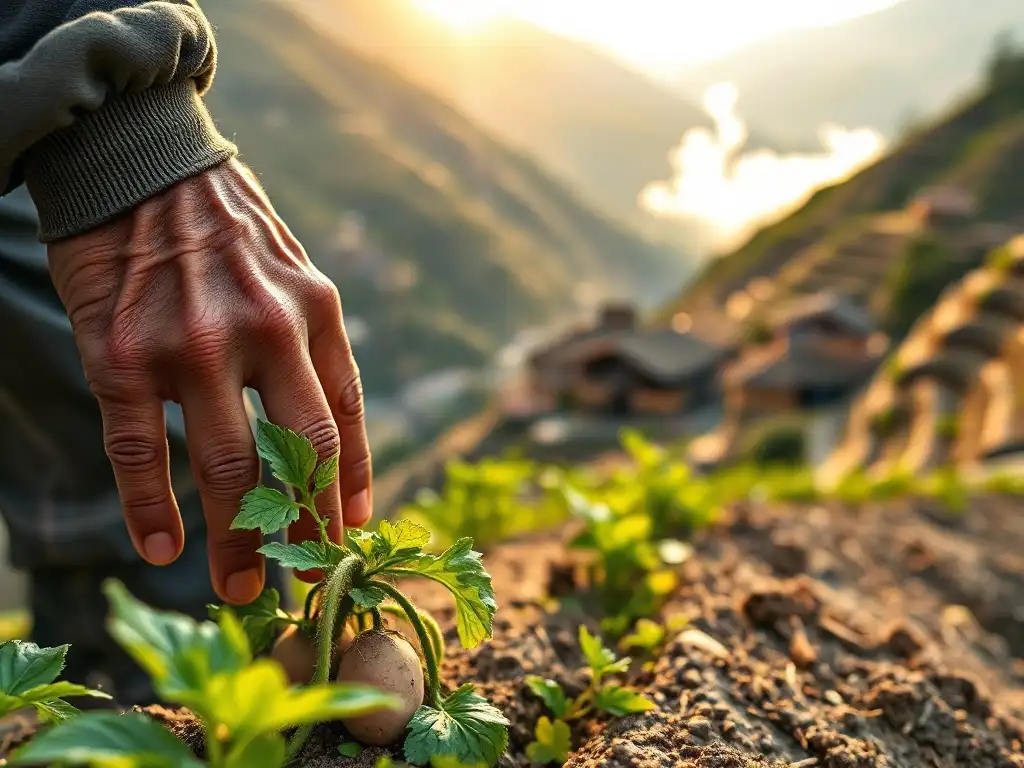
The future of Andean agriculture is inextricably linked to the active participation and empowerment of local communities. Their profound knowledge of the land, climate, and crops is invaluable in adapting to the challenges of a changing world and ensuring the long-term sustainability of Andean agricultural systems.
Empowering Local Farmers and Their Knowledge
Empowering local farmers is paramount to Andean agriculture preservation. This involves providing them with the resources, training, and support they need to thrive. Access to improved seeds, appropriate technologies, and fair market prices are crucial elements. Equally important is recognizing and valuing the traditional knowledge held by these farmers, which has been refined over centuries of adaptation to the unique conditions of the Andes.
By integrating this knowledge with modern techniques, a synergistic approach can be achieved, leading to more sustainable and productive agricultural practices. Empowerment also includes ensuring farmers have a voice in shaping policies that affect their livelihoods and the future of Andean agriculture. Their participation in decision-making processes is critical to ensuring that initiatives are relevant and effective.
Passing on Agricultural Wisdom to Future Generations
The transmission of agricultural knowledge across generations is essential for the long-term preservation of Andean agricultural practices. This requires implementing educational programs that integrate traditional knowledge with modern techniques, fostering a new generation of farmers who are both knowledgeable and passionate about preserving their heritage. These programs should emphasize the importance of biodiversity, sustainable land management, and the interconnectedness of agriculture with the environment and culture. Furthermore, fostering a strong sense of cultural pride and identity around Andean agriculture can inspire young people to embrace farming as a viable and valuable career path, ensuring the continuity of these traditions for years to come. This includes celebrating the achievements and contributions of Andean farmers, showcasing the unique qualities of Andean crops, and promoting the importance of food sovereignty. The future of Andean agriculture rests on a strong foundation of shared knowledge and a commitment to passing on the wisdom of generations.
The Future Outlook for Andean Agriculture
The future of Andean agriculture hinges on a delicate balance: preserving ancestral knowledge and adapting to the challenges of a rapidly changing world. Climate change, with its unpredictable weather patterns and increased frequency of extreme events like droughts and floods, poses a significant threat to traditional farming practices. The Andean region's unique biodiversity, a cornerstone of its agricultural success for millennia, is also vulnerable.
Loss of biodiversity reduces resilience to pests and diseases, impacting crop yields and food security. Furthermore, the increasing pressure of population growth and urbanization further strains already limited resources. Addressing these challenges requires a multi-faceted approach that integrates both modern scientific techniques and the wisdom of generations of Andean farmers.
This means investing in research that focuses on developing climate-resilient crops and improving water management strategies. It also means supporting farmers' access to improved seeds, tools, and markets. Ultimately, the preservation of Andean agriculture is not just about ensuring food security; it is about preserving a vital part of the region's cultural heritage.
Balancing Tradition and Innovation
The successful preservation of Andean agriculture requires a strategic integration of traditional techniques with modern innovations. Indigenous knowledge, honed over centuries, provides invaluable insights into sustainable farming practices. Techniques like terracing, which minimizes soil erosion and optimizes water usage, remain highly relevant in the face of climate change.
Similarly, the use of diverse crop varieties and intercropping, which enhances biodiversity and resilience, can be further refined and expanded. However, integrating this traditional knowledge with modern advancements is crucial. Precision agriculture techniques, for example, can help optimize resource allocation and improve yields.
Similarly, the development of drought-resistant crop varieties through genetic engineering offers a promising path to mitigating the impacts of climate change. The key lies in finding a balance that respects and values traditional practices while leveraging modern technology to enhance efficiency and sustainability. This collaborative approach, involving scientists, farmers, and policymakers, is vital for securing the future of Andean agriculture.
Ensuring Food Security and Cultural Heritage
The preservation of Andean agriculture is inextricably linked to food security and the safeguarding of a rich cultural heritage. The region's unique crops, such as quinoa, potatoes, and various varieties of maize, represent not only a vital source of nutrition but also a significant part of its cultural identity. These crops are deeply embedded in Andean traditions, ceremonies, and social structures.
Their preservation is therefore crucial not only for ensuring food security but also for maintaining the cultural integrity of the region. This necessitates a holistic approach that addresses both economic and social factors. Policies that support local farmers, promote fair trade practices, and ensure access to markets are essential.
Furthermore, efforts to document and disseminate traditional agricultural knowledge are crucial for ensuring its continuity. Investing in education and training programs that empower Andean farmers with the skills and knowledge to adapt to changing conditions is also paramount. By safeguarding Andean agriculture, we safeguard both the region's food security and its vibrant cultural heritage.
Conclusion: A Call to Action for Andean Agriculture Preservation
The future of Andean agriculture demands immediate and concerted action. The challenges are significant, but the potential rewards—in terms of food security, cultural preservation, and economic development—are immense. A collaborative effort, involving governments, researchers, NGOs, and, most importantly, Andean farmers themselves, is essential. This collaborative approach should focus on: supporting research and development of climate-resilient crops; improving water management infrastructure; promoting sustainable farming practices; ensuring access to markets and fair trade opportunities; and documenting and disseminating traditional agricultural knowledge.
The preservation of Andean agriculture is not merely an agricultural issue; it is a matter of environmental sustainability, cultural preservation, and food security for future generations. The time for action is now. Let us work together to ensure that the rich agricultural heritage of the Andes thrives for centuries to come. 🌱
- Introduction to Andean Agriculture and its Importance
- Challenges Facing Traditional Andean Farming
- The Vital Role of Andean Agriculture Preservation
- Key Traditional Andean Agricultural Practices
- Modern Approaches to Support Andean Agriculture
- Specific Andean Crops and Their Cultural Significance
- Case Studies: Successful Andean Agriculture Preservation Projects
- The Role of Communities in Andean Agriculture's Future
- The Future Outlook for Andean Agriculture
- Conclusion: A Call to Action for Andean Agriculture Preservation
- What challenges does Andean agriculture face today?
- How did ancient Andean civilizations practice sustainable agriculture?
- What role does biodiversity play in Andean agriculture preservation?
- How can modern technology help preserve Andean agricultural traditions?
- What is the importance of preserving traditional Andean farming knowledge?
Frequently Asked Questions
What challenges does Andean agriculture face today?
Andean agriculture faces numerous challenges, including climate change, soil degradation, and the loss of traditional farming knowledge. These factors threaten food security and cultural heritage.
How did ancient Andean civilizations practice sustainable agriculture?
Ancient Andean cultures employed sophisticated techniques like terracing, irrigation systems, and crop diversification to ensure food production even in challenging environments. These methods promoted soil health and resilience.
What role does biodiversity play in Andean agriculture preservation?
Biodiversity is crucial for resilience against pests, diseases, and climate change. Maintaining a wide variety of crops and livestock strengthens the entire agricultural system and ensures food security.
How can modern technology help preserve Andean agricultural traditions?
Modern technology, such as improved seed varieties, precision irrigation, and sustainable pest control, can enhance productivity while respecting traditional practices. Careful integration is key to success.
What is the importance of preserving traditional Andean farming knowledge?
Preserving traditional knowledge ensures the continued use of environmentally friendly and adaptable farming techniques. This knowledge is essential for long-term sustainability and food security in the Andes.
Final Reflection: Weaving the Threads of Andean Agriculture's Future
The ingenious agricultural practices of the Andes, honed over millennia, are not merely historical relics; they are vital tools for navigating the challenges of a rapidly changing climate. Their continued relevance is undeniable, offering sustainable solutions to food security and biodiversity conservation in a world grappling with the consequences of unsustainable practices. The future of food security, in many ways, depends on the preservation and adaptation of these ancient techniques.
The profound impact of Andean agriculture extends far beyond the fields themselves; it's woven into the very fabric of Andean culture, identity, and spiritual beliefs. The intricate relationship between people and land, passed down through generations, is a testament to the enduring power of tradition. The land is not merely something we own; it is a living entity, a sacred space that nourishes us, both physically and spiritually.
This deep connection underscores the urgency of preserving not just the farming methods, but also the cultural knowledge that sustains them. Ignoring this interconnectedness would be a profound loss, not only for the Andes, but for the world.
Consider the wisdom embedded in these ancient practices. Think about the innovative techniques of terracing, water management, and crop diversification. You, the reader, hold the power to amplify the voices advocating for the preservation of Andean agriculture. Share this knowledge, support organizations working to protect these invaluable traditions, and consider how you can integrate principles of sustainability and cultural respect into your own life. Let us work together to ensure that the vibrant tapestry of Andean agriculture continues to thrive, enriching both the region and the global community for generations to come.
Embrace the Future: Act Now for Andean Agriculture!
Thank you for your interest in the vibrant world of Andean agriculture! Your commitment to preserving its traditions while adapting to modern challenges is vital for the sustainability and richness of this unique heritage. Let's work together to support Andean farmers and ensure a thriving future for their agricultural practices.
Here’s how you can **make a difference:**
- **Support Local Farmers:** Buy products directly from Andean farmers' markets or cooperatives. Your purchases directly support their traditional farming methods and livelihoods.
- **Share Your Knowledge:** Spread awareness about the importance of preserving Andean agricultural traditions on social media and in your community. Educate your friends and family about the vital role these practices play in the region's cultural heritage and environmental sustainability.
- **Get Involved in Community Projects:** Volunteer your time or donate to organizations dedicated to promoting sustainable farming practices in the Andes. Your contribution can help Andean farmers adapt to climate change and maintain their unique agricultural heritage.
Consider how your choices today can help preserve Andean agriculture for future generations. Let's inspire each other in the comments below!