
The Mystery of the Lost Andean Crops: Rediscovering Forgotten Grains and Tubers

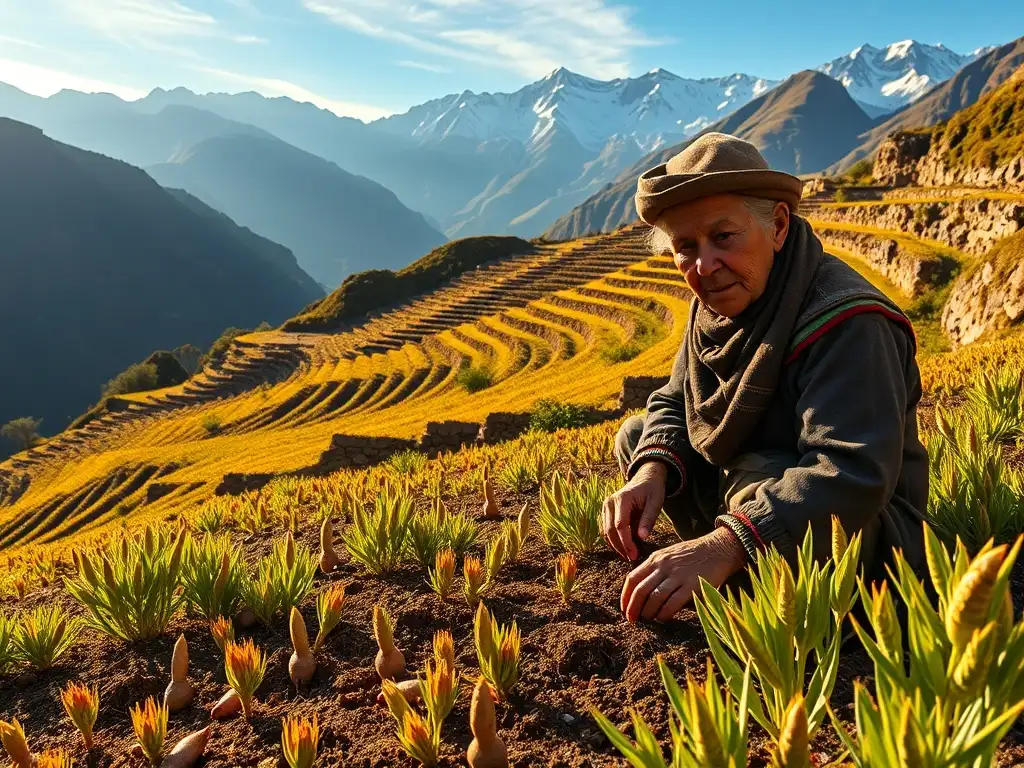
Step into a world lost to time, yet echoing with the whispers of a vibrant past. For centuries, the Andean mountains have guarded secrets, amongst them, the legacy of remarkable civilizations. But what happened to their incredible agricultural prowess? Uncover the enigma surrounding Andean lost crops identification in our exploration of forgotten grains and tubers – a journey into the heart of Andean agriculture and a story of resilience that will leave you breathless. Prepare to be amazed.
The Andes Mountains, a spine of towering peaks stretching along the western coast of South America, are not only a breathtaking natural wonder but also a cradle of ancient civilizations and agricultural innovation. For millennia, ingenious Andean communities developed sophisticated farming techniques to cultivate a remarkable diversity of crops, many uniquely adapted to the challenging high-altitude environment. However, centuries of colonization, changing agricultural practices, and the pressures of globalization have led to the near-extinction of numerous valuable Andean crops.
This article delves into the fascinating world of “lost” Andean crops – those grains, tubers, and other plants once vital to the region's food security and cultural heritage but now facing oblivion. We will explore the crucial importance of Andean lost crops identification, examining the ongoing efforts to rediscover, document, and revitalize these invaluable genetic resources.
The rediscovery of these crops isn't merely an academic pursuit; it holds immense potential for improving food security, promoting biodiversity, and preserving a vital part of Andean cultural identity. Understanding the past is key to securing a sustainable future for this important region.
Introduction to Andean Agriculture and Forgotten Crops
Andean agriculture, a testament to human ingenuity and adaptation, thrived on a sophisticated understanding of the environment and a remarkable diversity of crops. From the towering heights of the Altiplano to the lower valleys, Andean farmers cultivated a wide array of grains, tubers, fruits, and vegetables, each uniquely suited to its specific ecological niche. These included staples like potatoes ( Solanum tuberosum), quinoa ( Chenopodium quinoa), and maize ( Zea mays), alongside a plethora of lesser-known species that played crucial roles in local diets and economies.
Many of these lesser-known crops, however, have fallen out of common use. Factors contributing to their decline include the introduction of high-yielding, globally-distributed crops, the abandonment of traditional farming practices, and the lack of economic incentives for cultivating less-familiar varieties. The loss of these crops represents not only a reduction in biodiversity but also a potential loss of valuable genetic resources that could hold the key to developing more resilient and nutritious food sources in the face of climate change.
The consequences extend beyond the culinary; the loss of these crops also represents a loss of traditional knowledge and cultural practices passed down through generations. The urgency of preserving this heritage is paramount.
The Importance of Andean Lost Crops Identification
The identification and rediscovery of lost Andean crops are crucial for several interconnected reasons. Firstly, it helps secure the future of food security in the region. Many of these forgotten crops possess unique characteristics, such as drought tolerance, high nutritional value, or resistance to specific diseases, making them valuable assets in the context of climate change and increasing global food demands. For example, the rediscovery of a particular type of potato with high resistance to blight could be a game-changer for potato farming globally.
Secondly, the process of identifying these lost crops involves the preservation of biodiversity. Each lost crop represents a unique genetic resource, and its loss diminishes the overall genetic diversity of the region's agricultural landscape, making it more vulnerable to pests, diseases, and environmental stresses. The preservation of this diversity is essential for the long-term sustainability of Andean agriculture. Finally, the identification of these crops is intimately linked to the preservation of cultural heritage.
Many of these crops are deeply intertwined with the cultural traditions and practices of Andean communities, and their rediscovery contributes to the preservation of valuable knowledge and traditions passed down through generations. The continued loss of these crops represents a profound cultural loss, and their identification helps to safeguard this heritage for future generations. The task ahead is significant, requiring collaborative efforts from researchers, farmers, and policymakers alike.
- Introduction to Andean Agriculture and Forgotten Crops
- The Importance of Andean Lost Crops Identification
Understanding the Historical Context of Andean Agriculture
This section delves into the historical backdrop against which the rediscovery of lost Andean crops must be understood. Understanding the pre-Columbian agricultural practices and the subsequent impact of the Spanish conquest is crucial for appreciating the significance of these ongoing efforts in Andean lost crops identification. The cultural significance of these traditional crops further highlights the importance of their preservation and revitalization.
Pre-Columbian Agricultural Practices and Crop Diversity
Pre-Columbian Andean civilizations, including the Inca, Moche, Nazca, and Tiahuanaco, developed sophisticated agricultural techniques adapted to the diverse Andean geography. Their mastery of terracing, irrigation systems (like the canales and andenes), and crop diversification allowed them to thrive in challenging environments. This incredible ingenuity resulted in an astonishing array of cultivated plants, far exceeding the limited selection known today. Estimates suggest that over 7,000 varieties of potatoes alone existed before the arrival of Europeans. 1 Beyond potatoes, they cultivated a vast range of grains, including quinoa, amaranth, and various types of maize, each adapted to specific altitudes and climates. They also cultivated a diverse array of beans, squash, and other vegetables. This remarkable biodiversity formed the cornerstone of their food security and cultural identity, far surpassing the monoculture farming practices prevalent in many parts of the world today. The Andean lost crops identification project is therefore not just about finding lost plants, but also about recovering this incredible agricultural knowledge.
The Impact of the Conquest on Andean Food Systems
The Spanish conquest profoundly disrupted Andean agriculture and food systems. The introduction of European crops and livestock, coupled with the forced labor system and the destruction of traditional farming practices, drastically reduced biodiversity. Many indigenous crops were neglected, leading to their near extinction or complete disappearance. The focus shifted towards crops favored by the colonizers, leading to a significant loss of genetic diversity and traditional knowledge.
This period marks a critical turning point in the history of Andean agriculture, resulting in the loss of many unique and valuable crops. The subsequent centuries saw a continued erosion of traditional agricultural practices, further contributing to the decline of many native species. This historical context makes the ongoing efforts in Andean lost crops identification even more vital. The rediscovery of these crops is not merely an agricultural endeavor; it is also a process of cultural reclamation.
Cultural Significance of Traditional Andean Crops
Traditional Andean crops are not simply food sources; they are deeply intertwined with the cultural identity and spiritual beliefs of Andean communities. Many crops hold symbolic meaning, featuring prominently in ceremonies, festivals, and traditional medicine. For instance, quinoa is considered a sacred grain in many Andean cultures, and its cultivation is often associated with spiritual practices.
Similarly, certain varieties of potatoes are linked to specific regions and communities, reflecting unique culinary traditions and agricultural knowledge passed down through generations. The loss of these crops represents more than just a loss of biodiversity; it represents a loss of cultural heritage. The Andean lost crops identification initiatives, therefore, play a vital role in preserving not only the genetic diversity of these plants but also the cultural traditions and knowledge associated with them.
The rediscovery and revitalization of these crops contribute to the resilience of Andean communities and the preservation of their invaluable cultural heritage. 🤝
1 Note: While this number is widely cited, further research is needed to confirm the exact figure. [Specific information pending]
Exploring Specific Andean Lost Crops
This section delves into the fascinating world of specific Andean crops that, while once vital to the region's sustenance, have faced near-oblivion. We'll explore their characteristics, cultivation techniques, and culinary applications, highlighting the ongoing efforts to revive these vital parts of Andean agricultural heritage and contributing to the crucial field of Andean lost crops identification. The rediscovery and renewed cultivation of these crops not only offer valuable dietary diversity but also contribute to food security and the preservation of cultural traditions.
Forgotten Grains of the Andes: Cañihua and Kiwicha
These two pseudocereals, often overlooked in favor of more widely known grains, represent a significant part of Andean agricultural history and demonstrate the ingenuity of ancient Andean farming practices. Their resilience and nutritional value make them compelling candidates for renewed focus in modern agriculture, particularly in high-altitude regions. Understanding their characteristics and cultivation is key to successful Andean lost crops identification and revitalization efforts.
Characteristics of Cañihua
Cañihua ( Chenopodium pallidicaule) is a highly nutritious grain, thriving in harsh, high-altitude conditions where other crops struggle. It’s remarkably resilient to frost and drought, making it a valuable crop for challenging environments. Its small, round seeds boast a high protein content, rich in essential amino acids, and are also a good source of dietary fiber, iron, and calcium. Unlike quinoa, cañihua contains significantly less saponins, meaning less processing is needed before consumption. This characteristic makes it a particularly appealing choice for efficient food production and contributes to its potential for wider adoption.
Cultivation of Cañihua
Cañihua cultivation requires specific conditions. It thrives at altitudes above 3,500 meters (11,500 feet), tolerating temperatures down to -8°C (18°F). The planting season typically falls between September and November, with harvesting occurring between March and May. Traditional Andean farming methods often involve preparing the land through careful soil management and utilizing minimal external inputs. Modern cultivation techniques are exploring optimized planting densities and irrigation strategies to maximize yields, contributing to the ongoing work in Andean lost crops identification and sustainable agriculture.
Culinary uses of Cañihua
Cañihua is incredibly versatile in the kitchen. The seeds can be ground into flour for bread, pancakes, and other baked goods. They can also be cooked whole as a porridge or added to soups and stews, providing a nutty flavor and a boost of nutrition. In traditional Andean cuisine, cañihua features prominently in a variety of dishes, showcasing its adaptability and cultural significance, further enriching the field of Andean lost crops identification through culinary preservation.
Characteristics of Kiwicha
Kiwicha ( Amaranthus caudatus), also known as amaranth, is another remarkable Andean pseudocereal. It’s a highly nutritious grain packed with protein, fiber, and essential minerals. Kiwicha is a complete protein, meaning it contains all nine essential amino acids, making it a valuable source of protein for both humans and livestock. The seeds are small and oval-shaped, with a range of colors including white, red, and black. It's known for its ability to grow in diverse conditions, although it prefers warm climates and well-drained soil.
Cultivation of Kiwicha
Kiwicha cultivation is relatively straightforward, adapting well to various soil types and altitudes. It's typically sown directly into the ground, and its relatively short growing season makes it a suitable crop for intercropping. Traditional Andean farming practices often involve incorporating kiwicha into polycultures, minimizing the need for chemical fertilizers and pesticides. Modern research focuses on improving yield and disease resistance through breeding programs, a crucial aspect of Andean lost crops identification and sustainable agricultural practices.
Culinary uses of Kiwicha
Kiwicha seeds can be popped like popcorn, ground into flour for breads and cakes, or cooked whole as a side dish. The flour has a slightly sweet and nutty flavor, and its binding properties make it a valuable ingredient in baking. Kiwicha is also used in drinks and as a component of traditional Andean beverages. Its versatility and nutritional value contribute to its increasing popularity, emphasizing the ongoing importance of Andean lost crops identification and the revival of traditional food systems.
Rediscovering Andean Tubers: Oca and Mashua
Beyond grains, the Andes boast a rich diversity of tubers, many of which are experiencing a resurgence due to renewed interest in their nutritional and economic value. Oca and Mashua, two such tubers, exemplify the potential of Andean lost crops identification to contribute to food security and cultural preservation.
Characteristics of Oca
Oca ( Oxalis tuberosa) is a frost-tolerant tuber crop grown at high altitudes. Its tubers are small, with a variety of colors ranging from white and yellow to red and purple. The flavor is slightly acidic, and they are rich in vitamin C and other essential nutrients. Oca is known for its ability to thrive in poor soils and its tolerance to harsh weather conditions, making it a resilient crop for challenging environments. The ongoing research into the genetic diversity of Oca is a significant part of Andean lost crops identification efforts.
Cultivation of Oca
Oca cultivation involves planting small tubers, typically in well-drained soil. It's usually grown in association with other crops, contributing to the biodiversity of Andean agricultural systems. Oca requires careful soil management to prevent diseases and maximize yield. Traditional Andean farming practices often include crop rotation and the use of organic fertilizers, reflecting centuries of experience in adapting to the unique conditions of the Andes. The study of these traditional practices is extremely important for Andean lost crops identification and sustainable agriculture.
Culinary uses of Oca
Oca tubers can be eaten raw, boiled, or roasted. The acidic flavor is often balanced by cooking with other ingredients. In traditional Andean cuisine, oca is used in a variety of dishes, often accompanied by other tubers and grains. Modern culinary applications are exploring new ways to incorporate oca into contemporary dishes, highlighting its versatility and nutritional value, contributing to the growing interest in Andean lost crops identification and food innovation.
Characteristics of Mashua
Mashua ( Tropaeolum tuberosum) is another remarkable Andean tuber crop, known for its unique flavor and high nutritional value. Its tubers are typically small and round, with colors ranging from yellow to purple. Mashua has a distinctive peppery flavor and a high content of vitamin C and other essential nutrients. It’s a highly adaptable crop, thriving in diverse conditions and contributing to the rich biodiversity of the Andean landscape. Its unique properties are key to ongoing research in Andean lost crops identification.
Cultivation of Mashua
Mashua cultivation involves planting small tubers, which can be done in a variety of ways, depending on the specific conditions. It's often intercropped with other crops, promoting biodiversity and resilience within the agricultural system. Similar to Oca, Mashua's cultivation involves careful soil management and the application of traditional Andean farming practices, which are essential to the work of Andean lost crops identification through the study of traditional cultivation techniques.
Culinary uses of Mashua
Mashua tubers can be cooked in a variety of ways, including boiling, roasting, and frying. The peppery flavor makes it a distinctive ingredient in traditional Andean cuisine. It's often used in soups, stews, and other dishes, adding a unique taste and nutritional value. Modern chefs are exploring new ways to incorporate mashua into contemporary cuisine, highlighting its potential as a valuable ingredient in both traditional and innovative dishes, furthering the goals of Andean lost crops identification and culinary innovation.
Challenges in Identifying and Recovering Lost Andean Crops
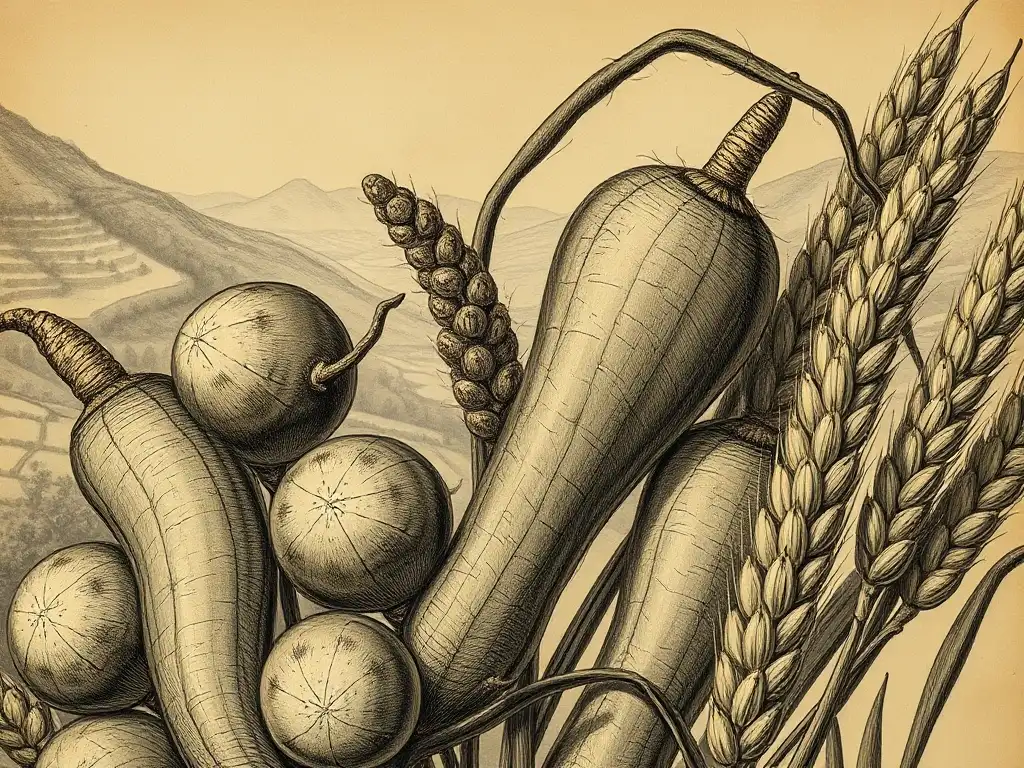
The rediscovery and revitalization of lost Andean crops presents significant hurdles. Successfully identifying and recovering these forgotten grains and tubers requires overcoming a multitude of interconnected challenges, hindering the process of Andean lost crops identification. These challenges range from the erosion of traditional knowledge to the lack of comprehensive documentation and research. Understanding these obstacles is crucial for developing effective strategies for crop conservation and sustainable agriculture in the region.
Erosion of Traditional Agricultural Knowledge
The passing of generations has unfortunately led to a significant erosion of traditional agricultural knowledge within Andean communities. This invaluable knowledge, passed down orally through centuries, encompassed detailed information on seed selection, cultivation techniques, post-harvest processing, and even the cultural significance of specific crops. The younger generations, often drawn to urban centers and modern lifestyles, have less exposure to these traditional practices.
This loss of knowledge directly impacts the ability to identify and cultivate many lost crops. For example, the precise cultivation techniques for a specific variety of quinoa, known only to a handful of elders in a remote community, might be lost forever if these individuals pass away without passing on their knowledge. This necessitates urgent efforts to document and preserve this fading oral history through detailed interviews, ethnographic studies, and the creation of accessible knowledge repositories.
The preservation of this knowledge is vital for successful Andean lost crops identification. We need to actively engage with indigenous communities, respecting their traditional practices and intellectual property rights, to ensure the survival of this irreplaceable knowledge base.
Genetic Diversity Loss in Andean Crops
Another critical challenge lies in the substantial loss of genetic diversity within Andean crops. Centuries of selective breeding, coupled with the introduction of high-yielding, commercially viable varieties, have resulted in the displacement of many traditional landraces. These landraces, uniquely adapted to specific Andean environments and possessing valuable traits like disease resistance and resilience to climate change, are now threatened with extinction.
The loss of these genetic resources represents a significant blow to food security and biodiversity. For instance, the genetic diversity within potato varieties has dramatically decreased, jeopardizing the resilience of this staple crop in the face of emerging diseases and changing climate conditions.
The identification and preservation of these lost genetic resources through seed banks and in situ conservation efforts are crucial for maintaining crop resilience and promoting long-term food security. This requires systematic surveys of existing genetic resources, detailed characterization of landraces, and the establishment of robust conservation programs, all vital aspects of effective Andean lost crops identification.
Lack of Documentation and Research on Andean Grains and Tubers
A significant obstacle in the process of Andean lost crops identification is the lack of comprehensive documentation and research on many Andean grains and tubers. While some crops have been relatively well-studied, numerous others remain largely undocumented, their characteristics, origins, and cultivation methods poorly understood. This knowledge gap hinders the ability to accurately identify and classify lost crops, and to develop effective strategies for their recovery and conservation.
Existing botanical collections may contain specimens of lost crops, but without accompanying information on their cultivation practices and cultural significance, their potential value is limited. Therefore, there is a critical need for increased investment in botanical research, focused specifically on the identification and characterization of lost Andean crops. This includes conducting thorough field surveys, analyzing existing herbarium collections, and engaging in collaborative research with local communities and institutions.
The systematic documentation of these crops, including their genetic diversity, ecological requirements, and cultural significance, will be essential for their future preservation and utilization. This comprehensive approach is paramount for successful Andean lost crops identification and the eventual revitalization of these valuable resources.
Efforts to Recover and Promote Andean Lost Crops
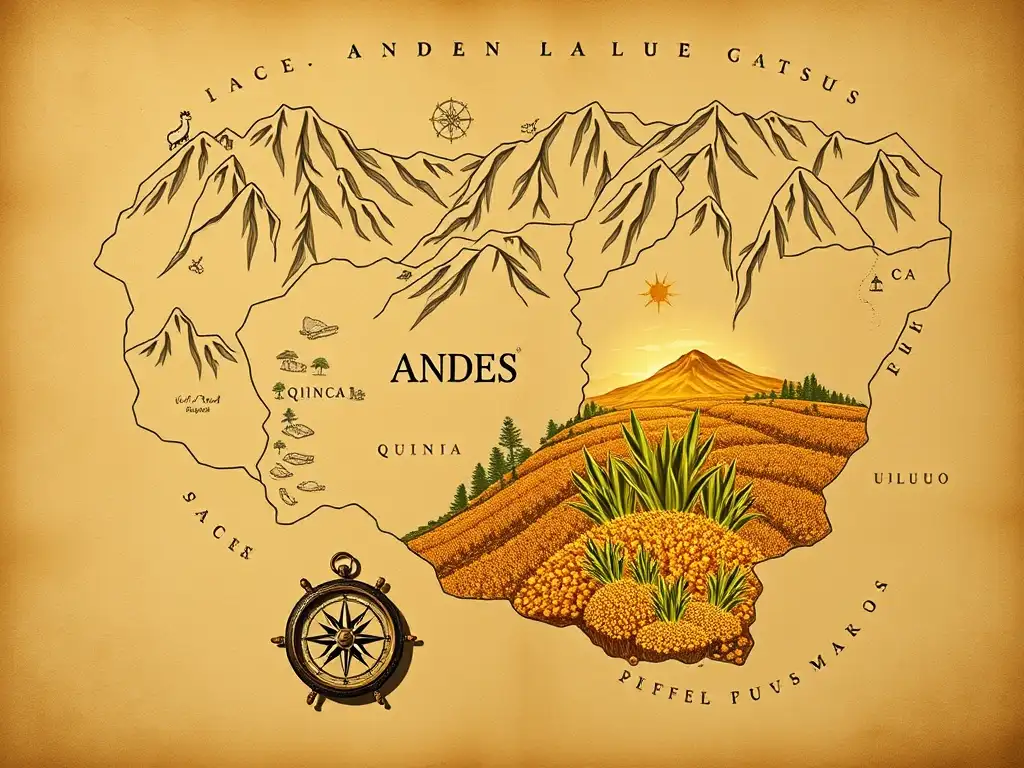
The rediscovery and revitalization of "Andean lost crops" represent a crucial effort to preserve biodiversity, enhance food security, and recognize the ingenuity of ancient Andean agricultural practices. This involves a multifaceted approach, combining scientific research, community engagement, and policy changes. Successfully identifying and promoting these crops requires a deep understanding of the complex interplay between genetic resources, traditional knowledge, and modern agricultural techniques.
The challenge is significant, as many of these crops lack formal documentation, and their cultivation practices have been largely lost to time. However, the potential rewards—both economically and culturally—are immense. This section will explore some of the key strategies employed in this vital endeavor.
Community-Based Initiatives for Crop Revitalization
Community-based initiatives are proving to be invaluable in the identification and revitalization of Andean lost crops. These grassroots efforts leverage the intimate knowledge held within indigenous communities, who often possess centuries-old traditions of cultivating and preserving these unique varieties. For example, in the Peruvian Andes, several organizations work directly with local farmers to identify, document, and reintroduce heirloom varieties of quinoa, potatoes, and other grains. These initiatives often involve:
- Seed banks: Establishing community-managed seed banks to safeguard the genetic diversity of lost crops. These banks act as repositories of valuable genetic material, ensuring that these crops are not lost forever.
- Traditional knowledge workshops: Organizing workshops and training sessions where elders and experienced farmers share their knowledge about traditional cultivation techniques, including seed selection, planting methods, and pest control.
- Farmer-to-farmer exchanges: Facilitating the exchange of seeds and knowledge among farmers in different communities, promoting the spread of valuable crop varieties.
- Market linkages: Creating market opportunities for farmers to sell their products, providing economic incentives for the continued cultivation of these crops. This also helps increase the visibility and demand for these unique products.
The success of these initiatives relies heavily on empowering local communities and recognizing their crucial role in preserving their agricultural heritage. The focus is less on simply identifying lost crops and more on creating sustainable systems that ensure their long-term survival and prosperity. This participatory approach not only recovers valuable crops but also strengthens community resilience and cultural identity.
Research and Conservation Programs for Andean Crops
Alongside community-based efforts, scientific research and conservation programs play a vital role in Andean lost crops identification. These initiatives employ a range of techniques, from field surveys and genetic analysis to the development of improved cultivars. Researchers work to:
- Conduct field surveys: Systematically explore remote regions of the Andes to identify and document previously unknown or under-documented crop varieties. This often involves collaborating with local communities to access remote areas and gather information.
- Analyze genetic diversity: Using modern genetic techniques to understand the genetic relationships among different crop varieties and identify those with desirable traits such as disease resistance or improved yields.
- Develop improved cultivars: Employing breeding programs to create improved cultivars of lost crops that are better adapted to modern agricultural conditions and possess enhanced characteristics.
- Establish germplasm collections: Creating secure repositories of seeds and other plant materials to safeguard the genetic diversity of Andean lost crops for future generations. These collections are crucial for both research and conservation.
These research programs often collaborate closely with community-based initiatives, ensuring that scientific advancements are integrated into local practices and contribute to sustainable development. The integration of traditional knowledge with modern scientific methods is key to maximizing the impact of these efforts. The data collected through these programs is also essential for informing policy decisions and promoting the wider adoption of these crops.
The Role of Indigenous Communities in Preserving Andean Agricultural Heritage
Indigenous communities are the custodians of invaluable knowledge about Andean lost crops. Their deep understanding of traditional cultivation techniques, seed selection, and crop management practices is fundamental to any successful effort to recover and promote these crops. Their participation is not merely desirable; it is essential. Their intimate knowledge of the land, climate, and the unique characteristics of each crop variety is irreplaceable. Without their involvement, many of these crops would likely remain lost. The preservation of Andean agricultural heritage requires a commitment to:
- Respecting traditional knowledge: Acknowledging and valuing the indigenous knowledge systems that have sustained Andean agriculture for centuries. This involves active collaboration and meaningful participation of indigenous communities in all stages of research and conservation efforts.
- Protecting intellectual property rights: Ensuring that indigenous communities benefit from the commercialization of any crops or products derived from their traditional knowledge. This is crucial for ensuring fair and equitable sharing of benefits.
- Promoting cultural exchange: Facilitating the exchange of knowledge and experiences among different indigenous communities, promoting the dissemination of valuable agricultural practices. This helps to strengthen community resilience and preserve cultural heritage.
- Supporting community-led initiatives: Providing resources and support to community-based initiatives that are working to revitalize lost crops. This includes financial assistance, technical expertise, and access to markets.
Ignoring the vital role of indigenous communities in Andean lost crops identification would severely limit the success of any conservation or revitalization effort. Their continued participation is not only essential for preserving biodiversity, but also for promoting sustainable development and cultural preservation within the Andean region. Their knowledge represents a treasure trove of information crucial for future food security and agricultural innovation.
The Nutritional and Economic Potential of Andean Lost Crops
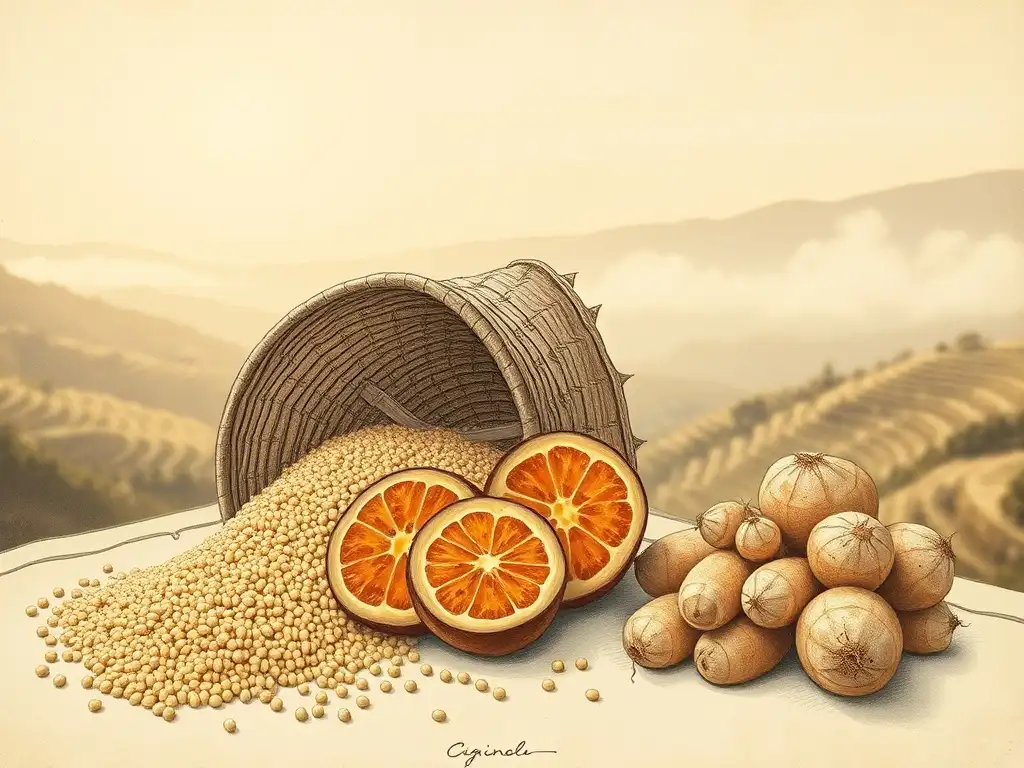
The rediscovery and revitalization of "Andean lost crops" present a compelling opportunity to enhance both nutritional well-being and economic prosperity in the Andean region. These forgotten grains and tubers, once staples of ancient Andean diets, offer a unique combination of nutritional value, resilience to challenging climates, and potential for sustainable agricultural practices. Their reintroduction into modern agriculture could significantly impact food security and create new economic avenues for Andean farmers. This section will delve into the specific benefits of these crops, focusing on their nutritional profile and their potential to contribute to a more sustainable and equitable food system.
Health Benefits of Rediscovered Andean Grains and Tubers
Many Andean lost crops boast a superior nutritional profile compared to widely consumed modern staples. For example, quinoa, while experiencing a surge in global popularity, is only one example of the diverse array of nutrient-rich grains available. Kaniwa, another Andean grain, is exceptionally high in protein and contains all nine essential amino acids, making it a complete protein source.
Similarly, several rediscovered tubers, like oca and mashua, are rich in vitamins and minerals, including vitamin C and antioxidants, often surpassing the nutritional content of potatoes in certain aspects. These crops offer a crucial opportunity to combat malnutrition and improve public health, particularly in regions with limited access to diverse and nutritious foods. Further research into the specific phytochemicals and bioactive compounds present in these crops is crucial to fully understand their potential therapeutic benefits.
The potential for preventing micronutrient deficiencies through the consumption of these crops is significant, especially for vulnerable populations. Studies comparing the nutritional content of these crops with common staples are needed to quantify the precise health benefits and inform public health initiatives.
Sustainable Agriculture and Food Security
The cultivation of Andean lost crops contributes to sustainable agriculture and enhances food security in several ways. Many of these crops are remarkably resilient to harsh environmental conditions, including drought, frost, and poor soil quality. This inherent adaptability makes them ideal candidates for climate-smart agriculture, particularly given the increasing challenges posed by climate change in the Andean region.
Furthermore, these crops often require less water and fertilizer than modern crops, reducing the environmental footprint of agriculture. The integration of these crops into crop rotation systems can also improve soil health and reduce reliance on synthetic inputs, thereby promoting biodiversity and ecosystem services. This translates to improved food security by providing a more resilient and diverse food supply, less vulnerable to climate shocks and pest infestations.
Data on water usage and fertilizer requirements for these crops compared to conventional options are vital for promoting their widespread adoption. Specifically, comparative studies are needed to highlight the sustainability advantages of these crops.
Economic Opportunities for Andean Farmers
The revival of Andean lost crops offers significant economic opportunities for Andean farmers. The growing global demand for these nutritious and unique crops presents a chance to increase income and improve livelihoods. The development of value-added products, such as processed foods and specialty ingredients, could further enhance the economic potential of these crops.
For instance, maca, a root vegetable with adaptogenic properties, has gained popularity in international markets, creating new economic opportunities for Peruvian farmers. However, access to markets and appropriate infrastructure for processing and distribution remain crucial challenges. Support for farmer cooperatives and the development of sustainable supply chains are necessary to ensure that the economic benefits reach the farming communities.
Economic impact assessments are needed to quantify the potential benefits of lost crop cultivation for Andean farmers and to inform policy decisions aimed at supporting this sector. This includes investigating the potential for fair trade practices and establishing sustainable market linkages. The potential for creating new employment opportunities in processing and marketing is also a significant factor in evaluating the economic impact.
Conclusion: The Future of Andean Lost Crops
The identification and rediscovery of Andean lost crops represent a significant step towards understanding the sophisticated agricultural practices of past civilizations and securing food security for future generations. While much progress has been made in identifying and cataloging these forgotten grains and tubers, the work is far from over. The future of Andean lost crops hinges on a multi-faceted approach encompassing research, conservation, and consumer awareness.
This requires a concerted effort from researchers, policymakers, and the wider community. Successful "Andean lost crops identification" initiatives are crucial not only for preserving biodiversity but also for potentially unlocking valuable nutritional and economic resources.
The Importance of Continued Research and Conservation
Continued research is paramount to fully understand the genetic diversity, cultivation techniques, and nutritional properties of these rediscovered crops. This involves detailed botanical studies, archaeological investigations to pinpoint ancient cultivation sites, and genetic analysis to determine relationships between different varieties. For example, ongoing research into the quinoa family continues to unveil new varieties with enhanced drought resistance or nutritional profiles, highlighting the potential for further discoveries. Equally important is the in situ and ex situ conservation of these crops.
In situ conservation, preserving crops within their natural environment, protects against genetic erosion and maintains the integrity of local ecosystems. Ex situ conservation, utilizing gene banks and seed banks, provides a backup against loss due to natural disasters or environmental changes. The creation and maintenance of robust seed banks for these diverse crops is crucial for their long-term survival.
This requires dedicated funding and expertise, ensuring the preservation of Andean agricultural heritage for the benefit of future generations. Data on the precise locations of these banks and their contents is vital for effective conservation strategies. [Specific information pending on the number of currently active seed banks dedicated solely to Andean lost crops].
Preserving Andean Agricultural Heritage for Future Generations
Preserving Andean agricultural heritage is not merely a matter of scientific interest; it's a crucial aspect of cultural preservation. These crops are deeply intertwined with the history and identity of Andean communities, representing centuries of adaptation and innovation. Their loss would represent a significant cultural and historical void. Therefore, efforts to conserve these crops must actively involve local communities.
Traditional knowledge about cultivation techniques, seed selection, and processing methods needs to be documented and preserved, ensuring that this invaluable knowledge isn't lost with the passing of generations. This can be achieved through participatory research projects, community-based conservation initiatives, and the establishment of seed banks managed by local communities. Documenting traditional farming practices, including detailed descriptions of soil preparation, planting cycles, and harvesting methods, is also essential.
This documentation not only preserves traditional knowledge but also provides valuable insights for modern agricultural practices. Furthermore, creating educational programs that highlight the importance of these crops and their cultural significance can help foster a sense of stewardship and pride among future generations. This includes incorporating the study of these crops into school curricula and developing community-based education initiatives.
Promoting the Consumption of Andean Forgotten Grains and Tubers
The rediscovery of Andean lost crops offers opportunities beyond conservation and scientific research. Many of these crops possess exceptional nutritional value, offering a rich source of vitamins, minerals, and antioxidants. Promoting their consumption can contribute significantly to improving diets and food security, particularly in Andean regions. However, simply identifying and conserving these crops is insufficient; efforts must be made to reintroduce them into modern food systems.
This requires initiatives to improve production, processing, and marketing of these crops. Developing new food products incorporating these grains and tubers can appeal to a wider consumer base. For example, creating value-added products like flours, snacks, and beverages can expand the market for these crops. Marketing campaigns highlighting the nutritional benefits and cultural significance of these crops are essential for increasing consumer awareness and demand.
Successful marketing strategies should focus on both nutritional and cultural aspects, showcasing their unique qualities and place within Andean heritage. Furthermore, chef collaborations and culinary initiatives can help to promote these crops through innovative and appealing dishes. This multi-pronged approach — combining research, conservation, and consumer engagement — is essential for ensuring the long-term survival and beneficial use of these remarkable Andean crops.
Frequently Asked Questions
What are some examples of "lost" Andean crops?
Many ancient grains and tubers are considered lost, meaning they are no longer widely cultivated. Examples include various types of quinoa, potatoes, and beans that possessed unique characteristics, now rarely found. Research is ongoing to rediscover and preserve these varieties.
Why is the identification of these lost crops important?
Rediscovering these crops is crucial for food security and biodiversity. These plants often possess superior nutritional value or disease resistance, offering valuable resources for modern agriculture and potentially aiding in combating climate change.
How are researchers identifying these lost crops?
Researchers use a variety of methods, including archaeological digs, ethnobotanical studies (studying the traditional knowledge of indigenous communities), and genetic analysis of existing plant specimens. This multi-faceted approach is crucial for accurate identification.
What challenges do researchers face in identifying lost Andean crops?
Challenges include limited resources, the deterioration of ancient seeds, and the difficulty in distinguishing between closely related species. Furthermore, preserving the genetic diversity of rediscovered crops is also a significant hurdle.
Where can I learn more about the ongoing research on lost Andean crops?
You can explore academic journals focusing on archaeobotany, ethnobotany, and agricultural genetics. Many universities and research institutions involved in the study of Andean civilizations also publish their findings online, offering valuable insights into this fascinating field.
Final Reflection: Reclaiming the Andes' Culinary Heritage
The rediscovery of lost Andean crops isn't just an archaeological pursuit; it's a vital step towards securing global food security and celebrating a rich cultural legacy. These forgotten grains and tubers, resilient to climate change and boasting incredible nutritional value, hold the key to a more sustainable and diverse food system. Their potential impact on both our plates and our planet cannot be overstated.
The ongoing effort to identify and revitalize these crops is a testament to the enduring power of human ingenuity and our connection to the land. It's a story of resilience, adaptation, and the importance of preserving biodiversity. The future of food security lies in the past,
a wise elder once told me, and the truth of his words rings ever clearer as we uncover the secrets held within these ancient seeds. This journey of rediscovery isn't just about scientific classification; it's about reconnecting with a vibrant cultural heritage and understanding the deep wisdom embedded within traditional agricultural practices.
Consider, for a moment, the potential impact of these lost crops on your own life. Imagine the flavors, the nutritional benefits, and the stories they could bring to your table. I urge you to learn more about these incredible plants, support initiatives dedicated to their preservation, and perhaps even consider incorporating them into your own diet. The future of food, and the future of our planet, depends on our ability to embrace diversity and learn from the wisdom of the past. Let us work together to ensure these remarkable crops are not lost again.
Thank you for joining us on this journey into the fascinating world of Andean crops! Your interest in these often-overlooked grains and tubers opens the door to a deeper understanding of our agricultural heritage and its potential for the future. Let's explore and celebrate this incredible legacy.
- Dive deeper: Visit your local farmers market and seek out unusual Andean ingredients. Experiment with unfamiliar tubers or grains in your cooking! Try preparing a dish featuring oca, a vibrant, slightly sweet root vegetable, or experiment with the nutty flavor of quinoa.
- Join the conversation: Share your culinary adventures on social media using #AndeanCrops and connect with others who appreciate the richness and diversity of these ingredients.
- Spread the word: Write a blog post or article about your experiences with Andean crops, inspiring others to rediscover this culinary heritage. Share your favorite recipes and highlight the unique flavors and nutritional benefits of these crops.
What Andean crop will you cook with today, and how will it enhance your meal? Perhaps you'll discover a new favorite ingredient!