
The Sun's Embrace: How Andean Farmers Maximized Sunlight for Optimal Crop Growth

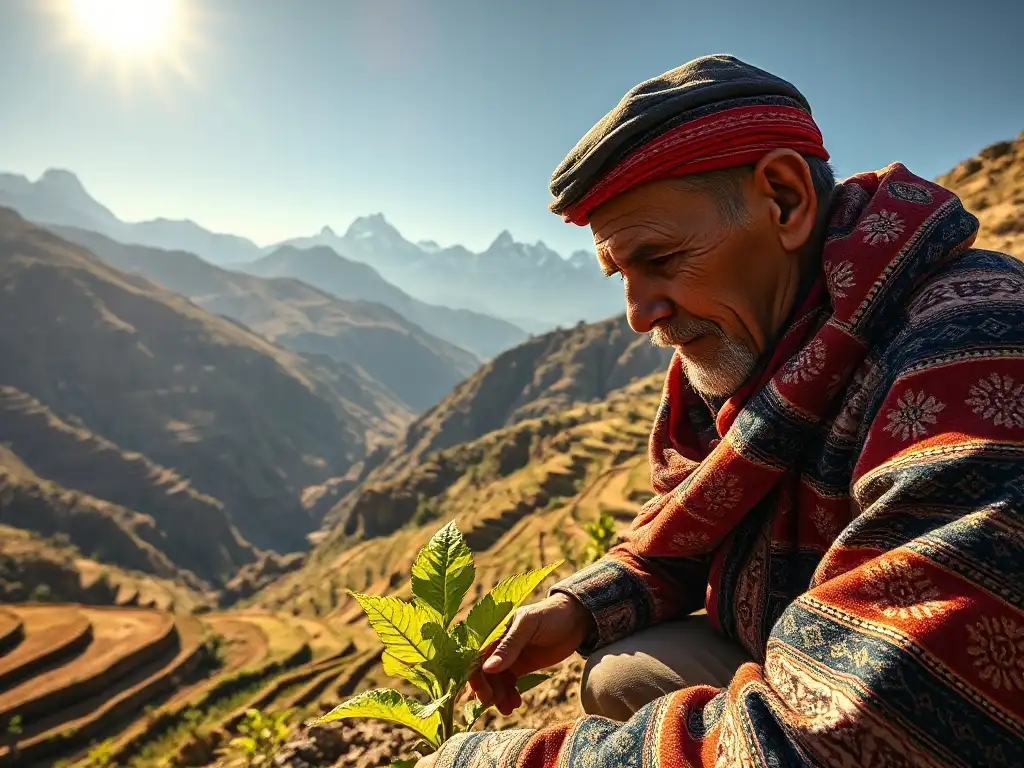
Step into a world lost to time, yet echoing with the ingenuity of the Andes. Prepare to be amazed by the remarkable achievements of ancient civilizations, from the Incas to the Nazca. But first, consider this: how did these cultures, nestled high in the mountains, conquer challenging terrains and cultivate bountiful harvests? Unlock the secrets of Andean farming techniques sunlight and discover the innovative strategies that allowed them to thrive – a story of human resilience and adaptation woven into the very fabric of the sun-drenched Andes. Explore further to uncover the astonishing truth!
Andean agriculture, a testament to human ingenuity and adaptation, thrived in diverse and challenging environments. From the arid coastal deserts to the high-altitude Andes, ancient farmers developed sophisticated techniques to maximize their limited resources, particularly sunlight. This article delves into the ingenious methods employed by Andean civilizations – including the Incas, Moche, Nazca, and Tiahuanaco – to harness the sun's energy for optimal crop growth.
We'll explore their understanding of solar cycles, their innovative land management practices, and the remarkable technological adaptations that allowed them to cultivate diverse crops across vastly different terrains. Understanding these techniques offers invaluable insights into sustainable agriculture and the enduring wisdom of Andean farming traditions.
The impact of sunlight on Andean agriculture is a key factor in understanding their remarkable success in cultivating food in often-challenging conditions, highlighting the ingenuity and resilience of these ancient cultures. This exploration of Andean farming techniques and sunlight will reveal a fascinating interplay between human innovation and the natural world.
Introduction to Andean Agriculture and Sunlight Optimization
Andean farmers possessed an intimate understanding of their environment and the crucial role of sunlight in crop production. Their agricultural practices weren't merely about planting seeds; they were deeply intertwined with astronomical observations, meticulous land management, and ingenious irrigation systems. The availability of sunlight varied drastically across the Andean region, from the intense radiation of the coastal deserts to the reduced solar intensity at higher altitudes.
Therefore, their techniques were highly adaptable, tailored to specific microclimates and altitudes. They carefully selected crops suited to the available sunlight and developed methods to maximize its benefits throughout the growing season. This involved not only optimizing the amount of sunlight reaching their crops but also mitigating the negative effects of intense solar radiation or periods of low sunlight.
Evidence suggests a deep understanding of solar cycles, influencing planting times and crop rotation strategies. This knowledge, passed down through generations, allowed them to consistently produce bountiful harvests, ensuring the survival and prosperity of their communities. The utilization of sunlight was not just a matter of chance, but a carefully planned and executed strategy.
Terracing: Shaping the Landscape to Capture Sunlight
The construction of extensive terrace systems is a hallmark of Andean agriculture. These meticulously engineered terraces, carved into hillsides, served multiple purposes: they dramatically increased the amount of arable land available, reduced soil erosion, and optimized sunlight exposure. By creating level platforms, farmers ensured that crops received relatively uniform sunlight throughout the day, even on steep slopes.
The orientation of the terraces, often facing east or southeast, was strategically chosen to maximize morning sunlight, which is crucial for photosynthesis. The size and spacing of the terraces varied based on the slope, soil type, and specific crops being cultivated. The construction of these terraces represents a massive undertaking, showcasing both the engineering prowess and the communal cooperation of Andean societies.
The precise angle and orientation of the terraces were not arbitrary; they were carefully calculated to maximize sunlight capture and minimize water loss. This sophisticated understanding of both geography and solar energy is a testament to their advanced agricultural knowledge.
Irrigation Systems: Supplementing Sunlight with Water
While sunlight was paramount, water availability was another crucial factor in Andean agriculture. The ingenious irrigation systems developed by Andean civilizations played a key role in supplementing sunlight and ensuring optimal crop growth. These systems involved intricate networks of canals, aqueducts, and reservoirs, diverting water from rivers and streams to irrigate terraced fields. The careful management of water, combined with the strategic placement of terraces, allowed farmers to control the amount of moisture reaching their crops, creating ideal conditions for growth even in arid environments.
The integration of water management with sunlight optimization showcases a holistic approach to agriculture that prioritized both inputs equally. The sophistication of these systems varied across different Andean cultures, reflecting their unique environmental challenges and technological advancements. However, the underlying principle of maximizing both water and sunlight remained a constant throughout the Andean region.
Crop Selection and Rotation: Adapting to Sunlight Variations
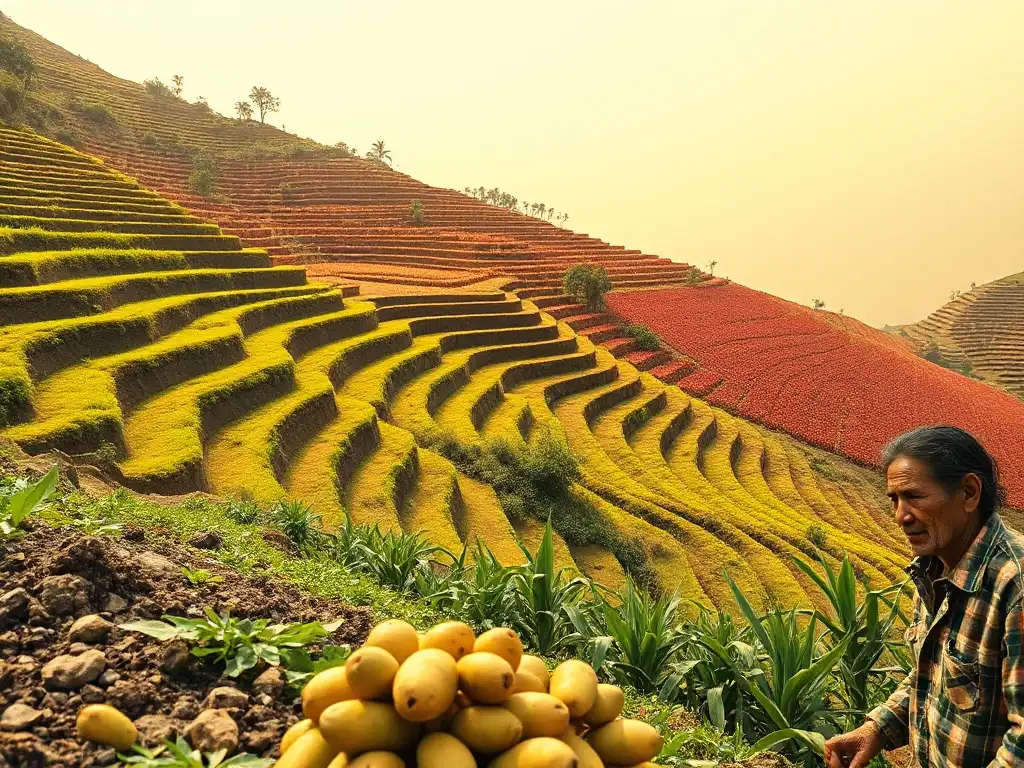
Andean farmers exhibited a deep understanding of the relationship between different crops and their sunlight requirements. They carefully selected crops suited to the specific microclimates and altitudes of their fields. Some crops thrived in full sunlight, while others preferred partial shade. This knowledge guided their planting decisions, optimizing the use of available sunlight across their diverse agricultural landscapes.
Moreover, they employed sophisticated crop rotation techniques, alternating different crops in the same fields over time. This practice helped to maintain soil fertility, prevent pest infestations, and optimize the use of sunlight throughout the year. Certain crops were chosen for their ability to withstand periods of low sunlight, demonstrating a strategy for resilience against variable weather patterns. The diversity of crops cultivated in the Andean region is a testament to their expertise in adapting to varying sunlight conditions and optimizing resource utilization.
The Legacy of Andean Sunlight Optimization
The agricultural techniques employed by Andean civilizations, particularly their mastery of sunlight optimization, offer valuable lessons for modern agriculture. In an era of increasing environmental challenges and growing populations, understanding how these ancient farmers achieved sustainable food production in often-marginal environments is more critical than ever. Their innovative practices, ranging from terracing and irrigation to crop selection and rotation, provide a roadmap for creating more resilient and environmentally friendly agricultural systems.
The legacy of Andean sunlight optimization is not merely a historical curiosity; it's a source of inspiration and practical knowledge for building a sustainable future. The study of these techniques continues to inform modern agricultural practices, highlighting the enduring relevance of these ancient innovations. The emphasis on resource efficiency, environmental harmony, and community cooperation offers valuable insights for addressing the challenges of modern agriculture.
- Introduction to Andean Agriculture and Sunlight Optimization
- Terracing: Shaping the Landscape to Capture Sunlight
- Irrigation Systems: Supplementing Sunlight with Water
- Crop Selection and Rotation: Adapting to Sunlight Variations
- The Legacy of Andean Sunlight Optimization
- How did Andean farmers utilize sunlight in their farming practices?
- What role did the sun play in the success of Andean agriculture?
- What types of crops thrived under the Andean sunlight conditions?
- Were there any specific technologies used to harness sunlight for farming?
- How did the understanding of sunlight impact the layout of Andean settlements?
Ancient Andean Farming Practices and Solar Energy
This section delves into the sophisticated techniques employed by ancient Andean civilizations to harness the power of the sun for optimal crop yields. Their understanding of solar energy wasn't simply a passive observation; it was deeply integrated into their agricultural practices, demonstrating a remarkable level of ingenuity and adaptation to a challenging environment. Understanding their methods provides valuable insights into sustainable agriculture and resource management, especially relevant in today's world facing climate change and increasing food insecurity. The Andean farming techniques sunlight strategies they developed were crucial to their survival and prosperity.
Understanding the Andean Landscape and its Impact on Agriculture
The Andean region presents a diverse and challenging landscape for agriculture. Steep slopes, varying altitudes, and diverse microclimates significantly impact sunlight exposure and growing conditions. From the high-altitude puna grasslands to the lower valleys, the intensity and duration of sunlight vary dramatically. Ancient Andean farmers expertly adapted their farming techniques to these diverse conditions, employing a range of strategies to maximize sunlight exposure for their crops.
For instance, they developed intricate terrace systems, often referred to as andenes, which not only reduced soil erosion but also optimized sunlight absorption by creating flat surfaces at various angles on slopes. This ingenious system allowed for the cultivation of crops at different altitudes, taking advantage of microclimates and sunlight variations throughout the day. The orientation of these terraces, often facing east to west, maximized sun exposure throughout the day.
This careful manipulation of the landscape allowed for efficient use of available sunlight, crucial for successful crop production in the challenging Andean terrain. Furthermore, their knowledge of local weather patterns and soil types allowed for precise crop selection and planting times, maximizing yields under varying sunlight conditions. They understood the intricacies of their environment and worked with nature, not against it.
The Importance of Sunlight in Andean Crop Production
Sunlight was paramount to Andean agricultural success. The primary crops, such as potatoes, maize (corn), quinoa, and beans, all require significant sunlight for optimal growth and yield. The intensity and duration of sunlight directly impacted the photosynthetic processes within these plants, influencing their growth rate, fruit and seed production, and overall nutritional value. The Andean farmers understood this fundamental relationship and developed various techniques to optimize sunlight exposure.
Consider the example of waru waru agriculture, a sophisticated system of raised beds and irrigation channels. These raised beds provided better drainage and improved soil aeration, promoting healthy plant growth, while the channels helped regulate water supply and manage temperature fluctuations, both of which influence the efficiency of photosynthesis. The careful placement of these waru waru systems also considered optimal sunlight exposure. Moreover, their knowledge extended beyond simply maximizing sunlight; they understood the importance of managing shade.
In some cases, they used strategically placed trees or shrubs to provide shade during the hottest parts of the day, protecting delicate seedlings from scorching sun and preventing water evaporation. This demonstrates a nuanced understanding of the relationship between sunlight, water management, and plant health, showcasing the sophisticated nature of Andean agricultural practices. The impact of sunlight on the quality and quantity of their harvests was undeniable, contributing significantly to the sustenance and prosperity of these remarkable civilizations. Their understanding of "Andean farming techniques sunlight" was a key element of their agricultural success.
Key Andean Farming Techniques Utilizing Sunlight
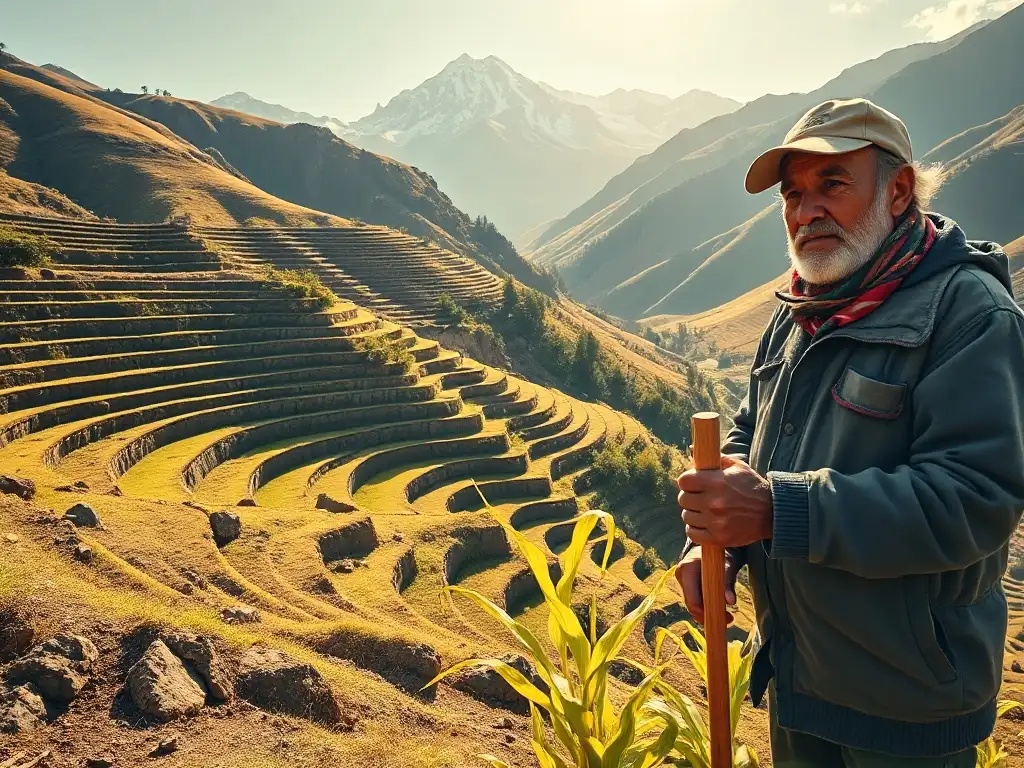
Andean farming techniques, honed over millennia, demonstrate a remarkable understanding of the interplay between sunlight, topography, and agricultural productivity. Farmers developed ingenious methods to maximize sunlight exposure and create microclimates ideal for crop growth, even in challenging Andean terrains. These techniques, passed down through generations, represent a sophisticated approach to sustainable agriculture deeply intertwined with the region's unique environmental conditions.
The mastery of sunlight manipulation is a crucial element of understanding Andean agricultural success, impacting not just crop yields but also water management and overall ecological balance. This section will explore some key techniques emphasizing their ingenuity in harnessing the power of the sun.
Terracing: Maximizing Sunlight Exposure on Slopes
Terracing, a hallmark of Andean agriculture, dramatically alters the landscape to create level platforms on steep slopes. This method isn't merely about creating flat land; it's a strategic approach to optimize sunlight absorption and minimize soil erosion. The carefully constructed terraces, often separated by retaining walls made of stone or earth, create a series of mini-fields, each receiving ample sunlight throughout the day. The effectiveness of terracing is particularly evident in the steep slopes of the Andes, where traditional farming would be nearly impossible without such innovative techniques.
How Terraces Increase Solar Absorption
The angled surfaces of terraces increase the effective surface area exposed to the sun. Unlike a steep, uniformly sloped hillside where much of the sunlight is lost to shadowing, terraces capture more direct sunlight. This increased solar radiation translates directly into higher temperatures, accelerating plant growth and improving crop yields.
The orientation of terraces, often aligned to maximize sun exposure during the crucial growing seasons, further enhances this effect. Detailed studies on the thermal properties of terraced fields compared to non-terraced slopes reveal a significant increase in solar energy absorption, leading to improved crop productivity. This efficient use of sunlight is a cornerstone of Andean agricultural practices and a testament to the ingenuity of Andean farmers.
The Role of Terracing in Water Management and Sunlight
Terracing's impact extends beyond maximizing sunlight; it plays a crucial role in water management, another critical factor in high-altitude agriculture. The terraced structure slows down the flow of rainwater, reducing runoff and erosion. The retaining walls act as mini-reservoirs, allowing water to seep into the soil, providing consistent moisture for the crops.
This controlled water distribution complements the increased sunlight absorption, creating optimal conditions for plant growth. The integration of water management and sunlight optimization in terraced systems showcases the holistic approach of Andean farming, where every element works in synergy to maximize yields. The efficient use of both water and sunlight is vital for successful Andean farming techniques.
Raised Fields (Waru Waru): Optimizing Sunlight and Drainage
Waru Waru, another ingenious Andean farming technique, involves constructing raised beds separated by canals. This method, prevalent in the altiplano regions, offers several advantages, including improved drainage, enhanced soil fertility, and better sunlight exposure. The raised beds, often rectangular or square, provide a warmer growing environment, particularly crucial in the colder, wetter regions of the Andes.
The Effect of Raised Beds on Soil Temperature
The raised beds of Waru Waru systems experience higher soil temperatures than surrounding areas. This is due to several factors, including better drainage and increased solar radiation absorption. The elevated position of the beds allows for greater exposure to sunlight, while the canals help to prevent waterlogging and maintain optimal soil moisture.
The improved drainage also contributes to better aeration, which further enhances soil temperature and root growth. This combination of factors helps to create a microclimate conducive to plant growth, even in challenging high-altitude conditions. Studies have shown that the temperature difference between the raised beds and the surrounding canals can be significant, contributing to faster crop maturation and improved yields.
Waru Waru and its Contribution to Frost Mitigation
Waru Waru systems also play a significant role in frost mitigation, a critical factor in Andean agriculture. The raised beds retain heat more efficiently than flat ground, protecting crops from damaging frosts. The water in the surrounding canals acts as a thermal buffer, moderating temperature fluctuations and minimizing the risk of frost damage.
This frost protection, combined with the benefits of improved drainage and sunlight exposure, makes Waru Waru a particularly effective farming technique in the harsh environmental conditions of the Andean highlands. The combination of sunlight optimization and frost protection makes Waru Waru a testament to the resilience and adaptability of Andean farming practices. The system's effectiveness in mitigating frost damage directly contributes to increased crop yields and food security in the region.
Irrigation Systems: Complementing Sunlight with Water Management
Andean farmers understood that sunlight alone wasn't enough for optimal crop yields. They developed sophisticated irrigation systems to complement the sun's energy, ensuring consistent water availability, especially in arid and semi-arid regions. These systems weren't simply ditches; they represented a complex interplay of engineering, observation, and understanding of water flow and topography.
The success of Andean agriculture hinged on this careful management, allowing them to cultivate diverse crops even in challenging environments. This meticulous approach to water management allowed them to extend the growing season and increase crop productivity significantly, maximizing the benefits of available sunlight. The ingenuity of these systems is a testament to the Andean people's deep understanding of their environment and their ability to adapt to its challenges.
Their sophisticated understanding of water distribution allowed them to cultivate a wider range of crops and sustain larger populations. We can see echoes of this impressive agricultural knowledge in modern irrigation techniques, highlighting the lasting impact of Andean farming practices.
Canals and Water Distribution for Optimal Crop Growth
The construction of canals was a crucial aspect of Andean irrigation. These weren't haphazardly dug trenches; they were carefully planned and engineered structures, often running for miles across varied terrain. The Incas, for example, are renowned for their extensive canal systems that channeled water from mountain streams and rivers to distant fields.
These canals were remarkably well-constructed, often incorporating sophisticated techniques to manage water flow and prevent erosion. They used materials readily available in their environment, such as stone, earth, and wood, demonstrating a deep understanding of local resources and their properties. The precise gradients of the canals ensured a steady and controlled flow of water, preventing flooding while ensuring sufficient irrigation.
The design also considered the varying water needs of different crops, with some canals serving specific agricultural areas requiring more or less water. Detailed observations of water sources and their seasonal variations informed the design and construction of these impressive networks. The success of these systems is evident in the thriving agriculture supported by them for centuries.
The Integration of Irrigation and Solar Energy
The relationship between irrigation and sunlight in Andean agriculture wasn't simply additive; it was synergistic. The carefully managed water distribution, facilitated by the canal systems, ensured that crops received the optimal amount of moisture to effectively utilize the sun's energy for photosynthesis. The timing of irrigation was crucial, often coordinated with the daily and seasonal variations in sunlight intensity.
Farmers would irrigate at specific times to maximize the absorption of water and nutrients by plants, taking advantage of peak sunlight hours. This integrated approach allowed them to optimize crop growth by preventing water stress during peak sunlight periods and providing sufficient moisture for healthy plant development. This intricate interplay between water management and solar energy showcases the holistic approach to agriculture employed by Andean civilizations.
The efficiency of their methods is a testament to their keen observation skills and practical understanding of the relationship between water, sunlight, and plant growth. This sophisticated system allowed them to achieve high agricultural yields, sustaining complex societies in challenging environments.
Specific Crops and their Adaptation to Andean Sunlight
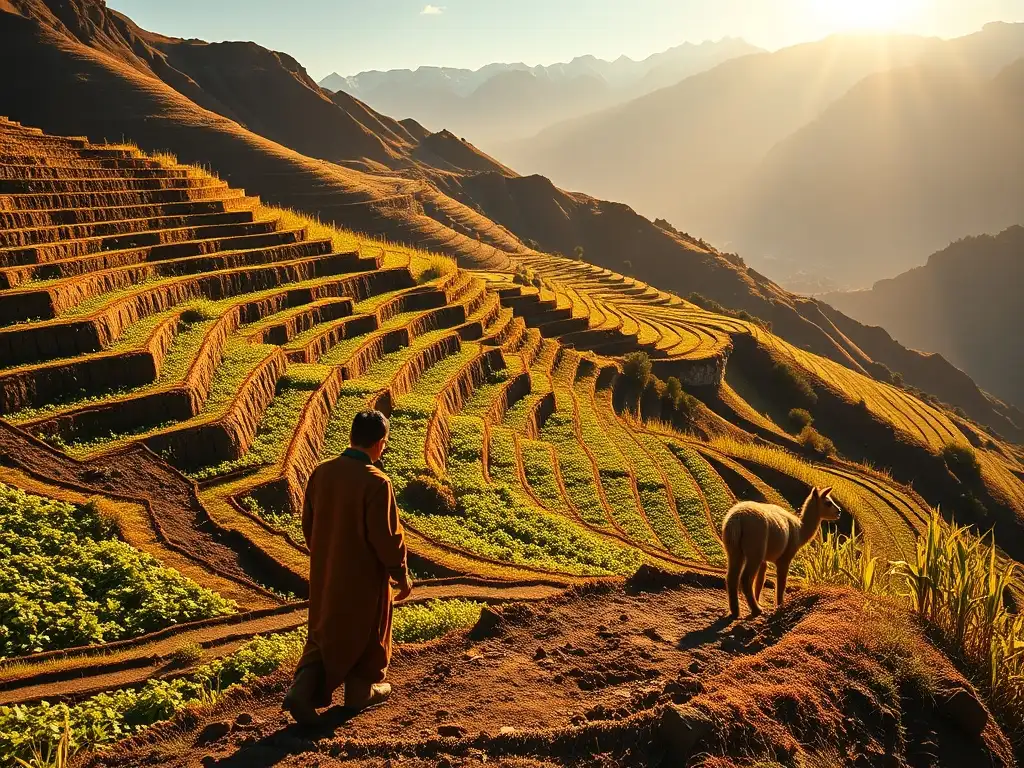
The ingenuity of Andean farmers in harnessing sunlight for optimal crop growth is a testament to their deep understanding of their environment. Their techniques, honed over millennia, allowed them to cultivate a diverse range of crops in challenging high-altitude conditions, where sunlight intensity and duration vary significantly depending on elevation and season.
This section will delve into the specific adaptations of two key Andean crops – potatoes and quinoa – demonstrating how sunlight played a crucial role in their successful cultivation. Understanding these Andean farming techniques sunlight employed provides valuable insights into the resilience and sophistication of ancient Andean agricultural practices.
Andean Potatoes: Sunlight and Varietal Diversity
Andean potatoes, Solanum tuberosum, represent a remarkable example of agricultural adaptation to diverse sunlight conditions. The sheer diversity of potato varieties found in the Andes is astonishing, each adapted to specific ecological niches defined, in part, by sunlight exposure. This genetic diversity allowed farmers to select and cultivate varieties perfectly suited to the particular microclimates of their fields. The variations in sunlight intensity and photoperiod (day length) across different altitudes and slopes were expertly managed through careful crop placement and varietal selection.
Different Potato Varieties and their Solar Requirements
The range of potato varieties is vast, each with distinct solar requirements. Some varieties thrive in full sun, exhibiting optimal growth and tuber development under intense, direct sunlight. Others prefer partial shade, flourishing in areas with filtered sunlight or under the canopy of other plants.
This nuanced understanding of sunlight requirements allowed Andean farmers to create complex agricultural landscapes where different potato varieties were strategically intercropped to maximize overall yields. For example, sun-loving varieties might be planted on south-facing slopes receiving maximum solar radiation, while shade-tolerant varieties were cultivated on steeper, north-facing slopes. This sophisticated approach to crop placement is a key element of understanding Andean farming techniques sunlight.
The Role of Sunlight in Potato Development
Sunlight is critical for photosynthesis, the process by which potato plants convert light energy into chemical energy, fueling growth and tuber formation. Sufficient sunlight is essential for healthy leaf development, impacting the plant's overall vigor and its ability to produce large, high-quality tubers. Insufficient sunlight can lead to reduced yields, smaller tubers, and increased susceptibility to diseases.
Conversely, excessive sunlight can cause sunscald, damaging the tubers and reducing their marketability. Therefore, the optimal level of sunlight exposure is a crucial factor determining the success of potato cultivation in the Andes. Mastering the balance was a cornerstone of successful Andean farming techniques sunlight.
Quinoa: A Sun-Loving Andean Grain
Quinoa ( Chenopodium quinoa), another staple crop of the Andes, is known for its remarkable adaptation to high-altitude environments characterized by intense sunlight and fluctuating temperatures. Its ability to thrive in harsh conditions, including strong UV radiation and short growing seasons, makes it a resilient and highly valued crop.
Quinoa's Adaptation to High-Altitude Sunlight
Quinoa's success in high-altitude environments is partly attributed to its physiological adaptations to intense sunlight. It possesses a robust photosynthetic apparatus capable of efficiently utilizing high levels of solar radiation. Furthermore, its leaves have a high density of protective pigments that shield the plant from damaging UV radiation. These adaptations allow quinoa to maintain high photosynthetic rates even under intense solar conditions, ensuring efficient growth and seed production. The mastery of these aspects was crucial for the Andean farming techniques sunlight employed.
Maximizing Quinoa Yields with Proper Sun Exposure
While quinoa is a sun-loving crop, the optimal level of sun exposure can vary depending on the specific variety and environmental conditions. Excessive sunlight can lead to water stress and reduced yields. Therefore, Andean farmers employed various techniques to manage sun exposure, including the construction of terraces and the use of shade-providing plants.
Careful consideration of planting density and spacing was also crucial in ensuring that each plant received sufficient sunlight without experiencing excessive competition for resources. These techniques, combined with a deep understanding of quinoa's sunlight requirements, allowed Andean farmers to maximize yields and ensure food security in challenging environments. This highlights the sophistication of Andean farming techniques sunlight.
Other Andean Crops and their Relationship with Sunlight
Andean agriculture wasn't solely reliant on potatoes, though they certainly played a starring role. A diverse array of crops, each with unique adaptations to the intense sunlight and varied altitudes of the Andes, contributed to the region's agricultural success. These crops, often overlooked in modern discussions of Andean farming, demonstrate the ingenuity and deep understanding of their environment possessed by ancient Andean farmers.
Their sophisticated techniques went beyond simply planting seeds; they involved a complex interplay of crop selection, land management, and water control, all optimized for maximizing sunlight exposure and minimizing the effects of harsh conditions. Understanding these less-known crops provides a more complete picture of the remarkable Andean agricultural system. The success of these farming practices was crucial to the development and sustenance of the vibrant Andean civilizations.
The careful selection and cultivation of these crops, tailored to specific microclimates and sunlight exposure, showcases the deep knowledge and adaptability of Andean farmers. Their ability to thrive in such challenging conditions is a testament to their agricultural prowess.
Oca, Mashua, and Ulluco: Diverse Adaptations
Oca ( Oxalis tuberosa), mashua ( Tropaeolum tuberosum), and ulluco ( Ullucus tuberosus) represent a fascinating trio of Andean tuber crops, each exhibiting unique adaptations to the high-altitude sunlight conditions. Oca, with its brightly colored tubers ranging from yellow to red and purple, thrives in well-drained soils and relatively cool temperatures, often found at higher elevations where the sunlight intensity is high but the overall temperatures are moderate.
Mashua, distinguished by its peppery flavor, is known for its tolerance to frost and its ability to grow in less fertile soils, often in areas with partial shade, showcasing an adaptability to varied sunlight conditions. Ulluco, with its diverse tuber colors and shapes, is particularly resilient to drought and prefers well-drained soils, making it suitable for areas with intense sunlight and potential water scarcity.
These crops demonstrate the range of adaptations within the Andean tuber family, highlighting the farmers' ability to select and cultivate crops optimally suited to the specific conditions of their environment, including nuances in sunlight exposure. The careful management of these crops, often intercropped with other species, further enhanced their productivity and resilience.
Specific Growing Techniques for Oca, Mashua, and Ulluco and Sunlight
The cultivation of oca, mashua, and ulluco involved specific techniques designed to maximize sunlight exposure and mitigate the challenges of high-altitude environments. Farmers often employed terracing to create level planting surfaces, enhancing both water retention and sunlight access. The orientation of terraces, sometimes following the contours of the slopes, was carefully considered to optimize sunlight throughout the day. Furthermore, the practice of intercropping – planting different crops together – was common.
This practice not only diversified food sources but also helped to manage sunlight and soil nutrients more effectively. For example, mashua, which can tolerate partial shade, might be planted alongside oca, which prefers more direct sunlight, creating a balanced microclimate within the field. Careful weed control was also crucial, ensuring that competing vegetation didn't overshadow these valuable crops and reduce their yield.
The timing of planting and harvesting was also finely tuned to the seasonal changes in sunlight and temperature, demonstrating a profound understanding of the interplay between environmental factors and crop growth. These refined techniques, honed over centuries, highlight the sophisticated agricultural knowledge of the Andean people. The success of these methods in such demanding conditions is a testament to their agricultural ingenuity and deep connection to their environment.
The Legacy of Andean Sunlight-Based Agriculture
The Andes Mountains, a formidable yet fertile landscape, presented unique challenges and opportunities for its ancient inhabitants. Limited arable land, diverse microclimates, and variable altitudes demanded ingenious agricultural practices. Central to their success was a deep understanding of the sun's power and its impact on crop yields. Andean farming techniques sunlight, in its various forms, was not just a factor; it was the cornerstone of their agricultural systems.
Centuries of observation and adaptation led to sophisticated methods for maximizing sunlight exposure, optimizing water usage, and creating microclimates conducive to a wide variety of crops. This deep-seated knowledge, passed down through generations, ensured food security and allowed for the flourishing of complex Andean societies. Their achievements weren't just about survival; they represented a remarkable mastery of their environment and a profound connection with the natural world.
The legacy of these sun-centered techniques continues to inspire sustainable agricultural practices today. Understanding their methods provides valuable insights for modern agriculture, particularly in the face of climate change and the growing need for resilient food systems. This section will explore several key aspects of this remarkable legacy.
Lessons from Andean Farmers for Modern Agriculture
Andean farmers developed a range of techniques to optimize sunlight for crop growth. These methods, refined over millennia, offer invaluable lessons for modern agriculture. One crucial aspect was their mastery of terracing. By carving terraces into the steep mountain slopes, they created level plots of land, maximizing sun exposure and minimizing soil erosion.
This ingenious technique, still visible today in many Andean regions, dramatically increased the amount of cultivable land. Furthermore, their understanding of microclimates allowed them to strategically plant different crops at varying altitudes and slopes to optimize sunlight conditions. They understood that different crops had different sunlight requirements, and they skillfully adapted their planting strategies accordingly. The use of sun-dried stones to retain heat at night is another example of their innovative approach.
These stones, warmed by the sun during the day, released their heat at night, protecting crops from frost damage. This simple yet effective method demonstrates their keen observation of the environment and their ability to harness natural resources to improve crop yields. Finally, their sophisticated understanding of crop rotation and intercropping ensured soil health and maximized the use of available sunlight. These traditional practices, far from being outdated, offer sustainable solutions to many of the challenges facing modern agriculture.
Sustainable Farming Practices Inspired by Andean Techniques
The principles underlying Andean farming techniques sunlight are fundamentally sustainable. Their methods prioritized resource conservation, soil health, and biodiversity. Modern agriculture can learn much from this emphasis on sustainability. For instance, the terracing techniques minimized soil erosion, a major environmental concern in many parts of the world.
The use of local, adapted crop varieties reduced the need for chemical fertilizers and pesticides, promoting ecological balance. The integration of livestock grazing into agricultural systems, a common practice in the Andes, helped maintain soil fertility and biodiversity. Furthermore, the emphasis on water management through intricate irrigation systems demonstrated a deep understanding of water conservation. These techniques are particularly relevant today, as climate change poses increasing threats to global food security.
By incorporating these principles into contemporary farming practices, we can create more resilient and sustainable agricultural systems capable of feeding a growing global population. The adoption of these techniques could significantly reduce the environmental impact of agriculture while improving crop yields and supporting local communities. Consider, for example, the potential of implementing terrace farming in hilly regions prone to erosion. The benefits – both environmental and economic – are substantial.
The Importance of Preserving Andean Agricultural Knowledge
The preservation of Andean agricultural knowledge is crucial not only for the cultural heritage of the region but also for global food security. This knowledge, accumulated over millennia, represents a valuable resource for addressing the challenges of modern agriculture. Unfortunately, the increasing adoption of industrial farming practices threatens to displace these traditional methods.
The loss of this knowledge would be an immense setback, depriving us of valuable insights into sustainable agriculture and potentially impacting the genetic diversity of crops. Efforts to document, preserve, and promote Andean agricultural practices are therefore essential. This can be achieved through a variety of initiatives, including:
- Supporting local farmers and communities: Providing resources and training to help them continue their traditional practices.
- Conducting research on Andean agricultural techniques: Studying their effectiveness and adapting them to different contexts.
- Educating the wider public about the importance of Andean agricultural knowledge: Raising awareness of its value and promoting its adoption.
- Creating educational programs and resources: Making this valuable knowledge accessible to a broader audience.
The preservation of this knowledge is not just a matter of cultural preservation; it is a vital contribution to the future of sustainable agriculture and global food security. The wisdom of Andean farmers holds the key to unlocking more resilient and environmentally friendly farming practices for generations to come. Their deep connection with the sun and the land offers a powerful model for a more sustainable future. ☀️
Frequently Asked Questions
How did Andean farmers utilize sunlight in their farming practices?
Andean farmers employed ingenious techniques to maximize sunlight exposure for their crops. This included terracing hillsides to create level plots and using irrigation systems to ensure adequate water reached sun-drenched fields. They also selected sun-loving crops suited to the high-altitude environment.
What role did the sun play in the success of Andean agriculture?
The sun was essential to the success of Andean agriculture. Its intense rays provided the energy needed for photosynthesis, crucial for crop growth in the high Andes. The careful management of sunlight was key to their food production.
What types of crops thrived under the Andean sunlight conditions?
A variety of crops flourished in the Andean sunlight, including potatoes, maize, and quinoa. These crops were adapted to the high altitude and intense solar radiation, and Andean farmers developed techniques to optimize their growth in these conditions.
Were there any specific technologies used to harness sunlight for farming?
While not directly harnessing sunlight like solar panels, Andean farmers developed technologies like terracing and irrigation canals to indirectly manage and optimize sunlight exposure for their crops. These were crucial for maximizing yields in challenging environments.
How did the understanding of sunlight impact the layout of Andean settlements?
The orientation of Andean settlements often reflected an understanding of sunlight patterns. Villages were frequently positioned to take advantage of optimal sunlight for agriculture and minimizing shade, ensuring maximum productivity for their crops.
Final Reflection: Harvesting the Sun's Legacy
The ingenious methods of Andean farmers to harness sunlight for optimal crop growth remain a powerful testament to human ingenuity and a vital lesson for sustainable agriculture today. Their understanding of the sun's power, coupled with their deep connection to the land, offers a blueprint for addressing modern challenges like climate change and food security. These aren't just historical practices; they are potent solutions for a future demanding innovative and environmentally conscious approaches to farming.
The enduring impact of Andean farming techniques extends far beyond the Andes themselves. Their sophisticated understanding of microclimates, terracing, and crop diversification continues to inspire researchers and farmers worldwide. The wisdom embedded in these practices speaks to a holistic relationship with nature, a perspective often lost in modern, industrialized agriculture. The land is not merely something to be exploited, but a living entity to be nurtured and respected.
This philosophy, central to Andean farming, offers a powerful counterpoint to unsustainable practices that deplete our resources and harm the environment.
Consider the lessons learned from the sun-drenched slopes of the Andes. You too can cultivate a deeper connection with nature, seeking to understand and work with the natural world rather than against it. Explore sustainable practices in your own life, whether it's supporting local farmers, reducing your carbon footprint, or simply appreciating the power of the sun in your own backyard. Let the legacy of Andean ingenuity inspire you to build a more sustainable and resilient future, one sun-kissed harvest at a time.
Harness the Power of the Sun!
Thank you for exploring the innovative ways Andean farmers maximize sunlight for optimal crop growth. You've discovered valuable insights into sustainable farming practices that can inspire us all. Now, let's put that knowledge to work!
Here are some ways you can harness the sun's potential in your own garden or farm:
- **Start a Home Garden:** Create a garden that maximizes sunlight exposure, selecting crops suited to your specific conditions and climate.
- **Share Your Knowledge:** Discuss these sustainable farming techniques with friends and fellow gardeners. Spread the word about the benefits of optimizing sunlight for healthy plants!
- **Join a Community:** Explore local workshops or online courses on sustainable agriculture. Connecting with others expands your knowledge and introduces you to new ideas.
How will you incorporate sunlight more effectively into your gardening or farming practices? Let's discuss!