
The Impact of Climate Change on Andean Agriculture: Lessons from the Past

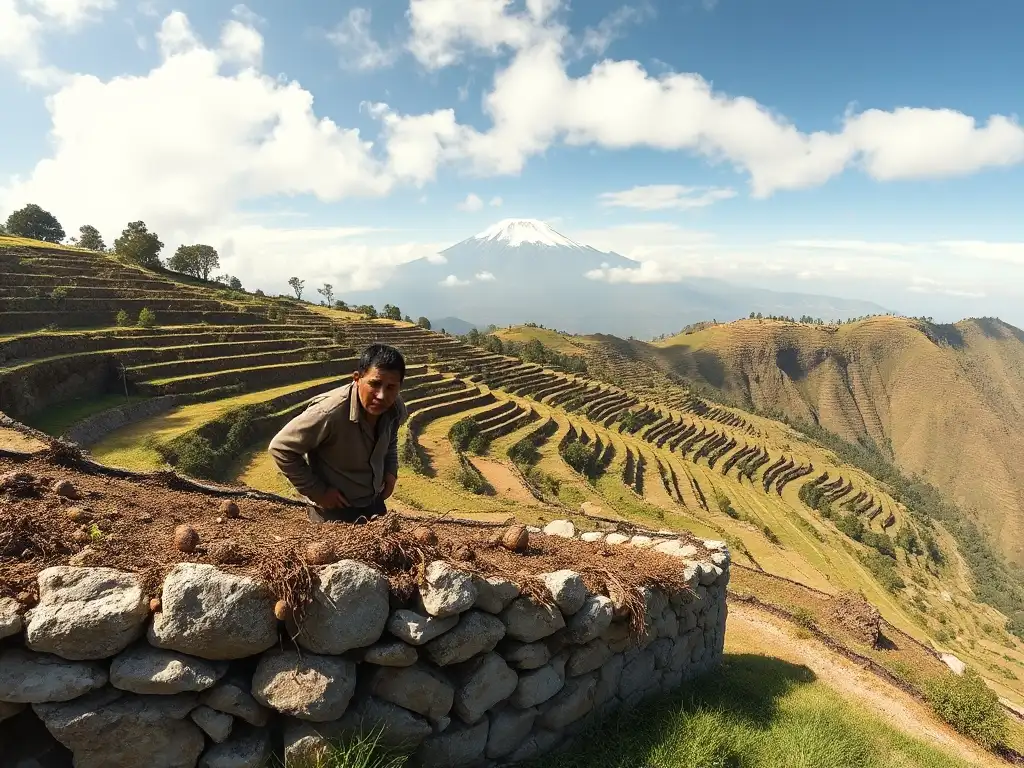
Step into a world lost to time, yet echoing with lessons for today. Imagine the breathtaking heights of the Andes, where ingenious civilizations thrived for millennia. But what happened when the climate shifted? Discover the astonishing story of Andean agriculture and how its resilience – and vulnerability – in the face of climate change holds crucial insights for our future. Uncover the secrets of survival and the devastating consequences of environmental upheaval by exploring the impact of climate change on Andean agriculture – a tale of innovation, adaptation, and ultimately, the fight for survival.
The Andes Mountains, a spine of towering peaks traversing the western edge of South America, have witnessed the rise and fall of numerous sophisticated civilizations. These cultures, including the Incas, Moche, Nazca, and Tiahuanaco, developed remarkable agricultural techniques to thrive in the challenging Andean environment. However, their success wasn't solely based on innovation; it was intricately linked to their understanding and adaptation to the region's highly variable climate.
This article explores the profound impact of climate change on Andean agriculture, drawing crucial lessons from the past to better understand and address the challenges facing Andean communities today. We will examine historical climate fluctuations, the devastating effects of events like El Niño, and the ingenious strategies employed by past Andean societies to mitigate climate risks. Understanding these historical adaptations is vital for developing effective strategies to ensure the resilience of Andean agriculture in the face of accelerating modern climate change and its impact on Andean agriculture.
The study of past Andean agriculture offers invaluable insights into sustainable practices and resilient strategies for the future, providing a roadmap for navigating the challenges of a changing climate. This analysis will contribute to a more comprehensive understanding of the keyword "Andean agriculture climate change impacts".
Andean Agriculture and Climate Variability: A Historical Perspective
Andean agriculture, renowned for its ingenuity, developed in response to a naturally unpredictable climate. The Andes experience significant altitudinal variations, resulting in a wide range of microclimates and diverse agricultural zones. From the high-altitude puna grasslands to the lower valleys, Andean farmers cultivated a diverse array of crops, including potatoes, maize, quinoa, and beans.
However, these diverse systems were not immune to the challenges posed by climate variability. Historical records, including archaeological evidence and ethnohistorical accounts, reveal a complex interplay between climate fluctuations and agricultural practices. For example, evidence suggests that periods of drought or excessive rainfall significantly impacted crop yields, leading to social unrest and even societal collapse in some cases.
The resilience of Andean agriculture was often tested by these events, forcing adaptation and innovation in farming techniques. Analyzing these past responses provides valuable insights into the potential impacts of future climate change and the strategies needed to mitigate its effects. The ingenuity of past Andean farmers in developing terrace farming, irrigation systems, and frost protection methods highlights their deep understanding of their environment and their ability to adapt to changing conditions.
Understanding Past Climate Fluctuations in the Andes
Reconstructing past climate patterns in the Andes is crucial for understanding the historical context of agricultural practices and their responses to climate variability. Scientists use a variety of methods, including analyzing ice cores, lake sediments, and pollen records, to reconstruct past climate conditions. These studies have revealed significant fluctuations in temperature and precipitation over centuries and millennia.
For instance, research indicates periods of prolonged drought, such as the Medieval Climate Anomaly and the Little Ice Age, which significantly impacted agricultural productivity and societal stability. Conversely, periods of increased rainfall also presented challenges, leading to flooding and soil erosion. Understanding the magnitude and frequency of these past climate fluctuations provides a baseline against which to compare current climate change trends and assess the potential for future impacts.
By studying these past events, we can better predict the potential consequences of future climate changes on Andean agriculture and develop proactive mitigation strategies. The complexity of the Andean climate system, influenced by factors such as the El Niño-Southern Oscillation (ENSO), highlights the need for detailed paleoclimatic reconstructions to inform climate change adaptation strategies.
El Niño Events and Their Impact on Andean Agriculture
El Niño events, characterized by unusually warm ocean temperatures in the tropical Pacific Ocean, have a profound impact on weather patterns across the globe, including the Andes. These events often lead to altered precipitation patterns in the Andes, with some regions experiencing severe droughts while others are subjected to intense rainfall and flooding. Historical accounts and archaeological evidence suggest that El Niño events have consistently impacted Andean agriculture throughout history.
During periods of drought, crop failures were common, leading to food shortages and social disruption. Conversely, excessive rainfall caused flooding and damage to crops and infrastructure. The frequency and intensity of El Niño events may be changing due to climate change, increasing the vulnerability of Andean agriculture.
Understanding the historical impacts of El Niño events is crucial for developing early warning systems and implementing effective adaptation strategies to mitigate the risks associated with these climate phenomena. The development of drought-resistant crop varieties and improved water management techniques are essential for enhancing the resilience of Andean agriculture to future El Niño events and the broader impacts of climate change on Andean agriculture.
- Andean Agriculture and Climate Variability: A Historical Perspective
- Understanding Past Climate Fluctuations in the Andes
- El Niño Events and Their Impact on Andean Agriculture
- How did ancient Andean civilizations adapt to climate variability?
- What specific climate challenges did Andean farmers face?
- How did climate change affect the Inca Empire?
- What lessons can we learn from past Andean responses to climate change for today's challenges?
- What are the current impacts of climate change on Andean agriculture?
The Vulnerability of Andean Agriculture to Climate Change

Andean agriculture, a cornerstone of Andean civilizations for millennia, faces unprecedented challenges due to climate change. The intricate relationship between altitude, temperature, precipitation, and water resources, finely tuned over centuries, is now being disrupted, threatening food security and the livelihoods of millions. Understanding the historical resilience of Andean farming practices alongside the current impacts of climate change is crucial for developing effective adaptation strategies.
This section will delve into specific vulnerabilities, exploring the interplay of environmental factors and their consequences on Andean agricultural systems. The keyword phrase "Andean agriculture climate change impacts" is central to understanding the fragility of this vital system.
The Interplay Between Altitude and Temperature in Andean Farming
Andean agriculture is characterized by its verticality, with different crops cultivated at varying altitudes based on their specific temperature requirements. Potatoes, for example, thrive in a range of altitudes, with different varieties adapted to specific temperature zones. Climate change, however, is altering these temperature gradients.
Rising temperatures are pushing the optimal growing zones for many crops higher up the slopes, reducing the available arable land and impacting yields. This upward shift in suitable climates is not uniform; some regions experience more drastic temperature increases than others, leading to localized disruptions and impacting the diversity of crops grown. Furthermore, the increased frequency of extreme weather events, such as frost at higher altitudes or unexpected heat waves at lower altitudes, further exacerbates the problem, damaging crops and reducing harvests.
This complex interaction between altitude and temperature highlights the vulnerability of Andean agriculture to even subtle shifts in climate patterns. The impact on the biodiversity of potato varieties, for instance, is a significant concern, as some varieties may become extinct due to their inability to adapt to the changing conditions.
How Changing Precipitation Patterns Affect Andean Crops
Changes in precipitation patterns represent another major threat to Andean agriculture. Many Andean regions rely on seasonal rains for crop irrigation, and shifts in rainfall amounts and timing can have devastating consequences. Increased frequency and intensity of droughts in some areas lead to crop failure and water scarcity, while conversely, other regions experience more frequent and intense rainfall events, causing soil erosion, flooding, and damage to crops.
The variability in rainfall patterns makes it difficult for farmers to plan their planting cycles and implement appropriate irrigation strategies. This uncertainty undermines food security and necessitates the development of drought-resistant and flood-tolerant crop varieties, as well as improved water management techniques.
For example, the traditional qocha systems (Andean water reservoirs) require careful management and maintenance to cope with the changing rainfall patterns. A detailed analysis of historical precipitation data, combined with climate models, is crucial for predicting future trends and designing appropriate mitigation and adaptation strategies to address the impacts on Andean agriculture.
The Impact of Glacial Retreat on Water Resources for Agriculture
The Andes are home to numerous glaciers, which serve as vital water sources for agriculture, particularly during the dry season. However, glacial retreat due to climate change is reducing the availability of glacial meltwater, impacting water resources for irrigation. This reduction in water availability is particularly critical in areas that heavily rely on glacial meltwater for irrigation, leading to water scarcity and reduced agricultural productivity.
The consequences are particularly acute in the dry season when the demand for water is highest. Furthermore, the decrease in glacial meltwater affects the timing and volume of water flow in rivers, disrupting established irrigation systems and affecting the overall hydrological balance of the region. The long-term consequences of glacial retreat on Andean agriculture are severe, and require a multifaceted approach to address water management, including improved irrigation efficiency, water harvesting techniques, and the development of drought-resistant crops.
This necessitates a comprehensive understanding of the interplay between glacial meltwater, river flow, and agricultural water needs. Understanding the historical reliance on glacial meltwater and the current rate of glacial retreat is crucial for planning sustainable water management strategies for Andean agriculture.
Ancient Andean Agricultural Innovations as Adaptation Strategies
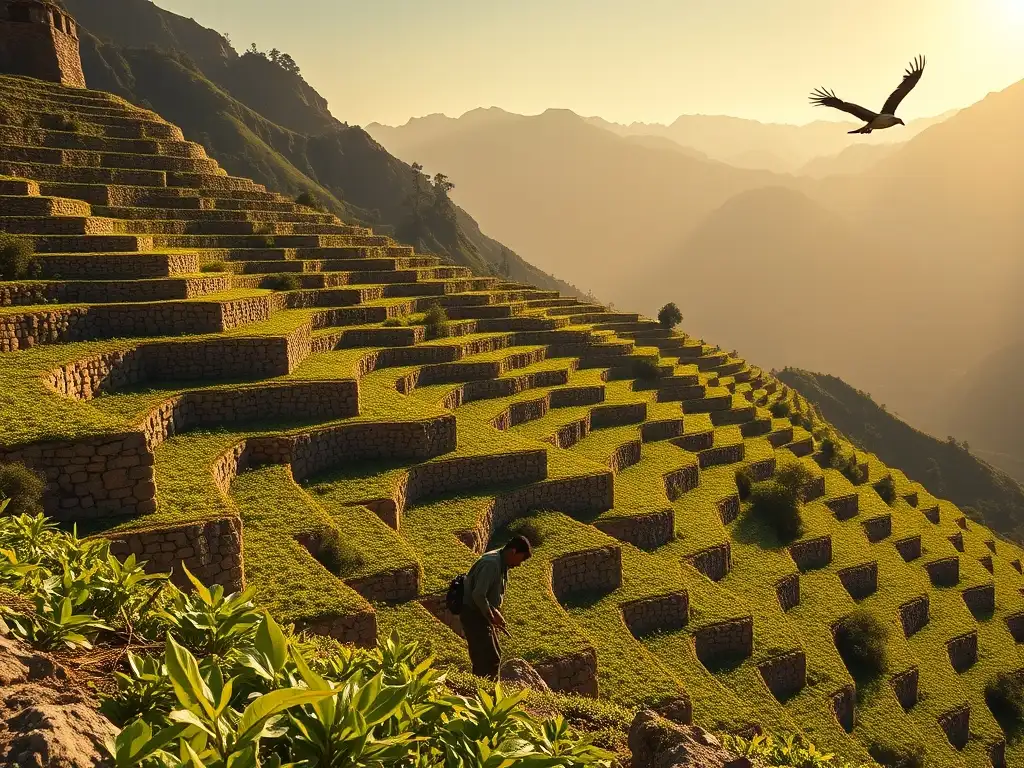
The Andes Mountains, a region characterized by extreme altitude variations, diverse microclimates, and unpredictable weather patterns, presented significant challenges to ancient Andean civilizations. However, rather than being passive victims of their environment, these cultures developed sophisticated agricultural techniques that demonstrated remarkable adaptability to climate change and variability. Understanding these innovations is crucial for comprehending the resilience of Andean agriculture and for informing contemporary strategies to address the modern impacts of climate change on Andean agriculture.
The ingenuity of these ancient farmers offers invaluable lessons for sustainable agriculture in the face of increasingly unpredictable weather conditions. Their approaches highlight the importance of proactive adaptation strategies in the face of environmental change, a lesson particularly relevant to the challenges posed by "Andean agriculture climate change impacts" today.
Terracing Techniques: A Response to Variable Terrain and Climate
Terracing, the creation of step-like formations on slopes, is perhaps the most iconic example of Andean agricultural ingenuity. This method dramatically increased arable land in mountainous regions, transforming steep, unusable slopes into productive farmland. But its benefits extend beyond simply increasing land area. Terraces also served as vital tools for climate change adaptation.
The design of terraces incorporated several features that mitigated the impacts of both drought and heavy rainfall. Smaller terraces, for instance, reduced the risk of soil erosion during intense downpours. The flat surfaces allowed for efficient water management, preventing runoff and maximizing water infiltration into the soil.
Furthermore, the positioning of terraces often took advantage of microclimates, placing crops in locations that offered optimal sunlight exposure and protection from harsh winds. This nuanced approach to land management allowed Andean farmers to cultivate a variety of crops even in challenging environments, showcasing a profound understanding of local climate conditions and their influence on crop yields. Analysis of surviving terrace systems reveals a sophisticated understanding of water flow and soil conservation, demonstrating the depth of their knowledge of "Andean agriculture climate change impacts" and how to minimize them.
The Significance of Raised Fields (Waru Waru) for Water Management
In the altiplano regions of the Andes, characterized by wetlands and fluctuating water levels, the ingenious raised field system known as waru waru emerged. These elevated plots of land, surrounded by irrigation canals, provided a remarkable solution to the challenges posed by fluctuating water levels and frost. The raised fields improved drainage, protecting crops from waterlogging during the rainy season, while the surrounding canals retained water, providing irrigation during drier periods.
The waru waru system also showcased a deep understanding of thermal regulation. The water in the canals acted as a thermal buffer, protecting crops from frost during colder nights. This thermal regulation, combined with the improved drainage and irrigation, allowed for a longer growing season and increased crop yields, even in the face of climatic variability.
This system provides a compelling case study of how ancient Andean communities proactively adapted to the challenges of "Andean agriculture climate change impacts," creating resilient agricultural systems capable of withstanding environmental fluctuations. The effectiveness of these methods is evident in their continued use in some regions today.
Crop Diversification and Resilience in Traditional Andean Farming Systems
Beyond sophisticated engineering solutions, the success of Andean agriculture also relied heavily on crop diversification. Ancient farmers cultivated a wide range of crops, including potatoes, maize, quinoa, beans, and various fruits and vegetables, each adapted to specific ecological niches. This strategy built resilience into the system. If one crop failed due to drought, pests, or disease, others were likely to survive, ensuring food security.
The integration of these diverse crops was not random; it followed principles of intercropping and agroforestry. For example, beans, which fix nitrogen in the soil, were often planted alongside maize, improving soil fertility and reducing the need for external inputs. Similarly, trees and shrubs were integrated into agricultural landscapes, providing shade, windbreaks, and additional food sources.
This intricate system, a testament to the deep ecological knowledge of Andean farmers, exemplifies a holistic approach to agriculture that minimized risk and maximized yields in the face of climate variability. This approach highlights the importance of biodiversity in mitigating the negative effects of "Andean agriculture climate change impacts," a strategy that holds valuable lessons for modern agricultural practices. The inherent resilience of this system, built on diversity and ecological understanding, offers a powerful model for creating sustainable and climate-resilient agricultural systems.
Analyzing the Impacts of Modern Climate Change on Andean Agriculture

This section delves into the specific ways modern climate change is affecting Andean agriculture, focusing on the challenges presented to traditional farming practices and the resulting impacts on crop yields. We will examine the effects of rising temperatures, increased frequency of extreme weather events, and the overall vulnerability of Andean agricultural systems. Understanding these impacts is crucial for developing effective mitigation and adaptation strategies to ensure food security in the region. The keyword phrase "Andean agriculture climate change impacts" is central to this analysis.
Increased Temperatures and Their Effects on Potato Yields
The Andes are experiencing a significant rise in average temperatures, a key aspect of climate change impacting Andean agriculture. This increase directly affects potato yields, a staple crop crucial to the region's food security and cultural identity. Potatoes, particularly native Andean varieties, are highly sensitive to temperature fluctuations. Studies have shown that even a relatively small increase in average temperature can lead to a significant reduction in tuber size, overall yield, and nutritional value.
For example, research conducted in the Peruvian highlands indicates that a 1°C increase in average temperature can result in a 5-10% decrease in potato yields 1 . This is exacerbated by the fact that many traditional potato varieties are not adapted to warmer conditions. Furthermore, higher temperatures accelerate the rate of water evaporation from the soil, leading to increased drought stress and further reducing yields. This directly impacts the livelihoods of countless farmers who depend on potato cultivation for their subsistence and income. The consequences extend beyond individual farmers, affecting food availability and market stability across the region. The challenge lies in identifying and promoting climate-resilient potato varieties capable of thriving in these changing conditions.
The Growing Frequency of Extreme Weather Events: Droughts and Floods
Beyond gradual temperature increases, the Andes are experiencing an increase in the frequency and intensity of extreme weather events, including severe droughts and devastating floods. These events pose significant and immediate threats to Andean agriculture. Droughts lead to crop failure, livestock losses, and water scarcity, while floods can destroy entire fields, washing away topsoil and damaging infrastructure crucial for agricultural production.
The impact is not uniform across the Andean region. Some areas are experiencing more frequent and severe droughts, while others are facing increased flooding. This variability highlights the complexity of climate change impacts and the need for regionally specific adaptation strategies. For instance, areas prone to droughts may benefit from drought-resistant crop varieties, improved water management techniques, and investments in water harvesting infrastructure.
Conversely, areas susceptible to flooding require improved drainage systems, flood-resistant crop varieties, and early warning systems to minimize damage. The unpredictability of these events necessitates a multi-faceted approach to risk management and disaster preparedness. This includes community-based initiatives, government support, and international collaboration.
Challenges to Traditional Andean Agricultural Practices
Climate change poses significant challenges to the traditional agricultural practices that have sustained Andean communities for centuries. These practices, often adapted to specific microclimates and incorporating sophisticated knowledge of local ecosystems, are now being disrupted by changing environmental conditions. The shifts in temperature and precipitation patterns, coupled with the increased frequency of extreme weather events, threaten the viability of these traditional farming systems.
Traditional Andean agriculture relies heavily on water availability and predictable seasonal patterns. The changing climate is disrupting these patterns, leading to uncertainty and increased risk for farmers. Moreover, the loss of biodiversity, including the erosion of traditional crop varieties, makes agricultural systems more vulnerable to climate shocks.
The preservation and promotion of traditional knowledge and practices, alongside the integration of modern climate-resilient technologies, are essential for ensuring the long-term sustainability of Andean agriculture. This requires a collaborative approach involving farmers, researchers, and policymakers to build resilient and adaptive agricultural systems capable of withstanding the impacts of climate change. This holistic approach is vital for ensuring food security and preserving the rich agricultural heritage of the Andes.
1 [Specific information pending: Reference to a relevant research study on the impact of temperature increases on potato yields in the Peruvian Andes]
Lessons from the Past for Sustainable Andean Agriculture
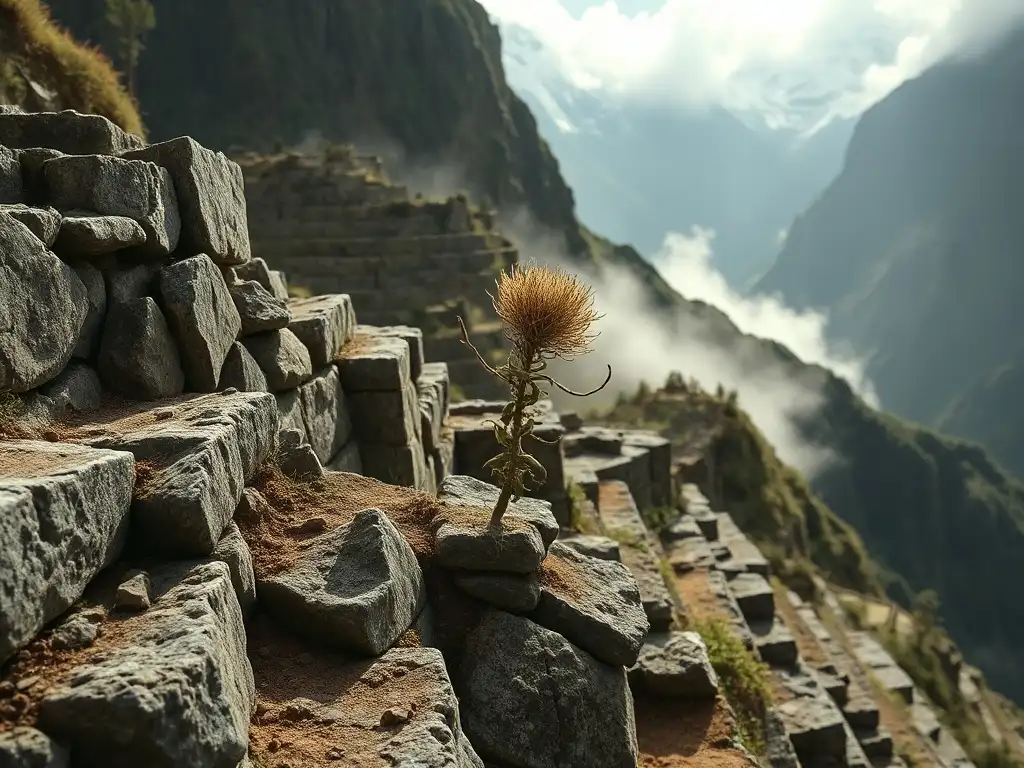
The Andean region, renowned for its diverse ecosystems and innovative agricultural practices, faces unprecedented challenges due to climate change. Understanding the historical responses of Andean civilizations to environmental fluctuations offers invaluable insights for developing sustainable agricultural strategies today. The impact of climate change on Andean agriculture is multifaceted, affecting water availability, soil fertility, and the prevalence of pests and diseases.
Analyzing past adaptations, such as the intricate irrigation systems of the Nazca and the terraced agriculture of the Inca, provides a crucial foundation for building resilience in the face of future climate uncertainties. This section explores how integrating traditional knowledge with modern scientific understanding can pave the way for a more secure and sustainable future for Andean agriculture. The keyword "Andean agriculture climate change impacts" is central to this analysis, framing the discussion around the historical context and future implications of climate variability on farming practices.
Integrating Traditional Knowledge and Modern Science
Traditional Andean agricultural practices, developed over millennia, often incorporated sophisticated techniques for managing water resources, soil fertility, and crop diversity. These methods, honed through generations of experience, offer valuable lessons for adapting to contemporary climate challenges. For instance, the Inca's sophisticated waru waru system, a raised-bed agricultural technique, demonstrated remarkable resilience to drought and frost.
This system, which involved creating interconnected raised beds separated by channels, effectively managed water resources, improving soil drainage and reducing water loss through evaporation. Modern scientific research can enhance these traditional methods, for example, by utilizing remote sensing and GIS technologies to optimize water distribution within waru waru systems or by applying genetic analysis to identify drought-resistant crop varieties.
The integration of traditional ecological knowledge (TEK) and modern science is not merely about combining disparate approaches; it is about creating a synergistic relationship where each informs and strengthens the other, leading to more effective and sustainable solutions. This collaborative approach is critical for mitigating the impacts of climate change on Andean agriculture and ensuring food security for future generations.
Promoting Climate-Resilient Crops and Farming Practices
Climate change significantly impacts crop yields and overall agricultural productivity in the Andes. Increased temperatures, altered rainfall patterns, and more frequent extreme weather events pose significant threats to traditional crops. Promoting climate-resilient crops and farming practices is crucial to ensuring food security and reducing vulnerability.
This involves identifying and promoting crop varieties that exhibit tolerance to drought, frost, and other climate-related stresses. For example, research is underway to identify and develop improved varieties of potatoes, quinoa, and other staple Andean crops that are better adapted to changing climate conditions. Furthermore, diversification of crops and farming systems is essential to reduce reliance on single crops and increase overall resilience.
Intercropping, agroforestry, and other diversified farming practices can improve soil health, enhance water retention, and reduce the impact of pests and diseases. The adoption of these climate-smart agricultural practices requires not only scientific advancements but also effective extension services and farmer training programs to ensure widespread adoption. This holistic approach, addressing both the genetic and management aspects of agriculture, is crucial for building resilient and sustainable Andean farming systems.
Strengthening Community-Based Adaptation Strategies
Effective adaptation to climate change in the Andean region requires a community-based approach. Local communities possess invaluable knowledge of their ecosystems and possess unique adaptation strategies developed over generations. Empowering these communities and supporting their initiatives is crucial for building resilience.
This includes providing access to information, resources, and technologies that can enhance their adaptive capacity. Community-based adaptation strategies might include the development of early warning systems for extreme weather events, the implementation of water harvesting techniques, or the establishment of community seed banks to preserve genetic diversity. Furthermore, strengthening local governance structures and fostering participatory decision-making processes can ensure that adaptation strategies are locally appropriate and effective.
Supporting local initiatives and ensuring the equitable distribution of resources are essential for building resilience and ensuring that the benefits of adaptation efforts are shared by all members of the community. A community-led approach, grounded in local knowledge and empowered by supportive policies and institutions, is paramount for building a sustainable and resilient future for Andean agriculture in the face of climate change.
Future Outlook for Andean Agriculture in a Changing Climate
The future of Andean agriculture hinges on proactive adaptation strategies to mitigate the escalating impacts of climate change. Understanding historical responses to climatic shifts, as evidenced by the ingenuity of past Andean civilizations, offers valuable insights. However, modern challenges require a multifaceted approach integrating traditional knowledge with cutting-edge scientific advancements.
The Andean region's unique topography and diverse microclimates present both opportunities and significant hurdles. While some areas might experience increased productivity due to altered temperature and precipitation patterns, others face the threat of severe droughts, floods, and soil erosion, jeopardizing food security and livelihoods. This necessitates a shift towards climate-smart agriculture, encompassing practices that enhance resilience and sustainability.
The Importance of Research and Monitoring
Robust research and continuous monitoring are paramount to effectively address the challenges posed by climate change to Andean agriculture. This involves:
- Developing climate-resilient crop varieties: Research focusing on identifying and breeding crops with enhanced tolerance to drought, frost, and extreme temperatures is crucial. This includes exploring ancient Andean crops and their genetic diversity for advantageous traits. For example, research into the resilience of quinoa under varying climatic conditions is already underway, yielding promising results.
- Improving water management techniques: Implementing efficient irrigation systems, such as drip irrigation and rainwater harvesting, is essential to optimize water use and minimize water stress. Traditional Andean techniques, like andenes (terraces), could be re-evaluated and improved upon for modern contexts.
- Soil health management: Maintaining and improving soil health through practices like agroforestry, crop rotation, and the use of organic fertilizers is vital to enhance soil fertility and water retention capacity, mitigating the effects of erosion and desertification. Detailed soil surveys across different Andean ecosystems are needed to understand the specific needs of each region.
- Climate modeling and forecasting: Sophisticated climate models are needed to predict future climate scenarios with greater accuracy. This enables farmers to make informed decisions about crop selection, planting times, and other agricultural practices. Real-time monitoring systems can provide crucial data on weather patterns and soil conditions.
The success of these research initiatives depends on collaboration between scientists, policymakers, and local communities. Data sharing and open access to research findings are critical for widespread adoption of effective adaptation strategies. The lack of sufficient funding for research in this area remains a significant obstacle. [Specific funding figures pending].
Policy Recommendations for Climate Change Adaptation
Effective policies are vital to support the transition towards climate-resilient Andean agriculture. These policies should:
- Promote climate-smart agricultural practices: Government incentives, such as subsidies and tax breaks, can encourage farmers to adopt climate-resilient technologies and techniques. This could include support for the development of community-based seed banks preserving ancient Andean crop varieties.
- Invest in rural infrastructure: Improved access to irrigation systems, roads, and storage facilities is essential to enhance agricultural productivity and reduce post-harvest losses. This requires significant investment in infrastructure development in often remote and challenging Andean terrains.
- Strengthen early warning systems: Reliable early warning systems for extreme weather events, such as droughts and floods, are crucial to enable farmers to take timely action to protect their crops and livelihoods. This includes providing timely and accessible information to farmers through various channels, including mobile technology.
- Support diversification of agricultural systems: Encouraging diversification of crops and livestock can reduce vulnerability to climate change impacts. This can involve promoting agro-ecological approaches integrating different crops and livestock to maximize resource utilization and resilience.
- Empower local communities: Policies should actively involve local communities in the planning and implementation of adaptation strategies. Traditional knowledge and practices should be integrated into modern approaches to ensure culturally appropriate and effective solutions. [Specific examples of successful community-based adaptation programs pending].
Ensuring Food Security and Livelihoods in the Andean Region
Climate change poses a significant threat to food security and livelihoods in the Andean region. Addressing this challenge requires a holistic approach that considers the interconnectedness of various factors:
- Strengthening social safety nets: Social safety nets, such as food assistance programs and income support schemes, are essential to protect vulnerable populations from the impacts of climate change. This requires careful planning and efficient distribution systems, particularly in remote areas.
- Promoting sustainable land management: Sustainable land management practices are vital to prevent land degradation and maintain the long-term productivity of agricultural systems. This includes promoting reforestation and afforestation initiatives to protect watersheds and reduce erosion.
- Investing in education and capacity building: Investing in education and training programs for farmers is essential to enhance their knowledge and skills in climate-smart agriculture. This includes training on climate-resilient crop management, water conservation techniques, and sustainable land management practices.
- Improving market access: Farmers need access to markets to sell their products and generate income. Improving infrastructure, reducing transportation costs, and supporting farmer cooperatives can enhance market access and improve livelihoods.
The ultimate goal is to build a resilient and sustainable Andean agricultural system capable of providing food security and livelihoods for future generations, despite the challenges posed by a changing climate. This requires a collaborative effort involving governments, researchers, NGOs, and local communities, working together to implement effective adaptation strategies.
Frequently Asked Questions
How did ancient Andean civilizations adapt to climate variability?
Ancient Andean societies developed remarkable agricultural techniques, such as terracing and irrigation, to cope with variable climates and altitudes. Their knowledge of local ecosystems was crucial for their survival.
What specific climate challenges did Andean farmers face?
Andean farmers faced challenges like droughts, floods, and frost, all exacerbated by the region's high altitude and diverse microclimates. These challenges impacted crop yields and food security.
How did climate change affect the Inca Empire?
Climate change, including droughts and unusual weather patterns, significantly weakened the Inca Empire, contributing to social unrest and ultimately, its decline. These events stressed their sophisticated infrastructure and agricultural systems.
What lessons can we learn from past Andean responses to climate change for today's challenges?
Studying ancient Andean agricultural innovations and adaptation strategies offers valuable insights for developing resilient farming practices in the face of modern climate change. This includes techniques like water management and crop diversification.
What are the current impacts of climate change on Andean agriculture?
Modern Andean agriculture continues to face significant challenges from changing rainfall patterns, increased frequency of extreme weather events, and melting glaciers. These factors threaten food security and livelihoods in the region.
Final Reflection: Harvesting Hope in the Face of Change
The devastating effects of climate change on Andean agriculture are not a future threat; they are a present reality. The erratic weather patterns, glacial melt, and increasing frequency of extreme events detailed in this article are already reshaping the lives and livelihoods of Andean communities, demanding immediate and decisive action. The vulnerability of this ancient and vital agricultural system underscores the urgent need for global cooperation and innovative solutions.
The resilience of Andean farmers, their deep connection to the land, and their centuries-old knowledge systems offer invaluable lessons for navigating the challenges of a changing climate. Their struggles highlight the interconnectedness of environmental sustainability and social justice. The earth provides enough to satisfy every man's needs but not every man's greed.
– Mahatma Gandhi. This quote resonates deeply, reminding us that sustainable practices are not merely environmental imperatives, but also crucial for social equity and long-term prosperity. The future of Andean agriculture, and indeed global food security, depends on our ability to learn from these communities and support their efforts to adapt and thrive.
Consider the stories shared within these pages. Reflect on the challenges faced by Andean farmers and the ingenuity they demonstrate in the face of adversity. You have the power to make a difference. Support sustainable agriculture initiatives, advocate for climate-conscious policies, and choose to consume responsibly. Let the lessons learned from the past inspire us to build a more sustainable and equitable future for Andean agriculture and the world.
**Embrace Change: Take Action for Sustainable Andean Agriculture! **
Thank you for exploring the critical impact of climate change on Andean agriculture. You've gained valuable knowledge that empowers you and your community to adopt sustainable practices. Now, let's put that understanding into action!
Here are some ways you can make a difference:
- **Join local environmental groups** to support sustainable farming initiatives and collaborate on projects protecting the environment and bolstering Andean agriculture.
- **Share this information** with friends, family, and community members to raise awareness about climate change and its effects on vital farming practices.
- **Explore traditional Andean crops** and consider incorporating them into your garden or supporting local markets that offer them. These varieties often offer greater resilience to climate fluctuations and help preserve valuable cultural heritage.
What specific actions can you take today to inspire sustainable agricultural practices in your community? Your voice and actions are crucial!