
Beyond the Plow: Innovative Andean Tools for Cultivating Mountainous Terrain


Unravel the mysteries of the Andes! For centuries, civilizations thrived in the seemingly impossible terrain of the Andes Mountains, mastering techniques that continue to amaze. But how did they cultivate these challenging landscapes? Prepare to be astonished as we delve into the ingenious Andean farming tools history, revealing innovations far beyond the simple plow and uncovering the secrets behind their agricultural success. Discover the fascinating story of their ingenuity and resilience in the face of nature's harshest challenges – a story waiting to be explored.
The Andes Mountains, a formidable spine running down the western coast of South America, presented ancient civilizations with an unparalleled agricultural challenge. Steep slopes, unpredictable weather patterns, and thin, often poor soil made cultivating crops a constant battle against the elements.
Yet, the Andean peoples—including the Incas, Moche, Nazca, and Tiahuanaco—developed remarkably sophisticated farming techniques and tools, demonstrating an ingenuity that allowed them to thrive in this demanding environment for centuries. This article delves into the history of Andean farming tools, exploring the innovative solutions they devised to conquer the challenges of mountainous terrain and cultivate the crops that sustained their complex societies.
We will uncover the remarkable adaptability and resourcefulness that characterized their agricultural practices, highlighting their significant contributions to the development of sustainable farming methods. Understanding their achievements offers valuable insights into ancient Andean ingenuity and provides a fascinating perspective on the history of agriculture itself, enriching our understanding of "Andean farming tools history".
Understanding the Challenges of Andean Agriculture
Andean agriculture faced numerous obstacles. The steep slopes meant that water runoff was rapid, leading to soil erosion and nutrient depletion. The high altitude resulted in shorter growing seasons and intense UV radiation. Furthermore, the varied microclimates within the Andes created diverse conditions, requiring specialized techniques and tools for different regions and elevations.
The unpredictable weather, including frost, drought, and hail, further complicated agricultural practices. These challenges necessitated the development of highly adaptive and efficient farming techniques and tools, a testament to the resilience and innovation of the Andean peoples. The ingenuity involved in overcoming these difficulties is a key aspect of understanding "Andean farming tools history."
To illustrate the complexity, consider the following table summarizing some key challenges:
| Challenge | Impact on Agriculture | Andean Solution (Example) |
|---|---|---|
| Steep Slopes | Soil erosion, water runoff, difficult cultivation | Terracing, retaining walls |
| High Altitude | Shorter growing seasons, intense UV radiation | Frost-resistant crops, microclimatic adaptations |
| Thin, Poor Soil | Nutrient deficiency, reduced crop yields | Fertilization techniques, crop rotation |
| Unpredictable Weather | Frost, drought, hail damage | Irrigation systems, drought-resistant crops |
The Ingenuity of Andean Farming Technology
Faced with these challenges, Andean farmers developed a remarkable array of tools and techniques. The absence of the plow, a staple in many other agricultural societies, forced them to develop alternative methods. Instead of relying on animal power, they employed human labor and simple, yet effective, hand tools. These tools were often made from readily available materials like wood, stone, bone, and metal, showcasing a deep understanding of their environment and a commitment to sustainable resource management. The development and refinement of these tools over centuries contributed significantly to the rich tapestry of "Andean farming tools history".
Some examples of innovative Andean farming tools include:
- The Chaquitaclla: A foot-operated plow-like tool used for tilling the soil. Its design effectively minimized soil disturbance and maximized water retention, particularly crucial in the arid Andean environment.
- The Ayahuasca: While not a tool in the traditional sense, this potent plant was utilized in ritualistic practices believed to enhance crop yields and ensure a successful harvest. Its use demonstrates the deep spiritual connection between Andean agriculture and their environment.
- Stone tools: Various types of stone tools, including hoes, spades, and axes, were used for a wide range of agricultural tasks, from preparing the land to harvesting crops. The quality and craftsmanship of these tools varied depending on the region and the available resources.
- Irrigation systems: Sophisticated canal systems and terraces were constructed to channel water to crops, demonstrating a deep understanding of hydrology and water management. These systems were essential for ensuring crop success in the often-arid Andean climate.
The development and use of these tools, along with innovative techniques like terracing and crop rotation, allowed Andean civilizations to cultivate a diverse range of crops, including potatoes, maize, quinoa, and beans, providing the foundation for their thriving societies. Their ingenuity in adapting to the challenging environment serves as a powerful example of human resilience and a valuable lesson in sustainable agriculture. The ongoing study of these tools and techniques continues to deepen our understanding of "Andean farming tools history" and their lasting impact on agricultural practices.
- What innovative farming techniques did Andean civilizations employ?
- What were some common Andean farming tools?
- How did the environment influence the development of Andean farming tools?
- What materials were typically used to make Andean farming tools?
- How did Andean farming tools contribute to the success of these civilizations?
Pre-Incan Andean Farming Tools: Laying the Foundation
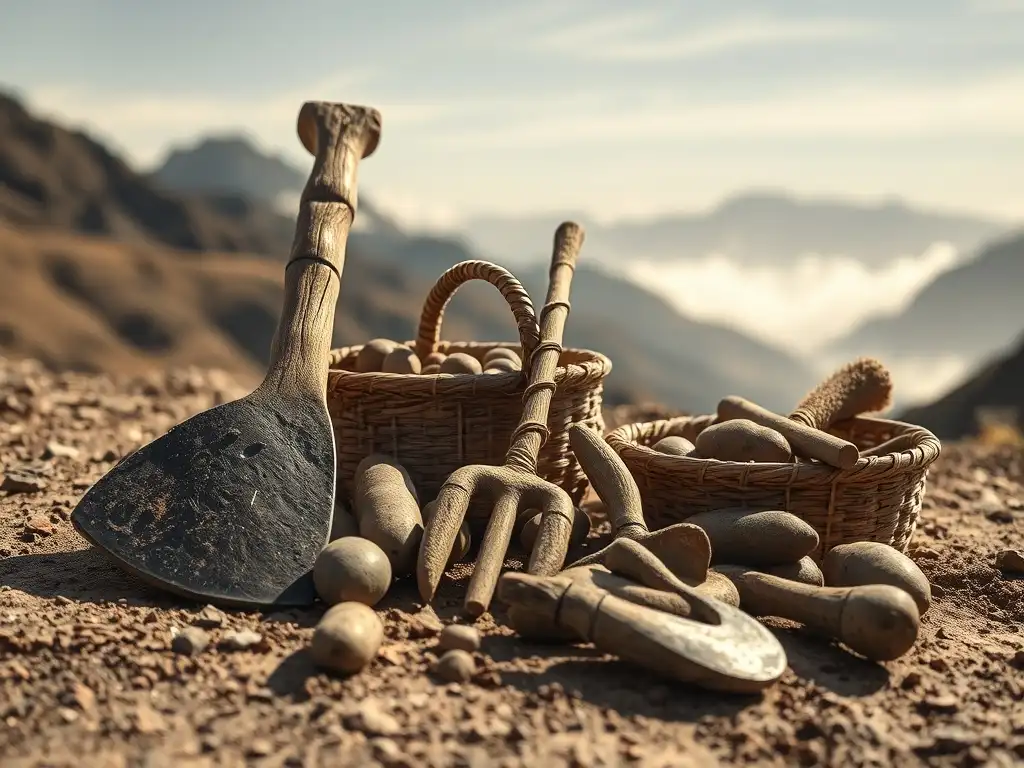
The history of Andean farming tools is a testament to human ingenuity in adapting to challenging environments. Long before the Inca Empire, sophisticated agricultural techniques and tools were developed to cultivate the steep slopes and diverse terrains of the Andes. Understanding these pre-Incan innovations provides crucial context for appreciating the later advancements made during the Inca period and beyond.
The development of effective Andean farming tools was not a singular event, but rather a gradual process spanning millennia, influenced by evolving agricultural practices and the unique challenges of the Andean ecosystem. This section will explore some key aspects of this rich history, focusing on the tools and techniques that laid the groundwork for the later successes of Andean agriculture. Analyzing these tools helps us better understand the "Andean farming tools history" and its impact on the region.
Early Andean Agricultural Implements
The earliest Andean agricultural implements were likely rudimentary, reflecting the initial stages of plant domestication. Evidence suggests the use of simple digging sticks, possibly sharpened branches or hardened wood, to prepare the soil for planting. These early tools, while basic, were crucial in the transition from foraging to settled agriculture.
Over time, these implements evolved, becoming more specialized and efficient. The introduction of stone tools, such as adzes and hoes, significantly increased the productivity of Andean farmers. These stone tools allowed for more precise soil preparation and more effective planting, leading to increased crop yields.
The development of these stone tools represents a significant step forward in Andean farming tools history, marking a shift towards more sophisticated agricultural practices. Archaeological findings consistently reveal the prevalence of these implements across various Andean cultures, demonstrating their widespread adoption and importance. The meticulous crafting of these tools, often exhibiting remarkable craftsmanship, highlights the value placed upon agriculture within these early Andean societies.
Specialized Tools for Terraced Farming
The development of terraced farming in the Andes is a remarkable feat of engineering and agricultural innovation. The challenging terrain necessitated the creation of specialized tools for constructing and maintaining these terraces. One such tool was the taklla, a type of wooden plow, used to till the soil on the terraces.
Unlike the European plow, the taklla was designed to work on the sloped terrain, effectively turning the soil without causing significant erosion. This tool was often combined with other implements for leveling and shaping the terraces, ensuring optimal water drainage and soil conservation. Another important tool was a variety of stone implements used to shape and maintain the terrace walls.
These would have included various types of hammers, chisels, and wedges, all crucial for the construction and repair of the complex terraced systems that characterized Andean agriculture. The effectiveness of these tools is evident in the enduring legacy of Andean terraced agriculture, which continues to shape the landscape and agricultural practices in the region today, demonstrating how specialized tools directly influenced “Andean farming tools history”. The precision and scale of the terraced systems are a testament to the advanced understanding of soil management and hydraulic engineering possessed by pre-Inca Andean farmers.
The Importance of the Chaquitaclla in Pre-Incan Agriculture
The chaquitaclla, a foot-powered plow, holds a unique place in Andean farming tools history. This ingenious device, often made from wood and featuring a digging blade, allowed for efficient soil preparation, even on steep slopes. The chaquitaclla’s design minimized soil erosion and maximized efficiency, making it a highly effective tool for cultivating potatoes and other Andean staples.
Its widespread use across different Andean cultures underscores its importance in the agricultural systems of the region. The chaquitaclla’s enduring legacy is reflected in its continued use in some Andean communities even today, showcasing its adaptability and effectiveness across generations. The simplicity and effectiveness of the chaquitaclla stand in stark contrast to the more complex tools used in other agricultural systems around the world, highlighting the unique ingenuity of Andean farmers in adapting to their environment.
Its development represents a significant milestone in the "Andean farming tools history", showcasing the innovative spirit and practical knowledge that characterized pre-Incan agricultural practices. The chaquitaclla’s continued use serves as a living testament to the enduring value of this remarkable tool.
Inca Farming Tools: Advancements and Adaptations
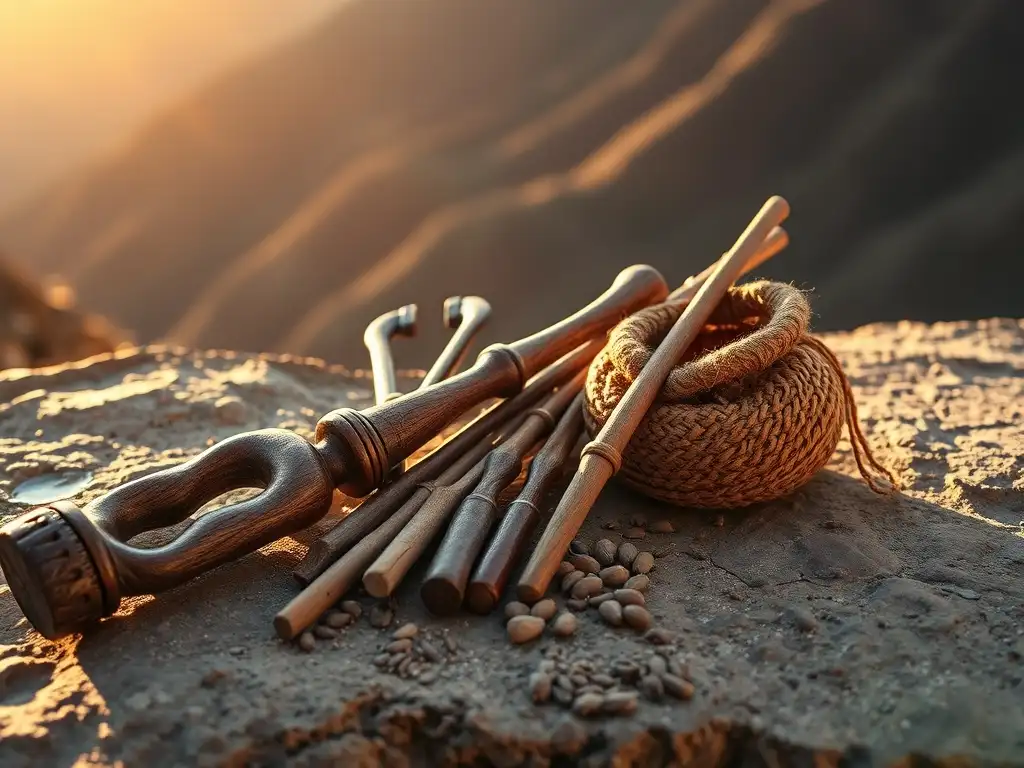
The Inca Empire, renowned for its sophisticated agricultural practices, significantly refined and adapted existing Andean farming tools to suit its diverse and challenging mountainous terrain. Their ingenuity in tool design and implementation is a testament to their deep understanding of their environment and the need for efficient food production at high altitudes. The Inca's success in cultivating crops in such demanding conditions wasn't solely reliant on terracing and irrigation; it was also intricately linked to the evolution and effective deployment of tools like the chaquitaclla, the raucaña, and other specialized implements.
Understanding the Inca's approach to Andean farming tools history reveals a fascinating interplay of adaptation and innovation. The empire's vast agricultural output, supporting a large population, underscores the effectiveness of their technological advancements.
The Inca's Refinement of Andean Farming Techniques
Inca agricultural techniques represented a culmination of centuries of Andean knowledge, refined and expanded upon by the empire. While many tools predated the Inca, they standardized their production and distribution, ensuring widespread access and consistent quality. This standardization, coupled with their sophisticated understanding of soil types and microclimates, allowed for optimized crop yields across various regions. For instance, the chaquitaclla, a digging stick with a footrest, was not a new invention, but the Inca improved its design, creating variations suited for different soil conditions.
They also developed advanced irrigation systems, working in tandem with their tools to maximize water usage and crop growth, particularly important in arid and high-altitude environments. Evidence suggests specialized workshops produced these tools, ensuring uniformity and efficiency in their agricultural practices. This organized approach to toolmaking contributed significantly to their success in food production, a key element of their societal structure and power.
Variations of the Chaquitaclla in Inca Agriculture
The chaquitaclla, often described as a foot-plough, wasn't a single, monolithic tool. Archaeological findings reveal variations in its design, reflecting adaptations to different soil types and agricultural needs. Some chaquitacllas possessed a broader, flatter digging end, ideal for breaking up softer, looser soil. Others featured a narrower, more pointed end, better suited for harder, compacted earth.
The length of the shaft and the angle of the footrest also varied, allowing farmers to adjust their leverage and depth of tillage. These modifications highlight the Inca's keen observation of their environment and their ability to adapt their technology accordingly. The Inca's understanding of soil mechanics and their ability to craft tools that effectively interacted with these different soil properties is a key aspect of their impressive agricultural achievements. Further research into the regional variations of the chaquitaclla is needed to fully appreciate the scope of Inca innovation in agricultural tool design.
The Use of the Raucana for Soil Preparation
The raucaña, a type of hand hoe, played a crucial role in Inca agriculture, particularly in tasks such as weeding and soil preparation. Unlike the chaquitaclla, which was primarily used for initial soil turning, the raucaña was employed for finer tasks requiring more precision. It was an indispensable tool for clearing weeds, loosening the soil around growing plants, and creating small furrows for planting seeds.
Its relatively lightweight and manageable size made it suitable for use on terraces and other areas where larger tools might be impractical. The raucaña’s effectiveness in maintaining healthy soil conditions and controlling weeds contributed significantly to sustained crop yields. The combination of the chaquitaclla for initial tillage and the raucaña for more refined tasks showcases the Inca's comprehensive approach to land cultivation, emphasizing both efficiency and precision.
The raucaña represents a more subtle, yet equally important, contribution to the Andean farming tools history. Further study is needed to understand the specific materials used and the regional variations in its design.
Inca Tools for Planting and Harvesting
The Inca, masters of adapting to their challenging Andean environment, developed a sophisticated array of tools for planting and harvesting their crops. Their ingenuity is evident in the design and functionality of these implements, reflecting a deep understanding of both agricultural principles and the limitations imposed by their mountainous terrain.
Unlike the simpler tools used by some earlier Andean cultures, Inca farming tools often incorporated more advanced techniques, demonstrating a level of technological sophistication rarely seen in other contemporaneous societies. This sophistication was not just about efficiency; it was also about sustainability, ensuring the long-term productivity of their often-fragile agricultural lands.
One key example is the chaquitaclla, a foot-powered plow. Unlike animal-drawn plows common in other parts of the world, the chaquitaclla was uniquely suited to the steep slopes and rocky soils of the Andes. Its design allowed for efficient tilling even on uneven ground, minimizing soil erosion and maximizing planting space.
The chaquitaclla's effectiveness stemmed from its ingenious lever system, allowing a single farmer to cultivate a surprisingly large area with minimal effort. Archaeological evidence suggests widespread use of the chaquitaclla, indicating its crucial role in Inca agricultural success. Its enduring legacy is reflected in its continued use in some Andean communities even today, a testament to its practicality and effectiveness.
Beyond the chaquitaclla, Inca farmers employed a variety of hand tools for planting and harvesting. These included specialized hoes, shovels, and sickles, often crafted from materials readily available in their environment, such as wood, stone, and bone. The specific design of these tools varied depending on the crop and the local conditions.
For instance, tools used for harvesting maize would differ from those used for potatoes or quinoa, reflecting a nuanced understanding of each crop's unique requirements. The meticulous craftsmanship evident in many of these tools suggests a high level of skill and expertise among Inca artisans. Indeed, the production and maintenance of these tools were likely an integral part of Inca community life, with specialized roles and responsibilities assigned to their creation and repair.
The harvesting process itself was likely a communal affair, with families and communities working together to bring in the crops. The efficiency of their tools, combined with their cooperative work ethic, allowed the Inca to cultivate sufficient food to support their large population despite the challenges of their environment. The meticulous organization of their agricultural practices, coupled with their innovative tool designs, represents a significant contribution to Andean farming tools history and a remarkable example of human adaptation to a demanding landscape.
The legacy of these tools continues to inspire agricultural practices in the region, demonstrating their enduring value and effectiveness. Further research into the specific materials and manufacturing techniques used in the creation of these tools would undoubtedly provide a richer understanding of Inca agricultural technology and its impact on the empire's success.
Specific Andean Tools and Their Uses
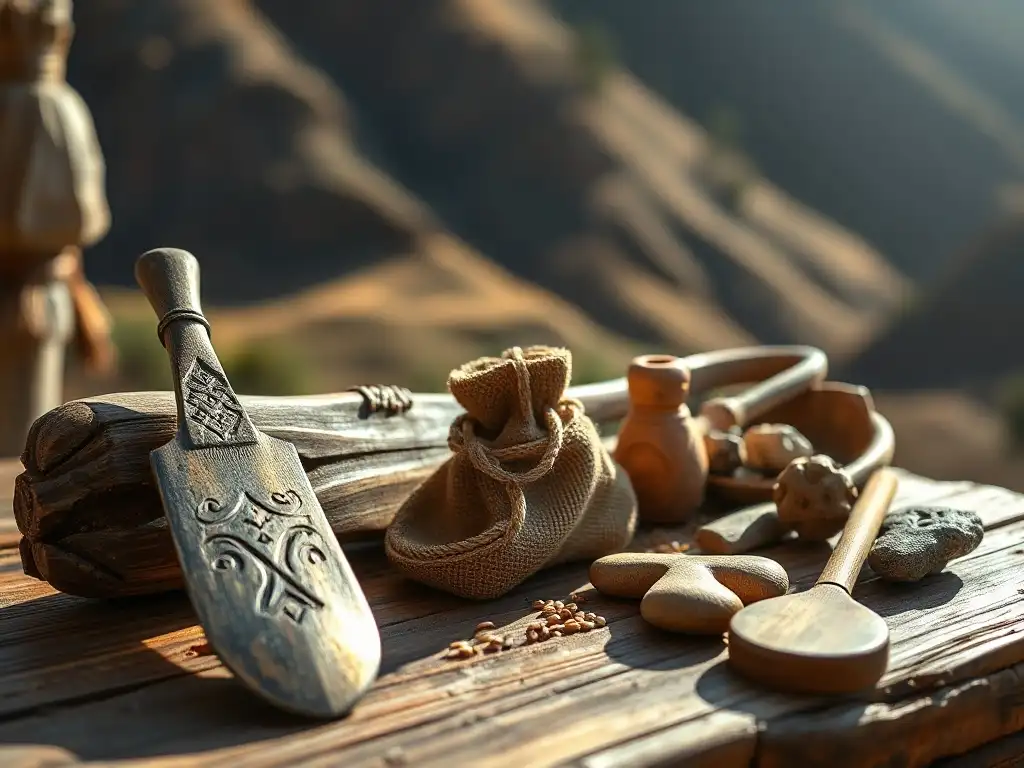
This section delves into the specifics of several crucial tools employed by Andean civilizations to cultivate their challenging mountainous terrain. Understanding these tools provides insight into the ingenuity and adaptability of Andean farmers, showcasing their profound knowledge of their environment and their remarkable ability to harness available resources for agricultural success. The history of Andean farming tools is intrinsically linked to the survival and prosperity of these remarkable cultures.
The Andean Hoe (Lampa): Versatility in Mountainous Terrain
The lampa, a versatile hand tool resembling a modern hoe but often crafted from locally sourced materials like wood and stone, was central to Andean agriculture. Its design was perfectly suited to the uneven contours of the Andes. The blade, typically curved and relatively small, allowed for precise cultivation even on steep slopes. Farmers could use the lampa for a variety of tasks:
- Weed removal: The lampa's shape made it ideal for efficiently removing weeds from around crops without damaging the plants themselves.
- Soil preparation: Before planting, farmers used the lampa to loosen the soil, creating small furrows for seeds. This process was crucial in the rocky, often compacted soil of the Andes.
- Harvesting: In some cases, the lampa was also used to gently lift root crops from the earth, minimizing damage.
The materials used in lampa construction varied depending on regional availability. While stone was common, particularly in areas with limited access to metal, some communities utilized bronze or even copper for the blade, enhancing its durability and effectiveness. The handle, usually made of a sturdy wood, was often carefully shaped to ensure a comfortable and secure grip, crucial for long hours of work in demanding conditions.
The ingenuity behind the lampa lies in its simplicity and effectiveness in tackling the unique challenges of Andean agriculture. The design itself speaks to a deep understanding of soil mechanics and efficient labor practices.
The Andean Pickaxe (Waqtana): Breaking Ground and Shaping Terraces
The waqtana, a type of pickaxe, played a vital role in the creation and maintenance of the iconic Andean terraces. These terraces, carved into the steep mountain slopes, significantly increased arable land and provided crucial protection against erosion. The waqtana, typically made of stone or hardened wood, was used to break up hardpan soil and rock, a necessary task when constructing and repairing these agricultural marvels.
The construction of Andean terraces was a monumental undertaking, requiring immense labor and sophisticated engineering. The waqtana facilitated this process by allowing farmers to efficiently remove large stones and break up compacted earth. Its robust design, often featuring a pointed head for penetrating hard surfaces and a sturdy handle for leverage, was critical to this demanding work.
Evidence suggests that different types of waqtana existed, adapted to specific soil conditions and tasks. For instance, some might have had broader heads for loosening larger areas of soil, while others might have possessed more pointed heads for breaking up particularly hard rock formations. The precise variations in waqtana design across different Andean cultures remain a subject of ongoing research, highlighting the diversity of tools and techniques employed throughout the region. The waqtana stands as a testament to the Andean peoples' resourcefulness and their unwavering commitment to cultivating their land.
The Importance of the Andean Sickle
The Andean sickle, while less visually striking than the lampa or waqtana, was nonetheless an essential tool for harvesting a variety of crops. Its curved blade, typically made of obsidian, bronze, or other available materials, allowed for efficient cutting of stalks and stems. The design minimized wasted motion and ensured a clean cut, preventing damage to the harvested product.
Different types of sickles likely existed, tailored to the specific crops being harvested. For example, a sickle designed for harvesting grains might have a smaller, more precise blade than one used for cutting taller stalks. The materials used would also have varied depending on regional availability and technological advancements.
While obsidian was prized for its sharpness, bronze or even carefully sharpened stone could provide adequate functionality. The sickle’s importance in the Andean agricultural system cannot be overstated; it was fundamental to the efficient and effective harvesting of crucial crops, ensuring the food security of Andean communities for centuries. Further research into the specific designs and regional variations of Andean sickles is needed to fully appreciate the nuances of this vital tool in the history of Andean farming tools.
Tools for Seed Selection and Storage
Andean farmers developed sophisticated techniques for seed selection and storage, crucial for survival in the challenging mountain environment. Their methods ensured the continuation of vital crops and adapted to the unique conditions of the Andes. Seed selection wasn't a random process; rather, it was a careful and considered practice passed down through generations. Farmers meticulously chose the best seeds from the healthiest plants, prioritizing those exhibiting desirable traits like disease resistance, high yield, and adaptation to altitude.
This selective breeding played a significant role in the development of crops uniquely suited to the Andean terrain. The process involved examining seeds for size, shape, and color, discarding any that appeared damaged or underdeveloped. This careful selection process was vital for maintaining crop quality and productivity across generations. The understanding of which seeds would thrive in the given microclimate was crucial for successful harvests.
The storage of seeds was equally important. Andean communities utilized a variety of ingenious methods to preserve seeds for planting in subsequent seasons. One common technique involved storing seeds in airtight containers made from materials such as clay or woven textiles. These containers were often kept in cool, dry locations, such as underground cellars or elevated storage areas within homes, to protect the seeds from moisture and pests.
Some communities also employed the practice of storing seeds in sealed gourds, which provided natural protection and helped maintain moisture levels. The meticulous preservation of seeds was paramount, given the unpredictable nature of the Andean climate and the potential for crop failure. This careful preservation ensured the continuity of food supplies and the resilience of Andean agriculture. The knowledge of seed storage techniques was a critical component of Andean farming practices, reflecting a deep understanding of both plant biology and environmental conditions.
The success of Andean agriculture rested not just on cultivation techniques but also on the careful selection and meticulous storage of seeds, ensuring the perpetuation of vital crops for future generations. The ingenuity of these methods highlights the sophisticated agricultural knowledge of Andean civilizations, demonstrating their ability to thrive in a challenging environment. The preservation of these techniques is a testament to the enduring legacy of Andean farming practices.
The Legacy of Andean Farming Tools
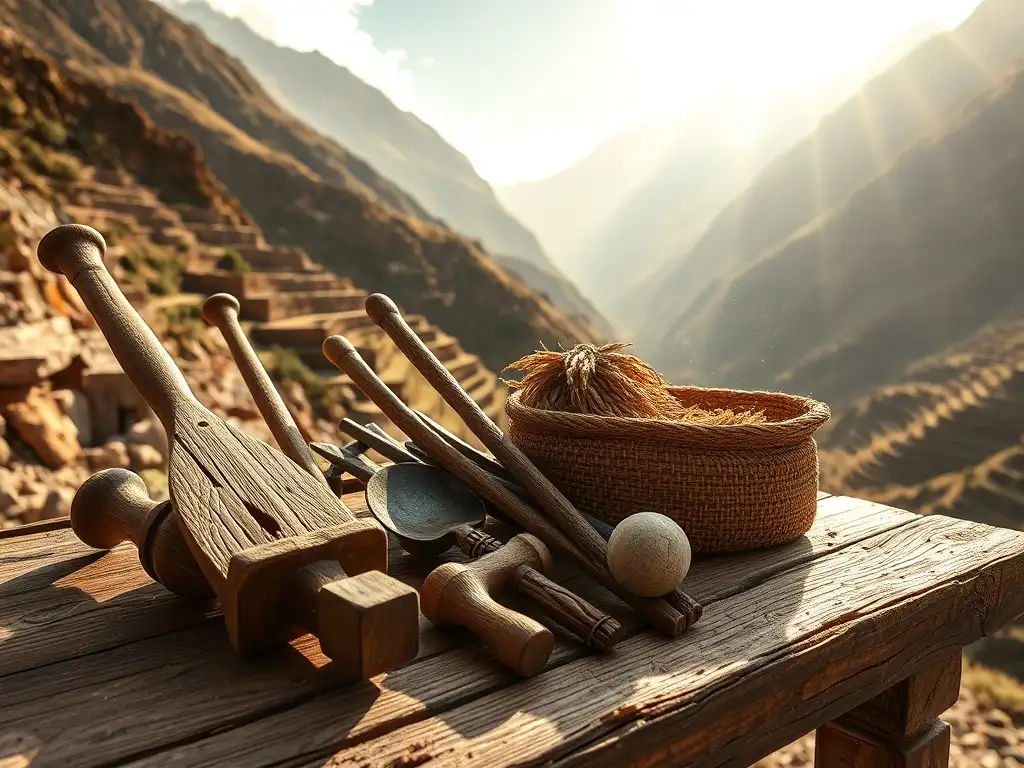
The Andes Mountains, a formidable landscape of towering peaks and steep slopes, presented unique challenges to its ancient inhabitants. Yet, rather than being deterred, Andean civilizations developed ingenious farming tools and techniques perfectly adapted to their environment. This ingenuity, honed over millennia, left a lasting legacy that continues to influence agricultural practices today. Studying the history of Andean farming tools reveals a deep understanding of environmental adaptation, resourcefulness, and a profound connection to the land.
This section delves into the remarkable innovation and enduring impact of these tools, exploring their construction, use, and lasting relevance in modern sustainable agriculture. The keyword "Andean farming tools history" is central to understanding the remarkable achievements of these civilizations. We will examine how their innovations continue to inspire modern agricultural practices, highlighting the sustainable aspects of their methods and the deep cultural significance embedded within these seemingly simple implements.
Traditional Andean Farming Tools in Modern Agriculture
Many traditional Andean farming tools, though seemingly rudimentary, demonstrate remarkable efficiency and sustainability. The chaquitaclla, a foot-powered plow, exemplifies this. Its design, using a simple lever system, allowed farmers to effectively till the soil on steep slopes without the need for animal power, minimizing environmental impact and soil erosion. Even today, variations of the chaquitaclla are used in some Andean communities, proving its enduring practicality.
Other tools, like the ayllo, a type of digging stick, continue to be employed for specific tasks, particularly in areas where mechanized farming is impractical or environmentally damaging. The continued use of these tools highlights their adaptability and resilience, demonstrating the wisdom of traditional Andean agricultural knowledge. Analysis of modern agricultural practices in the Andes shows a fascinating interplay between traditional techniques and modern technologies.
Farmers often integrate traditional tools with modern machinery, creating a hybrid system that balances efficiency with sustainability and cultural preservation. For example, the huayra puka, a type of Andean shovel, may be used in conjunction with a small tractor for land preparation, combining the precision of the traditional tool with the increased speed of mechanized equipment. This blend reflects a nuanced approach to agriculture, prioritizing both productivity and the preservation of ancestral techniques.
Sustainable Practices Inspired by Andean Agricultural Techniques
The ingenuity of Andean farming tools is intrinsically linked to sustainable practices. The emphasis on minimizing soil disturbance, through tools like the chaquitaclla, prevented erosion and maintained soil fertility. The use of terraces, often constructed in conjunction with these tools, further minimized water runoff and maximized arable land.
These techniques, developed over centuries, offer valuable lessons for modern sustainable agriculture, particularly in challenging environments. Data comparing traditional Andean farming practices with modern intensive agriculture shows a significant difference in terms of environmental impact. Traditional methods, relying on tools like the topo, a type of hoe, resulted in significantly less soil degradation and water pollution.
Furthermore, the Andean practice of crop rotation and intercropping, often facilitated by the use of specific tools adapted for different crops, contributed to biodiversity and pest control. These practices showcase the holistic approach of Andean agriculture, prioritizing long-term environmental health over short-term gains, a critical lesson for contemporary agricultural systems facing challenges like climate change and resource depletion. The Andean agricultural system, with its emphasis on sustainable practices, offers a valuable model for developing environmentally responsible agriculture globally.
The Cultural Significance of Andean Agricultural Implements
Beyond their practical applications, Andean agricultural implements hold profound cultural significance. Many tools were not simply instruments of labor but also integral parts of religious ceremonies and social structures. The chaquitaclla, for instance, was often associated with fertility rites, reflecting the deep connection between agriculture and spirituality in Andean societies.
The careful craftsmanship and ornamentation of some tools further emphasizes their cultural value, transforming them from simple implements into objects of art and symbols of identity. The transmission of knowledge regarding the construction and use of these tools across generations fostered social cohesion and strengthened community bonds. This collective knowledge, passed down orally and through practical demonstrations, ensured the continuity of agricultural practices and the preservation of cultural heritage.
The cultural significance of Andean agricultural tools underscores the importance of preserving these traditions, not just for their historical value but also for their contribution to a sustainable and culturally rich future. The continued use and study of these tools provide valuable insights into the complex interplay between technology, culture, and the environment in the Andes. The "Andean farming tools history" is therefore not merely a history of tools, but a history of a people’s deep and enduring relationship with their land.
The Evolution of Andean Farming Equipment
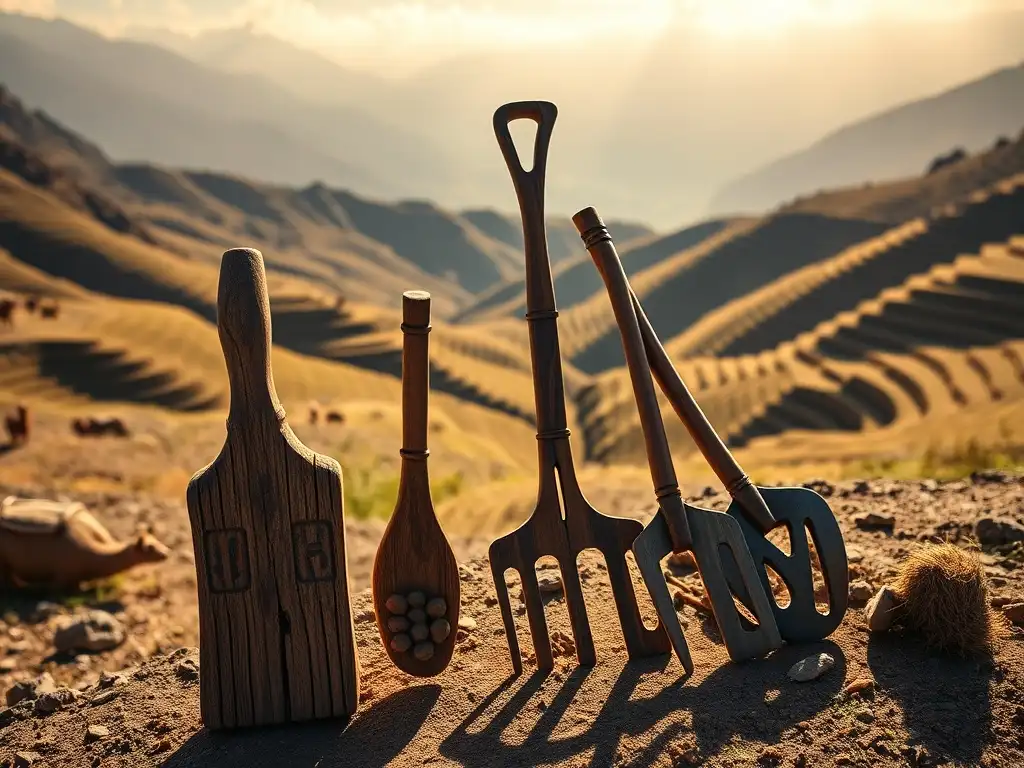
From Stone Tools to Metal Implements
The history of Andean farming tools is a fascinating journey reflecting the ingenuity of ancient civilizations adapting to challenging mountainous terrain. Long before the Inca Empire, Andean farmers relied heavily on stone tools. These weren't simply crude implements; they were meticulously crafted, reflecting a deep understanding of material properties and agricultural needs. Early examples include polished stone axes used for clearing land, and robust stone hoes for tilling the soil.
These tools, often made from volcanic rock like obsidian or andesite, demonstrate remarkable durability and effectiveness, considering the demanding conditions. The development of techniques like grinding and polishing ensured sharpness and longevity, maximizing their utility in the harsh Andean environment. The transition from solely stone tools wasn't abrupt; it was a gradual process involving the incorporation of other materials like wood and bone for handles and components.
The introduction of metallurgy, particularly bronze and later copper and alloys, marked a significant leap forward. Metal tools offered superior strength, sharpness, and efficiency compared to their stone predecessors. The ability to cast and shape metal allowed for the creation of more specialized tools, including improved plows, sickles for harvesting, and sophisticated irrigation systems. The development of these advanced tools directly contributed to increased agricultural productivity and supported the growth of larger, more complex societies.
Evidence suggests that Andean metalworking techniques were highly advanced, with intricate designs and techniques reflecting a sophisticated understanding of both metallurgy and agricultural needs. The impact on Andean farming tools history is undeniable. Archaeological findings consistently reveal the increasing sophistication of these implements over centuries, reflecting a continuous process of innovation and adaptation.
The Impact of Spanish Colonization on Andean Farming Tools
The arrival of the Spanish in the 16th century drastically altered the trajectory of Andean farming tools history. While the Spanish introduced new crops and livestock, their impact on existing farming practices and tools was largely disruptive. The Spanish colonial period saw a significant shift away from traditional Andean tools and techniques, often favoring European methods which were ill-suited to the unique challenges of the Andean landscape.
The introduction of the steel plow, for instance, while effective in European plains, often proved inadequate for the steep slopes and rocky soils of the Andes. This led to decreased yields in many areas, as the traditional knowledge and tools of Andean farmers were often undervalued or suppressed.
Furthermore, the forced labor system imposed by the Spanish resulted in a decline in the quality and innovation of Andean-made tools. Farmers were often overworked and lacked the time or resources to maintain and improve their traditional implements. The focus shifted towards fulfilling colonial demands, rather than prioritizing the long-term sustainability of Andean agricultural practices.
This period witnessed a decline in the production of high-quality stone and metal tools, replaced by cheaper, less durable alternatives. However, despite the disruption, traditional Andean farming knowledge and techniques, including the use of adapted tools, persisted in many communities, demonstrating the resilience of indigenous practices. The colonial impact wasn't a complete erasure; it was a complex interaction, resulting in a blend of traditional and introduced practices.
Contemporary Adaptations of Andean Farming Implements
Despite the challenges faced during colonization, Andean farming techniques and tools continue to evolve. Contemporary adaptations reflect a blend of traditional knowledge and modern innovation, seeking to address the challenges of climate change, population growth, and market demands. Modern Andean farmers are increasingly incorporating elements of sustainable agriculture, including techniques like terracing and water management, which have deep roots in pre-Columbian practices. Modern materials, such as high-strength alloys and plastics, are being used to create durable and efficient tools, often inspired by traditional designs.
Furthermore, research and development efforts are focusing on improving existing tools and developing new technologies suitable for Andean conditions. This includes the development of specialized machinery for planting and harvesting crops adapted to high altitudes and rugged terrains. The incorporation of modern technology, coupled with traditional knowledge, promises to enhance productivity and sustainability.
This dynamic process highlights the ongoing relevance of Andean farming tools history, showcasing the continuous adaptation and innovation in response to evolving needs and challenges. The legacy of ingenuity persists, ensuring that Andean farming continues to thrive in its unique and challenging environment. The ongoing development of Andean farming tools is a testament to the enduring adaptability of its people.
Andean Farming Tools History: A Timeline
This section delves into the fascinating evolution of Andean farming tools, highlighting their ingenious adaptations to the challenging mountainous terrain. Understanding the history of these tools provides crucial insight into the ingenuity and resilience of Andean civilizations, showcasing their deep connection to the land and their remarkable ability to cultivate sustenance in seemingly inhospitable environments. The development of these tools wasn't a linear progression; rather, it was a dynamic process shaped by environmental pressures, technological innovations, and cultural exchanges. This timeline emphasizes the interplay of these factors, showcasing the remarkable achievements of Andean farmers throughout history.
Early Forms of Andean Agricultural Tools
The earliest Andean agricultural tools were simple yet effective, reflecting the ingenuity of early farmers working with limited resources. Evidence suggests that before the widespread adoption of metallurgy, tools were primarily crafted from stone, bone, and wood. These included:
- Stone hoes: These were likely the most common tool, used for tilling the soil and preparing planting beds. Variations existed depending on the specific geological context, with different types of stone being selected based on their hardness and durability. Archaeological finds reveal a variety of shapes and sizes, reflecting regional differences and evolving techniques.
- Wooden digging sticks: These served as rudimentary plows, used to loosen the earth and create planting holes. The use of digging sticks was widespread across various Andean cultures, and their design varied depending on the soil type and the crops being cultivated.
- Bone and antler tools: These were likely used for finer tasks, such as weeding and harvesting. The sharpness and durability of bone and antler made them suitable for these more delicate operations.
The development of these early tools demonstrates a deep understanding of the local environment and the properties of available materials. Their effectiveness in cultivating the challenging Andean terrain underscores the advanced knowledge of early Andean agricultural practices. Further research into the specific types of wood and stone used, along with detailed analysis of tool wear patterns, could provide even greater insight into the techniques employed by these early farmers. This research would also help us better understand the seasonal variations in agricultural activities and the different crops cultivated at the time.
The Development of Specialized Tools for Terraced Fields
The construction of terraced fields, a remarkable feat of engineering, necessitated the development of specialized tools. The precise shaping and maintenance of terraces required tools capable of handling the steep slopes and rocky soil. The arrival of metallurgy, particularly bronze and later copper, significantly impacted tool design. This period saw the emergence of:
- Metal hoes and adzes: These tools, stronger and more durable than their stone predecessors, allowed for more efficient soil preparation. The metal allowed for sharper edges, facilitating the cutting of roots and the breaking up of compacted soil. Different shapes and sizes of hoes and adzes emerged, optimized for specific tasks and soil conditions.
- Irrigation tools: The intricate canal systems required for effective irrigation necessitated specialized tools for digging, shaping, and maintaining channels. These tools likely included shovels, picks, and trowels, potentially made of metal or reinforced wood. The precision required for these systems demonstrates a high level of engineering skill and understanding of hydraulic principles.
- Specialized tools for stonework: The construction of terraces often involved the manipulation of stone, requiring tools for cutting, shaping, and fitting stones together. These tools likely included hammers, chisels, and wedges, made of durable materials like stone or metal.
The development of these specialized tools is a testament to the adaptive nature of Andean technology. The integration of metallurgy and improved tool design not only increased efficiency but also allowed for the creation of more extensive and productive agricultural landscapes. Further investigation into the metallurgical techniques employed, and the organization of labor required for terrace construction, would offer a more comprehensive understanding of this critical period in Andean farming history.
The Inca Empire and its Contribution to Andean Farming Implements
The Inca Empire significantly impacted Andean agriculture, introducing standardized farming techniques and improving tool design. The Inca's emphasis on centralized administration and efficient food production led to the widespread adoption of certain tools and techniques:
| Tool Type | Description | Material | Impact on Andean Farming |
|---|---|---|---|
| Chaquitaclla (foot plow) | A foot-operated plow used for tilling the soil. | Wood, sometimes with metal reinforcements | Increased efficiency in preparing fields for planting. |
| Metal Sickles | Curved blades used for harvesting grains. | Bronze, copper, or later, iron | Improved efficiency and reduced harvest time. |
| Improved Irrigation Tools | Sophisticated tools for constructing and maintaining canals and aqueducts. | Stone, wood, and metal | Enhanced water management and crop yields. |
| Stone and Metal Axes | Used for clearing land and shaping wood for tools and construction of infrastructure. | Stone, Copper, Bronze | Essential for maintaining and expanding agricultural areas. |
The Inca's emphasis on standardization and efficient resource management is evident in the widespread use of these tools throughout the empire. Their advancements in irrigation technology, particularly, contributed to increased agricultural productivity and sustained the large population centers of the empire. The Inca's legacy continues to influence Andean agricultural practices even today, demonstrating the enduring impact of their innovations.
Further research is needed to fully understand the regional variations in Inca farming tools and their adaptation to different environmental contexts. The study of surviving Inca tools alongside contemporary ethnographic data could provide invaluable insights into the Inca agricultural system’s efficiency and sustainability.
Modern Adaptations of Traditional Andean Tools
The ingenuity of Andean farming tools hasn't been lost to time. While many traditional methods persist, particularly in remote communities, modern adaptations have emerged, blending ancient wisdom with contemporary materials and techniques. This evolution is crucial for ensuring food security and preserving cultural heritage in the face of climate change and increasing population pressures.
One significant adaptation involves the incorporation of stronger, lighter materials. For instance, the traditional chaquitaclla, a foot-powered plow, is now sometimes constructed using lightweight aluminum alloys instead of wood, reducing fatigue for farmers and increasing its lifespan. This modernization doesn't compromise the tool's fundamental design; it enhances its efficiency. Similarly, the lampa, a digging stick, might be fashioned from reinforced fiberglass or high-strength plastics, offering improved durability and resistance to wear and tear compared to traditional wood.
Furthermore, modern manufacturing techniques allow for mass production of these tools, making them more accessible to a wider range of farmers. This increased accessibility is particularly crucial in regions where traditional craftsmanship is declining due to factors such as migration to urban centers or a lack of skilled artisans. Mass production, however, must be carefully managed to avoid compromising the quality and effectiveness of the tools.
Beyond material changes, some adaptations focus on improving ergonomics. Handles are being redesigned for better grip and reduced strain on the user's hands and wrists. This is especially important for tools used extensively over long periods, such as the ayllu (a communal work system often involving prolonged periods of manual labor). The integration of ergonomic principles is not only about comfort; it also contributes to improved productivity and reduces the risk of repetitive strain injuries among farmers.
Finally, some modern adaptations integrate technology. While the core functionality of many Andean farming tools remains unchanged, research is ongoing to explore the potential of combining traditional techniques with modern technologies, such as GPS-guided planting systems or soil sensors to optimize water and fertilizer usage. This approach aims to enhance the sustainability and efficiency of Andean farming practices without sacrificing the valuable cultural heritage embedded in these tools. The balance between preserving tradition and embracing innovation is a key aspect of the ongoing development of Andean agricultural tools.
Frequently Asked Questions
What innovative farming techniques did Andean civilizations employ?
Andean civilizations developed terracing, irrigation systems, and raised fields to overcome the challenges of mountainous terrain. These techniques maximized arable land and water resources, supporting large populations.
What were some common Andean farming tools?
Tools included the chaca, a type of raised field; the taia, a digging stick; and various stone tools for tilling, planting, and harvesting. The specific tools varied depending on the region and the crop.
How did the environment influence the development of Andean farming tools?
The steep slopes, limited arable land, and variable climates of the Andes Mountains directly influenced the development of specialized tools and techniques designed to optimize resource use in challenging conditions.
What materials were typically used to make Andean farming tools?
Andean farming tools were often made from stone, wood, and bone, reflecting the readily available resources. Metal tools, such as those made of copper or bronze, appeared later in some regions.
How did Andean farming tools contribute to the success of these civilizations?
The efficiency and innovation of Andean farming tools and techniques were crucial to the growth and sustainability of these complex societies, allowing them to support large, densely populated settlements in challenging environments.
Final Reflection: Echoes of the Andes: Shaping a Sustainable Future
The ingenious farming tools of the Andes, once crucial for survival in challenging terrain, offer invaluable lessons for sustainable agriculture today. Their enduring legacy reminds us that innovation, born from necessity, can be a powerful force in confronting the global food security crisis. The ingenuity displayed by Andean farmers centuries ago holds the key to unlocking more resilient and environmentally conscious agricultural practices for the future.
The impact of these tools extends far beyond their immediate function; they represent a deep connection between people and their environment, a symbiotic relationship that modern industrial agriculture often overlooks. The land is not merely something to be exploited, but a living entity with which we must coexist in harmony.
This philosophy, deeply ingrained in Andean culture, offers a powerful counterpoint to the unsustainable practices that threaten our planet's resources. Understanding this connection is crucial for developing truly sustainable agricultural systems.
Consider the ingenuity of these ancient tools, their adaptability, and their minimal environmental impact. You, too, can embrace a more mindful approach to your relationship with food and the land. Let the echoes of the Andes inspire you to seek innovative solutions, to value sustainability, and to cultivate a future where food production nourishes both people and the planet. Start by researching sustainable practices in your own community, supporting local farmers, or simply reflecting on the origins of your food. The future of agriculture depends on our collective commitment to change.
**Embrace the Future of Andean Farming! **
Thank you for joining us on this journey exploring the innovative tools transforming agriculture in the Andes! Your interest in sustainable practices that honor both tradition and progress is vital. Let's put that inspiration into action!
- **Explore new techniques:** Research and implement innovative farming methods suited to the challenges of mountainous terrain. Consider tools and strategies that improve efficiency and yield while minimizing environmental impact.
- **Share your knowledge:** Connect with other farmers and agricultural experts. Share your experiences and insights on social media using #AndeanInnovation to foster collaboration and knowledge-sharing.
- **Participate in local workshops and training:** Seek out community events, online courses, or workshops focused on sustainable agricultural practices in mountainous regions. These opportunities provide invaluable learning and networking possibilities.
How will you contribute to a thriving agricultural future in the Andes?