
The Mysteries of Andean Food Transport: How Did They Move Their Harvests?

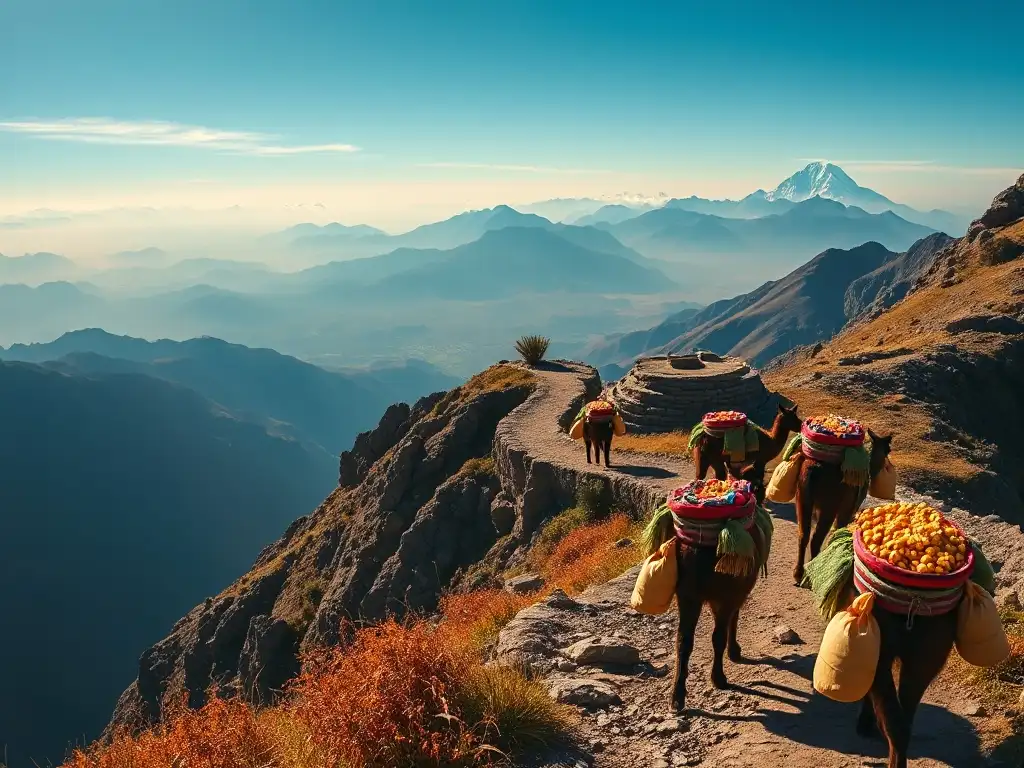
Step into a world lost to time, yet echoing with the ingenuity of ancient empires. Imagine the vast landscapes of the Andes, teeming with life and the challenge of feeding millions. This is the story of the Andean Civilizations, where innovation thrived amidst breathtaking mountains. But how did these masterful builders and artists manage to transport their bountiful harvests across treacherous terrain? Uncover the secrets behind Andean food transport methods and prepare to be amazed by the ingenuity of a civilization that continues to fascinate us. Explore the mysteries that lie ahead...
- Andean Food Transport Methods: Unveiling the Mysteries of Harvest Movement
-
Key Andean Food Transport Techniques
- The Use of Llamas in Andean Cargo Transportation
- Llama Caravans: Organization and Logistics
- Human Porters: The Importance of Carrying Goods
- The Role of Roads in Facilitating Andean Food Transport
- Animal Domestication and its Contribution to Food Transport
- The Significance of Human Porters in Andean Food Transport
- Specific Examples of Andean Food Transport in Different Cultures
- Storage and Preservation Methods Complementing Transport
- The Legacy of Andean Food Transport Methods
-
Frequently Asked Questions
- How did the Andean civilizations transport food across challenging terrain?
- What role did llamas and alpacas play in Andean food transport?
- Were there any technological innovations related to Andean food transport?
- How did the different Andean cultures approach food transport differently?
- What evidence exists to support our understanding of Andean food transport methods?
- Final Reflection: Echoes of the Andes: A Legacy in Every Bite
- Unveil the Secrets of Andean Food Transport!
Andean Food Transport Methods: Unveiling the Mysteries of Harvest Movement
The Andes Mountains, a formidable natural barrier, presented a unique set of challenges to the ancient civilizations that thrived within its imposing heights. Understanding how these cultures, including the Incas, Moche, Nazca, and Tiahuanaco, managed to transport their agricultural harvests across diverse and often treacherous landscapes is crucial to appreciating their ingenuity and organizational prowess.
This exploration delves into the fascinating world of Andean food transport methods, revealing the innovative strategies and immense human effort required to sustain these remarkable societies. We will examine the logistical hurdles, the ingenious solutions employed, and the lasting impact of these systems on Andean culture and agriculture.
This investigation promises to illuminate not only the practical aspects of food distribution but also the sophisticated social and economic structures that underpinned these ancient civilizations' remarkable success in the face of challenging geography. Understanding their methods offers valuable insights into the resilience and adaptability of Andean peoples, and provides a framework for appreciating the complexity of their achievements.
Introduction to Ancient Andean Food Distribution
The efficient movement of agricultural surpluses was paramount to the survival and prosperity of the Andean civilizations. Unlike societies with readily navigable rivers or vast plains, the steep slopes, narrow valleys, and high altitudes of the Andes demanded innovative solutions for transporting food. The scale of this challenge is immense when we consider the sheer volume of produce needed to feed large populations spread across diverse ecological zones.
The Andean food transport methods weren't simply about moving goods; they were integral to the social, political, and economic fabric of these societies. These systems involved complex networks of trails, storage facilities, and a highly organized workforce, all working in concert to ensure the timely distribution of food. The success of these systems was crucial for maintaining social stability, supporting religious ceremonies, and fueling ambitious construction projects.
This section will lay the foundation for understanding the context within which these transport methods operated, highlighting the significant role they played in the overall functioning of Andean societies. We will delve into the types of food produced, the seasonal variations in harvest yields, and the geographical distribution of populations to fully grasp the complexity of the logistical challenge.
Challenges of Andean Terrain for Food Transportation
The Andes presented a formidable obstacle course for food transport. The sheer altitude, with its thin air and challenging climate, significantly impacted the capacity of humans and animals. Steep inclines, narrow mountain passes, and unpredictable weather conditions made transport slow, arduous, and often dangerous.
The lack of wheeled vehicles, common in other parts of the world, further complicated the process. Rivers, while sometimes providing transportation routes, also posed significant risks during the rainy season, creating unpredictable flooding and landslides. The varied terrain also necessitated the use of different transport methods depending on the specific location and the type of goods being transported.
For instance, mountainous regions may have relied heavily on human porters, while valleys might have utilized pack animals where feasible. The geographical diversity of the Andes directly influenced the development of diverse and adaptable transport strategies, highlighting the incredible ingenuity of the Andean people in overcoming these significant obstacles. Lack of easily navigable waterways meant that the primary means of transport were largely terrestrial, requiring considerable human and animal effort.
Human Labor: The Backbone of Andean Food Movement
Despite the use of llamas and alpacas for carrying goods, human labor formed the backbone of Andean food transport. A vast network of trails, meticulously engineered to navigate the challenging terrain, connected different regions and facilitated the movement of goods. Highly organized systems of relay runners and porters, often working in teams, ensured the efficient transportation of food over long distances.
The mit'a, a system of mandatory labor service, played a crucial role in mobilizing the workforce needed for these extensive transport operations. The organization and management of this labor force required sophisticated administrative skills and a clear understanding of the logistical demands. This system highlights the importance of community cooperation and centralized planning in ensuring the success of food distribution.
The dedication and resilience of these human porters, often carrying heavy loads across treacherous terrain, underscore the extraordinary human cost involved in sustaining these societies. Further research is needed to quantify the precise number of people involved and the extent of their contribution to the overall success of Andean food transport. 📊
Key Andean Food Transport Techniques
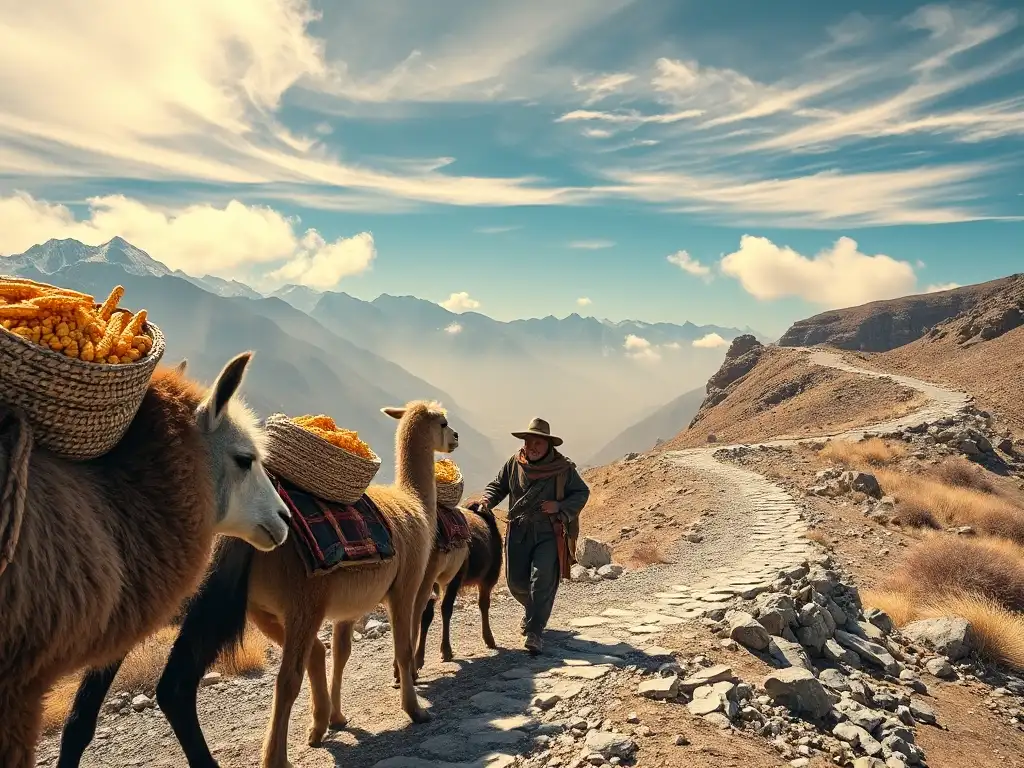
The efficient movement of agricultural surpluses was crucial to the survival and prosperity of Andean civilizations. Their innovative approaches to food transport, considering the challenging mountainous terrain, are a testament to their ingenuity. Understanding these methods reveals fascinating insights into their societal structures and technological advancements. The diverse range of techniques employed, from utilizing pack animals to employing human porters, showcased a remarkable adaptation to the unique environmental conditions of the Andes. This section delves into the key strategies employed for "Andean food transport methods," highlighting the roles of llamas, human porters, and the logistical challenges overcome.
The Use of Llamas in Andean Cargo Transportation
Llamas, the quintessential Andean camelid, played a pivotal role in the transportation of food across vast distances. Their surefootedness and resilience made them ideally suited to navigating the steep, winding paths of the Andes. A single llama could carry a significant load, estimated to be between 25 and 30% of its body weight, which translates to approximately 25-30 kg of food supplies.
This capacity, coupled with their relatively low maintenance requirements, made them an invaluable asset for transporting harvests from agricultural regions to population centers, storage facilities, and ceremonial sites. The use of llamas for food transport wasn't simply a matter of brute strength; it was a sophisticated system integrated into the economic and social fabric of Andean societies.
Their importance extended beyond mere transportation; llamas also provided meat, wool, and dung (used as fuel). The symbiotic relationship between humans and llamas significantly impacted the development and sustainability of Andean food systems.
Llama Caravans: Organization and Logistics
The effective movement of large quantities of food necessitated the organization of llama caravans. These weren't haphazard gatherings; rather, they were carefully planned and executed logistical operations. Evidence suggests that caravans were often led by experienced herders who possessed intimate knowledge of the trails and understood the animals' capabilities and limitations.
The size of a caravan varied depending on the quantity of food being transported and the distance to be covered. Smaller caravans might consist of a few dozen llamas, while larger ones could number hundreds, requiring elaborate organization to ensure efficient movement and prevent loss or theft. The route planning involved careful consideration of water sources, grazing areas, and suitable resting places along the journey.
This meticulous planning underscores the significant level of logistical sophistication achieved by Andean societies in managing their food resources. Further research is needed to fully understand the hierarchical structures and communication systems within these caravans. [Specific information pending on caravan leadership structures and communication methods].
Human Porters: The Importance of Carrying Goods
While llamas were crucial for long-distance transport, human porters played a vital role, especially in areas inaccessible to llamas or for transporting smaller quantities of goods over shorter distances. The physical demands on these individuals were considerable, and their contributions were essential to the overall efficiency of Andean food distribution networks. Porters often carried loads on their backs using specialized carrying devices, such as woven bags or framed packs. The weight carried varied, depending on the individual's strength and the distance to be covered, but it likely averaged between 20 and 40 kg.
The social organization surrounding porterage is an area requiring further investigation. [Specific information pending on the social status and compensation of human porters]. Their role underscores the collective effort and community cooperation necessary to sustain Andean societies.
The endurance and dedication of human porters, often overlooked in historical narratives, are crucial to understanding the complexity of Andean food transport systems. Their contribution was instrumental in ensuring the timely delivery of essential food supplies to support the population and maintain social stability. The integration of human porters with llama caravans further optimized the movement of food resources, demonstrating a highly efficient and adaptive system.
The Role of Roads in Facilitating Andean Food Transport
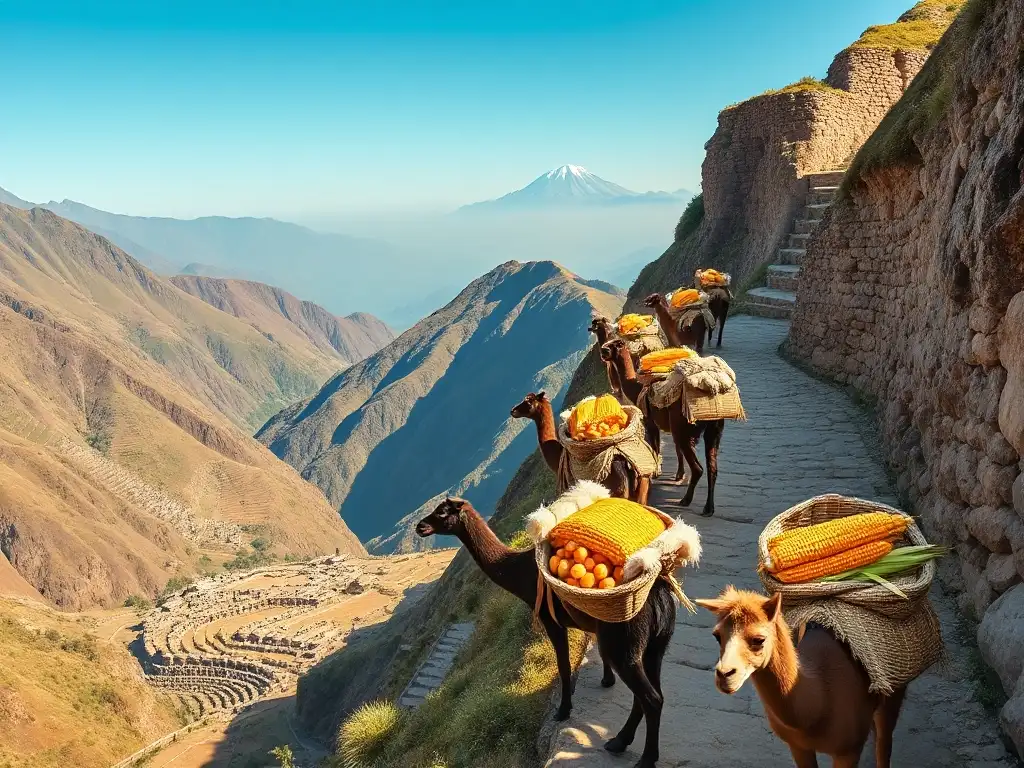
The intricate network of roads engineered by Andean civilizations, particularly the Inca, played a pivotal role in efficient food transport. These weren't simply haphazard trails; they were meticulously planned and constructed pathways, often traversing treacherous terrain with impressive feats of engineering. The Inca road system, the Qhapaq Ñan, extended thousands of kilometers, connecting distant regions of their vast empire. This extensive network facilitated the movement of agricultural surpluses from fertile valleys to population centers in higher altitudes or areas less suitable for farming.
The strategic placement of tambos (roadside inns) along these routes provided resting places for travelers and storage facilities for food and supplies, ensuring the continuous flow of provisions. The roads themselves were built to withstand heavy loads, utilizing techniques such as retaining walls and paving stones in certain sections, demonstrating a sophisticated understanding of civil engineering and logistical management crucial for Andean food transport methods. The quality of these roads allowed for the reliable transport of a wide variety of food stuffs, from potatoes and maize to quinoa and fruits, contributing significantly to the stability and prosperity of the Inca Empire.
The construction and maintenance of this infrastructure represented a considerable investment of labor and resources, highlighting the importance the Incas placed on efficient food distribution for their society's survival and growth. Without this sophisticated road system, the efficient and widespread distribution of food across the diverse geography of the Andes would have been significantly more challenging, if not impossible. The Qhapaq Ñan's impact on Andean food transport methods is undeniable, showcasing the advanced logistical capabilities of the Inca civilization.
Animal Domestication and its Contribution to Food Transport
The domestication of llamas and alpacas provided the Andean civilizations with a crucial element in their food transport systems. These animals were not only sources of wool and meat, but also served as essential pack animals, capable of carrying significant loads across challenging terrain. Llamas, in particular, were prized for their strength and endurance, enabling them to transport agricultural products over long distances.
The use of llamas for food transport was particularly important in regions with limited access to other modes of transportation, such as steep mountain passes or dense forests. Furthermore, the integration of llamas into Andean food transport methods was not simply a matter of using them as beasts of burden; it involved sophisticated herding techniques and knowledge of animal behavior, ensuring the safe and efficient movement of goods. While the exact carrying capacity of a llama varies depending on factors like terrain and the animal's size and health, they could carry substantial quantities of food, making them invaluable assets in the Andean agricultural economy.
Their adaptability to the high-altitude conditions of the Andes also proved crucial, making them a uniquely suited solution for transporting food across this challenging environment. This symbiotic relationship between humans and animals played a vital role in the success of Andean food transport methods, ensuring the movement of essential goods across the vast and diverse landscape of the Andes.
The Significance of Human Porters in Andean Food Transport
While llamas and alpacas played a significant role, human porters formed the backbone of Andean food transport in many regions. The sheer scale of food movement required a considerable workforce, with individuals carrying goods on their backs using various carrying devices. These weren't simply unskilled laborers; they were highly skilled individuals with an intimate understanding of the terrain and the best routes for transporting goods. Their physical endurance and stamina were essential for overcoming the challenges of the Andean landscape.
The organization of human porter systems varied across different Andean cultures, with some employing complex relay systems to ensure continuous movement of goods. This system involved teams of porters who would take turns carrying loads, ensuring that goods reached their destinations efficiently. The social organization and logistical planning required to manage such large-scale human porter systems demonstrate the sophisticated societal structures and logistical prowess of the Andean civilizations.
The use of human porters, therefore, wasn't simply a matter of brute force; it involved careful planning, coordination, and a deep understanding of human capabilities and limitations within the context of the Andean environment. This intricate system of human porter networks played a critical role in supporting Andean food transport methods and ensuring the distribution of vital resources across the region. Their contributions are often overlooked, yet they were indispensable to the functioning of the Andean agricultural economy.
Specific Examples of Andean Food Transport in Different Cultures
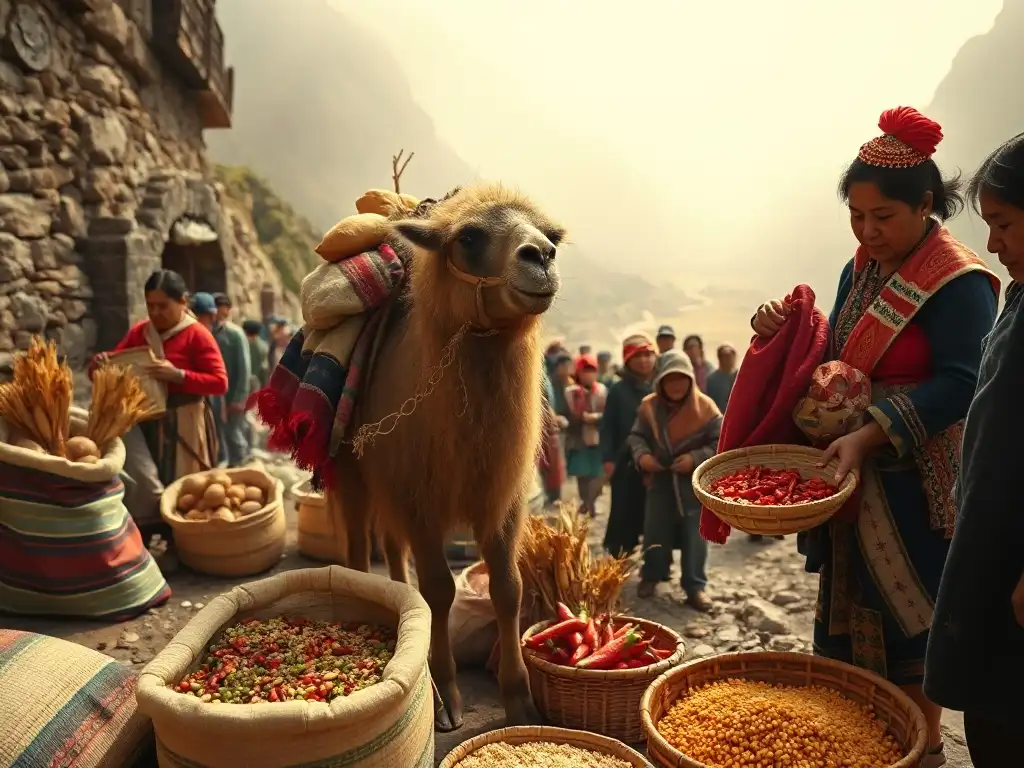
This section delves into the diverse methods employed by various Andean cultures to transport their food, highlighting the ingenuity and adaptation to challenging terrains. Understanding these methods provides crucial insight into the logistical prowess and societal organization of these ancient civilizations. We'll explore the intricacies of food transportation, considering the geographical variations and the specific needs of each cultural group.
The effective movement of harvests was essential for survival and the flourishing of these impressive societies, and their solutions were as varied as the landscapes themselves. Analyzing these systems reveals not just practical solutions but also insights into social structures, economic organization, and the overall resilience of Andean communities.
Inca Food Transportation System: The Qhapaq Ñan
The Inca Empire, renowned for its sophisticated infrastructure, relied heavily on the Qhapaq Ñan, a vast network of roads spanning thousands of kilometers across diverse Andean landscapes. This wasn't simply a network of paths; it was a strategically planned system designed for efficient food transport. The Qhapaq Ñan wasn't just a single road, but a complex system of main routes and smaller connecting paths, carefully engineered to navigate mountains, valleys, and deserts. This network facilitated the movement of food surpluses from productive regions to those less fertile, ensuring food security throughout the empire.
The system utilized various transport methods. Llamas and alpacas, crucial to the Andean economy, were the primary pack animals, carrying significant quantities of goods across long distances. Human porters, organized in relay systems, also played a critical role, especially for shorter distances and in areas inaccessible to animals. Evidence suggests a complex system of chasquis, relay runners, who quickly transmitted information and possibly even smaller, perishable goods, supplementing the slower movement of heavier cargo.
The strategic placement of tambos (roadside inns) along the Qhapaq Ñan provided crucial resting points for both humans and animals. These facilities offered shelter, food, and supplies, ensuring the continued efficiency of the transport system. The tambos also acted as storage facilities, allowing for the staging and redistribution of goods.
The organization of this system, along with the construction and maintenance of the roads themselves, speaks volumes about the Inca's advanced understanding of logistics and their ability to manage resources across a vast and diverse empire. The impact of the Qhapaq Ñan on Andean food transport methods is undeniable, representing a peak of efficiency and organization for its time.
Coastal Societies and Maritime Food Movement
Coastal Andean societies, such as the Moche and Nazca, developed unique methods of food transport leveraging their proximity to the Pacific Ocean. The sea provided a significant transportation route, allowing for the efficient movement of goods along the coastline. While the specifics vary depending on the culture and time period, evidence suggests that balsa wood rafts and reed boats were commonly used for transporting fish, seafood, and other coastal resources. These vessels, while seemingly simple, were remarkably well-suited to navigating coastal waters.
The movement of food was not limited to the immediate coastline. Coastal communities established trade networks with inland settlements, exchanging marine products for agricultural goods. This exchange required the integration of maritime transport with terrestrial methods, often using pack animals or human porters to move goods inland from coastal ports.
Understanding the interaction between land-based and sea-based transport is crucial to fully appreciating the complexity of Andean food distribution systems. Further research into the specific types of boats, navigation techniques, and the extent of coastal trade networks is needed to fully detail these fascinating maritime practices. The role of fishing techniques in supplying food for transport and the storage methods used for preserving seafood during transport are also areas requiring further investigation.
Highland Communities and Their Unique Transport Solutions
Highland communities, often situated in challenging mountainous terrain, developed unique and ingenious solutions for transporting food. The lack of readily available pack animals in some areas necessitated creative adaptations. Human porters remained essential, with sophisticated systems of carrying loads developed to minimize strain and maximize efficiency. The use of specialized carrying devices, such as chumpi (carrying straps), allowed individuals to transport significant weights over considerable distances.
The terrain itself dictated transport methods. In steep and narrow mountain passes, trails were carefully carved into the landscape, often requiring immense labor and ingenuity. These paths were not simply routes; they were carefully designed to minimize the risk of accidents and maximize the efficiency of transport. The choice of trails depended on the time of year and the specific goods being transported. Some trails may have been used primarily during the dry season, while others were better suited for wet conditions.
Moreover, the type of food being transported influenced the transport methods. Perishable items required faster transport, often relying on runners or smaller groups of porters, whereas less perishable goods could be moved more slowly. The organization of transport within highland communities likely involved complex social structures and reciprocal labor systems, ensuring the efficient movement of food within these often isolated communities.
Detailed archaeological studies of highland trails and settlements are needed to better understand the specifics of these unique transport methods. Analysis of surviving tools and carrying devices could provide valuable insights into the techniques used and the physical demands placed on the porters.
Storage and Preservation Methods Complementing Transport
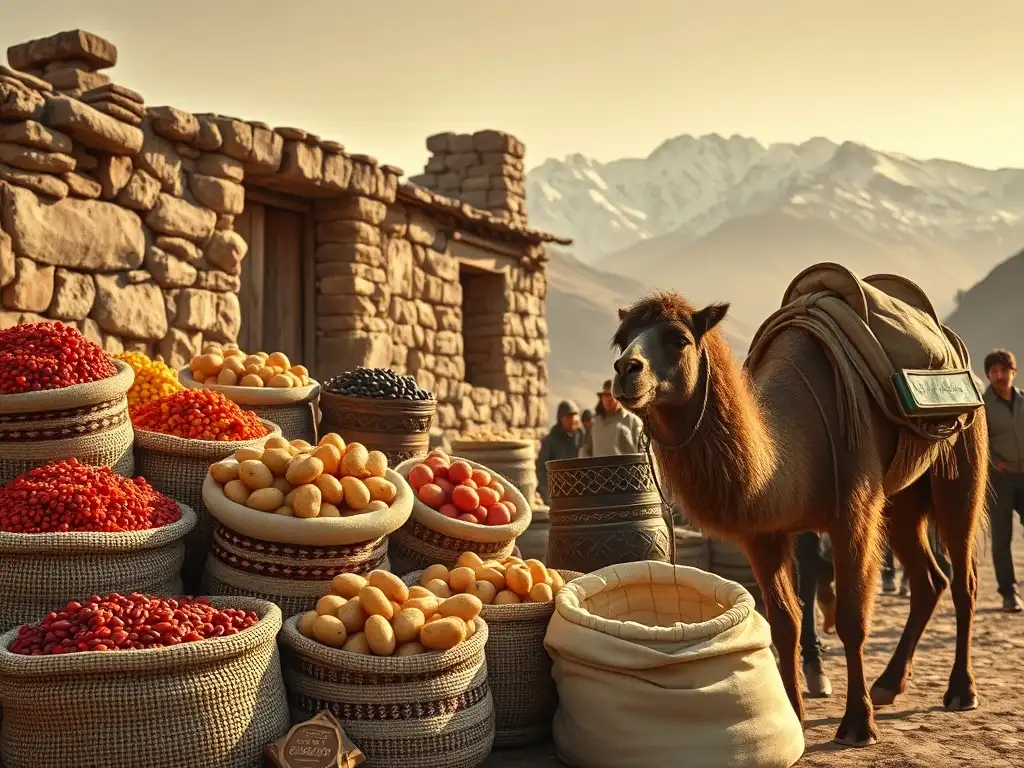
The efficiency of Andean food transport methods was inextricably linked to sophisticated storage and preservation techniques. Without effective ways to maintain the quality and prevent spoilage during transit, even the most ingenious transport systems would have been rendered largely useless. The challenges were significant, considering the varied terrains, altitudes, and distances involved in moving harvests across the Andes.
Understanding these preservation methods is crucial to fully appreciating the logistical prowess of Andean civilizations. Their success wasn't solely about how they moved food, but also about how they kept it edible throughout the journey. This involved a complex interplay of techniques tailored to specific crops and environmental conditions.
Ensuring Food Quality During Transport
The preservation of Andean food during transport relied on a combination of strategies. Drying was a ubiquitous method, particularly for potatoes, maize, and quinoa. These crops were often sun-dried or air-dried in well-ventilated areas, significantly reducing their moisture content and thus inhibiting microbial growth. The process extended the shelf life considerably, allowing for longer transport times and greater distances to be covered. Furthermore, the reduction in weight made transportation more manageable. Think of the sheer volume of potatoes needed to feed a large population – drying drastically reduced this bulk. 🧂
Another crucial technique was freezing. At high altitudes, the naturally low temperatures provided a readily available method for preserving certain foods. This was particularly important for products that didn't lend themselves well to drying, or those requiring immediate consumption after harvest. While not as widely applicable as drying, freezing played a vital role in maintaining food quality during transport in specific regions and for particular crops. ❄️
Finally, the use of salt played a significant role. Salting was employed to preserve meats and fish, inhibiting bacterial growth and extending their shelf life. This method, combined with drying or smoking, allowed for the transport of protein sources over considerable distances, crucial for maintaining a balanced diet. The Andean peoples were skilled in utilizing available resources effectively, and the strategic application of salt was a testament to their ingenuity.
The Interplay Between Storage and Transportation
The relationship between storage and transportation wasn't simply additive; it was synergistic. Effective storage facilities at strategic points along trade routes were essential to facilitate the movement of food. These storage structures, ranging from simple pits to more elaborate granaries, acted as staging areas, allowing for the efficient redistribution of food supplies. Imagine a system where harvests were dried and initially stored in village granaries.
Then, smaller batches would be transported to regional centers, where they were re-evaluated, possibly further processed, and then dispatched to their final destinations. This staggered approach minimized spoilage and maximized the utilization of available resources. The location of storage facilities was carefully considered, taking into account factors such as altitude, climate, and accessibility.
This strategic placement ensured that food was not only preserved but also readily available when needed, thus underpinning the resilience of Andean societies. The logistical sophistication implied by this intricate network highlights the importance of considering Andean food transport methods in the broader context of their agricultural and societal organization. 📦
The Legacy of Andean Food Transport Methods
The ingenious methods employed by Andean civilizations for food transport continue to fascinate and inspire. Their systems, developed over millennia in challenging mountainous terrain, offer valuable lessons for modern food systems grappling with issues of efficiency, sustainability, and equitable distribution. Understanding their strategies—from the utilization of animal power to the construction of sophisticated infrastructure—provides a rich historical perspective on logistical challenges and their innovative solutions.
The Andean experience highlights the critical interplay between environment, technology, and social organization in food security. Analyzing their successes and failures provides crucial insights for contemporary food supply chains, particularly in regions with similar geographical constraints. The keyword "Andean food transport methods" is central to this understanding, representing not just a historical curiosity but a potential source of practical wisdom.
Lessons from Ancient Practices for Modern Food Systems
Andean food transport methods offer several valuable lessons for today's world. Their reliance on diverse transportation modes—human porters, llamas, alpacas, and even ingenious systems of rope and pulleys for steep inclines—demonstrates the importance of adaptability and resourcefulness. The meticulous planning involved in their agricultural practices, ensuring food production was strategically located near transport routes, provides a compelling argument for integrating logistical considerations into agricultural planning from the outset.
Modern food systems often prioritize speed and efficiency over sustainability and resilience. The Andean approach, however, emphasizes a more holistic approach, integrating environmental considerations and community involvement. For example, the careful management of llama and alpaca herds, crucial for transport, also contributed to the overall ecological balance.
This sustainable approach contrasts sharply with the environmental impact of modern industrialized food transport, which often relies on fossil fuels and leads to significant greenhouse gas emissions. The Andean model, therefore, offers a compelling alternative, potentially mitigating some of the negative consequences of modern food systems.
Preserving the Knowledge of Traditional Andean Transport
The preservation of knowledge surrounding traditional Andean transport methods is crucial for several reasons. First, it safeguards a significant part of cultural heritage, representing centuries of accumulated wisdom and adaptation. Second, it provides valuable insights for addressing contemporary challenges in food security and logistics, particularly in mountainous regions. Third, it supports the livelihoods of communities that continue to rely on these traditional methods.
However, the transmission of this knowledge is facing challenges due to modernization and globalization. Younger generations are often less inclined to learn these skills, leading to a potential loss of invaluable expertise. Efforts to document and preserve this knowledge through oral histories, ethnographic studies, and educational programs are therefore vital.
This includes documenting the specific techniques used for animal handling, load balancing, and route planning, as well as the social structures that supported these complex logistical operations. The preservation of this knowledge is not merely an academic exercise but a crucial step in ensuring the sustainability and resilience of Andean communities and their unique cultural heritage. The continued study of "Andean food transport methods" is essential for this preservation effort.
Case Study: The Impact of the Camino Real on Trade in the Colonial Era
The Camino Real, the Spanish Royal Road, significantly impacted Andean food transport, albeit in a complex and often detrimental way. While it facilitated the movement of goods on a larger scale, it also disrupted existing indigenous systems. The imposition of colonial demands, such as the mita system (forced labor), drastically altered traditional practices and led to the exploitation of human porters and animals.
The focus shifted from local, sustainable food distribution networks to a system geared towards supplying the Spanish colonial centers. This resulted in imbalances in food distribution, leading to shortages in some areas and surpluses in others. While the Camino Real did improve certain aspects of long-distance trade, its impact on the overall well-being of Andean communities was largely negative.
It underscores the importance of considering the social and environmental consequences of large-scale infrastructure projects on traditional food systems. Understanding the historical impact of the Camino Real provides valuable lessons for contemporary development projects, highlighting the need for careful planning and consideration of local needs and traditions when implementing new infrastructure. The study of the Camino Real's impact offers a crucial case study within the broader understanding of "Andean food transport methods" and their evolution.
Conclusion: The Ingenuity of Andean Food Distribution
The sophisticated systems of Andean food transport, developed over millennia, stand as a testament to the ingenuity and adaptability of these ancient civilizations. Their solutions, ranging from the humble llama train to the complex network of storehouses and trails, were remarkably effective in ensuring food security across diverse and challenging terrains. Understanding these methods provides crucial insights into their societal organization, resource management, and overall resilience. The ability to efficiently move agricultural surpluses—essential for supporting large populations and maintaining social stability—was a critical factor in the longevity and success of Andean cultures.
Their innovative approaches to food transport weren't merely logistical feats; they were integral components of their economic, social, and political structures. The legacy of these systems continues to inspire and inform modern approaches to food distribution, particularly in challenging geographical contexts. The efficiency and sustainability of many traditional Andean methods offer valuable lessons for addressing contemporary issues related to food security and logistical challenges in mountainous regions worldwide.
Further research into the specific techniques and organizational structures behind Andean food transport could yield significant insights for improving food distribution systems in the 21st century. The careful study of their achievements underscores the importance of understanding past innovations to solve present-day problems. The Andean civilizations’ masterful handling of food transport remains a compelling example of human adaptation and ingenuity in the face of environmental limitations.
Frequently Asked Questions
How did the Andean civilizations transport food across challenging terrain?
The Andean civilizations employed a variety of methods, including animal transport (llamas and alpacas), human porters, and sophisticated road systems like the Inca Qhapaq Ñan. These methods were adapted to the diverse geography.
What role did llamas and alpacas play in Andean food transport?
Llamas and alpacas were essential pack animals, carrying significant amounts of food and other goods across the Andes Mountains. Their ability to navigate steep and treacherous paths was crucial for survival.
Yes, the Inca developed impressive road networks (the Qhapaq Ñan) with bridges and rest stops, facilitating efficient food transport. They also used specialized containers and storage techniques to preserve food during transit.
How did the different Andean cultures approach food transport differently?
While all relied on carrying goods, methods varied. The Inca had a more organized and large-scale system due to their empire's size. Earlier cultures like the Nazca and Moche adapted their methods to their smaller territories.
What evidence exists to support our understanding of Andean food transport methods?
Archaeological discoveries, including preserved textiles, pottery, and remains of roads and bridges, provide strong evidence. Ethnohistorical accounts and colonial records also offer valuable insights into their techniques.
Final Reflection: Echoes of the Andes: A Legacy in Every Bite
The ingenious methods of Andean food transport, once vital for survival, continue to resonate today, reminding us of the profound connection between human ingenuity and the environment. Understanding these ancient techniques offers not only a glimpse into the past but also a crucial perspective on sustainable practices for the future, especially in the face of modern challenges like climate change and food security. The ingenuity displayed in overcoming the harsh Andean terrain serves as a powerful testament to human resilience and adaptability.
The impact of these ancient transport systems extends far beyond mere logistics; they shaped the very fabric of Andean culture and society. The intricate networks of trails, the development of specialized pack animals, and the communal effort required for successful harvests fostered a deep sense of community and interdependence. This interconnectedness is something we can learn from today. The land nourishes us, and we, in turn, must nourish the land.
This simple truth, echoing through generations of Andean farmers, holds a powerful message for our modern, often disconnected world.
Consider the challenges faced by Andean communities then, and the parallels to our own time. Think about the innovative solutions they devised, and how those solutions might inspire us to find creative and sustainable ways to address our own food systems. You, too, can be a part of this legacy. Reflect on your own relationship with food, its origins, and the journey it takes to reach your table. Let the echoes of the Andes inspire you to make conscious choices that support sustainable food practices and honor the enduring wisdom of those who came before us.
Unveil the Secrets of Andean Food Transport!
Thank you for exploring the fascinating world of Andean food transport! We hope you've gained valuable insights into how ancient civilizations successfully moved their harvests, ensuring their survival and prosperity. Let's delve deeper into this rich topic.
Here are three engaging ways to further your understanding of Andean food transport:
- Participate in a hands-on workshop focusing on traditional Andean cooking techniques. This immersive experience will connect you directly with their culinary heritage.
- Join our online community! Share your thoughts and insights with fellow enthusiasts on our forum. Discuss how these ingenious ancient methods continue to influence modern food practices and inspire innovative solutions today.
- Explore the history firsthand. Visit a museum or cultural center showcasing Andean artifacts and transportation methods to witness the ingenuity and resourcefulness of these ancient cultures.
What aspect of Andean food transport most captivates your imagination, and how might this knowledge influence your choices regarding cooking and sourcing food?