
The Andean Potato: A Global Staple with Ancient Roots

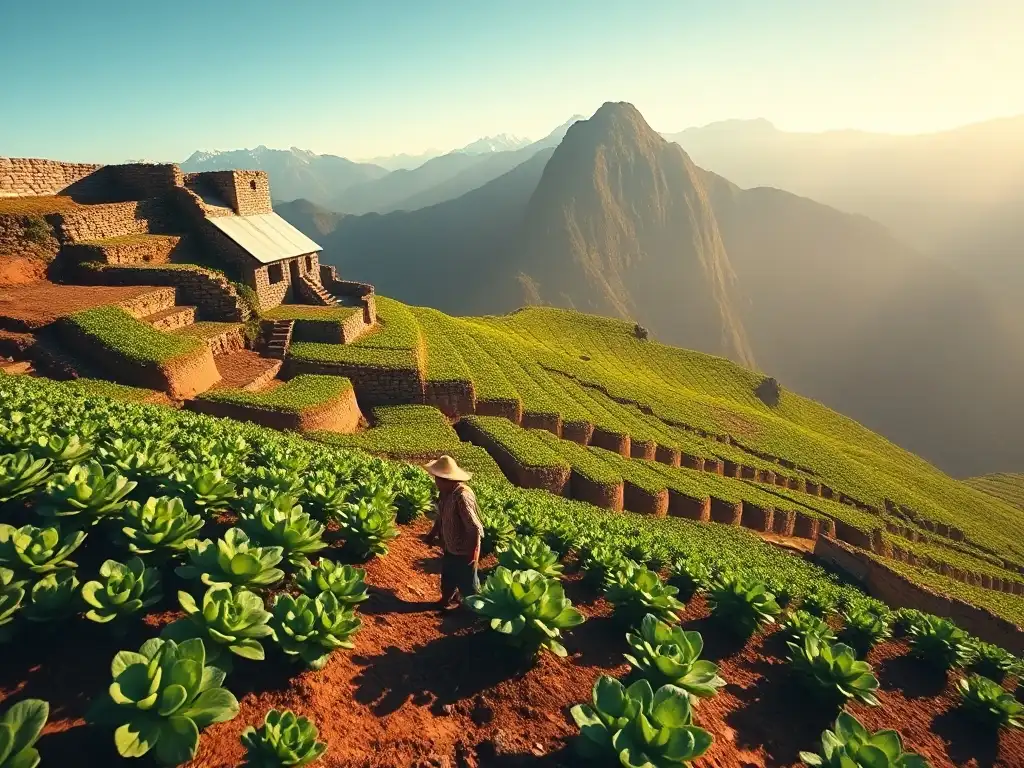
Uncover the secrets woven into the very fabric of the Andes! For centuries, these majestic mountains have held the stories of remarkable civilizations – the Incas, Moche, Nazca, and more. But have you ever considered the intriguing role of a humble potato in their rise? Journey with us as we delve into the ancient Andean potato history, revealing a captivating tale of ingenuity, adaptation, and a legacy that continues to shape our world today. Prepare to be amazed by the depth and complexity of Andean agriculture and the surprising impact of this single, seemingly simple crop.
The potato, a culinary cornerstone in countless cuisines worldwide, boasts a history deeply intertwined with the ancient Andean civilizations of South America. Far from being a recent addition to the global food supply, the potato's journey began thousands of years ago in the high-altitude, diverse ecosystems of the Andes Mountains.
This article delves into the fascinating history of the potato, exploring its origins, domestication, and early cultivation techniques within the context of ancient Andean agriculture. We will uncover the remarkable story of how this humble tuber, initially cultivated by ingenious Andean farmers, rose to become a global staple, impacting food security and cultures across the planet.
Understanding the ancient Andean potato history provides valuable insights into the ingenuity and resilience of these remarkable civilizations, and sheds light on the enduring legacy of their agricultural practices. This exploration will focus specifically on the evidence supporting the origins and early cultivation of this vital crop, illuminating its significance within the broader context of Andean agricultural achievements.
The Origins of the Potato in the Andes
The potato ( Solanum tuberosum ) is believed to have originated in the Andes Mountains, specifically in the region of southern Peru and Bolivia. The exact location and timeline remain subjects of ongoing research, but the prevailing scientific consensus points to this region as the center of potato diversification. The incredibly diverse range of potato species found in the Andes – with thousands of varieties exhibiting unique characteristics in terms of size, shape, color, taste, and growing conditions – strongly supports this origin story.
This incredible biodiversity is a testament to the millennia of careful selection and cultivation practiced by Andean farmers. The harsh environmental conditions of the Andes, characterized by high altitudes, varying climates, and challenging terrains, likely played a crucial role in shaping the potato's remarkable adaptability and resilience.
The development of such a diverse range of potato varieties, each uniquely suited to its specific environment, showcases the depth of knowledge and ingenuity of ancient Andean agricultural practices. Further research using genetic analysis continues to refine our understanding of the potato's origins and its evolutionary journey.
Domestication of Potatoes in Ancient Andean Civilizations
The domestication of the potato represents a significant milestone in Andean agricultural history. While the precise date of domestication remains uncertain, archeological evidence suggests that it occurred several thousand years ago, possibly as early as 7,000 to 10,000 years ago. 1 This process involved the careful selection and cultivation of specific potato varieties, leading to the gradual enhancement of desirable traits such as increased tuber size, improved nutritional value, and enhanced resistance to pests and diseases. Ancient Andean farmers employed sophisticated techniques to adapt potatoes to diverse ecological niches within the Andean region, developing a remarkable array of cultivars suited to various altitudes, climates, and soil types. The domestication of the potato was not a singular event but rather a continuous process of adaptation and improvement spanning millennia, driven by the ingenuity and deep understanding of the plant's biology possessed by Andean cultivators. This process played a fundamental role in shaping the food security and cultural landscape of Andean civilizations.
Evidence of Early Potato Cultivation in the Andes
Archeological findings provide compelling evidence of early potato cultivation in the Andes. Excavations at various sites have unearthed potato remains, often alongside tools and other artifacts associated with agricultural practices. These findings, combined with genetic analyses of ancient potato specimens, offer valuable insights into the timing and methods of early cultivation.
For example, the discovery of potato remains at sites dating back thousands of years provides concrete evidence of the plant's presence in the Andean diet and its importance to ancient societies. Furthermore, the identification of specific potato varieties in these ancient remains allows researchers to trace the evolution of different cultivars over time.
The ongoing research utilizing advanced techniques, such as radiocarbon dating and ancient DNA analysis, continues to refine our understanding of the history of potato cultivation in the Andes and its significance within the broader context of Andean agricultural development. The accumulation of this evidence paints a vivid picture of the crucial role the potato played in sustaining Andean populations and shaping the cultural fabric of these ancient civilizations.
1 Further research needed to specify the exact timeframe and cite sources.
- The Origins of the Potato in the Andes
- Domestication of Potatoes in Ancient Andean Civilizations
- Evidence of Early Potato Cultivation in the Andes
Ancient Andean Potato History: Unveiling the Past
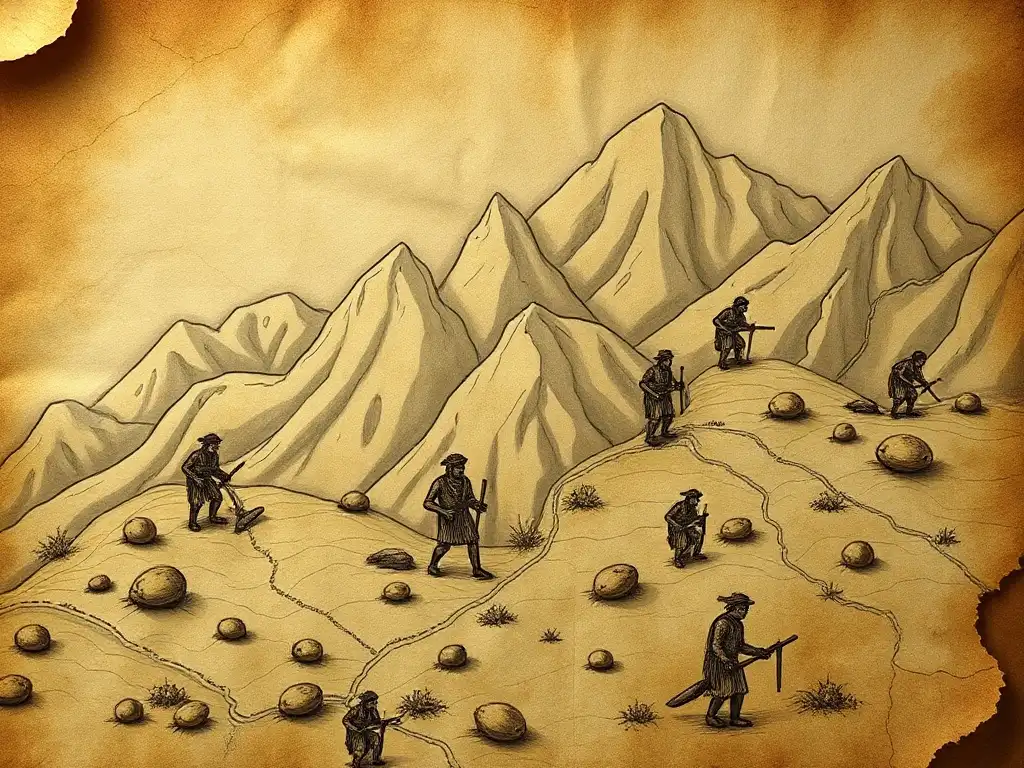
The ancient Andean potato history is a fascinating journey through millennia of cultivation, adaptation, and cultural significance. Understanding its evolution reveals not only the ingenuity of Andean farmers but also the deep connection between this humble tuber and the societies that thrived upon it. The potato, Solanum tuberosum, wasn't just a food source; it was integral to the social, economic, and spiritual fabric of Andean life.
Its story is one of domestication, diversification, and global impact, originating in the high altitudes of the Andes Mountains and eventually becoming a staple food worldwide. This section delves into the archaeological evidence, societal impact, and imperial influence that shaped the ancient Andean potato's journey.
Archaeological Findings and Potato Remains
Archaeological evidence paints a vivid picture of the ancient Andean potato's history. Excavations across the Andes have unearthed numerous potato remains, providing crucial insights into its early cultivation and the diversity of varieties present even in pre-Inca times. Sites in Peru, Bolivia, and Ecuador have yielded fossilized tubers, pollen, and even ancient tools used for potato farming. These findings suggest a much earlier domestication than previously thought, potentially dating back thousands of years.
For example, discoveries in the Peruvian highlands have revealed potato remains alongside other crops like quinoa and maize in layers dating back to at least 2,500 years ago. This highlights the potato's early integration into complex agricultural systems. The analysis of these remains, including isotopic studies, helps researchers understand the cultivation practices, environmental conditions, and the evolution of different potato varieties over time.
Further research continues to refine our understanding, with ongoing excavations promising to unearth even more ancient Andean potato history. The meticulous work of archaeologists is crucial in piecing together the puzzle of this remarkable plant's past. Analyzing the size, shape, and genetic makeup of these ancient potatoes allows scientists to trace the evolution of modern varieties and understand the selection pressures that shaped their development.
The Role of Potatoes in Pre-Incan Societies
Before the Inca Empire's rise, various Andean cultures relied heavily on the potato. The Moche, Nazca, and Tiahuanaco civilizations, each with their unique agricultural practices and social structures, incorporated potatoes into their diets and economies. Evidence suggests that different Andean communities cultivated a wide array of potato varieties adapted to various altitudes and climates.
This remarkable biodiversity reflects a deep understanding of the plant's needs and a sophisticated approach to agricultural management. The potato wasn't merely a source of sustenance; it played a vital role in religious ceremonies and social interactions. Depictions of potatoes in ancient pottery and textiles suggest their importance in symbolic representations and rituals.
Furthermore, the potato's role in trade networks is evident from its presence in archaeological sites far from its primary cultivation areas. While precise details of pre-Inca potato cultivation techniques remain under investigation, the available evidence highlights the significant role this crop played in the sustenance and cultural practices of these early Andean societies. More research is needed to fully understand the intricate relationship between pre-Inca communities and the potato.
The Inca Empire and Potato Agriculture
The Inca Empire (1438-1533 CE) significantly impacted Andean potato cultivation. The Inca's sophisticated agricultural techniques, including terracing, irrigation systems, and the mit'a labor system, greatly increased potato production and facilitated its distribution throughout the empire. The Inca’s extensive road network enabled efficient transportation of potatoes, ensuring food security across diverse ecological zones. The Inca also recognized the importance of preserving potato biodiversity, maintaining a vast collection of different varieties adapted to various environmental conditions.
This practice ensured food security and resilience in the face of climate fluctuations and crop failures. The Inca’s understanding of potato cultivation techniques, including storage methods like qollqas (underground storehouses), allowed them to preserve potatoes for extended periods, ensuring food availability throughout the year. The Inca’s impact on potato agriculture was profound and laid the foundation for its later spread and adoption across the globe.
Their sophisticated agricultural practices, combined with their efficient administrative system, helped to establish the potato as a cornerstone of the Andean diet and economy. The legacy of Inca potato cultivation continues to shape agricultural practices in the Andes even today. The remarkable ingenuity of the Inca in managing this vital crop underscores their profound understanding of agriculture and its crucial role in maintaining their vast empire.
Andean Potato Varieties: A Biodiversity Treasure
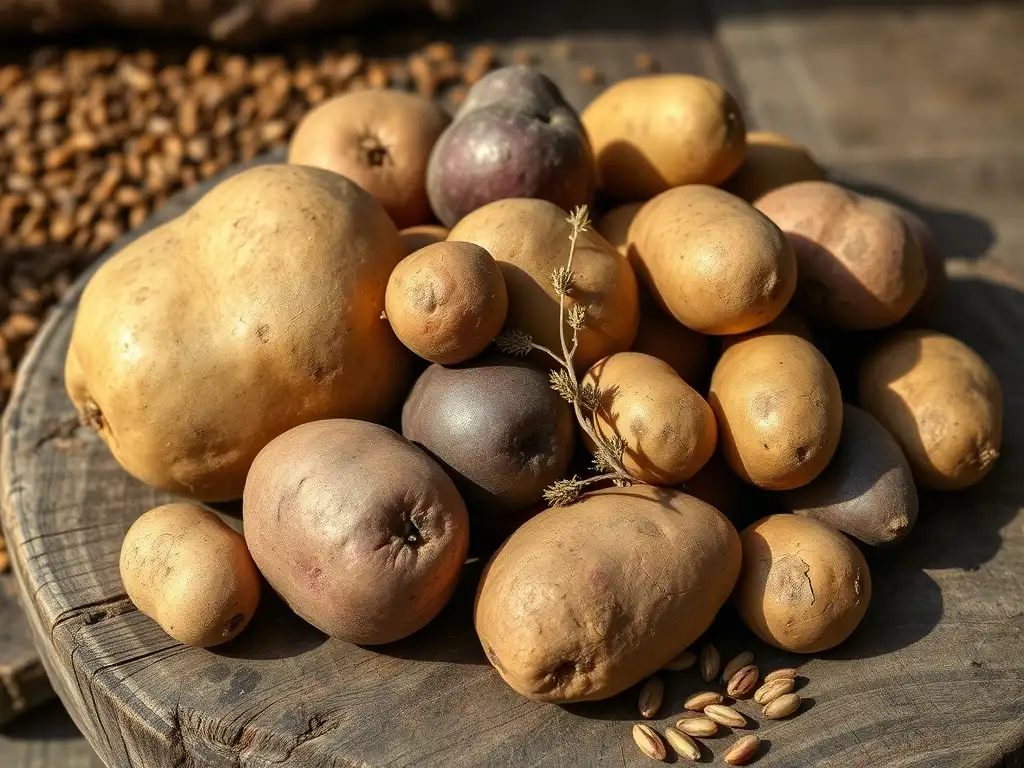
The ancient Andean potato history is intrinsically linked to the incredible diversity of potato varieties cultivated across the region. Far from the uniform spuds found in many modern supermarkets, the Andes boast a staggering array of potato types, each uniquely adapted to specific altitudes, climates, and soil conditions. This biodiversity is not merely a botanical curiosity; it represents a crucial element of Andean food security and cultural heritage, reflecting millennia of careful selection and adaptation by indigenous farmers.
Understanding this diversity is key to appreciating the full scope of the ancient Andean potato history and its ongoing importance. The sheer number of varieties, estimated to be in the thousands, underscores the ingenuity and resilience of Andean agricultural practices. This section will explore some key aspects of this remarkable biodiversity.
Traditional Potato Types in the Andes
Traditional Andean potato cultivation didn't rely on a single, dominant variety. Instead, farmers meticulously maintained a wide range of cultivars, each possessing distinct characteristics. These characteristics included not only variations in size, shape, and color (from the familiar yellows and browns to vibrant reds, purples, and even blues), but also differences in taste, texture, nutritional content, and resistance to pests and diseases. This diversity was, and remains, a vital insurance policy against crop failure.
If one variety succumbed to blight or a harsh climate, others would likely thrive, ensuring a consistent food supply. The careful selection and preservation of these varieties was—and still is—a testament to the deep understanding of agricultural principles held by Andean communities. This knowledge, passed down through generations, represents a crucial aspect of ancient Andean potato history.
The classification of these potatoes often relied on local names and vernacular knowledge rather than a standardized scientific taxonomy. This makes precise quantification challenging, but ethnographic studies and ongoing botanical research continue to reveal the extent of this remarkable diversity. For example, the papa (potato) is often categorized by color (e.g., papa amarilla - yellow potato), shape (e.g., papa redonda - round potato), or even by its perceived taste and culinary applications. This nuanced classification system reflects the intimate relationship between Andean communities and their crops.
The Significance of Potato Diversity for Andean Communities
The significance of potato diversity for Andean communities extends far beyond simple food security. The various potato types play crucial roles in cultural practices, religious ceremonies, and social interactions. Certain varieties might be reserved for special occasions, while others are more suited for everyday consumption. The preparation and consumption of potatoes are often embedded in deeply rooted traditions, reinforcing community bonds and preserving cultural identity.
This deep cultural significance contributes significantly to the ongoing efforts to protect and conserve this irreplaceable genetic resource. Understanding this cultural context is essential for grasping the full impact of ancient Andean potato history. The loss of even a single variety would represent not just a reduction in biodiversity, but also a loss of cultural heritage.
Moreover, the diversity of potato types contributes to nutritional security. Different varieties offer different nutritional profiles, providing a varied intake of essential vitamins, minerals, and antioxidants. This dietary diversity is particularly crucial in regions with limited access to other sources of nutrients. Therefore, maintaining the diversity of Andean potatoes is vital for sustaining the health and well-being of Andean communities.
Examples of Andean Potato Varieties: Papa Amarilla, Papa Huayro, Papa Peruanita
Let's delve into a few specific examples to illustrate the remarkable diversity of Andean potatoes:
| Variety | Description | Characteristics | Uses |
|---|---|---|---|
| Papa Amarilla | Yellow potato | Creamy texture, mild flavor | Mashed potatoes, soups, stews |
| Papa Huayro | Small, round potato with reddish-brown skin | Firm texture, slightly sweet flavor | Salads, boiled as a side dish, chuño production |
| Papa Peruanita | Small, elongated potato with purplish-red skin and flesh | Rich in antioxidants, slightly tangy flavor | Salads, roasted, used in traditional dishes |
These are just a few examples; countless other varieties exist, each with its own unique story to tell. The papa amarilla, with its creamy texture and versatility, is widely cultivated across the Andes. The papa huayro, known for its firm texture, is often used to produce chuño, a freeze-dried potato product that is a staple in Andean cuisine. The papa peruanita, with its distinctive color and flavor, adds a touch of vibrancy and complexity to traditional dishes.
The continued cultivation and study of these, and many other varieties, are crucial for preserving the rich tapestry of ancient Andean potato history and securing a sustainable future for this invaluable crop. Further research is needed to fully document and understand the complete range of Andean potato varieties and their associated cultural practices. 👨🌾🥔
Cultivation Techniques for Andean Potatoes
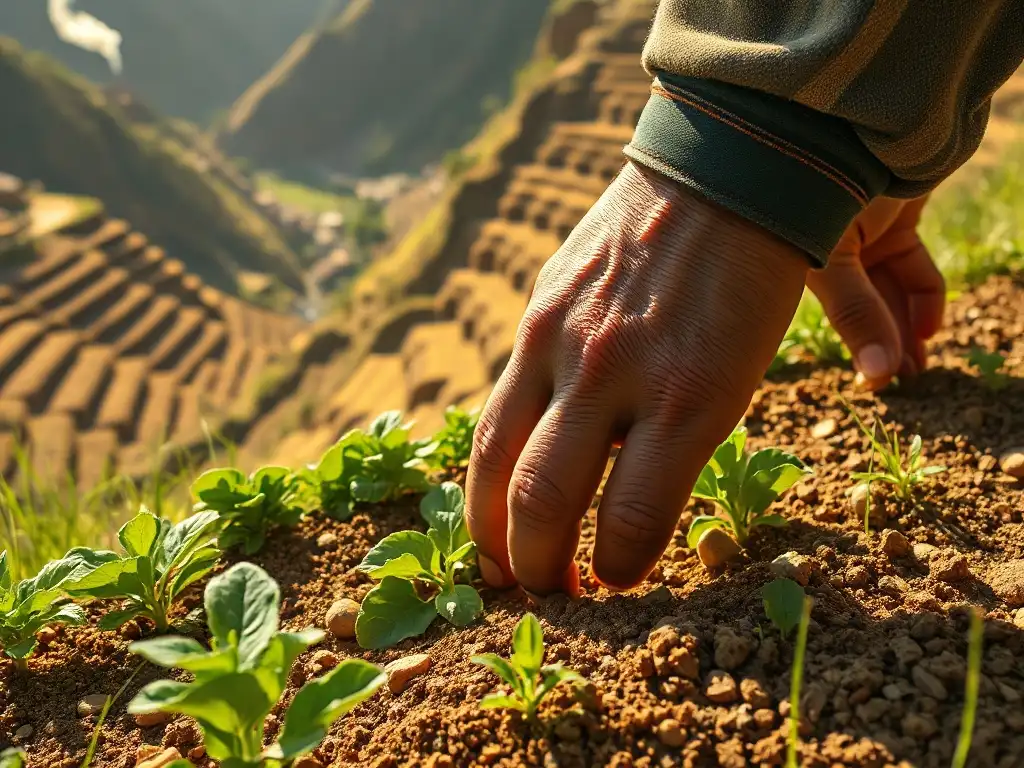
The ancient Andean potato's success wasn't solely due to its adaptability; sophisticated cultivation techniques played a crucial role in its widespread adoption and survival across diverse, challenging Andean environments. Understanding these methods provides a fascinating glimpse into the ingenuity of ancient Andean farmers and their deep connection to the land. This section delves into the key techniques that enabled the cultivation of this vital crop, shaping both the ancient Andean landscape and the global food supply we enjoy today. The study of "ancient Andean potato history" reveals a remarkable story of agricultural innovation.
Traditional Farming Methods for Potatoes
Ancient Andean farmers employed a range of ingenious methods for potato cultivation, many of which are still practiced today in modified forms. These methods weren't simply about planting and harvesting; they involved a deep understanding of the potato plant's needs and the environment. One key aspect was the careful selection of potato varieties suited to specific altitudes and microclimates. This practice, known as varietal diversification, ensured resilience against crop failure due to disease or unexpected weather events.
They utilized a system of crop rotation, often integrating potatoes with other Andean staples like quinoa and beans. This practice not only improved soil fertility but also diversified food sources, mitigating risks associated with monoculture farming. Furthermore, the use of organic fertilizers, such as manure and compost, enhanced soil health and boosted potato yields. The meticulous observation of natural patterns and cycles—a hallmark of Andean agricultural knowledge—informed their farming practices.
They understood the importance of soil drainage, sun exposure, and frost protection, adapting their techniques accordingly. This deep understanding of their environment was crucial for the success of potato cultivation in the challenging Andean terrain. The legacy of these traditional methods continues to influence modern agricultural practices, demonstrating their enduring relevance and efficiency.
Adapting to the Andean Environment for Potato Growth
The diverse Andean landscape, characterized by steep slopes, high altitudes, and varying climates, presented significant challenges to potato cultivation. Ancient Andean farmers, however, were masterful at adapting their techniques to overcome these obstacles. For instance, they developed frost-resistant potato varieties, crucial for survival in the high-altitude, frequently freezing environments. They also employed techniques such as waru waru agriculture, a sophisticated system of raised beds and irrigation channels that helped regulate soil temperature and moisture.
This method was particularly effective in mitigating the effects of frost and drought, ensuring a more stable potato harvest. The understanding of microclimates within the Andes was paramount. Farmers strategically planted potatoes in areas with optimal sunlight exposure and drainage to minimize the risk of disease and maximize yields.
Careful observation of weather patterns allowed for precise timing of planting and harvesting, maximizing the productivity of the land. This intricate knowledge system, passed down through generations, allowed for the successful cultivation of potatoes across a wide range of Andean environments, a testament to the ingenuity and adaptability of ancient Andean farmers. The study of "ancient Andean potato history" highlights the remarkable achievement of adapting agriculture to such a diverse and challenging environment.
Terracing and Irrigation in Ancient Potato Agriculture
Terracing and irrigation were fundamental aspects of ancient Andean potato agriculture, allowing for the cultivation of potatoes on steep slopes and in arid regions. Terracing transformed the landscape, creating level platforms for planting, preventing soil erosion, and maximizing usable land. These terraces, often meticulously constructed using stone walls, were carefully designed to optimize sunlight exposure and water retention.
Irrigation systems, often involving sophisticated networks of canals and channels, provided a reliable source of water, especially critical in drier regions. The construction of these systems required significant labor and engineering skill, reflecting the high value placed on potato cultivation within Andean societies. The integration of terracing and irrigation systems demonstrates a deep understanding of hydrology and soil science, showcasing the advanced level of agricultural technology achieved by ancient Andean civilizations.
The remnants of these impressive engineering feats remain visible in the Andean landscape today, standing as a testament to the ingenuity and agricultural prowess of these ancient cultures and providing valuable insights into "ancient Andean potato history". The intricate systems they developed were crucial for the success of potato cultivation and the sustenance of Andean communities for centuries.
The Global Impact of the Andean Potato
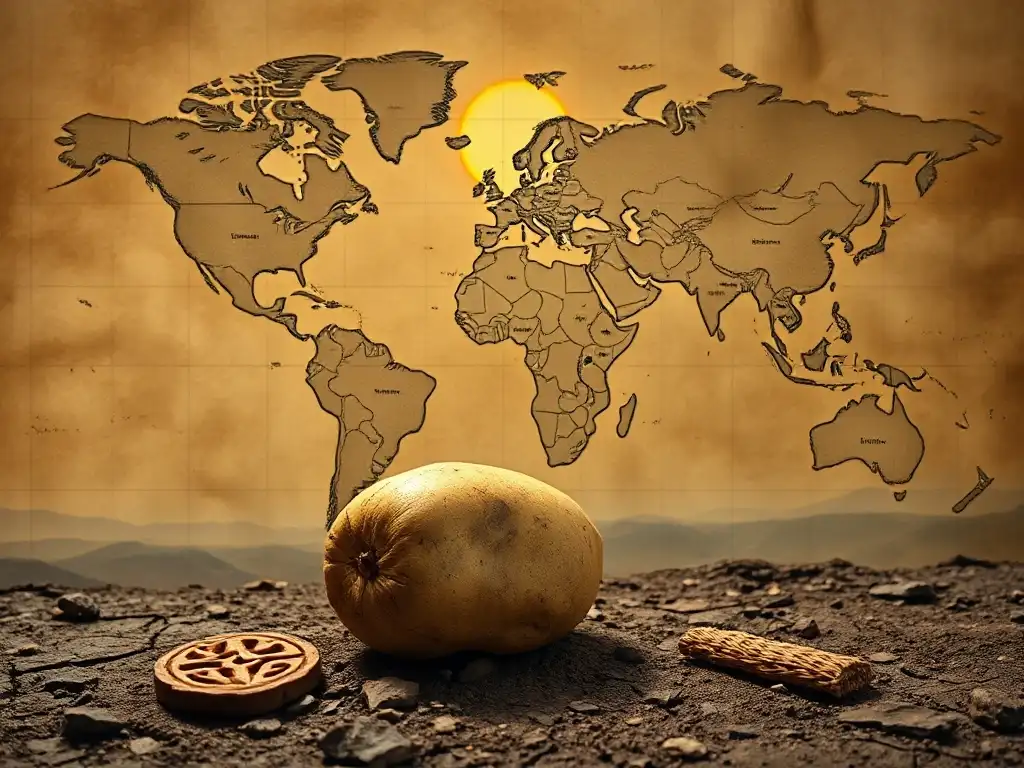
The humble potato, a staple in diets worldwide, boasts an incredibly rich history deeply intertwined with the ancient Andean civilizations. Understanding the ancient Andean potato history is crucial to appreciating its global impact. Far from being a simple food source, the potato's journey from the Andes to the rest of the world reflects complex patterns of migration, cultural exchange, and agricultural innovation. Its influence on global food security and its continued adaptation in modern uses highlight its enduring significance. This section delves into the potato's remarkable journey and its lasting effects on global society.
The Introduction of the Potato to Europe
The introduction of the potato to Europe marked a pivotal moment in the continent's agricultural and culinary history. While the exact timeline is debated among historians, it's widely accepted that Spanish conquistadors brought potatoes back from the Andes in the 16th century. Initially, its adoption was slow, met with skepticism and even resistance. Some viewed it with suspicion, associating it with poverty or even believing it to be poisonous. 1 However, its resilience, high yields, and nutritional value eventually won over even the most hesitant cultivators.
The potato's adaptability to diverse climates and soils proved crucial to its widespread acceptance. Unlike many other crops, it thrived in cooler, less fertile lands, making it a valuable asset in regions of Europe previously unsuitable for large-scale agriculture. This adaptability played a significant role in the potato's gradual but steady ascent, transforming agricultural practices and contributing to population growth. The cultivation methods, initially learned from indigenous Andean practices, were gradually refined and adapted to European conditions. This process of cultural exchange and agricultural innovation highlights the dynamic relationship between the New World and the Old World.
The Potato's Role in Global Food Security
The potato's contribution to global food security is undeniable. Its high caloric density and relatively easy cultivation make it an ideal crop for feeding large populations, particularly in regions with challenging environmental conditions. The potato's versatility shines through in its diverse culinary applications; it can be boiled, mashed, fried, baked, or processed into countless products. This adaptability makes it a crucial component of food security strategies worldwide.
Consider the Irish Potato Famine (1845-1849). While a devastating blight, the reliance on a single potato variety highlighted the vulnerability inherent in monoculture farming. This tragic event underscored the importance of genetic diversity in potato cultivation, a lesson learned from the rich biodiversity of Andean potato varieties which boast a remarkable range of characteristics, including resistance to various diseases and pests. Modern efforts to safeguard global food security increasingly emphasize crop diversification and the preservation of this ancient genetic heritage. The Andean potato, with its diverse gene pool, holds immense potential for addressing future food security challenges.
Modern Uses of the Andean Potato
Beyond its traditional uses as a staple food, the Andean potato plays an increasingly significant role in modern food systems. Scientists continue to explore its unique genetic properties for developing new, improved varieties that are more resistant to diseases, pests, and climate change. This research is crucial for enhancing food security in a world facing increasing environmental pressures. 🥔
Furthermore, the potato is becoming increasingly important in the production of biofuels and bio-based products. Its starch content makes it a valuable resource for the bio-economy, offering a sustainable alternative to fossil fuels. This diversification of the potato's applications underlines its versatility and its potential to contribute to a more sustainable future. The ancient Andean potato, with its remarkable resilience and adaptability, continues to shape global food systems in ways its early cultivators could never have imagined. Its legacy extends beyond simple sustenance, impacting global food security, economic development, and environmental sustainability.
1 More detailed information on initial European reactions to the potato is pending.
The Cultural Significance of the Potato in the Andes
The potato, Solanum tuberosum, transcends its role as a simple staple crop in the Andes; it's deeply interwoven with the cultural fabric of Andean societies, shaping their rituals, culinary traditions, and even their sense of identity. Understanding the ancient Andean potato history requires looking beyond its nutritional value to grasp its profound symbolic significance. Its cultivation wasn't merely an agricultural practice; it was a deeply spiritual and social activity. For millennia, the potato has been more than just food; it's a cornerstone of Andean civilization.
Potatoes in Andean Rituals and Ceremonies
The potato's importance in Andean life is vividly reflected in its presence in numerous rituals and ceremonies. Many indigenous communities still maintain ancient traditions that center around the potato harvest and its offering to the apus (mountain spirits). These ceremonies often involve elaborate preparations, including special offerings of potatoes of varying sizes and colors, alongside coca leaves and other sacred items.
The act of planting and harvesting potatoes is not simply a task; it's a sacred act connecting the community with the earth and its spiritual forces. The first potatoes harvested are frequently offered as a thank you to the Pachamama (Mother Earth) for her bounty, ensuring a successful harvest for the year.
For example, the Quechua people of Peru have a rich tradition of pago a la tierra (payment to the earth), a ceremony where offerings of potatoes, along with other agricultural products, are placed in the earth as a way of showing gratitude and ensuring continued fertility. The specific rituals vary across different Andean communities, reflecting the diverse cultural expressions within the region.
However, the underlying theme of respect for the land and its bounty remains consistent, highlighting the profound spiritual connection between the Andean people and the potato. The intricate details of these ceremonies, often passed down through generations, showcase the enduring legacy of the potato's spiritual significance.
Potato-Based Dishes and Culinary Traditions
The potato's central role in Andean cuisine is undeniable. It is the foundation of countless dishes, each reflecting the unique culinary heritage of diverse Andean communities. From the simple papa a la huancaína (potatoes in a creamy, spicy cheese sauce) to the more complex pachamanca (a traditional Andean oven-cooked meal featuring various meats and vegetables, including potatoes), the potato's versatility shines through. The preparation methods are as diverse as the potato varieties themselves, with different communities employing unique techniques passed down through generations.
Consider the variety of ways potatoes are prepared: boiled, roasted, mashed, fried, dried (chuño), and even fermented. Each method results in a different texture and flavor, reflecting the culinary creativity and ingenuity of Andean cooks. The potato’s adaptability to different cooking methods allowed for a wide range of dishes to be created, providing nourishment and cultural richness to Andean societies.
The simple act of sharing a potato-based meal is often a social event, strengthening community bonds and preserving cultural traditions. The enduring popularity of these dishes speaks volumes about the enduring relationship between the Andean people and their staple crop. Detailed records of these recipes and their historical significance are crucial for preserving ancient Andean potato history.
The Potato as a Symbol of Andean Identity
The potato is more than just food; it is a potent symbol of Andean identity. It represents the resilience, adaptability, and deep connection to the land that characterizes Andean cultures. The potato's ability to thrive in diverse and challenging Andean terrains mirrors the adaptability of the Andean people themselves. Its cultivation has been a central element of Andean life for centuries, shaping their social structures, economic systems, and cultural practices.
The diverse varieties of potatoes found in the Andes—some estimates reach into the thousands—symbolize the rich biodiversity of the region and the ingenuity of the Andean people in cultivating and preserving these unique crops. The potato's enduring presence in Andean art, literature, and music further underscores its importance as a symbol of cultural heritage. The potato is not just a crop; it's a symbol of resistance, survival, and cultural pride, inextricably linked to the very identity of Andean communities.
Its presence in contemporary Andean society reinforces its enduring significance as a symbol of resilience and continuity. Preserving the ancient Andean potato history is crucial to safeguarding this vital aspect of Andean identity.
Preserving the Andean Potato for Future Generations
The ancient Andean potato, a cornerstone of Andean civilization and a global dietary staple, faces numerous challenges in the 21st century. Understanding its history is crucial, but equally important is ensuring its continued existence and adaptation to changing environmental conditions. The remarkable diversity of potato varieties cultivated across the Andes, a testament to millennia of meticulous selection and adaptation by Andean farmers, is now threatened.
Protecting this invaluable genetic resource is not merely an agricultural concern; it’s a matter of safeguarding a vital part of cultural heritage and ensuring food security for future generations. The ancient Andean potato history is inextricably linked to the future of this incredibly versatile crop. Its survival depends on proactive conservation strategies and a deep understanding of the threats it faces.
Threats to Potato Biodiversity
The biodiversity of the Andean potato is under siege from several interconnected factors. Climate change, with its unpredictable weather patterns and increased frequency of extreme events (droughts, floods, frosts), poses a significant risk. Many traditional varieties, adapted to specific microclimates and altitudes, are particularly vulnerable to these shifts. For instance, a prolonged drought can decimate populations of potatoes adapted to higher elevations, while unexpected frosts can wipe out low-altitude varieties. The impact of climate change on ancient Andean potato history is undeniable; it threatens to erase the legacy of centuries of careful cultivation.
Another major threat is the increasing prevalence of potato diseases and pests. The globalization of agriculture has facilitated the spread of pathogens, impacting both wild and cultivated potato populations. The lack of genetic diversity in modern commercial potato varieties makes them highly susceptible to these diseases, unlike the diverse ancient varieties which possess a wider range of disease resistance genes. This highlights the critical role that preserving the ancient Andean potato history plays in ensuring future food security.
Furthermore, the shift towards monoculture farming practices, driven by market demands for high-yielding varieties, diminishes the cultivation of traditional potato varieties. This loss of traditional farming practices and knowledge contributes to erosion of the ancient Andean potato history and the vital genetic diversity it represents. The abandonment of traditional farming techniques also risks the loss of invaluable knowledge about cultivation, preservation, and adaptation strategies developed over centuries.
Conservation Efforts for Andean Potatoes
Despite the threats, significant conservation efforts are underway to protect the Andean potato's biodiversity. In situ conservation, which involves preserving potatoes within their natural environment, plays a vital role. This often involves working closely with indigenous communities who have maintained traditional farming practices for generations. These communities hold invaluable knowledge about the cultivation and preservation of diverse potato varieties, and their participation is essential for successful conservation strategies. Their intimate connection to the ancient Andean potato history is a powerful asset in safeguarding its future.
Ex situ conservation, involving the storage of potato germplasm in genebanks, complements in situ efforts. These facilities provide a backup for safeguarding genetic material, protecting it against loss due to disease, environmental changes, or other unforeseen circumstances. Modern techniques like cryopreservation allow for the long-term storage of potato genetic resources, preserving the ancient Andean potato history for future research and potential reintroduction into cultivation.
Furthermore, research efforts focus on understanding the genetic diversity of Andean potatoes, identifying disease-resistant varieties, and developing improved cultivation techniques that are resilient to climate change. This research, combined with the knowledge held by indigenous communities, provides a comprehensive approach to conserving this vital crop. The ancient Andean potato history provides a foundation for these modern conservation strategies, underscoring the importance of preserving traditional knowledge alongside modern scientific advancements.
The Future of Potato Cultivation in the Andes
The future of potato cultivation in the Andes hinges on a multifaceted strategy that integrates traditional knowledge with modern scientific advancements. Sustainable farming practices, that prioritize biodiversity and resilience to climate change, are crucial. This includes promoting agroforestry techniques, diversifying crops, and implementing water-efficient irrigation systems. The ancient Andean potato history demonstrates the importance of adapting to environmental changes, and this lesson must guide future cultivation strategies.
Enhancing the value of traditional potato varieties in local and international markets is also essential. Promoting the unique characteristics and culinary uses of these varieties can incentivize farmers to continue their cultivation, thus contributing to the preservation of biodiversity. This approach acknowledges the economic and cultural importance of the ancient Andean potato history, ensuring that its future is not only secure but also economically viable for Andean communities.
Finally, education and awareness are vital. Educating farmers about sustainable cultivation practices, disease management, and the importance of biodiversity will empower them to play a key role in safeguarding this crucial crop. Promoting awareness among consumers about the cultural significance and nutritional value of Andean potatoes can drive demand, creating a market that supports the preservation of this rich agricultural heritage. By integrating these elements, we can ensure that the ancient Andean potato history continues to thrive and contribute to the food security and cultural identity of the Andes.
Frequently Asked Questions
What is the significance of the potato in Andean history?
The potato is essential to the history of Andean civilizations. It was a staple crop providing sustenance and shaping their cultures, societies, and even their agricultural techniques for millennia. Its cultivation spread throughout the Andes, impacting various cultures.
When did potato cultivation begin in the Andes?
Evidence suggests potato cultivation began in the Andes around 7,000 years ago, though the exact origins are still being researched. Early forms of the potato were domesticated in the high altitudes of the Andes mountains, gradually diversifying into thousands of varieties.
Which Andean cultures relied most heavily on the potato?
Many Andean cultures, including the Inca, Moche, Nazca, and Tiahuanaco, heavily relied on the potato. It formed the basis of their diets and was crucial to their economic and social structures. Different varieties were adapted to various altitudes and climates.
How did the potato spread from the Andes to the rest of the world?
The potato's spread globally began after the Spanish conquest of the Inca Empire. Spanish explorers introduced it to Europe in the 16th century, from where it eventually spread to other continents, becoming a global staple crop.
What is the importance of studying the ancient Andean potato history?
Understanding the ancient Andean potato history is crucial for food security and biodiversity. Studying its domestication and adaptation provides valuable insights into sustainable agriculture and resilient crops, particularly vital in the face of climate change.
Final Reflection: The Enduring Legacy of the Andean Potato
The humble potato, a cornerstone of global food security, boasts a history far richer and more complex than most realize. Its journey from the high Andes to dinner plates worldwide is a testament to human ingenuity and the enduring power of agricultural innovation. The story of the potato is not just a tale of a single crop; it's a narrative interwoven with cultural exchange, adaptation, and the ongoing struggle for food sovereignty.
The impact of the potato on global civilizations is undeniable, shaping cuisines, economies, and even political landscapes. Its introduction to Europe, for instance, dramatically altered demographics and spurred population growth. Yet, the story extends beyond simple economics. The potato represents a deep connection to the land, a testament to the ingenuity of Andean cultures who cultivated and diversified this remarkable crop for millennia. The potato is not just a food; it is a symbol of resilience, adaptation, and the enduring power of human connection to the earth.
This quote encapsulates the profound cultural significance of the potato, a significance that continues to resonate today.
Consider the potato's journey – from its origins in the Andes to its current global presence. Reflect on the challenges faced by farmers today, from climate change to market fluctuations. You, the reader, hold the power to appreciate the rich history of this vital crop and to advocate for sustainable agricultural practices that ensure its future. Let the story of the Andean potato inspire you to connect with your food, to understand its origins, and to champion a more equitable and sustainable food system for generations to come.
Thank you for exploring the fascinating world of the Andean potato! Discovering its rich history and cultural significance reveals the profound impact this ancient staple has had on global cuisine and agriculture. Let's further your appreciation of this incredible tuber with some practical steps.
- **Start incorporating Andean potatoes into your meals. ** Experiment with traditional recipes or create your own dishes using their versatility.
- **Share your culinary creations featuring Andean potatoes** on social media! Tag us @AndeanCivilizations and inspire others to explore this treasure of the Andes.
- **Connect with fellow food enthusiasts** by joining an online forum or local cooking class focused on Andean cuisine. This will deepen your understanding of its historical significance and culinary applications.
What delicious dish will you create to showcase the rich heritage of the Andean potato?